Energetic animals are species that burn high amounts of energy through constant movement, hunting, playing, or foraging. The most energetic animals include hummingbirds, cheetahs, dolphins, wolves, and ants. These creatures use speed, intelligence, or hyperactive metabolism to survive. Some beat their wings 80 times per second. Others run 70 mph or dig tunnels under 6 feet of snow.
Table of Contents
Quick Reference Table
| Animal Name | Scientific Name | Key Trait |
| Hummingbird | Archilochus colubris | 80 wing beats per second |
| Cheetah | Acinonyx jubatus | 0–70 mph in 3 seconds |
| Dolphin | Tursiops truncatus | Sleeps with one eye open |
| African Wild Dog | Lycaon pictus | 80% hunting success rate |
| Squirrel | Sciurus carolinensis | Fakes burial to fool thieves |
| Border Collie | Canis lupus familiaris | Learns 1,000+ words |
| Weasel | Mustela nivalis | Eats 40% of body weight daily |
| Shrew | Sorex araneus | Heart beats 1,200 times/min |
| Ruby-throated Warbler | Setophaga ruticilla | Crosses Gulf of Mexico nonstop |
| Butterfly | Danaus plexippus | Migrates 3,000 miles |
| Dragonfly | Anax junius | Catches 95% of prey attempts |
| Ant | Atta cephalotes | Lifts 50x its own body weight |
| Honey Bee | Apis mellifera | Visits 2,000 flowers per day |
| Kangaroo Rat | Dipodomys deserti | Jumps 9 feet in one leap |
| Pronghorn Antelope | Antilocapra americana | Runs 55 mph for miles |
| Jack Russell Terrier | Canis lupus familiaris | Was bred to chase foxes underground |
| Goat (Kid) | Capra hircus | Climbs vertical rock faces |
| Sea Otter | Enhydra lutris | Uses tools to crack shells |
| Chimpanzee | Pan troglodytes | Makes and uses custom tools |
| Red Panda | Ailurus fulgens | Uses a false thumb to grip bamboo |
| Chinchilla | Chinchilla lanigera | Has 60 hairs per follicle |
| Ferret | Mustela putorius furo | Sleeps 18 hrs, then explodes in energy |
| Lemur | Lemur catta | Sunbathes like a tiny yogi |
| Hare | Lepus europaeus | Born fully furred and open-eyed |
| Mink | Neovison vison | Swims, climbs, and burrows |
| Parakeet (Budgie) | Melopsittacus undulatus | Mimics 100s of words and sounds |
| Tree Frog | Hyla cinerea | Sticks to glass with wet-adhesion toe pads |
| Octopus | Octopus vulgaris | Solves puzzles in under 5 minutes |
| Wolverine | Gulo gulo | Travels 15 miles per day in snow |
| Wolf | Canis lupus | Can run 35 mph for 20 minutes straight |
Here’s What You Probably Didn’t Expect
Most people picture “energetic” and think of a cheetah sprinting across open ground. Fair enough. But did you know a tiny shrew has to eat every 2 hours or it dies? Or that a dragonfly hunts with better accuracy than a lion?
Some of the most active animals on Earth weigh less than a coin. Some never truly sleep. And one — the wolverine — will fight a bear over a meal without blinking.
In this article, you’ll meet 30 of the most energetic animals on the planet. Each one has a different trick. One uses speed. One uses brainpower. One just refuses to stop moving. Stick around — the ones near the end of the list are genuinely strange.
30 Most Energetic Animals on Earth
1. Hummingbird
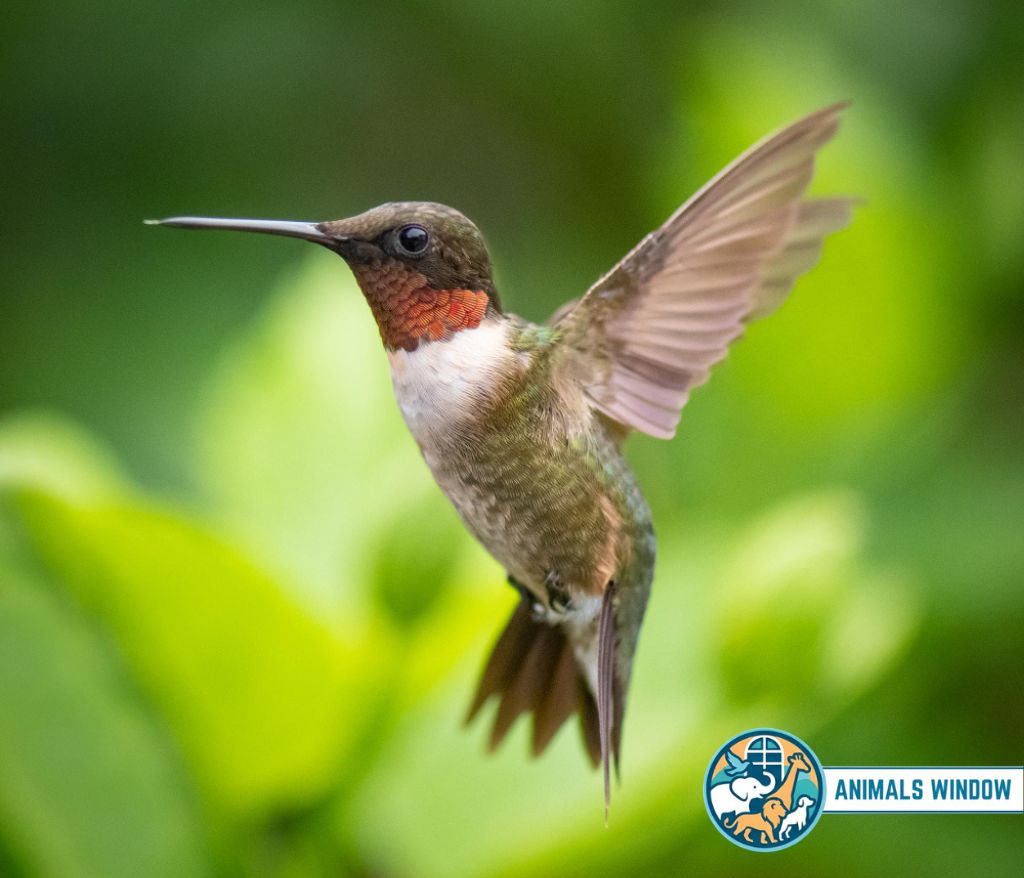
- Scientific Name: Archilochus colubris
- Size: 3–5 inches
- Weight: 0.1–0.2 oz (about as heavy as a penny)
- Diet: Nectar, small insects
- Habitat: North and South America, gardens, forests
- Lifespan: 3–5 years
The hummingbird is the only bird in the world that can fly backwards. It beats its wings up to 80 times every single second. To do that, it needs to eat constantly — visiting up to 1,500 flowers in a single day.
What really sets it apart is its heart. A hummingbird’s heart beats over 1,200 times per minute during flight. That’s about 20 times faster than a human’s. At night, it enters a state called torpor — a kind of mini-hibernation — where it slows everything down just to survive until morning.
🔥 Comparison Fact: A hummingbird weighs about as much as a single penny.
2. Cheetah
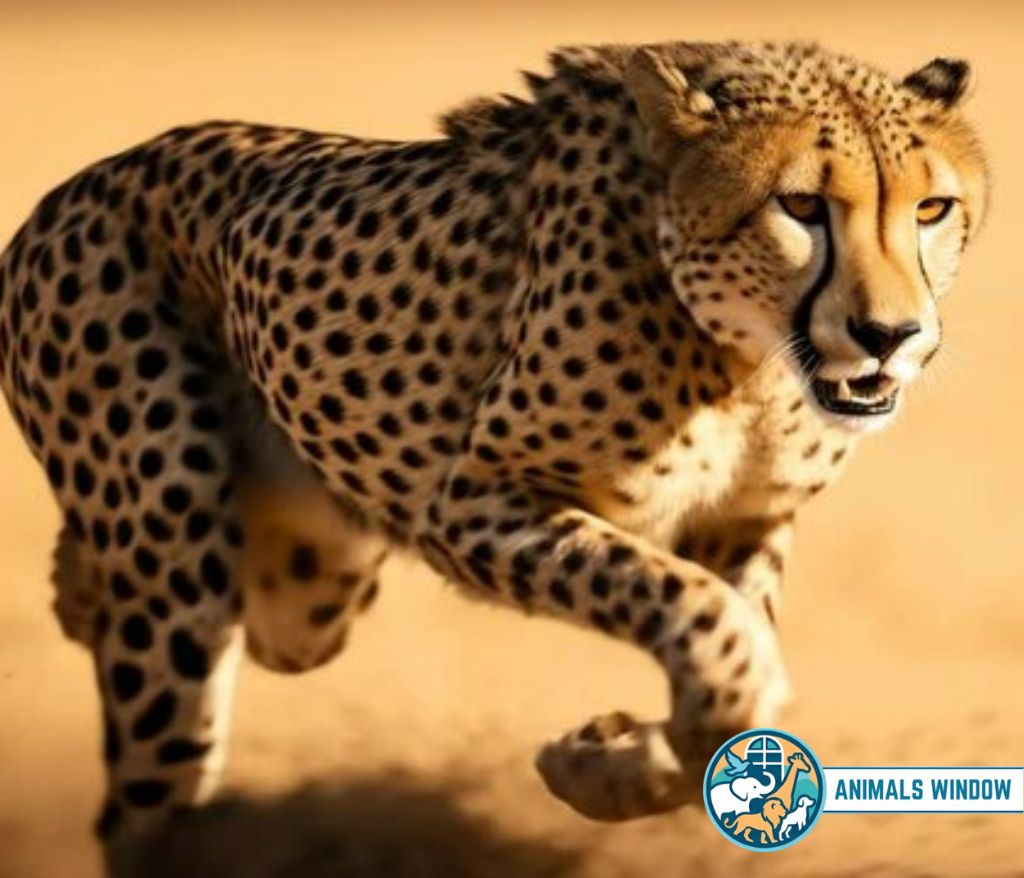
- Scientific Name: Acinonyx jubatus
- Size: 3.5–4.5 feet body length
- Weight: 77–143 lbs
- Diet: Gazelles, impalas, rabbits
- Habitat: African savanna, grasslands
- Lifespan: 10–12 years in the wild
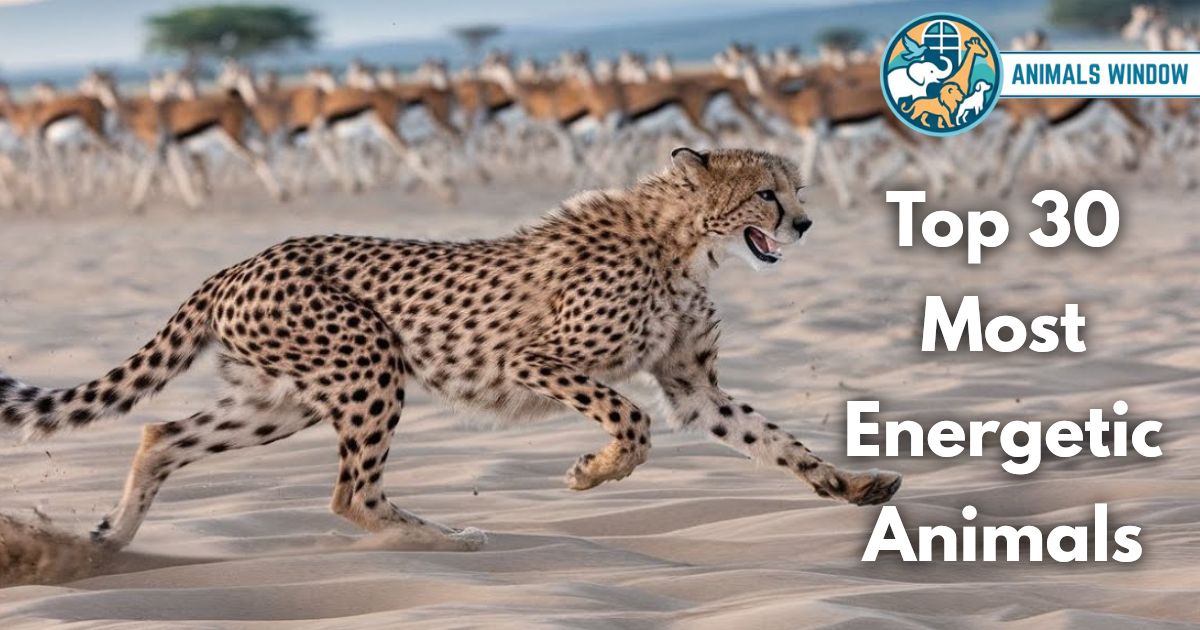
The cheetah goes from 0 to 70 mph in about 3 seconds. No car at a stoplight is beating that. But speed comes at a cost — after a full chase, the cheetah must rest for up to 30 minutes before it can eat, or it risks overheating and dying.
Unlike most big cats, the cheetah cannot roar. Instead, it chirps and purrs like a much larger house cat. Its claws are semi-retractable, meaning they’re always slightly out — like cleats — giving it grip at high speed.
🔥 Comparison Fact: A cheetah’s body is roughly the length of a standard office desk.
3. Dolphin
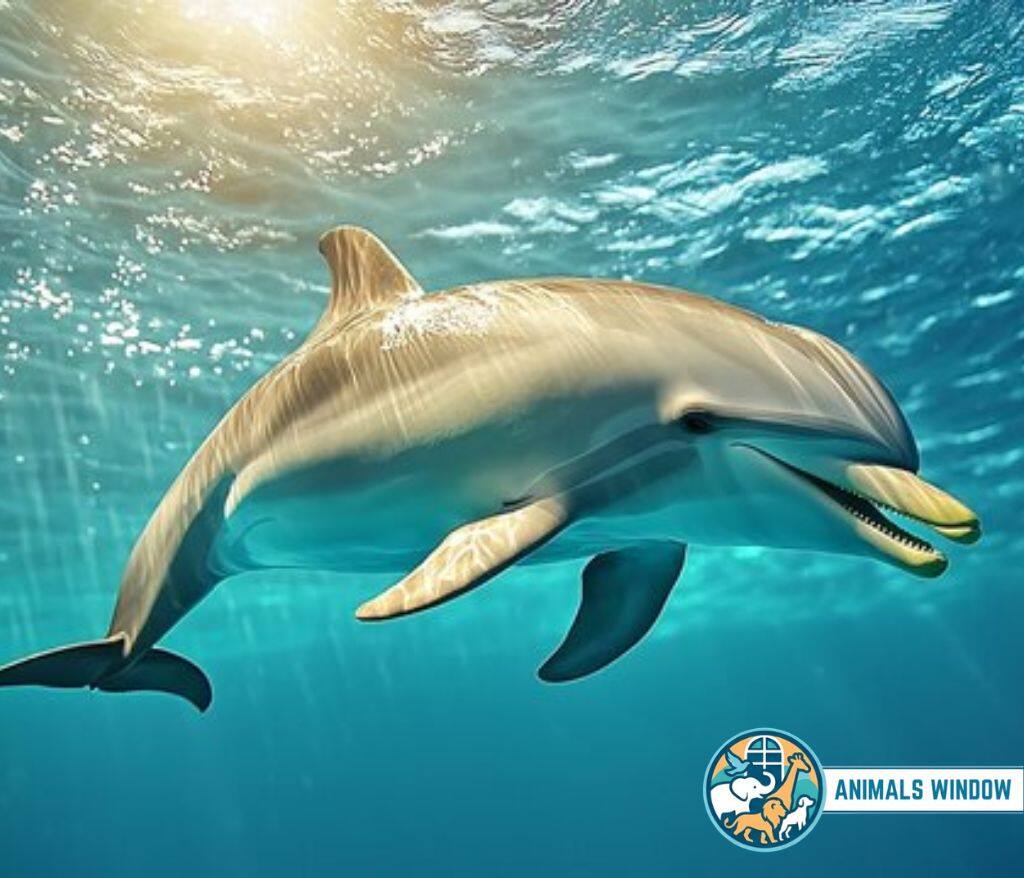
- Scientific Name: Tursiops truncatus
- Size: 6–13 feet
- Weight: 330–1,430 lbs
- Diet: Fish, squid, crustaceans
- Habitat: Oceans worldwide, coastal waters
- Lifespan: 20–45 years
Dolphins never fully sleep. One half of their brain stays awake at all times — a trick called unihemispheric sleep — so they can keep breathing and watch for danger. The other half rests, then they switch.
They’re also one of the few animals that play just for fun. Dolphins surf on boat waves, toss fish in the air, and have been seen blowing bubble rings underwater and then swimming through them. That’s not survival behavior. That’s just enjoyment.
🔥 Comparison Fact: A bottlenose dolphin is about as long as a mid-size sedan.
4. African Wild Dog
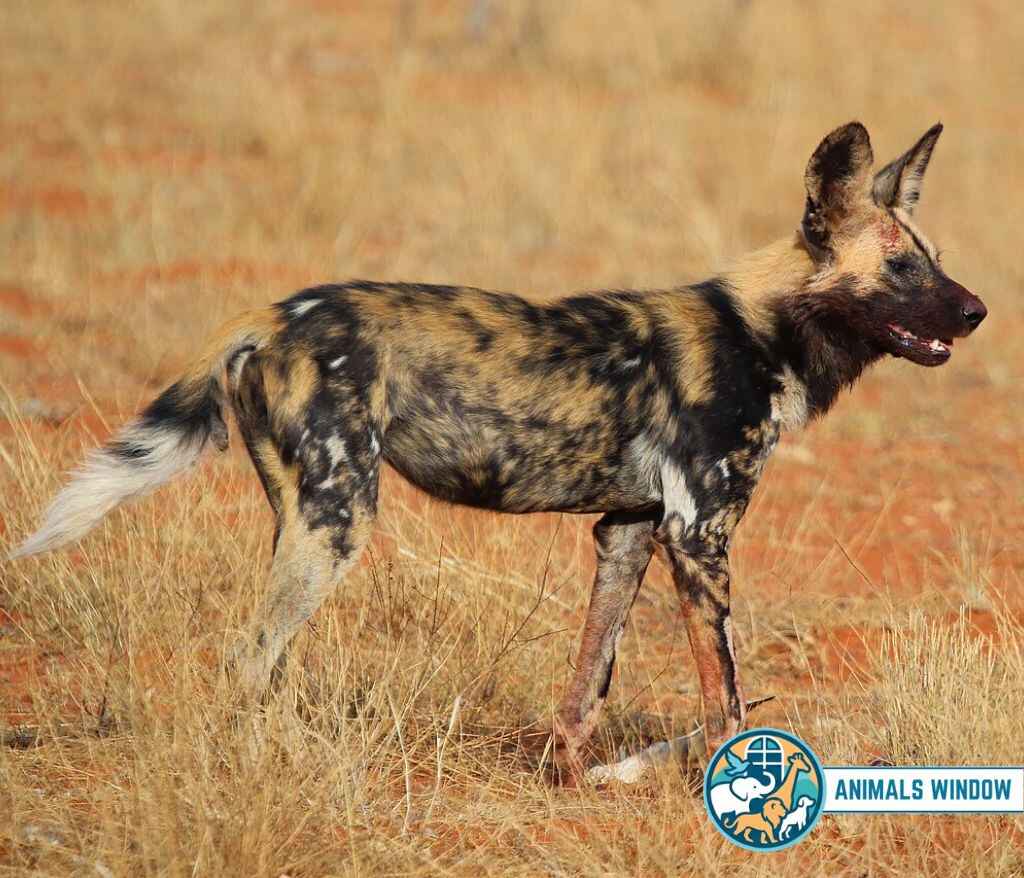
- Scientific Name: Lycaon pictus
- Size: 30–43 inches body length
- Weight: 44–70 lbs
- Diet: Antelope, warthogs, rodents
- Habitat: Sub-Saharan Africa, open plains
- Lifespan: 10–12 years
African wild dogs have an 80% hunting success rate. Lions sit around 25–30%. The secret isn’t speed — it’s teamwork and stamina. They chase prey for miles at a steady 35 mph until it collapses from exhaustion.
What’s remarkable is what happens after the hunt. Dogs that didn’t make the chase — pups, injured adults, or sick members — are fed first. The pack actually regurgitates food for those who couldn’t keep up. That level of social care is rare in the animal kingdom.
🔥 Comparison Fact: An African wild dog’s body is roughly the size of a medium suitcase.
5. Squirrel
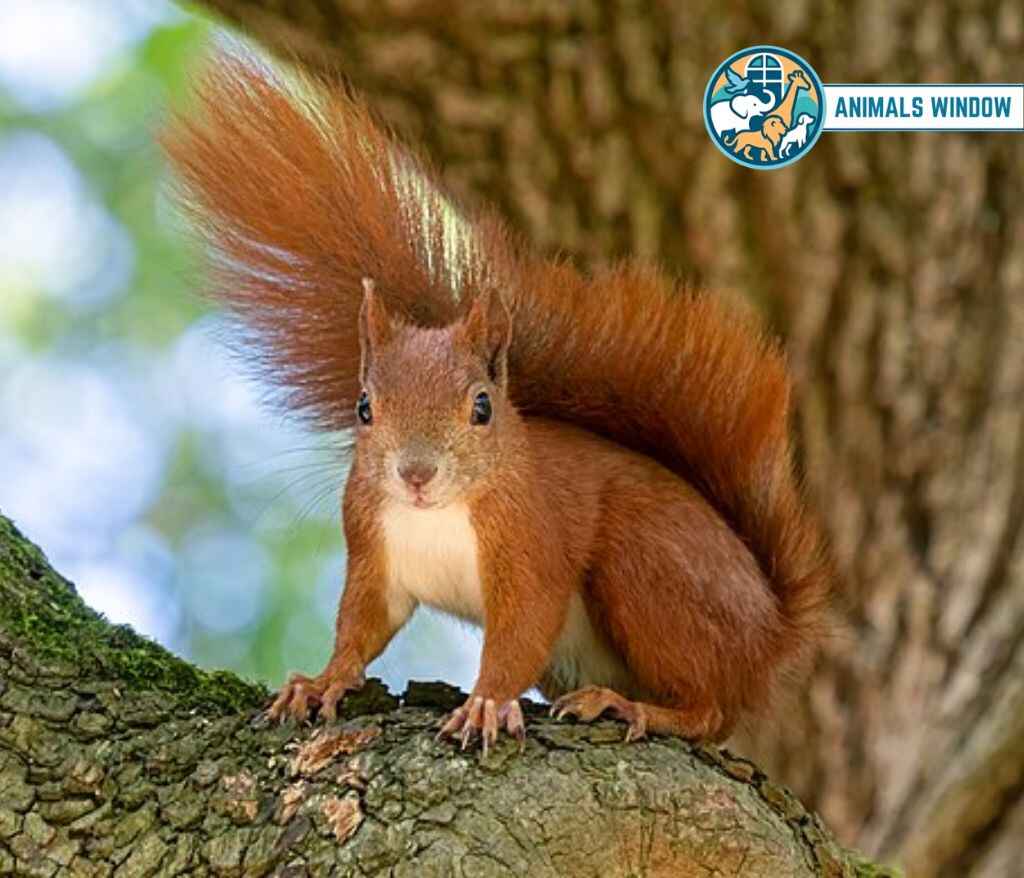
- Scientific Name: Sciurus carolinensis
- Size: 9–12 inches body
- Weight: 14–21 oz
- Diet: Nuts, seeds, fungi, insects
- Habitat: Forests, parks, suburbs across North America
- Lifespan: 6–12 years
Squirrels are master deceivers. When they know another animal is watching them bury food, they’ll pretend to bury it — going through all the motions — while secretly hiding it somewhere else. Scientists call this “deceptive caching.” It requires the squirrel to understand that the observer has its own perspective.
They also can’t find about 25% of the nuts they actually bury. Those lost nuts grow into trees. Squirrels accidentally plant thousands of trees every year.
🔥 Comparison Fact: A grey squirrel weighs about the same as a can of soup.
6. Border Collie

- Scientific Name: Canis lupus familiaris
- Size: 18–22 inches tall
- Weight: 30–55 lbs
- Diet: Commercial dog food, protein-rich diet
- Habitat: Farms, homes — originally Scottish highlands
- Lifespan: 12–15 years
A Border Collie named Chaser learned the names of 1,022 individual toys — more than any other non-human animal has ever demonstrated in controlled studies. But intelligence without activity destroys this dog. A Border Collie left alone without a job to do will literally rearrange your furniture out of frustration.
They were bred to herd sheep using nothing but eye contact and crouching — a behavior called “the eye.” A sheepdog can control a flock of 200 sheep across miles of open land in complete silence.
🔥 Comparison Fact: A Border Collie stands about as tall as a standard school backpack is long.
More Posts: 16 Small Monkey Breeds (With Pictures & Unique Facts)
7. Weasel
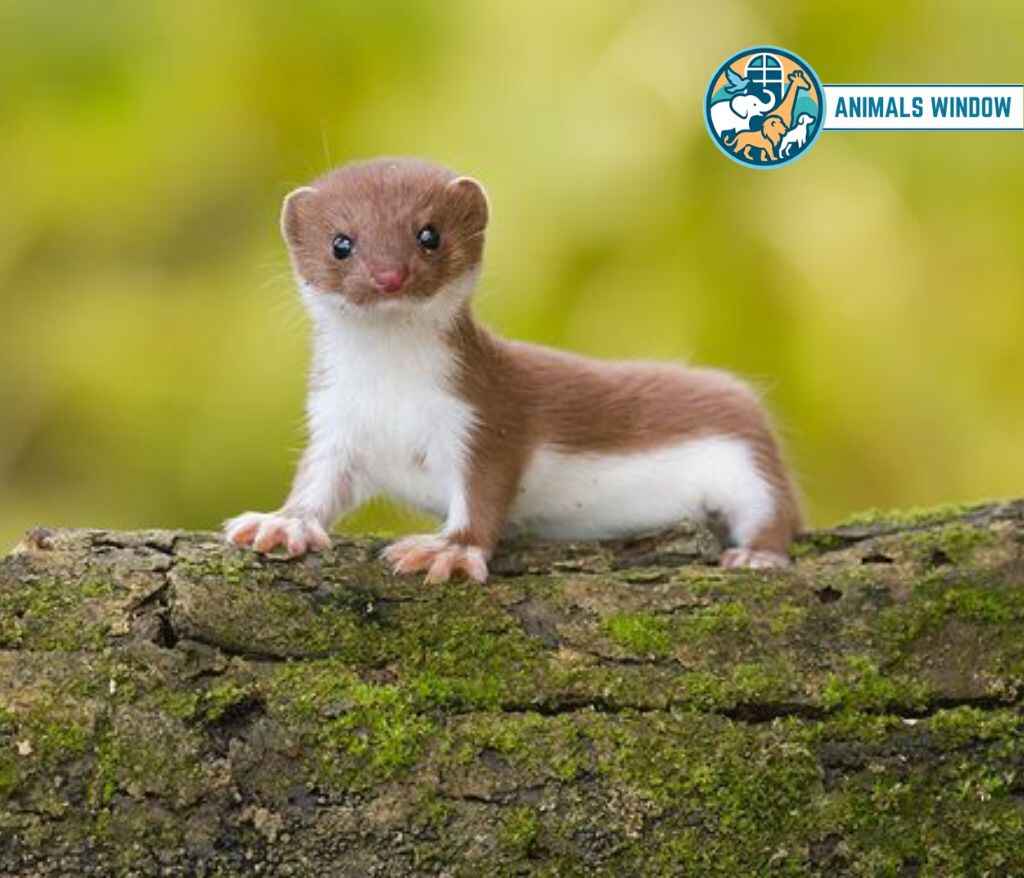
- Scientific Name: Mustela nivalis
- Size: 6–8 inches
- Weight: 1–8 oz
- Diet: Mice, voles, rabbits
- Habitat: Europe, North America, Asia — woodlands and meadows
- Lifespan: 1–3 years
The weasel is the smallest carnivore on Earth, and it has one of the most intense metabolisms of any mammal. It must eat 40–60% of its own body weight every single day just to stay alive. Miss a meal, and it starts breaking down its own muscle tissue within hours.
Weasels hunt prey much larger than themselves — sometimes taking down rabbits 5–10 times their size — by biting the base of the skull with surgical precision. They also dance. A weasel’s “war dance” — spinning, twisting, and leaping — seems to confuse or hypnotize prey before the strike.
🔥 Comparison Fact: The world’s smallest weasel is about the length of a ballpoint pen.
8. Shrew
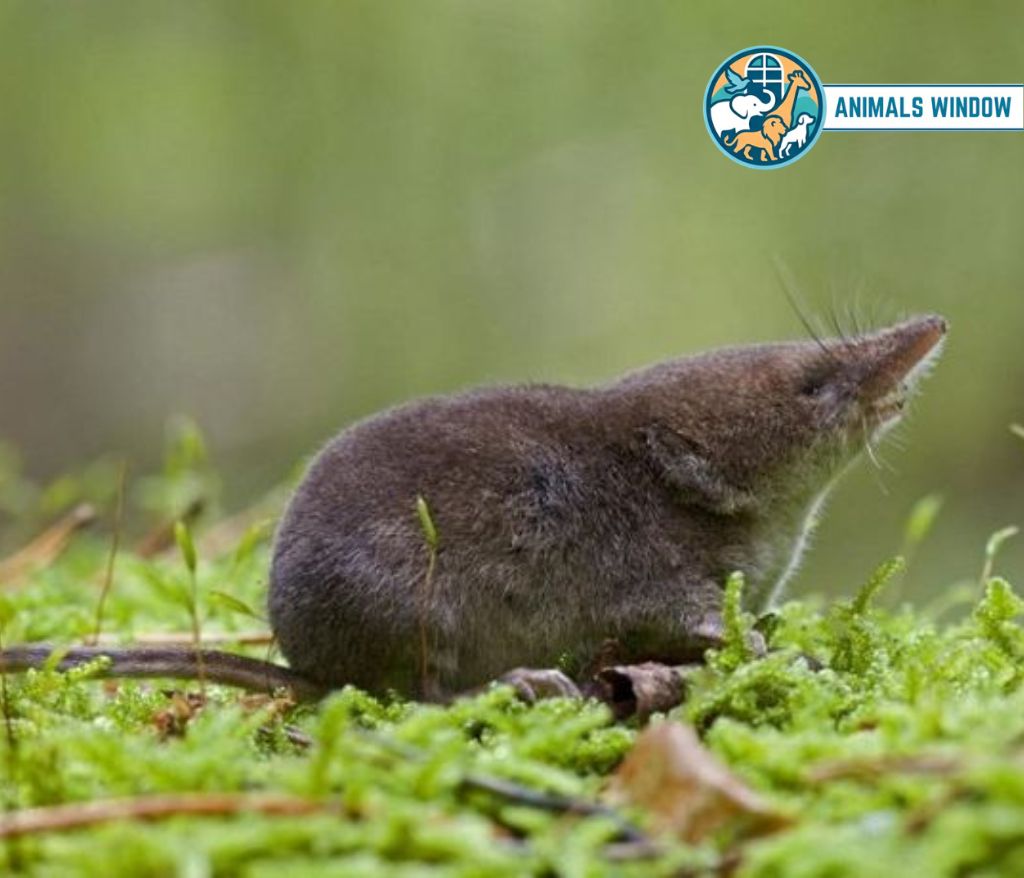
- Scientific Name: Sorex araneus
- Size: 2–4 inches
- Weight: 0.1–0.5 oz
- Diet: Insects, worms, small vertebrates
- Habitat: Forests, grasslands — nearly worldwide
- Lifespan: 1–2 years
The shrew has the fastest heartbeat of any mammal — up to 1,200 beats per minute. For context, a resting human heart beats about 60–100 times per minute. A shrew must eat every 2–3 hours or it dies. It doesn’t store fat. It simply runs on empty when food runs out — and then stops running permanently.
Some shrew species are venomous — the only venomous mammals that aren’t platypuses. The shrew’s saliva can paralyze small prey, letting it store live insects in a “living pantry” for later.
🔥 Comparison Fact: A common shrew weighs about as much as two paper clips.
9. Ruby-throated Warbler (and Small Songbirds)
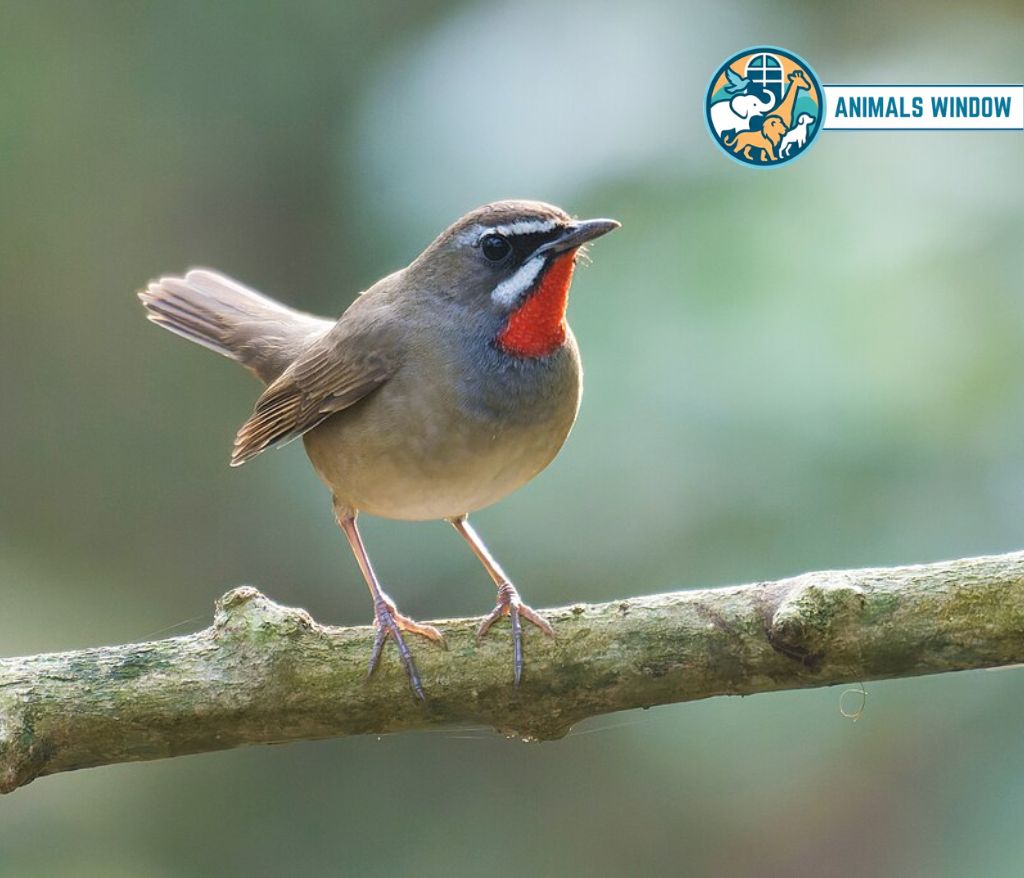
- Scientific Name: Setophaga ruticilla
- Size: 4–5 inches
- Weight: 0.3 oz
- Diet: Insects, berries, nectar
- Habitat: North American forests, Central American winter grounds
- Lifespan: 5–10 years
The ruby-throated warbler — and many small songbirds like it — crosses the entire Gulf of Mexico in a single nonstop flight. That’s roughly 500 miles over open water, flying through the night for 20+ hours straight without landing. A bird that weighs less than five pennies.
Before migration, it doubles its body weight in fat reserves in just a few weeks. Then it burns nearly all of it in that one flight. What’s left when it lands in Mexico is barely enough to keep it alive until it finds food.
🔥 Comparison Fact: A ruby-throated warbler weighs about the same as three paper clips.
10. Butterfly
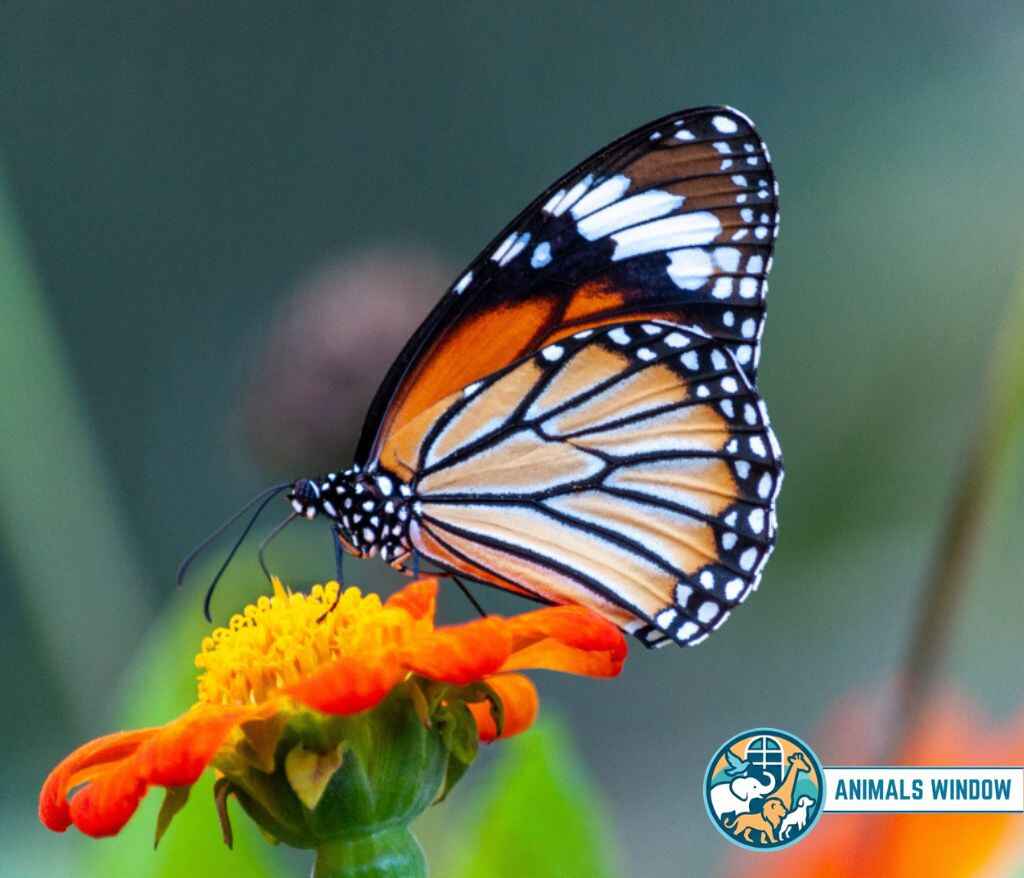
- Scientific Name: Danaus plexippus (Monarch)
- Size: 3.5–4 inch wingspan
- Weight: 0.02 oz
- Diet: Nectar (adults), milkweed (larvae)
- Habitat: North America, Mexico, Central America
- Lifespan: 2–6 weeks (summer); up to 8 months (migratory generation)
The Monarch butterfly migrates up to 3,000 miles from Canada to a small patch of forest in central Mexico — and it has never been there before. It uses the sun as a compass and adjusts for the time of day using an internal clock in its antennae.
But here’s something most people miss: the butterflies that make the return trip north are 3–4 generations removed from the ones that flew south. No single butterfly completes the round trip. The navigation is somehow inherited.
🔥 Comparison Fact: A Monarch butterfly weighs about as much as a single paperclip.
11. Dragonfly
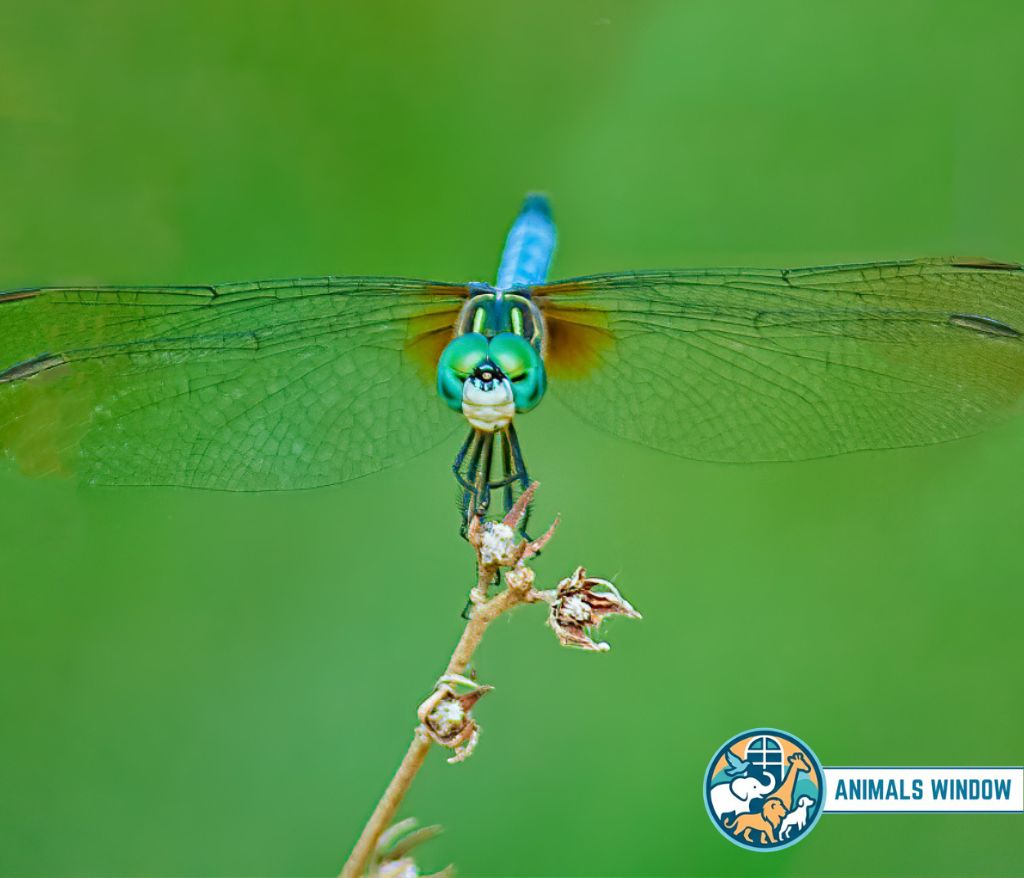
- Scientific Name: Anax junius
- Size: 2–4 inches body length
- Weight: 0.03–0.1 oz
- Diet: Mosquitoes, gnats, other flying insects
- Habitat: Near freshwater — ponds, lakes, streams worldwide
- Lifespan: Few weeks as adult; up to 5 years as larva
Dragonflies catch prey mid-air with a success rate of about 95%. That’s the highest hunting accuracy of any animal on Earth. Even the best predators — lions, sharks, eagles — don’t come close. And they do it by predicting where the prey will be, not chasing where it is. They intercept, they don’t pursue.
A dragonfly can fly in all six directions — up, down, forward, backward, left, right — and each of its four wings operates independently. It can hover like a helicopter, then hit 30 mph in an instant.
🔥 Comparison Fact: A dragonfly’s body is about as long as a standard AA battery.
12. Ant
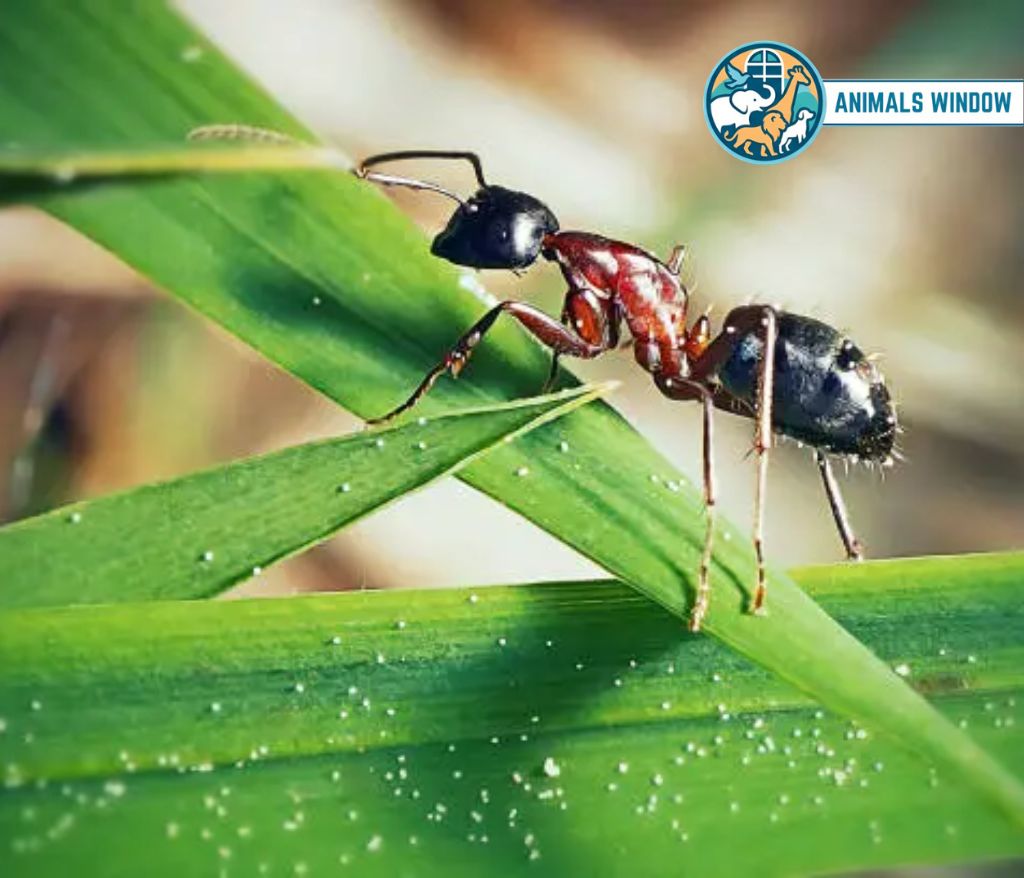
- Scientific Name: Atta cephalotes (Leafcutter Ant)
- Size: 0.04–0.6 inches depending on caste
- Weight: 1–2 mg
- Diet: Fungus they grow from cut leaves
- Habitat: Tropical forests — Central and South America
- Lifespan: Workers: months; Queen: up to 20 years
Leafcutter ants don’t eat the leaves they cut. They carry them underground and use them to grow a specific fungus — their actual food source. They’ve been farming this way for 50 million years, long before humans discovered agriculture. The colony manages humidity, removes contaminants, and even produces antibiotics to protect the crop.
A single ant can carry 50 times its own body weight. Scaled to human size, that’s like one person carrying a small car.
🔥 Comparison Fact: A leafcutter ant is about the size of a sesame seed.
13. Honey Bee
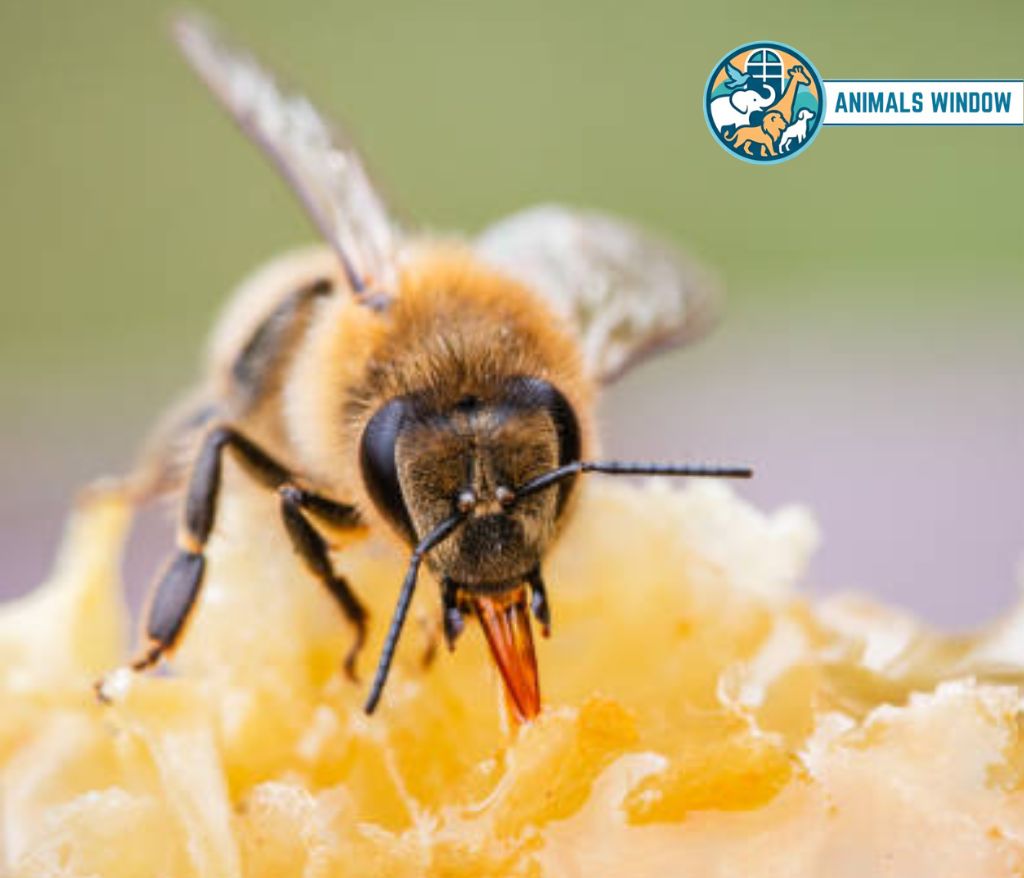
- Scientific Name: Apis mellifera
- Size: 0.5–0.6 inches
- Weight: 0.003 oz
- Diet: Nectar, pollen
- Habitat: Every continent except Antarctica
- Lifespan: 6 weeks (worker); 2–5 years (queen)
A single honey bee visits 2,000 flowers per day and flies about 15 miles in total to produce just 1/12 of a teaspoon of honey in its lifetime. That’s its entire life’s output. And yet a single hive produces 60–100 pounds of honey a year through collective effort.
Bees communicate using dance. The “waggle dance” tells other bees exactly where food is — direction relative to the sun, distance, and quality — all encoded in a figure-eight shimmy. It’s one of the most sophisticated non-human communication systems known.
🔥 Comparison Fact: A honey bee is about the size of a watermelon seed.
14. Kangaroo Rat
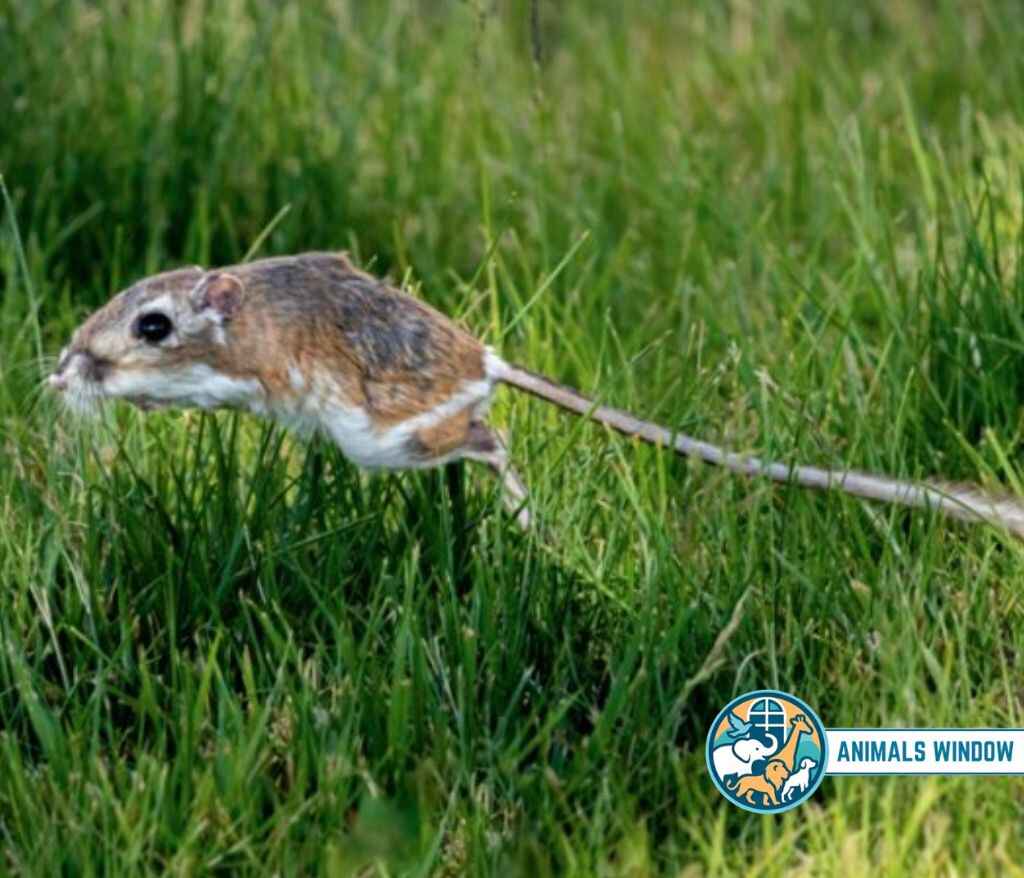
- Scientific Name: Dipodomys deserti
- Size: 4–6 inches body
- Weight: 3–6 oz
- Diet: Seeds, some vegetation
- Habitat: North American deserts — Mojave, Sonoran
- Lifespan: 2–5 years
The kangaroo rat never needs to drink water. It gets all the moisture it needs from the dry seeds it eats, through a process called metabolic water production. In one of the hottest, driest places on Earth, it doesn’t need a single drop of standing water to survive.
When a rattlesnake strikes, the kangaroo rat can dodge and kick sand into the snake’s face — all within 38 milliseconds. That’s faster than the blink of a human eye. It detects the strike through vibrations in the ground, not through sight or sound.
🔥 Comparison Fact: A kangaroo rat can leap 9 feet in one jump — about the length of a twin bed.
15. Pronghorn Antelope
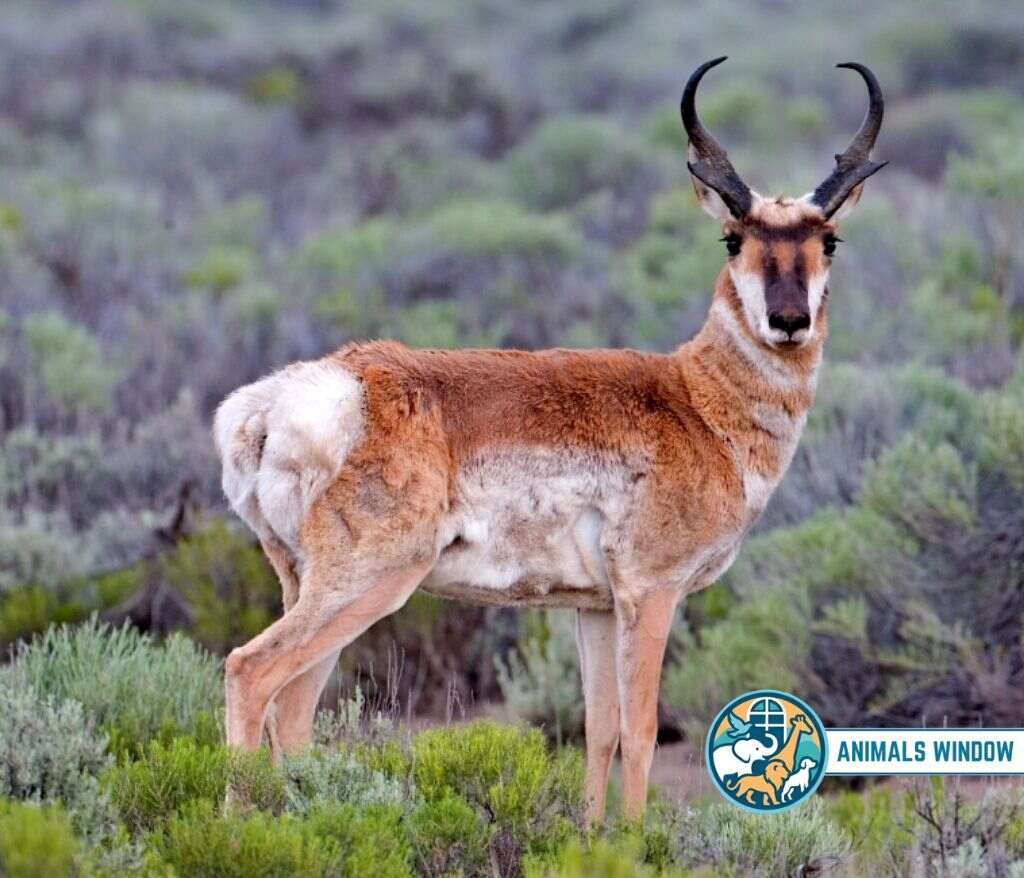
- Scientific Name: Antilocapra americana
- Size: 4–5 feet body length
- Weight: 90–150 lbs
- Diet: Grasses, shrubs, cacti
- Habitat: North American prairies and deserts
- Lifespan: 7–10 years
The pronghorn is the fastest land animal in the Western Hemisphere — reaching 55 mph — and unlike the cheetah, it can hold that speed for miles. Its windpipe, lungs, and heart are oversized compared to similarly-built animals, giving it a constant oxygen advantage. It was built to outrun a predator that no longer exists — the American cheetah, extinct for 12,000 years.
It’s not a true antelope and not a true deer. It’s in its own family, Antilocapridae, with no living relatives on Earth.
🔥 Comparison Fact: A pronghorn’s body is roughly the size of a large German Shepherd dog.
16. Jack Russell Terrier
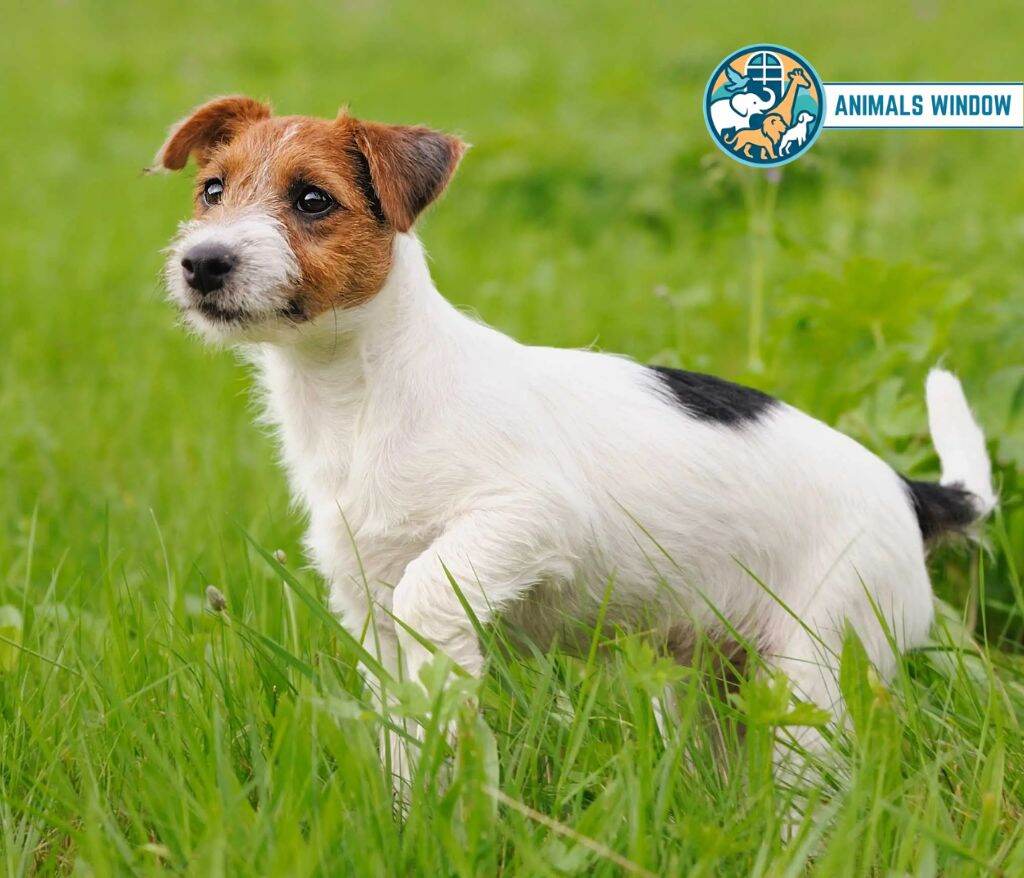
- Scientific Name: Canis lupus familiaris
- Size: 10–15 inches tall
- Weight: 13–17 lbs
- Diet: High-protein dog food
- Habitat: Originally English foxhunting countryside; now homes worldwide
- Lifespan: 13–16 years
Jack Russells were bred specifically to chase foxes underground through tight tunnels and bark until the hunter dug them out. That means this small dog was engineered to be fearless in enclosed, dark spaces while facing an animal bigger than itself. That bravery didn’t leave when it moved into apartments.
They can jump up to 5 feet straight up from a standing position — roughly three times their own height. Owners often find them on countertops, bookshelves, and places that should be physically impossible.
🔥 Comparison Fact: A Jack Russell Terrier weighs about as much as a standard laptop computer.
17. Goat (Especially Kids)
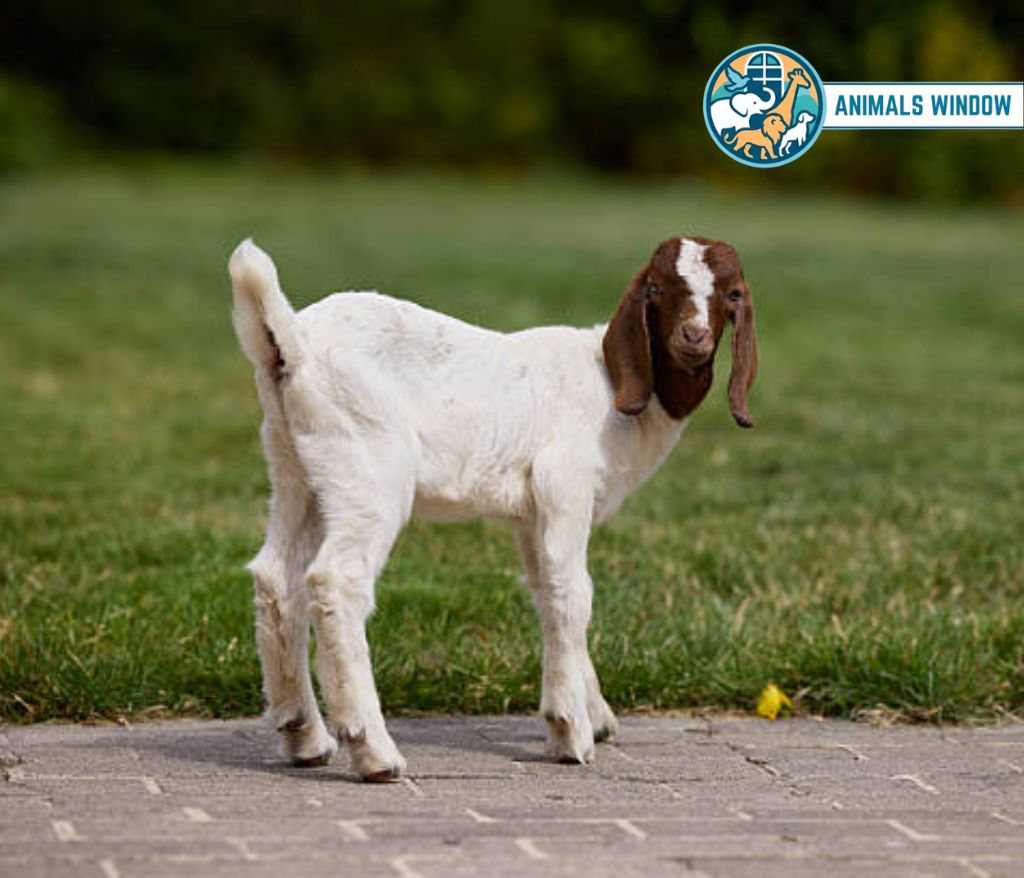
- Scientific Name: Capra hircus
- Size: 17–42 inches tall
- Weight: 44–300 lbs (varies by breed)
- Diet: Grass, shrubs, bark, almost anything plant-based
- Habitat: Mountains, farms, grasslands — every continent except Antarctica
- Lifespan: 10–18 years
Baby goats — kids — can stand within minutes of birth and are climbing uneven surfaces within hours. Adult goats scale near-vertical rock faces with ease, thanks to two-toed hooves that split apart for grip and have a rubbery sole that acts like a climbing shoe.
Goats have rectangular pupils. This gives them an almost 340-degree field of vision — meaning they can see nearly all the way around their head without moving it. Predators have almost no blind spot to sneak through.
🔥 Comparison Fact: A standard dairy goat stands about as tall as a kitchen countertop.
18. Sea Otter
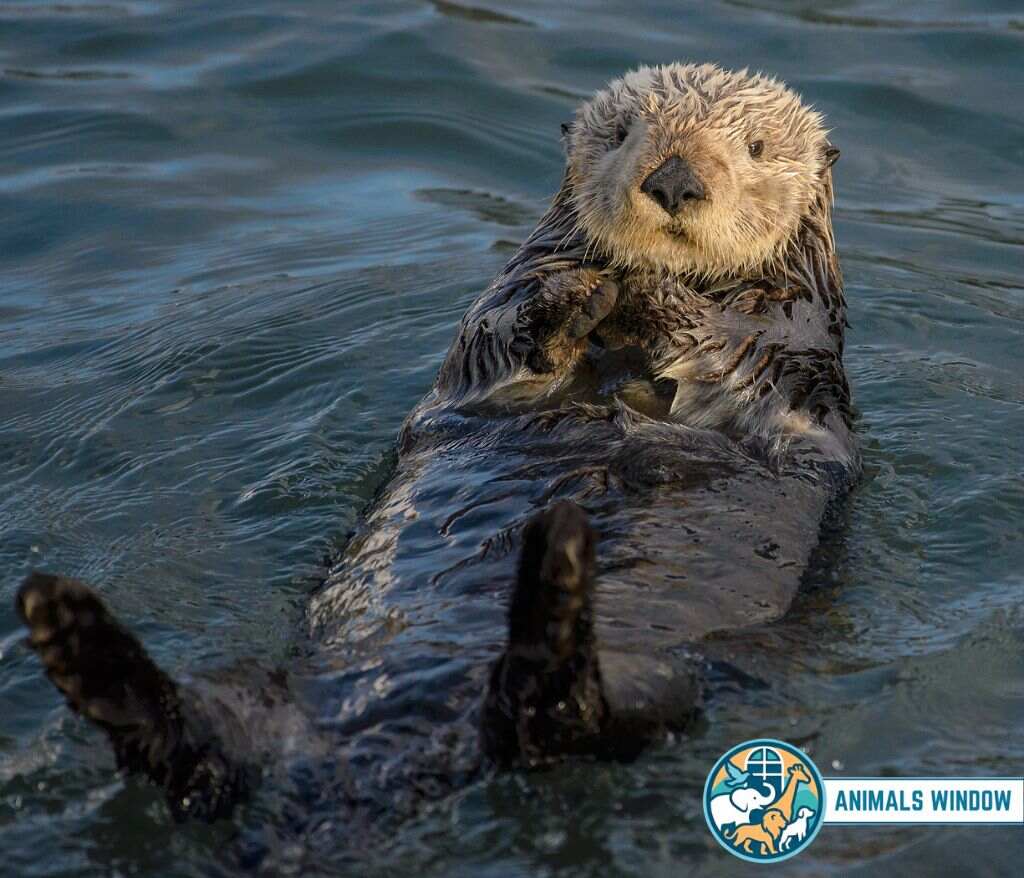
- Scientific Name: Enhydra lutris
- Size: 4–5 feet
- Weight: 31–99 lbs
- Diet: Sea urchins, clams, crabs, abalone
- Habitat: North Pacific coastlines — Alaska to California, Russia
- Lifespan: 10–15 years
Sea otters are one of the very few non-primate animals that use tools regularly. They carry a favorite rock in a loose skin pouch under their armpit, then float on their back and use it to smash shellfish open on their chest. Some otters use the same rock for years.
They also hold hands while sleeping — called “rafting” — so they don’t drift apart in ocean currents. But it’s not just sweetness. It’s a practical survival behavior. Getting separated from the group in open ocean can be fatal.
🔥 Comparison Fact: A sea otter is roughly the size and weight of a large car tire.
19. Chimpanzee
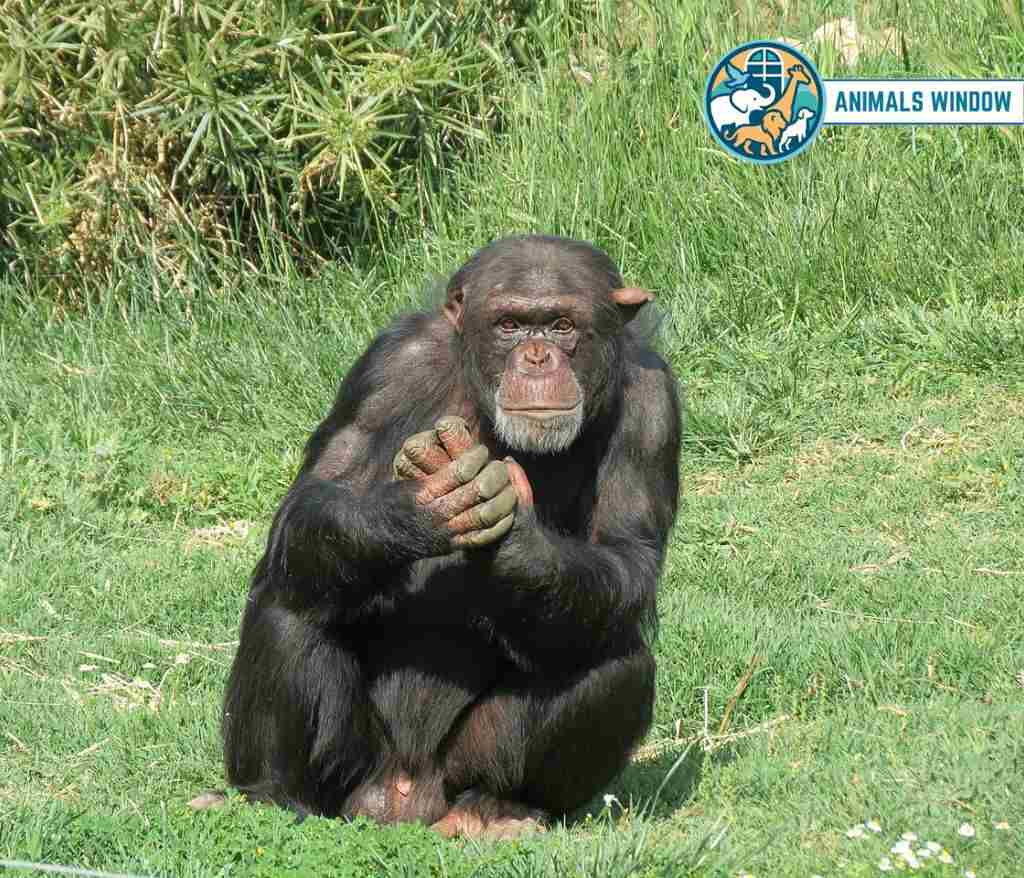
- Scientific Name: Pan troglodytes
- Size: 3–5 feet tall
- Weight: 70–130 lbs
- Diet: Fruit, nuts, leaves, insects, occasional meat
- Habitat: Central and West African rainforests and woodlands
- Lifespan: 30–40 years in the wild
Chimpanzees make tools. Not just use them — they manufacture them. A chimp will select a thin branch, strip off the leaves, break it to a specific length, and then use it to fish termites out of a mound. Different chimp communities use different tools, which means these skills are culturally transmitted — taught from mother to child over generations.
They also go to war. Chimp communities have been documented patrolling borders, ambushing rival groups, and conducting raids over territory — behavior that mirrors human tribal warfare in disturbing detail.
🔥 Comparison Fact: An adult chimpanzee is about the same height as an average 8-year-old child.
20. Red Panda

- Scientific Name: Ailurus fulgens
- Size: 20–26 inches body
- Weight: 7–14 lbs
- Diet: Bamboo (90%), eggs, insects, berries
- Habitat: Eastern Himalayas, southwestern China — high-altitude forests
- Lifespan: 8–10 years in the wild
The red panda and the giant panda share almost no DNA — they just both eat bamboo and ended up with a similar “false thumb” (an extended wrist bone) to grip bamboo stalks. That’s parallel evolution: two unrelated animals solving the same problem independently.
Red pandas have a specialized stomach that makes bamboo digestible, but they still absorb less than 25% of what they eat. So they spend most of their waking hours eating just to hit their minimum calorie count.
🔥 Comparison Fact: A red panda’s body is about as long as a standard school ruler — roughly 24 inches.
21. Chinchilla

- Scientific Name: Chinchilla lanigera
- Size: 9–15 inches
- Weight: 14–28 oz
- Diet: Hay, dried plants, seeds
- Habitat: Andes Mountains of South America — rocky, high-altitude terrain
- Lifespan: 10–20 years
Chinchillas have the densest fur of any land mammal — about 60 hairs growing from a single follicle. For comparison, humans have 1–4 hairs per follicle. This extreme fur density makes them nearly parasite-proof. Fleas and lice physically can’t get through to the skin.
Because their fur is so dense, they can’t get wet — water causes their coat to mat and doesn’t dry, which causes fungal infections and hypothermia. Instead, they bathe in volcanic ash or fine dust, which absorbs oils and keeps the fur clean.
🔥 Comparison Fact: A chinchilla weighs about the same as a large apple.
22. Ferret
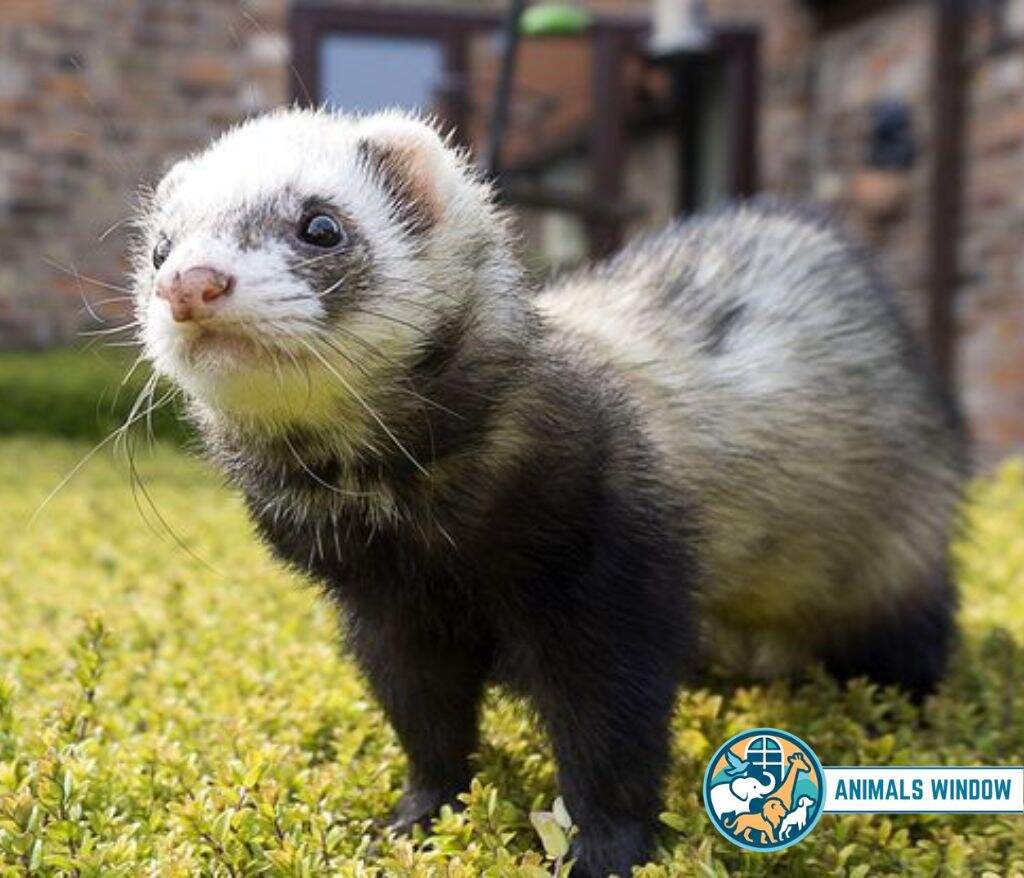
- Scientific Name: Mustela putorius furo
- Size: 13–16 inches
- Weight: 1.5–4 lbs
- Diet: Meat — they’re obligate carnivores (like cats)
- Habitat: Domesticated; wild relatives live in grasslands
- Lifespan: 5–10 years
Ferrets sleep up to 18 hours a day. Then they wake up and seem to make up for every sleeping minute in one burst. They sprint in circles, leap off furniture, steal objects, and do what owners call the “weasel war dance“ — a frantic series of hops and sideways jumps that signals pure excitement.
They are obligate carnivores like cats and cannot digest plant matter. But unlike cats, they have no working ability to taste sweet things — the genes for sweet receptors were switched off somewhere in their evolution.
🔥 Comparison Fact: A ferret is about the length of a standard men’s dress shoe, end to end.
23. Lemur
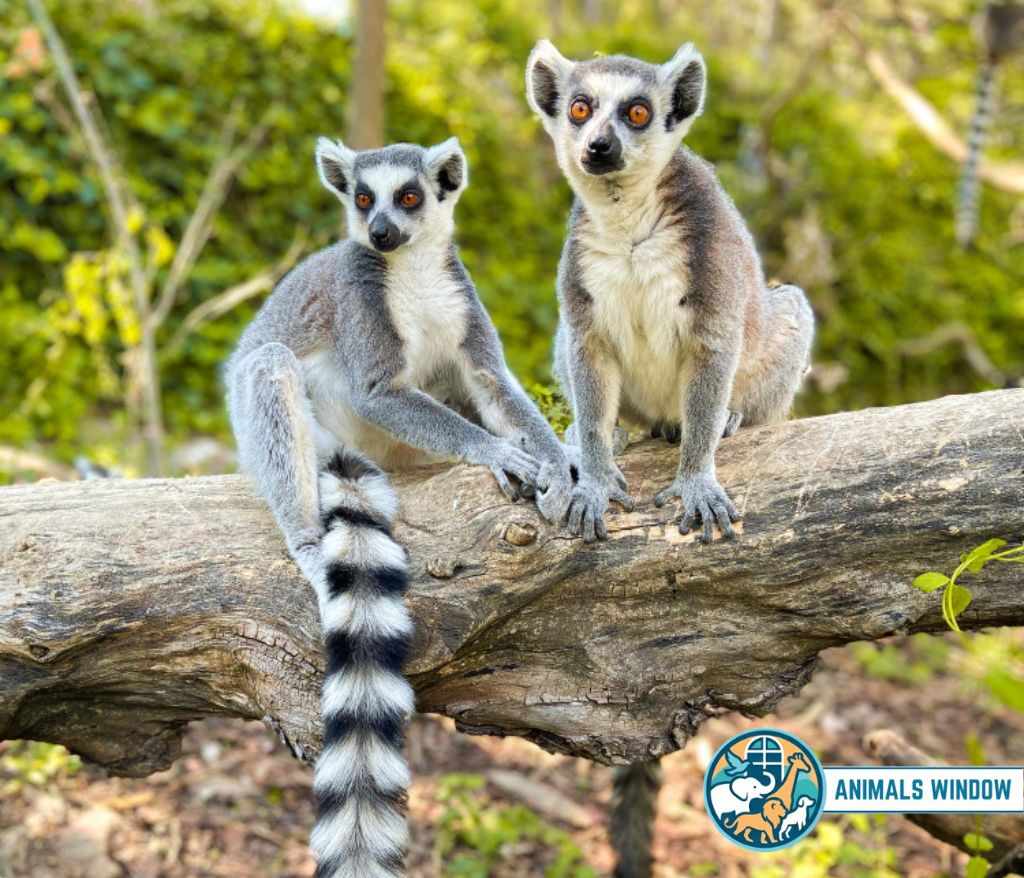
- Scientific Name: Lemur catta
- Size: 17–22 inches body
- Weight: 5–7.5 lbs
- Diet: Fruit, leaves, flowers, sap Habitat: Madagascar only — forests and scrublands
- Lifespan: 16–19 years in the wild
Ring-tailed lemurs sunbathe every morning in a very specific posture — arms spread out, belly facing the sun — that looks almost like a meditation pose. This isn’t just warmth-seeking. It helps them regulate body temperature after cold nights in Madagascar, where temperatures drop sharply after dark.
Lemurs are the most endangered group of mammals on Earth. Over 95% of lemur species are threatened with extinction. And they only exist naturally on one island — Madagascar — which has lost about 90% of its original forest.
🔥 Comparison Fact: A ring-tailed lemur weighs about as much as a large bag of sugar.
24. Hare
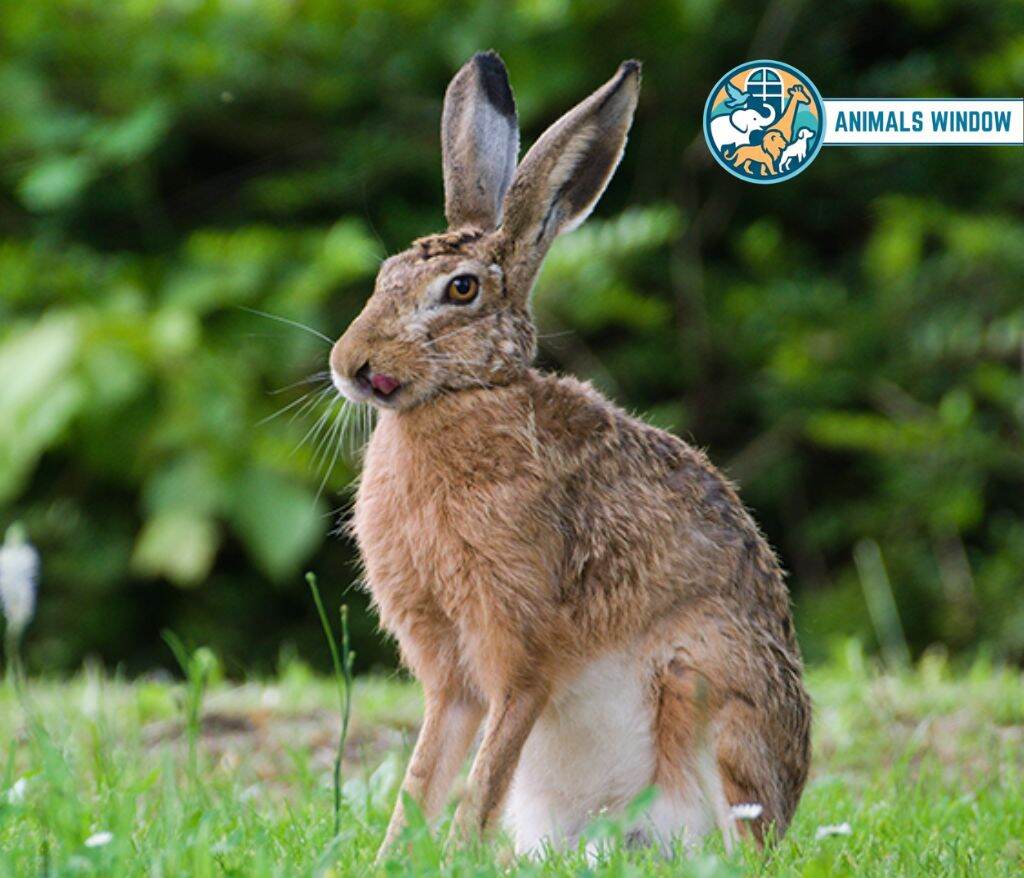
- Scientific Name: Lepus europaeus
- Size: 24–28 inches
- Weight: 6–11 lbs
- Diet: Grasses, herbs, bark, crops
- Habitat: Open fields and farmlands across Europe and Asia
- Lifespan: 4–12 years
Hares are born fully furred, with eyes open, and can run within an hour of birth. Rabbits, by contrast, are born blind, hairless, and helpless. This single difference explains most of their biology. Hares live in open fields with no burrow — so their young must survive from day one. Rabbits dig underground warrens because their helpless young need protection.
A hare at full speed hits 45 mph and changes direction so sharply that chasing animals overshoot and crash. It doesn’t run away — it runs in calculated zigzags designed to make the predator burn out first.
🔥 Comparison Fact: A European hare is about as long as a standard 12-inch ruler — nearly double the length of a common rabbit.
25. Mink
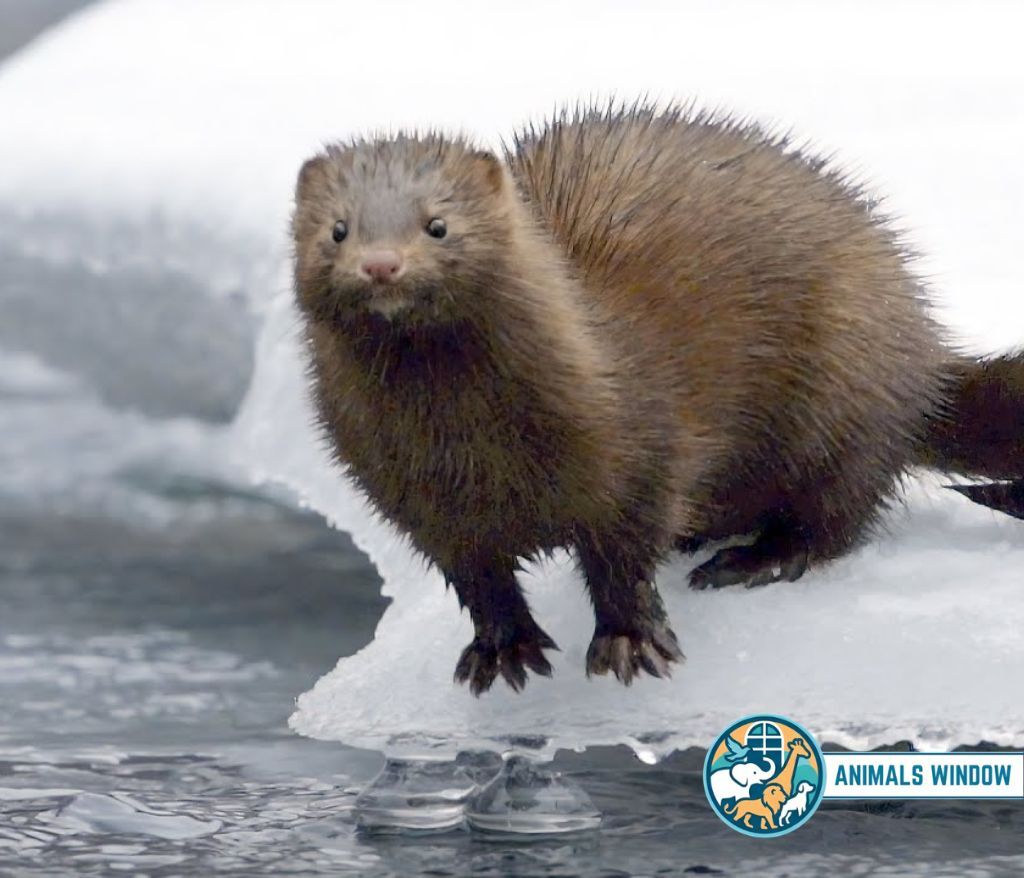
- Scientific Name: Neovison vison
- Size: 12–18 inches
- Weight: 1.5–3.5 lbs
- Diet: Fish, frogs, rabbits, birds, crayfish
- Habitat: North America — rivers, streams, wetlands, forest edges
- Lifespan: 3–4 years in the wild
The mink is one of the only small mammals that is equally comfortable swimming, climbing trees, and digging underground burrows — a triple threat of movement that most animals can’t match. It swims up to 100 feet underwater, hunts in riverbanks, then climbs into tree hollows to sleep — sometimes all in the same afternoon.
Its fur traps a layer of air against the skin when it dives, keeping it dry even in cold water. This built-in wetsuit lets it hunt in near-freezing streams where most animals refuse to go.
🔥 Comparison Fact: A mink is roughly the same length as a standard TV remote control.
26. Parakeet (Budgie)
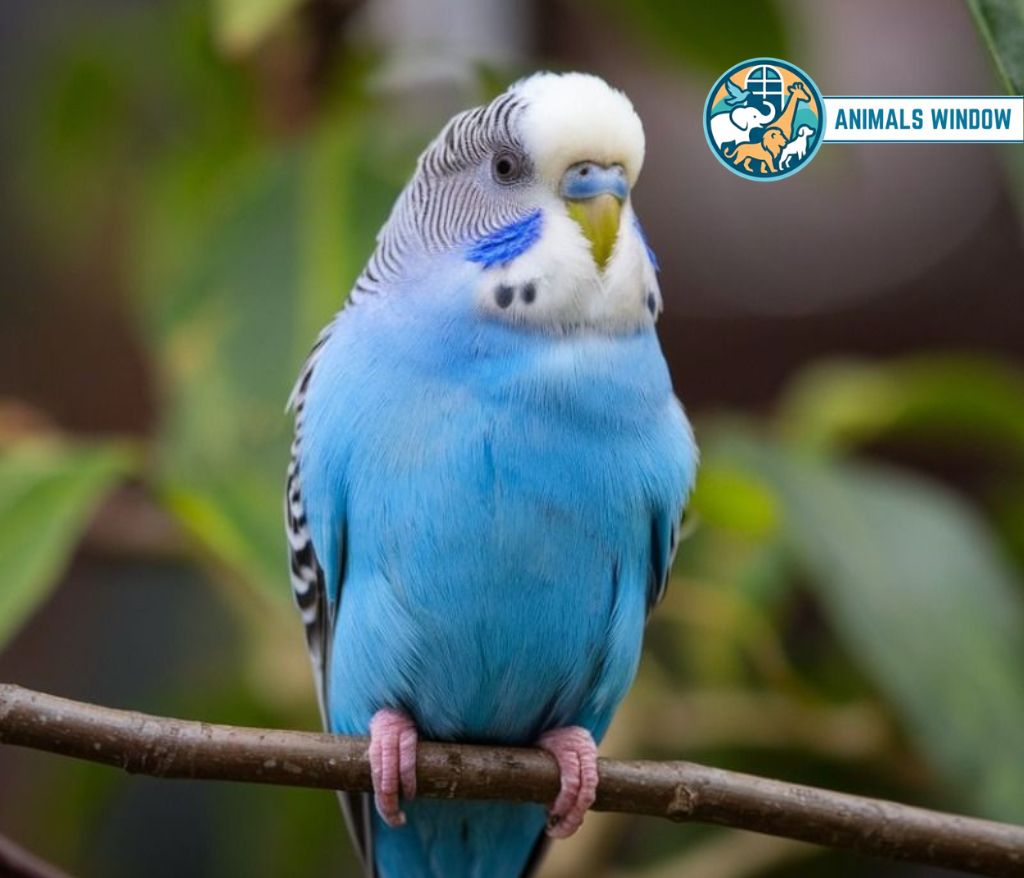
- Scientific Name: Melopsittacus undulatus
- Size: 7 inches
- Weight: 1–1.4 oz
- Diet: Seeds, fruits, vegetables
- Habitat: Australian grasslands and scrublands; kept worldwide as pets
- Lifespan: 5–10 years
Budgerigars — budgies — are among the best vocal mimics in the animal world. A budgie named Puck was recorded saying over 1,728 words, earning a Guinness World Record. They don’t just repeat sounds. Studies show some budgies understand context — using words in situations where the word actually applies.
In the wild, budgies travel in massive flocks of thousands, moving in perfect unison across the Australian outback in search of water. The flock shifts direction without a leader — each bird reacting to its neighbor in a chain reaction that looks like one giant organism.
🔥 Comparison Fact: A budgie weighs about as much as four quarters stacked together.
27. Tree Frog
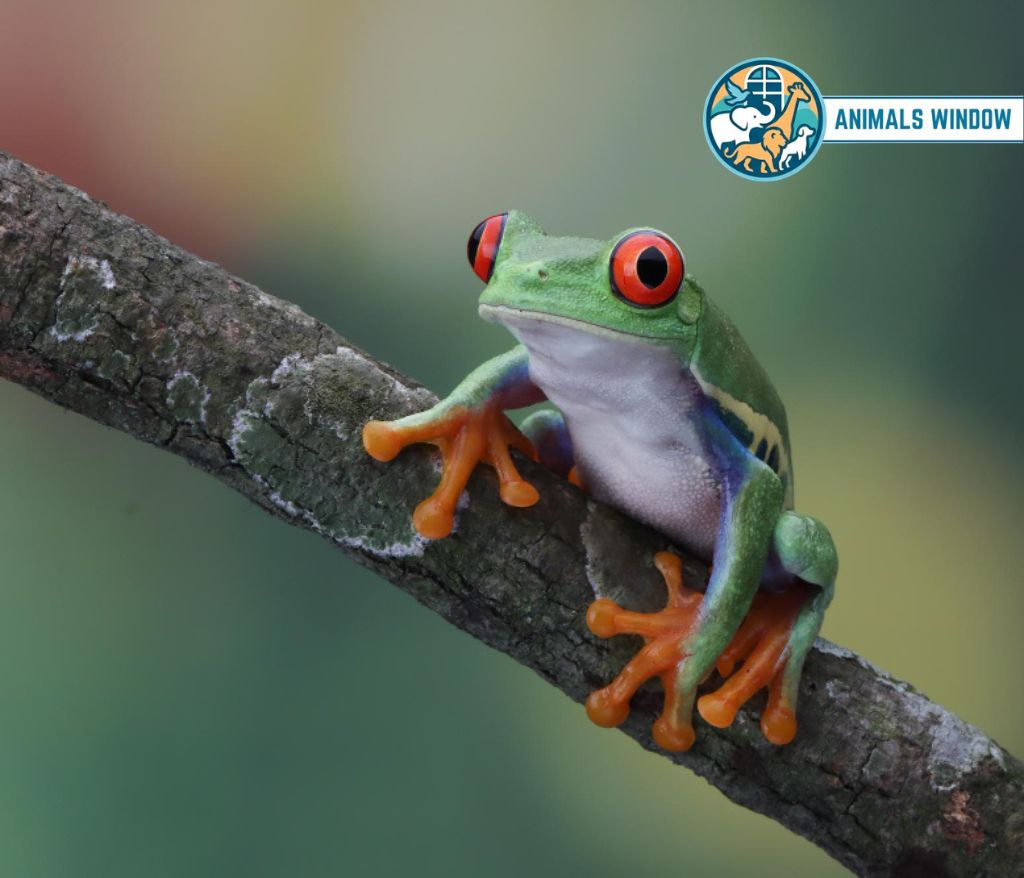
- Scientific Name: Hyla cinerea
- Size: 1–2.5 inches
- Weight: 0.2–0.4 oz
- Diet: Crickets, moths, small insects
- Habitat: Southeastern United States — trees, shrubs near water
- Lifespan: 5–9 years
Tree frogs can stick to a vertical pane of glass. Not with suction cups — with wet adhesion. Their toe pads are covered in microscopic hexagonal structures that interlock with surface irregularities, creating surface tension with a thin film of mucus. It works on nearly any surface, wet or dry.
They can also change color — not like a chameleon for camouflage, but in response to temperature, light, and mood. A green tree frog can turn grey-brown in minutes when it’s cold or stressed.
🔥 Comparison Fact: A green tree frog is roughly the size of a large grape.
28. Octopus
- Scientific Name: Octopus vulgaris
- Size: 12–36 inches arm span
- Weight: 6.6–22 lbs
- Diet: Crabs, clams, shrimp, fish
- Habitat: Oceans worldwide — coral reefs, rocky seafloors
- Lifespan: 1–2 years
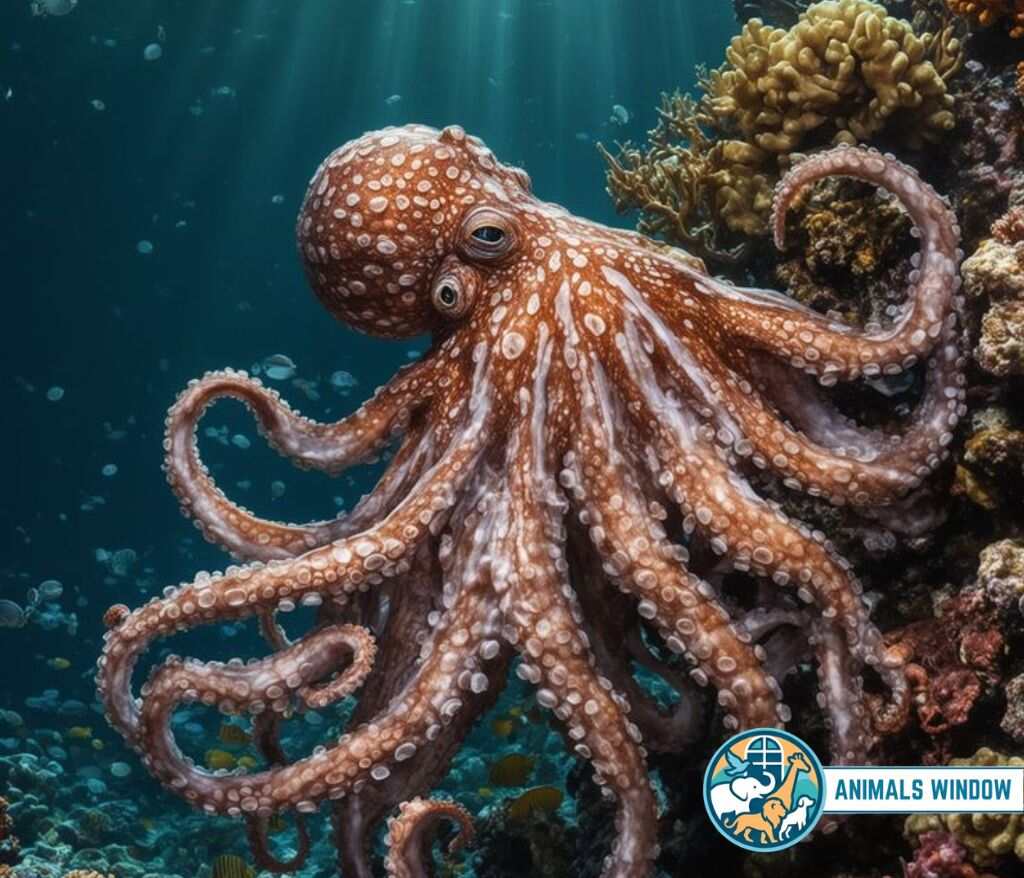
An octopus has three hearts, blue blood, and nine brains — one central brain and one mini-brain in each arm. Each arm can act independently, tasting and touching its environment while the central brain focuses elsewhere. This means an octopus can multitask in ways that are genuinely hard to wrap a human mind around.
They solve puzzles, open child-proof jars, escape from sealed tanks, and recognize individual human faces. One aquarium octopus was documented sneaking out of its tank at night, crossing the floor, eating fish from a neighboring tank, and returning before morning — repeatedly.
🔥 Comparison Fact: A common octopus arm span is about as wide as a large pizza.
29. Wolverine
- Scientific Name: Gulo gulo
- Size: 26–42 inches body
- Weight: 24–40 lbs
- Diet: Caribou, rabbits, berries, carrion — almost anything
- Habitat: Arctic tundra, boreal forests — Canada, Russia, Scandinavia
- Lifespan: 5–13 years
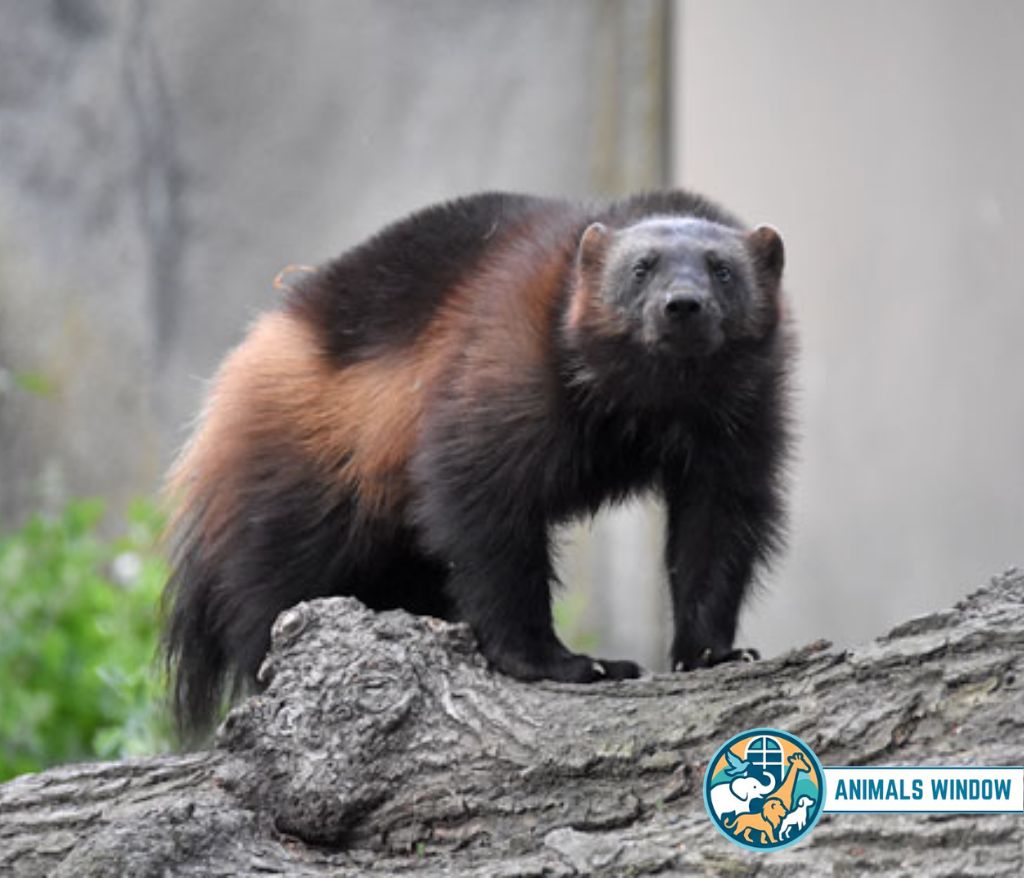
The wolverine travels up to 15 miles per day through deep snow — with paws so large relative to its body that they function as natural snowshoes. It has been documented driving wolves and bears off fresh kills through sheer aggression and refusal to back down. It’s not the biggest or fastest. It just won’t quit.
Its jaws can crush through frozen bone. A special rotating back molar — called a “carnassial” — lets it grip and tear frozen carcasses that would stop any other predator. In winter, the wolverine is basically the only thing eating in its territory.
🔥 Comparison Fact: A wolverine weighs about as much as a medium-sized dog — a cocker spaniel, roughly.
30. Wolf
- Scientific Name: Canis lupus
- Size: 4–6 feet body length
- Weight: 60–145 lbs
- Diet: Elk, deer, moose, bison, smaller prey
- Habitat: North America, Europe, Asia — forests, tundra, grasslands
- Lifespan: 6–8 years in the wild
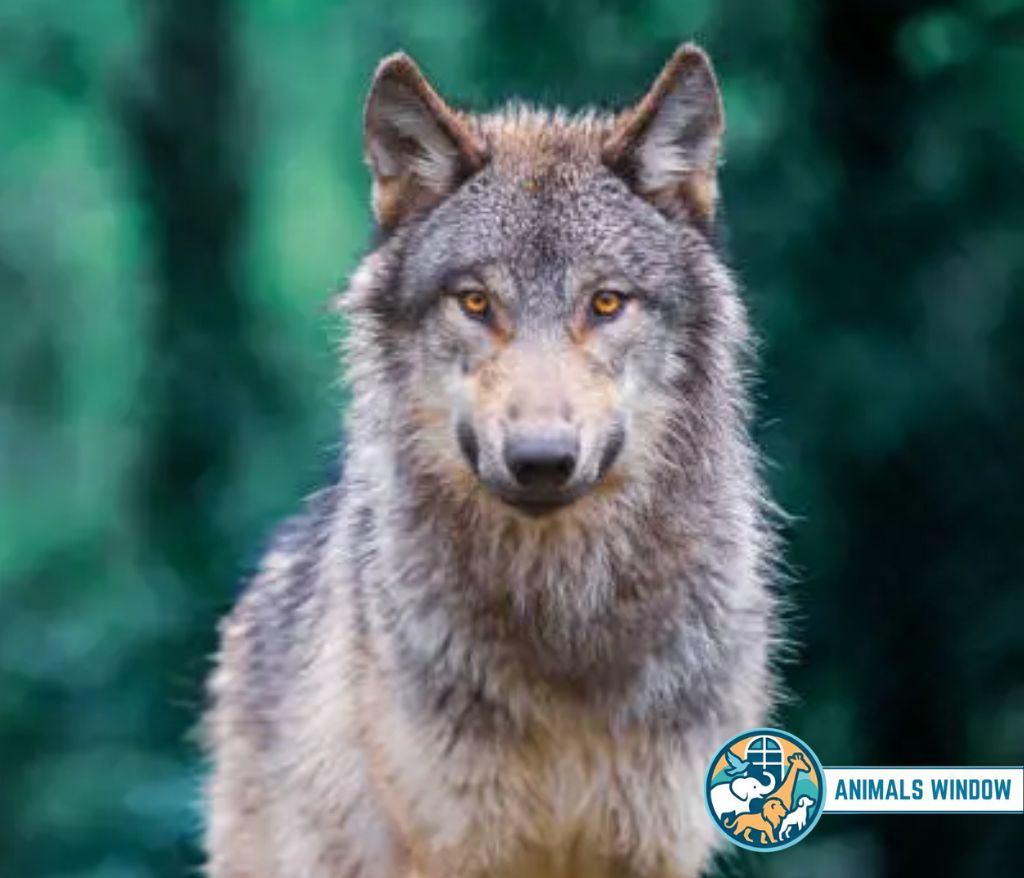
A wolf can run at 35 mph and hold that speed for up to 20 minutes. Over a full hunt, a pack may cover 30 miles. But pure speed isn’t the strategy — wolves test their prey first, watching for weakness before committing to a chase. A healthy elk can kill a wolf with a single kick, so they don’t guess.
Wolves were reintroduced to Yellowstone in 1995. Within a few years, the elk changed their behavior, which changed the vegetation, which changed the course of rivers. One predator reshaped an entire ecosystem — a process called a trophic cascade.
🔥 Comparison Fact: An adult male wolf is about as long as a standard sofa — measured nose to tail.
If you want to get more interesting facts on more animals don’t forget to come at AnimalsWindow.
Common Queries Related to Energetic Animals
What is the most energetic animal on Earth?
The shrew. It must eat every 2–3 hours or it dies. Its heart beats up to 1,200 times per minute, and it never truly rests during daylight hours.
Which energetic animal has the best stamina?
The pronghorn antelope. It can hold 55 mph for miles — far longer than a cheetah, which burns out after 30 seconds.
Are energetic animals more intelligent?
Often yes. High-energy animals like dolphins, chimpanzees, and Border Collies also rank among the most intelligent, because active survival demands problem-solving.
Which small animal is surprisingly the most energetic?
The weasel. It eats 40–60% of its body weight daily, hunts prey far larger than itself, and lives at a metabolic rate that would destroy most other animals.
Can an energetic animal make a good pet?
Some can — Border Collies, ferrets, budgies, and chinchillas are kept as pets. But all of them need serious daily activity. Without it, they develop anxiety, destructive behavior, or health problems.
Trait Comparison: Speed vs. Endurance
These two traits get confused all the time. Here’s the real difference.
Speed is about the peak. The cheetah hits 70 mph — but only for 20–30 seconds. After that, it has to stop or it will overheat. Its whole body is built for one explosive burst. Speed animals have light frames, large hearts for that burst, and burn out fast.
Endurance is about distance over time. The pronghorn antelope runs at 55 mph — slower than the cheetah — but can hold it for miles. The wolf covers 30 miles in a single hunt at a steady pace. The African wild dog chases prey for 3–4 miles until it collapses.
The key difference: speed animals sprint and recover; endurance animals pace and persist.
In nature, endurance usually wins. Most prey animals are eventually caught not because a predator was faster, but because it simply didn’t stop.
And then there’s the dragonfly — which has both. It intercepts prey at full speed with 95% accuracy while hovering in place a moment before. That’s the rarest combination of all.

I have loved animals since I was a kid. I enjoy reading about how animals live, eat, move, and survive. I started Animals Window to share what I learn in a simple and easy way. I write about animal body parts, size, behavior, diet, habitats, and species. My goal is to make animal facts clear and fun for everyone to understand.