Animals that migrate are species that travel from one place to another — often across thousands of miles — to find food, warmer weather, or safe breeding spots. At least 49 well-known species migrate regularly, including whales, birds, fish, insects, and even crabs. These journeys follow the same routes year after year, guided by the sun, magnetic fields, and memory.
Table of Contents
Quick Reference Table
| Animal Name | Scientific Name | Key Migration Trait |
| African Elephant | Loxodonta africana | Follows ancient rain corridors |
| Blue Whale | Balaenoptera musculus | Longest migration of any mammal |
| Caribou | Rangifer tarandus | Largest land migration in Americas |
| Gray Whale | Eschrichtius robustus | Hugs coastline the whole way |
| Humpback Whale | Megaptera novaeangliae | Sings complex songs during travel |
| Mexican Free-tailed Bat | Tadarida brasiliensis | Fastest horizontal bat flight |
| Northern Elephant Seal | Mirounga angustirostris | Two full round trips per year |
| Plains Zebra | Equus quagga | Longest land migration in Africa |
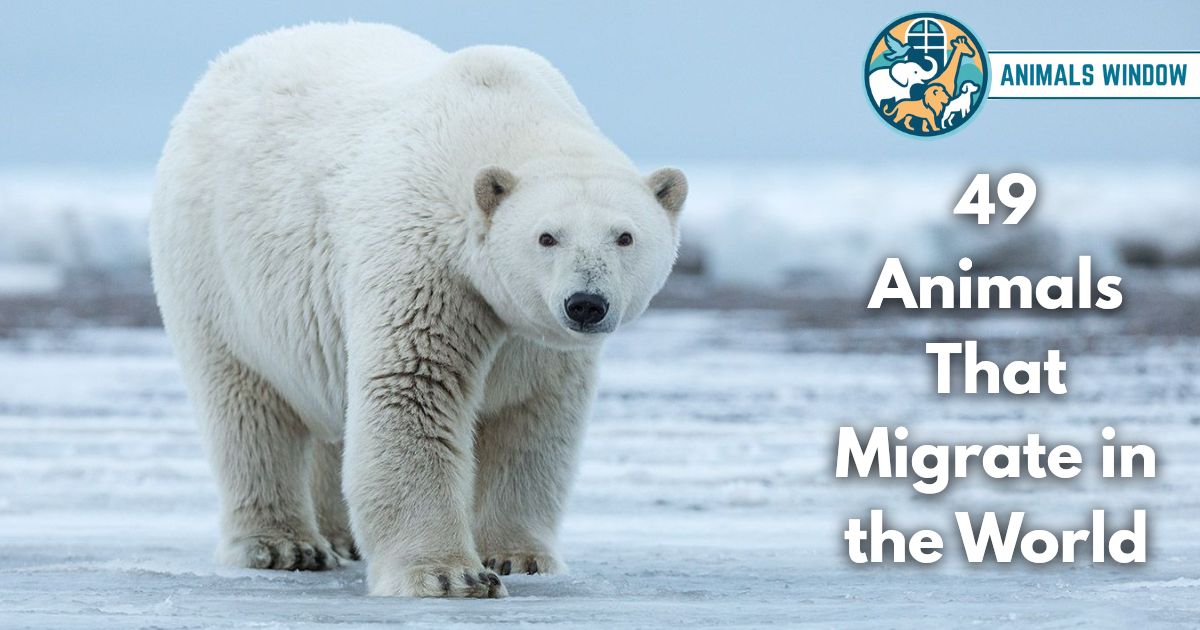
| Polar Bear | Ursus maritimus | Follows sea ice edge |
| Pronghorn | Antilocapra americana | Oldest migration route in North America |
| Wildebeest | Connochaetes taurinus | Crosses croc-filled rivers twice yearly |
| Adélie Penguin | Pygoscelis adeliae | Walks up to 80 miles on ice |
| Arctic Tern | Sterna paradisaea | Travels pole to pole every year |
| Bar-tailed Godwit | Limosa lapponica | Longest nonstop bird flight |
| Blackpoll Warbler | Setophaga striata | Flies 1,700 miles over open ocean |
| Canada Goose | Branta canadensis | Rotates lead position in V-formation |
| Eastern Bluebird | Sialia sialis | Short-distance partial migrator |
| Emperor Penguin | Aptenodytes forsteri | Walks 70+ miles to breeding site |
| Red-tailed Hawk | Buteo jamaicensis | Soars on thermals to save energy |
| Ruby-throated Hummingbird | Archilochus colubris | Flies 500 miles nonstop over Gulf |
| Sandhill Crane | Antigone canadensis | Stops at same rivers for 10,000 years |
| Snow Goose | Anser caerulescens | Forms flocks of 1 million+ birds |
| Snowy Owl | Bubo scandiacus | Irruptive — migrates based on prey |
| Swainson’s Hawk | Buteo swainsoni | Travels in groups of 10,000+ |
| Barn Swallow | Hirundo rustica | Returns to same nest site each year |
| Whooping Crane | Grus americana | Follows ultralight aircraft when needed |
| European Common Toad | Bufo bufo | Returns to exact birth pond |
| Galápagos Land Iguana | Conolophus subcristatus | Climbs volcano to nest |
| Galápagos Tortoise | Chelonoidis niger | Moves with seasonal altitude shifts |
| Green Turtle | Chelonia mydas | Navigates to same nesting beach |
| Leatherback Sea Turtle | Dermochelys coriacea | Follows jellyfish blooms across oceans |
| Loggerhead Sea Turtle | Caretta caretta | Returns after 30 years to birth beach |
| Red-sided Garter Snake | Thamnophis sirtalis parietalis | Mass emergence from single den |
| Atlantic Sturgeon | Acipenser oxyrinchus | Lives 60+ years, migrates both ways |
| Blue Shark | Prionace glauca | Circles entire Atlantic Ocean |
| Chinook Salmon | Oncorhynchus tshawytscha | Detects home river by smell |
| European Eel | Anguilla anguilla | Born in Atlantic, lives in Europe |
| Great White Shark | Carcharodon carcharias | Swims 12,000+ miles in months |
| Northern Bluefin Tuna | Thunnus thynnus | Crosses Atlantic in under 60 days |
| Sockeye Salmon | Oncorhynchus nerka | Turns bright red during final run |
| Whale Shark | Rhincodon typus | Follows plankton blooms across oceans |
| Antarctic Krill | Euphausia superba | Migrates vertically every single day |
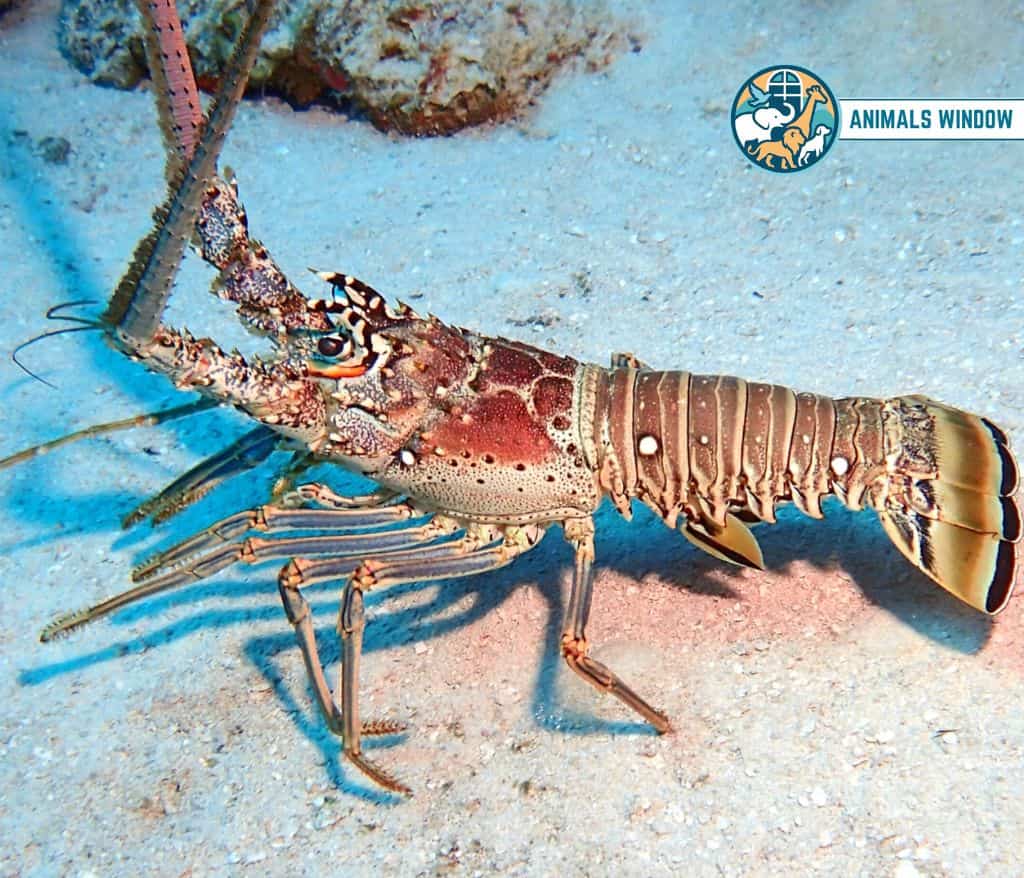
| Caribbean Spiny Lobster | Panulirus argus | Walks single-file on ocean floor |
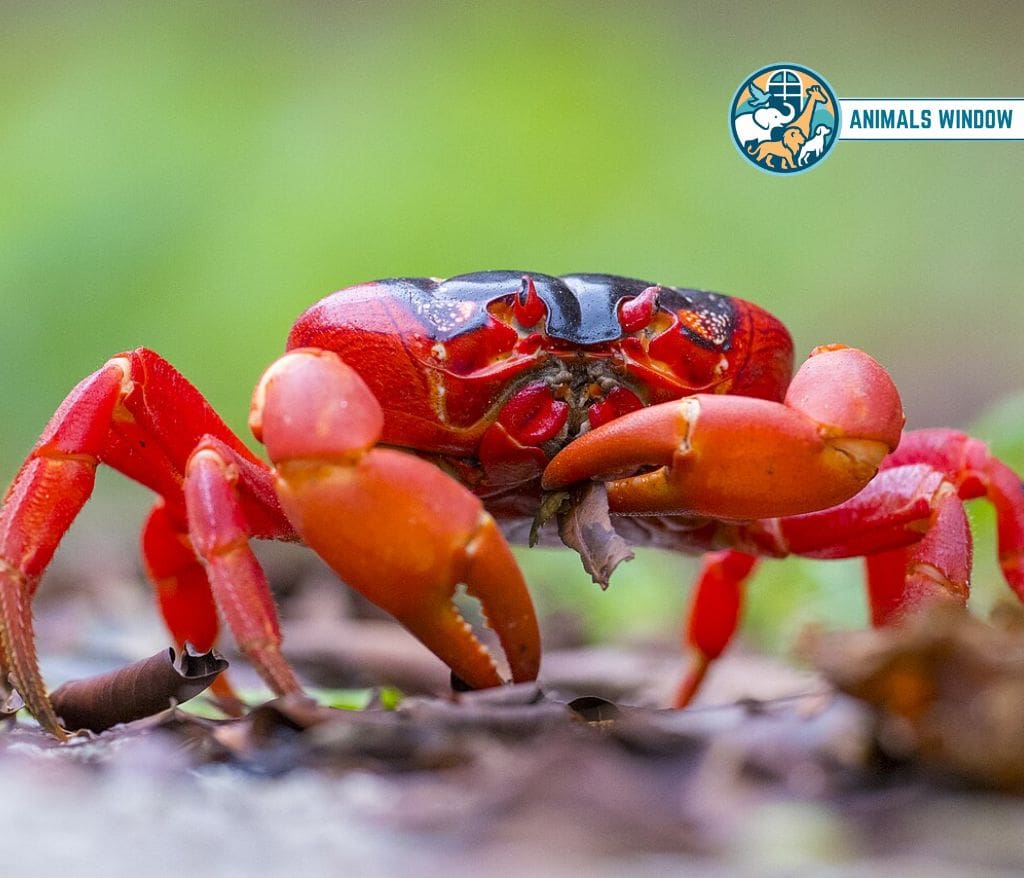
| Christmas Island Red Crab | Gecarcoidea natalis | 50 million crabs march to sea at once |
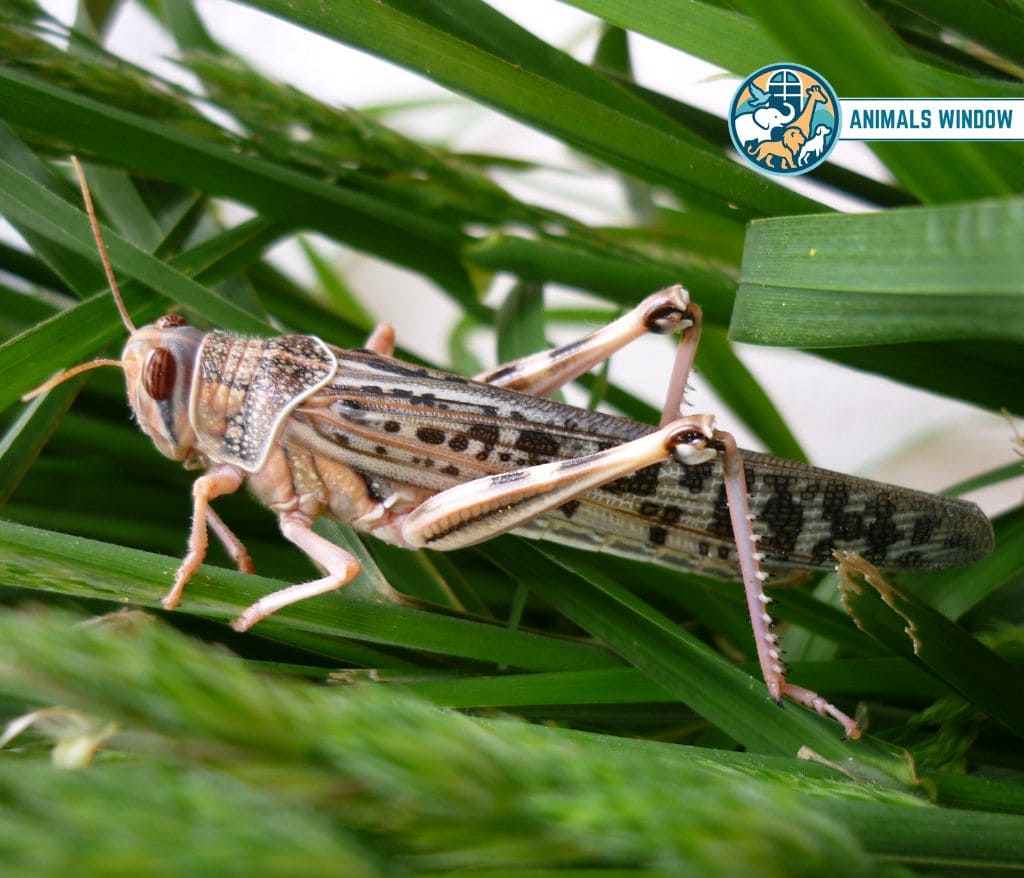
| Desert Locust | Schistocerca gregaria | One swarm can hold 80 billion insects |
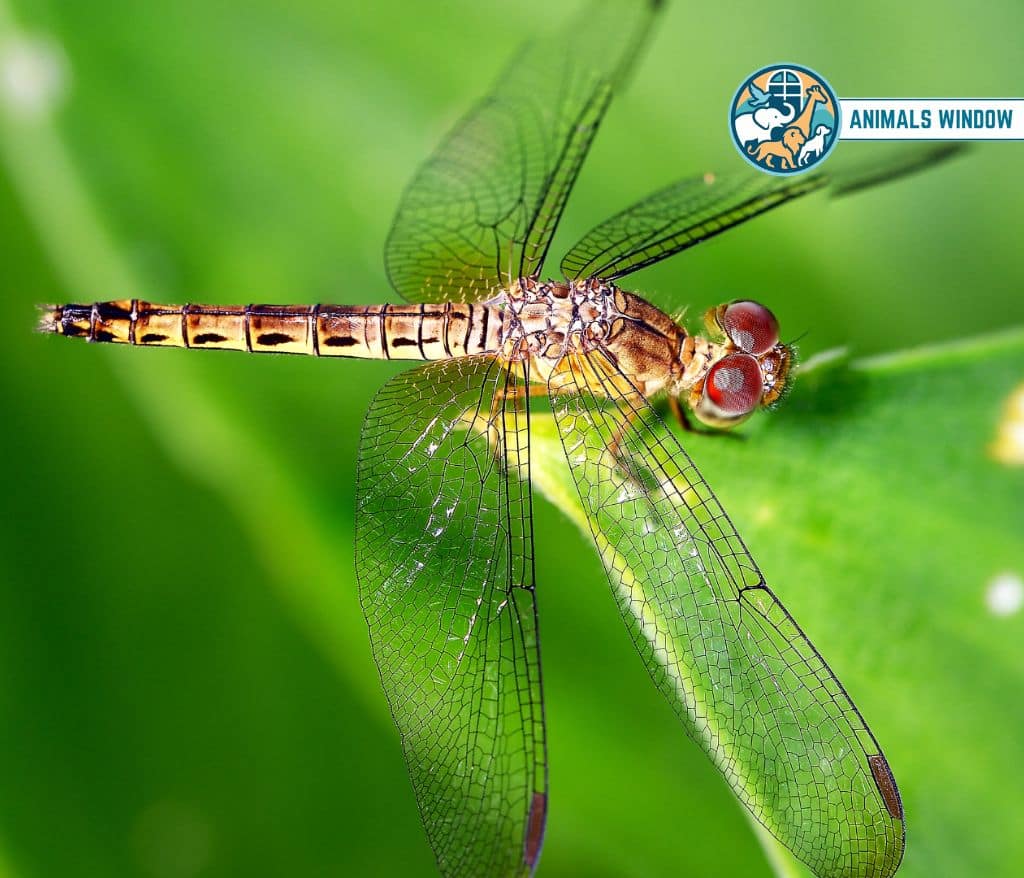
| Globe Skimmer Dragonfly | Pantala flavescens | Longest insect migration on Earth |
| Green Darner Dragonfly | Anax junius | North American multi-generation migrator |
| Humboldt Squid | Dosidicus gigas | Hunts in groups during deep-sea migration |
| Monarch Butterfly | Danaus plexippus | Uses sun compass to navigate south |
Here’s What You’ll Really Learn
Most people know the monarch butterfly migrates. But did you know a tiny warbler the size of your palm flies 1,700 miles over the open Atlantic without stopping? Or that a dragonfly — a dragonfly — completes the longest insect migration on the planet, crossing entire oceans?
This list goes far past the basics. You’ll find out how salmon literally smell their way home after years in the ocean, why 50 million crabs march to the sea on a single island, and how one fish species crosses the entire Atlantic in under 60 days. Stick around — some of these will genuinely surprise you.
Amazing Mammals That Migrate
African Elephant
- Scientific name: Loxodonta africana
- Size: 8.2–13 feet tall
- Weight: 5,000–14,000 lbs
- Diet: Grasses, bark, fruit, roots
- Habitat: African savannas, forests, and bushland
- Lifespan: 60–70 years
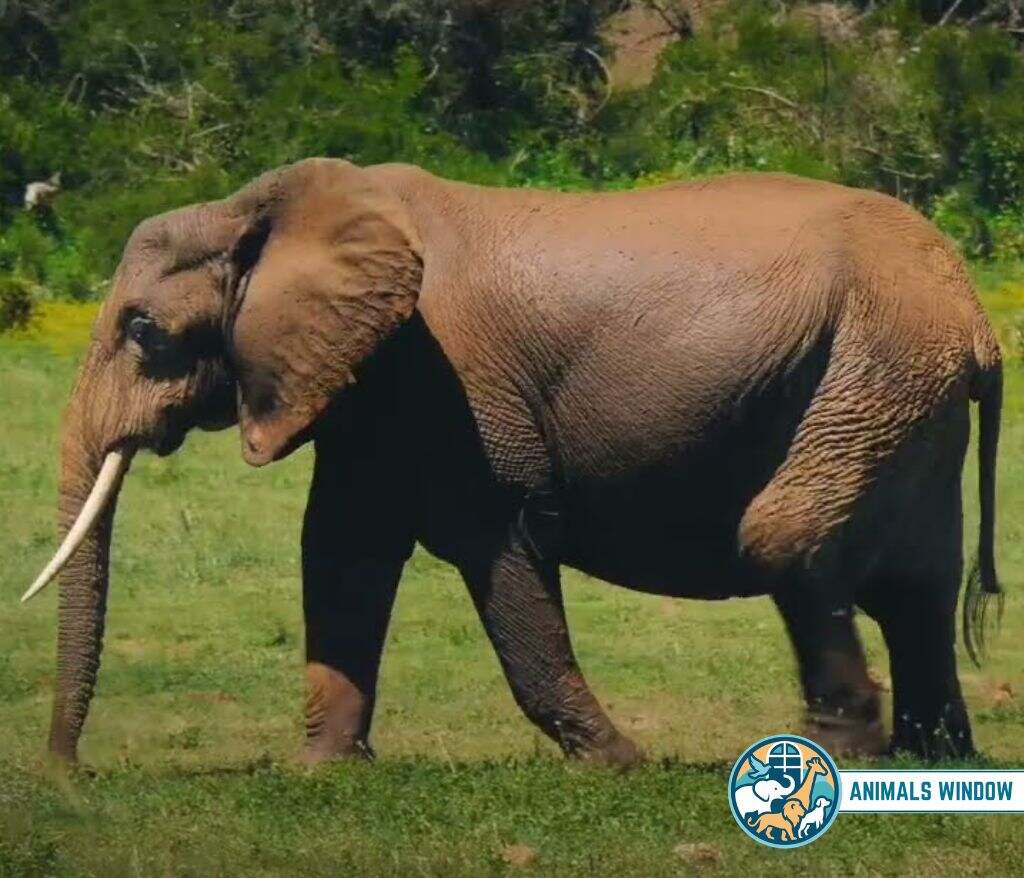
The African elephant is the largest land animal on Earth and one of the most intelligent migrators. Herds in places like Botswana, Namibia, and Kenya travel up to 370 miles during dry seasons, following ancient routes their ancestors used thousands of years ago.
What’s remarkable is that these routes are passed down through memory — specifically through the oldest females, called matriarchs. A herd follows the matriarch because she remembers where the rain pools are, even after 40 years. Researchers have found that herds led by older matriarchs survive droughts better than those led by younger ones.
🔥 Comparison Fact: An adult African elephant weighs about as much as two full-size pickup trucks stacked together.
Blue Whale
- Scientific name: Balaenoptera musculus
- Size: Up to 100 feet long
- Weight: Up to 330,000 lbs
- Diet: Krill (up to 8,000 lbs per day during feeding season)
- Habitat: All major oceans
- Lifespan: 80–90 years
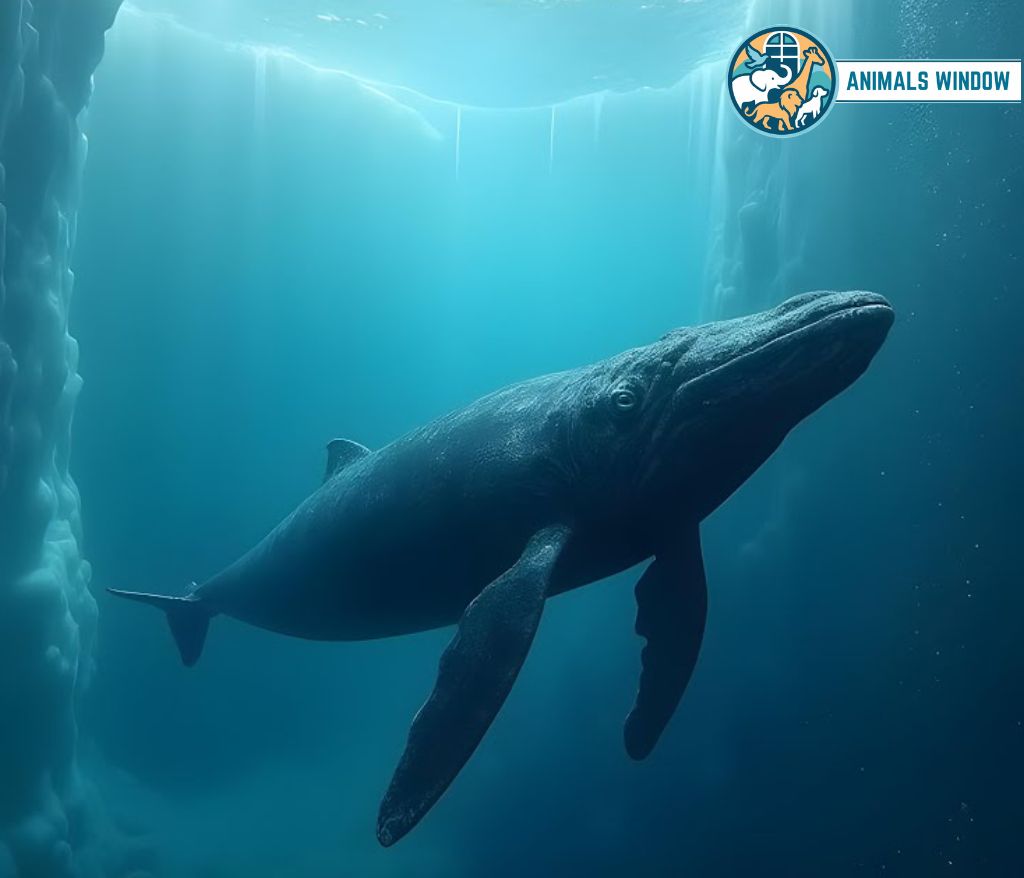
The blue whale is the largest animal ever known to exist — bigger than any dinosaur. It migrates between cold polar feeding waters in summer and warm tropical breeding waters in winter, covering up to 10,000 miles round trip.
Blue whales eat almost nothing during their migration. They rely entirely on the blubber they build up during summer feeding months. A blue whale heart alone weighs about 400 pounds — roughly as much as a large motorcycle — and beats just 2 times per minute during deep dives.
🔥 Comparison Fact: A blue whale’s tongue weighs about as much as an adult elephant.
Caribou (Porcupine Herd)
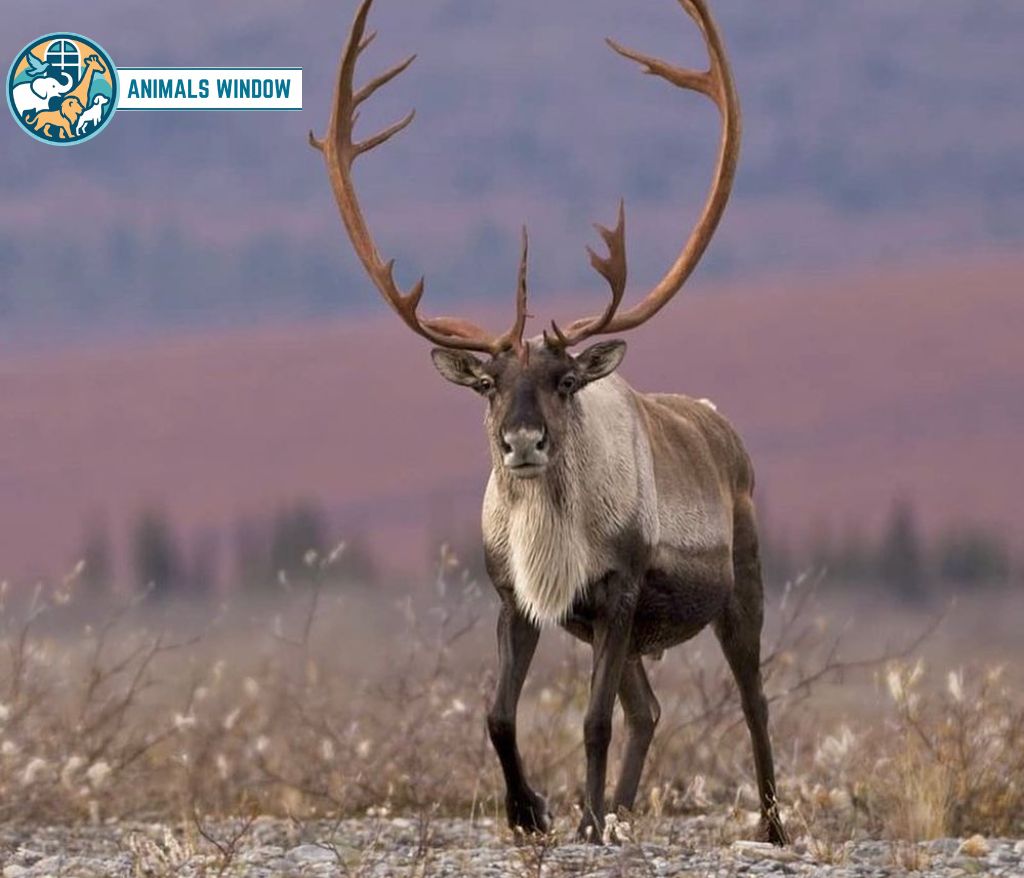
- Scientific name: Rangifer tarandus
- Size: 4–5 feet at shoulder
- Weight: 130–400 lbs
- Diet: Grasses, sedges, mosses, lichens
- Habitat: Arctic tundra and boreal forests of North America
- Lifespan: 4.5–12 years
The Porcupine caribou herd — named after the Porcupine River in Yukon — makes the longest overland animal migration in the Americas. Each year, roughly 200,000 caribou travel up to 3,000 miles from their winter grounds in boreal forests to their calving grounds on Alaska’s North Slope.
What separates this herd from others is timing precision. Cows arrive at the calving grounds within a 2-week window every single year. Calves born here grow faster due to the massive insect-free summer feeding, but the window is short. The whole journey back south begins within weeks of birth.
🔥 Comparison Fact: The Porcupine herd’s annual migration distance is roughly the same as driving from New York City to Los Angeles and back.
Gray Whale
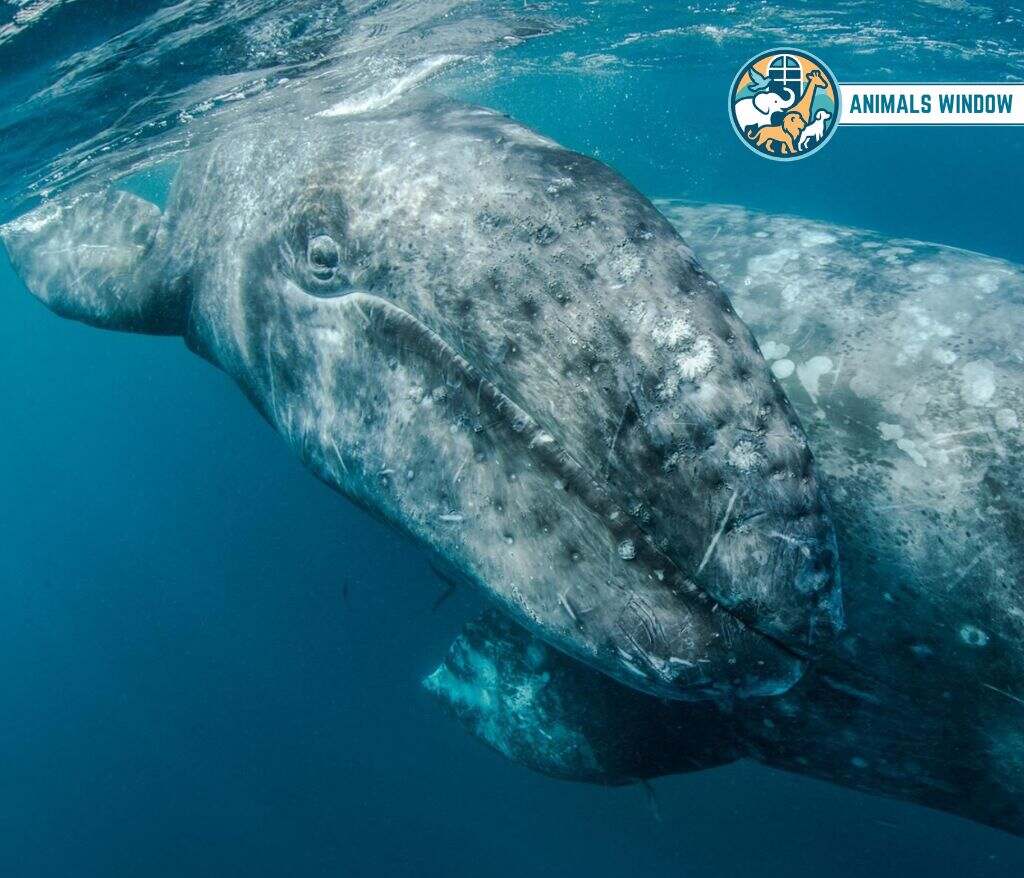
- Scientific name: Eschrichtius robustus
- Size: 43–49 feet
- Weight: 60,000–80,000 lbs
- Diet: Amphipods (tiny crustaceans filtered from seafloor sediment)
- Habitat: North Pacific Ocean
- Lifespan: 55–70 years
The gray whale makes one of the most well-watched migrations in the world. Every year, it travels between Arctic feeding waters near Alaska and warm breeding lagoons in Baja California, Mexico — a round trip of up to 12,000 miles, which it completes while staying close to the coast.
Unlike most whales that hunt in open water, the gray whale feeds by rolling sideways on the seafloor and sucking in sediment. It filters out small crustaceans through its baleen plates and leaves behind craters on the ocean floor. Interestingly, gray whales on the Pacific coast have begun approaching whale-watching boats with their calves — a behavior so consistent that scientists call certain whales “friendlies.”
🔥 Comparison Fact: A gray whale is about as long as a regulation NBA basketball court is wide.
More Posts: 30 Most Energetic Animals (Ranked by Speed & Stamina With Pictures)
Humpback Whale
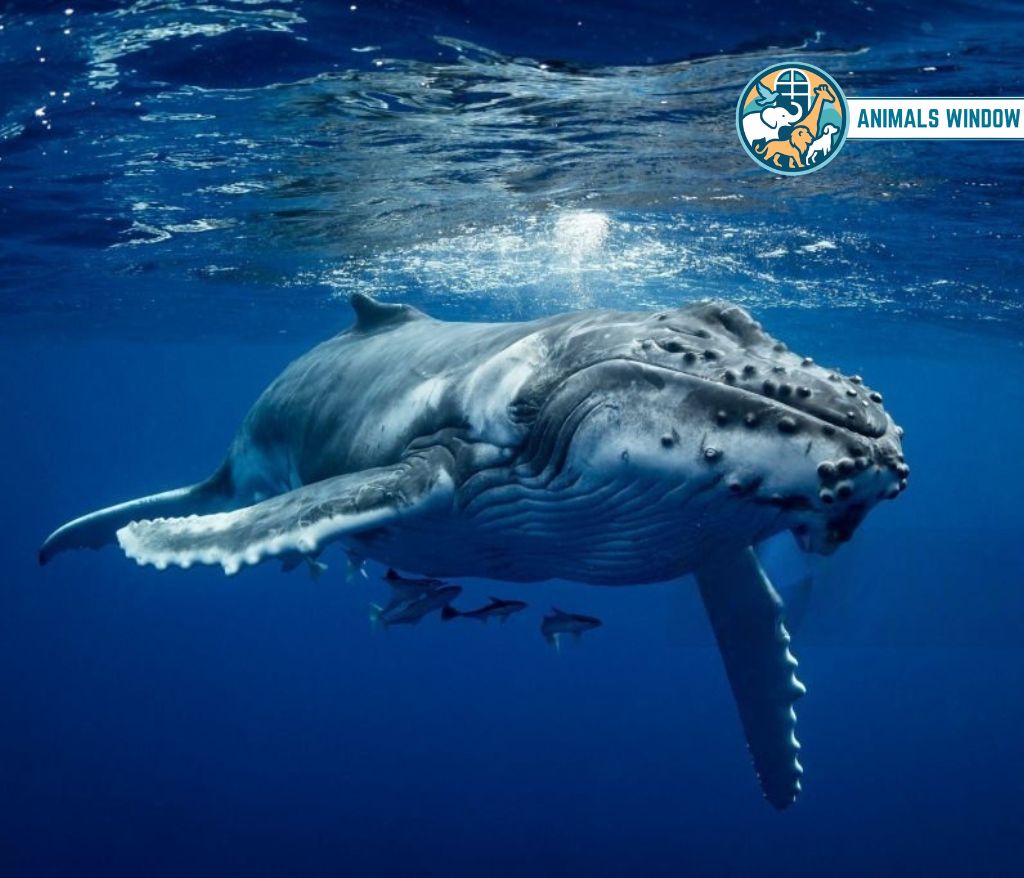
- Scientific name: Megaptera novaeangliae
- Size: 48–62 feet
- Weight: 66,000–100,000 lbs
- Diet: Krill, small schooling fish
- Habitat: All major ocean basins
- Lifespan: 45–80 years
Humpback whales travel between polar feeding grounds and tropical breeding grounds, with some populations migrating over 10,000 miles. But what makes this species truly one-of-a-kind is what happens during the journey — the males sing. These songs can last for hours and change over time, with all males in a region eventually singing the same updated version.
Humpbacks also use “bubble-net feeding” — a hunting method where a group of whales swims in circles blowing bubbles to trap fish in a rising column, then lunges upward through the middle. It’s one of the few known examples of coordinated group hunting in marine mammals.
🔥 Comparison Fact: A humpback whale’s pectoral fin is about as long as a standard park bench is wide — roughly 15 feet.
Mexican Free-tailed Bat
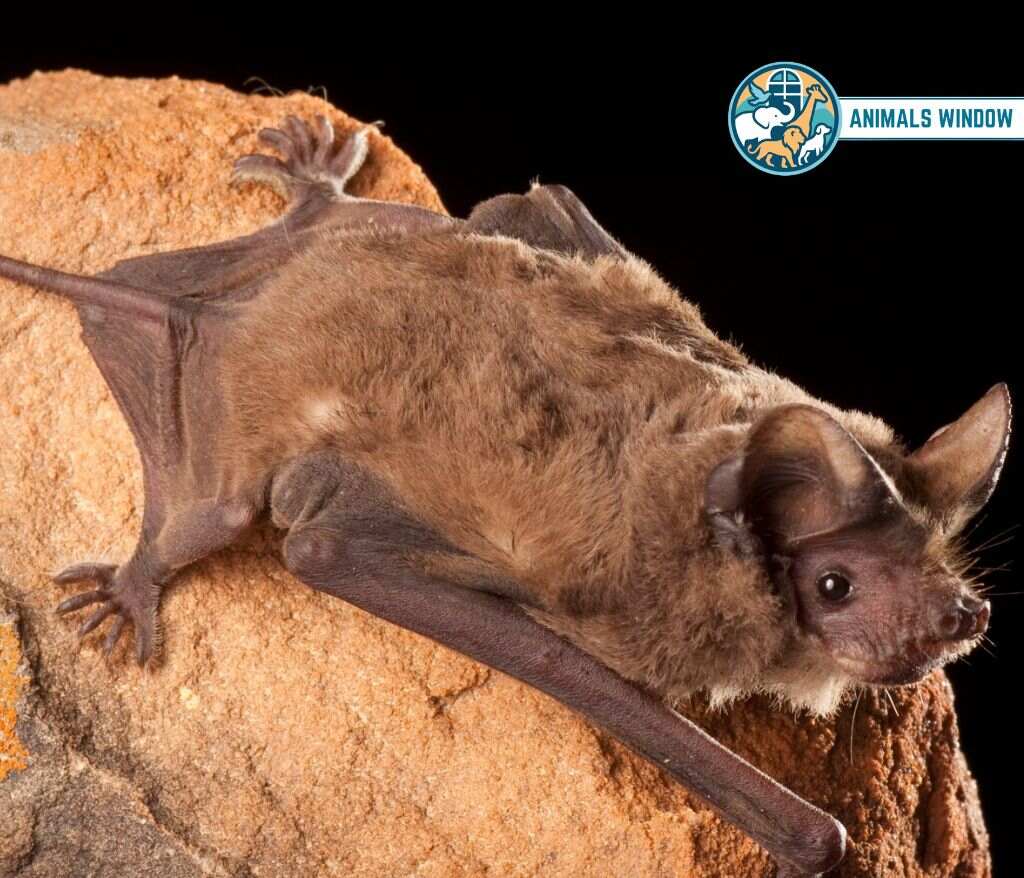
- Scientific name: Tadarida brasiliensis
- Size: 3.5–4.3 inch body
- Weight: 0.4–0.5 oz
- Diet: Moths, beetles, flying ants
- Habitat: Caves in the southwestern US and Mexico
- Lifespan: Up to 18 years
Millions of Mexican free-tailed bats spend summers in Texas — Bracken Cave alone holds over 15 million — then migrate south to Mexico for winter. What sets this bat apart is speed. It’s recorded flying at over 99 mph in level flight, making it the fastest horizontal flier of any bat species.
During their nightly feeding flights, each bat can consume its body weight in insects. A single colony the size of Bracken Cave consumes roughly 200 tons of insects per night. For farmers in the region, that’s a natural pest-control service worth an estimated $1 billion annually.
🔥 Comparison Fact: A Mexican free-tailed bat’s body is about the length of your index finger.
Northern Elephant Seal
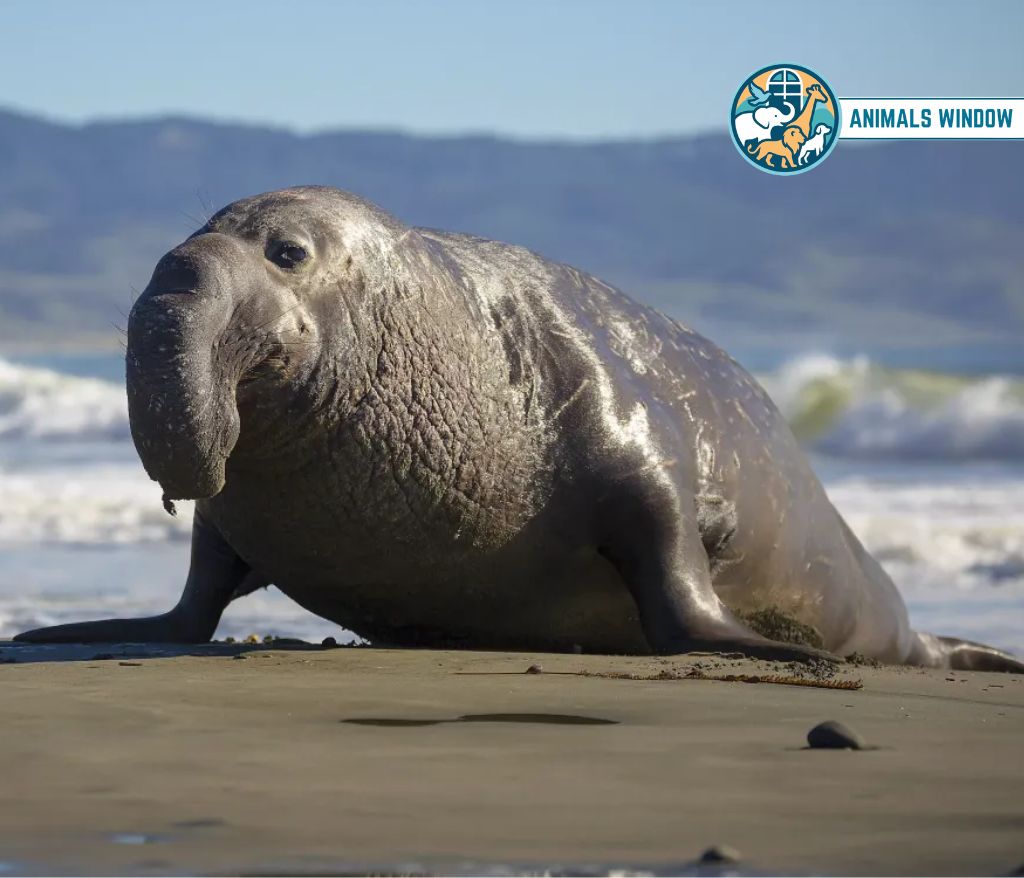
- Scientific name: Mirounga angustirostris
- Size: Up to 14 feet (males)
- Weight: Up to 5,000 lbs (males)
- Diet: Squid, fish, rays, sharks
- Habitat: Pacific Coast from Baja California to Alaska
- Lifespan: 9–23 years
The northern elephant seal is one of the most extreme migrators among mammals because it makes two complete round trips every year. After breeding in California, males head to Alaska and back for feeding, then return to California again for molting. Total distance covered: up to 21,000 miles per year.
These seals sleep while diving. They enter a state called “drift diving,” spiraling slowly downward in a corkscrew pattern while unconscious, then wake just before hitting the bottom. Their brain hemisphere doesn’t fully shut down — they rest only one side at a time, similar to dolphins.
🔥 Comparison Fact: A male northern elephant seal weighs about as much as a mid-size car.
Plains Zebra
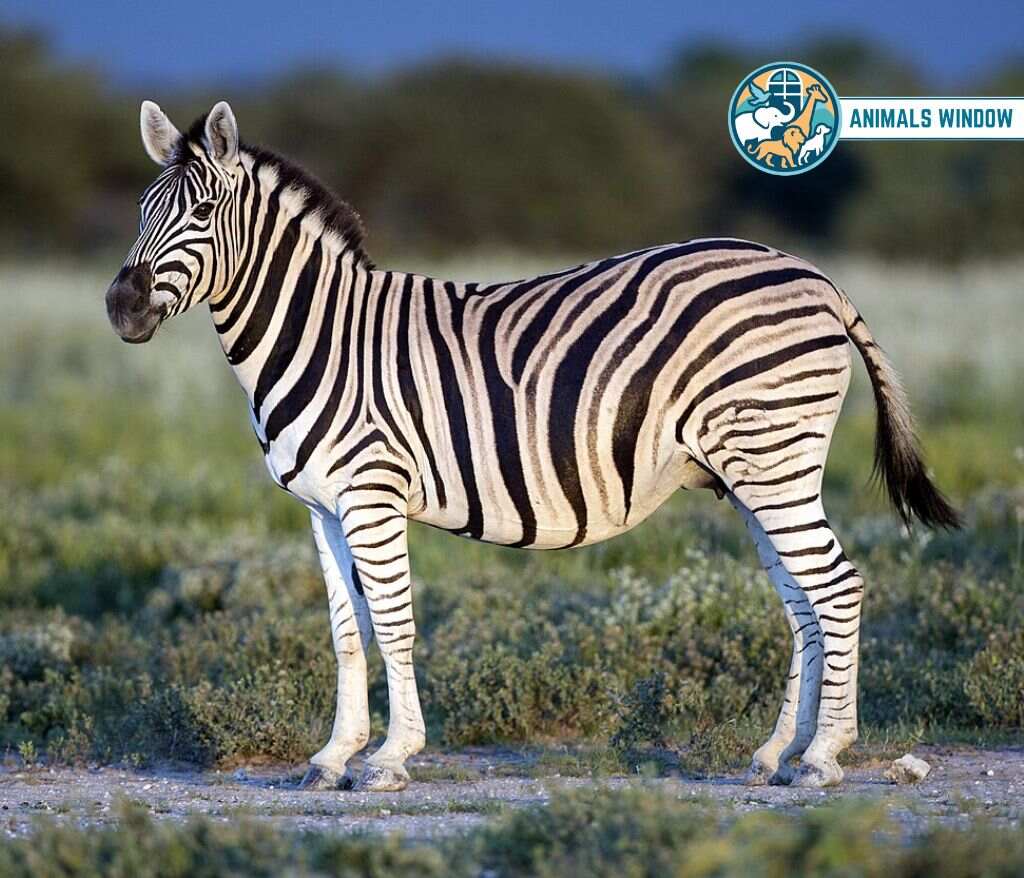
- Scientific name: Equus quagga
- Size: 4–5 feet at shoulder
- Weight: 485–990 lbs
- Diet: Grasses
- Habitat: East African grasslands
- Lifespan: 20–25 years
Plains zebras in Botswana complete Africa’s longest land migration — about 300 miles between the Chobe and Nxai Pan national parks. The migration was only confirmed by scientists in 2012 using GPS collars, which makes it a relatively recent discovery despite being ancient behavior.
Every zebra has a unique stripe pattern, like a human fingerprint. Zebras travel alongside wildebeest but for different reasons — zebras prefer taller grasses, while wildebeest prefer shorter, nutrient-rich grass. This means the two species are actually competing for different foods, making their companionship a mutual safety strategy rather than a food conflict.
🔥 Comparison Fact: A plains zebra stands about as tall at the shoulder as an average kitchen countertop.
Polar Bear
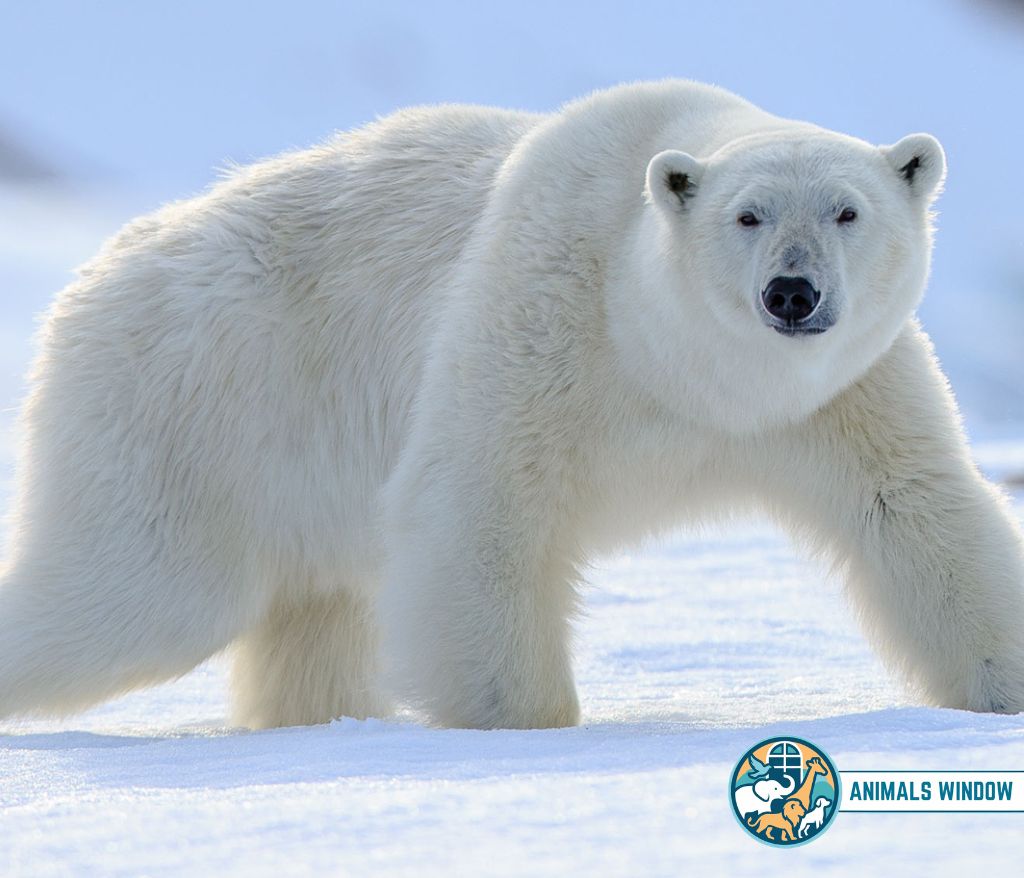
- Scientific name: Ursus maritimus
- Size: 7–10 feet long
- Weight: 330–1,500 lbs
- Diet: Ringed seals, bearded seals
- Habitat: Arctic sea ice
- Lifespan: 20–30 years
Polar bears don’t migrate the way most animals do. Their movement follows the seasonal edge of sea ice, expanding and contracting with the Arctic seasons. As ice forms in fall, they push north to hunt. As ice melts in summer, they retreat to land or swim to remaining ice platforms.
Polar bears are powerful swimmers — they can swim continuously for up to 220 miles across open water, though this has become more necessary as sea ice disappears. Their fur looks white but is actually transparent and hollow, channeling sunlight down to black skin beneath that absorbs heat.
🔥 Comparison Fact: A standing polar bear is roughly as tall as a standard door frame.
Pronghorn
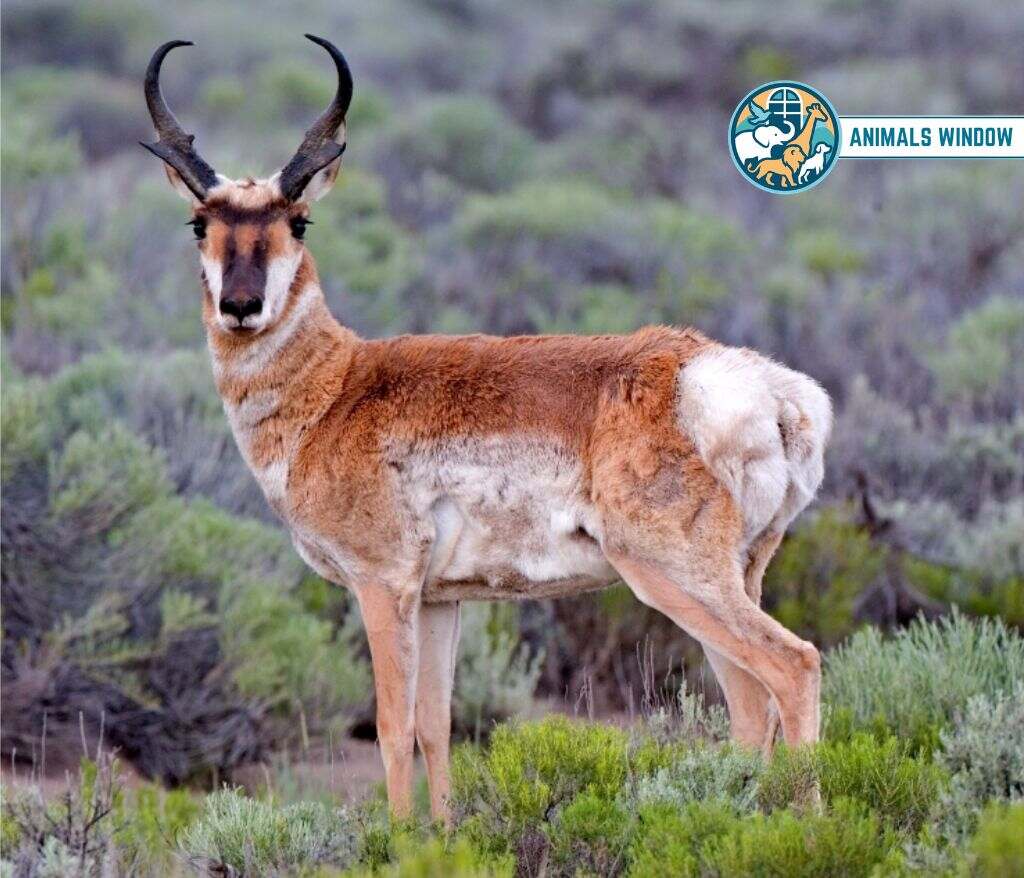
- Scientific name: Antilocapra americana
- Size: 3–3.5 feet at shoulder
- Weight: 90–150 lbs
- Diet: Grasses, cacti, sagebrush
- Habitat: North American grasslands and deserts
- Lifespan: 7–10 years
The pronghorn runs the oldest intact land migration in North America. Its route through Wyoming — known as the “Path of the Pronghorn” — is estimated to be 6,000 years old, predating many modern fences and highways. The animals travel 150 miles between Yellowstone and the Upper Green River Basin twice a year.
Pronghorns are the second-fastest land animal on Earth, capable of reaching 55 mph. But more impressive than their top speed is their endurance — they can sustain speeds of 40–45 mph for several miles without stopping. Their speed is thought to have evolved when cheetahs still lived in North America 10,000 years ago.
🔥 Comparison Fact: A pronghorn can cover a distance equal to the length of a football field in about 3 seconds at full sprint.
Wildebeest (Blue Wildebeest)
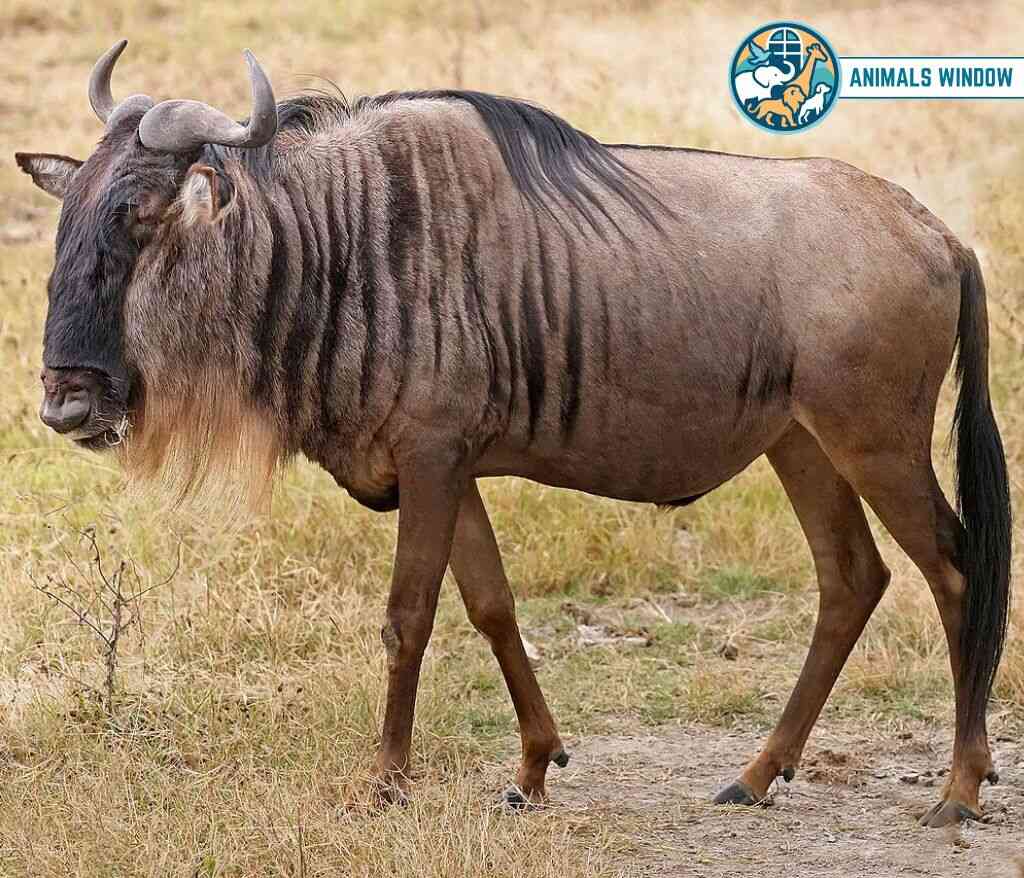
- Scientific name: Connochaetes taurinus
- Size: 4.5–5.5 feet at shoulder
- Weight: 265–600 lbs
- Diet: Grasses
- Habitat: East African savannas
- Lifespan: 20 years
About 1.5 million blue wildebeest circle the Serengeti and Masai Mara in a continuous loop that never truly stops. They follow rainfall and grass growth — and this is a key distinction — the migration is not a straight line south-to-north trip. It’s a 500-mile oval that adjusts based on where storms fall.
What stands out about wildebeest calving is the synchronization. Around 500,000 calves are born within the same 3-week period in February. This “predator swamping” strategy means lions, hyenas, and cheetahs simply can’t eat fast enough. Calves that are born outside this window are far more likely to die.
🔥 Comparison Fact: A wildebeest is about the size and weight of a large riding lawnmower.
More Posts: 16 Small Monkey Breeds (With Pictures & Unique Facts)
🐦 Birds That Migrate in the World
Adélie Penguin
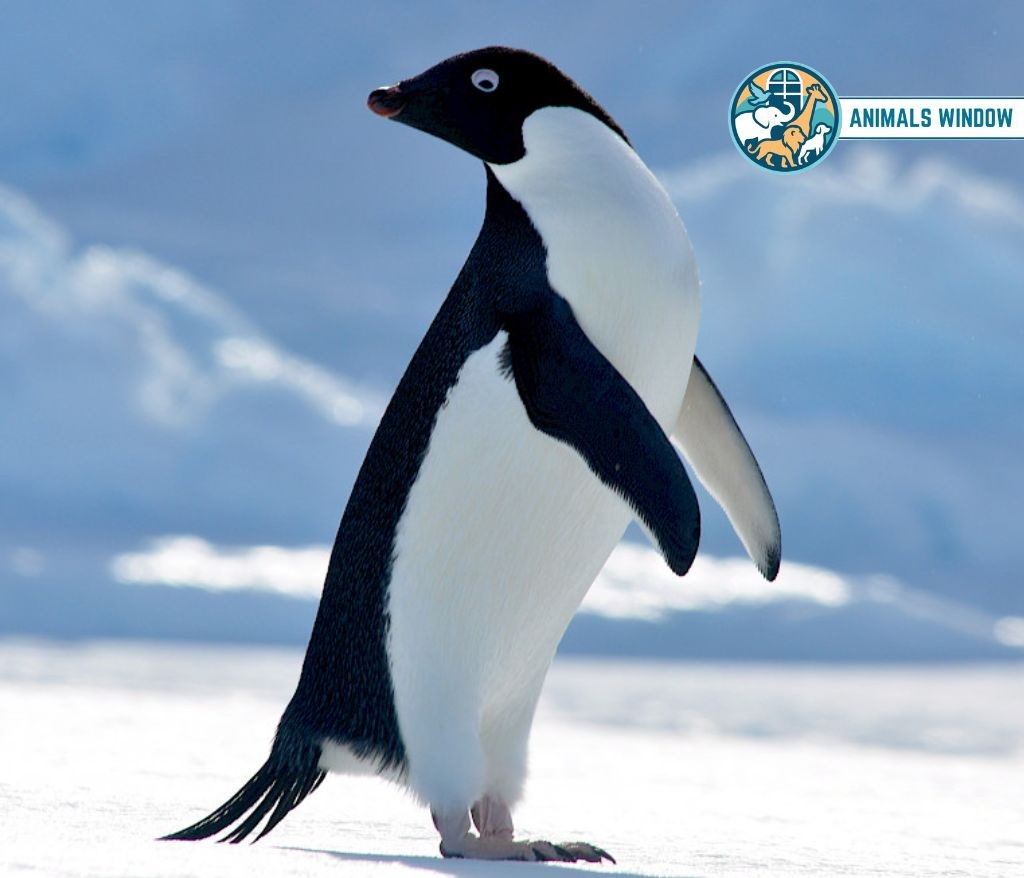
- Scientific name: Pygoscelis adeliae
- Size: 18–28 inches tall
- Weight: 8–13 lbs
- Diet: Krill, squid, small fish
- Habitat: Antarctic coastline and pack ice
- Lifespan: 10–20 years
Adélie penguins breed on the rocky shores of Antarctica and walk up to 80 miles across ice to reach the sea, then swim thousands of miles during winter months. Unlike most penguins, they don’t use the same nest site every year — they often shift their colony slightly based on ice and food conditions.
These penguins have a unique social feeding behavior. When a group reaches the ice edge, none of them want to jump in first (because leopard seals wait below). So they shuffle and jostle until one falls in — if it survives, the others follow. Scientists call this “predator inspection.”
🔥 Comparison Fact: An Adélie penguin is about as tall as a standard ruler standing upright.
Arctic Tern
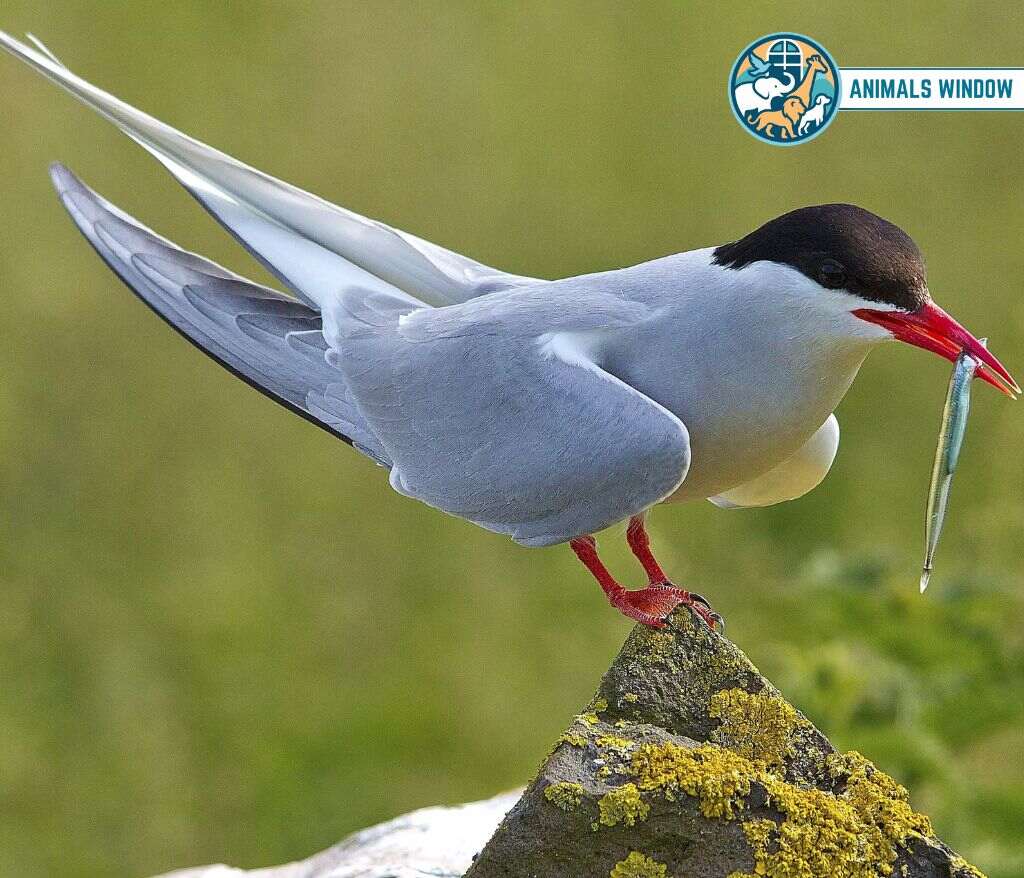
- Scientific name: Sterna paradisaea
- Size: 11–15 inch body
- Weight: 3–4 oz
- Diet: Small fish and invertebrates
- Habitat: Arctic breeding, Antarctic wintering
- Lifespan: Up to 30 years
The Arctic tern sees more sunlight than any other creature on Earth. It breeds in the Arctic during the northern summer, then migrates to the Antarctic for the southern summer — chasing two summers a year. The total annual journey? About 56,000 miles — the equivalent of flying to the moon and back twice in a lifetime.
What’s surprising is how a bird weighing less than a can of soup pulls this off. Arctic terns use a figure-8 route that rides two major wind systems — the ITCZ and the westerlies — meaning they rarely fly against the wind. They’re not working hard; they’re working smart.
🔥 Comparison Fact: An Arctic tern weighs about as much as two standard AA batteries.
Bar-tailed Godwit
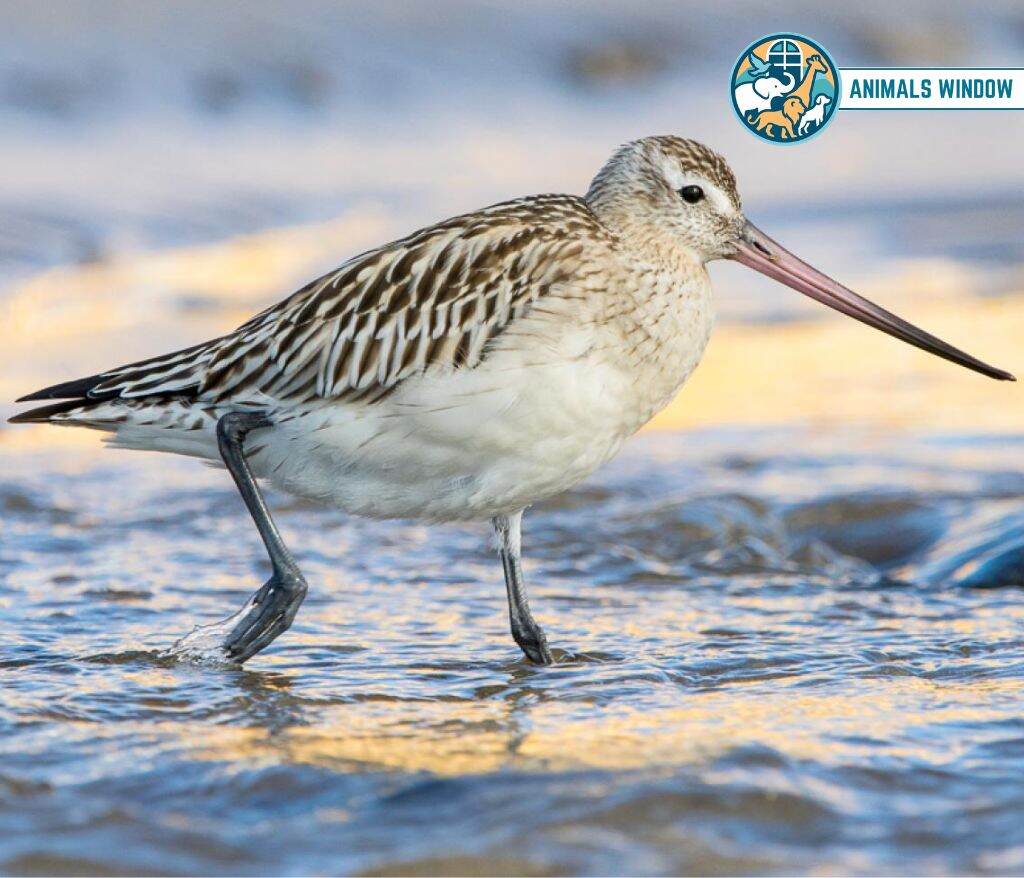
- Scientific name: Limosa lapponica
- Size: 15–16 inches
- Weight: 9–18 oz
- Diet: Marine worms, mollusks, crustaceans
- Habitat: Alaska breeding grounds, New Zealand wintering grounds
- Lifespan: 20–25 years
The bar-tailed godwit holds the world record for the longest nonstop flight by any bird. One individual, tracked by satellite, flew 7,580 miles from Alaska to New Zealand in just over 11 days — without eating, drinking, or landing once.
Before departure, these birds essentially eat themselves. They grow their digestive organs extra-large over summer, gorge on food until they’ve nearly doubled their body weight, then shrink their liver, kidneys, and intestines by up to 25% before takeoff — reducing useless weight for the flight. The fat they store becomes their only fuel source across the entire Pacific.
🔥 Comparison Fact: A bar-tailed godwit is about the length of a standard sheet of paper from beak tip to tail.
Blackpoll Warbler
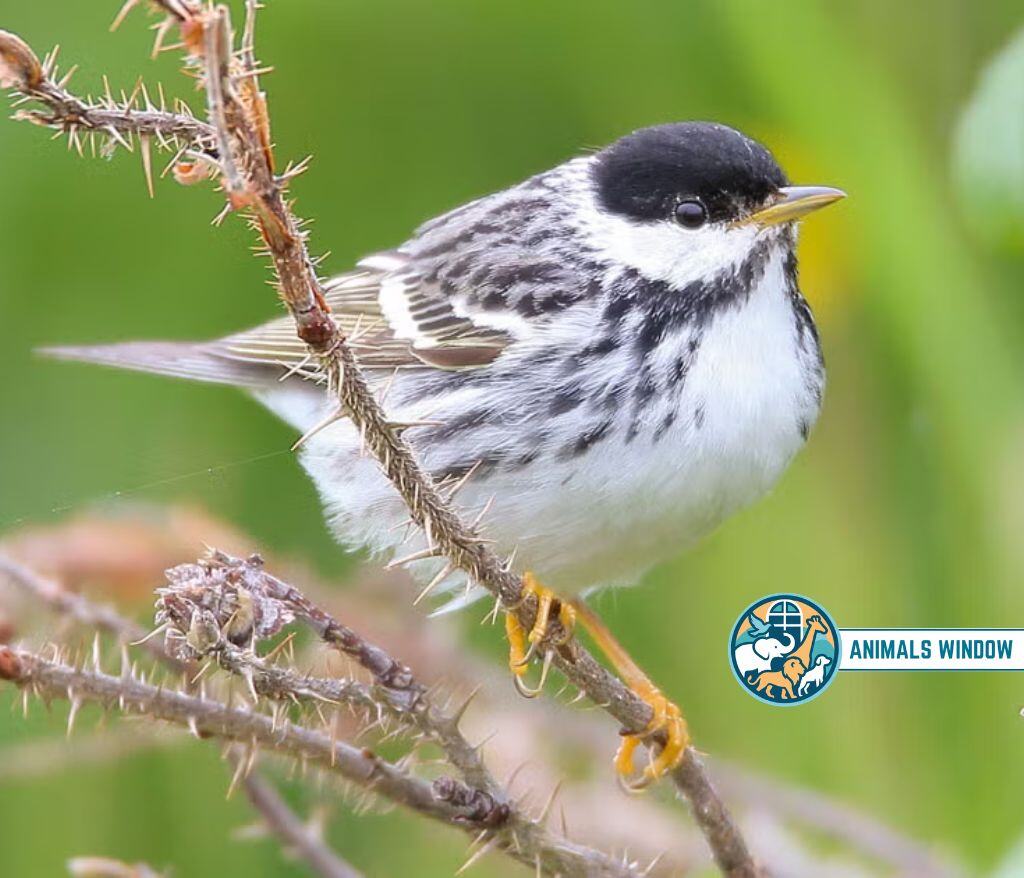
- Scientific name: Setophaga striata
- Size: 5.3–5.9 inches
- Weight: 0.4–0.5 oz
- Diet: Insects, berries during migration
- Habitat: Boreal forests of Canada, wintering in South America
- Lifespan: Up to 8 years
The blackpoll warbler is tiny — barely heavier than a set of car keys — but every fall it flies from the northeastern United States across the open Atlantic Ocean to South America. That’s a 1,700-mile open-water crossing with no land in sight and no stopping.
Scientists confirmed this route only recently using tiny geolocator backpacks weighing less than half a gram. Before that, researchers assumed the birds took an overland route through Central America. The discovery was shocking — this 12-gram bird was consistently crossing the North Atlantic at altitudes of up to 21,000 feet.
🔥 Comparison Fact: A blackpoll warbler weighs about the same as 2 US quarters.
Canada Goose
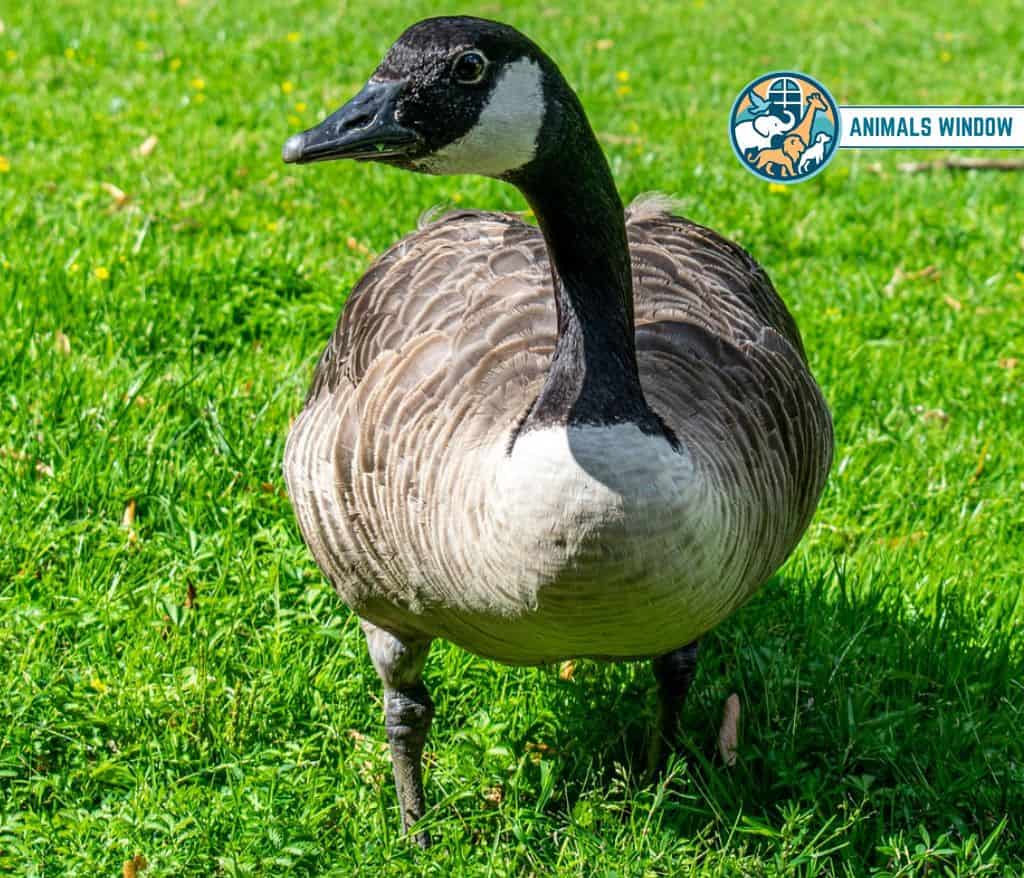
- Scientific name: Branta canadensis
- Size: 30–43 inch body
- Weight: 6.6–19.8 lbs
- Diet: Grass, grain, aquatic plants
- Habitat: Wetlands, parks, farmland across North America
- Lifespan: 10–25 years
Canada geese fly in a V-formation for a very specific reason — aerodynamic efficiency. The lead bird breaks the air resistance, creating an updraft that lifts the birds behind it. Researchers have found that the V-formation reduces energy expenditure by about 20–30% for the birds not in front. And the lead position rotates, so no single bird carries the full burden.
What many people don’t realize is that some Canada goose populations no longer migrate at all. Urban populations that discover golf courses, parks, and reliable year-round food sources simply stay put — making them one of the few migratory species actively adapting to human-modified environments.
🔥 Comparison Fact: A large Canada goose can weigh about as much as a typical house cat.
Eastern Bluebird
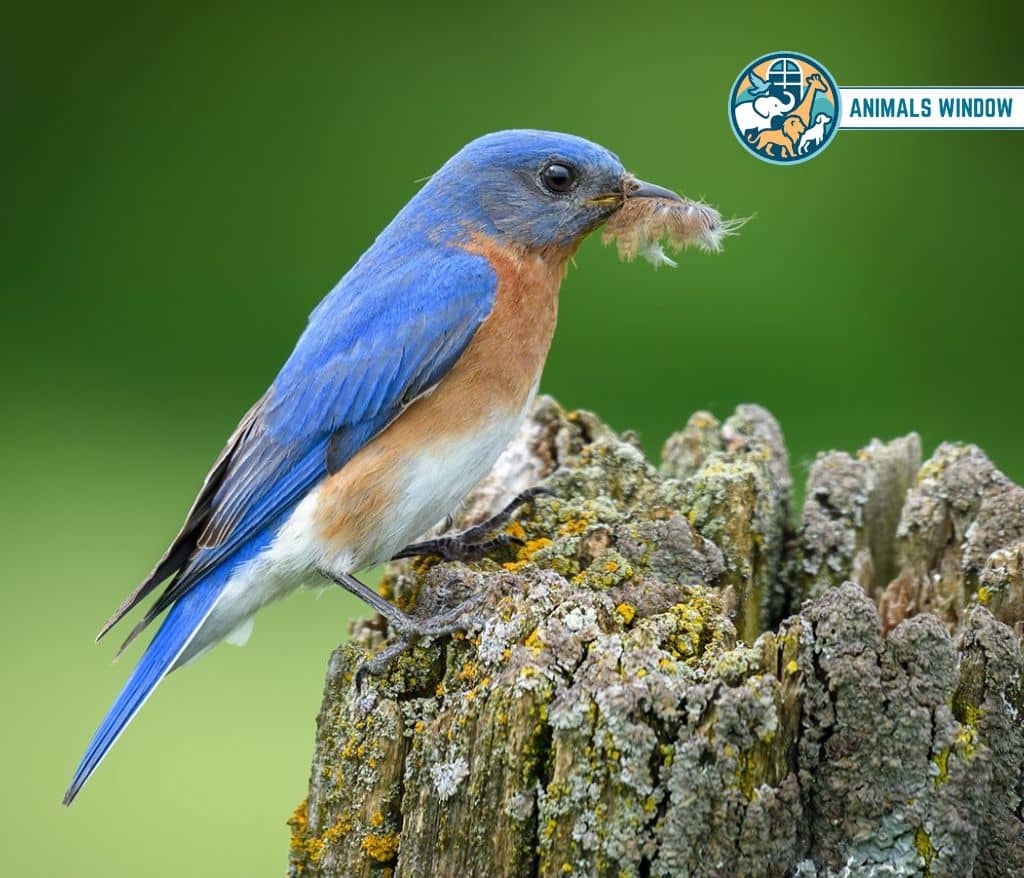
- Scientific name: Sialia sialis
- Size: 6.3–8.3 inches
- Weight: 1–1.1 oz
- Diet: Insects, berries
- Habitat: Open woodlands and meadows in eastern North America
- Lifespan: 6–10 years
The eastern bluebird is a partial migrator — meaning not every individual migrates. Some fly south for winter, while others stay put if winters are mild enough. The decision appears to be individual and sometimes shifts year to year based on local food availability.
Eastern bluebirds nest in tree cavities and nest boxes, and their populations nearly collapsed in the 20th century due to competition from invasive European starlings and house sparrows. A continent-wide volunteer effort to install nest boxes has since brought populations back significantly — making them one of conservation’s better success stories.
🔥 Comparison Fact: An eastern bluebird weighs about as much as three teaspoons of sugar.
Emperor Penguin
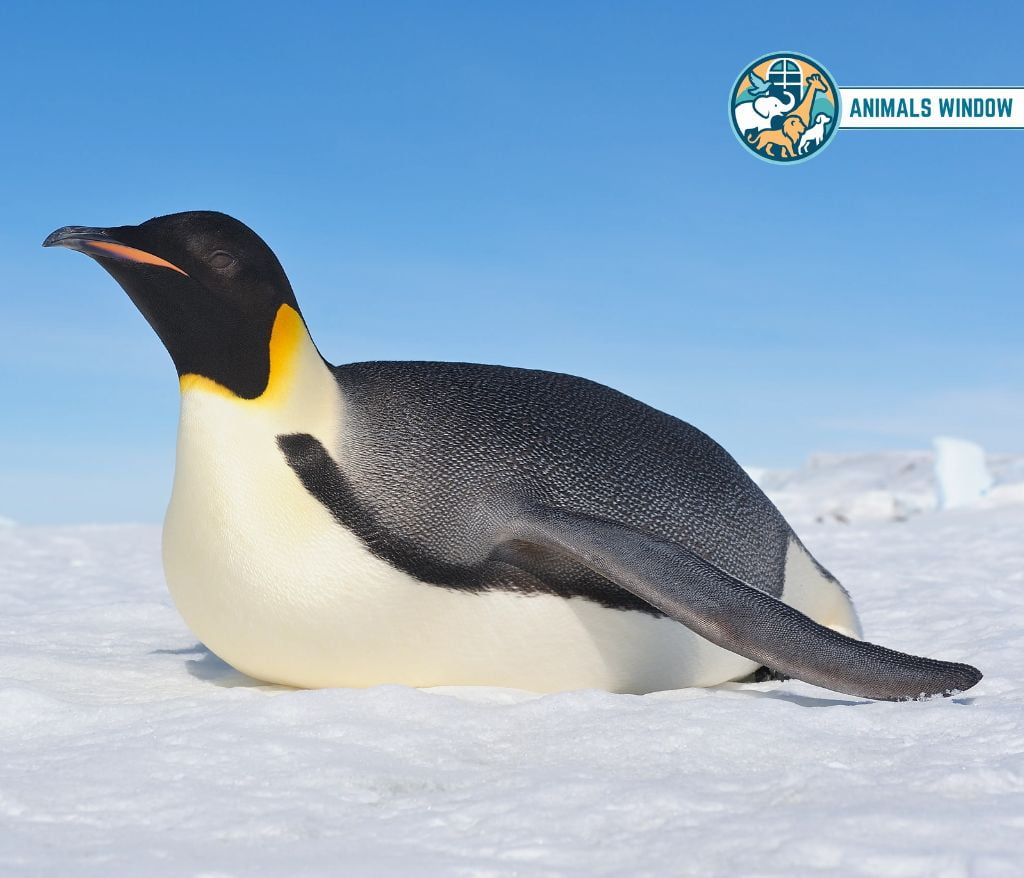
- Scientific name: Aptenodytes forsteri
- Size: 45–48 inches tall
- Weight: 49–99 lbs
- Diet: Fish, squid, krill
- Habitat: Antarctic sea ice
- Lifespan: 20 years
The emperor penguin breeds in the coldest place on Earth during the coldest time of year — choosing winter in Antarctica so chicks grow large before the next summer. Males walk up to 75 miles inland to reach breeding sites, then huddle together in groups of thousands, rotating from the cold outside to the warm interior of the huddle. The group as a whole moves like a slow, living blanket.
Each male fasts for up to four months while keeping the egg warm on his feet. By the time the female returns from sea, males have lost up to 45% of their body weight. They survive purely on stored fat, and the huddle temperature inside can reach 98°F even when outside temperatures hit -76°F.
🔥 Comparison Fact: A large male emperor penguin stands about as tall as a five-year-old child.
Red-tailed Hawk
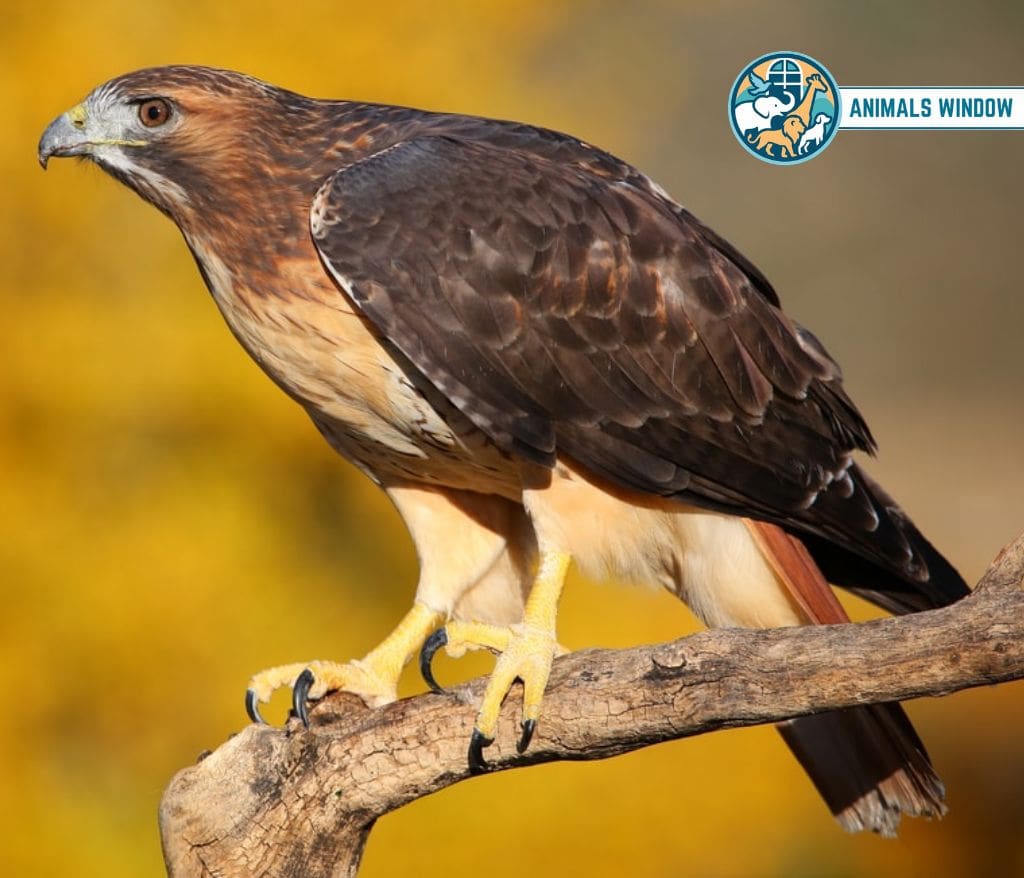
- Scientific name: Buteo jamaicensis
- Size: 18–26 inches body length
- Weight: 1.5–3.5 lbs
- Diet: Rodents, rabbits, squirrels
- Habitat: Open country, forests, urban areas across North America
- Lifespan: 10–25 years
The red-tailed hawk is a partial migrator — some birds stay in their territory year-round, while others in northern areas head south in fall. When migrating, they’re thermal specialists. Rather than flapping long distances, they circle upward on rising columns of warm air called thermals, then glide forward and downward until they catch the next thermal. This can carry them hundreds of miles with minimal energy.
Their distinctive tail color appears only after the first year of life — juveniles have banded brown tails. The species is easily the most common hawk in North America and is the bird you most often hear in movies when an eagle is shown — filmmakers often dub in the red-tailed hawk’s call because it sounds more dramatic than a bald eagle’s.
🔥 Comparison Fact: A red-tailed hawk weighs about as much as three sticks of butter.
Ruby-throated Hummingbird
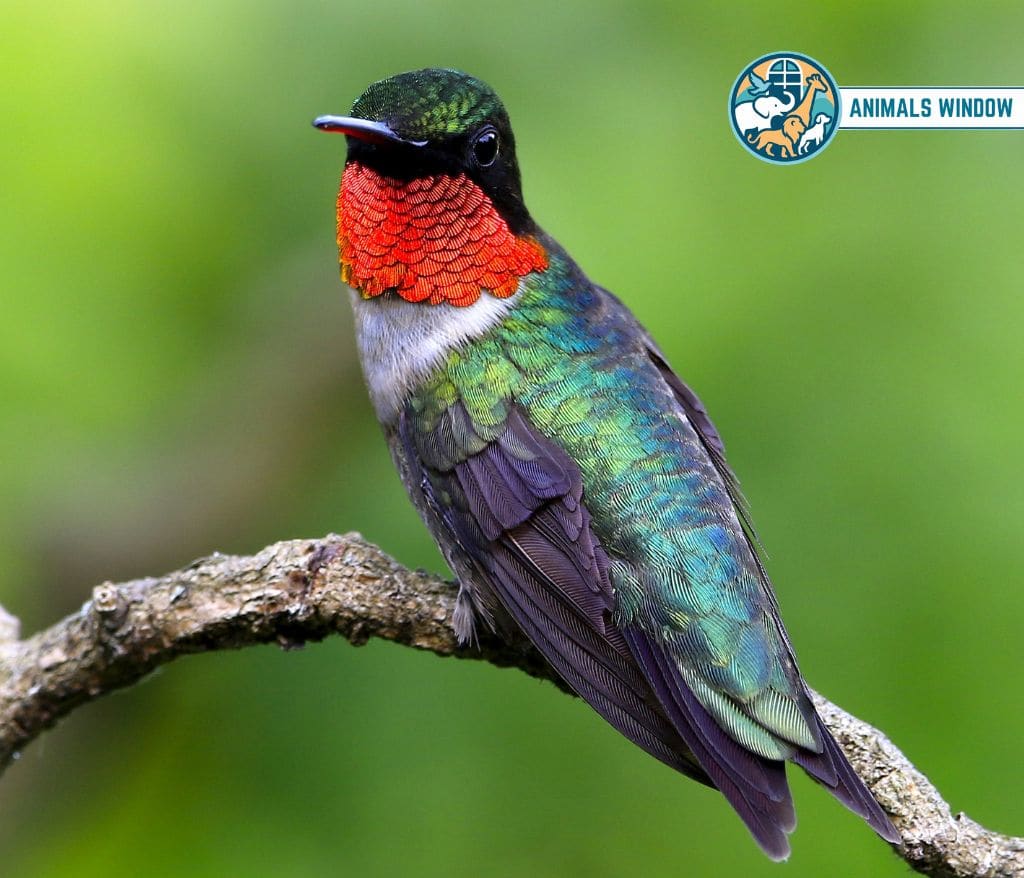
- Scientific name: Archilochus colubris
- Size: 3–3.75 inches
- Weight: 0.1–0.2 oz
- Diet: Nectar, small insects
- Habitat: Eastern North America breeding, Central America wintering
- Lifespan: 3–5 years
The ruby-throated hummingbird weighs less than a nickel, yet it flies 500 miles nonstop across the Gulf of Mexico every spring and fall — a 20-hour flight over open water. Before crossing, it nearly doubles its weight in fat reserves stored under its skin and around its organs.
Its wings beat 53 times per second during normal flight and up to 200 times per second during a courtship dive. It’s the only bird that can hover in place, fly backward, and fly upside-down. Its heart rate during flight hits 1,200 beats per minute — about 17 times faster than a resting human.
🔥 Comparison Fact: A ruby-throated hummingbird weighs about the same as a small paperclip.
Sandhill Crane
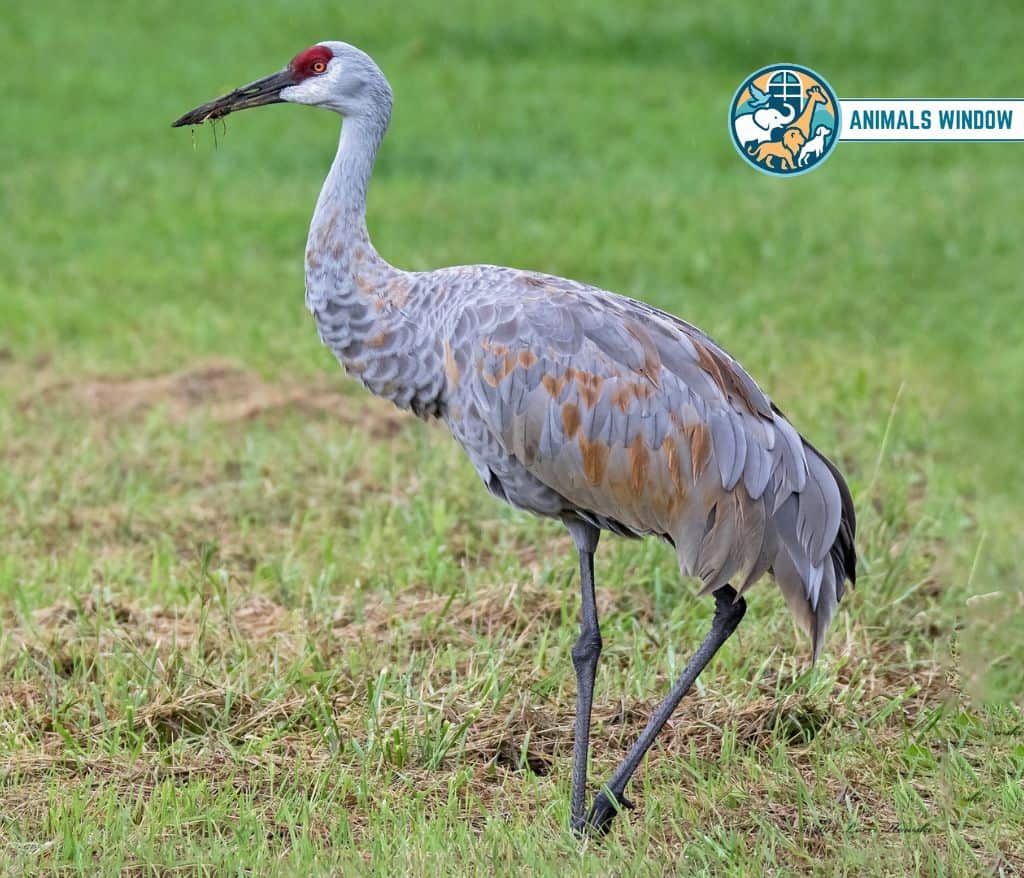
- Scientific name: Antigone canadensis
- Size: 3.5–4.5 feet tall
- Weight: 6.5–14.8 lbs
- Diet: Grains, insects, snails, small vertebrates
- Habitat: Wetlands and grasslands across North America
- Lifespan: 20–40 years
Every spring, hundreds of thousands of sandhill cranes stop along Nebraska’s Platte River during their northward migration. They’ve been doing this for an estimated 10,000 years — longer than most human civilizations have existed. The stop is critical: they arrive thin after the winter and spend several weeks doubling their body fat before continuing north.
Sandhill cranes mate for life and perform elaborate, synchronized dancing displays to strengthen pair bonds. These dances involve jumping, bowing, and wing-spreading, and both partners participate. Pairs that dance more frequently have been shown in studies to have higher breeding success.
🔥 Comparison Fact: A sandhill crane stands about as tall as an average 8-year-old child.
Snow Goose
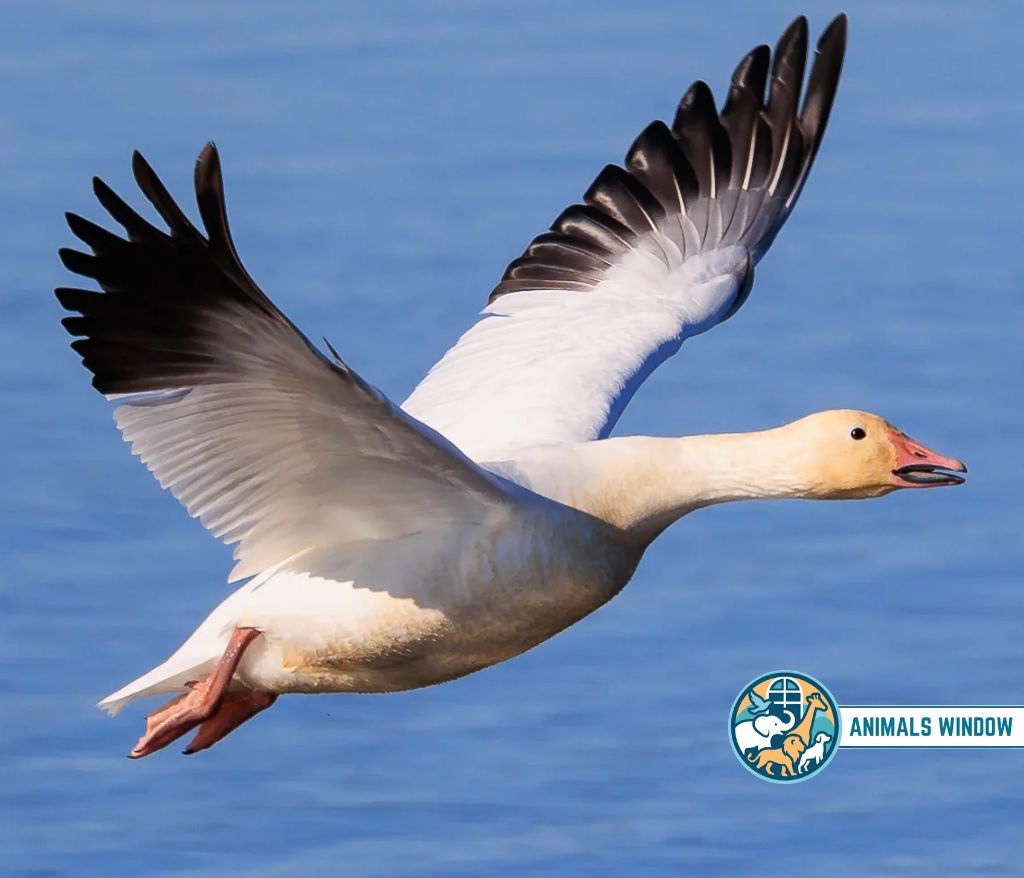
- Scientific name: Anser caerulescens
- Size: 25–31 inches
- Weight: 4.5–8 lbs
- Diet: Grasses, roots, agricultural grains
- Habitat: Arctic tundra breeding, US Gulf Coast wintering
- Lifespan: 15–20 years
Snow geese migrate in formations so large they darken the sky. Some staging areas in the central flyway hold over one million birds at once. Their population has grown so dramatically in recent decades — partly due to access to agricultural grain along migration routes — that they’re now considered overabundant and are actually causing ecological damage to Arctic tundra.
Snow geese come in two color phases: white and “blue” (dark gray). These aren’t separate species — they’re the same species in different color variations, and they interbreed freely. The blue phase was once thought to be a different bird entirely until the 1960s.
🔥 Comparison Fact: A snow goose weighs about as much as a large bag of sugar.
Snowy Owl
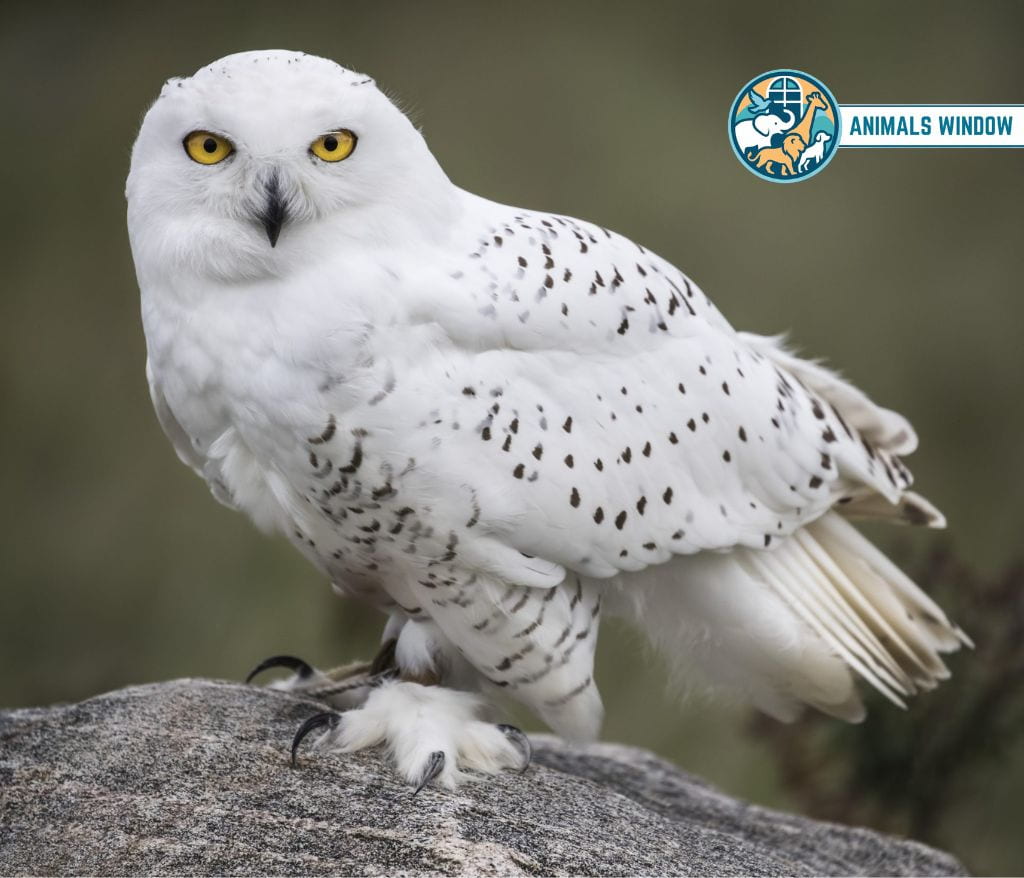
- Scientific name: Bubo scandiacus
- Size: 20–28 inches
- Weight: 3.5–6.5 lbs
- Diet: Lemmings primarily, but also rabbits, ducks, and fish
- Habitat: Arctic tundra, wintering in open fields and coastlines
- Lifespan: 10–25 years
The snowy owl is an irruptive migrator — it doesn’t migrate on a fixed schedule. When lemming populations crash in the Arctic (which happens every 3–5 years), snowy owls move south in large numbers searching for food. These “irruption years” can bring hundreds of snowy owls into southern Canada and the northern United States — places that rarely see them.
Unlike most owls, snowy owls hunt during daylight, which is necessary in the Arctic where summer sun never sets. They can locate prey under deep snow by sound alone. Their outer ear openings are positioned asymmetrically on their skull — one higher, one lower — helping them triangulate sound with extreme precision.
🔥 Comparison Fact: A snowy owl’s wingspan is roughly as wide as a standard office desk is long.
Swainson’s Hawk
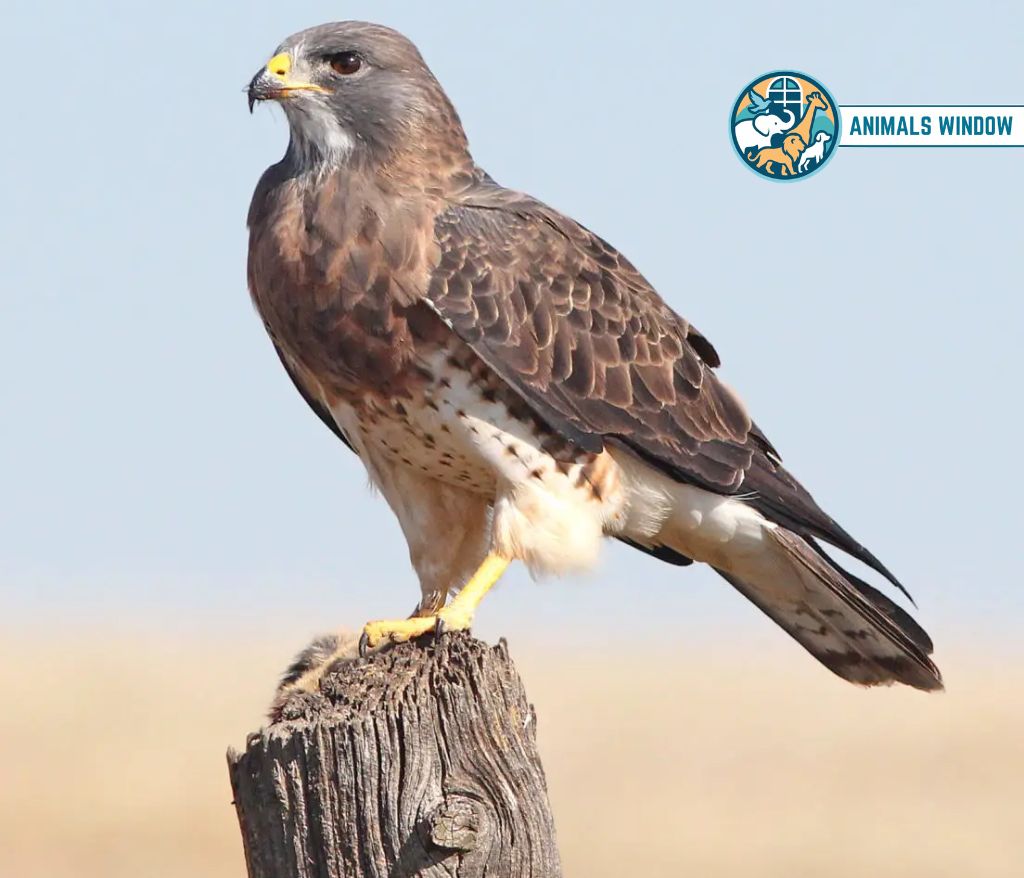
- Scientific name: Buteo swainsoni
- Size: 18–22 inches
- Weight: 1.5–3 lbs
- Diet: Grasshoppers, mice, ground squirrels
- Habitat: North American prairies, Argentinian pampas
- Lifespan: Up to 24 years
Swainson’s hawks breed in North American grasslands and winter in the Pampas of Argentina — a one-way journey of about 6,000 miles. What makes them remarkable is how they travel: in kettles (spiraling groups) of sometimes 10,000 to 20,000 birds visible from a single point on the ground.
During migration, they eat almost exclusively insects — primarily grasshoppers and dragonflies — rather than their normal diet of small mammals. This dietary switch was only recently understood and explains why they were dying in large numbers in Argentina in the 1990s: farmers were using organophosphate pesticides to kill grasshoppers, and the hawks were dying from consuming poisoned insects. International conservation efforts eventually changed farming practices in the region.
🔥 Comparison Fact: A Swainson’s hawk weighs about as much as a can of soup.
Read More: 10 Animals That Look Like Beavers (With Pictures & Unique Facts)
Barn Swallow
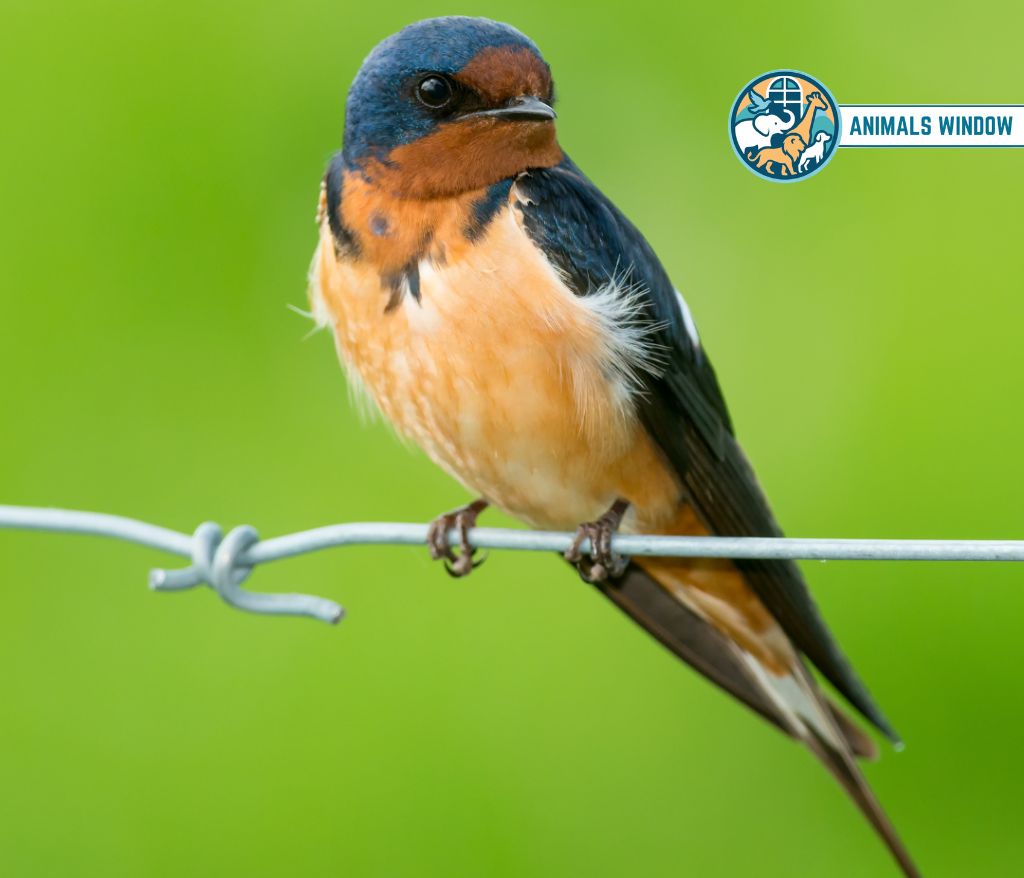
- Scientific name: Hirundo rustica
- Size: 6.7–7.5 inches
- Weight: 0.56–0.78 oz
- Diet: Flying insects caught mid-air
- Habitat: Open country near barns, bridges, cliffs — global
- Lifespan: 4–8 years
The barn swallow is the most widespread swallow on Earth, breeding across North America, Europe, and Asia, and wintering in South America, Africa, and Southeast Asia. It’s famous for returning to the exact same nest site — often the same rafter or beam — year after year, sometimes for an entire decade.
Males with longer, more symmetrical tail feathers attract more mates and are preferred because longer tails are aerodynamic indicators of health. Female barn swallows assess tail symmetry as a proxy for genetic fitness. What’s unusual: researchers have found that artificially lengthening a male’s tail with glue actually increases his mating success — demonstrating how strongly females select on this trait.
🔥 Comparison Fact: A barn swallow weighs about the same as four grapes.
Whooping Crane
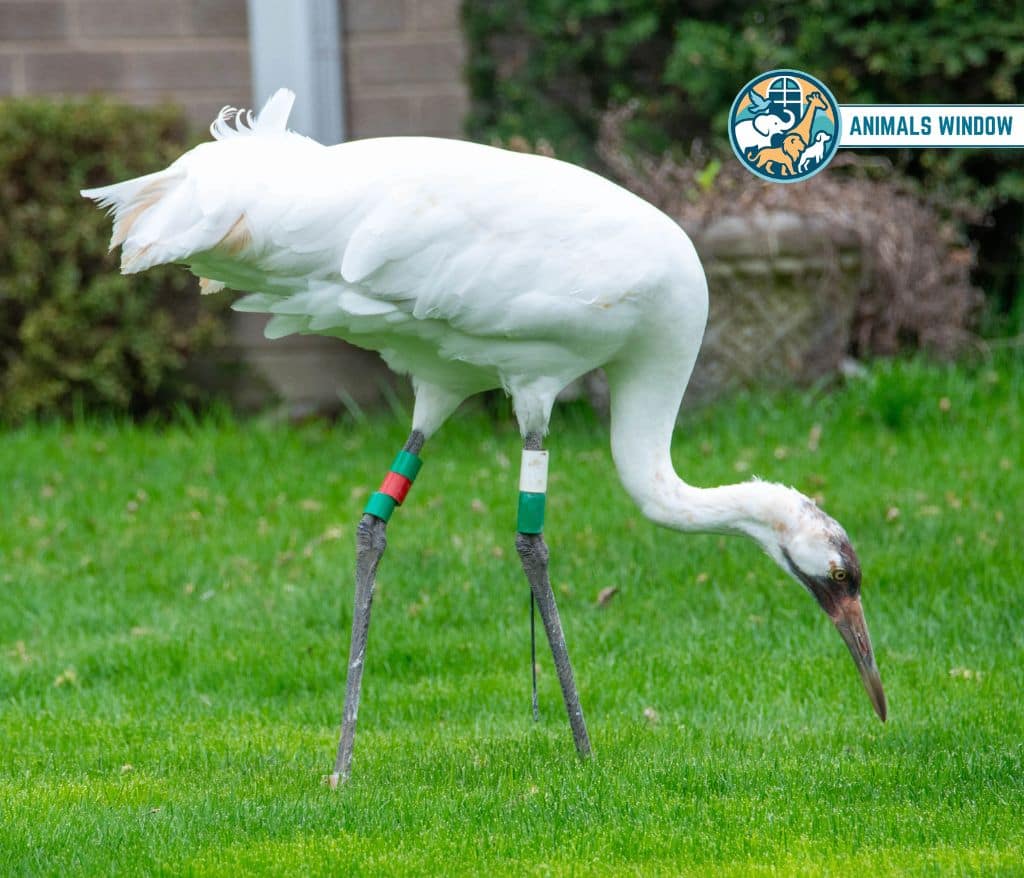
- Scientific name: Grus americana
- Size: 5 feet tall
- Weight: 10–16 lbs
- Diet: Blue crabs, clams, frogs, small rodents
- Habitat: Texas coast wintering, Canadian Wood Buffalo National Park breeding
- Lifespan: 22–24 years
The whooping crane is one of the rarest birds in North America. Its entire wild population dropped to just 15 birds in 1941. Today, thanks to intensive conservation, there are over 800 — but the species still depends on human management. One population migrates alongside ultralight aircraft — pilots dress in white crane costumes to teach captive-raised cranes the 1,300-mile route to Florida.
Whooping cranes mate for life and use a trumpet-like call audible from 2 miles away. Their distinctive red-and-black facial markings are visible even in flight. At 5 feet tall, they’re the tallest birds in North America.
🔥 Comparison Fact: A whooping crane standing upright is about as tall as a typical kitchen countertop plus a foot.
🦎 Reptiles & Amphibians That Migrate
European Common Toad
- Scientific name: Bufo bufo
- Size: 2.4–5.9 inches
- Weight: 1.2–2.8 oz
- Diet: Insects, worms, slugs, small mice
- Habitat: Temperate Europe and Asia
- Lifespan: 10–12 years
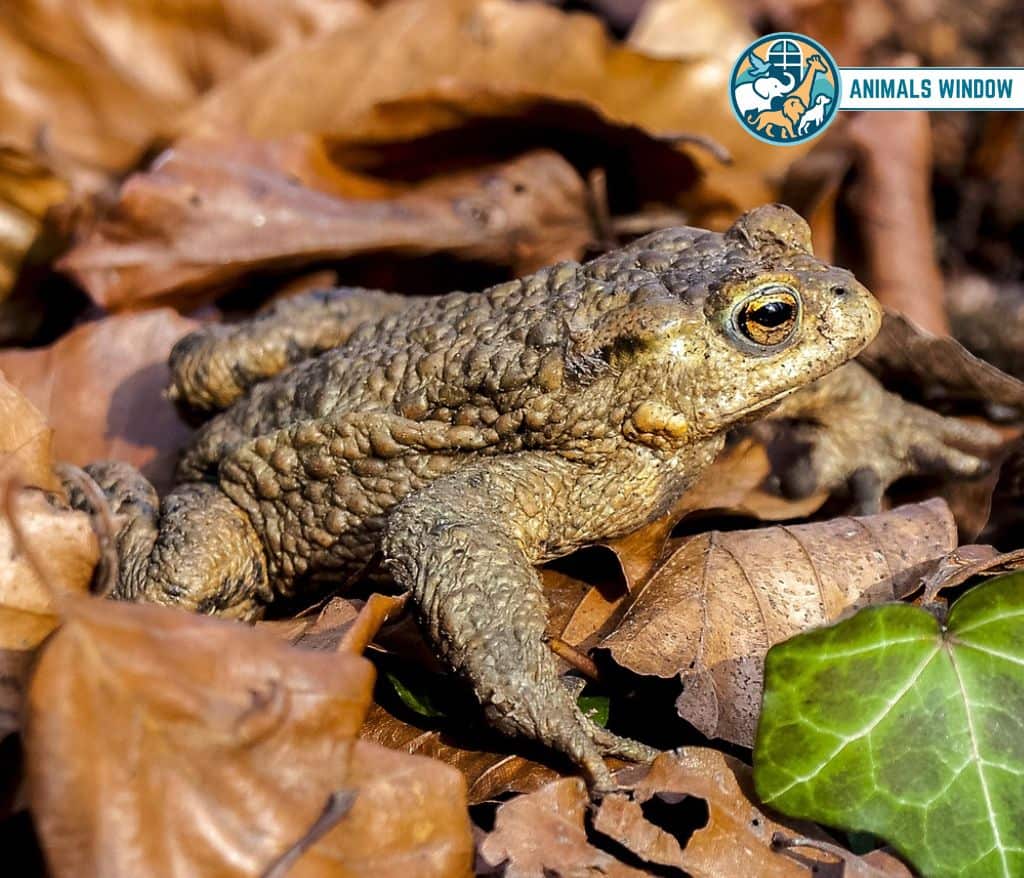
Every spring, European common toads leave their woodland hibernation sites and migrate — sometimes crossing busy roads — to return to the exact pond where they were born. Studies show that toads use magnetic field sensitivity, landmark memory, and smell to navigate back to the same water body after years away.
In many countries, volunteers run “toad patrols” at night during peak migration weeks, carrying thousands of toads across roads in buckets to prevent roadkill. Some crossings have been used by the same toad population for over 100 years, passing the knowledge of the route across generations.
🔥 Comparison Fact: A European common toad is roughly the size of a tennis ball when curled up.
Galápagos Land Iguana
- Scientific name: Conolophus subcristatus
- Size: 3–5 feet long
- Weight: Up to 26 lbs
- Diet: Prickly pear cactus, flowers, fruits
- Habitat: Galápagos Islands, Ecuador
- Lifespan: 60–70 years
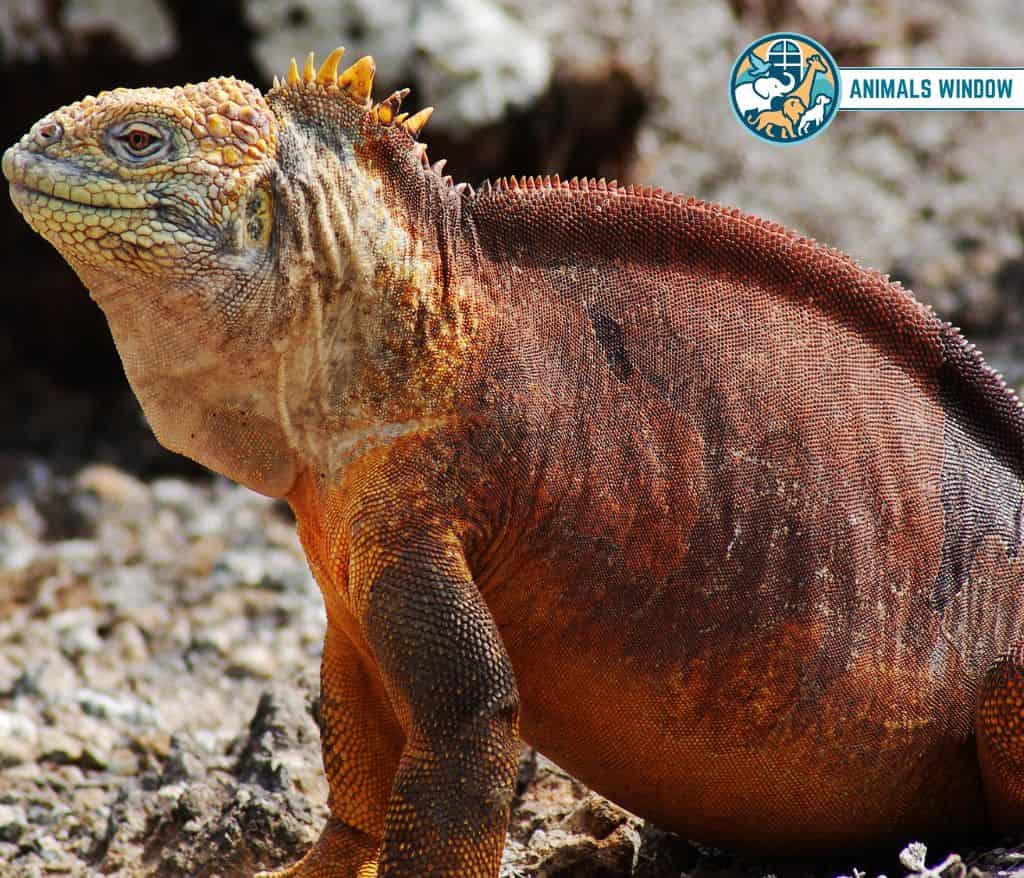
The Galápagos land iguana on Fernandina Island performs a unique vertical migration. To lay eggs, females hike up to the rim of the active La Cumbre volcano — a round trip of up to 9 miles — specifically because the volcanic soil there stays warm enough to incubate eggs naturally.
This is a notable example of how migration doesn’t always mean traveling huge distances. These iguanas walk uphill through rough lava fields to a specific volcanic zone, then return to lower elevations after laying. Scientists monitoring this behavior found females competing aggressively for nesting spots in the warm soil near the crater rim.
🔥 Comparison Fact: A full-grown Galápagos land iguana is about as long as a standard acoustic guitar.
Galápagos Tortoise
- Scientific name: Chelonoidis niger
- Size: Up to 5 feet long
- Weight: Up to 550 lbs
- Diet: Cactus, grasses, fruit, leaves
- Habitat: Galápagos Islands
- Lifespan: 100–170+ years
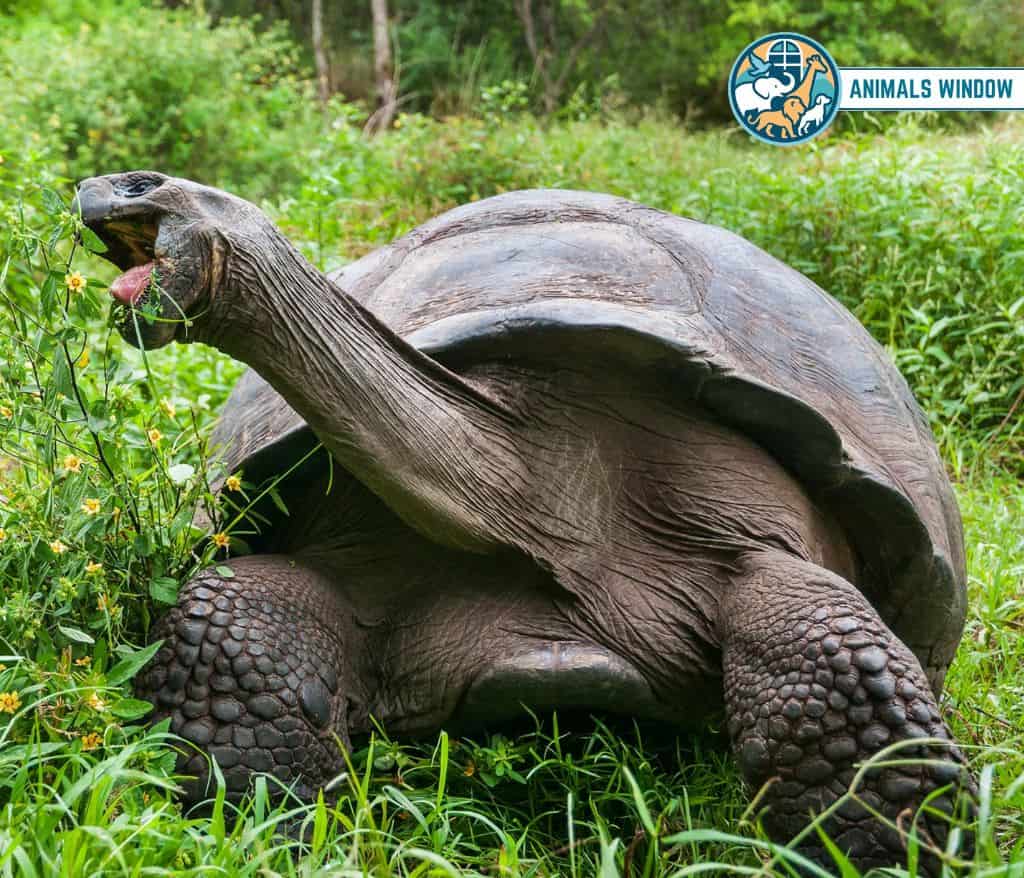
Galápagos tortoises on islands like Santa Cruz migrate vertically — moving from lowland dry zones during the dry season to cooler, lush highlands during the wet season. This pattern was one of Charles Darwin’s early observations, though GPS-tracking studies in the 2010s confirmed the full scale of the movement.
These are among the world’s longest-living animals. One individual named Jonathan, living on Saint Helena (a different but related subspecies), was born around 1832 and is still alive as of recent reports. The tortoises’ slow metabolism means they can go a year without food or water — which may actually be why they were so heavily hunted by sailors in the past.
🔥 Comparison Fact: A large Galápagos tortoise shell is roughly as wide as a standard car door.
Green Turtle
- Scientific name: Chelonia mydas
- Size: 3–4 feet long (shell)
- Weight: 240–420 lbs
- Diet: Seagrass, algae
- Habitat: Tropical and subtropical oceans worldwide
- Lifespan: 70–80 years
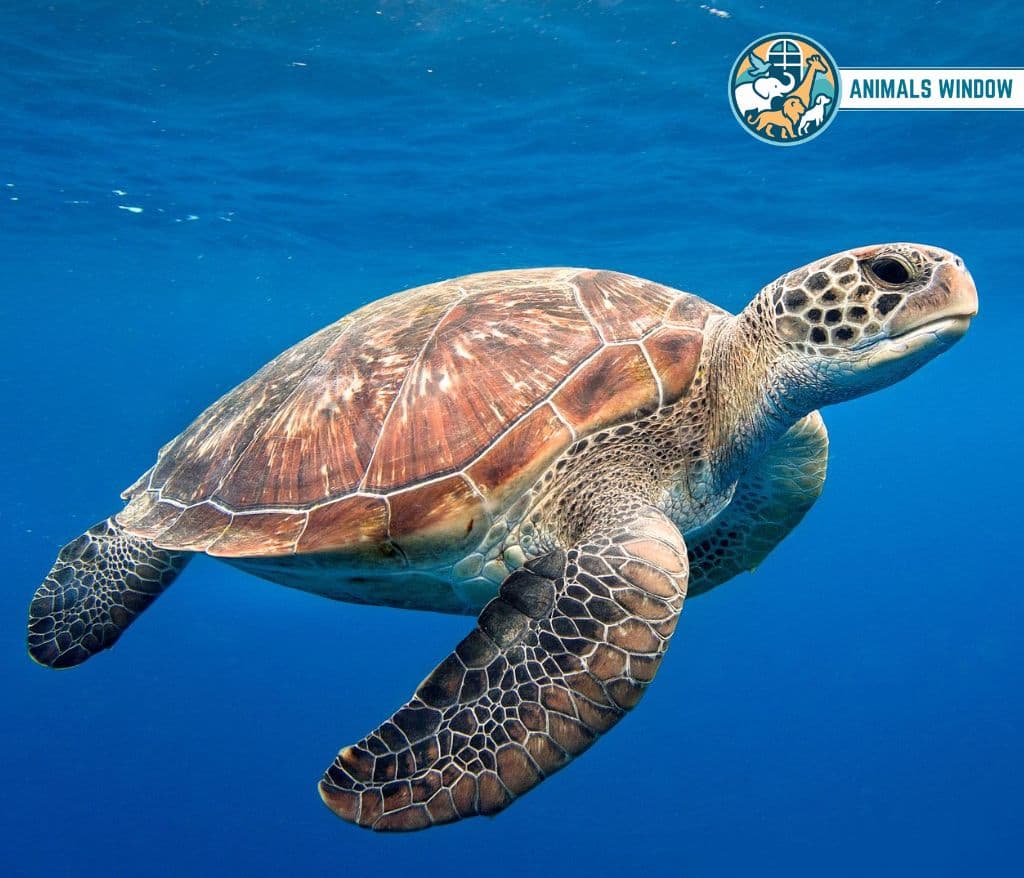
Green turtles make one of the most precise return journeys in the animal kingdom. Females travel up to 1,400 miles to the exact beach where they were born to lay their own eggs — using Earth’s magnetic field as a GPS. Each beach has a slightly different magnetic signature, and turtles imprint on it as hatchlings.
Green turtles are the only sea turtle that regularly basks on land outside of nesting. In Hawaii and the Galápagos, they can be found sunbathing on beaches — a behavior most sea turtles never display. Scientists believe basking helps them raise body temperature, kill off skin parasites, and improve digestion.
🔥 Comparison Fact: A green turtle’s shell is roughly the size of a medium suitcase.
Leatherback Sea Turtle
- Scientific name: Dermochelys coriacea
- Size: 4–6 feet long
- Weight: 550–2,000 lbs
- Diet: Almost exclusively jellyfish
- Habitat: All oceans including subarctic waters
- Lifespan: 45–100 years
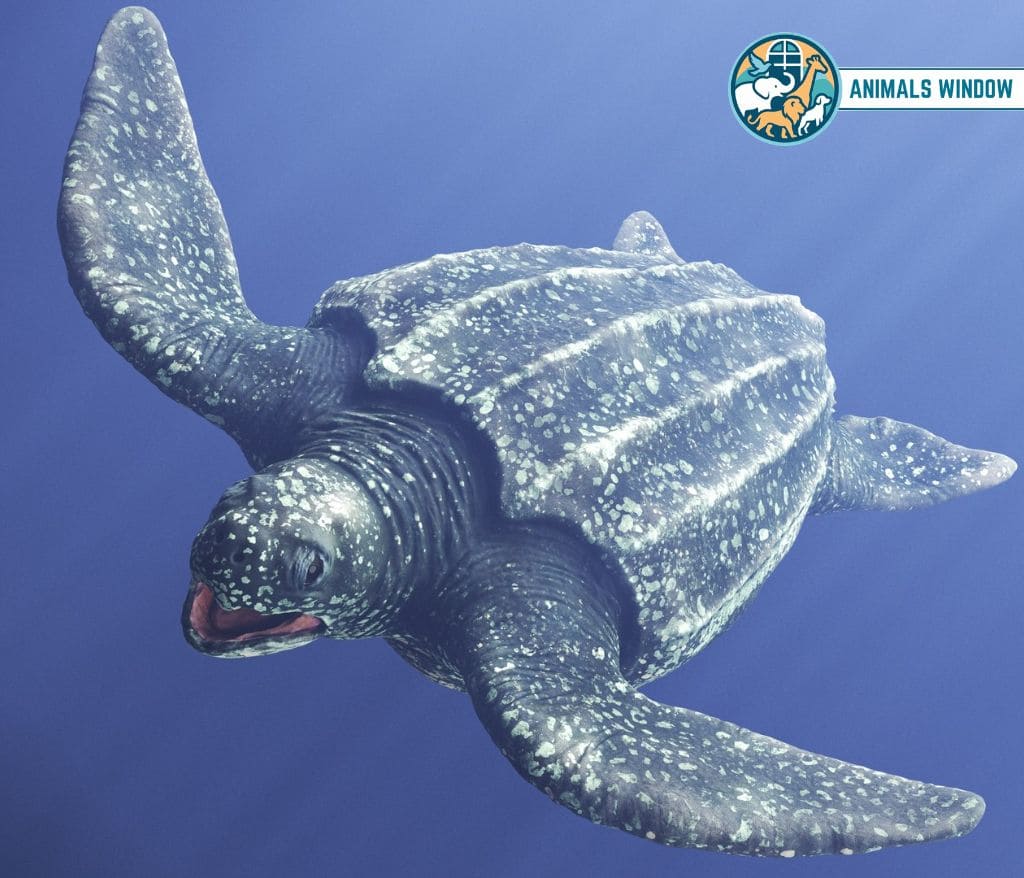
The leatherback is the largest living turtle and the deepest diver among reptiles, reaching depths of 4,200 feet. It’s also the only sea turtle without a hard shell — its “shell” is a flexible, rubbery carapace embedded with small bone fragments, like a mosaic. This flexibility allows it to handle the pressure of deep dives.
Leatherbacks follow jellyfish blooms across entire oceans. They can cross the Pacific and Atlantic regularly, with satellite-tagged individuals tracked traveling over 10,000 miles in a single year. Their throats are lined with backward-pointing spines called papillae to prevent jellyfish from escaping while swallowing.
🔥 Comparison Fact: A large leatherback turtle weighs about as much as a grand piano.
Loggerhead Sea Turtle
- Scientific name: Caretta caretta
- Size: 3–3.5 feet (shell)
- Weight: 175–440 lbs
- Diet: Crabs, clams, mussels, horseshoe crabs
- Habitat: Atlantic, Pacific, Indian Oceans
- Lifespan: 70–80 years
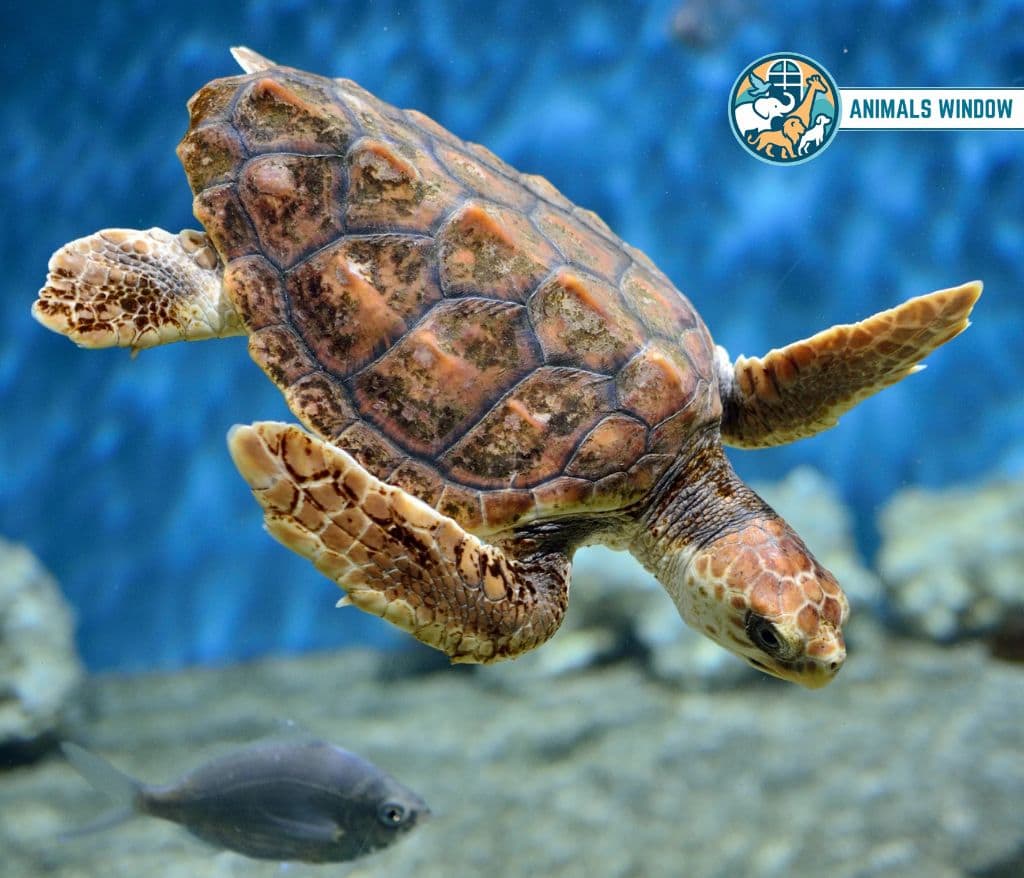
Loggerhead turtles hatch in places like Florida and immediately swim into the Atlantic gyre — a circular ocean current — and spend years being carried around the Atlantic before returning to the US coast as adults. Some loggerheads travel the entire circuit before settling into coastal feeding grounds.
The most remarkable part: females return to lay eggs at the same beach where they hatched — sometimes up to 30 years later. That’s not a GPS with a battery; it’s magnetic field imprinting encoded in their biology so precisely that a turtle displaced 500 miles off-course will correct its heading and arrive at the right beach.
🔥 Comparison Fact: A loggerhead turtle shell is about as wide as a standard office chair seat.
Red-sided Garter Snake
- Scientific name: Thamnophis sirtalis parietalis
- Size: 18–46 inches
- Weight: 0.3–5.3 oz
- Diet: Earthworms, frogs, fish, toads
- Habitat: Manitoba, Canada — Narcisse Snake Dens
- Lifespan: 10–15 years
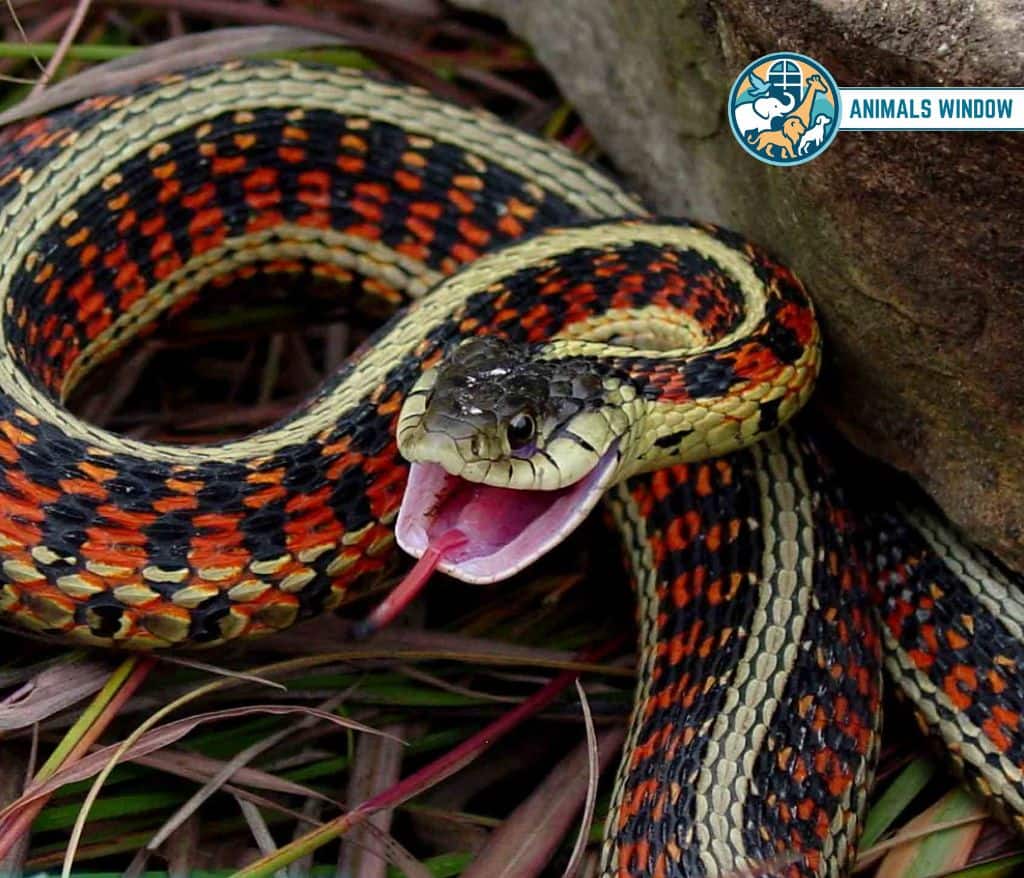
Every spring in Narcisse, Manitoba, tens of thousands of red-sided garter snakes emerge simultaneously from limestone sinkholes where up to 75,000 snakes have overwintered together — the largest concentration of snakes anywhere on Earth. Freshly emerged females release pheromones that attract dozens to hundreds of males, creating writhing “mating balls.”
After mating, the snakes disperse up to 12 miles north to summer feeding grounds, then return south in fall to the same den. Navigation is guided by both pheromone trails left by other snakes and a celestial sun compass. The Narcisse dens are now a wildlife attraction drawing thousands of visitors annually.
🔥 Comparison Fact: A red-sided garter snake’s maximum length is roughly the same as a standard baseball bat.
🐟 Fish That Migrate in World
Atlantic Sturgeon
- Scientific name: Acipenser oxyrinchus
- Size: 7–14 feet
- Weight: 800 lbs+
- Diet: Worms, mollusks, crustaceans, small fish
- Habitat: Atlantic coast rivers and ocean, North America
- Lifespan: 60+ years
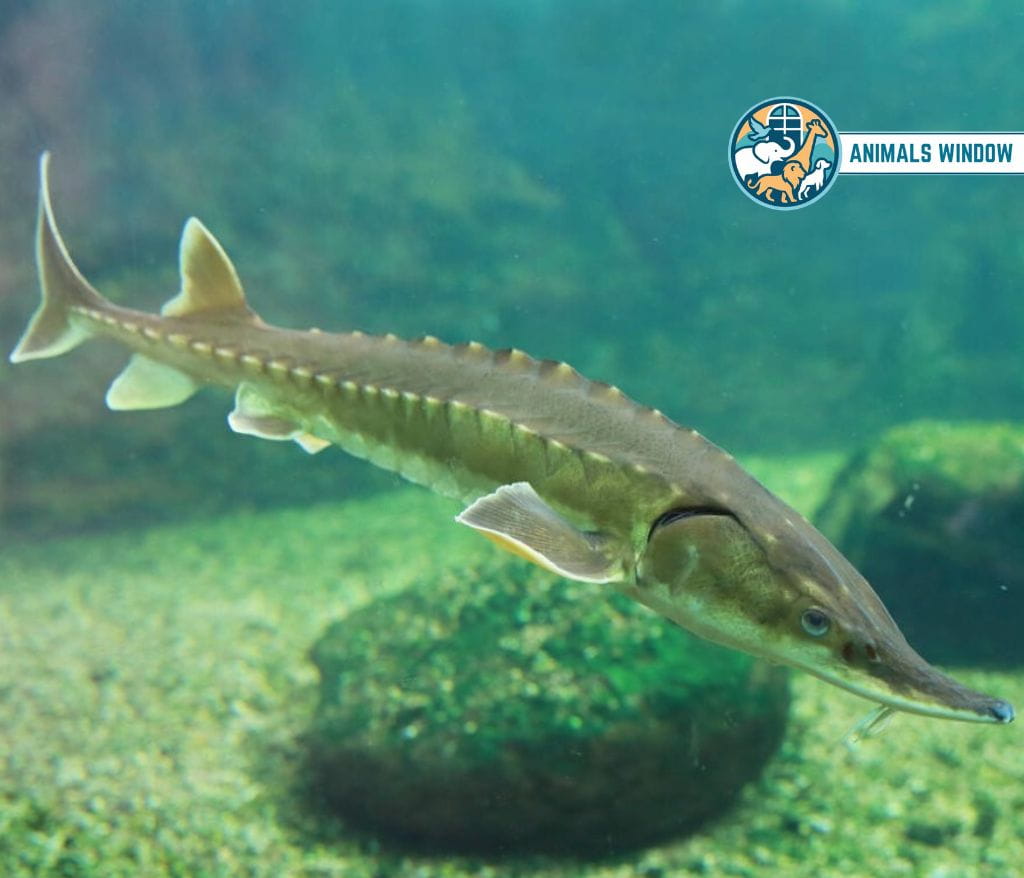
Atlantic sturgeon are anadromous — they’re born in freshwater rivers, migrate to the ocean to grow, then return to freshwater rivers to spawn. They do this cycle repeatedly over a lifespan that can exceed 60 years, making them one of the longest-lived migratory fish in the world.
Sturgeon don’t have scales — their body is covered in bony plates called “scutes” that run in rows along their sides and back. These fish predate dinosaurs; the sturgeon family has existed for over 200 million years largely unchanged. They feed by dragging their barbels (whisker-like organs) along the river bottom to sense food before vacuuming it up with a protrusible mouth.
🔥 Comparison Fact: An Atlantic sturgeon can grow as long as a full-size SUV.
Blue Shark
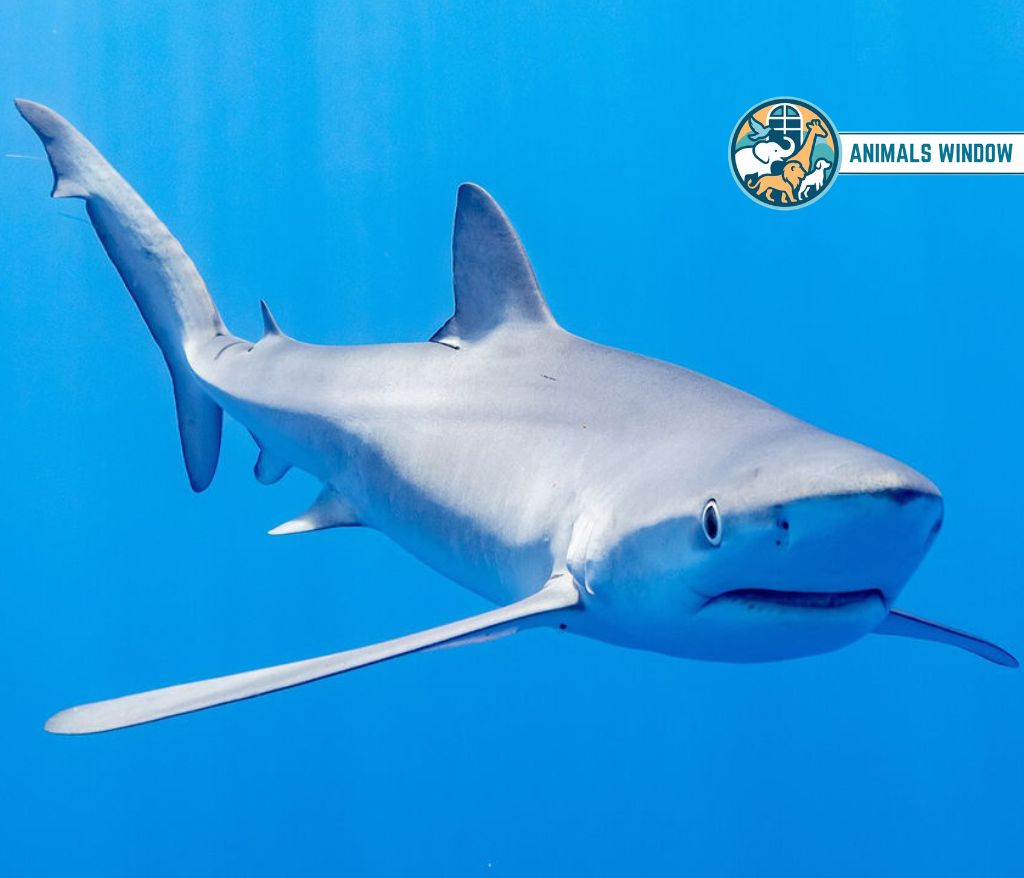
- Scientific name: Prionace glauca
- Size: 6–9 feet
- Weight: 60–121 lbs
- Diet: Squid, fish, small sharks
- Habitat: Open ocean worldwide
- Lifespan: 15–20 years
Blue sharks complete enormous clockwise loops around the Atlantic Ocean, following prevailing currents and prey. Males and females swim the same route but stay in different areas of the ocean for most of the year — scientists track them using satellite tags and consistently find the sexes geographically separated, meeting only during breeding aggregations.
Their deep blue coloring isn’t just for looks — it’s a form of countershading. When viewed from above, their blue backs blend with deep ocean water. When viewed from below, their pale belly blends with the sunlit surface. This makes them nearly invisible from any angle in open water.
🔥 Comparison Fact: A blue shark is roughly the length of a standard sofa from tip to tail.
Chinook Salmon
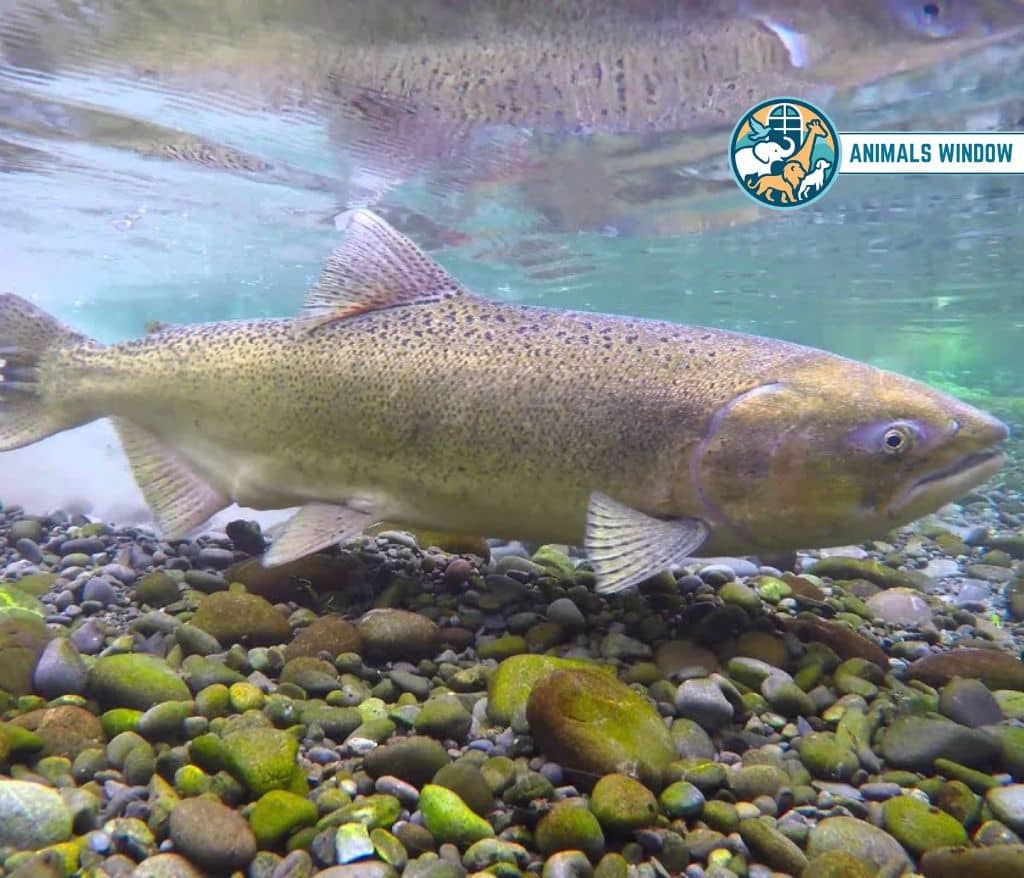
- Scientific name: Oncorhynchus tshawytscha
- Size: 24–58 inches
- Weight: 12–130 lbs
- Diet: Insects (juvenile), fish, squid, crustaceans (adult)
- Habitat: Pacific Ocean and natal rivers of North America
- Lifespan: 3–7 years
The Chinook salmon (also called King salmon) is the largest of all Pacific salmon. It migrates from the Pacific Ocean into freshwater rivers to spawn — some travel over 900 miles upstream, climbing thousands of feet in elevation against strong currents. After spawning, all Chinook die, and their bodies fertilize the riverbed and forest with marine nutrients.
These fish use their sense of smell to identify their home river. The exact chemical signature of the river where they hatched is imprinted when they’re young, and years later in the ocean, they can detect concentrations of that water diluted to one part per billion. It’s essentially the most sensitive GPS in the animal kingdom.
🔥 Comparison Fact: A large Chinook salmon is nearly as long as a standard bicycle frame.
European Eel
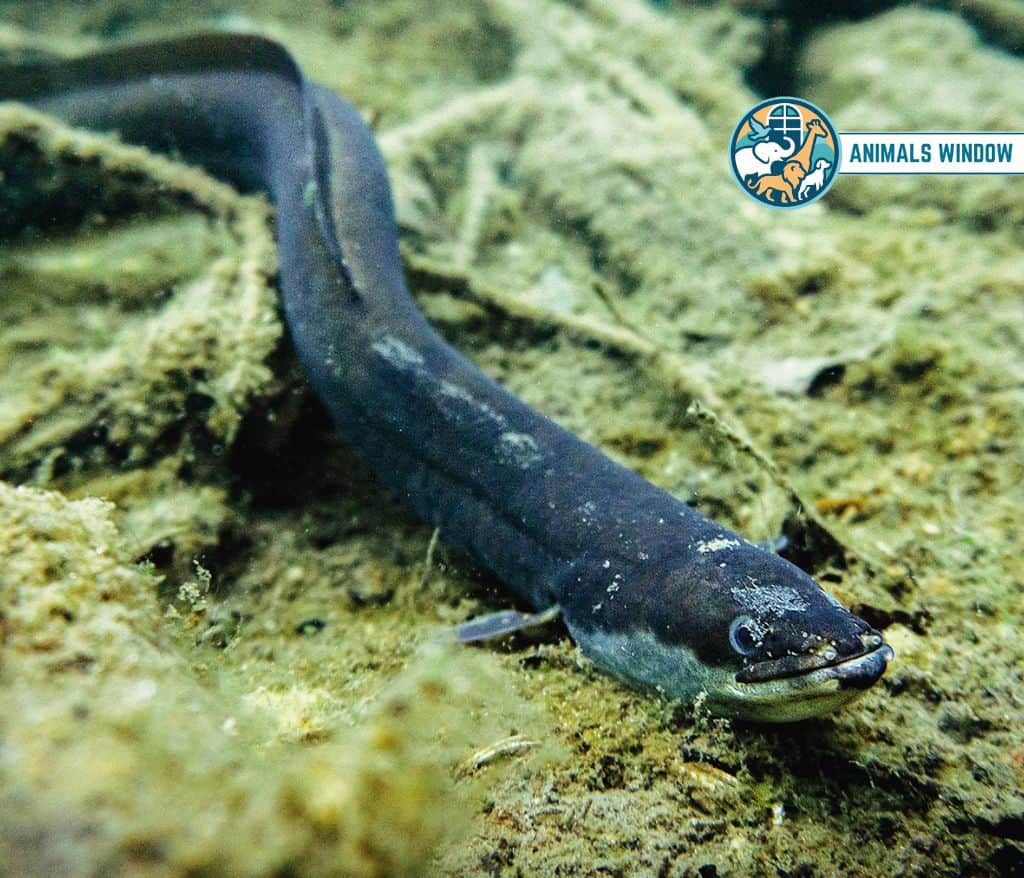
- Scientific name: Anguilla anguilla
- Size: 1.5–5 feet
- Weight: Up to 15 lbs
- Diet: Fish, worms, frogs, insects
- Habitat: European rivers and the Sargasso Sea
- Lifespan: Up to 85 years
The European eel has one of the most mysterious life cycles of any animal. Eels are born in the Sargasso Sea (near the Bahamas), drift thousands of miles on ocean currents as larvae for up to 3 years, arrive in European rivers, live there for up to 20 years, then swim back to the Sargasso Sea to spawn and die — and no adult eel has ever been observed spawning there.
No one has ever seen or caught a European eel in the process of breeding. The entire reproductive event happens in the deep Sargasso Sea, and scientists still don’t fully understand how they find it. Their eyes actually enlarge and their digestive system degenerates before the return trip — they can’t eat during the 3,700-mile journey back.
🔥 Comparison Fact: A large European eel is roughly the length of a guitar from head to tail.
Great White Shark
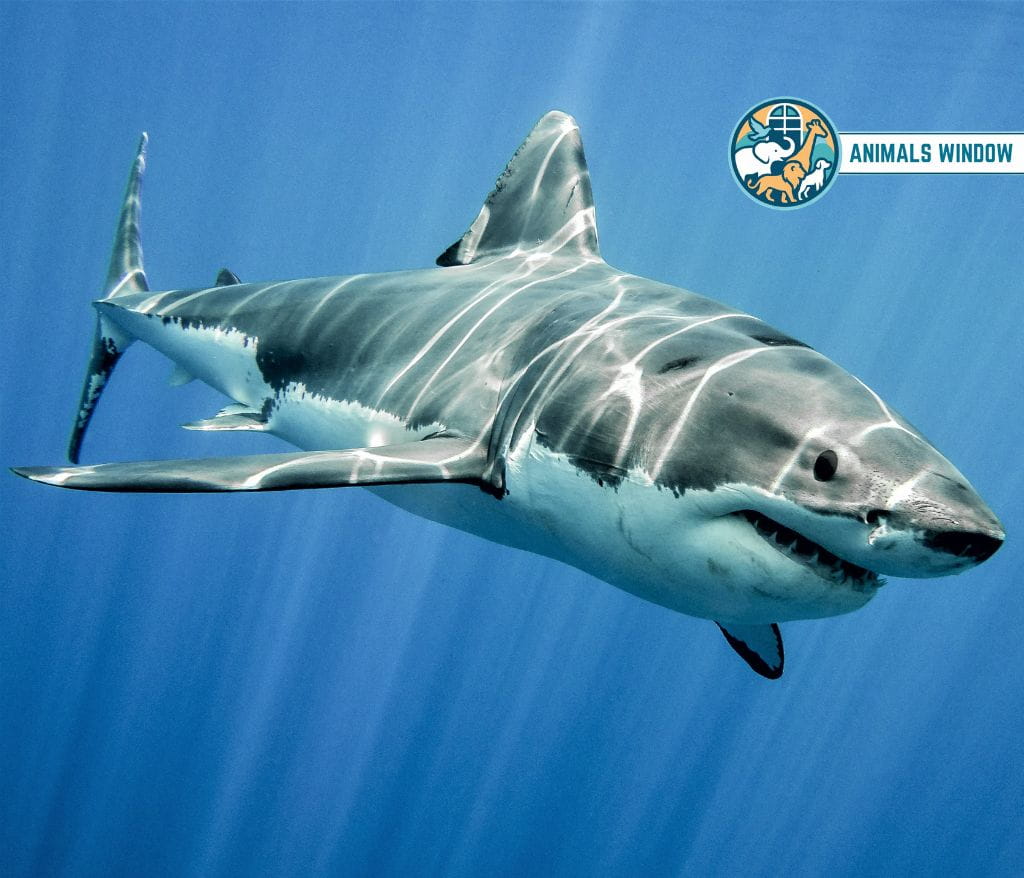
- Scientific name: Carcharodon carcharias
- Size: 11–20 feet
- Weight: 1,500–5,000 lbs
- Diet: Fish, marine mammals, sea turtles
- Habitat: Coastal and offshore waters worldwide
- Lifespan: 70+ years
Great white sharks make some of the longest and fastest migrations of any fish. Satellite-tagged individuals have crossed the Pacific Ocean from California to Hawaii and back, covering over 12,000 miles in a few months. One tagged shark, known as “Nicole,” crossed the Indian Ocean from South Africa to Australia and back in under nine months.
Between these ocean-crossing journeys, great whites return to specific nearshore feeding spots — like the waters around seal colonies in California and South Africa — with remarkable consistency. They appear to use a combination of geomagnetic navigation and water temperature sensing to navigate across open ocean with precision that rivals GPS.
🔥 Comparison Fact: A full-grown great white shark is about as long as two standard parking spaces laid end to end.
Northern Bluefin Tuna
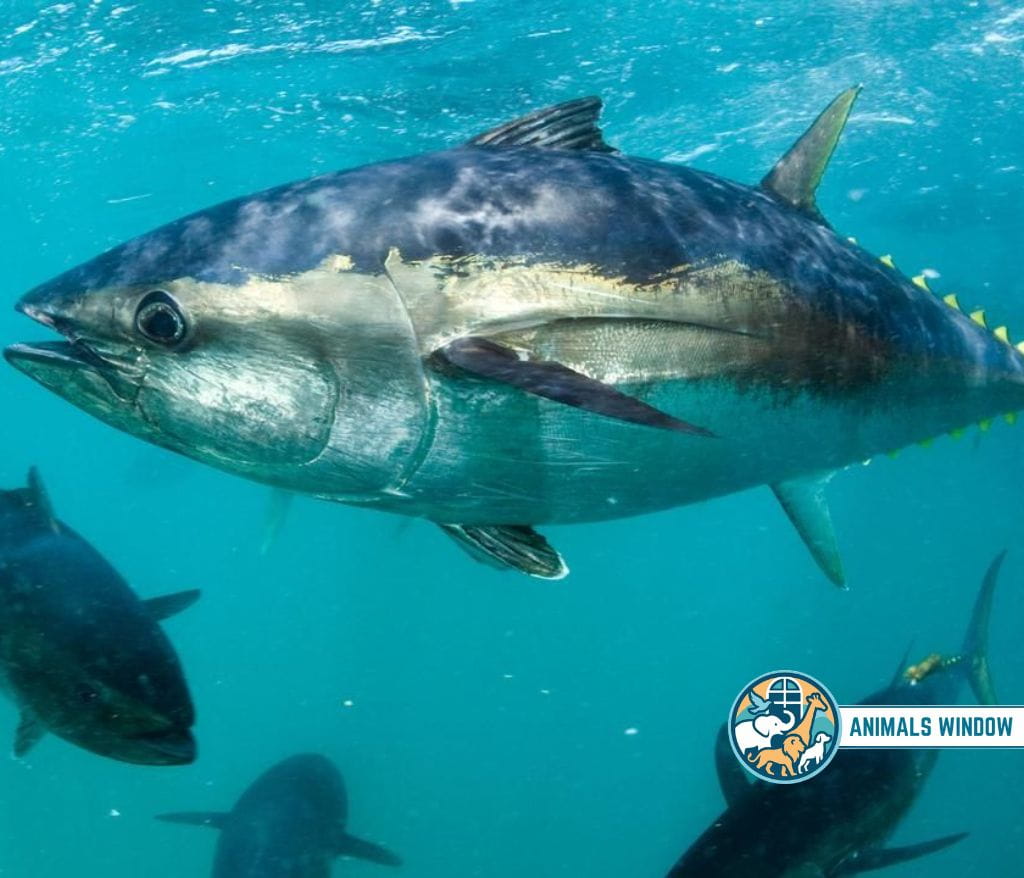
- Scientific name: Thunnus thynnus
- Size: 6.5–10 feet
- Weight: 450–1,500 lbs
- Diet: Fish, squid, crustaceans
- Habitat: Atlantic Ocean and Mediterranean Sea
- Lifespan: 35–40 years
Northern bluefin tuna regularly cross the Atlantic Ocean between North America and Europe — a distance of over 4,000 miles — in under 60 days. They maintain body temperatures up to 20°F warmer than surrounding water using a heat exchange system called a rete mirabile (a dense network of blood vessels in their muscles).
This warm-bloodedness is rare among fish and allows bluefin tuna to swim in cold North Atlantic waters that most fish can’t tolerate. Their muscles are so densely packed with oxygen-storing myoglobin that the flesh is deep red — almost purple — and generates enormous sustained speed. They can swim at 44 mph in short bursts.
🔥 Comparison Fact: A large northern bluefin tuna weighs about the same as a standard grand piano.
Sockeye Salmon
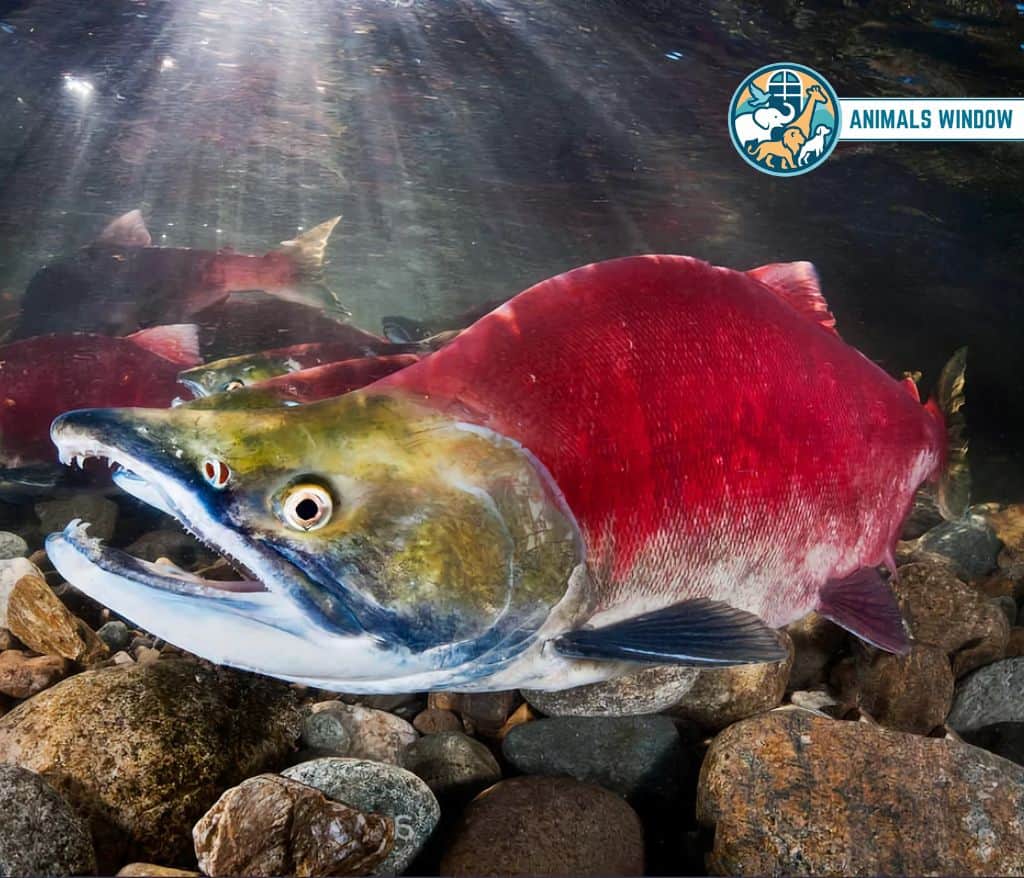
- Scientific name: Oncorhynchus nerka
- Size: 18–31 inches
- Weight: 4–15 lbs
- Diet: Plankton and insects (juvenile), small fish and squid (ocean adult)
- Habitat: North Pacific and freshwater lakes in western North America
- Lifespan: 4–6 years
Sockeye salmon are instantly recognizable during their spawning run — their bodies turn brilliant scarlet and their heads turn olive-green. This color change is triggered by hormones, and both males and females undergo it. Males also develop a pronounced hump on their back and hooked jaw, called a kype, used in competition for females.
The color shift isn’t just visual signaling. The carotenoid pigments that turn the flesh red are the same compounds stored in muscles during ocean feeding on plankton. They’re redirected to the skin during the spawning migration and serve as antioxidants that protect sperm and eggs during reproduction.
🔥 Comparison Fact: A sockeye salmon is roughly the length of a standard laptop computer.
Whale Shark
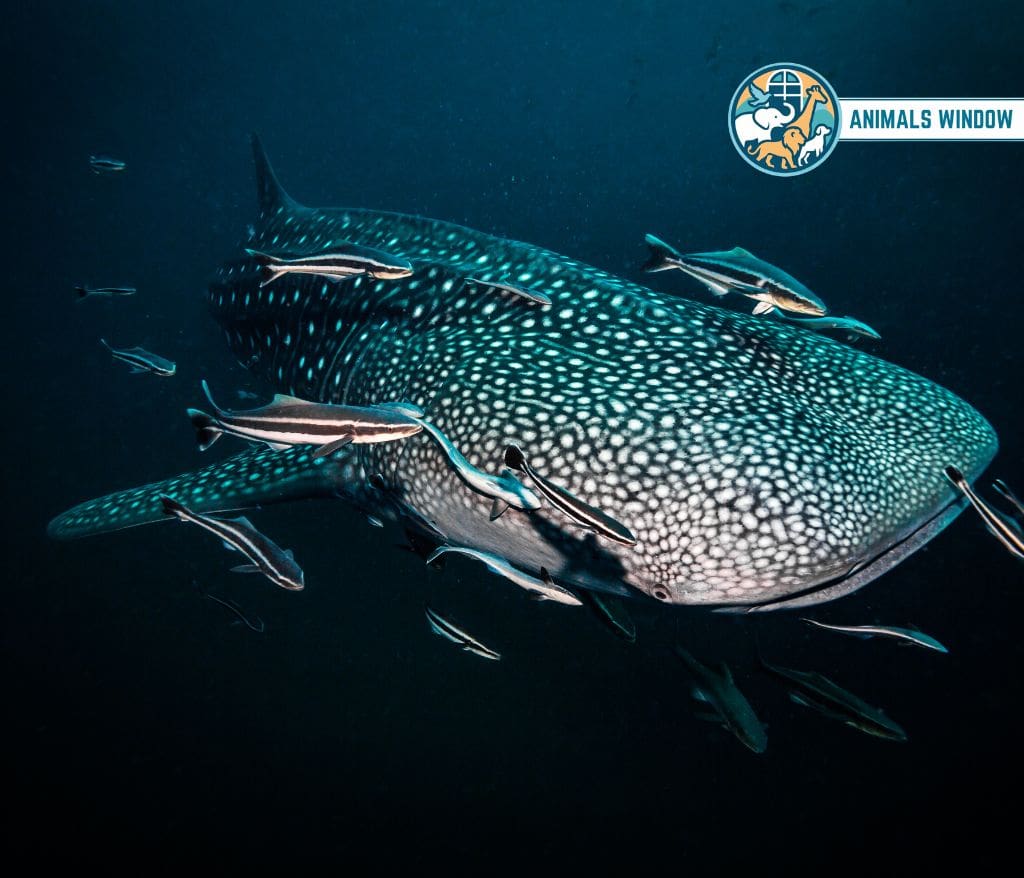
- Scientific name: Rhincodon typus
- Size: 18–40 feet
- Weight: 11–30 tons
- Diet: Plankton, fish eggs, small fish
- Habitat: Warm tropical oceans worldwide
- Lifespan: 70–150 years
The whale shark is the largest fish alive — yet it feeds on some of the smallest organisms in the ocean. It migrates across entire ocean basins following plankton blooms and mass spawning events. Aggregations of hundreds of whale sharks appear near the Yucatán Peninsula every July–August when the water fills with spawning cubera snapper eggs.
Whale sharks have a unique pattern of white spots on their backs — no two are alike. Scientists use photographic databases and pattern-recognition software (originally developed for mapping star positions) to identify individual sharks from photos. Over 10,000 individual whale sharks have now been identified globally this way.
🔥 Comparison Fact: A whale shark’s mouth can be up to 5 feet wide — wide enough to fit a small child inside, though it only eats tiny organisms.
🦋 Insects & Other Invertebrates That Migrate
Antarctic Krill
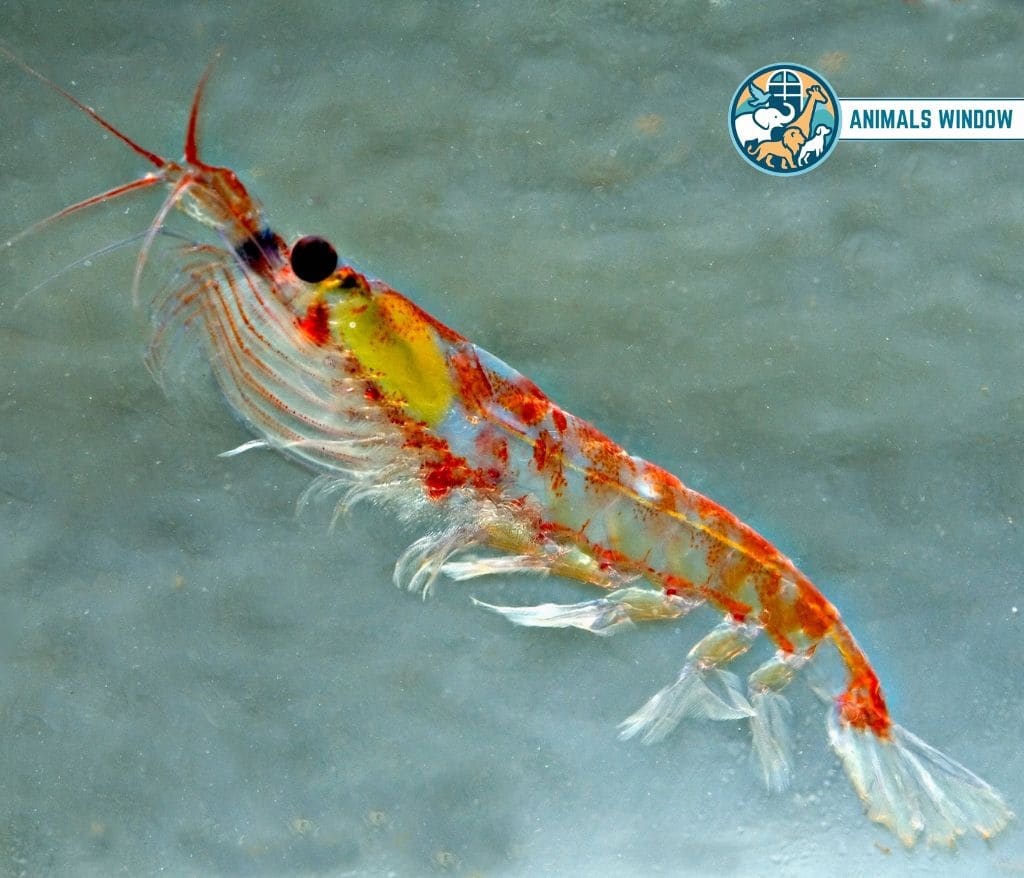
- Scientific name: Euphausia superba
- Size: 2.4 inches
- Weight: 0.035 oz
- Diet: Phytoplankton, ice algae
- Habitat: Southern Ocean around Antarctica
- Lifespan: 5–7 years
Antarctic krill migrate vertically every single day — rising toward the surface at night to feed on phytoplankton, then sinking to darker depths during the day to avoid predators. Over the course of a year, a single krill swims about 5,000 vertical miles in these daily cycles.
During winter, krill can survive for months under sea ice, scraping ice algae from the underside of frozen sheets and even shrinking their own bodies — reducing their physical size and reverting to a juvenile state — to lower their energy requirements. This ability to reverse growth is unique among multicellular animals of this complexity.
🔥 Comparison Fact: Antarctic krill is about the length of a standard thumb tack.
Caribbean Spiny Lobster
- Scientific name: Panulirus argus
- Size: Up to 24 inches
- Weight: Up to 15 lbs
- Diet: Snails, clams, crabs, worms
- Habitat: Caribbean Sea and Atlantic coral reefs
- Lifespan: 30–50 years
Every fall in the Caribbean, spiny lobsters form single-file columns on the ocean floor and march toward deeper, warmer water — up to 20 miles in a single migration event. Groups of up to 60 lobsters walk nose-to-tail, touching the antennae of the lobster ahead. This reduces drag by about 65% compared to walking alone.
Scientists tested this by measuring the energy expenditure of solo versus queued lobsters in water tanks and confirmed the aerodynamic advantage. The queuing behavior also reduces the chance of any individual being picked off by predators since the column creates a confusing visual pattern for hunters.
🔥 Comparison Fact: A Caribbean spiny lobster can grow as long as a standard ruler.
Christmas Island Red Crab
- Scientific name: Gecarcoidea natalis
- Size: Up to 4.5 inches (carapace width)
- Weight: Up to 1.6 lbs
- Diet: Leaves, fruit, flowers, seedlings
- Habitat: Christmas Island, Indian Ocean (Australia)
- Lifespan: Unknown, likely 20–30 years
Every year in October–November, triggered by the first rain of the wet season, an estimated 50 million red crabs begin walking from the rainforest to the ocean to breed. The entire island’s roads close, crab bridges are built over highways, and the forest floor turns completely red.
Females release their eggs into the ocean at a specific moment — the turn of the high tide, before dawn, during the last quarter of the moon. The timing is so precise that researchers can predict the exact hour of egg release days in advance. The eggs hatch immediately into the ocean, and the juvenile crabs return to land about a month later.
🔥 Comparison Fact: A Christmas Island red crab’s carapace is roughly the size of a standard deck of playing cards.
Desert Locust
- Scientific name: Schistocerca gregaria
- Size: 2.8–3 inches
- Weight: 0.07 oz
- Diet: Any living plant material
- Habitat: Arid regions from West Africa to India
- Lifespan: 3–5 months
The desert locust undergoes one of the most dramatic behavioral transformations in the animal kingdom. As a lone insect, it’s green, solitary, and harmless. When crowded together — triggered by food scarcity and physical contact between individuals — its body changes color to yellow-black, its brain chemistry shifts, and it becomes strongly attracted to other locusts rather than repelled by them.
A large swarm can contain 80 billion insects per square kilometer, consume 35,000 tons of vegetation per day, and travel up to 93 miles in a single day on wind currents. The transformation from solitary to swarming phase is driven by serotonin — the same chemical that regulates mood in humans — released when locusts make physical contact with one another.
🔥 Comparison Fact: A desert locust’s body is about the size of your ring finger.
Globe Skimmer Dragonfly
- Scientific name: Pantala flavescens
- Size: 1.7–2 inches wingspan ~1.7 inches
- Weight: About 0.01 oz
- Diet: Insects caught mid-air
- Habitat: Worldwide, tropical and subtropical regions
- Lifespan: 6–8 months (adult)
The globe skimmer holds the record for the longest insect migration on Earth. Tracking studies using hydrogen isotopes in their wings — which reflect the water source where they developed — suggest that globe skimmers complete a 14,000-mile multigenerational loop over the Indian Ocean, riding monsoon winds between India, East Africa, and the Maldives.
No single dragonfly completes the whole route. Like monarch butterflies, different generations complete different legs of the journey. Globe skimmers appear on the Maldives in October–November in enormous numbers, then vanish. Where they go was a mystery until researchers found the same isotope signatures matching Indian breeding areas in African specimens.
🔥 Comparison Fact: A globe skimmer’s body is about the length of a large paperclip.
Green Darner Dragonfly
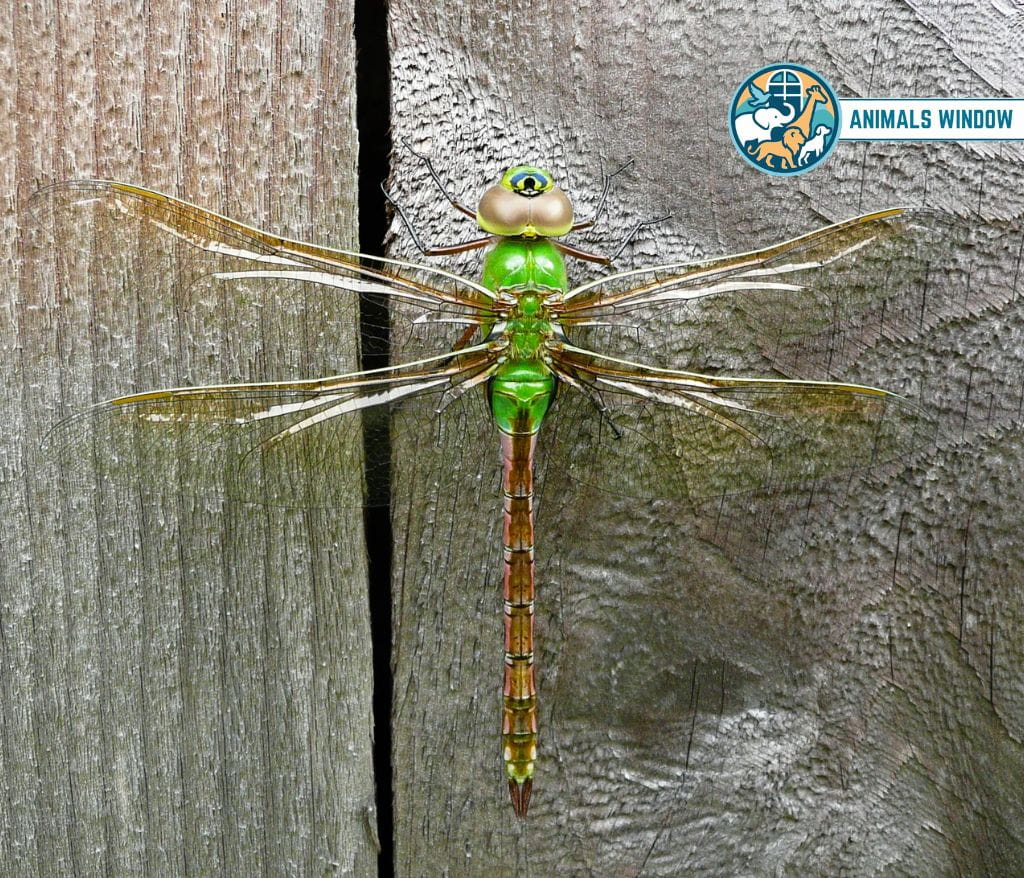
- Scientific name: Anax junius
- Size: 2.8–3 inches
- Weight: About 0.04 oz
- Diet: Mosquitoes, gnats, small insects
- Habitat: Ponds and wetlands across North America
- Lifespan: Several months as adults
The green darner is the most common dragonfly in North America and one of the few that migrates as an individual (most migratory insects move multigenerationally). It travels in groups along the US Atlantic coast and through the Appalachian ridges from Canada south to the Gulf of Mexico and Caribbean each fall.
Green darner migration is strongly linked to cold fronts. Researchers have found that they move south within 24–48 hours after a cold front passes, riding the tail winds that follow. Radio telemetry showed individuals flying 7.5 miles per day on average — not impressive by bird standards, but remarkable for an insect weighing less than a small coin.
🔥 Comparison Fact: A green darner’s body length is roughly the same as a standard AA battery.
Humboldt Squid
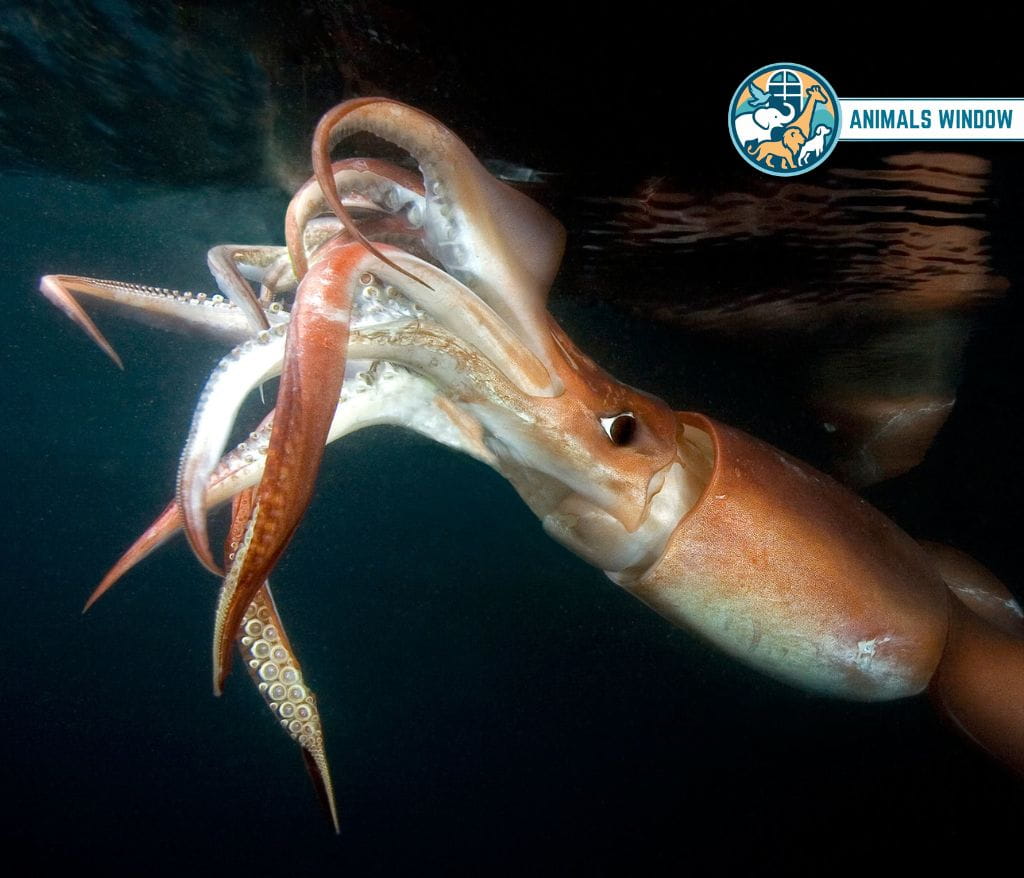
- Scientific name: Dosidicus gigas
- Size: Up to 7 feet (including tentacles)
- Weight: Up to 100 lbs
- Diet: Fish, shrimp, other squid
- Habitat: Eastern Pacific Ocean, deep-water zones
- Lifespan: 1–2 years
Humboldt squid perform nightly vertical migrations, rising hundreds of feet to the surface at dusk to hunt and retreating to depths of 600–1,000 feet during daylight. Over the course of their short lives, they also migrate horizontally over thousands of miles — following cold, oxygen-depleted upwelling zones along the Pacific Coast of the Americas.
These squid hunt in packs and use bioluminescence to communicate during hunts — flashing patterns at each other to coordinate attacks. They can change color in milliseconds using chromatophores (pigment cells) and iridophores (reflective cells). Divers who have swum with them report being grabbed, bitten, and dragged down in what marine biologists describe as coordinated hunting behavior.
🔥 Comparison Fact: A large Humboldt squid can stretch as long as a standard refrigerator is tall.
Monarch Butterfly
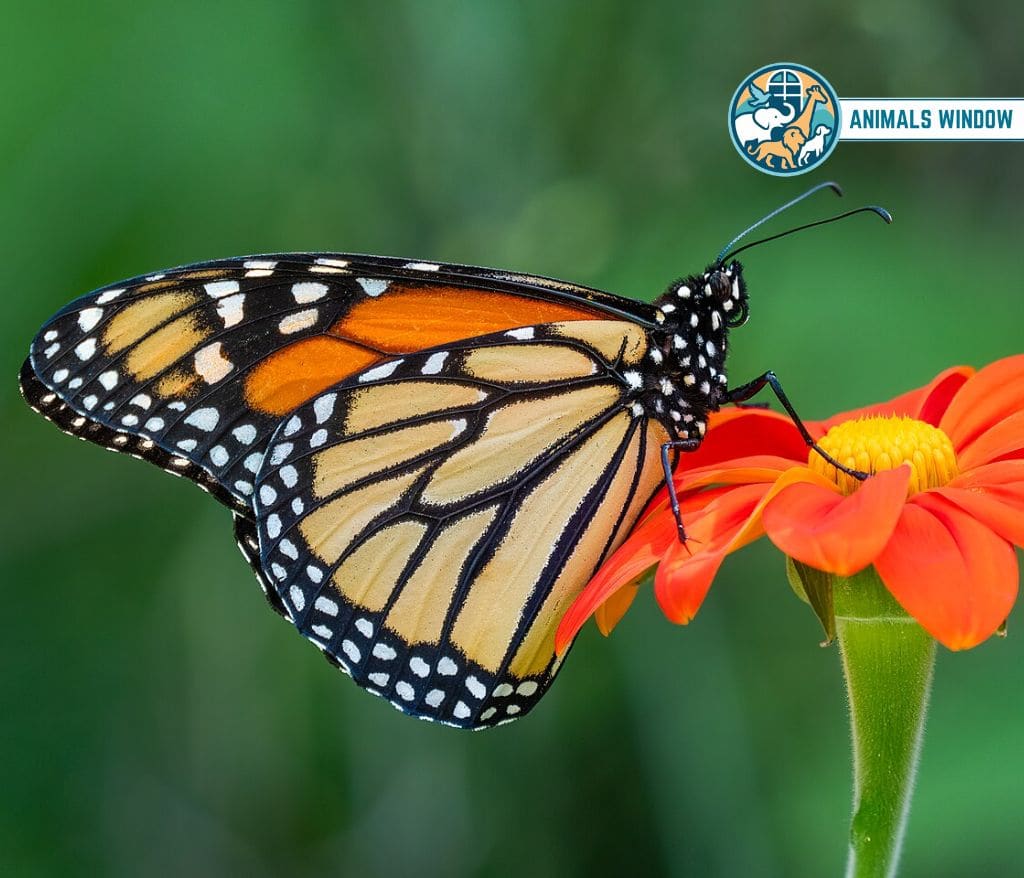
- Scientific name: Danaus plexippus
- Size: 3.7–4.1 inch wingspan
- Weight: 0.01–0.75 oz
- Diet: Milkweed (larvae), nectar (adults)
- Habitat: Breeding across eastern North America; wintering in Michoacán, Mexico
- Lifespan: 6–8 months (migratory generation), 2–5 weeks (summer generation)
The monarch butterfly’s migration is perhaps the most famous in the insect world — but it’s also one of the most misunderstood. No single butterfly makes the full round trip. The fall migrants that fly 3,000 miles from Canada to the oyamel fir forests of Michoacán, Mexico, are a special “super generation” that lives 8 times longer than summer butterflies. Their great-great-grandchildren fly north the following spring.
Monarchs navigate using a time-compensated sun compass located in their antennae, not their eyes. Remove the antennae? They fly in random directions. Block only the eyes? They still navigate correctly. The antenna-based compass corrects for the sun’s movement across the sky throughout the day using an internal circadian clock.
🔥 Comparison Fact: A monarch butterfly weighs about as much as a single raindrop.
Follow up in the comments with which animal you like the most from the ones above. Don’t forget to follow us at AnimalsWindow—we provide more interesting information on many more animals.
Mostly Asked Questions About Migrating Animals
What animal has the longest migration in the world?
The Arctic tern travels the farthest — about 56,000 miles per year, pole to pole and back. For individual nonstop flights, the bar-tailed godwit holds the record at 7,580 miles without a single stop.
Why do animals migrate?
Animals migrate mainly to find food, survive seasonal temperature changes, or reach safe breeding grounds. Each species has its own trigger — some follow rain, some follow the sun, some track magnetic fields.
What is the rarest migrating animal?
The whooping crane is among the rarest. Its wild population dropped to just 15 birds in 1941. Conservation efforts have brought numbers above 800, but it remains critically dependent on human protection.
Do all animals return to where they were born?
Many do — especially fish like salmon and sea turtles — using magnetic imprinting to navigate back to their exact birth sites years later. Others, like wildebeest, follow circular routes without fixed birth-site returns.
Which insect migrates the farthest?
The globe skimmer dragonfly completes the longest insect migration — an estimated 14,000-mile multigenerational loop across the Indian Ocean — beating the more famous monarch butterfly.
Trait Comparison: Distance vs. Endurance in Migration
Two common ways to measure a migration are distance and endurance — but they’re very different things.
Distance simply measures how far an animal travels from start to finish. The Arctic tern wins here: 56,000 miles per year. But the Arctic tern rests, eats, and drinks throughout the journey. It’s a long trip broken into manageable pieces.
Endurance measures how far an animal goes without stopping at all. The bar-tailed godwit wins this category — 7,580 miles over 11 days, no food, no water, no rest. It’s not the longest journey, but it’s the single hardest physical performance in the animal kingdom.
Think of it this way: running a marathon every day for a year versus running 290 marathons back-to-back without eating. One measures lifetime distance; the other measures peak biological effort. Both are extraordinary — they’re just measuring different kinds of amazing.
Some species, like the Northern elephant seal and the globe skimmer dragonfly, combine both — covering enormous total distances while also sustaining long unbroken travel periods. The “best migrator” depends entirely on what you’re measuring.

I have loved animals since I was a kid. I enjoy reading about how animals live, eat, move, and survive. I started Animals Window to share what I learn in a simple and easy way. I write about animal body parts, size, behavior, diet, habitats, and species. My goal is to make animal facts clear and fun for everyone to understand.