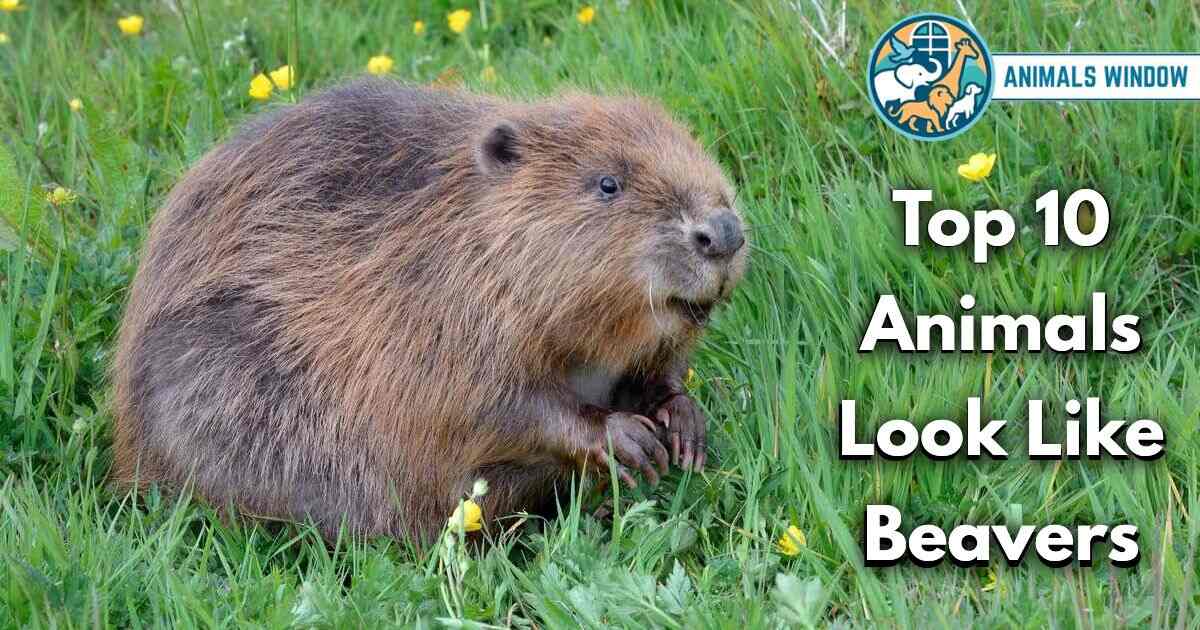
Several animals share the beaver’s chunky body, brown fur, and love for water. The most common ones are muskrats, nutrias, capybaras, and river otters. Others like groundhogs, marmots, and mountain beavers share the same round face and stocky build on land. Each one evolved separately but ended up looking surprisingly similar.
The most common animals that look like beavers are muskrats, nutrias, capybaras, and river otters.
Table of Contents
Quick Comparison Table
| Animal Name | Scientific Name | Key Trait |
| Muskrat | Ondatra zibethicus | Flat, scaly tail; builds dome lodges |
| Nutria | Myocastor coypus | Bright orange front teeth |
| American Mink | Neovison vison | Sleek swimmer; semi-retractable claws |
| Capybara | Hydrochoerus hydrochaeris | World’s largest rodent |
| Groundhog | Marmota monax | Hibernates up to 5 months |
| River Otter | Lontra canadensis | Can hold breath for 8 minutes |
| Quokka | Setonix brachyurus | Marsupial; carries young in pouch |
| Marmot | Marmota marmota | Communicates with high-pitched whistles |
| Mountain Beaver | Aplodontia rufa | Most primitive living rodent on Earth |
| European Water Vole | Arvicola amphibius | Digs complex underground tunnel systems |
More Than Just Big Teeth and Brown Fur
Most people spot a round, furry animal near a river and immediately think “beaver.” But here’s the surprising part — some of these creatures aren’t even closely related to beavers. One of them is actually a marsupial, like a kangaroo. Another one has teeth so orange they look like they’ve been painted. And one species is so ancient that scientists consider it a living fossil among rodents.
This article covers 10 real animals that look like beavers, why they look that way, and what makes each one completely different from the others. By the end, you’ll never mix them up again.
1. Muskrat
- Scientific Name: Ondatra zibethicus
- Size: 16–25 inches (body)
- Weight: 1.5–4 lbs
- Diet: Cattails, reeds, aquatic plants, occasionally fish
- Habitat: Freshwater wetlands, marshes, ponds across North America
- Lifespan: 3–5 years in the wild
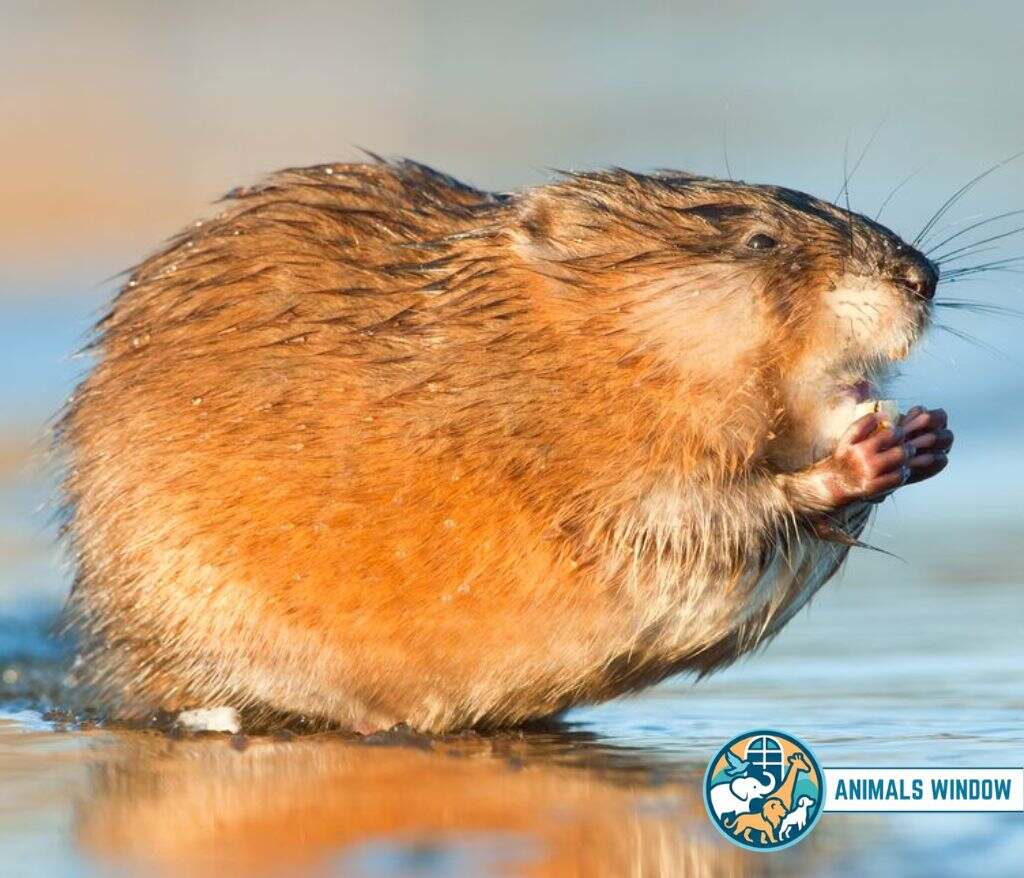
The muskrat is probably the animal people confuse with beavers the most. It lives in the same wetland areas, has dark brown fur, and swims with a similar body shape. But look at the tail — a muskrat’s tail is long, thin, and scaly, almost like a rat’s tail flattened sideways. A beaver’s tail is wide and paddle-shaped. That’s your fastest way to tell them apart.
What makes muskrats genuinely remarkable is their building ability. They construct dome-shaped lodges out of cattails and mud — from the inside out. They chew a hollow space in the center, pack vegetation around it, and seal it with mud. The entrance is always underwater, which keeps predators out. Some lodges are used and rebuilt by multiple generations.
🔥 Comparison Fact: A muskrat’s body is about the size of a large sweet potato — much smaller than most people expect when they see one swimming.
2. Nutria
- Scientific Name: Myocastor coypus
- Size: 17–25 inches (body)
- Weight: 11–22 lbs
- Diet: Roots, stems, and bark of aquatic plants
- Habitat: Marshes, riverbanks, and wetlands; originally from South America
- Lifespan: 6–10 years
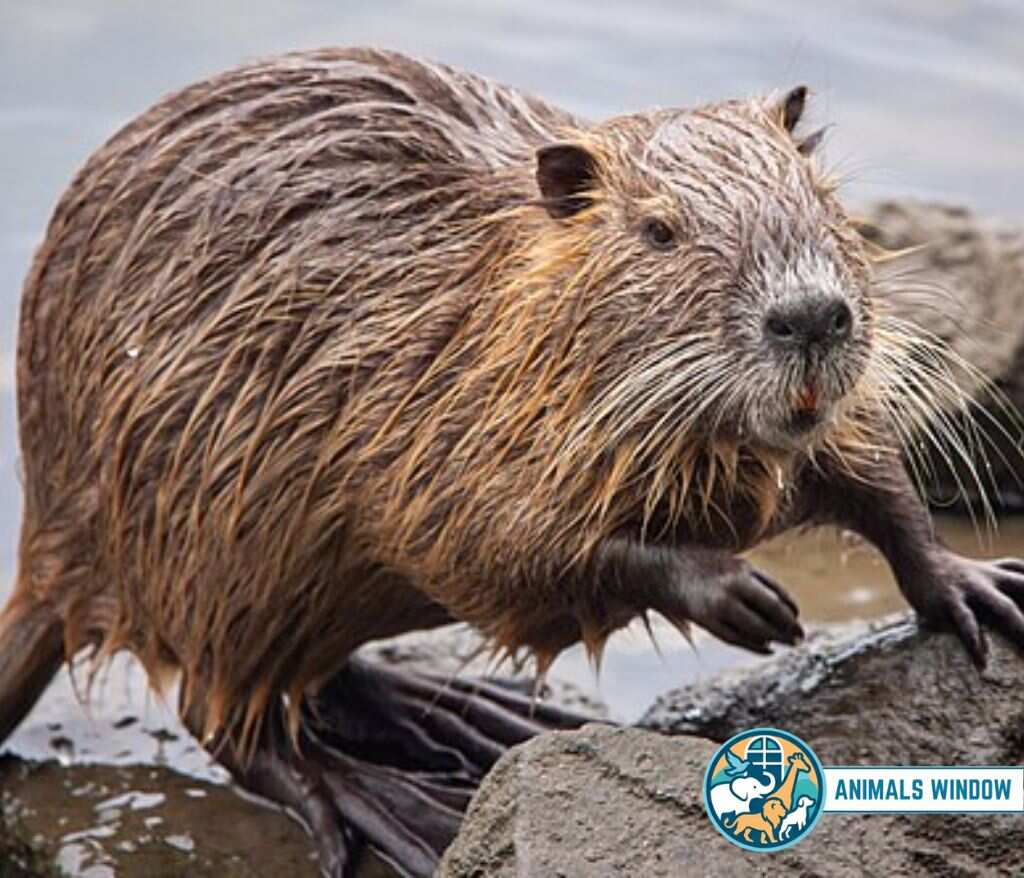
Nutrias were brought to North America from South America in the early 1900s for their fur. Many escaped or were released, and they’ve been a wild presence in Louisiana, Texas, and Oregon ever since. They look like a larger, rounder version of a rat with the body build of a beaver — but the first thing you’ll notice up close are the teeth.
Their front teeth are a vivid, almost unnatural orange color. That’s not a sign of bad health — it’s from iron compounds in the enamel that make the teeth extra hard and wear-resistant. Nutrias spend most of their time gnawing through tough aquatic roots, so those reinforced teeth are genuinely useful. The downside? They eat so aggressively at the root level that they can strip entire marsh areas bare, leaving open mudflats behind.
🔥 Comparison Fact: An adult nutria weighs about as much as a full bag of flour — noticeably heavier than a beaver might look at first glance from a distance.
3. American Mink
- Scientific Name: Neovison vison
- Size: 12–18 inches (body)
- Weight: 1.5–3.5 lbs
- Diet: Fish, frogs, small mammals, birds, crayfish
- Habitat: Riverbanks, lakeshores, marshes across North America
- Lifespan: 3–4 years in the wild
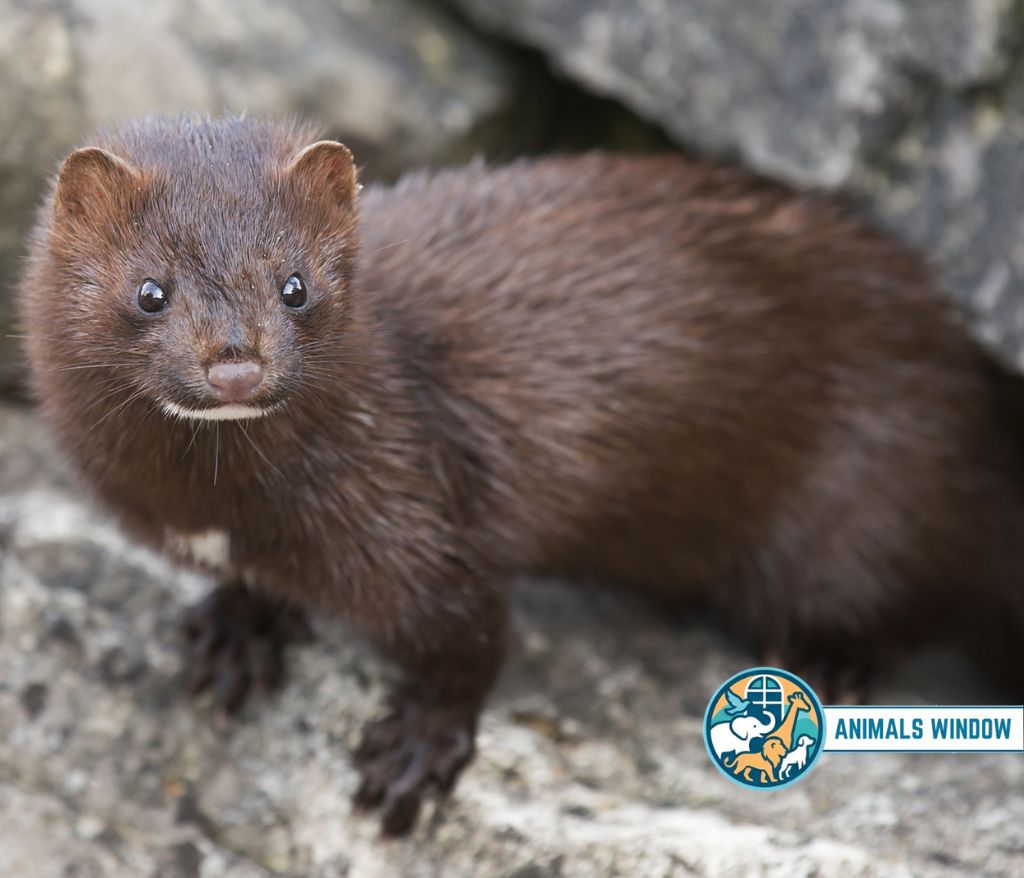
At first glance, a mink slipping into the water near a riverbank can look like a small, slim beaver — same dark brown fur, same comfort in the water, same semi-aquatic lifestyle. But the mink is built completely differently. Its body is long and low to the ground, more like a weasel, and it moves with a quick, fluid energy that beavers never show.
Here’s what sets the mink apart from every other animal on this list: it hunts. It’s a predator. While beavers are strict plant eaters, a mink will dive underwater to chase fish, raid bird nests, and even take on animals larger than itself. It has partially webbed feet and a water-resistant coat with two layers — a dense underfur for insulation and longer guard hairs that repel water. It can swim up to 100 feet underwater in a single dive.
🔥 Comparison Fact: An American mink’s body is roughly the length of a standard 12-inch ruler — sleek and small, nothing like the bulky beaver it sometimes gets mistaken for.
4. Capybara
- Scientific Name: Hydrochoerus hydrochaeris
- Size: 3.5–4.5 feet long
- Weight: 77–145 lbs
- Diet: Grasses, aquatic plants, bark, fruits
- Habitat: Rainforests, savannas, and wetlands near water in South America
- Lifespan: 8–10 years in the wild
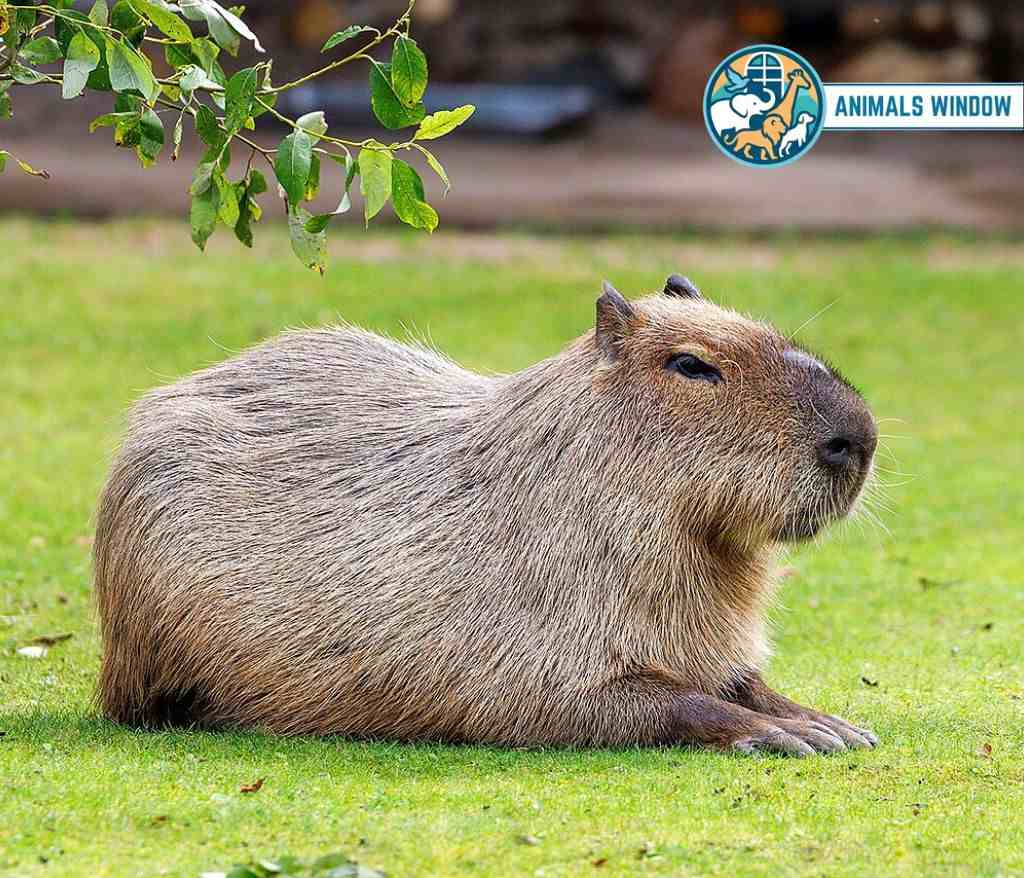
The capybara is the world’s largest rodent, and when it’s sitting by a riverbank with its broad, flat head and brown fur, it can absolutely pass for an enormous beaver to someone who’s never seen one. But this animal is in a category of its own. A large capybara weighs about as much as a grown adult human — sometimes more.
What’s fascinating about capybaras isn’t just their size. It’s how unbothered they are. They live in groups of 10–30 and regularly let birds, monkeys, and even small crocodilians rest on their backs. Their skin secretes a natural oily substance that keeps them moist out of water. And here’s something most people don’t know: capybaras practice coprophagy — they eat their own droppings in the morning to re-digest plant bacteria. It sounds strange, but it helps them pull maximum nutrition from tough grasses.
🔥 Comparison Fact: A fully grown capybara is about the size of a Labrador Retriever, but heavier — averaging around 100 lbs compared to a typical lab at 65–80 lbs.
5. Groundhog
- Scientific Name: Marmota monax
- Size: 16–27 inches
- Weight: 5–14 lbs
- Diet: Grasses, clover, wild berries, tree bark, occasionally insects
- Habitat: Open woodlands, meadows, and field edges across North America
- Lifespan: 6 years in the wild
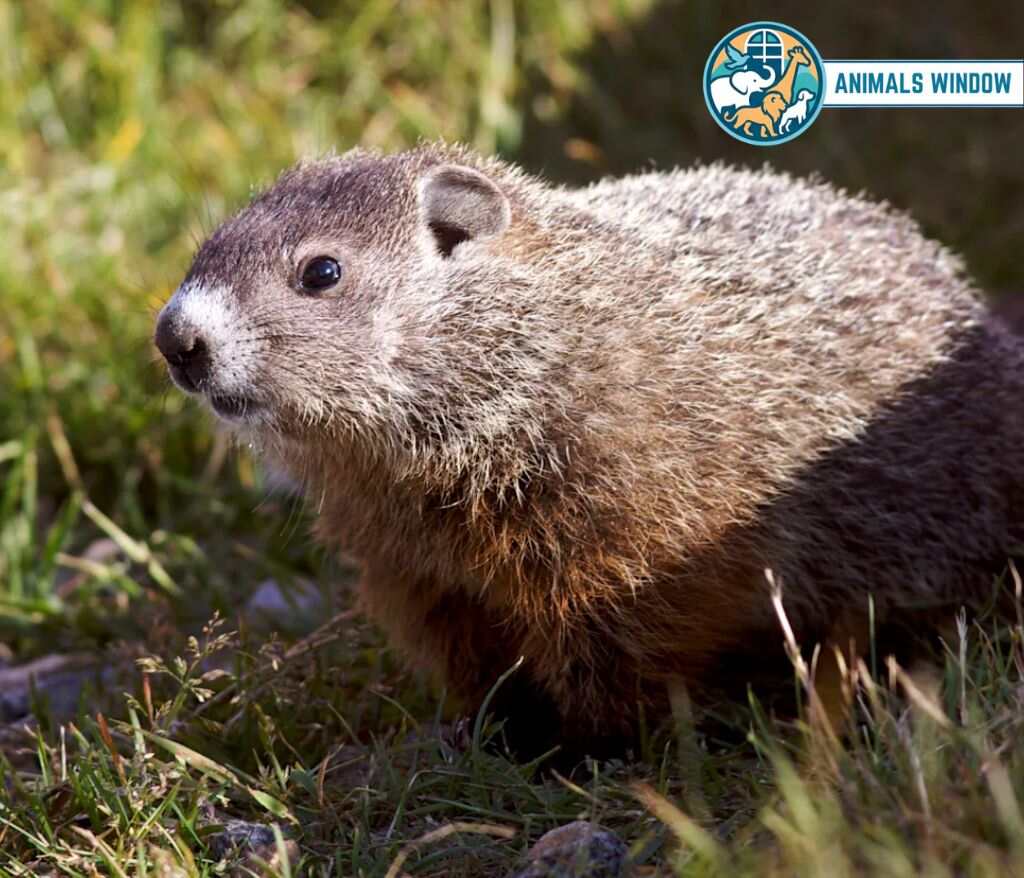
Groundhogs — also called woodchucks — are land animals, not water-dwellers. But people mix them up with beavers often because of the similar stocky body, short legs, and rounded brown head. They’re built like a furry loaf: wide in the middle, short on the sides.
The groundhog’s real superpower is its hibernation. Come October or November, a groundhog digs down into its burrow and its body temperature drops from around 99°F to as low as 37°F. Its heart slows from 80 beats per minute to just 5. It can stay in this state for up to five months without eating, surviving entirely on the fat it built up during summer. When it wakes up in early spring, it loses nearly 30% of its body weight. The famous “Groundhog Day” tradition on February 2nd comes from this behavior.
🔥 Comparison Fact: A groundhog’s body is about the size of a small watermelon — round, dense, and surprisingly heavy when you pick one up.
More Posts: 30 Most Energetic Animals (Ranked by Speed & Stamina With Pictures)
6. River Otter
- Scientific Name: Lontra canadensis
- Size: 26–42 inches (body)
- Weight: 11–30 lbs
- Diet: Fish, crayfish, frogs, turtles, aquatic insects
- Habitat: Rivers, lakes, coastal areas across North America
- Lifespan: 8–9 years in the wild
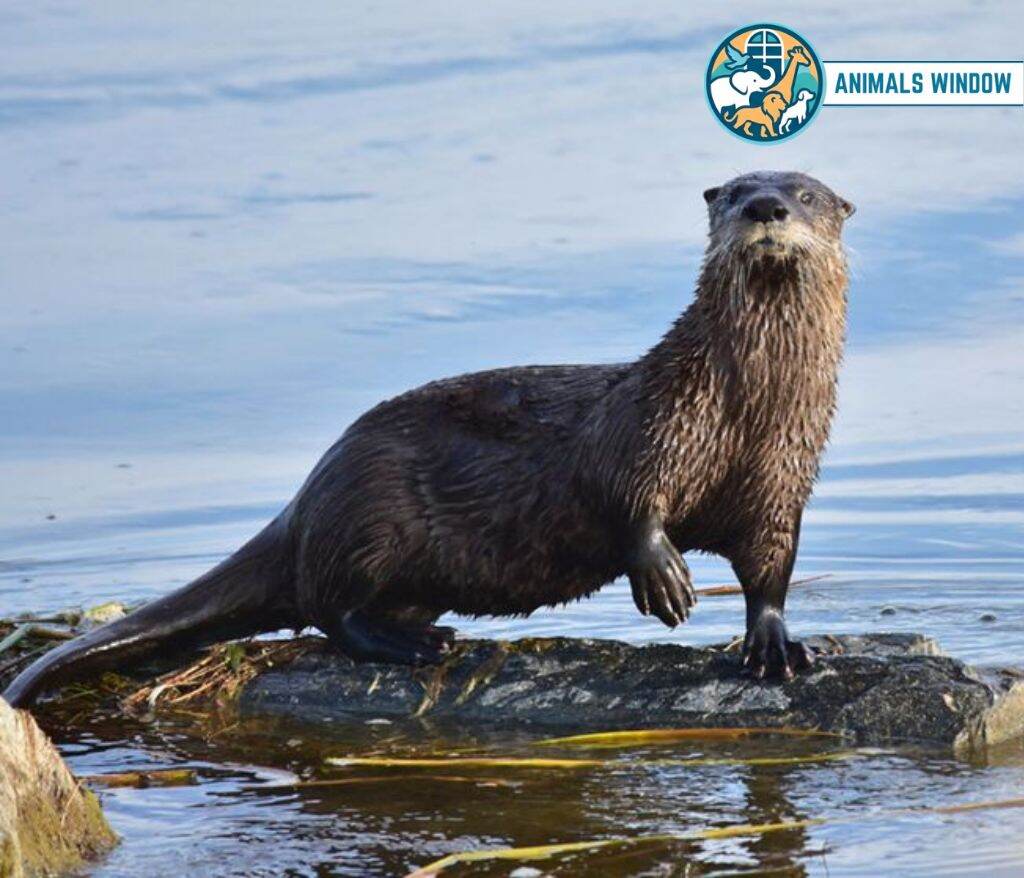
River otters share enough with beavers — brown fur, aquatic lifestyle, similar size from a distance — that they get confused regularly, especially when seen in the water. But otters move differently. They’re fast, playful, and built like torpedoes. A beaver glides. An otter darts.
The river otter’s lung capacity is genuinely impressive. It can hold its breath for up to 8 minutes and dive to depths of 60 feet. Its nostrils and ears close automatically when it goes underwater — a built-in waterproof design. What’s less known is how the otter uses rocks as tools. It will balance a flat stone on its chest while floating on its back and use it to crack open shellfish. Not every otter does this, but specific populations have passed this behavior down across generations — a rare sign of animal culture.
🔥 Comparison Fact: A river otter stretched out is about as long as a typical baseball bat — lean and streamlined, built for speed, not size.
7. Quokka
- Scientific Name: Setonix brachyurus
- Size: 16–21 inches
- Weight: 5.5–11 lbs
- Diet: Grasses, leaves, stems, bark
- Habitat: Rottnest Island and small areas of southwestern Australia
- Lifespan: 10 years in the wild
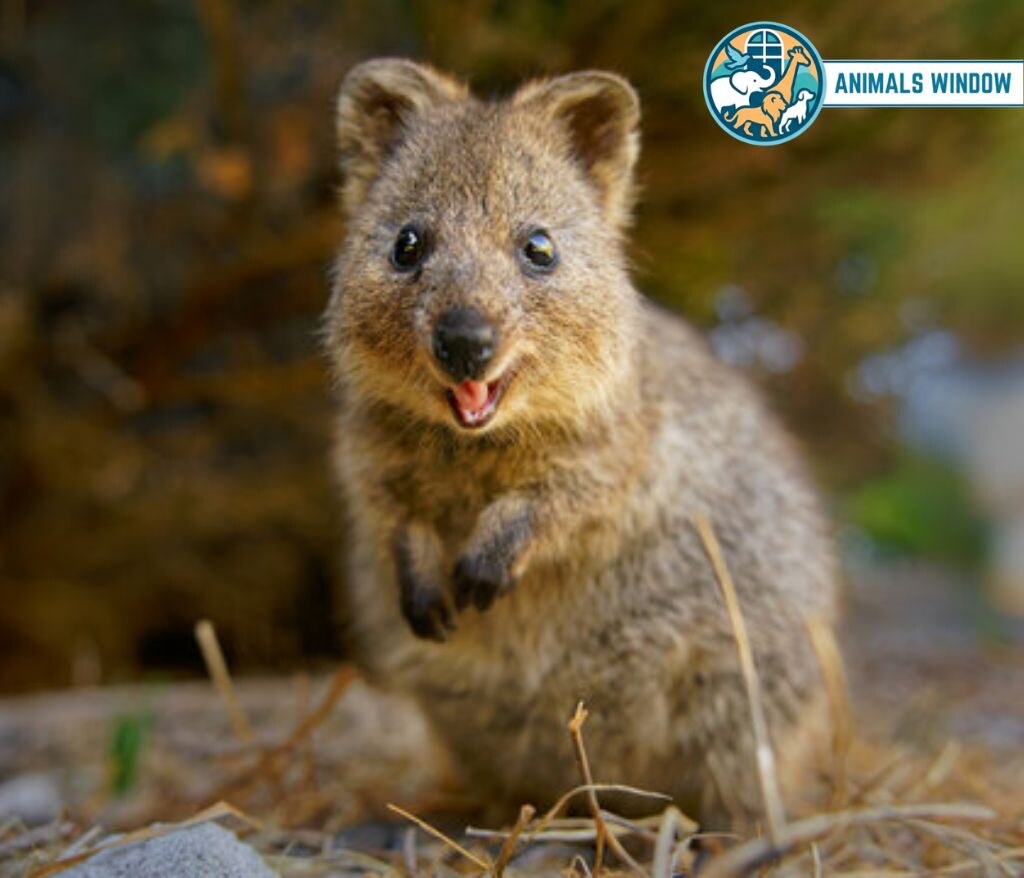
Here’s where things get unusual. The quokka is the only animal on this list that is not a rodent at all. It’s a marsupial — related to kangaroos and wallabies, not beavers or rats. But its short, round body, small brown ears, and compact face give it a very beaver-like appearance, especially in photos.
The quokka has become internet-famous for its facial expression. Its resting face genuinely looks like it’s smiling — a combination of its rounded cheeks and slightly upturned mouth shape. But the more surprising behavior is what it does when threatened. A mother quokka under serious stress will eject her joey from her pouch to distract a predator, giving herself time to escape. It sounds harsh, but the joey can potentially survive on its own if old enough. The quokka is also one of the few wild mammals that will approach humans with almost no fear — which is rare and a little disarming.
🔥 Comparison Fact: A quokka is about the size of a domestic house cat — but squatter and more barrel-shaped, which is what gives it that beaver-like silhouette.
8. Marmot
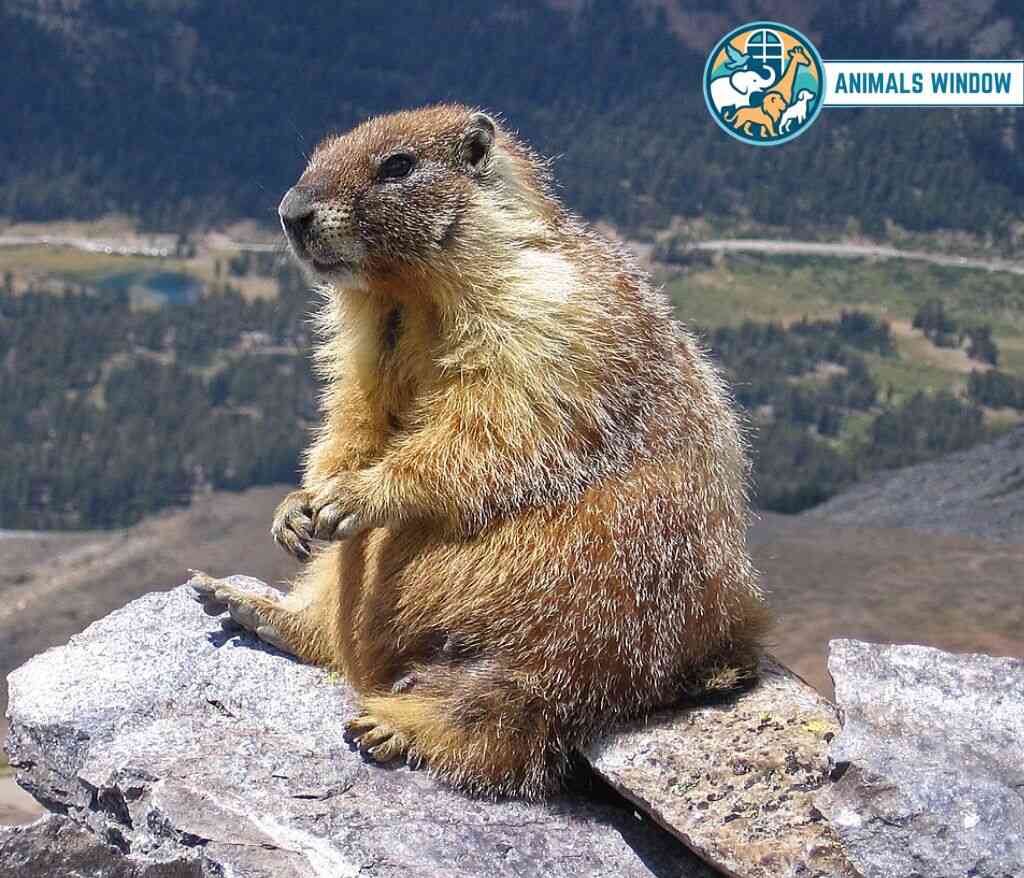
- Scientific Name: Marmota marmota
- Size: 17–28 inches
- Weight: 4–18 lbs
- Diet: Grasses, flowers, seeds, leaves, roots
- Habitat: Alpine meadows and rocky mountain slopes in Europe and Asia
- Lifespan: 15–18 years
Marmots are large ground squirrels that get compared to beavers fairly often because of their thick, brownish-gray fur, wide head, and heavy-set body. They live in the mountains — far from water — but the body shape similarity is strong enough that hikers regularly ask what kind of beaver they just saw on a rocky hillside.
The marmot’s communication system is what stands out. They live in family colonies and post lookouts on high rocks to watch for eagles, foxes, and other predators. When danger appears, the lookout lets out a sharp, high-pitched whistle. Different threats get different whistle patterns — a ground predator gets a different call than an aerial one. Other marmots in the colony recognize the difference and respond accordingly. This isn’t just noise. It’s a functional warning language that researchers have studied carefully for its layered meaning.
🔥 Comparison Fact: A large alpine marmot weighs about the same as a full 2-liter bottle of soda — solid and thick for an animal people often mistake for a small beaver.
9. Mountain Beaver
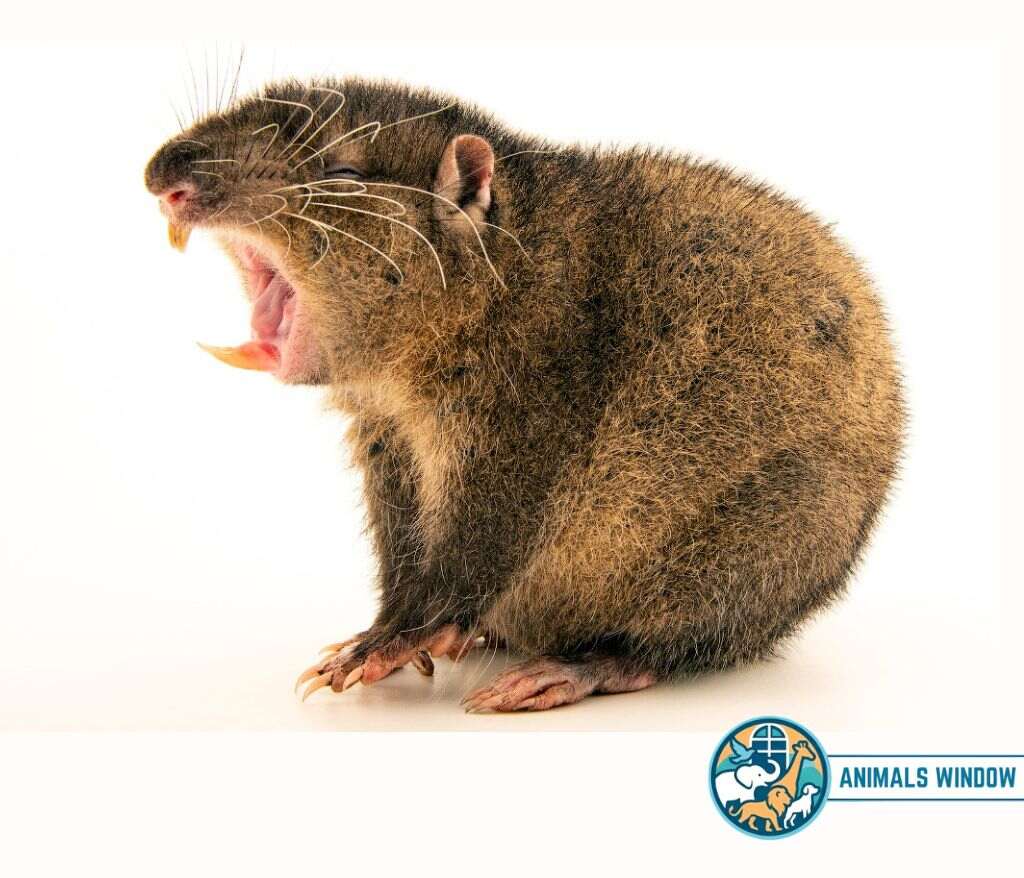
- Scientific Name: Aplodontia rufa
- Size: 9–18 inches
- Weight: 1.5–3.7 lbs
- Diet: Ferns, bark, twigs, nettles, conifer needles
- Habitat: Moist forest slopes and coastal mountains of the Pacific Northwest, USA
- Lifespan: 5–6 years
Despite the name, the mountain beaver is not actually a beaver. It doesn’t dam streams, doesn’t have a flat tail, and isn’t even closely related to true beavers. But it made this list because the name causes enough confusion that people genuinely go looking for one expecting a smaller version of the river-damming beaver they know.
What makes the mountain beaver scientifically remarkable is its age as a species. It’s considered the most primitive living rodent on Earth. Its lineage traces back over 40 million years with very little evolutionary change — meaning the mountain beaver alive today is nearly identical to ancestors that walked the planet alongside early horses and rhinos. Its kidneys are so poorly developed that it must drink more water than almost any comparably sized mammal. It cuts ferns and stacks them in piles near burrow entrances, essentially creating its own hay storage system to dry and eat later.
🔥 Comparison Fact: A mountain beaver’s body is roughly the size of a large russet potato — small and unremarkable-looking for something with a 40-million-year family history.
Read More: 16 Small Monkey Breeds (With Pictures & Unique Facts)
10. European Water Vole
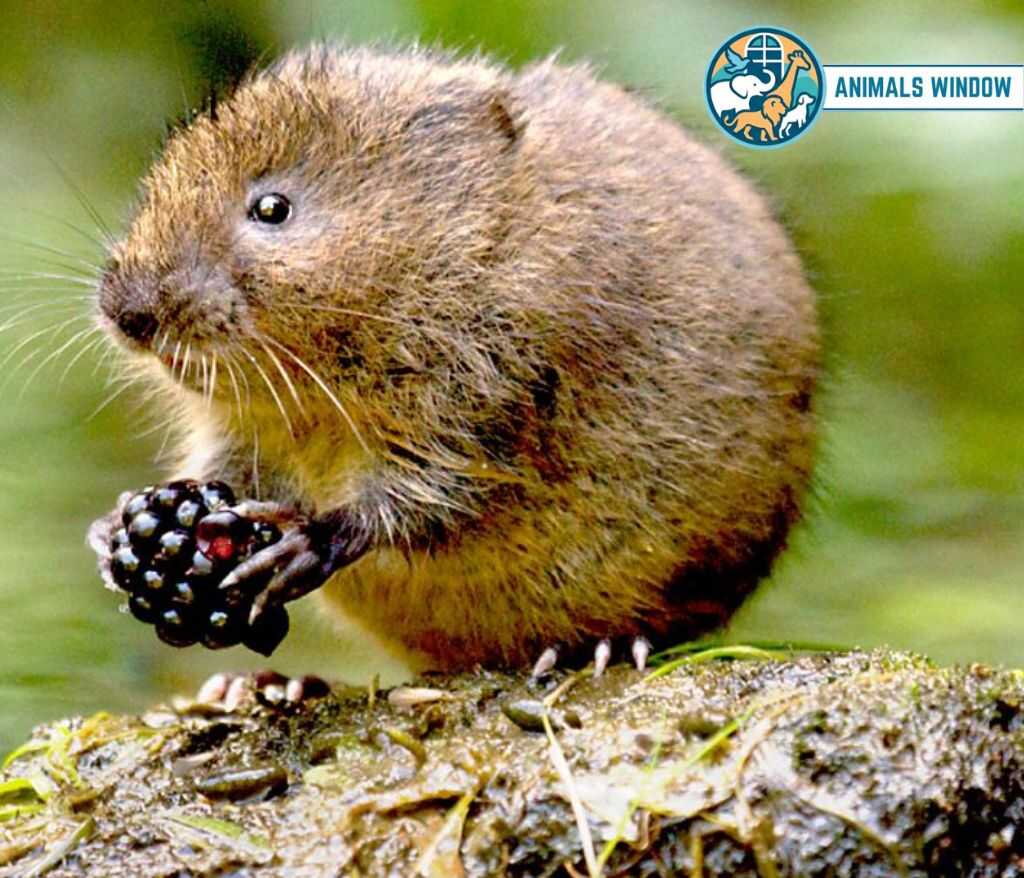
- Scientific Name: Arvicola amphibius
- Size: 5–9 inches (body)
- Weight: 2.6–10 oz
- Diet: Grasses, reeds, roots, bulbs, aquatic vegetation
- Habitat: Riverbanks, ditches, and pond edges across Europe and western Asia
- Lifespan: Up to 2 years in the wild
The European water vole is the smallest animal on this list, but it’s the one most frequently mistaken for a baby beaver in the UK. It has the same rounded head, small ears, brown fur, and the exact habit of sitting by the water’s edge munching on plant stems. Ratty from The Wind in the Willows is actually a water vole — not a rat — which tells you something about how naturally appealing and “beaver-adjacent” they look.
What separates water voles from everything else here is their underground architecture. A single water vole digs a burrow system with multiple chambers — one for sleeping, one for food storage, and specific latrine spots used consistently to mark territory. These tunnel networks can extend 100 feet or more along a riverbank. They don’t use it alone, though. Each vole maintains and defends a specific stretch of riverbank as its personal territory, scent-marking the edges every few hours. It’s a fully managed home territory the size of a garden — owned by an animal that fits in your coat pocket.
🔥 Comparison Fact: A European water vole weighs about as much as a pack of playing cards — tiny compared to the beaver it resembles, but living a surprisingly complex and organized life for its size.
Common Queries About Animals That Look Like Beavers
Q1: What is the most common animal mistaken for a beaver?
The muskrat is the most commonly confused species. It lives in the same wetlands as beavers and has similar brown fur and swimming behavior. The easiest difference: a muskrat’s tail is thin and rat-like, while a beaver’s tail is wide and flat.
Q2: Are nutrias dangerous to humans?
Nutrias aren’t aggressive toward humans, but they can bite if cornered. The bigger concern is what they do to ecosystems — their root-level feeding destroys marsh vegetation faster than most invasive species.
Q3: Can capybaras and beavers live in the same habitat?
Technically they could share overlapping wetland zones, but capybaras are native to South America while beavers are native to North America and Europe. They don’t naturally share territory.
Q4: Is the quokka related to beavers?
Not at all. The quokka is a marsupial, related to wallabies. It only looks beaver-like because of convergent evolution — unrelated animals developing similar body shapes due to similar lifestyles.
Q5: Which beaver look-alike is the rarest?
The mountain beaver (Aplodontia rufa) has one of the most restricted ranges of any North American mammal, found only in a thin strip of Pacific Coast forest. The European water vole is also facing serious population decline across parts of the UK.
Trait Comparison: Flat Tail vs. Round Tail
One of the fastest ways to tell a beaver look-alike from an actual beaver is by the tail — but not every animal here even has a distinctive tail. Here’s a simple breakdown:
The Flat, Paddle Tail (Beaver) A true beaver’s tail is wide, flat, and covered in scales. It works as a rudder for steering in water, a fat-storage organ during winter, and a warning device — beavers slap it hard on the water surface to alert other beavers to danger. That loud crack can be heard from hundreds of feet away.
The Thin, Rat-Like Tail (Muskrat, Nutria) Muskrats have a laterally flattened, scaly tail — thin but slightly shaped for steering. Nutrias have a round, hairless tail closer to a standard rat’s. Neither can slap the water for communication the way beavers do.
No Visible Tail (Capybara, Groundhog, Marmot, Quokka) These animals have either a very short tail or one that disappears into body fur. From a distance, they look tailless, which is one reason they can pass for a large rodent or beaver at first glance.
The Long, Tapered Tail (River Otter, American Mink) Both otters and minks have long, thick tails that taper to a point — used for steering and balance while swimming at speed. They look nothing like a beaver’s tail up close.
The tail alone won’t always be visible, especially in water. But when you can see it clearly, it’s the single most reliable identifier between a beaver and every animal on this list.

I have loved animals since I was a kid. I enjoy reading about how animals live, eat, move, and survive. I started Animals Window to share what I learn in a simple and easy way. I write about animal body parts, size, behavior, diet, habitats, and species. My goal is to make animal facts clear and fun for everyone to understand.