Small monkey breeds are primate species that weigh under 2 pounds and measure less than 15 inches in body length. The tiniest is the Pygmy Marmoset, weighing just 3.5 ounces. These miniature primates live mostly in South American rainforests, though some species are found in Africa and Southeast Asia. Most are tree-dwelling animals with surprisingly complex behaviors for their size.
Table of Contents
Quick Table: 16 Small Monkey Breeds at a Glance
| Animal Name | Scientific Name | Key Trait |
| Pygmy Marmoset | Cebuella pygmaea | World’s smallest monkey |
| Roosmalen’s Dwarf Marmoset | Mico humilis | Rarest marmoset species |
| Tarsier | Tarsius spp. | Largest eyes relative to body size |
| Common Marmoset | Callithrix jacchus | Gnaws bark to release tree gum |
| Goeldi’s Monkey | Callimico goeldii | Gives birth to single offspring only |
| Emperor Tamarin | Saguinus imperator | Named after Emperor Wilhelm II |
| Pied Tamarin | Saguinus bicolor | Critically endangered urban primate |
| Silvery Marmoset | Mico argentatus | Silvery-white fur with bare face |
| Golden Lion Tamarin | Leontopithecus rosalia | Bright orange mane like a lion |
| Night Monkey | Aotus spp. | Only truly nocturnal monkey |
| Talapoin Monkey | Miopithecus talapoin | Smallest Old World monkey |
| Cotton-top Tamarin | Saguinus oedipus | White mohawk-like crest |
| White-footed Tamarin | Saguinus leucopus | Colombian endemic, near threatened |
| Geoffroy’s Tamarin | Saguinus geoffroyi | Bald black-and-white head |
| Dusky Titi | Plecturocebus moloch | Pairs bond by intertwining tails |
| Squirrel Monkey | Saimiri sciureus | Largest brain-to-body ratio of all primates |
Why These Tiny Primates Will Change How You Think About Monkeys
Most people picture a chimpanzee or baboon when they hear the word “monkey.” But some monkeys are so small they can sit comfortably in a teacup. One species weighs less than a pack of crackers. Another has eyes so large for its skull that it physically cannot move them — so it rotates its entire head instead.
In this article, you’ll discover 16 small monkey breeds, from the record-breaking Pygmy Marmoset to the wide-eyed Night Monkey that runs on a completely different clock than every other primate on Earth. Each one has something genuinely surprising about it — not just its size.
1. Pygmy Marmoset
- Scientific Name: Cebuella pygmaea
- Size: 4.6–6.2 inches (body length)
- Weight: 3.5–5.3 oz
- Diet: Tree gum, sap, nectar, insects
- Habitat: Amazon rainforest understory (Brazil, Peru, Ecuador, Colombia)
- Lifespan: 11–12 years in the wild
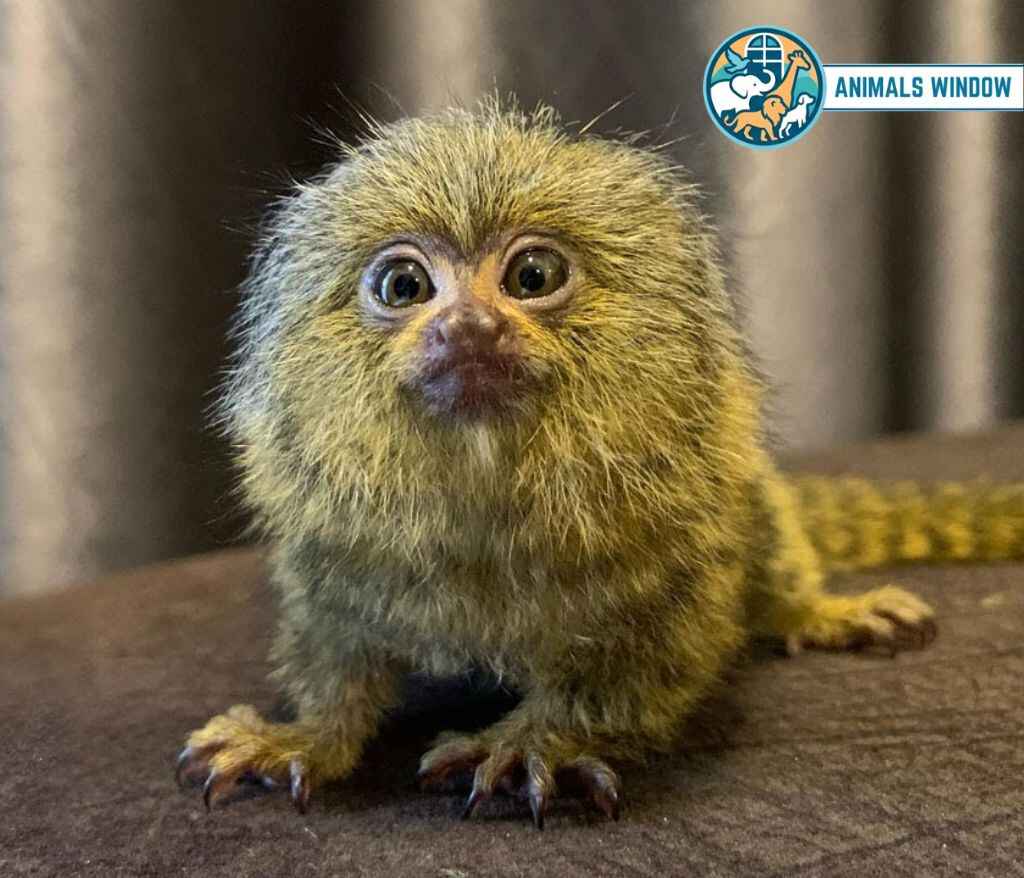
The Pygmy Marmoset holds the title of the world’s smallest monkey — and it earns it by a wide margin. It lives deep in the Amazon basin, clinging to tree trunks with sharp claw-like nails called tegulae. Unlike most primates that have flat fingernails, these specialized claws let it grip vertical bark the same way a lineman grips a telephone pole.
Its feeding strategy is where things get unusual. It gouges holes into tree bark using its specialized lower teeth, then waits — sometimes for hours — for sap to pool up. A single Pygmy Marmoset may drill over 1,300 holes into one tree over its lifetime. That’s not random foraging. That’s a maintained feeding system.
🔥 Comparison Fact: A fully grown Pygmy Marmoset is roughly the size of a human thumb — from tip to first knuckle.
2. Roosmalen’s Dwarf Marmoset
- Scientific Name: Mico humilis
- Size: Approximately 6 inches (body length)
- Weight: Around 5–6 oz
- Diet: Fruit, insects, plant exudates
- Habitat: Southern Amazon basin, Brazil
- Lifespan: Estimated 10–12 years
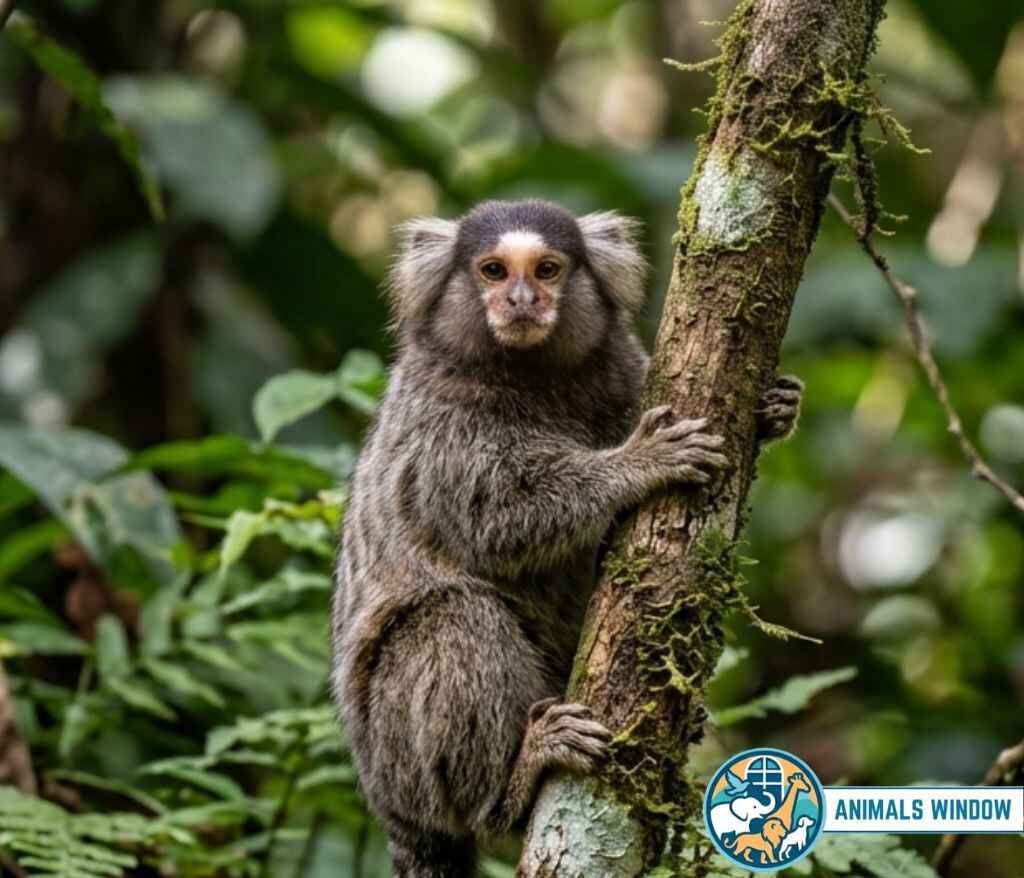
Roosmalen’s Dwarf Marmoset was only formally described as a separate species in 2000, making it one of the most recently discovered primates on Earth. Its range is restricted to a narrow strip of the Brazilian Amazon, and deforestation is shrinking that strip every year. Most wildlife researchers have never seen one in the field.
Scientists believe it relies more heavily on fruit pulp than bark gum — which would make its nutrition profile different from close relatives — but that’s still being studied. Most of what’s documented comes from fewer than a handful of direct field observations. The behavioral data is thin, and the gaps are large.
🔥 Comparison Fact: This monkey’s body is about as long as a standard TV remote control.
3. Tarsier
- Scientific Name: Tarsius spp. (multiple species)
- Size: 3.5–6.3 inches (body length)
- Weight: 2.8–5.6 oz
- Diet: Strictly carnivorous — insects, small lizards, birds
- Habitat: Rainforests of Southeast Asia (Philippines, Borneo, Sulawesi)
- Lifespan: 12–20 years
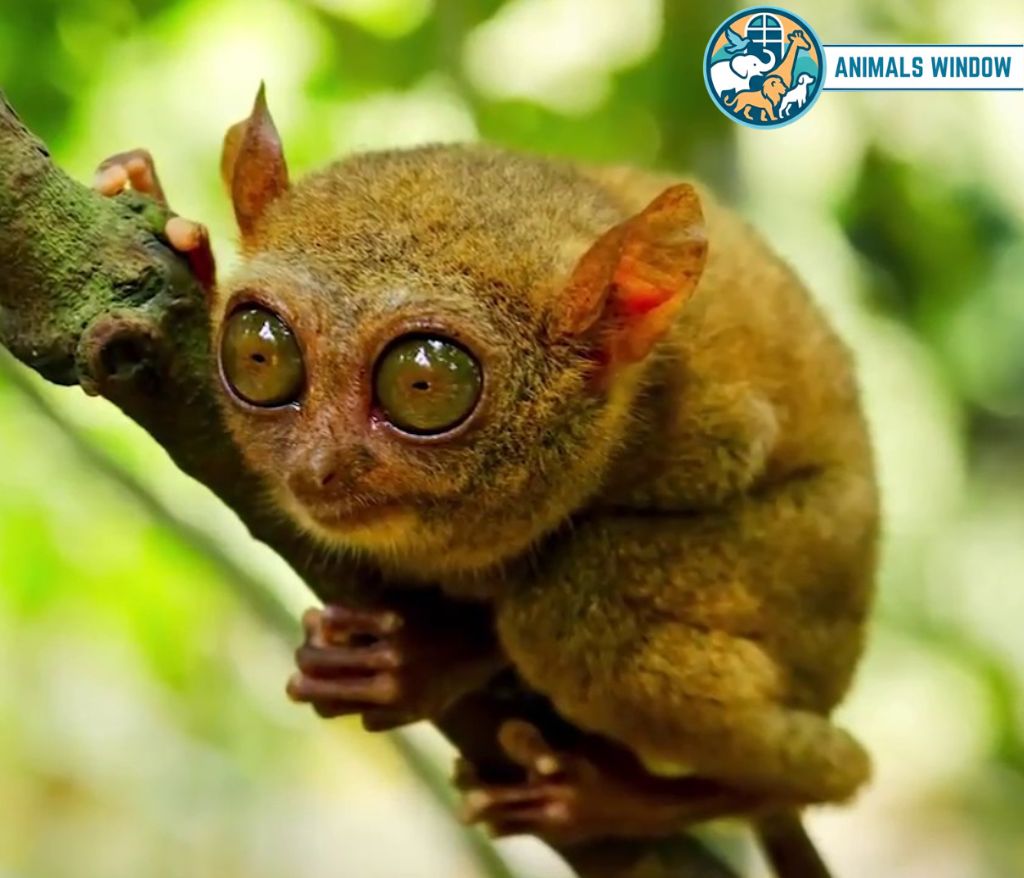
Tarsiers look like something out of a fantasy novel — enormous round eyes, satellite-dish ears, and long fingers tipped with adhesive pads. Each eye is roughly the same size as its entire brain. And those eyes are fixed in their sockets — they cannot move at all. To compensate, a tarsier can rotate its head nearly 180 degrees in each direction, similar to an owl.
They are the only fully carnivorous primates alive today. No fruit, no leaves — just live prey. A tarsier hunts in near-total darkness using sound alone, then leaps up to 16 feet in a single jump to catch its target. For a 4-inch animal, that jump covers roughly 40 times its own body length.
🔥 Comparison Fact: A tarsier’s eyeball is larger than its stomach — both fitting inside a body smaller than a human fist.
4. Common Marmoset
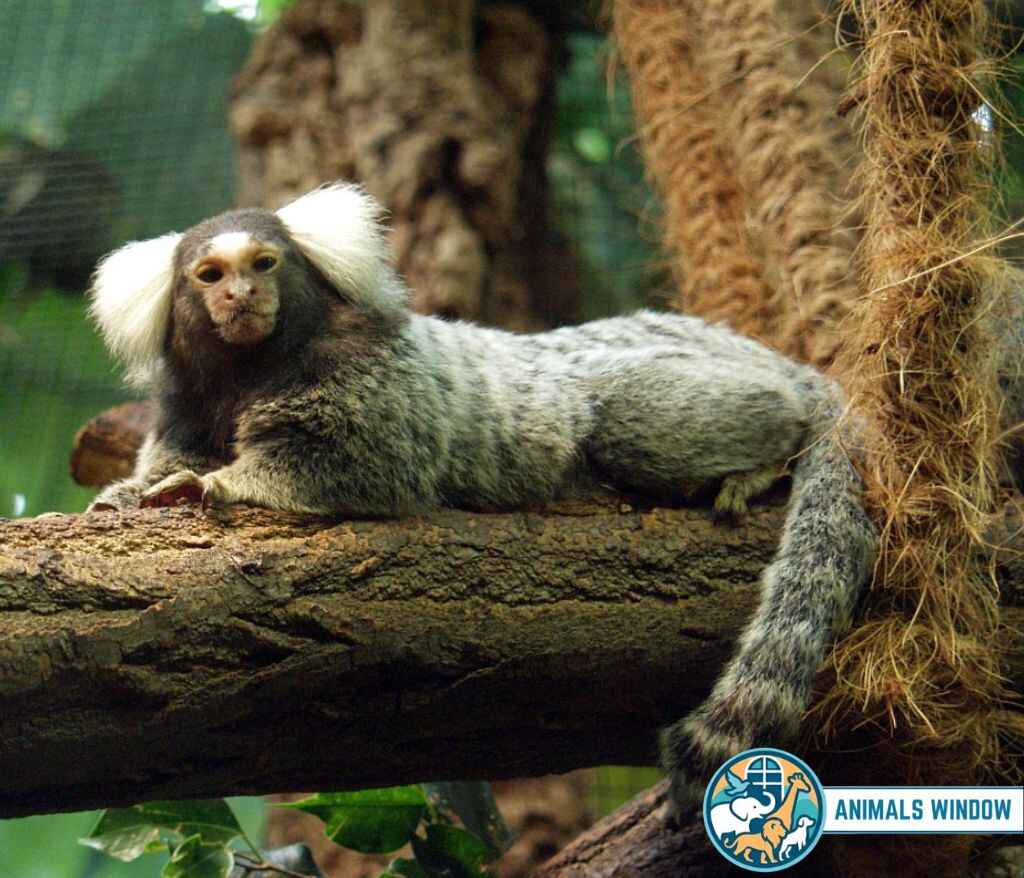
- Scientific Name: Callithrix jacchus
- Size: 7–8 inches (body length)
- Weight: 9–10 oz
- Diet: Tree gum, sap, insects, fruit
- Habitat: Northeastern Brazil — dry forest and scrubland
- Lifespan: 12–16 years
The Common Marmoset almost always gives birth to non-identical twins, and the fathers carry the babies on their backs nearly full-time — handing them to the mother only during feeding. That level of paternal involvement is rare in mammals and nearly unheard of in primates.
Its lower incisors are long, narrow, and forward-angled — built specifically for drilling into tree bark to access the gum underneath. Most primates cannot digest tree gum at all. The Common Marmoset has gut bacteria specially adapted to break down the complex carbohydrates in bark sap, giving it access to a food source most other animals simply pass over.
🔥 Comparison Fact: The Common Marmoset’s body is about the same length as a ballpoint pen.
5. Goeldi’s Monkey
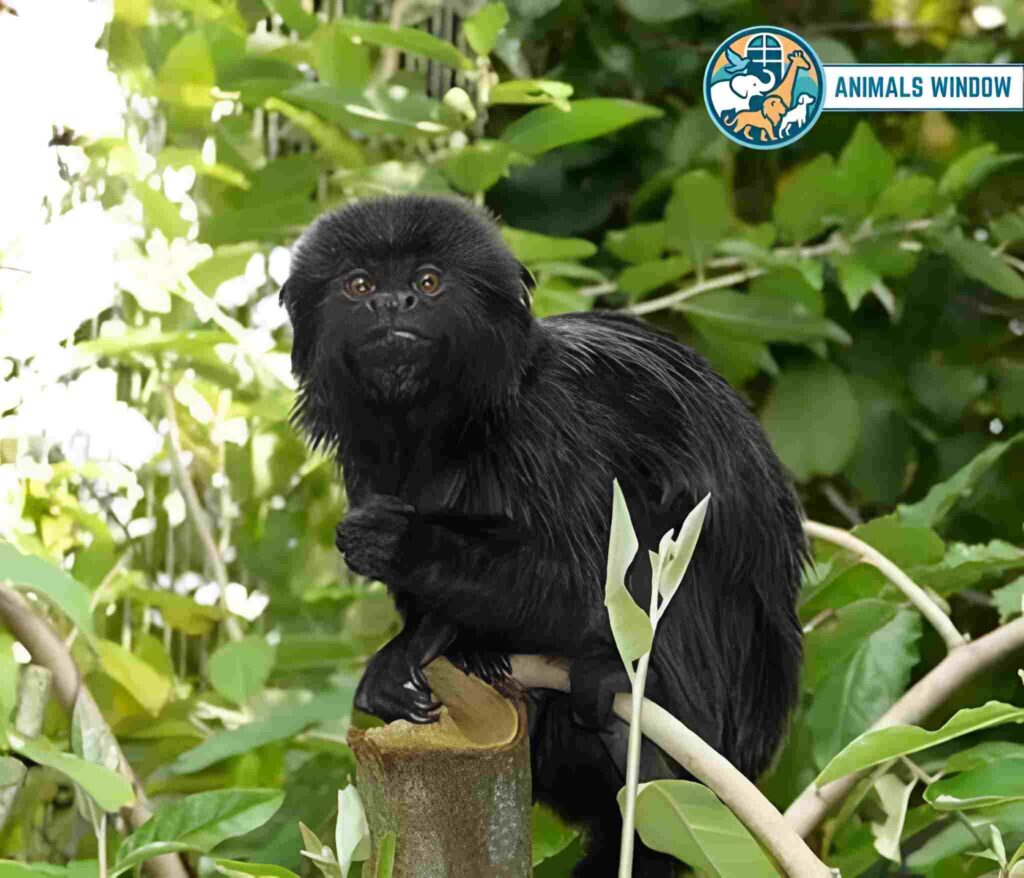
- Scientific Name: Callimico goeldii
- Size: 8–9 inches (body length)
- Weight: 14–17 oz
- Diet: Fungi, insects, fruit, small vertebrates
- Habitat: Upper Amazon basin — dense bamboo forest
- Lifespan: 10–13 years
Goeldi’s Monkey sits so far outside the typical marmoset-tamarin template that scientists placed it in its own genus entirely. It gives birth to a single baby at a time — a defining evolutionary feature that separates it from nearly every other small New World monkey, which routinely produces twins.
Its diet includes something even stranger: fungi. Goeldi’s Monkeys eat mushrooms as a regular dietary staple, not as an occasional snack. Researchers believe they may spread fungal spores through the forest — similar to how birds disperse seeds — though this role is still being investigated.
🔥 Comparison Fact: Goeldi’s Monkey weighs about the same as a large can of soup — but fits in both hands.
6. Emperor Tamarin
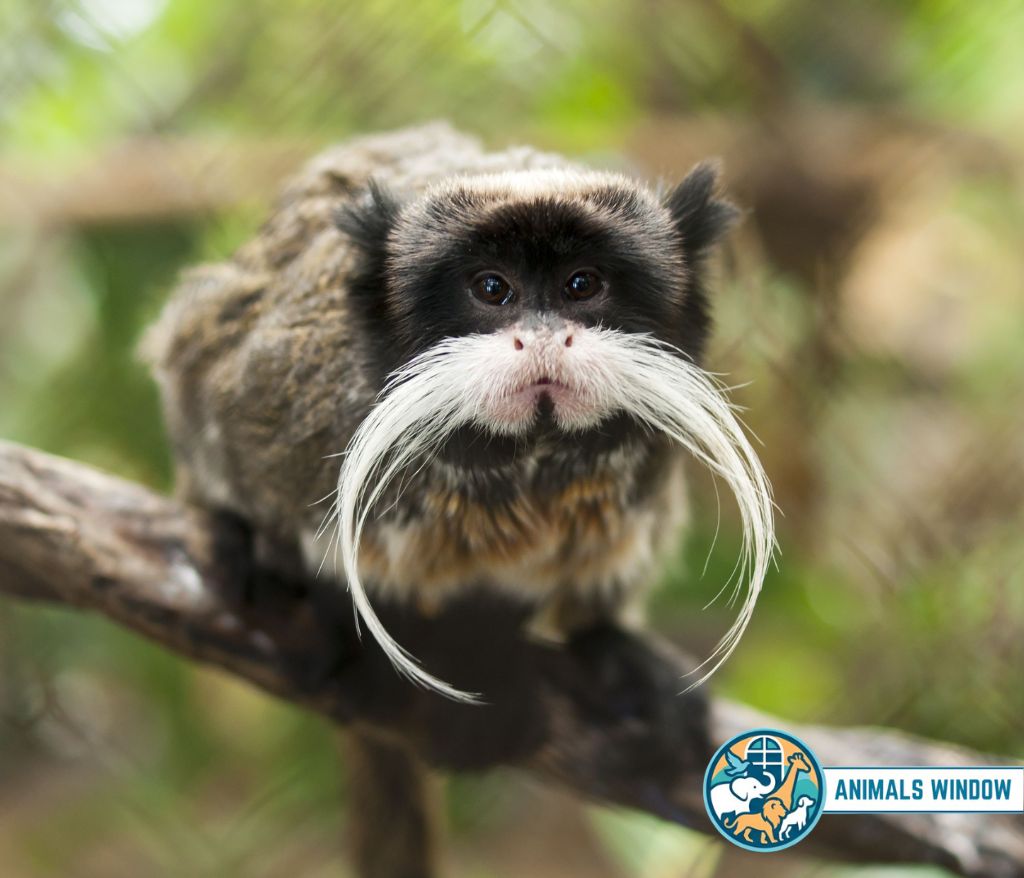
- Scientific Name: Saguinus imperator
- Size: 9–10 inches (body length)
- Weight: 10–14 oz
- Diet: Nectar, fruit, fungi, insects, small vertebrates
- Habitat: Southwestern Amazon — Peru, Bolivia, and western Brazil
- Lifespan: 17–20 years in captivity
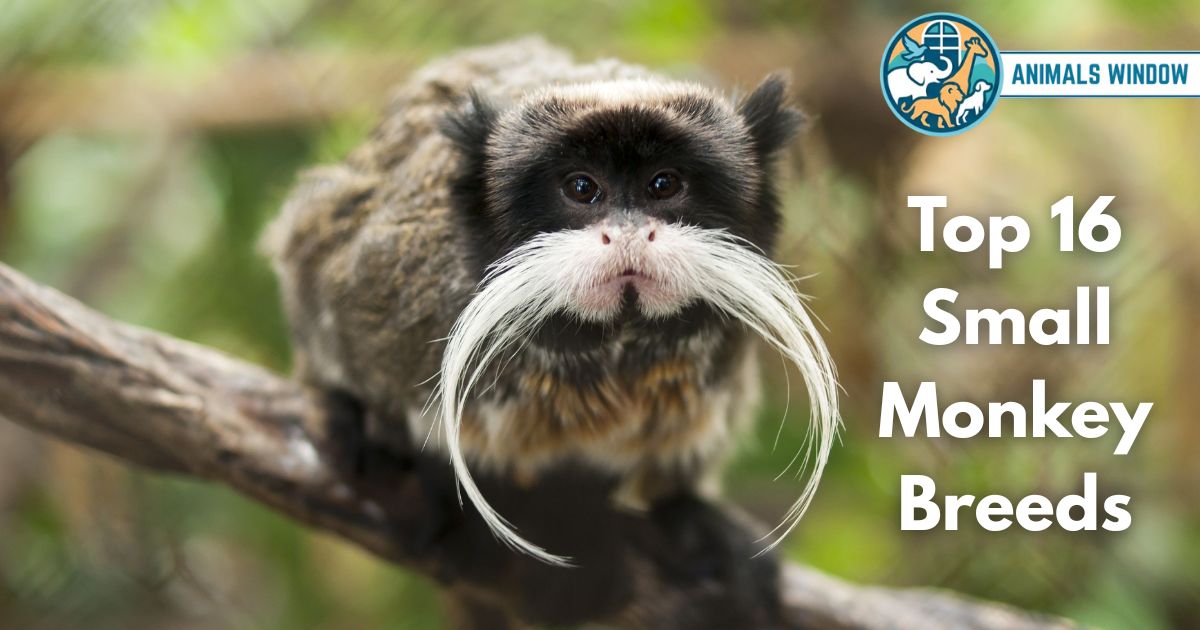
The Emperor Tamarin’s name came from a joke. When researchers first described it in 1907, someone noted its magnificent white mustache resembled the mustache of German Emperor Wilhelm II. The name stuck — and Wilhelm II never knew a small Amazonian primate was named after his facial hair.
The social structure here is genuinely unusual. A single dominant female mates with multiple males, and those males carry the infants nearly full-time while the female focuses on feeding and holding territory. This arrangement — one female, several male caregivers — is called polyandry, and it appears in only a handful of mammal species on Earth.
🔥 Comparison Fact: An Emperor Tamarin’s body length is almost identical to a standard smartphone — about 9.5 inches.
Love discovering unusual animals? Browse our full collection of rare and exotic animal guides at AnimalsWindow.
7. Pied Tamarin
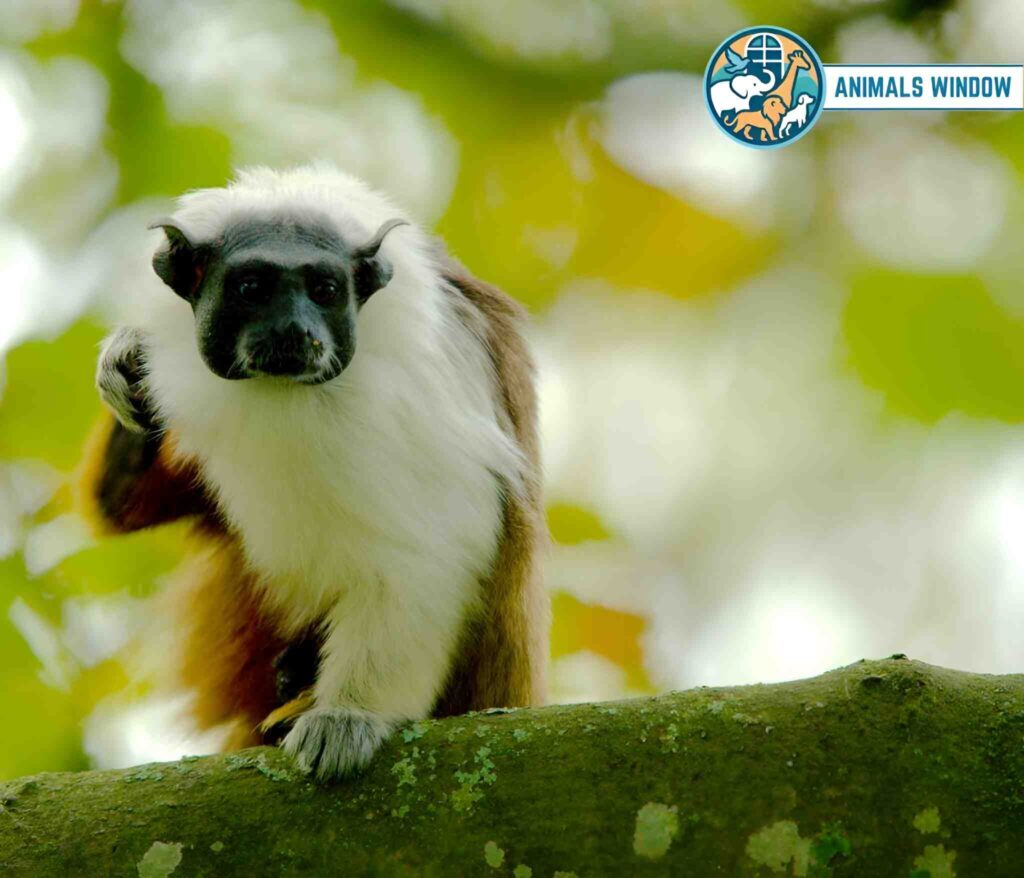
- Scientific Name: Saguinus bicolor
- Size: 8–9 inches (body length)
- Weight: 14–16 oz
- Diet: Fruit, insects, nectar, small lizards
- Habitat: Manaus, Brazil — one of the most urban primate habitats on Earth
- Lifespan: 10–15 years
The Pied Tamarin is critically endangered and lives only in and around the city of Manaus — one of the Amazon’s largest cities. Its habitat has been absorbed by urban expansion, making it one of the few primates whose survival depends almost entirely on a single metropolitan area.
So it adapted. Pied Tamarins use garden trees, rooftops, and power lines as movement corridors through the city. Conservation groups have installed rope bridges over busy roads to help them cross safely between tree patches. This is a monkey navigating traffic, not forest.
🔥 Comparison Fact: The Pied Tamarin weighs roughly as much as a medium-sized apple — but needs an entire city’s tree canopy to survive.
8. Silvery Marmoset
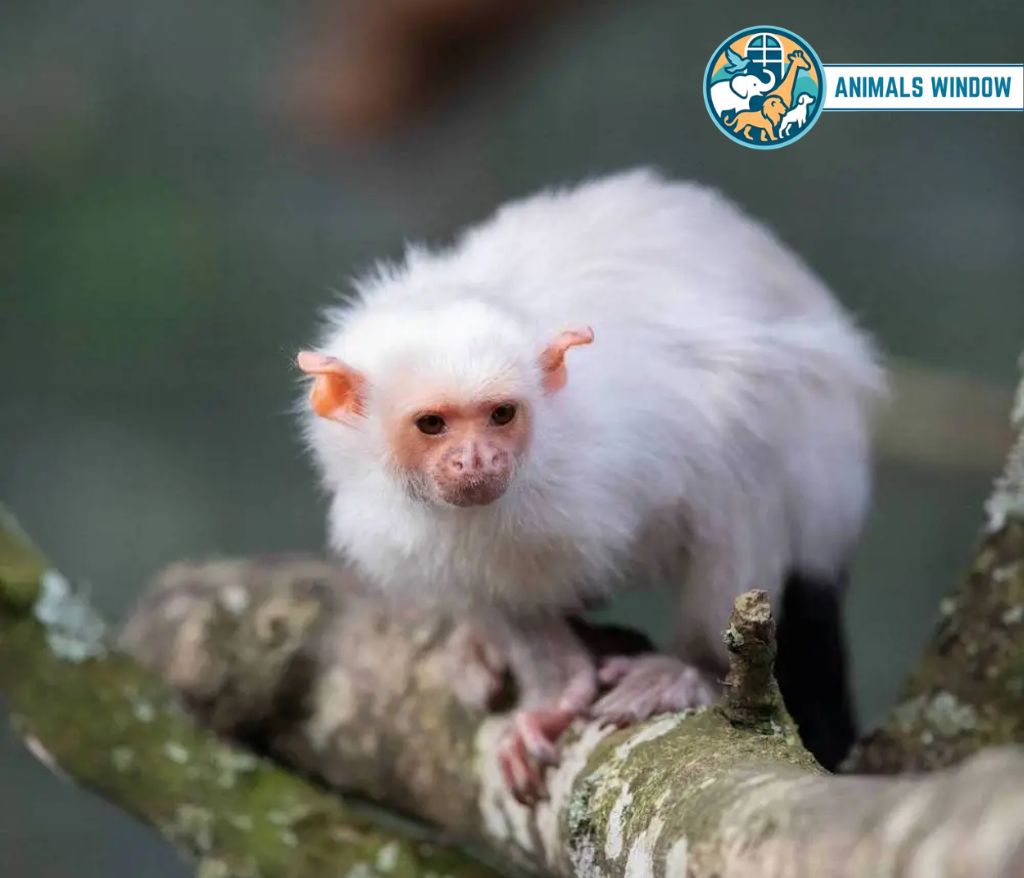
- Scientific Name: Mico argentatus
- Size: 7–8 inches (body length)
- Weight: 10–13 oz
- Diet: Tree gum, sap, fruit, insects
- Habitat: Eastern Amazon basin, Brazil
- Lifespan: 10–12 years
The Silvery Marmoset’s fur is entirely silvery-white, while its face, ears, and tail are bare and pinkish-orange. In the green shadows of the Amazon, it stands out immediately — which raises an obvious question for a prey animal: why be so visible?
The answer likely comes down to group coordination. Silvery Marmosets travel in tight-knit groups of 4–15. Their bright coloring may allow group members to spot each other instantly in dense foliage — faster than any vocalization, in a forest where visibility drops to just a few feet. Being easily seen by your group matters more than camouflage when you’re moving fast through the canopy together.
🔥 Comparison Fact: The Silvery Marmoset’s body length is about the same as a large TV remote standing upright.
9. Golden Lion Tamarin
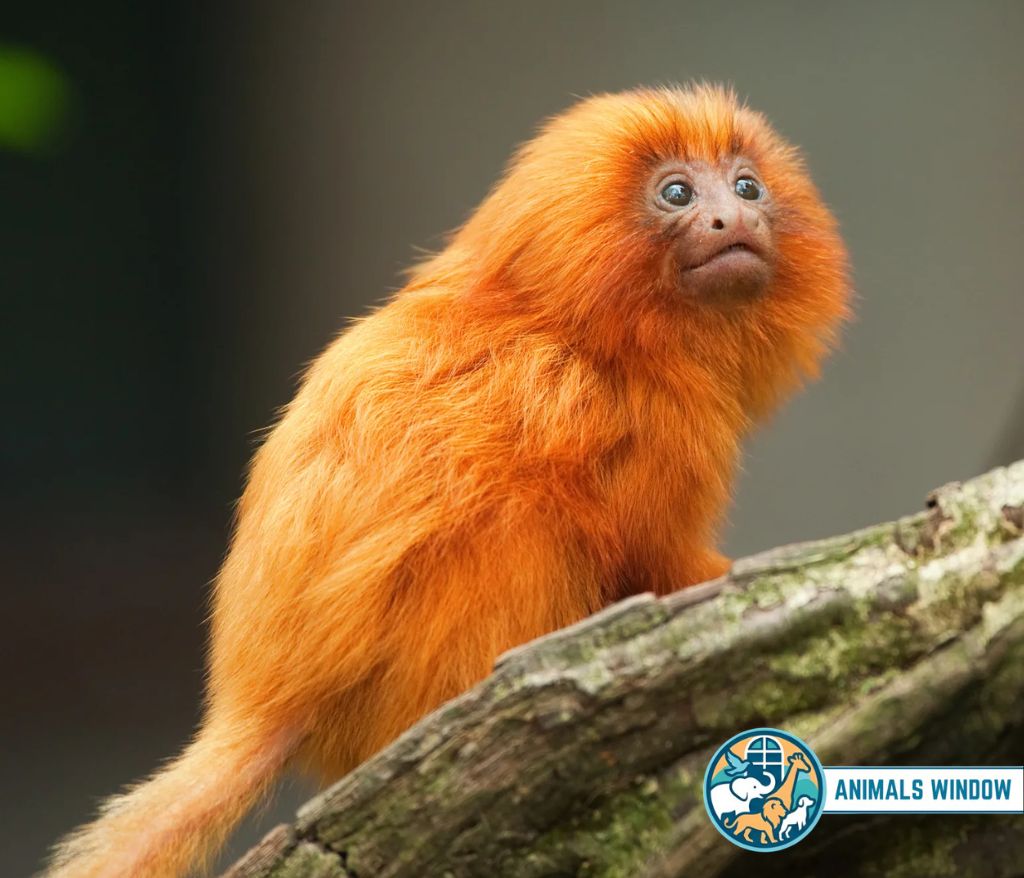
- Scientific Name: Leontopithecus rosalia
- Size: 8–13 inches (body length)
- Weight: 17–24 oz
- Diet: Fruit, insects, small lizards, bird eggs
- Habitat: Atlantic Forest of southeastern Brazil
- Lifespan: 8–15 years
The Golden Lion Tamarin has deep, shimmering orange-gold fur and a long mane framing its dark face — the lion comparison writes itself. But that beauty nearly caused its extinction. By the 1970s, fewer than 200 individuals remained in the wild, wiped out by pet trading and deforestation.
Today it’s one of conservation’s great comeback stories. A coordinated program involving over 150 zoos and Brazilian wildlife agencies brought the wild population to over 3,700 individuals by 2024. The key was teaching zoo-born tamarins to find wild food and avoid predators before release — essentially, a survival school for monkeys.
🔥 Comparison Fact: A Golden Lion Tamarin weighs about the same as a large pear — but carries a presence that stops people mid-trail.
10. Night Monkey
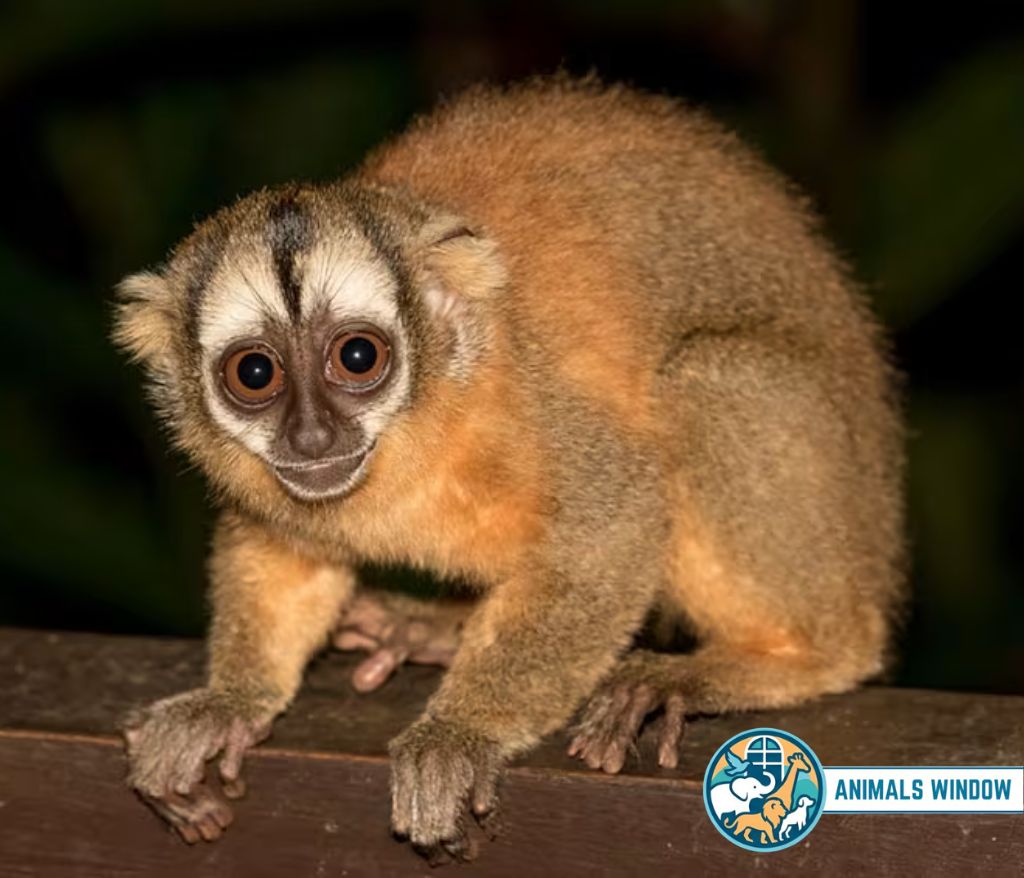
- Scientific Name: Aotus spp.
- Size: 9–11 inches (body length)
- Weight: 1.5–2.4 lbs
- Diet: Fruit, leaves, insects, nectar
- Habitat: Central and South America — from Panama to Argentina
- Lifespan: 20 years in captivity
The Night Monkey — also called the Owl Monkey — is the only truly nocturnal monkey in the world. Every other monkey species is active during daylight. This one sleeps in tree hollows all day and becomes active only after dark, operating on a completely flipped schedule.
Unlike tarsiers, Night Monkeys lack the tapetum lucidum — the reflective layer behind the retina that makes cat eyes glow — so they rely heavily on hearing and spatial memory in near-total darkness. Their physiology has attracted scientific attention for a separate reason: their blood responds uniquely to the Plasmodium vivax malaria strain, making them valuable subjects in treatment research.
🔥 Comparison Fact: A Night Monkey’s body is about as long as a standard 12-inch ruler — nose to tail base.
11. Talapoin Monkey
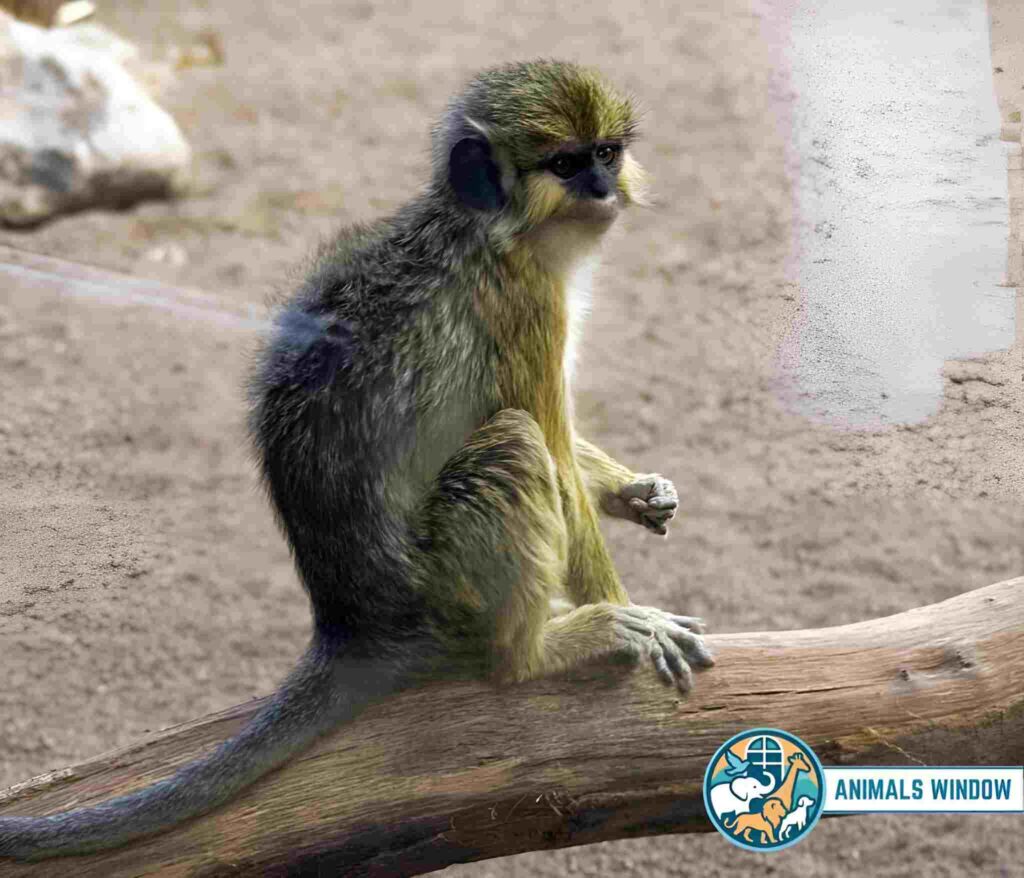
- Scientific Name: Miopithecus talapoin
- Size: 10–14 inches (body length)
- Weight: 1.5–2.1 lbs
- Diet: Fruit, seeds, aquatic plants, insects, fish
- Habitat: Central and West Africa — swamp forests and riverbanks
- Lifespan: 20–28 years
The Talapoin is the smallest monkey found outside the Americas — the tiniest primate in the entire Old World. While the other 15 species on this list are New World animals from South and Central America, the Talapoin evolved its small size independently on a separate continent.
It’s also one of the few monkeys that regularly swims. Talapoins live near rivers and flooded forests, entering the water to escape predators or reach new food sources. They’ve been observed diving beneath the surface and swimming short distances underwater — a behavior almost unheard of in primates this size. Their diet sometimes includes small fish, making them among the most water-adapted primates alive.
🔥 Comparison Fact: The Talapoin weighs about as much as a full 16-oz water bottle.
12. Cotton-top Tamarin
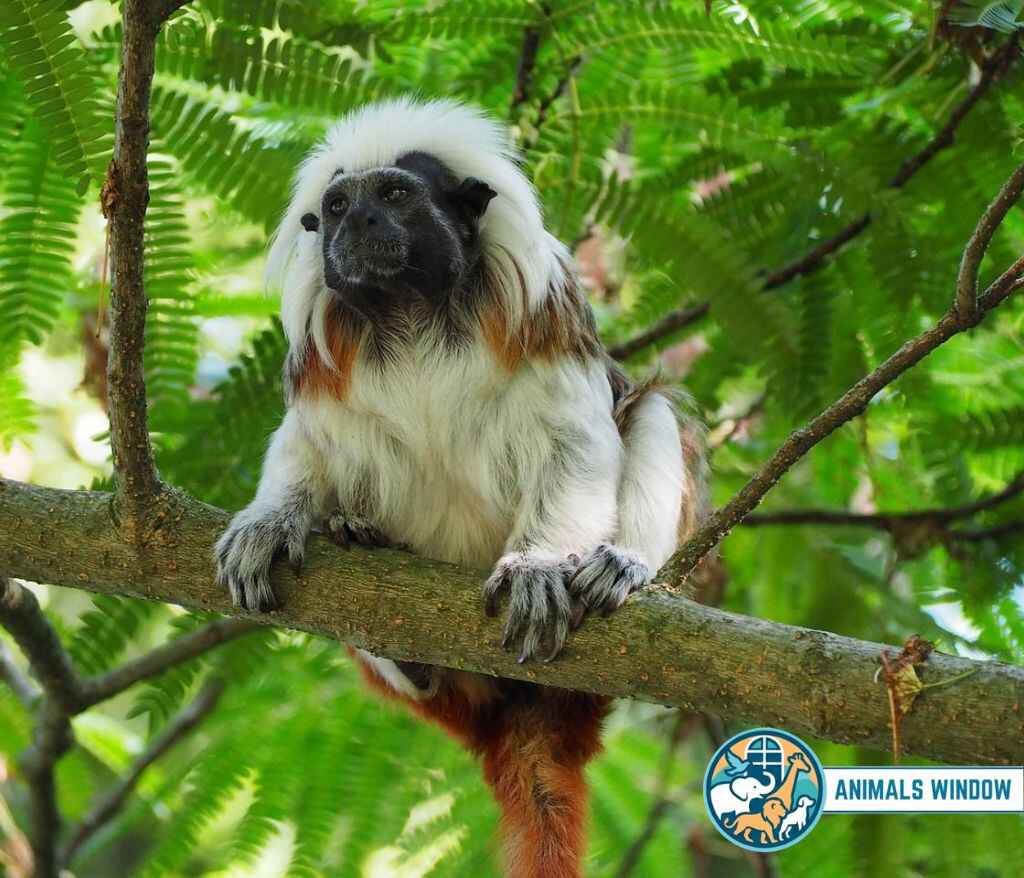
- Scientific Name: Saguinus oedipus
- Size: 8–10 inches (body length)
- Weight: 14–18 oz
- Diet: Insects, fruit, plant exudates, nectar
- Habitat: Northwestern Colombia — tropical dry and moist forest
- Lifespan: 13–24 years
The Cotton-top Tamarin is unmistakable — a flowing white crest of hair spills over its head like a cotton puff on an animal the size of a squirrel. But this species is also one of the most linguistically studied primates in the world.
Researchers have recorded over 38 distinct vocalizations, each with a specific meaning. More significant is that Cotton-top Tamarins appear to follow grammatical rules when combining calls — a form of proto-syntax previously thought exclusive to humans and a small number of other species. When novel call combinations are played to wild groups, they respond differently than to individual calls alone, suggesting they process the combination as a distinct meaning, not just the sum of its parts.
🔥 Comparison Fact: A Cotton-top Tamarin’s signature white crest, if straightened, would be longer than its own head — on a body no bigger than a man’s hand.
13. White-footed Tamarin
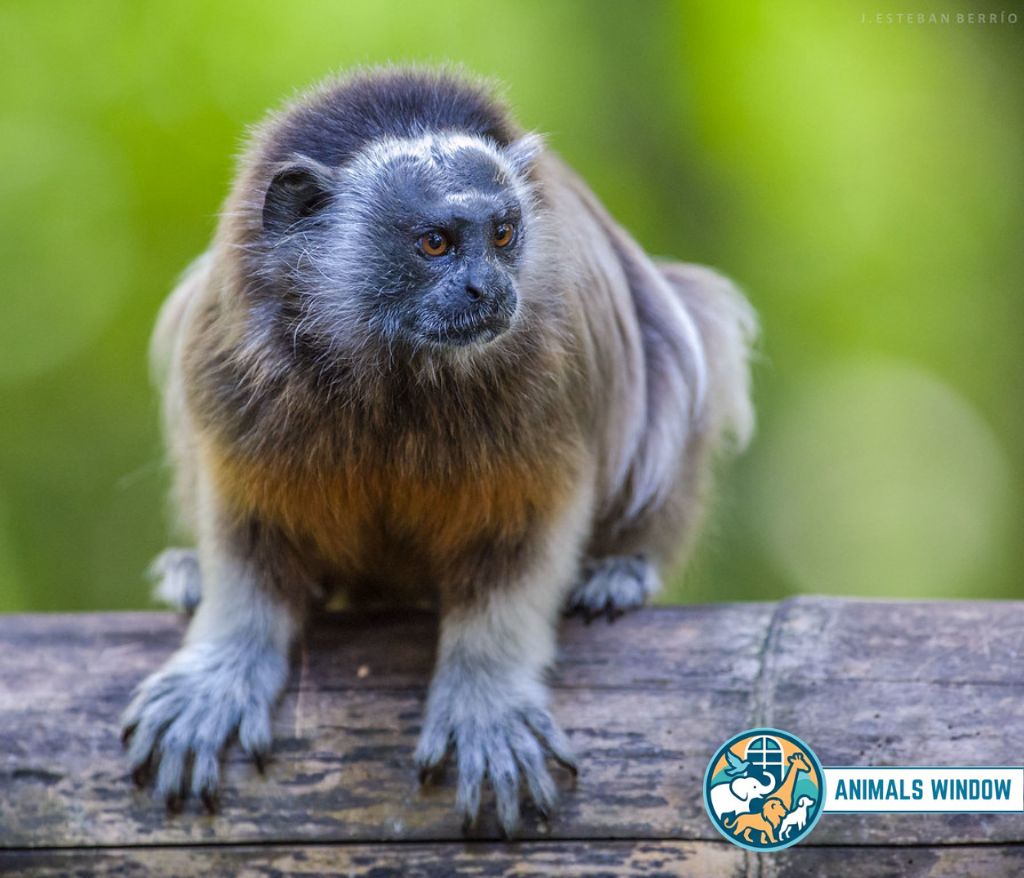
- Scientific Name: Saguinus leucopus
- Size: 8–9 inches (body length)
- Weight: 13–16 oz
- Diet: Fruit, insects, small vertebrates, tree gum
- Habitat: Northwestern and central Colombia — fragmented forest patches
- Lifespan: 10–15 years
The White-footed Tamarin exists only in Colombia’s Magdalena River valley and surrounding regions, where agriculture has broken its forest habitat into disconnected patches. This species doesn’t just need trees — it needs connected trees. Isolated forest islands aren’t enough. Without canopy corridors, groups can’t travel far enough to find mates or maintain viable territory.
Where natural forest is sparse, White-footed Tamarins have been documented entering plantations and suburban gardens to find fruit. That dietary flexibility — the ability to exploit disturbed landscapes — may be the only thing keeping some populations functional in areas almost entirely converted to farmland.
🔥 Comparison Fact: The White-footed Tamarin’s body is roughly the length of a standard pencil — about 7.5 inches, not counting the tail.
14. Geoffroy’s Tamarin
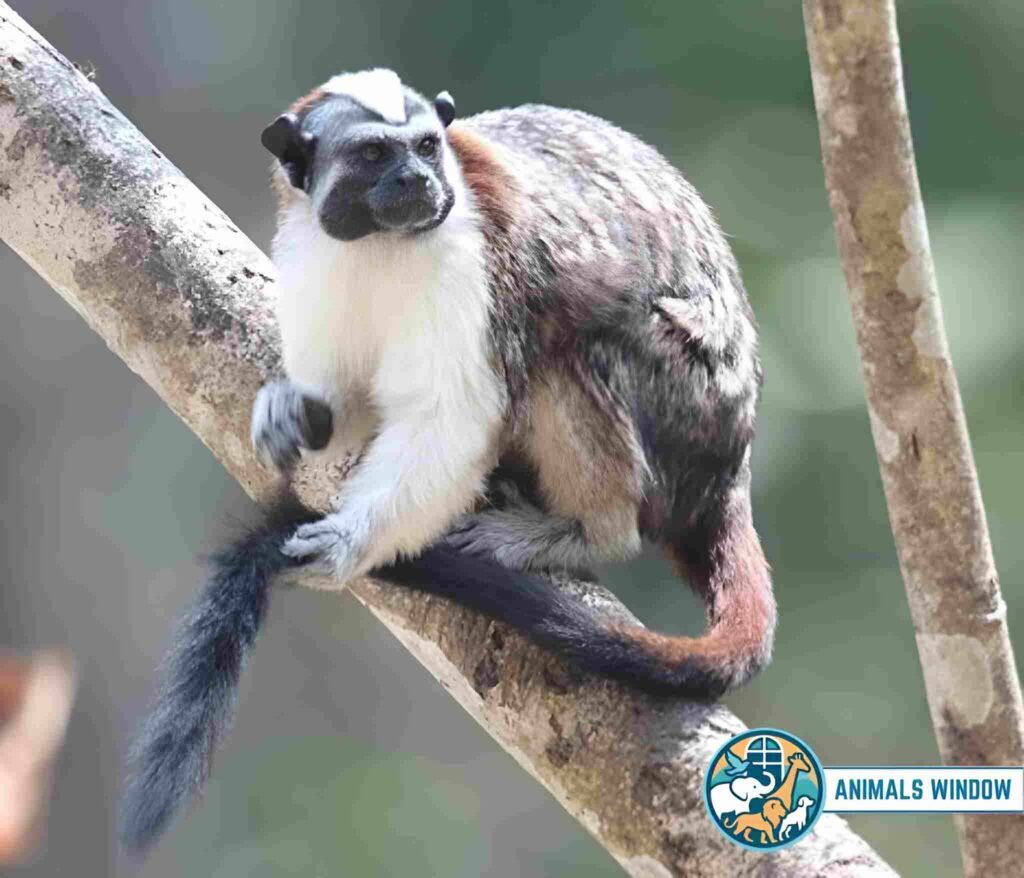
- Scientific Name: Saguinus geoffroyi
- Size: 8.5–11 inches (body length)
- Weight: 14–18 oz
- Diet: Insects, fruit, nectar, small lizards
- Habitat: Panama and northwestern Colombia
- Lifespan: 13–18 years
Geoffroy’s Tamarin has a bald, black-and-white head on a reddish-brown body — a striking appearance that makes it easy to identify at a distance. But its ecological role is more significant than its looks.
Studies in Panama found that Geoffroy’s Tamarins disperse seeds for over 45 plant species. After eating fruit, a group travels up to half a mile before depositing seeds — well away from the parent tree, where competition for light and nutrients is lowest. Lose this tamarin from a patch of forest, and the variety of plant species growing there slowly narrows over generations.
🔥 Comparison Fact: Geoffroy’s Tamarin weighs about as much as a large orange — under a pound — but actively seeds forests across hundreds of acres.
15. Dusky Titi
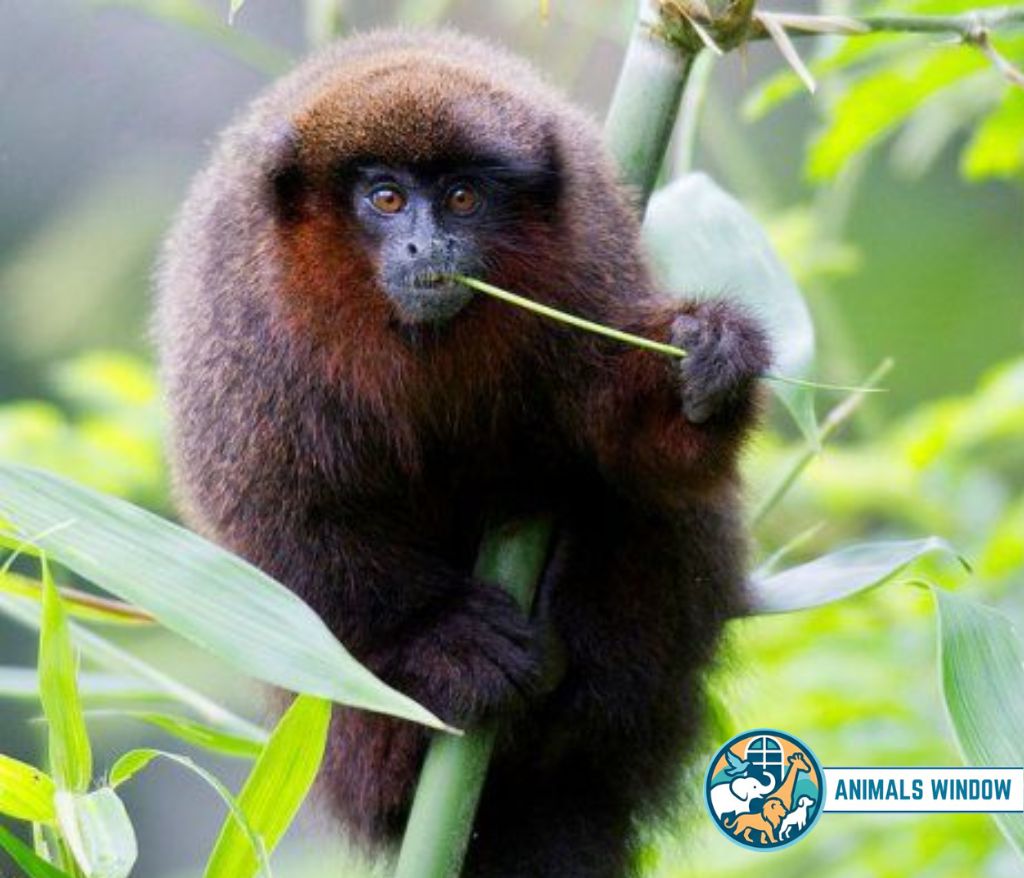
- Scientific Name: Plecturocebus moloch
- Size: 9–13 inches (body length)
- Weight: 1.7–2.5 lbs
- Diet: Fruit, leaves, seeds, insects
- Habitat: Bolivia and central Brazil — lowland tropical forest
- Lifespan: 12–25 years
Dusky Titi Monkeys form mated pairs that spend most of each day in physical contact — grooming, sitting close, and resting with their tails intertwined. Separating bonded pairs triggers a measurable cortisol spike in males comparable to the stress response humans show during social separation. The bond isn’t just behavioral — it’s physiological.
Fathers carry infants nearly 90% of the time during the first month of life, handing the baby to the mother only for nursing. The father handles travel, thermoregulation, and protection while the infant is young. Among primates, few species show that degree of paternal investment.
🔥 Comparison Fact: A Dusky Titi Monkey weighs about as much as a large bag of flour — roughly 2 pounds.
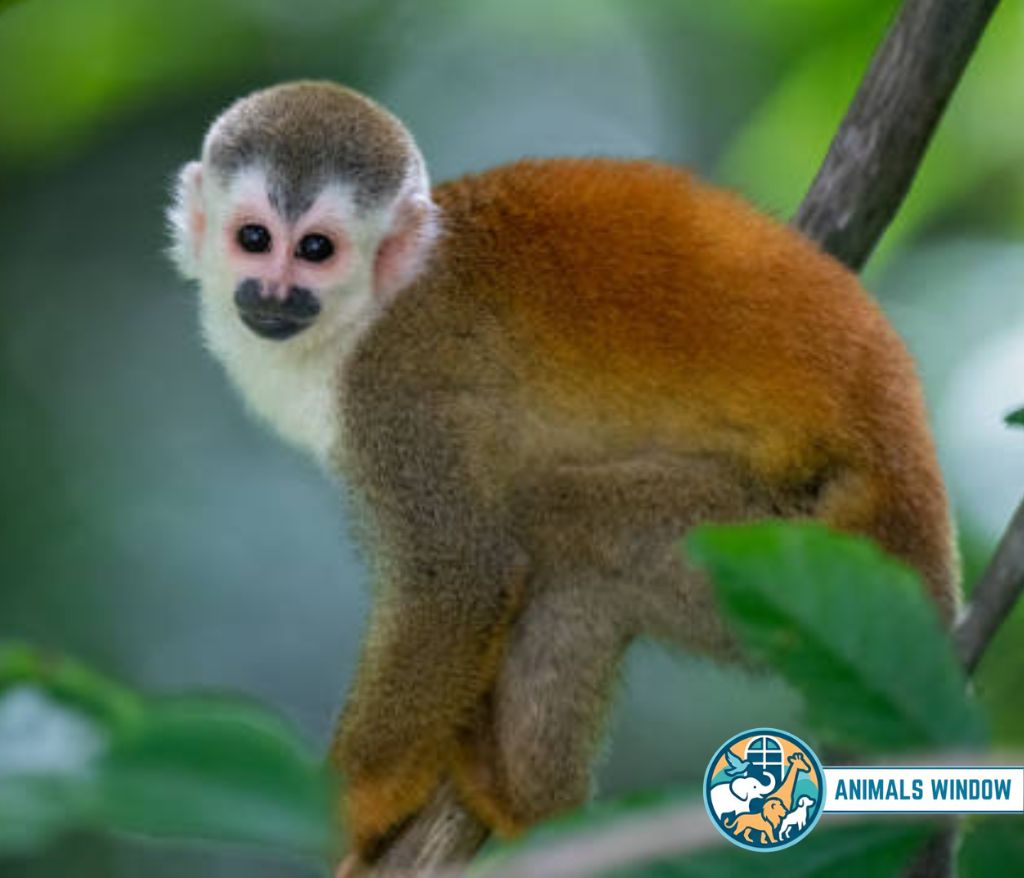
16. Squirrel Monkey
- Scientific Name: Saimiri sciureus
- Size: 10–14 inches (body length)
- Weight: 1.5–2.6 lbs
- Diet: Insects, fruit, seeds, small vertebrates, eggs
- Habitat: Amazon basin and Central America — canopy of tropical rainforest
- Lifespan: 15–20 years in the wild
The Squirrel Monkey has the largest brain relative to body size of any primate — including humans. Its brain makes up about 1/17th of its total body weight. A human brain is roughly 1/40th. That brain-to-body ratio shows up in how it manages group life: Squirrel Monkeys form stable troops of up to 500 individuals, the largest of any New World monkey.
Those groups function as a distributed detection system. Each individual scans a different direction as the troop moves. When one spots a hawk, it produces a specific aerial-threat call that triggers one escape pattern. A ground predator triggers a completely different call and a different response. Field studies confirm the two calls are not interchangeable — the troop reads the call type and reacts accordingly, not just the alarm itself.
🔥 Comparison Fact: A Squirrel Monkey’s body — roughly 12 inches — matches a standard school ruler almost exactly, while carrying the proportionally largest brain in the entire primate order.
Frequently Asked Questions About Small Monkey Breeds
What is the world’s smallest monkey breed?
The Pygmy Marmoset (Cebuella pygmaea) is the smallest monkey in the world. Adults weigh between 3.5 and 5.3 ounces and measure just 4.6 to 6.2 inches in body length. They live in the Amazon rainforest and fit easily in a human palm.
Are small monkeys good pets?
No. Small monkeys like marmosets and tamarins are wild animals with social, dietary, and psychological needs that cannot be met in a home. They require group living, large territories, specialized diets, and primate-experienced veterinary care. In many countries, keeping them as pets is illegal. Where it isn’t, the animals almost always suffer.
Where do most small monkey breeds live?
The majority live in the tropical rainforests of South and Central America, particularly the Amazon basin. A few species, like the Talapoin Monkey, are found in Central and West Africa. Most prefer dense forest canopy near water sources.
What do small monkeys eat?
Most eat a combination of fruit, insects, tree gum or sap, nectar, and occasionally small lizards or eggs. The Tarsier is the only fully carnivorous primate, eating nothing but live prey. Goeldi’s Monkey is one of the only primates that eats fungi as a regular part of its diet.
Which small monkey breed is the smartest?
The Squirrel Monkey has the largest brain-to-body ratio of any primate, making it exceptionally clever in social coordination and survival tactics.
Why are so many small monkey breeds endangered?
Habitat loss is the primary driver. Most small monkey breeds need large, connected tropical forest to travel, find food, and breed. Deforestation, agriculture, and urban expansion have broken those habitats into fragments too small to sustain stable populations. The Pied Tamarin now survives almost entirely within a major city. The illegal pet trade is a secondary but significant threat.
Trait Comparison: Tegulae (Claw-like Nails) vs. True Nails
Most primates — including humans — have flat fingernails. Several small monkey breeds, especially marmosets and tamarins, have curved, pointed nails called tegulae on most fingers and toes, retaining a true flat nail only on the big toe.
True nails are flat and broad, designed for gripping thick branches and manipulating food items. They work well on horizontal surfaces and for fine motor tasks.
Tegulae are narrow and curved — built for gripping vertical tree trunks, the way a telephone lineman uses climbing spikes. Without them, the bark-gouging and sap-feeding lifestyle that most marmosets depend on would be physically impossible. You cannot drill into wood with a flat nail.
The difference isn’t cosmetic. The nail type directly determines what a small monkey can eat and where it can live. Tegulae unlocked the vertical tree trunk as a habitat — a surface most primates cannot access at all — and with it, an entire food source that other animals leave untouched.

I have loved animals since I was a kid. I enjoy reading about how animals live, eat, move, and survive. I started Animals Window to share what I learn in a simple and easy way. I write about animal body parts, size, behavior, diet, habitats, and species. My goal is to make animal facts clear and fun for everyone to understand.