
The skinniest animals in the world include species from every major animal group — mammals, birds, reptiles, fish, and insects. These animals evolved slim, elongated, or needle-like bodies for speed, camouflage, burrowing, or squeezing through tight spaces. From the razor-thin ribbonfish to the wrist-wide threadsnake, their body shapes are direct solutions to survival problems.
Table of Contents
Quick Skinny Animals Table
| Animal Name | Scientific Name | Key Trait |
| Greyhound | Canis lupus familiaris | Aerodynamic racing build |
| Whippet | Canis lupus familiaris | Fastest domestic dog breed |
| Cheetah | Acinonyx jubatus | Flexible spine for explosive speed |
| Stoat | Mustela erminea | Pencil-thin tunnel hunter |
| Weasel | Mustela nivalis | World’s smallest carnivore |
| Ferret | Mustela putorius furo | Flexible ribcage for squeezing |
| Slender Mongoose | Galerella sanguinea | Long body, precise predator |
| Etruscan Shrew | Suncus etruscus | Lightest land mammal alive |
| Red Slender Loris | Loris tardigradus | Twig-like limbs for forest silence |
| Secretary Bird | Sagittarius serpentarius | Long legs built for snake stomping |
| Greater Flamingo | Phoenicopterus roseus | Hollow bones + thin neck |
| Great Egret | Ardea alba | Stick-thin neck that kinks into S |
| Heron | Ardea cinerea | Motionless spear-fishing posture |
| Vine Snake | Ahaetulla nasuta | Horizontal pupils for branch focus |
| Threadsnake | Leptotyphlops carlae | Thinner than a spaghetti noodle |
| Brookesia Micra Chameleon | Brookesia micra | Smallest reptile on Earth |
| Glass Lizard | Ophisaurus spp. | Legless lizard that can blink |
| Slender-snouted Crocodile | Mecistops cataphractus | Needle snout for fish hunting |
| Common House Gecko | Hemidactylus frenatus | Flat, paper-thin body |
| Needlefish | Belone belone | Green bones, jumps at night |
| Spotted Garden Eel | Heteroconger hassi | Lives buried in the sand |
| Mako Shark | Isurus oxyrinchus | Fastest shark in the ocean |
| Ribbonfish | Regalecus glesne | Longest bony fish on Earth |
| Pipefish | Syngnathus spp. | Male carries babies in a pouch |
| Common Eel | Anguilla anguilla | Travels 4,000 miles to breed |
| Stick Insect | Phasmatodea spp. | Regrows lost limbs |
| Praying Mantis | Mantis religiosa | Only insect that can look over its shoulder |
| Dragonfly | Anisoptera spp. | Four wings that move independently |
| Water Strider | Gerridae spp. | Walks on water using surface tension |
| Walking Leaf | Phyllium spp. | Mimics leaf veins, even fake bite marks |
Here’s What You’ll Really Learn About Skinny Animals
Some animals are so thin they look like living twigs, ribbons, or sewing needles. The threadsnake is no wider than a pencil lead. The ribbonfish can stretch longer than a school bus. And the walking leaf insect has fake bite marks carved into its body to look like a damaged leaf — it fools birds, spiders, and even careful human eyes.
This list covers 30 of the skinny animals alive, from a shrew lighter than a paperclip to a shark with the shape of a torpedo. You’ll meet an eel that spends most of its life buried in the ocean floor, a gecko so flat it can slip under a closed door, and a lizard with no legs that can still blink.
Every one of them is thin for a reason. Let’s look at what makes each so unique.
More Post: 30 Most Energetic Animals (Ranked by Speed & Stamina With Pictures)
Skinny Land Mammals — The “Lean & Fast”
Greyhound
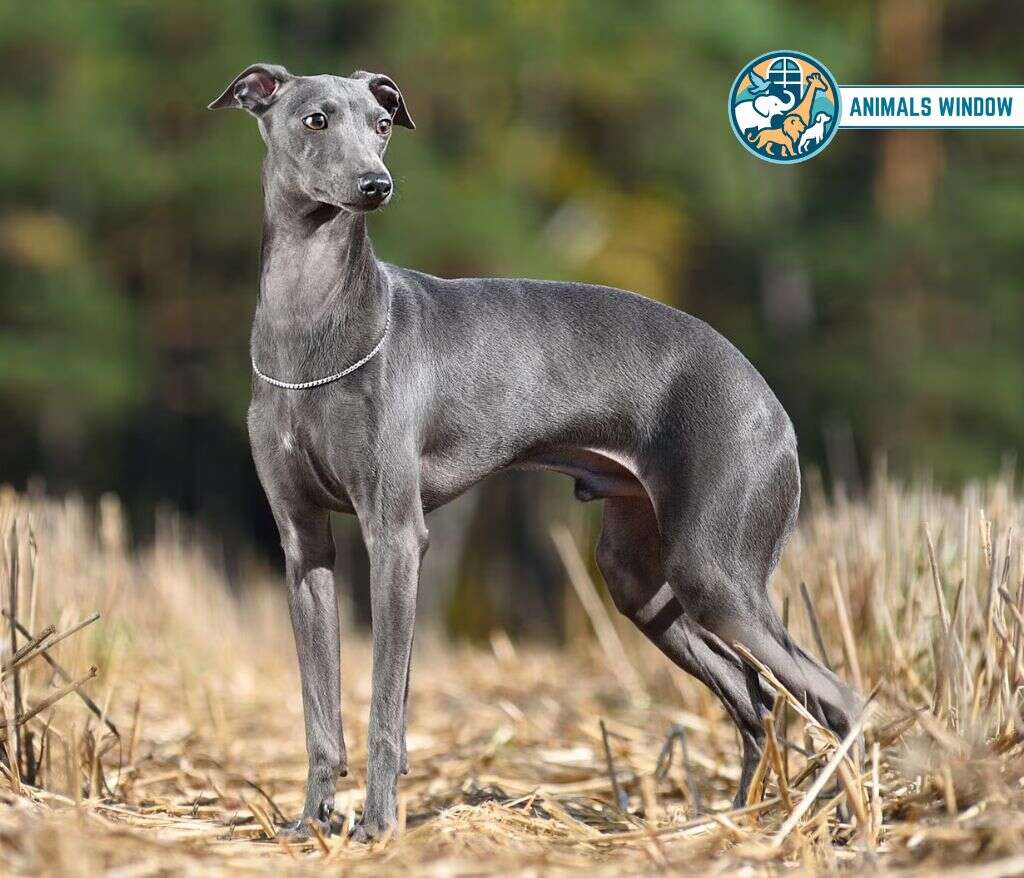
- Scientific name: Canis lupus familiaris
- Size: 27–30 inches tall at shoulder
- Weight: 60–70 lbs
- Diet: Carnivore (domesticated: commercial dog food)
- Habitat: Domestic; originally open plains
- Lifespan: 10–14 years
The greyhound is built like a living dart. Its tucked-up belly, narrow hips, and deep chest are not just for looks — every curve on its body cuts wind resistance. It has the lowest body fat percentage of any dog breed, sometimes as low as 3%.
What sets it apart from any other slim animal is its double-suspension gallop. For a fraction of every stride, all four feet are off the ground — twice per cycle. This gives it a 30-foot stride length at full speed. No other domestic animal moves with that kind of mechanical efficiency.
🔥 Comparison Fact: A greyhound’s waist is roughly the same circumference as a standard dinner plate — about 12 inches around.
Whippet

- Scientific name: Canis lupus familiaris
- Size: 18–22 inches tall at shoulder
- Weight: 25–40 lbs
- Diet: Carnivore
- Habitat: Domestic; originally bred in northern England
- Lifespan: 12–15 years
A whippet looks like someone squeezed a greyhound to half size. Its ribcage is dramatically arched, and its waist tucks in so sharply it almost looks unhealthy — but that’s exactly how it’s supposed to look.
The surprising part is acceleration. A whippet hits 35 mph from a standing start in just a few seconds. Pound for pound, that makes it the fastest accelerating dog breed alive — faster off the line than even a greyhound over short distances. Its entire rear end acts like a coiled spring, releasing energy in one burst.
🔥 Comparison Fact: A whippet’s midsection is about the width of a standard hardback novel — roughly 5–6 inches across at the narrowest point.
Cheetah
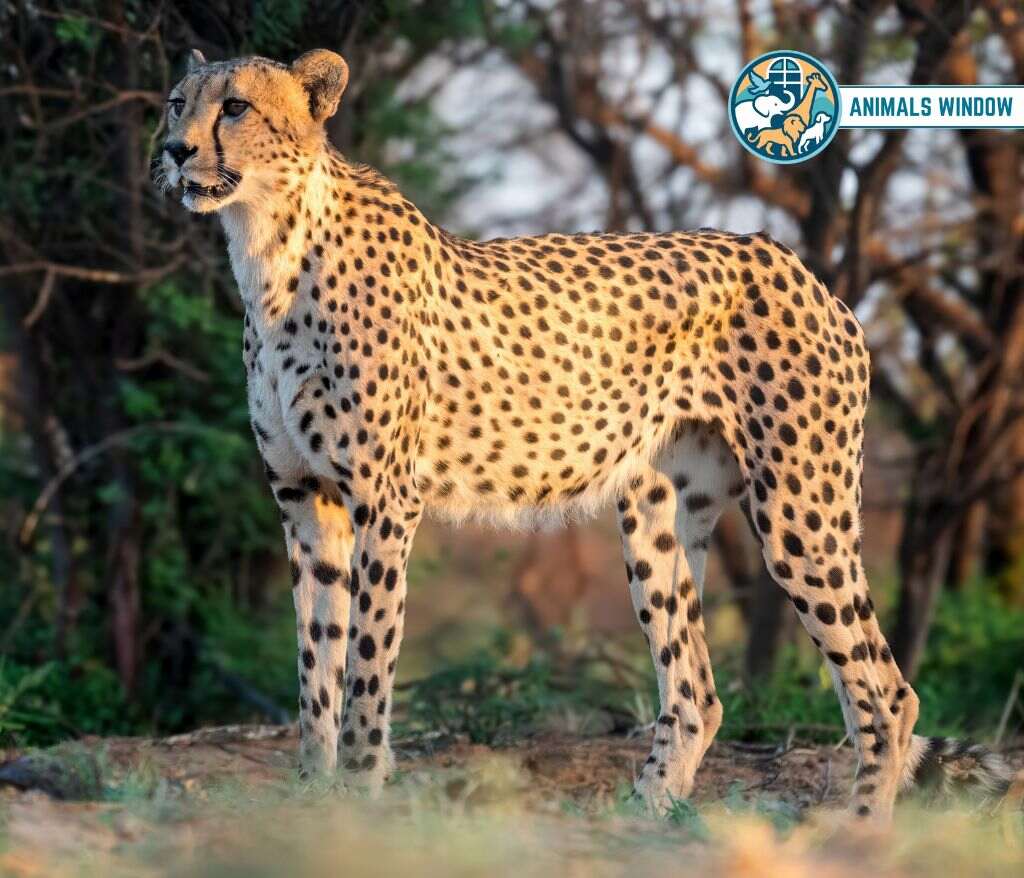
- Scientific name: Acinonyx jubatus
- Size: 43–59 inches body length
- Weight: 77–143 lbs
- Diet: Carnivore — gazelles, impalas, small antelope
- Habitat: African savanna and grasslands
- Lifespan: 10–12 years in the wild
The cheetah’s body is a study in designed thinness. Its spine is so flexible it bends like a spring with every stride, adding up to 30% more distance per step. Its lightweight frame — under 125 lbs for a big male — means there’s no extra weight to slow that movement.
But what most people miss is the cheetah’s breathing problem. It runs so hard that after a 20-second sprint, it needs up to 15 minutes to recover before it can eat. Its body gets so hot so fast that it risks overheating. Thin body, enormous cost.
🔥 Comparison Fact: A cheetah’s waist is narrower than a standard basketball hoop — about 18 inches in diameter.
Stoat
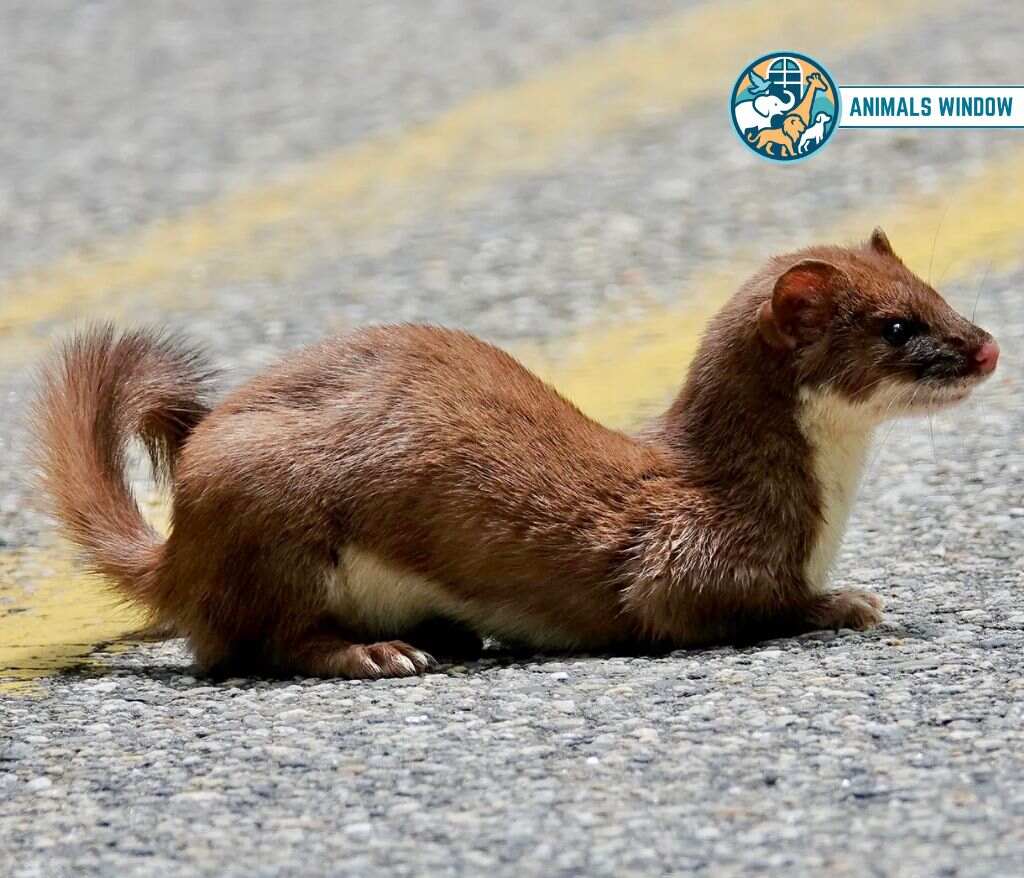
- Scientific name: Mustela erminea
- Size: 7–12 inches body length
- Weight: 3–16 oz
- Diet: Rabbits, mice, voles, birds
- Habitat: Forests, meadows, moorlands across Europe and North America
- Lifespan: 4–6 years
The stoat’s body is a perfect tunnel shape. Its skull is almost cylindrical, letting it chase rabbits directly into their burrows. It’s so narrow that prey animals often can’t understand what’s happening until the stoat is already inside with them.
Here’s what stands out: stoats perform a wild, spinning “weasel war dance” to confuse prey — leaping, twisting, and tumbling in apparently random circles. Scientists believe this hypnotizes or disorients rabbits long enough for the stoat to close the gap. It’s one of the strangest hunting tactics in any land predator.
🔥 Comparison Fact: A stoat’s body is about the same width as a toilet paper roll — just under 2 inches in diameter.
Weasel
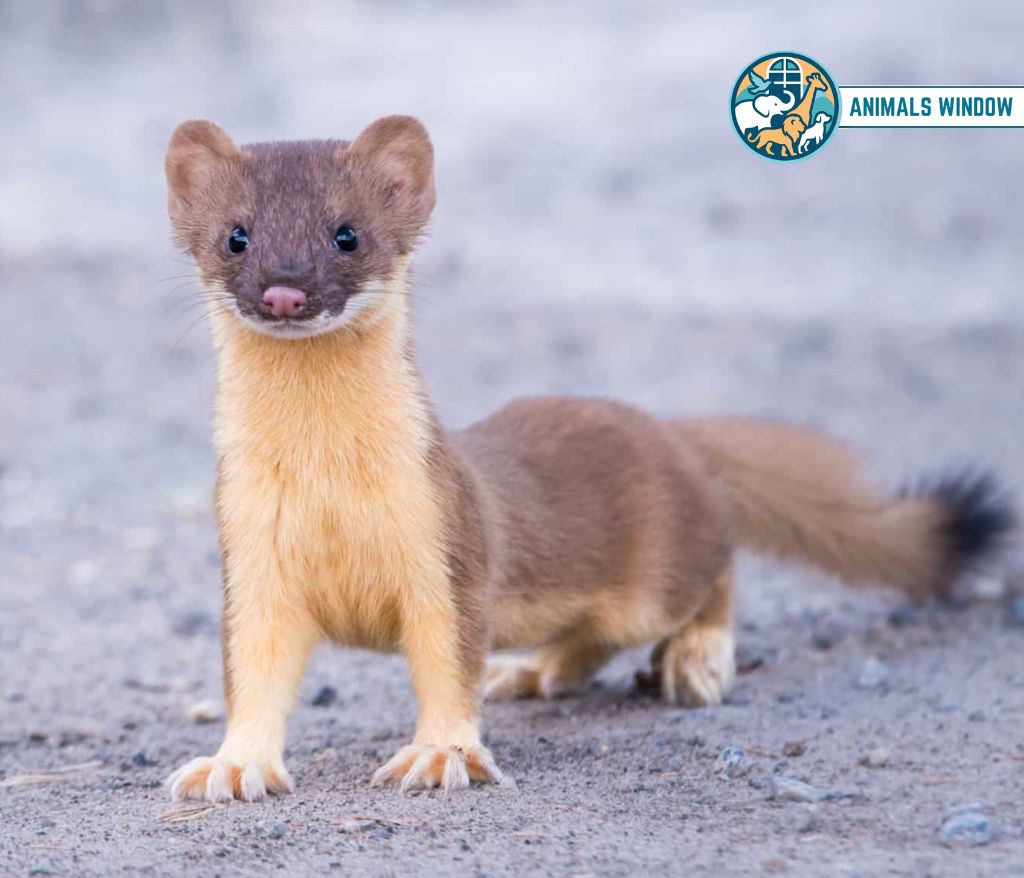
- Scientific name: Mustela nivalis
- Size: 4–8 inches body length
- Weight: 1–4 oz
- Diet: Mice, voles, small birds, insects
- Habitat: Woodlands, grasslands, farmlands globally
- Lifespan: 2–3 years in the wild
The weasel is the smallest carnivore on Earth. Its body is so slim it can follow a mouse through any crack the mouse can fit through. Its entire skeleton is built around this — flexible ribs, a long torso, short stubby legs.
What makes it remarkable is its metabolic rate. Because it has almost no body fat and such a small mass, a weasel must eat 30–40% of its body weight every single day just to stay alive. Miss a few meals and it dies. That extreme thinness comes with an extreme energy cost.
🔥 Comparison Fact: A common weasel weighs about the same as a slice of bread — roughly 1 to 2.5 ounces.
Ferret
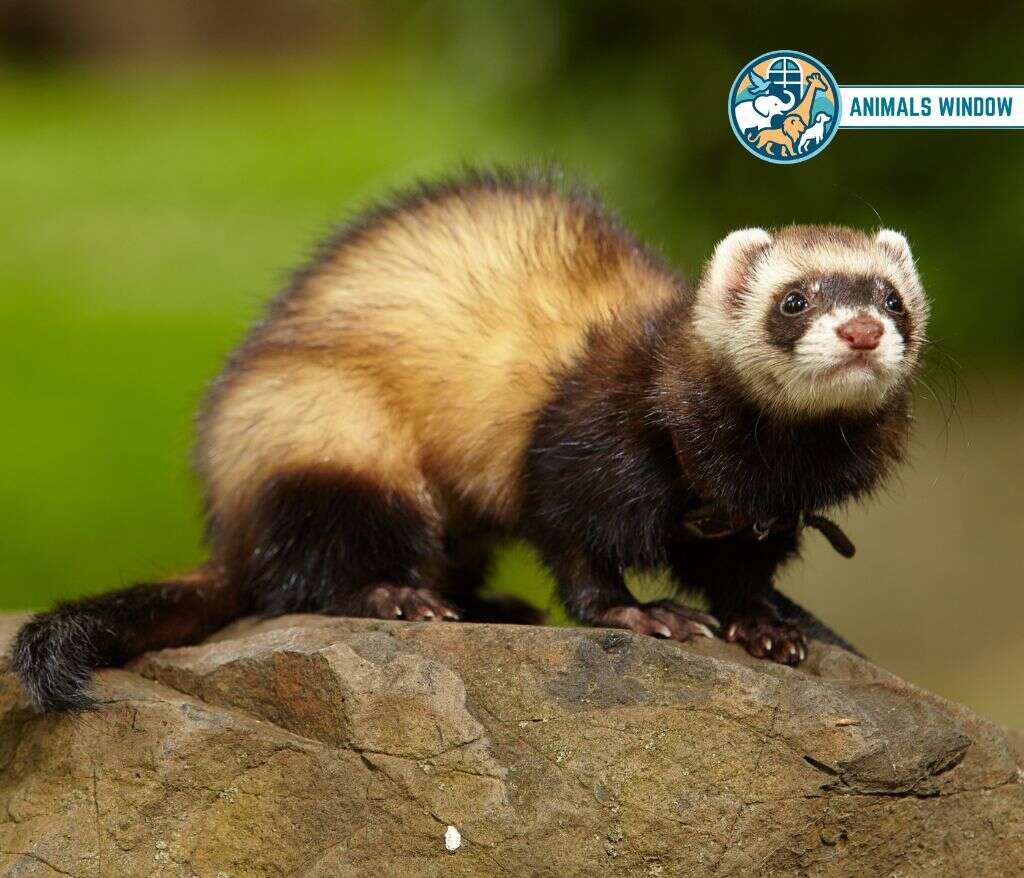
- Scientific name: Mustela putorius furo
- Size: 14–16 inches body length
- Weight: 1.5–4.5 lbs
- Diet: Carnivore — meat-only diet
- Habitat: Domestic; wild ancestors lived in European grasslands
- Lifespan: 6–10 years
Ferrets were domesticated over 2,500 years ago — originally to chase rabbits and rats out of burrows. Their long, soft body can compress sideways to fit into spaces much smaller than their head, which is already narrow and wedge-shaped.
What separates them from weasels and stoats is their skeleton’s unique ability to rotate. A ferret can curl itself into a full U-shape, touching its nose to its tail. This lets them reverse direction inside a tunnel without turning around — something even stoats can’t do as cleanly.
🔥 Comparison Fact: A ferret’s body is roughly the size and shape of a men’s tube sock — long, narrow, and flexible.
Slender Mongoose
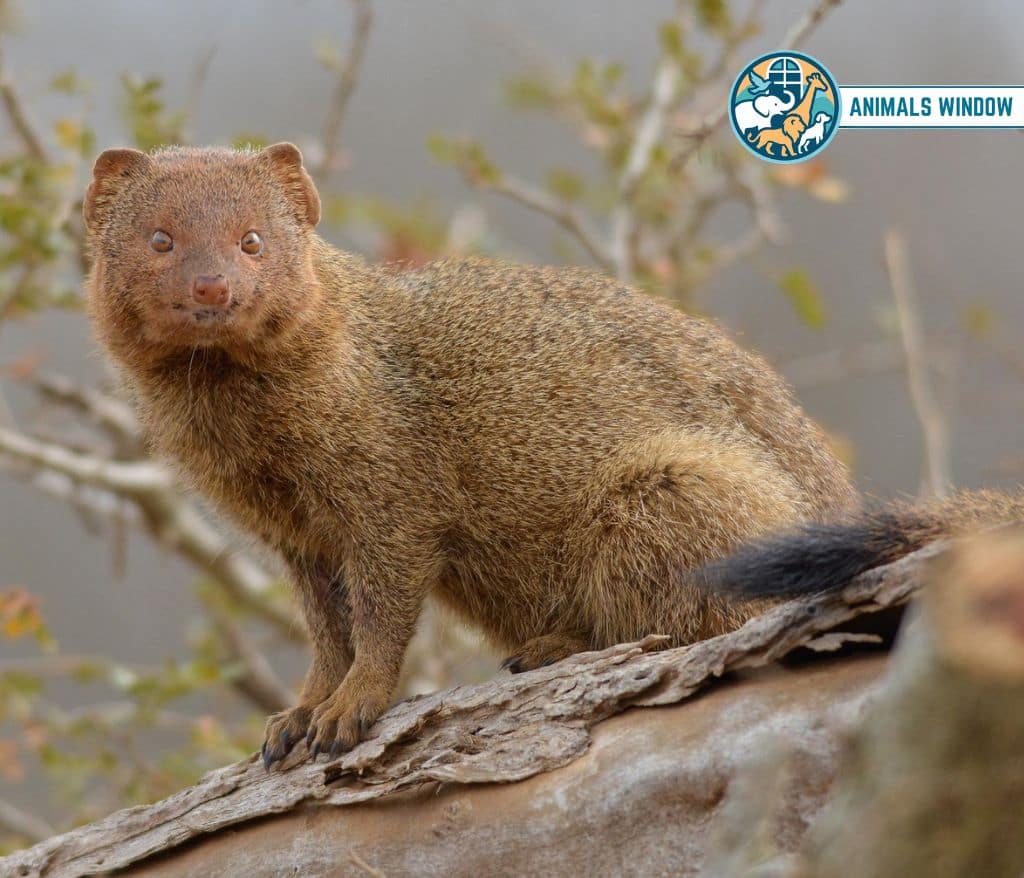
- Scientific name: Galerella sanguinea
- Size: 11–18 inches body length
- Weight: 0.9–2.4 lbs
- Diet: Insects, small reptiles, rodents, bird eggs
- Habitat: Sub-Saharan Africa — savannas, scrublands, forests
- Lifespan: Up to 8 years
The slender mongoose moves like liquid through grass. Its body stays low and stretched out while running, covering ground in a fast, flowing motion that looks almost mechanical. It uses this shape to navigate thick brush that would slow a bulkier predator.
Unlike most mongoose species, the slender mongoose is largely solitary. It holds and defends a personal territory year-round. What makes that unusual is how it marks boundaries — by rubbing scent glands on objects at precise intervals throughout its range, creating a chemical map that other mongooses can read like text.
🔥 Comparison Fact: A slender mongoose’s body length is about the same as a standard 12-inch ruler — just a bit longer.
Etruscan Shrew
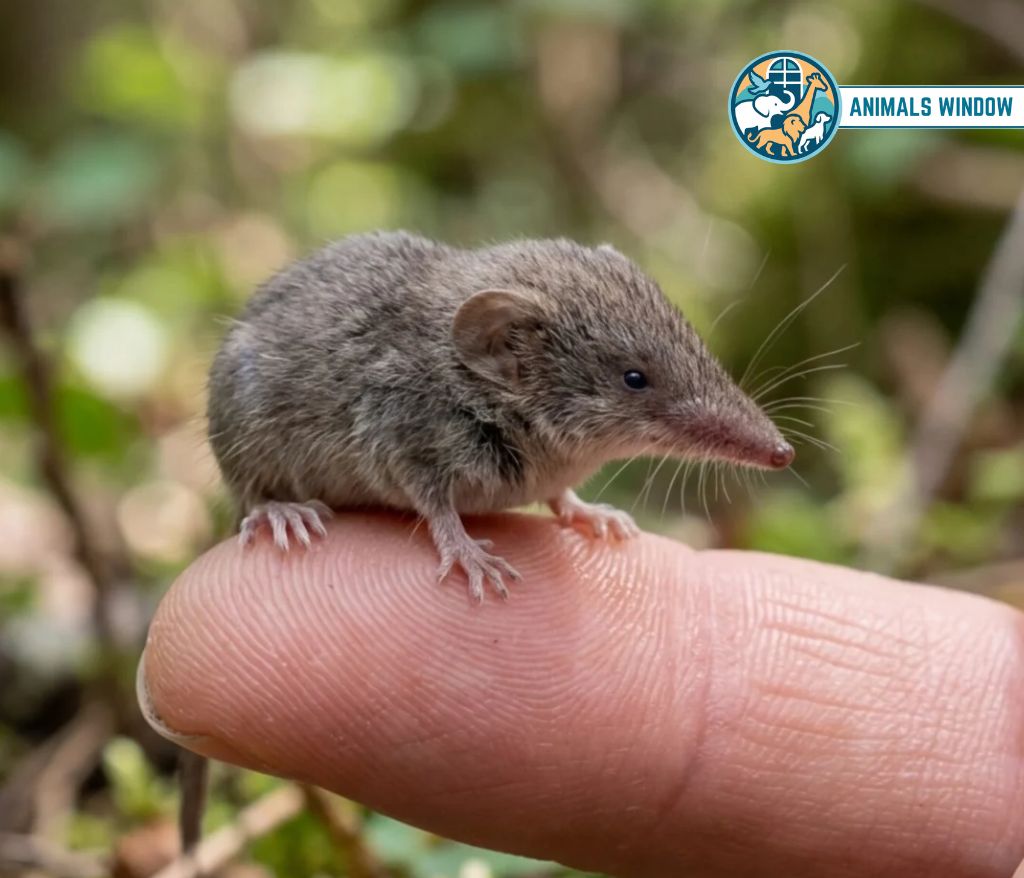
- Scientific name: Suncus etruscus
- Size: 1.5–2 inches body length (excluding tail)
- Weight: 0.04–0.1 oz
- Diet: Insects, worms, small lizards
- Habitat: Mediterranean scrubland, southern Asia
- Lifespan: 2 years
This is the lightest land mammal on Earth. An Etruscan shrew weighs less than a single raisin — around 1.8 grams at the lightest. Its body is so small and thin that it loses heat almost instantly, forcing its heart to beat up to 1,200 times per minute.
Its brain-to-body ratio is one of the highest of any known mammal. And despite its tiny size, it tackles prey larger than itself — including small lizards — using speed and relentless biting. It cannot afford to stop eating for even a few hours without dying.
🔥 Comparison Fact: The Etruscan shrew’s body is about the length and width of a large paperclip — just under 2 inches long.
Red Slender Loris
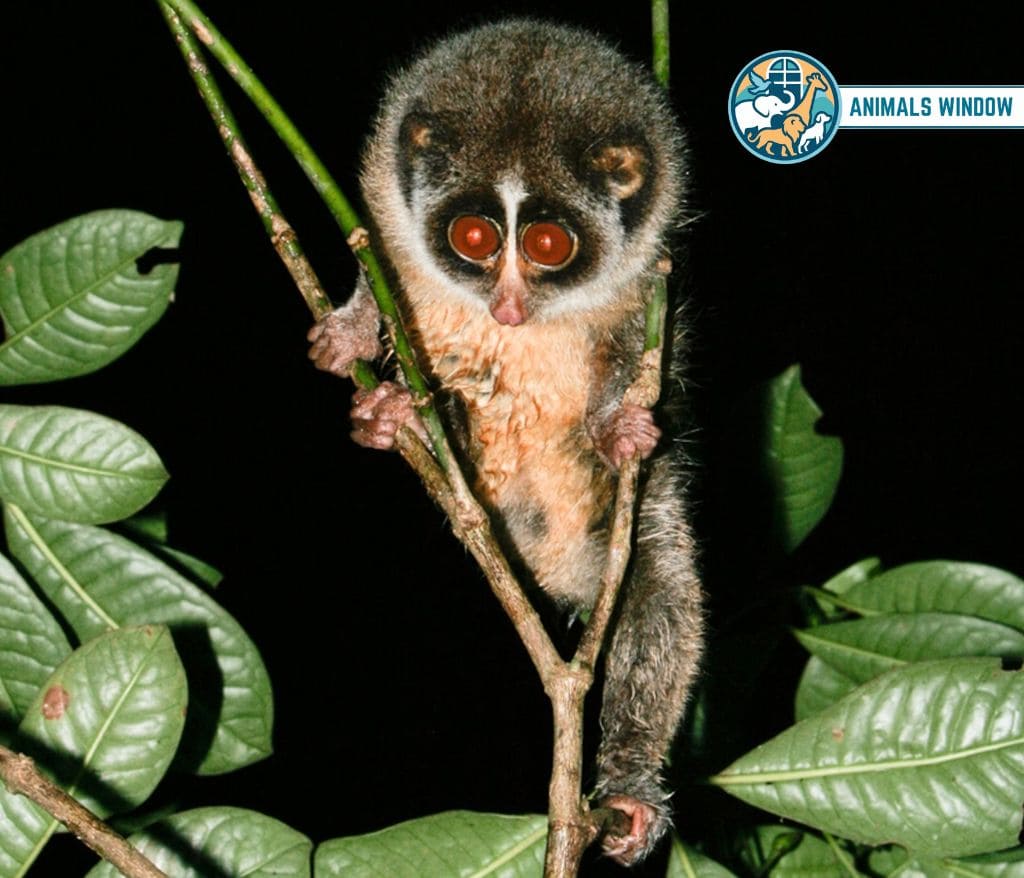
- Scientific name: Loris tardigradus
- Size: 6–10 inches body length
- Weight: 3–5 oz
- Diet: Insects, small lizards, bird eggs, plant matter
- Habitat: Tropical forests of Sri Lanka
- Lifespan: Up to 15 years
The red slender loris has legs like living twigs. Its body is so narrow and its limbs so stick-like that moving through branches at night, it’s nearly invisible to predators. It moves slowly and deliberately — gripping branches with all four limbs, never rushing.
But here’s the toxic secret: the loris licks a gland on its arm, mixes that secretion with saliva, and creates a venom. It then bites predators — or licks its young before leaving them, coating them in the toxic mixture to ward off snakes. It’s one of the very few venomous primates alive.
🔥 Comparison Fact: A red slender loris weighs about as much as three standard AA batteries.
More Posts: 16 Small Monkey Breeds (With Pictures & Unique Facts)
Skinny Birds — The “Lanky & Leggy”
Secretary Bird
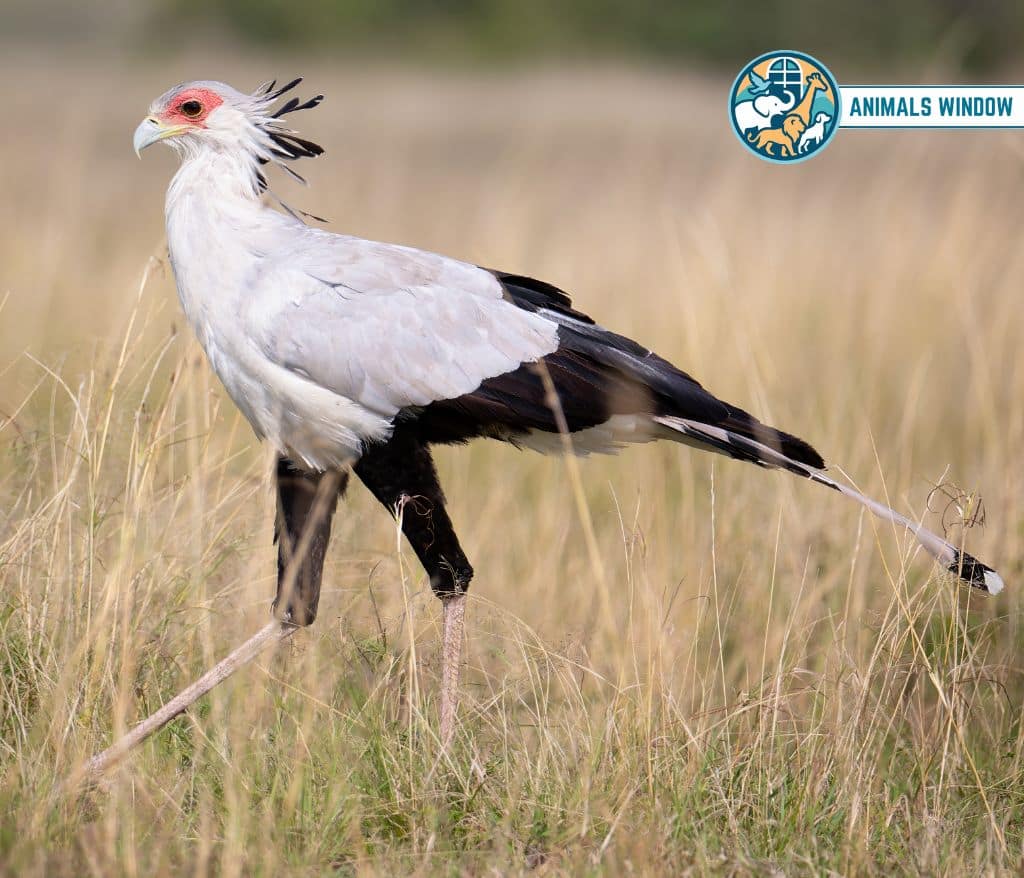
- Scientific name: Sagittarius serpentarius
- Size: 45–55 inches tall
- Weight: 5–9 lbs
- Diet: Snakes, lizards, rodents, large insects
- Habitat: Open African savanna and grasslands
- Lifespan: 10–15 years in the wild
The secretary bird walks on impossibly long legs through open grassland, looking more like a crane with an eagle’s head than anything related to hawks or falcons. Its legs are scaled like a snake’s skin, which protects them from bites when it stamps prey into the ground.
What’s remarkable is the force behind that stamp. Secretary birds can stomp prey with up to 195 newtons of force — about five times their own body weight — in a kick lasting less than 15 milliseconds. That’s one of the fastest and most powerful strikes of any bird on Earth.
🔥 Comparison Fact: A secretary bird’s legs are as long as a standard baseball bat — roughly 28–30 inches from hip to toe.
Greater Flamingo
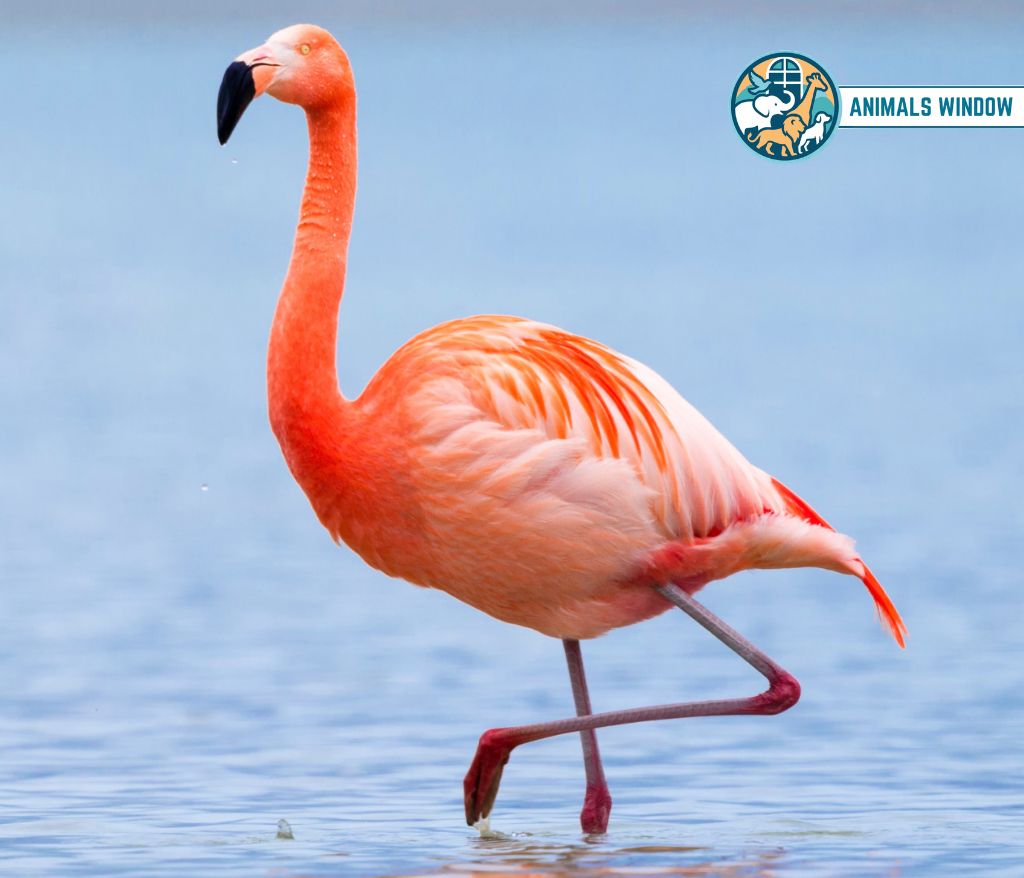
- Scientific name: Phoenicopterus roseus
- Size: 43–59 inches tall
- Weight: 4–9 lbs
- Diet: Algae, brine shrimp, small crustaceans
- Habitat: Saltwater lakes, estuaries, and coastal lagoons across Africa, Europe, Asia
- Lifespan: 20–30 years in the wild
The flamingo’s neck is longer relative to its body than almost any other bird. That S-shaped neck contains 19 vertebrae — twice what most mammals have in theirs. It uses this length to hold its head upside-down at the waterline while filtering food through a specialized bent beak.
What most people don’t realize is that flamingos are born gray and white. The pink color comes entirely from the carotenoid pigments in the algae and crustaceans they eat. A flamingo fed a plain diet in captivity will fade to white within two years.
🔥 Comparison Fact: A flamingo’s neck is about the same length as a standard 12-inch school ruler, often exceeding it slightly.
Great Egret
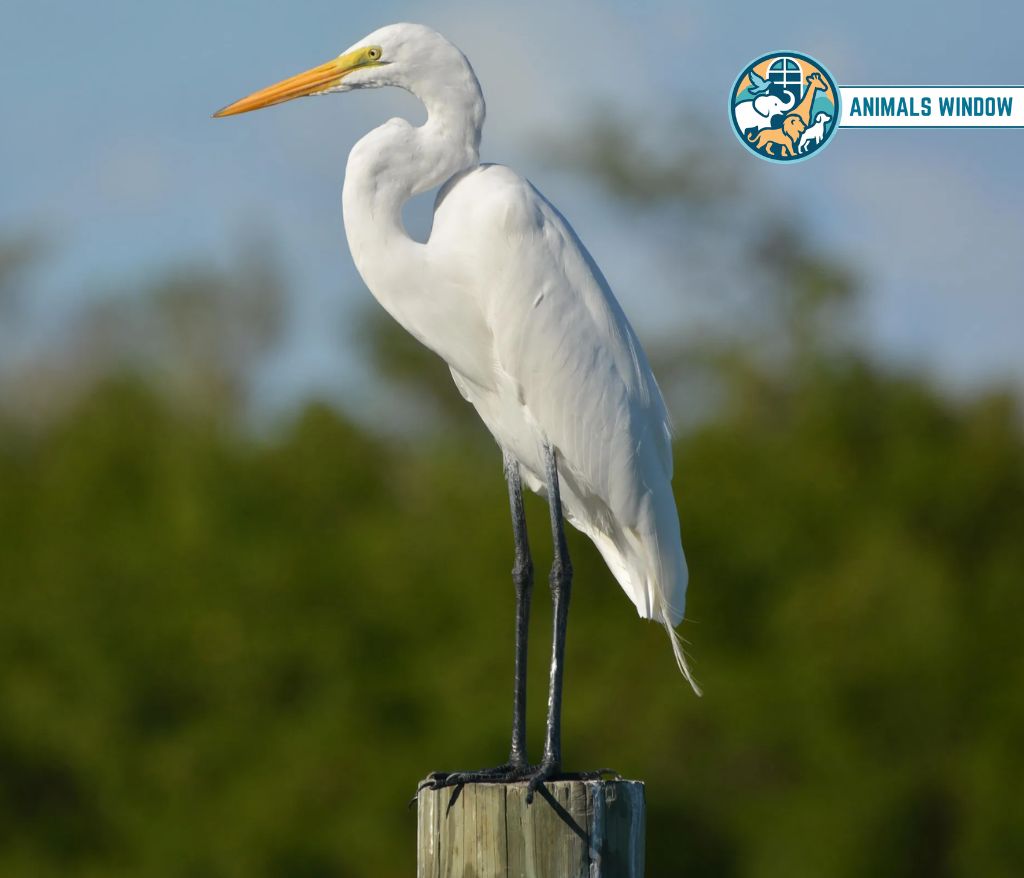
- Scientific name: Ardea alba
- Size: 37–41 inches tall
- Weight: 1.5–3.3 lbs
- Diet: Fish, frogs, aquatic insects, small mammals
- Habitat: Wetlands, marshes, lake edges on every continent except Antarctica
- Lifespan: 15 years in the wild
The great egret looks like a folded origami bird. Its neck bends into a tight S-shape when resting or flying, tucking the head back over the shoulders. That long, dagger-like bill sits on a neck that can strike forward in a fraction of a second.
Its breeding plumage — delicate white feathers called aigrettes — nearly drove the species to extinction in the early 1900s. Hunters killed egrets by the millions for the hat-making trade. The backlash against this slaughter helped launch the modern conservation movement and directly led to laws protecting migratory birds in the United States.
🔥 Comparison Fact: A great egret’s neck, fully extended, is about the length of a standard keyboard — roughly 18 inches.
Heron
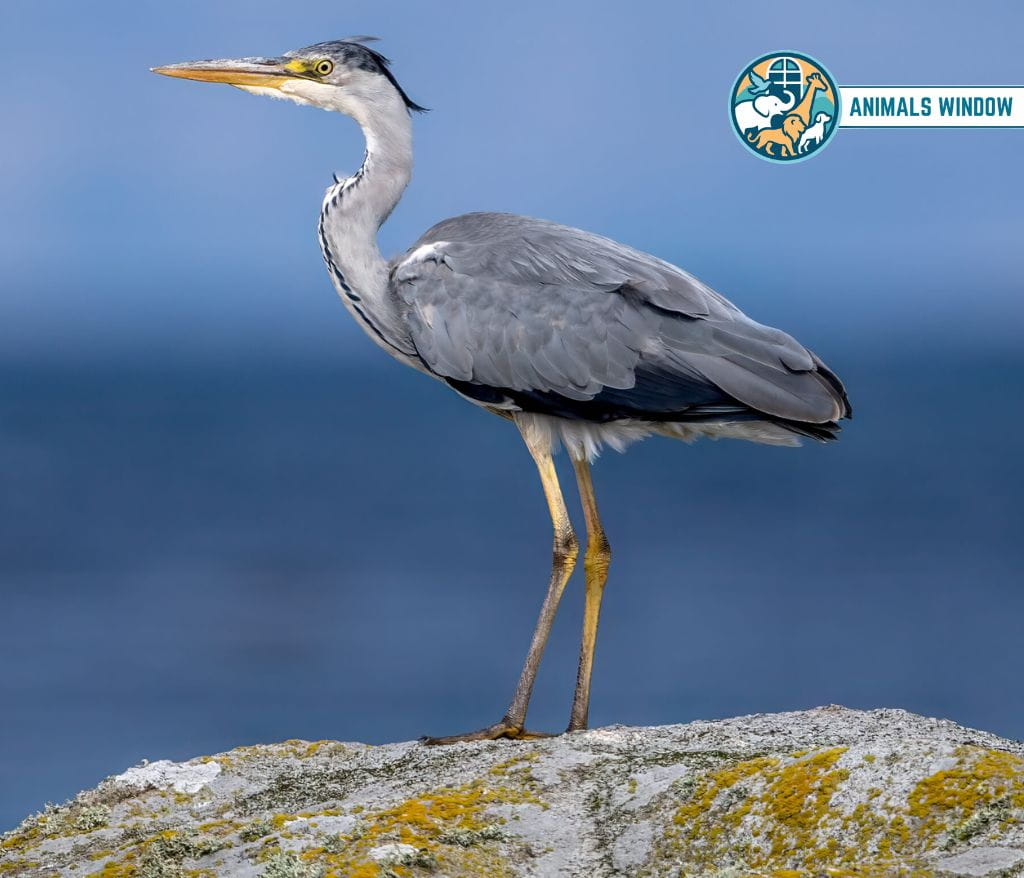
- Scientific name: Ardea cinerea
- Size: 36–40 inches tall
- Weight: 3–5 lbs
- Diet: Fish, eels, frogs, small mammals
- Habitat: Rivers, lakes, marshes, coastal areas across Europe, Asia, and Africa
- Lifespan: 5 years average; up to 25 in captivity
The grey heron can stand completely motionless at a water’s edge for 30 minutes or more, waiting for a fish to move within striking range. Its patience is a hunting strategy — movement spooks fish, so stillness is the weapon.
When it does strike, the neck uncoils in 0.07 seconds — faster than most predators can react. The heron doesn’t chase. It simply positions itself and waits until precision makes speed unnecessary. That’s a completely different way to be a predator.
🔥 Comparison Fact: A heron’s standing height is about the same as a 4-year-old child — just under 40 inches.
Skinny Reptiles & Amphibians — The “String-Like”
Vine Snake
- Scientific name: Ahaetulla nasuta
- Size: 24–47 inches long
- Weight: 1–3.5 oz
- Diet: Lizards, frogs, small birds
- Habitat: Rainforests of South and Southeast Asia
- Lifespan: 7–10 years
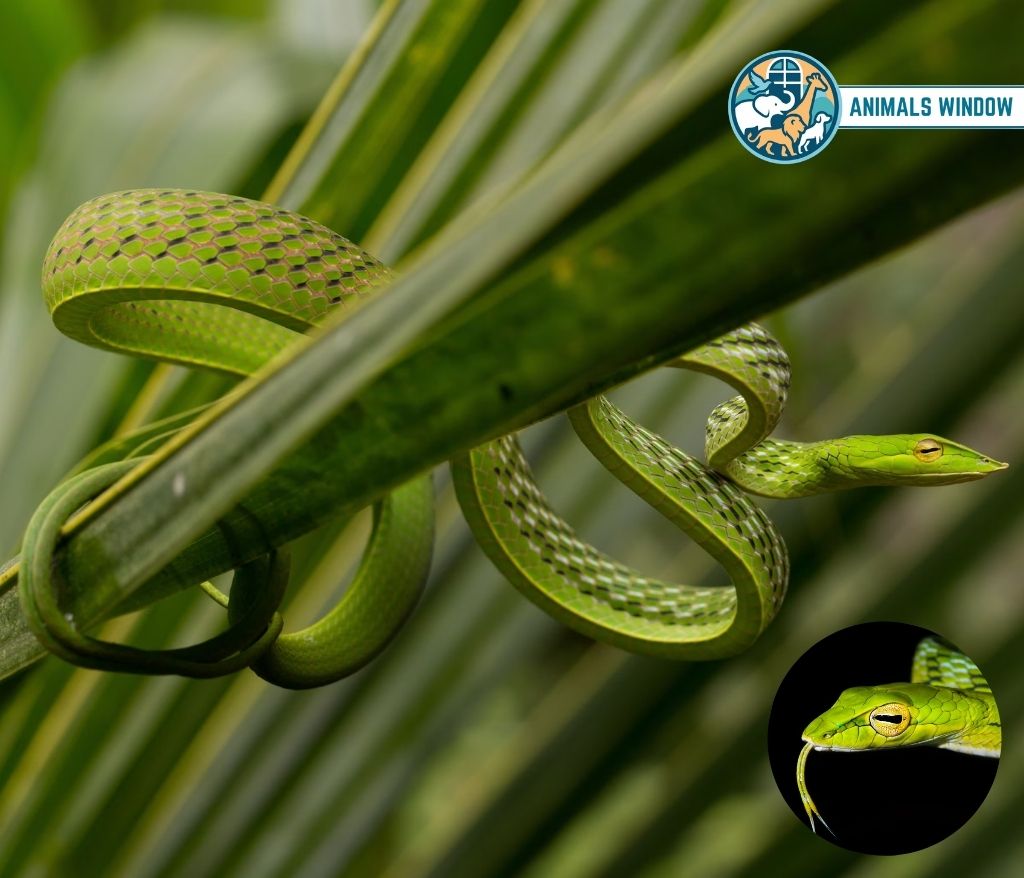
The vine snake is the perfect camouflage animal. Its bright green body — sometimes with yellow or gray patches — is pencil-thin from head to tail, making it look exactly like a hanging vine or thin branch. It can hold that pose completely still for hours.
What gives it away is its eyes. The vine snake has horizontal, keyhole-shaped pupils — one of the only snakes in the world with this feature. Those odd pupils give it binocular depth perception, letting it judge the precise distance to fast-moving lizards among leaves. It aims, not just strikes.
🔥 Comparison Fact: A vine snake is about the width of a standard pencil — roughly 6–7mm in diameter.
Threadsnake
- Scientific name: Leptotyphlops carlae
- Size: 4–4.2 inches long
- Weight: 0.02 oz
- Diet: Ant and termite larvae
- Habitat: Barbados; leaf litter and soil
- Lifespan: Estimated 3–5 years
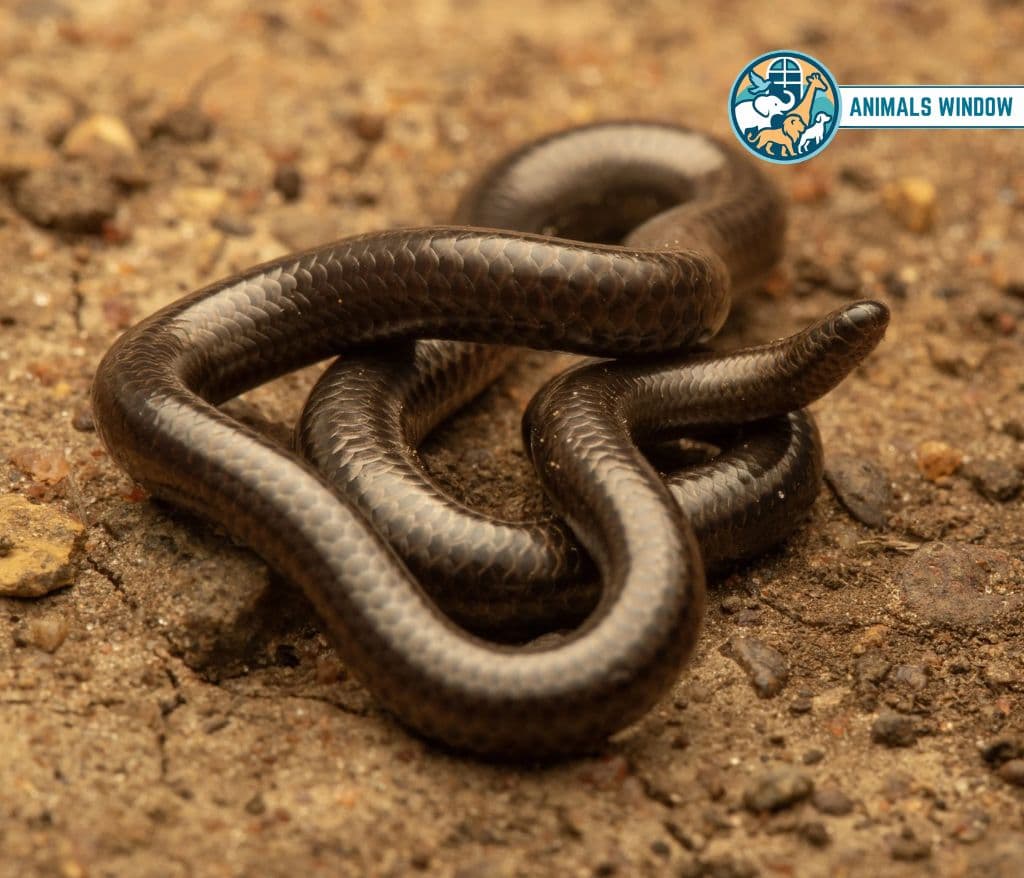
The threadsnake from Barbados is the thinnest and smallest snake species ever described. At just over 4 inches, its entire body is thinner than a strand of spaghetti. It was only formally identified as a distinct species in 2008.
Because of its tiny size, it faces an unusual biological challenge: it’s so small that a single ant larva is roughly as big as one meal. Reproduction is also constrained — females can only produce one egg at a time, and each hatchling is almost half the mother’s own length. One offspring is the biological maximum.
🔥 Comparison Fact: The threadsnake’s body is about the same thickness as a wooden toothpick — just over 1mm wide.
Brookesia Micra Chameleon
- Scientific name: Brookesia micra
- Size: 1.1 inches total length
- Weight: Less than 0.1 oz
- Diet: Tiny mites, springtails, small insects
- Habitat: Nosy Hara island, Madagascar
- Lifespan: Estimated 2–3 years
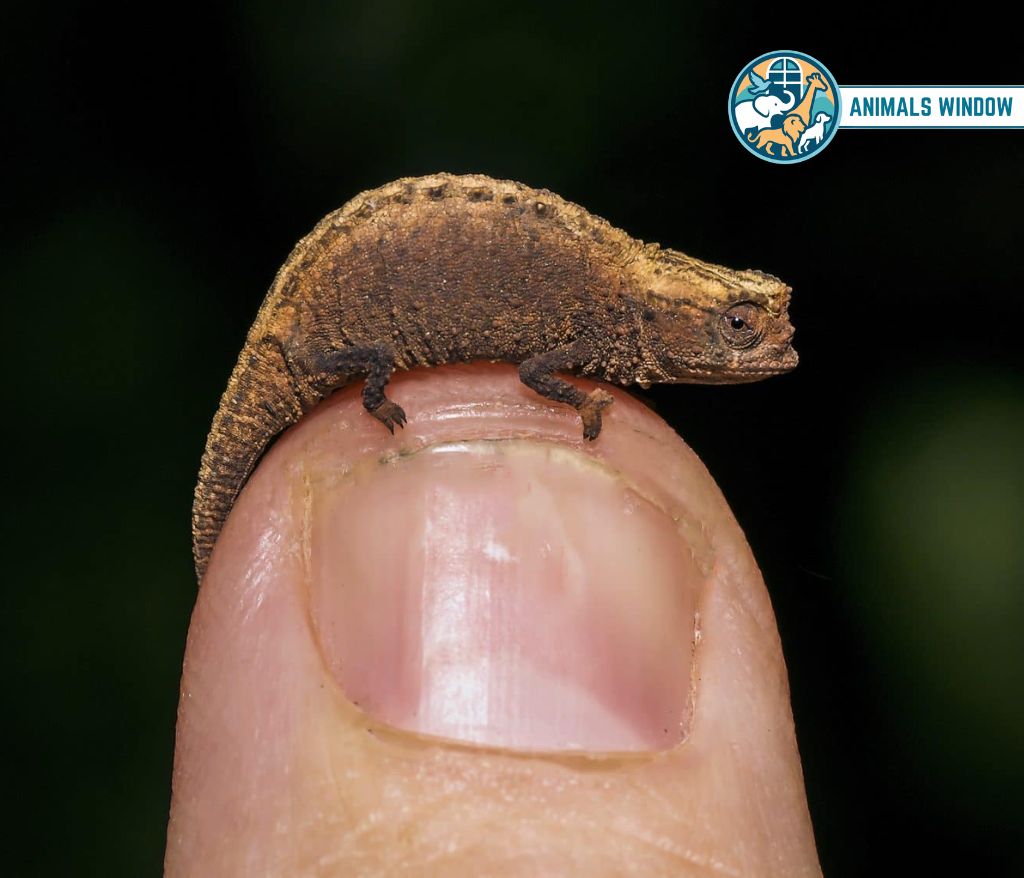
The Brookesia micra is the smallest reptile ever recorded. An adult can curl up on the head of a match. Its entire body — including tail — fits within an inch, yet it still changes color, hunts live prey, and shows all the behaviors of its much larger chameleon relatives.
Its tiny size is thought to be island dwarfism — a process where isolated island populations shrink over generations due to limited food supply. What’s wild is that despite being 10x smaller than mainland chameleons, it still catches and eats moving prey with accurate, projectile-like tongue strikes.
🔥 Comparison Fact: The Brookesia micra is roughly the same size as a standard shirt button — about 1 inch from nose to tail tip.
Glass Lizard
- Scientific name: Ophisaurus spp.
- Size: 24–47 inches long
- Weight: Up to 1.1 lbs
- Diet: Insects, snails, small rodents, eggs
- Habitat: Grasslands and open forests of North America, Europe, and Asia
- Lifespan: 10–30 years
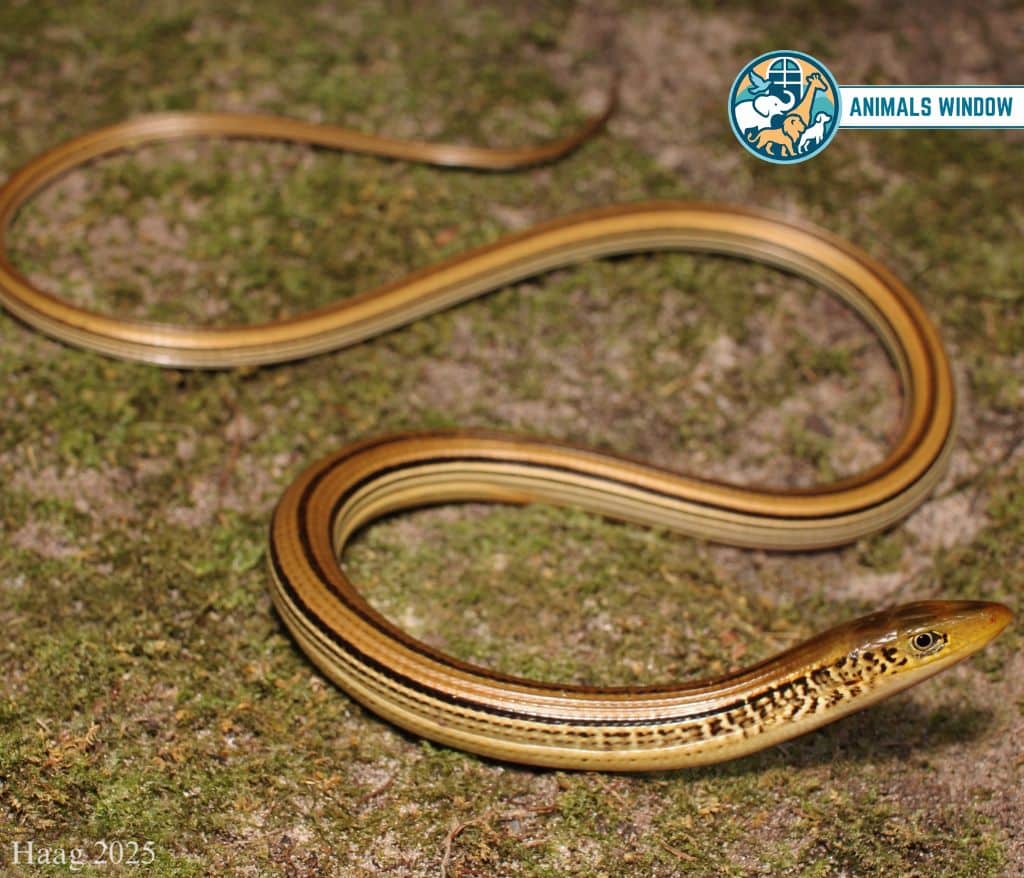
From a distance, the glass lizard looks exactly like a snake. But look closely — it has eyelids and visible ear openings. No snake has either. It’s actually a legless lizard, and the difference matters biologically.
Its common name comes from what happens when grabbed: the tail breaks into several pieces — “shattering” like glass. The tail segments keep twitching to distract a predator while the lizard escapes. Over time, the tail regrows, though never quite to the original length.
🔥 Comparison Fact: A full-grown glass lizard is about the same length as a standard electric guitar — roughly 38–42 inches.
Slender-snouted Crocodile
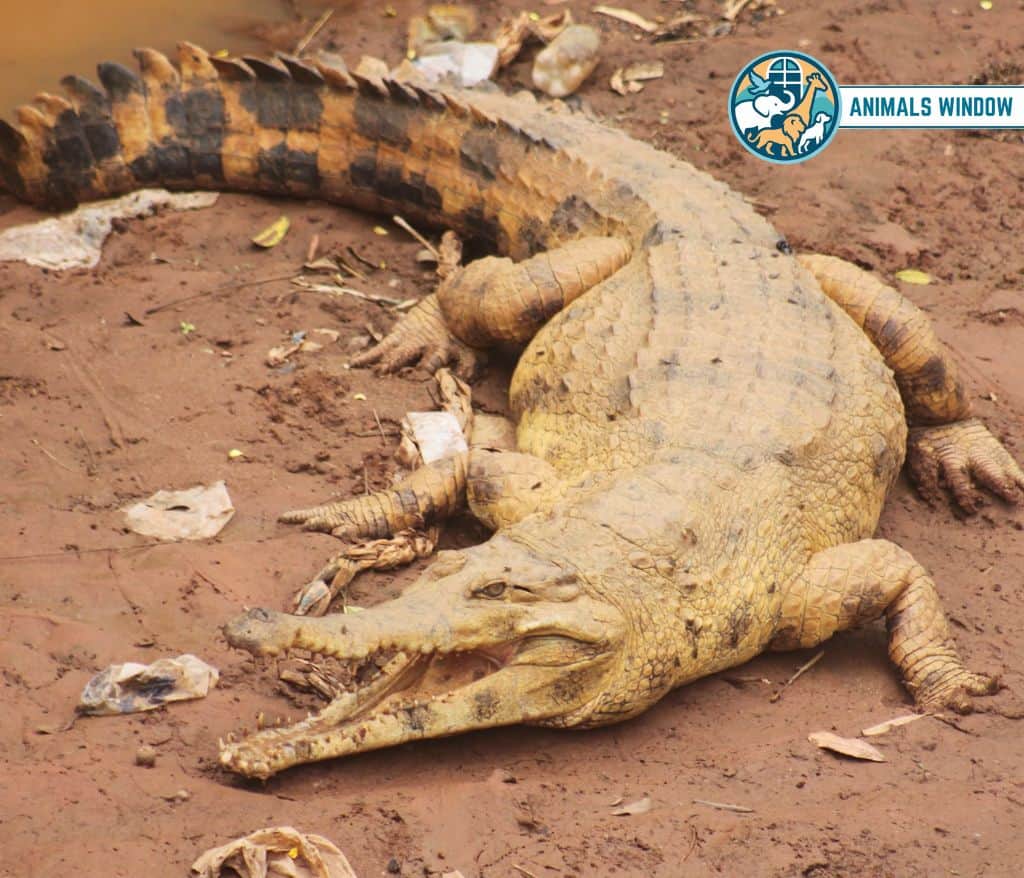
- Scientific name: Mecistops cataphractus
- Size: 8–13 feet long
- Weight: 130–285 lbs
- Diet: Primarily fish; occasionally small mammals
- Habitat: Central and West African rivers and rainforest pools
- Lifespan: 40–60 years
Most crocodiles have broad, powerful jaws designed to grip and crush. The slender-snouted crocodile breaks that rule with a jaw so long and thin it looks almost out of place on a crocodile. It’s built for underwater fish hunting — the narrow snout creates almost no drag when sweeping sideways to snatch fish.
It’s also one of the least studied large reptiles in Africa. Much of what we know about its behavior comes from brief observations, not long-term research. Some populations have likely been living in remote forest pools for decades without any documented human contact.
🔥 Comparison Fact: The slender-snouted crocodile’s snout is about the length of a standard 12-inch ruler from tip to eye socket.
Common House Gecko
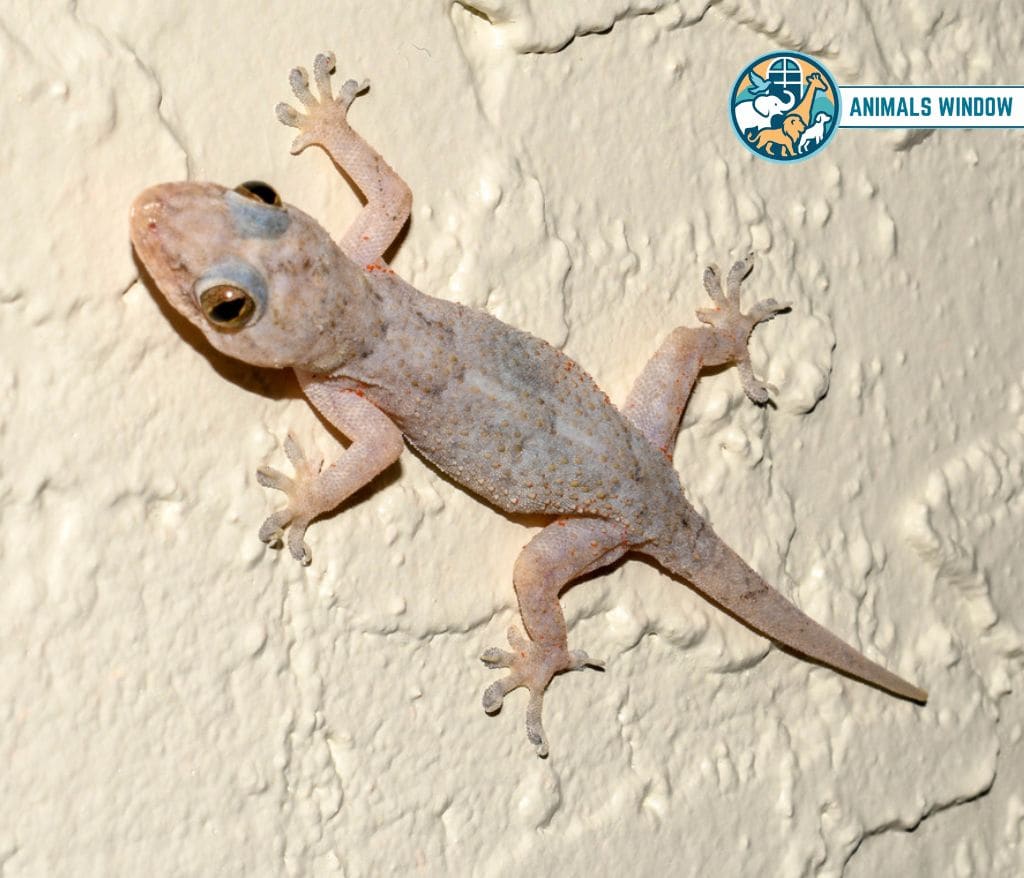
- Scientific name: Hemidactylus frenatus
- Size: 3–5 inches long
- Weight: 0.1–0.2 oz
- Diet: Moths, mosquitoes, flies, small insects
- Habitat: Tropical and subtropical regions worldwide — buildings, walls, and ceilings
- Lifespan: 3–5 years
The house gecko’s body is almost paper-thin when viewed from the side. Its flattened shape lets it squeeze into gaps less than 3mm wide — thinner than two stacked credit cards — allowing it to live inside walls, under loose tiles, and behind picture frames.
Its feet use millions of microscopic hair-like structures called setae, which create van der Waals forces — a type of molecular adhesion. This means it can walk up polished glass and across ceilings without any sticky substance. Water actually reduces the grip, so house geckos avoid rain-soaked surfaces.
🔥 Comparison Fact: A house gecko’s body is about the same length as a standard AA battery — just under 5 inches including the tail.
More Posts: Top 32 Quiet Animals (With Pictures and Unique Facts)
Fish & Sea Life — The “Blade-Like”
Needlefish
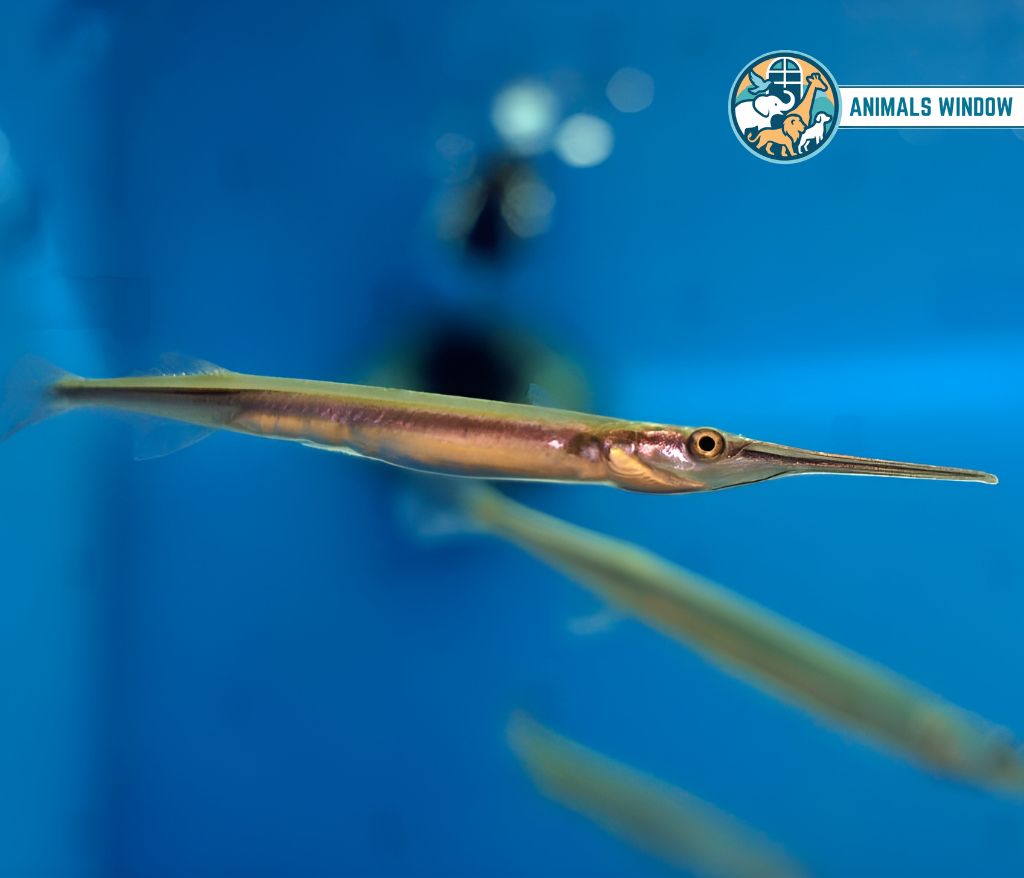
- Scientific name: Belone belone
- Size: 12–35 inches long
- Weight: Up to 1.3 lbs
- Diet: Small fish, crustaceans
- Habitat: Coastal Atlantic waters, Mediterranean Sea
- Lifespan: 8–11 years
The needlefish is exactly what its name says — a long, narrow, silver needle of a fish. Its beak-like jaws stretch nearly a third of its body length, and its entire body tapers to almost nothing at the tail.
Here’s the part that sounds fake: needlefish have green bones. The pigment biliverdin — a byproduct of blood breakdown — accumulates in their skeleton, turning it a vivid blue-green. And at night, near light sources on boats or docks, they leap. Needlefish attracted to lights can jump clear out of the water at speeds reaching 37 mph, which has caused serious injuries to people in Southeast Asia.
🔥 Comparison Fact: A needlefish’s jaws are about the same length as a standard pen — roughly 4–6 inches long.
Spotted Garden Eel
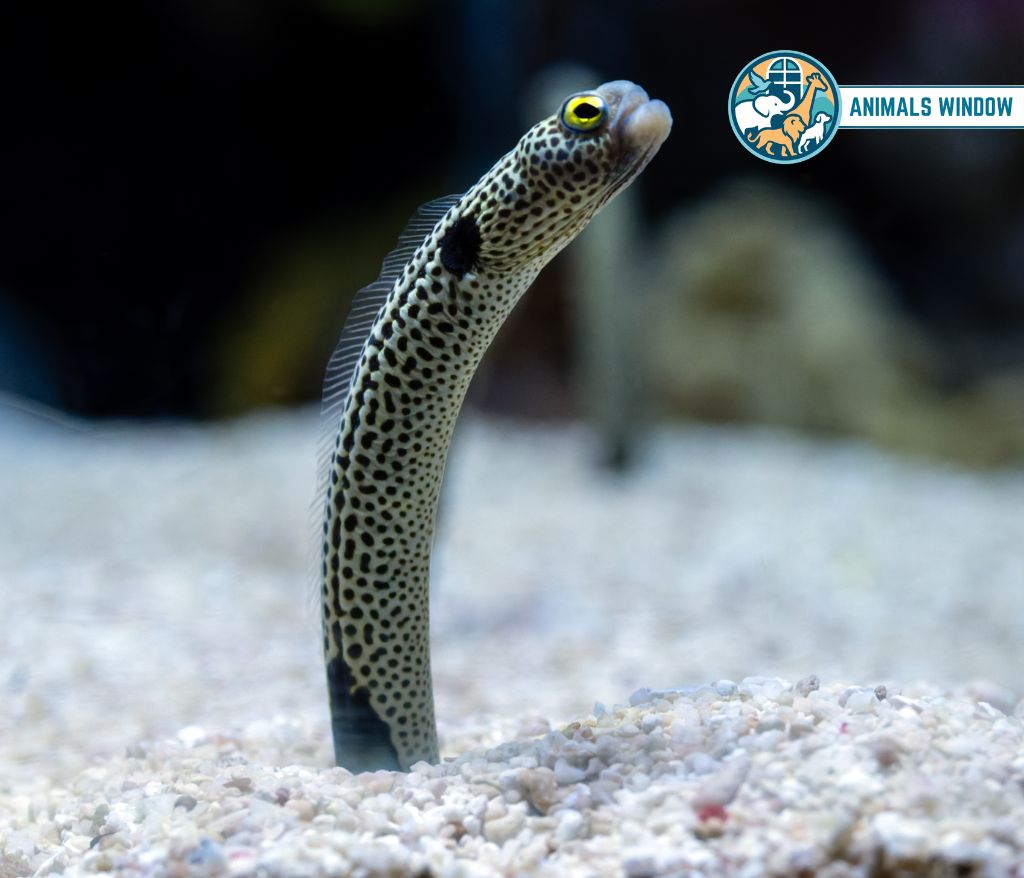
- Scientific name: Heteroconger hassi
- Size: 14–18 inches long
- Weight: Under 0.5 oz
- Diet: Zooplankton drifting in currents
- Habitat: Sandy ocean floors, 7–45 meters deep; Indo-Pacific region
- Lifespan: 35–40 years
The spotted garden eel spends almost its entire life buried vertically in the seafloor. Only the top third of its body sticks out of the sand, swaying in the current to catch drifting plankton. When startled, the entire colony vanishes into the sand within seconds.
Their social life is genuinely strange. Neighboring eels stretch their bodies sideways to touch each other — researchers believe this is how bonded pairs maintain their relationship without leaving their burrows. A garden eel may spend 10+ years in the same 2-foot patch of sand without ever fully leaving.
🔥 Comparison Fact: The spotted garden eel’s body diameter is about the width of a human thumb — less than an inch across.
Mako Shark
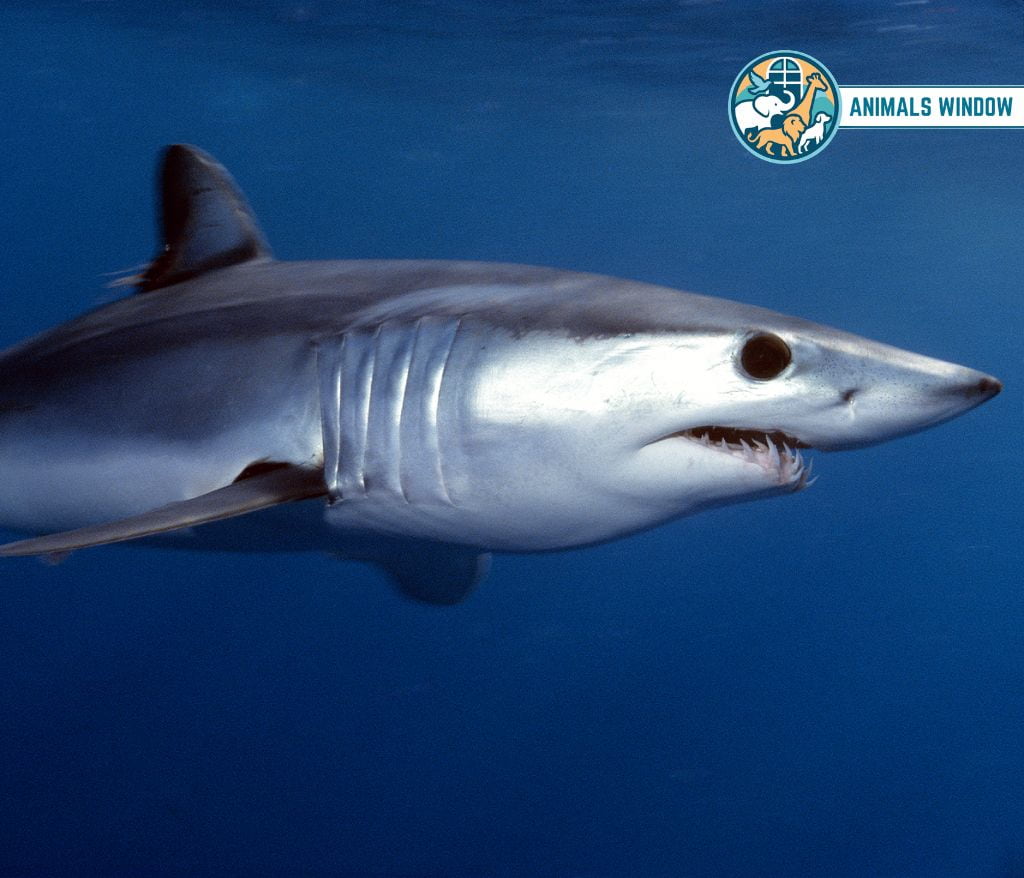
- Scientific name: Isurus oxyrinchus
- Size: 10–13 feet long
- Weight: 130–300 lbs
- Diet: Tuna, swordfish, other fast pelagic fish
- Habitat: Temperate and tropical open oceans worldwide
- Lifespan: 29–32 years
The mako is the fastest shark in the world, reaching confirmed speeds of 45 mph in short bursts. Its body is built around that speed — a narrow, crescent-shaped tail, streamlined snout, and torpedo profile with almost no unnecessary mass.
What separates it from other sharks is that it’s warm-blooded — or more accurately, endothermic. It maintains its core body temperature above the surrounding water, which keeps its muscles working at peak efficiency even in cold deep water. Most sharks are ectothermic. The mako runs hot on purpose.
🔥 Comparison Fact: A mako shark’s body width at the thickest point is about the same as a car tire — roughly 12–14 inches across.
Ribbonfish
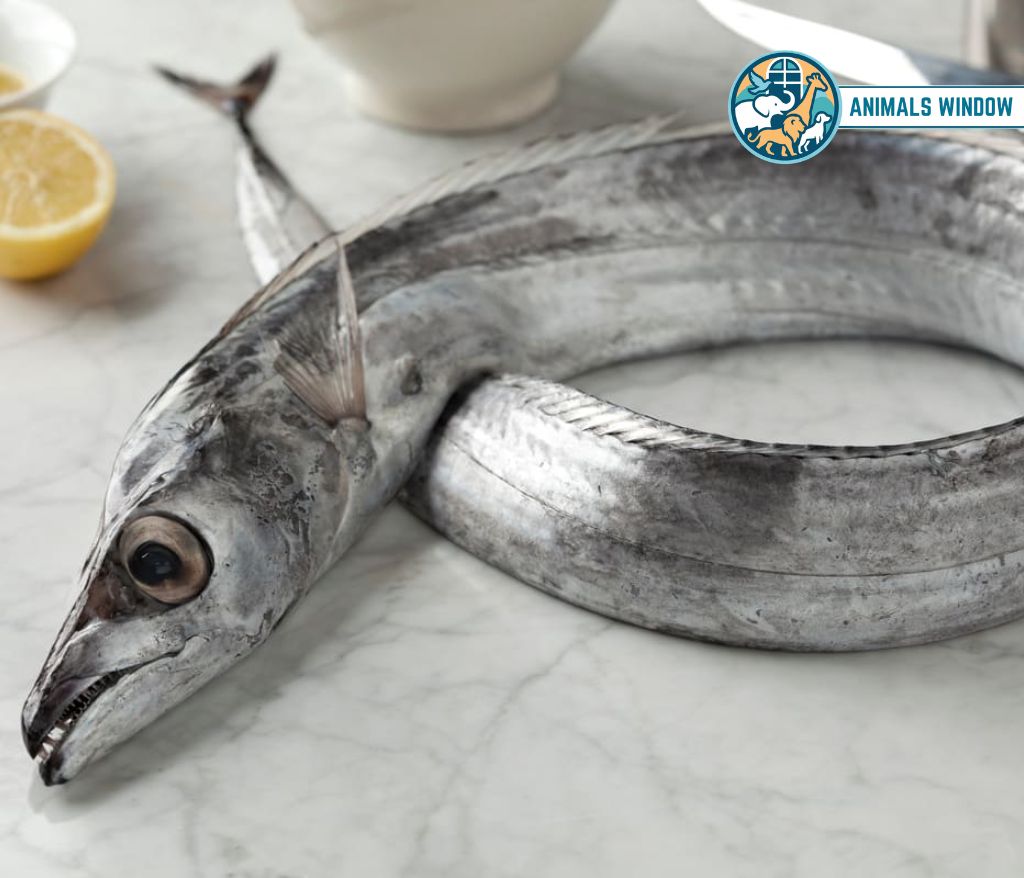
- Scientific name: Regalecus glesne
- Size: Up to 36 feet long
- Weight: Up to 600 lbs
- Diet: Squid, small fish, krill, crustaceans
- Habitat: Deep mesopelagic ocean zones globally
- Lifespan: Estimated 5–10 years
The ribbonfish — also called the oarfish — is the longest bony fish ever recorded. It grows up to 36 feet but stays almost impossibly thin — its body is rarely more than 6 inches wide for most of its length. That’s a width-to-length ratio found in almost no other vertebrate.
Almost everything we know about ribbonfish comes from dead specimens that washed ashore or were filmed by deep-sea cameras. In 2010, researchers got footage of a living oarfish swimming upright — vertically, nose up — which had never been documented before. Nobody fully understands why.
🔥 Comparison Fact: A full-grown ribbonfish laid flat is roughly as long as a school bus — up to 36 feet from head to tail.
Pipefish
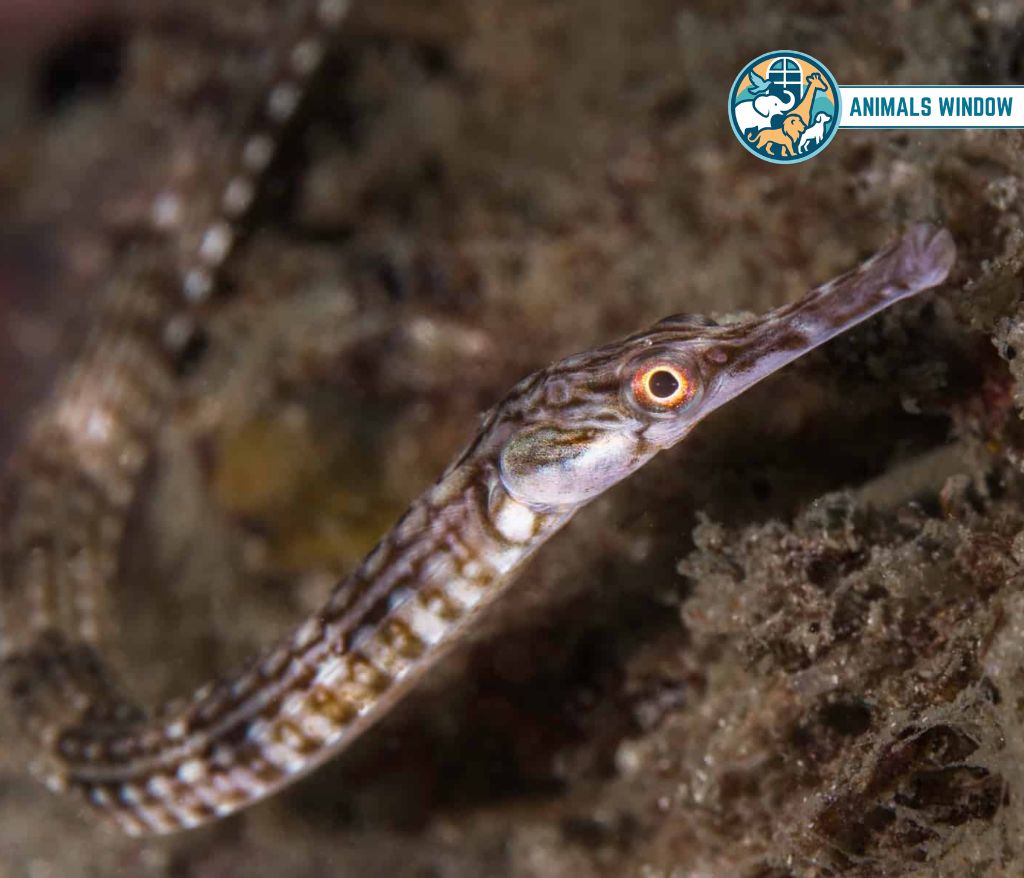
- Scientific name: Syngnathus spp.
- Size: 4–18 inches long
- Weight: Under 0.2 oz
- Diet: Tiny crustaceans, zooplankton, larval fish
- Habitat: Shallow seagrass beds and coral reefs worldwide
- Lifespan: 2–5 years
The pipefish is essentially a straightened-out seahorse — same family, same bizarre reproductive system. Males carry the eggs in a specialized brood pouch along their belly, and they’re the ones who go through pregnancy and birth. The female deposits eggs and largely leaves.
What’s unusual about pipefish specifically is that males can choose to partially abort a pregnancy if the female isn’t in good condition. Studies have shown that males absorb some embryos back into their own body tissue when their mate appears unhealthy — they’re biologically selecting which pregnancies to complete.
🔥 Comparison Fact: A pipefish’s body is about the width of a drinking straw — roughly 3–5mm in diameter.
Common Eel
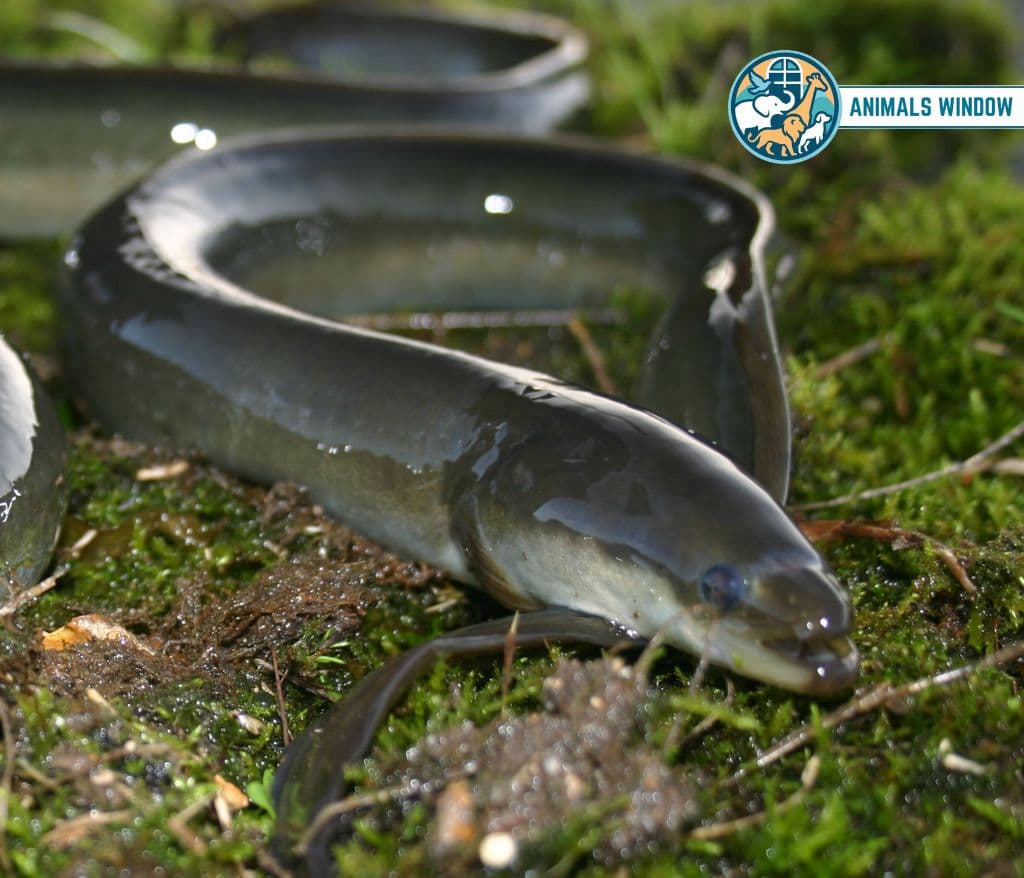
- Scientific name: Anguilla anguilla
- Size: 20–50 inches long
- Weight: 0.5–4.4 lbs
- Diet: Worms, crustaceans, small fish, insects
- Habitat: European and North African rivers, lakes, and coastal waters
- Lifespan: 20–85 years
The European eel has one of the strangest life cycles of any fish. It’s born in the Sargasso Sea in the Atlantic Ocean, drifts as a transparent larva for up to 3 years across 4,000 miles of open ocean, enters European rivers, lives there for 10–50 years, then swims all the way back across the Atlantic to breed — and dies immediately after.
And here’s what nobody has ever seen: the complete spawning event. No human has ever witnessed European eels reproducing in the wild. Every eel alive today is descended from parents no one has ever observed.
🔥 Comparison Fact: A medium-sized common eel has about the same girth as a garden hose — roughly 1–1.5 inches in diameter.
Insects — The “Stick-Like”
Stick Insect
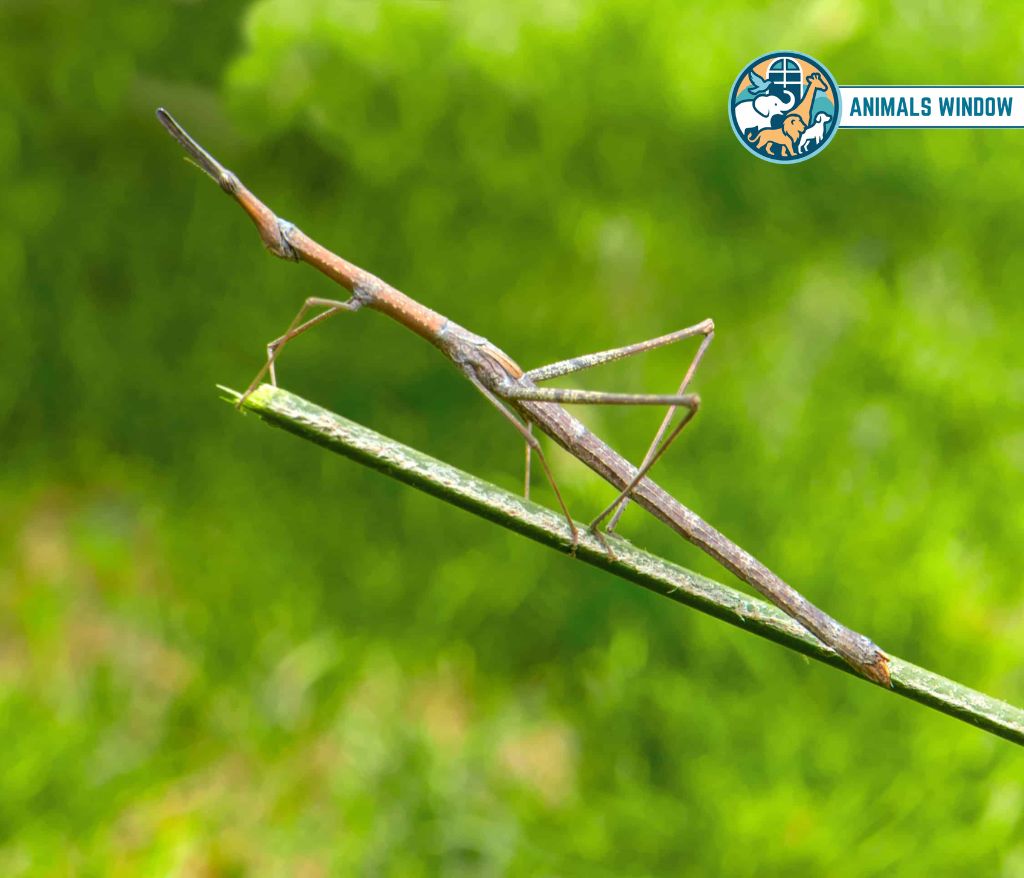
- Scientific name: Phasmatodea spp.
- Size: 0.5–24 inches long
- Weight: 0.07–2.5 oz
- Diet: Leaves — usually bramble, oak, or eucalyptus
- Habitat: Tropical and temperate forests globally
- Lifespan: 1–3 years
The stick insect is one of the most convincing disguises in the animal kingdom. Its body mimics not just a stick’s shape but its texture, color, and even the way a twig responds to wind — some species sway gently when standing still to simulate a branch moving in a breeze.
But when a limb is lost to a predator, younger stick insects can regrow it completely at the next molt. The regrown leg isn’t perfect — it’s slightly shorter — but it’s fully functional. Adults that have finished molting permanently lose this ability, which means the window for self-repair closes as they mature.
🔥 Comparison Fact: The largest stick insect, Phobaeticus chani, is over 22 inches long — nearly the same length as a standard bowling pin.
Praying Mantis
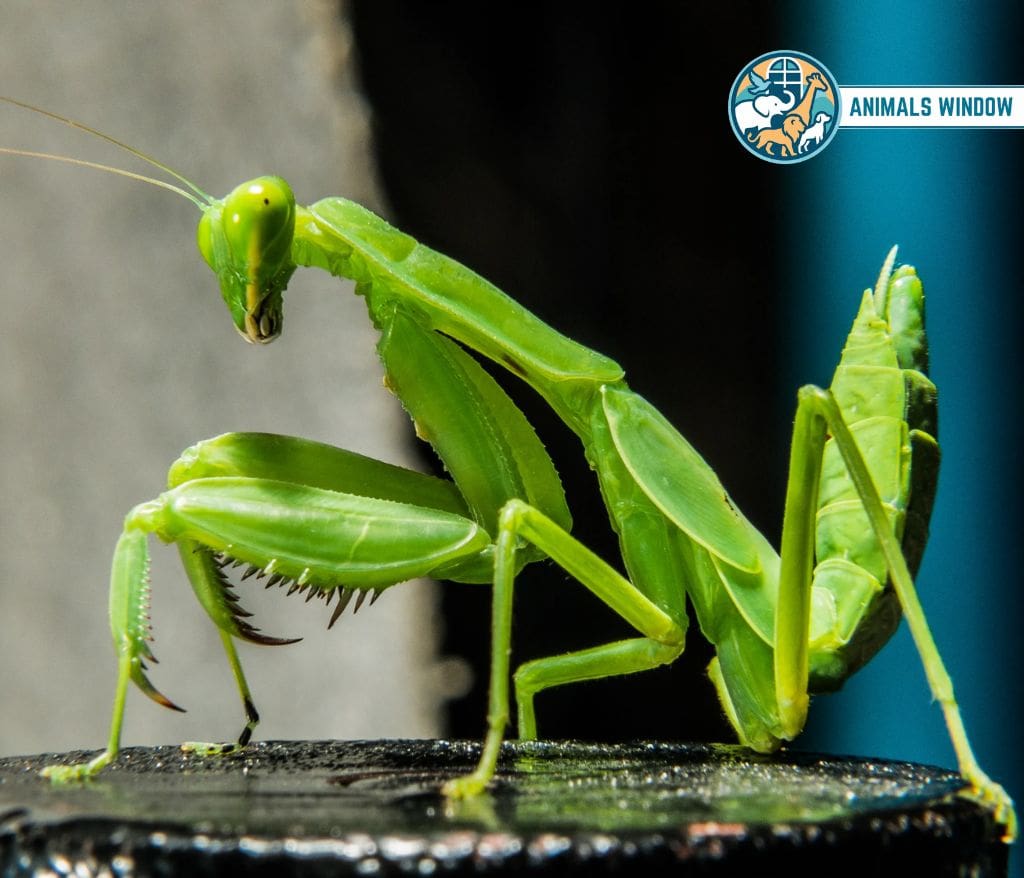
- Scientific name: Mantis religiosa
- Size: 1.5–6 inches long
- Weight: 0.07–0.18 oz
- Diet: Insects, small frogs, lizards, hummingbirds (larger species)
- Habitat: Tropical and temperate regions on every continent except Antarctica
- Lifespan: 6–12 months
The praying mantis is the only insect that can turn its head 180 degrees. That neck rotation means it can track prey over its shoulder without moving its body — an enormous advantage in sit-and-wait predation.
Its forelegs close in 30 to 60 milliseconds — too fast for most prey insects to detect with their nervous systems. Larger species have been photographed catching hummingbirds in mid-flight. The thin, angular body that makes it look fragile is actually a precision strike platform.
🔥 Comparison Fact: A praying mantis’s front legs, extended, are about as long as a standard guitar pick is wide — roughly 1.5–2 inches.
Dragonfly
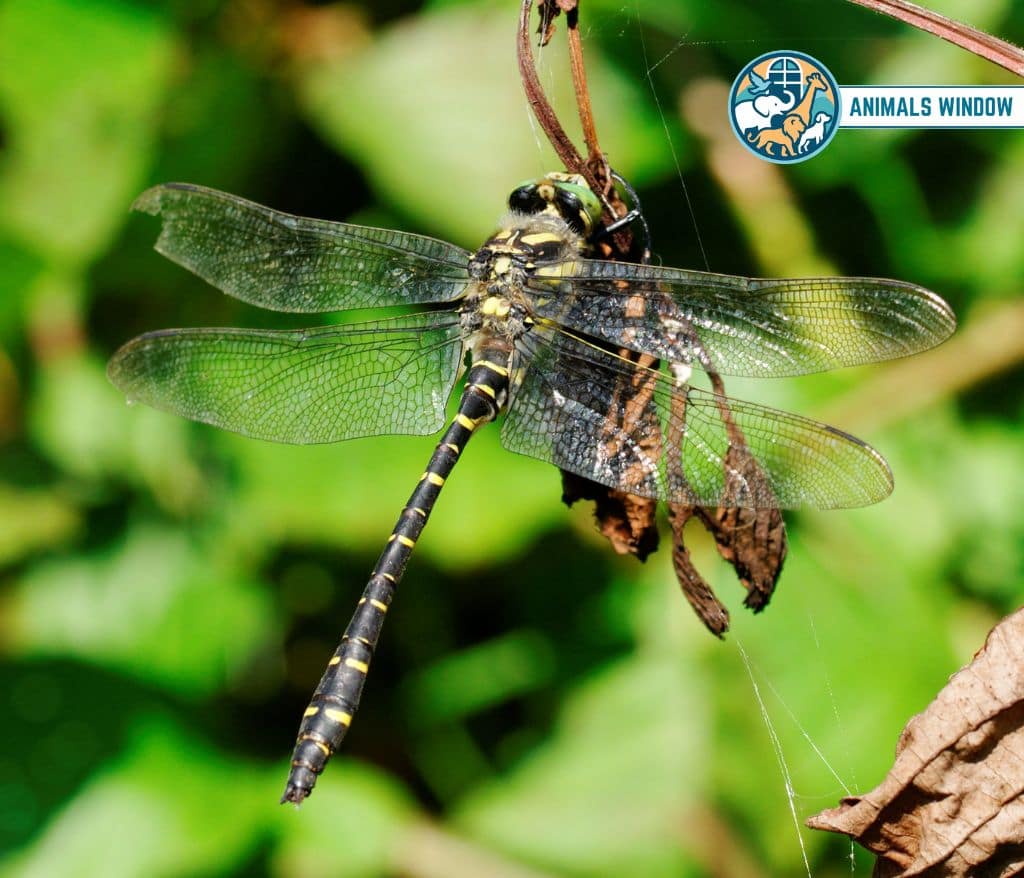
- Scientific name: Anisoptera spp.
- Size: 1–5 inches wingspan
- Weight: 0.004–0.1 oz
- Diet: Mosquitoes, gnats, midges, small flying insects
- Habitat: Near freshwater — ponds, streams, lakes — globally
- Lifespan: Adult: 2–4 weeks; larval stage: 1–4 years
The dragonfly has four wings that move completely independently of each other. Most flying insects link their wings in pairs. The dragonfly doesn’t — it can adjust each wing separately, giving it flight control closer to a helicopter than an airplane. It can fly backward, sideways, and hover in place.
Its hunting success rate is 95% — the highest of any predator measured on Earth, higher than lions (25%), great white sharks (~50%), and peregrine falcons (~70%). The secret is predictive flight path interception: it doesn’t chase the prey, it calculates where the prey will be and flies to that point.
🔥 Comparison Fact: A large dragonfly’s body is about as long as a standard AAA battery — roughly 1.5–2 inches.
Water Strider
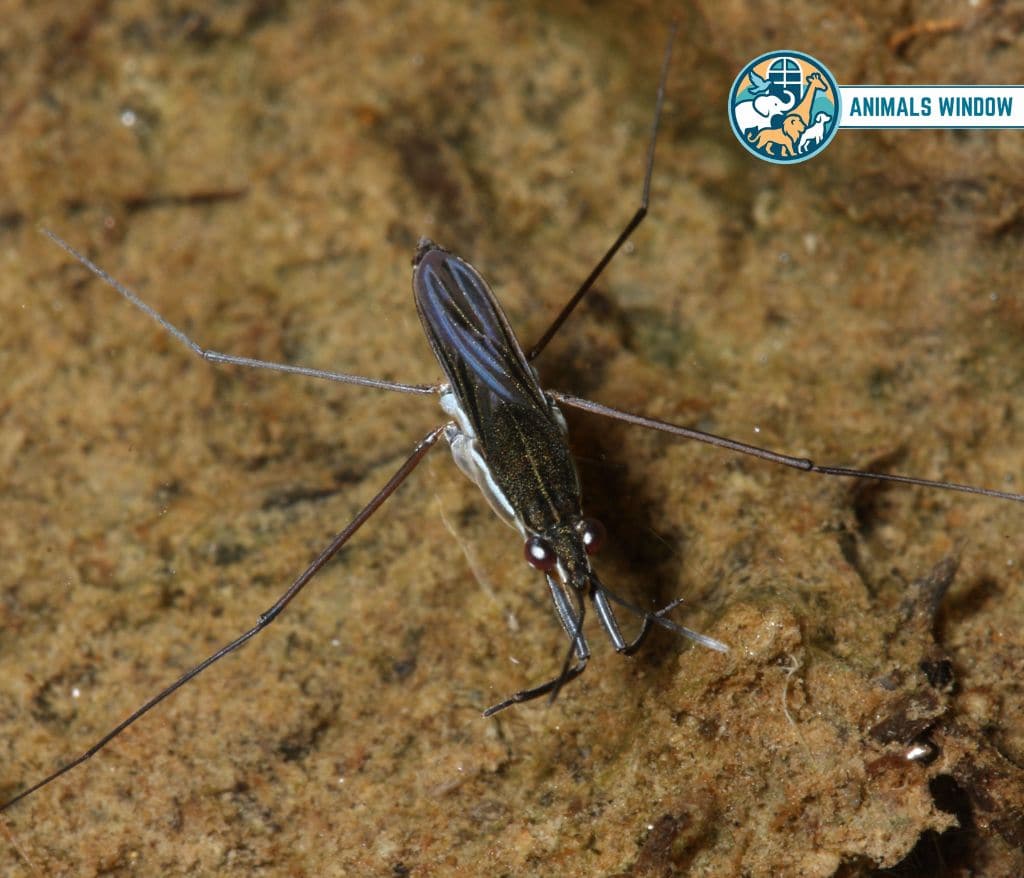
- Scientific name: Gerridae spp.
- Size: 0.4–1.5 inches long
- Weight: Less than 0.01 oz
- Diet: Small insects, larvae, anything that falls on the water surface
- Habitat: Calm freshwater surfaces — ponds, slow streams, lakes worldwide
- Lifespan: 1–6 months
The water strider’s body is so light and its legs so spread that it never breaks the water’s surface tension. Its middle legs row it forward like oars, while the front legs steer and the back legs act as rudders. Each foot creates a tiny dimple in the water’s surface — never a puncture.
What’s invisible until magnification: its legs are covered in thousands of microscopic hair grooves that trap air and actively repel water. Even if a water strider is pushed underwater, it pops back to the surface immediately like a cork. That air layer is always there.
🔥 Comparison Fact: A water strider’s leg span is about the same as a large coin — roughly 1.5 inches from tip to tip.
Walking Leaf
- Scientific name: Phyllium spp.
- Size: 2–4.5 inches long
- Weight: 0.07–0.14 oz
- Diet: Leaves — guava, mango, and bramble
- Habitat: Tropical forests of South and Southeast Asia, Madagascar
- Lifespan: 6–12 months
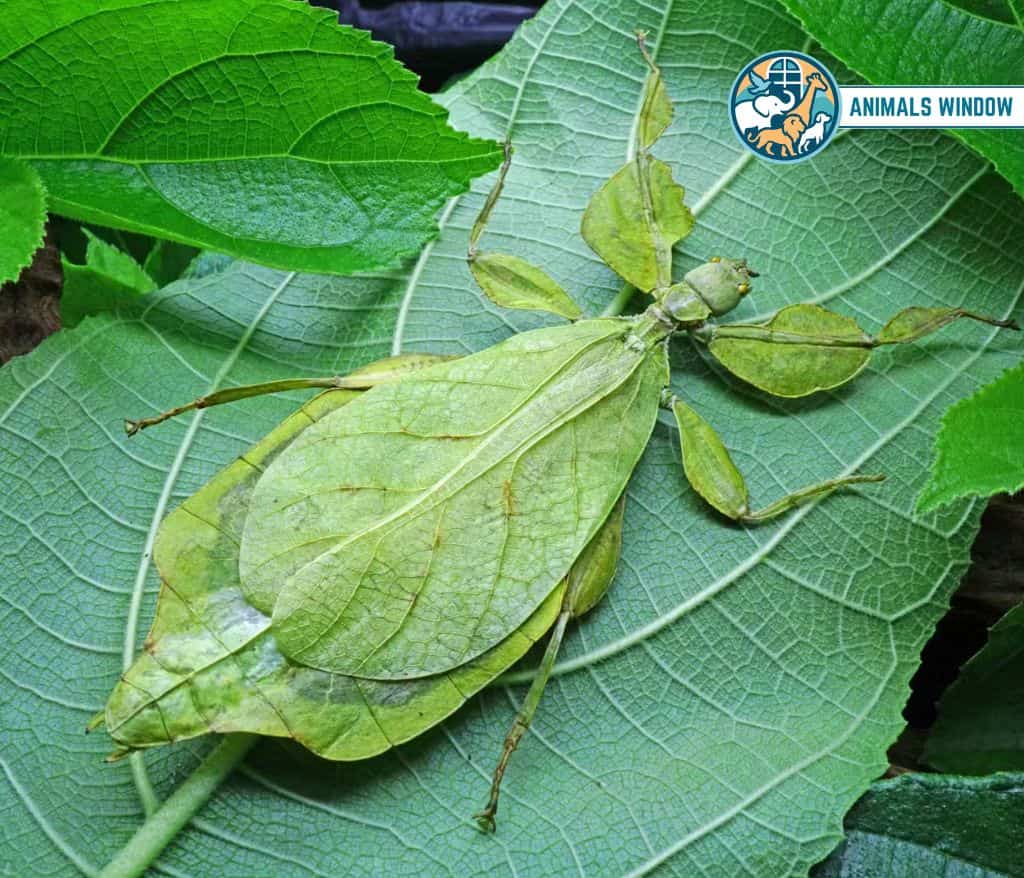
The walking leaf insect doesn’t just look like a leaf — it looks like a specific, imperfect leaf. Its body has fake vein patterns pressed into the surface, uneven coloring that matches leaf discoloration, and irregular edges that mimic bite marks from insects. Some individuals even have small brown “decay spots” on their wings.
And it moves like a leaf too. When walking, the walking leaf rocks side to side with each step, mimicking the motion of a leaf in a gentle breeze. It’s one of the few animals that performs a behavioral disguise — not just looking like something, but acting like it.
🔥 Comparison Fact: A walking leaf insect is about the same size and shape as a large mango leaf — roughly 3–4 inches long and 1.5 inches wide.
Related Animals Guides
FAQ’s About Skinny Animals
What is the skinniest animal in the world?
The threadsnake (Leptotyphlops carlae) is arguably the thinnest vertebrate — its body is just over 1mm wide, thinner than a wooden toothpick.
Why are some animals so skinny?
Slim body shapes evolved for specific reasons: speed (cheetah, greyhound), tunnel hunting (stoat, ferret), camouflage (vine snake, walking leaf), or reducing drag in water (needlefish, mako shark). The shape always matches a survival need.
What is the thinnest fish?
The ribbonfish (oarfish) is the most extreme. It can reach 36 feet long while staying only a few inches wide — the largest known width-to-length ratio of any bony fish.
Are slender animals faster than stocky ones?
Not always. Speed depends on body design, muscle type, and stride mechanics. A cheetah is slim and fast. But a hippopotamus — very stocky — can reach 19 mph for short distances. Thinness helps in specific contexts, not universally.
Can skinny animals survive cold climates?
Some do. The stoat and weasel both live in cold northern climates. But small, thin animals lose heat fast, so they compensate with very high metabolic rates and near-constant eating. The Etruscan shrew, for example, must eat every few hours or die from the cold.
Trait Comparison: Camouflage vs. Mimicry
Both camouflage and mimicry help animals avoid predators, but they work differently.
Camouflage means blending into the background. The vine snake’s green, pencil-thin body disappears against hanging vines. The house gecko’s flat, pale body vanishes against a concrete wall. The animal matches its environment passively — it doesn’t do anything special beyond existing.
Mimicry means copying something specific. The walking leaf doesn’t just blend in — it looks like a particular type of damaged leaf, complete with fake veins, fake bite marks, and fake decay spots. The stick insect mimics a twig so specifically that it sways in the breeze to match how a real twig would move.
The key difference: camouflage hides the animal in a background. Mimicry makes the predator think the animal is a completely different, uninteresting object. Mimicry is harder to evolve, rarer in nature, and generally more effective against smart predators that camouflage can fool less reliably over time.
Many of the skinniest animals use both — their thin body enables the camouflage shape, and their behavior layers mimicry on top of it.

I have loved animals since I was a kid. I enjoy reading about how animals live, eat, move, and survive. I started Animals Window to share what I learn in a simple and easy way. I write about animal body parts, size, behavior, diet, habitats, and species. My goal is to make animal facts clear and fun for everyone to understand.