Most people assume every animal has a tail. But quite a few don’t — and for very different reasons. Some never evolved one. Others lost it through genetics. And a few simply have bodies so specialized that a tail would just get in the way. Here are 20 real animals without tails, from your own human body to the deep-ocean octopus.
Table of Contents
Quick Animals Without Tail Table
| Animal Name | Scientific Name | Key Trait |
| Human | Homo sapiens | Tailbone (coccyx) is all that remains |
| Gorilla | Gorilla gorilla | Largest tailless primate |
| Orangutan | Pongo pygmaeus | Longest arms of any tailless ape |
| Barbary Macaque | Macaca sylvanus | Only tailless monkey in Europe |
| Manx Cat | Felis catus (Manx) | Genetic mutation removes the tail |
| Guinea Pig | Cavia porcellus | No tail, but vocal like a songbird |
| Hamster | Cricetus cricetus | Micro stub — barely 6mm long |
| Chinchilla | Chinchilla lanigera | Densest fur of any land mammal |
| Quokka | Setonix brachyurus | Called the “world’s happiest animal” |
| Koala | Phascolarctos cinereus | Fingerprints almost identical to humans |
| Wombat | Vombatus ursinus | Produces cube-shaped droppings |
| Sloth | Bradypus variegatus | Moves so slow, algae grows on its fur |
| Capybara | Hydrochoerus hydrochaeris | World’s largest rodent |
| Hedgehog | Erinaceus europaeus | Can roll into a perfect ball |
| Frog | Rana temporaria | Loses its tail as it grows up |
| Kiwi Bird | Apteryx australis | Lays an egg 20% of its own body size |
| Manatee | Trichechus manatus | Has paddle-shaped flippers, not a tail |
| Octopus | Octopus vulgaris | Eight arms, zero tail |
| Squid | Loligo vulgaris | Uses jet propulsion to escape danger |
| Starfish | Asterias rubens | Can regrow a lost arm in months |
Why This List Will Surprise You
You might think animals without tails are rare. They’re not. And some of them live in your house, your local zoo, or even your own mirror. What’s really surprising is why each one lost its tail — because the reasons are completely different for every species on this list.
A wombat poops cubes. A sloth grows its own garden on its back. A kiwi bird has nostrils at the tip of its beak. And you — yes, you — are sitting on the leftover bone of a tail your ancestors ditched millions of years ago. Keep reading. This gets strange fast.
You & Your Relatives
1. Human

- Scientific name: Homo sapiens
- Size: 5–6 feet tall (average adult)
- Weight: 130–200 lbs (average adult)
- Diet: Omnivore
- Habitat: Every continent on Earth
- Lifespan: 70–80 years
Humans are technically tailless great apes. We walk upright, use tools, and write SEO articles — but we are, biologically, just another primate. What makes us tailless is evolution. Around 25 million years ago, our ancestors lost the genes needed to grow a tail. The skeleton still holds the evidence: the coccyx, or tailbone, is a fused cluster of 3–5 small bones at the base of your spine. It’s the leftover frame of something that no longer grows.
What’s wild is that human embryos actually do grow a tail during the fourth week of development. It reaches about one-tenth of the embryo’s total body length. Then, around week 8, it gets absorbed. Occasionally, a human is born with a small tail-like growth — a condition called vestigial tail — but it’s extremely rare.
🔥 Comparison Fact: Your coccyx is roughly the size of a sugar cube — small, but it anchors 9 different muscles.
2. Gorilla
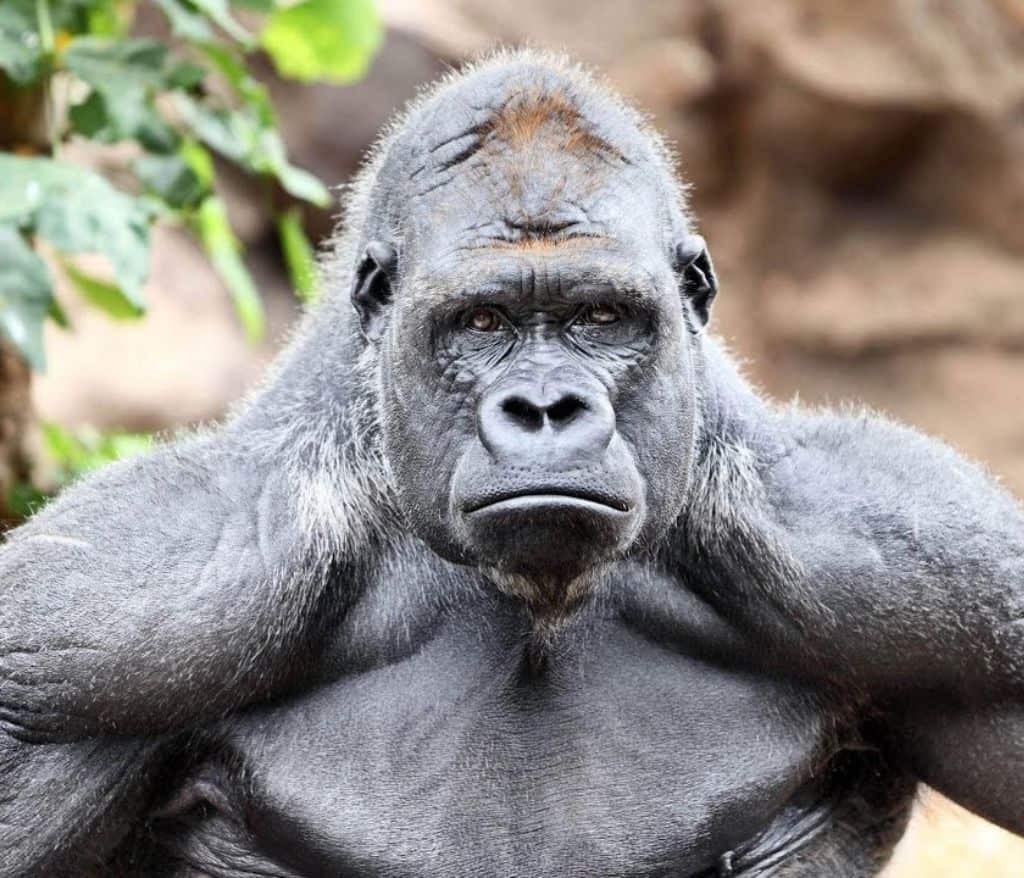
- Scientific name: Gorilla gorilla
- Size: Up to 5.9 feet tall (standing)
- Weight: Up to 440 lbs (males)
- Diet: Herbivore — leaves, stems, fruit
- Habitat: Central African rainforests
- Lifespan: 35–40 years in the wild
Gorillas are the largest living primates on Earth, and like all great apes, they have no tail. They move by knuckle-walking — pressing their weight onto the bent knuckles of their front hands — which gives them a strange, lumbering gait. But don’t be fooled. A silverback gorilla can sprint at 25 miles per hour over short distances.
What’s less known is gorilla memory. Studies show gorillas can remember specific humans — including zookeepers they haven’t seen in years — and respond differently based on whether that person was kind or not. They hold grudges. And they hold kindness too.
🔥 Comparison Fact: A male gorilla’s arm span can reach 8.5 feet — wider than a king-size bed.
3. Orangutan
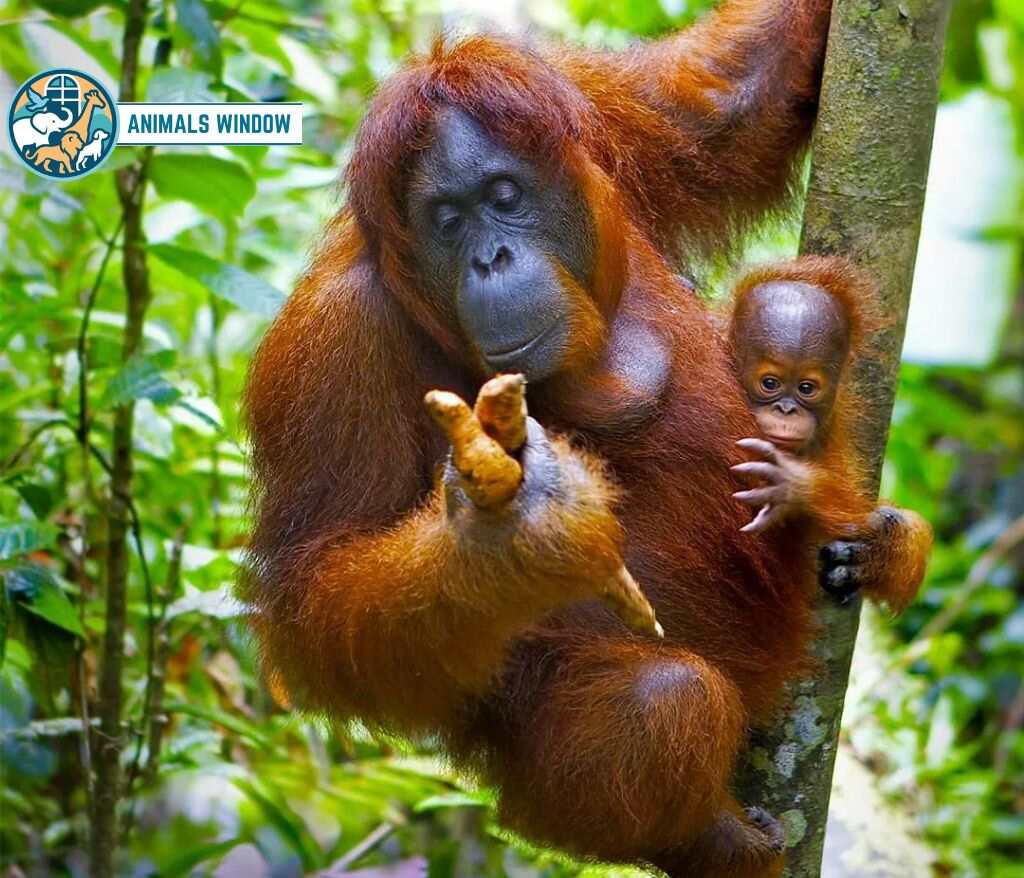
- Scientific name: Pongo pygmaeus
- Size: Up to 4.6 feet tall
- Weight: Up to 200 lbs (males)
- Diet: Fruit, bark, insects, eggs
- Habitat: Borneo and Sumatra rainforests
- Lifespan: 30–40 years in the wild
Orangutans are the only great apes native to Asia, and they spend almost their entire lives in the trees. No tail needed — their arms do all the work. With a wingspan reaching 7.5 feet, orangutans can swing through branches the way a gymnast moves across bars. It looks effortless. It isn’t.
The most unusual thing about orangutans isn’t their strength — it’s their culture. Different groups in different forests use different tools, make different sounds, and pass those habits to their young. In other words, orangutans have regional accents and local traditions. That’s not something you expect from an animal most people only see in zoos.
🔥 Comparison Fact: An adult male orangutan’s arm span is wider than a standard doorway by about 18 inches.
4. Barbary Macaque
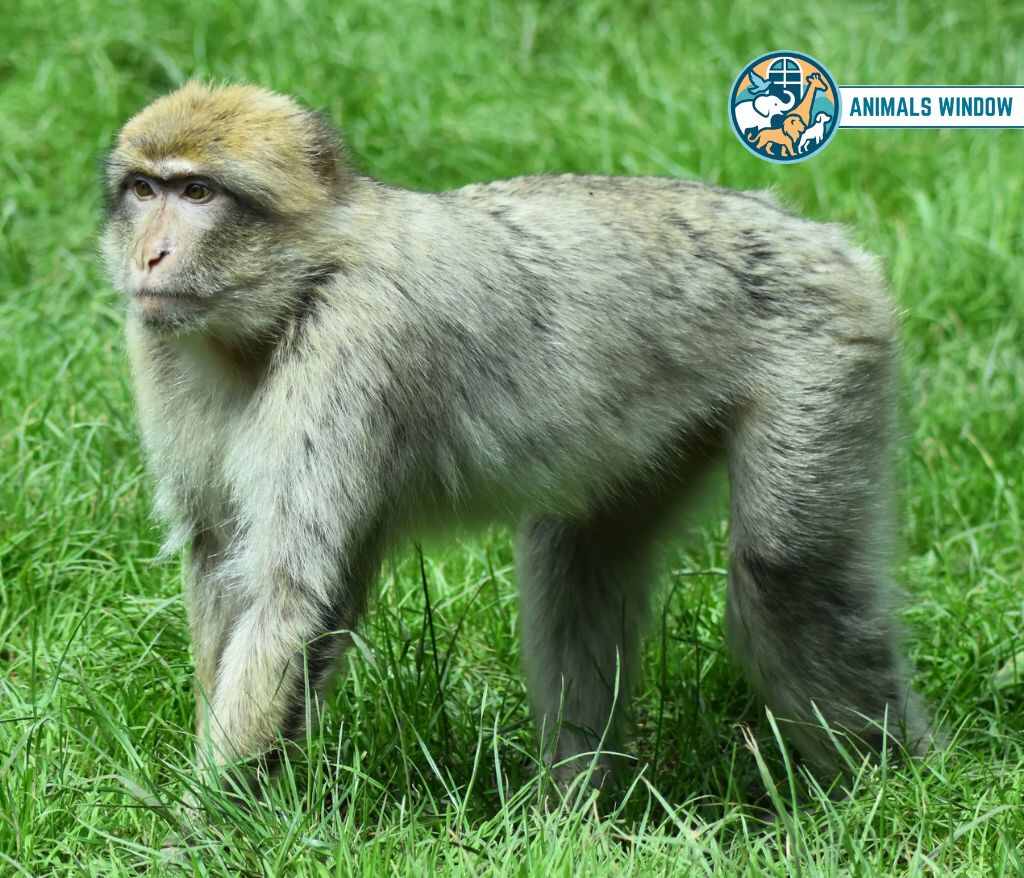
- Scientific name: Macaca sylvanus
- Size: 18–24 inches long
- Weight: 11–33 lbs
- Diet: Plants, seeds, insects, mushrooms
- Habitat: Morocco, Algeria, and Gibraltar
- Lifespan: 20–25 years
Here’s the twist: macaques are monkeys, not apes. And monkeys almost always have tails. But the Barbary Macaque is the exception. It’s the only tailless monkey in Africa and the only wild primate living in Europe — a small colony lives on the Rock of Gibraltar to this day.
The Barbary Macaque uses a fascinating social trick: males babysit infants that aren’t theirs. A male will carry a young baby around during tense moments with other males as a kind of social peace offering. The baby becomes a tension-breaking tool. It works because no one attacks a male holding an infant.
🔥 Comparison Fact: A Barbary Macaque weighs about the same as a fully stuffed carry-on suitcase.
More Post: 30 Most Energetic Animals (Ranked by Speed & Stamina With Pictures)
Pets Without Tails
5. Manx Cat
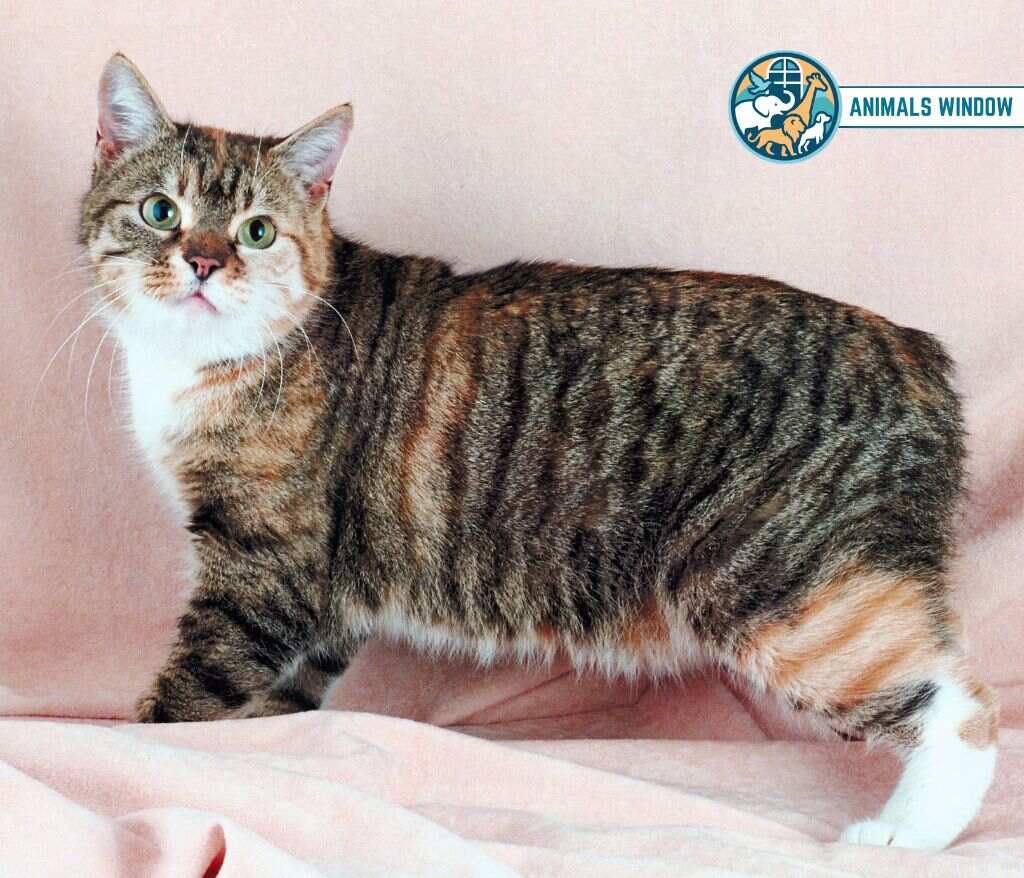
- Scientific name: Felis catus (Manx breed)
- Size: Medium-sized cat, 8–16 inches tall
- Weight: 8–12 lbs
- Diet: Carnivore — commercial cat food or prey
- Habitat: Domestic; originally Isle of Man, UK
- Lifespan: 14–15 years
The Manx cat is the most famous tailless pet in the world. It comes from the Isle of Man, a small island between England and Ireland, where a natural genetic mutation spread through the island’s isolated cat population. The mutation affects the spine and produces a range of tail lengths — some Manx cats have a full stub, some a tiny rise, and some absolutely nothing at all.
What’s strange is that this same mutation can cause spinal problems if a kitten inherits two copies of the gene. Breeders are careful about this. The tailless look comes with a real biological trade-off — and the Isle of Man cats have been living with that trade-off for centuries.
🔥 Comparison Fact: A Manx cat’s hind legs are slightly longer than its front legs, giving it a rabbit-like hop when it runs.
6. Guinea Pig
- Scientific name: Cavia porcellus
- Size: 8–10 inches long
- Weight: 1.5–2.6 lbs
- Diet: Herbivore — hay, vegetables, pellets
- Habitat: Domestic; originally Andean highlands of South America
- Lifespan: 4–8 years
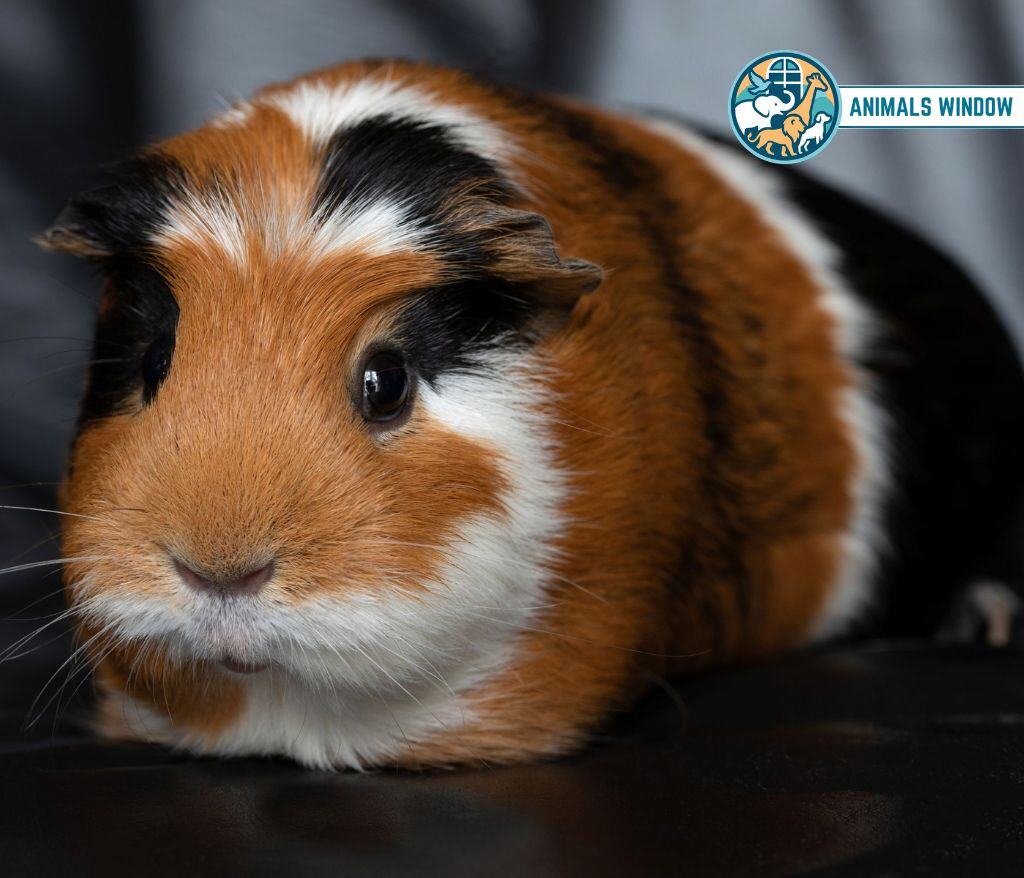
Guinea pigs are not pigs, and they’re not from Guinea. They’re South American rodents that have been domesticated for roughly 3,000 years — originally as food, now as beloved pets. They have no tail whatsoever, not even a stub. Their spine simply ends.
What makes guinea pigs stand out is their voice. They make at least 11 distinct sounds, each with a different meaning. The “wheek” is excitement. The “purr” is happiness. The “chutter” means mild annoyance. If you listen carefully enough, you start to understand what your guinea pig is telling you. That’s not a small thing for a rodent the size of a large potato.
🔥 Comparison Fact: A guinea pig is about as long as a standard TV remote — but much softer.
7. Hamster
- Scientific name: Cricetus cricetus (European) or Mesocricetus auratus (Syrian)
- Size: 2–7 inches long
- Weight: 1–6 oz
- Diet: Grains, seeds, vegetables, insects
- Habitat: Domestic; wild hamsters live in dry grasslands of Europe and Asia
- Lifespan: 2–3 years
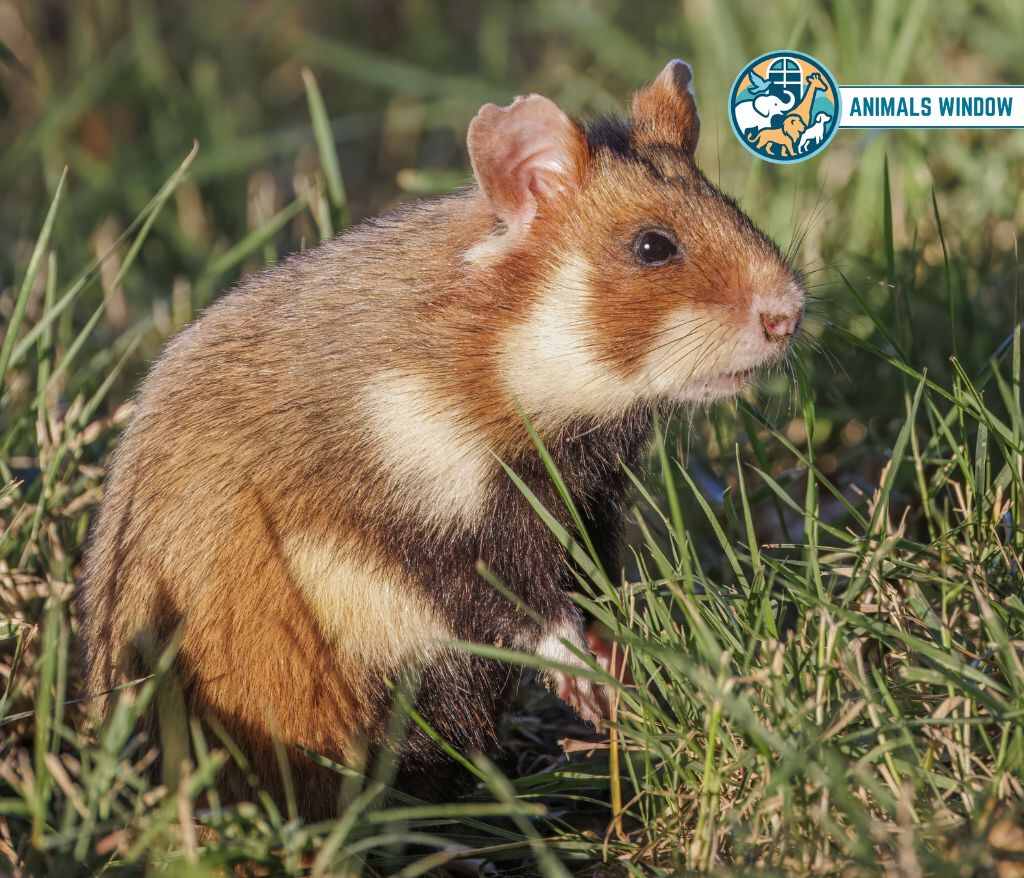
Hamsters do technically have a tail. It’s just so small — about 6 millimeters — that it’s essentially invisible under their fur. So for all practical purposes, the hamster joins the tailless club. What they lack in tail, they make up for in cheeks. A hamster can stuff its cheek pouches with up to half its body weight in food.
Wild hamsters are not the docile pets people know. They’re solitary, fiercely territorial, and will fight other hamsters to the death if placed together. The cute spinning wheel in your bedroom is a much gentler version of a life that includes 5-mile nightly runs across steppe grasslands.
🔥 Comparison Fact: A hamster’s cheek pouches can stretch all the way back past its shoulders — making its head temporarily twice its normal size.
8. Chinchilla
- Scientific name: Chinchilla lanigera
- Size: 9–15 inches long (excluding fur thickness)
- Weight: 1–1.76 lbs
- Diet: Hay, dried herbs, occasional treats
- Habitat: Domestic; originally Andes Mountains, South America
- Lifespan: 10–15 years
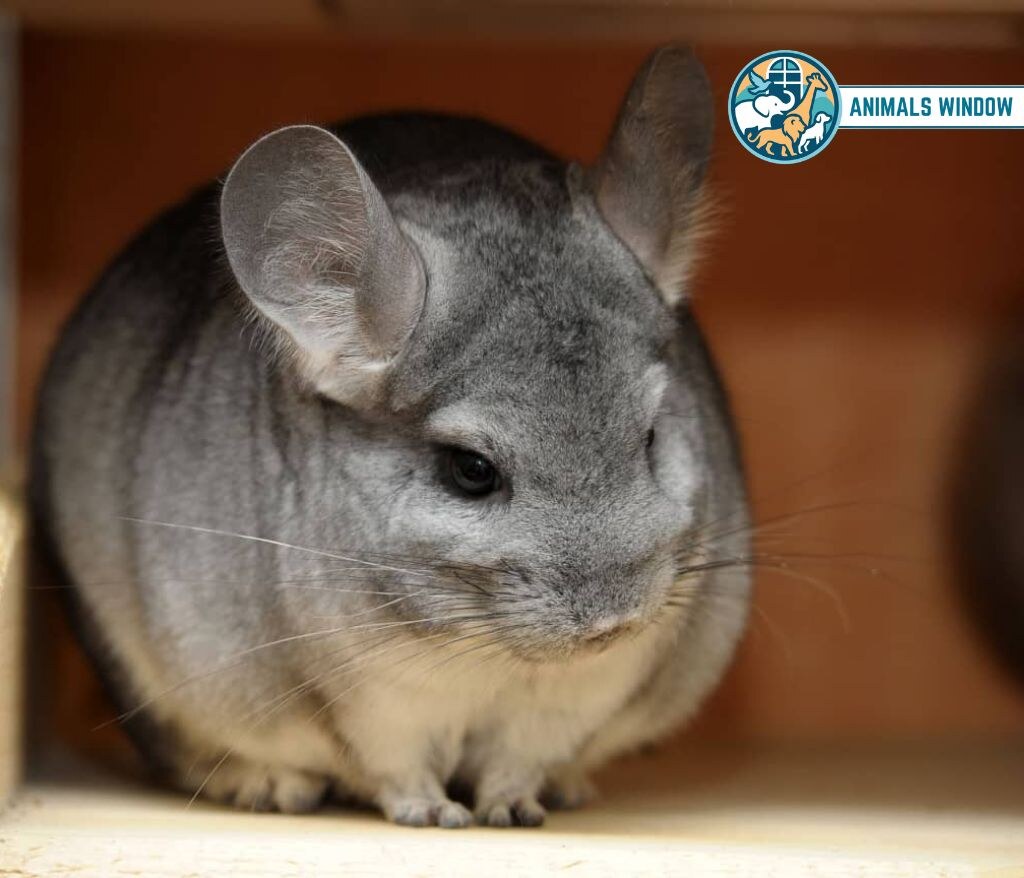
Chinchillas look like they belong on a cloud. Their fur is the densest of any land mammal — about 60 to 80 hairs grow from each single follicle, compared to just 1 to 4 on a human head. This insulation evolved to handle the freezing temperatures of the Andes at elevations above 14,000 feet. As pets, they’re warm and plush. In the wild, they’re altitude specialists.
Chinchillas have no meaningful tail in the typical sense — they have a short, bushy tail of stiff fur, which plays almost no social or functional role. What they do have is a defensive trick: they can release patches of fur when grabbed by a predator, slipping free and escaping. It’s called fur slip, and it works surprisingly well.
🔥 Comparison Fact: A chinchilla’s fur is so dense that parasites like fleas cannot live in it — they suffocate.
Wild & Wonderful Tailless Animals
9. Quokka
- Scientific name: Setonix brachyurus
- Size: 16–21 inches long
- Weight: 5.5–11 lbs
- Diet: Leaves, grasses, roots
- Habitat: Rottnest Island and southwestern Australia
- Lifespan: 10 years
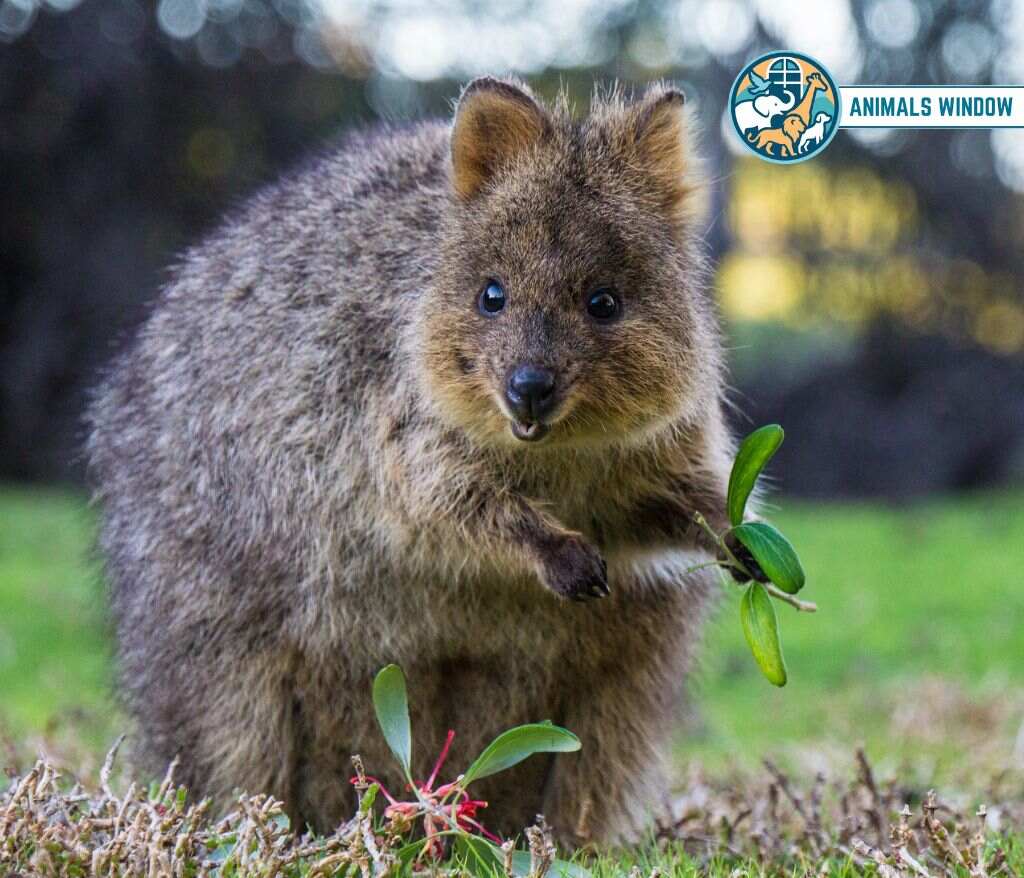
The quokka is a small marsupial about the size of a domestic cat, and the internet knows it as the “world’s happiest animal.” That’s because its facial structure — short snout, wide cheeks, slightly upturned mouth — gives it a permanent smile. The expression has nothing to do with emotion. But it doesn’t stop tourists from taking selfies with them.
What makes quokkas genuinely interesting has nothing to do with their face. Like kangaroos, they are marsupials — mothers carry their young (called joeys) in a pouch. But here’s the darker part: if a predator chases a mother quokka, she may eject the joey from her pouch to distract it. The baby makes noise. The predator goes after the baby. The mother escapes. It’s brutal, practical biology.
🔥 Comparison Fact: A quokka is roughly the same size and weight as a large house cat — but can jump surprisingly high for its build.
10. Koala
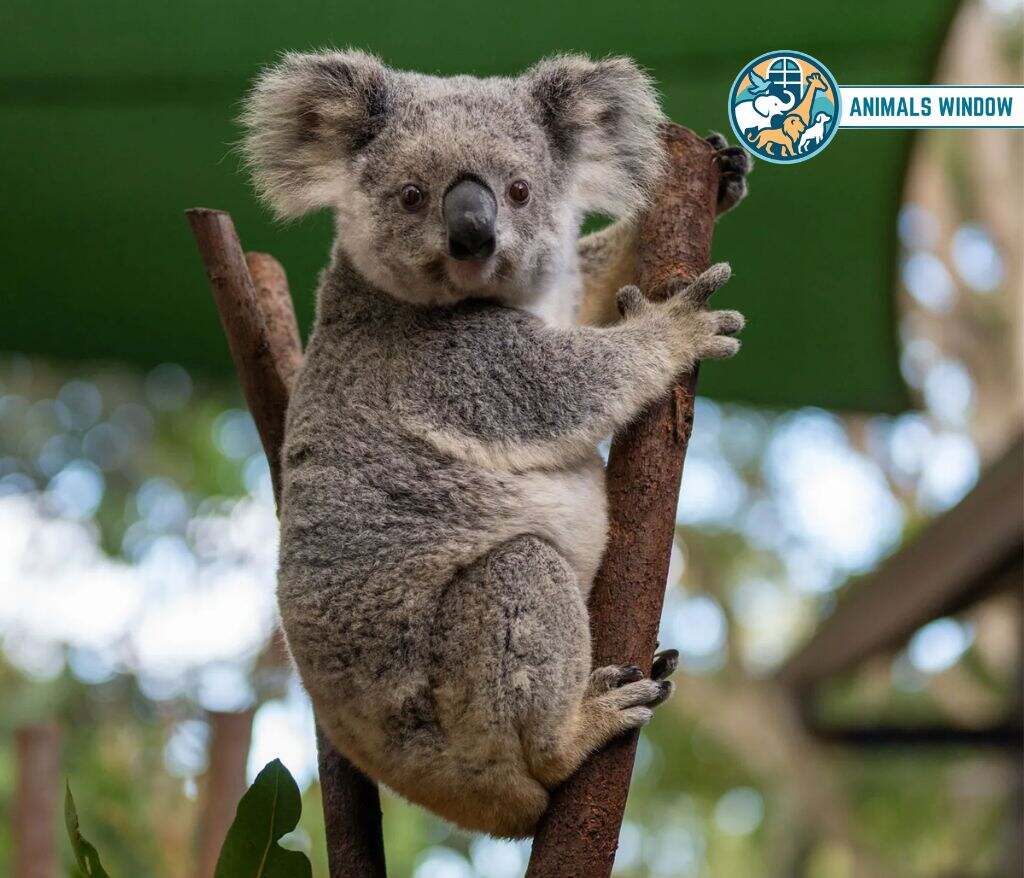
- Scientific name: Phascolarctos cinereus
- Size: 24–33 inches long
- Weight: 9–33 lbs
- Diet: Eucalyptus leaves almost exclusively
- Habitat: Eastern and southeastern Australia
- Lifespan: 13–18 years
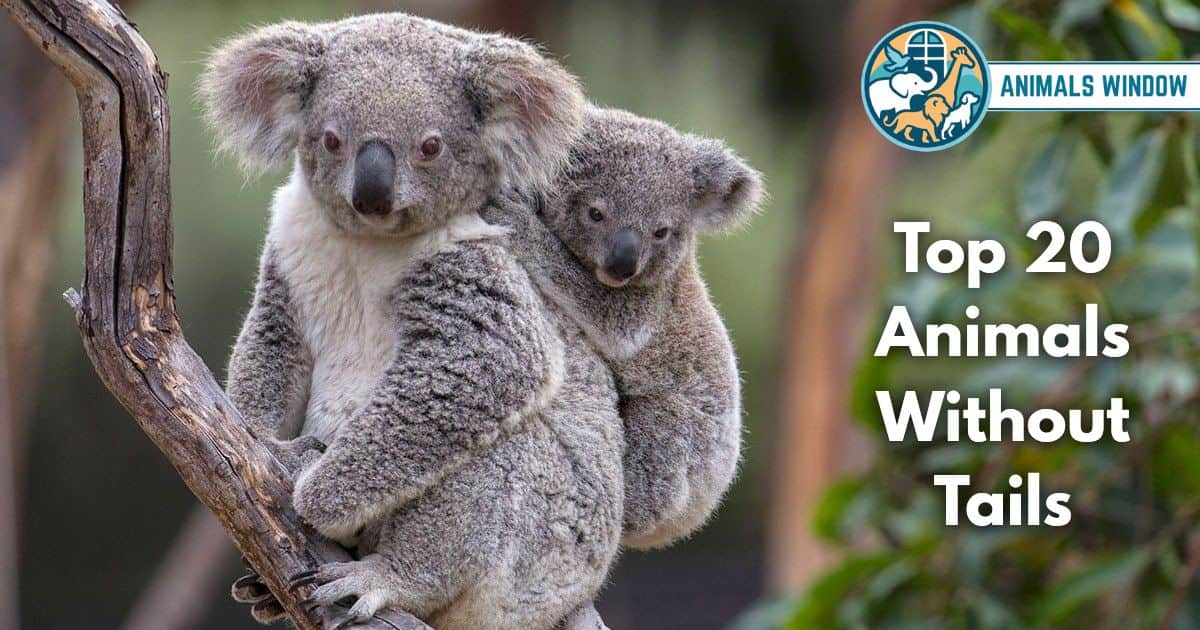
Koalas sleep up to 22 hours a day. That’s not laziness — it’s survival math. Eucalyptus leaves are toxic to most animals and provide almost no caloric value. Koalas have a highly specialized liver that detoxifies the leaves, but digesting them properly takes enormous amounts of rest and energy.
Here’s the part that surprises people most: koalas have fingerprints almost identical to human fingerprints. Under a microscope, the patterns are so similar that even forensic experts have confused the two. No other animal on Earth has fingerprints this close to ours — not even other primates. Scientists think koalas may have evolved them to grip tree bark more precisely.
🔥 Comparison Fact: A koala’s brain is so small relative to its skull that, unlike most mammals, its skull has fluid-filled spaces to take up the extra room.
11. Wombat
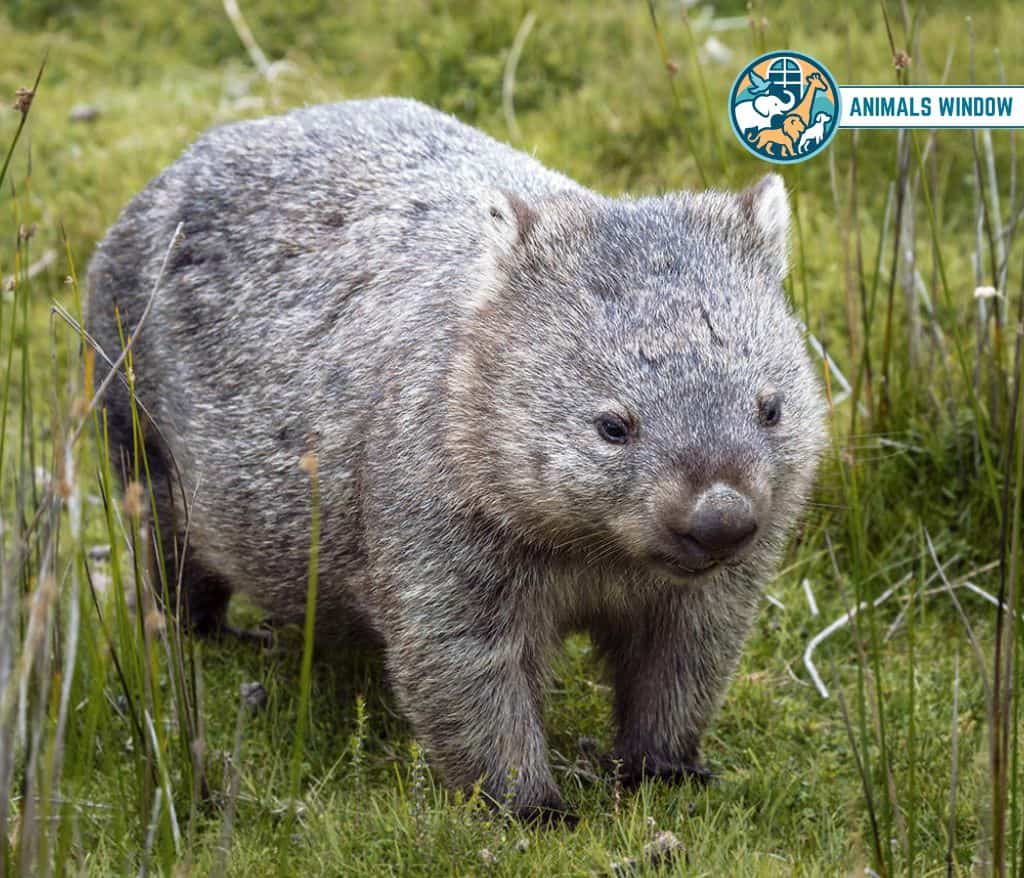
- Scientific name: Vombatus ursinus
- Size: 28–47 inches long
- Weight: 32–80 lbs
- Diet: Grasses, roots, bark
- Habitat: Southeastern Australia and Tasmania
- Lifespan: 15 years in the wild
Wombats are stocky, powerful, and mostly ignored in the animal kingdom’s social media algorithm. That’s a shame, because they do something no other animal on Earth does: they produce cube-shaped droppings. This isn’t random. Wombats use their droppings to mark territory, and cube shapes don’t roll away. They stay exactly where placed. The squared shape is created by uneven elasticity in the last section of the wombat’s intestine — a biological engineering trick scientists only recently figured out.
The wombat also has one of the toughest back ends in the animal kingdom. Its rear is made of dense cartilage and bone, and when threatened in its burrow, it will use its backside to block the entrance — crushing any predator that tries to dig in.
🔥 Comparison Fact: A wombat’s burrow can be up to 100 feet long — roughly the length of a blue whale times one and a half.
12. Sloth
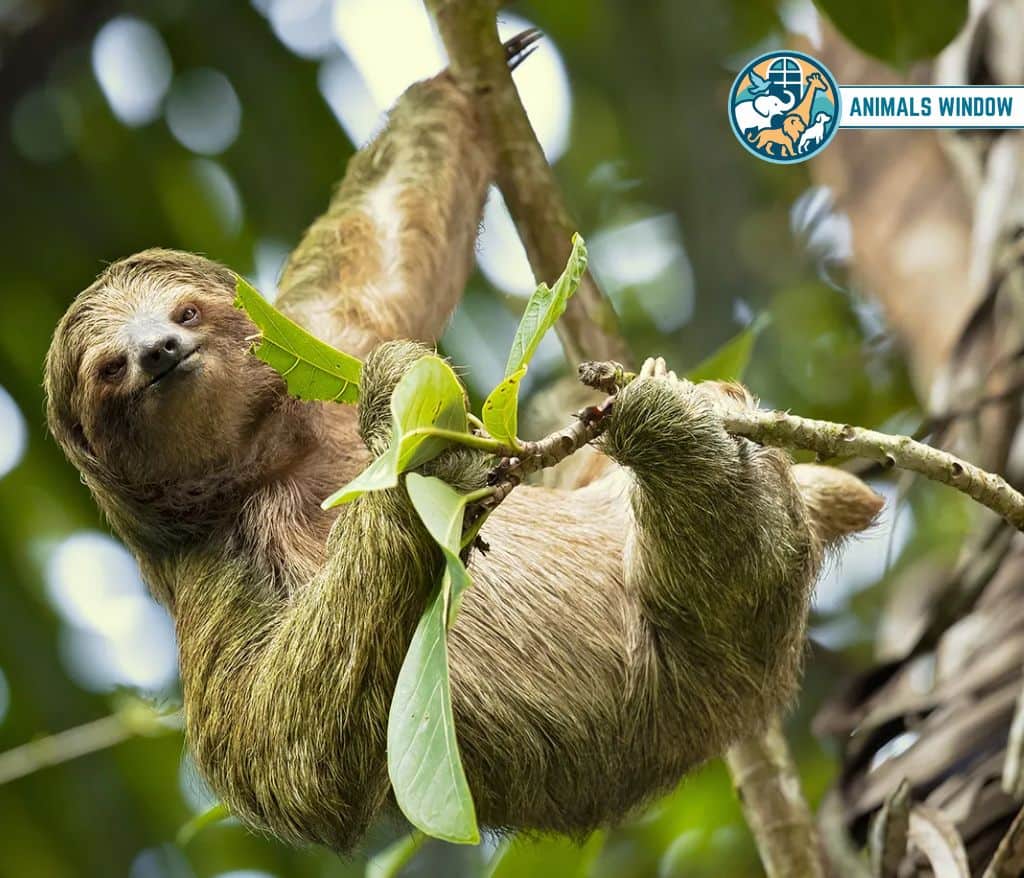
- Scientific name: Bradypus variegatus (Three-toed sloth)
- Size: 17–31 inches long
- Weight: 7–17 lbs
- Diet: Leaves, twigs, fruit
- Habitat: Central and South American rainforests
- Lifespan: 20–30 years in the wild
Sloths move so slowly — as little as 6 feet per minute — that green algae grows on their fur. And here’s the twist: they let it happen on purpose. The algae gives their coat a greenish tint that helps them blend into the forest canopy. Some studies suggest sloths may even absorb nutrients from the algae through their skin. If true, that makes them the only mammal that partly feeds on something growing on their own body.
Sloths also have no tail to speak of — just a stub of 2–3 inches hidden beneath their fur. It plays no role in climbing or balance. Their grip comes entirely from their curved, hook-like claws, which are so strong that dead sloths have been found still hanging from branches.
🔥 Comparison Fact: A sloth’s metabolic rate is so low it can take up to 30 days to fully digest a single meal.
13. Capybara
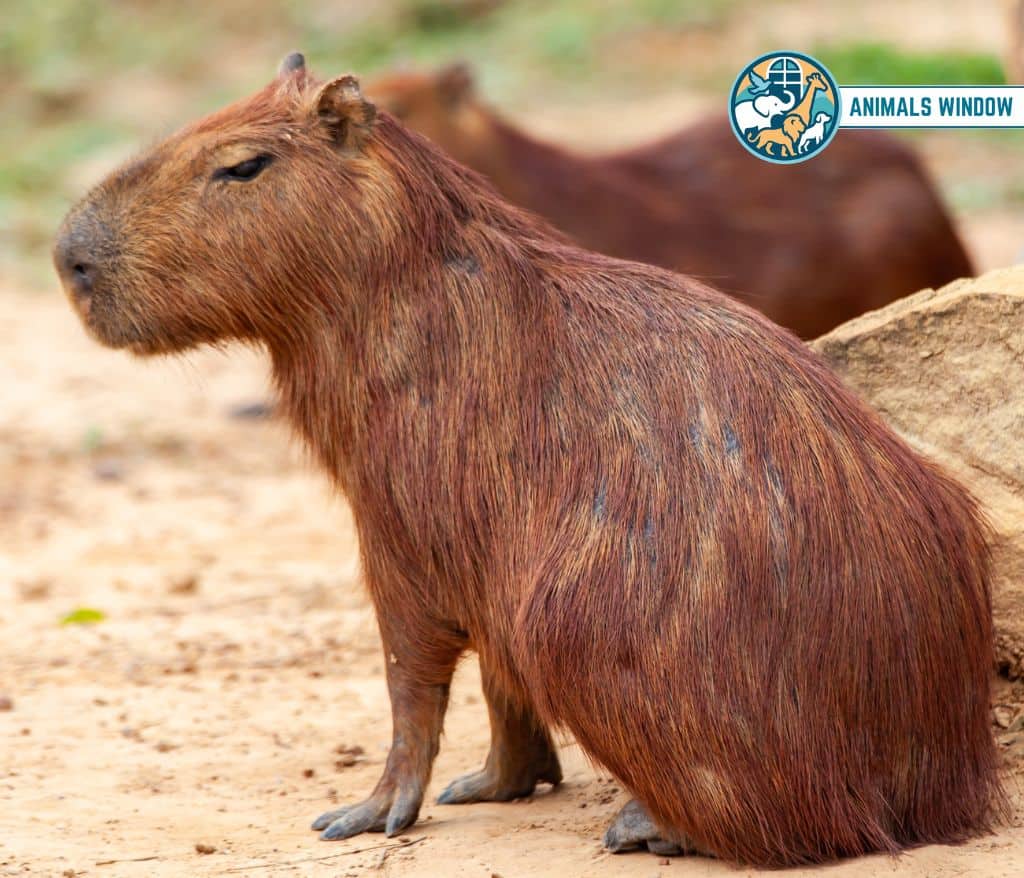
- Scientific name: Hydrochoerus hydrochaeris
- Size: 3.5–4.4 feet long
- Weight: 77–146 lbs
- Diet: Grasses, aquatic plants
- Habitat: South American riverbanks and wetlands
- Lifespan: 8–10 years in the wild
The capybara is the world’s largest rodent — a 100-plus-pound animal that looks like someone left a guinea pig in the dryer on high for too long. It has no tail, semi-webbed feet, and an extraordinarily calm personality. Capybaras are so non-aggressive that almost every animal species seems comfortable hanging around them: birds sit on their backs, monkeys rest on their heads, and smaller animals sleep pressed against them.
Their calm isn’t naivety — it’s chemistry. Capybaras communicate through a system of scent glands, clicks, whistles, and barks. They know exactly what’s happening around them. They just don’t panic. That social ease makes them one of the most universally tolerated large animals in the wild.
🔥 Comparison Fact: A capybara weighs about as much as an average male German Shepherd — but eats nothing but plants.
14. Hedgehog
- Scientific name: Erinaceus europaeus
- Size: 5–12 inches long
- Weight: 14–39 oz
- Diet: Insects, worms, snails, small frogs
- Habitat: Europe, Asia, Africa; some in captivity
- Lifespan: 3–7 years
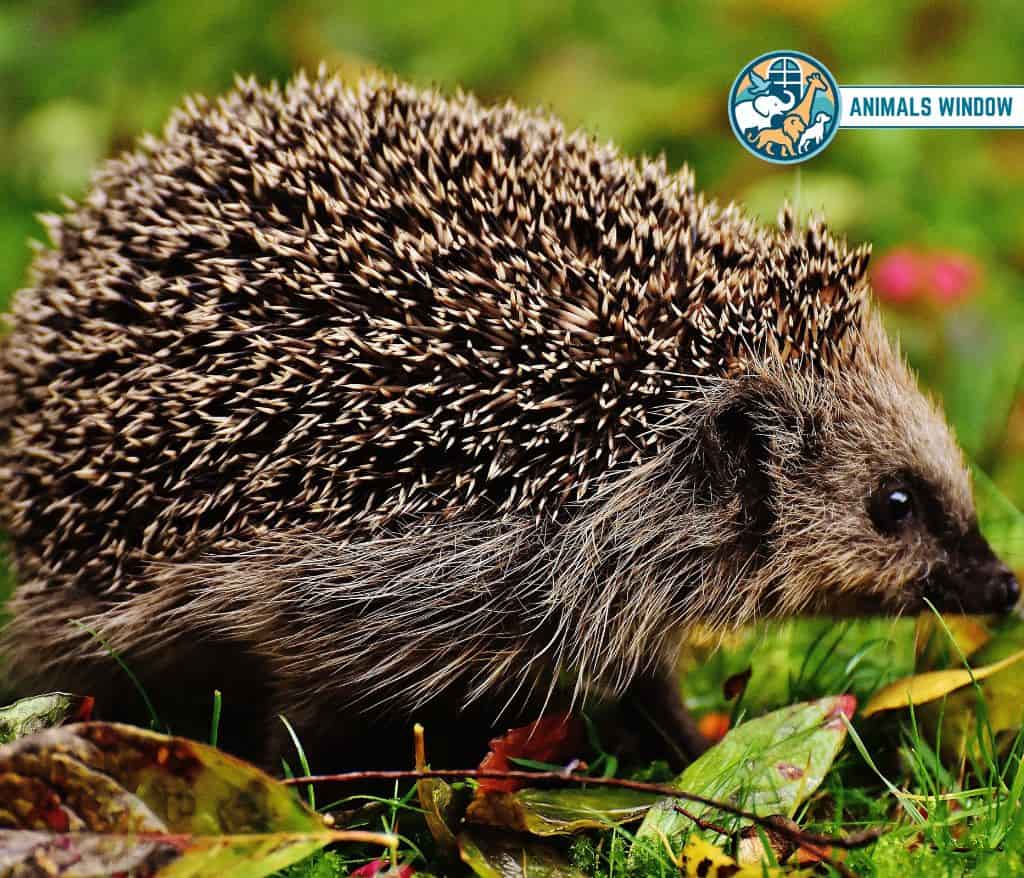
Hedgehogs have a small, thin tail about 0.5 to 2 inches long, hidden completely under their spines. So even though the tail exists, it has zero visible function. The real story is those spines — about 5,000 to 7,000 of them on a single animal, each one a hollow, hardened hair made of keratin. When threatened, the hedgehog doesn’t run. It rolls into a perfect sphere, tucking its soft face and belly inside a shell of spikes.
What’s unusual is their immunity. Hedgehogs have a surprising resistance to many snake venoms and plant toxins. They’ll deliberately rub toxic substances — including toad secretions and cigarette butts — onto their spines in a behavior called self-anointing. No one is entirely sure why. One theory is it makes the spines smell bad to predators. Another is it’s a form of self-medication.
🔥 Comparison Fact: A hedgehog rolled into a ball is about the size of a tennis ball — but considerably harder to pick up.
More Post: 10 Animals That Look Like Beavers (With Pictures & Unique Facts)
From Ponds to Oceans Animals With No Tails
15. Frog
- Scientific name: Rana temporaria (Common frog)
- Size: 2.5–4.5 inches long
- Weight: 0.7–2.5 oz
- Diet: Insects, worms, slugs
- Habitat: Ponds, wetlands, garden soil across Europe and Asia
- Lifespan: 5–10 years
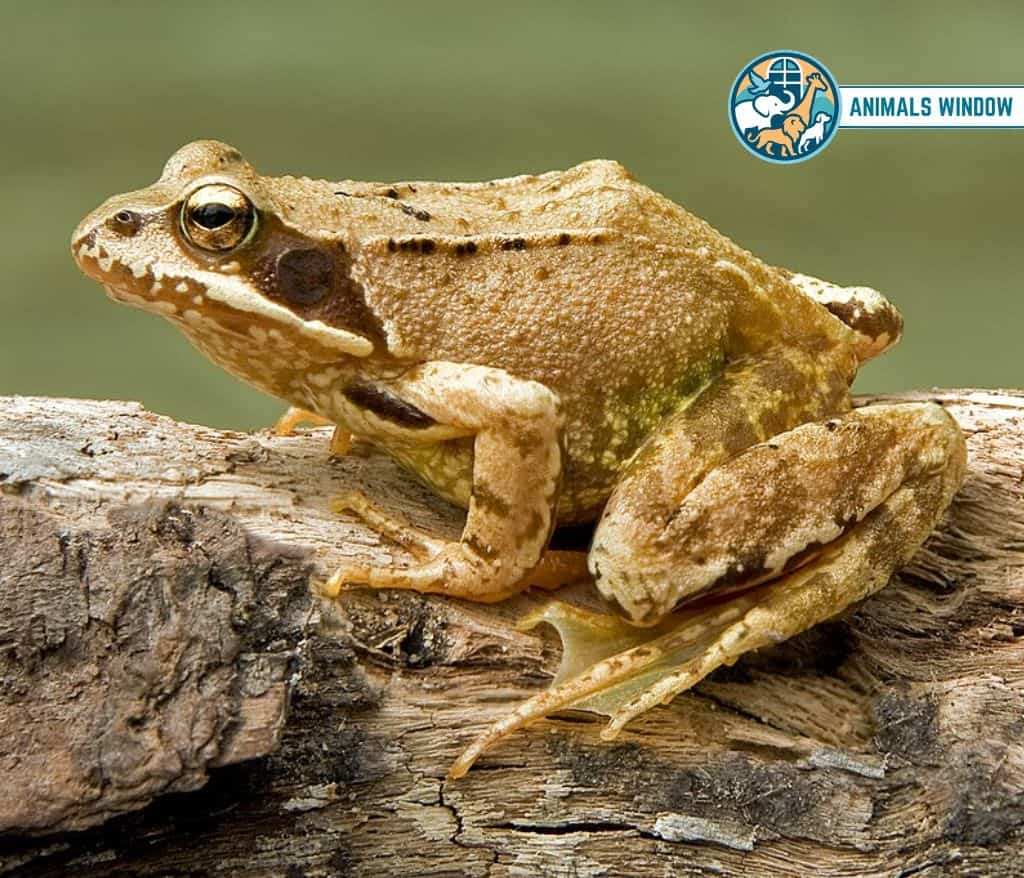
Adult frogs have no tail. But they start life with one. As tadpoles, they’re fully aquatic, using their tail to swim. Over about 12 weeks, the tail is reabsorbed into the body — the frog literally eats its own tail from the inside, using it as nutrition during metamorphosis. By the time the frog leaves the water, the tail is completely gone.
This process is called apoptosis — programmed cell death — and it’s one of the cleanest examples of the body repurposing its own material. No waste. No remnant. The tail fuels the transformation.
🔥 Comparison Fact: A frog’s tongue is so fast it can snap up an insect in 0.07 seconds — about 5 times faster than a human blink.
16. Kiwi Bird
- Scientific name: Apteryx australis
- Size: 14–18 inches tall
- Weight: 4–8 lbs
- Diet: Worms, insects, seeds, fruit
- Habitat: New Zealand forests
- Lifespan: 25–50 years
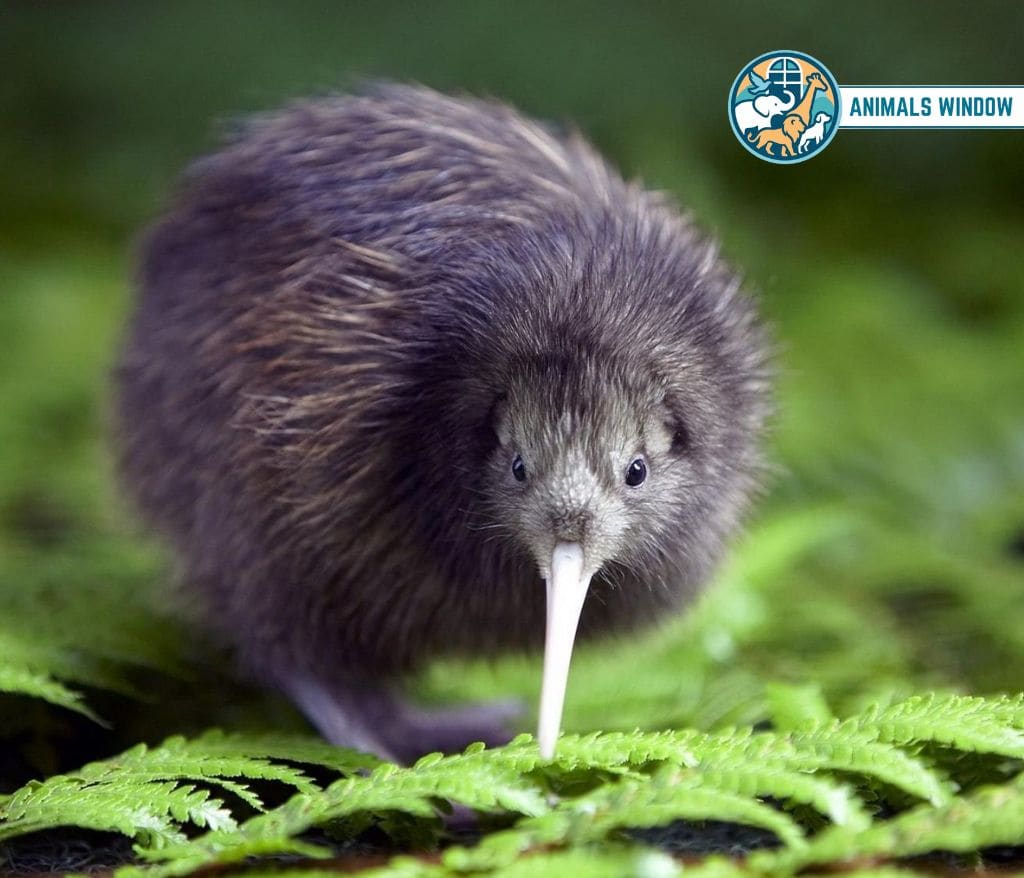
The kiwi bird is one of the strangest birds alive. It has no tail. It has no visible wings (they exist but are tiny, hidden under feathers, and completely useless for flight). Its nostrils are at the very tip of its long beak — making it the only bird that locates food by smell rather than sight. It’s essentially a bird that forgot it was a bird.
The kiwi also holds a record few animals can claim: it lays an egg that’s 15 to 20 percent of its total body weight. For a human woman of average size, the equivalent would be giving birth to a 20-pound baby. The egg is so large the kiwi can barely walk in the days before laying it.
🔥 Comparison Fact: A kiwi egg, relative to body size, is the largest egg of any bird on Earth.
17. Manatee
- Scientific name: Trichechus manatus
- Size: 8–13 feet long
- Weight: 440–1,300 lbs
- Diet: Seagrass, aquatic plants
- Habitat: Coastal waters, rivers, and estuaries of the Caribbean and Gulf of Mexico
- Lifespan: 40–60 years
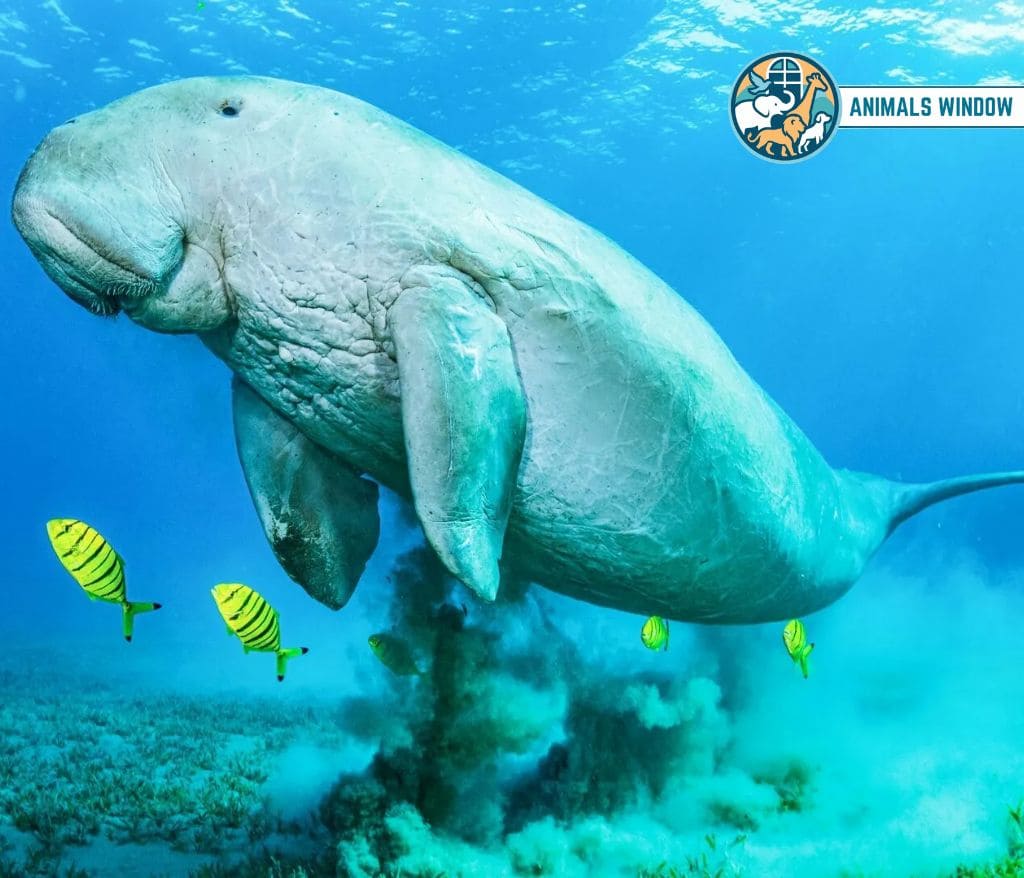
Manatees are large, slow-moving marine mammals with a flat, paddle-shaped tail — but unlike dolphins or fish, that paddle is not a traditional tail. It’s a flattened, rounded fluke used for gentle, unhurried propulsion through warm coastal waters. They have no rear limbs at all, just this single wide paddle and two small front flippers.
Manatees are also the closest living relative of the elephant. Not dolphins. Not seals. Elephants. They share a common ancestor from around 50 million years ago. If you look at a manatee’s flipper up close, you can see small nail-like structures at the end of each finger — nearly identical to an elephant’s toenails.
🔥 Comparison Fact: A manatee’s stomach is about as long as a standard bathtub and needs to be nearly full of vegetation at all times to keep the animal buoyant.
18. Octopus
- Scientific name: Octopus vulgaris
- Size: Arms span 1–3 feet (common octopus)
- Weight: 6–22 lbs
- Diet: Crabs, clams, shrimp, small fish
- Habitat: Coastal marine waters worldwide
- Lifespan: 1–2 years
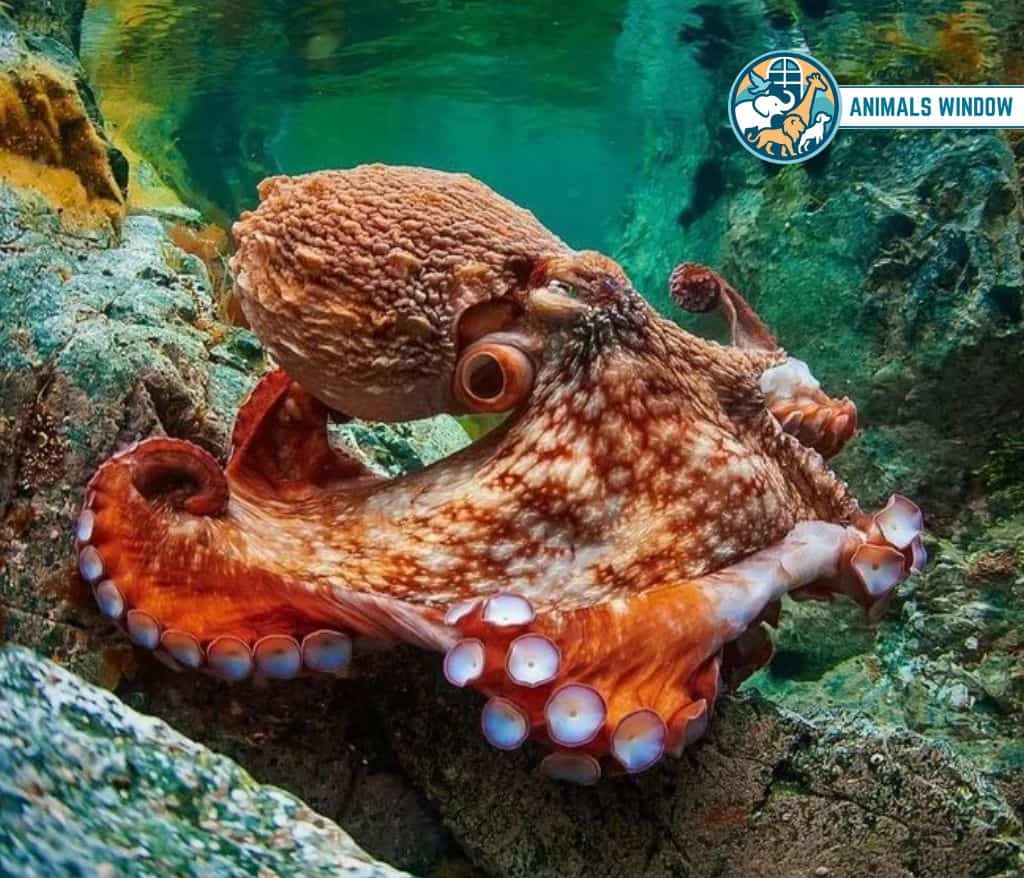
Octopuses have no tail, no skeleton, and no fixed shape. Their entire body — except a small, hard beak — is soft tissue that can squeeze through any opening large enough for that beak to pass. They have three hearts and blue blood. They taste with their arms. And each of their eight arms has its own cluster of neurons, giving it a degree of independent decision-making separate from the central brain.
The octopus is also a master of escape. They’ve been documented opening child-proof medicine bottles, navigating mazes faster than rats, and in one famous case, sneaking out of an aquarium tank each night to eat fish in the neighboring tank and return before morning.
🔥 Comparison Fact: If you removed all of a common octopus’s arms and laid them end to end, the total length would be roughly the height of a professional basketball player.
19. Squid
- Scientific name: Loligo vulgaris
- Size: Up to 24 inches long (body only)
- Weight: Up to 3.3 lbs
- Diet: Fish, shrimp, crustaceans
- Habitat: Open ocean worldwide
- Lifespan: 1–3 years
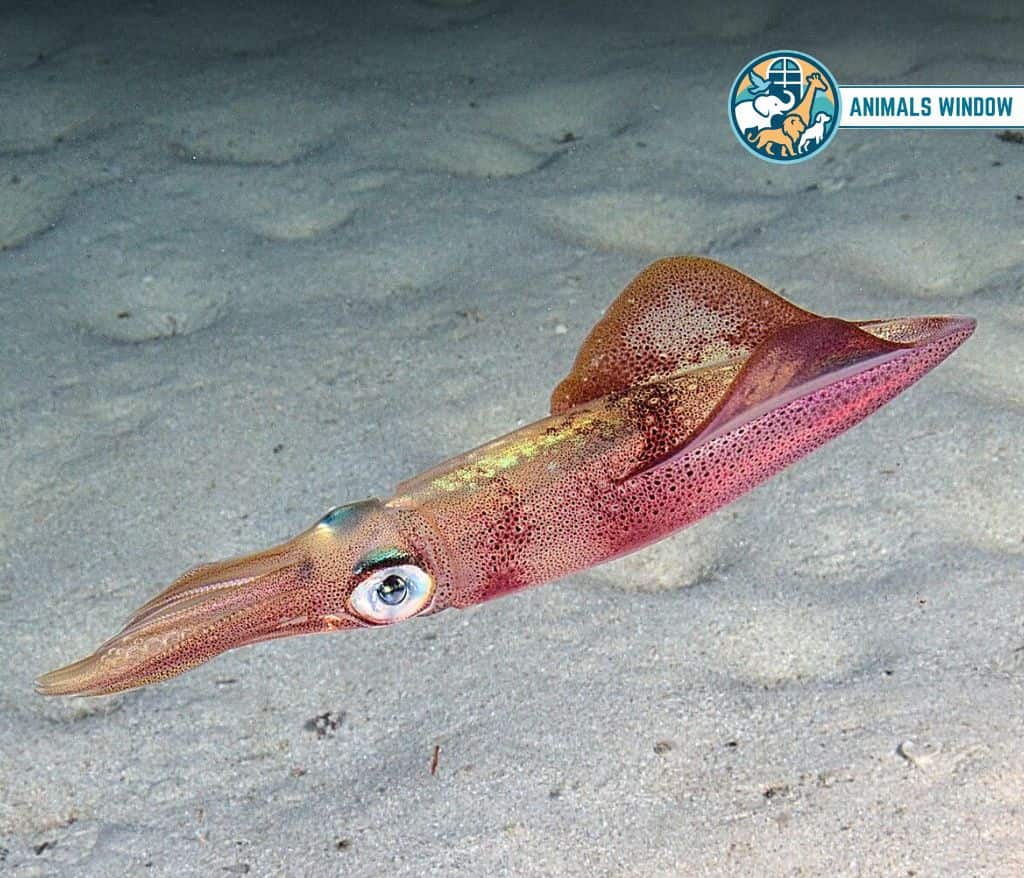
Squids have no tail in the traditional sense. At the back of their torpedo-shaped body, they have two small fins used for steering — not propulsion. The real engine is a siphon, a muscular tube that shoots water out at high speed. This jet propulsion can launch a squid backward at up to 25 miles per hour. It’s the fastest movement method used by any soft-bodied animal.
Squids also communicate with color and light. They have chromatophores — tiny pigment cells in the skin — that they can contract or expand to flash patterns across their body in milliseconds. They use this for camouflage, mating signals, and possibly for sending messages between individuals. Some researchers think squid “talk” to each other in ways we haven’t decoded yet.
🔥 Comparison Fact: The body of a common squid is about the length of a standard ruler — but the giant squid species can reach up to 43 feet, longer than a school bus.
20. Starfish (Sea Star)
- Scientific name: Asterias rubens
- Size: 4–12 inches across (arm to arm)
- Weight: 0.2–2 lbs
- Diet: Mussels, clams, oysters, snails
- Habitat: Coastlines and seafloors worldwide
- Lifespan: 10–34 years
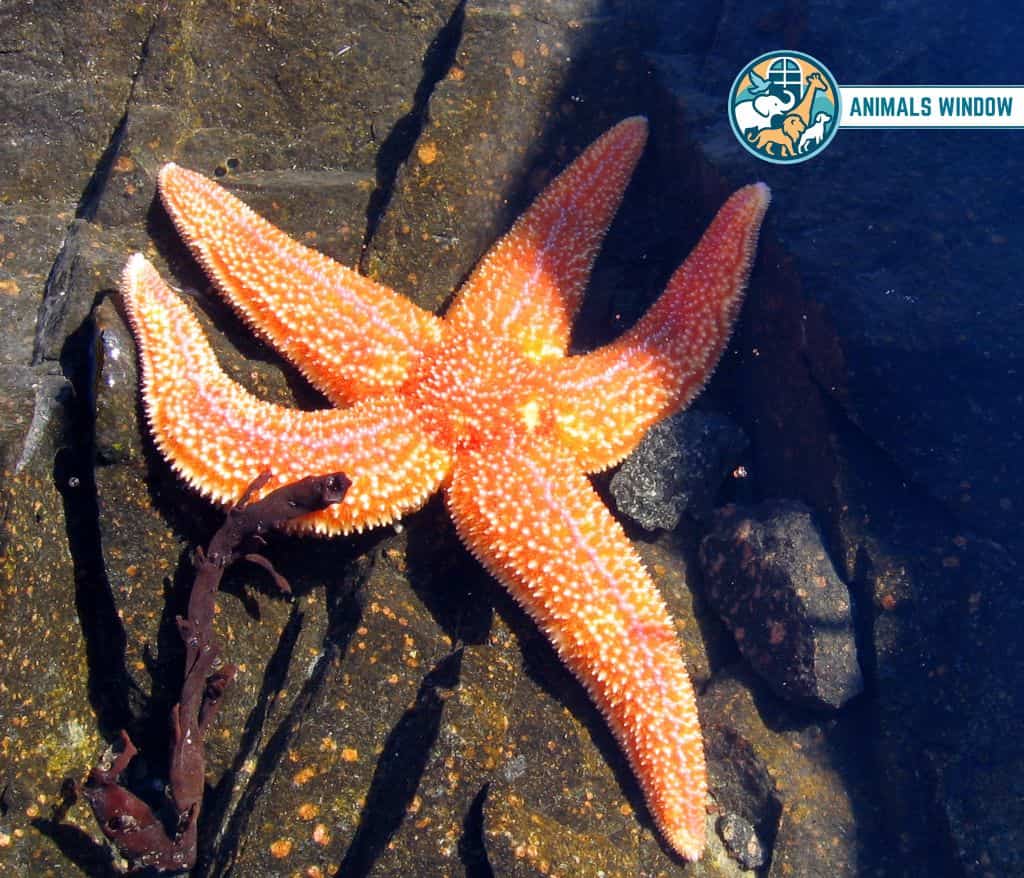
A starfish has no tail, no head, no front or back. It’s radially symmetrical — built like a five-spoked wheel. Each of its five arms contains part of its digestive system. When a starfish eats a mussel, it pries the shell open with its tube feet, then pushes its stomach out of its own body and into the shell to digest the animal inside. Then it pulls the stomach back in. It eats without ever opening its mouth.
And if it loses an arm to a predator? It grows it back. The process takes months, but the regenerated arm is fully functional. Even more extreme: if a severed arm retains a portion of the central disc, it can sometimes regenerate an entirely new starfish body from that single arm.
🔥 Comparison Fact: A starfish has no blood. It pumps seawater through its body instead, in a system called the water vascular system.
Trait Comparison: Vestigial Tail vs. No Tail at All
These are two very different biological situations that often get confused.
A vestigial tail is a structure that existed in ancestors and still shows up in a reduced, non-functional form. Humans have the coccyx. Manx cats carry the genetic memory of a tail in their spine structure. The “tail” is gone, but the blueprint is still there, buried in the DNA.
A complete absence of tail means the animal never evolved one in the first place, or the structure was fully lost over millions of years with no remnant. Octopuses, starfish, and frogs (as adults) have no tail structure at all — no bone, no cartilage, nothing in the spine that hints at one.
The difference matters because vestigial structures tell us where an animal came from. Complete absence tells us how far evolution can go when a feature offers zero survival advantage.
Related Animals Guides
Common Queries About Animals Without Tails
Are humans the only tailless primates?
No. All great apes — gorillas, orangutans, chimpanzees, bonobos, and gibbons — are also tailless. The Barbary Macaque is the only tailless monkey. Most other primates have tails.
Why do some cats not have tails?
The Manx cat’s lack of tail is caused by a genetic mutation in the T-box gene, which controls spinal development. The mutation originated on the Isle of Man and spread because the island’s cat population was geographically isolated.
Do frogs always lose their tails?
Yes. Every frog species goes through metamorphosis. The tadpole tail is fully reabsorbed by the body and never returns. If you see an adult frog with any tail-like structure, something went wrong in development.
Is the capybara related to guinea pigs?
Yes. Both belong to the order Rodentia, and the capybara is classified in the same family (Caviidae) as guinea pigs. They’re essentially the same animal at wildly different scales — the capybara is roughly 40 to 50 times heavier.
Can a starfish really regrow lost arms?
Yes, fully. Starfish can regenerate a lost arm within several months. In some species, a single arm with a fragment of the central disc can grow into an entirely new animal. This process is called autotomy — the deliberate shedding of a limb — and is used as a survival strategy when grabbed by a predator.

I have loved animals since I was a kid. I enjoy reading about how animals live, eat, move, and survive. I started Animals Window to share what I learn in a simple and easy way. I write about animal body parts, size, behavior, diet, habitats, and species. My goal is to make animal facts clear and fun for everyone to understand.