Quiet animals are creatures that produce little to no sound as part of their normal behavior. Most rely on body language, chemical signals, or camouflage instead of vocal communication. From deep-sea jellyfish to slow-moving sloths, these animals have evolved to survive — and even thrive — with little to no sound. There are dozens of them across every major animal group on Earth.
Table of Contents
Quick Table of Quiet Animals
| Animal Name | Scientific Name | Key Trait |
| Octopus | Octopus vulgaris | Changes skin texture instantly |
| Jellyfish | Aurelia aurita | No brain, heart, or ears |
| Goldfish | Carassius auratus | Communicates through water vibrations |
| Manatee | Trichechus manatus | Slowest metabolic rate of any marine mammal |
| Starfish | Asterias rubens | Has no blood — uses seawater instead |
| Shark | Carcharodon carcharias | Detects one drop of blood in 25 gallons of water |
| Crab | Cancer pagurus | Walks sideways due to rigid exoskeleton |
| Eel | Anguilla anguilla | Can breathe through skin when damp |
| Sea cucumber | Holothuria scabra | Expels organs as defense, then regrows them |
| Coral | Acropora palmata | Animal, not a plant |
| Clam | Mercenaria mercenaria | Can live over 500 years |
| Sloth | Bradypus tridactylus | Moves so slowly algae grows on its fur |
| Rabbit | Oryctolagus cuniculus | Has nearly 360° field of vision |
| Giraffe | Giraffa camelopardalis | Has the same number of neck vertebrae as humans |
| Snake | Pantherophis guttatus | Smells the air with its tongue |
| Turtle | Chelonia mydas | Can hold its breath for up to 7 hours |
| Chameleon | Chamaeleo chamaeleon | Eyes move independently of each other |
| Tortoise | Geochelone elegans | Can survive a year without food or water |
| Newt | Triturus cristatus | Can regrow limbs, eyes, and heart tissue |
| Butterfly | Papilio machaon | Tastes with its feet |
| Praying mantis | Mantis religiosa | Only insect that can turn its head 180° |
| Dragonfly | Libellula depressa | Catches 95% of its prey mid-air |
| Ladybug | Coccinella septempunctata | Spots signal toxicity level to predators |
| Stick insect | Carausius morosus | Can reproduce without a male |
| Moth | Actias luna | Navigates using the moon as a compass |
| Spider | Argiope aurantia | Liquefies prey before eating it |
| Scorpion | Androctonus australis | Glows blue-green under ultraviolet light |
| Millipede | Narceus americanus | Has up to 750 legs but only 2 per body segment |
| Snail | Helix pomatia | Has thousands of microscopic teeth |
| Earthworm | Lumbricus terrestris | Can eat its own weight in soil every day |
| Slug | Arion rufus | Leaves a slime trail it can follow home |
| Clam (ocean quahog) | Arctica islandica | Oldest living animal ever recorded — 507 years |
Why Should You Care About Quiet Animals?
Most people think of loud animals — roaring lions, howling wolves, chirping birds. But here’s what most people miss: the quietest creatures on Earth are often the strangest ones. Some have no brains at all. One species tastes the ground with its legs. Another dissolves its own insides when threatened and just… grows them back.
This list covers 32 of the most fascinating quiet animals on the planet. You’ll find creatures that glow under UV light, animals that have been alive for over 500 years, and one insect that spins a web made of liquid silk to dissolve its dinner. Every single one relies on methods other than loud calls to communicate.
Ready? Let’s get into it.
More Posts: 10 Animals That Look Like Beavers (With Pictures & Unique Facts)
Most 32 Quiet Animals in the World
1. Octopus
- Scientific name: Octopus vulgaris
- Size: 12–36 inches (arm span)
- Weight: 6.6–22 lbs
- Diet: Crabs, shrimp, fish
- Habitat: Coastal ocean floors worldwide
- Lifespan: 1–2 years
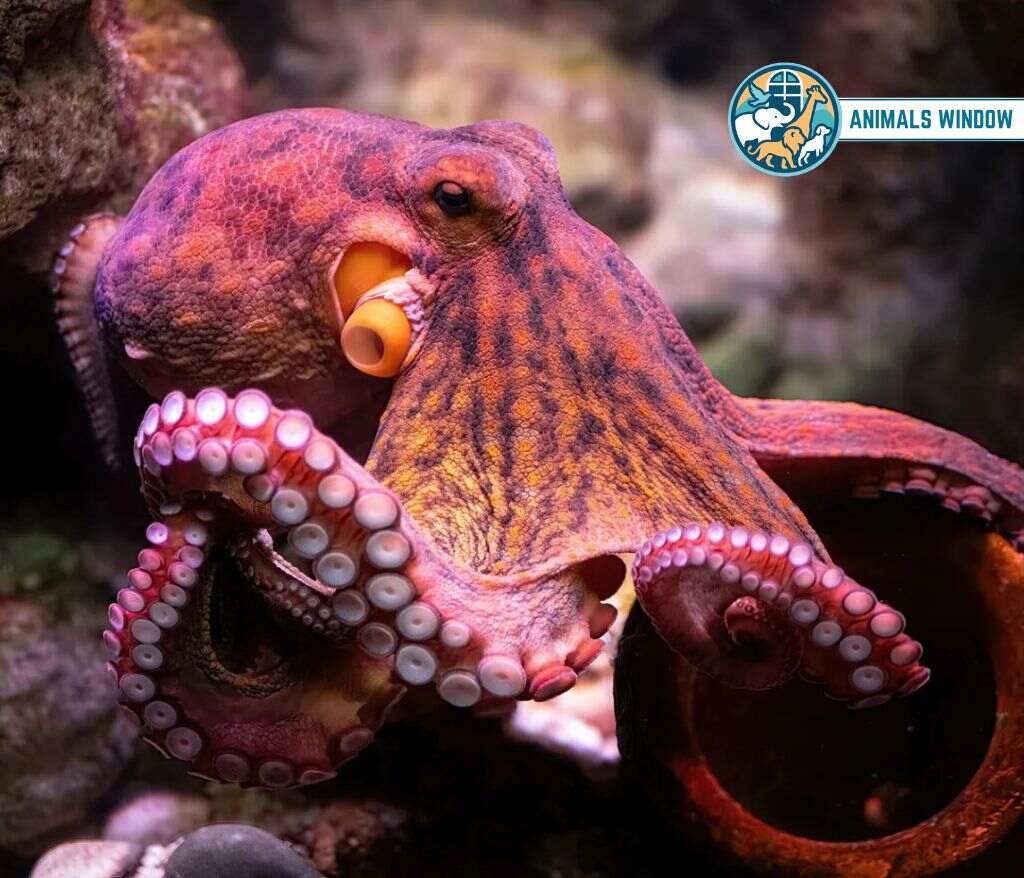
The octopus is one of the most intelligent invertebrates alive. It lives on the ocean floor, hunts by ambush, and uses three hearts to pump blue blood through its body. What makes it remarkable is its skin. The octopus can change color, pattern, and texture in under a second — matching rocks, sand, or coral with stunning accuracy.
What stands out is that octopuses are problem-solvers. In lab settings, they’ve opened child-proof containers, escaped aquariums, and even used coconut shells as portable shelters. They have no vocal cords, no sound-producing organs, and live almost entirely in silence.
Comparison Fact: A fully grown octopus arm is about as long as a school ruler — but flexible enough to reach through a keyhole-sized opening.
2. Jellyfish
- Scientific name: Aurelia aurita
- Size: 10–16 inches across
- Weight: 95% water — less than a pound
- Diet: Plankton, fish larvae, small crustaceans
- Habitat: All oceans, from surface to deep sea
- Lifespan: A few months (some species are technically immortal)
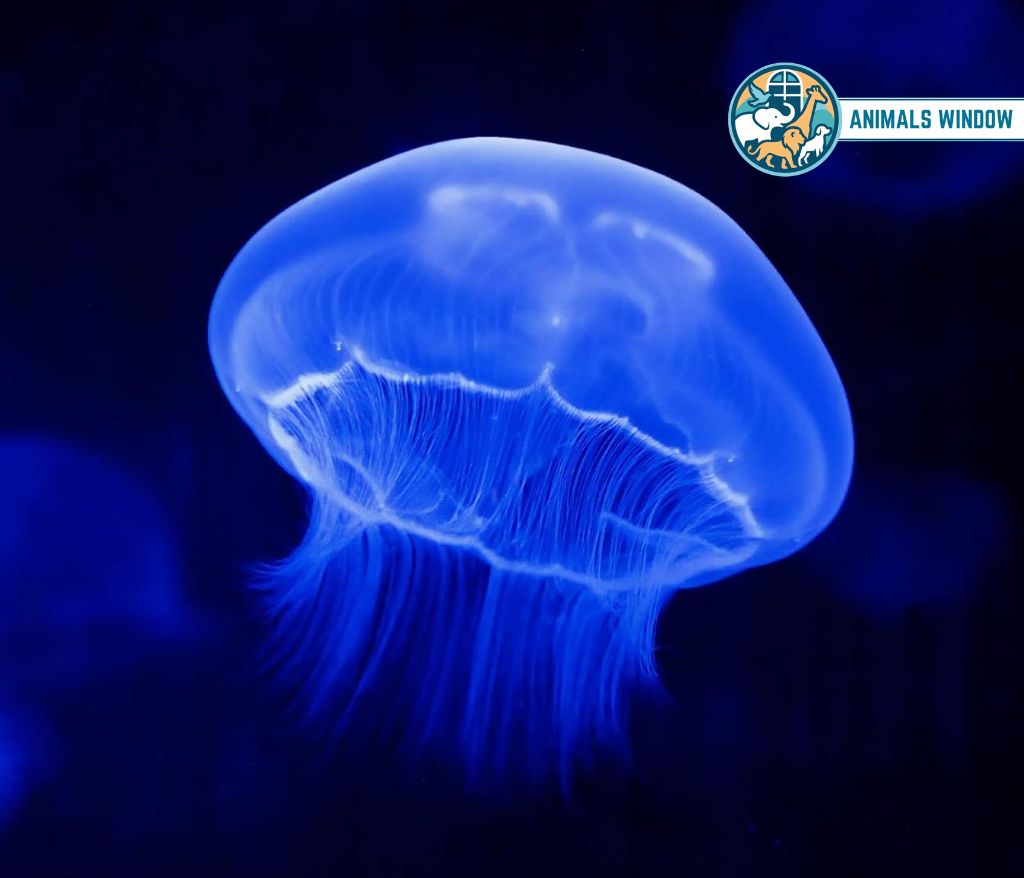
Jellyfish are ancient — they’ve been on Earth for over 500 million years, predating dinosaurs by a wide margin. They have no brain, no heart, no lungs, and no ears. They move by pulsing their bell-shaped bodies and drift with ocean currents.
Here’s the surprising part: one species, Turritopsis dohrnii, can reverse its aging process and return to its juvenile state after reaching adulthood. Scientists call it biologically immortal. It produces no sound whatsoever and detects its environment through a ring of simple sensory cells called rhopalia.
Comparison Fact: A moon jellyfish’s body is about the same diameter as a dinner plate — and weighs less than a slice of bread.
3. Goldfish
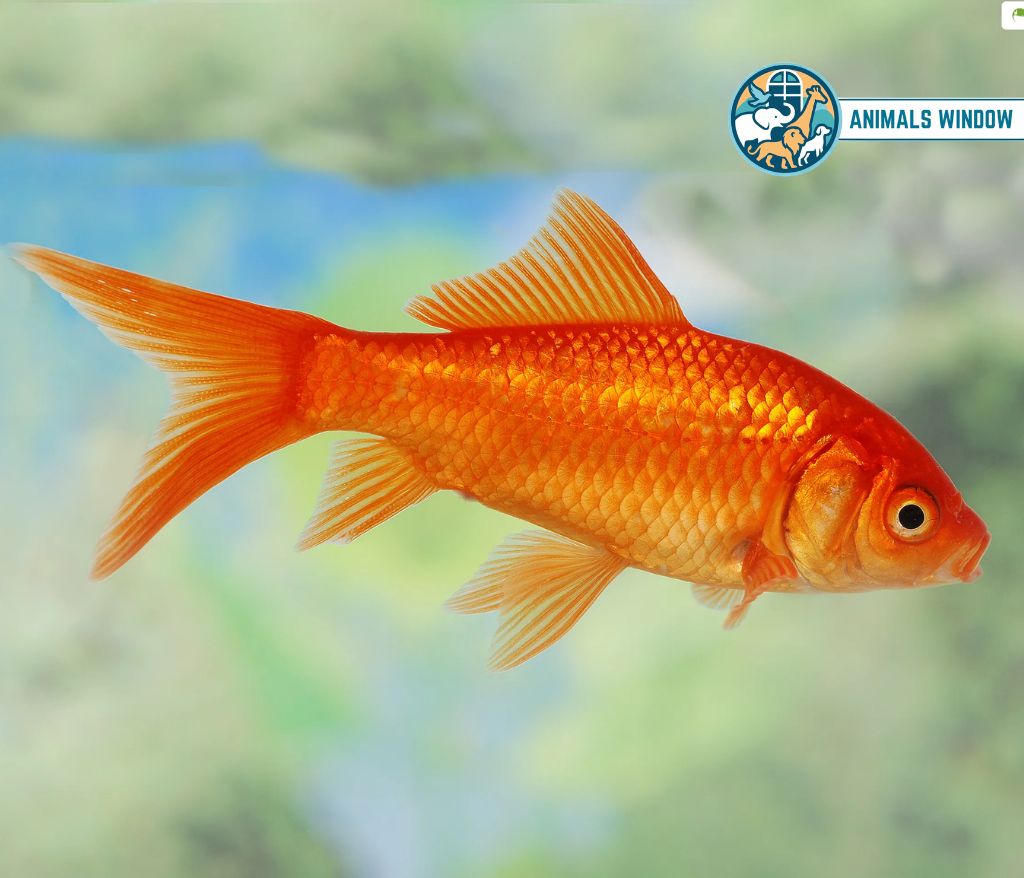
- Scientific name: Carassius auratus
- Size: 2–14 inches
- Weight: Up to 5 lbs (in the wild)
- Diet: Plants, insects, small crustaceans
- Habitat: Freshwater ponds, rivers, lakes
- Lifespan: 10–15 years (up to 25 in rare cases)
Goldfish are far more complex than most people realize. They can recognize their owners, respond to visual patterns, and navigate mazes. They don’t vocalize, but they’re not completely silent either — they pick up vibrations through a fluid-filled channel called the lateral line, which runs the length of their body.
Their memory is also dramatically misunderstood. Studies have shown goldfish can retain learned behaviors for months, not the mythical three seconds most people have heard about.
Comparison Fact: A large wild goldfish can grow to the size of a standard TV remote — though most pet goldfish stay around the length of a finger.
4. Manatee
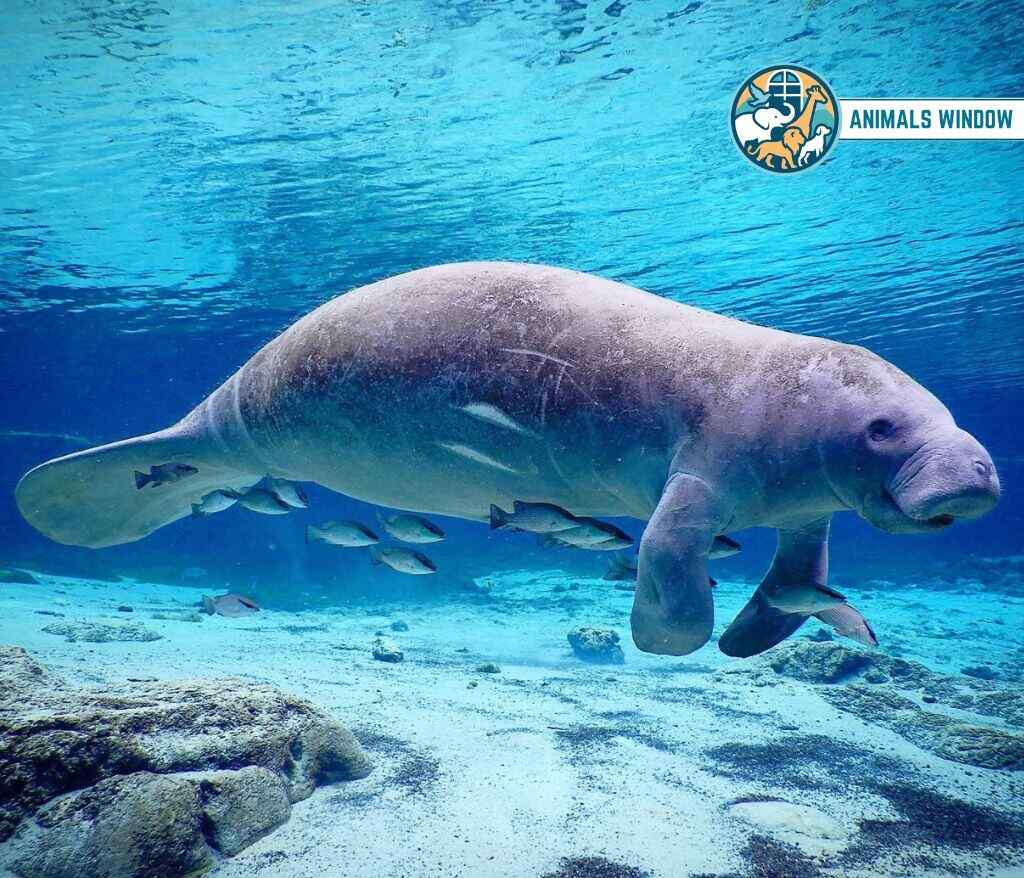
- Scientific name: Trichechus manatus
- Size: 8–13 feet long
- Weight: 440–1,300 lbs
- Diet: Seagrass, algae, freshwater plants
- Habitat: Shallow coastal waters, rivers, estuaries
- Lifespan: 40–60 years
Manatees are among the gentlest animals in the ocean. They graze like underwater cows, spending up to 7 hours a day eating. They make soft chirps and squeaks occasionally — but for the most part, they move through the water in near silence, barely disturbing anything around them.
What’s unusual about manatees is their teeth. Unlike most mammals with fixed teeth, manatees have a conveyor-belt system: old teeth fall out at the front and new ones move forward from the back throughout their entire lives.
Comparison Fact: A manatee weighs about as much as a grand piano — and is roughly the length of a mid-size car.
5. Starfish
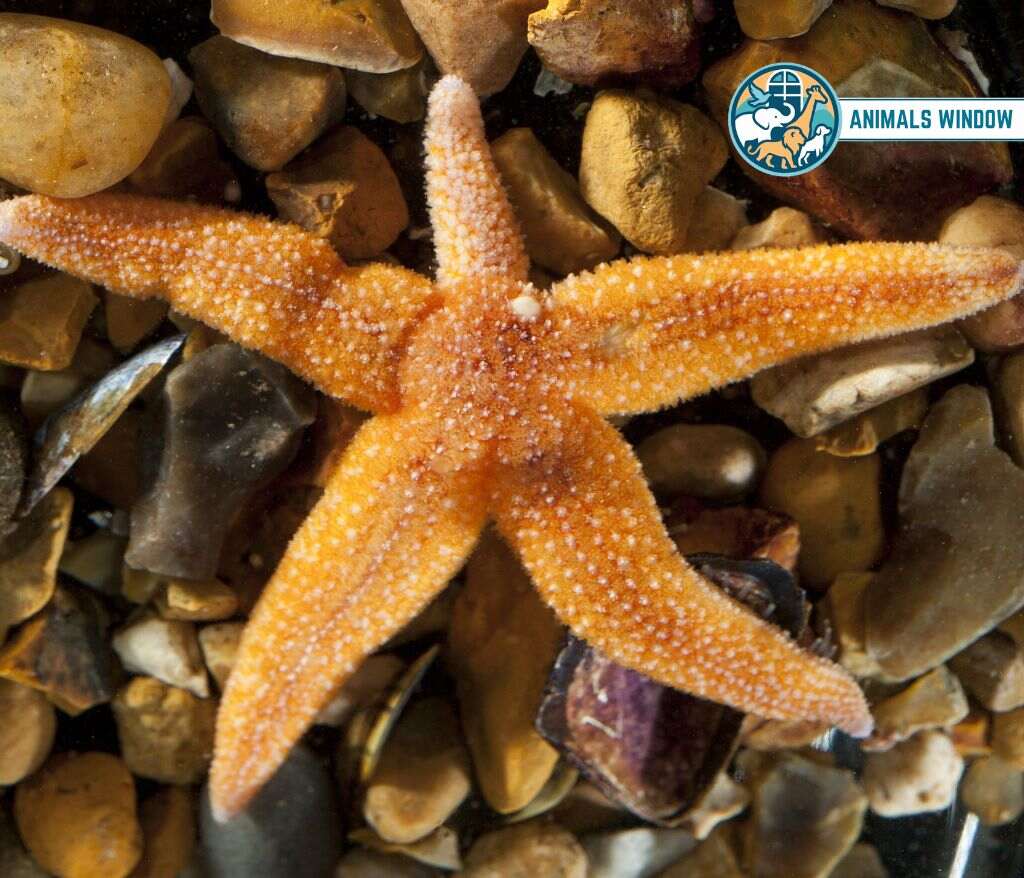
- Scientific name: Asterias rubens
- Size: 5–10 inches across
- Weight: Up to 11 lbs
- Diet: Mussels, clams, oysters
- Habitat: Ocean floors, tidal pools
- Lifespan: Up to 35 years
Starfish — technically called sea stars — are completely mute and have no conventional sensory organs. Instead of blood, they pump filtered seawater through their bodies using a hydraulic system. That same water powers their hundreds of tiny tube feet, which they use to pry open clam shells.
They can also regenerate lost arms. Cut one arm off, and not only does the starfish grow a new one — that severed arm can sometimes grow into a completely new starfish, given enough of the central body remains.
Comparison Fact: A common starfish spreads to about the same size as a large grapefruit — but can exert enough pulling force to open a tightly sealed shellfish.
6. Shark
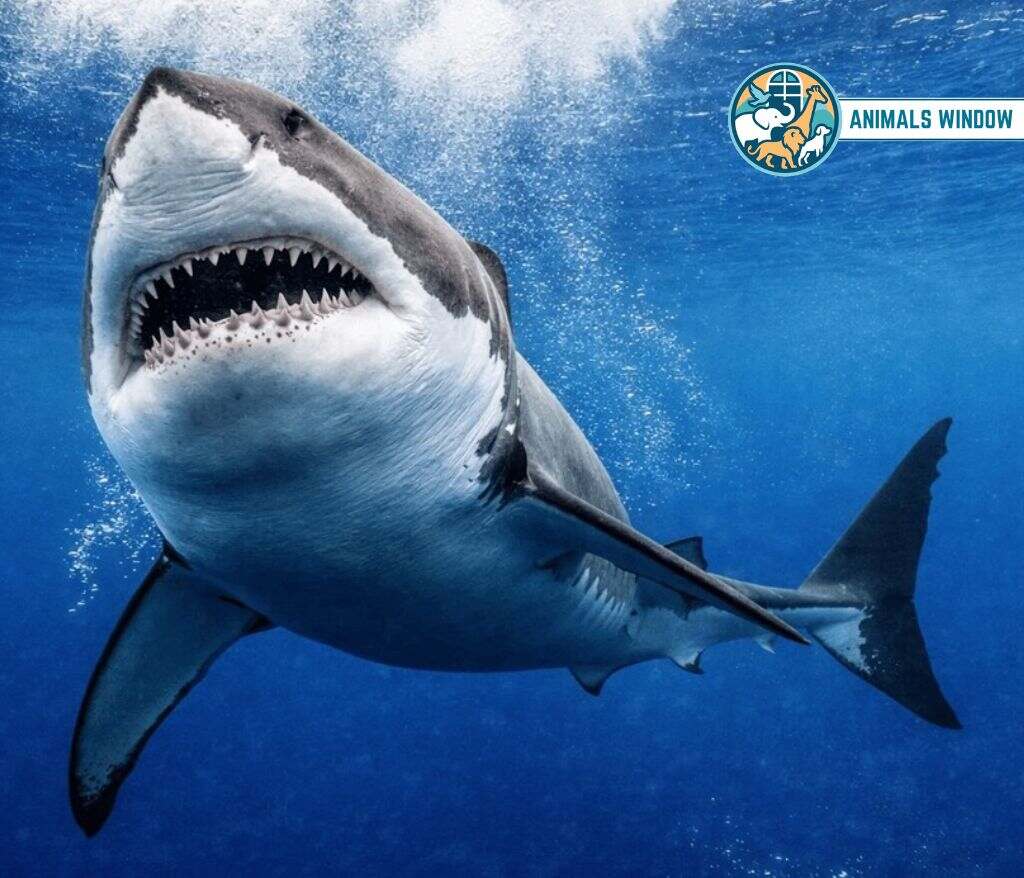
- Scientific name: Carcharodon carcharias
- Size: 14–20 feet (great white)
- Weight: 1,500–2,400 lbs
- Diet: Fish, seals, sea lions
- Habitat: Open oceans, coastal waters worldwide
- Lifespan: 70+ years
Sharks are nearly silent predators. They don’t vocalize at all — no growls, no calls, nothing. What they do have is an extraordinary sensory system. Along their snout are tiny gel-filled pores called the ampullae of Lorenzini, which detect the electrical fields produced by the muscle contractions of nearby animals.
Even a flatfish buried in sand can’t hide from a hunting shark. It picks up the electrical pulse of the fish’s beating heart.
Comparison Fact: A great white shark’s tooth is about the size of a human thumb — and it goes through about 30,000 teeth in a lifetime, constantly replacing old ones.
7. Crab
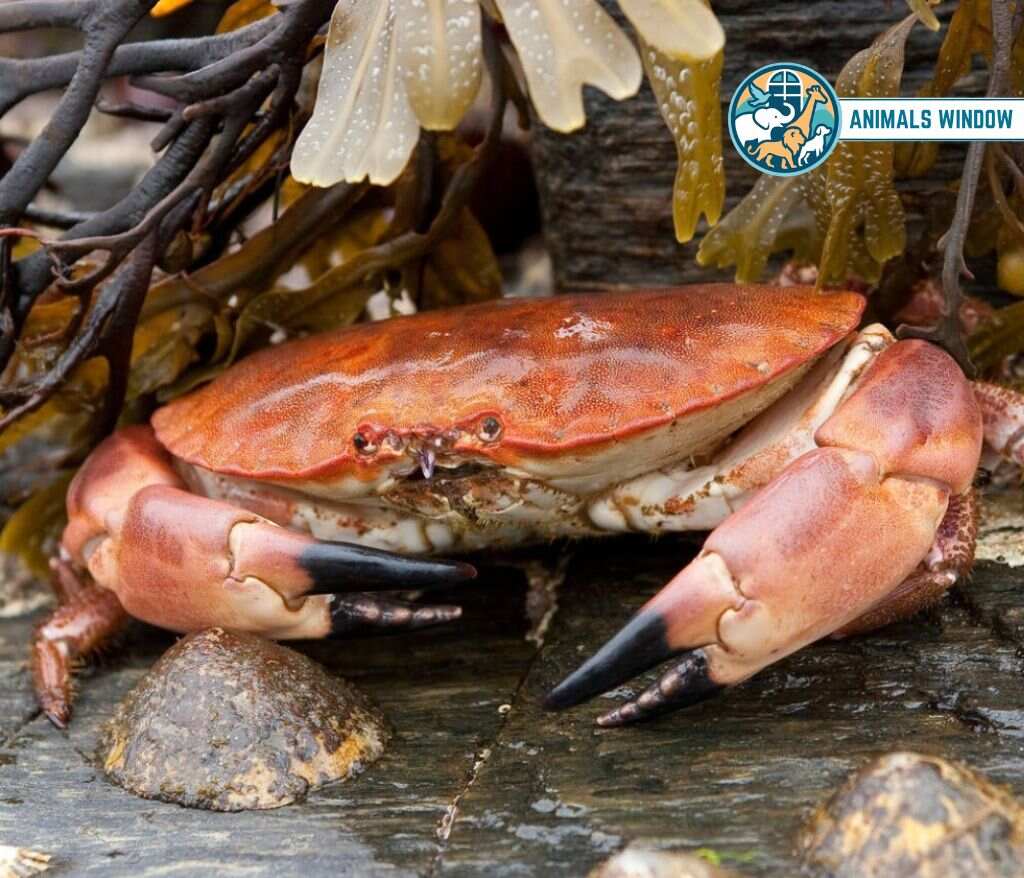
- Scientific name: Cancer pagurus
- Size: Up to 10 inches wide
- Weight: Up to 13 lbs
- Diet: Mussels, worms, dead marine animals
- Habitat: Rocky seabeds, intertidal zones
- Lifespan: 20–30 years
Crabs are silent movers with a peculiar gait. They walk sideways not out of quirk but necessity — their jointed, rigid legs are positioned in a way that makes forward movement inefficient. Sideways is simply more mechanical and faster for their body shape.
Some crabs do produce soft sounds by rubbing body parts together (a process called stridulation), but most species are functionally silent. They communicate largely through chemical signals released into the water and through physical posturing during territorial disputes.
Comparison Fact: A large edible crab’s claw can exert a force of over 19,000 pounds per square inch — strong enough to crack a thick glass bottle.
8. Eel
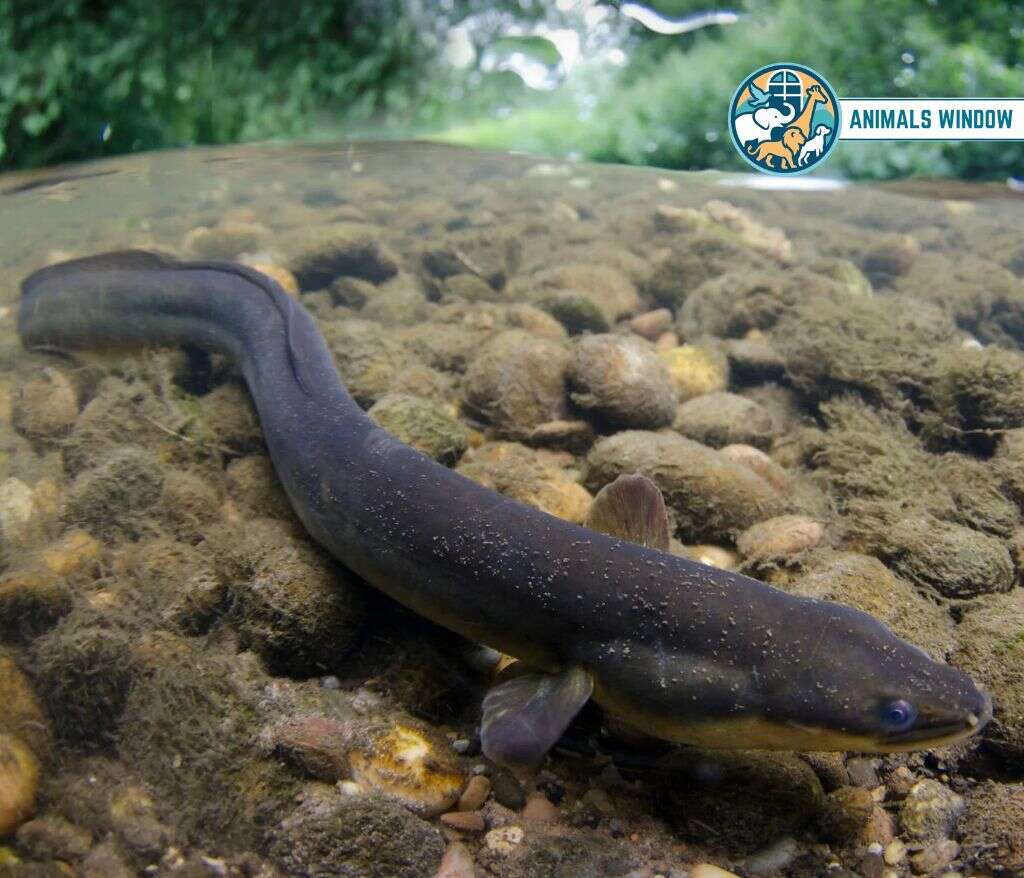
- Scientific name: Anguilla anguilla
- Size: 16–40 inches
- Weight: Up to 7 lbs
- Diet: Fish, worms, frogs, insects
- Habitat: Rivers, estuaries, coastal seas
- Lifespan: Up to 85 years
The European eel has one of the most mysterious life cycles in the animal kingdom. It’s born somewhere in the Sargasso Sea, drifts on ocean currents for up to three years as a tiny transparent larva, and eventually finds its way to a European river where it spends most of its adult life. Completely silent the whole time.
What’s stranger is that eels can move across wet grass from one body of water to another. They absorb oxygen through their moist skin, making them capable of short overland journeys at night.
Comparison Fact: An adult eel is about as long as a baseball bat and roughly the thickness of a garden hose.
9. Sea Cucumber
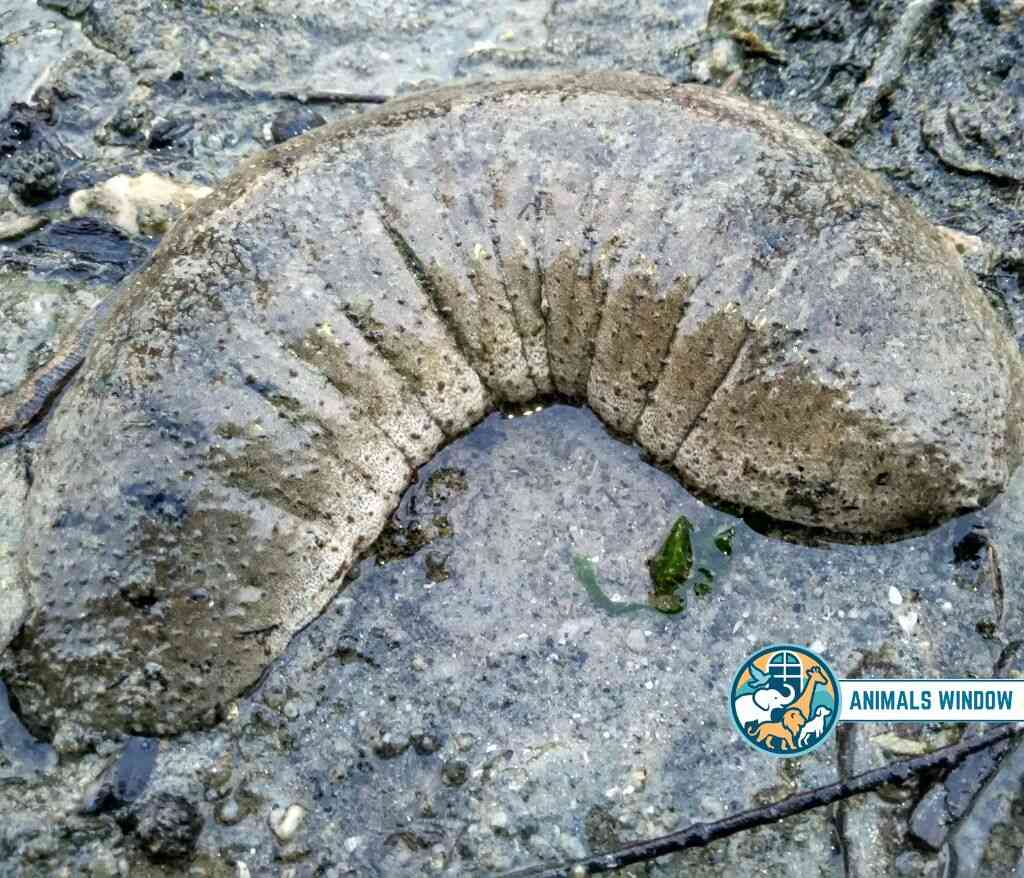
- Scientific name: Holothuria scabra
- Size: 4–12 inches
- Weight: Up to 2 lbs
- Diet: Algae, decaying organic matter
- Habitat: Ocean floors, coral reefs
- Lifespan: 5–10 years
The sea cucumber might be the strangest-looking animal on this list. It looks like a bloated, soft sausage crawling along the seafloor. But its defense mechanism is extraordinary: when threatened, it expels its own internal organs through its body wall — dumping them on the attacker — and then slowly regenerates everything over a few weeks.
It’s also a key recycler in ocean ecosystems. It passes sand and organic matter through its body, extracting nutrients and releasing clean sediment — like an underwater vacuum cleaner.
Comparison Fact: A fully grown sea cucumber is about the same size and shape as a standard hot dog bun, but much softer.
10. Coral
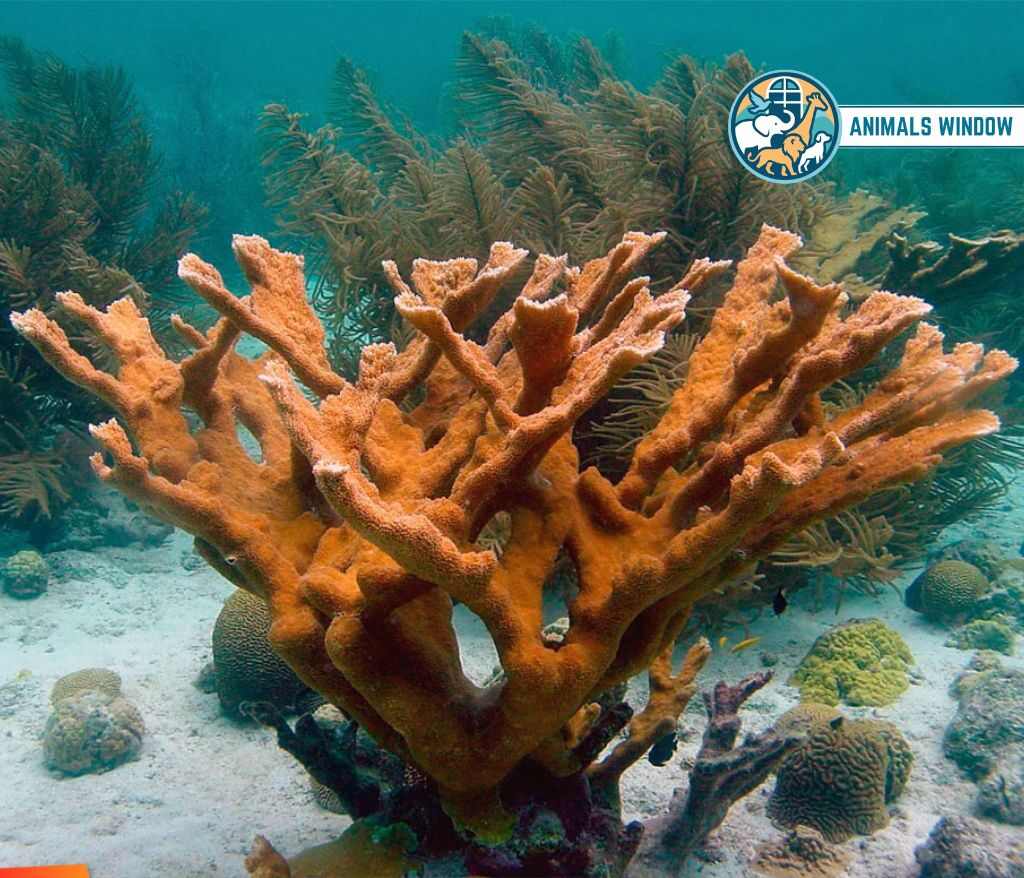
- Scientific name: Acropora palmata
- Size: Colonies can span thousands of acres
- Weight: Individual polyps weigh fractions of a gram
- Diet: Zooplankton, sunlight (via symbiotic algae)
- Habitat: Tropical shallow waters worldwide
- Lifespan: Individual polyps: 2–3 years; colonies: hundreds of years
Most people think coral is a plant or a rock. It’s neither. Coral is an animal — actually, thousands of tiny animals called polyps living together in a colony. Each polyp is the size of a pinhead, has a mouth, and catches tiny food particles from the water with ring-like tentacles.
What makes coral reefs remarkable is that they cover less than 1% of the ocean floor but support roughly 25% of all marine species on Earth. And they do all of this in complete silence.
Comparison Fact: A single coral polyp is about the size of a grain of rice, yet colonies of them build structures large enough to be seen from space.
11. Clam
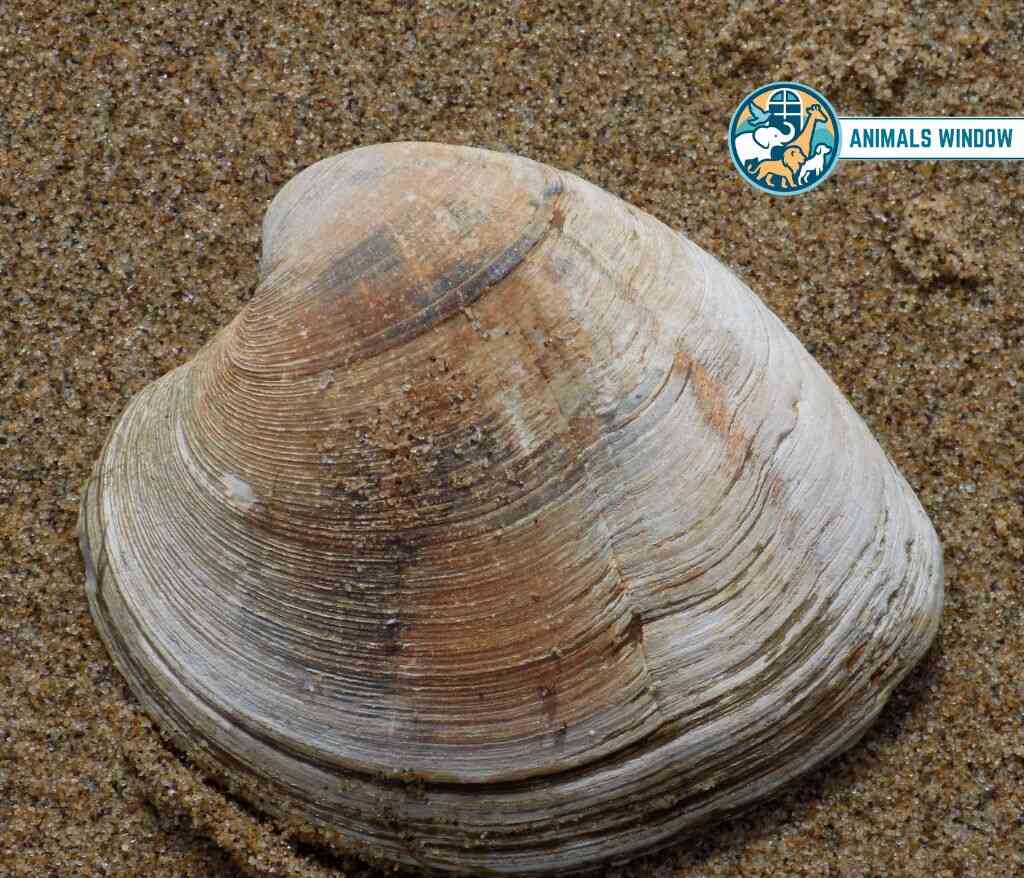
- Scientific name: Mercenaria mercenaria
- Size: 3–6 inches wide
- Weight: Up to 2 lbs
- Diet: Phytoplankton, organic particles filtered from water
- Habitat: Sandy and muddy seafloors, estuaries
- Lifespan: Up to 500+ years
Clams are filter feeders — they draw water in through a siphon, strip out food particles, and expel the filtered water. They do this continuously, silently, and with zero interaction with the world around them. A single clam can filter up to 25 gallons of water every day.
The ocean quahog clam (Arctica islandica) holds the record as the longest-lived animal ever confirmed. One individual, nicknamed “Ming,” was found to be 507 years old — meaning it was alive when the first Europeans arrived in North America.
Comparison Fact: A common hard-shell clam is about the size of your palm — but has been cleaning the same stretch of ocean floor for centuries.
12. Sloth
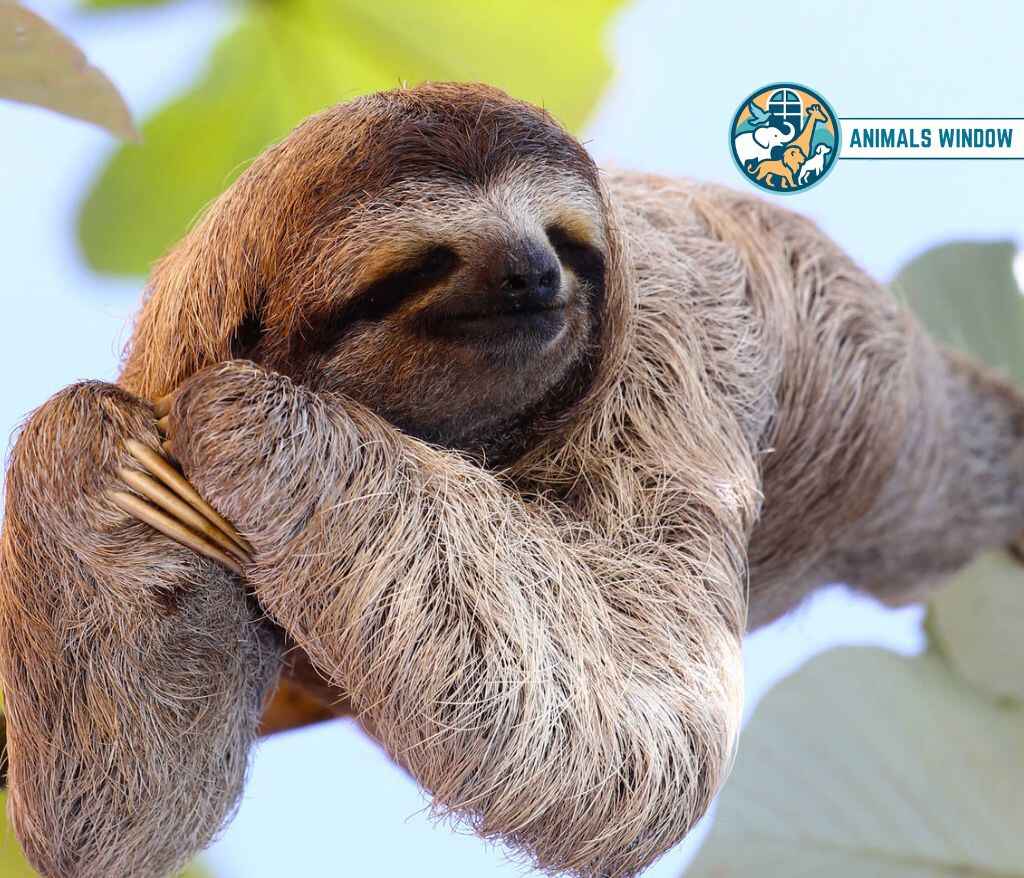
- Scientific name: Bradypus tridactylus
- Size: 17–31 inches long
- Weight: 8–17 lbs
- Diet: Leaves, buds, tender stems
- Habitat: Tropical rainforests of Central and South America
- Lifespan: 20–30 years
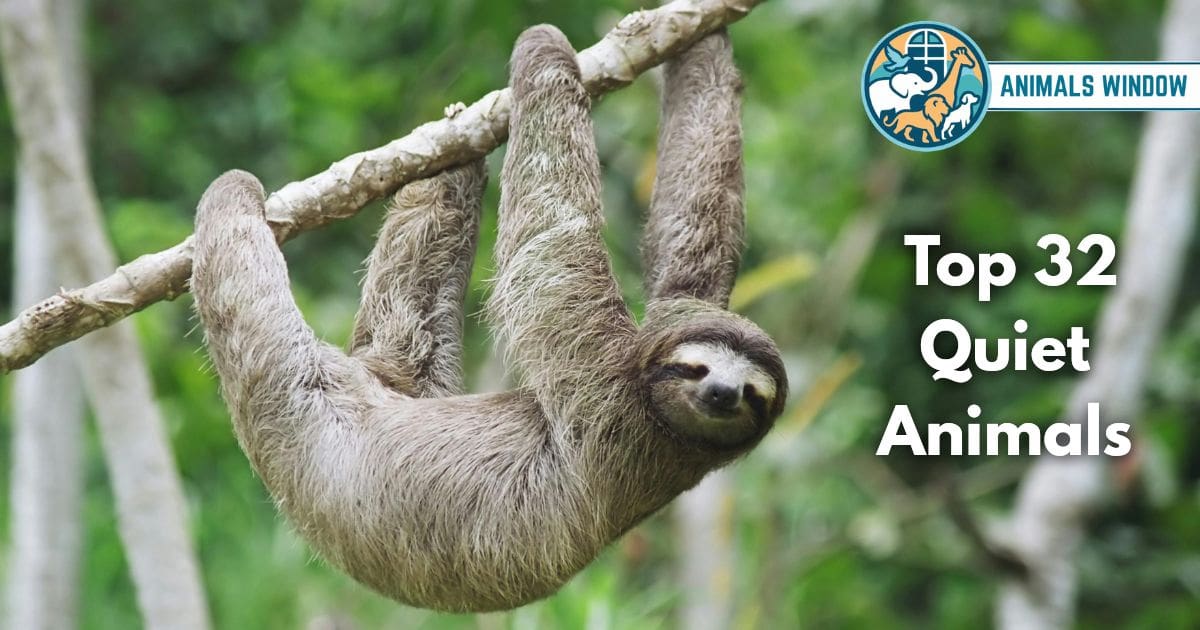
The sloth is the slowest mammal on land. It moves at a top speed of about 0.03 mph — which means it would take roughly two months to walk the length of a football field. Because it moves so little and produces almost no heat or scent, predators often don’t notice it at all. Sloths make almost no sound; they lack the vocal range for loud calls.
Here’s where it gets truly wild: the sloth moves so slowly that algae actually grows on its fur. That algae gives the sloth a greenish tint that helps it blend into the forest canopy — so the sloth is essentially wearing camouflage it grew itself.
Comparison Fact: A sloth’s arm span is about the width of a bicycle tire, but it can hang from a branch for hours using almost no muscular energy due to its locked tendon system.
13. Rabbit
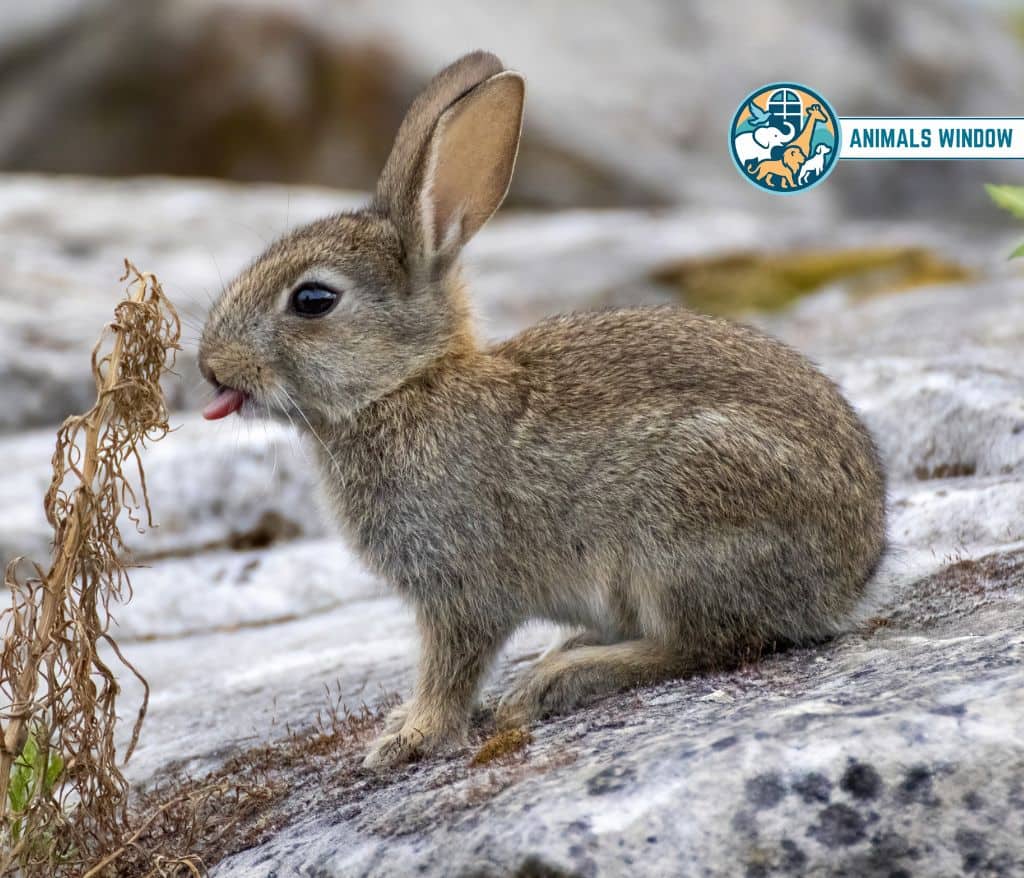
- Scientific name: Oryctolagus cuniculus
- Size: 12–20 inches long
- Weight: 2–11 lbs
- Diet: Grass, hay, vegetables, bark
- Habitat: Meadows, forests, grasslands, deserts
- Lifespan: 9–12 years
Rabbits are famously quiet, and there’s a biological reason for it. As prey animals, making noise draws attention — and attention means danger. They thump their hind legs on the ground to warn nearby rabbits of predators, but that signal is felt as a vibration, not really heard as a call.
What’s fascinating about rabbit eyes is their placement — set far apart on the sides of the head — giving them a nearly 360-degree field of vision. They can see almost everything around them without turning their head, including directly behind them.
Comparison Fact: A rabbit’s hind leg is about as long as a standard TV remote, and the force from a powerful kick can break a small bone.
14. Giraffe
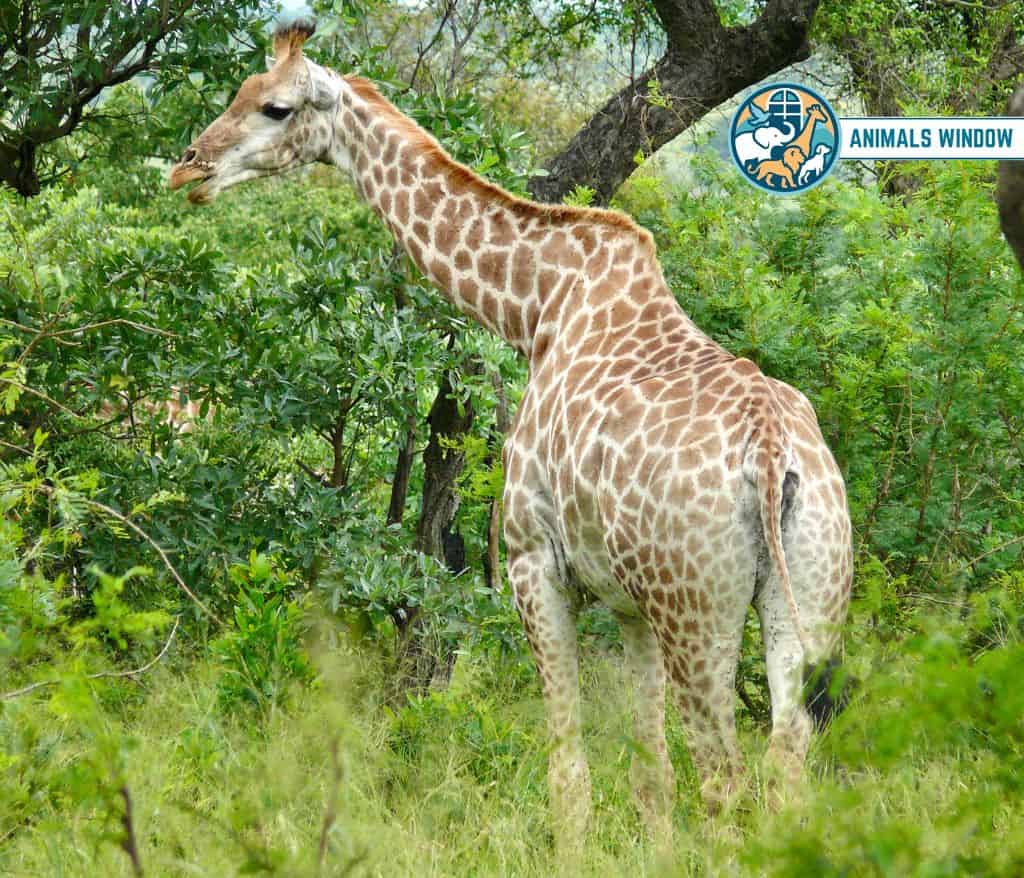
- Scientific name: Giraffa camelopardalis
- Size: 14–19 feet tall
- Weight: 1,750–2,800 lbs
- Diet: Leaves, flowers, fruits — mainly acacia
- Habitat: African savannas and woodlands
- Lifespan: 20–25 years in the wild
For a long time, scientists believed giraffes were completely mute. They do make sounds — infrasonic humming that’s too low for most human ears to detect without equipment — but in everyday life, they are effectively silent.
Giraffes have the same seven neck vertebrae as humans. The difference is size. Each vertebra in a giraffe can be over 10 inches long. Their heart — needed to pump blood all the way up that neck — weighs about 25 pounds and is the largest of any land animal.
Comparison Fact: A giraffe’s tongue is about 18 inches long — roughly the length of a standard school ruler — and dark purple to protect it from sunburn.
15. Snake
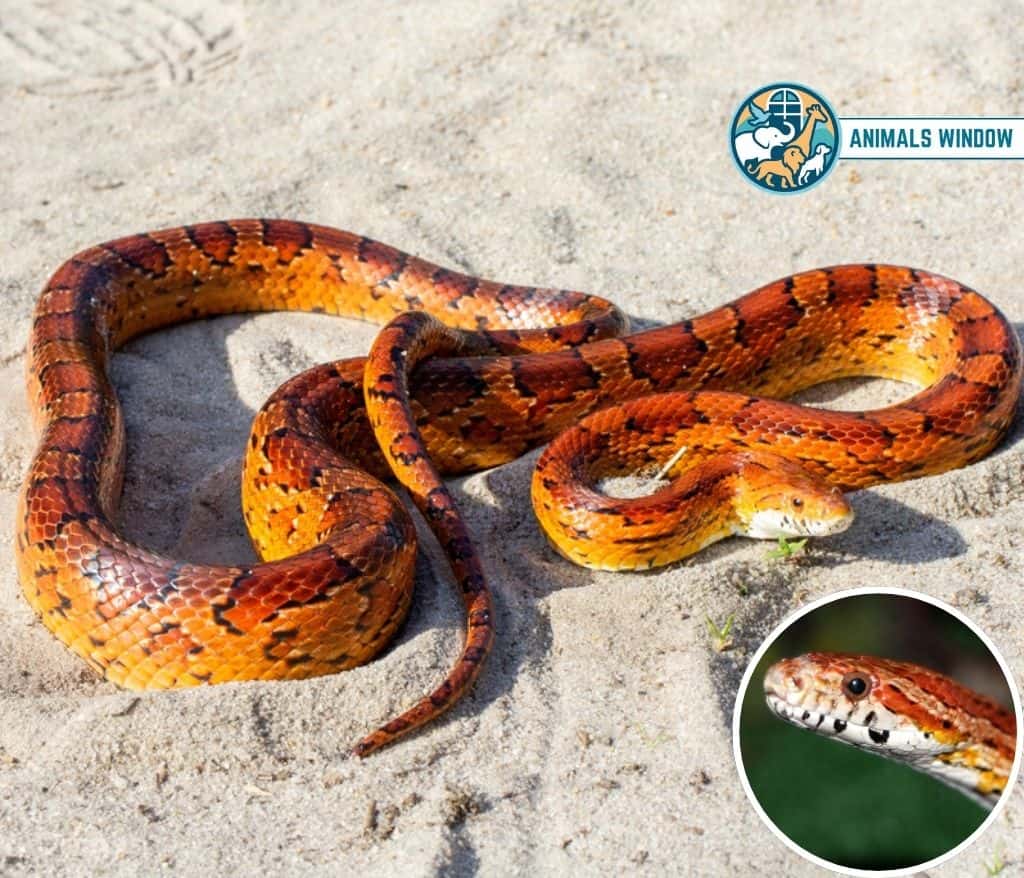
- Scientific name: Pantherophis guttatus (corn snake)
- Size: 2–6 feet depending on species
- Weight: 0.5–30 lbs depending on species
- Diet: Rodents, birds, eggs, amphibians
- Habitat: Every continent except Antarctica
- Lifespan: 15–30 years
Snakes have no external ears. They can’t hear airborne sound the way most animals do. Instead, they pick up ground vibrations through their lower jawbones, which connect directly to the inner ear. So they feel sound more than they hear it.
Their forked tongue isn’t for tasting food — it’s for smelling it. Each fork of the tongue collects scent particles from the air and delivers them to a specialized organ in the roof of the mouth called the Jacobson’s organ, which identifies what’s nearby.
Comparison Fact: A corn snake is about as long as a standard guitar, and thin enough to coil inside a coffee mug.
16. Turtle
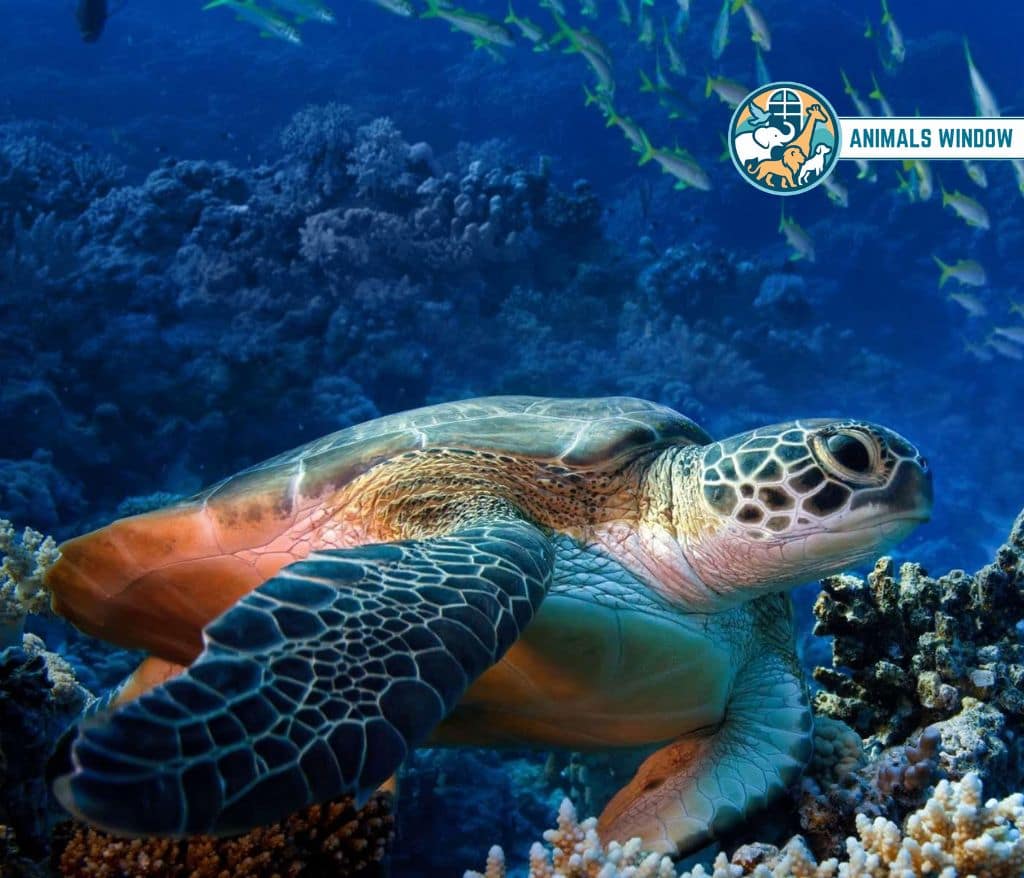
- Scientific name: Chelonia mydas (green sea turtle)
- Size: 3–4 feet long
- Weight: 240–420 lbs
- Diet: Seagrass, algae
- Habitat: Tropical and subtropical oceans
- Lifespan: 80+ years
Sea turtles are ancient navigators. They use the Earth’s magnetic field as a GPS system, detecting variations in field strength and direction to identify their precise location in the ocean. Female sea turtles return to the exact beach where they were born — sometimes after 30 years away — to lay their own eggs.
They’re also one of the few animals that can hold their breath for extreme lengths of time. In cold water, when metabolism slows, a sea turtle can stay submerged for up to 7 hours without surfacing.
Comparison Fact: A green sea turtle’s shell is about the size of a large serving tray, but streamlined — built more like a wing than a dome.
17. Chameleon
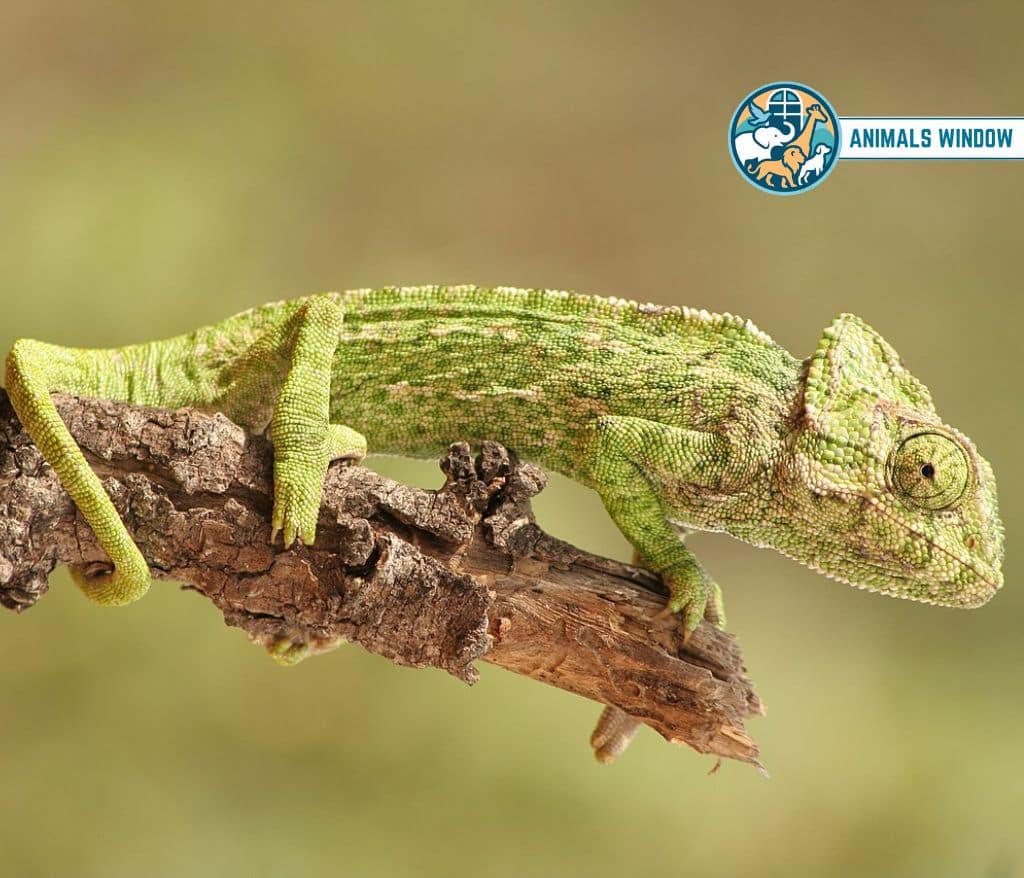
- Scientific name: Chamaeleo chamaeleon
- Size: 1–27 inches depending on species
- Weight: Up to 6 lbs
- Diet: Insects, small birds, plant matter
- Habitat: Tropical forests, deserts, Mediterranean scrub
- Lifespan: 5–10 years
Chameleons don’t change color to camouflage themselves — that’s a popular myth. They change color to communicate mood, temperature, and social signals. A cold chameleon turns dark to absorb heat. An excited or threatened chameleon turns bright. A relaxed one turns green or brown.
Their eyes are one of nature’s most unusual designs. Each eye moves completely independently. While one eye looks forward, the other can scan backward — giving the chameleon simultaneous 360-degree coverage without moving at all.
Comparison Fact: A common chameleon’s tongue can be twice its body length — and shoots out faster than the human eye can follow, reaching prey in 0.07 seconds.
More Posts: 16 Small Monkey Breeds (With Pictures & Unique Facts)
18. Tortoise
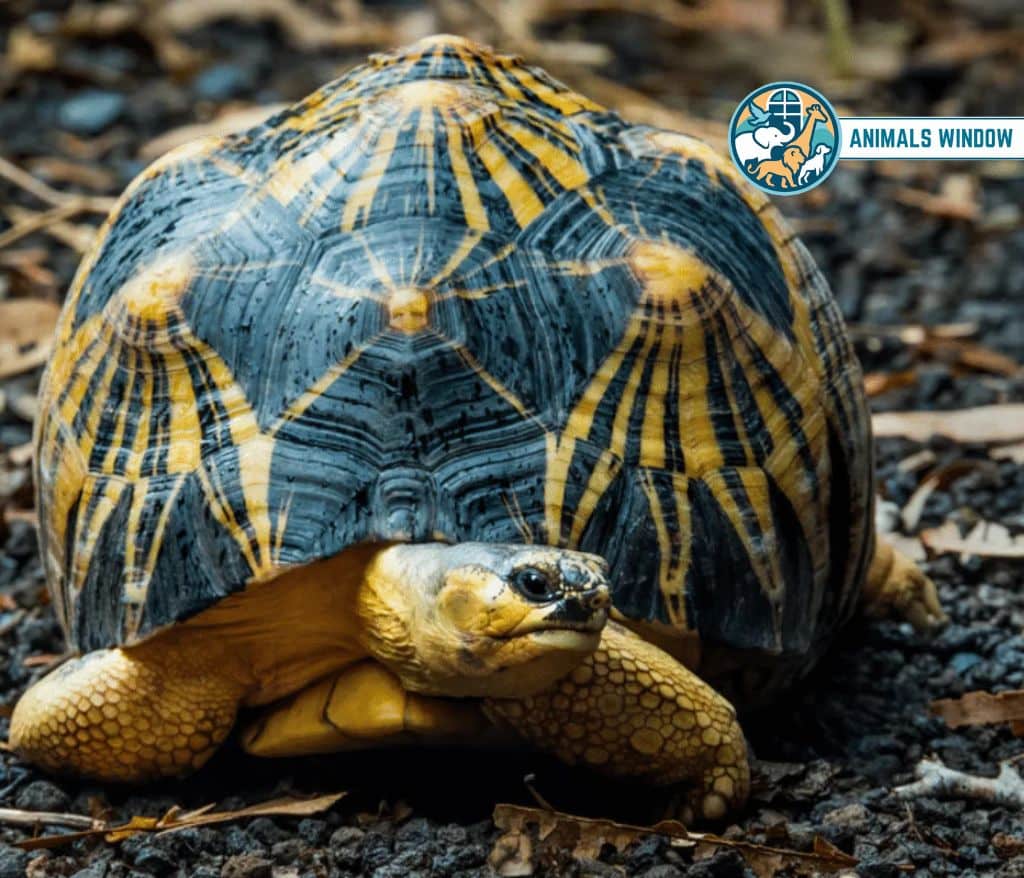
- Scientific name: Geochelone elegans
- Size: 6–12 inches (Indian star tortoise)
- Weight: 3–10 lbs
- Diet: Grasses, fruits, flowers, cacti
- Habitat: Dry scrublands, deserts, tropical dry forests
- Lifespan: 80–150 years
Tortoises are built for endurance, not speed. Their metabolism runs so slowly they can go months — sometimes over a year — without eating or drinking. They store water in their bladder and access it during dry periods. In droughts, they can lose up to 40% of their body weight and still survive.
Their shell isn’t a separate structure they carry — it’s fused to their spine and ribcage. The shell has nerve endings, meaning tortoises can feel pressure and touch through it.
Comparison Fact: An Indian star tortoise is about the size of a large russet potato — with a beautifully patterned shell that looks hand-painted.
19. Newt
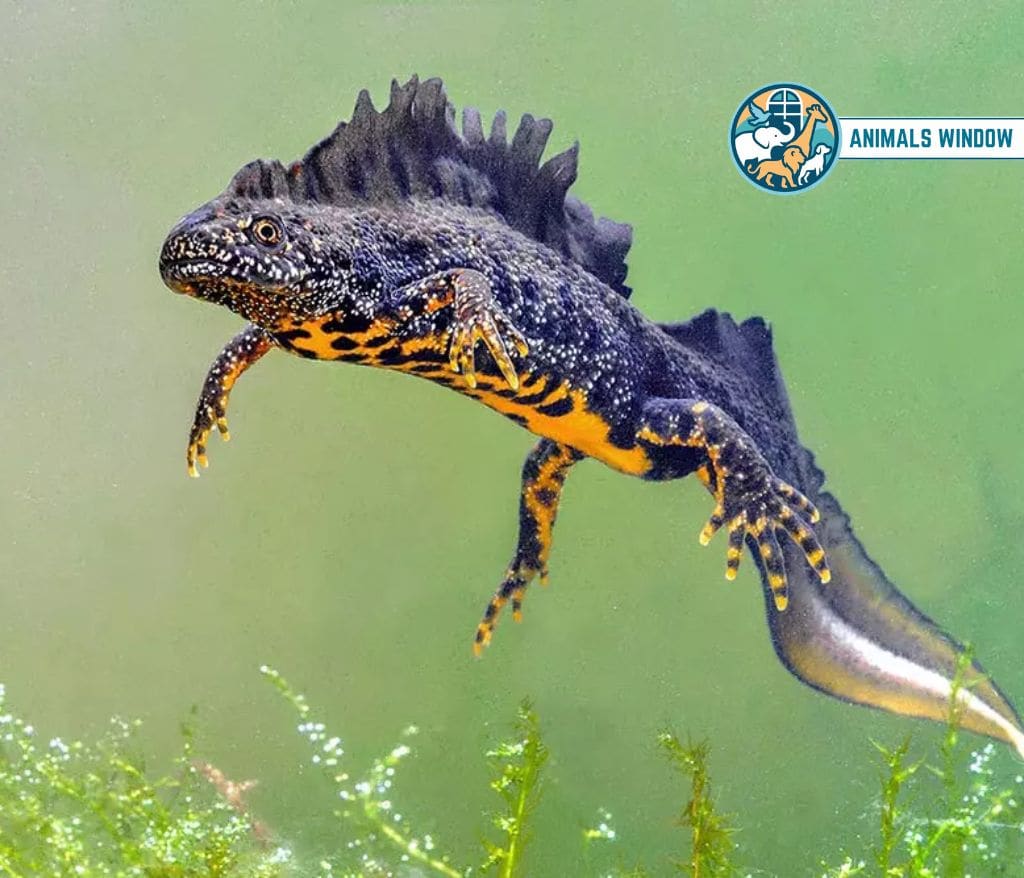
- Scientific name: Triturus cristatus
- Size: 4–7 inches long
- Weight: Up to 0.5 oz
- Diet: Worms, insects, tadpoles, small fish
- Habitat: Ponds, marshes, woodland streams in Europe
- Lifespan: 15–20 years
Newts are quiet, semi-aquatic salamanders with one of the most remarkable regenerative abilities in the vertebrate world. They can regrow entire limbs, sections of the spinal cord, parts of the eye, and even damaged heart tissue. Scientists have observed functional regrowth of limbs in as little as a few weeks.
During breeding season, the male crested newt grows a dramatic jagged crest along its back and tail — purely for attracting females. Outside that window, the crest disappears and the newt becomes small and invisible again.
Comparison Fact: A crested newt is about as long as a standard pen, yet its regenerative ability rivals what scientists are trying to replicate in human medicine.
20. Butterfly
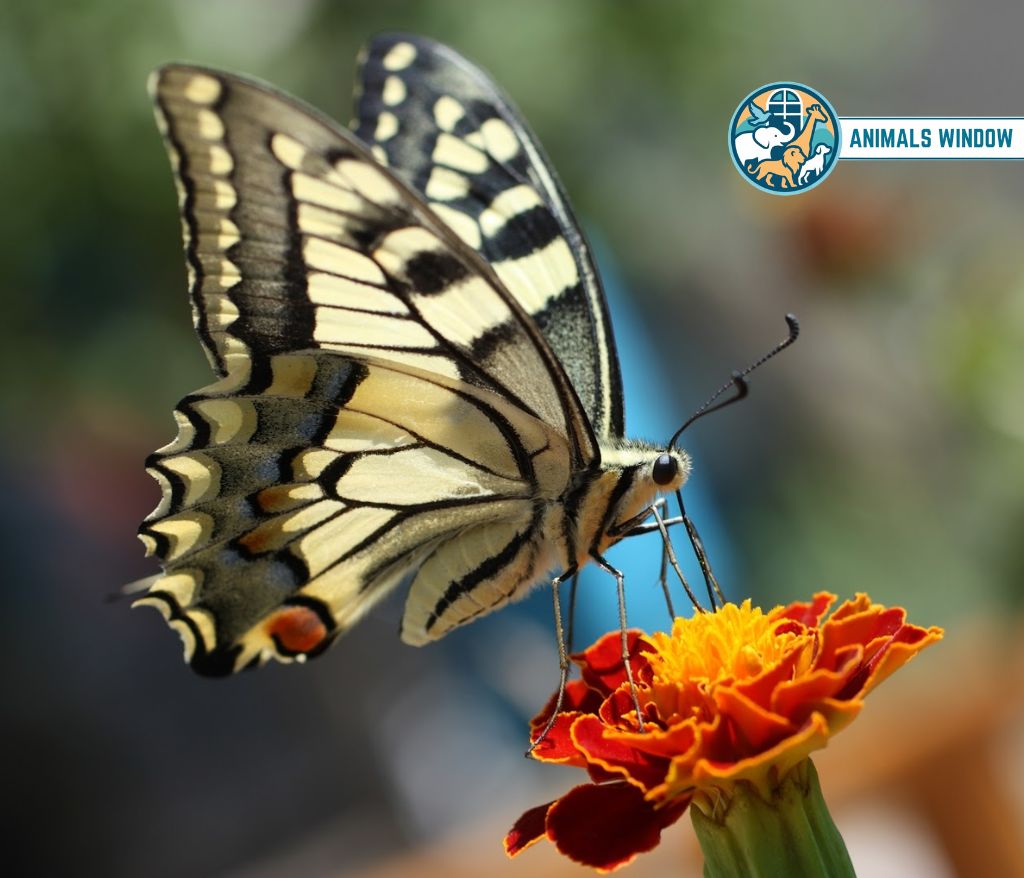
- Scientific name: Papilio machaon
- Size: 2–4 inch wingspan
- Weight: Less than 0.02 oz
- Diet: Nectar (adults), plant leaves (caterpillars)
- Habitat: Gardens, meadows, forests on every continent except Antarctica
- Lifespan: 2 weeks to 11 months depending on species
Butterflies are completely silent fliers. Their wing scales are actually modified hairs — thousands of tiny flat structures that overlap like roof tiles, each one containing pigment or microscopic structures that scatter light into color.
But here’s the detail most people miss: butterflies taste with their feet. They have chemoreceptors on their tarsi (feet) that are about 200 times more sensitive to sugar than the human tongue. They know if a plant is edible the moment they land on it.
Comparison Fact: A swallowtail butterfly weighs less than a single paper clip — but can fly several miles in a day.
21. Praying Mantis
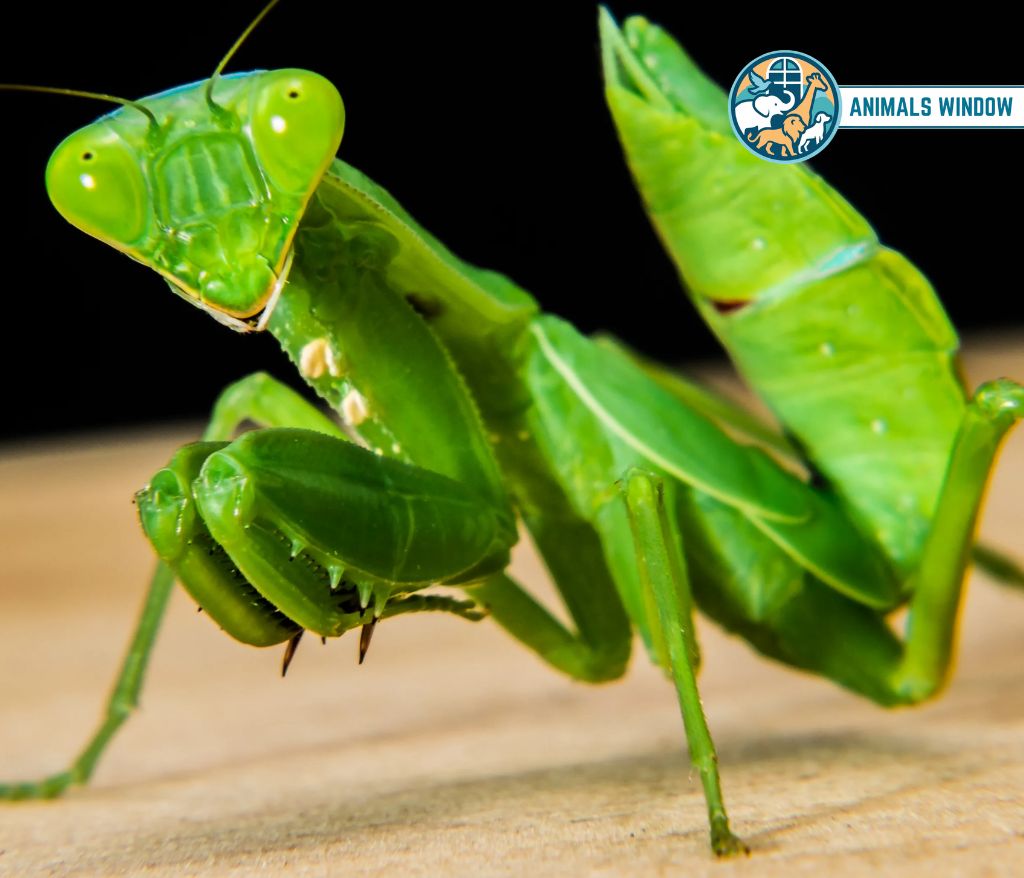
- Scientific name: Mantis religiosa
- Size: 2–5 inches long
- Weight: Up to 0.2 oz
- Diet: Insects, small frogs, lizards, hummingbirds
- Habitat: Tropical forests, grasslands, gardens worldwide
- Lifespan: 10–12 months
The praying mantis is the only insect known to be capable of turning its head completely around to look directly behind itself — a 180-degree rotation. This gives it an enormous visual advantage while staying completely still and silent.
It also has a single ear located on the underside of its abdomen, between its hind legs. That ear is tuned specifically to ultrasound frequencies — the exact range bats use for echolocation. When a bat gets close, the mantis folds its wings and drops straight down in free fall to escape.
Comparison Fact: A mantis strikes at prey with its forelegs in 50–70 milliseconds — about 15 times faster than a human blink.
22. Dragonfly
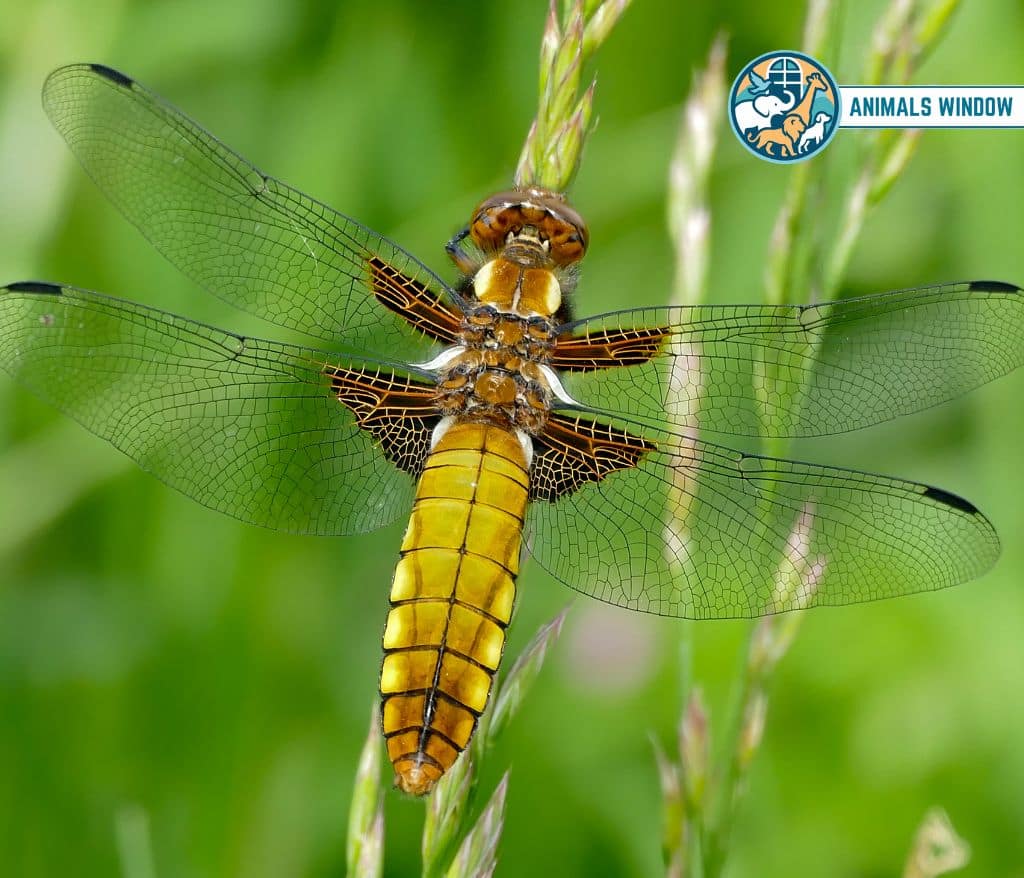
- Scientific name: Libellula depressa
- Size: 1.5–4 inch wingspan
- Weight: Up to 0.1 oz
- Diet: Mosquitoes, gnats, midges, small moths
- Habitat: Near freshwater — ponds, rivers, wetlands
- Lifespan: 6 months to 4 years (most as underwater larvae)
Dragonflies are the most effective aerial hunters in the insect world. They don’t chase prey randomly — they calculate the intercept point of a moving target and fly directly to it. That’s the same targeting strategy fighter jets use. As a result, they catch about 95% of the prey they pursue.
Their compound eyes cover nearly their entire head, giving them close to 360-degree vision with sharp detail. Each eye contains up to 30,000 individual lenses.
Comparison Fact: A dragonfly’s wingspan is about the width of a credit card — but it can fly forward, backward, sideways, and hover in place, all in silence.
23. Ladybug
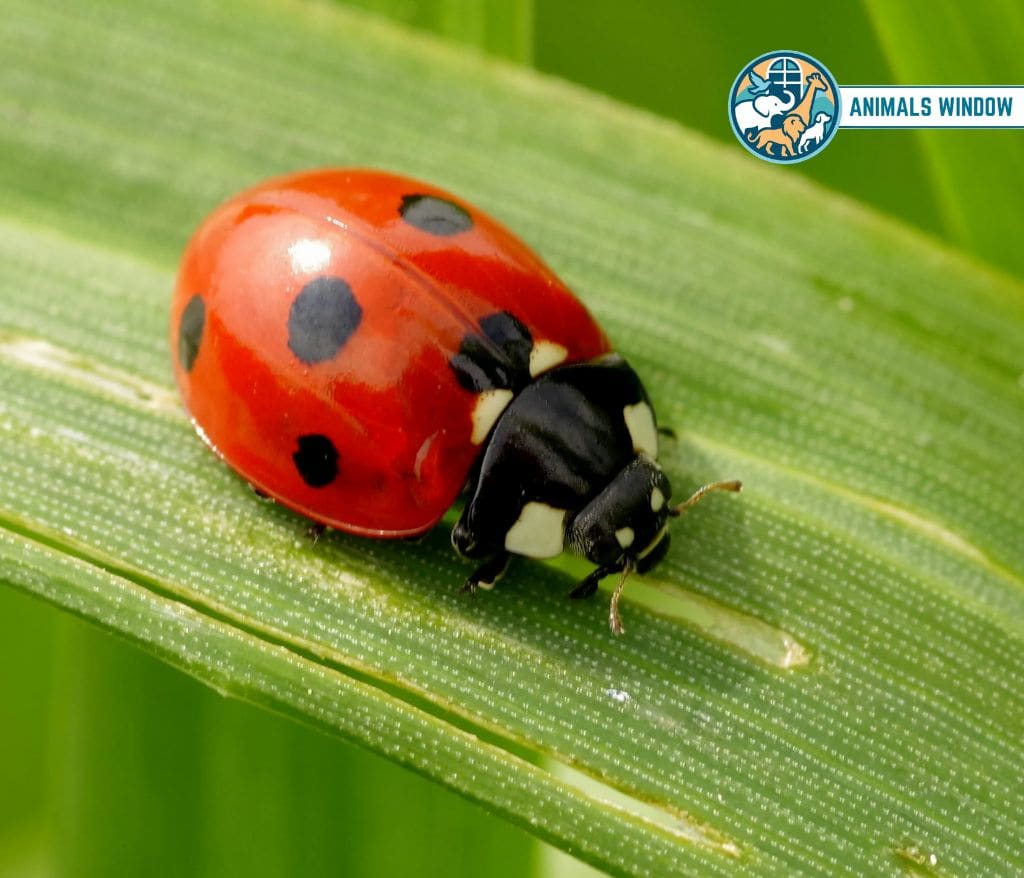
- Scientific name: Coccinella septempunctata
- Size: 0.3–0.4 inches
- Weight: Fractions of a gram
- Diet: Aphids, mites, small insect larvae
- Habitat: Gardens, forests, grasslands worldwide
- Lifespan: 1–2 years
Ladybugs are silent, but their coloring speaks loudly. The bright red and black pattern signals to predators that the ladybug tastes terrible — and it’s not a bluff. When threatened, it releases a foul-smelling yellow liquid called hemolymph from its leg joints, which contains alkaloid compounds toxic to small predators.
The number of spots on a ladybug doesn’t indicate its age — it indicates the species. Some have 2 spots, some have 22. The spots are fixed from the moment the wings harden after the larva’s final molt.
Comparison Fact: A seven-spot ladybug is about the size of a corn kernel — but a single ladybug can eat up to 5,000 aphids in its lifetime.
24. Stick Insect
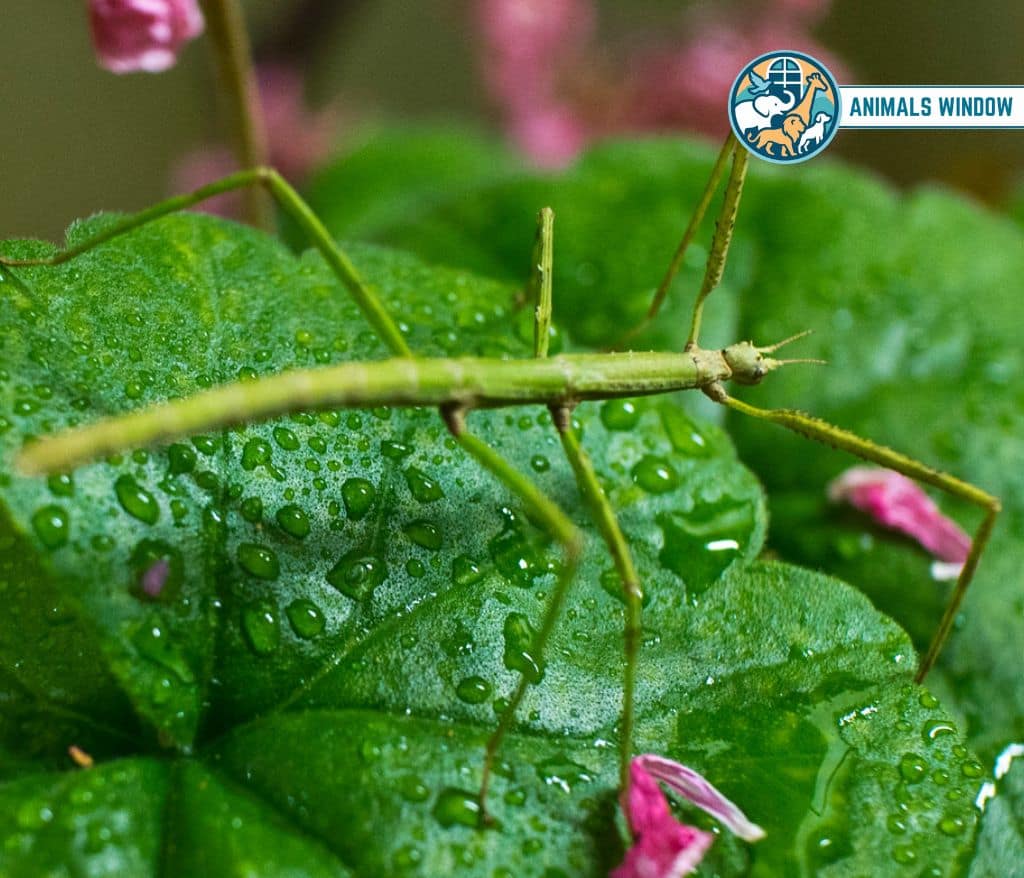
- Scientific name: Carausius morosus
- Size: 2–13 inches depending on species
- Weight: Up to 0.15 oz
- Diet: Leaves — bramble, oak, privet
- Habitat: Tropical and subtropical forests worldwide
- Lifespan: 1–3 years
Stick insects don’t need a partner to reproduce. Females can produce viable eggs through parthenogenesis — laying fertile eggs without fertilization from a male. In some populations, males are so rare they’re almost unknown.
When a stick insect does face a predator, it freezes completely, swaying slightly to mimic a twig in a breeze. This rocking motion is deliberate — a behavioral camouflage that matches the way real sticks move. Completely silent, completely still, and nearly invisible.
Comparison Fact: The largest stick insect species (Phobaeticus chani) reaches 22 inches — longer than a standard school ruler — making it the longest insect in the world.
25. Moth
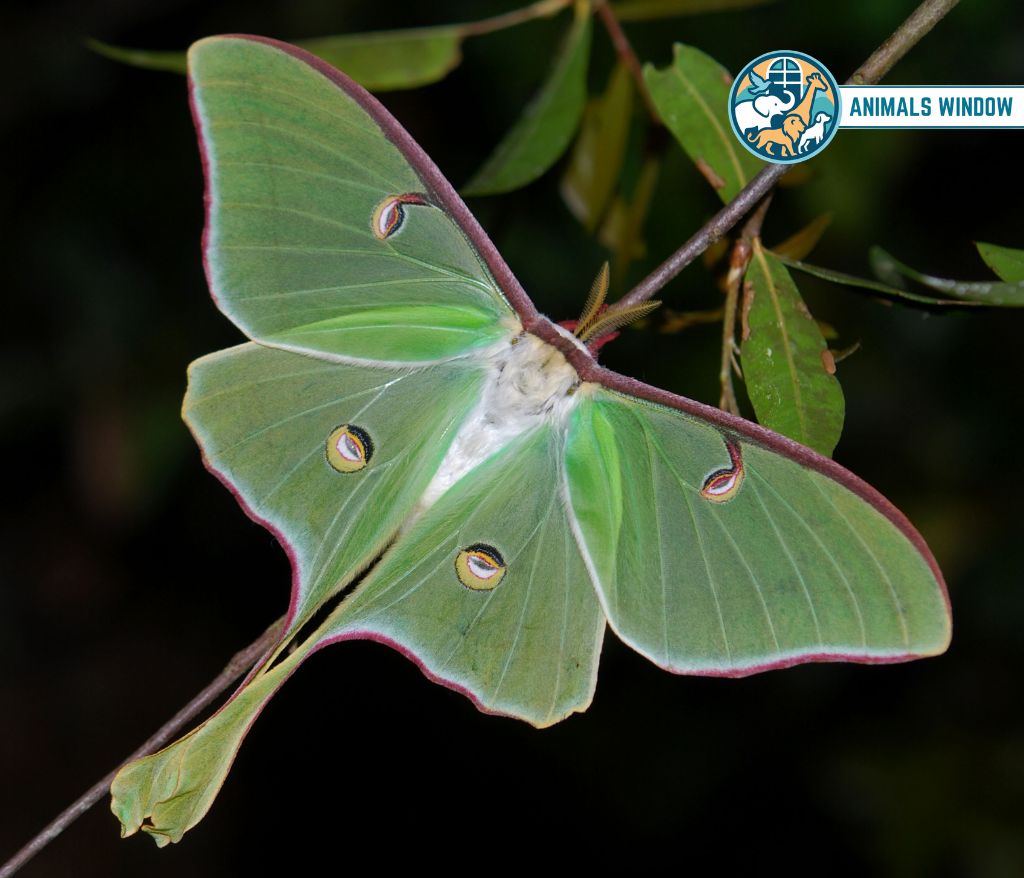
- Scientific name: Actias luna (luna moth)
- Size: 3–4.5 inch wingspan
- Weight: Less than 0.1 oz
- Diet: Adults don’t eat — larvae eat leaves
- Habitat: Deciduous forests across North America
- Lifespan: 1 week as an adult; 2 months as a larva
The luna moth is born without a mouth. As an adult, it never eats — it lives entirely off the fat reserves stored during its larval stage, spending its entire week of adult life focused on finding a mate.
Moths navigate at night using the moon as a directional reference point. The problem with artificial light is that moths try to maintain the same angle relative to a lightbulb as they do to the moon — which sends them circling endlessly around it. They’re not attracted to light. They’re confused by it.
Comparison Fact: A luna moth’s wingspan is roughly the diameter of a CD, with delicate pale-green wings that look almost translucent in moonlight.
26. Spider
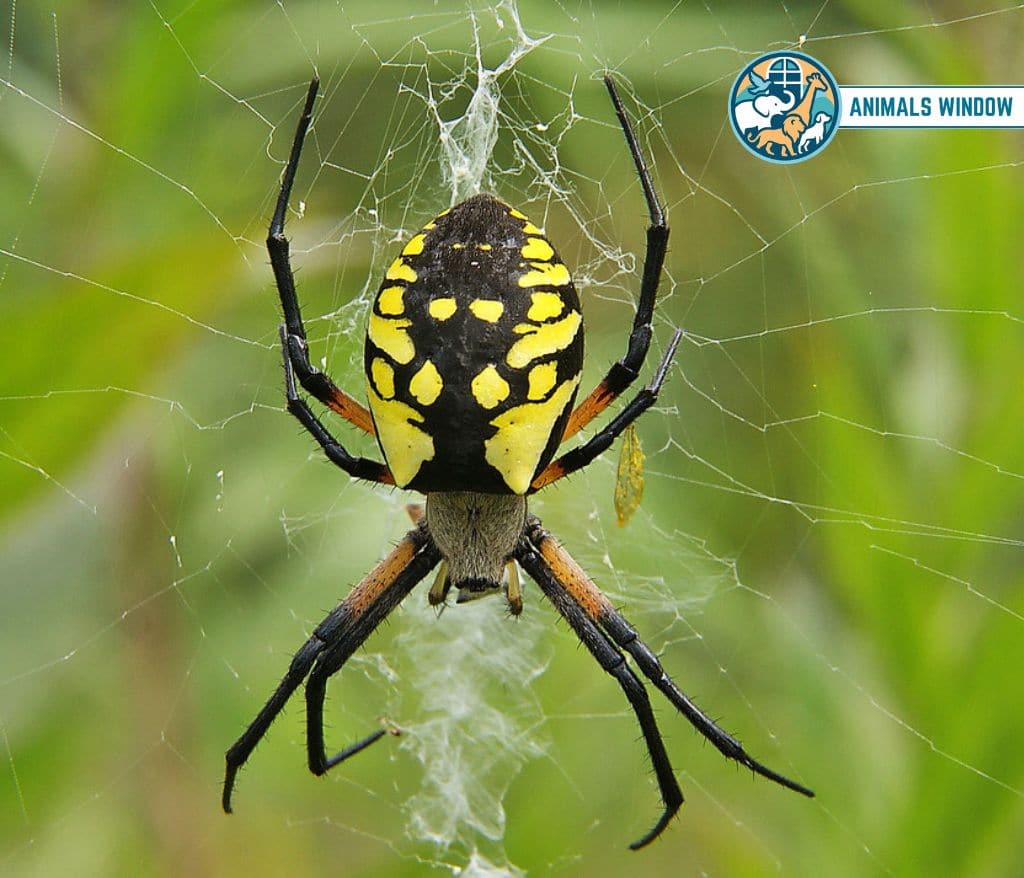
- Scientific name: Argiope aurantia
- Size: Body up to 1 inch (females)
- Weight: Up to 0.1 oz
- Diet: Insects caught in webs
- Habitat: Gardens, meadows, forest edges worldwide
- Lifespan: 1–3 years
Spiders don’t eat solid food. Before consuming prey, they inject digestive enzymes into the body of the insect, liquefying the internal contents. Then they suck out the resulting fluid. The entire meal is consumed as a liquid.
Their silk is remarkable in terms of engineering. Spider silk is stronger by weight than steel and more elastic than nylon. A strand thick as a pencil could stop a flying jumbo jet, according to some material science comparisons. The spider recycles its silk by eating old webs before spinning new ones.
Comparison Fact: A garden spider’s web can be up to 24 inches across — roughly the span of an open newspaper — and anchored with silk threads stronger than the same thickness of steel.
27. Scorpion
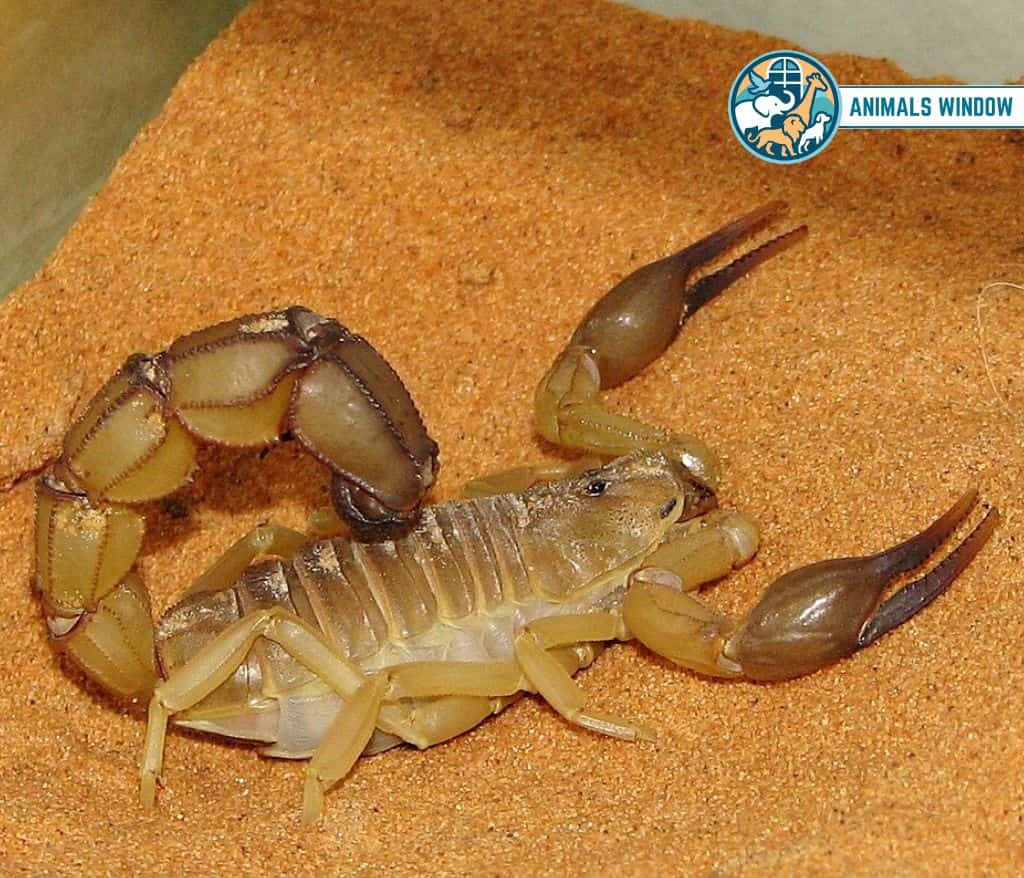
- Scientific name: Androctonus australis
- Size: 3–8 inches long
- Weight: Up to 1.4 oz
- Diet: Insects, spiders, small lizards and mice
- Habitat: Deserts, grasslands, caves on every continent except Antarctica
- Lifespan: 5–25 years
Scorpions glow under ultraviolet light. If you shine a UV flashlight in a desert at night, scorpions light up with a blue-green fluorescent glow — a property caused by chemicals in their exoskeleton. Scientists still don’t fully understand why.
They’re also extraordinarily tough survivors. Scorpions can slow their metabolism to just 33% of normal and survive on a single insect for an entire year. Some have been frozen solid and recovered fully when thawed.
Comparison Fact: A large fat-tailed scorpion is about as long as a standard ballpoint pen, but its venom is among the most potent of any scorpion species in the world.
28. Millipede
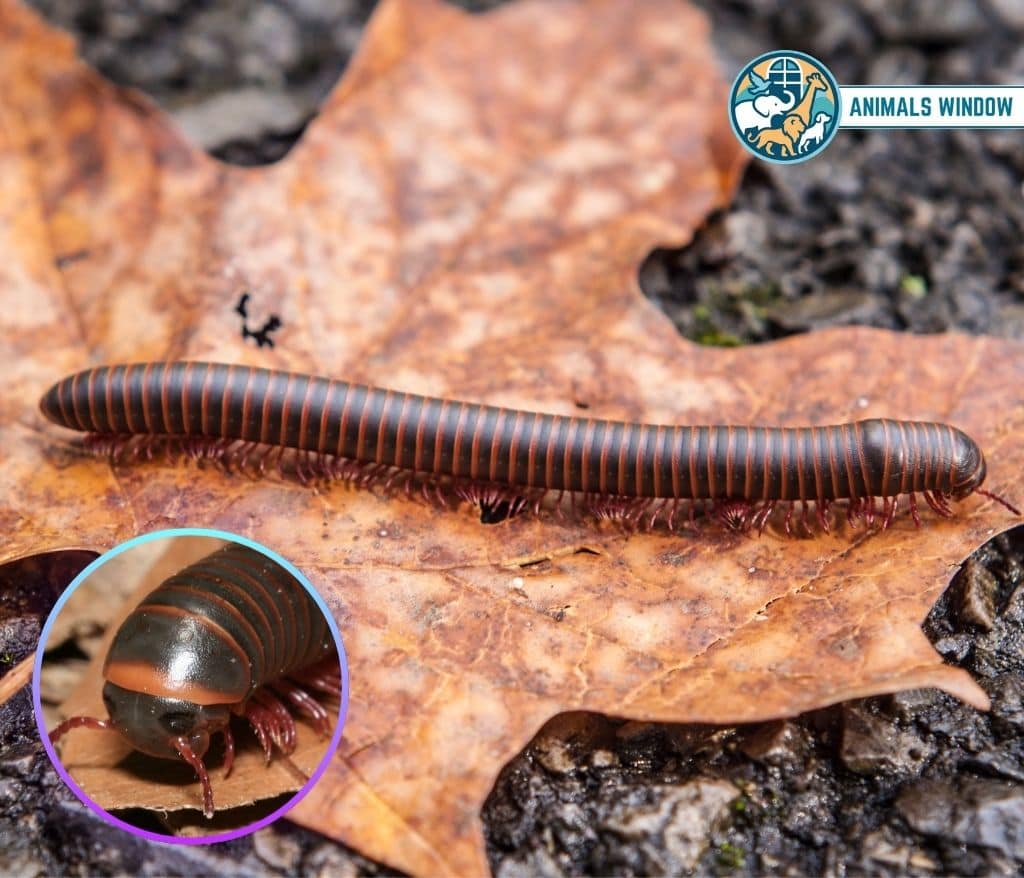
- Scientific name: Narceus americanus
- Size: Up to 4 inches long
- Weight: Up to 0.4 oz
- Diet: Decaying leaves, rotting wood, organic material
- Habitat: Forest floors, caves, soil worldwide
- Lifespan: 7–10 years
Millipedes don’t actually have a thousand legs — the most-legged species on record had 750. Each body segment typically has two pairs of legs, not one. They’re detritivores, meaning they eat only decomposing material and play a huge role in breaking down dead plant matter in forests.
When threatened, millipedes don’t bite or sting. Instead, they curl into a tight spiral and release hydrogen cyanide gas from glands along their sides. Some tropical species produce enough to kill a small bird.
Comparison Fact: An American giant millipede is about as long as a AAA battery, but moves with a visible, rolling wave motion across all its leg pairs simultaneously.
29. Snail
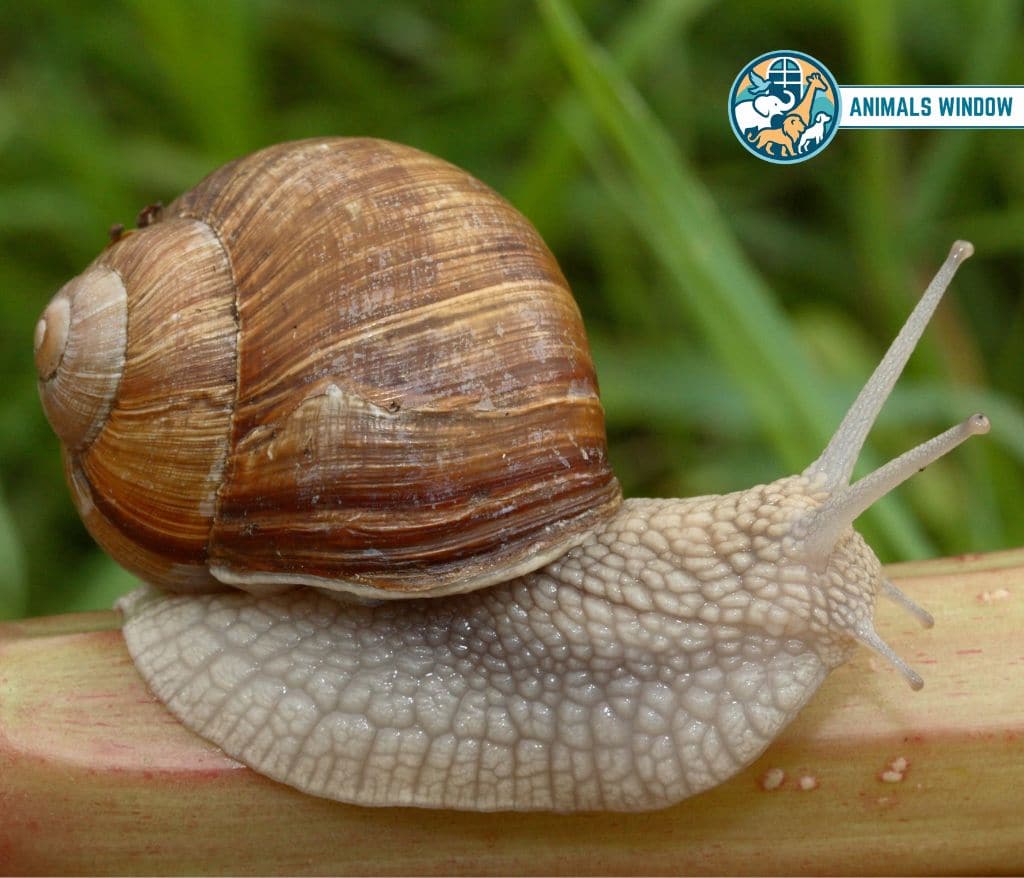
- Scientific name: Helix pomatia
- Size: 1.5–2 inches across
- Weight: Up to 1.5 oz
- Diet: Leaves, stems, fruit, fungi, soil
- Habitat: Gardens, forests, meadows across Europe
- Lifespan: 5–10 years
Snails are completely silent and move at a top speed of about 0.03 mph — about the same as a sloth. But what’s actually happening underneath them is extraordinary. A snail generates a wave of muscular contractions that move forward along the flat underside of its body (the foot), essentially pulling itself forward in a ripple.
Their radula — a tongue-like organ — is lined with thousands of microscopic teeth. A garden snail can have up to 14,175 teeth, all arranged in rows on a ribbon that rasps food off surfaces like sandpaper.
Comparison Fact: A Roman snail is about the same diameter as a golf ball — but its shell is uniquely shaped to coil in a mathematically perfect spiral called the golden ratio.
30. Earthworm
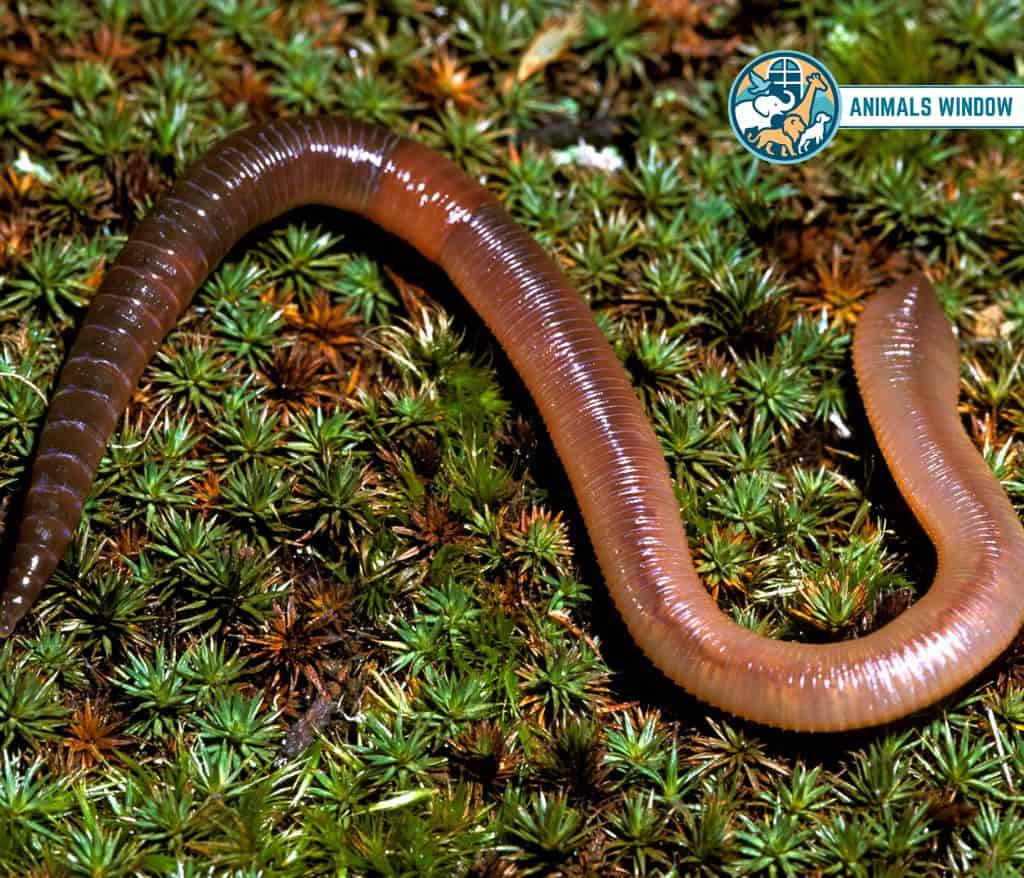
- Scientific name: Lumbricus terrestris
- Size: 4–10 inches long
- Weight: Up to 0.5 oz
- Diet: Decomposing organic matter, soil bacteria, fungal spores
- Habitat: Soil worldwide
- Lifespan: 4–8 years
Earthworms have no eyes, no ears, no nose, and no lungs — but they’re one of the most ecologically important animals on Earth. They break down organic material, aerate soil, and produce castings (worm waste) that are among the most nutrient-rich natural fertilizers in existence.
They breathe entirely through their skin — but only when it’s moist. A dried-out earthworm suffocates. They detect light through photoreceptor cells scattered across their skin surface, and they move away from it.
Comparison Fact: A common earthworm is about as long as a standard pencil — but can consume and process its own body weight in soil every single day.
31. Slug
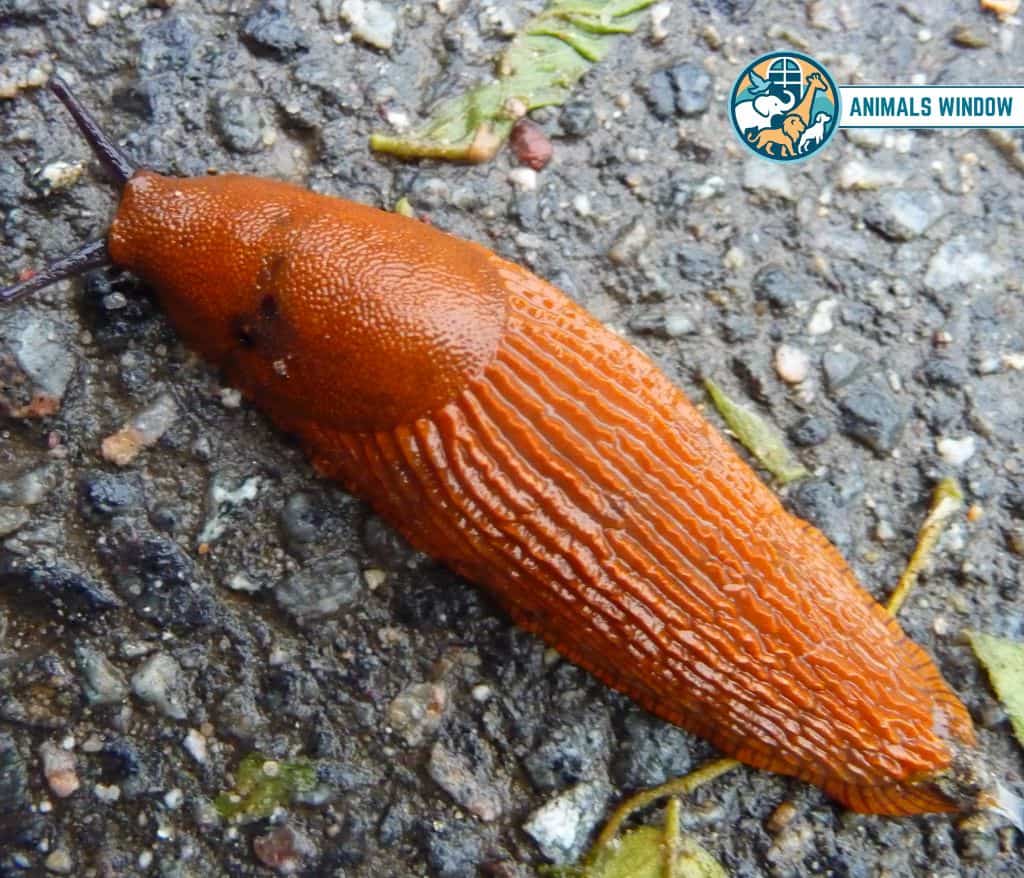
- Scientific name: Arion rufus
- Size: 2–5 inches long
- Weight: Up to 1 oz
- Diet: Plants, fungi, carrion, other slugs
- Habitat: Gardens, forests, damp habitats worldwide
- Lifespan: 1–5 years
A slug is essentially a snail without a shell. The loss of the shell allows it to squeeze through tiny gaps, hide in narrow crevices, and live in damper environments than most snails can tolerate. It also means it must stay moist — exposed to dry air, a slug can lose up to 80% of its body water.
What’s genuinely useful: slugs leave a continuous slime trail that’s chemically unique to each individual. They can follow their own trail home and avoid another slug’s trail to prevent territory overlap — effectively using slime as both navigation and social signaling.
Comparison Fact: A red slug is about as long as your index finger — and leaves a slime trail behind it that can be followed in reverse like a GPS breadcrumb.
32. Ocean Quahog Clam
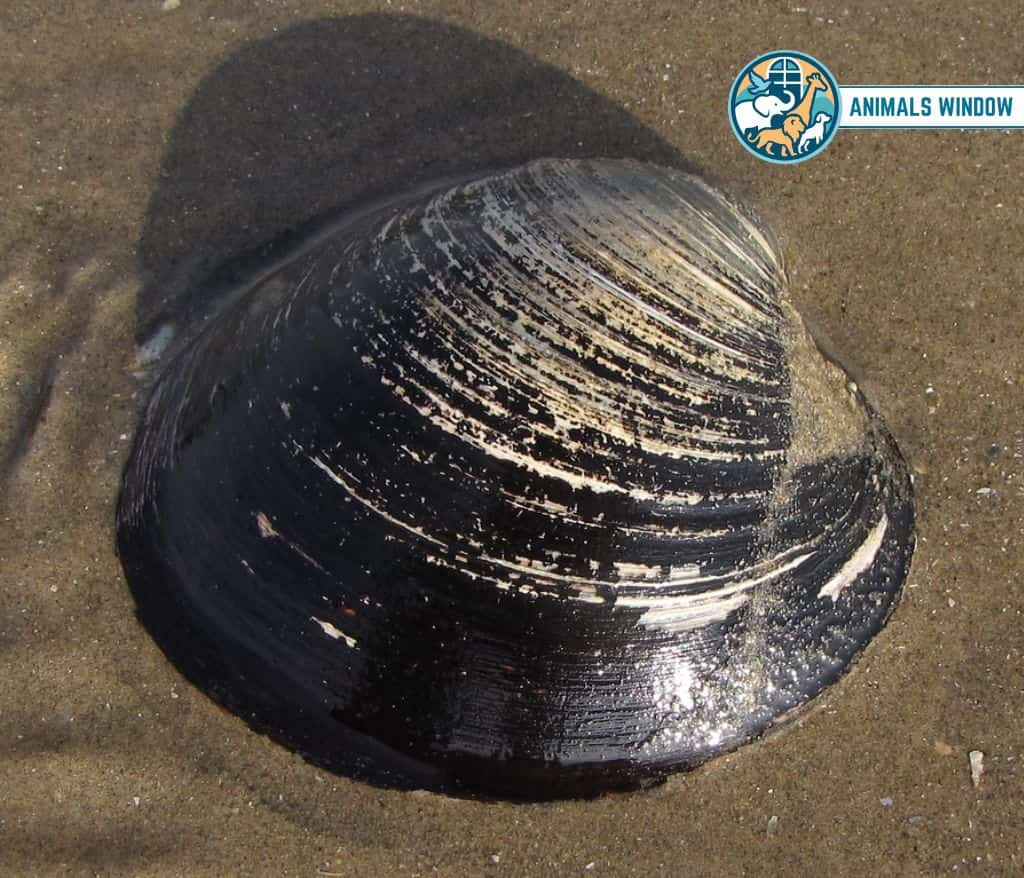
- Scientific name: Arctica islandica
- Size: 3–5 inches across
- Weight: Up to 2 lbs
- Diet: Phytoplankton, organic particles
- Habitat: Cold North Atlantic ocean floors
- Lifespan: 500+ years
The ocean quahog clam is the oldest recorded individual animal in history. The specimen named “Ming” was found in 2006 off the coast of Iceland, and scientists determined its age by counting annual growth rings on its shell — the same way tree rings work. It was 507 years old.
This clam grew in near-total darkness on the ocean floor, filtered seawater for five centuries, and made no sound at any point. Its secret to longevity appears to be an exceptionally low metabolic rate combined with powerful antioxidant enzymes that resist cellular damage more effectively than almost any other organism.
Comparison Fact: The Ming clam’s shell was about the size of a human fist — and the animal inside it was alive before Shakespeare was born.
More Quiet Animals Worth Knowing
Quiet animals exist across every major group on Earth — marine life, insects, worms, arachnids, reptiles, and mammals. The animals above are the most fascinating and well-known quiet creatures. But they are not the only ones.The table below includes more quiet animal names. Some, like sponges and sea anemones, have no sound-producing organs at all. Others, like hares and salamanders, are naturally silent due to their prey-animal survival strategies.
| Animal | Animal | Animal |
| Sponge (sea sponge) | Mussel | Oyster |
| Scallop | Sea anemone | Hydra |
| Flatworm | Tapeworm | Roundworm |
| Ribbon worm | Tick | Mite |
| Centipede | Silverfish | Ant |
| Termite | Damselfly | Leaf insect |
| Cockroach | Earwig | Flea |
| Louse | Bed bug | Aphid |
| Scale insect | Slow worm | Salamander |
| Caecilian | Hare |
Related Animals Guides
- 30 Most Energetic Animals (Ranked by Speed & Stamina With Pictures)
- 49 Animals That Migrate in the World (With Pictures & Unique Facts)
Mostly Asked Questions About Quiet Animals
What makes an animal “quiet”?
A quiet animal is one that doesn’t use sound as its primary form of communication. Most rely instead on chemical signals, body language, vibration, or camouflage. Some, like jellyfish and clams, have no sound-producing anatomy at all.
Are quiet animals less intelligent?
Not at all. The octopus — one of the quietest animals — is considered among the most intelligent invertebrates on Earth. Intelligence isn’t linked to how much noise an animal makes.
Can quiet animals still communicate?
Yes. They use chemical signals (pheromones), touch, color changes, vibration, and posture. Chameleons communicate through color. Snails follow slime trails. Rabbits thump the ground.
Why do some animals evolve to be silent?
Silence is often a survival strategy. Prey animals like rabbits and stick insects avoid attracting predators. Deep-sea creatures like sea cucumbers and clams live in environments where sound doesn’t travel effectively anyway.
What is the quietest animal in the world?
The jellyfish is often considered the quietest — it has no vocal cords, no sound organs, no brain, and no mechanism for producing any kind of sound whatsoever. The clam is a close second, for the same reasons.
Trait Comparison: Camouflage vs. Mimicry
These two survival tricks look similar but work very differently.
Camouflage is when an animal blends into its background through color or texture — like the octopus matching a rock, or the stick insect resembling a twig. The animal uses its own body surface to disappear into its surroundings.
Mimicry is when an animal copies something else entirely — either another animal or an object. A stick insect swaying like a twig in wind is mimicry of behavior, not just appearance. A moth with large eye-spots on its wings is mimicking the face of a larger predator.
The key difference: camouflage says “I’m not here.” Mimicry says “I’m something else.”
Many quiet animals use both. A chameleon blends in (camouflage) and changes to a threatening color pattern when cornered (mimicry-adjacent signaling). A ladybug’s bright red color mimics a warning that predators have learned to avoid.
Quiet animals rely on both strategies more heavily than loud ones — because when you can’t growl, roar, or hiss your way out of a threat, you’d better disappear before it arrives.

I have loved animals since I was a kid. I enjoy reading about how animals live, eat, move, and survive. I started Animals Window to share what I learn in a simple and easy way. I write about animal body parts, size, behavior, diet, habitats, and species. My goal is to make animal facts clear and fun for everyone to understand.