Some animals eat amounts that seem impossible from a whale gulping millions of shrimp to a tiny shrew burning through its own body weight in food daily. Animals that eat a lot include giant ocean feeders like the blue whale, small but mighty creatures like the pygmy shrew, and powerful predators like the polar bear and Komodo dragon. Each one has evolved a unique feeding strategy to survive.
Table of Contents
Quick List of Animals That Eating Most
- Blue Whale
- African Elephant
- Sperm Whale
- Elephant Seal
- White Rhinoceros
- American Pygmy Shrew
- Ruby-Throated Hummingbird
- Polyphemus Moth Caterpillar
- Desert Locust
- Black-Footed Cat
- Star-Nosed Mole
- Burmese Python
- Komodo Dragon
- Tasmanian Devil
- Tiger
- Lion
- Polar Bear
- Giant Panda
- Kodiak Brown Bear
- Bar-Tailed Godwit
- Giraffe
- Cow
1. Blue Whale

- Scientific name: Balaenoptera musculus
- Size: Up to 100 feet (30 m)
- Weight: Up to 200 tons
- Diet: Krill (mainly Euphausia superba)
- Habitat: All major oceans
- Lifespan: 70–90 years
The blue whale is the largest animal ever known to exist on Earth — and it earns that title partly by eating on a scale nothing else can match. Found in deep, cold ocean waters, it relies entirely on tiny shrimp-like creatures called krill. That contrast — the biggest body, the tiniest food — is what makes this animal so extraordinary.
Here’s the surprising part: a blue whale lunges into a krill swarm, opens its enormous mouth, and filters up to 90 bathtubs’ worth of water in a single gulp. Its baleen plates act like a massive sieve, trapping millions of krill while water rushes out. During peak feeding season, one blue whale consumes up to 16 tons of krill per day — that’s roughly the weight of two adult African elephants, eaten every 24 hours.
🔥 Comparison Fact: A blue whale’s stomach can hold about 2,200 pounds of food at once — roughly the same as stacking 15 average-sized refrigerators side by side.
2. African Elephant

- Scientific name: Loxodonta africana
- Size: Up to 13 feet tall at the shoulder
- Weight: Up to 14,000 lbs (6,350 kg)
- Diet: Grass, bark, roots, leaves, fruit
- Habitat: African savannas, forests, and wetlands
- Lifespan: 60–70 years
The African elephant is the heaviest land animal on Earth, and it spends up to 18 hours a day eating to maintain that size. Roaming across savannas and forests, it uses its flexible trunk — which contains over 40,000 muscles — to rip grass, strip bark, and pluck fruit with remarkable precision.
What stands out is how much this animal reshapes its environment through eating. An elephant consumes around 300 pounds (136 kg) of vegetation per day, but it only digests about 40% of what it eats. The rest passes through and gets deposited across miles of terrain. This “inefficient” digestion is actually a forest regeneration engine — seeds are spread, nutrients are returned to soil, and entire ecosystems are maintained by one animal’s appetite.
🔥 Comparison Fact: An African elephant eats roughly the weight of a full-sized grand piano every single day.
3. Sperm Whale

- Scientific name: Physeter macrocephalus
- Size: Up to 60 feet (18 m)
- Weight: Up to 57 tons
- Diet: Giant squid, fish, sharks
- Habitat: Deep oceans worldwide
- Lifespan: 60–70 years
The sperm whale is the largest toothed predator on the planet. It dives deeper than almost any other mammal — sometimes reaching 7,000 feet below the surface — to hunt in complete darkness. Among animals that eat a lot in the ocean, the sperm whale stands apart because of what it chases: giant squid that can match it in a violent struggle.
A sperm whale eats around 2,000 pounds (900 kg) of food per day, using echolocation to locate prey in pitch-black water. What’s remarkable is that sperm whales often bear circular scars across their skin from squid tentacles — evidence of real underwater battles for survival. They are essentially the ocean’s deep-sea hunters, operating at pressures that would crush most other creatures.
🔥 Comparison Fact: The sperm whale’s lower jaw alone can be 16 feet long — about the length of a mid-size delivery truck.
4. Elephant Seal

- Scientific name: Mirounga spp.
- Size: Up to 16 feet (4.9 m) — males
- Weight: Up to 4,500 lbs (2,040 kg)
- Diet: Squid, fish, octopus, small sharks
- Habitat: Pacific and Southern Oceans
- Lifespan: 20–25 years
Elephant seals are built for extremes. They spend up to 10 months a year at sea, diving to depths of 5,000 feet and eating almost continuously. Then they come ashore, fast for weeks, and still manage to survive — and breed. Few animals swing between feast and famine so dramatically.
During their ocean feeding phase, elephant seals may gain over 200 lbs (90 kg) per month in pure blubber. Their secret is a metabolic ability to slow their heart rate to as low as 4 beats per minute during deep dives, conserving oxygen and allowing extended hunts. They can hold their breath for up to 2 hours between dives — longer than almost any other mammal.
🔥 Comparison Fact: A male elephant seal weighs about as much as a compact car — and it built that body entirely on squid and fish.
5. White Rhinoceros

- Scientific name: Ceratotherium simum
- Size: Up to 6 feet tall, 13 feet long
- Weight: Up to 5,000 lbs (2,268 kg)
- Diet: Grass (almost exclusively)
- Habitat: African grasslands and savannas
- Lifespan: 40–50 years
The white rhinoceros is a grazing machine. Unlike browsers that eat leaves and shrubs, the white rhino is built specifically for short grass — its wide, flat lips act like a natural lawn mower, cropping vegetation close to the ground across huge stretches of savanna each day.
A white rhino eats roughly 120 lbs (55 kg) of grass per day — and it may spend up to 20 hours grazing to get there. What’s unique is how this diet shapes the landscape. White rhinos are ecosystem architects: their constant grazing keeps grass short and encourages the growth of higher-quality plants, which benefits zebras, wildebeest, and dozens of other grazers that follow in their path.
🔥 Comparison Fact: A white rhino’s daily grass intake weighs about as much as a large motorcycle.
6. American Pygmy Shrew
- Scientific name: Sorex hoyi
- Size: 2–2.5 inches body length
- Weight: 0.07–0.1 oz (2–3 grams)
- Diet: Insects, worms, larvae, small invertebrates
- Habitat: North American forests, wetlands, and meadows
- Lifespan: About 1 year
The American pygmy shrew is one of the smallest mammals in the world — and the hungriest relative to its size. If you want to answer the question of what land animal eats the most calories per pound of body weight, this is your answer. It’s a hungry animal that essentially can’t stop eating or it will die.
A pygmy shrew must eat every 15–30 minutes, around the clock, just to survive. Its metabolic rate is so extreme that its heart beats up to 1,200 times per minute. It consumes three times its own body weight in food daily. This means a 2-gram shrew is eating 6+ grams of insects and worms every 24 hours — a proportion no large animal can come close to matching. Go without food for more than a few hours, and it starves to death.
🔥 Comparison Fact: The American pygmy shrew’s body is about the size of a large grape, yet it burns energy like a tiny turbine engine running at maximum speed.
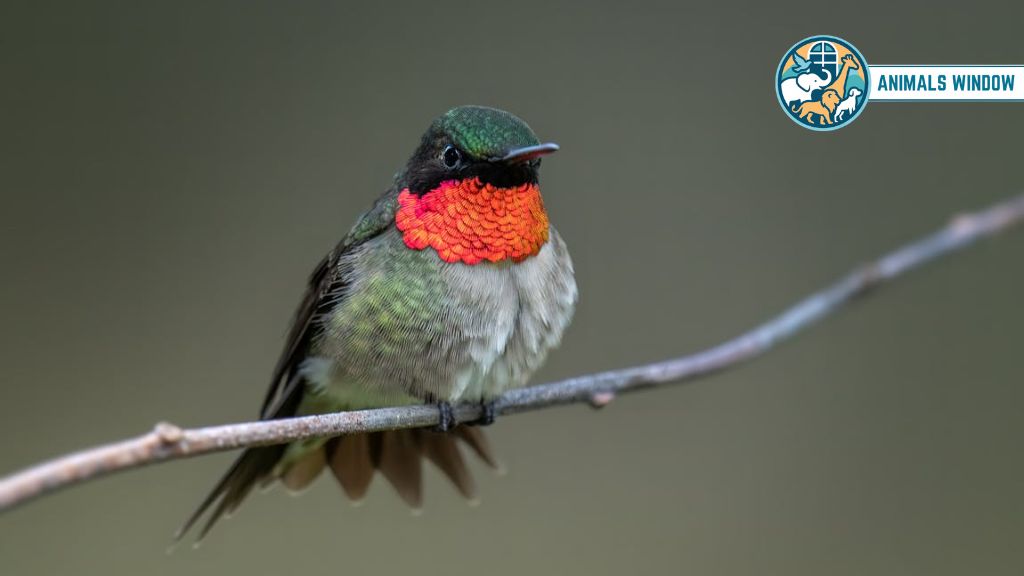
7. Ruby-Throated Hummingbird
- Scientific name: Archilochus colubris
- Size: About 3.5 inches
- Weight: 0.1–0.2 oz (2–6 grams)
- Diet: Nectar, small insects, spiders
- Habitat: Eastern North America, Central America
- Lifespan: 3–5 years
The ruby-throated hummingbird is a living paradox — tiny body, enormous fuel demand. Its wings beat up to 53 times per second, which requires a caloric intake that would be fatal for almost any other creature at its size.
To keep that engine running, a ruby-throated hummingbird visits up to 1,000 flowers per day and consumes nectar equal to roughly half its body weight daily. But here’s the real trick: it enters a state called torpor at night — essentially a mini-hibernation where its metabolic rate drops to 1/15th of normal — so it doesn’t burn through its fuel reserves while sleeping. Without torpor, it would starve to death overnight.
🔥 Comparison Fact: If a 150-pound human had the same metabolic rate as a hummingbird, they would need to eat roughly 300 pounds of food every day to stay alive.
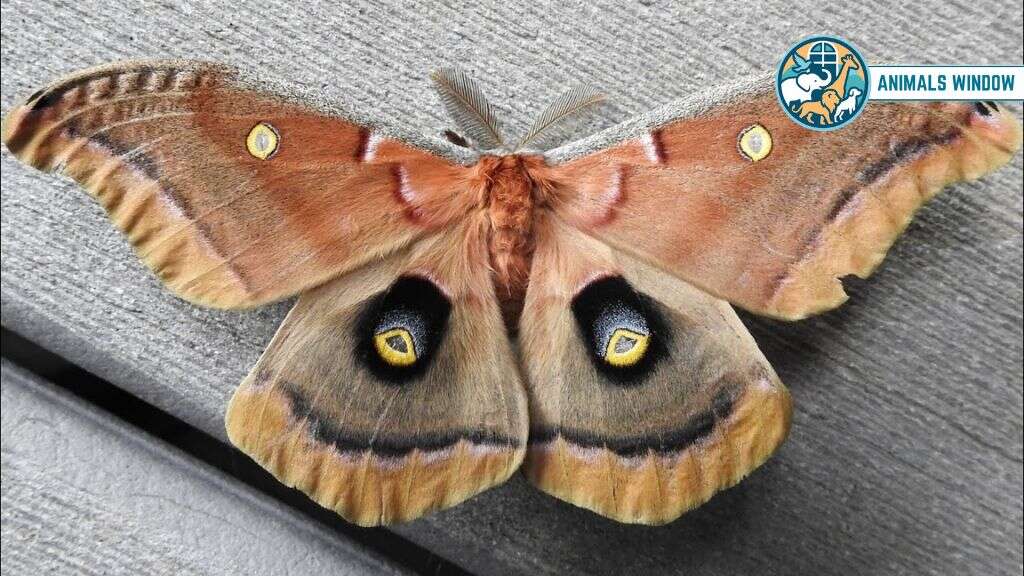
8. Polyphemus Moth Caterpillar
- Scientific name: Antheraea polyphemus
- Size: Up to 3.5 inches (as caterpillar)
- Weight: Up to 0.35 oz (10 grams) at peak
- Diet: Oak, maple, birch, and other tree leaves
- Habitat: Forests across North America
- Lifespan: A few weeks as caterpillar; adult moths live only days
This caterpillar holds one of the most extraordinary eating records in all of nature. The Polyphemus moth caterpillar eats 86,000 times its own birth weight in plant material during the first 48 days of its life. That number isn’t a typo. It’s one of the most documented feeding feats in entomology.
The entire purpose of the caterpillar stage is to accumulate energy for metamorphosis. The adult moth has no functioning mouth or digestive system — it cannot eat at all. So the caterpillar front-loads a lifetime of nutrition into a few weeks of nonstop leaf consumption, building fat reserves that fuel transformation into one of North America’s largest moths.
🔥 Comparison Fact: If a 7-pound human baby scaled up food intake the way this caterpillar does, it would need to eat about 300 tons of food before its first birthday.
9. Desert Locust

- Scientific name: Schistocerca gregaria
- Size: About 2–3 inches
- Weight: About 0.07 oz (2 grams)
- Diet: Any green vegetation
- Habitat: Africa, Middle East, South Asia
- Lifespan: 3–5 months
One desert locust doesn’t sound alarming. A swarm of 80 million does. The desert locust is arguably the most destructive eater on Earth when measured by collective impact. A single large swarm can consume enough food in one day to feed 35,000 people for a year.
Each individual locust eats its own body weight in food daily — about 2 grams. But what makes this animal different from every other entry on this list is its phase transformation. When population density increases, desert locusts chemically and physically change — their behavior, color, and brain chemistry shift from solitary to gregarious. This transformation, triggered by serotonin, turns a harmless insect into a member of one of nature’s most devastating feeding forces.
🔥 Comparison Fact: A desert locust swarm covering 1 square kilometer contains up to 80 million insects and can eat 160 tons of crops in a single day.
10. Black-Footed Cat
- Scientific name: Felis nigripes
- Size: About 14–20 inches body length
- Weight: 2.2–5.5 lbs (1–2.5 kg)
- Diet: Small birds, rodents, insects, spiders
- Habitat: Southern African grasslands and semi-arid regions
- Lifespan: Up to 13 years in captivity
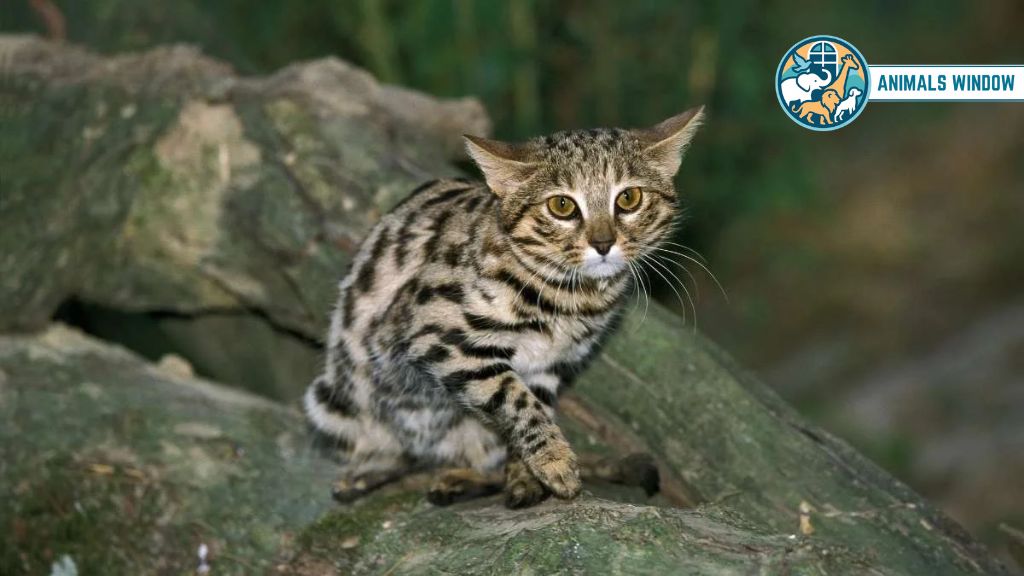
The black-footed cat is the smallest wild cat in Africa — and the most lethal hunter on the planet by success rate. It catches prey on 60% of its hunting attempts, compared to 25% for lions. That makes it, pound for pound, the most effective killer alive.
But what earns it a place on this list is its eating schedule. A black-footed cat hunts nearly every night without rest, covering up to 20 miles, and kills 10–14 small animals per night. It must eat about 250 grams of meat every 24 hours — which is roughly a third of its own body weight daily. For an animal the size of a large house cat, this output is staggering.
🔥 Comparison Fact: A black-footed cat’s nightly food intake relative to its body weight is the equivalent of a 150-pound person eating about 50 pounds of meat every night.
11. Star-Nosed Mole
- Scientific name: Condylura cristata
- Size: About 6–8 inches
- Weight: 1.2–2.6 oz (35–75 grams)
- Diet: Worms, insects, small fish, crustaceans
- Habitat: Moist, low-lying areas in eastern North America
- Lifespan: About 3–4 years
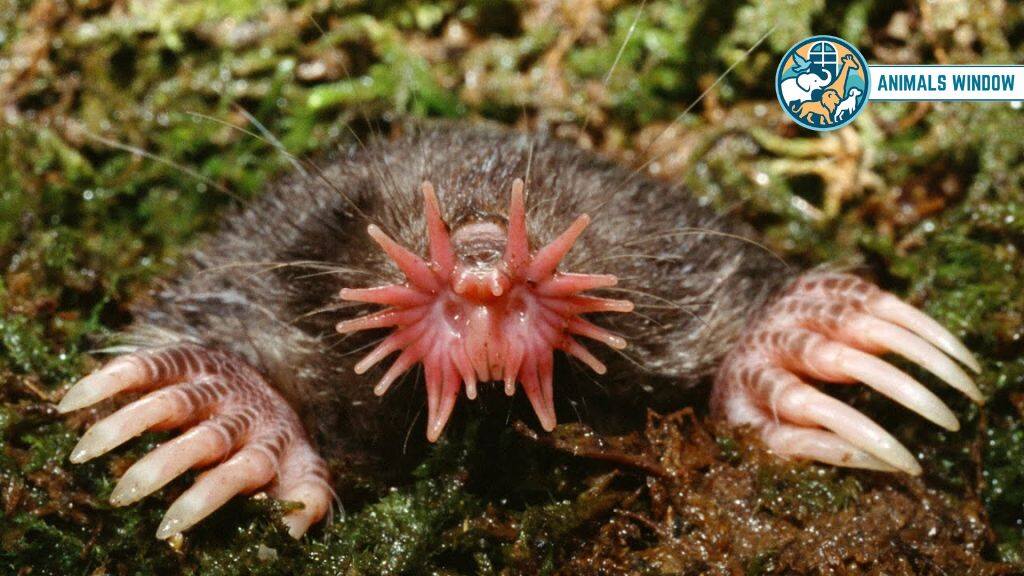
The star-nosed mole doesn’t just eat a lot — it eats faster than any other mammal on Earth. Its bizarre nose, ringed with 22 fleshy tentacles, contains more than 25,000 sensory receptors packed into a structure smaller than a human fingertip. This nose identifies, assesses, and confirms food in 8 milliseconds — faster than the human eye can blink.
Because it spends its life tunneling through dense, dark soil, speed is survival. A star-nosed mole can detect and devour a small worm in 120 milliseconds — the fastest documented feeding rate of any mammal. It eats nearly constantly while awake, consuming worms, larvae, and aquatic insects in rapid-fire sequence.
🔥 Comparison Fact: The star-nosed mole’s entire nose-tip, packed with sensors, is smaller than a dime — yet it processes sensory information faster than almost any biological structure known.
12. Burmese Python

- Scientific name: Python bivittatus
- Size: Up to 23 feet (7 m)
- Weight: Up to 200 lbs (90 kg)
- Diet: Birds, mammals (deer, pigs, alligators)
- Habitat: Southeast Asia; invasive in Florida
- Lifespan: 20–25 years
The Burmese python takes the opposite approach to eating from every other animal on this list. Instead of eating constantly, it eats enormously — then waits. After consuming a large meal, a Burmese python can go months without eating again.
What makes this possible is a biological trick: when food arrives, the python rapidly regrows its own organs. Its heart, liver, and intestines physically increase in size by up to 40% within 48 hours of feeding, supercharging digestion. When the meal is done, those organs shrink back down to conserve energy. This on-demand organ expansion is unlike anything else in the vertebrate world. A python can swallow prey that outweighs it — including full-grown white-tailed deer.
🔥 Comparison Fact: A Burmese python can swallow prey weighing up to 100% of its own body mass — like a 150-pound person swallowing another 150-pound person whole.
13. Komodo Dragon

- Scientific name: Varanus komodoensis
- Size: Up to 10 feet (3 m)
- Weight: Up to 170 lbs (77 kg)
- Diet: Deer, pigs, goats, water buffalo, carrion
- Habitat: Indonesian islands (Komodo, Flores, Rinca)
- Lifespan: Up to 30 years
The Komodo dragon is the world’s largest living lizard, and it hunts using one of the most patient strategies in the animal kingdom. It can smell blood from up to 6 miles away, using a forked tongue to sample the air. When prey is nearby, it strikes with serrated teeth and venom that prevents blood clotting — then it waits while the animal weakens.
A Komodo dragon can eat 80% of its own body weight in a single meal. Its jaws are designed for tearing and gulping whole chunks of flesh, and its stomach acid is so powerful it can dissolve bone, hooves, and horns. After a large kill, one dragon may not need to eat again for weeks.
🔥 Comparison Fact: A Komodo dragon’s skull flexes as it eats — its jaws are loosely connected, allowing it to stretch wide enough to swallow a piece of meat the size of a small watermelon in one gulp.
14. Tasmanian Devil

- Scientific name: Sarcophilus harrisii
- Size: About 20–31 inches body length
- Weight: 9–26 lbs (4–12 kg)
- Diet: Carrion, wombats, wallabies, birds, insects
- Habitat: Tasmania, Australia
- Lifespan: 5–8 years
The Tasmanian devil is small, stocky, and has the most powerful bite of any living mammal relative to its body size. That jaw pressure — combined with a metabolism built for overconsumption — allows it to eat up to 40% of its body weight in a single feeding session.
What makes this animal unusual as a big eater is its role in the ecosystem. Tasmanian devils are the ocean’s equivalent of a garbage disposal on land — they consume carcasses entirely, crushing and swallowing bones, fur, and organs that other scavengers leave behind. This cleaning behavior reduces disease spread across their habitat. Their screaming, competitive feeding frenzies at kill sites can last for hours.
🔥 Comparison Fact: A Tasmanian devil the size of a small dog can consume the equivalent of a full adult kangaroo carcass — bones included — over a single night.
15. Tiger

- Scientific name: Panthera tigris
- Size: Up to 11 feet (3.3 m) including tail
- Weight: Up to 660 lbs (300 kg)
- Diet: Deer, wild boar, buffalo, gaur
- Habitat: South and Southeast Asian forests and grasslands
- Lifespan: 10–15 years in the wild
The tiger is a solitary apex predator that hunts using pure ambush power. Unlike lions, tigers do not live or hunt in groups — every kill is achieved alone, through a combination of calculated stalking and explosive short-distance sprinting at up to 40 mph.
A tiger can consume up to 88 lbs (40 kg) of meat in a single meal — then go several days without eating again. This feast-or-famine approach is shaped by the high failure rate of solo hunting. Tigers succeed on roughly 1 in 10 to 20 attempts, so when a large prey animal is taken, the tiger eats deeply. It will often drag its kill into cover and return to feed over multiple days.
🔥 Comparison Fact: A single tiger meal of 88 lbs of meat is roughly equal to the weight of 350 quarter-pound hamburgers eaten in one sitting.
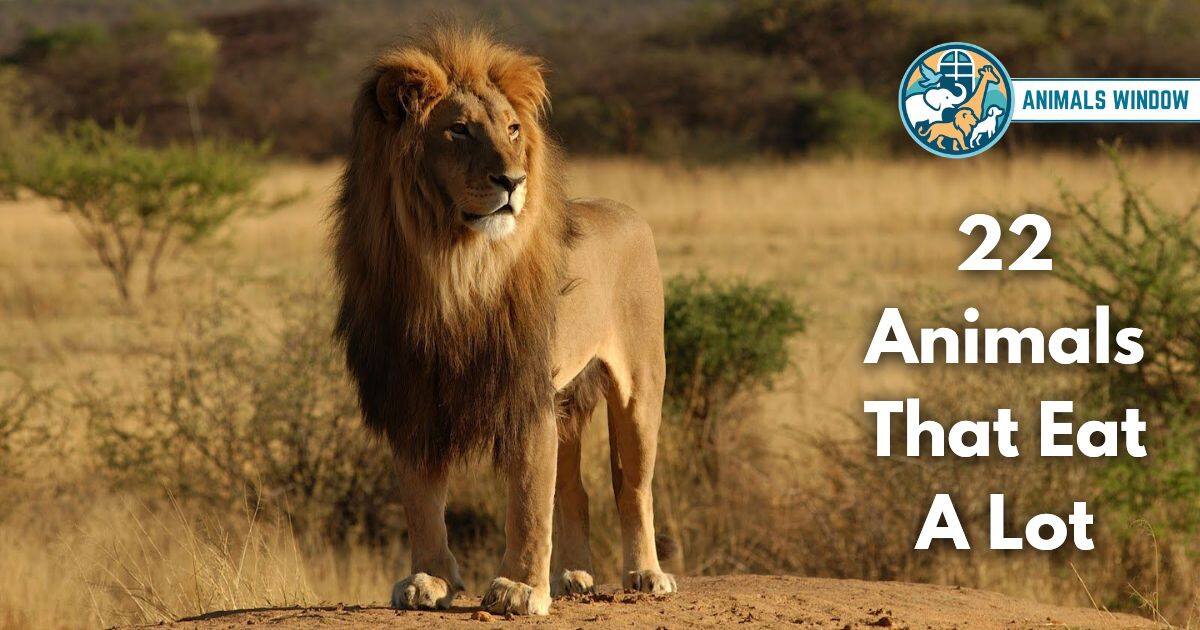
16. Lion
- Scientific name: Panthera leo
- Size: Up to 8 feet (2.4 m) body length
- Weight: Up to 420 lbs (190 kg)
- Diet: Zebra, wildebeest, buffalo, warthog
- Habitat: African savannas and grasslands
- Lifespan: 10–14 years in the wild
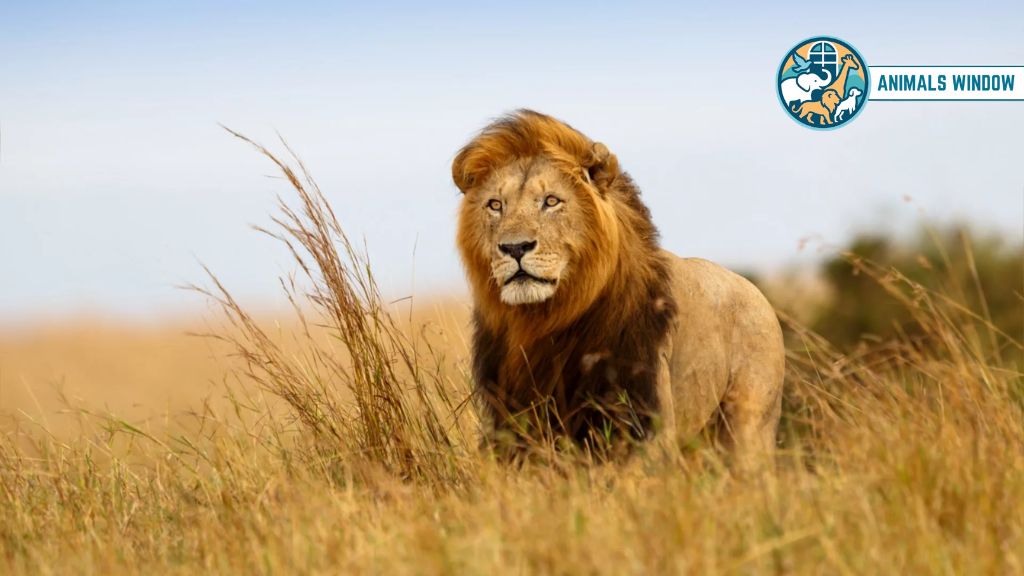
The lion is the only truly social wild cat, living and hunting in groups called prides. This social structure transforms feeding into a competitive, high-volume event. When a large prey animal is taken, lions may eat up to 15–20% of their body weight in one feeding session.
But here’s what sets the lion apart: a male lion can consume up to 75 lbs (34 kg) in a single meal, then spend the next 20+ hours sleeping to digest it. Despite its fearsome reputation, the lion’s hunting success rate is only about 17–19% — meaning most hunts fail. Female lions do most of the hunting, while males often secure their share through sheer size and dominance at the kill site.
🔥 Comparison Fact: A lion’s jaw can exert around 1,000 lbs of force — about the same as the pressure of a small forklift — allowing it to crush through bone with ease.
17. Polar Bear
- Scientific name: Ursus maritimus
- Size: Up to 10 feet (3 m) standing
- Weight: Up to 1,500 lbs (680 kg)
- Diet: Ringed seals, bearded seals, beluga whales (opportunistic)
- Habitat: Arctic ice, open ocean
- Lifespan: 15–18 years in the wild
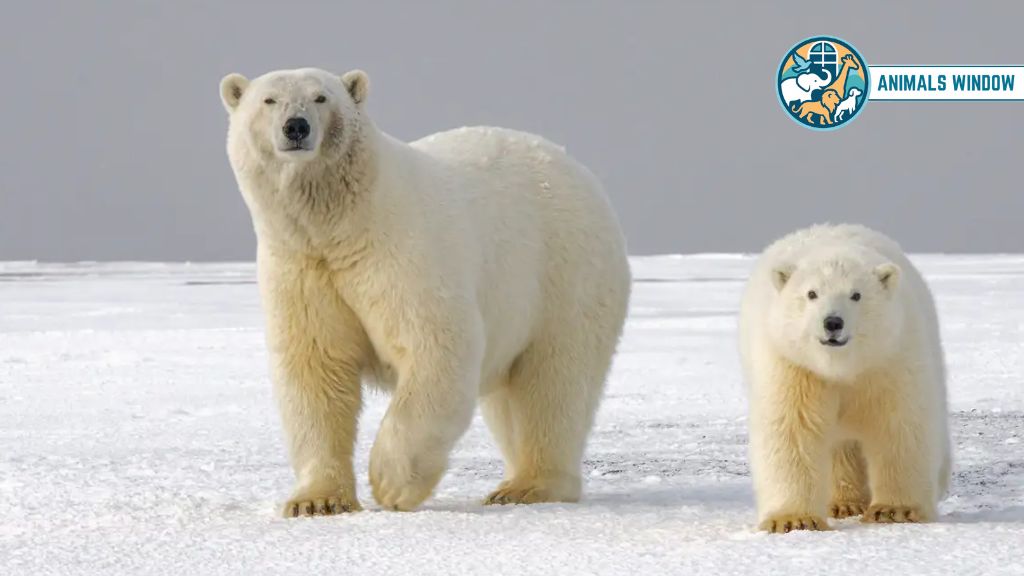
The polar bear lives in one of the harshest environments on Earth, and its eating strategy reflects that. During peak feeding season when sea ice is solid, a polar bear can consume 100 lbs (45 kg) of seal blubber in a single sitting.
What stands out is its seasonal extremity. A polar bear enters hyperphagia in late summer and fall — a biological drive to eat as much as possible — gaining up to 400 lbs before winter. During the months-long winter fast, pregnant females live entirely off stored fat while giving birth and nursing cubs. No food. No water. Sustained entirely on blubber reserves built during those short feeding windows.
🔥 Comparison Fact: A polar bear gaining 400 lbs of pre-winter fat would be the equivalent of a 200-pound human packing on 400 extra pounds before going to sleep for months — and surviving just fine.
18. Giant Panda

- Scientific name: Ailuropoda melanoleuca
- Size: 4–6 feet long
- Weight: 200–330 lbs (90–150 kg)
- Diet: Bamboo (99% of diet); occasional insects or small rodents
- Habitat: Central Chinese mountain forests
- Lifespan: 20 years in the wild
The giant panda is one of the most biologically unusual animals on Earth in terms of diet. It’s classified as a carnivore — it has the digestive system of a meat-eater — yet it eats almost exclusively bamboo, which it digests so poorly that it must eat 26–84 lbs (12–38 kg) of bamboo per day just to extract enough nutrition to survive.
Giant pandas spend up to 14 hours a day eating to compensate for this nutritional inefficiency. Their wrists have evolved a modified radial sesamoid bone — often called a “false thumb” — that helps grip bamboo stalks with precision. Despite eating such enormous quantities, pandas exist on a razor-thin energy budget, barely generating enough calories to roam significant distances each day.
🔥 Comparison Fact: A giant panda eating 38 kg of bamboo daily is the equivalent of a 180-pound person eating 180 pounds of celery every day — and still barely getting by.
19. Kodiak Brown Bear
- Scientific name: Ursus arctos middendorffi
- Size: Up to 10 feet (3 m) standing
- Weight: Up to 1,500 lbs (680 kg)
- Diet: Salmon, berries, sedges, ground squirrels, carrion
- Habitat: Kodiak Archipelago, Alaska
- Lifespan: 20–25 years
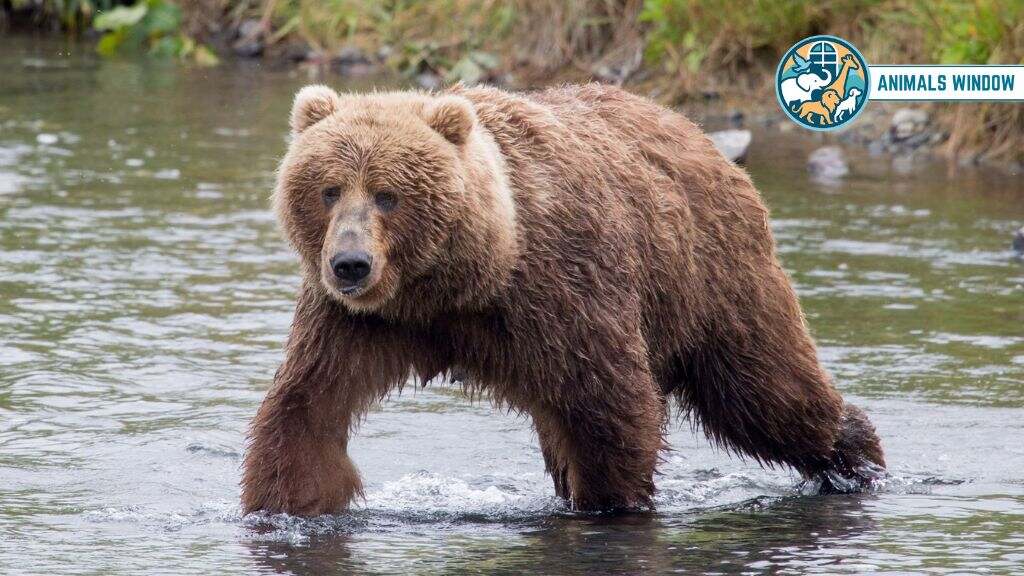
The Kodiak brown bear is the largest subspecies of brown bear on Earth and the second largest land carnivore after the polar bear. What makes this animal remarkable as a food consumer is the sheer seasonal caloric load it manages — and the variety of food it processes to get there.
During hyperphagia in late summer, a Kodiak bear can consume up to 20,000 calories per day — primarily from sockeye salmon during the annual spawning runs. It will wade into rivers, catching dozens of fish in a few hours, often eating only the fattiest parts (the brain and skin) while leaving the rest. This selective eating during abundance is a calculated strategy to maximize fat gain before the winter fast.
🔥 Comparison Fact: 20,000 calories per day is roughly the equivalent of eating 40 full Big Mac meals — every single day for weeks on end.
20. Bar-Tailed Godwit

- Scientific name: Limosa lapponica
- Size: About 15–17 inches
- Weight: Up to 0.9 lbs (400 grams) before migration
- Diet: Worms, clams, marine invertebrates
- Habitat: Alaska, New Zealand, Australia (migratory)
- Lifespan: Up to 20+ years
The bar-tailed godwit earns its place here not for eating a lot year-round, but for one of the most extreme pre-flight eating episodes in nature. Before its nonstop 7,000-mile (11,000 km) migration from Alaska to New Zealand the longest nonstop flight of any bird it eats relentlessly for weeks.
During this pre-migration feeding phase, the godwit doubles its body weight by gorging on marine worms and clams. Then its organs physically shrink — the stomach, intestines, and liver reduce in size to save weight for the flight. It then flies for up to 11 days without landing, eating, or drinking, burning through its fat and even its own muscle and organ tissue for fuel. No other migratory animal has a documented nonstop flight this long.
🔥 Comparison Fact: A bar-tailed godwit the size of a pint of milk somehow fuels an 11-day transocean flight entirely on stored fat — no refueling stops.
21. Giraffe

- Scientific name: Giraffa camelopardalis
- Size: Up to 19 feet (5.8 m) tall
- Weight: Up to 3,000 lbs (1,360 kg)
- Diet: Acacia leaves, flowers, seeds, fruits
- Habitat: African savannas and open woodlands
- Lifespan: 20–25 years in the wild
The giraffe is the world’s tallest animal, and that height is a direct feeding adaptation. Its 18-inch (45 cm) prehensile tongue — dark purple in color — can wrap around thorny acacia branches and strip leaves with precision that smaller animals simply cannot access. The giraffe essentially has a food source all to itself.
A giraffe spends 16–20 hours a day eating, consuming around 75 lbs (34 kg) of leaves and plant material daily. But what most people don’t realize is how dangerous drinking water is for a giraffe — it must splay or bend its front legs awkwardly to reach a waterhole, making it vulnerable to predators. Because of this, it gets most of its moisture from the leaves it eats, relying on food as both energy and hydration.
🔥 Comparison Fact: A giraffe’s tongue is nearly as long as an average school ruler — and it can strip a thorny acacia branch clean in seconds without a scratch.
22. Cow
- Scientific name: Bos taurus
- Size: 4.5–5 feet tall at the shoulder
- Weight: 1,000–1,800 lbs (450–820 kg)
- Diet: Grass, hay, silage, grain (farmed varieties)
- Habitat: Worldwide (domesticated); originally Central Asian grasslands
- Lifespan: 20 years (often 10–12 in agricultural settings)
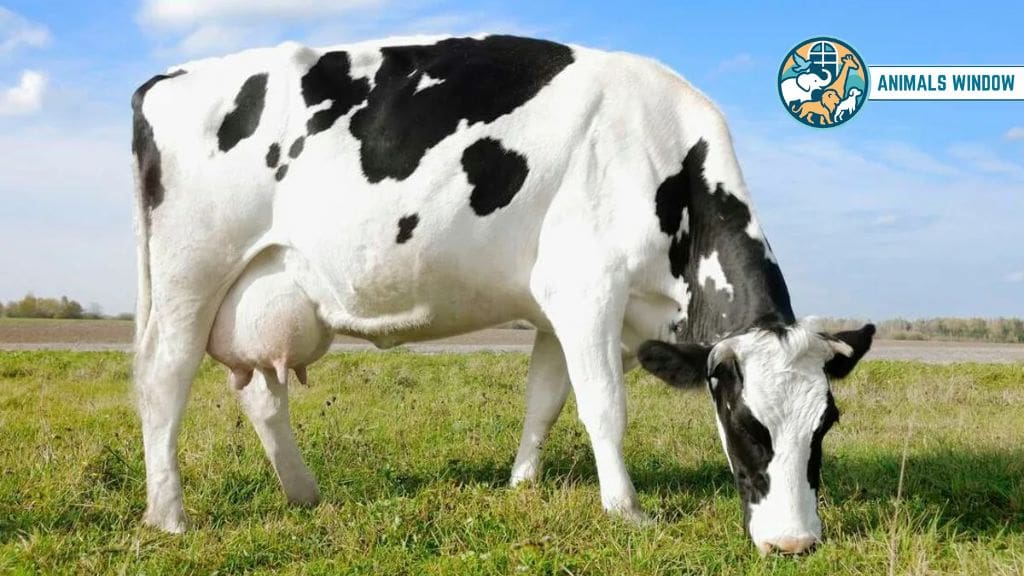
The cow is one of the most efficient large-scale plant processors on Earth. As a ruminant, it has a four-chambered stomach that allows it to ferment and re-digest plant material through a process called rumination — better known as chewing the cud. This system extracts nutrition from cellulose-rich grass that most animals can’t process at all.
A cow eats between 24–35 lbs (11–16 kg) of dry matter per day and spends up to 8 hours grazing and another 8 hours chewing regurgitated food. What’s remarkable is the microbial ecosystem inside the cow’s rumen — the first stomach chamber — which holds up to 50 gallons of partially digested food and trillions of bacteria and protozoa that break down tough plant fibers. The cow doesn’t digest its food alone; it relies on an entire living community inside its stomach to do it.
🔥 Comparison Fact: A cow’s rumen can hold up to 50 gallons of fermenting plant material — that’s more than 12 full five-gallon water jugs sloshing around inside one animal at all times.
FAQs About Animals Eat the Most
What animal eats the most food in the world by raw weight?
The blue whale eats the most by weight — up to 16 tons of krill per day during peak feeding season. No other animal comes close to that absolute volume of daily food consumption.
What land animal eats the most calories per day?
The Kodiak brown bear consumes up to 20,000 calories daily during hyperphagia. But relative to body weight, the American pygmy shrew wins — it eats 300% of its body weight every day just to survive.
Which animal eats itself when hungry?
Some sea cucumbers expel and reabsorb their own organs as a survival mechanism, and certain spiders consume their own webs for protein. But among vertebrates, the bar-tailed godwit effectively “eats” its own muscles and organs during its nonstop 11-day migration when fat reserves run low.
What animals eat a lot in the ocean?
The blue whale, sperm whale, and elephant seal are the biggest ocean eaters. Blue whales consume millions of krill per day; sperm whales hunt giant squid at extreme ocean depths; elephant seals feed nearly nonstop during their months-long ocean stays.
Why do small animals like the pygmy shrew eat so much relative to their size?
Small body size means a much larger surface area relative to volume, causing rapid heat loss. To maintain body temperature, small mammals need an extremely high metabolic rate — which demands constant, high-calorie feeding. The smaller the mammal, the more extreme this effect becomes.
Are animals that eat a lot always the largest ones?
No. Some of the most extreme eaters relative to body size are tiny — the pygmy shrew, hummingbird, and desert locust all consume amounts that dwarf what large animals eat proportionally. “Eating a lot” is relative to metabolism, not just body mass.
What is hyperphagia in animals?
Hyperphagia is a biological state where an animal dramatically increases food intake, usually before hibernation or migration. Polar bears and Kodiak brown bears enter hyperphagia before winter, consuming thousands of extra calories daily to build fat reserves for months of fasting ahead.
Read More Animals Guides:

I have loved animals since I was a kid. I enjoy reading about how animals live, eat, move, and survive. I started Animals Window to share what I learn in a simple and easy way. I write about animal body parts, size, behavior, diet, habitats, and species. My goal is to make animal facts clear and fun for everyone to understand.