Docile animals are calm, non-aggressive creatures that are naturally gentle and easy to be around — by humans or other species. These animals rarely show defensive or threatening behavior. Some are wild, some are domesticated, but all share one trait: a remarkably peaceful nature. You’ll find friendly animals on every continent, from deep oceans to mountain forests.
Table of Contents
Quick List of Friendliest & Most Docile Animals
- Capybara
- Manatee
- Giant Tortoise
- Cow
- Horse
- Elephant
- Quokka
- Manta Ray
- Red Panda
- Giant African Millipede
- Dog
- Cat
- Rabbit
- Guinea Pig
- Bearded Dragon
- Llama
- Sheep
- Domestic Goat
- Deer
- Dove
1. Capybara

- Scientific name: Hydrochoerus hydrochaeris
- Size: 106–134 cm long
- Weight: 35–66 kg
- Diet: Herbivore (grasses, aquatic plants)
- Habitat: South American wetlands, riverbanks
- Lifespan: 8–10 years in the wild
The capybara is the world’s largest rodent, and somehow also its most socially relaxed. Native to South America, it spends most of its time wading in rivers, grazing on grass, and just… being near things. Other animals — birds, monkeys, ducks, small cats — regularly climb on top of capybaras like they’re a free couch. The capybara doesn’t mind.
What sets it apart isn’t just its calm temperament. It’s that capybaras genuinely seem to reduce stress in other animals around them. Researchers in wildlife sanctuaries have noted that enclosures housing capybaras tend to have calmer cohabitants overall. They communicate through a soft series of purrs, clicks, and whistles — nothing alarmed, nothing territorial.
🔥 Comparison Fact: A fully grown capybara weighs about as much as a large male German Shepherd — but moves through water with far more grace.
2. Manatee
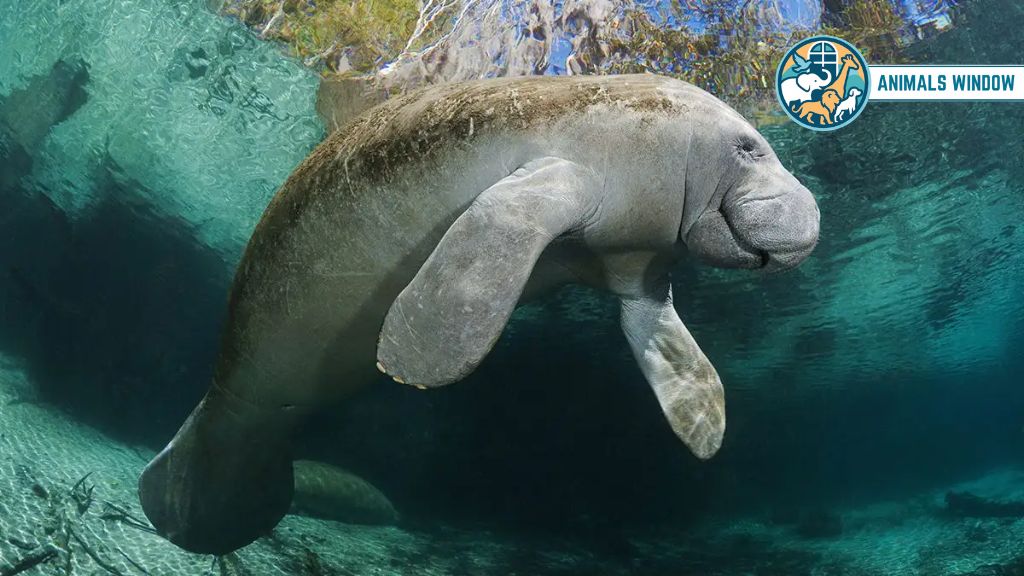
- Scientific name: Trichechus manatus
- Size: 2.7–3.5 meters long
- Weight: 400–550 kg
- Diet: Herbivore (seagrasses, algae, freshwater plants)
- Habitat: Shallow coastal waters, rivers (Florida, Caribbean, West Africa)
- Lifespan: 40–60 years
Manatees are one of the friendliest wild animals you can encounter in the ocean. They’re massive, slow-moving, and almost impossible to upset. These marine mammals drift through warm, shallow water, grazing on sea grass the way cows graze on a field. They have no natural predators as adults — which may explain their total absence of aggression toward anything, including divers who approach them.
Manatees are extraordinarily tactile. They use their flexible, whiskered snouts to “feel” their surroundings, and they often approach humans out of pure curiosity — nudging, rolling, and hovering close. Scientists have documented manatees initiating contact with humans in the wild without any food reward involved. That’s genuinely unusual behavior for a large wild animal.
🔥 Comparison Fact: A manatee’s body is roughly the size of a compact car — but it floats through water as quietly as a falling leaf.
3. Giant Tortoise

- Scientific name: Chelonoidis niger (Galápagos) / Aldabrachelys gigantea (Aldabra)
- Size: Up to 1.3 meters long
- Weight: Up to 360 kg
- Diet: Herbivore (grasses, cacti, fruit, leaves)
- Habitat: Galápagos Islands, Aldabra Atoll (Seychelles)
- Lifespan: 100–150+ years
Giant tortoises are perhaps the most patient animals alive — literally. Some individuals living today were born before the U.S. Civil War. They move slowly, eat slowly, and react to almost everything slowly. That unhurried pace isn’t laziness. It’s one of the most effective survival strategies in nature: conserve energy, stress nothing, outlive everything.
Studies on Aldabra giant tortoises have shown they can remember feeding locations and return to them accurately after years. One tortoise named Jonathan (born around 1832) still lives on the island of St. Helena — making him the oldest known living land animal on Earth. He still eats fruit handed to him by caretakers every week.
🔥 Comparison Fact: The shell of a fully grown Galápagos tortoise is roughly the size of a bathtub — and just as hard.
4. Cow

- Scientific name: Bos taurus
- Size: 1.4–1.8 meters tall at shoulder
- Weight: 400–900 kg
- Diet: Herbivore (grass, hay, grain)
- Habitat: Domestic farms worldwide
- Lifespan: 15–20 years
Cows are calm but strong — a combination that gets underappreciated. A full-grown dairy cow can weigh nearly half a ton, yet most are gentle enough for small children to walk around safely. What drives that calm is partly breeding and partly something more innate: cows are deeply social animals that form strong bonds with specific herd members and will show signs of distress when separated from them.
Cows have been shown to experience something close to excitement. When calves in research settings solved a puzzle to access food, their heart rates rose and their ears perked forward — what scientists describe as a “eureka” response. Cows aren’t just passive grazers. They’re emotionally present animals.
🔥 Comparison Fact: A Holstein cow weighs about as much as a full-size grand piano — and produces up to 28 liters of milk per day.
5. Horse

- Scientific name: Equus ferus caballus
- Size: 1.4–1.8 meters at the shoulder
- Weight: 380–1,000 kg
- Diet: Herbivore (grasses, hay, grains)
- Habitat: Domesticated worldwide; wild in grasslands
- Lifespan: 25–30 years
Horses are one of the most emotionally complex docile animals on the planet. They can read human facial expressions — distinguishing between happy and angry faces — and adjust their behavior accordingly. That’s not just sensitivity. It’s a form of social intelligence rarely seen outside primates.
What makes horses unique among large friendly animals is how they bond. A horse that trusts its human will lower its head, slow its breathing, and physically lean in. That same horse, if frightened, can accelerate from 0 to 55 km/h in seconds. The calmness isn’t weakness. It’s a choice — made by a 500 kg animal that absolutely could run.
🔥 Comparison Fact: A Clydesdale horse can weigh as much as a small SUV but can be guided by a single rope in a trusted handler’s hand.
6. Elephant

- Scientific name: Loxodonta africana (African) / Elephas maximus (Asian)
- Size: 2.5–4 meters at shoulder
- Weight: 2,700–6,000 kg
- Diet: Herbivore (grasses, bark, fruit, roots)
- Habitat: African savannahs, South and Southeast Asian forests
- Lifespan: 60–70 years
Elephants are the largest land animals alive, and among the most emotionally intelligent creatures in the world. They grieve. They recognize themselves in mirrors. They’ve been observed placing flowers and leaves on the bodies of deceased herd members in behavior that researchers describe as a form of mourning ritual. No other land animal does this consistently.
What separates elephants from other docile animals on this list is their memory-based empathy. Elephants remember individual humans — both kind and cruel — decades later. Sanctuaries have documented elephants running toward former caretakers they hadn’t seen in 20 years. That isn’t instinct. That’s remembrance.
🔥 Comparison Fact: An African elephant’s brain weighs about 5 kg — three times heavier than a human brain — and it uses that brain to solve problems, use tools, and comfort distressed family members.
7. Quokka

- Scientific name: Setonix brachyurus
- Size: 40–54 cm long
- Weight: 2.5–4.5 kg
- Diet: Herbivore (grasses, leaves, stems, bark)
- Habitat: Rottnest Island and southwest Western Australia
- Lifespan: 8–10 years
The quokka is widely considered the nicest animal in the world — and it’s not even a close contest. This small marsupial native to Western Australia has a permanent upward curve to its mouth that looks exactly like a smile. But what makes the quokka genuinely charming isn’t the smile. It’s the behavior behind it. Quokkas approach strangers without hesitation, lean into selfies, and show zero defensive behavior toward humans.
They’re so comfortable around people that Rottnest Island — where most of them live — has had to remind tourists not to feed them because the quokkas simply won’t leave people alone long enough for anyone to resist. They are the definition of a cute friendly animal that requires absolutely no convincing.
🔥 Comparison Fact: A quokka weighs about as much as a standard house brick — yet has become one of the most photographed animals on Earth.
8. Manta Ray
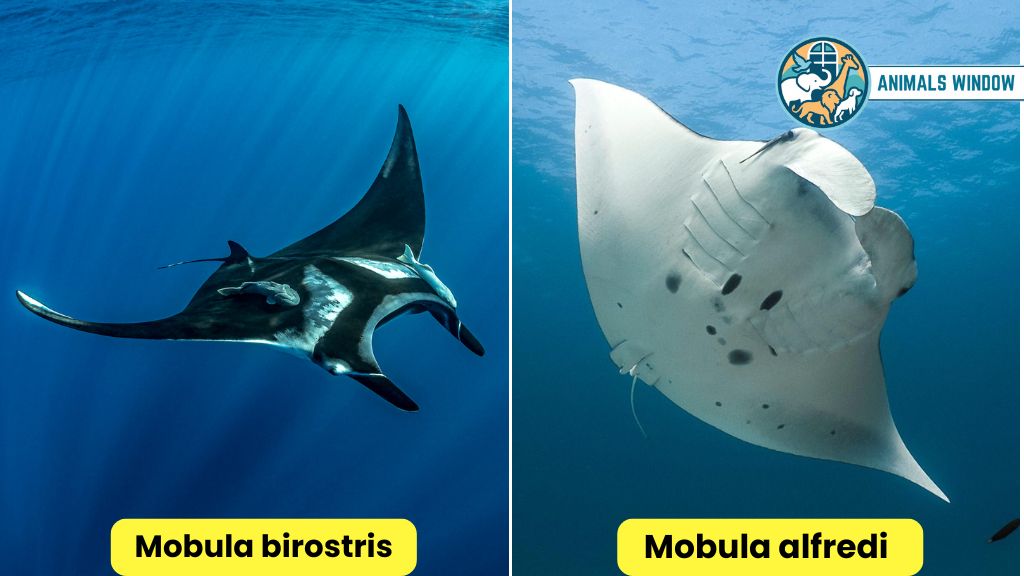
- Scientific name: Mobula birostris (oceanic) / Mobula alfredi (reef)
- Size: Wingspan up to 7 meters
- Weight: Up to 2,700 kg
- Diet: Filter feeder (zooplankton, small fish)
- Habitat: Tropical and subtropical oceans worldwide
- Lifespan: 40–50 years
Manta rays are among the most jaw-dropping friendly animals in the wild ocean. Despite their massive wingspan, they pose zero threat to humans. They have no stinger, no teeth capable of harm, and no territorial aggression. What they do have is curiosity. Manta rays regularly approach divers, hover close, and even circle them in what researchers describe as investigative behavior.
Mantas is their brain-to-body ratio — the highest of any fish. They pass the mirror self-recognition test, meaning they can identify their own reflection. That puts them in elite cognitive company alongside dolphins, elephants, and great apes. So when a manta ray approaches you underwater, it’s not accidental. It’s choosing to.
🔥 Comparison Fact: A manta ray’s wingspan can stretch as wide as a school bus is long — yet it feeds exclusively on microscopic plankton.
9. Red Panda
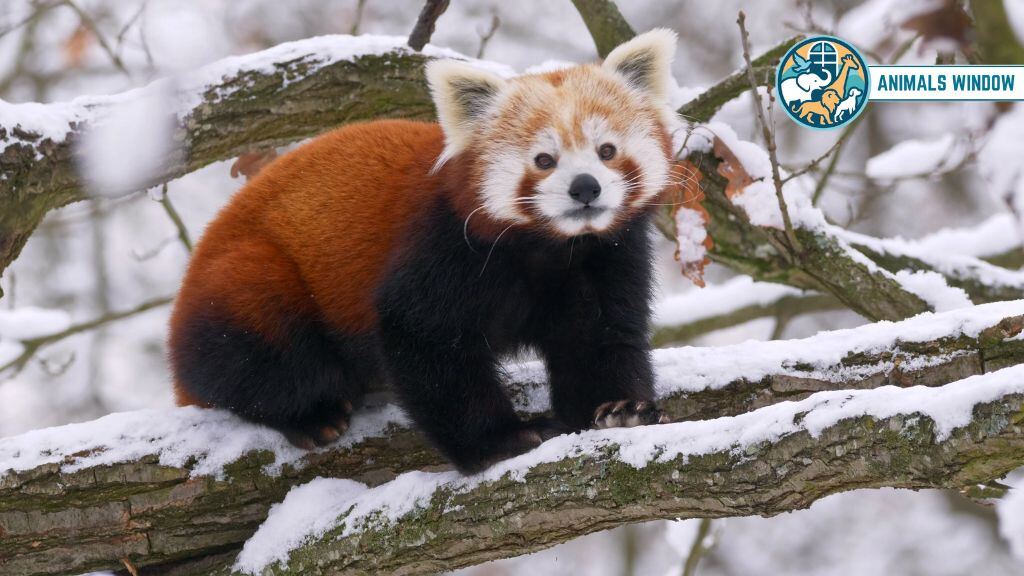
- Scientific name: Ailurus fulgens
- Size: 50–64 cm body length; tail adds another 28–48 cm
- Weight: 3–6 kg
- Diet: Primarily bamboo; also insects, eggs, small birds
- Habitat: Eastern Himalayas, southwestern China
- Lifespan: 8–10 years in the wild
Red pandas are solitary, gentle, and almost comically unbothered by the world around them. They spend most of their time in trees, munching bamboo with the kind of focused serenity that most humans can only achieve with headphones. They’re not related to giant pandas at all — they’re the only surviving member of their own taxonomic family, Ailuridae.
Red pandas are unique in their thermal regulation trick. In cold Himalayan winters, they wrap their bushy tails around themselves like a scarf. The tail isn’t just for balance — it’s a built-in thermal blanket. Their semi-retractable claws and a false thumb (an extended wrist bone) let them grip bamboo stalks with precision most animals can’t match.
🔥 Comparison Fact: A red panda weighs about as much as a large house cat but has a tail almost as long as its entire body.
10. Giant African Millipede
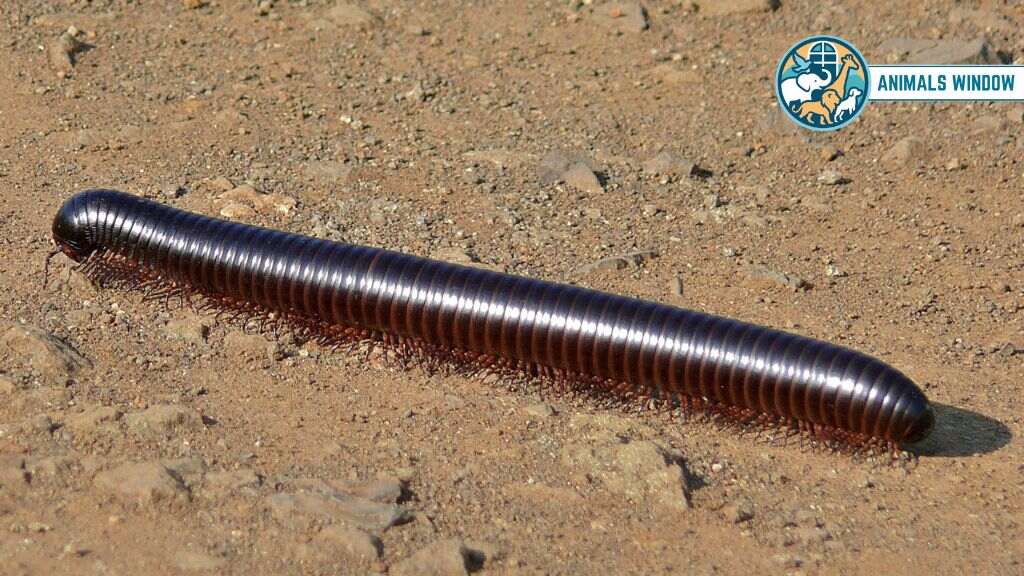
- Scientific name: Archispirostreptus gigas
- Size: Up to 38 cm long
- Weight: Up to 31 grams
- Diet: Detritivore (decaying leaves, wood, plant matter)
- Habitat: East African tropical forests
- Lifespan: 5–7 years
The Giant African Millipede is easily the most underestimated docile animal on this list. It looks intimidating — hundreds of legs, hard exoskeleton, prehistoric appearance — but it’s about as threatening as a wet sock. It has no venom, no bite, and no aggression. When startled, it simply curls into a tight spiral and waits for the threat to pass.
Millipedes don’t have a thousand legs. The Giant African Millipede has around 300–400 legs, moving in precise synchronized waves. They’re one of the most important decomposers in their ecosystem, breaking down dead plant matter into nutrients that enrich the soil. Without them, many African forest floors would function very differently. So while they look like chaos, they’re actually nature’s quiet cleanup crew.
🔥 Comparison Fact: A Giant African Millipede is roughly as long as a standard ruler — and moves all its legs in perfect synchronized rhythm, one wave after another.
11. Dog
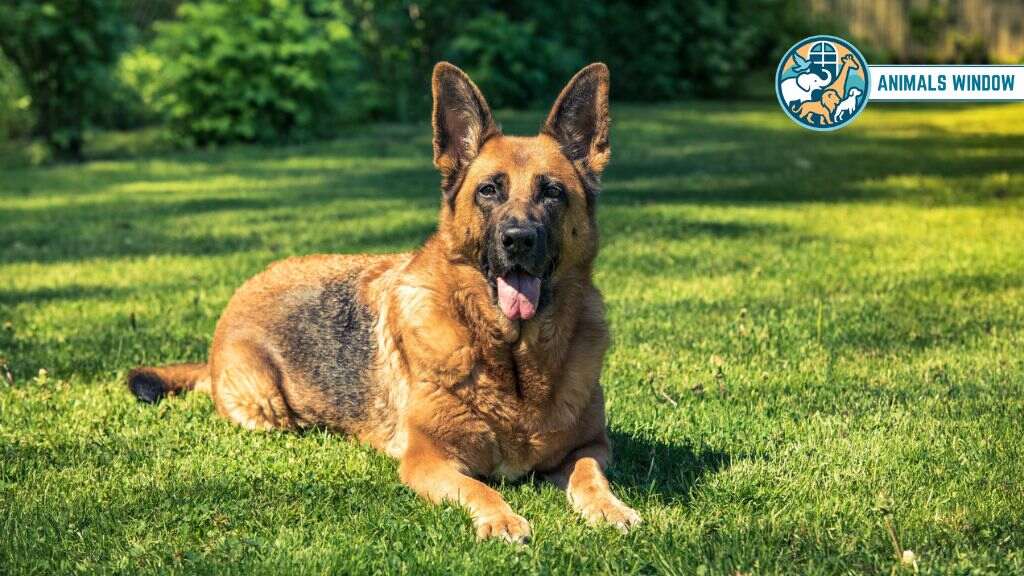
- Scientific name: Canis lupus familiaris
- Size: Highly variable (15 cm to 90 cm at shoulder)
- Weight: 1–90 kg depending on breed
- Diet: Omnivore
- Habitat: Domesticated worldwide
- Lifespan: 10–13 years (varies widely by breed)
Are dogs the most friendly animals? By most measures, yes. Dogs have been selectively bred alongside humans for over 15,000 years, making them uniquely wired to read human cues. A dog can follow a human’s pointing finger — something even our closest primate relatives can’t reliably do. That’s not a trained behavior. Puppies with no prior training follow pointing gestures instinctively.
Dogs are the oxytocin loop they share with humans. When a dog and its owner make eye contact, both experience a surge of oxytocin — the same bonding hormone released between mothers and newborns. No other non-human animal has been shown to trigger this mutual hormonal response in humans. That biological bond isn’t coincidence. It’s 15,000 years in the making.
🔥 Comparison Fact: A dog’s nose has up to 300 million scent receptors — compared to a human’s 6 million — meaning it “sees” the world mostly through smell.
12. Cat
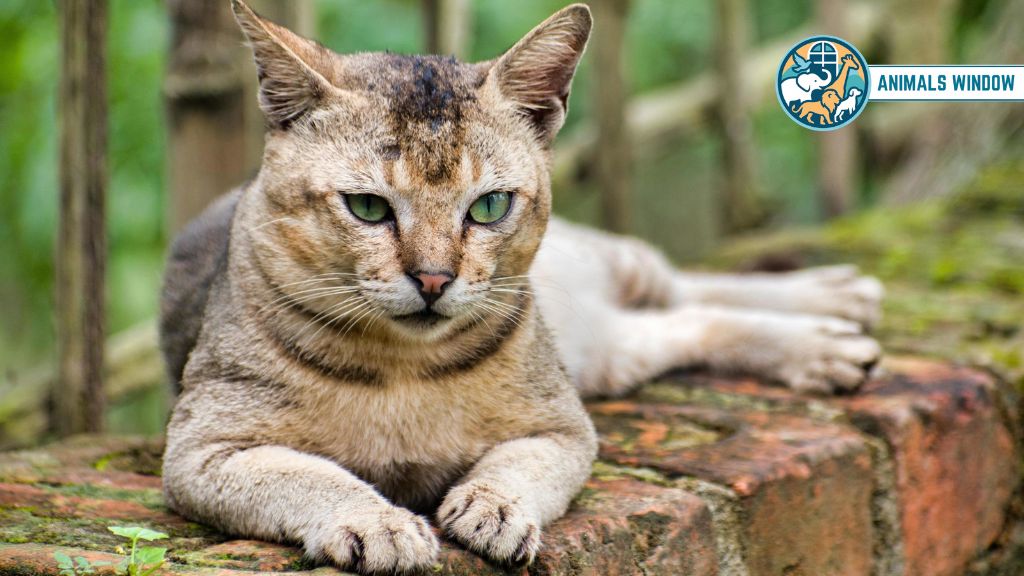
- Scientific name: Felis catus
- Size: 46–51 cm body length
- Weight: 3.6–4.5 kg (average domestic)
- Diet: Obligate carnivore
- Habitat: Domesticated worldwide; also feral in most climates
- Lifespan: 12–18 years
Cats have a reputation for being aloof, but that framing misses what they actually are: selectively social. A cat that chooses to be with you is choosing — and that matters. Cats have been shown to recognize their owners’ voices and respond differently to strangers. They choose affection on their own timeline, which makes that affection more meaningful, not less.
A cat’s purr vibrates between 25 and 150 Hz — a range that promotes bone healing, muscle repair, and stress reduction in humans. Some researchers believe that living with cats may have measurable health benefits partly because of this. The purr isn’t just contentment. It may also be a self-healing mechanism.
🔥 Comparison Fact: A domestic cat’s collarbone is free-floating — not attached to other bones — which is why cats can squeeze through any opening their head fits through.
13. Rabbit
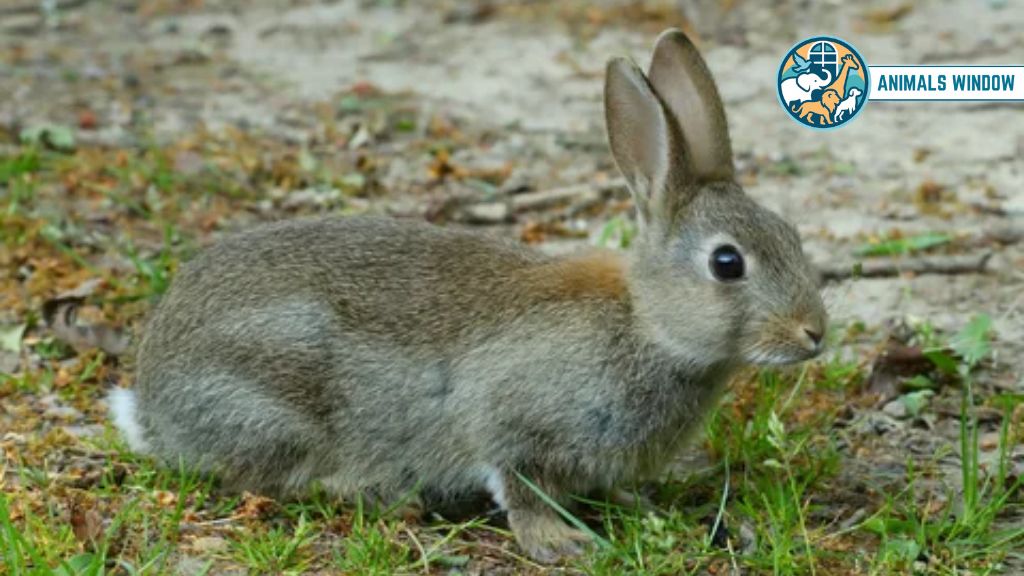
- Scientific name: Oryctolagus cuniculus
- Size: 38–50 cm long
- Weight: 1.5–2.5 kg (domestic average)
- Diet: Herbivore (hay, leafy greens, vegetables)
- Habitat: Domesticated; wild in meadows, forests, grasslands
- Lifespan: 8–12 years (domestic)
Rabbits are gentle, quiet, and highly expressive — once you know what to look for. A relaxed rabbit will do something called a “binky” — a spontaneous leap and twist mid-air that means it’s genuinely happy. It’s one of the most specific joy-expressions any domesticated animal has. You can’t fake a binky. It happens when a rabbit feels completely safe.
Rabbits communicate almost entirely through body language. Ears pinned flat = fear. Nose twitching fast = alert. Flopped on their side = maximum contentment. Learning rabbit body language turns a quiet pet into a surprisingly communicative companion. They’re more emotionally expressive than most people expect from a small prey animal.
🔥 Comparison Fact: A rabbit’s teeth never stop growing — they wear down at the same rate they grow, which is why hay (not pellets) makes up 80% of a healthy rabbit’s diet.
14. Guinea Pig

- Scientific name: Cavia porcellus
- Size: 20–25 cm long
- Weight: 700–1,200 grams
- Diet: Herbivore (hay, vegetables, vitamin C-rich foods)
- Habitat: Domesticated worldwide; originally from Andes mountains
- Lifespan: 4–8 years
Guinea pigs are one of the most vocal small animals on Earth. They have an entire language of sounds: “wheeks” (loud squeals for excitement or hunger), “purring” (contentment), teeth chattering (warning), and a sound called “chutting” that only happens during happy exploration. Most small pets are quiet. Guinea pigs narrate their lives constantly.
They also have a unique nutritional quirk shared only with humans and primates: they cannot produce their own vitamin C. Their bodies lack the enzyme needed for it, so they must get it entirely from food. A diet without fresh vegetables leads to scurvy in guinea pigs within weeks. That’s a genuinely unusual trait for a rodent — and it’s why proper care matters so much.
🔥 Comparison Fact: A guinea pig weighs about as much as a can of soup — but can produce over 11 different distinct vocalizations.
15. Bearded Dragon

- Scientific name: Pogona vitticeps
- Size: 45–60 cm long
- Weight: 300–500 grams
- Diet: Omnivore (insects, leafy greens, vegetables)
- Habitat: Arid and semi-arid regions of Australia; domesticated worldwide
- Lifespan: 10–15 years
Bearded dragons are the most human-tolerant reptiles commonly kept as pets. Unlike most lizards that stress at the sight of a hand, beardies actively climb onto their owners, fall asleep on warm laps, and make sustained eye contact in a way that feels oddly personal for a lizard. They were only introduced to the pet trade in the 1990s but quickly became one of the most popular reptile pets in the world.
The “beard” is a pouch under their chin that turns black and puffs up when they feel threatened — but most domesticated bearded dragons almost never display it. What they do show constantly is the arm wave: a slow circular movement of one foreleg that signals submission or acknowledgment. It looks like they’re saying hello. Biologically, they kind of are.
🔥 Comparison Fact: A bearded dragon’s tongue can detect temperature differences in the air, helping it find warm basking spots — a built-in thermal sensor in a lizard the size of a TV remote.
16. Llama
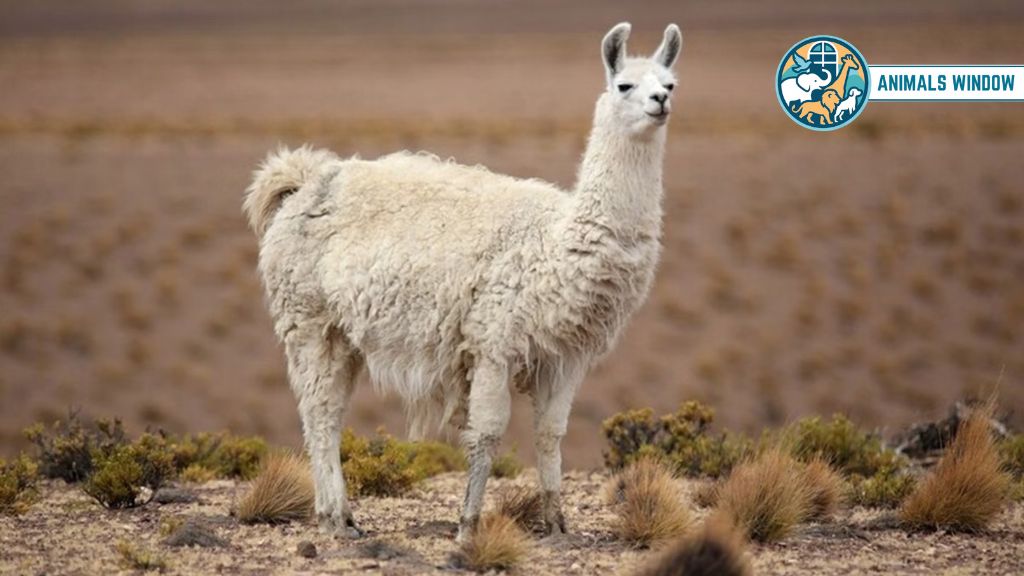
- Scientific name: Lama glama
- Size: 1.7–1.8 meters tall
- Weight: 130–200 kg
- Diet: Herbivore (grasses, hay, shrubs)
- Habitat: Domesticated; originally Andean highlands of South America
- Lifespan: 15–25 years
Llamas have a reputation for spitting, which is fair — but they only spit at each other, and only when competing for food or rank. Around humans they trust, llamas are calm, patient, and surprisingly therapeutic. They’ve been used as therapy animals in hospitals, nursing homes, and school programs because of their gentle temperament and quiet demeanor around strangers.
What’s less known: llamas are extraordinarily effective guard animals for sheep flocks. Farmers in North America and Australia use them specifically because llamas bond with sheep and will charge, stomp, and alarm-call at coyotes, foxes, and stray dogs. A docile animal that’s also a fearless protector — that combination is genuinely rare.
🔥 Comparison Fact: A llama can carry up to 30% of its body weight over mountain terrain — roughly equivalent to a person hiking with a full military pack — for hours without complaint.
17. Sheep

- Scientific name: Ovis aries
- Size: 60–90 cm at shoulder
- Weight: 45–160 kg
- Diet: Herbivore (grasses, clover, hay)
- Habitat: Domesticated worldwide; wild on mountain and grassland terrain
- Lifespan: 10–12 years
Sheep are frequently underestimated. They’re not just passive grazers — sheep can recognize up to 50 individual sheep faces and remember them for years. They can also read human emotional expressions, distinguishing between calm and stressed faces and responding accordingly. For an animal that people treat as simple, that’s a remarkable level of social perception.
Sheep also form deep peer attachments. When separated from a bonded companion, their cortisol levels spike in ways similar to human separation anxiety. Reunion with that companion drops stress hormones significantly. The bond is physiologically measurable — not a soft observation but a documented biological response.
🔥 Comparison Fact: A sheep’s rectangular pupils give it a 320-degree field of vision — almost a full circle — meaning it can see behind itself without turning its head.
18. Domestic Goat
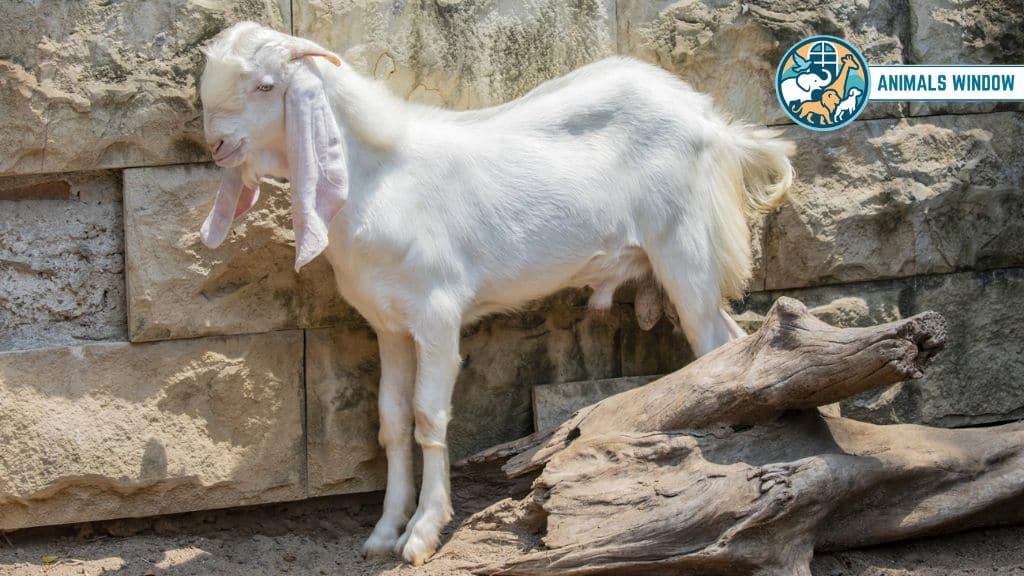
- Scientific name: Capra aegagrus hircus
- Size: 40–58 cm at shoulder
- Weight: 20–80 kg
- Diet: Herbivore (grasses, leaves, shrubs, hay)
- Habitat: Domesticated globally; thrives on farms, mountainous terrain
- Lifespan: 12–15 years
Goats are one of the oldest domesticated animals in human history — archaeologists have found evidence of goat domestication dating back 10,000 years in the Zagros Mountains. They’re curious, playful, and remarkably adaptable. Unlike most hoofed animals, goats will deliberately seek out human interaction even when food isn’t involved.
Research has shown that when goats face a problem they can’t solve (like a locked food box), they turn and look directly at the nearest human — making eye contact, waiting, then looking back at the problem. This referential gazing is typically seen in dogs. Finding it in goats revealed that thousands of years of domestication can produce similar communicative behaviors across completely different species.
🔥 Comparison Fact: A goat’s hooves have hard outer edges and softer inner pads — essentially built-in climbing shoes — which is why they can scale near-vertical surfaces.
19. Deer
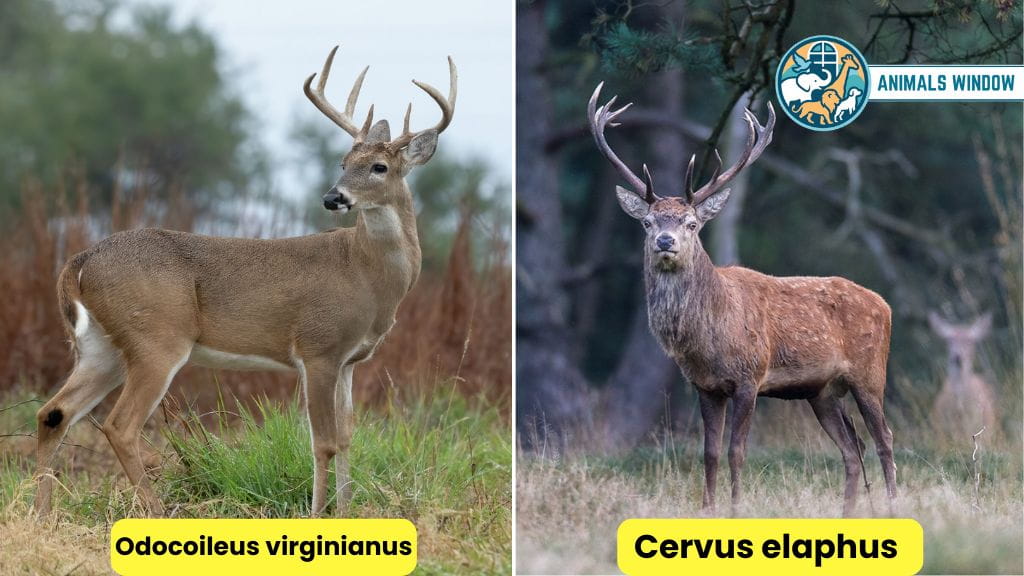
- Scientific name: Odocoileus virginianus (white-tailed); Cervus elaphus (red deer)
- Size: 60–100 cm at shoulder
- Weight: 45–180 kg
- Diet: Herbivore (grasses, leaves, berries, bark, acorns)
- Habitat: Forests, meadows, and suburban edges across North America, Europe, Asia
- Lifespan: 6–14 years in the wild
Deer are not domesticated, but they’re among the friendliest wild animals that regularly interact with humans. In areas where hunting is restricted — national parks, suburban neighborhoods, wildlife reserves — deer become surprisingly comfortable around people, sometimes eating directly from hands.
Most people miss the sensory intelligence of deer. A deer’s nose is estimated to be 1,000 times more sensitive than a human’s. It processes scent information so thoroughly that it can identify specific individuals — human or animal — that passed through an area hours earlier. That hyper-aware nose is also why deer freeze when they smell something unfamiliar rather than bolting immediately: they’re processing, not panicking.
🔥 Comparison Fact: A male white-tailed deer can regrow a full set of antlers — sometimes weighing 10 kg — in just 4 months. That’s one of the fastest bone-growing rates of any animal on Earth.
20. Dove

- Scientific name: Columba livia (rock dove/pigeon); Streptopelia risoria (ringneck dove)
- Size: 25–32 cm long
- Weight: 100–200 grams
- Diet: Granivore/herbivore (seeds, grains, berries)
- Habitat: Domesticated worldwide; wild across most continents
- Lifespan: 12–15 years (domesticated)
Doves are among the gentlest birds ever kept by humans — and also one of the oldest. Archaeological records show dove domestication as far back as 5,000 years ago in ancient Mesopotamia. They’re calm enough to be held during ceremonies, trained to return to specific locations (the basis of carrier pigeon use), and quiet enough to be housed in small urban spaces.
The navigation ability of doves is genuinely remarkable. Doves and pigeons use a combination of magnetic field detection, solar position, and even infrasound — low-frequency sound waves humans can’t hear — to navigate home from hundreds of kilometers away. That peaceful little bird landing on your windowsill is running a navigation system more accurate than most hikers with a GPS.
🔥 Comparison Fact: A dove weighs about as much as a standard deck of playing cards — but has navigated distances of over 1,600 km to return home.
FAQs About Friendly & Docile Animals
What is the friendliest animal in the world?
The quokka. It approaches strangers with zero fear, never acts aggressively, and actively seeks human contact. Among larger animals, capybaras and elephants come closest.
What does “docile animal” mean?
A docile animal is calm, gentle, and unlikely to show aggression — even when handled. It doesn’t bite, charge, or threaten. Both wild and domesticated animals can be docile.
Which wild animals are friendly to humans?
Capybaras, manatees, elephants, manta rays, deer (in protected areas), and quokkas. These animals approach humans voluntarily and rarely show defensive behavior.
Are dogs the most friendly animals?
To humans, yes. Dogs have co-evolved with people for over 15,000 years and are uniquely wired to read human emotions and cues. No other animal bonds as consistently with humans across all cultures.
What are some calm but strong animals?
Elephants, horses, cows, llamas, and manatees. An elephant can uproot a tree but accepts gentle human touch. A 500 kg horse can be guided by a single rope. Strength and calmness absolutely coexist in these animals.
Related More Animals Guides:

I have loved animals since I was a kid. I enjoy reading about how animals live, eat, move, and survive. I started Animals Window to share what I learn in a simple and easy way. I write about animal body parts, size, behavior, diet, habitats, and species. My goal is to make animal facts clear and fun for everyone to understand.