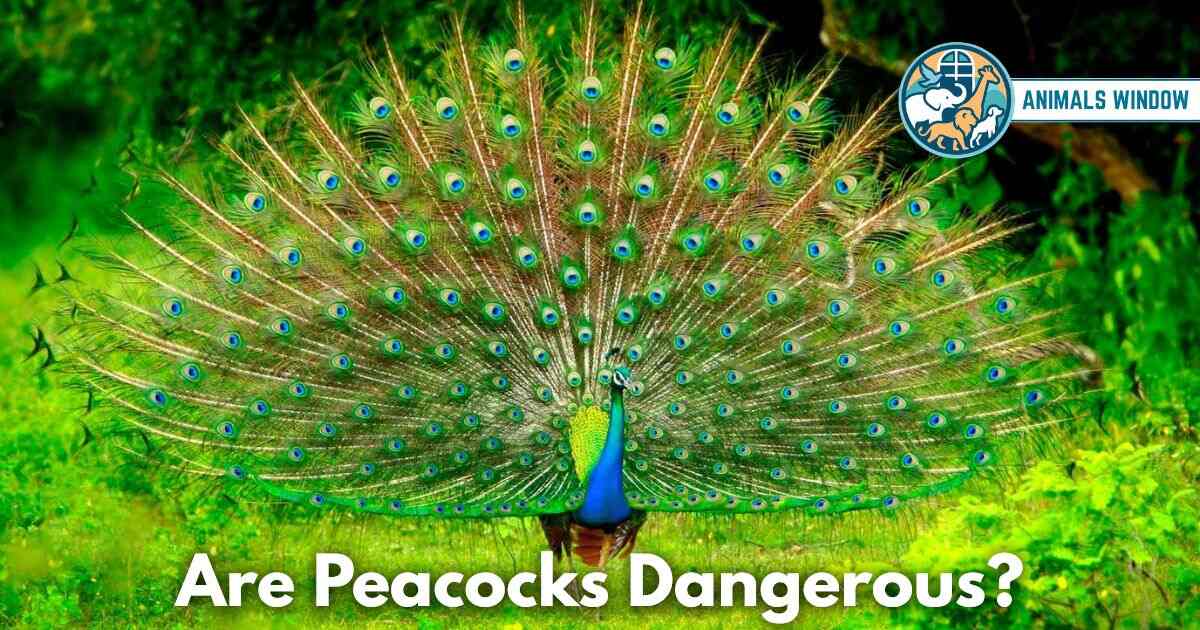
Peacocks look stunning. Those sweeping tail feathers and bold colors make them one of the most recognized birds on the planet. But looks can be deceiving—and a lot of people wonder whether getting close to one is actually a good idea. So, are peacocks dangerous? The honest answer sits somewhere between “probably not” and “it depends on the situation.” This guide breaks it all down clearly.
Table of Contents
Quick Answer
Peacocks are not naturally aggressive toward humans, but they can become dangerous under the right conditions—mainly during mating season, when protecting territory, or when they feel cornered. Injuries do happen, though they are uncommon. Understanding peacock behavior is the best way to stay safe around them.
They’re Birds, Not Predators—But That Doesn’t Mean They’re Harmless
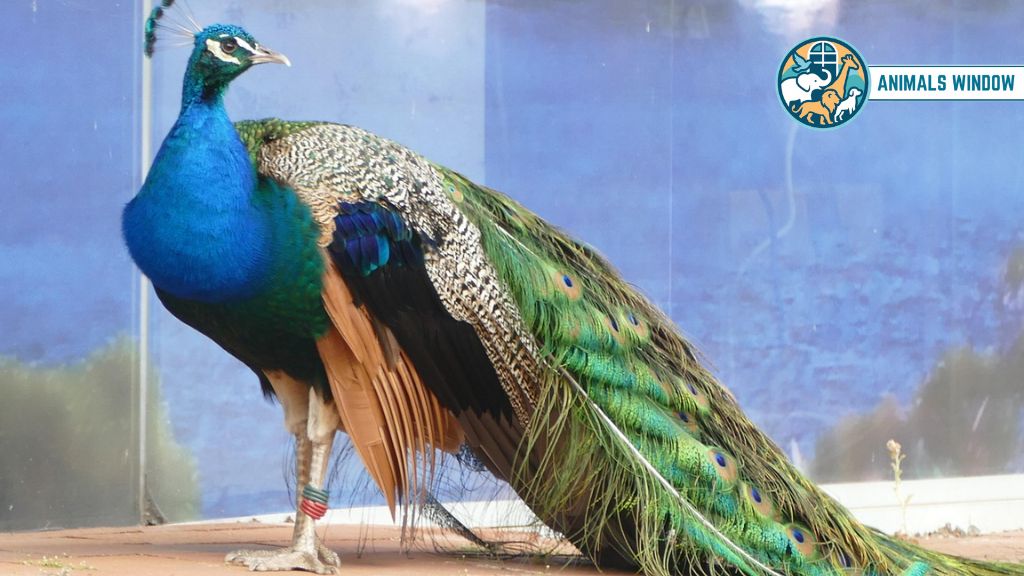
Peacocks (technically called peafowl, with males being “peacocks” and females “peahens”) are large birds. An adult male can weigh up to 13 pounds and stand nearly 8 feet tall when you count the tail. That size alone deserves some respect.
They don’t hunt humans. They don’t stalk people. Wild instincts push them toward flight, not fight. But like most animals, they have limits. Push past those limits, and a peacock will defend itself—and it has real tools to do that with.
Their legs carry sharp spurs, which are bony growths that can reach over an inch long. Their beaks are strong. Their claws can scratch. A startled or threatened peacock moving fast can knock a small child off balance without even trying.
When Do Peacocks Actually Become Aggressive?
This is the part most people don’t fully understand, and it’s worth paying close attention to.
How Mating Season Changes Peacock Behavior
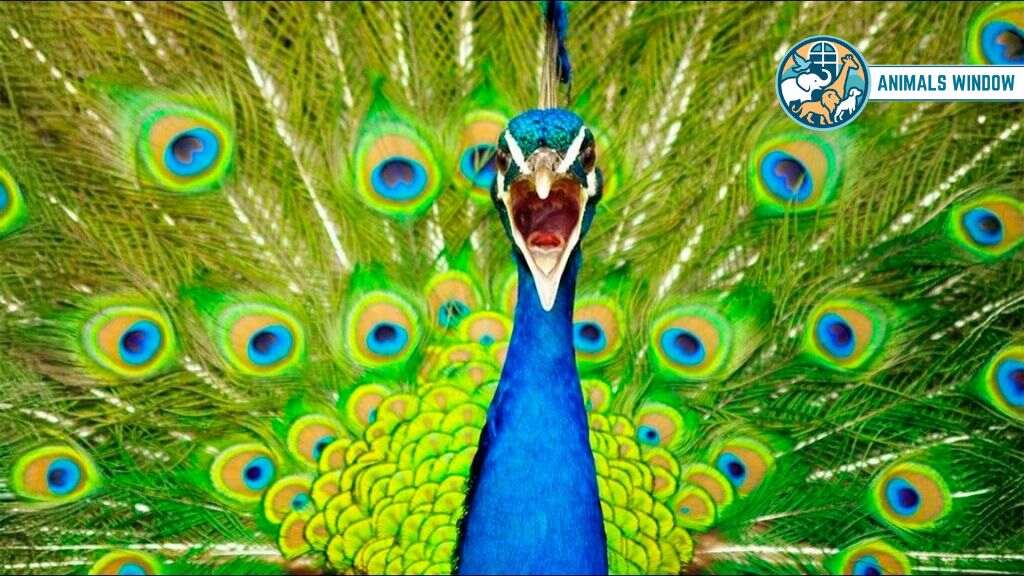
Mating season changes everything. From late winter through early summer, male peacocks enter what’s called “breeding season.” Their hormones are running high. They fan out those magnificent tail feathers not just to attract peahens—but also to intimidate rivals and warn off anything they see as a threat. During this window, even a peacock that’s normally calm can turn snappy and territorial without much warning.
Reflective Surfaces and Vehicle Damage
Reflective surfaces set them off. This one surprises a lot of people. Peacocks will sometimes attack car mirrors, windows, and shiny bumpers because they see their own reflection and mistake it for a rival male. There are documented cases of peacocks causing hundreds of dollars in damage to parked vehicles because of this behavior. It’s not random—it makes complete biological sense once you understand it.
Nesting Female Behavior
Nesting females are protective. Peahens sitting on eggs become quietly fierce. They won’t fan a dramatic display like males do, but they will peck, scratch, and charge if they believe their nest is threatened. A peahen that seems calm could still react sharply if you unknowingly get too close to her eggs.
Hand-fed or over-tamed peacocks lose their fear of humans. Ironically, a peacock that has been fed by hand or raised around people can be more likely to act aggressively than a wild one. Wild peacocks keep their distance. A semi-tame one that associates humans with food may approach confidently—and when food doesn’t appear, it may peck or chase out of frustration.
What Can a Peacock Actually Do to You?
Let’s be realistic. A peacock attack is not going to leave you in the hospital in most cases. But dismissing them entirely as harmless is also a mistake.
Scratches and punctures from spurs or claws are the most common injuries. These can break skin, cause pain, and carry infection risk if not cleaned properly—just like any animal scratch.
Bruising can happen from a direct impact. A charging peacock hitting a small child, an elderly person, or someone who isn’t steady on their feet can cause a fall.
Eye injuries are rare but have been reported. A pecking bird at the wrong height and the wrong moment can cause serious harm to the eyes.
Psychological distress in children is real, even when no physical injury occurs. A large, loud bird charging at a young child is genuinely frightening.
So, can a peacock kill a human? Almost certainly not under normal circumstances. There are no credible confirmed cases of a peacock directly killing an adult human. The risk of a life-threatening injury is extremely low. That said, injuries do happen, and some of them are serious enough to require medical attention.
Are Peacocks Dangerous at Night?
This question comes up often, and the reasoning behind it is interesting.
Peacocks roost at night, usually in trees. They’re not active nocturnal hunters. At night, a sleeping peacock is not likely to bother anyone. The danger doesn’t actually increase after dark—if anything, it decreases because the bird is resting and less alert to perceived threats.
The confusion around this question may come from peacocks being startled out of sleep. A peacock suddenly woken up and frightened at night may react defensively, same as during the day. But nighttime itself doesn’t make them more aggressive.
Are Peacocks Dangerous to Other Animals?

This is a question pet owners should take seriously.
Dogs: A large or energetic dog can provoke a peacock easily. Peacocks will fight back, and a spur strike to a dog’s face or body can cause real injury. Small dogs face more risk than large ones, but neither should be allowed to chase or corner a peacock.
Cats: Adult cats are usually fast enough to retreat. A cornered peacock might scratch or peck a cat, but serious confrontations are uncommon unless the cat is very young or the bird is very defensive.
Chickens: If you keep backyard chickens and a peacock moves into the space, watch for dominance behavior. Peacocks can bully smaller birds, particularly roosters that challenge them. They may steal food and assert themselves physically in ways that stress or injure smaller poultry.
Small animals: Peacocks are omnivores. They eat insects, lizards, and small rodents in the wild. Very small pets—think hamsters or guinea pigs kept outdoors—could theoretically be at risk, though documented cases of peacocks harming small pets are rare.
Are Peacocks Good Pets?
Some people keep peacocks as pets or on farms, and that comes with its own set of challenges.
Peacocks need space. A lot of it. Keeping one confined to a small yard causes stress, which leads to behavior problems. They’re loud—their calls carry for miles, and they often call repeatedly early in the morning. Neighbors have filed noise complaints because of pet peacocks.
They can be destructive. They scratch at cars, peck at windows, and dig up garden plants. Their droppings are large and frequent.
They’re also long-lived, with some reaching 20 years or more in captivity. That’s a significant commitment.
Some people do successfully keep peafowl and find them rewarding. But they’re not a casual pet. They require proper housing, space, diet, and an understanding of their behavior. Anyone considering a pet peacock should research local ordinances first—some areas restrict or prohibit keeping them.
Warning Signs a Peacock Is About to Act Aggressively
Knowing what to watch for can keep you out of trouble.
- Tail fully spread and facing you directly — this can be either a display or a warning. Pay attention to what else the bird is doing.
- Feathers raised along the back of the neck — a sign of high alertness or irritation.
- Lowered head and fixed eye contact — this posture often comes right before a charge or peck.
- Moving quickly in your direction without stopping — not a friendly approach.
- Loud, sharp calls directed at you — peacocks will often vocalize before attacking.
If you see these signs, give the bird space. Don’t run—back away calmly.
What to Do If a Peacock Attacks
Stay calm. Running can trigger the bird’s chase instinct.
Put something between you and the bird—a bag, an umbrella, a jacket. You’re not trying to hurt it. You’re just blocking its line of sight and giving it a reason to stop.
Back away slowly and give the peacock room to feel safe. Most charges stop the moment the bird doesn’t feel threatened anymore.
If you’re with children, pick them up or move them behind you. Children are at greater risk simply because of their height and size.
Do not try to grab the bird or fight back aggressively. That escalates things and puts you at greater risk of injury from those spurs.
After the situation is over, report the incident to local animal control if the peacock is wild or free-roaming in a public area. Repeated aggressive behavior in a specific bird sometimes signals something is wrong—illness, injury, or habituation to humans.
Common Myths About Peacocks
“Peacocks are always gentle and harmless.”
Not true. Most of the time they’re not aggressive, but that changes with circumstances.
“Only males attack.”
Peahens defending nests can be just as determined as males.
“Peacocks are just bluffing when they charge.”
Sometimes yes, sometimes no. Don’t count on a bluff.
“Peacocks are endangered.”
Indian peafowl—the blue peacock most people recognize—is listed as Least Concern by the IUCN. Green peafowl, native to Southeast Asia, is listed as Endangered. The two species are in very different situations.
“A peacock’s feathers can cause blindness if touched.”
No scientific basis for this. It’s a widespread myth with no factual support.
Common FAQ’s About Are Peacocks Dangerous
Are peacocks friendly to humans?
Most peacocks tolerate humans but don’t bond with them. In parks where they’re used to people, they’ll stay calm and unbothered. True friendliness is rare and usually only seen in birds hand-raised from birth.
How fast can a peacock move when it charges?
Peacocks can run around 10 miles per hour. That’s faster than most people expect in a short burst. Enough to close distance quickly if you’re not paying attention.
Can peacocks hurt children specifically?
Yes. Peacocks naturally peck at face height for young children, which makes eye and facial injuries more likely. Their size alone can knock a small child over during a charge. Always supervise children around free-roaming peafowl.
Are peacocks protected by law?
In India, yes — the Indian peafowl is the national bird and fully protected by law. In the United States, federal protection doesn’t apply, but some local laws do. Always check the rules in your area before interfering with one.
Should I feed peacocks I see in public?
No. Feeding them reduces their natural wariness of humans and encourages them to approach — which increases the chance of aggressive behavior. It’s also not good for their health. Admire them from a distance and leave the feeding alone.
Closing
Peacocks are not the dangerous predators some people imagine, but they’re not stuffed animals either. They’re large, wild birds with real physical capabilities and specific triggers that can push them toward aggression. Are peacocks dangerous? The straightforward answer: rarely, but under the right circumstances, yes—and those circumstances are predictable once you understand how these birds think and behave.
Give them space. Learn their warning signs. Don’t feed them. Keep pets and small children supervised around them. Do those things, and most encounters with peafowl stay peaceful and memorable for all the right reasons.
Read More Animals Guides:

I have loved animals since I was a kid. I enjoy reading about how animals live, eat, move, and survive. I started Animals Window to share what I learn in a simple and easy way. I write about animal body parts, size, behavior, diet, habitats, and species. My goal is to make animal facts clear and fun for everyone to understand.