Animals similar to raccoons are typically medium-sized mammals with masked facial markings, ringed tails, or bushy fur — and many share the raccoon’s knack for climbing or foraging. Most belong to the families Procyonidae, Canidae, Ailuridae, or Viverridae. They are found across North America, Central and South America, Europe, and Asia, living in forests, mountains, and urban fringes.
Table of Contents
Quick List of Raccoon-Like Animals
- Coati (Coatimundi)
- Ringtail (Ring-tailed Cat)
- Kinkajou
- Olinguito
- Cacomistle
- Raccoon Dog (Tanuki — Mainland)
- Japanese Raccoon Dog
- Red Panda
- European Badger
- Burmese Ferret-Badger
- Ring-tailed Lemur
- Asian Palm Civet
- Virginia Opossum
- Skunk
- Pine Marten
- Maine Coon Cat
- Fox (Gray Fox / Red Fox)
- Binturong (Bearcat)
Before You Scroll Down
Did you know one animal on this list can hang from a tree branch by its tail alone — and uses that tail to hold fruit while it eats? And another one secretes a scent from its feet that smells like buttered popcorn? These aren’t raccoons. But they look, act, and live strikingly like them.
This list digs past the surface-level stuff. You’ll find out which raccoon-like animal is actually a bear relative in disguise, which one was only discovered as a new species in 2013, and which one fakes its own death so convincingly it can fool predators for hours.
Every animal here gets its own angle — speed, anatomy, diet, camouflage, intelligence, or survival strategy. No two entries are the same.
1. Coati (Coatimundi)
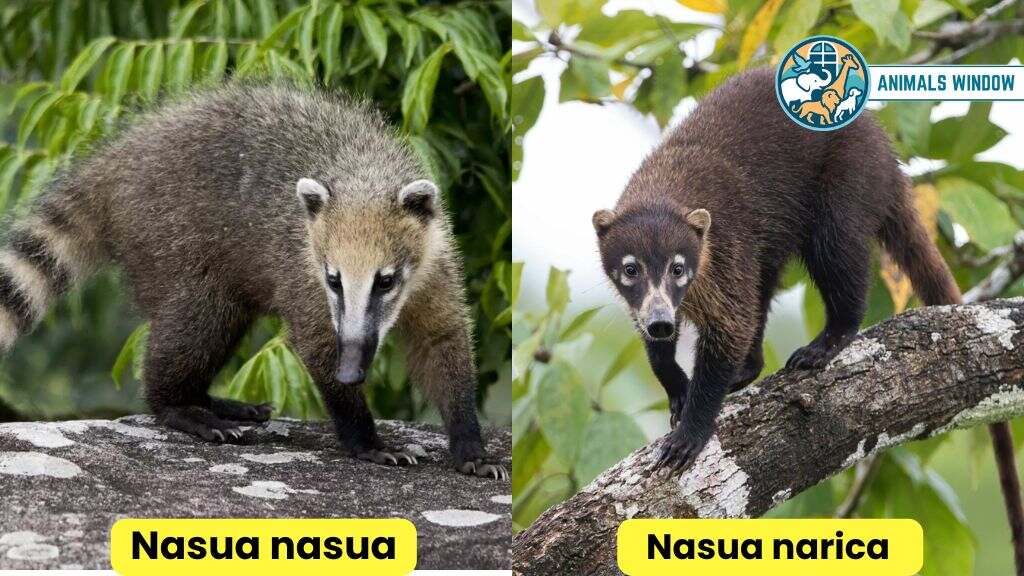
- Scientific name: Nasua nasua (South American) / Nasua narica (White-nosed)
- Size: 33–69 cm body length
- Weight: 2–8 kg
- Diet: Omnivore — insects, fruit, lizards, eggs
- Habitat: Tropical forests, woodlands, and scrublands of Central and South America
- Lifespan: 7–8 years in the wild
The coati is one of the most visually striking raccoon-like animals you’ll find. It has that familiar ringed tail, but the nose is the giveaway — long, flexible, and pointed upward like a tiny elephant trunk. They use it to root through leaf litter and pry insects from bark gaps. The coati belongs to the same family as raccoons (Procyonidae), making it a true close relative.
What sets the coati apart is its social structure. Females and young live in noisy groups of up to 30 individuals called bands. Males are loners for most of the year. When the band moves through the forest, they hold those long tails upright like flags — a visual signal that keeps the group together. It’s a communication system, not just a quirk.
🔥 Comparison Fact: A full-grown coati’s snout is about the same length as a standard ballpoint pen — roughly 15 cm.
2. Ringtail (Ring-tailed Cat)

- Scientific name: Bassariscus astutus
- Size: 30–42 cm body length
- Weight: 0.8–1.1 kg
- Diet: Small mammals, birds, reptiles, insects, berries
- Habitat: Rocky desert canyons, cliffs, and woodlands of southwestern North America
- Lifespan: 6–9 years in the wild
The ringtail is one of those animals that look like raccoons but aren’t — at least not exactly. Slim, almost cat-sized, with enormous eyes and a banded tail longer than its body, it hunts almost entirely in the dark. Those oversized eyes aren’t just for show; they give the ringtail exceptional low-light vision for tracking prey across rocky cliffs at 2 a.m.
Its feet are the real engineering wonder. The ringtail can rotate its hind feet 180 degrees, letting it descend vertical rock faces headfirst. This trick, combined with semi-retractable claws, means it can navigate cliff faces that would stop most predators cold. In the 19th century, miners kept them in camps to control rodents — earning the nickname “miner’s cat.”
🔥 Comparison Fact: The ringtail’s tail is about as long as a standard ruler — 31–44 cm — and often longer than its entire body.
3. Kinkajou
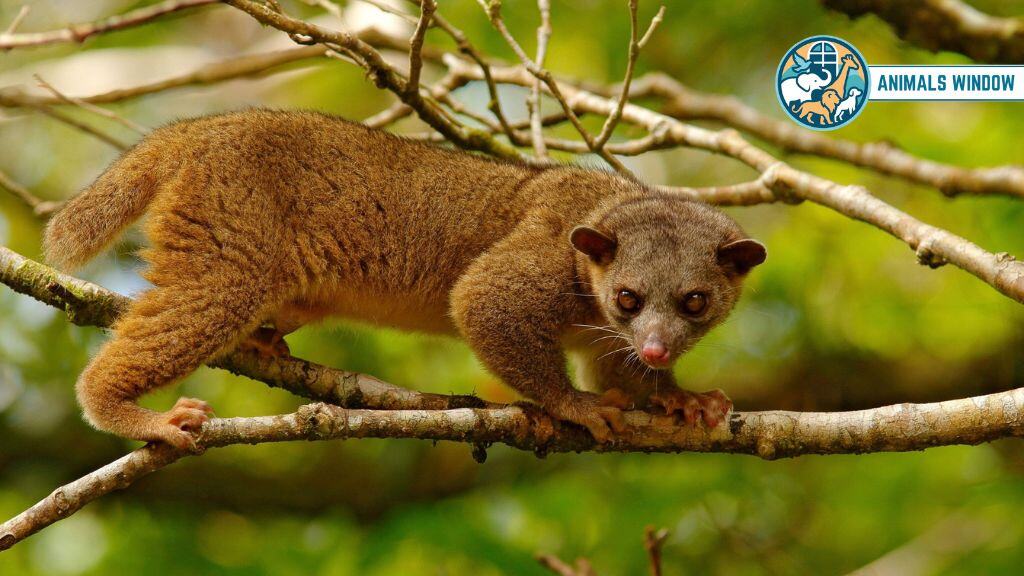
- Scientific name: Potos flavus
- Size: 42–57 cm body length
- Weight: 1.4–4.6 kg
- Diet: Primarily fruit, nectar, honey, occasional insects
- Habitat: Tropical rainforests of Central and South America
- Lifespan: Up to 23 years in captivity
The kinkajou looks like someone crossed a raccoon with a monkey — and in behavior, it’s closer to the monkey side. It’s fully arboreal, spending its life in rainforest canopies. The kinkajou has a prehensile tail that works like a fifth limb, gripping branches as it reaches for fruit. No raccoon can do that.
What stands out is its tongue. At about 13 cm long, it probes deep into flowers to lap up nectar — a rare diet specialization for a carnivoran. This makes the kinkajou an important pollinator in tropical forests. Pollen clings to its face and gets carried flower to flower. It’s essentially a fuzzy, golden pollinating mammal working the night shift.
🔥 Comparison Fact: A kinkajou’s tongue is roughly the length of a standard USB stick — about 13 cm — and thin enough to reach inside tubular flowers.
4. Olinguito
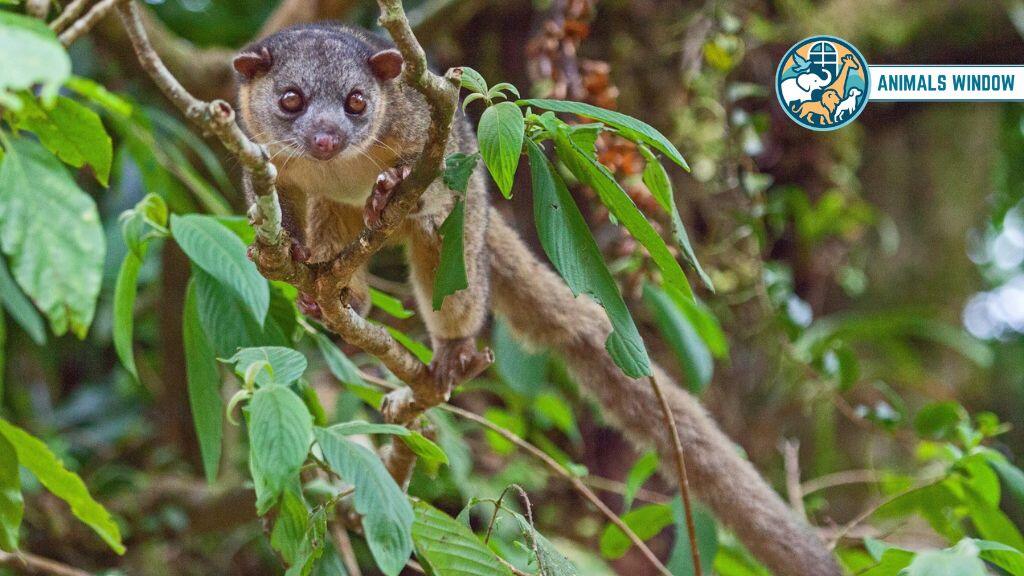
- Scientific name: Bassaricyon neblina
- Size: 35–42 cm body length
- Weight: 0.9–1.0 kg
- Diet: Primarily fruit, some nectar and insects
- Habitat: Cloud forests of Colombia and Ecuador at 1,500–2,750 m elevation
- Lifespan: Unknown in the wild; ~10 years estimated
The olinguito made headlines in 2013 as the first new carnivoran species discovered in the Western Hemisphere in 35 years. It had been misidentified as its cousin the olingo for decades — specimens even sat mislabeled in museum drawers. Once scientists looked closely, the rounder face, denser reddish-brown fur, and smaller size made it clearly distinct.
It lives exclusively in cloud forests at high altitude, which is unusual for a Procyonidae member. The dense fog and low temperatures of its habitat shape everything about it — thicker fur, smaller body to retain heat, and a dependence on high-altitude fruit trees. It’s essentially a raccoon cousin adapted for mountain life.
🔥 Comparison Fact: The olinguito weighs about as much as a bag of flour — just under 1 kg — making it the smallest member of the raccoon family.
5. Cacomistle

- Scientific name: Bassariscus sumichrasti
- Size: 38–47 cm body length
- Weight: 0.8–1.3 kg
- Diet: Fruit, insects, small vertebrates, eggs
- Habitat: Humid mountain forests of southern Mexico and Central America
- Lifespan: 10–11 years in captivity
The cacomistle is the ringtail’s tropical cousin — similar silhouette, same striking banded tail, but found in humid forest instead of desert cliffs. Unlike its arid-adapted relative, the cacomistle favors dense cloud forest and wet montane habitat. It’s a dedicated tree-dweller, rarely coming to ground level, and its non-retractable claws grip bark like built-in crampons.
What makes it genuinely unusual among raccoon-like animals is its dietary flexibility combined with seed dispersal. It eats a lot of fruit, then deposits seeds far from the parent tree. In forests with few large frugivores, this role is ecologically significant. The cacomistle quietly keeps certain tree populations distributed across the hillside.
🔥 Comparison Fact: The cacomistle’s tail, at up to 53 cm, is longer than a standard school ruler by about 8 cm — and it uses every centimeter for balance in the canopy.
6. Raccoon Dog (Tanuki — Mainland)
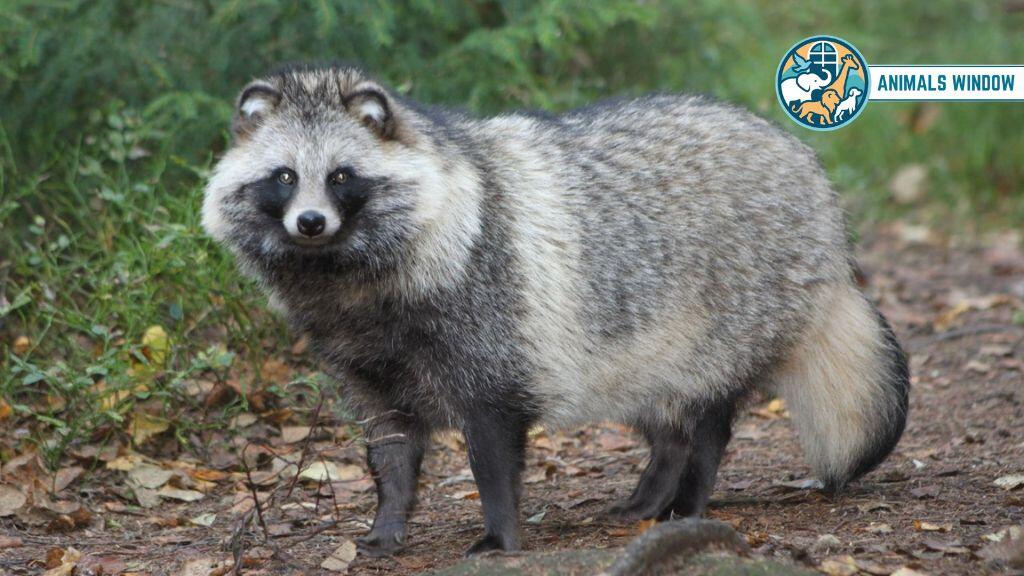
- Scientific name: Nyctereutes procyonoides
- Size: 50–68 cm body length
- Weight: 4–10 kg
- Diet: Omnivore — frogs, fish, rodents, insects, fruit, carrion
- Habitat: Forests, riverbanks, and urban areas of East Asia and Europe (invasive)
- Lifespan: 6–11 years
The mainland raccoon dog is one of the most famous animals that look like raccoons — but it’s actually a canid, more closely related to wolves and foxes than to raccoons. That dark facial mask and stocky, fluffy body are a case of convergent evolution: two unrelated lineages independently developing similar looks.
The raccoon dog is the only canid that hibernates. In cold northern winters, it dens up for weeks at a time, drawing on fat reserves built during a frantic autumn feeding period. No wolf, no fox, no coyote does this. It’s a behavioral strategy borrowed from a completely different mammal playbook.
🔥 Comparison Fact: A well-fed raccoon dog heading into winter can weigh up to 10 kg — about as much as a large house cat before the holidays.
7. Japanese Raccoon Dog (Nyctereutes viverrinus)
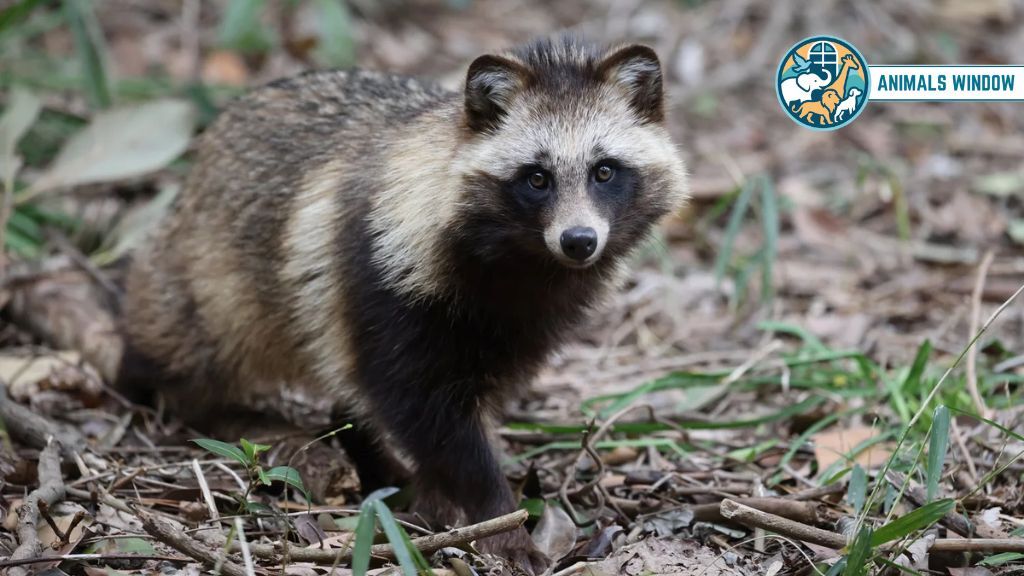
- Scientific name: Nyctereutes viverrinus
- Size: 50–60 cm body length
- Weight: 3–6 kg
- Diet: Omnivore — invertebrates, small vertebrates, fruit, plant matter
- Habitat: Forests and suburban areas of Japan
- Lifespan: 7–10 years
The Japanese raccoon dog, or tanuki, is now recognized as a separate species from its mainland cousin — smaller, with shorter legs and a slightly rounder face. In Japanese folklore, the tanuki is a shapeshifting trickster with magical abilities. Ceramic tanuki statues appear outside restaurants and homes across Japan, portrayed as jolly figures with big bellies.
In reality, the Japanese raccoon dog has an impressive survival trick of its own: it practices thanatosis — playing dead — when threatened. It goes completely limp, heart rate drops, and it can hold that pose long enough for a predator to lose interest and walk away. It’s not faking laziness. It’s a calculated survival gamble.
🔥 Comparison Fact: The Japanese raccoon dog is slightly smaller than a mid-size domestic dog breed — closer in size to a cocker spaniel than a labrador.
8. Red Panda

- Scientific name: Ailurus fulgens
- Size: 50–64 cm body length
- Weight: 3–6 kg
- Diet: Primarily bamboo shoots and leaves, some fruit, eggs, insects
- Habitat: Temperate forests of the eastern Himalayas and southwestern China
- Lifespan: 8–10 years in the wild
The red panda is one of the most beloved raccoon-like animals on earth — rust-red fur, a bushy ringed tail, and a masked face that reads almost exactly like a raccoon’s. But it sits in its own taxonomic family, Ailuridae, separate from both raccoons and bears. It’s essentially a living evolutionary puzzle.
Its diet is the fascinating constraint. Red pandas eat bamboo almost exclusively, which is nutritionally poor. So they’ve evolved an extremely slow metabolism to survive on it — and they have a modified wrist bone called a false thumb (also seen in giant pandas) to grip bamboo stalks. Two unrelated mammals evolved the same bone structure to eat the same food. Convergent evolution at its most remarkable.
🔥 Comparison Fact: A red panda is about the size of a domestic house cat — roughly 50–60 cm — but with a tail that adds nearly as much length again.
9. European Badger
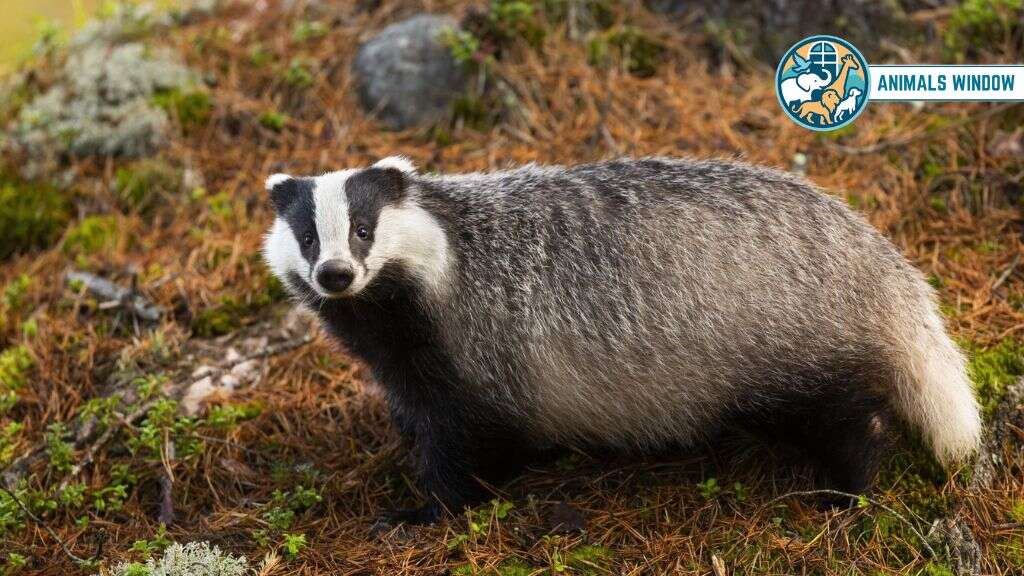
- Scientific name: Meles meles
- Size: 60–90 cm body length
- Weight: 7–17 kg
- Diet: Earthworms, fruit, small mammals, carrion, roots
- Habitat: Woodlands and farmland across Europe and western Asia
- Lifespan: 5–8 years in the wild
The European badger shares the raccoon’s black-and-white facial patterning and stocky omnivore build, though it’s a mustelid — related to weasels and otters rather than raccoons. What it lacks in climbing ability it makes up for underground. Badger setts can stretch 100 meters in length with dozens of chambers, some used by the same family for over a century.
The most underappreciated thing about badgers is how much they reshape ecosystems. Their digging aerates soil, creates den sites used by rabbits and foxes, and their earthworm-heavy diet controls invertebrate populations. In Britain, a single badger can consume over 200 earthworms in a night — about 3.5 kg of worms weekly during peak season.
🔥 Comparison Fact: A large male European badger can weigh up to 17 kg in autumn — about as much as a medium-sized bag of dog food.
10. Burmese Ferret-Badger
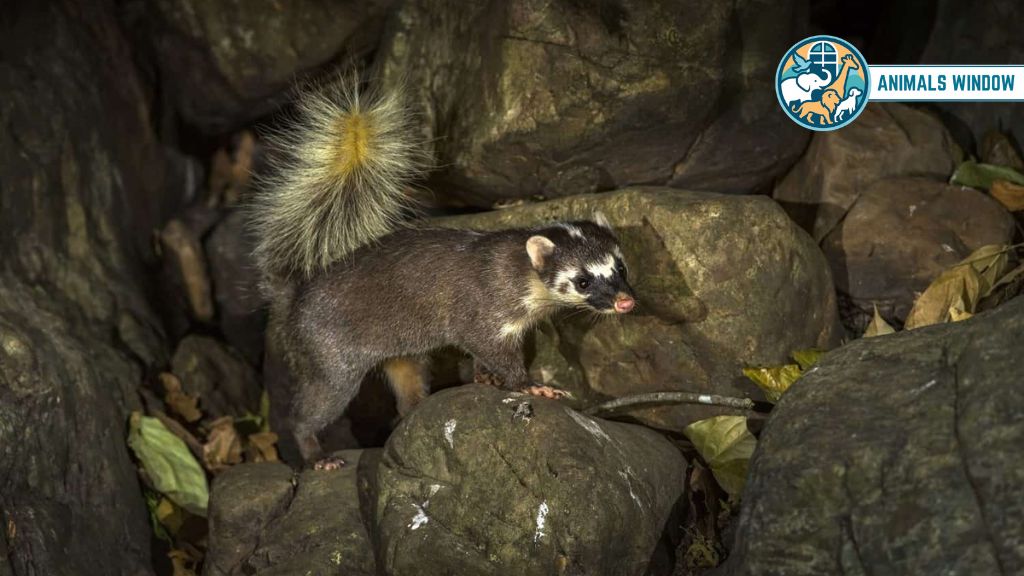
- Scientific name: Melogale personata
- Size: 33–44 cm body length
- Weight: 1–3 kg
- Diet: Earthworms, insects, small vertebrates, fruit
- Habitat: Tropical and subtropical forests of Southeast Asia
- Lifespan: 10 years estimated
The Burmese ferret-badger is a slimmer, more weasel-like take on the badger body plan. It has that characteristic black-and-white face mask — which is exactly what makes it fit into a list of animals similar to raccoons. The mask serves as a warning signal, given the ferret-badger’s ability to produce a strong musk when threatened.
Unlike the European badger’s earth-moving lifestyle, the Burmese ferret-badger is more of a generalist forager. It uses its long snout and nimble claws to hunt insects in soil and leaf litter, but it’s also an agile climber — something most badgers absolutely are not. This combination of digging and climbing in one small body is unusual even within the mustelid family.
🔥 Comparison Fact: A Burmese ferret-badger’s body is roughly the size of a large squirrel — about 33–44 cm — but heavier and more muscular.
11. Ring-tailed Lemur
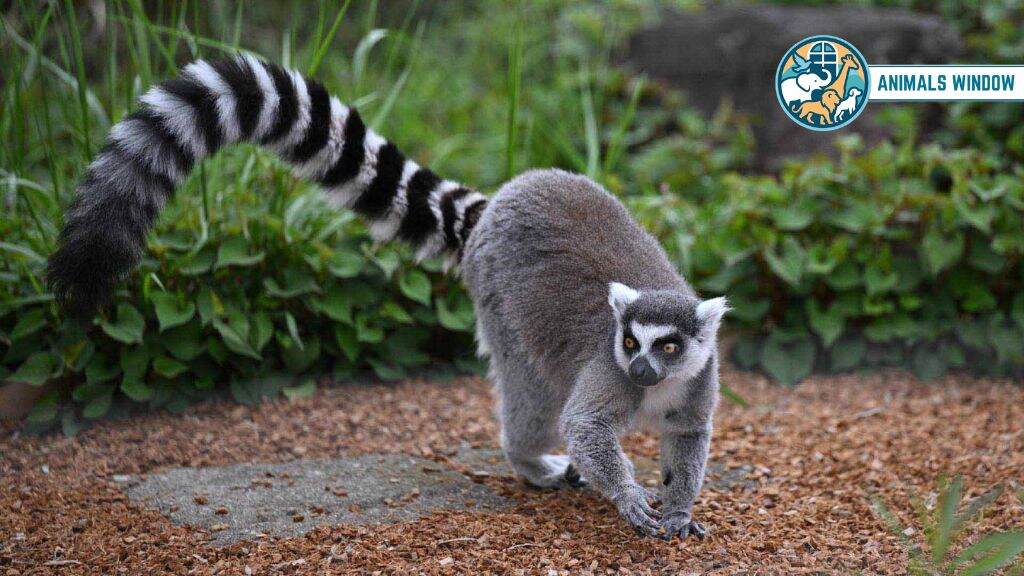
- Scientific name: Lemur catta
- Size: 38–46 cm body length
- Weight: 2.2–3.5 kg
- Diet: Fruit, leaves, flowers, bark, sap
- Habitat: Dry forests and bush of southern Madagascar
- Lifespan: 16–19 years in the wild
The ring-tailed lemur doesn’t belong anywhere near the raccoon family — it’s a primate, a lemur from Madagascar. But its 13-banded black-and-white tail and masked face make it one of the most visually convincing animals that look like raccoons. The tail, always held aloft while walking, is actually a social signal — a visual flag for group cohesion.
What separates it behaviorally is sunbathing. Ring-tailed lemurs start each morning sitting upright with arms outstretched toward the sun, absorbing warmth. It’s not laziness — they’re thermoregulating after cold nights, since Madagascar’s southern forests can drop sharply overnight. This “sun salutation” posture is so consistent it became one of the most photographed behaviors in wildlife.
🔥 Comparison Fact: A ring-tailed lemur’s tail, at up to 63 cm, is longer than its entire body — and longer than a standard kitchen ruler by about 13 cm.
12. Asian Palm Civet

- Scientific name: Paradoxurus hermaphroditus
- Size: 43–71 cm body length
- Weight: 2–5 kg
- Diet: Fruit, small vertebrates, insects, carrion
- Habitat: Tropical forests and urban areas across South and Southeast Asia
- Lifespan: 15–20 years in captivity
The Asian palm civet has the masked face, ringed tail, and nocturnal habits of a raccoon — but it’s a viverrid, related to mongooses and genets rather than North American procyonids. It’s one of the most widespread raccoon-like animals in Asia, spotted in rainforest canopy and city rooftops with equal comfort.
Most people know it for an unlikely reason: Kopi luwak, the world’s most expensive coffee, comes from coffee beans that pass through the civet’s digestive system. The enzymes alter the beans’ flavor profile. It’s a quirky claim to fame — but the civet’s real ecological role is as a seed disperser. It eats enormous quantities of fruit and deposits viable seeds far from parent trees, shaping forest regeneration across Southeast Asia.
🔥 Comparison Fact: The Asian palm civet weighs roughly as much as a 5 lb bag of rice — around 2–5 kg depending on sex and season.
13. Virginia Opossum
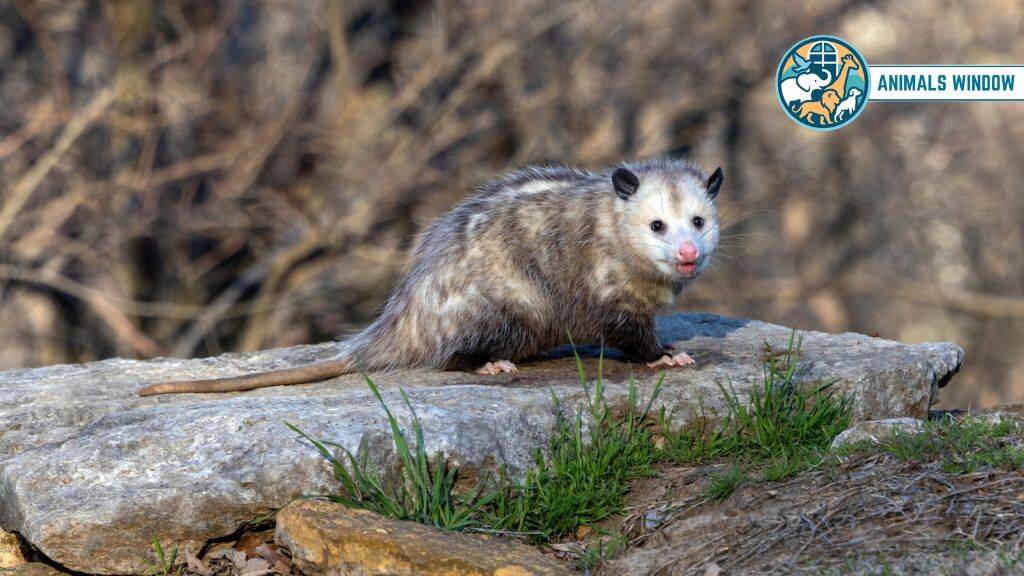
- Scientific name: Didelphis virginiana
- Size: 35–55 cm body length
- Weight: 0.5–6 kg
- Diet: Fruit, insects, carrion, small vertebrates, garbage
- Habitat: Forests, farmlands, and suburban areas of North and Central America
- Lifespan: 1–2 years in the wild
The Virginia opossum is North America’s only marsupial — not a placental mammal at all. It shares the raccoon’s gray-brown coloring, nocturnal foraging, and urban adaptability, but it’s about as distantly related to a raccoon as a kangaroo is. Still, it consistently appears on lists of animals similar to raccoons because they share the same ecological niche: nighttime suburban foragers raiding compost heaps.
Its signature move — playing dead — is not a choice. Thanatosis in the opossum is involuntary, triggered by extreme fear. The animal collapses, goes rigid, mouth open, a foul-smelling fluid released from anal glands. It can stay in this state for up to 4 hours. Predators that prefer fresh kills walk away. It’s an accidental tactic that’s outrageously effective.
🔥 Comparison Fact: A newborn opossum is about the size of a honeybee — roughly 1.3 cm — and climbs to the pouch immediately after birth without assistance.
14. Skunk

- Scientific name: Mephitis mephitis (Striped Skunk)
- Size: 52–77 cm body length (including tail)
- Weight: 1.8–4.5 kg
- Diet: Insects, grubs, small rodents, fruit, carrion
- Habitat: Mixed woodlands, grasslands, and suburban areas of North America
- Lifespan: 2–4 years in the wild
The striped skunk shares the raccoon’s black-and-white coloring, foraging habits, and comfort in suburban environments. It’s a mustelid, though it’s often placed in its own family (Mephitidae). But visually, the masked face and stocky body make it a recognizable raccoon-look-alike to anyone who’s spotted one under a porch at night.
The skunk’s defense system is its defining trait — and it’s more precise than most people realize. A skunk can spray with accuracy up to 3 meters, rotating its body into a U-shape so both eyes and the scent gland target the threat simultaneously. The chemical — n-butyl mercaptan — bonds to proteins on skin and is almost impossible to fully wash off with soap. One spray per threat, though — the gland takes up to 10 days to fully recharge.
🔥 Comparison Fact: The skunk’s spray glands hold about 15 ml of musk — roughly a tablespoon — but that’s enough for 5–6 precision shots before running dry.
15. Pine Marten

- Scientific name: Martes martes
- Size: 45–58 cm body length
- Weight: 0.9–2.2 kg
- Diet: Small mammals, birds, eggs, fruit, insects
- Habitat: Dense conifer and mixed forests of Europe and northern Asia
- Lifespan: 11–18 years in the wild
The pine marten has a slender build, soft brown fur, and a creamy-yellow throat patch — and while it doesn’t have the masked face typical of most raccoon-like animals, it’s frequently confused with similar species due to its forest-dwelling, arboreal lifestyle. It’s a mustelid with serious climbing credentials.
The pine marten’s speed in the canopy is the standout trait. It can chase red squirrels through the treetops at full sprint, which almost no other predator can do. In Ireland and Scotland, the reintroduction of pine martens has actually helped red squirrel populations recover — because martens disproportionately predation gray squirrels (invasive, slower in trees), creating space for reds to rebound. A predator accidentally restoring a native species is a rare ecological story.
🔥 Comparison Fact: A pine marten weighs about as much as a large bag of sugar — around 1.5–2 kg — but can pursue prey through trees with the agility of an animal twice its size.
16. Maine Coon Cat

- Scientific name: Felis catus (domestic)
- Size: 48–100 cm body length
- Weight: 4–9 kg (males heavier)
- Diet: Carnivore — commercial cat food, small prey if outdoor
- Habitat: Domesticated; origins tied to northeastern North America
- Lifespan: 12–15 years
The Maine Coon is the most common animal people mention when searching for an animal that looks like a raccoon but bigger. The resemblance is striking: tufted ears, a dense layered coat, a large bushy ringed tail, and often a masked facial pattern. There’s even an old (false) folk legend claiming Maine Coons descended from raccoon crossings — biologically impossible, but the visual similarity makes it understandable.
What’s real is the personality overlap. Maine Coons are often described as “dog-like” — they follow their owners room to room, can be trained to fetch, and are unusually comfortable with water. Their thick, water-resistant coat suggests adaptation to wet, cold northeastern winters. They are the largest domestic cat breed, with some males exceeding 9 kg.
🔥 Comparison Fact: A large male Maine Coon can weigh as much as a healthy 9 kg — that’s heavier than the average domestic cat by more than double.
17. Fox (Gray Fox / Red Fox)
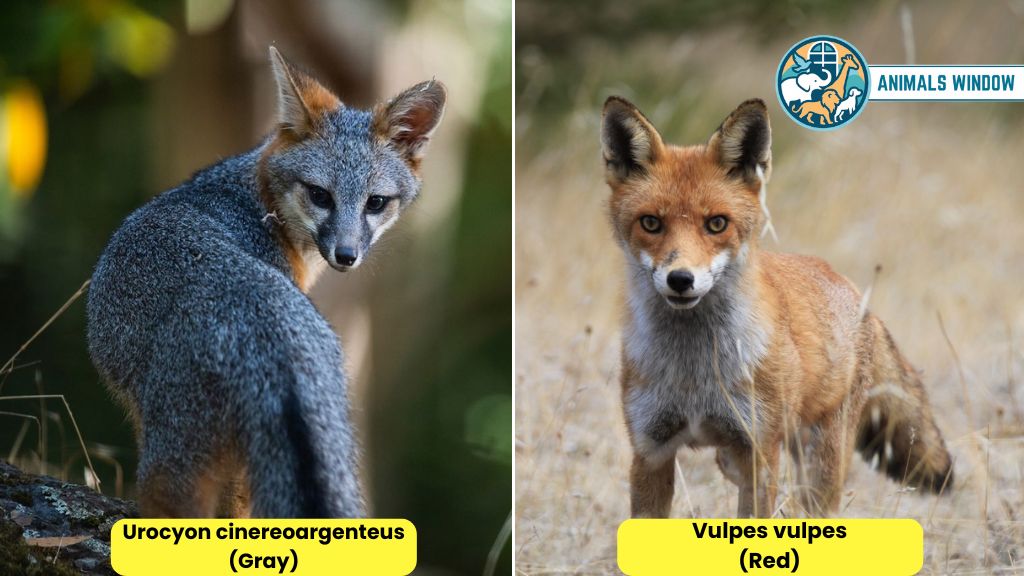
- Scientific name: Urocyon cinereoargenteus (Gray) / Vulpes vulpes (Red)
- Size: 48–80 cm body length
- Weight: 3–7 kg
- Diet: Omnivore — small mammals, birds, fruit, insects, carrion
- Habitat: Widespread — forests, deserts, grasslands, and cities worldwide
- Lifespan: 3–5 years in the wild
Both the gray fox and the red fox get mistaken for raccoon-like animals due to their bushy ringed tails, masked facial markings, and adaptable urban presence. But it’s the gray fox (Urocyon cinereoargenteus) that earns a special place here — it’s the only North American canid that regularly climbs trees, using semi-retractable claws to scramble up trunks and hide in cavities. A tree-climbing fox is genuinely unusual.
The red fox, by contrast, is a speed and intelligence specialist. It can hear a mouse moving under 30 cm of snow and dive headfirst to catch it — a technique called mousing, which involves using the Earth’s magnetic field to calibrate its pounce angle. Foxes orient themselves toward magnetic north to judge distance before leaping. It’s one of the most sophisticated hunting techniques documented in a non-primate.
🔥 Comparison Fact: A red fox’s tail (brush) is about 40 cm long — nearly half its total body length — and thick enough that it doubles as a warm wrap during cold nights.
18. Binturong (Bearcat)

- Scientific name: Arctictis binturong
- Size: 60–96 cm body length
- Weight: 9–20 kg
- Diet: Fruit, small mammals, birds, fish, insects
- Habitat: Dense tropical forests of South and Southeast Asia
- Lifespan: 18–25 years in captivity
The binturong is the largest animal on this list and one of the most immediately recognizable as a raccoon-look-alike — black shaggy fur, a masked face, and a heavily furred prehensile tail it uses as a fifth limb in the canopy. But it’s a viverrid, not a procyonid, and its closest relatives are civets and genets.
The binturong smells like buttered popcorn. Not a vague similarity — a real, distinct corn chip and popcorn scent. This comes from 2-acetyl-1-pyrroline, the same chemical compound responsible for the smell of popcorn, present in the binturong’s urine, which it rubs on branches to mark territory. Researchers confirmed this in 2016. It’s the only wild mammal known to produce this compound naturally, and it works as an olfactory GPS system for others of its species navigating the forest.
🔥 Comparison Fact: A large male binturong can reach 20 kg — roughly the weight of a car tire — making it as heavy as a medium-sized dog and the most substantial raccoon-like animal on this list.
FAQs About Raccoon Like Animals
What animals look like raccoons but aren’t raccoons?
Many animals resemble raccoons without being related to them. The most common examples include the raccoon dog (a canid), the red panda (its own family), the ringtail, kinkajou, coati, ring-tailed lemur, and binturong. Most share the ringed tail or masked face through convergent evolution — not shared ancestry.
What is the animal that looks like a raccoon but bigger?
The binturong is the largest raccoon-like animal, reaching up to 20 kg. The Maine Coon cat and the European badger also frequently get this question — both are heavier and bulkier than a typical raccoon.
Are raccoon dogs actually raccoons?
No. Raccoon dogs (Nyctereutes procyonoides) are canids — they’re in the dog and wolf family. The resemblance to raccoons is entirely due to convergent evolution. They are the only dogs known to hibernate.
What animal looks like a raccoon but lives in trees?
The kinkajou, binturong, and cacomistle are the most arboreal raccoon look-alikes. The kinkajou and binturong both have prehensile tails, and all three spend most of their lives in forest canopies.
Is the red panda related to the raccoon?
No, though they were once grouped together. The red panda belongs to its own family, Ailuridae. It shares the ringed tail and masked face with raccoons but is not a close relative. The shared appearance is another example of convergent evolution.
Which raccoon-like animal was discovered most recently?
The olinguito, described as a new species in 2013, is the most recently recognized. It was the first new carnivoran species discovered in the Western Hemisphere in 35 years, found in the cloud forests of Colombia and Ecuador.
Do any raccoon-like animals live in Asia?
Yes — several. The Asian palm civet, binturong, red panda, Burmese ferret-badger, and both species of raccoon dog are found across South, Southeast, and East Asia. The red fox also ranges widely across Asia.

I have loved animals since I was a kid. I enjoy reading about how animals live, eat, move, and survive. I started Animals Window to share what I learn in a simple and easy way. I write about animal body parts, size, behavior, diet, habitats, and species. My goal is to make animal facts clear and fun for everyone to understand.