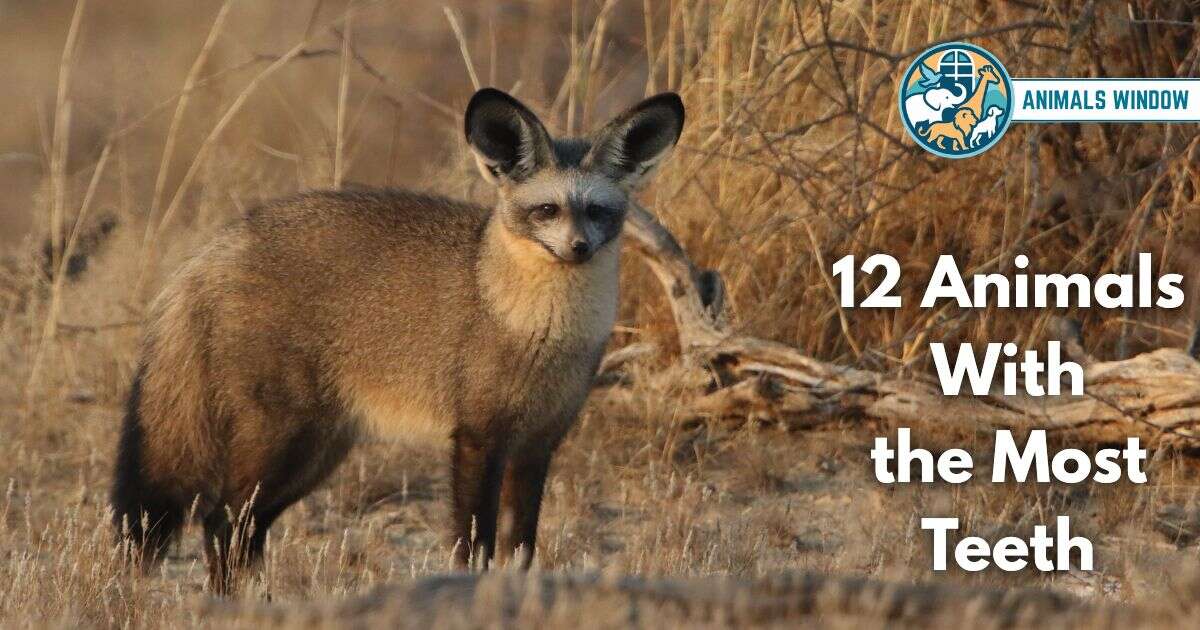
Animals with the most teeth include snails, slugs, sharks, and several others that carry hundreds — sometimes thousands — of teeth. The record-holder is the snail, with up to 25,000 tiny teeth on a ribbon-like organ called the radula. Tooth count varies widely by diet, habitat, and how teeth are used across different species.
Table of Contents
Animals with Most Teeth: Quick Table
| Animal Name | Scientific Name | Key Trait |
| Umbrella Slug | Umbraculum umbraculum | 750,000+ teeth on radula |
| Common Snail | Cornu aspersum | Up to 25,000 radula teeth |
| Land Slug | Arion ater | Thousands of microscopic teeth |
| Pacific Lingcod | Ophiodon elongatus | 555 teeth in multiple rows |
| Common Leaf-Tailed Gecko | Uroplatus fimbriatus | 150+ small uniform teeth |
| Great White Shark | Carcharodon carcharias | 300 teeth, replaced constantly |
| Silky Shark | Carcharhinus falciformis | Up to 240 razor-edged teeth |
| Spinner Dolphin | Stenella longirostris | Up to 252 cone-shaped teeth |
| Giant Armadillo | Priodontes maximus | Up to 100 peg-like teeth |
| American Alligator | Alligator mississippiensis | 80 teeth, replaced 50+ times |
| Opossum | Didelphis virginiana | 50 teeth — most of any land mammal |
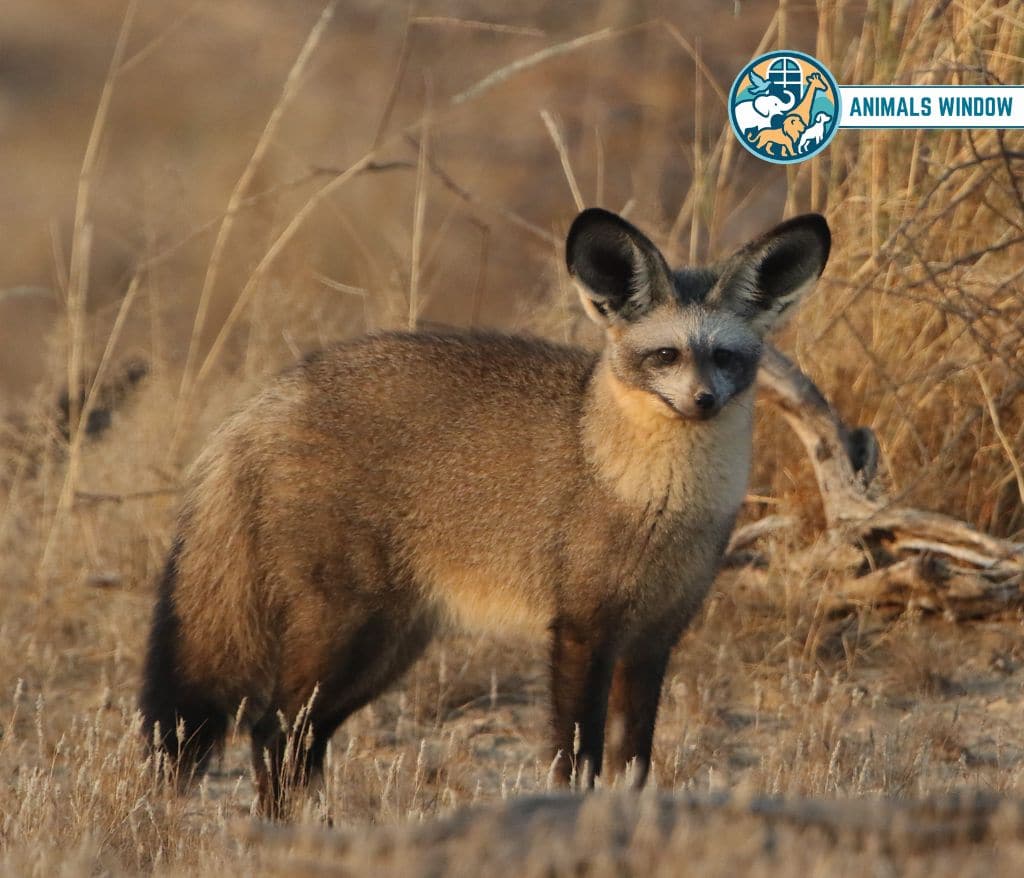
| Bat-eared Fox | Otocyon megalotis | 48 teeth, extra molars for insects |
What you’ll find in this list goes far beyond raw tooth counts. One fish on this list can regrow every single tooth in its mouth. One mammal uses its jaw like a vibrating insect-shredding machine. And one gecko has teeth so perfectly uniform that scientists use them as a reference model for studying dental evolution.
Keep scrolling. The deeper into this list you go, the stranger it gets.
1. Umbrella Slug
- Scientific name: Umbraculum umbraculum
- Size: Up to 20 cm (8 inches)
- Weight: 200–400 g
- Diet: Sponges
- Habitat: Tropical and subtropical ocean floors
- Lifespan: 1–3 years
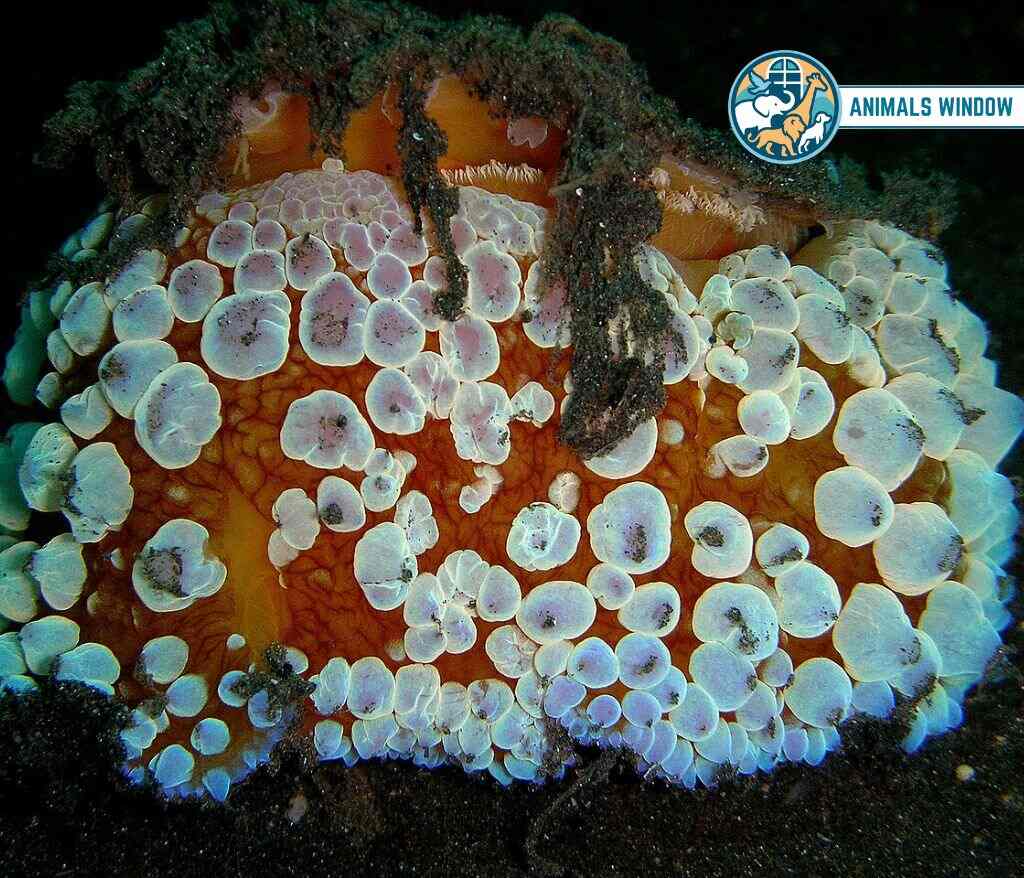
The Umbrella Slug lives on the ocean floor in warm tropical waters. It looks more like a flattened blob with a tiny shell on its back than anything you’d expect to break a dental record. But inside that soft body sits one of the most jaw-dropping mouths in the animal kingdom.
Its radula — a tongue-like feeding ribbon lined with microscopic teeth — can carry over 750,000 individual teeth. That’s not a typo. This slug scrapes sponge tissue using rows upon rows of hardened denticles, each one shaped to grip and tear tough sponge fibers that most animals won’t touch at all.
🔥 Comparison Fact: If you stacked all 750,000 teeth end to end, the line would stretch roughly the length of a football field.
2. Common Snail
- Scientific name: Cornu aspersum
- Size: 3–4 cm shell diameter
- Weight: 7–15 g
- Diet: Leaves, bark, fruit, algae
- Habitat: Gardens, forests, rocky coastlines worldwide
- Lifespan: 2–5 years
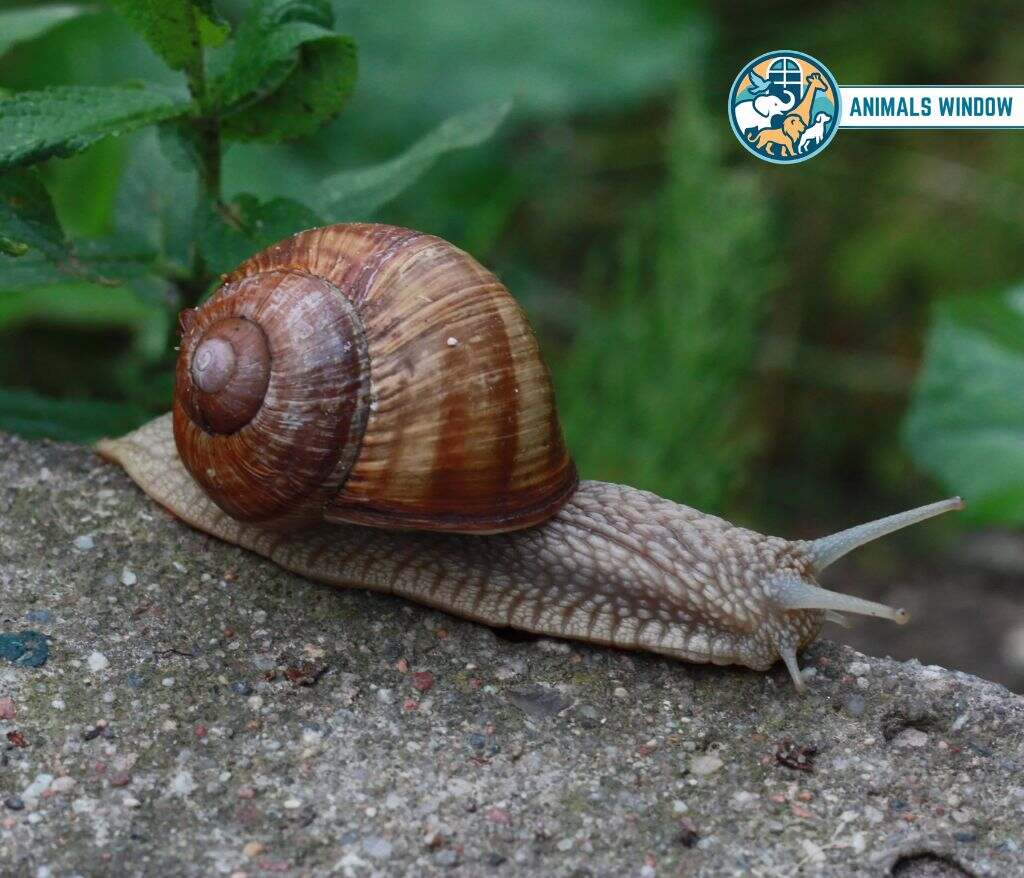
The garden snail is everywhere — your backyard, roadside puddles, farmers’ markets in France. Most people see it as slow and harmless. But this small creature carries up to 25,000 teeth, making it one of the most tooth-dense animals on Earth relative to its body size.
Those teeth sit on a radula that works like a flexible file, rasping food into tiny particles rather than biting or chewing in the traditional sense. What’s fascinating is that snail teeth are made of goethite, an iron-based mineral that ranks among the hardest biological materials ever tested — harder than spider silk and close to some human-made materials used in engineering.
🔥 Comparison Fact: The entire snail, shell and all, fits inside a golf ball, yet it carries more teeth than 100 adult humans combined.
3. Land Slug
- Scientific name: Arion ater
- Size: 10–15 cm when extended
- Weight: 15–30 g
- Diet: Decaying plant matter, mushrooms, algae
- Habitat: Moist forests, gardens, under rocks across Europe and North America
- Lifespan: 1–2 years
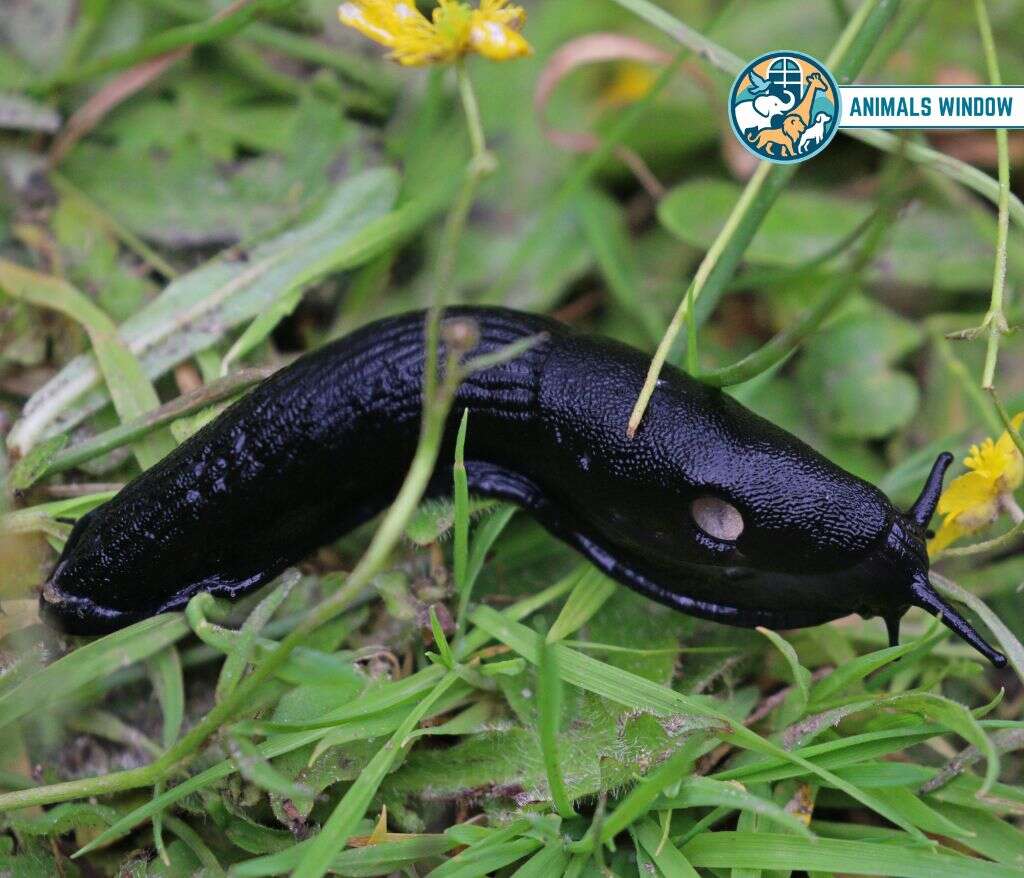
The black land slug looks unremarkable. No shell, no bright color, no impressive size. It moves slowly across damp soil at night and mostly eats things that are already decomposing. But its radula carries thousands of tiny teeth arranged in precise diagonal rows, each one designed for a specific scraping motion.
What separates land slugs from their aquatic cousins is their role as decomposers. Their teeth aren’t just for eating — they’re essentially ecosystem tools. By breaking down dead plant matter and fungal tissue, land slugs help return nutrients to the soil. Remove them from a forest floor, and decomposition slows noticeably. So while the tooth count is impressive, the ecological job those teeth do is equally worth noting.
🔥 Comparison Fact: A fully stretched land slug is roughly the length of a standard pen — but its radula alone can hold more teeth than a great white shark.
4. Pacific Lingcod
- Scientific name: Ophiodon elongatus
- Size: 60–150 cm
- Weight: 2–18 kg
- Diet: Fish, squid, crustaceans
- Habitat: Pacific Ocean, rocky reefs from Alaska to Baja California
- Lifespan: Up to 25 years
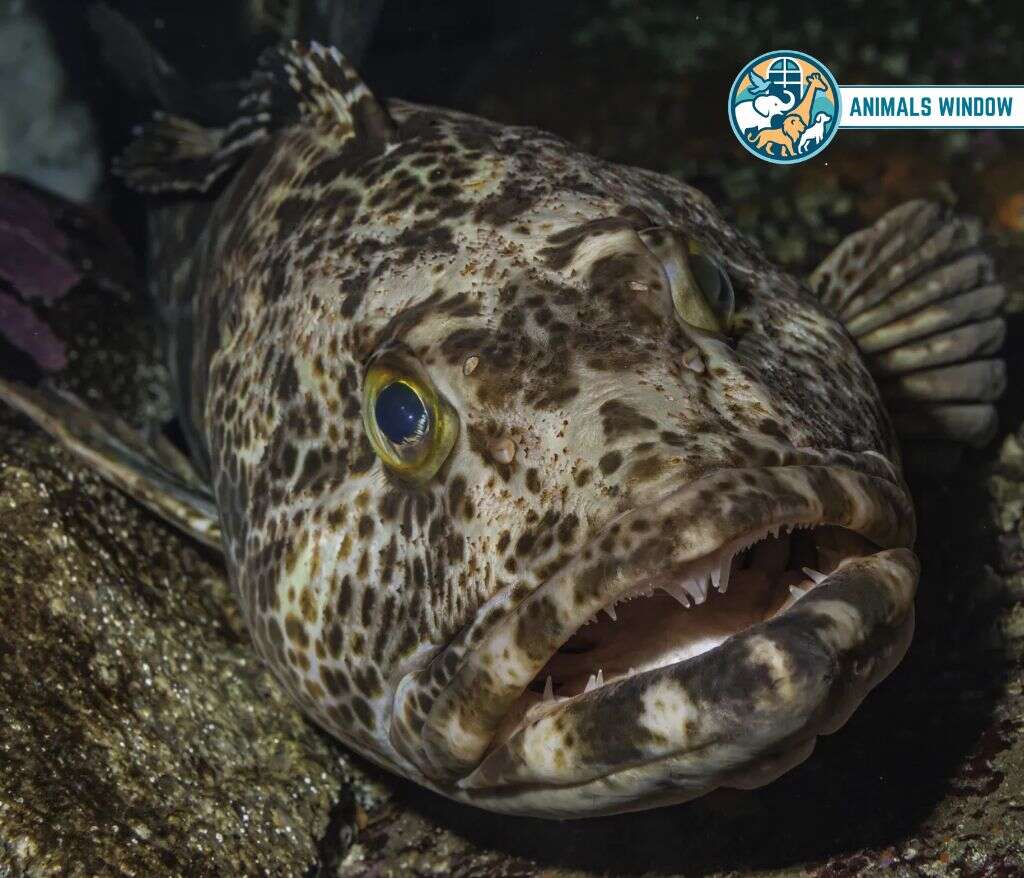
The Pacific Lingcod is not actually a cod. It’s a predatory fish with a wide flat head, mottled green-blue coloring, and an extremely aggressive feeding style. It sits still on rocky reefs and ambushes prey — which is where its 555 teeth come in very handy.
Those teeth are arranged in two sets of jaws. The first grabs. The second, a structure called the pharyngeal jaw, sits deeper in the throat and crushes prey before it’s swallowed. Here’s what makes it genuinely unusual: Lingcod can regenerate all 555 teeth approximately every 24 hours. They’re constantly shedding old ones and growing new ones in a cycle that never stops. No dental visits required.
🔥 Comparison Fact: A large Lingcod is about as long as a baseball bat — and cycles through its entire set of teeth roughly 365 times a year.
5. Common Leaf-Tailed Gecko
- Scientific name: Uroplatus fimbriatus
- Size: 25–30 cm total length
- Weight: 60–90 g
- Diet: Insects, small invertebrates
- Habitat: Rainforests of Madagascar
- Lifespan: 5–10 years in wild
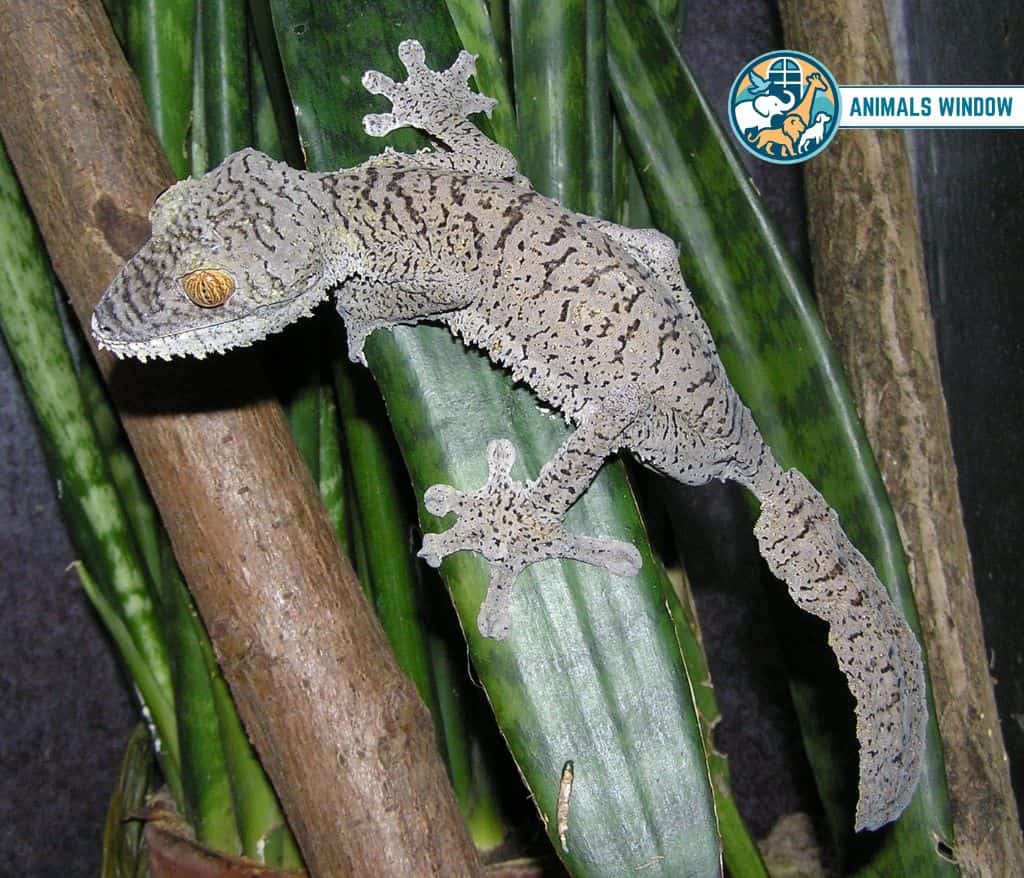
This gecko looks like a piece of bark came to life. Its flattened body, ragged skin edges, and leaf-shaped tail help it disappear against tree trunks in Madagascar’s rainforests. When it opens its mouth, though, you’ll notice a remarkably uniform dental structure — over 150 small, evenly spaced teeth lining both jaws.
Unlike most reptiles whose teeth vary in size across the jaw, the Leaf-Tailed Gecko has near-identical teeth from front to back. Scientists have used this consistency to study pleurodont dentition — the type of tooth attachment where teeth sit on the inner side of the jaw rather than in sockets. It’s a less secure structure, which means teeth break off often. But the gecko just grows replacements, making tooth loss essentially irrelevant to its survival.
🔥 Comparison Fact: The gecko is about as long as a TV remote, but its dental uniformity is precise enough to be used in academic dental research models.
6. Great White Shark
- Scientific name: Carcharodon carcharias
- Size: 4–6 meters
- Weight: 680–1,100 kg
- Diet: Fish, seals, dolphins, sea turtles
- Habitat: Coastal and offshore waters worldwide
- Lifespan: 30–70 years
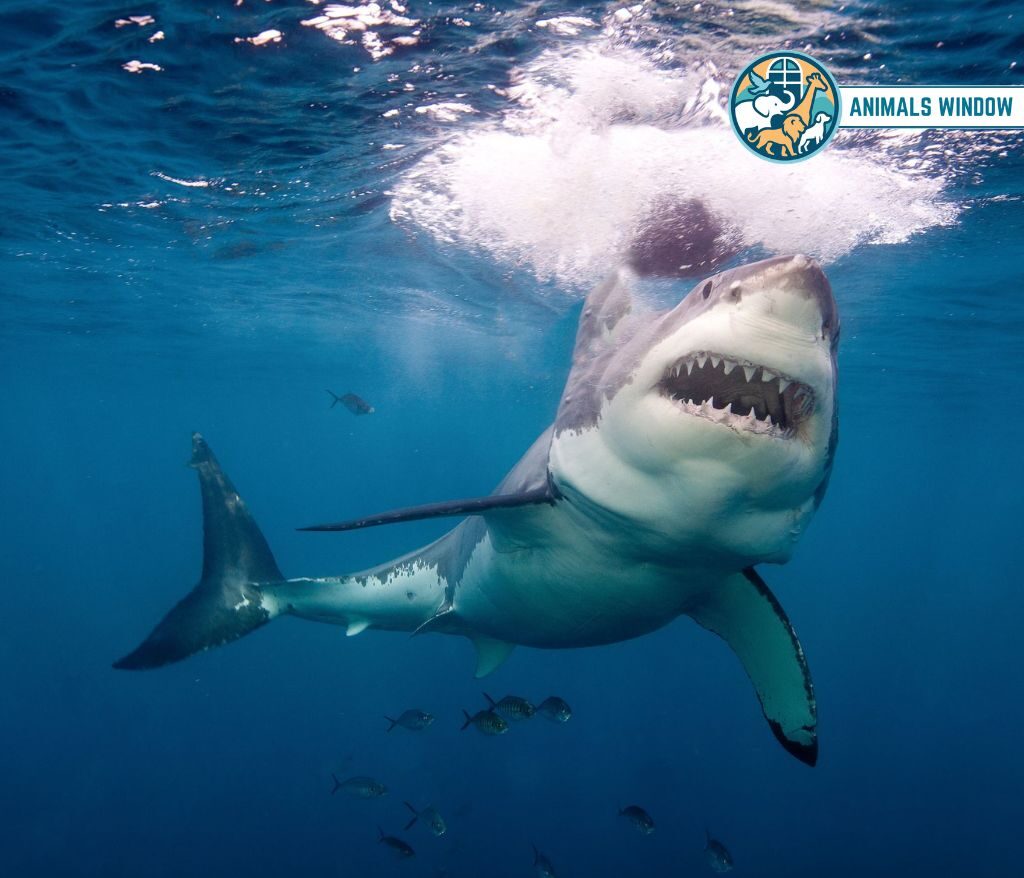
The Great White Shark is probably the first animal most people think of when tooth counts come up. And it earns that reputation. At any given moment, it has around 300 functional teeth arranged in several rows. But the deeper fact is what happens to those teeth over a lifetime.
A Great White doesn’t just have teeth — it runs a continuous conveyor belt of them. When a front tooth breaks or falls out, the tooth behind it rotates forward to replace it. Over its lifetime, a Great White can produce up to 20,000 individual teeth. Those teeth are not rooted in the jawbone the way human teeth are. They sit in soft tissue, designed to be expendable from the start.
🔥 Comparison Fact: A single Great White tooth can be as long as a car key — and the shark replaces each one roughly every 1–2 weeks.
7. Silky Shark
- Scientific name: Carcharhinus falciformis
- Size: 2–3.5 meters
- Weight: 45–346 kg
- Diet: Bony fish, squid, octopus
- Habitat: Open tropical oceans worldwide
- Lifespan: Up to 23 years
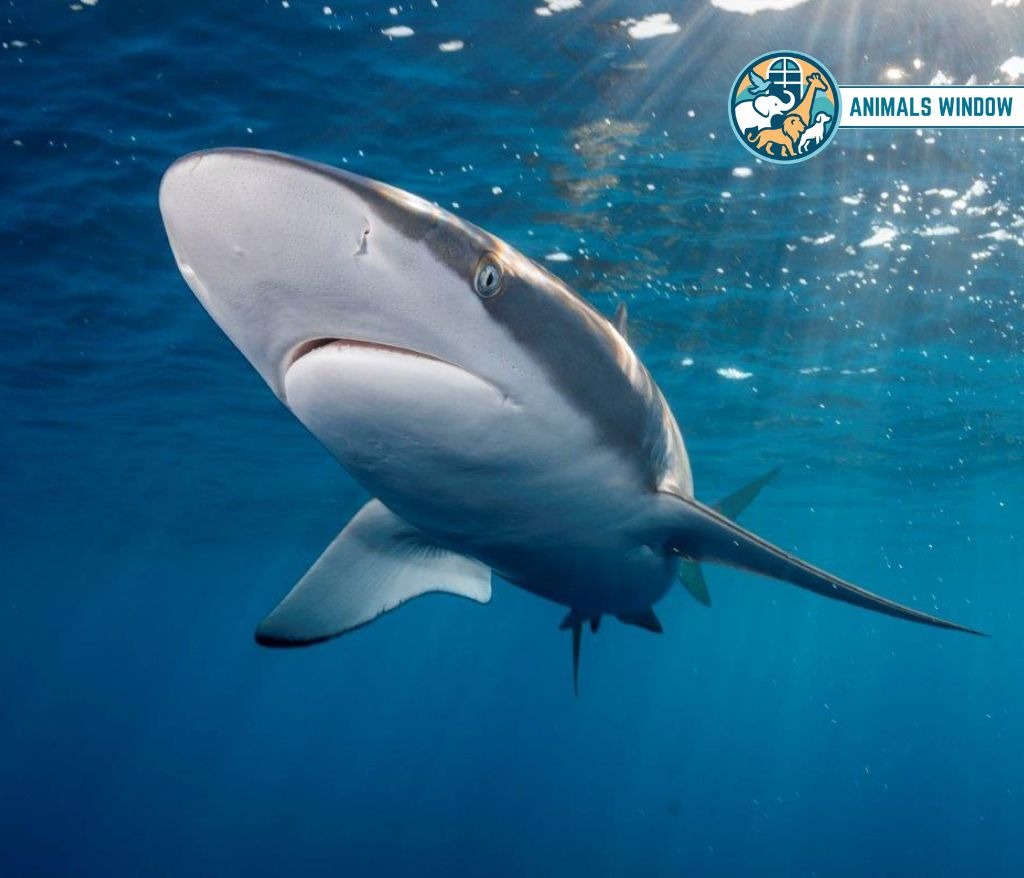
The Silky Shark gets its name from its unusually smooth skin texture. It’s a fast, open-ocean predator that follows tuna schools across thousands of kilometers of warm water. With up to 240 teeth set in narrow, serrated rows, it’s built for precision cutting rather than the crushing grip style of its Great White cousin.
What separates the Silky Shark’s teeth is their serration pattern. Each tooth has fine saw-like edges designed to slice through fast-moving, slippery fish with minimal resistance. This makes the Silky Shark one of the most efficient fish hunters in open water. It doesn’t need to thrash or bite multiple times — one pass and the job is often done.
🔥 Comparison Fact: The Silky Shark is roughly the length of a mid-size sedan, and its teeth are serrated at a microscopic level that rivals the edge quality of surgical instruments.
8. Spinner Dolphin
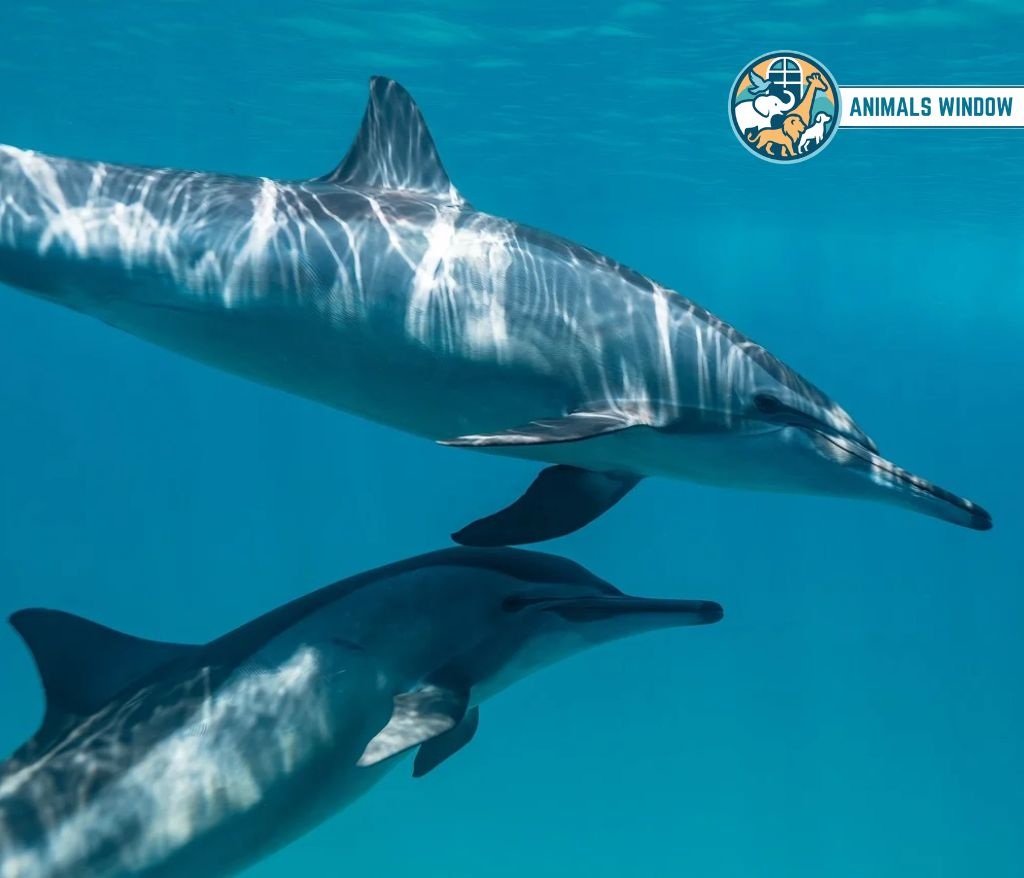
- Scientific name: Stenella longirostris
- Size: 1.3–2.1 meters
- Weight: 45–90 kg
- Diet: Small fish, squid, shrimp
- Habitat: Tropical and subtropical oceans worldwide
- Lifespan: 20 years
Spinner Dolphins are famous for their acrobatics — spinning up to seven times in a single aerial leap. But the teeth? That part of their biology rarely makes the headlines. A Spinner Dolphin carries between 168 and 252 cone-shaped teeth, which is among the highest counts of any dolphin species.
Those teeth aren’t used for chewing. Dolphins swallow prey whole. Instead, the teeth function as gripping tools, locking around fast, slippery fish and squid before swallowing them headfirst. The cone shape is perfect for this — it pierces and holds without tearing. And because the dolphin hunts cooperatively, using coordinated group strategies to herd prey, those teeth only need to perform one quick grab. Precision over power.
🔥 Comparison Fact: A Spinner Dolphin is roughly the size of a large surfboard — and carries more teeth than five adult humans put together.
9. Giant Armadillo
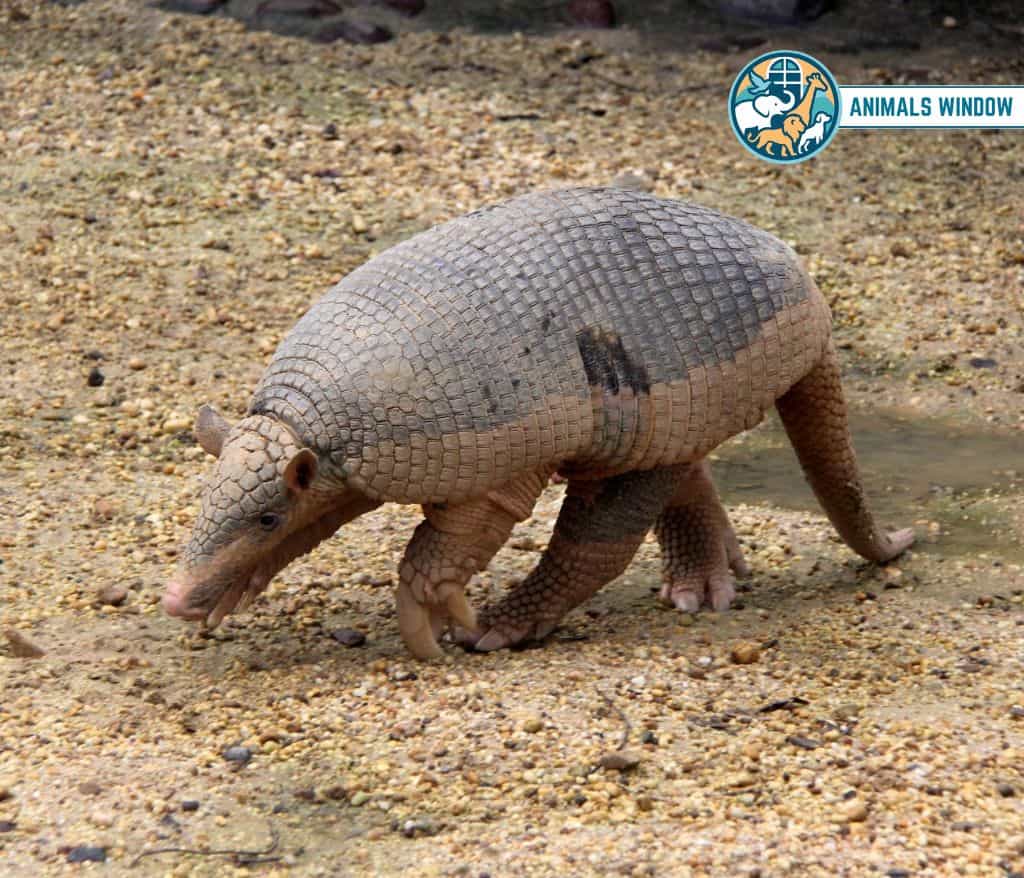
- Scientific name: Priodontes maximus
- Size: 75–100 cm body length
- Weight: 19–32 kg
- Diet: Termites, ants, worms, larvae
- Habitat: Grasslands and forests of South America
- Lifespan: Up to 15 years
The Giant Armadillo holds a record that often surprises people: it’s the most-toothed mammal in the Americas. It can carry up to 100 peg-like teeth across both jaws, which is far beyond the tooth count of any other land mammal in the Western Hemisphere.
But here’s the catch — those teeth are simple, rootless, and coated in only a thin layer of enamel. They’re almost vestigial in function. The Giant Armadillo doesn’t really need them. Its long sticky tongue does the actual work, capturing up to 35,000 termites in a single feeding session. The teeth just assist with the occasional larger food item. It’s a bit like having 100 tools in a toolbox but only ever using two of them.
🔥 Comparison Fact: A Giant Armadillo weighs about as much as a car tire — and could theoretically eat every termite in a standard mound within 24 hours.
10. American Alligator
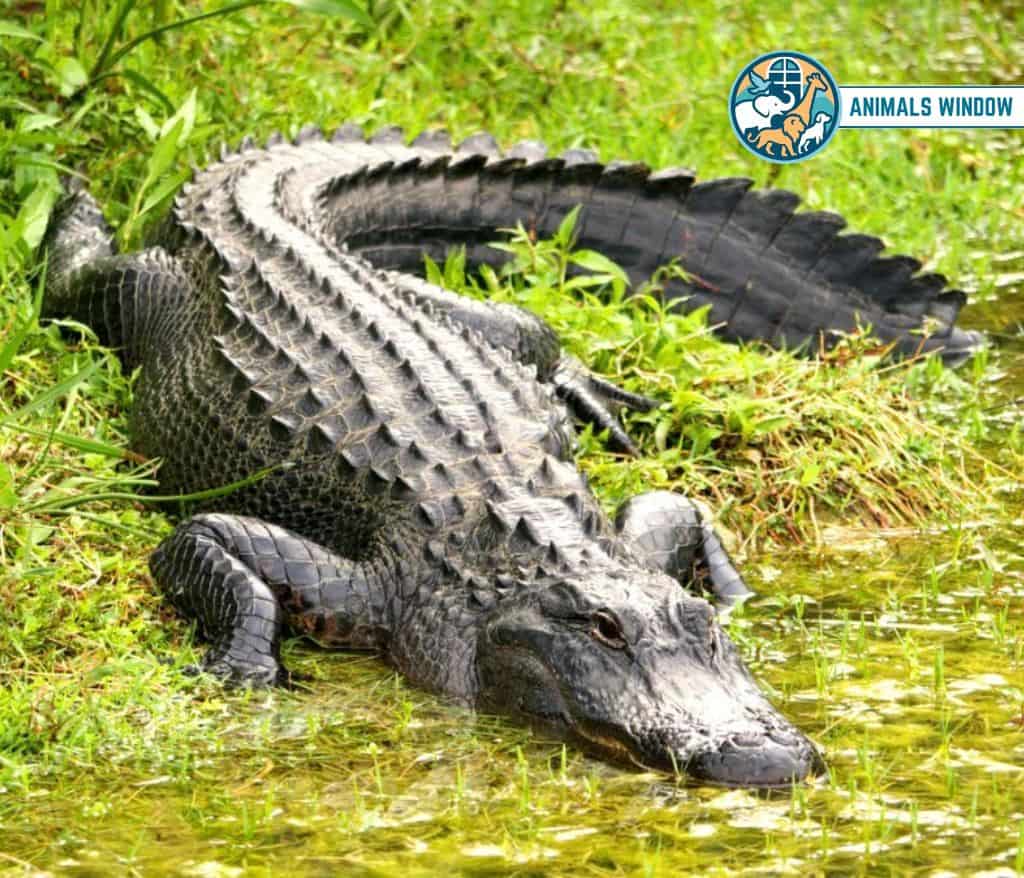
- Scientific name: Alligator mississippiensis
- Size: 3–4.5 meters
- Weight: 180–360 kg
- Diet: Fish, turtles, mammals, birds
- Habitat: Freshwater swamps, rivers, lakes in southeastern USA
- Lifespan: 35–50 years
The American Alligator has 80 teeth in its mouth at any given time — but that number only tells part of the story. Those 80 are just the current active set. Alligators replace their teeth continuously throughout their lives, and a single alligator can go through over 3,000 teeth total from hatchling to old age.
Each tooth sits in its own socket, directly above a replacement tooth waiting beneath it. When a tooth wears down or breaks, the new one pushes up within weeks. What’s unusual is that this replacement system slows significantly as alligators age. Older alligators that lose teeth may not fully replace them, which is actually one way researchers estimate the age of animals in the wild without capture.
🔥 Comparison Fact: An adult American Alligator is roughly the length of a compact car — and has replaced its full set of teeth more times than most humans change their toothbrush.
11. Opossum
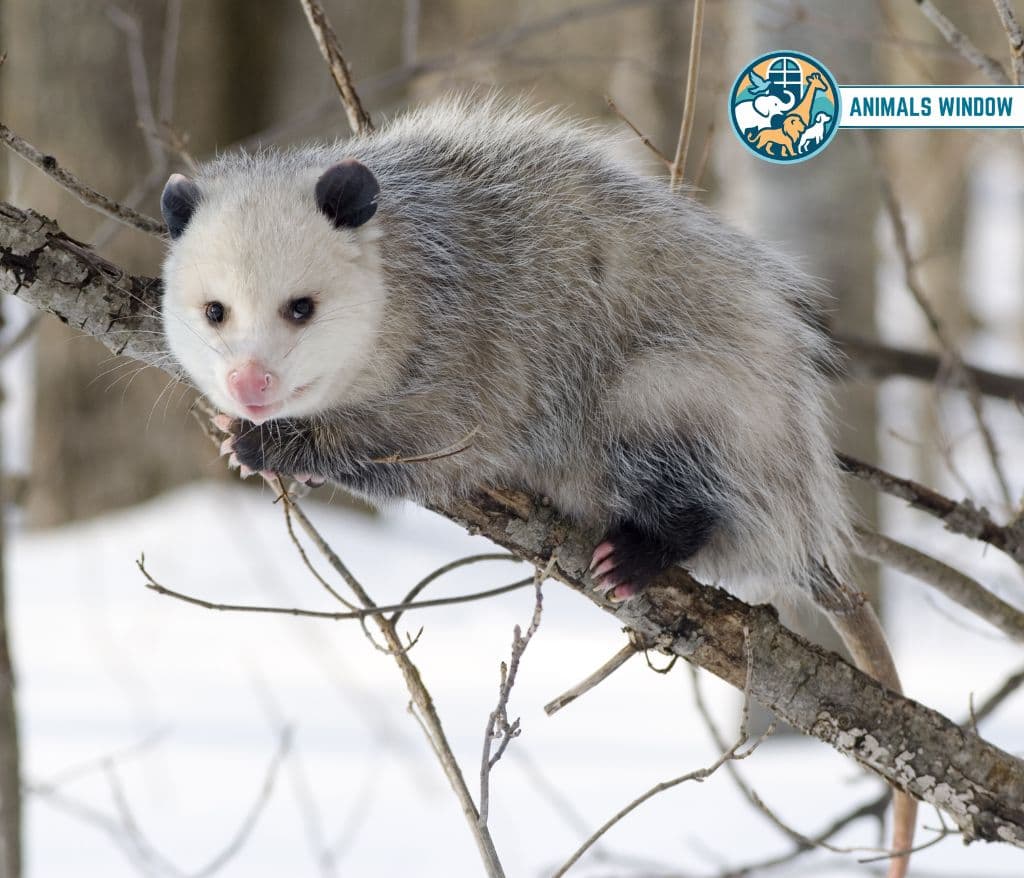
- Scientific name: Didelphis virginiana
- Size: 38–55 cm body length
- Weight: 1–6 kg
- Diet: Insects, fruit, small animals, carrion
- Habitat: Forests, suburbs, farmlands across North and Central America
- Lifespan: 1–4 years
The opossum holds a title most people don’t know exists: it has more teeth than any other land mammal in North America, with a full count of 50. For comparison, dogs have 42, humans have 32, and most other common mammals top out around 44. The opossum beats them all.
Those 50 teeth reflect a diet of almost anything. Opossums eat insects, berries, frogs, snakes, carrion, and garbage. Their sharp front incisors, prominent canines, and wide flat molars create a multi-purpose dental toolkit built for maximum dietary flexibility. Remarkably, they’re also largely immune to rabies due to a lower-than-normal body temperature — so that wide-open, tooth-baring hiss they perform when threatened is mostly just theater.
🔥 Comparison Fact: An opossum is roughly the size of a house cat and carries 50 teeth — the same count as some large predatory dinosaurs in the fossil record.
12. Bat-Eared Fox
- Scientific name: Otocyon megalotis
- Size: 46–66 cm body length
- Weight: 2–5 kg
- Diet: Termites, beetles, scorpions, small lizards
- Habitat: Open savannas and grasslands of eastern and southern Africa
- Lifespan: 6–13 years
The Bat-eared Fox looks like someone glued oversized satellite dishes to a small fox. Those enormous ears — up to 13 cm long — are used to detect the underground movements of termites and beetle larvae. Once located, the fox digs fast and eats faster. Supporting this lifestyle is a jaw structure unlike any other canid on Earth.
It carries 48 teeth, including four to eight more molar teeth than any other member of the dog family. That extra molar count is directly tied to its insect diet — it needs to crush hard-shelled beetles and termites efficiently at high speed. Its jaw can open and close up to five times per second, a rate that no other fox, wolf, or dog comes close to matching. The jaw is powered by an enlarged muscle called the musculus zygomatico-mandibularis, found only in this species.
🔥 Comparison Fact: The Bat-eared Fox weighs about as much as a large bag of sugar — but its jaw moves faster than a hummingbird flaps its wings.
Trait Comparison: Permanent Teeth vs. Replacement Teeth
| Feature | Permanent Teeth | Replacement Teeth |
| Found in | Humans, most mammals | Sharks, alligators, lingcod |
| Tooth replacement | Happens once (baby → adult) | Continuous throughout life |
| Total lifetime teeth | 20–32 (humans) | 3,000–20,000+ (sharks, gators) |
| Root attachment | Deep in jawbone socket | Shallow or tissue-based |
| Advantage | Stronger bite precision | Near-unlimited durability |
| Disadvantage | Permanent loss if damaged | Individual teeth less anchored |
| Best example | Giant Armadillo | Great White Shark |
Permanent teeth give precision and long-term bite force. Replacement teeth trade that security for resilience — if one breaks, another is already waiting. For animals that hunt hard-shelled prey or bite bone regularly, the replacement system isn’t a design flaw. It’s the smarter solution.
FAQ’s About Animals With Most Teeth
Which animal has the most teeth in the world?
The Umbrella Slug holds the record with over 750,000 teeth on its radula. Among well-known animals, the garden snail carries up to 25,000 teeth — far more than any shark or mammal.
What land animal has the most teeth?
The opossum holds the record among common North American land mammals with 50 teeth. The Giant Armadillo edges ahead with up to 100 teeth, but those teeth are small and weakly developed.
Which animal has 25,000 teeth?
The common garden snail (Cornu aspersum) is known for having approximately 25,000 teeth arranged on a flexible radula. These teeth are made from one of the hardest biological materials on Earth.
What animal has the most teeth besides snails?
Among non-mollusks, the Pacific Lingcod has 555 teeth and regenerates them daily. Great White Sharks carry up to 300 active teeth at once and produce up to 20,000 over a lifetime.
What mammal has the most teeth?
The Giant Armadillo has the most teeth of any mammal, with up to 100 simple peg-like teeth. Among North American land mammals specifically, the opossum leads with 50 — more than any dog, bear, or primate.
Common Errors in Animal Tooth Count Lists
Below, we set the record straight using verified marine biology and zoological records.
| The Common Myth / Competitor Mistake | The Real Scientific Fact | Why the Mistake Happens |
| “Cuvier’s Beaked Whales have 250 teeth.” | Fact: Females have 0 erupted teeth; males have only 2 tusks. | They are frequently confused with Spinner Dolphins or Pilot Whales in lazy copy-pasted data. |
| “Slugs have fewer teeth than snails, so they don’t count.” | Fact: The Umbrella Slug holds the global record with up to 75,000 teeth on its radula. | Most creators only think of common garden slugs and completely overlook marine gastropods. |
| “Boa Constrictors are top-tier reptile record holders.” | Fact: Boas only have about 100 teeth. The Common Leaf-Tailed Gecko holds the land vertebrate record with 317 teeth. | Large snakes look intimidating, leading writers to guess they have the highest count without checking the data. |
| “Bottlenose Dolphins belong in the top 5 global rankings.” | Fact: They have 80–100 teeth. Spinner Dolphins have up to 260, making them the true mammal champions. | Bottlenose dolphins are the most famous dolphin species, so writers default to them by accident. |
Related Animals Guides:

I have loved animals since I was a kid. I enjoy reading about how animals live, eat, move, and survive. I started Animals Window to share what I learn in a simple and easy way. I write about animal body parts, size, behavior, diet, habitats, and species. My goal is to make animal facts clear and fun for everyone to understand.