Animals that mate for life include swans, albatrosses, bald eagles, gibbons, and beavers — plus 10 more surprising species. These animals form long-term pair bonds, often sharing parenting duties, territory, and sometimes even emotional distress when separated. Some pairs stay together for 50+ years. A few literally cannot survive without their partner.
Table of Contents
Quick List of Animals That Mate for Life
- Swans
- Albatrosses
- Black Vultures
- Macaroni Penguins
- Bald Eagles
- Beavers
- Prairie Voles
- Coppery Titi Monkeys
- Gibbons
- California Mice
- Shingleback Skinks
- Seahorses
- French Angelfish
- Termites
- Diplozoon paradoxum
Mute Swan
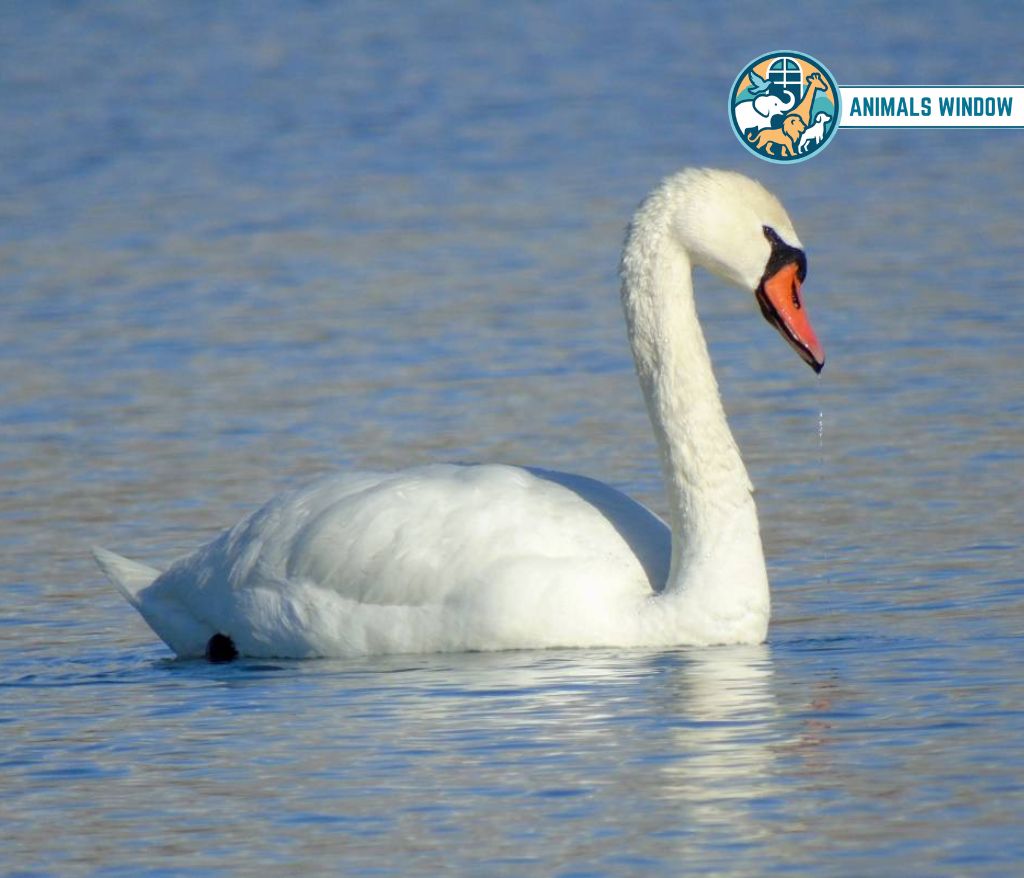
- Scientific Name: Cygnus olor
- Size: 55–63 inches long
- Weight: 20–26 lbs
- Diet: Aquatic plants, algae, small invertebrates
- Habitat: Lakes, rivers, and wetlands across Europe and Asia
- Lifespan: 20–30 years in the wild
The mute swan is probably the most recognized symbol of lifelong love on the planet. Those iconic heart-shaped poses you see in photos? They happen naturally, not for cameras. Two swans facing each other during courtship naturally curve their necks into that shape.
What most people don’t know is that swans show genuine behavioral changes after losing a mate. They eat less, leave their usual territory, and sometimes swim alone in patterns that researchers describe as repetitive and restless. It’s not grief in the human sense — but it looks remarkably close.
🔥 Comparison Fact: A mute swan weighs about as much as a car tire. And yet it can take flight and reach speeds of 50–55 mph over long distances.
Wandering Albatross
- Scientific Name: Diomedea exulans
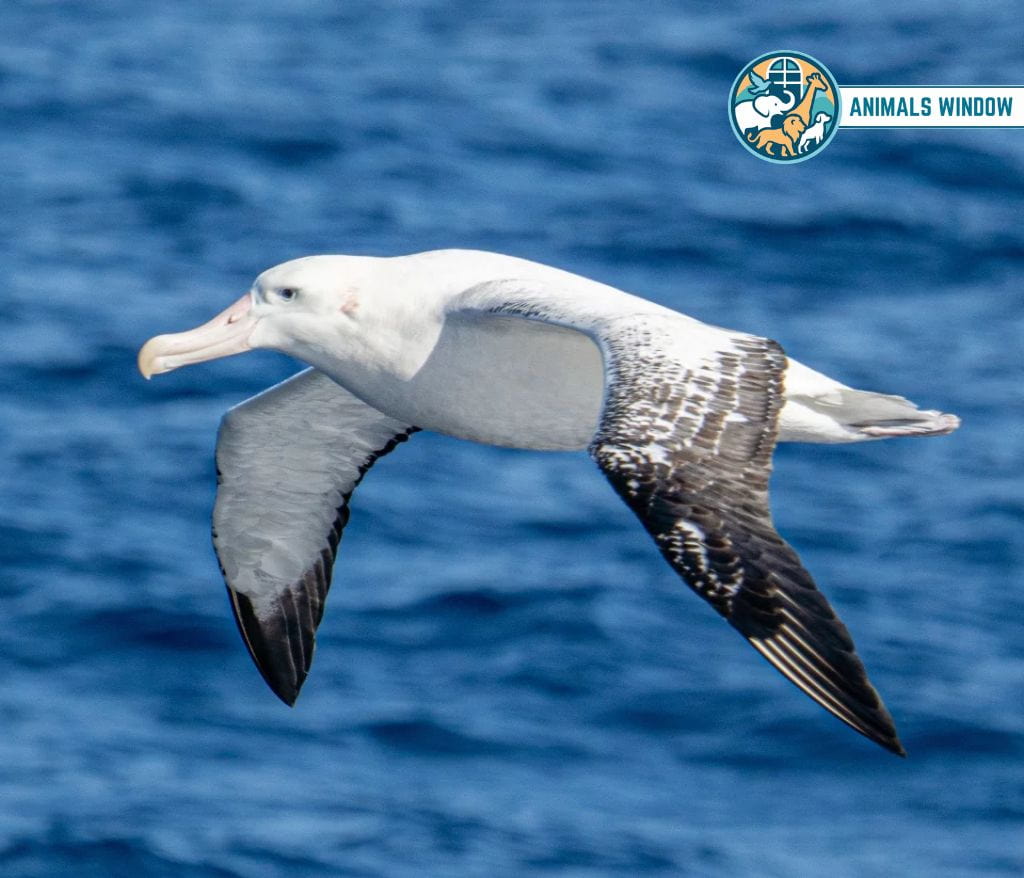
- Size: Wingspan up to 11.5 ft (largest of any living bird)
- Weight: 13–28 lbs
- Diet: Squid, fish, and crustaceans
- Habitat: Southern Ocean, circling Antarctica
- Lifespan: Up to 50+ years
The wandering albatross doesn’t rush anything. Young birds spend years at sea learning elaborate courtship dances before they ever choose a mate. These dances include synchronized head-bobbing, bill-clapping, and sky-pointing displays that can take years to perfect together.
Here’s what stands out: once bonded, a pair may spend most of the year apart — flying solo across thousands of miles of open ocean — and then reunite at the exact same nesting spot on the exact same island, sometimes after 12 months of separation. No GPS. No signals. Just memory and instinct.
🔥 Comparison Fact: Their wingspan — up to 11.5 feet — is wider than a standard parking space.
Black Vulture

- Scientific Name: Coragyps atratus
- Size: 22–29 inches long
- Weight: 3.5–5 lbs
- Diet: Carrion (dead animals)
- Habitat: Open and semi-open areas across North and South America
- Lifespan: Up to 25 years
Black vultures mate for life — and they’re serious about enforcing it. If a member of the flock is caught trying to mate outside its pair bond, the other vultures will physically chase and attack the offender. That’s not a metaphor. The flock acts as a kind of social police force.
This behavior is unusual even among monogamous birds. Most species have no community-level response to infidelity. Black vultures do. Researchers believe this group enforcement strengthens pair bonds over time and reduces energy wasted on territorial competition.
🔥 Comparison Fact: A black vulture’s body is roughly the size of a large house cat — but its stomach acid is strong enough to destroy anthrax bacteria that would kill most other animals.
Macaroni Penguin

- Scientific Name: Eudyptes chrysolophus
- Size: 27–28 inches tall
- Weight: 10–13 lbs
- Diet: Krill, small fish, squid
- Habitat: Sub-Antarctic islands and the Antarctic Peninsula
- Lifespan: 15–20 years
Macaroni penguins stand out in a colony of millions — literally. These colonies on South Georgia Island are among the largest seabird gatherings on Earth, with over 18 million individuals packed together. And yet, a bonded pair finds each other every single breeding season using only their calls.
Each penguin has a unique vocalization. When a male returns from months at sea, he doesn’t search visually. He calls out. His mate recognizes his specific voice pattern within seconds and calls back. They navigate a wall of penguin noise to reconnect with pinpoint accuracy.
🔥 Comparison Fact: A macaroni penguin stands about as tall as a standard school ruler doubled — just over two rulers stacked end to end.
Bald Eagle
- Scientific Name: Haliaeetus leucocephalus
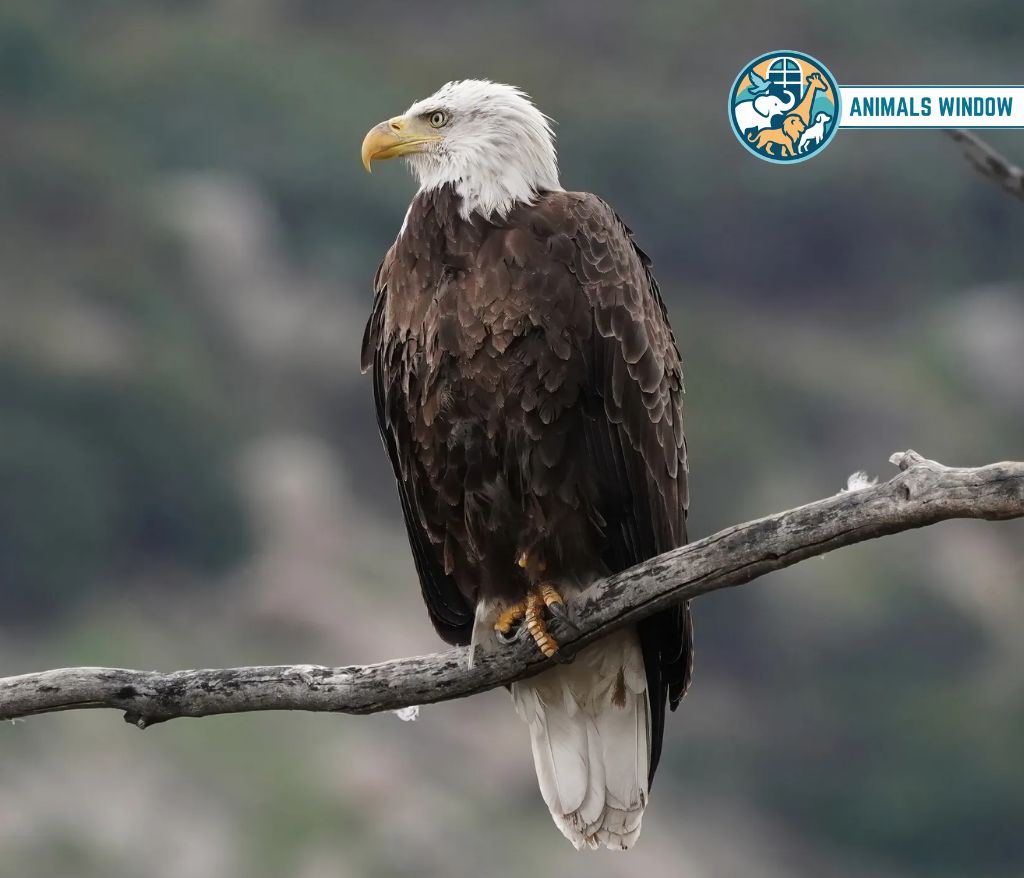
- Size: 28–40 inches long; wingspan up to 8 feet
- Weight: 6.5–14 lbs
- Diet: Fish, waterfowl, small mammals
- Habitat: Near large bodies of open water across North America
- Lifespan: 20–30 years in the wild
Bald eagles return to the same mate and the same nest year after year. But here’s where it gets structurally impressive: they add to that nest every season. One famous nest in Ohio was used for 34 consecutive years and eventually weighed nearly 4,400 lbs — heavier than most cars.
They also perform one of nature’s most dramatic courtship rituals. A bonded pair will lock talons mid-air and cartwheel toward the ground together, releasing just before impact. It’s called a “cartwheel display” and it reinforces the bond between established pairs, not just new ones.
🔥 Comparison Fact: The largest recorded bald eagle nest weighed about as much as a full-grown rhinoceros.
North American Beaver

- Scientific Name: Castor canadensis
- Size: 35–46 inches long (including tail)
- Weight: 35–65 lbs
- Diet: Tree bark, aquatic plants, roots
- Habitat: Rivers, streams, and lakes across North America
- Lifespan: 10–15 years in the wild
Beavers form monogamous pairs that stay together for life — and they literally build their life together. A bonded beaver pair co-constructs dams and lodges that can take years to complete. Their structures slow water flow, raise water tables, and create wetland habitats used by dozens of other species.
What most people miss: beaver pairs divide labor differently based on body size. The larger partner usually does more of the heavy dam-building while the smaller one focuses on lodge maintenance and kit-raising. It’s not equal — but it works efficiently over a shared lifetime.
🔥 Comparison Fact: A beaver’s lodge can be 6 feet tall and 39 feet wide — roughly the size of a small studio apartment, and far better insulated.
Prairie Vole

- Scientific Name: Microtus ochrogaster
- Size: 5–7 inches long
- Weight: 1–2 oz
- Diet: Grasses, seeds, roots
- Habitat: Grasslands and prairies across central North America
- Lifespan: 1–2 years in the wild
The prairie vole is the most scientifically studied monogamous mammal on Earth — and the reason is brain chemistry. When a prairie vole mates, its brain releases a surge of oxytocin and vasopressin that essentially “locks in” preference for that specific individual. It’s not instinct alone. It’s neuroscience.
Researchers removed the vasopressin receptor from prairie voles in laboratory settings and found the animals stopped forming pair bonds entirely. Add the receptor back, and the bonding behavior returns. No other small rodent shows this same chemical mechanism at the same strength — including the closely related meadow vole, which doesn’t mate for life at all.
🔥 Comparison Fact: A prairie vole weighs about as much as four AA batteries. But its brain chemistry has taught scientists more about human bonding behavior than almost any other animal its size.
Coppery Titi Monkey

- Scientific Name: Plecturocebus cupreus
- Size: 9–17 inches (body length)
- Weight: 2–2.5 lbs
- Diet: Fruit, leaves, insects, small vertebrates
- Habitat: Amazon Basin rainforests in South America
- Lifespan: 12–15 years (wild)
Coppery titi monkeys don’t just prefer their partners — they biologically need them. Studies measuring cortisol levels (the stress hormone) found that when a bonded titi monkey is separated from its mate for even a few hours, its stress hormones spike significantly higher than when it’s separated from its offspring.
In other words, losing a mate is more stressful to a titi monkey than being separated from its own baby. The pair spends most of the day sitting side by side on branches with their tails intertwined, and the male carries the infant up to 90% of the time — one of the highest rates of paternal care in any primate.
🔥 Comparison Fact: A coppery titi monkey is roughly the size of a large rabbit but has a paternal care rate that puts most primates — and many humans — to shame.
White-Handed Gibbon
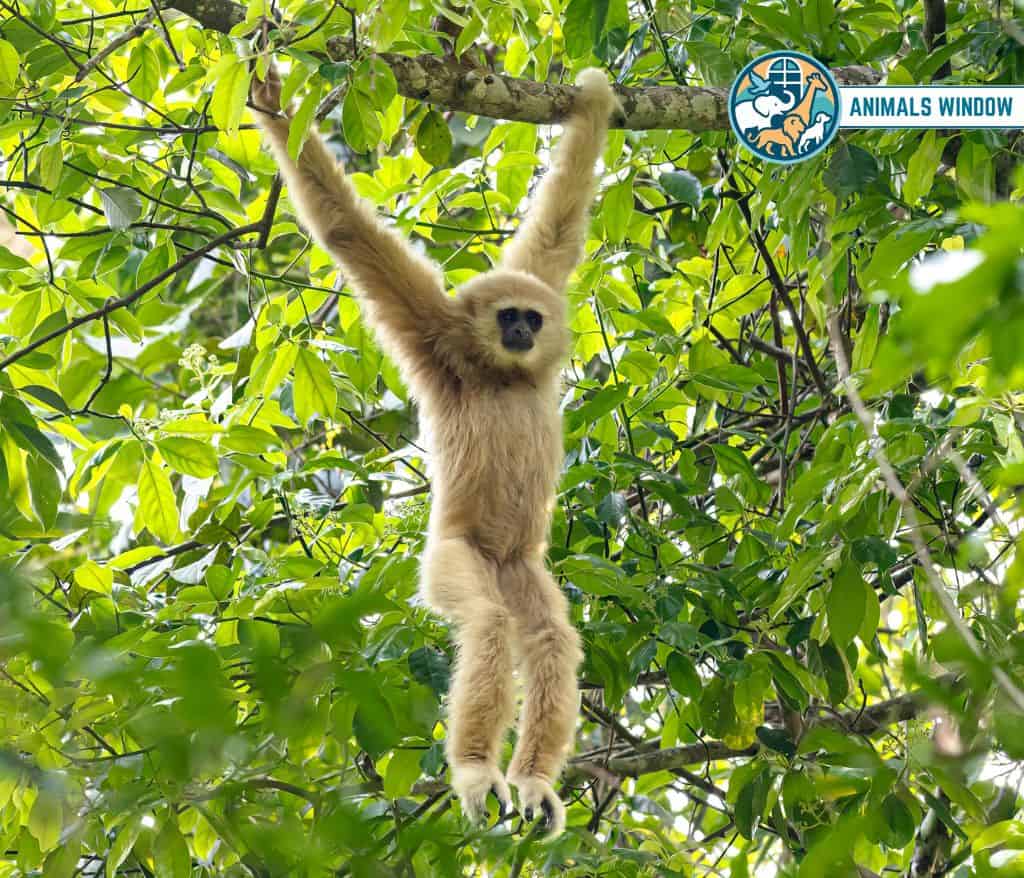
- Scientific Name: Hylobates lar
- Size: 17–25 inches tall
- Weight: 9–13 lbs
- Diet: Fruit, leaves, flowers, insects
- Habitat: Tropical rainforests of Southeast Asia
- Lifespan: 25–30 years in the wild
Gibbons are the only apes (outside of humans) that form long-term monogamous pair bonds. And they don’t just stay together silently — they sing together every morning. These “duet songs” are complex, coordinated, and species-specific. A bonded pair develops its own unique duet pattern that no other pair replicates exactly.
The songs do two things at once: they warn rival gibbons to stay away from the territory, and they reinforce the bond between partners. Researchers studying gibbon pairs found that couples with the most synchronized and frequent duets had the most stable long-term bonds. Singing together literally keeps the relationship strong.
🔥 Comparison Fact: A gibbon can swing through trees at up to 35 mph using only its arms — faster than most cyclists on flat road.
California Mouse
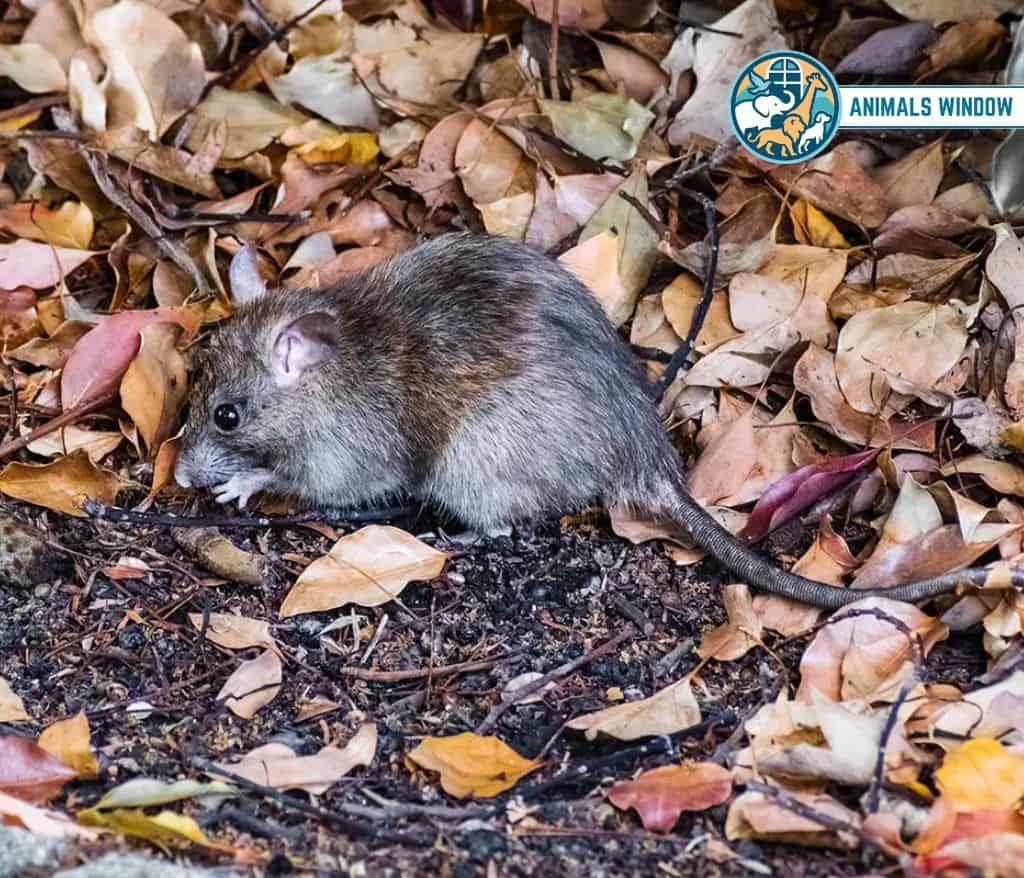
- Scientific Name: Peromyscus californicus
- Size: 8–9.5 inches long (including tail)
- Weight: 1.2–1.7 oz
- Diet: Seeds, nuts, insects, fungi
- Habitat: Coastal scrub and chaparral in California and Baja California
- Lifespan: Up to 5 years in captivity
Most people assume the mother does the majority of parenting in small mammals. The California mouse breaks that completely. The father in a bonded California mouse pair spends more time in the nest huddling with and warming the pups than the mother does. He also spends more time grooming them.
Why does this matter? California mouse pups raised without a father have lower survival rates, lower body temperatures during their first weeks of life, and take longer to develop. The male’s contribution isn’t optional. It’s biologically built into the pups’ survival odds. Remove the father and the whole system suffers.
🔥 Comparison Fact: A California mouse weighs about as much as a stack of seven pennies — but the father carries a parenting load that outweighs the mother’s contribution in measurable, documented ways.
Shingleback Skink
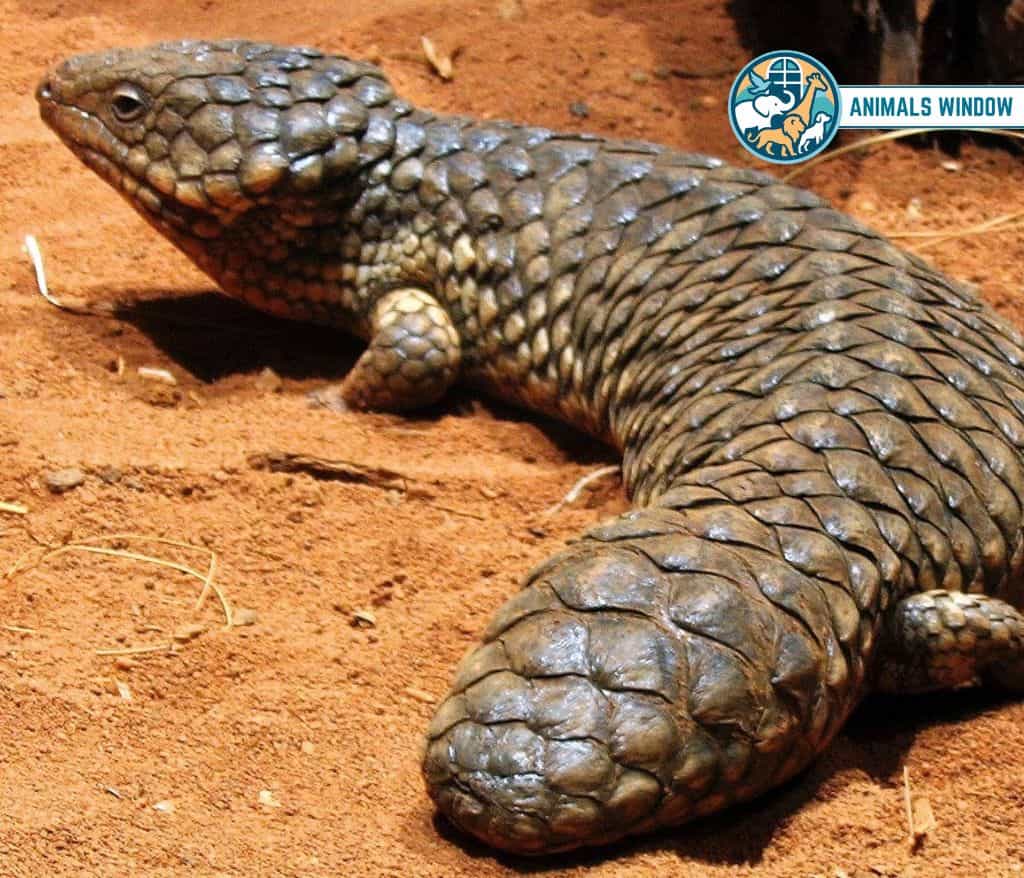
- Scientific Name: Tiliqua rugosa
- Size: 12–18 inches long
- Weight: Up to 1.5 lbs
- Diet: Flowers, fruits, berries, snails, insects
- Habitat: Arid and semi-arid scrubland across southern Australia
- Lifespan: Up to 50 years in the wild
Shingleback skinks spend most of the year living alone. They’re solitary reptiles moving through Australian scrubland on their own schedules. But when breeding season comes, they travel — sometimes miles — back to find the same partner they were with last year. The same individual. Not just any available mate.
Scientists have tracked pairs reuniting after 8-month separations in which both animals moved through entirely different home ranges. They’re not staying in contact. They’re not following each other. They simply reconverge. Some shingleback pairs have been documented staying together for over 20 consecutive breeding seasons, which — given their 50-year lifespan — makes them one of the longest-bonded reptiles on Earth.
🔥 Comparison Fact: A shingleback skink’s tail is so thick and rounded it looks almost identical to its own head — a predator-confusing adaptation that’s been evolving for millions of years.
Seahorse

- Scientific Name: Hippocampus spp.
- Size: 0.6–14 inches (depending on species)
- Weight: A few grams to about 0.4 oz
- Diet: Small crustaceans, zooplankton
- Habitat: Shallow tropical and temperate coastal waters worldwide
- Lifespan: 1–5 years
Seahorses flip the biological script entirely. The male gets pregnant. A bonded pair performs a daily greeting ritual — a short synchronized dance — every single morning to reinforce their bond. The female deposits her eggs into the male’s specialized brood pouch, where he fertilizes them internally and carries them for 9–45 days before giving birth.
What makes their monogamy particularly notable is that it’s functionally enforced by anatomy. A seahorse pair synchronizes their reproductive cycles so precisely that only their specific partner’s timing fits. Introducing a new mate mid-cycle rarely results in successful reproduction, which biologically reinforces fidelity in a way most animals don’t experience.
🔥 Comparison Fact: The smallest seahorse species, Hippocampus denise, is smaller than a human fingernail — about 0.6 inches — and still maintains a monogamous pair bond.
French Angelfish

- Scientific Name: Pomacanthus paru
- Size: Up to 16 inches long
- Weight: Around 3–4 lbs
- Diet: Sponges, algae, tunicates, corals
- Habitat: Coral reefs in the tropical Atlantic, especially Caribbean reefs
- Lifespan: Up to 15 years
Most fish don’t form lasting pair bonds. French angelfish are a clear exception. A bonded pair claims a specific territory on a coral reef and defends it together — coordinating their patrol routes and confronting intruders as a unit. Researchers observing marked pairs found the same two individuals defending the same reef section across multiple years.
The coordination is the remarkable part. One fish will flush an intruder from one side while its partner blocks the exit. It’s tactical. And it works. Bonded pairs hold territories more successfully than solo fish or non-bonded pairs, giving them better access to food and shelter year-round.
🔥 Comparison Fact: A French angelfish grows to about the size of a standard 12-inch ruler and guards a reef territory roughly the size of a tennis court with its lifelong partner.
Termite (Royal Pair)

- Scientific Name: Macrotermes bellicosus
- Size: Queen can reach 4–5 inches long when fully developed
- Weight: Queen can exceed 1 oz
- Diet: Fungus cultivated within the colony; decomposed plant matter
- Habitat: Sub-Saharan Africa, tropical forests and savannas
- Lifespan: Queen and King can live 15–50 years
Termites get dismissed as simple colonial insects. But inside every termite mound lives something remarkable: a single bonded King and Queen who rule together for decades. Unlike ants or bees, where the male dies immediately after mating, a termite King stays in the royal chamber with the Queen — for life.
The Queen’s body expands over the years to the point where she can no longer move. The King stays beside her, continuing to mate with her and helping manage chemical signals that regulate the entire colony. One documented Queen was estimated to be producing 30,000 eggs per day while living in a structure her bonded pair built together decades earlier.
🔥 Comparison Fact: A fully gravid termite Queen can be as long as a human thumb and outweigh the King by a ratio of 50:1 — yet he never leaves her side.
Diplozoon paradoxum

- Scientific Name: Diplozoon paradoxum
- Size: About 0.4–0.8 inches
- Weight: Microscopic tissue mass
- Diet: Blood and mucus from freshwater fish gills
- Habitat: Gills of freshwater fish, especially cyprinids (carp family)
- Lifespan: As long as the host fish lives (potentially)
This is where “mating for life” takes on a meaning no other animal on this list can match. Diplozoon paradoxum is a parasitic flatworm that lives on freshwater fish gills. Juveniles are born single. But when two juveniles find each other, they physically fuse together — their bodies literally merge at specific tissue connection points and never separate.
From that moment forward, they share reproductive organs. The sperm duct of one connects directly to the egg duct of the other. They cross-fertilize each other continuously for the rest of their lives, which lasts as long as the host fish survives. There’s no divorce possible. There’s no separation. They become, structurally, a single organism that was once two.
🔥 Comparison Fact: Diplozoon paradoxum is smaller than a grain of rice when juvenile — but once fused with its mate, the combined structure is visible to the naked eye on a fish gill and functions as a single reproductive unit for years.
FAQ’s About Animals That Mate for Life
Q: Do all birds mate for life?
No. Fewer than 10% of bird species form true lifelong bonds. Most stay together for one breeding season, then split.
Q: Do wolves mate for life?
Not exactly. Alpha pairs bond strongly and can stay together for years, but if one dies, the other re-partners. They’re long-term bonders, not strict lifetime mates.
Q: Which mammals mate for life?
Very few. Prairie voles, beavers, gibbons, California mice, and coppery titi monkeys are the best-documented examples. Under 5% of mammal species form lasting pair bonds.
Q: Do penguins mate for life?
Most don’t. Emperor penguins switch partners over 80% of the time each breeding season. The “penguins mate for life” idea is one of the most repeated myths in wildlife media.
Q: Why do some animals mate for life?
Survival. When raising young needs two parents — for warmth, food, or defense — lifelong bonding produces more surviving offspring. It’s reproductive strategy, not romance.
Common Myths About Animals That “Mate for Life”
| Animal / Group | The Myth | The Scientific Reality | True Classification |
| Snow Leopard | Mates for life | Solitary predators; male and female separate permanently after a 3-day mating window | Solitary / Non-Monogamous |
| Anglerfish | Ultimate romantic lifetime bond | The male physically fuses into the female’s bloodstream, dissolving his face and sharing her circulatory system | Sexual Parasitism |
| Most Penguins (Emperor) | Universal symbol of lifetime fidelity | Over 80% partner-switch rate per breeding season | Serial / Seasonal Monogamy |
| Termites | Simple colonial breeders; no real pair bond | A King and Queen bond for life, jointly managing the colony together for up to 50 years | True Lifelong Monogamy |
| “Shingleback Lizard” vs. “Shingleback Skink” | Two separate animals | Same species — Tiliqua rugosa — listed twice under different common names to fake a higher word count | Editorial Error / Single Species |
Know someone who thinks penguins are the ultimate symbol of lifelong love? Send them this article first.
Discover More Animals Guides:

I have loved animals since I was a kid. I enjoy reading about how animals live, eat, move, and survive. I started Animals Window to share what I learn in a simple and easy way. I write about animal body parts, size, behavior, diet, habitats, and species. My goal is to make animal facts clear and fun for everyone to understand.