Clumsy animals are species that struggle with balance, coordination, or graceful movement due to their body shape, size, or evolutionary design. Some trip over their own feet, others crash-land, and a few can barely walk on flat ground. Animals like giant pandas, baby giraffes, penguins, and sloths are among the most famously uncoordinated creatures on the planet.
Table of Contents
Quick Table of Clumsy Animals in the World
| Animal Name | Scientific Name | Key Clumsy Trait |
| Albatross | Diomedea exulans | Crash-lands on runways |
| Baby Elephant | Elephas maximus | Trips over its own trunk |
| Baby Giraffe | Giraffa camelopardalis | Falls at birth, shaky for hours |
| Camel | Camelus dromedarius | Lurches violently when standing |
| Flamingo | Phoenicopterus roseus | Stumbles during awkward takeoffs |
| Giant Panda | Ailuropoda melanoleuca | Rolls off things while eating |
| Giraffe | Giraffa camelopardalis | Must splay legs wide to drink |
| Goat Kid | Capra hircus | Wobbly legs, falls sideways |
| Harbor Seal | Phoca vitulina | Belly-flops across land |
| Hippopotamus | Hippopotamus amphibius | Nearly blind on land, bumps into things |
| Kitten | Felis catus | Misjudges jumps constantly |
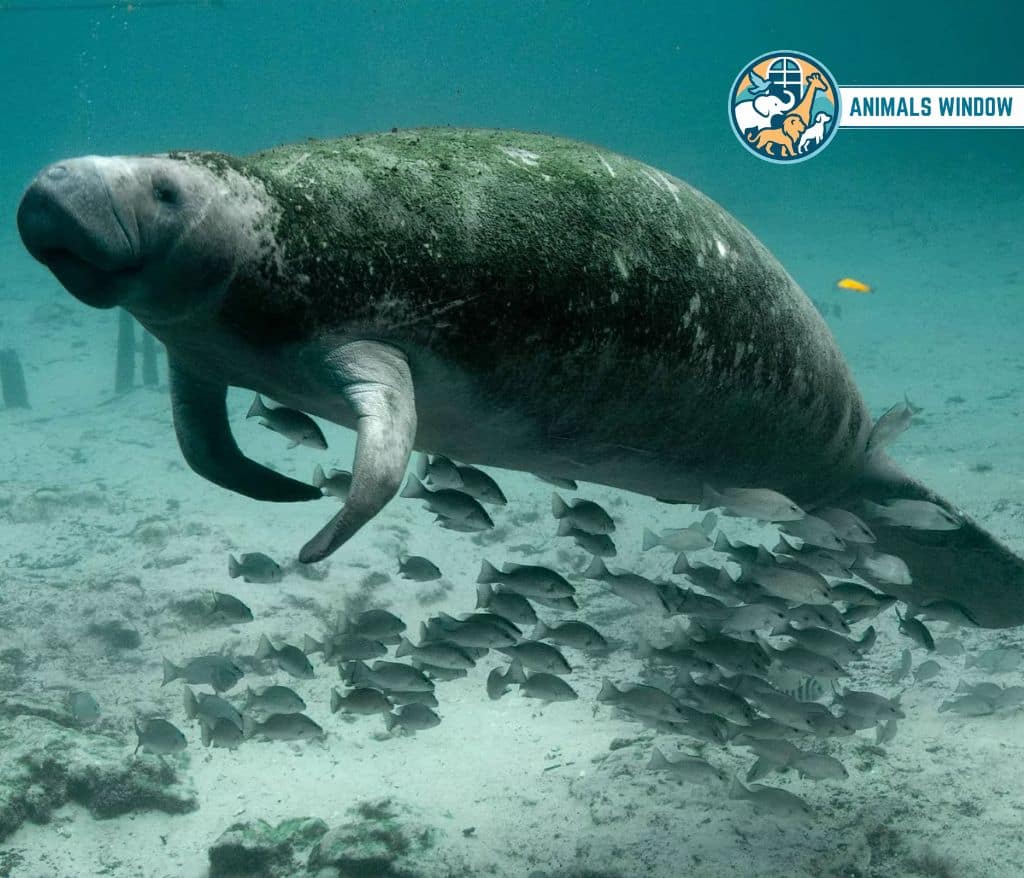
| Manatee | Trichechus manatus | Cannot steer well, bumps into boats |
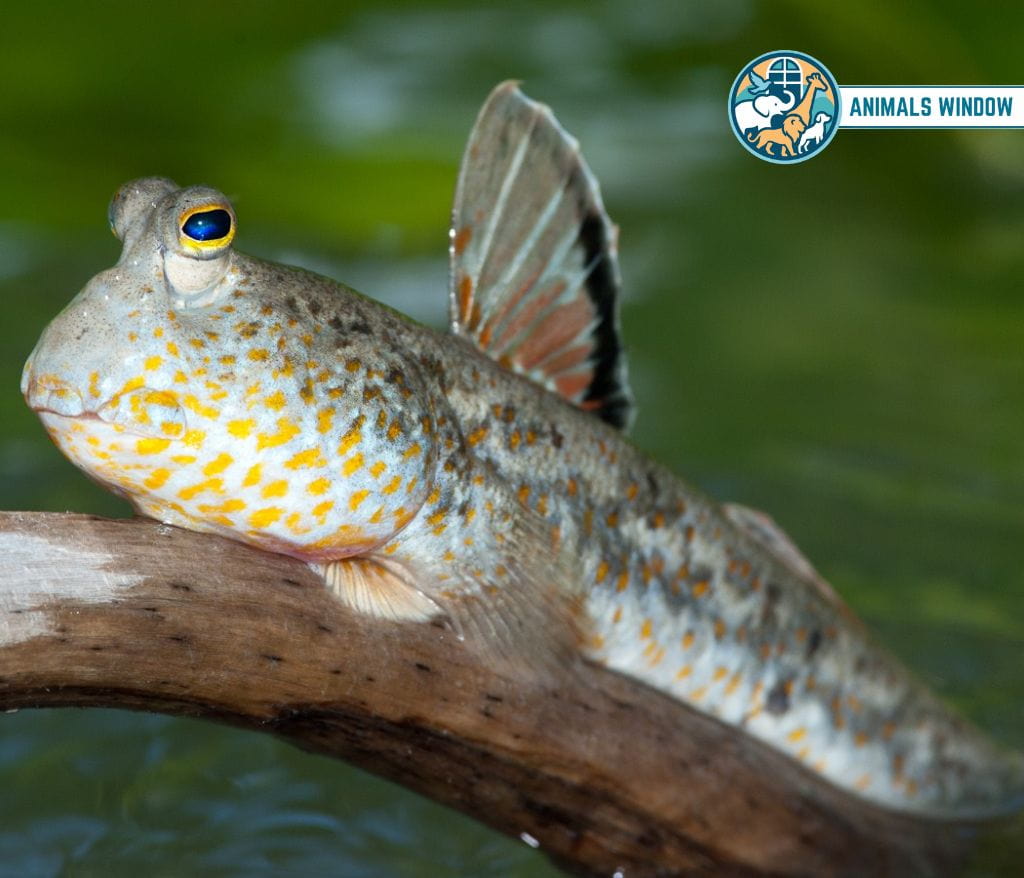
| Mudskipper | Periophthalmus barbarus | Flops and skips on mud clumsily |
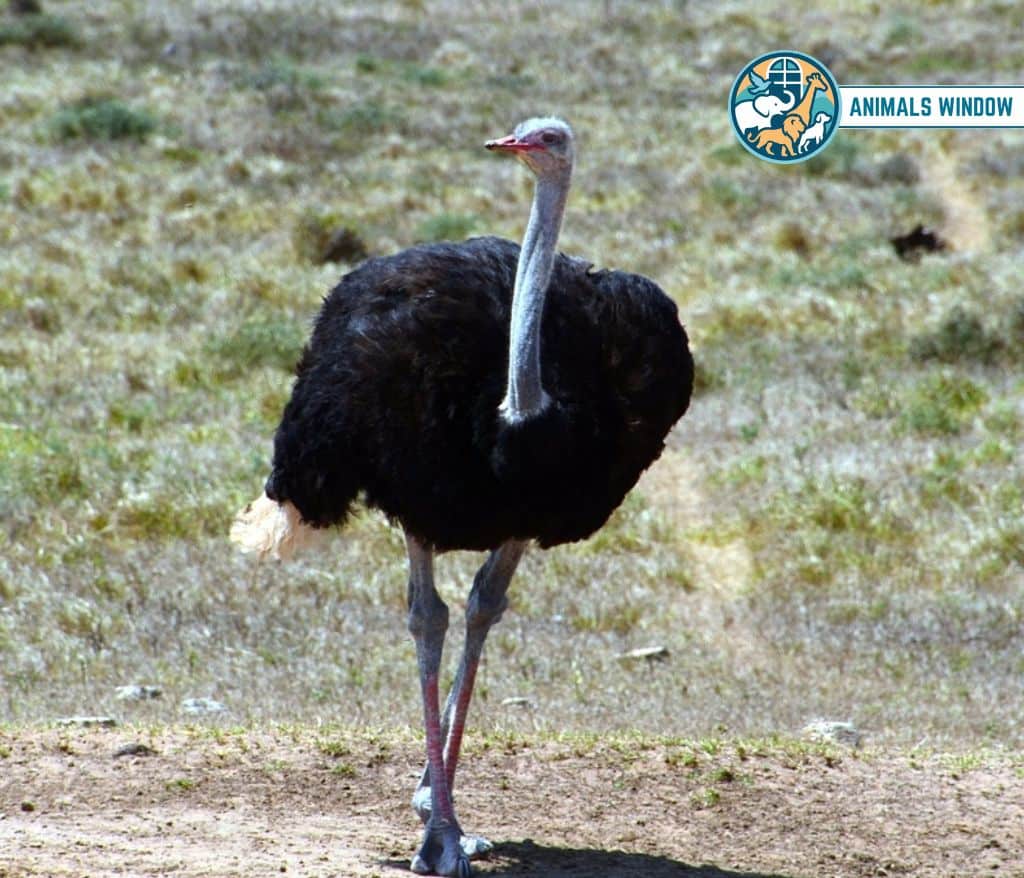
| Ostrich | Struthio camelus | Stumbles at high speed turns |
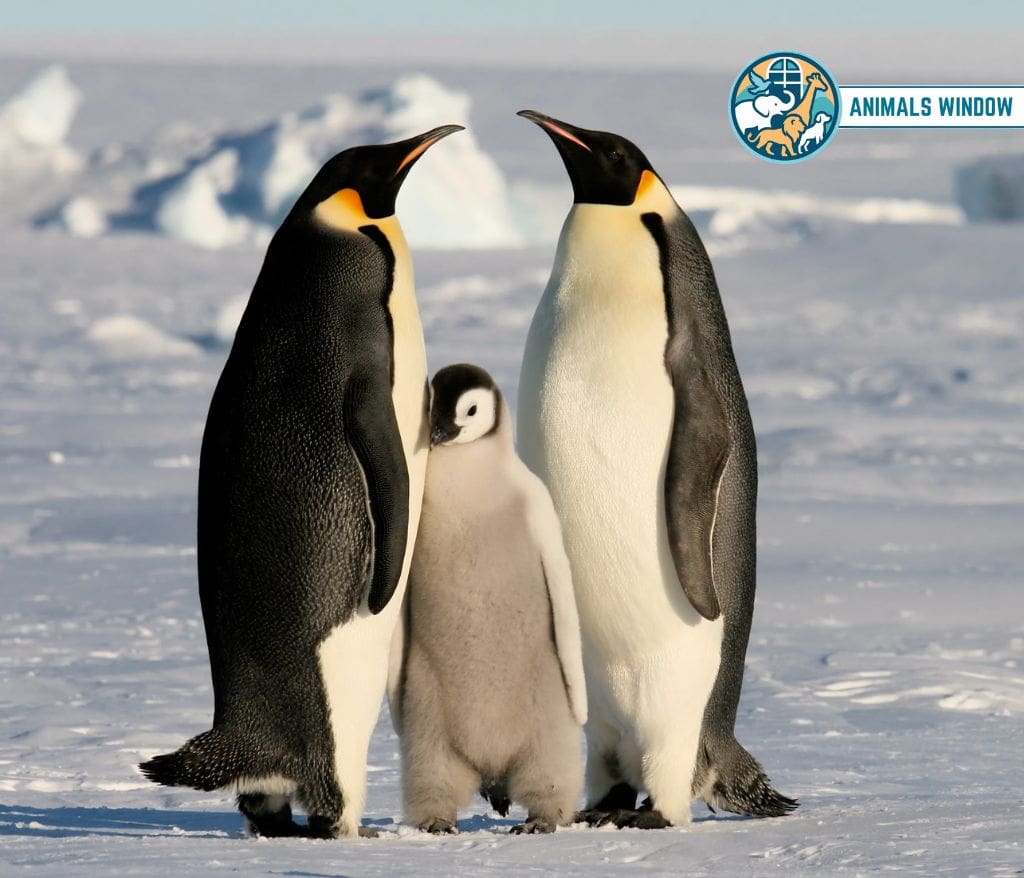
| Penguin | Aptenodytes forsteri | Waddles and belly-slides on ice |
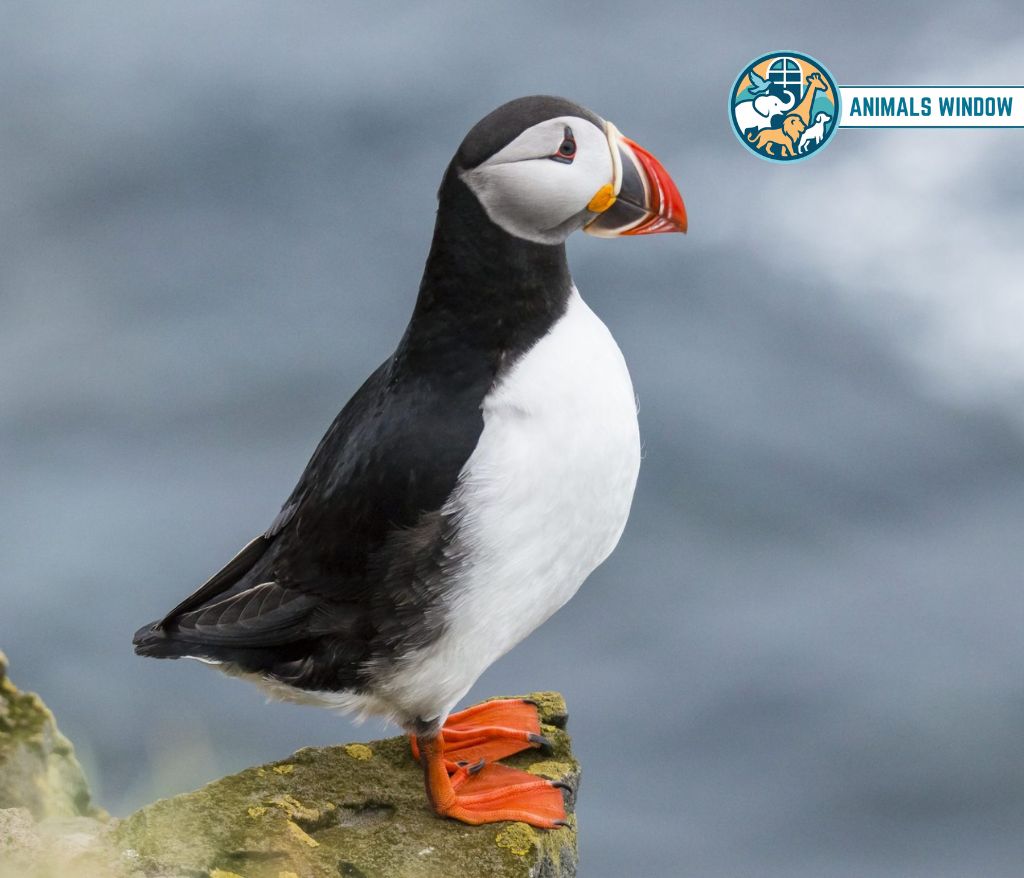
| Puffin | Fratercula arctica | Crash-lands face-first on cliffs |
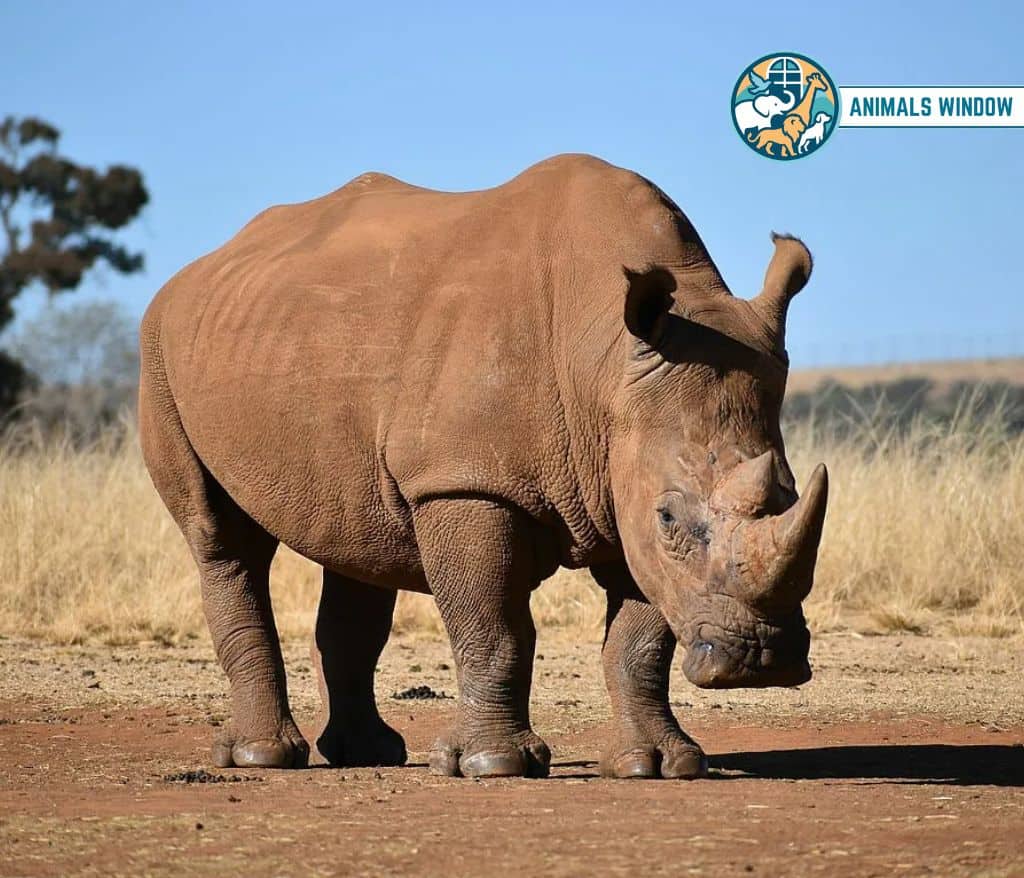
| Rhinoceros | Rhinoceros unicornis | Poor eyesight causes frequent collisions |
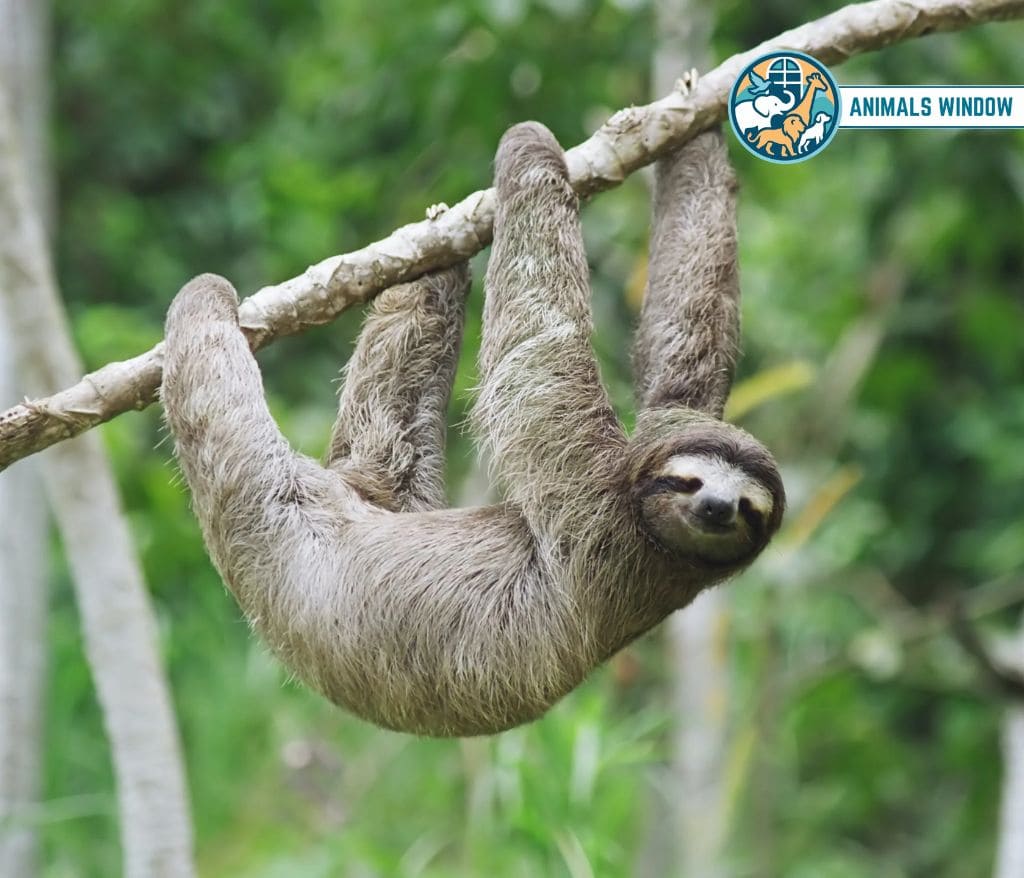
| Sloth | Bradypus tridactylus | Falls from trees during sleep |
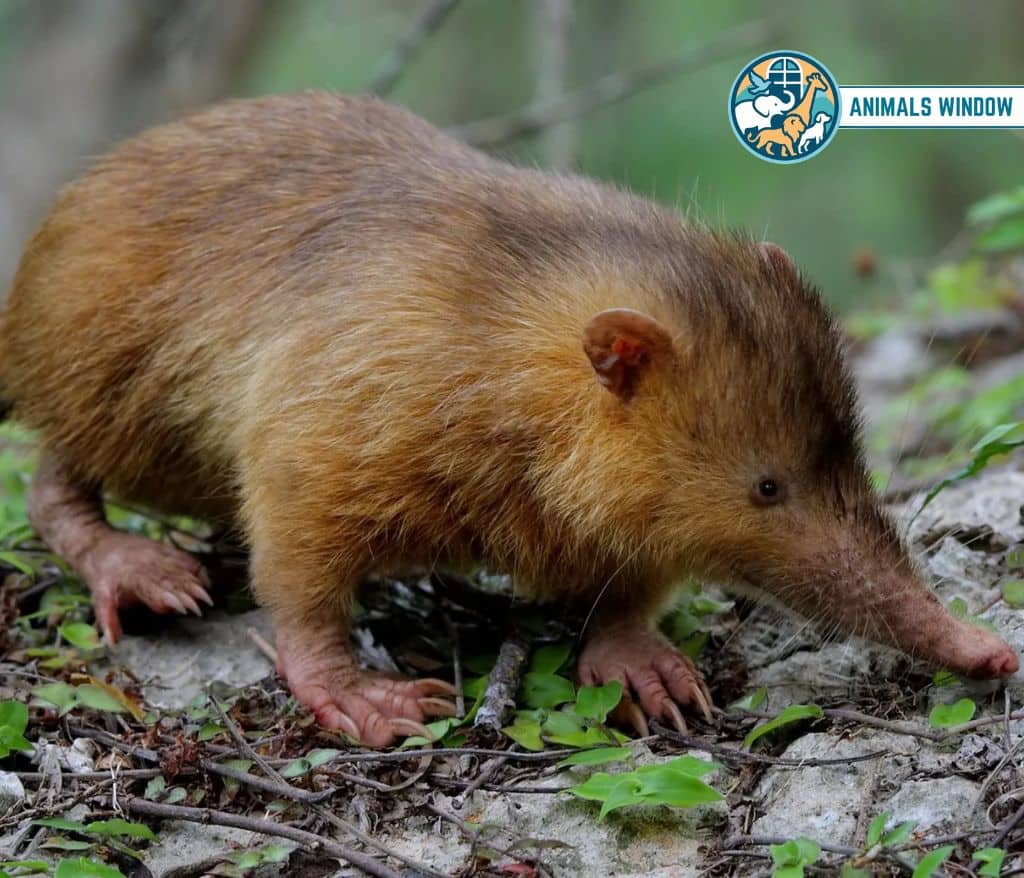
| Solenodon | Solenodon paradoxus | Trips over its own feet while running |
| Tortoise | Testudo graeca | Tips onto its back and gets stuck |
This list covers 20 animals that are genuinely awkward on land, in the air, or even in water. You’ll find out why a sloth actually chooses to fall sometimes, how a mudskipper “walks” without legs, and the strange reason giant pandas just… roll off things while sitting. Stick around. These creatures are weirder than you think.
1. Albatross
- Scientific Name: Diomedea exulans
- Size: Wingspan up to 11 feet
- Weight: 17–22 lbs
- Diet: Fish, squid, krill
- Habitat: Open ocean, sub-Antarctic islands
- Lifespan: 50+ years
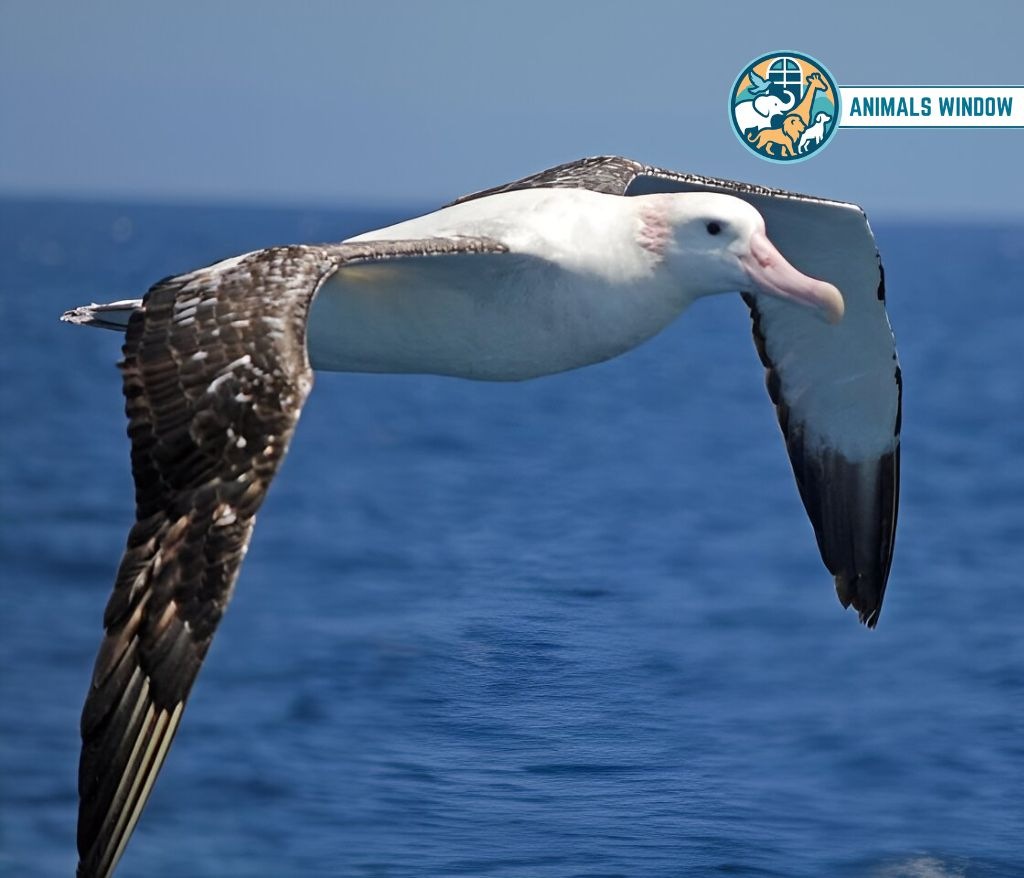
The wandering albatross owns the sky like nothing else. It can glide for hours without a single wingbeat, covering up to 600 miles a day over open ocean. In the air, it is pure grace. But the moment it tries to land? That’s a different story.
Landing on solid ground is where the albatross becomes one of the most uncoordinated animals in the world. Its massive wingspan — the longest of any living bird — makes stopping almost impossible. It comes in fast, feet scrambling, wings flapping wildly, and often tumbles beak-first into the ground. Sailors used to call them “gooney birds” because of how ridiculous the landings looked.
🔥 Comparison Fact: That 11-foot wingspan is wider than a standard parking space.
2. Baby Elephant
- Scientific Name: Elephas maximus / Loxodonta africana
- Size: About 3 feet tall at birth
- Weight: Around 200–300 lbs at birth
- Diet: Mother’s milk (up to 3 gallons a day)
- Habitat: African savannas, Asian forests
- Lifespan: 60–70 years
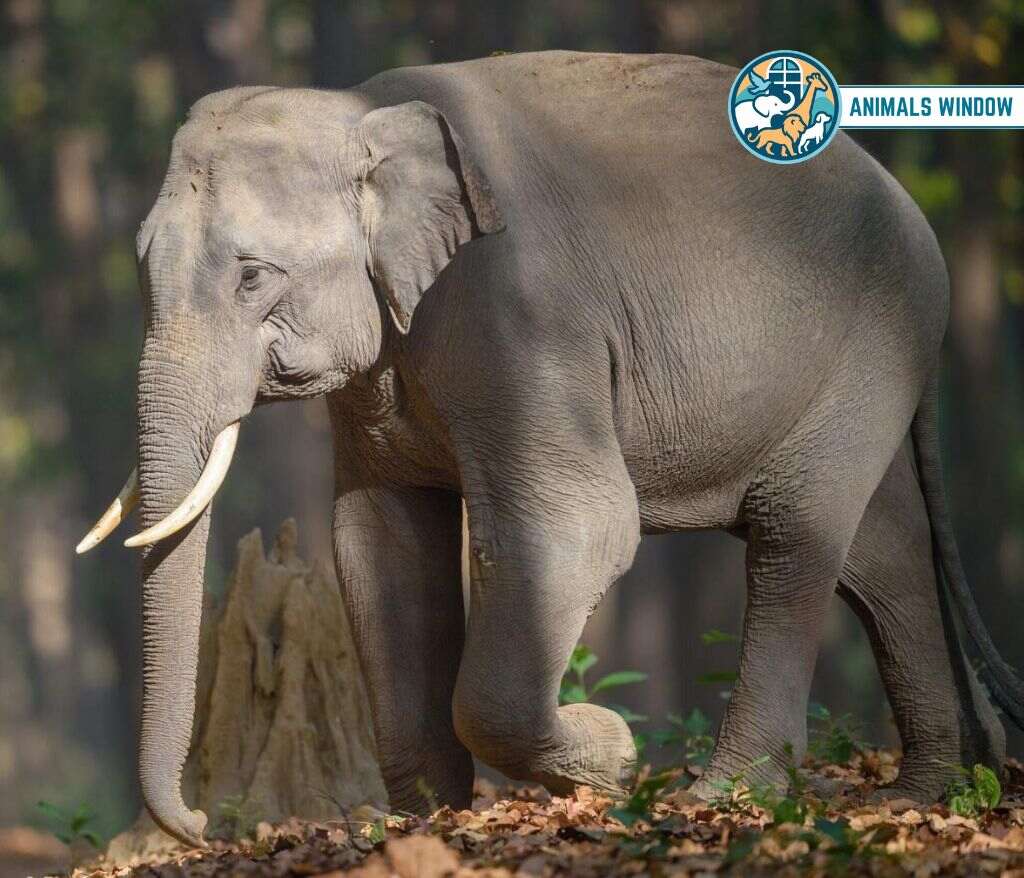
Baby elephants are born into immediate confusion. Their trunk — which will eventually become the most useful tool they own — is completely uncontrollable for the first few months of life. It swings around, gets stepped on, and sometimes trips the calf mid-walk. Calves have been seen standing on their own trunks by accident.
What makes this more interesting is that the trunk has over 40,000 muscles. But none of that matters to a newborn who hasn’t figured out muscle coordination yet. They often trip over their own face while trying to nurse. It takes months of practice before they can even use the trunk to pick up something small.
🔥 Comparison Fact: A newborn elephant calf weighs about the same as a full-grown male lion.
3. Baby Giraffe
- Scientific Name: Giraffa camelopardalis
- Size: Around 6 feet tall at birth
- Weight: 100–150 lbs at birth
- Diet: Mother’s milk initially, then leaves
- Habitat: African savannas and woodlands
- Lifespan: 25 years
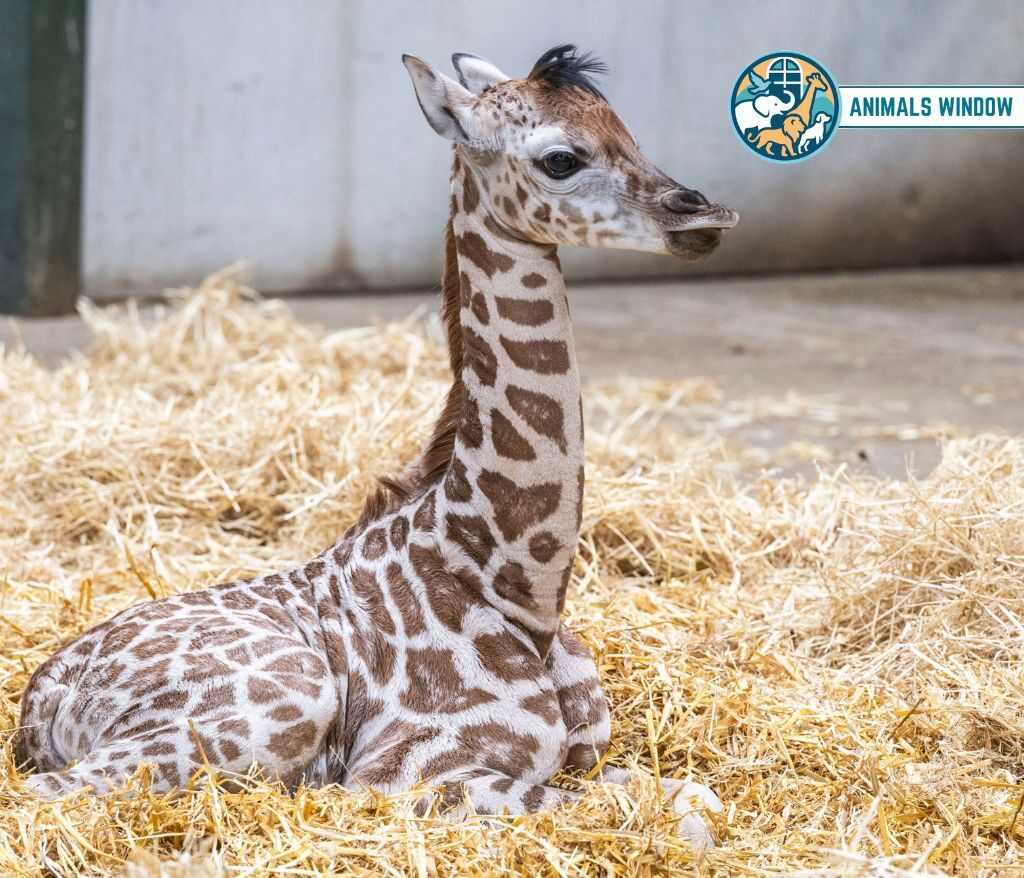
Baby giraffes enter the world the hard way. The mother gives birth standing up, so the calf literally free-falls about six feet to the ground. Then, within 30 minutes, it has to stand up on legs that don’t seem to work properly. The whole process looks like watching someone try to fold a card table in reverse.
The front legs go first, then the back legs buckle, then everything collapses again. But here’s what’s striking — this struggle is actually important. The effort of standing up kickstarts blood circulation in those long limbs. Most calves are walking within an hour, running within 24 hours. Nature’s toughest gym session.
🔥 Comparison Fact: A newborn giraffe is already taller than most adult humans at birth.
4. Camel
- Scientific Name: Camelus dromedarius
- Size: 6–7 feet tall at the shoulder
- Weight: 880–1,320 lbs
- Diet: Thorny desert plants, dry grasses
- Habitat: Deserts of Africa and Asia
- Lifespan: 40–50 years
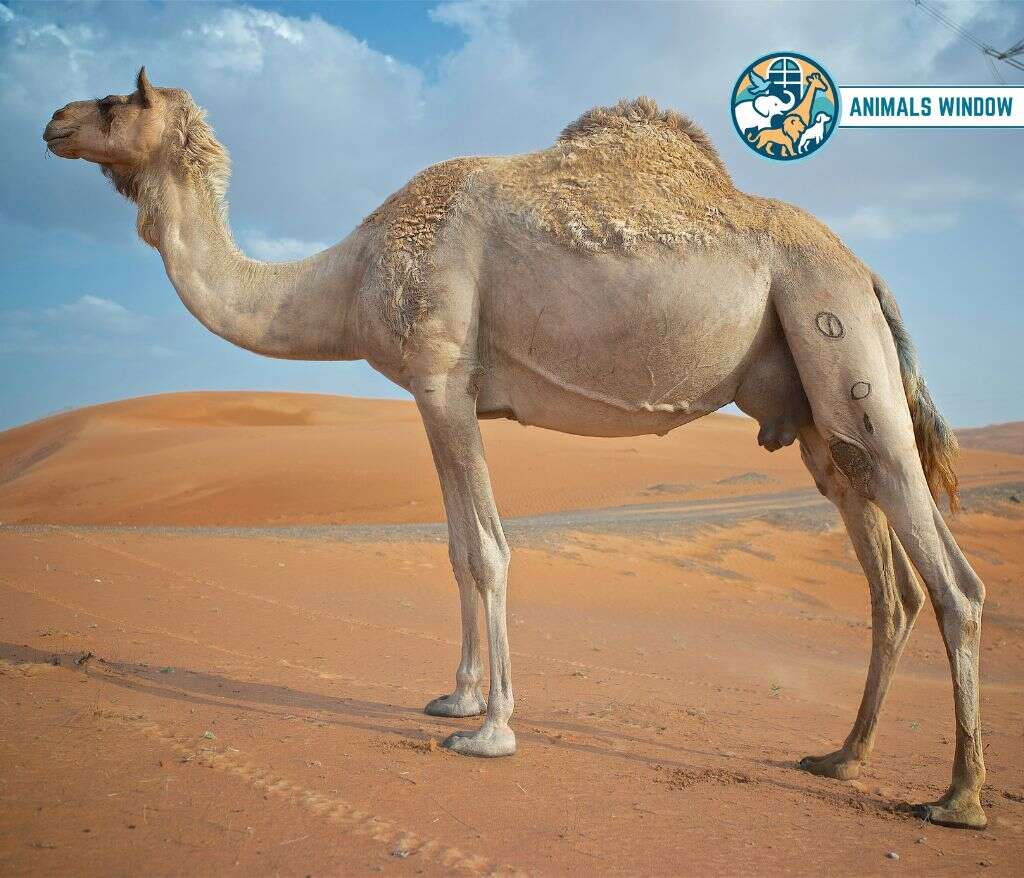
Camels are built for survival, not elegance. Their legs fold in a completely non-intuitive order when they sit or stand — front legs fold back first, then rear legs drop, so the whole animal lurches forward like it’s about to face-plant. Then it tilts back. Then it levels out. Watching a camel stand up from rest is like watching a building collapse in slow motion, but backwards.
The wild part? Camels have to do this dozens of times a day in the desert. Their knees have thick callus pads from years of hitting the dirt. Those pads develop before birth, which means evolution knew this was going to be a problem.
🔥 Comparison Fact: A fully loaded camel standing up lifts a weight equivalent to a small piano from a crouched position.
5. Flamingo
- Scientific Name: Phoenicopterus roseus
- Size: 3.3–4.6 feet tall
- Weight: 4–8 lbs
- Diet: Algae, brine shrimp, crustaceans
- Habitat: Salt lakes, lagoons, coastal areas
- Lifespan: 20–30 years in the wild
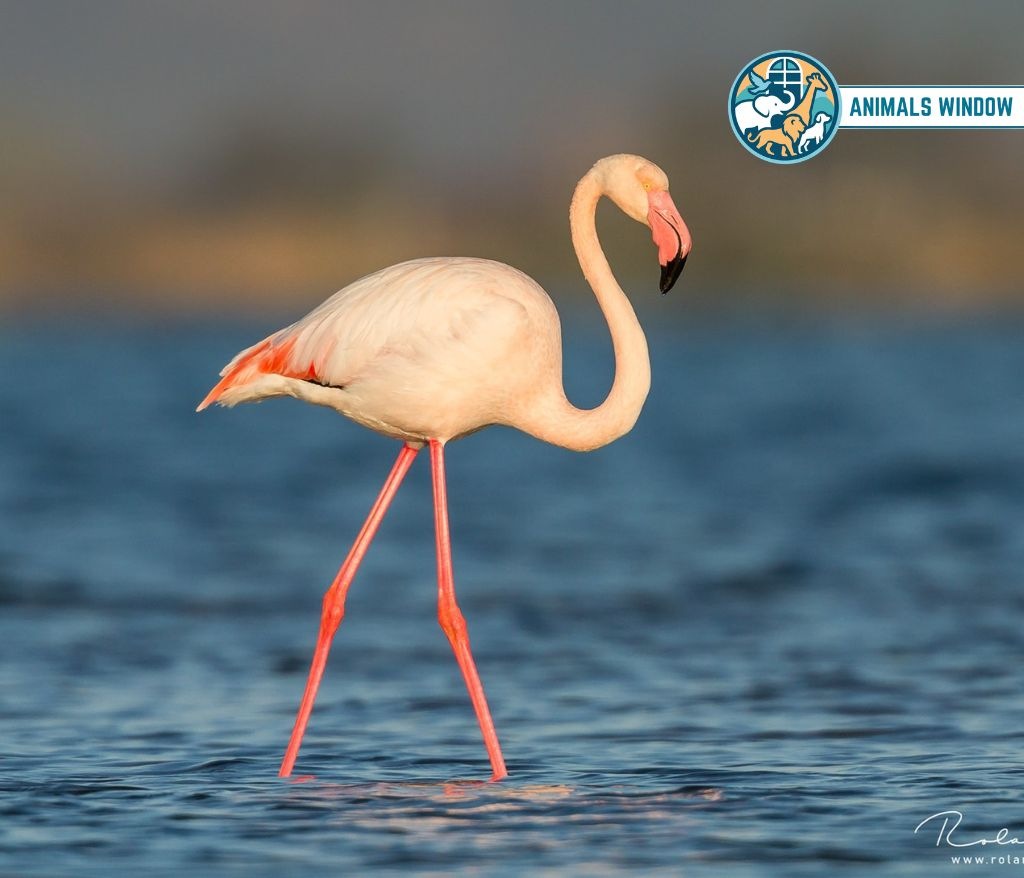
Flamingos look perfectly designed when they’re standing still on one leg. But the moment they have to move on land or take off from the water, the whole image falls apart. The takeoff run is especially awkward — they sprint across water while flapping both wings and looking like something between a panicked toddler and a confused lawn decoration.
What most people don’t know is that flamingos actually lock their knees in a passive mechanism that lets them sleep standing on one leg without using muscle energy. The knee you think you’re seeing is actually their ankle. Their real knee is hidden under feathers higher up. So while they look wobbly, the structure is pretty smart — just not on the runway.
🔥 Comparison Fact: A flamingo weighs about as much as a house cat but stands as tall as a 7-year-old child.
6. Giant Panda
- Scientific Name: Ailuropoda melanoleuca
- Size: 4–6 feet long
- Weight: 220–330 lbs
- Diet: Bamboo (99% of diet)
- Habitat: Mountain forests of central China
- Lifespan: 15–20 years in the wild
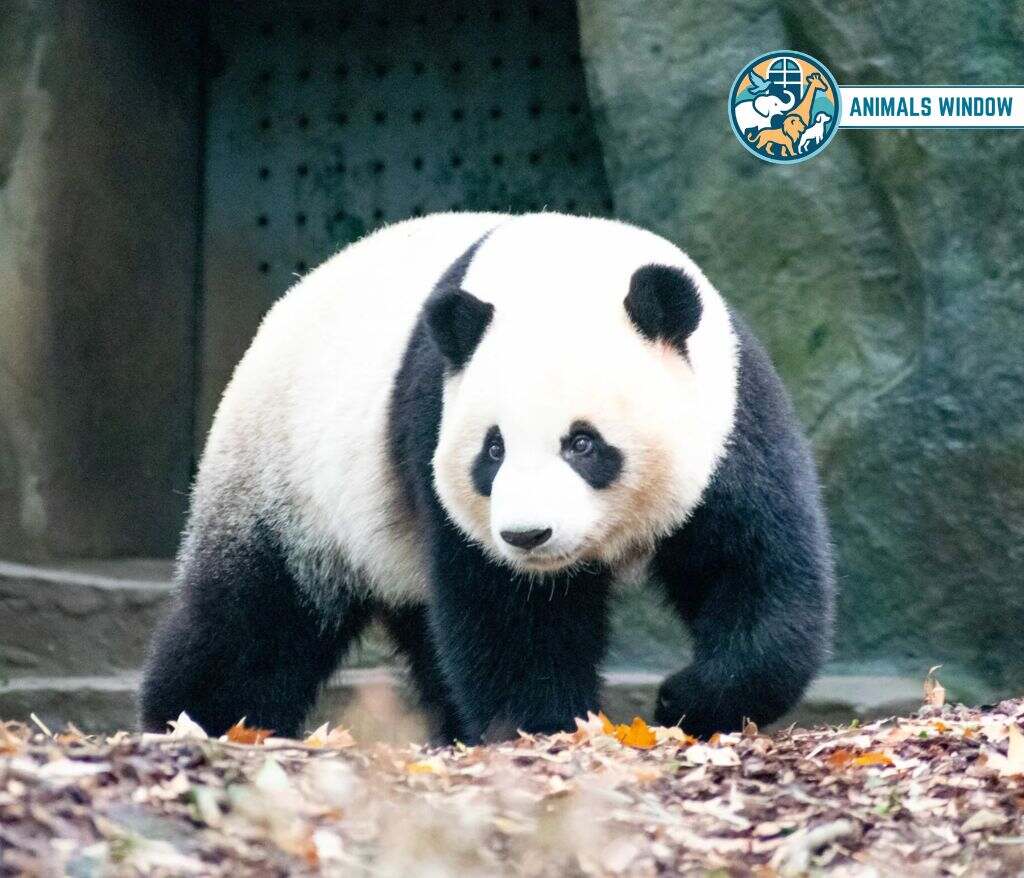
Giant pandas might be the most lovably clumsy large mammals on earth. They roll off logs. They tumble down snowy hills. They sit down to eat and slowly tip sideways. This isn’t laziness — it’s anatomy. Pandas have a low center of gravity and a rounded body shape that makes balance genuinely difficult.
Here’s the part that blows people’s minds: pandas eat 12–38 kg of bamboo every single day, and they do most of it sitting down. Their “pseudo-thumb” — actually an extended wrist bone — helps them grip bamboo stalks, but it doesn’t improve their balance. So they sit, eat, and occasionally just… fall over. Scientists who study them in the wild have noted that tumbling seems to cause them zero distress.
🔥 Comparison Fact: A giant panda eats enough bamboo daily to fill a bathtub completely.
7. Giraffe
- Scientific Name: Giraffa camelopardalis
- Size: Up to 18 feet tall
- Weight: Up to 2,800 lbs
- Diet: Leaves, flowers, and fruits from trees
- Habitat: African savannas
- Lifespan: 25 years
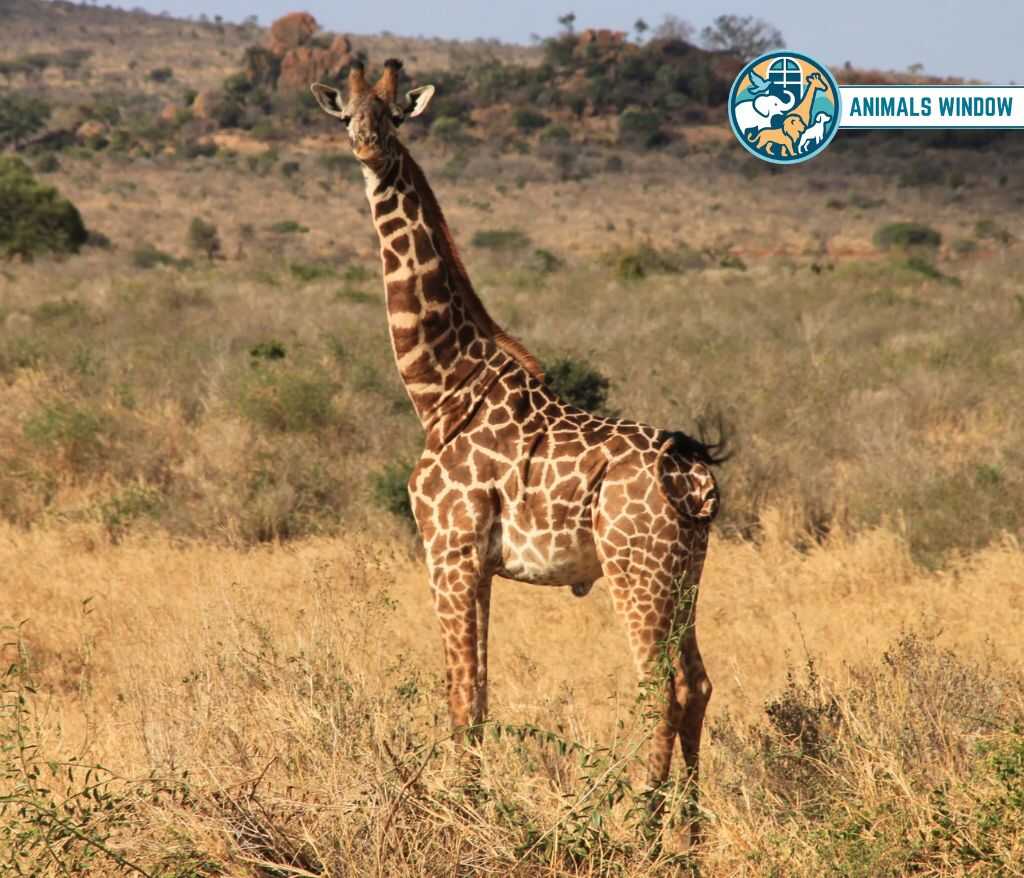
Adult giraffes are elegant walkers — until they need to drink water. To reach a river or watering hole, a giraffe has to splay its front legs at nearly 90 degrees outward, slowly lowering its enormous neck toward the ground. The whole position looks deeply uncomfortable, and it is.
This posture leaves them totally vulnerable to predators for 30 seconds or more. Their blood pressure also swings wildly — the heart has to pump blood nearly 8 feet up to the brain, and when the head drops, special valves kick in to prevent them from blacking out. A giraffe drinking water is less graceful animal, more hydraulic engineering problem.
🔥 Comparison Fact: A giraffe’s heart weighs about 25 lbs — as heavy as a large bag of dog food — just to push blood that far upward.
8. Goat Kid
- Scientific Name: Capra hircus
- Size: 12–20 inches at birth
- Weight: 4–10 lbs at birth
- Diet: Mother’s milk, then grass and shrubs
- Habitat: Mountainous regions, farms worldwide
- Lifespan: 15–18 years
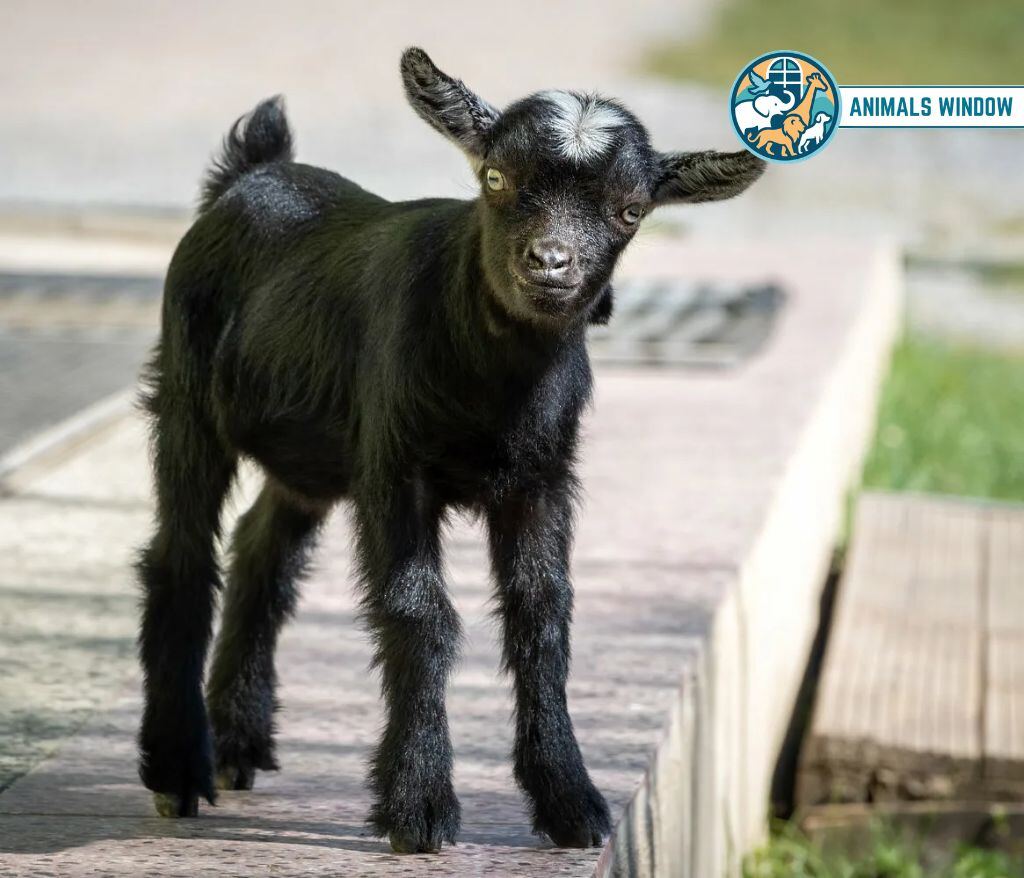
Few things in the animal kingdom are quite as chaotic as a newborn goat kid. They arrive spindly and sideways, legs shooting in four different directions, trying desperately to find the ground beneath them. The first 30 minutes involve repeated collapse, accidental head-butts into their mother, and at least one complete sideways tumble.
But what’s remarkable is that within just a few hours, these same kids start trying to jump and play. Their instinct to leap kicks in almost before their balance does. So you get this bizarre situation where a baby goat will attempt a jump, completely misjudge it, crash into a fence, and immediately try again. No learning curve seems to apply.
🔥 Comparison Fact: A newborn goat kid is about the size of a house cat but tries to jump like a much larger animal from day one.
9. Harbor Seal
- Scientific Name: Phoca vitulina
- Size: 4.9–6.1 feet long
- Weight: 110–370 lbs
- Diet: Fish, squid, crustaceans
- Habitat: Coastal waters of North Atlantic and Pacific
- Lifespan: 25–35 years
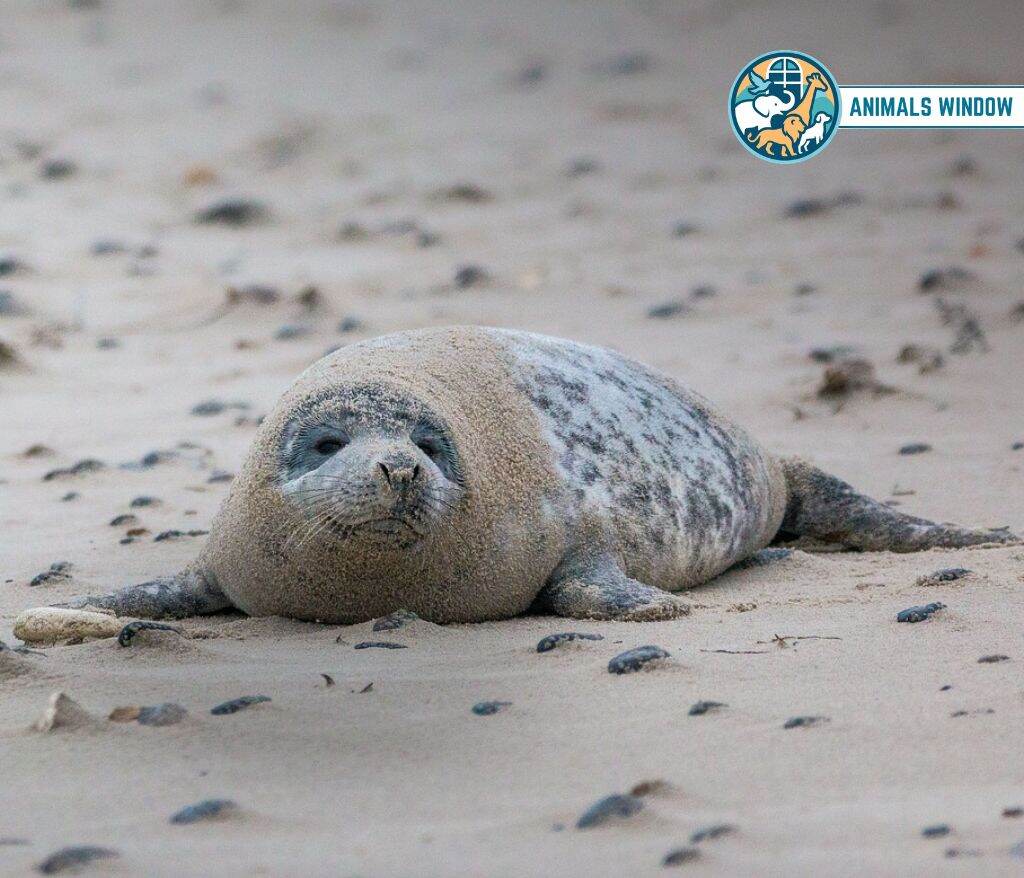
In water, harbor seals are sleek and quick — they can hit 35 mph in short bursts and turn on a dime. But drag one onto land and you’ve got an entirely different animal. They move by flopping their entire body forward, using their belly and front flippers in a kind of humping motion that covers very little ground very slowly.
What most people don’t realize is that harbor seals don’t have rotating hind flippers like sea lions do. Those rear flippers are fixed and can’t be used for walking. So every move on land is a full-body effort. They lose a lot of body heat that way too, which is partly why they stay out of water as briefly as possible.
🔥 Comparison Fact: A harbor seal on land moves at roughly 2 mph — slower than most people’s walking pace.
10. Hippopotamus
- Scientific Name: Hippopotamus amphibius
- Size: Up to 16.5 feet long
- Weight: 3,000–9,000 lbs
- Diet: Grass, fruit, occasionally meat
- Habitat: Sub-Saharan African rivers and lakes
- Lifespan: 40–50 years
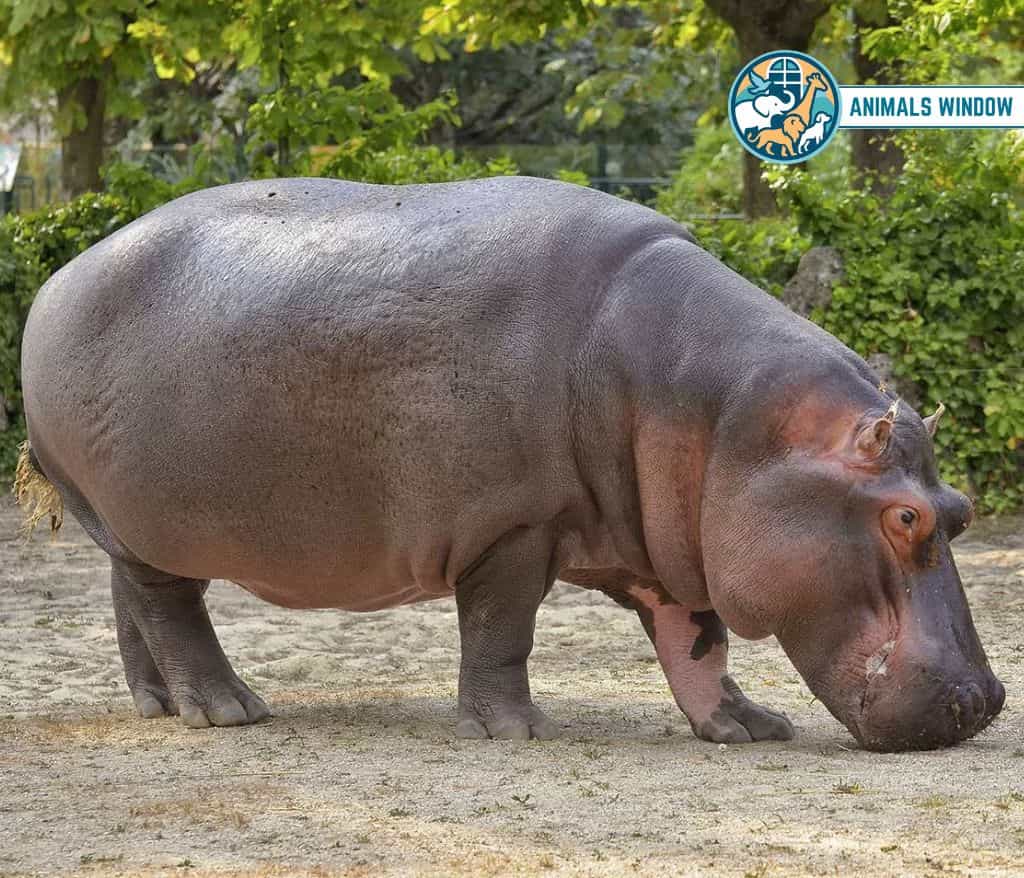
Hippos have eyesight so poor on land that they regularly bump into things, including each other. They’re also colorblind, which doesn’t help. On land, a hippo moves with a heavy, lumbering gait that shakes the ground and looks completely unstable for an animal this large. But they can still hit 19 mph for short distances, which is terrifying given their size.
What stands out is the hippo’s skin. It produces a natural pink-red liquid often called “blood sweat” — it’s not blood, it’s not sweat — it’s a natural sunscreen and antibiotic secretion. When a hippo lumbers around on dry land, this fluid starts dripping off them visibly, making them look even more chaotic than they already are.
🔥 Comparison Fact: An adult male hippo weighs about the same as a compact car — and can still outrun a human in a short sprint.
11. Kitten
- Scientific Name: Felis catus
- Size: 3–4 inches tall at birth
- Weight: 3–4 oz at birth
- Diet: Mother’s milk, then wet/dry cat food
- Habitat: Domestic environments, worldwide
- Lifespan: 12–18 years
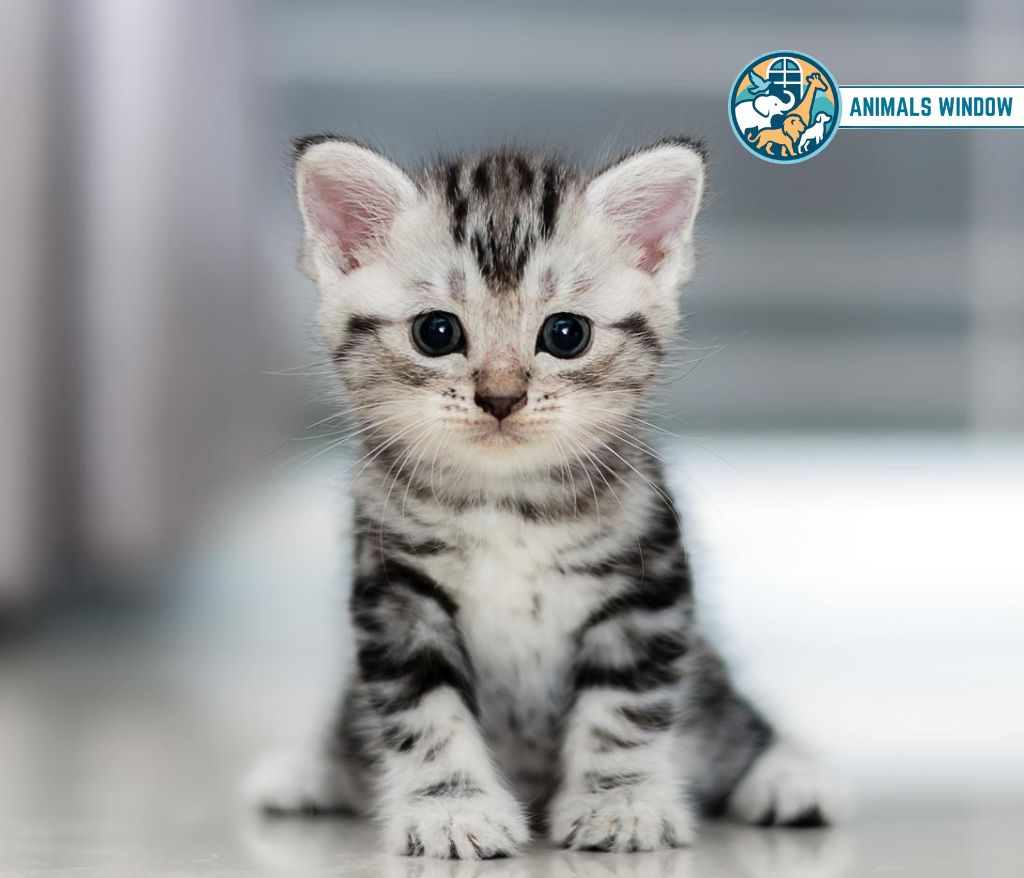
Kittens are famous for misjudging jumps. They’ll crouch, wiggle, lock on to a target, and then launch — only to completely overshoot it, undershoot it, or hit it with their face. This isn’t random. Their depth perception doesn’t fully develop until around 10–12 weeks of age, so early life is basically a series of well-intentioned accidents.
What’s less known is that kittens are also learning to calibrate their own claws and grip during this phase. Their retractable claw mechanism is there but imprecise — so they’ll grab at something, slide off it, and try again. Every failed jump is actually building the neural pathways they’ll use for the rest of their lives. The clumsiness has a purpose.
🔥 Comparison Fact: A kitten’s brain at 8 weeks is still making millions of new neural connections every hour, which explains a lot.
12. Manatee
- Scientific Name: Trichechus manatus
- Size: 8–13 feet long
- Weight: 440–1,300 lbs
- Diet: Seagrass, aquatic plants
- Habitat: Coastal waters, rivers of the Caribbean and Gulf of Mexico
- Lifespan: 40–60 years
Manatees are sometimes called the sea cows of the ocean — slow, round, and gentle. They cruise through water at a leisurely 3–5 mph and have almost no ability to steer quickly. Their tail is wide and paddle-shaped, built for slow propulsion, not precision turns. This is a big reason they get hit by boats so often — they simply can’t get out of the way fast enough.
But here’s something most people don’t realize about manatees: they control their buoyancy using intestinal gas. They digest plant material slowly, and the gas produced moves them up or down in the water column. When a manatee needs to sink a bit, it passes gas. It’s not exactly graceful, but it works.
🔥 Comparison Fact: A manatee’s intestines can stretch up to 150 feet long — longer than half a football field — all packed into that round body.
13. Mudskipper
- Scientific Name: Periophthalmus barbarus
- Size: 6–10 inches long
- Weight: Under 1 oz
- Diet: Insects, small crustaceans, algae
- Habitat: Mudflats and mangroves of West Africa, Indo-Pacific
- Lifespan: 5 years
Mudskippers are fish that decided land sounded interesting. They use their pectoral fins like arms to push themselves across mudflats in a skipping motion — hence the name. It looks completely ridiculous. They lurch forward, plant their fins, drag the rest of their body, and repeat. On soft mud it works okay. On harder surfaces it becomes almost farcical.
What’s wild is that mudskippers actually breathe air through their skin as long as they stay moist, and they can climb mangrove roots. They also dig burrows in the mud and guard them aggressively. So this floppy little fish is also a territorial landowner with a breathing problem and a commute.
🔥 Comparison Fact: A mudskipper’s whole body is roughly the size of a permanent marker, yet it’s one of the few fish that can survive hours outside of water.
14. Ostrich
- Scientific Name: Struthio camelus
- Size: 7–9 feet tall
- Weight: 220–350 lbs
- Diet: Plants, seeds, insects, small lizards
- Habitat: African savannas and open woodlands
- Lifespan: 40–45 years
Ostriches are the fastest birds on land, reaching 45 mph in a straight line. But watching one try to make a sharp turn at speed is a completely different experience. Their top-heavy body and massive two-toed feet make turning at high speed extremely difficult. They’re known to stumble and occasionally crash during fast directional changes.
The reason is biomechanics. The ostrich has the longest stride of any bird — up to 16 feet per step — but that same stride becomes a liability when changing direction. Their brain is also famously smaller than either of their eyes. Each eyeball is roughly 2 inches across, bigger than the bird’s actual brain, which probably contributes to some questionable decision-making.
🔥 Comparison Fact: An ostrich egg weighs about 3 lbs — equal to roughly 24 regular chicken eggs — and the bird that lays it still looks surprised every time.
15. Penguin
- Scientific Name: Aptenodytes forsteri
- Size: Up to 3.7 feet tall
- Weight: Up to 88 lbs
- Diet: Fish, squid, krill
- Habitat: Antarctica and surrounding sub-Antarctic islands
- Lifespan: 15–20 years in the wild
On land, penguins are the definition of awkward animals. Their upright posture and short legs force them into a side-to-side waddle that’s both charming and completely inefficient. On ice, they often solve this by flopping onto their bellies and sliding — a move called tobogganing — which turns out to be faster than walking and uses less energy.
But here’s the part that surprises most people: that waddling gait is actually an energy-efficient compromise. Research has shown that penguins recover about 80% of the energy from each side-to-side swing, similar to how a pendulum works. So what looks like chaotic stumbling is actually a tuned mechanical system. Ugly, but optimized.
🔥 Comparison Fact: Emperor penguins can dive to 1,850 feet underwater — deeper than most submarines operate — despite looking like they can barely walk across a parking lot.
16. Puffin
- Scientific Name: Fratercula arctica
- Size: 10–11 inches tall
- Weight: 12–18 oz
- Diet: Small fish, especially sand eels
- Habitat: North Atlantic coastal cliffs and open ocean
- Lifespan: 20 years
Puffins are excellent swimmers and decent fliers — but landing is a disaster every single time. They come in too fast, misjudge the cliff ledge, and either crash-land face-first or tumble sideways into other puffins. On cliff colonies, you’ll regularly see puffins knocking into their neighbors on arrival, triggering chain reactions of small bird chaos.
Part of the problem is their wing design. Puffins have small, narrow wings built for underwater propulsion — they essentially “fly” through water the same way they fly through air. This dual-use design works wonderfully underwater, but makes precise aerial landings nearly impossible. It’s an evolutionary trade-off, and the cliff colony pays the price daily.
🔥 Comparison Fact: A puffin can carry up to 62 small fish in its beak at once — a beak that also makes it nearly impossible to land without crashing.
17. Rhinoceros
- Scientific Name: Rhinoceros unicornis
- Size: 11–13 feet long
- Weight: 4,000–6,000 lbs
- Diet: Grasses, leaves, fruits, bark
- Habitat: Grasslands and forests of Asia and Africa
- Lifespan: 35–50 years
Rhinoceroses have terrible eyesight — they can only see clearly up to about 30 feet. Beyond that, the world is a blur. This means they regularly charge in the wrong direction, run into trees, and bump into objects that were clearly visible to everything around them. A rhino collision is not subtle.
What’s fascinating is how they compensate. Rhinos have enormous ears that rotate independently, picking up sounds from multiple directions at once. Their sense of smell is excellent — they can detect a human scent from half a mile away. So the animal is basically navigating by nose and ears while its eyes contribute almost nothing. It works, mostly. But the trees don’t always survive.
🔥 Comparison Fact: A rhino’s horn is made entirely of keratin — the same protein as human fingernails — and can grow up to 5 feet long.
18. Sloth
- Scientific Name: Bradypus tridactylus
- Size: 23 inches long
- Weight: 7.7–10 lbs
- Diet: Leaves, buds, tender shoots
- Habitat: Tropical rainforests of Central and South America
- Lifespan: 20–30 years in the wild
Sloths move so slowly that algae grows on their fur. On the ground, they can’t walk — they drag themselves forward on their claws at about 0.15 mph. Even in trees, their top speed is only around 0.5 mph. But here’s the thing most people miss: sloths don’t fall from trees by accident. They sometimes intentionally let go and drop into water to cross rivers, since they’re actually decent swimmers.
The claws that make walking impossible make tree-hanging effortless. Sloths have a passive tendon mechanism that locks their grip without using muscle energy — they can literally hang dead asleep without falling. So the clumsiness is entirely selective. On land: helpless. In trees: locked in. In water: surprisingly capable.
🔥 Comparison Fact: A sloth’s maximum land speed of 0.15 mph means it would take roughly 11 hours to walk a single mile.
19. Solenodon
- Scientific Name: Solenodon paradoxus
- Size: 11–13 inches long
- Weight: 1.5–2.2 lbs
- Diet: Insects, worms, small reptiles
- Habitat: Forest floors of Cuba and Hispaniola
- Lifespan: 5–11 years
The solenodon is one of the rarest and strangest mammals you’ve probably never heard of. It looks like a giant shrew, moves like something that hasn’t quite figured out legs yet, and produces venomous saliva — making it one of the very few venomous mammals alive today. It trips over its own feet while running, changes direction clumsily, and sometimes falls over mid-stride.
Its long, flexible snout is attached to a ball-and-socket joint that no other mammal has — it can bend in almost any direction. This gives it incredible sniffing flexibility but does absolutely nothing for forward momentum. The solenodon survived the asteroid that wiped out the dinosaurs, outlasted countless predators, and is now critically endangered — mostly due to introduced animals like cats and mongooses that can easily outrun it.
🔥 Comparison Fact: The solenodon is about the size of a large potato with legs — and is one of fewer than 10 venomous mammals known to science.
20. Tortoise
- Scientific Name: Testudo graeca
- Size: 5–11 inches long
- Weight: 3–13 lbs
- Diet: Grasses, weeds, flowers, leafy plants
- Habitat: Mediterranean scrublands, arid grasslands
- Lifespan: 80–150 years
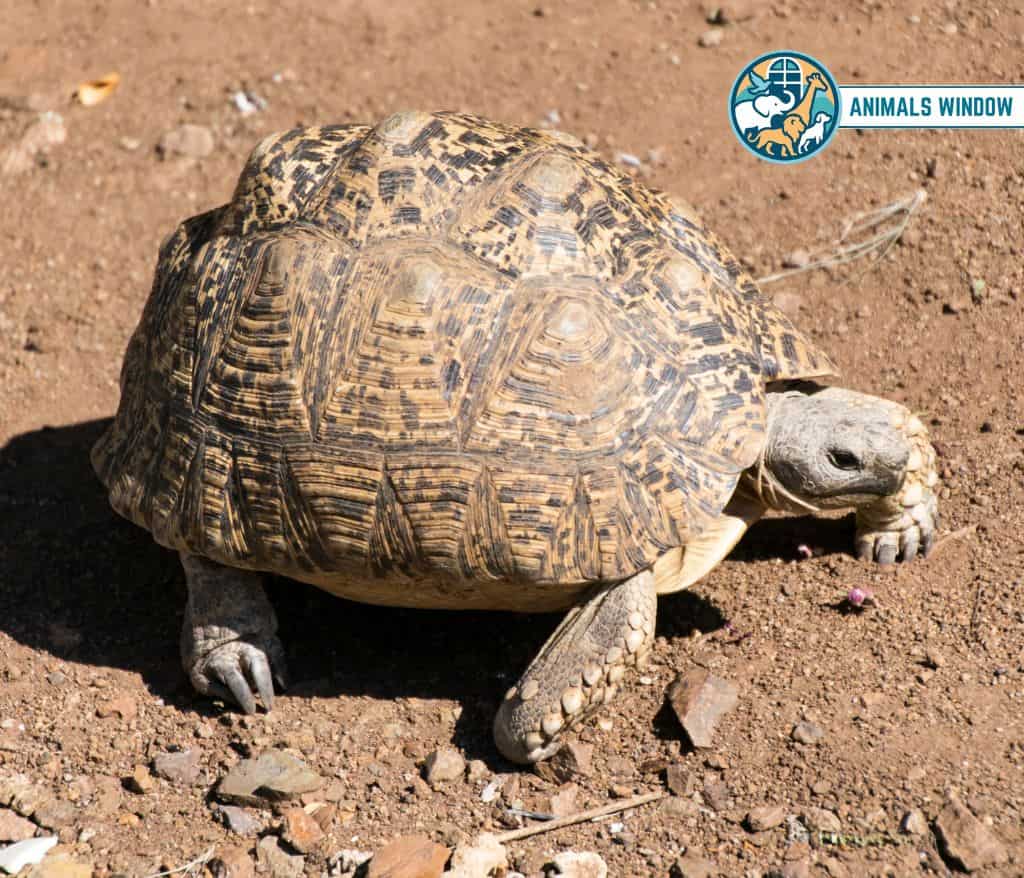
Tortoises might be the most committed to slowness of any animal on earth. They move at about 0.2 mph on flat ground, and on anything uneven — rocks, roots, grass clumps — they wobble, stall, and tip. The dome-shaped shell that protects them so well is also the thing that makes balance so difficult. If a tortoise tips onto its back, it may genuinely be unable to right itself without help.
But here’s what’s remarkable: the tortoise’s shell is actually part of its spine and rib cage, fused together. It can’t leave its shell any more than you could leave your ribcage. And inside that awkward, slow-moving body is an animal that can live longer than 150 years, survive extreme drought, and walk up to 4 miles a day when motivated. Slow, clumsy, and absolutely unstoppable.
🔥 Comparison Fact: A tortoise shell is strong enough to support 200 times the animal’s body weight — roughly equivalent to a human supporting a 16,000 lb structure.
FAQ’s About Clumsy Animals
What is the clumsiest animal in the world?
The giant panda is often considered the clumsiest large animal. It rolls off logs, tumbles on snowy slopes, and tips sideways while eating — all due to its round body shape and low center of gravity.
Why are some animals so clumsy?
Most clumsiness comes from body design mismatched to the environment. Penguins have flippers built for swimming, not walking. Sloths have claws built for hanging, not stepping. The “clumsy” part is usually just the animal being in the wrong element.
Are clumsy animals less likely to survive in the wild?
Not necessarily. Many awkward animals are extremely well-adapted in their primary environment. Harbor seals are nearly helpless on land but hit 35 mph in water. Sloths can barely walk but have survived for millions of years.
What makes baby animals so uncoordinated?
Newborn animals are still building neural connections between their brain and muscles. Depth perception, balance, and coordination all develop over weeks or months. Baby giraffes, goat kids, and kittens are prime examples of this developmental phase.
Are there animals that are clumsy in the air?
Yes. Puffins crash-land on cliffs regularly due to wings built for underwater use. Albatrosses, despite having the largest wingspan of any bird, frequently tumble on landing because they’re built for soaring, not stopping.
Animals People THINK Are Clumsy (But Actually Aren’t)
A lot of websites label animals as clumsy simply because they look slow, round, or move in unusual ways. But looks are misleading. Several animals that appear awkward are actually built for serious speed, strength, or agility in their natural setting.
| Animal Name | Common Misconception | The Scientific Reality |
| Capybara | Looks slow and waddly in photos | Sprints at 21 mph and swims with streamlined efficiency for long distances |
| Moose | Gangly, wobbly-looking legs suggest poor movement | Runs at 35 mph through deep snow and swims across wide rivers with ease |
| Koala | Looks wobbly and lost on the ground | Leaps precisely between treetop branches in the forest canopy with expert timing |
| Sea Lion | Often lumped in with slow, belly-flopping seals | Has rotating rear flippers that allow it to run on rocks and change direction on land |
| Wombat | Round brick-shaped body looks slow and useless | Compact muscle-packed body sprints at 25 mph and can crush predators against burrow walls |
| Tapir | Bulky body and short legs look poorly designed | Scales steep, vertical muddy riverbanks effortlessly and swims rivers with surprising speed |
More Animals Guides:

I have loved animals since I was a kid. I enjoy reading about how animals live, eat, move, and survive. I started Animals Window to share what I learn in a simple and easy way. I write about animal body parts, size, behavior, diet, habitats, and species. My goal is to make animal facts clear and fun for everyone to understand.