Animals with claws include mammals, birds, and reptiles that use these sharp structures for digging, climbing, hunting, or defense. Claws differ from nails (flat, found on primates) and talons (specialized curved claws found on birds of prey). Over 20 well-known species have claws, ranging from tiny moles to massive grizzly bears — each shaped by millions of years of evolution.
Table of Contents
Quick Animals with Claws List
- Giant Armadillo
- Giant Anteater
- American Badger
- Star-Nosed Mole
- Meerkat
- Grizzly Bear
- Siberian Tiger
- Polar Bear
- Jaguar
- Wolverine
- Sloth
- Koala
- Cougar (Mountain Lion)
- House Cat (Domestic Cat)
- Harpy Eagle
- Bald Eagle
- Great Horned Owl
- Cassowary
- Komodo Dragon
- Alligator Snapping Turtle
Before You Scroll, Read This
Most people think claws are just for attacking. But a sloth uses its claws to sleep hanging upside down for 15–20 hours. A star-nosed mole digs through soil faster than the human eye can track. And the harpy eagle’s talons are longer than a grizzly bear’s claws.
This list isn’t a basic rundown. You’ll find out which animal has the longest claws on Earth (hint: it’s not a bear), why some claws retract while others don’t, and how a turtle’s claws work more like tools than weapons. Each animal here gets its own angle — no two entries feel the same.
1. Giant Armadillo

- Scientific name: Priodontes maximus
- Size: Up to 150 cm (body length)
- Weight: 28–32 kg
- Diet: Termites, ants, worms
- Habitat: Tropical forests and grasslands of South America
- Lifespan: 12–15 years
The giant armadillo is the world’s largest armadillo, living deep in South American forests. What defines it isn’t its bony shell — it’s the claws. The third claw on each front foot can reach 20 cm (about 8 inches), making it the animal with the longest claws relative to body size on Earth.
But here’s what most claw articles miss: this animal doesn’t use those claws to fight. It uses them like a jackhammer. A giant armadillo can demolish a reinforced termite mound in minutes, tearing through hard clay that would stop a steel shovel. It eats up to 200,000 termites in a single night. The claws are precision feeding tools.
🔥 Comparison Fact: The third claw alone is roughly as long as a standard pencil. Imagine that growing out of a foot smaller than your hand.
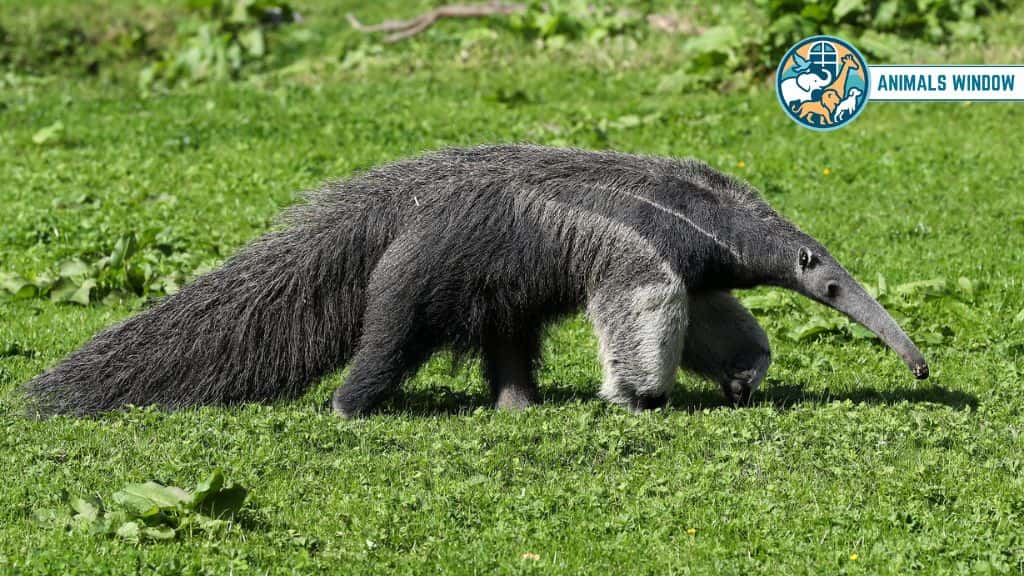
2. Giant Anteater
- Scientific name: Myrmecophaga tridactyla
- Size: Up to 2.1 m (nose to tail)
- Weight: 25–40 kg
- Diet: Ants and termites exclusively
- Habitat: Grasslands, wetlands, and forests of Central and South America
- Lifespan: 14–16 years
The giant anteater carries curved front claws measuring up to 10 cm — so large and curved that it walks on its knuckles to protect them. It can’t retract those claws, so it literally folds them inward with every step.
What’s truly strange is the speed of feeding. The anteater’s tongue flicks in and out 150 times per minute, but without those claws ripping open mounds, there’d be nothing to eat. The claws do the heavy work; the tongue just collects. No teeth involved at all. This is one of the only large mammals on Earth that survives entirely on insects, made possible entirely by claw power.
🔥 Comparison Fact: Its front claws, laid flat, span roughly the same length as a TV remote.
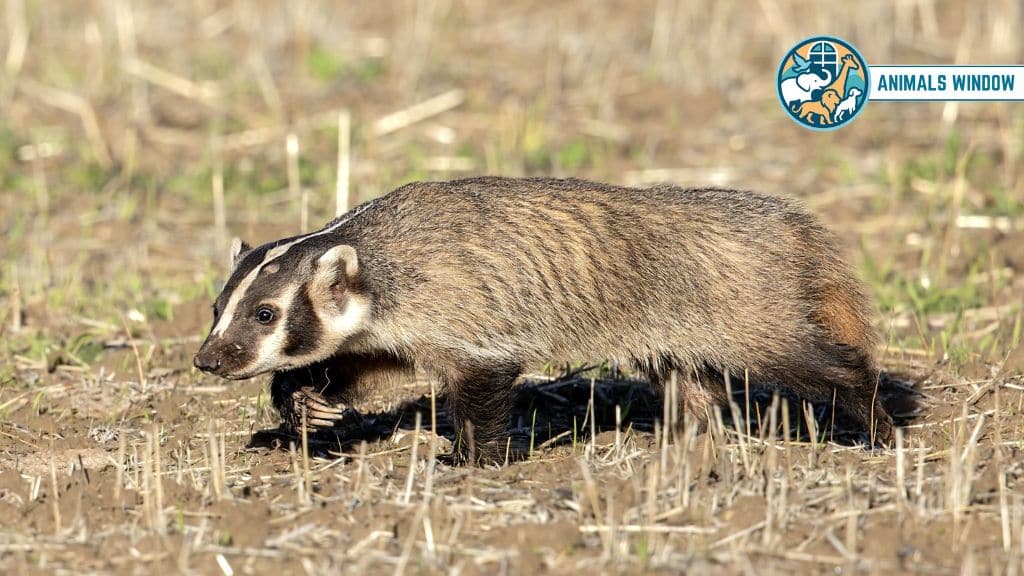
3. American Badger
- Scientific name: Taxidea taxus
- Size: 52–87 cm
- Weight: 4–12 kg
- Diet: Ground squirrels, prairie dogs, rodents
- Habitat: Open grasslands and prairies of North America
- Lifespan: 4–14 years
The American badger is one of North America’s most efficient excavators. Its front claws measure up to 7 cm and are flat, wide, and slightly serrated at the edges — built less like hooks and more like small shovels. It can outdig a human with a shovel when chasing prey underground.
What stands out is the hunting strategy. The badger doesn’t wait for prey to come up — it follows them down. It can dig through compacted prairie soil at a speed that genuinely overtakes running rodents. Some badgers have even been observed hunting cooperatively with coyotes, flushing out animals from two ends of a burrow system. That’s unusual behavior for a typically solitary mammal.
🔥 Comparison Fact: The badger’s front claws are about the width and length of a butter knife blade.
4. Star-Nosed Mole

- Scientific name: Condylura cristata
- Size: 15–20 cm
- Weight: 40–75 g
- Diet: Worms, insects, aquatic invertebrates
- Habitat: Moist, low-elevation soils of eastern North America
- Lifespan: 3–4 years
The star-nosed mole has 22 fleshy pink tentacles ringing its nose — but its claws are what make it a digging record-holder. These claws are proportionally massive for the animal’s size and help it tunnel at extraordinary speeds through waterlogged soil.
Here’s the remarkable detail: this mole can identify and eat food in under 227 milliseconds, the fastest eating speed recorded in any mammal. Its claws create tunnel systems in soil so saturated that most animals can’t navigate it. The star-nose helps feel and locate food; the claws make the whole underground system possible. It also swims well, using the same claws to paddle through mud and shallow streams.
🔥 Comparison Fact: The star-nosed mole itself fits inside a golf ball’s shadow — its claws smaller than a staple, yet built to excavate constantly.
5. Meerkat

- Scientific name: Suricata suricatta
- Size: 25–35 cm (body)
- Weight: 0.6–1 kg
- Diet: Insects, scorpions, small lizards, roots
- Habitat: Kalahari Desert, southern Africa
- Lifespan: 12–14 years
The meerkat has long, curved front claws — about 2 cm each — that are perfectly shaped for digging. In the Kalahari Desert, where the ground bakes hard under intense heat, these claws do incredible work every day.
What makes meerkats stand out in any animals with sharp claws list is immunity. They regularly dig up and eat scorpions, including species whose venom would hospitalize a human. They aren’t fully immune — they just have a much higher tolerance, developed over generations of exposure. Young meerkats are trained by older ones, starting with de-stinged prey before graduating to live scorpions. The claws are the tool; the immunity is the secret.
🔥 Comparison Fact: A meerkat’s claw is about the same size and curve as a bent sewing needle.
6. Grizzly Bear

- Scientific name: Ursus arctos horribilis
- Size: 1.5–2.8 m (standing)
- Weight: 130–360 kg
- Diet: Fish, berries, roots, small mammals, carrion
- Habitat: Forests, alpine meadows, river valleys of North America
- Lifespan: 20–25 years
The grizzly bear sits among the most recognized mammals with claws on Earth. Its front claws average 10 cm — long, slightly curved, and non-retractable. Unlike cat claws designed for gripping, grizzly claws are built for digging. They excavate roots, overturn boulders, and rip through dense soil when hunting ground squirrels.
Here’s what makes grizzlies different from other big predators: their claws actually get more use in food gathering than in combat. A grizzly can dig up an entire hillside looking for army cutworm moths in late summer, consuming up to 40,000 moths in a single day. The claws are agricultural tools as much as weapons.
🔥 Comparison Fact: A grizzly’s front claw is roughly as long as a standard butter knife — but many times thicker at the base.
7. Siberian Tiger

- Scientific name: Panthera tigris altaica
- Size: Up to 3.3 m (nose to tail)
- Weight: Up to 300 kg
- Diet: Deer, wild boar, elk
- Habitat: Temperate forests of the Russian Far East
- Lifespan: 10–15 years
The Siberian tiger is the largest wild cat on Earth, and its retractable claws are among the sharpest in the animal kingdom. Measuring up to 9 cm, these claws stay sheathed inside protective skin pouches until the moment of attack — keeping them razor-sharp for years.
What separates Siberian tigers from other big cats is the cold. In temperatures reaching -40°C, prey is scarce and hunts must succeed. The tiger’s hunting strategy relies on a devastating burst: retract, sprint, extend, grip. The claws lock into prey’s shoulders or neck and don’t let go. Studies of kill sites show tigers often drag prey over 500 meters through deep snow — possible only because of the grip strength behind those curved claws.
🔥 Comparison Fact: A Siberian tiger’s extended claw is approximately the length of a human index finger, but curved like a fish hook.
8. Polar Bear

- Scientific name: Ursus maritimus
- Size: 2–2.5 m
- Weight: 350–700 kg
- Diet: Ringed seals, bearded seals
- Habitat: Arctic sea ice and coastal areas
- Lifespan: 25–30 years
The polar bear has thick, slightly curved claws reaching up to 9 cm — and they serve three completely different jobs. Gripping slippery sea ice. Swiping seals out of breathing holes. And swimming, where the broad claws act as paddles over long distances.
The adaptation that stands out: polar bear claws have a slightly rough texture on the underside, similar to microscopic grip tape, which prevents slipping on ice. No other bear species has this feature. It’s a quiet evolutionary solution to hunting in one of the most dangerous environments on Earth, where a misstep on thin ice means drowning in freezing water.
🔥 Comparison Fact: A polar bear’s paw is roughly the size of a dinner plate — and the claw spanning from that plate is about as long as a large paperclip stood upright.
9. Jaguar

- Scientific name: Panthera onca
- Size: 1.1–1.9 m (body)
- Weight: 56–96 kg
- Diet: Deer, peccaries, caimans, turtles
- Habitat: Rainforests and wetlands of Central and South America
- Lifespan: 12–16 years
The jaguar has retractable claws around 7 cm long — but its real weapon is bite force, not claw size. What the claws do is provide grip during an unusual hunting technique: skull-crushing bites. The jaguar pins prey with its claws, then bites directly through the skull or spine — unlike lions or tigers that go for the throat.
This matters because jaguars hunt in water too. Caimans, river turtles, and large fish are all fair game. The claws grip the slippery bank or the animal’s shell while the bite does the killing. No other big cat on Earth regularly tackles armored prey like turtles. The claws are what make that ambush possible.
🔥 Comparison Fact: The jaguar’s claw, fully extended, is roughly the length of a car key.
10. Wolverine
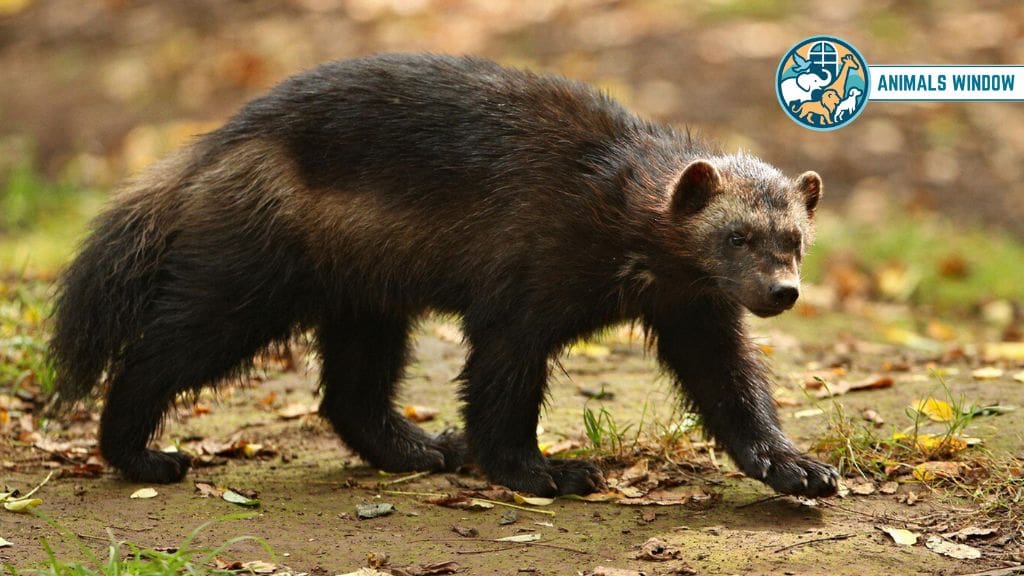
- Scientific name: Gulo gulo
- Size: 65–107 cm
- Weight: 9–25 kg
- Diet: Carrion, small mammals, berries, birds
- Habitat: Boreal forests and Arctic tundra of North America, Europe, Asia
- Lifespan: 7–13 years
The wolverine has semi-retractable claws about 5 cm long — curved, strong, and designed for multi-surface grip. On snow, rock, and ice, wolverines move with shocking confidence. They regularly climb near-vertical mountainsides and descend headfirst, gripping with all four clawed feet.
What makes wolverines genuinely surprising: pound for pound, they may exert more claw force than any other land mammal of similar size. They’ve been documented driving wolves and even bears away from carcasses. The claws, combined with an extremely dense and flexible spine, allow wolverines to attack prey much larger than themselves — including injured caribou. Their reputation isn’t exaggerated.
🔥 Comparison Fact: A wolverine weighs about as much as a medium-sized dog but has claws comparable in curve and thickness to a small black bear.
11. Sloth
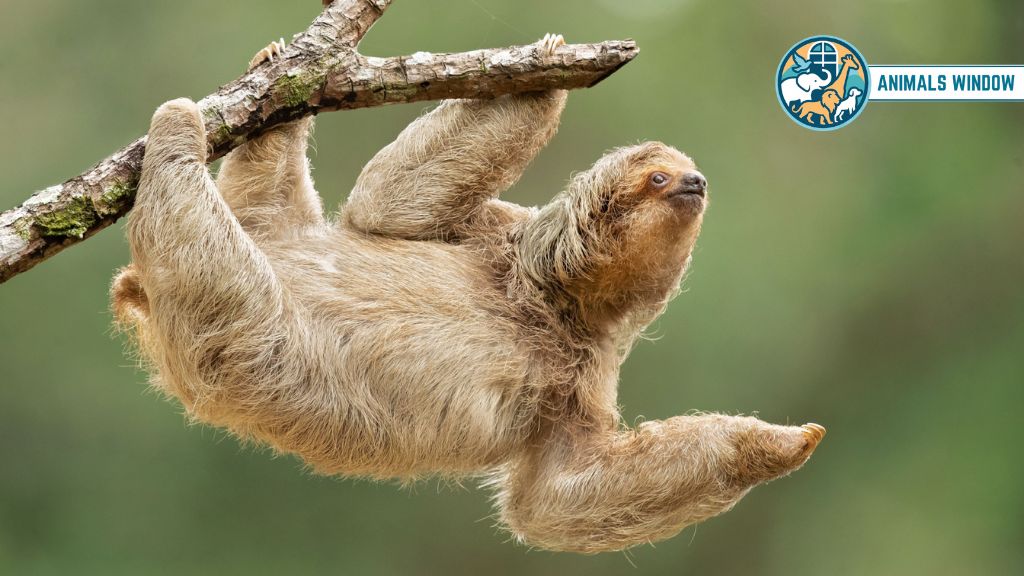
- Scientific name: Bradypus variegatus (three-toed sloth)
- Size: 58–68 cm
- Weight: 3.5–4.5 kg
- Diet: Leaves, buds, fruit
- Habitat: Tropical rainforests of Central and South America
- Lifespan: 20–30 years
The sloth has arguably the most specialized claws of any mammal with claws on this list. Its curved hooks — reaching 8–10 cm — are not used for digging or killing. They’re passive suspension tools. A sloth hangs from branches with zero muscular effort, because its claws lock around branches like carabiners. The animal can sleep upside down without expending energy to hold on.
Here’s what’s counterintuitive: sloths are actually good swimmers. Those same long claws that make walking on the ground awkward work well in water, helping them paddle with a surprisingly efficient breaststroke. They’ve been observed crossing rivers regularly in the Amazon basin — another use for claws that most people never associate with this slow-moving animal.
🔥 Comparison Fact: A sloth’s claw, straightened, would be slightly longer than a standard pen cap.
12. Koala
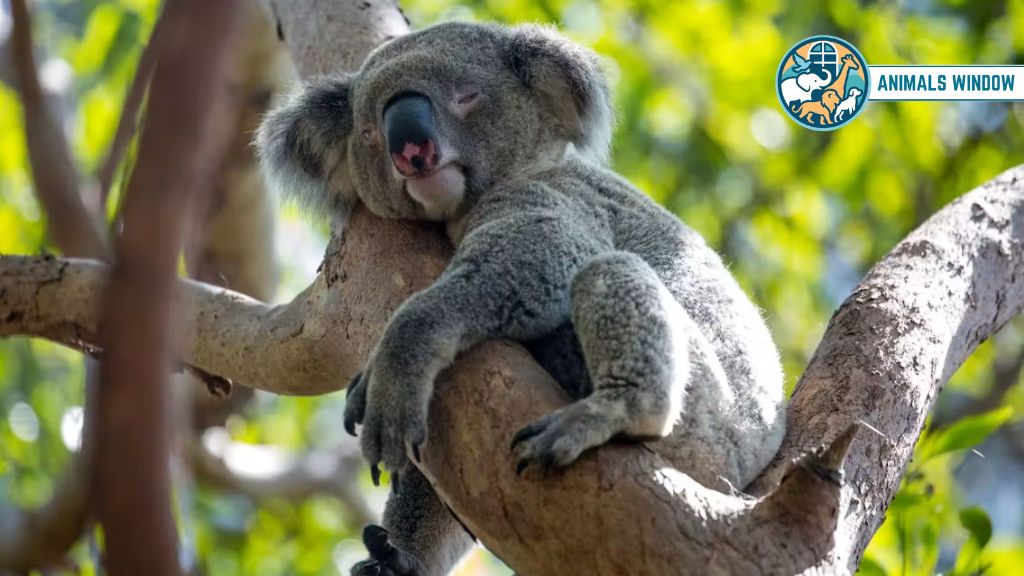
- Scientific name: Phascolarctos cinereus
- Size: 60–85 cm
- Weight: 4–15 kg
- Diet: Eucalyptus leaves
- Habitat: Eastern Australia’s eucalyptus forests
- Lifespan: 13–18 years
The koala has two types of claws on each front paw: two fused “grooming claws” and sharp gripping claws for tree climbing. The gripping claws dig into smooth, hard eucalyptus bark — a surface that most animals would slide straight off.
What’s unexpected about koala claws: the fingerprints. Koalas have fingerprints almost identical to human fingerprints, visible right alongside their claws. This is one of only three non-primate species to have them (the other two being chimpanzees and gorillas). Scientists believe this helps with fine grip when selecting leaves — the claws do the anchoring, the ridged fingertips do the feeling.
🔥 Comparison Fact: Koala claws are roughly the same length as a grain of rice — small for the task, but surprisingly powerful on bark.
13. Cougar (Mountain Lion)
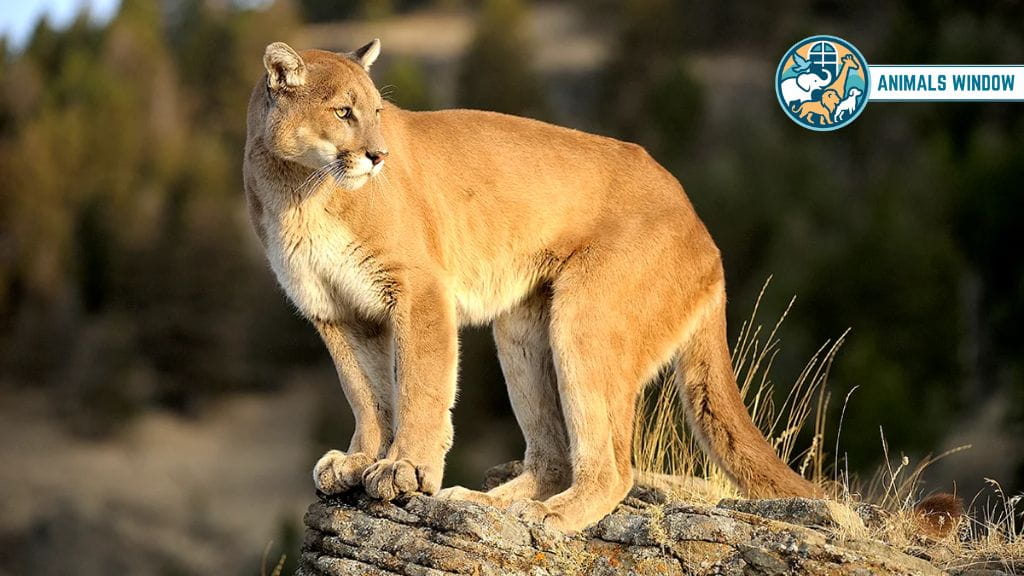
- Scientific name: Puma concolor
- Size: 1.5–2.7 m (nose to tail)
- Weight: 29–90 kg
- Diet: Deer, elk, small mammals
- Habitat: Across North and South America, from forests to deserts
- Lifespan: 8–13 years
The cougar has fully retractable claws averaging 5–6 cm. It’s the largest wild cat in North America with retractable claws, which are kept sharp through constant sheathing. Cougars mark territory by raking trees with their claws — leaving visual scratches as high as 2 meters up a trunk.
The hunting angle here is unique: cougars are ambush specialists who depend on a single explosive burst. They can jump 5.5 meters horizontally and 4.6 meters vertically from a standing position. The claws do the final work — latching onto the back or neck of prey mid-air. Once the claws lock in, the cougar uses bodyweight to bring the animal down. It’s one of the most efficient single-strike hunts in nature.
🔥 Comparison Fact: A cougar’s retracted claw fits completely within a skin sheath about the size of a folded sticky note.
14. House Cat (Domestic Cat)

- Scientific name: Felis catus
- Size: 23–25 cm tall
- Weight: 3.6–4.5 kg
- Diet: Meat-based food, small prey if hunting
- Habitat: Worldwide, alongside humans
- Lifespan: 12–18 years
The domestic cat may be the most studied example of retractable claws in the world. Each claw sits inside a sheath of skin and retracts completely when not in use, protecting it from wear while walking. When extended, a house cat’s claw is roughly 2 cm and curved — a miniature version of a tiger’s.
What most people don’t realize: cats have five claws on front paws (the dewclaw sits higher, like a thumb) and four on the back. The dewclaw never touches the ground — it’s exclusively for gripping prey or climbing. House cats also scratch surfaces not just to sharpen claws, but to stretch tendons and mark territory with scent glands located in their paw pads. Every scratch is a multi-purpose action.
🔥 Comparison Fact: A house cat’s front claw is roughly the same size and curve as a staple — but with a grip strength that can puncture denim easily.
15. Harpy Eagle

- Scientific name: Harpia harpyja
- Size: 86–107 cm (body)
- Weight: 4–9 kg
- Diet: Monkeys, sloths, large reptiles
- Habitat: Lowland tropical forests of Central and South America
- Lifespan: 25–35 years
The harpy eagle holds the title for the longest talons of any living eagle — reaching up to 13 cm on the rear talon. For scale, that’s longer than a grizzly bear’s front claws. And the harpy is a bird.
The hunting mechanism is extreme precision at speed. Harpy eagles fly through dense forest canopy at up to 80 km/h, snatching monkeys and sloths directly off branches. The grip pressure from its talons is estimated at over 40 kg of force per square centimeter — enough to crush the spine of medium-sized prey instantly. For an animal with the wingspan of a human stretched wide, this is an astonishing concentration of mechanical power in two feet.
🔥 Comparison Fact: The harpy eagle’s rear talon is as long as a standard gel pen from tip to cap.
16. Bald Eagle
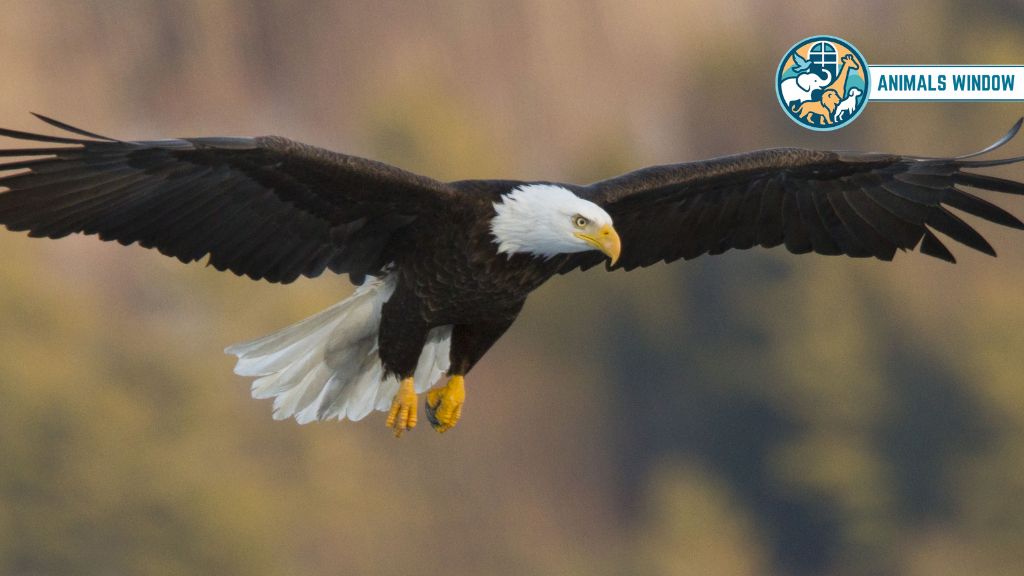
- Scientific name: Haliaeetus leucocephalus
- Size: 70–102 cm (body)
- Weight: 3–6.3 kg
- Diet: Fish, waterfowl, carrion
- Habitat: North America, near large bodies of water
- Lifespan: 20–30 years
The bald eagle has talons reaching 7–8 cm, perfectly designed for one specific task: snatching fish from water at speed. The underside of each talon has tiny spiny projections called spicules — rough surfaces that grip wet, slippery fish so they can’t escape mid-flight.
The aerodynamics behind the grab are remarkable. A bald eagle dips its feet into water at 60–70 km/h, contacts a fish for less than one second, and lifts prey weighing up to 1.5 kg — nearly a third of its own body weight. The talons absorb that impact force instantly. No other part of the eagle matters at the moment of the strike — it’s all talon grip.
🔥 Comparison Fact: A bald eagle’s talon spread across an open palm would cover roughly the same area as a large adult hand.
17. Great Horned Owl

- Scientific name: Bubo virginianus
- Size: 43–64 cm
- Weight: 0.7–2.5 kg
- Diet: Rabbits, rodents, skunks, other birds, small reptiles
- Habitat: Forests, deserts, wetlands across North and South America
- Lifespan: 13–25 years
The great horned owl is the definitive nocturnal predator. Its talons measure about 5–6 cm and exert roughly 13 kg of pressure per square centimeter — enough to puncture the skull of prey. But what truly stands out is the silence.
Great horned owls fly in near-complete silence due to specialized feather fringes that break up turbulence. Prey often doesn’t detect the owl until the talons make contact. The strike itself takes milliseconds. The owl’s outer toes are also reversible — they can rotate forward or backward — allowing a two-front, two-back grip that maximizes hold across different prey shapes. This is an adaptation shared with ospreys but rare in owls.
🔥 Comparison Fact: A great horned owl weighs about the same as a large hardcover book, but its talon force can match the grip of a set of pliers.
18. Cassowary

- Scientific name: Casuarius casuarius
- Size: 127–170 cm tall
- Weight: 17–70 kg
- Diet: Fallen fruit, fungi, small vertebrates
- Habitat: Tropical rainforests of northern Australia and New Guinea
- Lifespan: 40–50 years
The cassowary is a flightless bird with a dagger. Its inner toe carries a straight, spike-like claw up to 12 cm long — not curved like most claws, but nearly flat and pointed, working more like a blade than a hook. This makes it one of the most dangerous animals with claws names included on any wildlife list.
The cassowary kicks forward, driving that spike into threats with leg muscles powerful enough to disembowel large animals, including humans. But here’s the ecological angle most articles skip: cassowaries are critical seed dispersers. They eat whole fruits and pass large seeds intact through their digestive system. In Australian rainforests, some large-seeded plants depend almost entirely on cassowaries to spread. The most dangerous bird in the world is also one of its most important gardeners.
🔥 Comparison Fact: The cassowary’s inner claw is about the length and straightness of a standard kitchen skewer.
19. Komodo Dragon

- Scientific name: Varanus komodoensis
- Size: Up to 3 m
- Weight: 70–90 kg
- Diet: Deer, pigs, goats, carrion
- Habitat: Indonesian islands of Komodo, Rinca, Flores, and Gili Motang
- Lifespan: 30 years
The Komodo dragon has curved claws up to 4 cm on each of its five toes — 20 claws total. They’re used for digging nests, tearing open carcasses, and gripping prey during an attack. But the claws are almost secondary to this animal’s real weapon: its mouth.
Komodo dragons were long thought to kill through bacterial infection. New research revealed the actual mechanism: venom glands between the teeth that anticoagulate blood and lower blood pressure in bitten prey. The claws hold the victim while this process begins. On large prey like deer, the dragon might follow the animal for hours until it collapses. The claws are the grip; the venom does the slow work. It’s a hunting strategy unlike any other reptile on Earth.
🔥 Comparison Fact: A Komodo dragon’s claw is roughly the size of a large almond — compact but backed by 90 kg of muscle and a thrashing tail.
20. Alligator Snapping Turtle
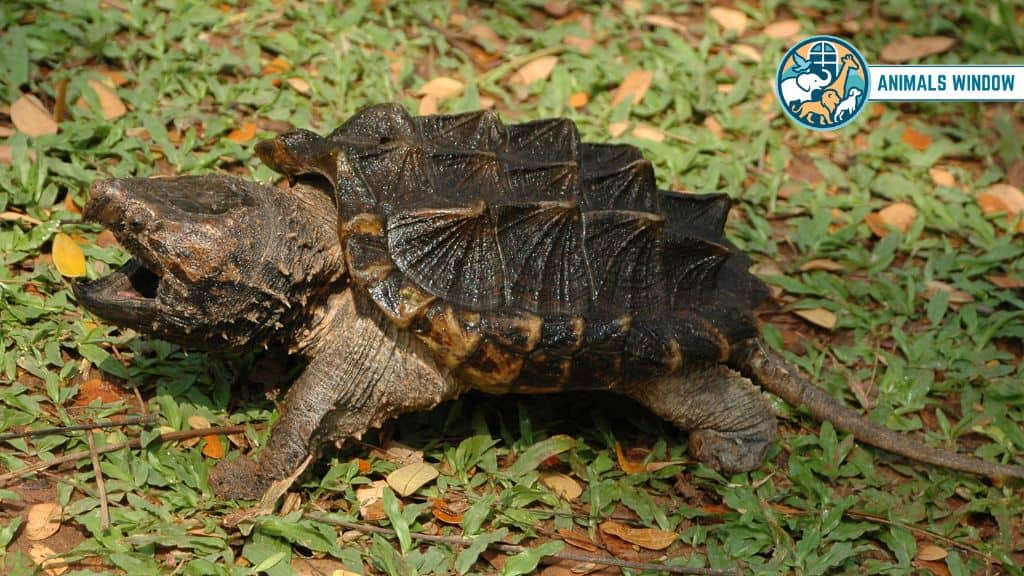
- Scientific name: Macrochelys temminckii
- Size: 40–80 cm (shell length)
- Weight: Up to 100 kg
- Diet: Fish, amphibians, snakes, aquatic birds
- Habitat: Freshwater rivers and lakes of the southeastern United States
- Lifespan: 20–70 years
The alligator snapping turtle has thick, curved claws on all four feet — about 3–4 cm long. On land, they’re used to pull its enormous body forward. Underwater, they help grip riverbed substrate during ambushes, keeping the turtle anchored while it lures fish with a worm-like tongue appendage.
Here’s the detail that separates this animal: it doesn’t chase prey. It sits motionless on the riverbed, mouth open, and wiggles a pink fleshy growth on its tongue. Fish swim in and get snapped by a bite force among the strongest of any freshwater animal — estimated over 450 kg of force per square centimeter. The claws make this possible by keeping the turtle completely still. A hunter that hasn’t moved in hours, held in place by claws gripping stone, is a very different survival strategy than anything else on this list.
🔥 Comparison Fact: The alligator snapping turtle’s shell can weigh as much as a large motorcycle — its claws gripping riverbed like four small anchors.
What Is the Difference Between Claws, Nails, and Talons?
This comes up constantly in searches for what animal has the sharpest claws — and most sources blur the line.
- Claws are curved, pointed structures found on most mammals and reptiles. They grow from the tips of digits and are made of keratin. Designed for digging, gripping, climbing, or fighting.
- Nails are flat, broad keratin structures found on primates (including humans). They protect the fingertip and help with fine manipulation — not for gripping prey or excavating soil.
- Talons are claws specific to birds of prey (raptors). They’re larger, more curved, and built for seizing and killing prey mid-flight. All talons are claws — but not all claws are talons.
Which Animal Has the Sharpest Claws in the World?
This depends on definition. If sharpest means thinnest cutting edge, cats (including domestic and wild species) win — their retractable claws stay protected inside sheaths and never dull from ground contact.
If sharpest means most dangerous, the harpy eagle and cassowary compete for top position. The harpy’s grip force can crush a spine; the cassowary’s dagger claw can puncture a torso.
For longest claws, the giant armadillo holds the record at around 20 cm on the third front digit.
FAQ’s About Animals with Claws
What animal has the longest claws on Earth?
The giant armadillo holds the record. Its third front claw can reach 20 cm — longer than a human hand.
Which animal has retractable claws?
Most cats have fully retractable claws, including tigers, lions, leopards, jaguars, cougars, and house cats. Cheetahs are the exception — their claws are semi-retractable, more like a dog’s.
What is the difference between claws and talons?
Talons are the specialized claws of birds of prey (eagles, owls, hawks). All talons are claws, but claws found on mammals and reptiles are not called talons.
Do all birds have talons?
No. Only raptors (birds of prey) have true talons. The cassowary has a blade-like claw, not a talon. Chickens and penguins have claws, not talons.
What animal has the sharpest claws in history?
Among extinct animals, the giant ground sloth (Megatherium) had claws over 30 cm long — longer than any living animal’s claws today.
Are animals with long claws always predators?
No. The giant armadillo and giant anteater have some of the longest claws on Earth but eat only insects. Sloths use theirs exclusively for hanging. Long claws evolved for many purposes beyond hunting.
Can a house cat’s claws cause infection?
Yes. Cat scratch disease, caused by the bacterium Bartonella henselae, can be transmitted through claw scratches. It’s rarely serious in healthy adults but worth noting if scratched.
Explore 20 animals with claws, including mammals, birds, and reptiles. Learn which animal has the longest claws, which have retractable claws, and the difference between claws, nails, and talons — with pictures and unique facts.

I have loved animals since I was a kid. I enjoy reading about how animals live, eat, move, and survive. I started Animals Window to share what I learn in a simple and easy way. I write about animal body parts, size, behavior, diet, habitats, and species. My goal is to make animal facts clear and fun for everyone to understand.