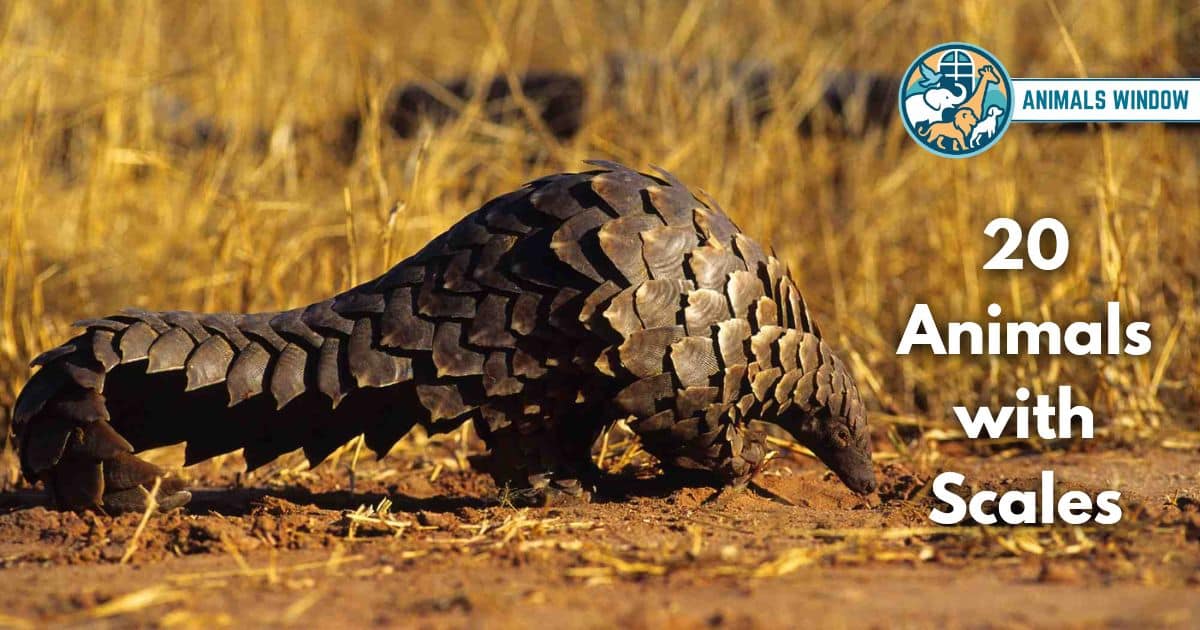
Animals with scales include reptiles like snakes, lizards, and crocodilians, plus fish, and some surprising creatures like pangolins and even butterflies. Scales serve as armor, moisture barriers, and camouflage tools. Over 20,000 species carry some form of scales, making them one of the most widespread natural structures in the animal kingdom.
Table of Contents
Quick Table of Animals That Have Scales
| Animal Name | Scientific Name | Key Trait |
| Pangolin | Manis tricuspis | Only scaled mammal |
| Eastern Diamondback Rattlesnake | Crotalus adamanteus | Heaviest venomous snake in N. America |
| Python | Python regius | Constricts prey with muscle force |
| King Cobra | Ophiophagus hannah | Tallest standing venomous snake |
| Green Iguana | Iguana iguana | Third eyelid for UV detection |
| Gila Monster | Heloderma suspectum | One of few venomous lizards |
| Monitor Lizard | Varanus komodoensis | Forked tongue detects scent particles |
| Chameleon | Chamaeleo calyptratus | Changes color via nanocrystals |
| American Alligator | Alligator mississippiensis | Survived dinosaur extinction |
| Crocodile | Crocodylus niloticus | Strongest bite force on Earth |
| Tuatara | Sphenodon punctatus | Living fossil from 200M years ago |
| Tortoise | Geochelone elegans | Scales help retain body moisture |
| Great White Shark | Carcharodon carcharias | Skin scales called dermal denticles |
| Goldfish | Carassius auratus | Scales reveal age like tree rings |
| Common Carp | Cyprinus carpio | Scales reflect light as a defense |
| Butterfly | Morpho menelaus | Wing scales create color through structure |
| Moth | Saturnia pavonia | Scales absorb bat sonar signals |
| Chicken | Gallus gallus domesticus | Foot scales link to dinosaur ancestry |
| Caecilian | Gymnopis multiplicata | Hidden scales under skin folds |
| Sea Mouse | Aphrodita aculeata | Iridescent fiber-optic-like spines |
Here’s something that might surprise you. In this article, you’ll meet 20 scaly animals — each with its own weird trick. One hunts using heat-sensing pits. Another has been alive (as a species) since before dinosaurs. And one creature hides its scales completely under its skin.
Stick around for the sea mouse. Nobody expects that one.
1. Pangolin
- Scientific name: Manis tricuspis
- Size: 12–39 inches
- Weight: 3.5–73 lbs (varies by species)
- Diet: Ants and termites
- Habitat: Forests and grasslands of Africa and Asia
- Lifespan: 20 years in the wild
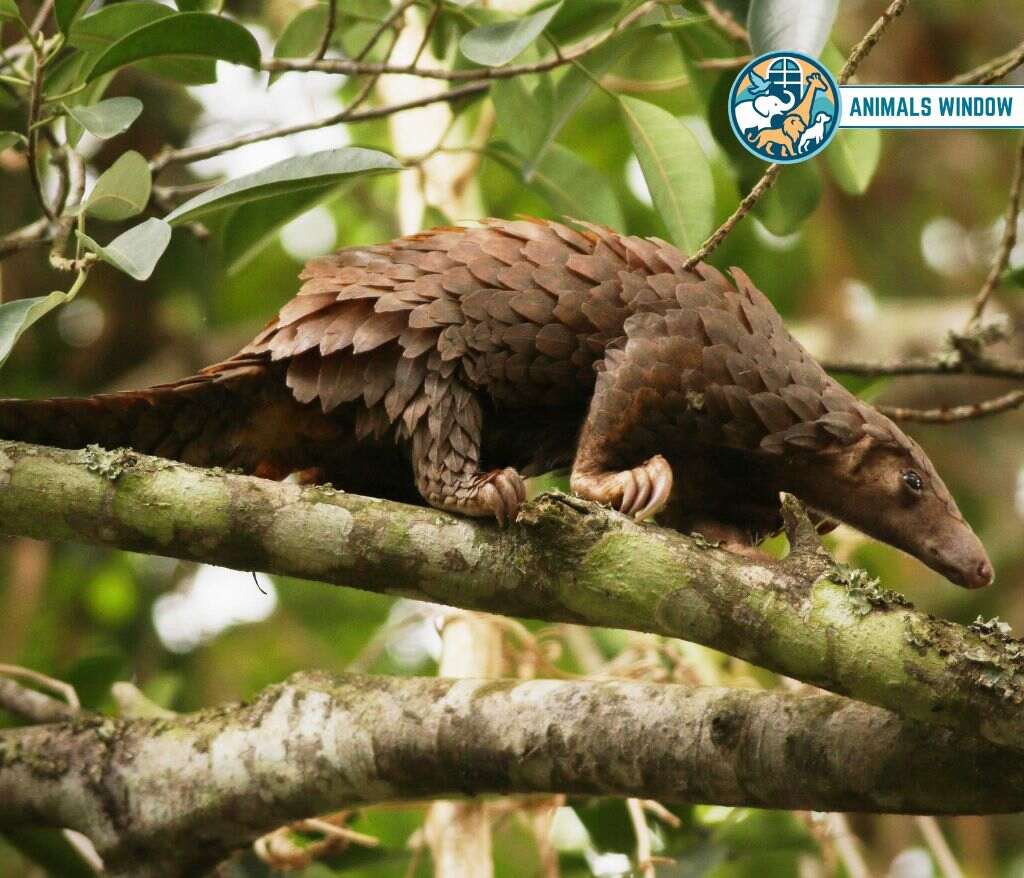
The pangolin is the only mammal on Earth with true scales. Every other mammal has fur or skin. But the pangolin wears a full coat of overlapping keratin scales — the same material as your fingernails — from head to tail. It looks like a walking pine cone.
What makes the pangolin truly remarkable is its tongue. The tongue is longer than the pangolin’s entire body. It doesn’t have teeth, so it flicks its sticky tongue into termite mounds and ant hills up to 150 times per minute. In a single night, one pangolin can eat about 70 million insects.
🔥 Comparison Fact: A fully grown pangolin weighs about the same as a medium-sized dog — around 40 lbs for the ground pangolin.
2. Eastern Diamondback Rattlesnake
- Scientific name: Crotalus adamanteus
- Size: 3.5–8 feet
- Weight: Up to 10 lbs
- Diet: Small mammals, birds
- Habitat: Southeastern United States — pine forests, palmetto flatlands
- Lifespan: 15–20 years
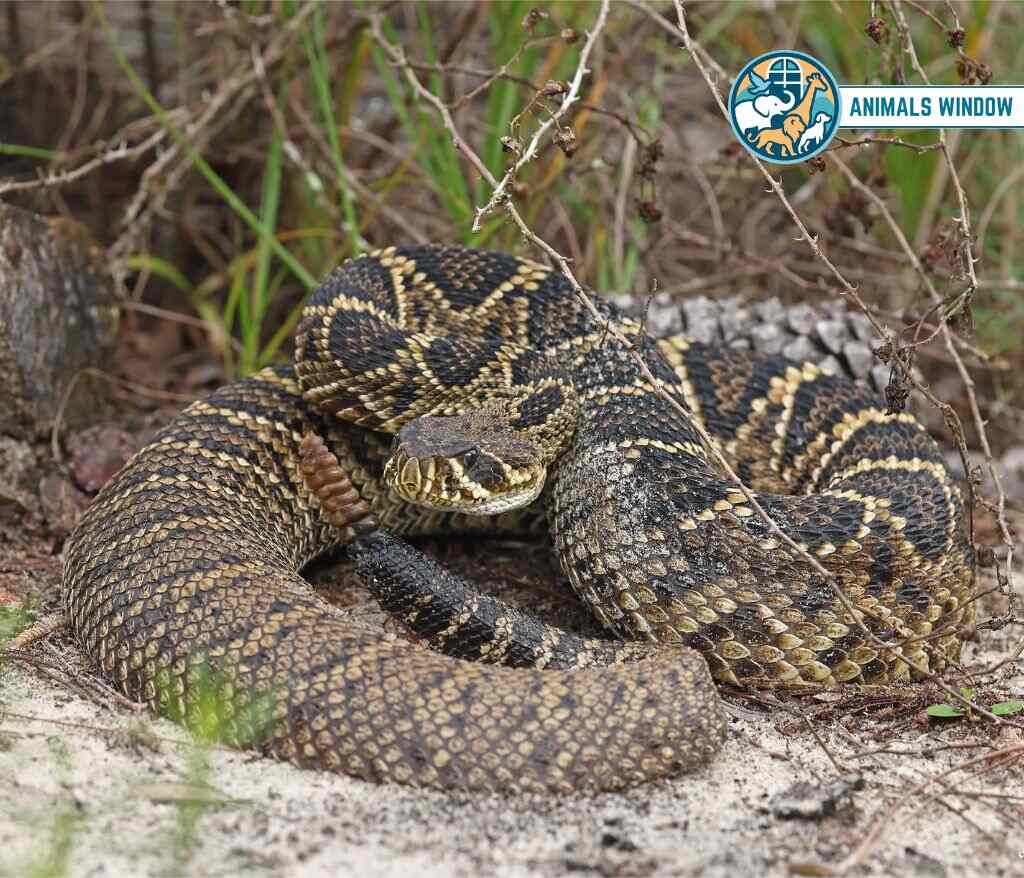
The Eastern Diamondback is the heaviest venomous snake in North America. Those bold diamond patterns on its back are made of individual scales arranged in a precise geometric sequence — not painted on, but structurally formed by different scale shapes and pigmentation.
Its rattle is the most misunderstood thing about it. The rattle doesn’t mean it will strike — it means it already feels threatened. Each segment of the rattle is a hollow keratin ring, and a new one grows every time the snake sheds its skin. The rattling sound reaches up to 60 decibels — as loud as a conversation.
🔥 Comparison Fact: An adult Eastern Diamondback is roughly as long as a standard refrigerator is tall — about 6 feet.
3. Python
- Scientific name: Python regius (Ball Python) / Python reticulatus (Reticulated Python)
- Size: 3–23 feet (varies by species)
- Weight: 3–165 lbs
- Diet: Mammals, birds
- Habitat: Sub-Saharan Africa, Southeast Asia
- Lifespan: 20–30 years
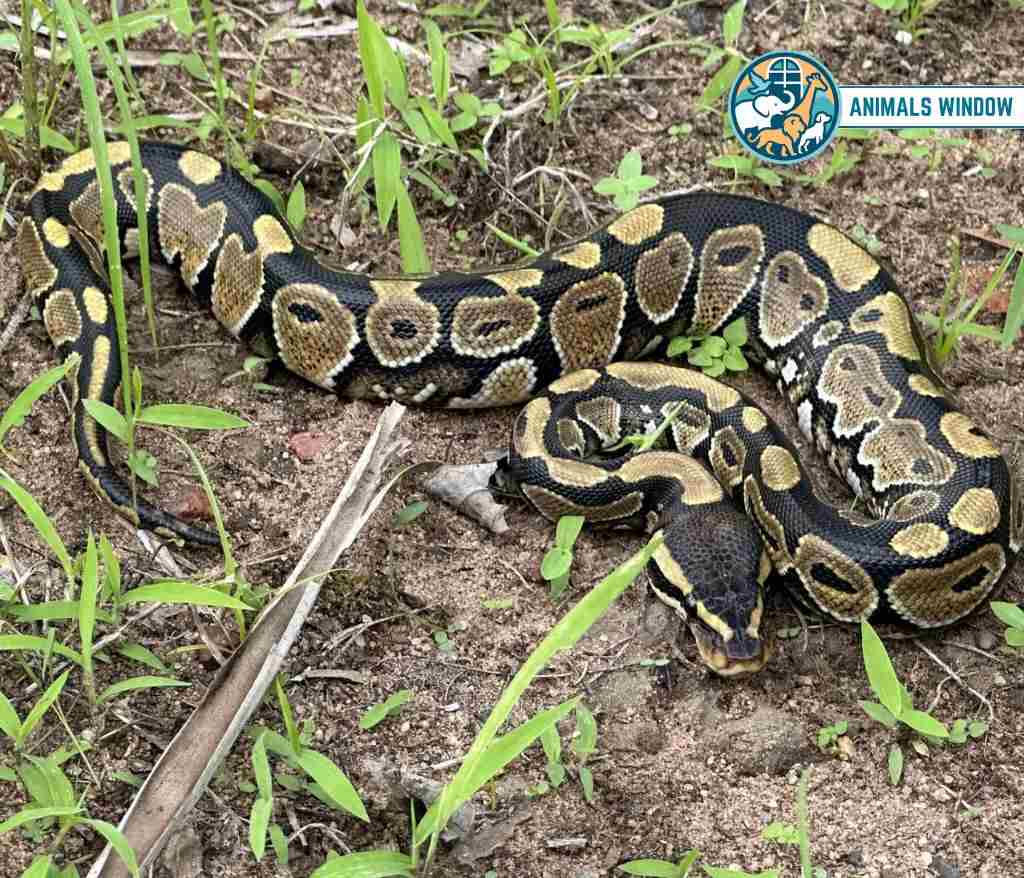
Pythons are non-venomous constrictors. They don’t crush bones — that’s a myth. Instead, they tighten their coils every time prey exhales, preventing the next breath. Death happens through cardiac arrest, not suffocation.
A python’s scales along the belly are called “scutes.” These wide, flat scales grip surfaces and work like tiny grappling hooks. This is how a python climbs a tree while carrying a deer in its coils. The friction from hundreds of scutes acting together creates enough force to haul a body heavier than the snake itself.
🔥 Comparison Fact: A large reticulated python can be as long as a full-sized school bus.
4. King Cobra
- Scientific name: Ophiophagus hannah
- Size: 10–18 feet
- Weight: Up to 20 lbs
- Diet: Other snakes (almost exclusively)
- Habitat: Forests of India, Southeast Asia, southern China
- Lifespan: 20 years
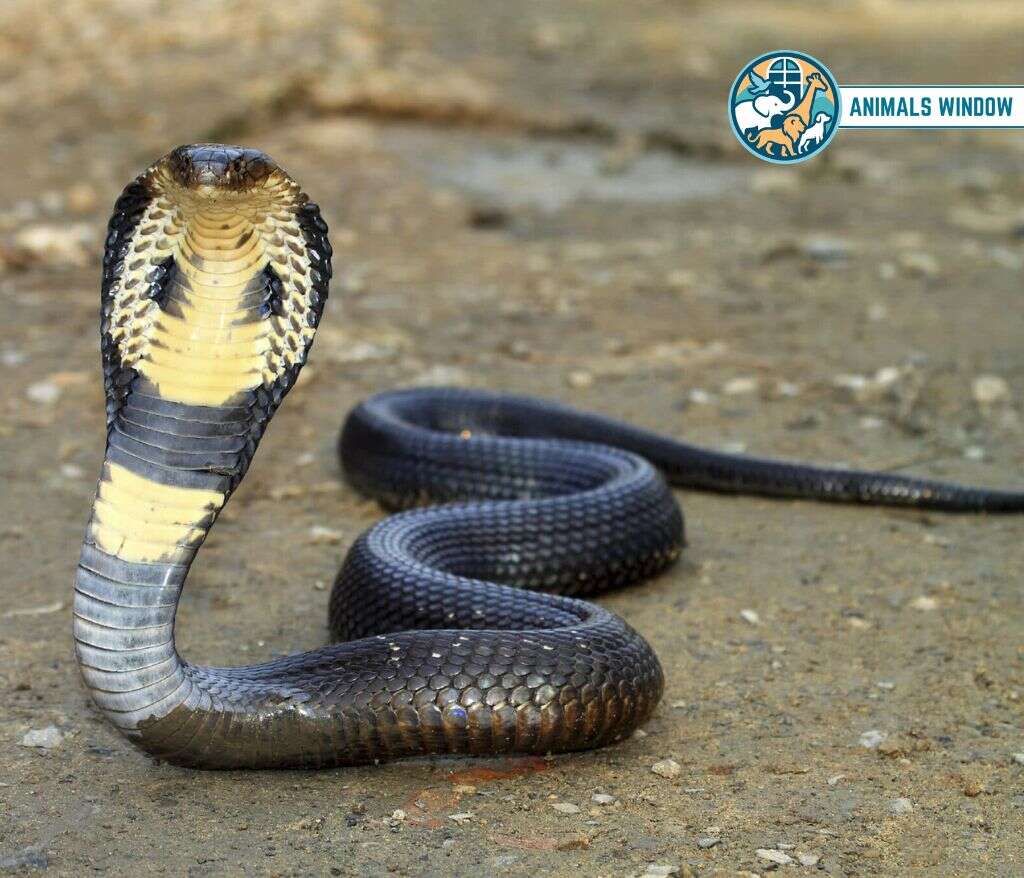
The King Cobra is the world’s longest venomous snake and the only snake that builds a nest for its eggs. Most snakes lay eggs and leave. King cobras stay. The mother guards the nest for up to 3 months — a rare behavior in the snake world.
But what makes it unique among scaly animals is its diet. It eats almost nothing but other snakes — including other venomous ones. Its own venom glands produce enough toxin to kill an elephant. The scales behind its hood are enlarged and spread during displays, making it appear even more imposing when standing nearly 6 feet tall.
🔥 Comparison Fact: A standing King Cobra can look an adult human directly in the eyes — it lifts about one-third of its body off the ground.
5. Green Iguana
- Scientific name: Iguana iguana
- Size: 4.9–6.6 feet
- Weight: 8–17 lbs
- Diet: Leaves, flowers, fruit
- Habitat: Central and South America, tropical forests near water
- Lifespan: 10–20 years
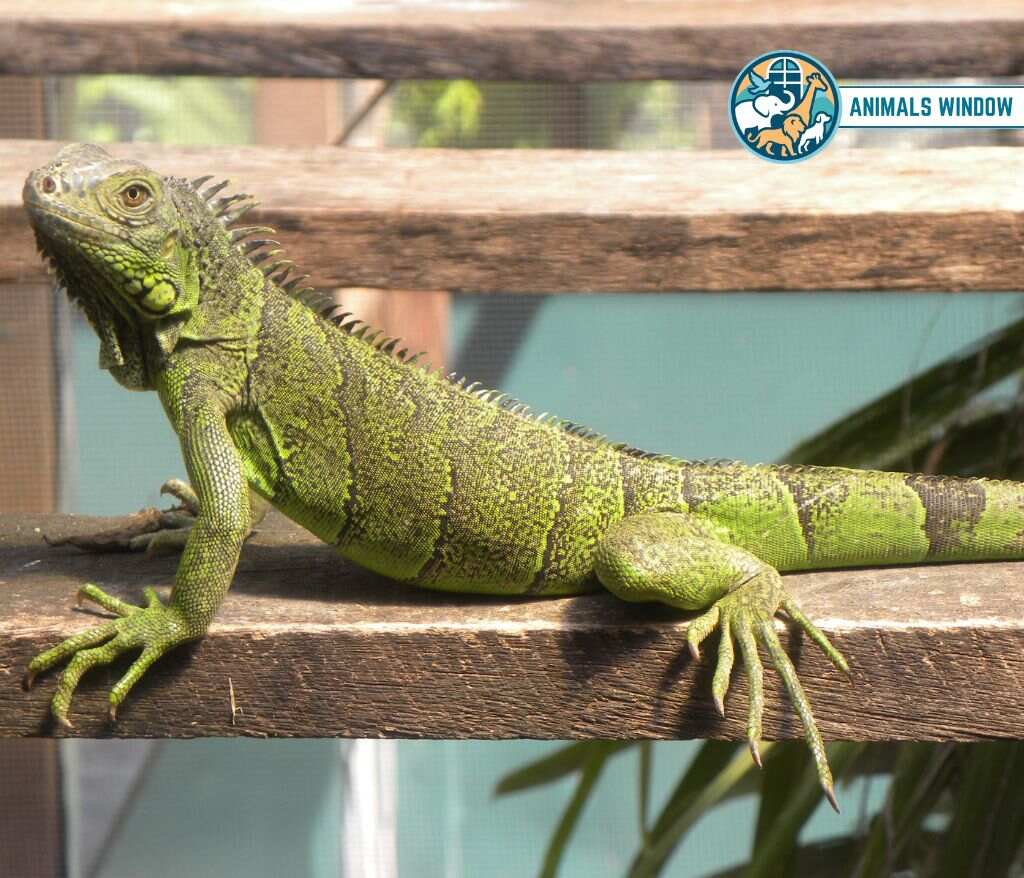
The green iguana is covered in small, slightly rough scales, but the most interesting scales run down its spine — a row of sharp, elongated spines called dorsal scales. These can be up to 2 inches long and are used for temperature regulation and display.
Here’s the surprising part: green iguanas have a third eye on top of their skull. It’s called the parietal eye, and it can detect changes in light and shadow. It doesn’t see images like a normal eye, but it helps the iguana notice birds of prey flying above — even while it’s looking straight ahead.
🔥 Comparison Fact: A full-grown green iguana is about as long as a baseball bat, tail included.
6. Gila Monster
- Scientific name: Heloderma suspectum
- Size: 18–22 inches
- Weight: 3–5 lbs
- Diet: Bird eggs, small mammals, lizard eggs
- Habitat: Mojave and Sonoran deserts of the American Southwest
- Lifespan: 20–30 years
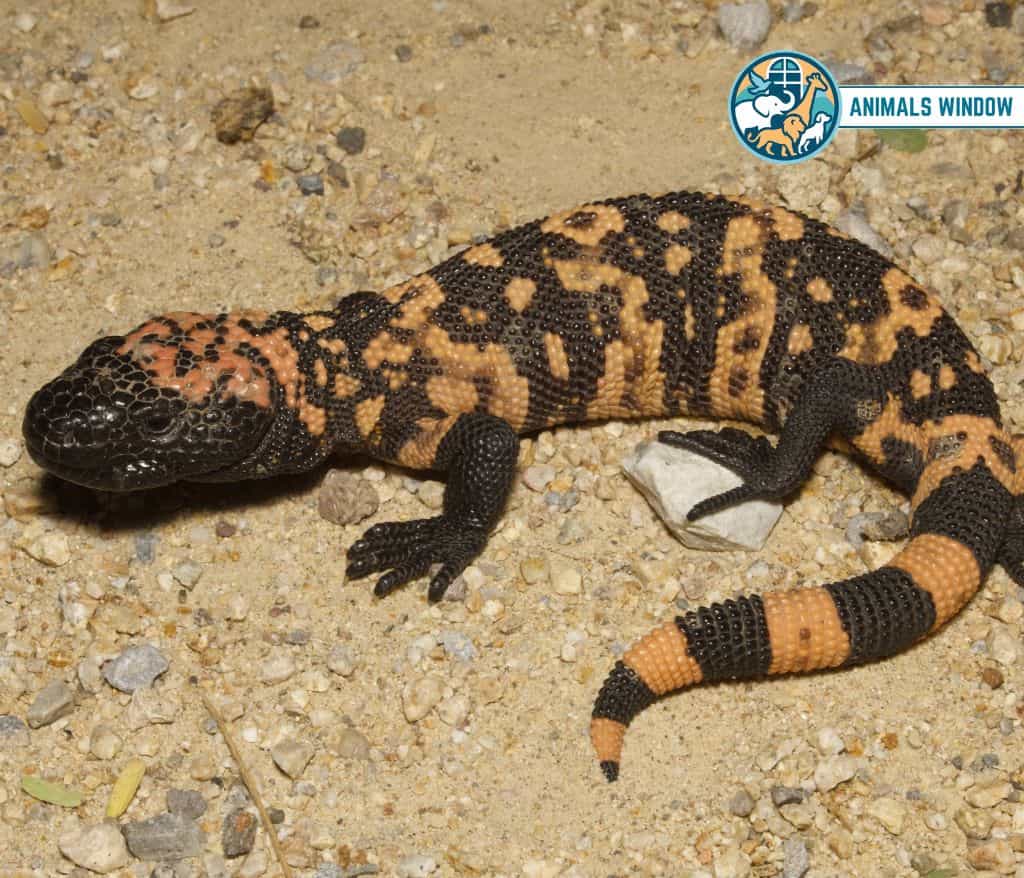
The Gila monster is one of only two venomous lizards native to the United States. Its scales aren’t smooth — they’re bead-like, round, and packed tightly together like colorful pebbles. This texture is called osteoderms, meaning small bones are embedded inside each scale.
It doesn’t inject venom like a snake. It chews. As it holds down prey, venom flows from glands in its lower jaw along grooves in its teeth. But here’s the surprising part: a compound from Gila monster saliva was used to develop a real diabetes drug (exendin-4). Its slow metabolism lets it survive on just 3–4 large meals a year.
🔥 Comparison Fact: A Gila monster weighs about the same as a large can of paint — roughly 4 lbs.
7. Monitor Lizard
- Scientific name: Varanus komodoensis (Komodo Dragon)
- Size: 6–10 feet (Komodo)
- Weight: 150–200 lbs
- Diet: Deer, pigs, carrion, smaller animals
- Habitat: Indonesian islands — Komodo, Rinca, Flores
- Lifespan: Up to 30 years
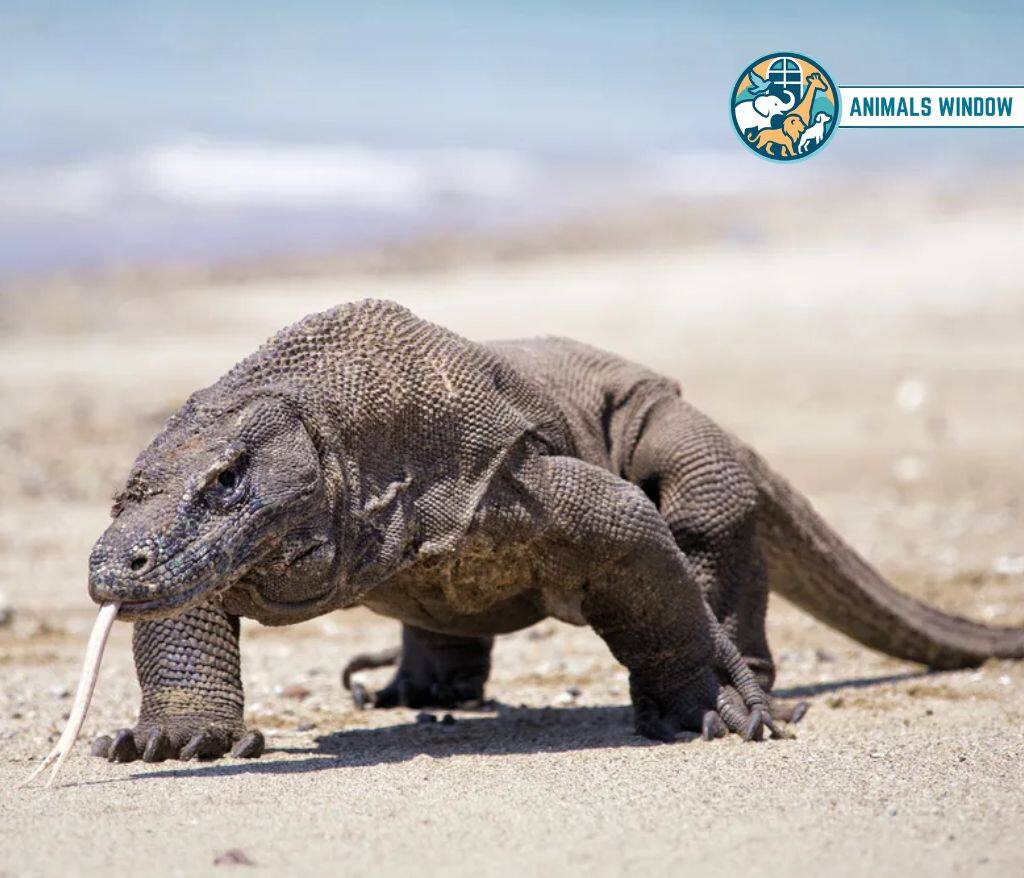
The Komodo dragon’s skin looks armored because it is. Each scale contains a tiny bone called an osteoderm, and thousands of these bony scales link together to form a kind of chain-mail suit. Recent studies showed that adult Komodos actually reinforce their own skulls with extra osteoderm layers as they age.
What stands out is its forked tongue. It flicks out constantly to collect airborne scent molecules, which are then processed by an organ in the roof of its mouth called the Jacobson’s organ. It can detect a carcass from up to 6 miles away using this system.
🔥 Comparison Fact: A large Komodo dragon weighs about the same as an adult male lion — around 150–200 lbs.
8. Chameleon
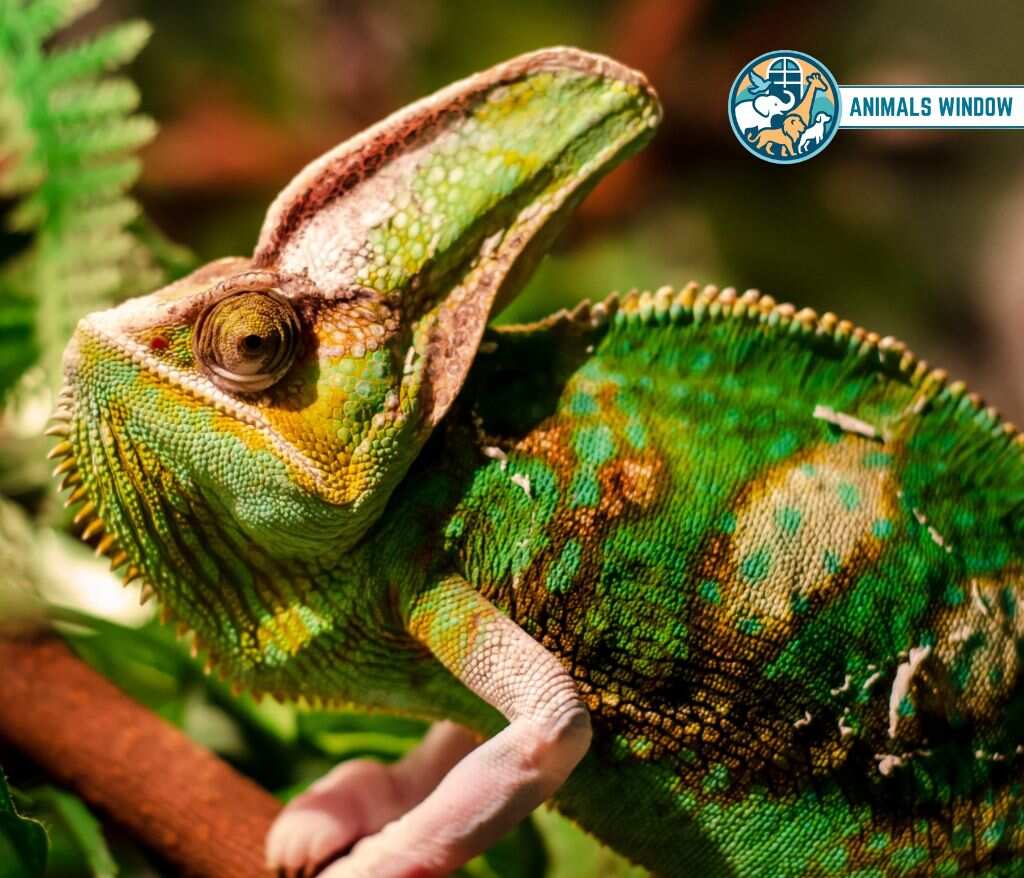
- Scientific name: Chamaeleo calyptratus (Veiled Chameleon)
- Size: 14–24 inches
- Weight: 3.5–6 oz
- Diet: Insects, some vegetation
- Habitat: Yemen, Saudi Arabia — mountainous forests
- Lifespan: 5–8 years
Chameleons don’t change color to match their background — that’s a popular misconception. They change color based on temperature, light, and mood. The scales themselves don’t contain pigment. Instead, a layer of cells called iridophores contains tiny nanocrystals. The chameleon stretches or relaxes these cells, changing the spacing of the crystals, which changes the wavelength of light they reflect.
An excited male turns bright yellow and green. A cold chameleon turns dark to absorb more heat. A stressed one goes black. The scales are the canvas, but nanocrystal physics does the painting.
🔥 Comparison Fact: A veiled chameleon weighs less than a golf ball — about 4 ounces.
9. American Alligator
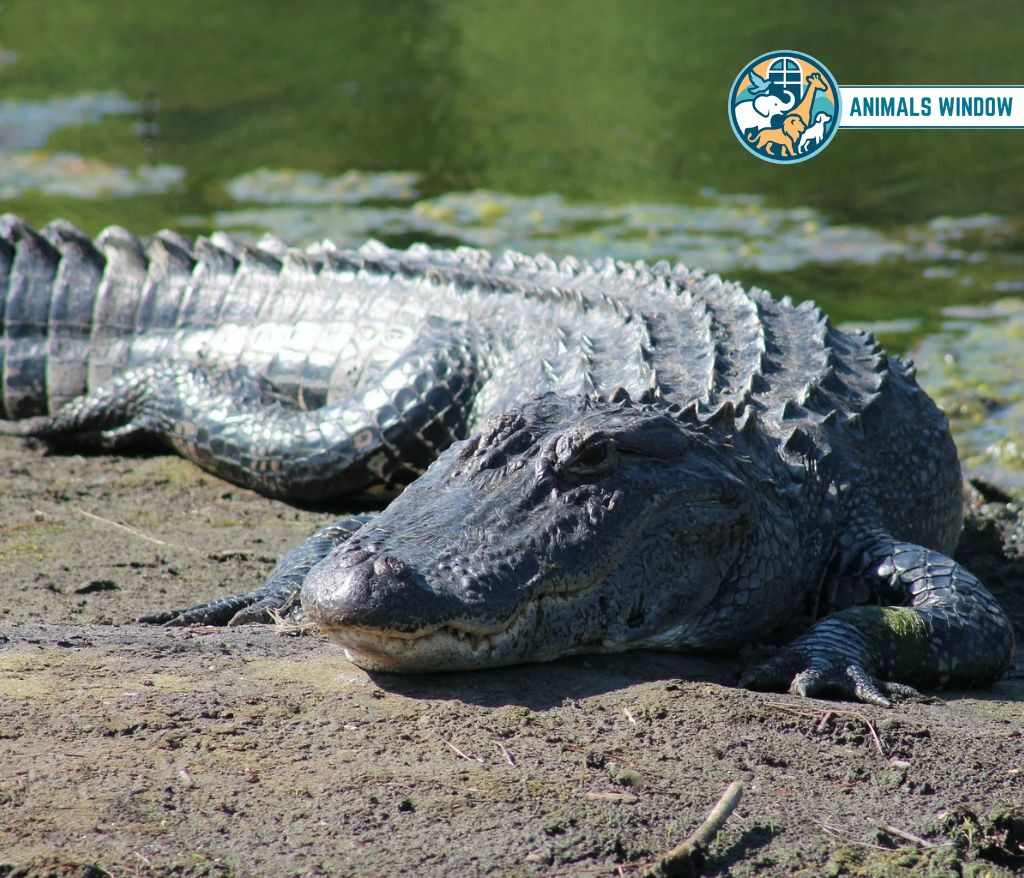
- Scientific name: Alligator mississippiensis
- Size: 8–15 feet
- Weight: 400–800 lbs
- Diet: Fish, turtles, mammals, birds
- Habitat: Southeastern United States — freshwater marshes, rivers, lakes
- Lifespan: 35–50 years
The American alligator’s scales are called scutes, and the ones running down its back are infused with bone. These bony scutes are called osteoderms, and they act as solar panels — absorbing heat during the day to regulate body temperature. Along the jaw, tiny black dots visible between scales are pressure-sensing organs that detect ripples in water, helping the alligator locate prey even in murky conditions.
Alligators survived the mass extinction event that wiped out non-avian dinosaurs 66 million years ago. Their body plan has barely changed in 37 million years. That’s not luck. That’s an extremely efficient design.
🔥 Comparison Fact: A large male alligator is about as long as a mid-sized SUV.
10. Crocodile
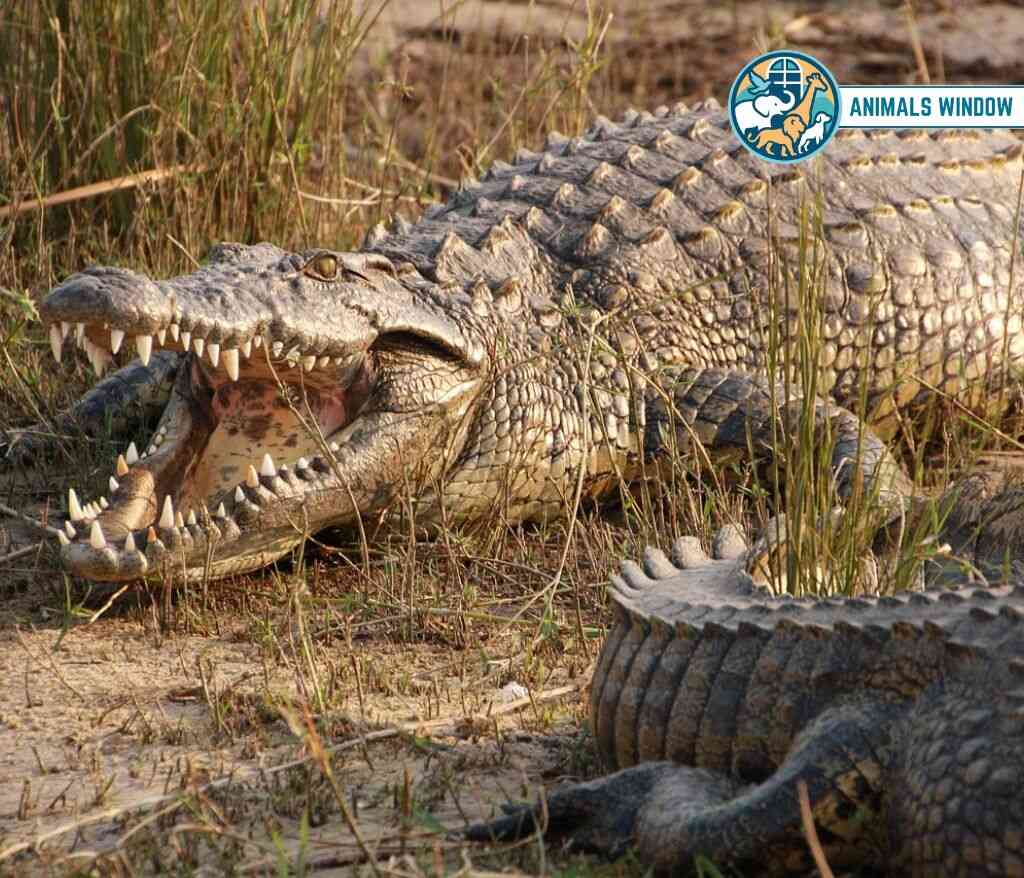
- Scientific name: Crocodylus niloticus (Nile Crocodile)
- Size: 11–20 feet
- Weight: 500–1,650 lbs
- Diet: Fish, zebras, wildebeest, buffalo
- Habitat: Sub-Saharan Africa — rivers, lakes, estuaries
- Lifespan: 45–75 years
The Nile crocodile has the most powerful bite force ever measured in a living animal — around 3,700 psi. A lion’s bite is about 650 psi by comparison. But despite this jaw strength, the muscles that open the jaw are surprisingly weak. A person can hold a crocodile’s mouth shut with their bare hands.
Scattered across the scales of a crocodile’s face and body are tiny sensory pits called integumentary sense organs (ISOs). These are pressure and ion-detecting receptors so sensitive that a crocodile can feel a single raindrop falling on the surface of water from 30 feet away.
🔥 Comparison Fact: The largest Nile crocodiles are as long as a full-size pickup truck.
11. Tuatara
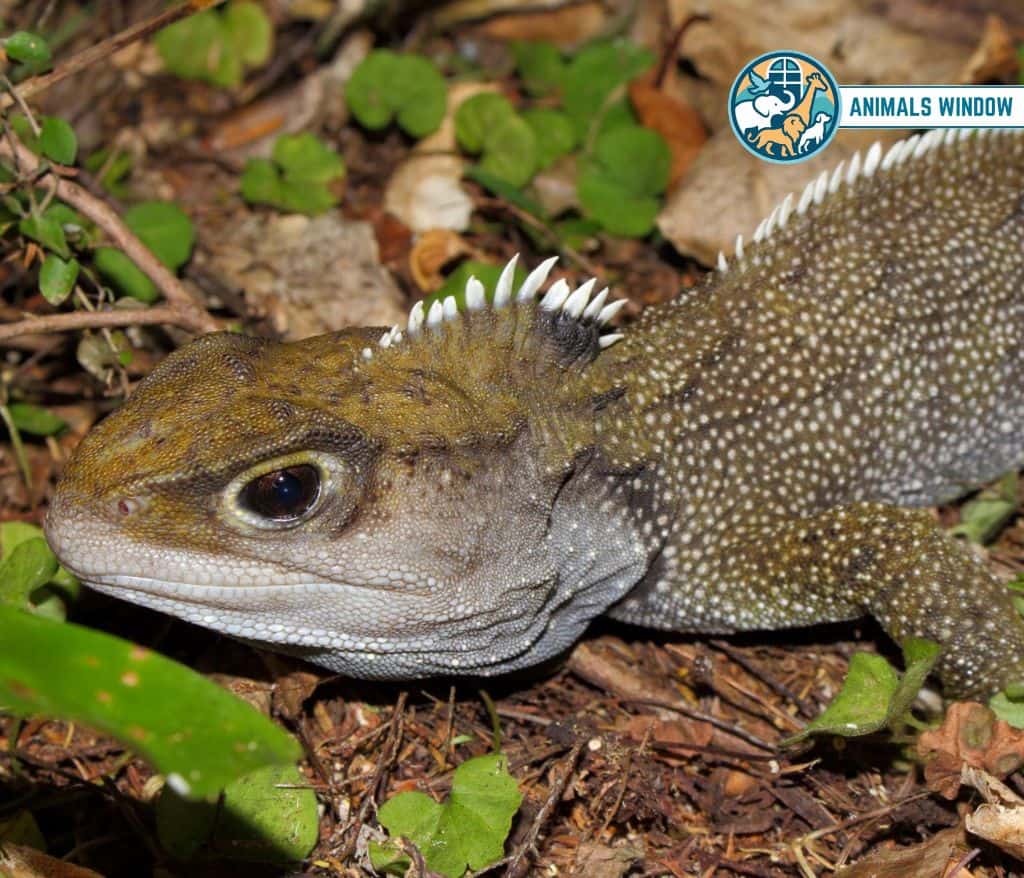
- Scientific name: Sphenodon punctatus
- Size: 12–24 inches
- Weight: 1–2.2 lbs
- Diet: Beetles, spiders, small lizards, bird eggs
- Habitat: New Zealand — coastal forests and offshore islands
- Lifespan: Over 100 years
The tuatara looks like a lizard but isn’t one. It’s the only surviving member of the order Rhynchocephalia — an entire group of reptiles that was wiped out everywhere else on Earth. Its lineage goes back over 200 million years, making it older than most dinosaur species.
What’s truly strange is its metabolism. A tuatara can survive at body temperatures as low as 41°F — cold enough to make most reptiles completely inactive. It also has a third eye on its forehead, visible in young tuataras and used to detect light seasonally. Its scales are smooth and muted, unlike flashy lizards, but serve as perfect camouflage in rocky grassland.
🔥 Comparison Fact: A tuatara weighs about as much as a large avocado.
12. Tortoise
- Scientific name: Geochelone elegans (Indian Star Tortoise)
- Size: 6–15 inches
- Weight: 3–13 lbs
- Diet: Grasses, succulents, fallen fruit
- Habitat: Dry grasslands of India and Sri Lanka
- Lifespan: 80–100+ years
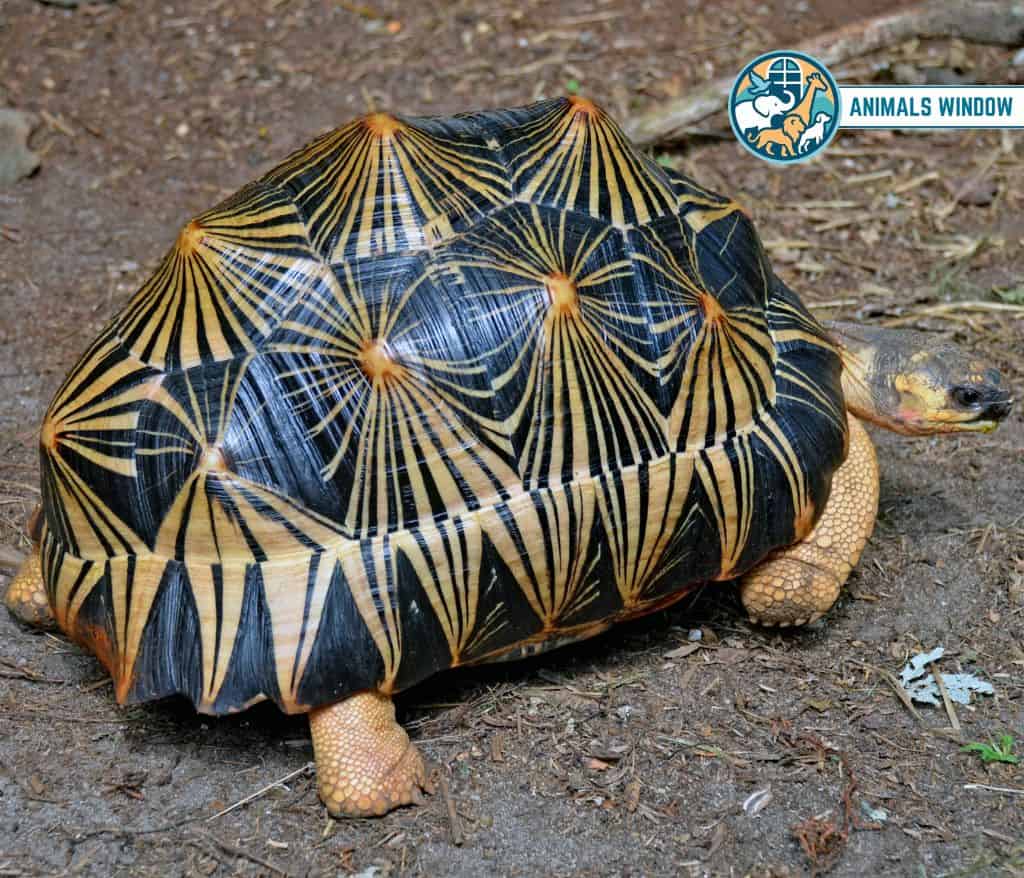
Most people think a tortoise’s shell is a separate structure. It’s actually fused to the spine and ribcage — you couldn’t remove it any more than you could remove your own ribcage. The top part (carapace) is covered in scutes, which are scale-like plates made of keratin sitting over bone.
The star tortoise’s scutes form a stunning geometric pattern — dark brown with yellow star shapes. But this isn’t just decoration. In tall dry grass, that pattern breaks up the tortoise’s outline perfectly. From above, it disappears. The scaly surface also slows moisture loss in scorching dry heat, acting as a seal against dehydration.
🔥 Comparison Fact: An Indian star tortoise weighs about the same as a bag of sugar — roughly 5–6 lbs.
13. Great White Shark
- Scientific name: Carcharodon carcharias
- Size: 15–20 feet
- Weight: 1,500–2,450 lbs
- Diet: Fish, seals, sea lions, dolphins
- Habitat: Coastal and open ocean worldwide — especially South Africa, California, Australia
- Lifespan: 70+ years
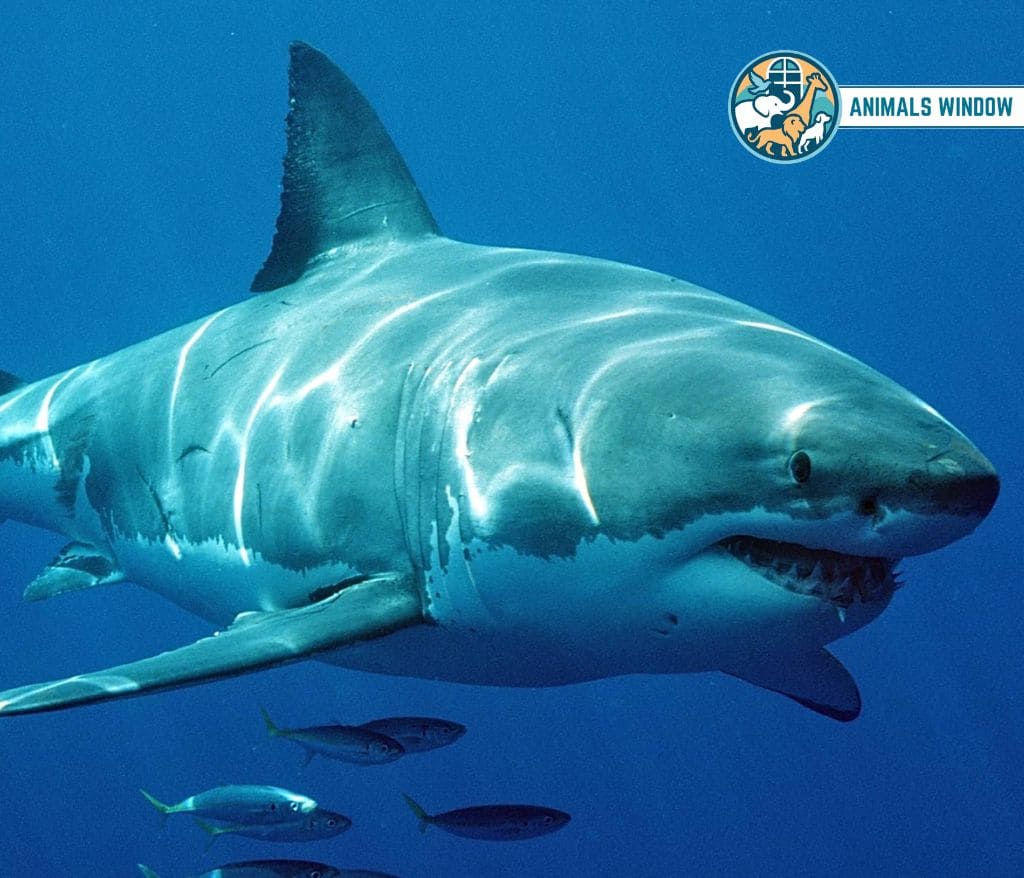
Sharks don’t have scales like fish do. Instead, their skin is covered in dermal denticles — tiny tooth-like structures. They’re actually made of the same material as teeth: enamel, dentin, and a pulp cavity. Run your hand from tail to head on a shark and it feels like sandpaper. Run it the other way and it feels smooth — because the denticles all point backward.
These denticles reduce drag by channeling water flow in turbulent micro-channels around the body. Engineers have literally copied this texture for competition swimsuits. A great white’s skin is a working piece of hydrodynamic engineering that took millions of years to develop.
🔥 Comparison Fact: A great white shark is roughly as long as two average-sized sedans parked bumper to bumper.
14. Goldfish
- Scientific name: Carassius auratus
- Size: 1–14 inches
- Weight: 0.2–9.9 lbs
- Diet: Algae, insects, small crustaceans
- Habitat: Slow-moving freshwater — ponds, lakes, rivers (originally East Asia)
- Lifespan: 10–15 years (up to 20+ in ideal conditions)
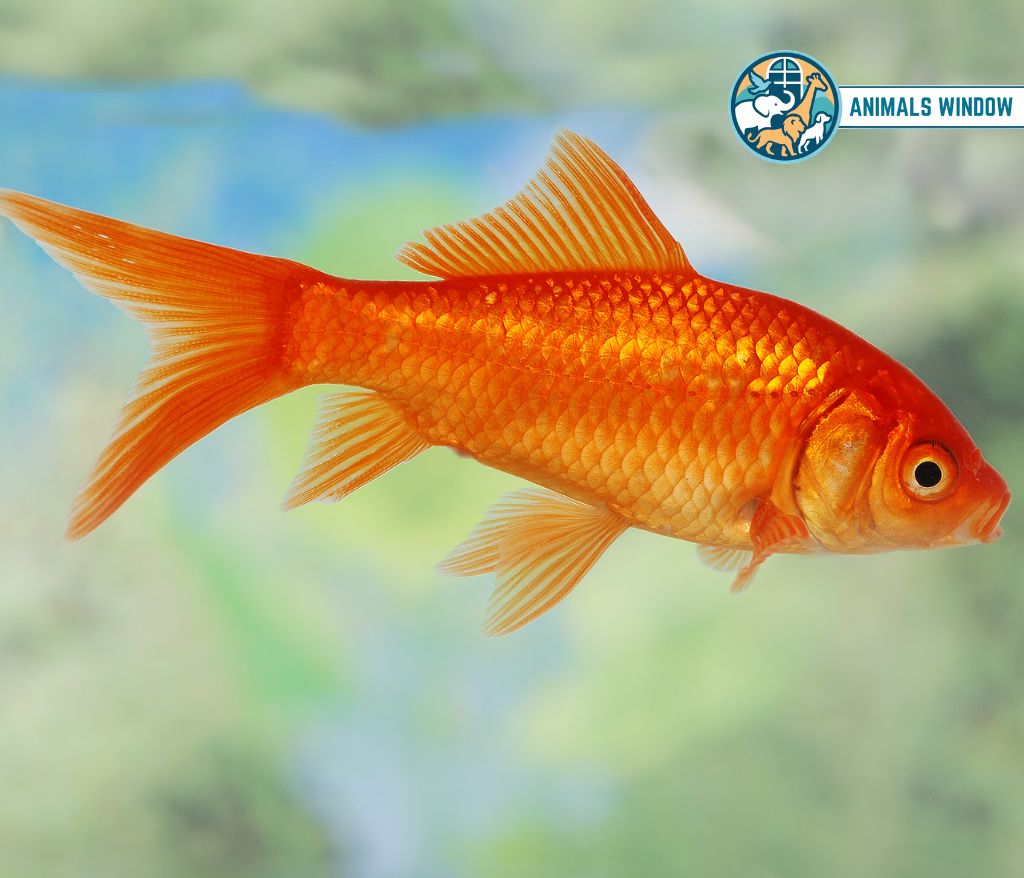
A goldfish doesn’t keep the same scales its whole life — but the scales it does have grow with it. Each scale lays down a new ring every year, just like a tree. Count the rings under a microscope and you can tell a goldfish’s age exactly. This is called scale aging or scalimetry.
The scales also respond to environmental stress. Overcrowding, poor water quality, or illness can leave narrow, compressed rings — a permanent biological record of hard times written into the fish’s scales.
🔥 Comparison Fact: A full-grown common goldfish in a large pond can reach the length of a standard television remote control — about 12–14 inches.
15. Common Carp
- Scientific name: Cyprinus carpio
- Size: 12–31 inches
- Weight: 2–31 lbs
- Diet: Algae, invertebrates, plant matter
- Habitat: Freshwater lakes, rivers, and ponds across Europe, Asia, and worldwide (introduced)
- Lifespan: 20–47 years
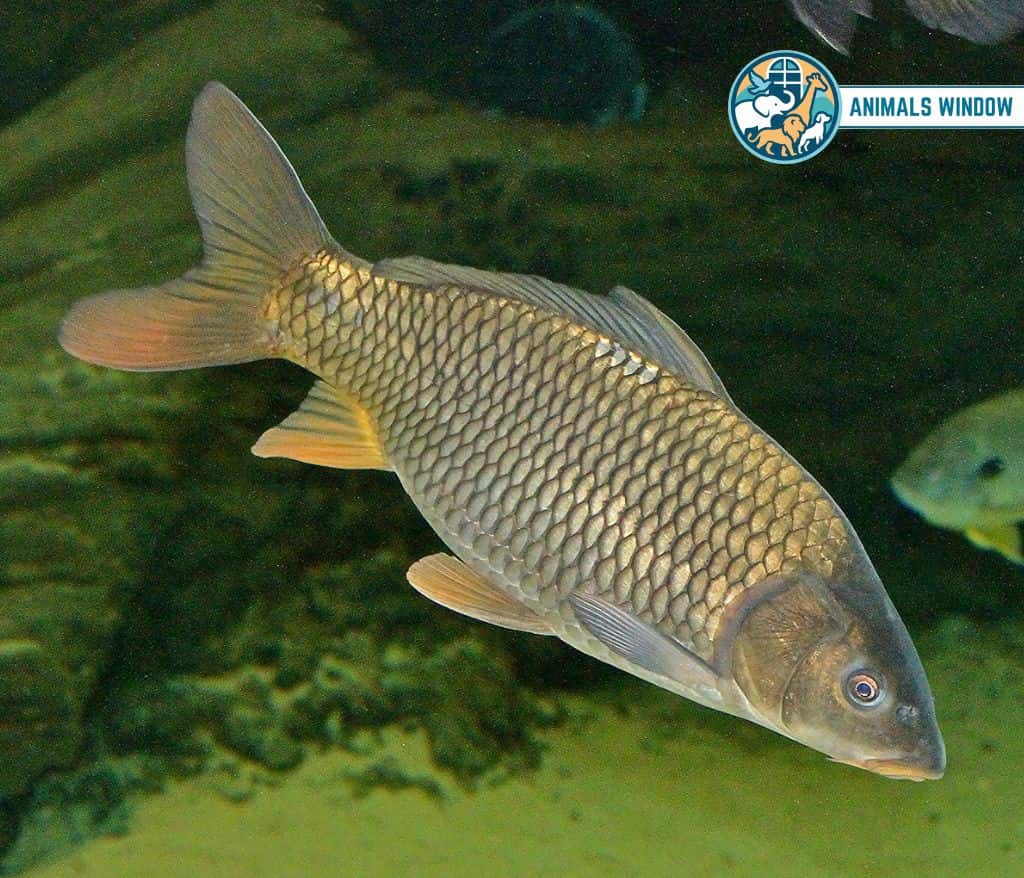
Common carp have large, overlapping scales that serve as mirrors in murky water. When a predator approaches, the flash of light reflecting off the carp’s scales confuses the attacker and signals nearby fish of danger — a passive alarm system built into its skin.
What stands out is the lateral line — a channel of sensory scales running from head to tail along both sides. These scales have tiny pores connected to fluid-filled canals. They detect pressure changes in water so precisely that a carp knows a fish is swimming nearby before it can see it. It essentially “feels” the entire water column around it.
🔥 Comparison Fact: Large wild carp can reach weights of 30+ lbs — roughly the same as a toddler.
16. Butterfly
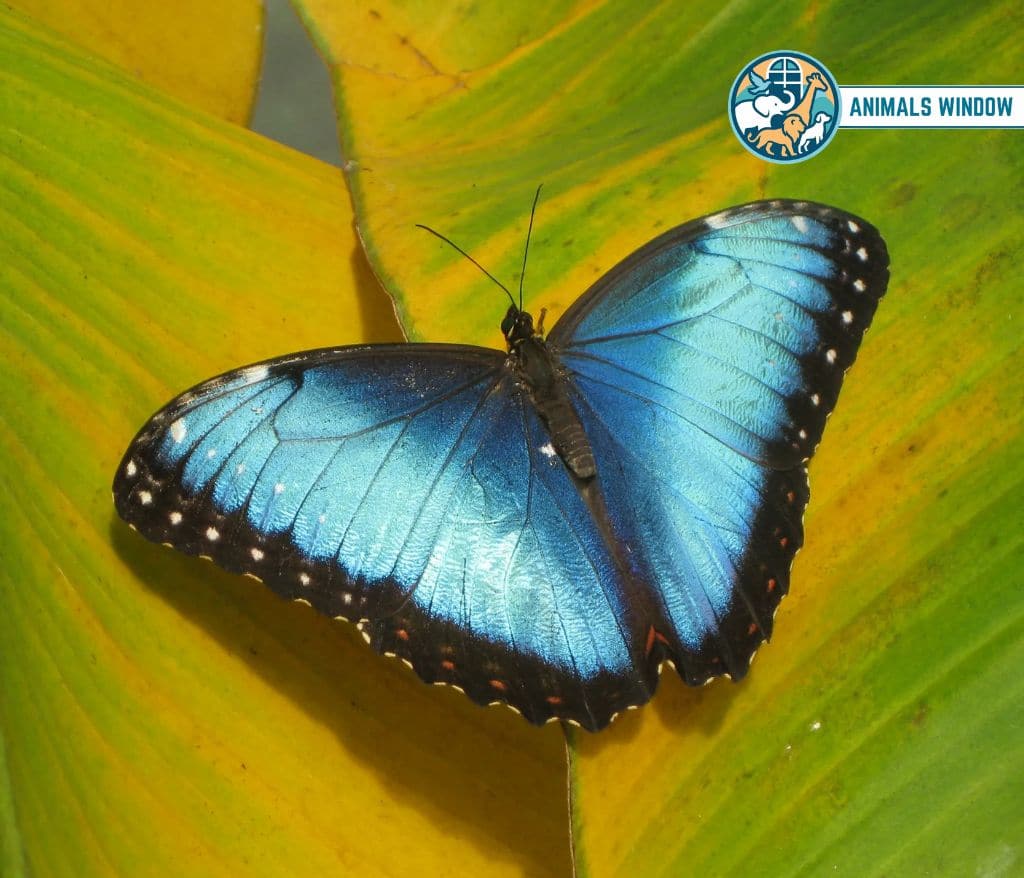
- Scientific name: Morpho menelaus (Blue Morpho Butterfly)
- Size: 5–8 inch wingspan
- Weight: Less than 1 gram
- Diet: Rotting fruit, tree sap (adult); leaves (caterpillar)
- Habitat: Tropical rainforests of Central and South America
- Lifespan: 2–3 weeks as an adult
A butterfly’s wings are made of millions of tiny, overlapping scales made of chitin — the same material as an insect’s exoskeleton. These scales aren’t flat. On the Blue Morpho, they’re ridged and layered in a precise nanostructure that creates what scientists call structural color. There is no blue pigment in the wing at all. The brilliant blue comes entirely from light being scattered by the physical structure of the scales.
This is why the Blue Morpho flickers from electric blue to dull brown as it flies — the color only appears at certain viewing angles. Researchers are now copying this structure to create paints and displays that never fade, because there’s no pigment to break down.
🔥 Comparison Fact: The scales on a Blue Morpho’s wing are so tiny that 200 of them fit inside a single millimeter.
17. Moth
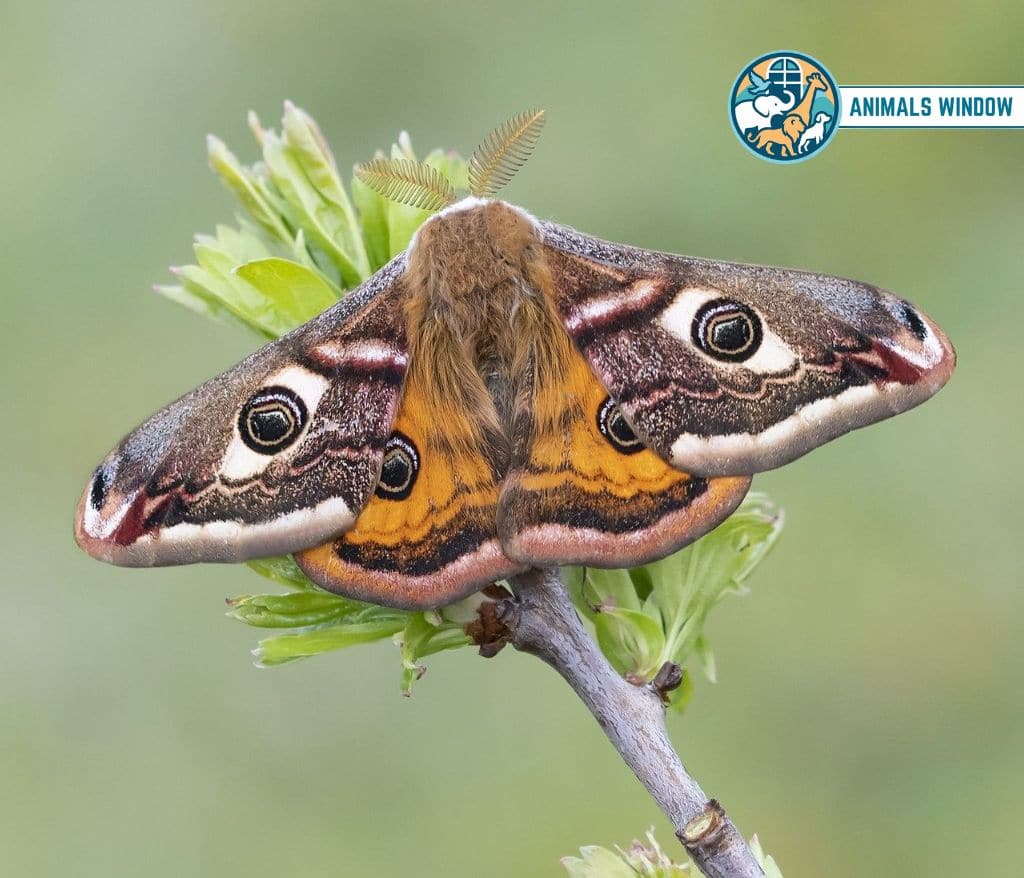
- Scientific name: Saturnia pavonia (Emperor Moth)
- Size: 2.3–3.1 inch wingspan
- Weight: Under 1 gram
- Diet: Heather, bramble, hawthorn (caterpillar); nothing as an adult — it has no mouth
- Habitat: Heathlands and moorlands of Europe
- Lifespan: Adults live less than 2 weeks
Moths seem like boring butterflies. But the Emperor moth has one of the most remarkable acoustic defense systems in nature. Its wing scales — dense, powdery, and loosely attached — absorb ultrasonic sound waves. Specifically, the sound frequencies that bats use to hunt.
When a bat sends out an echolocation pulse, most of that energy reflects back off prey. But a moth’s scales trap and absorb up to 85% of the signal. The bat’s radar essentially gets jammed by the moth’s wing surface. This has been confirmed in lab studies using acoustic measurements at 20–160 kHz ranges.
🔥 Comparison Fact: An Emperor moth’s wingspan is roughly the same width as a large matchbox.
18. Chicken
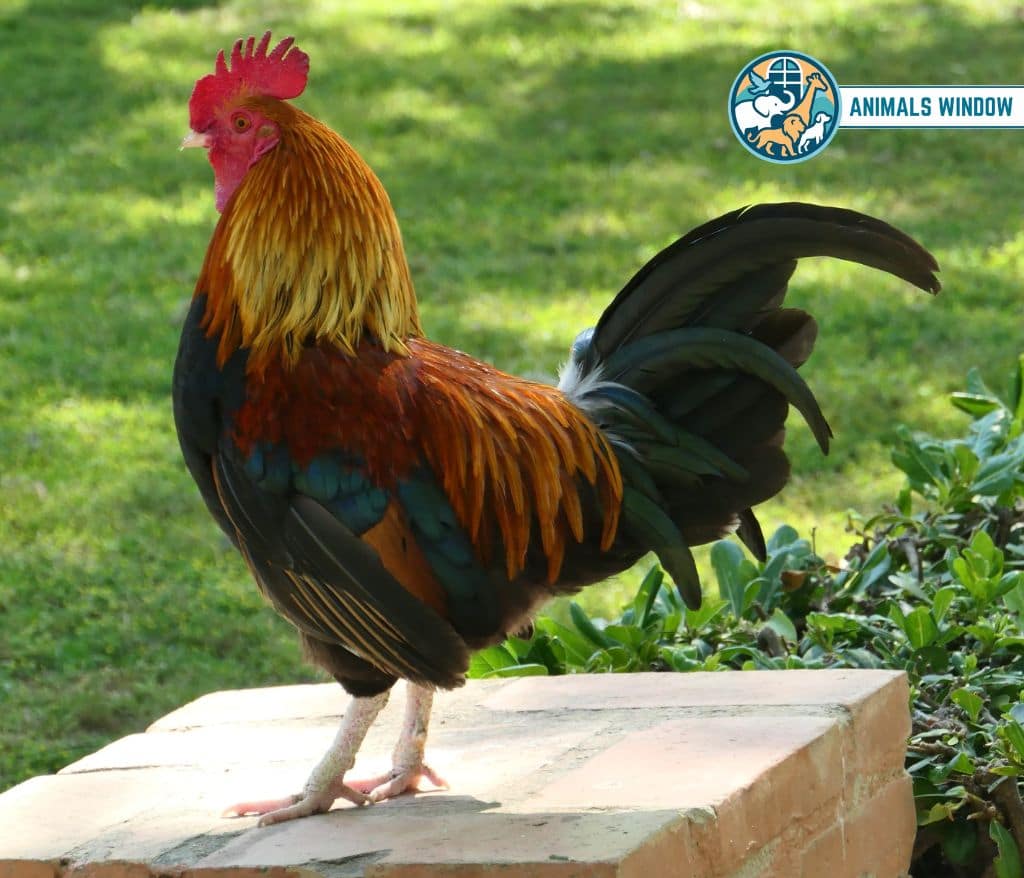
- Scientific name: Gallus gallus domesticus
- Size: 12–27 inches
- Weight: 4–10 lbs (varies by breed)
- Diet: Seeds, insects, grain, vegetables
- Habitat: Domestic — originally Southeast Asian jungle
- Lifespan: 5–10 years
Most people don’t think of chickens as scaly animals. But look at a chicken’s feet and lower legs. The overlapping scales there are made of keratin and are structurally identical to reptile scales. That’s not a coincidence — birds are living dinosaurs, and their foot scales are direct evolutionary inheritance from theropod dinosaurs like Velociraptor.
In 2015, researchers actually switched a gene in chicken embryos and the scales on their feet transformed into feathers. The genetic control system is that close to the surface. So every time a chicken scratches at the ground, it’s doing so on scaled feet that haven’t changed much in over 100 million years.
🔥 Comparison Fact: A standard domesticated chicken weighs about the same as a large laptop bag — roughly 5–7 lbs.
19. Caecilian
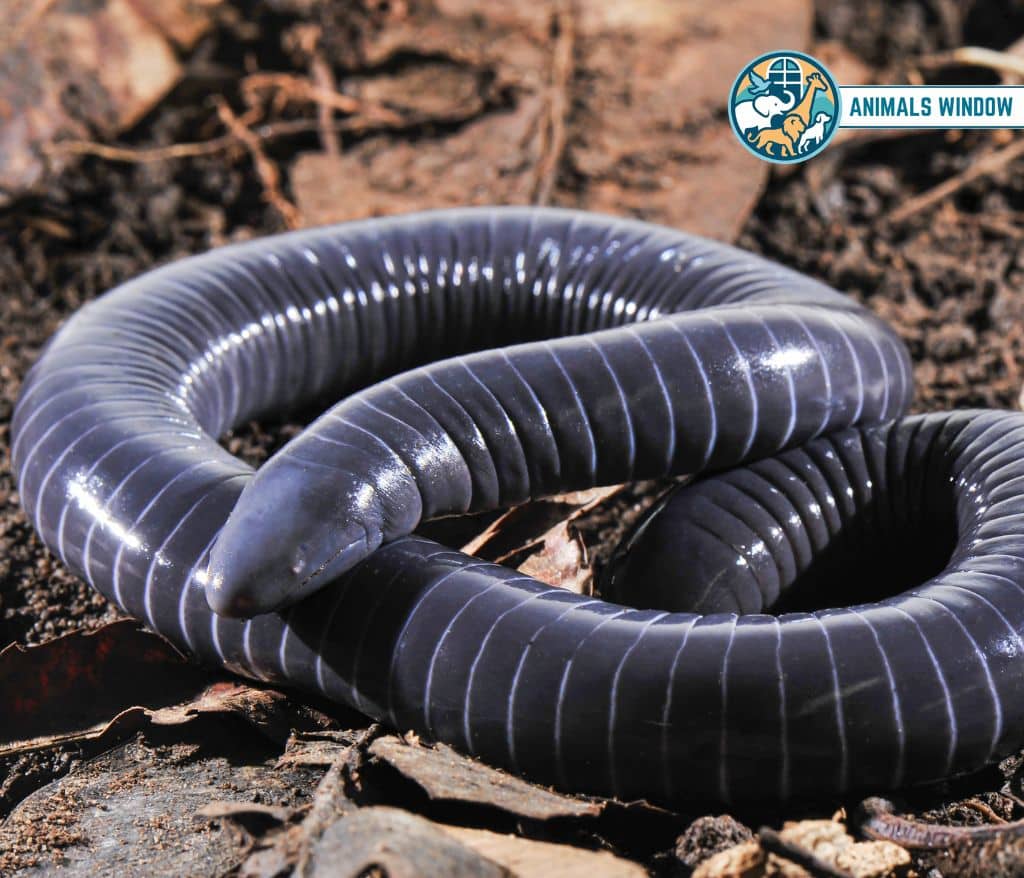
- Scientific name: Gymnopis multiplicata
- Size: 4–60 inches (varies widely by species)
- Weight: A few ounces to about 2 lbs
- Diet: Earthworms, termites, small vertebrates
- Habitat: Tropical forests of Central America, South America, Africa, South Asia — underground and in streams
- Lifespan: Estimated 10–15 years
Caecilians look exactly like large earthworms. They have no legs, no visible eyes, and burrow underground. Most people have never heard of them. But they’re amphibians — relatives of frogs and salamanders. And some species carry a secret: they have tiny scales hidden inside folds of their skin.
These are not surface scales like a fish. They sit in small pockets beneath the outer skin layer — dermal scales that are thought to be a leftover trait from early tetrapod evolution. They serve little function now, but they’re direct biological evidence connecting modern amphibians to ancient scaled ancestors. It’s essentially evolution’s rough draft, still present but nearly invisible.
🔥 Comparison Fact: The largest caecilians (like Caecilia thompsoni) can reach 5 feet — about as long as a standard bathtub.
20. Sea Mouse
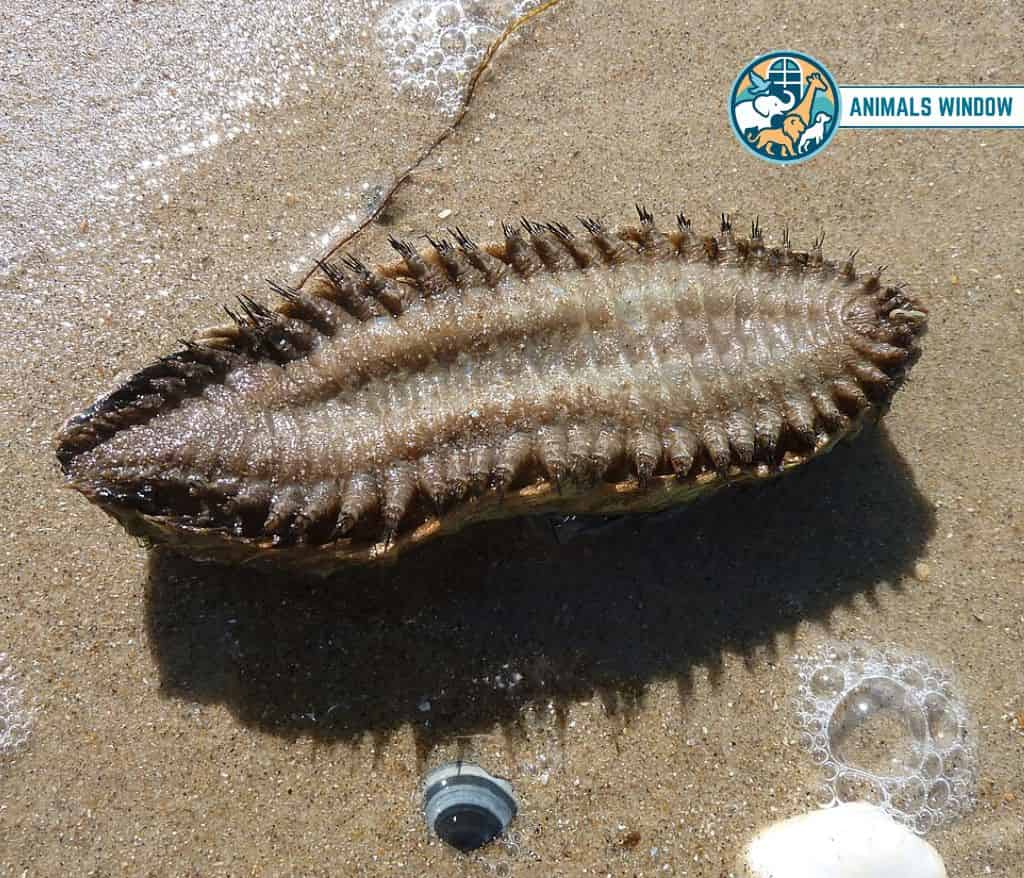
- Scientific name: Aphrodita aculeata
- Size: 3–8 inches
- Weight: Under 1 oz
- Diet: Smaller worms, bottom-dwelling invertebrates
- Habitat: Atlantic Ocean and Mediterranean Sea — muddy seafloor, depths up to 3,000 feet
- Lifespan: Unknown — rarely observed in the wild
The sea mouse is not a mouse. It’s a marine worm. And it doesn’t technically have scales — it has iridescent bristles called chaetae that cover its back like a fuzzy mat. Up close, these bristles function like fiber optic cables. Each one is a hollow photonic crystal tube that guides and manipulates light, producing a shifting rainbow of colors — red, green, and blue — that changes with the viewing angle.
Scientists at the University of Bath studied these bristles and found they use a more sophisticated light-channeling structure than anything humans had engineered at the time. The sea mouse lives in deep mud, away from light — which is why these light-bending structures are so puzzling. One theory is they’re used to deter predators by flashing unexpected colors in the dark.
🔥 Comparison Fact: A sea mouse is about the size of a large matchbox — 3 to 8 inches long and roughly 2 inches wide, shaped like a stubby oval.
FAQ’s Animals with Scales
Q: What is the only mammal that has scales?
The pangolin is the only mammal in the world with true scales. Its scales are made of keratin and cover its entire body, including its tail.
Q: Do all reptiles have scales?
Yes. All reptiles have some form of scales or scale-derived structures. Snakes, lizards, crocodilians, turtles, and the tuatara all have scales. The texture, shape, and thickness vary enormously between groups.
Q: Are fish scales and reptile scales the same thing?
No. Fish scales grow from the skin and are made mostly of bone-like material and collagen. Reptile scales are folds or thickenings of the outer skin layer made of keratin. They have different origins and structures.
Q: Why do animals have scales?
Scales serve multiple purposes depending on the animal: protection from predators, moisture retention, heat absorption, camouflage, and in the case of snakes, traction for movement. Some scales even have sensory or acoustic functions.
Q: Can butterflies really have scales?
Yes. Butterfly and moth wings are covered in microscopic chitin scales. These scales create color (including structural color with no pigment), reduce water loss, and in moths, help absorb bat echolocation signals.
Related Animals Guides:
Trait Comparison: Scale Types vs Functions
| Scale Type | Found In | Material | Primary Function |
| Keratin scales | Pangolin, reptiles | Keratin protein | Armor, moisture retention |
| Dermal denticles | Sharks | Enamel + dentin (tooth material) | Drag reduction, protection |
| Bony scutes | Crocodiles, alligators | Bone + keratin | Armor, heat absorption |
| Fish scales (cycloid) | Goldfish, carp | Collagen + bone mineral | Hydrodynamics, predator flash-warning |
| Wing scales (chitin) | Butterflies, moths | Chitin | Structural color, echolocation absorption |
| Foot scales | Chickens | Keratin | Grip, evolutionary heritage |
| Hidden dermal scales | Caecilians | Calcified tissue | Vestigial — evolutionary remnant |
| Photonic bristles | Sea mouse | Hollow chitin crystals | Light manipulation (possible predator deterrence) |
| Osteoderms | Gila monster, monitors | Bone inside scale | Reinforced armor |
| Nanocrystal layers | Chameleon | Guanine crystals | Color change via light physics |

I have loved animals since I was a kid. I enjoy reading about how animals live, eat, move, and survive. I started Animals Window to share what I learn in a simple and easy way. I write about animal body parts, size, behavior, diet, habitats, and species. My goal is to make animal facts clear and fun for everyone to understand.