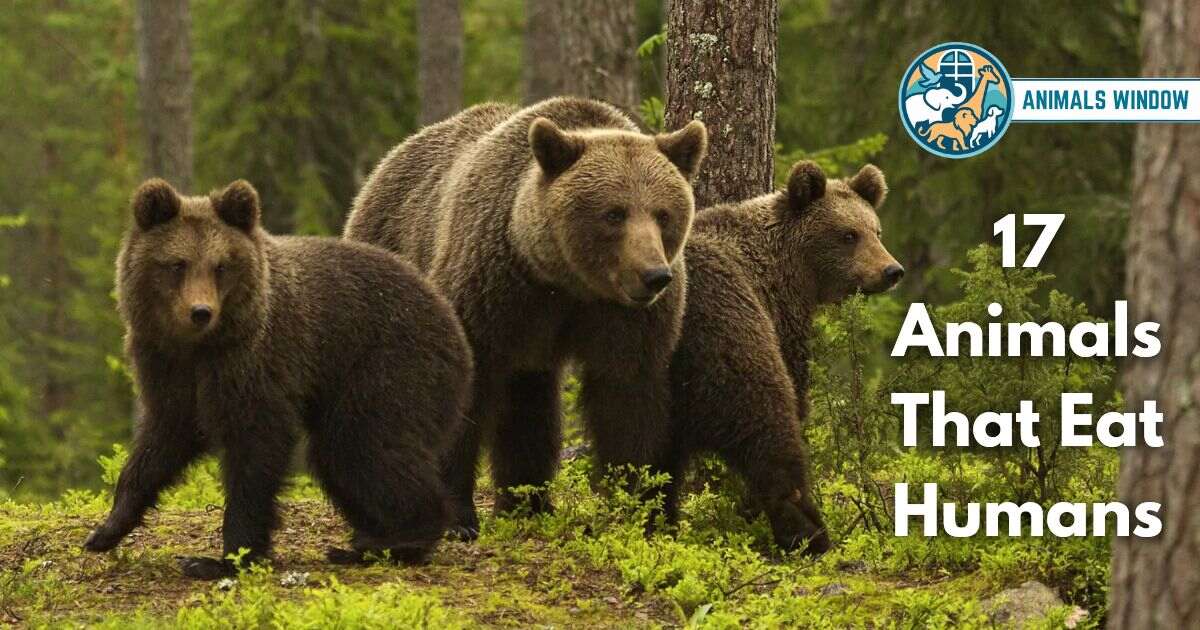
Several wild animals are known to hunt, kill, and eat humans. These include large predators like tigers, crocodiles, lions, sharks, and bears. While most attacks happen due to habitat overlap or desperation, some individuals become repeat man-eaters. The Nile crocodile and Bengal tiger are responsible for the highest number of confirmed human fatalities each year.
Table of Contents
Quick List: Animals That Eat Humans
- Bengal Tiger
- African Lion
- Leopard
- Nile Crocodile
- Saltwater Crocodile
- Polar Bear
- Spotted Hyena
- Grizzly Bear / Brown Bear
- American Black Bear
- Sloth Bear
- Gray Wolf
- Bull Shark
- Tiger Shark
- Oceanic Whitetip Shark
- Reticulated Python
- Komodo Dragon
- Red-Bellied Piranha
The Truth About Wild Animals That Hunt and Eat Humans
A single Bengal tiger in India once killed over 430 people before she was finally hunted down. She wasn’t attacking out of madness. She had learned that humans were easier prey than deer.
That’s the uncomfortable truth about man-eating animals. It’s rarely random. It’s learned behavior — and once an animal figures out that humans are slow, soft, and easy to catch, the pattern can repeat for years.
In this article, you’ll meet 17 real animals that eat humans. Some hunt in rivers. Some stalk villages at night. One can swallow a grown adult whole. And one — you might not expect — has flesh-dissolving saliva that slowly breaks down whatever it bites.
Stick around. This list gets more unsettling as you scroll.
1. Bengal Tiger

| Scientific Name | Panthera tigris tigris |
| Size | 8–10 feet long |
| Weight | 240–500 lbs |
| Diet | Deer, wild boar, water buffalo — and sometimes humans |
| Habitat | Indian subcontinent, mangrove forests, grasslands |
| Lifespan | 10–15 years in the wild |
The Bengal tiger is the most well-documented man-eating animal on Earth. It lives across India, Bangladesh, and Nepal — places where tiger territory and human villages overlap constantly. Most tigers avoid people. But some individuals, especially older or injured ones, shift to hunting humans because they can no longer chase fast prey.
What makes the Bengal tiger the deadliest? It’s patience. A man-eating tiger can shadow a village for weeks, learning patrol routes, watching habits, and then striking at the exact moment a person is alone. The Champawat Tiger, a tigress in early 1900s Nepal and India, killed 436 people — the highest human kill count ever confirmed for a single wild animal.
🔥 Comparison Fact: A Bengal tiger’s paw is roughly the size of a dinner plate. One swipe can break a human neck instantly.
2. African Lion

| Scientific Name | Panthera leo |
| Size | 5.6–8.2 feet long |
| Weight | 265–420 lbs |
| Diet | Wildebeest, zebra, buffalo — and occasionally humans |
| Habitat | Sub-Saharan Africa, grasslands, open woodland |
| Lifespan | 10–14 years in the wild |
The African lion is the only truly social big cat that hunts humans, and that group dynamic makes it far more dangerous. When a pride decides a human target is manageable, multiple lions coordinate the pursuit. Two lions in 1898 Tanzania — known as the Tsavo Man-Eaters — killed an estimated 35 construction workers over nine months, halting the Kenya-Uganda railway.
Here’s what most people miss: lions that eat humans often do so at night, targeting sleeping individuals in unfenced camps or rural areas. Their eyesight in darkness is roughly six times better than ours. By the time most victims realize what’s happening, the attack is already over.
🔥 Comparison Fact: An African lion’s jaw can generate around 650 PSI of bite force — enough to crush a bowling ball.
3. Leopard
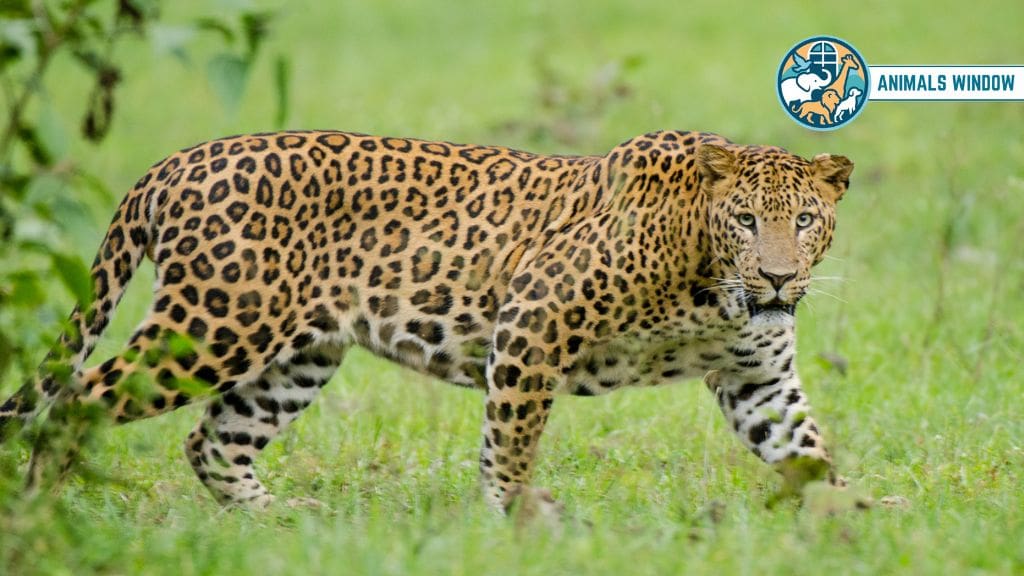
| Scientific Name | Panthera pardus |
| Size | 4.6–6.2 feet long |
| Weight | 66–176 lbs |
| Diet | Deer, monkeys, rodents — and humans in specific regions |
| Habitat | Africa, South Asia, dense forests and rocky hills |
| Lifespan | 12–17 years in the wild |
The leopard is pound for pound the most adaptable man-eater on this list. Unlike lions or tigers, it thrives near cities, farms, and dense human settlements. It’s also the only big cat that routinely carries its prey up into trees — including human victims — to keep them away from scavengers.
One leopard in India, known as the Panar Leopard, killed 400 people in the early 1900s. It operated mostly in hilly terrain where it could disappear between kills. What researchers later found is that once a leopard loses fear of humans, it becomes almost impossible to deter — it learns exit routes, avoids traps, and adjusts patterns when hunting pressure increases.
🔥 Comparison Fact: A leopard can carry prey nearly three times its own weight up a vertical tree — that includes an average-sized adult human.
4. Nile Crocodile
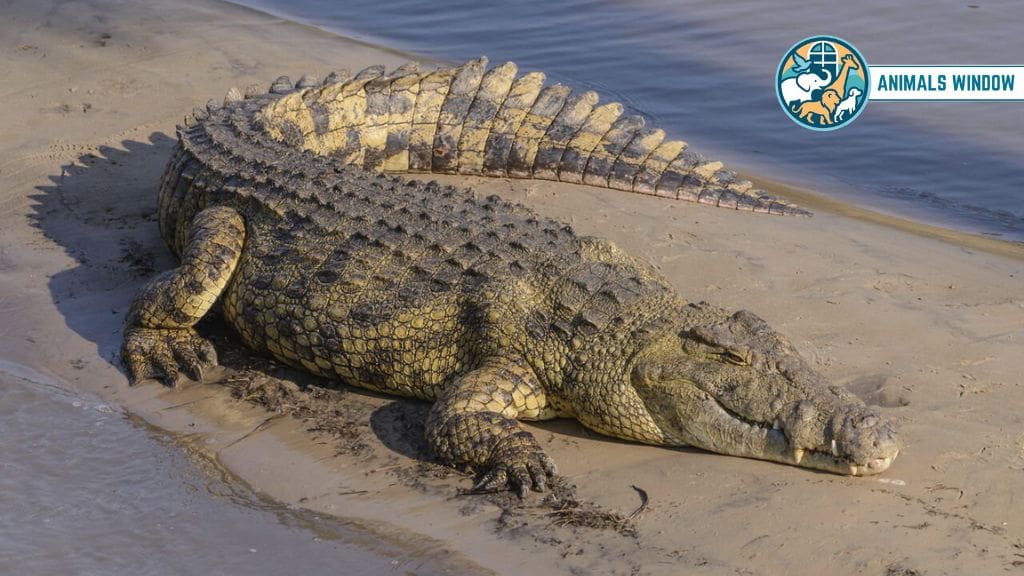
| Scientific Name | Crocodylus niloticus |
| Size | 11–16 feet long |
| Weight | 500–1,650 lbs |
| Diet | Fish, mammals, birds — and humans |
| Habitat | Sub-Saharan Africa, rivers, lakes, wetlands |
| Lifespan | 45–70 years |
If you’re asking what animal eats humans the most, the Nile crocodile is the honest answer. It kills an estimated 200–300 people per year, more than any other wild predator on land or water. It lives in the same rivers where millions of people bathe, fish, and collect water daily.
The Nile croc uses a technique called the death roll — it grabs prey, drags it underwater, and spins its body rapidly to tear off chunks of flesh. Humans caught in this have almost no way to escape. What’s particularly chilling is that crocodiles are ambush specialists. They can hold completely still in murky water for hours, looking like a floating log, then explode forward in a fraction of a second.
🔥 Comparison Fact: The Nile crocodile’s bite force reaches 5,000 PSI — that’s stronger than a car crusher at a scrapyard.
5. Saltwater Crocodile
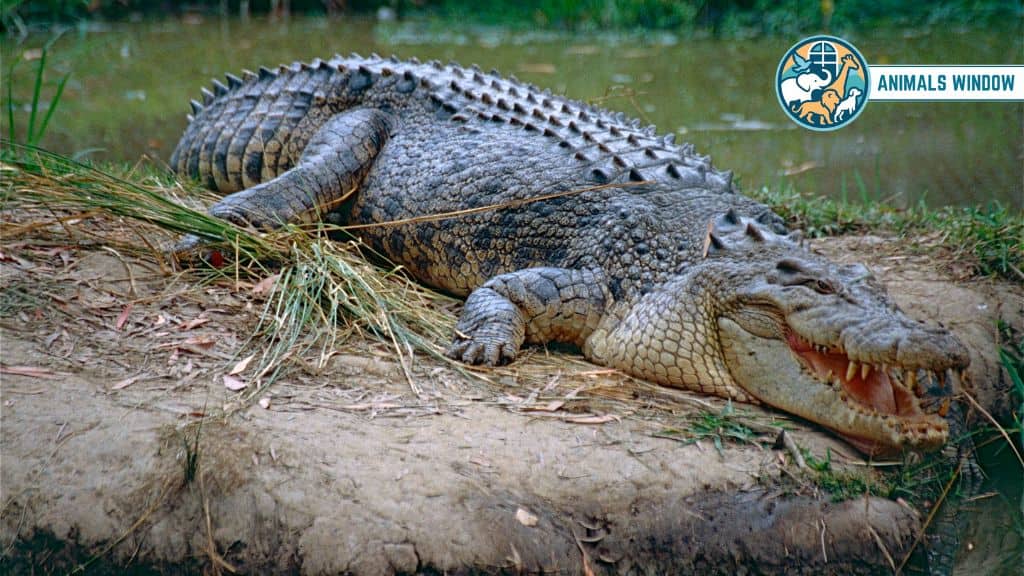
| Scientific Name | Crocodylus porosus |
| Size | 14–20 feet long |
| Weight | 880–2,200 lbs |
| Diet | Fish, buffalo, sharks — and humans |
| Habitat | Southeast Asia, Northern Australia, Pacific islands |
| Lifespan | 70+ years |
The saltwater crocodile is the largest living reptile on Earth. It makes the Nile croc look restrained. Saltwater crocs actively patrol territories and have been documented chasing people out of boats.
Unlike most predators that strike opportunistically, large saltwater crocs are genuinely territorial hunters — they treat humans entering their water as prey, not a threat.
During World War II, Japanese soldiers retreating through mangrove swamps in Burma were ambushed by saltwater crocs in what became known as the Battle of Ramree Island.
British troops reported that roughly 400 soldiers entered the swamp. Less than 20 came out. Crocs were blamed for most deaths. It remains the largest mass crocodile attack ever recorded.
🔥 Comparison Fact: A large saltwater croc is about the length of a full-size pickup truck and outweighs a grand piano by nearly 1,000 lbs.
6. Polar Bear

| Scientific Name | Ursus maritimus |
| Size | 7–9.8 feet long |
| Weight | 775–1,500 lbs |
| Diet | Seals, fish, walruses — and occasionally humans |
| Habitat | Arctic tundra, sea ice, coastal areas |
| Lifespan | 20–30 years |
The polar bear is unique among bears: it is the only species classified as a full-time carnivore, and it is the only bear that has been documented actively stalking humans like prey. While grizzlies usually attack defensively, polar bears will silently follow a person across sea ice for hours, treating them the same way they would a seal.
Researchers in the Arctic report that polar bears approach human camps with a focused, hunting posture — low, slow, and deliberate. This behavior is different from defensive aggression. It’s predatory. Climate change is making this worse, as reduced sea ice forces polar bears closer to human settlements, increasing contact and conflict.
🔥 Comparison Fact: A polar bear stands up to 11 feet tall on its hind legs — taller than a standard basketball hoop.
7. Spotted Hyena
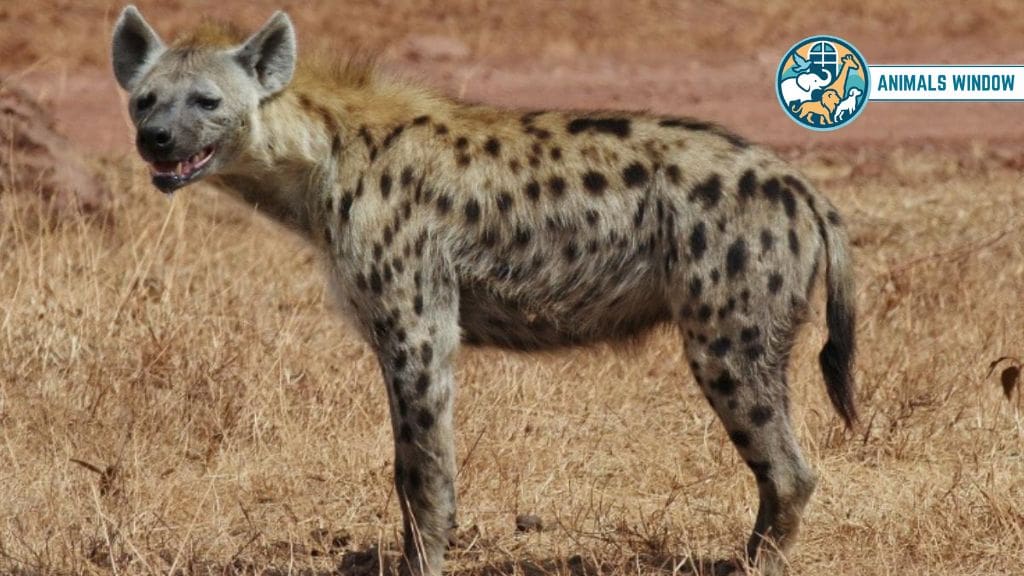
| Scientific Name | Crocuta crocuta |
| Size | 3.7–5.9 feet long |
| Weight | 88–190 lbs |
| Diet | Wildebeest, zebra, carrion — and sleeping humans |
| Habitat | Sub-Saharan Africa, open savanna, scrubland |
| Lifespan | 10–21 years in the wild |
The spotted hyena doesn’t get enough credit as a human predator. In Tanzania and Mozambique, hyenas regularly enter villages at night and drag sleeping people from their homes. They target children, the elderly, and anyone sleeping outside. And unlike most predators, they don’t stop at killing — hyenas consume everything, including bones, leaving almost no trace.
What makes this animal distinctly terrifying is its jaw power relative to body size. A spotted hyena can crush and swallow the thighbone of a cow. Their digestive system is so strong it can break down material that would poison most other animals.
In Ethiopia, some communities leave their dead for hyenas as part of tradition — proof of how embedded this animal’s role as a flesh-consuming scavenger-predator really is.
🔥 Comparison Fact: A spotted hyena’s bite force (1,100 PSI) rivals a crocodile’s — and exceeds a lion’s by nearly double.
8. Grizzly Bear / Brown Bear
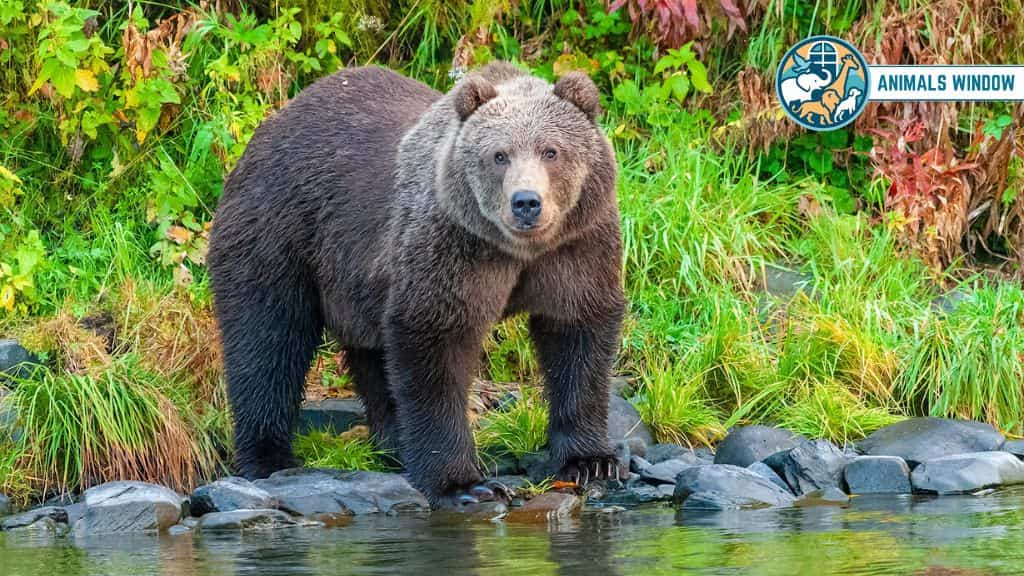
| Scientific Name | Ursus arctos horribilis |
| Size | 5–8 feet long |
| Weight | 400–790 lbs |
| Diet | Berries, fish, roots, elk — and occasionally humans |
| Habitat | North America, Russia, Northern Europe |
| Lifespan | 20–25 years |
Most grizzly attacks are defensive — a surprised mother, a bear protecting food. But some grizzlies eat their human victims after killing them. In Alaska and Canada, documented cases exist where grizzlies returned to cached human remains multiple times, the same way they store elk carcasses under dirt and brush for later feeding.
The grizzly’s front claws average four inches long — about the length of a USB drive. These aren’t for fighting. They’re digging tools that can move 700 lbs of dirt in minutes. When those claws make contact with a human torso, internal injuries are catastrophic before the bear even bites.
🔥 Comparison Fact: A grizzly can flip a 700 lb boulder with one paw — a human skull offers about as much resistance as an egg.
9. American Black Bear
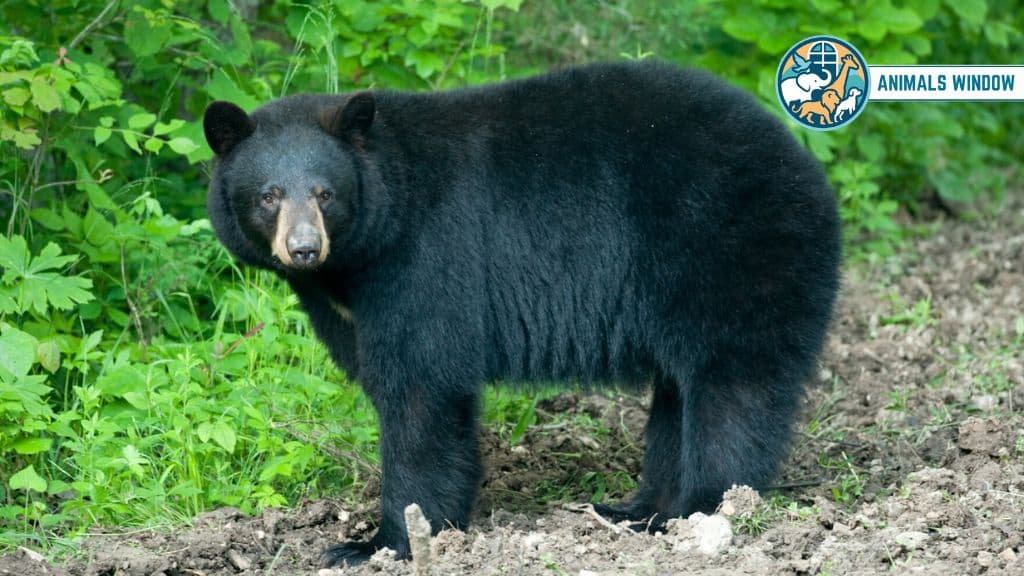
| Scientific Name | Ursus americanus |
| Size | 4–7 feet long |
| Weight | 125–550 lbs |
| Diet | Berries, insects, fish, deer — and rarely, humans |
| Habitat | North America, forests, mountains |
| Lifespan | 18–25 years |
Black bears kill fewer people than grizzlies do per year, but when they attack humans with predatory intent, the pattern is different — and more disturbing. A predatory black bear doesn’t charge and retreat. It follows, it persists, and it targets a single individual, often stalking for minutes before striking.
Research from wildlife biologist Stephen Herrero found that the majority of fatal black bear attacks were predatory, not defensive. Male bears in good health made up most of the perpetrators. So the “playing dead” strategy that works against grizzlies is actually dangerous against a predatory black bear — it just encourages the attack.
🔥 Comparison Fact: A 400 lb black bear can run 35 mph — that’s faster than a professional sprinter at full speed.
10. Sloth Bear
| Scientific Name | Melursus ursinus |
| Size | 4.5–6 feet long |
| Weight | 120–310 lbs |
| Diet | Termites, fruit, honey — and occasionally humans |
| Habitat | India, Sri Lanka, Nepal — forests and grasslands |
| Lifespan | 20–40 years |
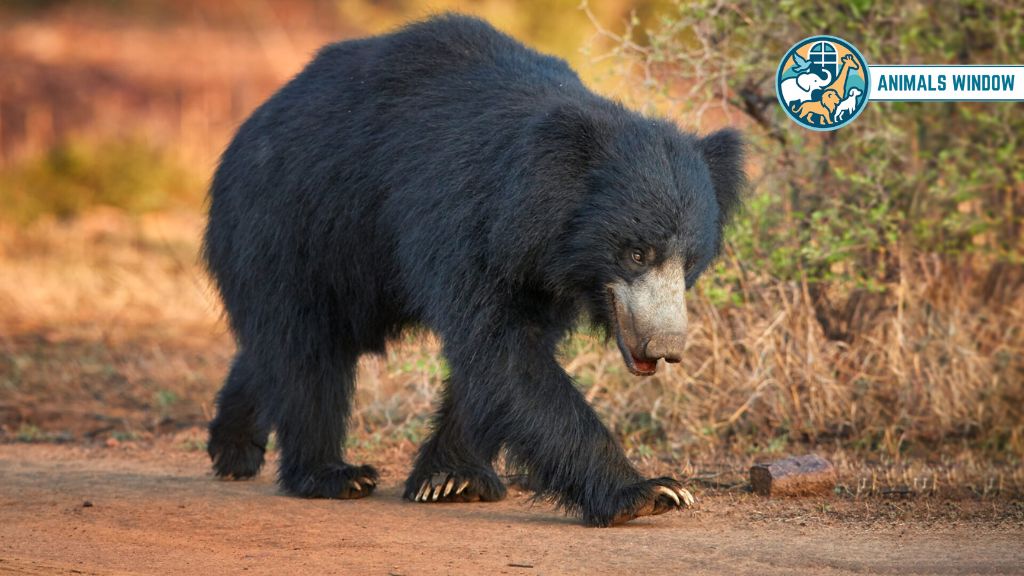
The sloth bear is probably the most underrated dangerous animal in Asia. It doesn’t look scary. It eats termites. But wildlife experts in India rank it as one of the most feared animals in rural communities — more feared than tigers in some areas. And for good reason.
A sloth bear attack is unlike any other. The bear charges without warning, goes directly for the face, and uses its long curved claws to tear away the nose, lips, and eyes. Many survivors of sloth bear attacks survive but live with permanent facial disfigurement.
Unlike tigers or leopards, the sloth bear doesn’t necessarily kill to eat. It mauls because it’s startled — but documented cases exist where it consumed parts of victims afterward.
🔥 Comparison Fact: A sloth bear’s claws can reach 3 inches and curve sharply — they look like garden hooks designed for ripping bark, not flesh.
11. Gray Wolf
| Scientific Name | Canis lupus |
| Size | 4–6.5 feet long |
| Weight | 55–130 lbs |
| Diet | Elk, deer, bison — and historically, humans |
| Habitat | North America, Europe, Asia — forests and tundra |
| Lifespan | 6–13 years in the wild |
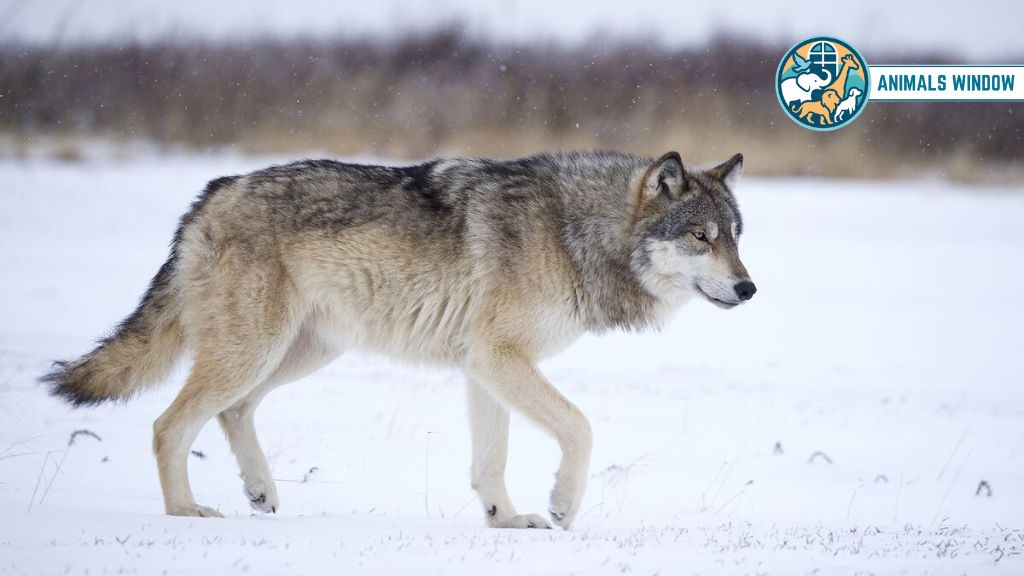
Gray wolves killing and eating humans is mostly a historical phenomenon now, but it happened frequently enough to shape entire cultures. In 18th-century France, a series of wolf attacks called La Bête du Gévaudan killed over 100 people, mostly children, between 1764 and 1767. Europe’s folk tales about wolves eating people weren’t invented from nothing.
What’s different about wolf predation on humans compared to bear or big cat attacks is pack coordination. A wolf pack uses relay chasing — different wolves take turns running at full speed while others rest — to exhaust prey before moving in. A lone human in deep snow, historically, had little chance against this strategy.
🔥 Comparison Fact: A gray wolf can run 35–40 mph and maintain that pace for miles — it doesn’t chase, it wears you down.
12. Bull Shark

| Scientific Name | Carcharhinus leucas |
| Size | 7–11.5 feet long |
| Weight | 200–500 lbs |
| Diet | Fish, dolphins, turtles — and humans |
| Habitat | Warm coastal waters, rivers, estuaries |
| Lifespan | 16–25 years |
The bull shark is the most dangerous shark species that enters freshwater. It can survive in rivers, and has been found 2,500 miles up the Amazon and in Lake Nicaragua. This means it reaches places where people swim, bathe, and fish — far from any ocean. Most people don’t think “shark” when they’re in a river. The bull shark counts on that.
Bull sharks are responsible for more unprovoked attacks on humans than any other shark when accounting for freshwater incidents. They are highly aggressive and have tested higher testosterone levels than almost any other vertebrate animal. They don’t back off after one bite — they bite repeatedly, which is what makes their attacks so often fatal.
🔥 Comparison Fact: A bull shark can detect one drop of blood in 25 gallons of water — the same as sensing a single drop in a full bathtub.
13. Tiger Shark
| Scientific Name | Galeocerdo cuvier |
| Size | 10–14 feet long |
| Weight | 850–1,400 lbs |
| Diet | Sea turtles, fish, dolphins, seabirds — and humans |
| Habitat | Tropical and subtropical oceans worldwide |
| Lifespan | 27–50 years |
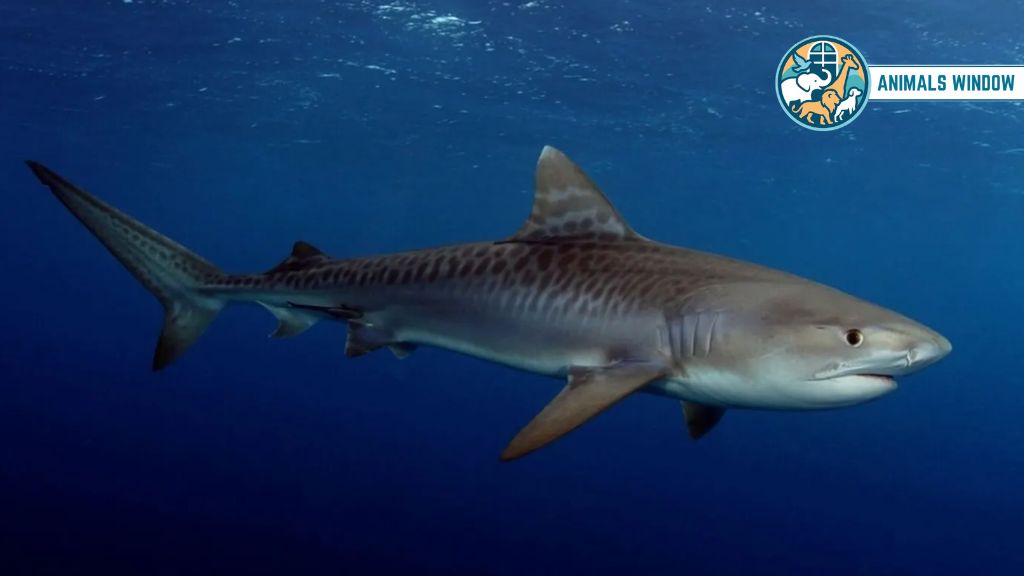
The tiger shark has the most indiscriminate diet of any shark on Earth. Its stomach contents have included license plates, tires, a bag of potatoes, and human remains. It evolved to eat almost anything — which is exactly why humans in tropical waters are at risk. It doesn’t need to be curious. It treats humans as food.
Tiger sharks also have a distinctive feeding behavior: they shake their heads violently while biting to saw through tough material. Their serrated, blade-like teeth are designed for this. Unlike a great white that sometimes bites and releases, tiger sharks bite and keep going. This is why tiger shark attacks on humans have a disproportionately high fatality rate.
🔥 Comparison Fact: A tiger shark weighs roughly as much as a riding lawn mower — but moves through water at 20 mph in short bursts.
14. Oceanic Whitetip Shark

| Scientific Name | Carcharhinus longimanus |
| Size | 6–13 feet long |
| Weight | 167–370 lbs |
| Diet | Fish, squid, sea turtles, marine mammals — and humans |
| Habitat | Open ocean, deep water far from shore |
| Lifespan | 22+ years |
The oceanic whitetip shark is responsible for what may be the deadliest shark attack in history — and most people have never heard of it. When the USS Indianapolis sank in 1945, roughly 900 sailors entered open water. Only 317 survived.
Oceanic whitetips were the primary predator circling the wreckage for four days. Jacques Cousteau called this species “the most dangerous of all sharks.”
What’s different about this shark is its open-ocean behavior. It doesn’t live near beaches. It lives in deep, featureless blue water — exactly where disaster survivors end up. It circles slowly, moves with patience, and becomes bolder the longer it circles.
Survivors of maritime disasters have described whitetips bumping life rafts repeatedly before eventually pulling people under.
🔥 Comparison Fact: The oceanic whitetip’s long, rounded pectoral fins — which inspired its name — span nearly as wide as a standard ironing board.
15. Reticulated Python
| Scientific Name | Malayopython reticulatus |
| Size | 16–23 feet long (record: 26 feet) |
| Weight | 165–350 lbs |
| Diet | Pigs, deer, primates — and very rarely, humans |
| Habitat | Southeast Asia — rainforests, river valleys |
| Lifespan | 20–25 years in the wild |
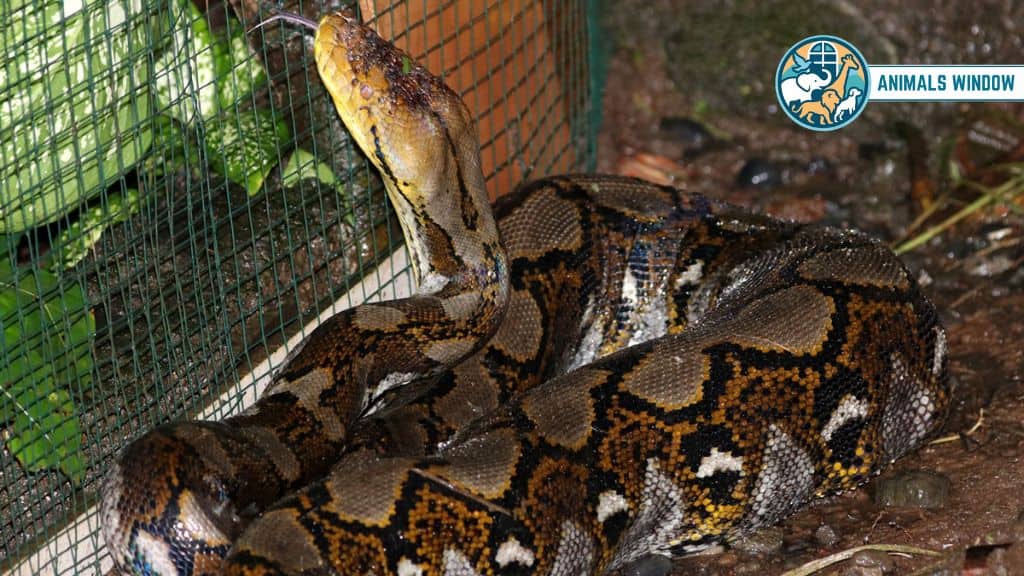
The reticulated python is the longest snake on Earth, and it has killed and consumed adult humans on confirmed occasions. In 2017 in Indonesia, a 25-year-old man named Akbar was found inside a reticulated python. In 2018, a woman named Wa Tiba was also swallowed whole. These aren’t myths — they are documented, photographed cases.
The python kills by constriction, not venom. Every time its prey exhales, it tightens its coils slightly. The prey can’t take another breath. The process takes minutes, not seconds. After death, the python unhinges its jaw — the bones are connected by flexible ligaments, not rigid joints — and slowly works the body in headfirst, a process that can take over an hour for a large prey.
🔥 Comparison Fact: A full-grown reticulated python stretched out end-to-end equals the width of a standard school bus.
16. Komodo Dragon

| Scientific Name | Varanus komodoensis |
| Size | 7–10 feet long |
| Weight | 150–300 lbs |
| Diet | Deer, goats, pigs, carrion — and occasionally humans |
| Habitat | Komodo, Rinca, and Flores islands, Indonesia |
| Lifespan | 30 years |
For decades, people believed Komodo dragons killed through bacteria-laden saliva — a romantic but inaccurate theory. Research in 2009 confirmed they actually have venom glands in their lower jaws that secrete anticoagulant compounds.
When a Komodo bites, the venom prevents blood from clotting, causes blood pressure to drop, and sends the prey into shock. The dragon then follows patiently until the animal collapses.
Komodo dragons have killed and partially eaten humans on the islands they inhabit. Children and elderly visitors are most at risk. The dragons are ambush predators that move deceptively fast for their size — they can sprint 12 mph in short bursts, which is faster than most people can react. Rangers on Komodo Island carry forked sticks as the primary defense against attacks.
🔥 Comparison Fact: A Komodo dragon is roughly the length of a full-size dining table — but it can fold that body into striking position in under a second.
17. Red-Bellied Piranha
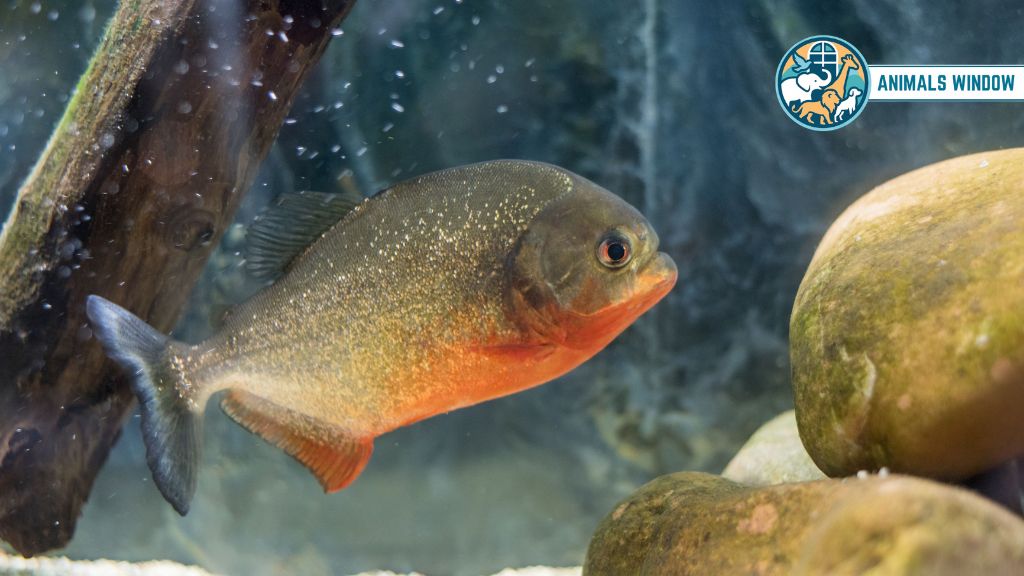
| Scientific Name | Pygocentrus nattereri |
| Size | 10–14 inches long |
| Weight | Up to 7.7 lbs |
| Diet | Fish, insects, seeds — and flesh of larger animals in groups |
| Habitat | Amazon River basin, South America |
| Lifespan | 10 years |
Here’s where the list gets complicated. The red-bellied piranha does not typically hunt humans as prey — but it absolutely consumes human flesh when conditions align. Piranha attacks on people increase dramatically during the dry season in the Amazon, when water levels drop, fish become scarce, and schools of piranha become densely packed and food-stressed.
What stands out is how piranha feeding works. A single piranha bite takes a chunk the size of a grape. A school of 20–30 piranhas in a feeding frenzy can strip a small animal to bone in under five minutes.
Documented cases from Brazil show swimmers and boat accident victims consumed by piranha. The red-bellied piranha’s interlocking triangular teeth are shaped like tiny serrated knives — they don’t tear, they clip cleanly through muscle and tendon.
🔥 Comparison Fact: A red-bellied piranha is about the size of a TV remote — but its bite force relative to body size exceeds that of a great white shark.
FAQs About Animals That Eat Humans
What animal eats humans the most?
The Nile crocodile kills and eats the most humans annually — roughly 200–300 people per year. The Bengal tiger holds the all-time record through individual man-eaters like the Champawat Tiger.
What animals actively hunt humans?
Polar bears, large saltwater crocodiles, and some Bengal tigers have been confirmed to stalk and pursue humans with predatory intent — not just defensive aggression.
Do sharks hunt humans for food?
Most sharks bite humans out of curiosity or mistaken identity. But bull sharks and tiger sharks will return after the first bite, suggesting these species treat humans as food rather than a test bite.
Can a python really swallow a human adult?
Yes. Reticulated pythons have confirmed cases of swallowing adult humans. Only very large individuals (over 20 feet) can manage this, but it has happened multiple times in Indonesia.
Are wolf attacks on humans common today?
No. Modern wolf attacks are rare. Historically they were serious, particularly in Europe. Today, rabid wolves or wolves habituated to humans pose the primary risk.
Which bear is most likely to eat a human?
Predatory black bear attacks — while rare — are more likely to be food-motivated than grizzly attacks. Grizzly attacks are mostly defensive. Polar bears are the most likely to stalk a human as deliberate prey.
Are piranhas really dangerous to humans?
In normal river conditions, piranhas rarely attack healthy humans. The real risk is during drought season in the Amazon when food is scarce and schools are stressed. Piranha consumption of humans is documented but uncommon.
Related More Animals Guides:

I have loved animals since I was a kid. I enjoy reading about how animals live, eat, move, and survive. I started Animals Window to share what I learn in a simple and easy way. I write about animal body parts, size, behavior, diet, habitats, and species. My goal is to make animal facts clear and fun for everyone to understand.