Some animals never enter full sleep the way humans do. Instead, they use unihemispheric sleep (half the brain sleeps while the other stays awake), sleep in micro-naps, or show no measurable sleep at all.
These minimal sleeper animals survive, hunt, migrate, and raise young — all while staying alert around the clock.
Table of Contents
Quick List: Animals That Don’t Sleep (Or Barely Do)
- Bottlenose Dolphin
- Orca / Killer Whale
- Great Frigatebird
- Alpine Swift
- Northern Fur Seal
- Giraffe
- African Elephant
- Walrus
- Horse
- Fruit Fly
- Swainson’s Thrush
- Great White Shark & Whitetip Reef Shark
- Bluefish
- Upside-Down Jellyfish
- Sea Urchin
- Sea Anemone
- American Bullfrog
You Think You’re a Light Sleeper? Meet These 17 Animals
Most of us struggle to get through the day on six hours of sleep. But some animals pull off something that would break a human body — they stay active for days, weeks, or even a lifetime without a full night’s rest.
One bird flies nonstop for months over the ocean. A shark would literally drown if it stopped moving to sleep. And a tiny fruit fly — one of the most studied creatures in sleep science — rewrites the rules on what “rest” even means for insects.
What you’re about to read isn’t a recycled list. You’ll find out which land animal never sleeps in the traditional sense, which bird does not sleep at night during migration, and whether any animal truly lives without sleeping at all. Stick around for the jellyfish entry — its relationship with rest is genuinely strange.
1. Bottlenose Dolphin
- Scientific name: Tursiops truncatus
- Size: 6–13 feet
- Weight: 330–1,400 lbs
- Diet: Fish, squid, crustaceans
- Habitat: Warm and temperate oceans worldwide
- Lifespan: 20–45 years
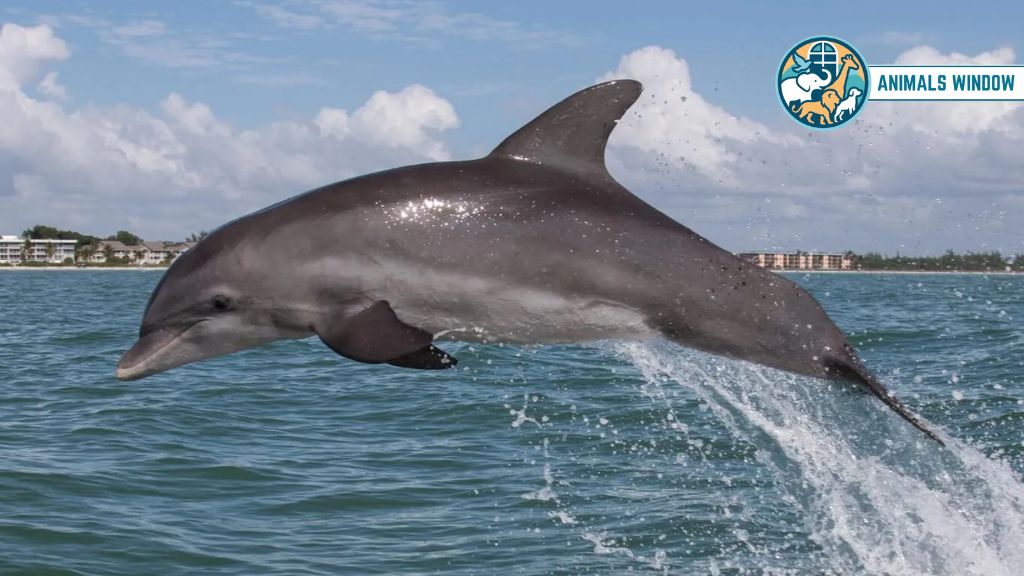
The bottlenose dolphin is one of the most well-known examples of unihemispheric slow-wave sleep in the animal kingdom. While one half of the brain rests, the other half stays fully alert. This lets the dolphin keep swimming, breathing, and watching for predators — all at the same time.
What makes this even more impressive is that dolphins do this with one eye open. Literally. The eye connected to the awake side of the brain stays open and active. Studies have shown bottlenose dolphins can maintain this half-sleep state for up to 15 days straight without any sign of cognitive decline.
🔥 Comparison Fact: A bottlenose dolphin’s brain is slightly larger than a human adult brain — and it uses half of it to “sleep” while the other half runs the show.
2. Orca / Killer Whale
- Scientific name: Orcinus orca
- Size: 20–26 feet
- Weight: 8,000–12,000 lbs
- Diet: Fish, marine mammals, seabirds
- Habitat: All oceans, from Arctic to tropical
- Lifespan: 50–90 years
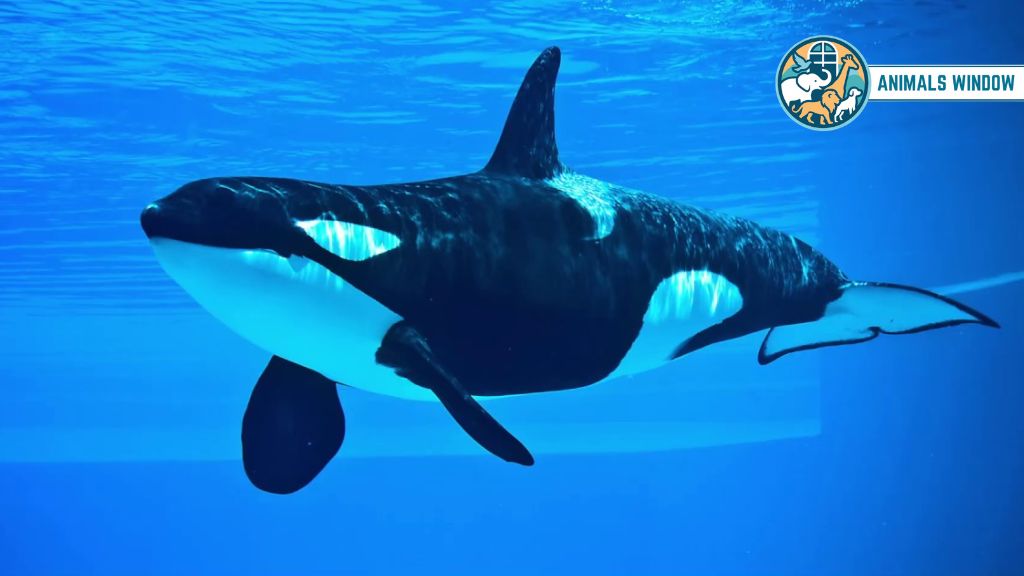
Orcas are apex predators that never fully shut down. Like dolphins, they use unihemispheric sleep, but orca pods take it a step further — the entire group sleeps at the same time in a coordinated behavior called “logging.” They float near the surface, barely moving, breathing slowly. But half of every brain in that group is still switched on.
Newborn orca calves don’t sleep at all for the first several months of life. And their mothers match that schedule — staying awake alongside their young for weeks on end. Researchers believe this keeps calves safe from predators during their most vulnerable stage.
🔥 Comparison Fact: An orca weighs about as much as a full-size school bus, and yet it manages its sleep in the open ocean without ever lying down.
3. Great Frigatebird

- Scientific name: Fregata minor
- Size: 34–40 inch body length; up to 7.5-foot wingspan
- Weight: 2.4–3.5 lbs
- Diet: Fish, squid, other birds’ catches
- Habitat: Tropical and subtropical oceans
- Lifespan: Up to 25 years
The great frigatebird holds one of the most jaw-dropping sleep records in nature. During transoceanic flights that last up to 10 days without landing, these birds sleep — but only in 10-second micro-bursts while gliding on thermal air currents. The total daily sleep during flight adds up to around 42 minutes. On land, they sleep up to 12 hours. So the difference is enormous.
What’s wild is that frigatebirds can use both unihemispheric sleep (one brain half at a time) AND bihemispheric sleep (both halves together) mid-flight. The bihemispheric moments happen when the bird is gliding on autopilot with no obstacles nearby. It’s the only bird confirmed to do this in open air.
🔥 Comparison Fact: 42 minutes of sleep over 10 days is less rest than most humans get in a single lunch nap.
4. Alpine Swift
- Scientific name: Tachymarptis melba
- Size: 8–9 inches
- Weight: 3–4 oz
- Diet: Flying insects
- Habitat: Mountain cliffs in Europe, Africa, Asia
- Lifespan: Up to 26 years
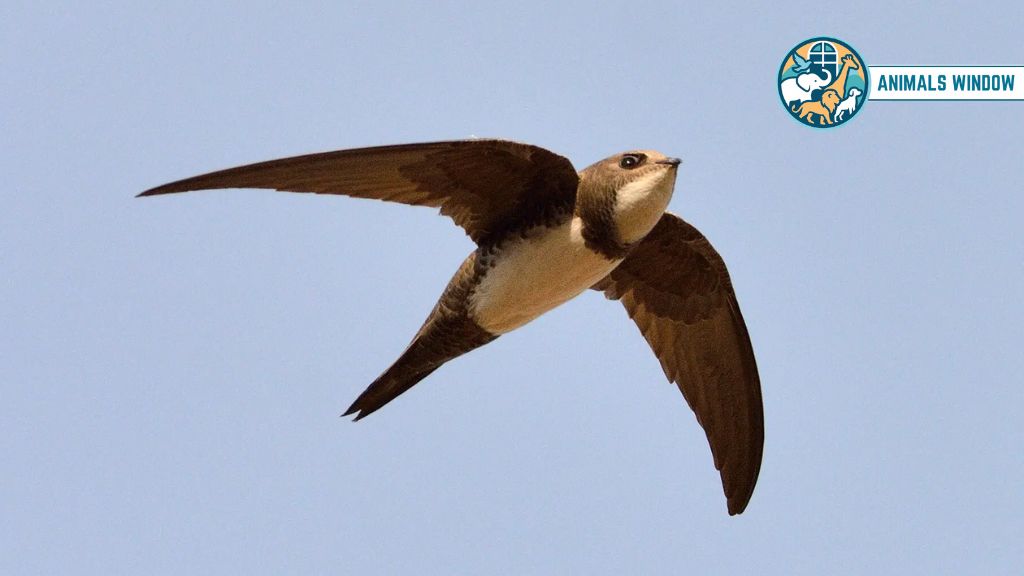
The alpine swift is a bird that does not sleep at night — at least not during migration. Researchers tracked these birds with tiny data loggers and discovered they stayed airborne for 200 consecutive days during their non-breeding migration period. They eat, drink, and appear to sleep — all while flying.
Unlike the frigatebird, the alpine swift never lands on water. It survives on insects caught mid-air and drinks by skimming water surfaces at speed. Sleep, if it happens, is thought to occur through brief unihemispheric resting while the bird rides wind currents. No one has fully confirmed the exact sleep mechanism yet, which makes it one of the most scientifically fascinating animals on this list.
🔥 Comparison Fact: 200 days airborne is roughly the distance from Earth to the Moon — in time spent flying, not distance.
5. Northern Fur Seal

- Scientific name: Callorhinus ursinus
- Size: 4–7 feet
- Weight: 66–600 lbs
- Diet: Fish, squid
- Habitat: North Pacific Ocean
- Lifespan: 18–26 years
The northern fur seal is unique because it switches its sleep strategy depending on where it is. On land, it sleeps like most mammals — both brain hemispheres at once. But once it enters the ocean, it flips entirely to unihemispheric sleep, keeping one flipper paddling and one eye scanning for sharks.
There’s something else no other animal does quite like this: northern fur seals can rotate their sleep strategy mid-journey. A seal leaving the shore starts sleeping bilaterally, then transitions to unihemispheric sleep as it moves into deeper water.
Scientists believe this flexibility is a direct response to predator pressure — the more dangerous the environment, the less the seal allows itself to fully rest.
🔥 Comparison Fact: A northern fur seal pup at birth weighs about 12 lbs — roughly the same as a large house cat — and immediately enters a world where sleep is a luxury.
6. Giraffe
- Scientific name: Giraffa camelopardalis
- Size: 14–19 feet tall
- Weight: 1,750–3,000 lbs
- Diet: Leaves, flowers, fruits (mainly acacia)
- Habitat: African savannas and woodlands
- Lifespan: 20–25 years
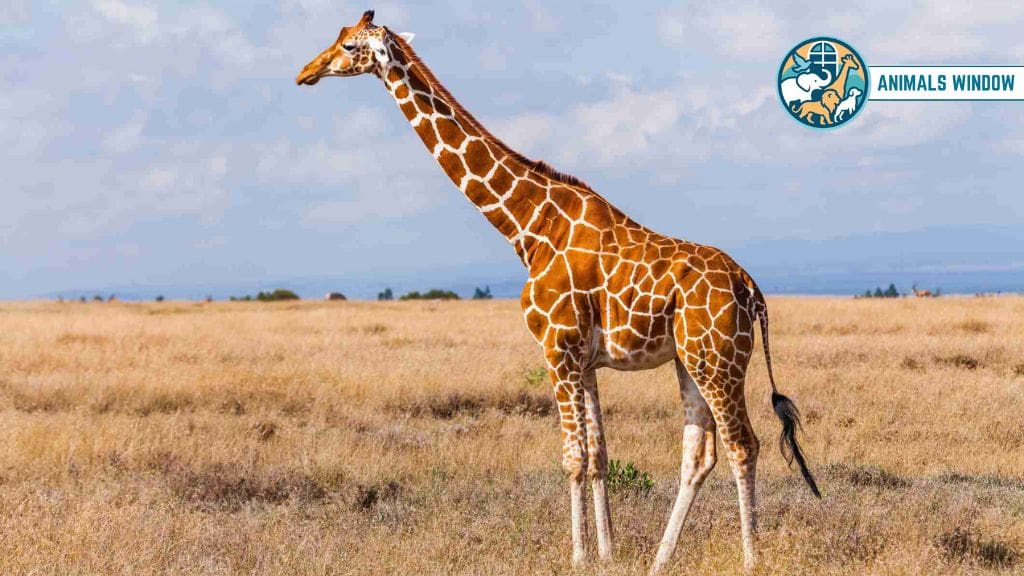
The giraffe is the land animal that sleeps the least of any large mammal. It averages just 30 minutes of total sleep per 24 hours — broken into multiple short naps of just a few minutes each. Getting up and down is slow and risky for an animal this tall, so lying down makes giraffes vulnerable to lions and hyenas.
Most of a giraffe’s sleep happens standing up, in a light doze. The rare moments of deep REM sleep — the restorative kind — happen lying down, with the neck curled back onto the body. But these moments last only 1–2 minutes at a time. A giraffe that sleeps longer risks becoming prey. So the body evolved to function on almost nothing.
🔥 Comparison Fact: 30 minutes of sleep per day is less than the runtime of a standard TV sitcom episode.
7. African Elephant
- Scientific name: Loxodonta africana
- Size: 8.2–13 feet tall
- Weight: 5,000–14,000 lbs
- Diet: Grass, bark, fruit, roots
- Habitat: Sub-Saharan African savannas and forests
- Lifespan: 60–70 years
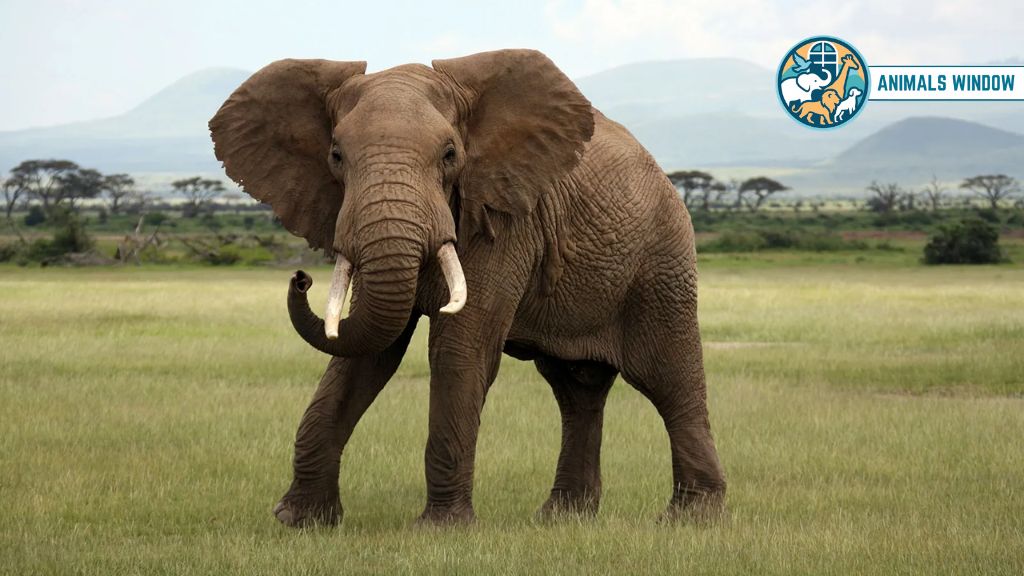
Wild African elephants sleep an average of just 2 hours a night — the least of any land mammal studied in the wild using sleep-tracking implants. A 2017 study tracked elephants in Botswana and found they sometimes stayed awake for 46 hours straight, traveling long distances during those alert periods.
The fascinating angle here is body position. Elephants almost always sleep standing for light sleep, but they need to lie down to enter REM sleep. Because lying down requires help from other herd members to get back up safely, full REM sleep only happens every few days.
That means elephants may go days between full restorative sleep cycles — something that would devastate human cognitive function, but doesn’t seem to affect elephant behavior at all.
🔥 Comparison Fact: An African elephant’s brain weighs about 11 lbs — five times heavier than a human’s — and it runs on 2 hours of sleep a night.
8. Walrus
- Scientific name: Odobenus rosmarus
- Size: 7.25–11.5 feet
- Weight: 1,300–3,700 lbs
- Diet: Clams, mussels, worms, snails
- Habitat: Arctic and sub-Arctic waters
- Lifespan: 30–40 years
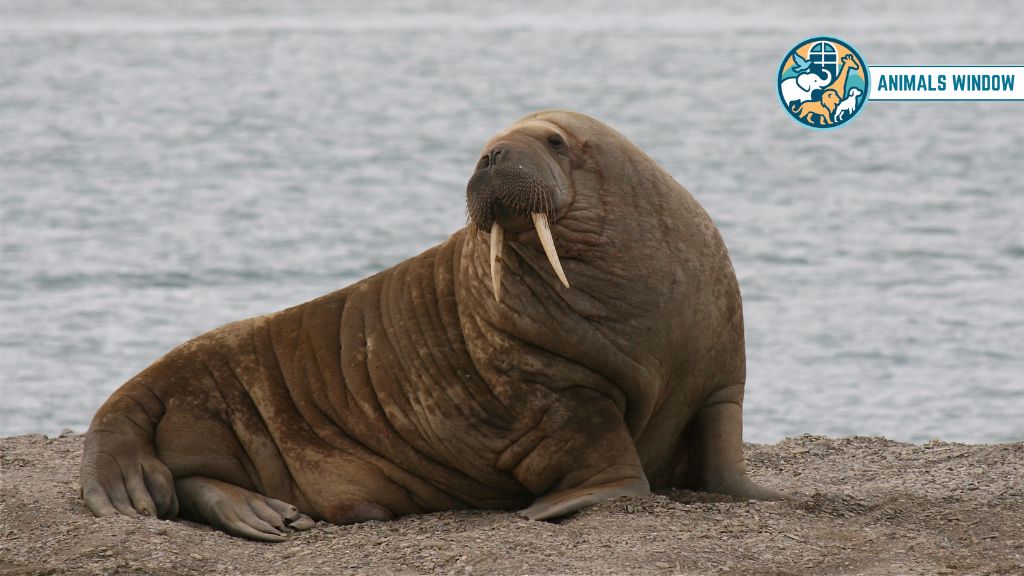
Walruses are one of the most extreme sleepers — or non-sleepers — in the marine mammal world. They can stay awake and active for 84 consecutive hours while swimming through the Arctic Ocean. Then, when they haul out onto land or ice, they can sleep for nearly 20 hours straight to recover.
But here’s what most people don’t know about walrus sleep: they can sleep in water using their air sacs — pouches near the throat that inflate and act like a built-in floatation device. This keeps their heads above water while they doze at the surface. No other marine mammal has this specific anatomical solution to sleeping at sea.
🔥 Comparison Fact: 84 hours awake is more than three and a half days — most humans experience hallucinations after just 72 hours without sleep.
9. Horse

- Scientific name: Equus ferus caballus
- Size: 4.7–6 feet tall (at shoulder)
- Weight: 900–2,200 lbs
- Diet: Grass, hay, grains
- Habitat: Domesticated worldwide; wild in grasslands
- Lifespan: 25–30 years
Horses sleep in two distinct phases — and they’re masters at both. Light sleep happens standing up, thanks to a special locking mechanism in their legs called the “stay apparatus.” It locks the knee and keeps the horse upright without muscle effort. For full REM sleep, horses lie down — but only for short bursts of 20–30 minutes.
Total daily sleep for a horse adds up to 2.5–3 hours. But what’s less known is that horses are highly social about sleep: they take turns. In a herd, at least one horse stays alert at all times while others doze. This rotating watch system means the group is never fully unconscious — making the horse herd one of the most effective minimal sleeper social units in the animal world.
🔥 Comparison Fact: A horse’s leg stay apparatus works like a door latch — it clicks into place and holds the animal upright without any effort, even during sleep.
10. Fruit Fly
- Scientific name: Drosophila melanogaster
- Size: 0.1 inches
- Weight: 0.00003 oz
- Diet: Fermenting fruit, yeast
- Habitat: Worldwide, near fruit and organic waste
- Lifespan: 40–50 days
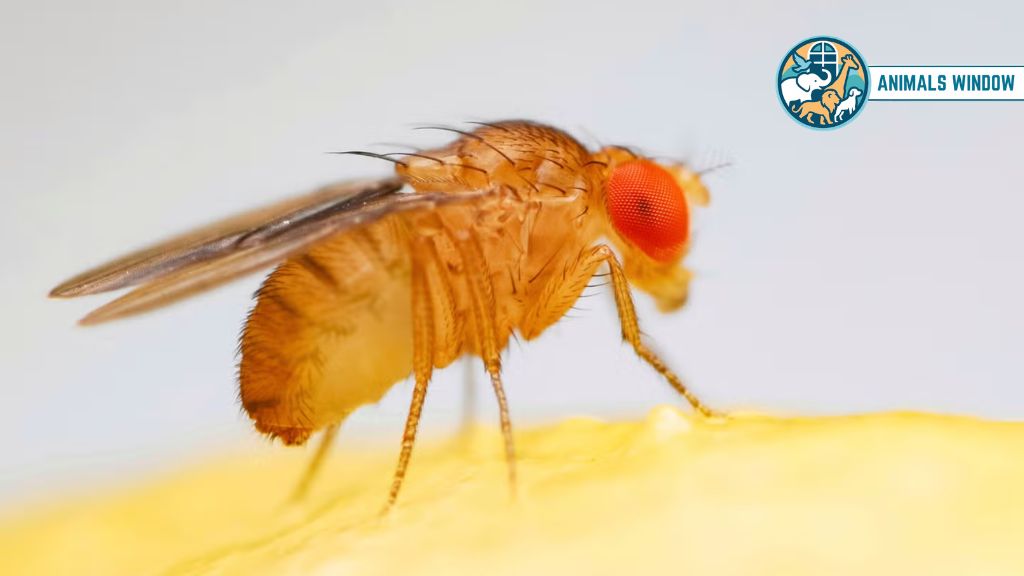
Fruit flies are one of the most important insects studied in sleep science, and their sleep behavior is far more complex than anyone expected from a bug with a brain the size of a poppy seed. They show clear sleep states — reduced movement, raised arousal thresholds, and sleep rebound after deprivation. But unlike mammals, fruit flies don’t show brainwave activity that matches human sleep stages.
Male fruit flies sleep less after mating. Studies show that after sexual activity, male Drosophila actively suppress sleep for hours. The mechanism involves a specific protein called SIFamide. This was a groundbreaking discovery because it showed that insects have neurochemical sleep regulation that overlaps with vertebrate systems — something nobody predicted.
🔥 Comparison Fact: A fruit fly’s entire body is smaller than a grain of rice, yet it has a circadian clock that responds to light and temperature just like a human’s.
11. Swainson’s Thrush
- Scientific name: Catharus ustulatus
- Size: 6.3–7.5 inches
- Weight: 0.8–1.8 oz
- Diet: Insects, berries
- Habitat: North American forests; winters in Central and South America
- Lifespan: Up to 10 years
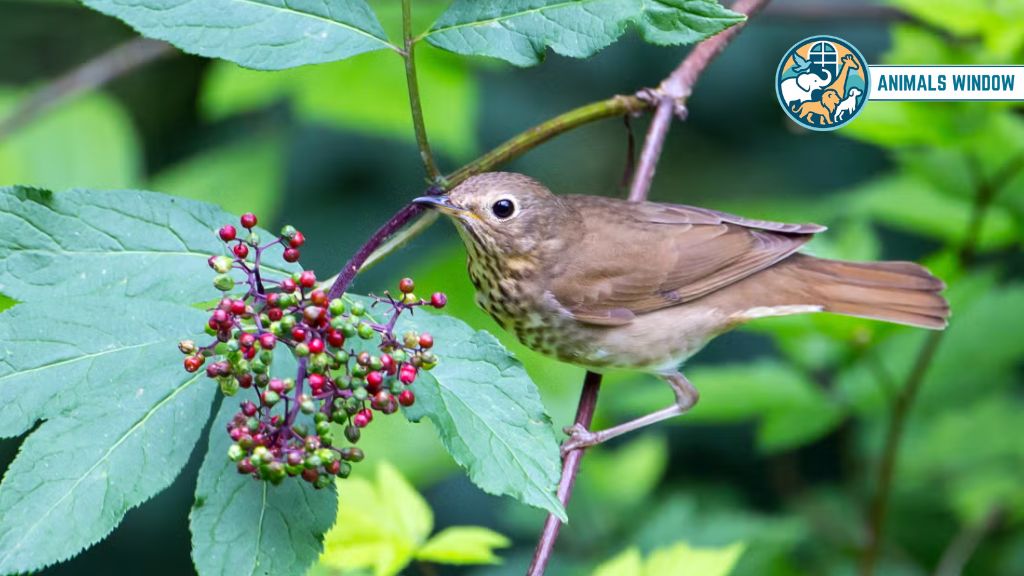
The Swainson’s thrush is a migratory bird that does not sleep at night during its seasonal journeys. This small songbird migrates at night and must navigate thousands of miles using stars and magnetic cues. To handle this, it uses short “microsleeps” during the day — bursts of sleep lasting just a few seconds, inserted between normal daytime activities.
Here’s the part that sets this bird apart from others on the list: its brain shows activity during migration that resembles what humans experience during REM sleep — even while the bird is awake and alert. Researchers call this “waking REM,” and it may be how the thrush processes navigation information in real time. No other migratory bird has been documented doing this as clearly.
🔥 Comparison Fact: A Swainson’s thrush weighs about as much as four nickels, yet it navigates from Canada to Bolivia using star maps — while barely sleeping.
12. Sharks (Great White & Whitetip Reef Shark)
- Scientific name: Carcharodon carcharias / Triaenodon obesus
- Size: 11–20 feet (Great White); 5–7 feet (Whitetip Reef)
- Weight: 1,500–5,000 lbs (Great White); 40–75 lbs (Whitetip Reef)
- Diet: Seals, fish, rays, dolphins
- Habitat: Global oceans; reef environments
- Lifespan: 30–70 years (Great White); 25 years (Whitetip Reef)
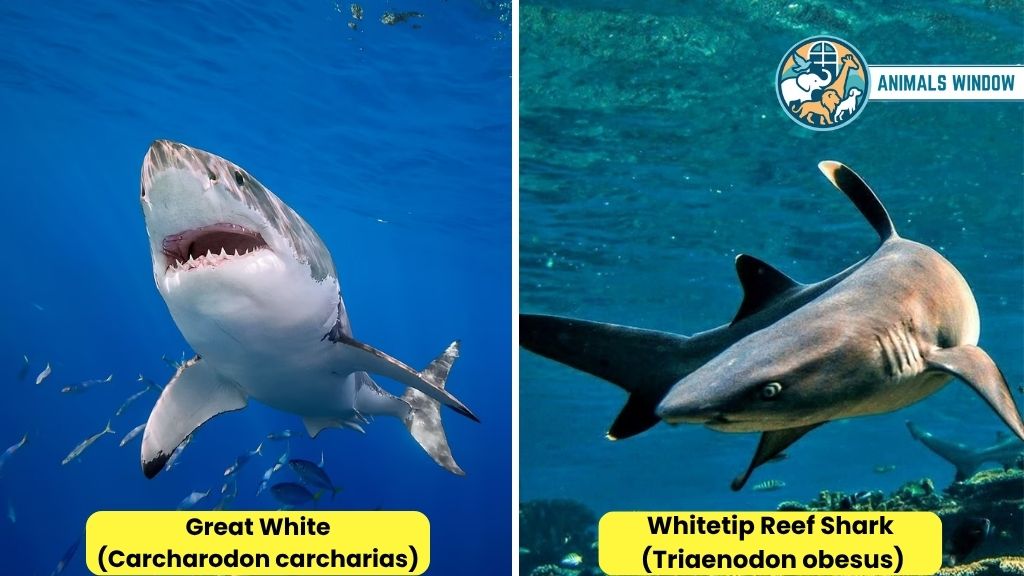
Sharks are one of the most searched examples of animals that don’t sleep — and for good reason. The great white shark must keep swimming to push oxygen-rich water over its gills. If it stops, it suffocates. So it cannot afford a full, motionless sleep state.
But the two species show different rest strategies. Great whites appear to enter a trance-like rest state while swimming slowly, with reduced responsiveness — scientists call this “yo-yo swimming.”
The whitetip reef shark, on the other hand, can rest on the ocean floor for short periods because it can actively pump water over its gills. What both share is that no confirmed full sleep cycle has ever been recorded in either species. Their rest, whatever form it takes, looks nothing like sleep in any mammal.
🔥 Comparison Fact: A great white shark’s body is roughly the length of a mid-size SUV — and it never truly stops moving, day or night, for its entire 70-year life.
13. Bluefish
- Scientific name: Pomatomus saltatrix
- Size: 20–45 inches
- Weight: Up to 31 lbs
- Diet: Fish, squid, shrimp
- Habitat: Atlantic and Indian Oceans, Mediterranean Sea
- Lifespan: 9–12 years
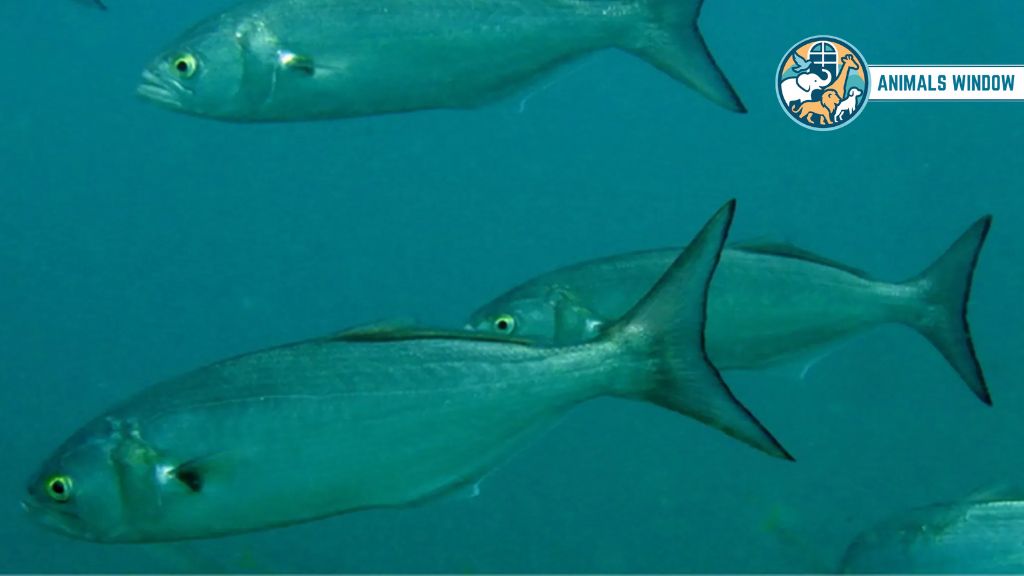
The bluefish is one of the most aggressive predatory fish in coastal waters — and one of the least understood in terms of sleep. Bluefish hunt in frenzied, nearly nonstop feeding packs, often continuing to attack prey even when they’re not hungry.
This compulsive feeding behavior has led researchers to question whether bluefish experience any meaningful rest period at all.
Unlike sharks, bluefish don’t have an anatomical reason to keep moving. But behavioral studies show they maintain near-constant motion and alertness, especially during active feeding seasons.
What’s unique here is the aggression angle: bluefish have been observed attacking their own schoolmates during feeding frenzies. A nervous system running that hot, for that long, suggests rest — if it happens — is minimal and poorly defined.
🔥 Comparison Fact: A bluefish can grow to the length of a baseball bat and consumes prey at a rate that empties entire bait balls in minutes.
14. Upside-Down Jellyfish
- Scientific name: Cassiopea spp.
- Size: Bell diameter up to 12 inches
- Weight: Negligible (mostly water)
- Diet: Photosynthetic algae (symbiotic), zooplankton
- Habitat: Shallow tropical and subtropical coastal waters
- Lifespan: 1–3 years
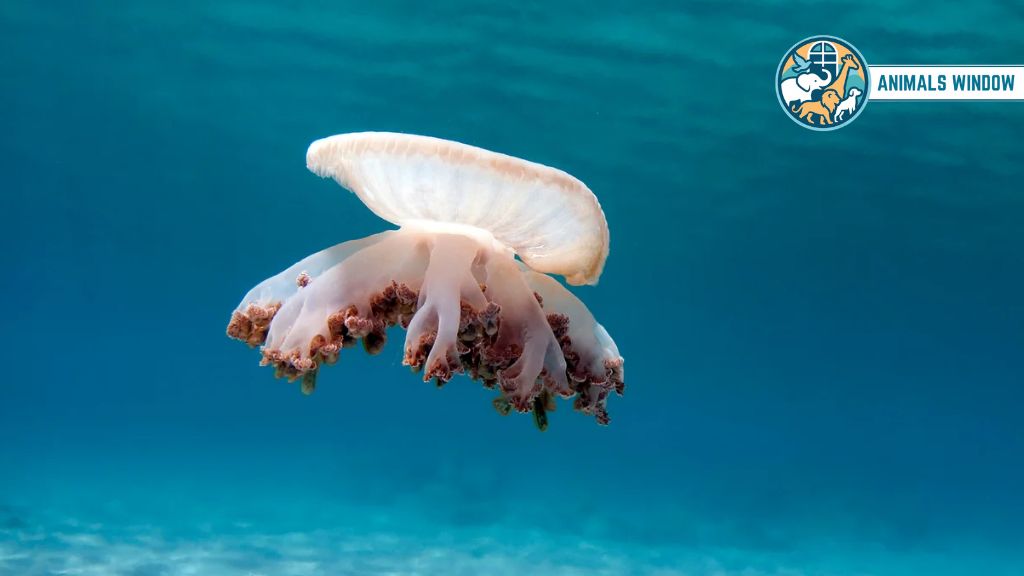
The upside-down jellyfish sits on the seafloor, bell-down, pulsing slowly in shallow bays. And in 2017, researchers at Caltech made a shocking discovery: Cassiopea shows sleep-like behavior — the first time sleep states had been documented in an animal with no brain. During rest periods, the jellyfish pulses more slowly, responds less to stimuli, and — if disturbed — shows sleep rebound (it “catches up” on rest afterward).
This was a landmark finding in sleep science because it suggests that sleep may have evolved before the brain itself. If an animal with no central nervous system shows the core features of sleep — reduced activity, reversibility, and homeostatic rebound — then sleep is not a brain function. It’s something more fundamental. The upside-down jellyfish didn’t just make this list. It changed how scientists define sleep itself.
🔥 Comparison Fact: Cassiopea’s bell is about the size of a dinner plate, and yet it produced one of the most important sleep science discoveries of the 21st century.
15. Sea Urchin
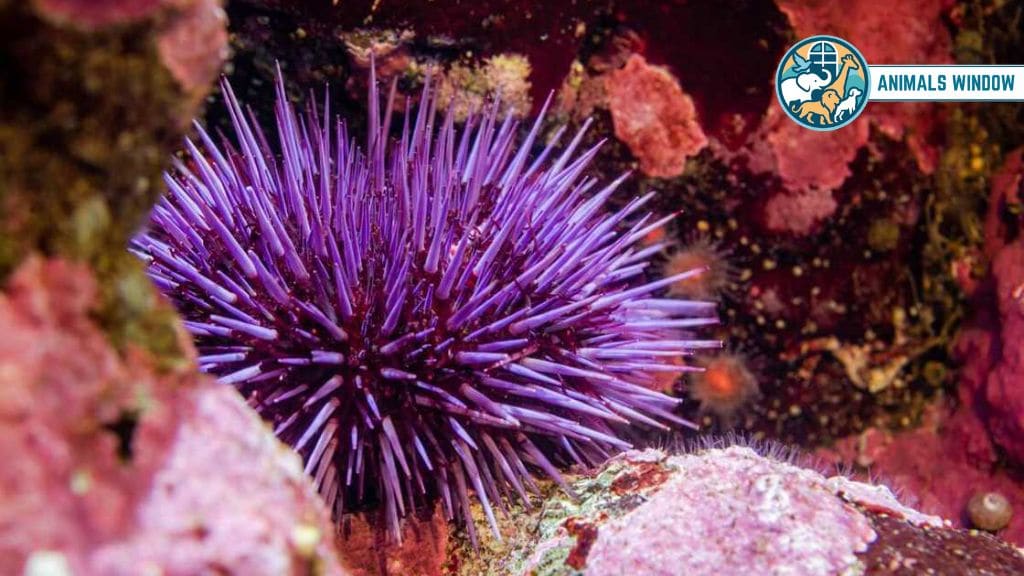
- Scientific name: Strongylocentrotus spp. and related genera
- Size: 1–4 inches (diameter)
- Weight: Up to 1.8 lbs
- Diet: Algae, kelp, detritus
- Habitat: Rocky ocean floors worldwide
- Lifespan: 15–200 years (varies by species)
Sea urchins have no brain, no centralized nervous system beyond a basic nerve ring, and no documented sleep state. But they do show circadian behavior — they move more at night and less during the day, suggesting some internal biological clock is working without any structure we’d traditionally associate with sleep regulation.
What’s genuinely odd here is the lifespan. Some sea urchin species live over 100 years, with red sea urchins documented past 200 years. And in all that time, no sleep. No rest periods.
Just slow, methodical grazing across rocky seafloors, regulated entirely by light-dark cycles and chemical signals. They’re one of the clearest examples of an animal that may not sleep at all — not because it evolved an alternative, but because its nervous system never developed the capacity.
🔥 Comparison Fact: A sea urchin is about the size of a tennis ball and can live longer than any human ever has — entirely without sleeping.
16. Sea Anemone

- Scientific name: Actiniaria (order)
- Size: 0.5 inches to over 5 feet (varies by species)
- Weight: Negligible to several pounds
- Diet: Zooplankton, small fish, mussels
- Habitat: Marine environments worldwide, from tidal pools to deep sea
- Lifespan: Decades to potentially centuries
Sea anemones are among the simplest animals on this list in terms of nervous system complexity. They have a diffuse nerve net — no brain, no spinal cord, no centralized processing. No study has documented sleep-like states in sea anemones with the consistency found in jellyfish, making them candidates for animals that do not sleep at all.
What’s fascinating is their apparent immortality under ideal conditions. Some species reproduce by cloning themselves and show no signs of aging. An animal that doesn’t age, doesn’t sleep, and has no brain — and yet responds to light, chemicals, and touch with remarkable precision — challenges almost everything biology textbooks say about what “life” requires. The sea anemone doesn’t fit any neat category.
🔥 Comparison Fact: Some sea anemones are smaller than a fingernail. Others grow wider than a car tire — and both versions operate on the same brainless, sleepless nervous system.
17. American Bullfrog
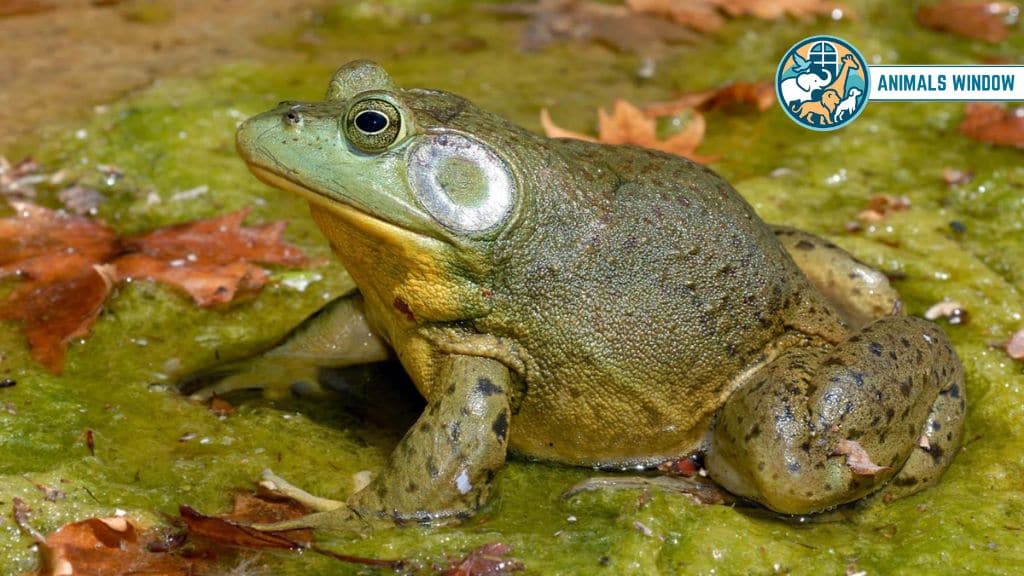
- Scientific name: Lithobates catesbeianus
- Size: 3.5–6 inches
- Weight: Up to 1.5 lbs
- Diet: Insects, small fish, snakes, birds, mice
- Habitat: Freshwater ponds, lakes, marshes in North America
- Lifespan: 7–10 years in the wild
The American bullfrog has long been cited as the animal that never sleeps — and for decades, that claim went unchallenged. Early research showed bullfrogs didn’t display the reduced responsiveness during rest that defines sleep in other animals. No matter when researchers tested them, the bullfrogs reacted at the same speed.
But recent studies complicate the story. Bullfrogs do show behavioral rest periods — they sit still, reduce movement, and lower their eye position. What they don’t seem to show is the rebound effect seen in jellyfish or the brainwave changes seen in mammals. So the bullfrog may exist in a unique middle ground: resting without truly sleeping.
It’s not a myth that it never sleeps the way mammals do — that part is accurate. But calling it a completely sleepless animal is an oversimplification that modern biology is still working to untangle.
🔥 Comparison Fact: A bullfrog is about the size of a human fist and can eat prey as large as a small mouse — and does it all without a confirmed sleep cycle.
FAQs About Animals That Do not Sleep
What animal never sleeps?
No animal has been proven to survive with zero rest of any kind. But the American bullfrog comes closest — it shows no confirmed sleep states similar to other vertebrates. Jellyfish, sea urchins, and sea anemones also show no traditional sleep but may have minimal rest-like states.
Which land animal never sleeps in the traditional sense?
The giraffe sleeps only about 30 minutes per day in short naps, making it the land animal with the least documented sleep. The bullfrog also has no confirmed sleep cycle, though it rests behaviorally.
Which bird does not sleep at night?
Migratory birds like the Swainson’s thrush and Alpine swift don’t sleep at night during migration. The Great Frigatebird sleeps only about 42 minutes per day during 10-day ocean flights.
Do any animals live without sleeping entirely?
No animal has been confirmed to live completely without any form of rest. But animals like sea urchins, sea anemones, and sharks show no sleep states resembling those in mammals or birds.
What insects don’t sleep?
Fruit flies (Drosophila) show sleep-like states but in very different patterns than mammals. Some insects, especially those with short lifespans or continuous activity cycles, appear to rest minimally — but insect sleep science is still developing.
What is unihemispheric sleep?
Unihemispheric sleep is when one half of the brain sleeps while the other stays awake. Dolphins, orcas, northern fur seals, and some birds use this system to stay alert while still getting rest.
Which animal does not sleep till death?
No animal has been confirmed to skip sleep entirely until death. The American bullfrog is the most commonly cited example of an animal without confirmed sleep — but even that claim is debated in current research.
Related More Animals Guides:

I have loved animals since I was a kid. I enjoy reading about how animals live, eat, move, and survive. I started Animals Window to share what I learn in a simple and easy way. I write about animal body parts, size, behavior, diet, habitats, and species. My goal is to make animal facts clear and fun for everyone to understand.