Lions sit at the top of the food chain, but they are not untouchable. Humans, Nile crocodiles, spotted hyenas, and other lions are the main animals that eat lions. Cubs are also taken by leopards, jackals, and wild dogs. Large herbivores like elephants and buffaloes can kill lions in self-defense, though they don’t consume them. Scavengers clean up what’s left.
Table of Contents
Quick List of Animals That Eat Lions
- Humans
- Nile Crocodiles
- Spotted Hyenas
- Other Lions
- African Wild Dogs
- Leopards
- Cheetahs
- Black-backed Jackals
- Side-striped Jackals
- African Cape Buffaloes
- Elephants
- Hippopotamuses
- Black Rhinoceroses
- White Rhinoceroses
- Giraffes
- African Crested Porcupines
- Vultures
- Marabou Storks
- Flesh-eating Beetles & Blowflies
A Lion Has Enemies — More Than You Think
Most people assume a lion has no enemies. But that assumption gets lions killed.
What you’ll find in this article is not the usual recycled list. You’ll learn which animals actually eat lion flesh, which ones kill lions without eating them, and which ones only show up after the lion is already dead.
You’ll also find out about a beetle that can consume an entire lion skeleton, and why a giraffe’s kick is more lethal to a lion than most people expect.
Scroll down. It gets surprising fast.
Animals That Eat Lions in the Wild
1. Humans

- Scientific Name: Homo sapiens
- Size: 5–6 ft tall
- Weight: 110–200 lbs
- Diet: Omnivore
- Habitat: Worldwide
- Lifespan: 70–85 years
No animal has killed more lions than humans. Trophy hunting, poaching, habitat loss, and human-wildlife conflict together account for the steepest decline in lion populations ever recorded. In some regions, lions are deliberately killed by farmers protecting livestock, then left for scavengers or consumed locally.
Here’s what stands out: across sub-Saharan Africa, lion populations dropped by over 40% in just three generations — almost entirely driven by human activity. In parts of Tanzania and Kenya, poisoned carcasses are set out specifically to kill lions. Humans don’t just eat lions occasionally; they are the single most effective apex predator of lions on Earth.
🔥 Comparison Fact: A lion weighs about as much as a standard motorcycle — 265 to 420 lbs. Humans, weighing a fraction of that, have reduced global lion numbers to under 25,000 with nothing but tools and intent.
2. Nile Crocodiles
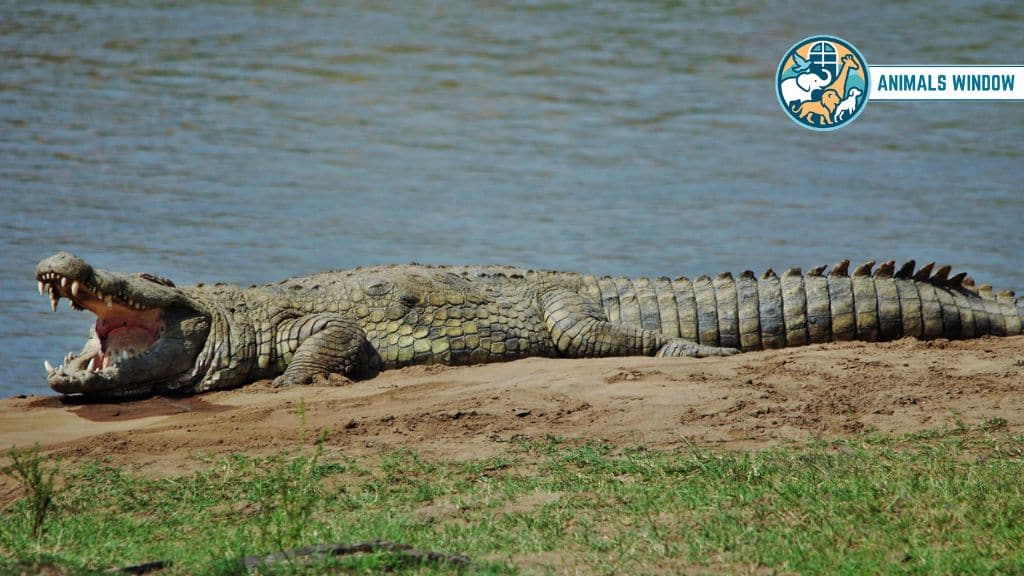
- Scientific Name: Crocodylus niloticus
- Size: 11–16 ft
- Weight: 500–1,650 lbs
- Diet: Carnivore (fish, mammals, birds)
- Habitat: Rivers, lakes, and wetlands across sub-Saharan Africa
- Lifespan: 45–70 years
The Nile crocodile doesn’t hunt lions on land. It waits. When a lion comes to the river’s edge to drink, especially during dry season, the crocodile strikes with a bite force of around 5,000 psi — the strongest recorded bite of any living animal. It drags the lion underwater and death-rolls until the prey stops moving.
What makes this predator unusual is its patience. A crocodile can go months without food, then explode into action in under a second. Lions that survive near rivers learn to drink in groups and scan the water — but even experienced adults get taken. Young or injured lions are especially vulnerable at crossing points.
🔥 Comparison Fact: An adult Nile crocodile weighs as much as a mid-size SUV engine block — over 1,500 lbs in large males. That’s three to four times heavier than the lion it’s dragging underwater.
3. Spotted Hyenas
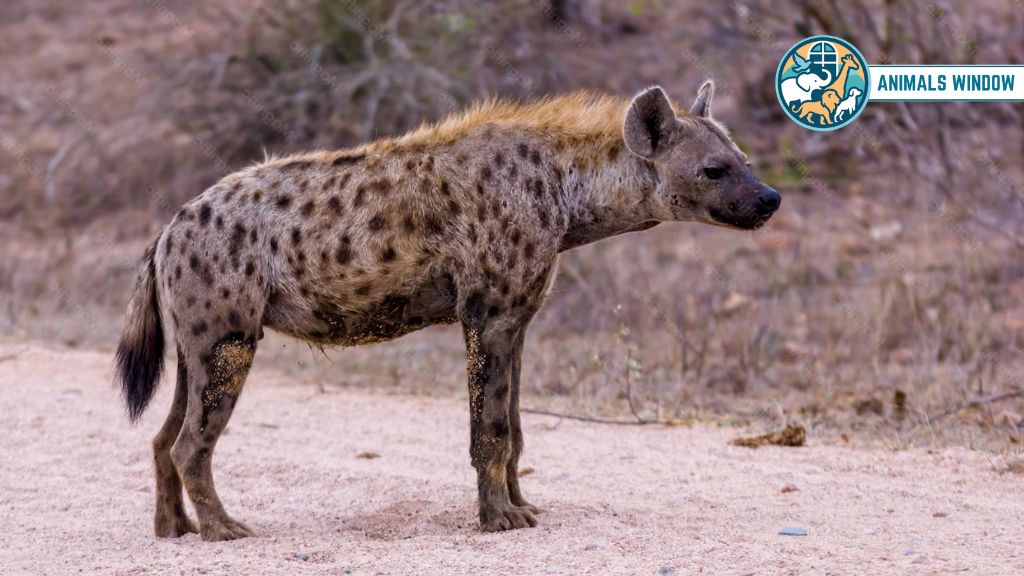
- Scientific Name: Crocuta crocuta
- Size: 4–5.9 ft long
- Weight: 88–190 lbs
- Diet: Carnivore and scavenger
- Habitat: Savanna, grasslands, and woodland edges across Africa
- Lifespan: 12–25 years
Spotted hyenas are the most successful large predators in Africa by kill rate — a fact that surprises most people who think of them as pure scavengers. They regularly drive lions off kills, and in large enough clans, they mob and kill weakened lions outright, then consume the entire carcass.
Hyenas don’t just eat muscle. Their digestive systems are strong enough to break down bone, hooves, and hide. After a hyena clan feeds on a lion, almost nothing physical remains. Their stomach acid is among the most corrosive in the mammal world, pH around 1 to 2. That’s close to car battery acid.
🔥 Comparison Fact: A spotted hyena’s skull is roughly the size of a cantaloupe, yet it generates enough bite force — around 1,100 psi — to snap a lion’s femur like a dry twig.
4. Other Lions
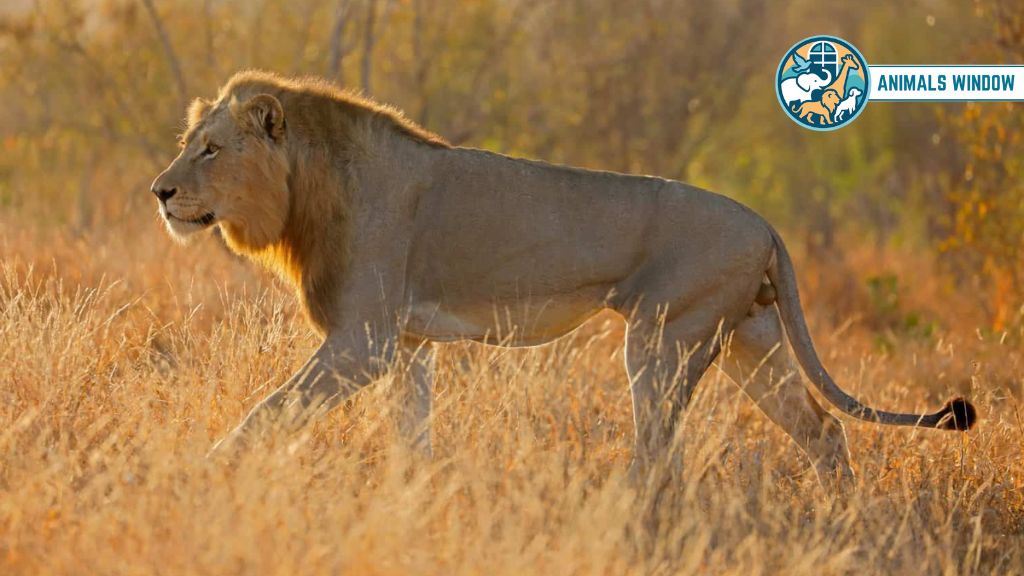
- Scientific Name: Panthera leo
- Size: 4.5–6.5 ft body length
- Weight: 265–420 lbs
- Diet: Carnivore
- Habitat: African savanna, grasslands, scrubland, and parts of India
- Lifespan: 10–16 years in the wild
Lions kill other lions. It’s one of the most documented but least talked-about facts in big cat biology. When a new male coalition takes over a pride, they kill the cubs fathered by rival males — and in some documented cases, they eat them. Rival males that are killed in territorial fights are sometimes consumed by the victors.
What stands out here is the role of infanticide. It’s not random aggression. It’s a calculated reproductive strategy. By eliminating another male’s offspring, the new males trigger the females to come into estrus faster, allowing the new coalition to produce their own cubs sooner. It’s brutal, efficient, and fully documented in Serengeti research going back to the 1970s.
🔥 Comparison Fact: A male lion’s canine teeth are about 3 inches long — roughly the size of a grown adult’s thumb. One bite to the back of the neck is enough to sever the spinal cord of a rival.
5. African Wild Dogs
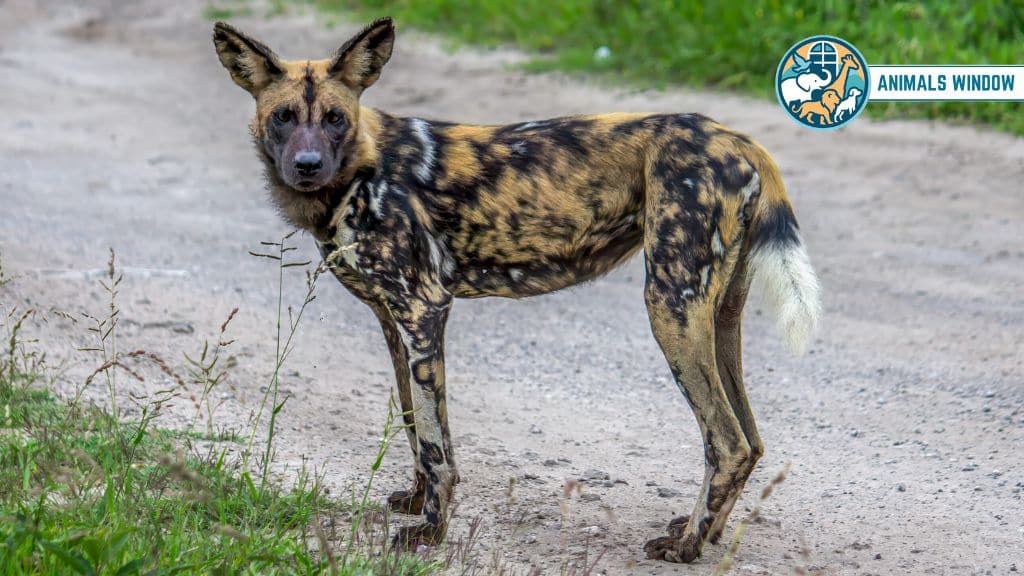
- Scientific Name: Lycaon pictus
- Size: 30–44 inches long
- Weight: 40–79 lbs
- Diet: Carnivore
- Habitat: Open woodlands, grasslands, and savanna across eastern and southern Africa
- Lifespan: 10–12 years
African wild dogs don’t go after adult lions. But lion cubs left unguarded are a target. Wild dogs are fast, coordinated, and relentless — they operate in packs that move at 35 mph for miles without stopping, making them one of the most efficient pursuit predators on the continent.
The angle most people miss is their kill efficiency rate. Wild dogs succeed in about 80% of their hunts, compared to lions at roughly 25–30%. So when a pack of wild dogs fixates on an unguarded cub, the outcome is almost never in doubt.
Lions and wild dogs are direct competitors, and lions actively seek to kill wild dogs whenever the opportunity arises — but the feeling is mutual.
🔥 Comparison Fact: A pack of African wild dogs together weighs about the same as a single adult female lion — but with 10 to 20 mouths working in perfect coordination, they win far more than the math suggests.
6. Leopards

- Scientific Name: Panthera pardus
- Size: 3.5–6.2 ft body length
- Weight: 66–176 lbs
- Diet: Carnivore
- Habitat: Sub-Saharan Africa, parts of Asia
- Lifespan: 12–17 years in the wild
Leopards avoid adult lions at all costs. But a young cub, separated from its mother for even a few minutes, becomes easy prey. Leopards are stealth hunters — they stalk and ambush rather than chase, and they carry kills up into trees to avoid having them stolen.
What makes leopards relevant here is their territory overlap with lions. In places like the Kruger National Park, leopards and lions share the same ground.
Leopards learn the patterns of lion prides and exploit gaps — particularly at night, when lion mothers may move to hunt and leave cubs briefly alone. It’s not a common event, but it’s consistent enough to show up in long-term field studies.
🔥 Comparison Fact: A leopard can carry prey twice its own body weight straight up a tree — roughly equivalent to a human carrying a full-grown horse up a fire escape.
7. Cheetahs

- Scientific Name: Acinonyx jubatus
- Size: 3.5–4.9 ft body length
- Weight: 46–160 lbs
- Diet: Carnivore
- Habitat: African savanna and open grasslands, small populations in Iran
- Lifespan: 10–12 years in the wild
Cheetahs are the fastest land animals on Earth, reaching 70–75 mph in short bursts. But against an adult lion, speed means nothing — cheetahs are physically outmatched. Where they intersect with lions as predators is specifically around unprotected cubs.
Here’s what’s different about cheetahs compared to other cub predators: they are also victims. Lions regularly steal cheetah kills and kill cheetah cubs in return. It’s a two-way conflict.
Cheetahs lose an estimated 50% of their kills to lions and hyenas. So cheetahs that consume lion cubs aren’t being aggressive — they’re operating in a competitive system where stealing and killing young rivals is a survival behavior.
🔥 Comparison Fact: A cheetah’s body is about the length of a standard office desk — around 4.5 feet — but it weighs less than most large domestic dogs. That light frame is exactly why it can’t fight an adult lion.
8. Black-backed Jackals

- Scientific Name: Canis mesomelas
- Size: 1.5–2.6 ft tall at shoulder
- Weight: 11–26 lbs
- Diet: Omnivore — small prey, carrion, insects, fruit
- Habitat: Eastern and southern Africa
- Lifespan: 10–14 years
Black-backed jackals don’t have the size to challenge a lion. But they are opportunists of the highest order. They steal from lion kills, consume lion cubs if the chance arises, and feed on lion carcasses. Their speed and intelligence let them dart in and grab pieces of a kill before any larger predator can react.
Research shows they remember specific locations where kills have occurred and return to check them days later. A lion that dies in a familiar territory will almost certainly attract jackals within hours — often before vultures even arrive.
🔥 Comparison Fact: A black-backed jackal weighs about as much as a large bag of dog food — roughly 22 lbs — yet regularly steals from animals 20 times its size through sheer nerve.
9. Side-striped Jackals

- Scientific Name: Canis adustus
- Size: 1.4–2.5 ft tall
- Weight: 13–31 lbs
- Diet: Omnivore
- Habitat: Central and east Africa — moist woodlands and forest edges
- Lifespan: 10–12 years
The side-striped jackal is less aggressive than its black-backed cousin but uses the same opportunistic approach around lion kills and carcasses. It prefers woodlands over open plains, so encounters with lion prides are less frequent — but when they occur, the jackal feeds on whatever the pride leaves behind.
The key difference from black-backed jackals: side-striped jackals are more omnivorous, eating significant amounts of fruit, insects, and plant material. This makes them secondary lion scavengers — they consume lion remains when available, but they’re not dependent on that food source. That dietary flexibility is actually why they survive in areas where prey is scarce and lions aren’t common.
🔥 Comparison Fact: Side-striped jackals are about the size of a medium border collie. But unlike a dog, they share their habitat with lions, crocodiles, and leopards simultaneously — and survive all three.
10. African Cape Buffaloes
- Scientific Name: Syncerus caffer
- Size: 4.3–5.6 ft tall at shoulder
- Weight: 660–2,000 lbs
- Diet: Herbivore (grasses)
- Habitat: Savanna, floodplains, and forest edges across sub-Saharan Africa
- Lifespan: 20–25 years
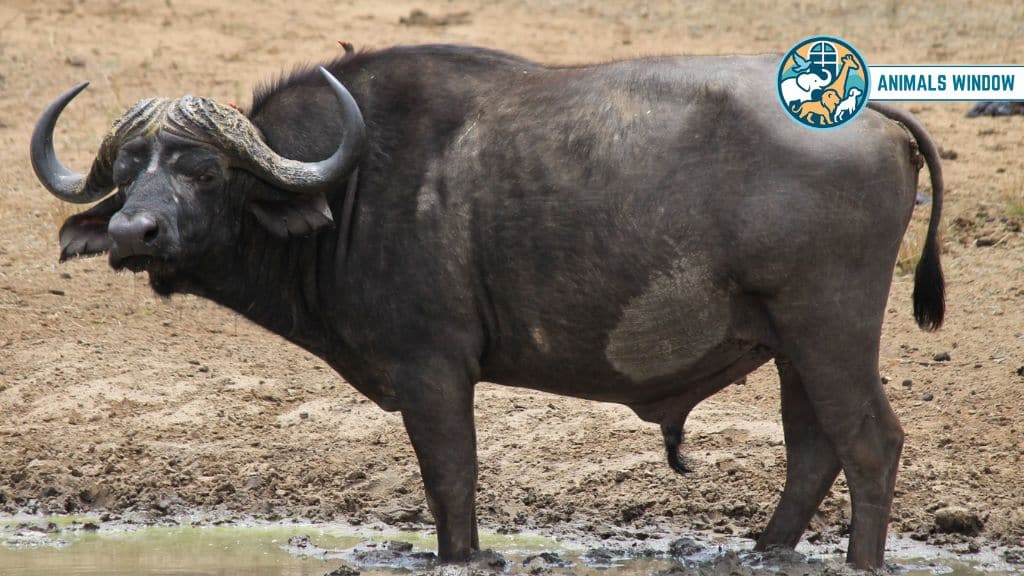
The African Cape buffalo is responsible for more lion deaths than almost any other prey animal. When cornered or defending a herd member, a buffalo doesn’t run. It charges. A single buffalo can gore and trample a lion to death — and a herd working together will chase down lions and stomp them repeatedly, even returning to the body afterward.
What separates buffaloes from other herbivores on this list is documented revenge behavior. Buffalo herds have been observed pursuing and killing lions that attacked one of their group, even after the threat had passed.
They have long memories and hold grudges in the most literal biological sense. This makes them one of the most dangerous animals for lions to hunt.
🔥 Comparison Fact: An adult male Cape buffalo weighs about the same as a compact car — up to 2,000 lbs — with two curved horns that can each reach 5 feet in span.
11. Elephants
- Scientific Name: Loxodonta africana
- Size: 8.2–13 ft tall at shoulder
- Weight: 5,000–14,000 lbs
- Diet: Herbivore
- Habitat: African savanna, forest, and bushland
- Lifespan: 60–70 years
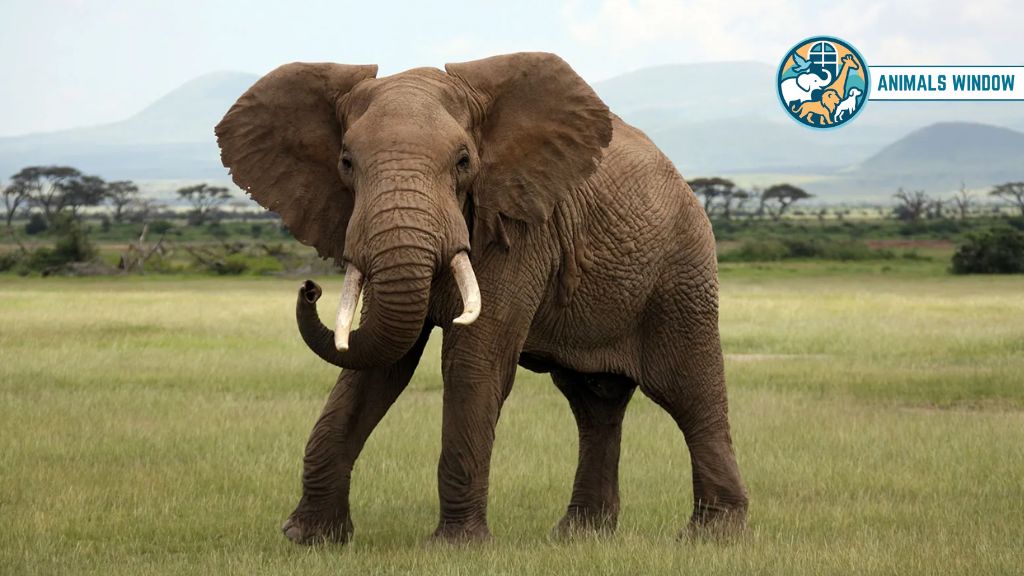
Elephants don’t eat lions. But they kill them — and they do it with a level of intelligence that separates them from every other animal on this list. Elephants recognize lions by scent and sound, remember dangerous individuals, and will actively pursue and stomp lions that have threatened their calves.
There are documented cases of elephants tracking down lions over distances of several kilometers to eliminate a threat. They don’t wait to be attacked. And after killing a lion, some elephants have been observed carrying or kicking the carcass — behaviors researchers interpret as stress responses tied to the emotional weight of a confrontation.
🔥 Comparison Fact: An adult African elephant weighs roughly as much as two full school buses. A lion hitting the underside of an elephant’s foot during a stomp experiences a force that no bone structure survives.
12. Hippopotamuses

- Scientific Name: Hippopotamus amphibius
- Size: 4.6–5.4 ft tall at shoulder, 9.5–16.5 ft long
- Weight: 3,300–9,900 lbs
- Diet: Herbivore (mainly grasses)
- Habitat: Sub-Saharan rivers, lakes, and swamps
- Lifespan: 40–50 years
Most lions know to avoid hippos. But territorial overlaps near water sources create forced encounters — and the hippopotamus wins almost every time. A hippo’s bite force is around 1,800 psi, and its canine teeth can reach 20 inches in length. A single bite can sever a lion’s spine.
Hippos kill more people and large animals per year in Africa than nearly any other species. Their aggression is not always defensive — territorial males charge and attack anything they perceive as an intrusion. Lions attempting to drink near a hippo pool have been dragged into the water, bitten, and drowned. The hippo doesn’t eat the lion. It just eliminates the threat.
🔥 Comparison Fact: A hippo’s mouth can open to a 180-degree angle — wide enough to swallow a lion whole in theory. The jaw alone weighs about as much as a large refrigerator.
13. Black Rhinoceroses

- Scientific Name: Diceros bicornis
- Size: 4.5–5.9 ft tall at shoulder
- Weight: 1,760–3,090 lbs
- Diet: Browser (leaves, shoots, thorny bushes)
- Habitat: East and southern African scrubland and bushland
- Lifespan: 35–50 years
The black rhinoceros has terrible eyesight but an extraordinary sense of smell and hearing. When it detects a lion nearby, its response is not to wait and assess — it charges. Black rhinos are famously short-tempered and react to threats faster than their bulk suggests.
What makes them unique on this list is their horn. Made of compressed keratin (the same material as human fingernails), the front horn averages 20 inches long but can reach 55 inches in some individuals. A charging black rhino can impale a lion and toss it several feet in the air. Lions learn to avoid rhinos after one encounter — if they survive it.
🔥 Comparison Fact: A black rhino’s front horn is often longer than a human forearm and harder than packed bone. At full charge speed of 35 mph, the impact force is equivalent to a car crash.
14. White Rhinoceroses
- Scientific Name: Ceratotherium simum
- Size: 5–6 ft tall at shoulder
- Weight: 3,750–5,100 lbs
- Diet: Grazer (short grasses)
- Habitat: Southern Africa — open grassland and savanna
- Lifespan: 40–50 years
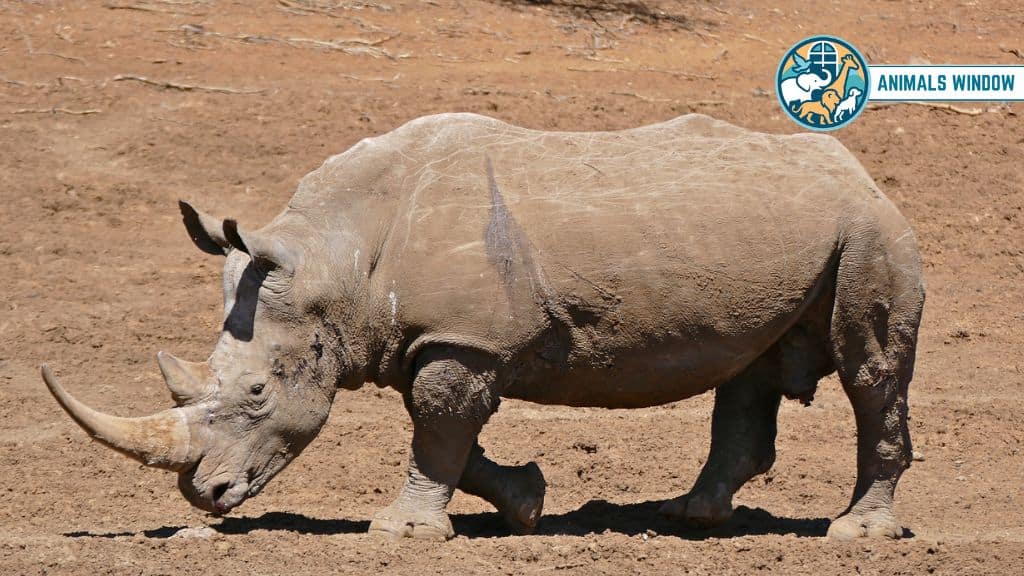
The white rhinoceros is the larger of the two African rhino species and the second-largest land animal on Earth. Where the black rhino charges out of aggression, the white rhino is comparatively calmer — but that doesn’t make it safe for a lion. A white rhino that feels its calf is threatened responds with the same lethal force.
What’s different about white rhinos is their social structure. They live in small groups called crashes, and females with calves stay close together. A lion attempting to isolate a white rhino calf faces not one rhino but several adults moving in formation — a challenge that most lion prides won’t take on twice.
🔥 Comparison Fact: An adult male white rhino weighs about as much as a mid-size delivery truck — over 5,000 lbs — making it one of the heaviest land animals a lion could ever encounter.
15. Giraffes

- Scientific Name: Giraffa camelopardalis
- Size: 14–19 ft tall
- Weight: 1,750–2,800 lbs
- Diet: Browser (acacia leaves)
- Habitat: Open woodland and savanna across sub-Saharan Africa
- Lifespan: 20–25 years in the wild
A giraffe’s kick is not a defensive tap. It’s a lethal strike. Adult giraffes can deliver a kick with enough force to decapitate a lion — and there are field-documented cases of exactly that happening. Lions do hunt giraffes, but they target juveniles and only attack adults under specific conditions, because the risk of injury is extremely high.
A giraffe doesn’t just kick backward like a horse. It can kick in all directions, including forward. Lions attempting a throat bite on a giraffe — their standard large-prey technique — have been struck mid-leap and killed. The giraffe’s leg is about 6 feet long and ends in a hoof that can weigh over 25 lbs. It’s not a weapon most lions choose to test twice.
🔥 Comparison Fact: A giraffe stands nearly as tall as a two-story house. When it kicks, the hoof travels at speeds estimated around 35 mph — similar to a car collision at city speed.
16. African Crested Porcupines
- Scientific Name: Hystrix cristata
- Size: 24–33 inches long
- Weight: 22–66 lbs
- Diet: Herbivore (roots, bulbs, bark)
- Habitat: Northern and sub-Saharan Africa — rocky hillsides and dense brush
- Lifespan: 15–20 years
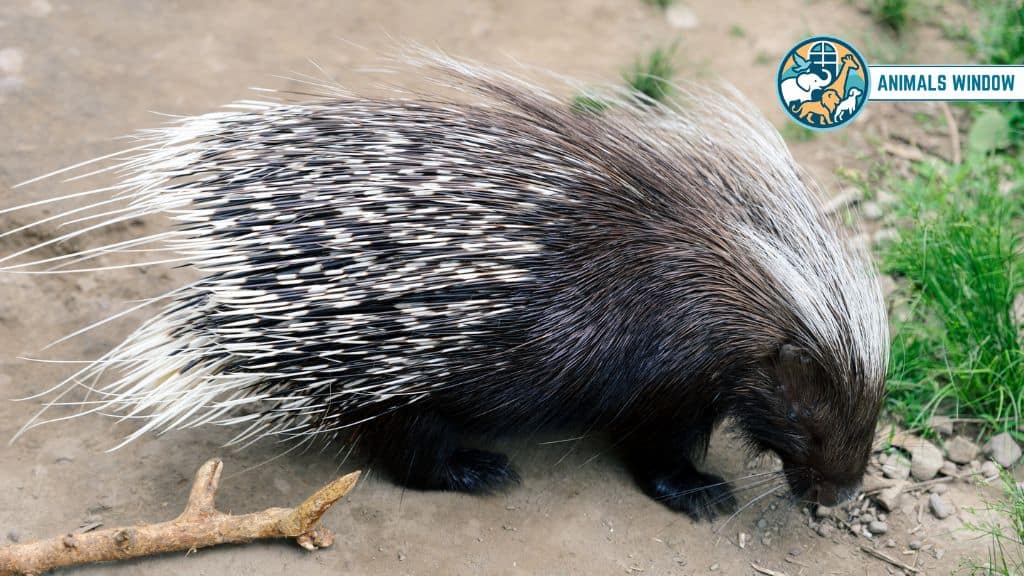
This one surprises people. The African crested porcupine is not aggressive. It doesn’t attack lions. But when cornered, it backs into a threat, driving its barbed quills — up to 14 inches long — deep into the attacker’s face, paws, or mouth. The quills detach easily and work their way deeper into flesh over time, causing infections, abscesses, and sometimes death.
There are documented cases of lions dying from porcupine quill injuries — not from the initial encounter but from the slow, progressive tissue damage that follows.
A quill lodged near a lion’s jaw can prevent it from hunting effectively, leading to starvation. It’s not a dramatic death, but it’s a real one. And it starts with one small rodent that simply refused to run.
🔥 Comparison Fact: A crested porcupine weighs about as much as a large house cat — maybe 30 lbs. Its quills, however, are strong enough to punch through leather and have killed lions, leopards, and even hyenas over documented history.
17. Vultures
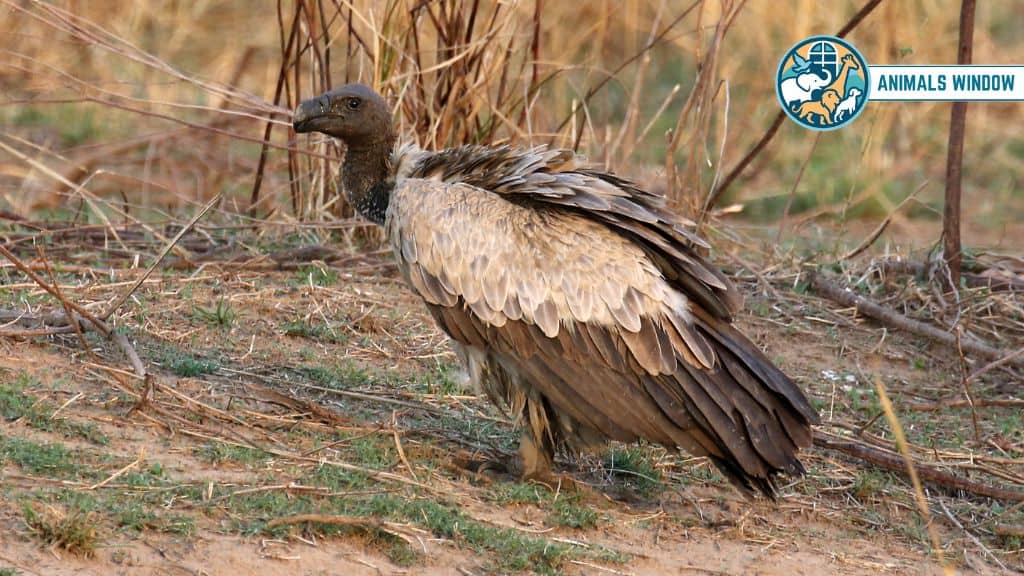
- Scientific Name: Multiple species — Gyps africanus (White-backed Vulture) most common near lion carcasses
- Size: 33–37 inch body length, 7.5 ft wingspan
- Weight: 9.7–15.4 lbs
- Diet: Obligate scavenger (carrion only)
- Habitat: Open savanna, grasslands, and woodland across Africa
- Lifespan: 30–40 years
Vultures are the first large scavengers to arrive at a dead lion. They circle from altitudes up to 15,000 feet, using thermal currents and the behavior of other animals below to locate carcasses up to 30 miles away. When one descends, others follow within minutes.
What sets vultures apart as scavengers is their resistance to disease. A vulture’s stomach acid destroys anthrax, botulinum toxin, and cholera bacteria — pathogens that would kill most mammals. They are the reason lion carcasses don’t create disease outbreaks across the savanna. Their digestive system is essentially a biological containment unit.
🔥 Comparison Fact: A group of vultures can strip a lion carcass — over 300 lbs of flesh — down to bare bone in less than an hour. That’s faster than most industrial meat processing equipment.
18. Marabou Storks

- Scientific Name: Leptoptilos crumenifer
- Size: 4–5 ft tall, 7.5–9.4 ft wingspan
- Weight: 9.7–19.8 lbs
- Diet: Scavenger and opportunistic carnivore
- Habitat: Sub-Saharan Africa — open dry habitats and around human settlements
- Lifespan: 25 years
The Marabou stork is not a graceful bird. It has a bald, pink-blotched head, a dangling throat pouch, and a habit of standing inside carcasses to eat. It shows up at lion kills and lion deaths alongside vultures, using its long bill to reach soft tissue in body cavities that other birds can’t access.
Marabou storks is their range of diet. They eat carrion, yes — but also scraps near human garbage dumps, fish, insects, and even smaller birds. This behavioral flexibility has made them one of the most widespread scavengers in Africa. But their role at a lion carcass is specific: they get to the organs and intestines that vultures leave behind, completing the cleanup process.
🔥 Comparison Fact: A Marabou stork stands nearly as tall as a 10-year-old child — about 5 feet — and has a wingspan wider than a compact car is long. It’s one of the largest flying birds in the world.
19. Flesh-eating Beetles & Blowflies
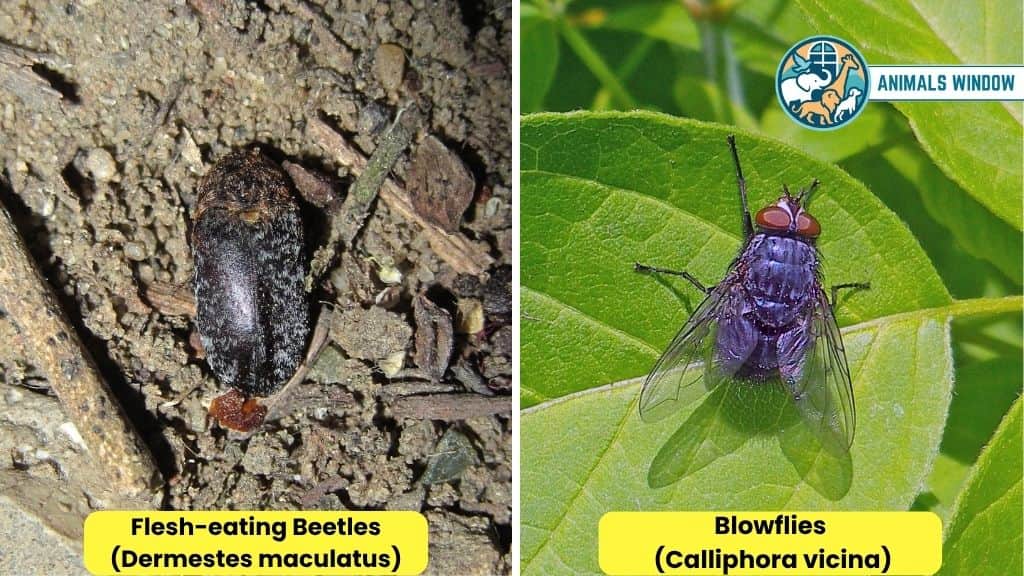
- Scientific Name: Dermestes maculatus (Hide Beetle), Calliphora vicina (Blowfly)
- Size: Beetles: 0.2–0.6 inches; Blowflies: 0.4–0.6 inches
- Weight: Measured in milligrams
- Diet: Carrion, soft tissue, dried flesh, bone marrow
- Habitat: Worldwide — wherever animal remains are found
- Lifespan: Beetles: up to 3 years; Blowflies: 2–8 weeks
These are the final processors of a lion carcass. Blowflies arrive within minutes of death, laying eggs in wounds and body openings. Within 24 hours, larvae (maggots) begin consuming soft tissue at a rate that would astonish most people — a single blowfly egg mass can produce larvae that consume an ounce of tissue per hour.
Dermestid beetles arrive later, once the carcass has dried. They consume the remaining hide, dried ligaments, and hair. Museums use these beetles to clean animal skeletons for display — they are so thorough that taxidermists rely on them professionally.
Together, blowflies and flesh beetles complete what vultures and hyenas started. What was a lion disappears entirely — no waste, no bones, no trace.
🔥 Comparison Fact: A single colony of dermestid beetles can reduce a full lion skeleton — 200+ lbs of bone, cartilage, and dried tissue — to dust over several weeks. Something the size of a grain of rice finishes what a 1,600-lb crocodile started.
FAQs About Animals That Hunt Lions
What animal eats lions the most?
Spotted hyenas and humans are the most frequent consumers of lion flesh. Hyena clans eat lions they’ve killed or found dead. Humans — through hunting and conflict killing — are responsible for the highest overall lion mortality rate.
What are lions’ natural predators?
In the wild, lions face real threats from Nile crocodiles, spotted hyenas, and other lions. Large herbivores like Cape buffaloes and elephants can also kill lions, though they don’t eat them.
Which animal can kill a lion one on one?
A Nile crocodile, adult hippo, or large Cape buffalo can kill a single lion in a one-on-one encounter. Elephants can kill them almost effortlessly. Among predators, a large spotted hyena clan can take down a weakened lion.
What animal eats a lion’s dead body?
Spotted hyenas, vultures, Marabou storks, black-backed jackals, and flesh-eating beetles all feed on dead lions. Hyenas can consume nearly the entire carcass. Beetles and blowflies handle the final remains.
Do any animals hunt lions specifically?
No wild animal specifically hunts lions as a primary prey. Humans are the only species that actively and consistently targets lions. Other animals kill lions as competitors, in self-defense, or opportunistically.
Which animal can kill both a lion and a tiger?
A Nile crocodile, large elephant, or hippopotamus could kill either species. Among land predators, a large brown bear could potentially defeat a tiger, though this isn’t a natural overlap scenario. Humans, practically speaking, are the only species that kills both regularly.
What do lions eat?
Lions are apex carnivores. Their main prey includes zebras, wildebeest, buffaloes, impalas, warthogs, and giraffes. They occasionally eat smaller animals like hares or birds when larger prey is scarce. Male lions also steal kills from other predators including hyenas and leopards.
Related More Animals Guides:

I have loved animals since I was a kid. I enjoy reading about how animals live, eat, move, and survive. I started Animals Window to share what I learn in a simple and easy way. I write about animal body parts, size, behavior, diet, habitats, and species. My goal is to make animal facts clear and fun for everyone to understand.