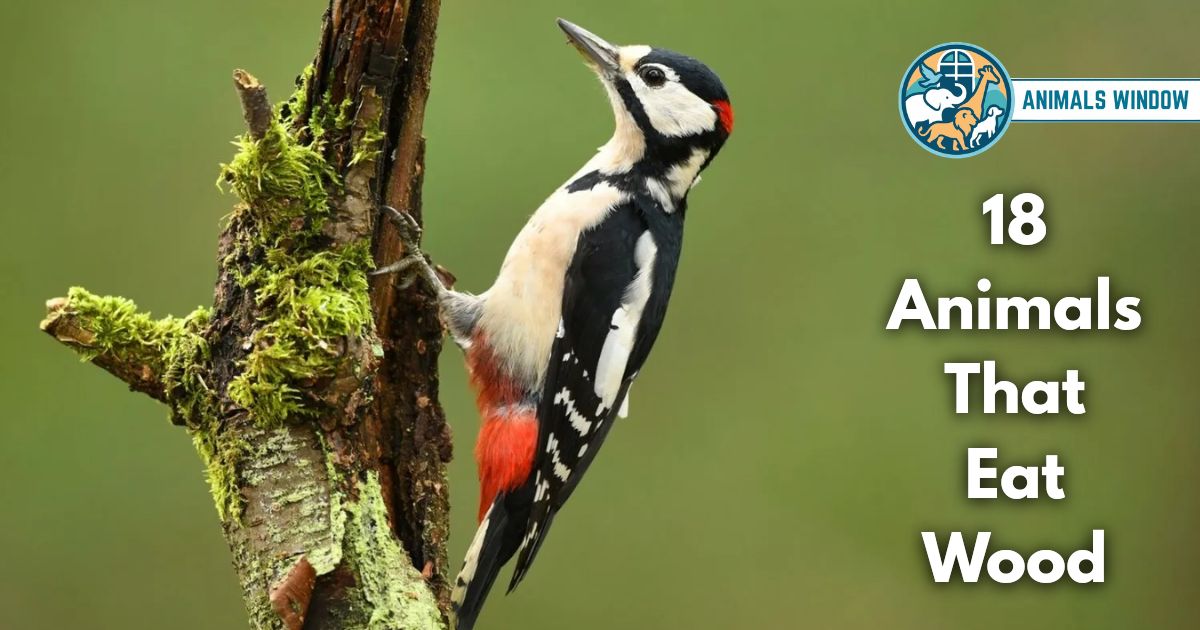
Many animals eat wood or rely on it for survival. These include insects like termites and bark beetles, marine creatures like shipworms, freshwater fish like the Panaque catfish, and mammals like beavers, porcupines, and elephants. Some digest wood for nutrients. Others chew it for nesting or to access bark and sap. At least 18 known species use wood as a food source or habitat.
Table of Contents
Quick Table of Wood Eating Animals
| Animal Name | Scientific Name | Key Trait |
| Termite | Isoptera (order) | Digests cellulose via gut microbes |
| Bark Beetle | Scolytinae | Engraves galleries under bark |
| Powderpost Beetle | Lyctinae | Reduces wood to fine powder |
| Longhorn Beetle | Cerambycidae | Larvae bore for years inside trees |
| Horntail (Wood Wasp) | Siricidae | Drills wood and injects fungal spores |
| Wood Cockroach | Parcoblatta spp. | Lives and feeds inside rotting logs |
| Carpenter Ant | Camponotus spp. | Excavates galleries; does not digest wood |
| Carpenter Bee | Xylocopa spp. | Bores into wood for nesting only |
| Shipworm | Teredo navalis | Marine clam that destroys wooden ships |
| Gribble | Limnoria lignorum | Marine crustacean; erodes wood from outside |
| Panaque Catfish | Panaque nigrolineatus | Only fish known to digest wood |
| Camel | Camelus spp. | Chews dry woody shrubs in desert |
| Deer | Odocoileus spp. | Strips and gnaws bark in winter |
| Beaver | Castor canadensis | Fells trees and eats inner bark |
| Rabbit | Oryctolagus cuniculus | Gnaws bark and woody stems |
| Porcupine | Erethizon dorsatum | Eats bark and sapwood for salt |
| Squirrel | Sciurus carolinensis | Strips bark; eats twigs and buds |
| Elephant | Loxodonta africana | Pushes over whole trees to reach bark |
| Sapsucker | Sphyrapicus spp. | Drills sap wells in living trees |
Did you know a tiny marine clam nearly sank the British Royal Navy by eating their wooden warships? Or that a South American catfish actually digests wood the same way a cow digests grass? Some of the wood-eaters on this list have specialized teeth made of iron compounds. Others spend three years as larvae tunneling silently inside a living tree.
This list goes beyond the usual “termites eat wood” facts. You’ll find a fish that poops sawdust, a crustacean the size of a louse that destroys pier foundations, and a catfish with spoon-shaped teeth unlike anything else on Earth.
1. Termites
- Scientific name: Order Isoptera
- Size: 4–15 mm
- Weight: 1–10 mg
- Diet: Dead wood, leaf litter, soil organic matter
- Habitat: Tropical and subtropical regions worldwide
- Lifespan: Workers live 1–2 years; queens up to 25 years
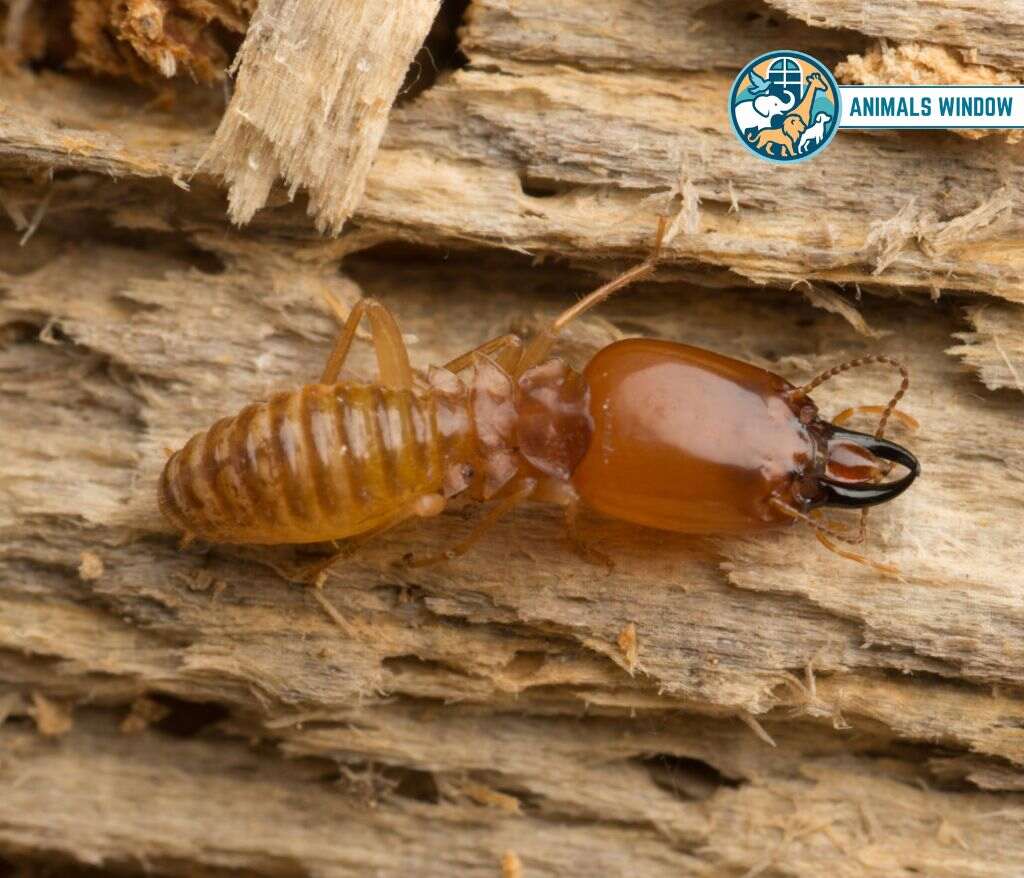
Termites are the most well-known wood-eating insects on the planet. They live in massive colonies that can contain millions of individuals. You’ll find them on every continent except Antarctica, mostly in warm, humid climates. What makes them special isn’t just what they eat — it’s how they eat it.
Termites cannot digest wood on their own. Instead, they carry millions of single-celled organisms called protists and bacteria inside their hindgut. These microbes break down cellulose — the tough fiber inside wood — into sugars the termite can absorb. It’s a biological partnership that has evolved over 300 million years.
🔥 Comparison Fact: A single termite mound can be taller than a giraffe — some African mounds exceed 9 feet in height — yet the workers building it are each about the size of a grain of rice.
2. Bark Beetles
- Scientific name: Scolytinae (subfamily)
- Size: 1–9 mm
- Weight: Less than 1 mg
- Diet: Phloem tissue beneath tree bark
- Habitat: Forests across North America, Europe, and Asia
- Lifespan: 1–2 years
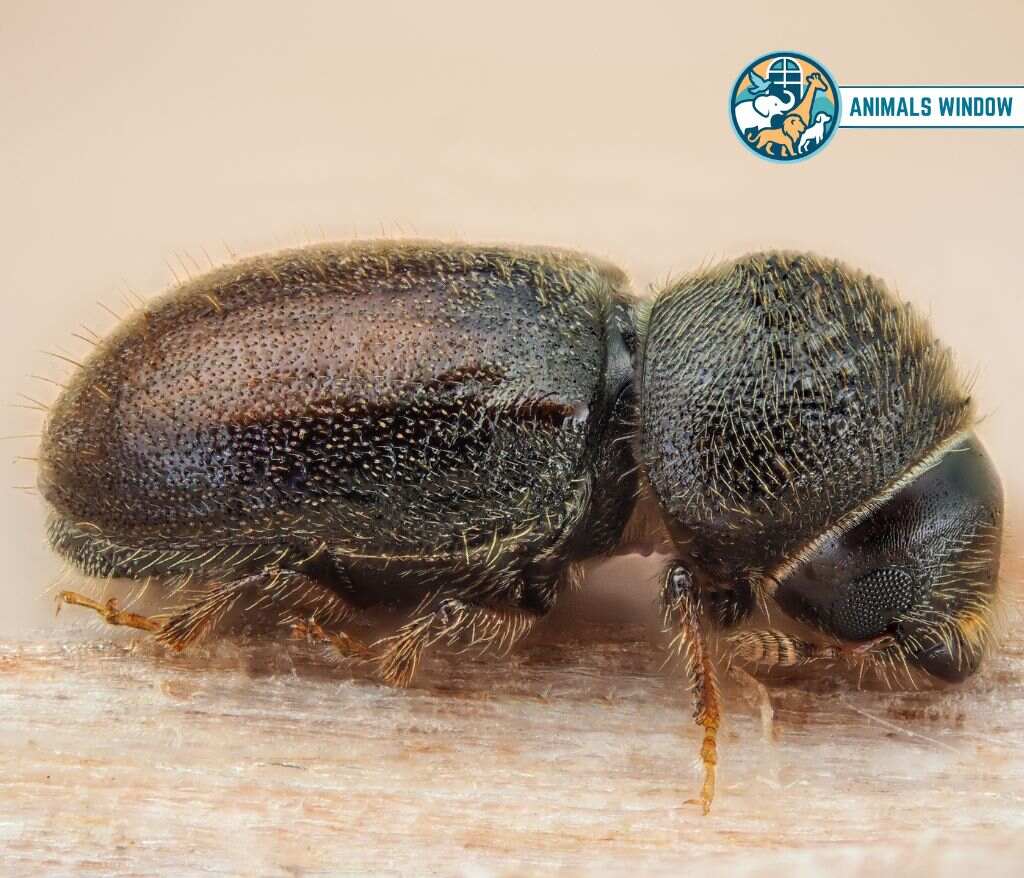
Bark beetles are small, cylindrical insects that live in the narrow space between bark and wood. They don’t actually eat hard wood — they eat the soft, nutrient-rich phloem layer just beneath the outer bark. This thin layer carries sugars made by the tree’s leaves down to its roots.
What stands out is the art they leave behind. When bark beetles carve tunnels through the phloem, they create distinctive patterns called “galleries.” Each species makes its own unique pattern — like a fingerprint. Foresters can identify the species just by the shape of the engraving, without ever seeing the beetle itself.
🔥 Comparison Fact: The mountain pine beetle (Dendroctonus ponderosae), one of the most destructive bark beetles, is roughly the size of a sunflower seed — yet one outbreak in British Columbia killed trees across an area larger than the entire state of Washington.
3. Wood-Boring Beetles (Powderpost & Longhorn)
- Scientific name: Lyctinae (powderpost), Cerambycidae (longhorn)
- Size: 3–75 mm depending on species
- Weight: Varies widely; longhorns up to 35 g
- Diet: Dry hardwood (powderpost); living or recently cut wood (longhorn)
- Habitat: Worldwide in forests, lumber, and wood structures
- Lifespan: Larval stage can last 1–10 years
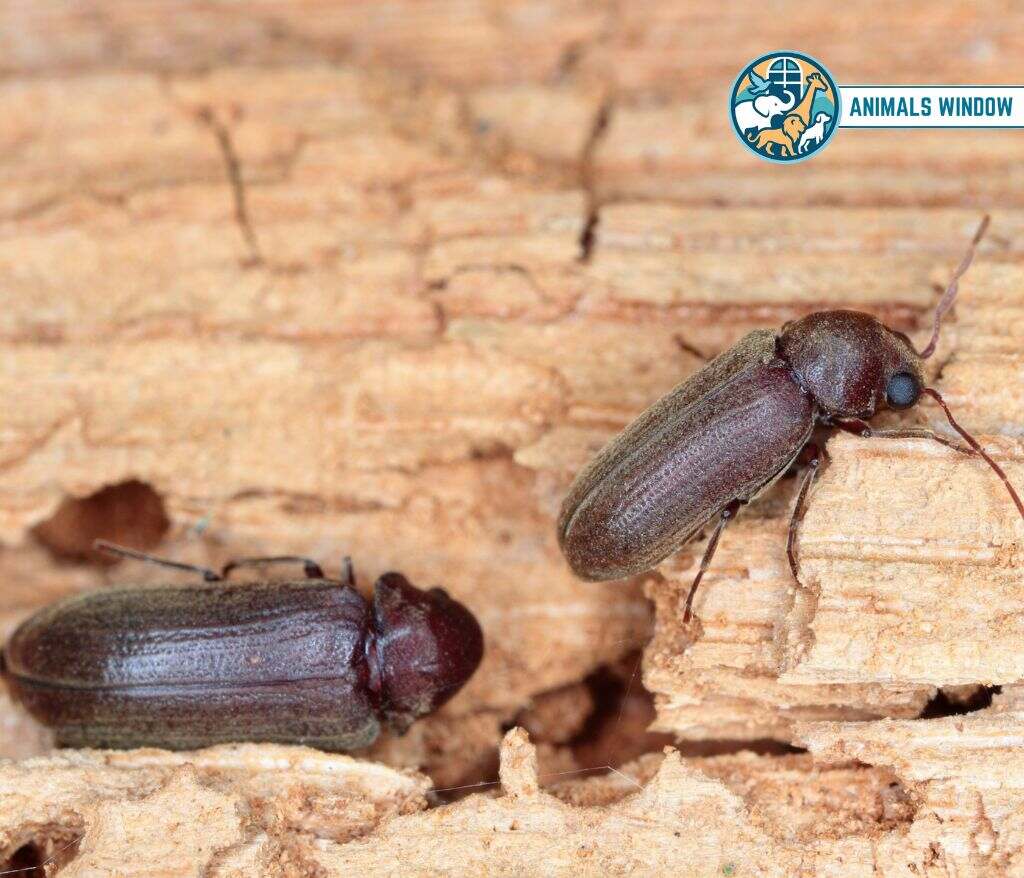
These two beetles share the wood-boring habit but attack it in completely different ways. Powderpost beetles target dry, seasoned hardwood in furniture and flooring. Their larvae chew through the wood slowly and leave behind a trail of very fine dust — the texture of flour — which is how they got their name.
Longhorn beetles are built for something more dramatic. Their larvae can spend up to three years silently tunneling through the heartwood of a living tree. The Asian longhorn beetle (Anoplophora glabripennis) can complete this entire process inside a single large maple tree before anyone notices the damage.
🔥 Comparison Fact: A fully grown Titan longhorn beetle (Titanus giganteus) from South America can reach 6.5 inches in length — roughly the size of a smartphone. It’s the longest beetle in the world.
4. Horntails (Wood Wasps)
- Scientific name: Siricidae (family)
- Size: 25–55 mm
- Weight: 0.5–2 g
- Diet: Wood softened by fungus; larvae feed on infected wood
- Habitat: Conifer and hardwood forests in the Northern Hemisphere
- Lifespan: Adults live only a few weeks; larval stage lasts 2–5 years
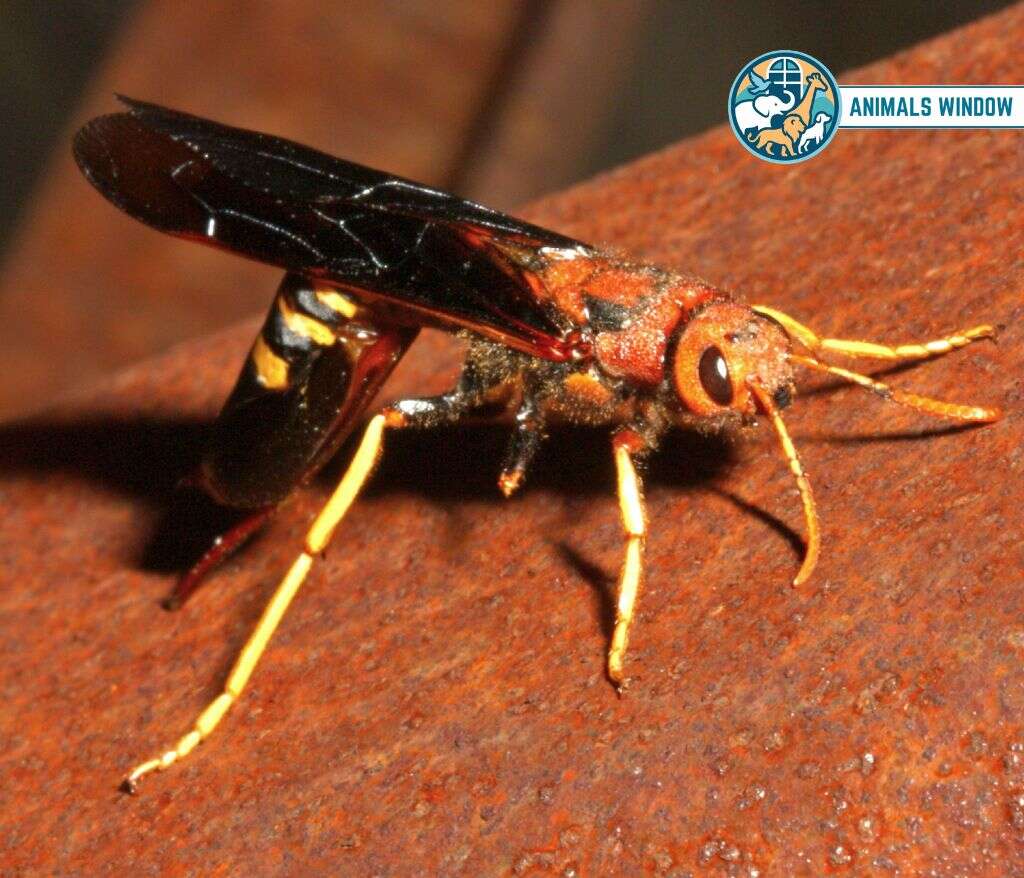
Horntails look alarming. They have a spike-like structure called an ovipositor at the tip of their abdomen, which many people mistake for a stinger. It’s not — it’s a drilling tool. The female uses it to bore directly into living tree bark and deposit her eggs.
But here’s the clever part: she doesn’t just lay eggs. As she drills, she also injects spores of a special wood-rotting fungus. The fungus softens the wood around the eggs, making it easier for the hatching larvae to eat. This makes the horntail one of the only insects that farms its own food supply inside the tree before the larvae even hatch.
🔥 Comparison Fact: The pigeon horntail (Tremex columba) can drill through more than an inch of solid wood to lay eggs — about the same depth as a standard wood screw goes when you hang a picture frame.
5. Wood Cockroaches
- Scientific name: Parcoblatta spp.
- Size: 12–30 mm
- Weight: 0.5–1.5 g
- Diet: Decaying wood, fungi, leaf debris
- Habitat: Eastern North America; rotting logs and forest floors
- Lifespan: About 2 years
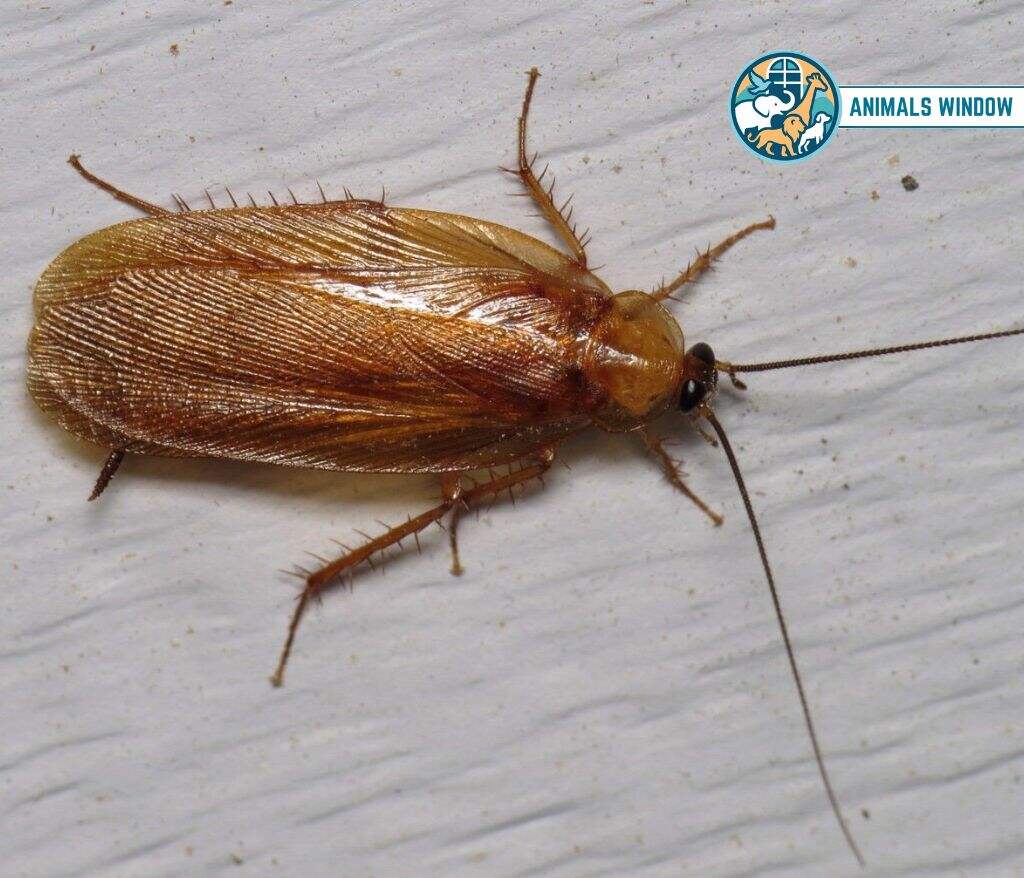
Wood cockroaches are nothing like the cockroaches you’d find in a kitchen. They live entirely outdoors, inside rotting logs and leaf piles on forest floors. They’re important decomposers — breaking down dead wood and returning its nutrients to the soil.
Unlike many wood-eating insects, wood cockroaches eat wood at a very late stage of decay when it’s already been softened by fungi and moisture. Males are strong fliers and are drawn to light, which means they sometimes wander indoors during mating season — but they cannot survive in a dry home and are not pests.
🔥 Comparison Fact: An adult male wood cockroach is about as long as a standard AAA battery. It can fly up to several hundred meters in a single night, which is unusual for a cockroach.
6. Carpenter Ants
- Scientific name: Camponotus spp.
- Size: 6–25 mm
- Weight: 1–3 mg
- Diet: Insects, honeydew, and other sugary substances — NOT wood
- Habitat: Forested areas across North America, Europe, and Asia
- Lifespan: Workers live 7 years; queens up to 25 years
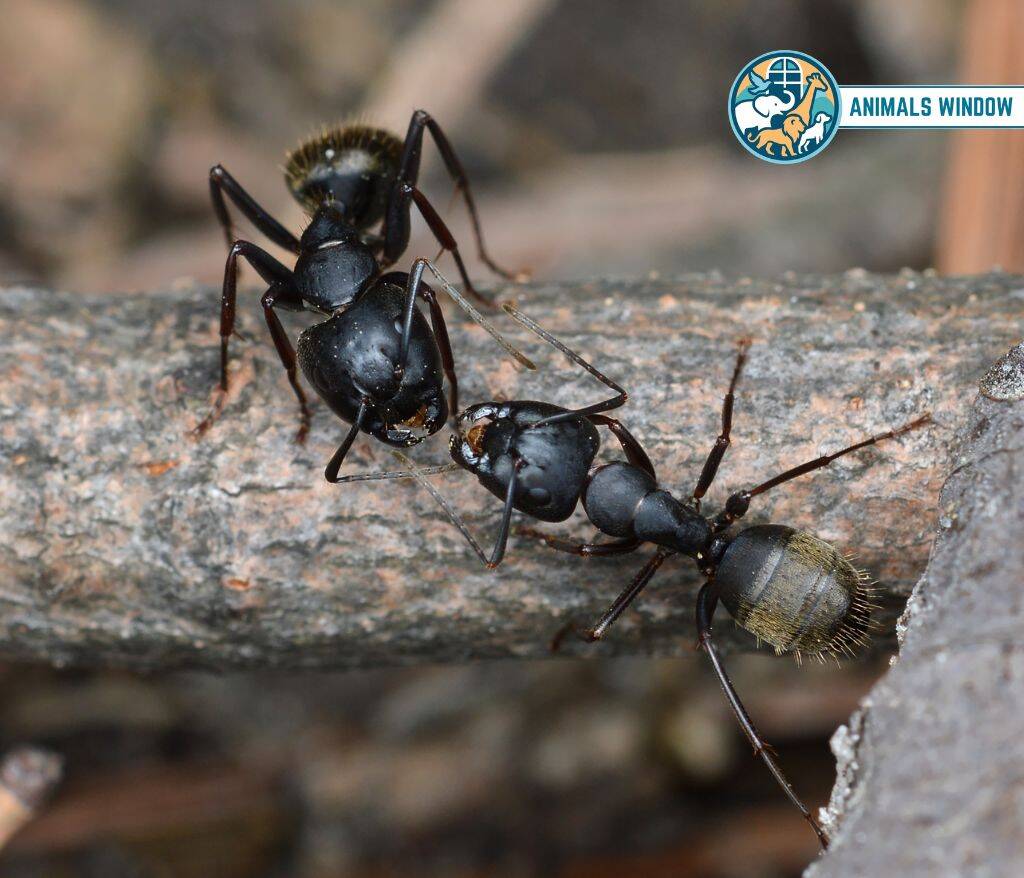
Carpenter ants are often listed as wood-eaters, but that’s not quite right. They excavate wood — they chew through it and spit it out as sawdust — but they don’t eat it. They’re creating a home, not a meal. Their real diet consists of protein from insects and sweet liquids like plant sap and insect honeydew.
What makes carpenter ants remarkable is how clean their work is. The tunnels they carve look sanded and smooth, as if done with a tool. They prefer soft, moisture-damaged wood inside walls or tree trunks. If you find a small pile of coarse, fibrous sawdust near wooden trim in your home, a carpenter ant colony is almost certainly nearby.
🔥 Comparison Fact: A mature carpenter ant colony can hollow out a section of 2×4 lumber the length of a pencil in less than a week, leaving the surface completely intact while the interior turns to tunnels.
7. Carpenter Bees
- Scientific name: Xylocopa spp.
- Size: 19–28 mm
- Weight: 0.5–1.0 g
- Diet: Nectar and pollen — NOT wood
- Habitat: Found worldwide; nests in softwood like cedar, pine, and redwood
- Lifespan: About 1–3 years
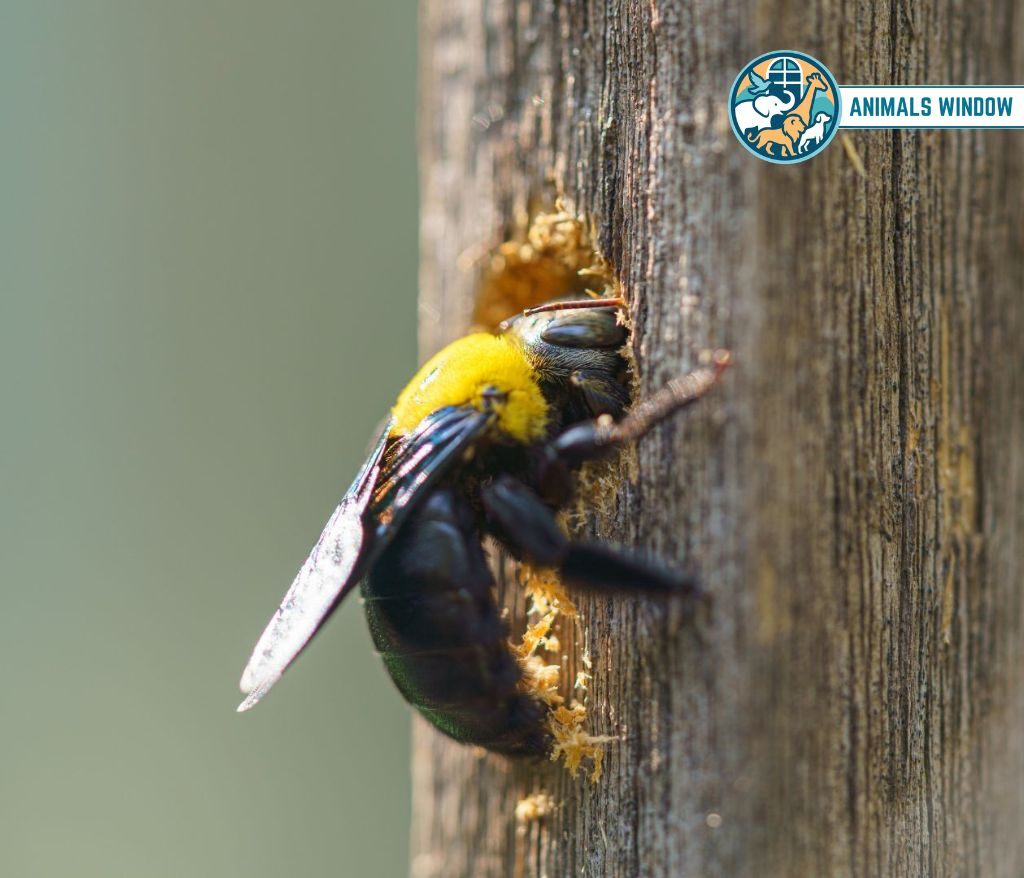
Like carpenter ants, carpenter bees are mistakenly called wood-eaters. They bore perfectly circular holes into unfinished or bare wood to build nesting galleries. But they feed only on flower nectar and pollen — the wood they drill is purely a construction material, not food.
The female does all the drilling. She uses her strong mandibles to chew a perfectly round tunnel, about the diameter of a finger, straight into the wood and then turns 90 degrees to create a long nesting chamber. What’s surprising is how she furnishes it: she places pollen balls inside, lays a single egg on top of each ball, then seals the cell with a plug of chewed wood pulp — essentially making sealed lunch boxes for her larvae.
🔥 Comparison Fact: A carpenter bee can drill an inch-deep tunnel in just a few days. The entry hole is so precise it looks like it was made with a 1/2-inch drill bit.
8. Shipworms
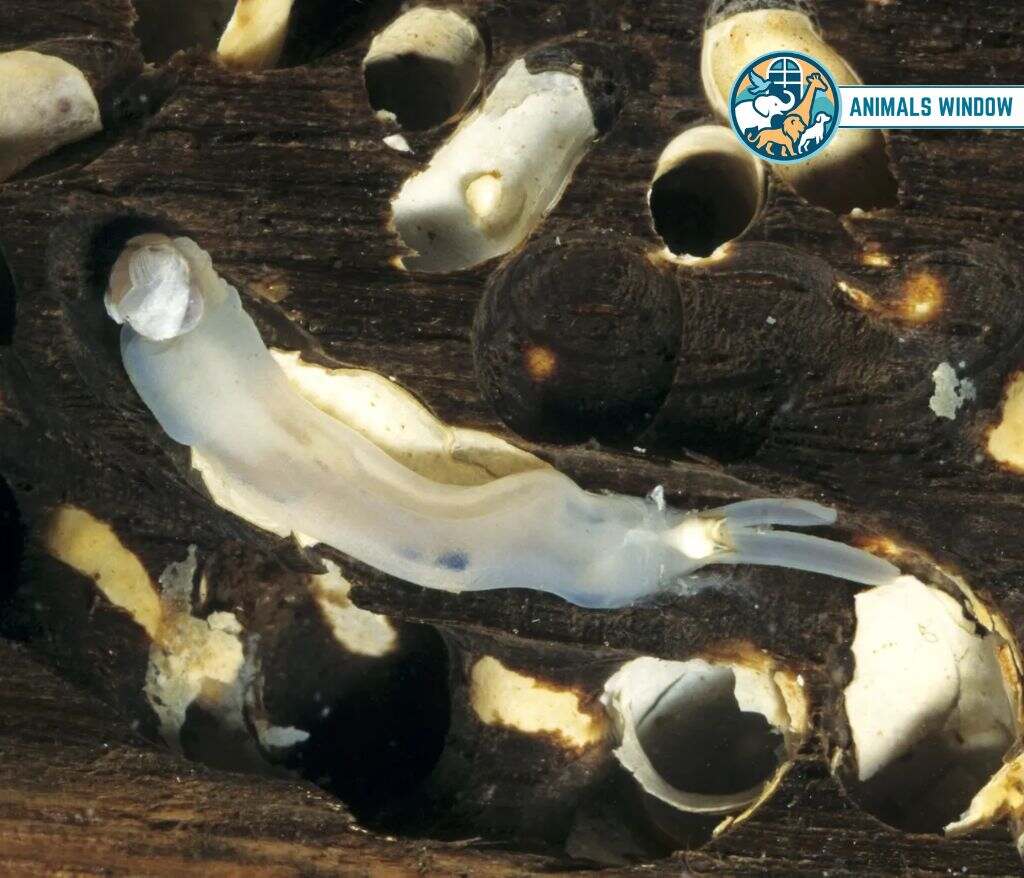
- Scientific name: Teredo navalis
- Size: Up to 60 cm in length; shell only 1 cm
- Weight: Varies by size
- Diet: Wood submerged in seawater; absorbs dissolved minerals
- Habitat: Marine harbors, estuaries, and wooden structures worldwide
- Lifespan: 1–5 years
Shipworms are not worms. They’re marine clams with a highly modified body. Their tiny shell sits at the front end and acts like a drill bit. They use it to bore into submerged wood, leaving behind a smooth, tube-lined tunnel as they grow. The rest of their body — long and pale like a worm — fills the tunnel.
Shipworms have caused more naval damage in history than almost any other organism. They destroyed wooden ships and harbor structures for centuries. Benjamin Franklin actually proposed the first lead-sheathed ship hulls as a solution to shipworm damage. Recent research has found that shipworms host bacteria in their gills that help them digest the cellulose and nitrogen in wood — making them surprisingly self-sufficient.
🔥 Comparison Fact: A shipworm can grow to 2 feet long yet its entire shell — the part you’d recognize as a clam — is only about the size of a thumbnail.
9. Gribble (Limnoria)
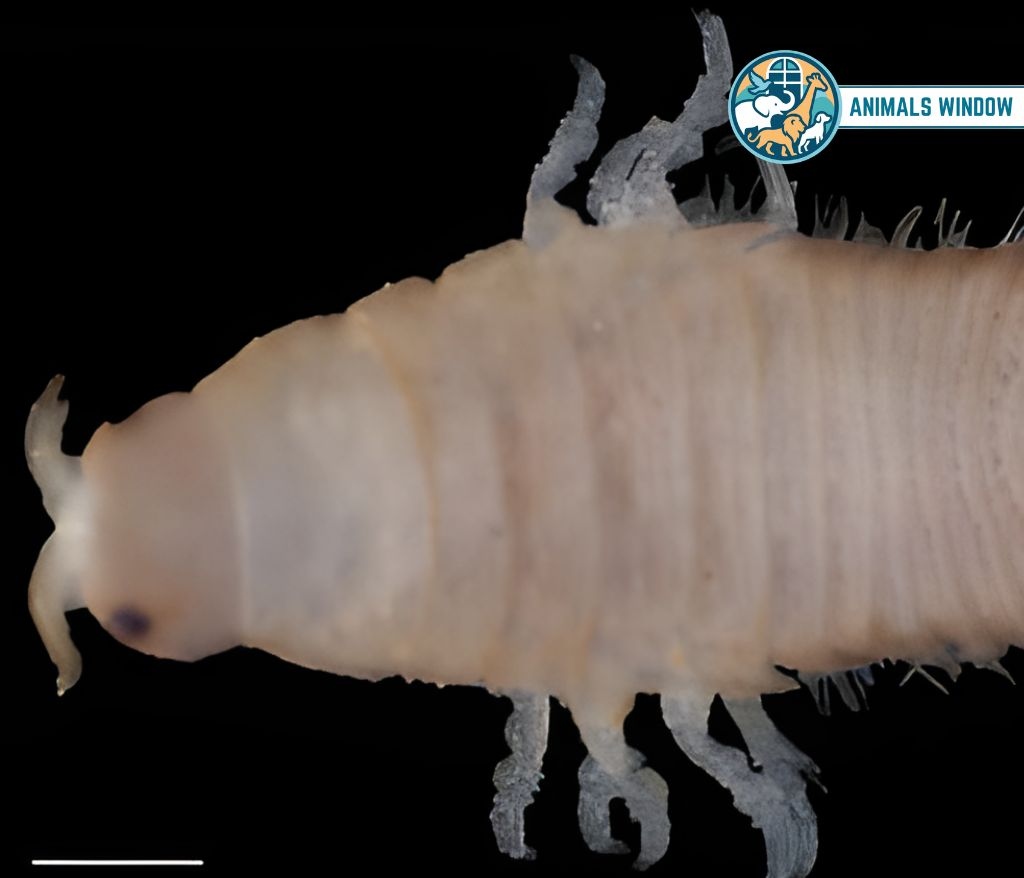
- Scientific name: Limnoria lignorum
- Size: 3–4 mm
- Weight: Less than 0.01 g
- Diet: Wood and the fungi that colonize it in seawater
- Habitat: Marine coastal environments; attacks pier pilings and wooden boats
- Lifespan: About 2 years
The gribble is a marine crustacean — a distant relative of crabs and shrimp — and it attacks wood from the outside in. Unlike shipworms that tunnel deep, gribbles rasp away at the surface of submerged wood in large numbers, creating a characteristic “hourglass” erosion shape on pier pilings just below the waterline.
What scientists recently discovered is remarkable: gribbles produce their own wood-digesting enzymes without the help of gut microbes. They make an enzyme called GH7 cellulase entirely on their own — and researchers are now studying this enzyme as a cheaper way to convert woody biomass into biofuels. A creature smaller than a grain of rice might help solve part of the clean energy puzzle.
🔥 Comparison Fact: A gribble is about 3 mm long — close to the size of a sesame seed — yet colonies of them can destroy a wooden pier piling down to a spindly neck in less than two years.
10. Panaque Catfish (Royal Pleco)
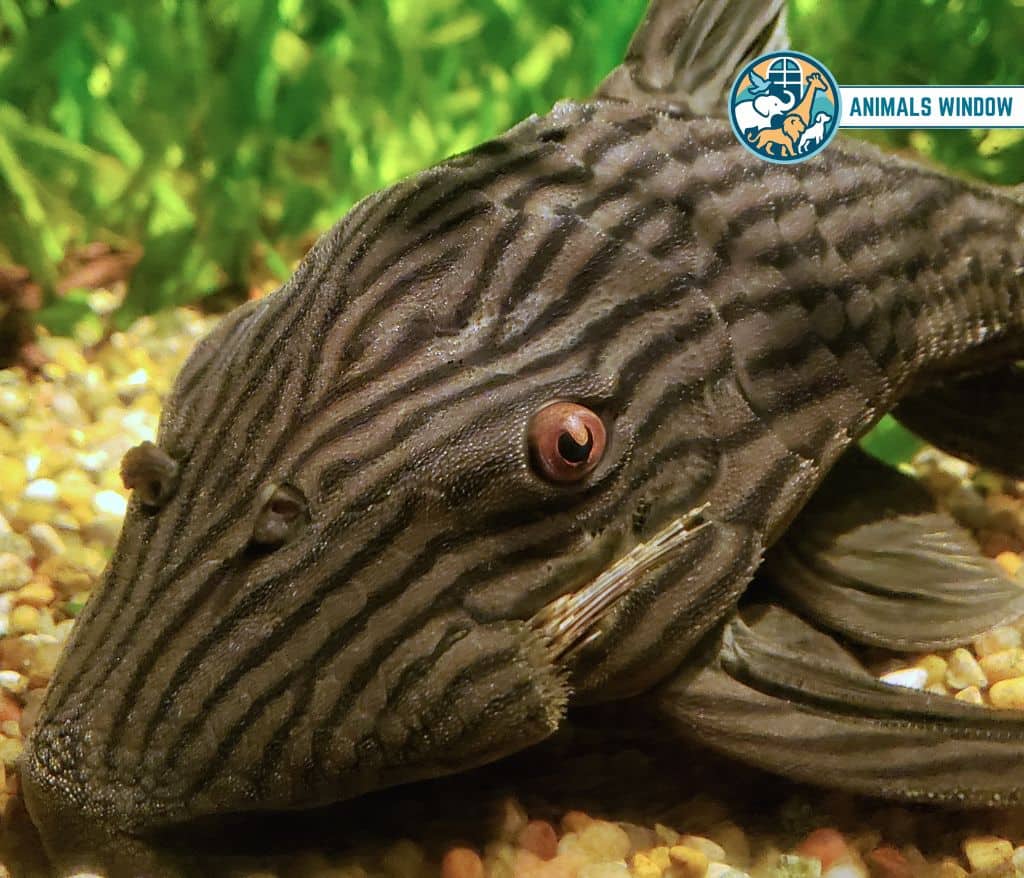
- Scientific name: Panaque nigrolineatus
- Size: 30–43 cm
- Weight: Up to 1 kg
- Diet: Submerged wood, algae, plant detritus
- Habitat: Fast-moving rivers of South America (Amazon and Orinoco basins)
- Lifespan: 10–15 years
The Panaque catfish is the only vertebrate — the only animal with a backbone — that is known to digest wood as a significant part of its diet. It lives in fast-moving Amazonian rivers where fallen logs are constantly submerged, and it uses specially adapted, spoon-shaped teeth to rasp wood directly from the surface of these logs.
Inside its gut, a rich community of bacteria breaks down the wood’s cellulose. The fish absorbs some nutrients, but mostly what it gets is detritus and organic compounds attached to the wood rather than the wood fiber itself. Researchers studying its feces have confirmed actual wood fiber digestion — a feat no other known fish accomplishes. It’s a living reminder that being a vertebrate doesn’t mean you need a “normal” diet.
🔥 Comparison Fact: An adult Royal Pleco is roughly the length of a standard school ruler (30 cm). Its rasping teeth are so specialized that they wear down and regrow continuously — like a shark’s teeth, but for scraping logs.
11. Camels
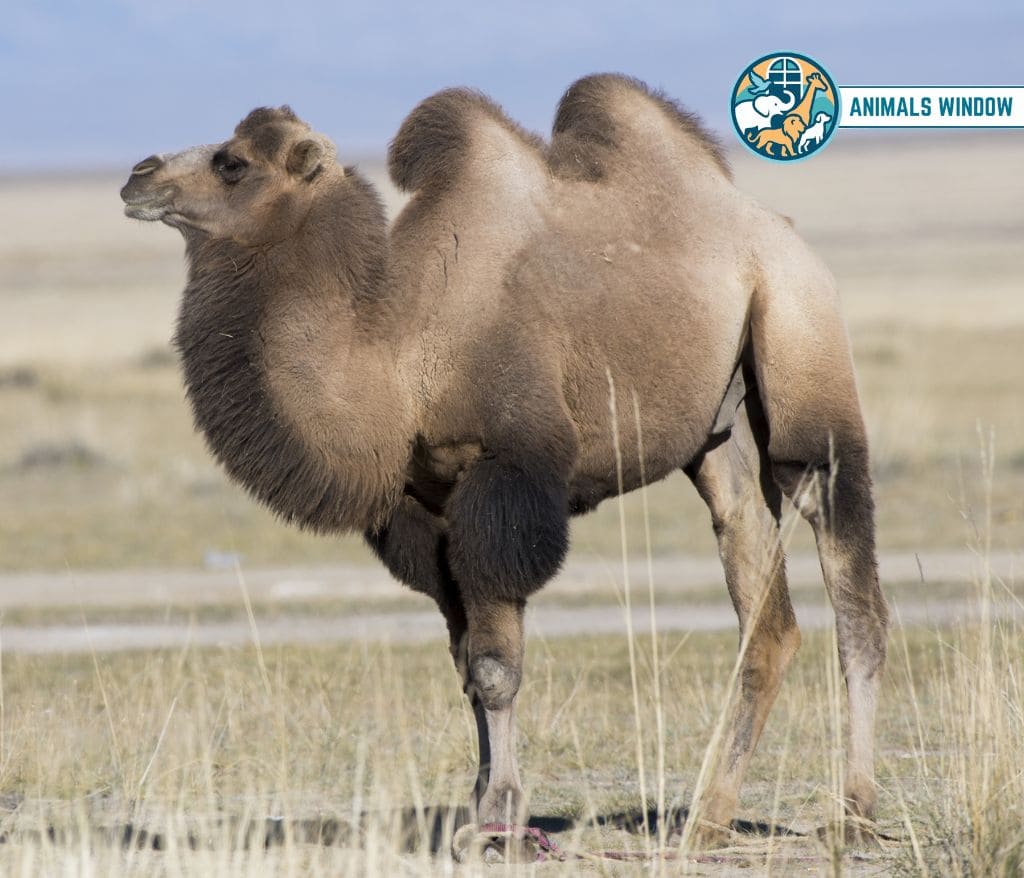
- Scientific name: Camelus dromedarius (dromedary), Camelus bactrianus (Bactrian)
- Size: 1.8–2.3 m tall at the shoulder
- Weight: 400–700 kg
- Diet: Dry grasses, thorny shrubs, woody plants, bark
- Habitat: Deserts and arid grasslands of Africa, the Middle East, and Central Asia
- Lifespan: 40–50 years
Camels eat wood — or more precisely, they eat woody plant matter when nothing else is available. In harsh desert environments where green vegetation is scarce, camels will chew through thorny branches, hard woody stems, and dry bark without hesitation. Their mouths are built for it: tough, leathery lips and a hard palate allow them to chew spiny or coarse woody material that would injure most other animals.
What sets camels apart is their digestive efficiency. They extract water and nutrients from extremely dry, fibrous food through a multi-chambered stomach system. They can go up to two weeks without water partly because they absorb so much moisture from dry plant material. Eating wood in the desert isn’t a last resort — it’s part of a survival system that’s been refined over millions of years.
🔥 Comparison Fact: A camel’s three-chambered stomach can hold up to 30 gallons of food and water combined — roughly the volume of a large kitchen trash can — allowing it to process enormous quantities of tough, woody material at once.
12. Deer
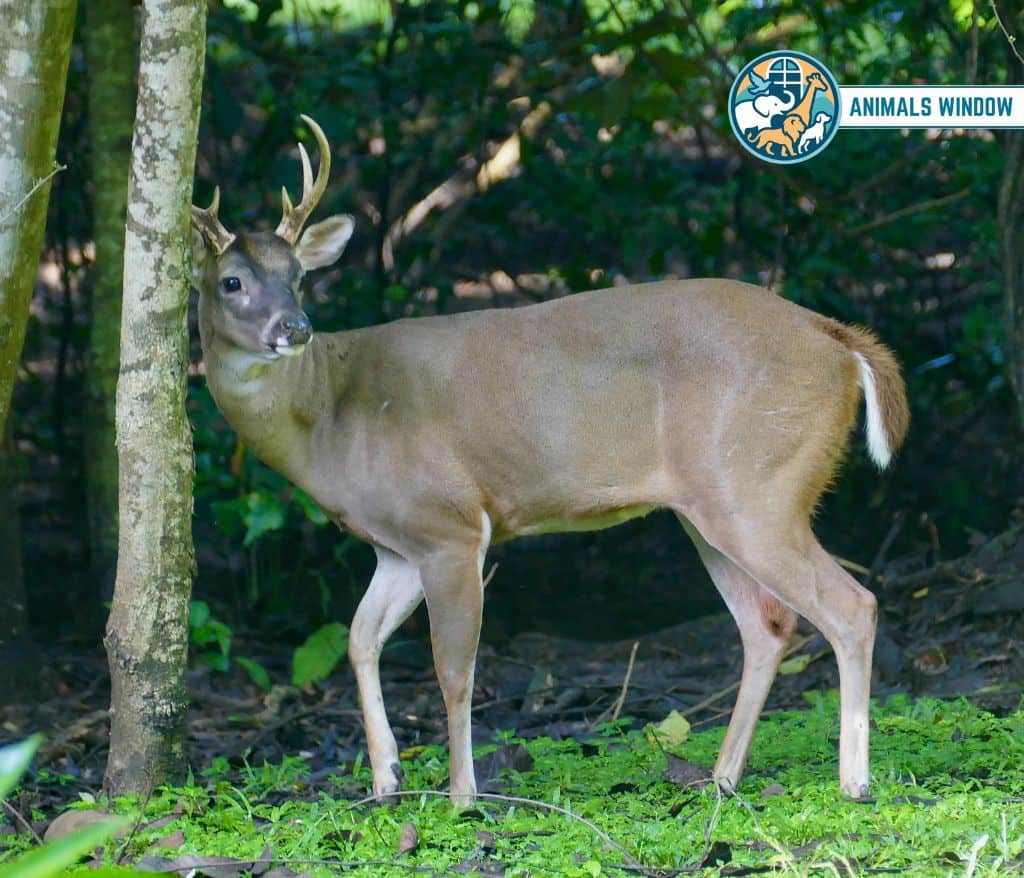
- Scientific name: Odocoileus virginianus (white-tailed deer)
- Size: 0.8–1.0 m at shoulder
- Weight: 40–130 kg
- Diet: Grasses, leaves, fruit, bark, woody twigs
- Habitat: Forests, grasslands, and farmland edges across North and South America
- Lifespan: 6–14 years in the wild
In winter, when soft vegetation disappears under snow, deer turn to bark and woody twigs to survive. They strip bark from young trees — particularly pine, maple, and apple trees — using their lower incisors to peel it away from the surface. There are no upper incisors; instead, deer press the bottom teeth against a tough upper gum pad and pull downward.
The bark they eat contains cambium — the thin, sweet, calorie-rich layer just inside the outer bark. The outer bark itself has little nutritional value, so deer are actually quite selective in what they consume. Orchard owners and foresters know this well: deer damage to young trees in winter can be more costly than any insect pest.
🔥 Comparison Fact: A deer can strip the bark from a 6-foot-tall sapling in a single night. By morning, the tree looks like it was attacked with a knife — with bare, cream-colored wood exposed in vertical strips.
13. Beavers
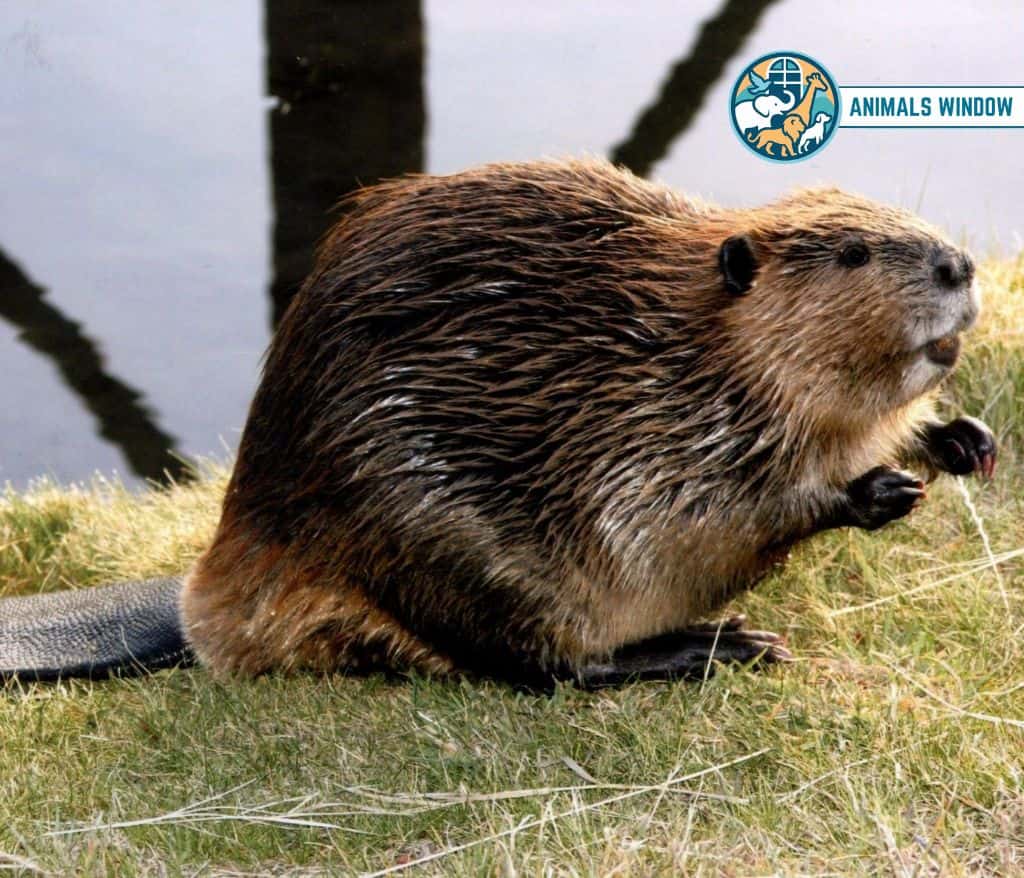
- Scientific name: Castor canadensis (North American), Castor fiber (Eurasian)
- Size: 74–90 cm body length
- Weight: 16–27 kg
- Diet: Inner bark (cambium), aquatic plants, leaves, and twigs
- Habitat: Rivers, streams, and lakes in North America and Eurasia
- Lifespan: 10–20 years
Beavers are the most famous wood-eating mammals in the world — and arguably the most powerful. They can fell a tree nearly 3 feet in diameter using only their teeth, which are coated in orange-colored iron compounds that make them harder and more durable than standard enamel. Their goal isn’t the wood itself. It’s the inner bark and cambium, which they peel away and eat during winter.
But beavers are also architects. They use felled trees to build dams that flood streams, creating ponds that protect their lodges from predators. The wood they eat is really just a by-product of construction. Their engineering work transforms landscapes: beaver ponds raise local water tables, slow erosion, and create wetland habitat used by hundreds of other species.
🔥 Comparison Fact: A pair of beavers can fell a 4-inch-wide tree in under 30 minutes. Their front teeth never stop growing — and if a beaver doesn’t chew enough, its teeth will eventually curl and prevent it from eating at all.
14. Rabbits
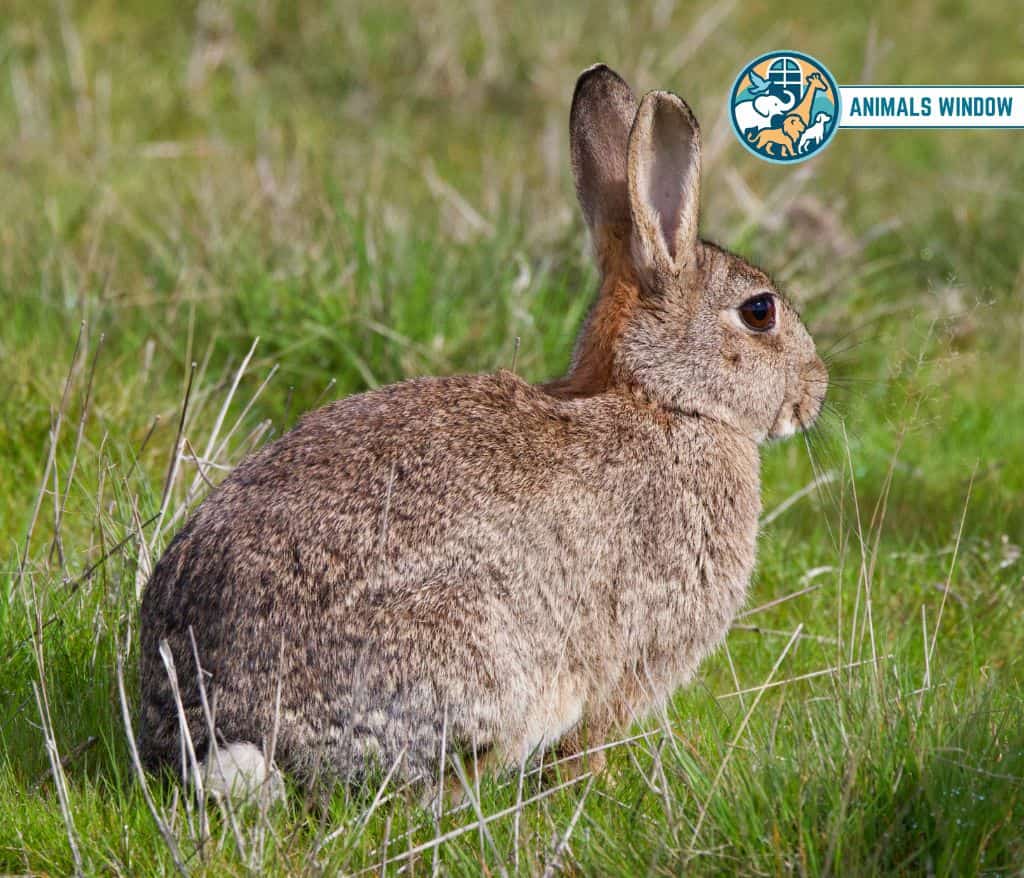
- Scientific name: Oryctolagus cuniculus
- Size: 35–50 cm
- Weight: 1.5–2.5 kg
- Diet: Grasses, hay, leafy plants; bark and woody stems in winter
- Habitat: Meadows, woodlands, and grasslands across Europe, North Africa, and introduced worldwide
- Lifespan: 1–2 years in the wild
Rabbits gnaw on bark and woody stems primarily during winter and early spring when grass is scarce. Young fruit trees are especially vulnerable — rabbits peel the bark around the entire base of a sapling, which cuts off the tree’s ability to move water and nutrients up from the roots. This process is called girdling, and it kills the tree just as surely as cutting it down.
A rabbit’s incisors grow continuously — about 3 mm per week — and chewing on bark helps keep them worn down to the right length. So gnawing wood isn’t just about hunger; it’s also maintenance. Without regular wear, overgrown incisors would make eating impossible.
🔥 Comparison Fact: A single rabbit can girdle a fruit tree sapling the width of a broomstick in a single night, destroying years of orchard growth. Farmers in northern climates often wrap tree bases in wire mesh before winter specifically because of rabbits.
15. Porcupines
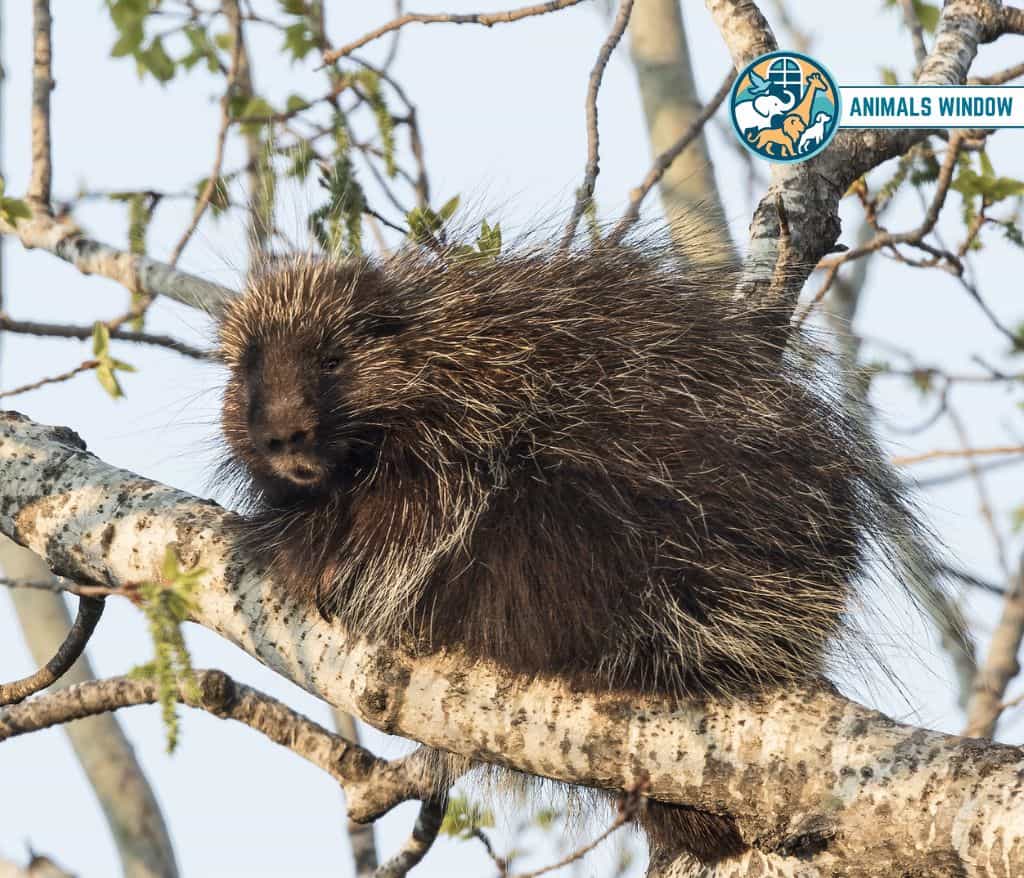
- Scientific name: Erethizon dorsatum (North American porcupine)
- Size: 60–90 cm
- Weight: 5–14 kg
- Diet: Inner bark (cambium), woody stems, leaves, roots, and fruit
- Habitat: Forests of North America from Canada to Mexico
- Lifespan: 5–7 years in the wild; up to 18 in captivity
North American porcupines are the second-largest rodents on the continent, and they eat bark with purpose. In winter, they climb trees — sometimes to heights of 30 feet — and gnaw away large patches of outer bark to reach the sweet cambium underneath. A single porcupine can strip an entire hemlock or pine tree from top to bottom over the course of a winter.
But here’s something unexpected about why they do it: porcupines are drawn to salt. The cambium layer of trees is rich in sodium, and porcupines have a powerful craving for it. This explains why they also gnaw on tool handles, hiking boots, and even wooden outhouse seats — anything that has absorbed human sweat. The salt hunger drives behavior that seems bizarre until you understand the chemistry.
🔥 Comparison Fact: A porcupine weighs about as much as a large house cat. But it can damage a mature conifer tree so extensively in one season that the tree never fully recovers — leaving dead, patchy crowns visible from a quarter mile away.
16. Squirrels
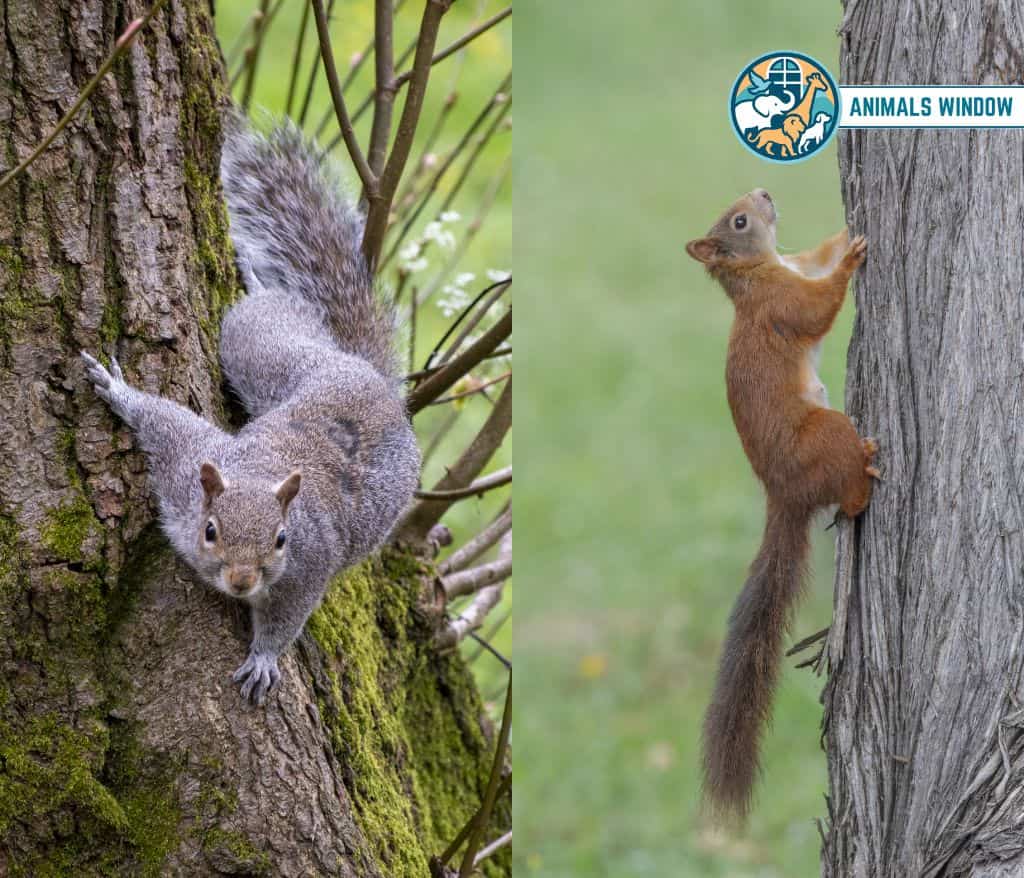
- Scientific name: Sciurus carolinensis (gray squirrel), Sciurus vulgaris (red squirrel)
- Size: 23–30 cm body length
- Weight: 400–600 g
- Diet: Nuts, seeds, fungi, bark, buds, and twigs
- Habitat: Deciduous forests and urban parks across North America and Europe
- Lifespan: 6–12 years
Squirrels eat bark, buds, and tender twigs mainly in late winter and early spring when their buried nut caches are running low. They target the upper branches of young trees, stripping bark in irregular patches to access the thin layer of sugar-rich tissue beneath. On warm late-winter days when sap begins to move through trees, squirrels sometimes gnaw bark just to drink the rising sap — a behavior more like tapping a maple tree than traditional bark-eating.
Gray squirrels in particular can cause significant damage to young beech, sycamore, and oak trees. Foresters in the UK consider gray squirrel bark-stripping one of the biggest threats to woodland regeneration in young plantation forests — more damaging to young trees than deer browsing in some areas.
🔥 Comparison Fact: A gray squirrel weighs about the same as a can of soup (400–600 g), yet a small group of them can strip the bark from the entire upper crown of a 20-year-old beech tree in a single day, killing it within months.
17. Elephants
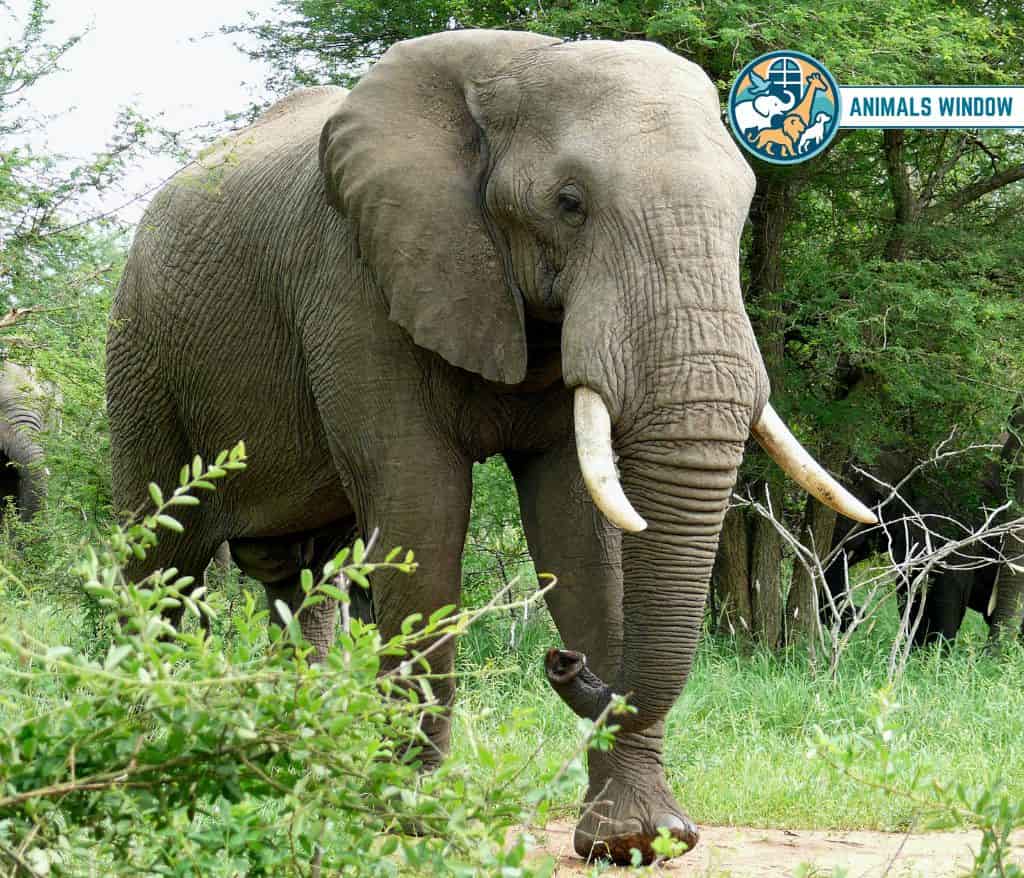
- Scientific name: Loxodonta africana (African bush elephant)
- Size: 3–4 m tall at shoulder
- Weight: 4,000–7,000 kg
- Diet: Grasses, fruit, leaves, bark, woody branches
- Habitat: Savannas, forests, and bushlands of sub-Saharan Africa
- Lifespan: 60–70 years
Elephants eat bark with a force and scale that no other land animal can match. They use their tusks to gouge strips of bark from trees like marula and baobab, then peel them away with their trunk and chew them slowly. A single elephant can strip an entire side of a large baobab tree in one visit, exposing the pale, spongy interior.
Why bark? It’s rich in calcium and other minerals that are harder to get from grass alone. Elephants also eat the woody branches and entire root systems of medium-sized trees — they’ll push a tree over entirely just to reach the uppermost leaves or the roots below. A herd of elephants moving through a woodland can transform the landscape so dramatically that satellite imagery taken years apart shows the difference clearly.
🔥 Comparison Fact: An adult African elephant eats roughly 300 pounds of vegetation every day — about the weight of a large motorcycle. Bark and woody material can make up 10–15% of that total, meaning a single elephant might consume the equivalent of a small tree’s bark layer every week.
18. Sapsuckers
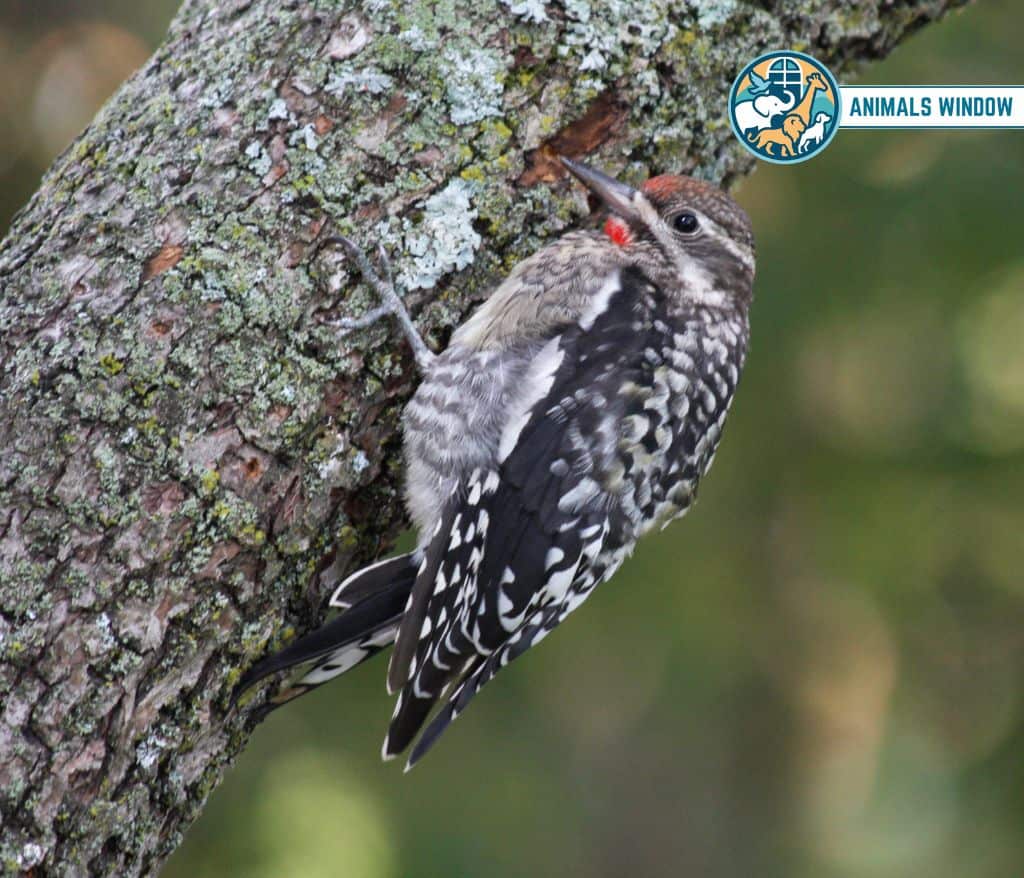
- Scientific name: Sphyrapicus varius (yellow-bellied sapsucker)
- Size: 19–21 cm
- Weight: 43–55 g
- Diet: Tree sap, inner bark tissue, insects trapped in sap wells
- Habitat: Forests of North America; breeds in Canada and northern US, winters in Central America
- Lifespan: 3–7 years in the wild
Sapsuckers are woodpeckers, but they work differently from their relatives. Instead of hammering deep holes to find insects, they drill neat rows of small, shallow holes — called sap wells — in the bark of living trees. They return to these wells repeatedly throughout the day to drink the sap that oozes out. They also eat the soft inner bark tissue around each well.
What makes sapsuckers ecosystem players is the chain reaction their wells create. Sap dripping from these holes attracts dozens of other species — hummingbirds, warblers, bats, squirrels, and insects all visit sapsucker wells. In early spring before flowers bloom, these wells may be the only reliable sugar source for migrating hummingbirds in northern forests. The sapsucker accidentally feeds an entire community.
🔥 Comparison Fact: A yellow-bellied sapsucker weighs about the same as a golf ball (43–55 g). But it can drill over 1,000 sap wells in a single tree across one season — essentially converting a living birch or maple into a slow-drip sap fountain used by 35+ other species.
Common FAQ’s Animals That Eat Wood
Q1: What animals eat wood and can actually digest it?
True wood digesters include termites (via gut microbes), Panaque catfish (via gut bacteria), shipworms (via gill-hosted bacteria), and gribbles (via self-produced enzymes). Beavers, porcupines, and deer eat the nutritious inner bark layer but don’t digest cellulose the way insects do.
Q2: Are animals that eat wood called anything specific?
Yes. Animals that feed on wood are called xylophages (from the Greek for “wood-eating”). This includes both true wood-digesters like termites and wood-borers like bark beetles that consume the softer tissue within or beneath bark.
Q3: What mammals eat wood or bark?
Several mammals eat wood or bark regularly. Beavers, porcupines, deer, rabbits, squirrels, camels, and elephants all consume bark, woody stems, or tree branches as part of their diet — especially in winter when softer food is scarce.
Q4: Do any animals eat wood from living trees?
Yes. Bark beetles, sapsuckers, horntails, porcupines, beavers, deer, squirrels, and elephants all target living trees. Sapsuckers drill sap wells into live bark. Porcupines and deer strip cambium from living trunks. Bark beetles lay eggs beneath the bark of stressed but living trees.
Q5: Can wood-eating insects destroy a house?
Termites and powderpost beetles are the main threats to wooden structures. Termites can remain hidden for years while consuming structural timber. Carpenter ants don’t eat wood but hollow it out for nesting. Carpenter bees bore into unfinished exterior wood. Together, these four insects cause billions of dollars in structural damage annually in the US alone.
Related Animals Guides:
Trait Comparison: True Wood-Eaters vs. Bark-Eaters
| Trait | True Wood-Eaters | Bark-Eaters |
| Examples | Termites, Panaque catfish, shipworms | Deer, beavers, porcupines, squirrels |
| What they consume | Cellulose inside wood fiber | Cambium / inner bark (phloem) |
| How they digest it | Gut microbes or self-produced enzymes break down cellulose | Normal digestion; target sugars and starches in bark |
| Nutritional goal | Extract carbohydrates from cellulose | Access sugars, calcium, and moisture in cambium |
| Damage type | Internal tunnels, structural weakening | Surface stripping; girdling |
| Seasonal behavior | Year-round | Mainly winter and early spring |
| Dependency on wood | High — primary food source | Moderate — backup food source |
| Digestive adaptation needed | Yes — highly specialized | No — standard mammal digestion |
The difference between these two groups is more than diet — it’s an entirely different evolutionary strategy. True wood-eaters evolved specialized biology to unlock energy locked inside cellulose. Bark-eaters simply learned where the most accessible nutrients are stored on a tree’s surface. Both strategies work. But only one of them took hundreds of millions of years to perfect.

I have loved animals since I was a kid. I enjoy reading about how animals live, eat, move, and survive. I started Animals Window to share what I learn in a simple and easy way. I write about animal body parts, size, behavior, diet, habitats, and species. My goal is to make animal facts clear and fun for everyone to understand.