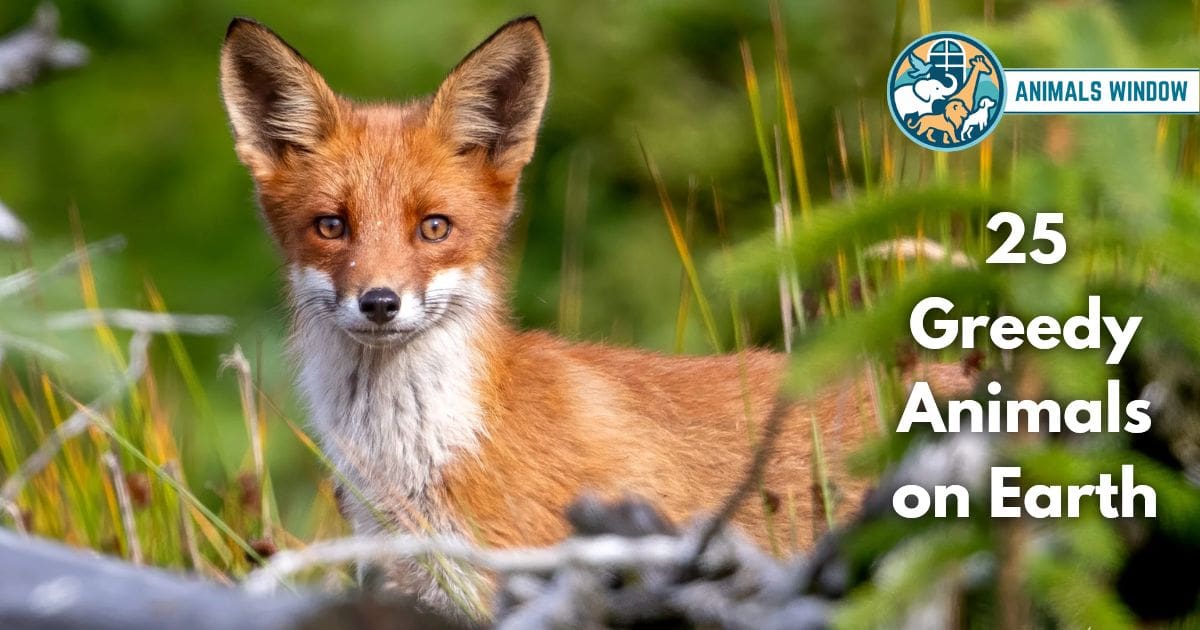
The greediest animals are species that eat far more than they need, hoard food, steal from others, or never seem to stop feeding. From raccoons raiding trash cans at midnight to piranhas stripping a fish clean in seconds, these animals treat every meal like it might be their last. Greed in nature is a survival strategy — and some animals have mastered it.
Table of Contents
Quick Table of Greediest Animals
| Animal Name | Scientific Name | Key Greedy Trait |
| Raccoon | Procyon lotor | Raids any food source, never stops exploring |
| Brown Bear | Ursus arctos | Eats 20,000 calories daily before hibernation |
| Honey Badger | Mellivora capensis | Breaks into beehives and eats everything inside |
| Rat | Rattus norvegicus | Hoards food compulsively, eats up to 10% of body weight daily |
| Tiger Shark | Galeocerdo cuvier | Swallows license plates, tires, and almost anything |
| Squirrel | Sciurus carolinensis | Buries thousands of food caches, forgets most of them |
| Pig | Sus scrofa domesticus | Eats continuously with almost no natural “full” signal |
| Vulture | Gyps fulvus | Gorges until it can barely fly |
| Hamster | Mesocricetus auratus | Stuffs cheeks holding up to 20% of its body weight in food |
| Wolverine | Gulo gulo | Steals kills from wolves and bears |
| Crow | Corvus brachyrhynchos | Caches food in hundreds of hidden spots |
| Octopus | Octopus vulgaris | Hunts multiple prey items even when not hungry |
| Ant | Atta cephalotes | Colony harvests more leaf matter than a small herd of cattle |
| Hyena | Crocuta crocuta | Eats bones, hooves, and hide — wastes absolutely nothing |
| Piranha | Pygocentrus nattereri | Feeds in coordinated frenzies that can strip prey in minutes |
| Cockroach | Periplaneta americana | Eats glue, paper, soap, and rotting matter with equal enthusiasm |
| Burmese Python | Python bivittatus | Swallows prey 5x its own head size whole |
| Wild Boar | Sus scrofa | Uproots entire fields of crops in a single night |
| Goat | Capra hircus | Chews through almost any plant material, including bark |
| Fox | Vulpes vulpes | Kills far more than it eats, buries excess prey |
| Weasel | Mustela nivalis | Kills prey larger than itself and eats up to 50% of its body weight daily |
| Baboon | Papio ursinus | Raids farms and will steal food directly from human hands |
| Pigeon | Columba livia | Overeats when food is available, abandons portion control entirely |
| Seagull | Larus argentatus | Snatches food mid-air and from other birds constantly |
| Chimpanzee | Pan troglodytes | Hunts in organized groups and hoards meat as social currency |
These Animals Don’t Know When to Stop
Picture this. You leave a bag of chips on a picnic table for thirty seconds. You come back and a raccoon is gone — along with the chips, the wrapper, and your sandwich. That’s not just hunger. That’s strategy.
Greed in the animal kingdom is not laziness or bad manners. It’s survival logic pushed to an extreme. Some animals never evolved an “off switch” for eating. Others steal, hoard, and cache food like tiny obsessive collectors. A few species consume prey so efficiently they leave nothing behind — not even the bones.
Scroll through this list and you’ll find a shark with a stomach full of license plates, a small weasel that somehow murders animals five times its size, and a chimpanzee that uses meat as a bargaining chip. These aren’t just hungry animals. They are the most opportunistic, relentless, and fascinating feeders on the planet.
1. Raccoon
- Scientific Name: Procyon lotor
- Size: 40–70 cm body length
- Weight: 3.5–9 kg
- Diet: Omnivore — fruits, insects, eggs, garbage, small animals
- Habitat: Forests, wetlands, urban areas across North America
- Lifespan: 2–3 years in the wild
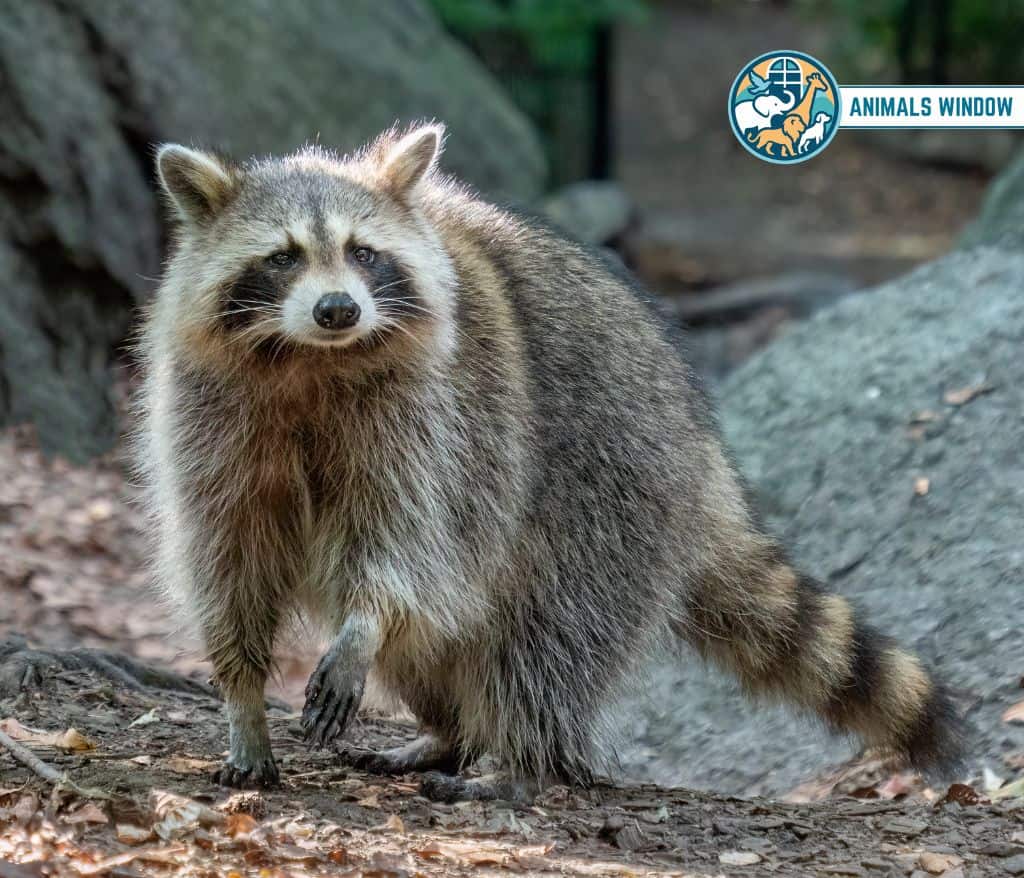
Raccoons are the ultimate opportunists. They live at the intersection of nature and human civilization, and they’ve figured out that humans leave a lot of good food behind. They raid garbage cans, break into campsites, and have been spotted prying open refrigerators left on porches.
What makes raccoons especially greedy is their hands. Seriously — raccoon paws have 5 dexterous fingers that can twist open latches, unscrew lids, and pull apart packaging. They don’t just find food. They work for it, which means nothing is really off limits.
🔥 Comparison Fact: A raccoon’s paw is roughly the size of a 3-year-old child’s hand — and it’s almost as good at opening things.
2. Brown Bear
- Scientific Name: Ursus arctos
- Size: 1.5–2.8 m standing
- Weight: 130–700 kg
- Diet: Salmon, berries, roots, insects, carrion, honey
- Habitat: Forests and mountainous regions across North America, Europe, Asia
- Lifespan: 20–30 years
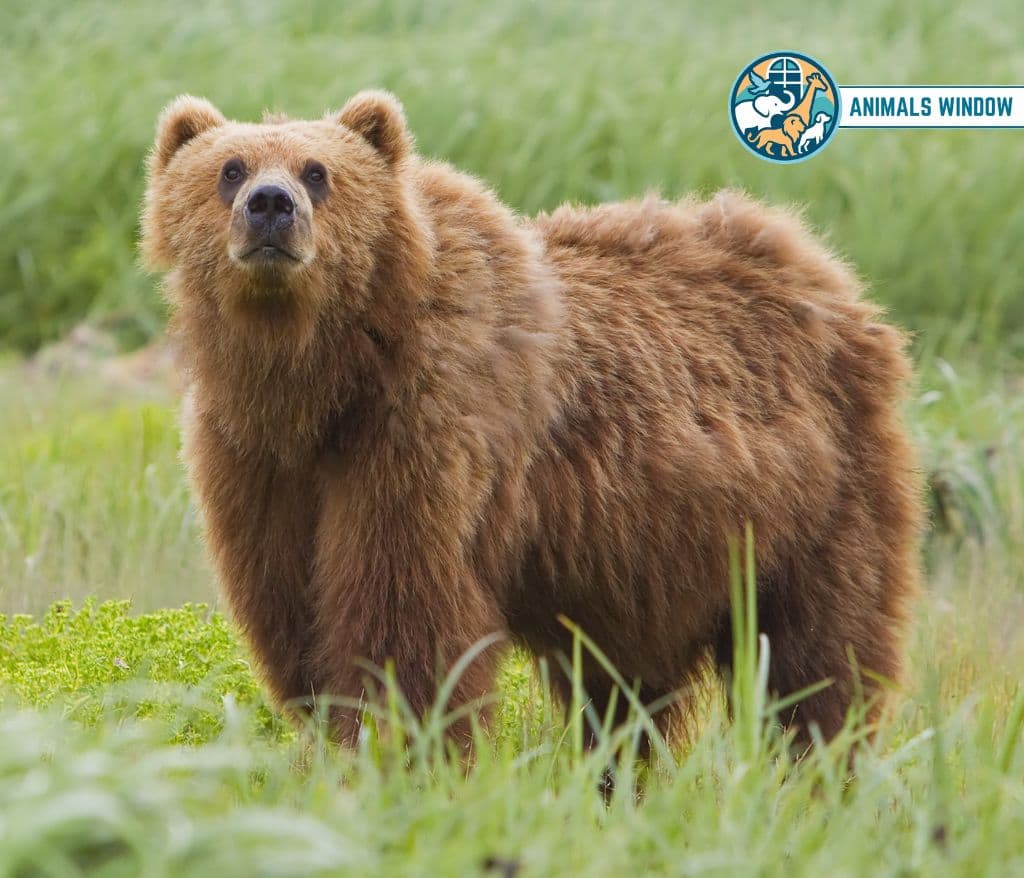
Before winter hits, a brown bear enters a phase called hyperphagia. It eats almost non-stop — up to 20 hours a day — consuming around 20,000 calories daily. That’s roughly the equivalent of 40 Big Macs every single day for several weeks straight.
The brown bear doesn’t do this out of gluttony. It needs to pack on 30–40 kg of fat before hibernation. But watching one eat is something else. At salmon runs in Alaska, a single bear can catch and eat 30 fish in one sitting, sometimes eating only the fatty skin and brain before tossing the rest aside.
🔥 Comparison Fact: A large brown bear weighs about as much as a grand piano — and it needs to eat enough daily calories to fuel three adult marathon runners.
3. Honey Badger
- Scientific Name: Mellivora capensis
- Size: 60–77 cm body length
- Weight: 6–14 kg
- Diet: Honey, bee larvae, snakes, insects, small mammals, fruits
- Habitat: Sub-Saharan Africa, Southwest Asia, Indian subcontinent
- Lifespan: 7–8 years in the wild
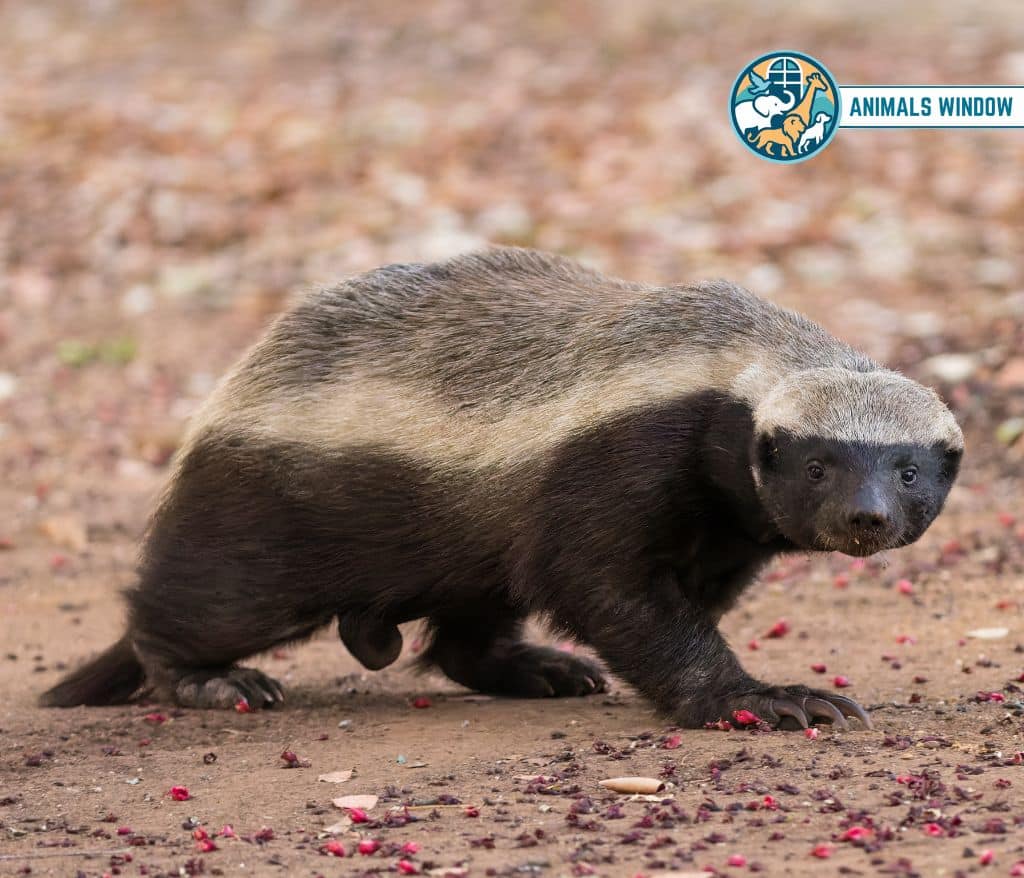
Honey badgers don’t politely take a little honey. They tear into active beehives with their thick, loose skin protecting them from hundreds of stings at once. They eat the honey, the larvae, the bees, and the comb. Everything. And then they move on to find something else.
Here’s the part that makes them truly scary: honey badgers are venomous snake killers. They’ll bite a puff adder, get envenomated, collapse — and then wake up and finish eating. Their tolerance for pain and venom is almost unreal. Food is so important to them that even a near-death experience doesn’t stop a meal.
🔥 Comparison Fact: A honey badger weighs about the same as a bowling ball — but has the aggression of something ten times that size.
4. Rat
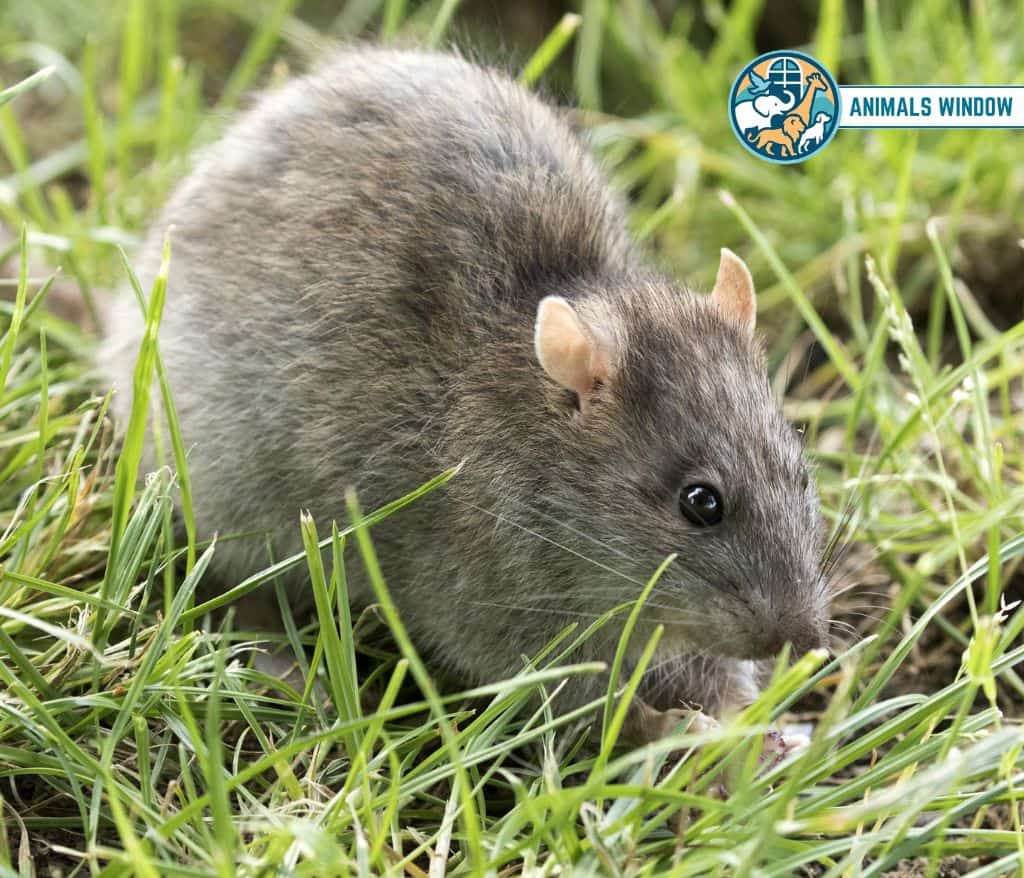
- Scientific Name: Rattus norvegicus
- Size: 20–27 cm body length
- Weight: 200–500 g
- Diet: Grains, fruits, meat, garbage, soap, cardboard — almost anything
- Habitat: Every continent except Antarctica; heavily urban
- Lifespan: 2–3 years
Rats are the world’s most successful food hoarders. A single rat will create multiple food caches in different locations — a survival behavior that means even if one stash is discovered, others remain safe. They eat up to 10% of their body weight daily, which for a 300g rat means about 30g of food every day without fail.
What’s remarkable is their memory. Rats can remember exactly where they buried food, recognize dozens of different smells to identify what’s edible, and even pass food-finding knowledge to their offspring. Their greed is deeply organized.
🔥 Comparison Fact: A rat’s daily food intake relative to body size is like a 70 kg human eating 7 kg of food every single day.
More Post: Top 20 Animals Without Tails (With Pictures and Unique Facts)
5. Tiger Shark
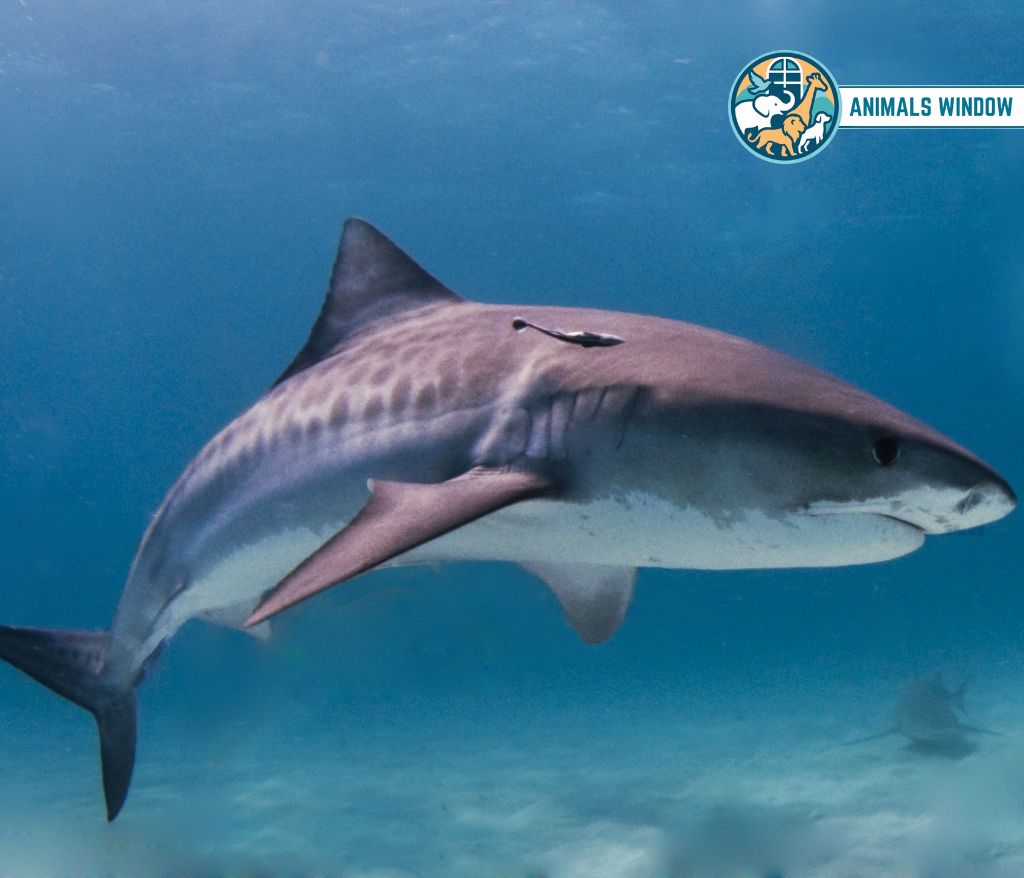
- Scientific Name: Galeocerdo cuvier
- Size: 3.2–4.2 m
- Weight: 385–635 kg
- Diet: Fish, sea turtles, seabirds, dolphins, other sharks, garbage
- Habitat: Tropical and subtropical coastal waters worldwide
- Lifespan: 27–50 years
Tiger sharks are the ocean’s garbage collectors — and not in a polite way. Their stomachs have been found containing license plates, a car tire, a chicken coop, human clothing, and in one famous case, a full suit of armor. They have near-zero food discrimination.
This happens because tiger sharks have a unique digestive trick: they can evert (flip out) their stomach to expel indigestible material, then go right back to eating. So even eating the wrong thing doesn’t slow them down much. They cruise coastlines and shallow reefs constantly, always hunting.
🔥 Comparison Fact: A tiger shark is roughly the length of a mid-size sedan — and its stomach contents sometimes look like one too.
6. Squirrel
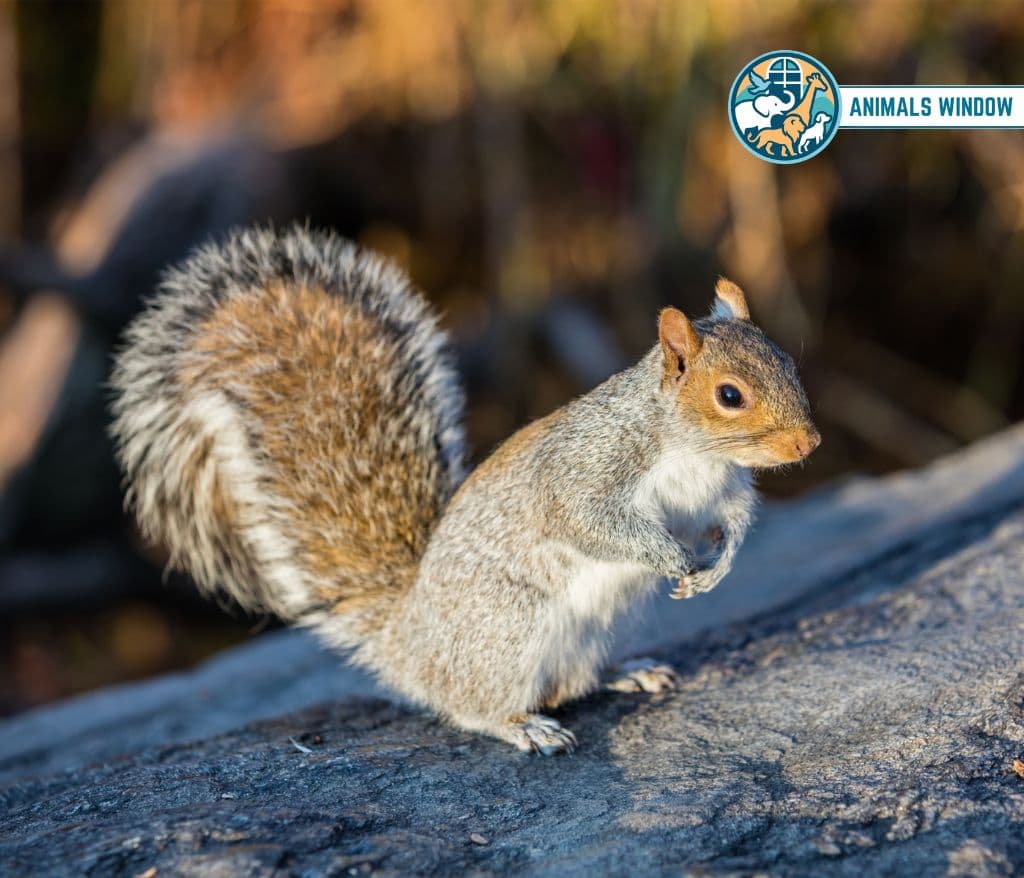
- Scientific Name: Sciurus carolinensis
- Size: 23–30 cm body length
- Weight: 400–600 g
- Diet: Nuts, seeds, fungi, fruit, bird eggs, insects
- Habitat: Forests, parks, and urban areas across North America and Europe
- Lifespan: 6–12 years
Squirrels don’t just collect food for winter. They collect far more than they could ever eat, burying thousands of individual caches in a season. A single grey squirrel can bury up to 10,000 nuts in one autumn. The problem? It forgets roughly 74% of where it buried them.
Those forgotten caches accidentally plant thousands of trees every year. So a squirrel’s compulsive over-hoarding actually shapes forest ecosystems. It’s accidental gardening driven by greed.
🔥 Comparison Fact: 10,000 buried nuts, stacked up, would be roughly the volume of a large suitcase — all gathered by one small animal smaller than your forearm.
7. Pig
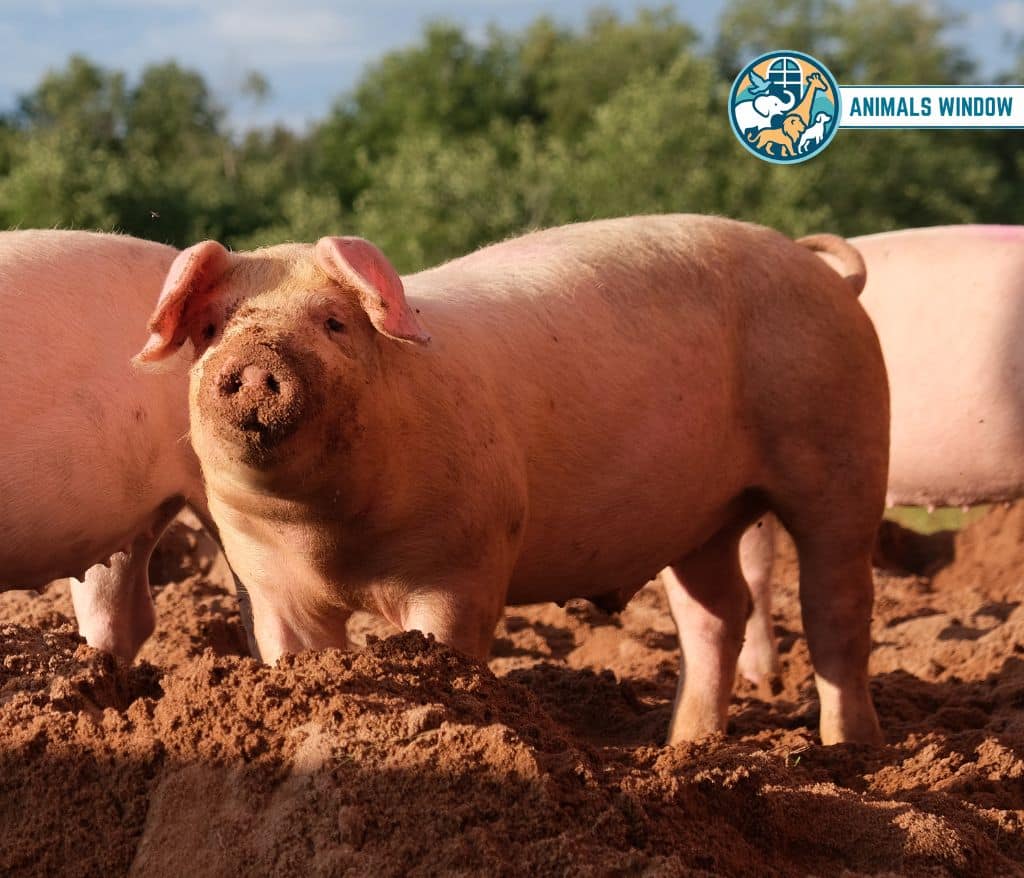
- Scientific Name: Sus scrofa domesticus
- Size: 90–180 cm body length
- Weight: 50–350 kg
- Diet: Grains, vegetables, fruit, roots, insects, small animals, garbage
- Habitat: Domesticated worldwide; wild relatives on every continent except Antarctica
- Lifespan: 15–20 years
Pigs have a weak satiety signal — the biological “stop eating” message that most animals receive. They can eat past the point of fullness because their brains don’t receive a strong enough signal to stop. Farmers have to manage pig feeding carefully, or a pig will eat until it physically can’t continue.
Beyond the biology, pigs are smart. Really smart. They use their snouts like precision tools, rooting through soil to find tubers, truffles, and insects at depths up to 30 cm. A pig can smell food buried nearly a foot underground.
🔥 Comparison Fact: A fully grown domestic pig can weigh as much as a small motorcycle — and will eat almost as much as the motorcycle costs to fuel.
8. Vulture
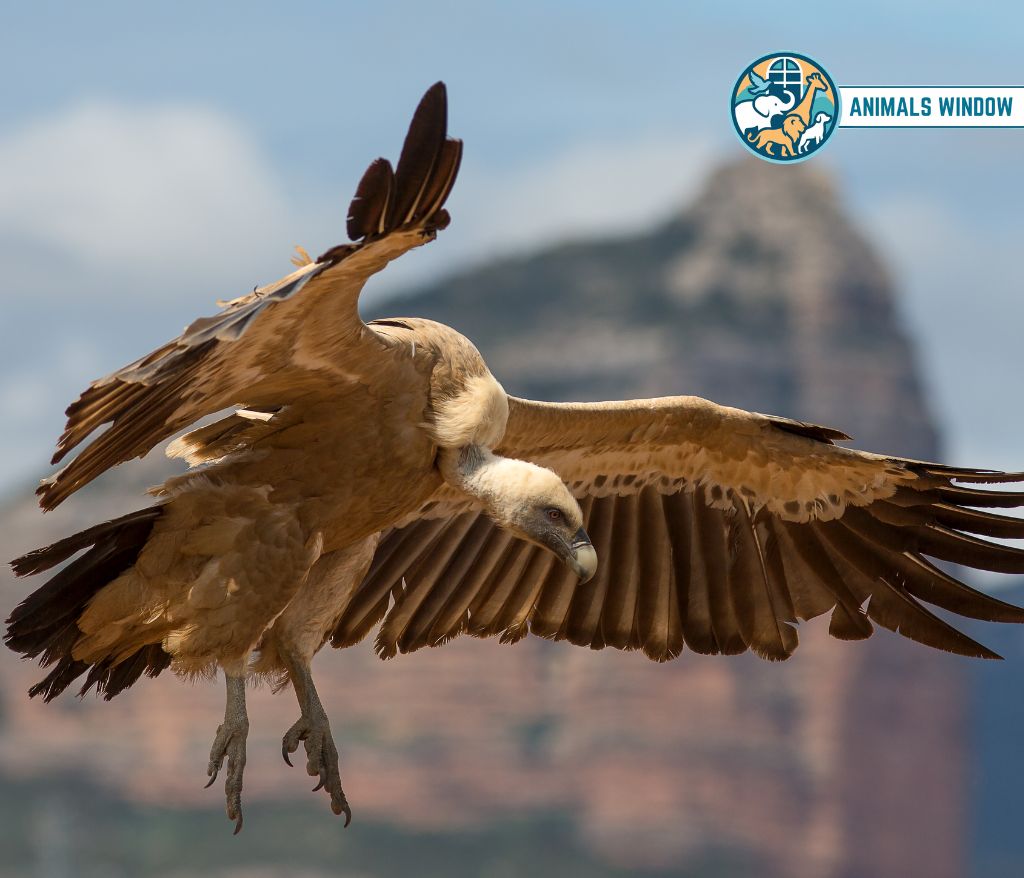
- Scientific Name: Gyps fulvus (Griffon Vulture)
- Size: 95–110 cm body length; 2.3–2.8 m wingspan
- Weight: 6–11 kg
- Diet: Carrion exclusively
- Habitat: Open grasslands, mountains across Europe, Africa, and Asia
- Lifespan: 40–50 years
When a vulture finds a carcass, it doesn’t take a polite portion. A single griffon vulture can eat up to 1 kg of meat in just a few minutes. When a large group descends, they can strip a carcass of 15 kg of flesh in under 30 minutes. And they gorge so aggressively they sometimes can’t fly afterward.
What they’ve evolved to handle is incredible. Vulture stomach acid has a pH close to 0 — strong enough to destroy anthrax, botulinum toxin, and cholera bacteria that would kill almost any other animal. Their greed serves a genuine ecological purpose: they clean up carcasses before disease spreads.
🔥 Comparison Fact: An 8 kg vulture eating 1 kg of meat in one sitting is like a 70 kg person eating nearly 9 kg of food in under 10 minutes.
9. Hamster
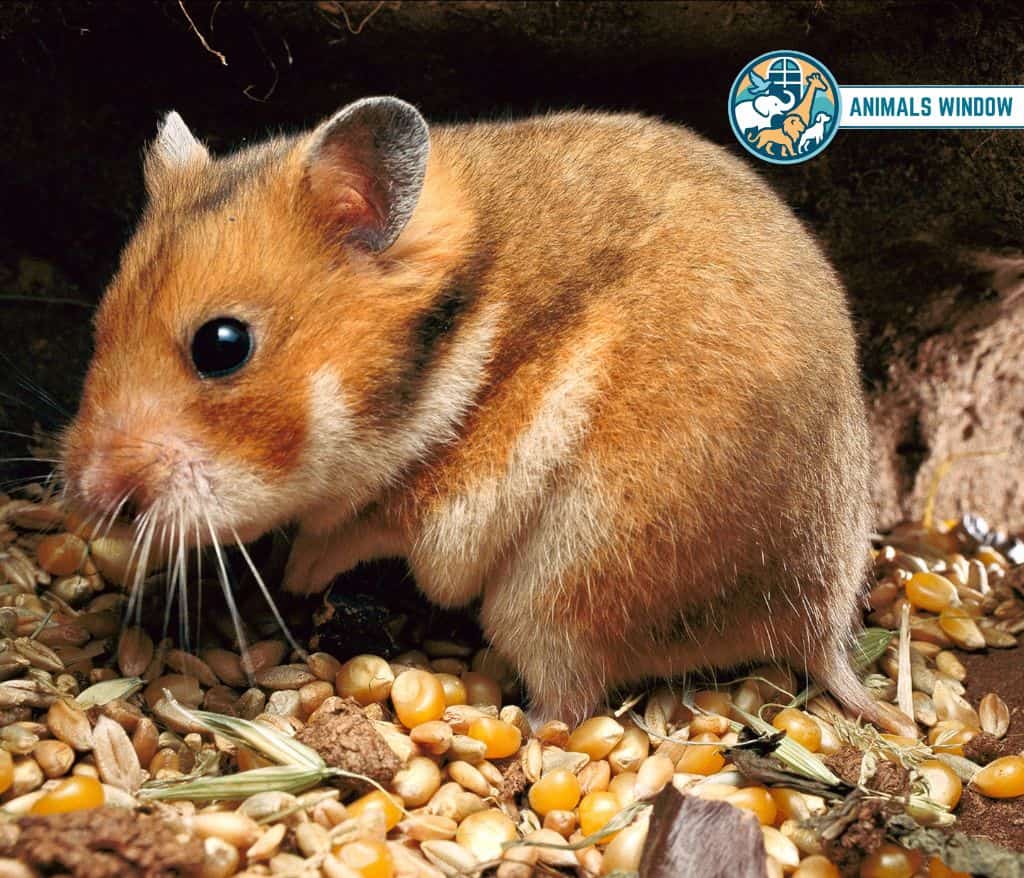
- Scientific Name: Mesocricetus auratus
- Size: 13–18 cm body length
- Weight: 100–150 g
- Diet: Seeds, grains, fruits, vegetables, insects
- Habitat: Dry grasslands and semi-arid regions of Syria and Turkey (wild); globally domesticated
- Lifespan: 2–3 years
A hamster’s cheek pouches are the ultimate food-hoarding tool. They extend all the way back to the hamster’s shoulders, and when fully loaded, each pouch can hold food equal to about 20% of the hamster’s total body weight. The hamster’s face more than doubles in size when the pouches are packed.
Wild hamsters dig elaborate underground burrows with dedicated food storage chambers. Some wild hamster caches have been found containing over 90 kg of grain — stashed by an animal that weighs less than a bar of soap.
🔥 Comparison Fact: If a 60 kg human had proportional cheek pouches, they could carry 12 kg of food in their face alone.
10. Wolverine
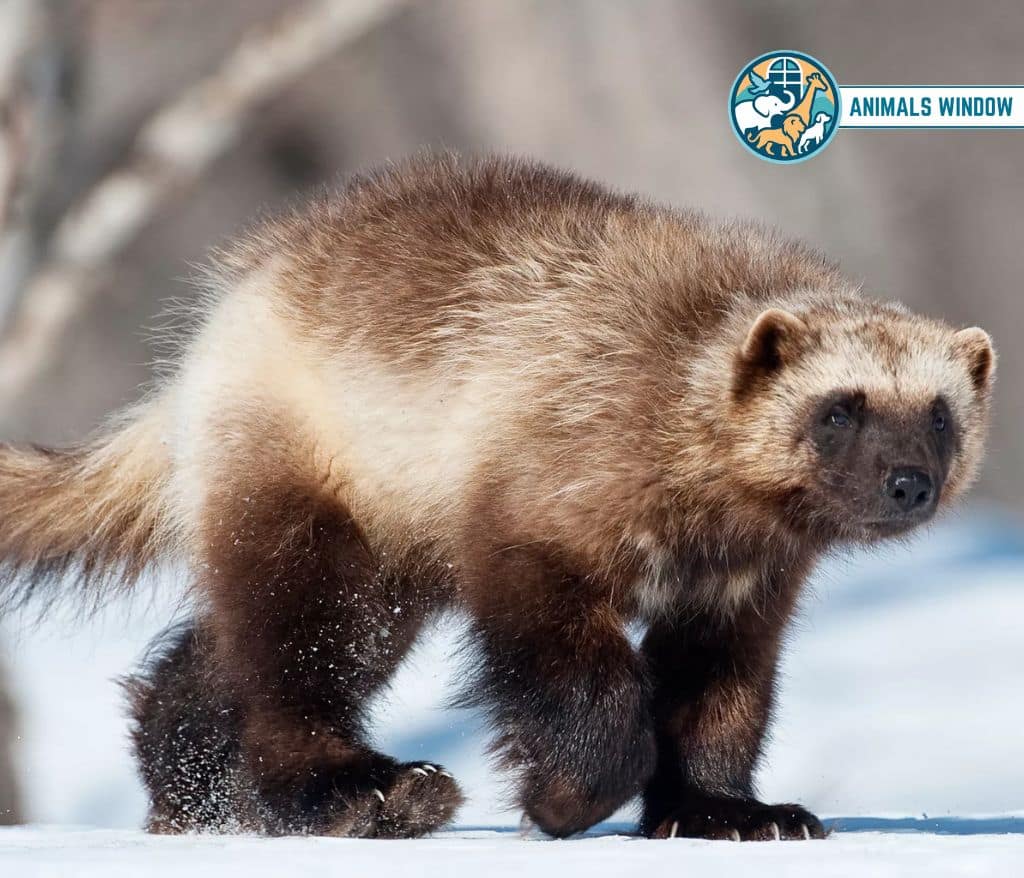
- Scientific Name: Gulo gulo
- Size: 65–87 cm body length
- Weight: 5.5–18 kg
- Diet: Carrion, rodents, rabbits, deer, elk, wolves’ kills
- Habitat: Boreal forests and tundra across North America, Scandinavia, and Russia
- Lifespan: 5–13 years
The wolverine’s Latin name Gulo gulo literally means “glutton glutton.” That alone tells you something. This compact, muscular animal will fight a grey wolf off a fresh elk kill — and often win. It uses its powerful jaws (capable of crunching through frozen bone) to eat every last piece of a carcass.
Wolverines also scent-mark food caches with a pungent musk, making them temporarily inedible to other animals. Essentially, they mark food as theirs even before they eat it. They’ll return to these caches for weeks. Their territory can span 1,000 km², all of it mentally mapped around food sources.
🔥 Comparison Fact: A wolverine weighs about as much as a medium-sized house cat — but regularly drives wolves and bears away from their kills.
11. Crow
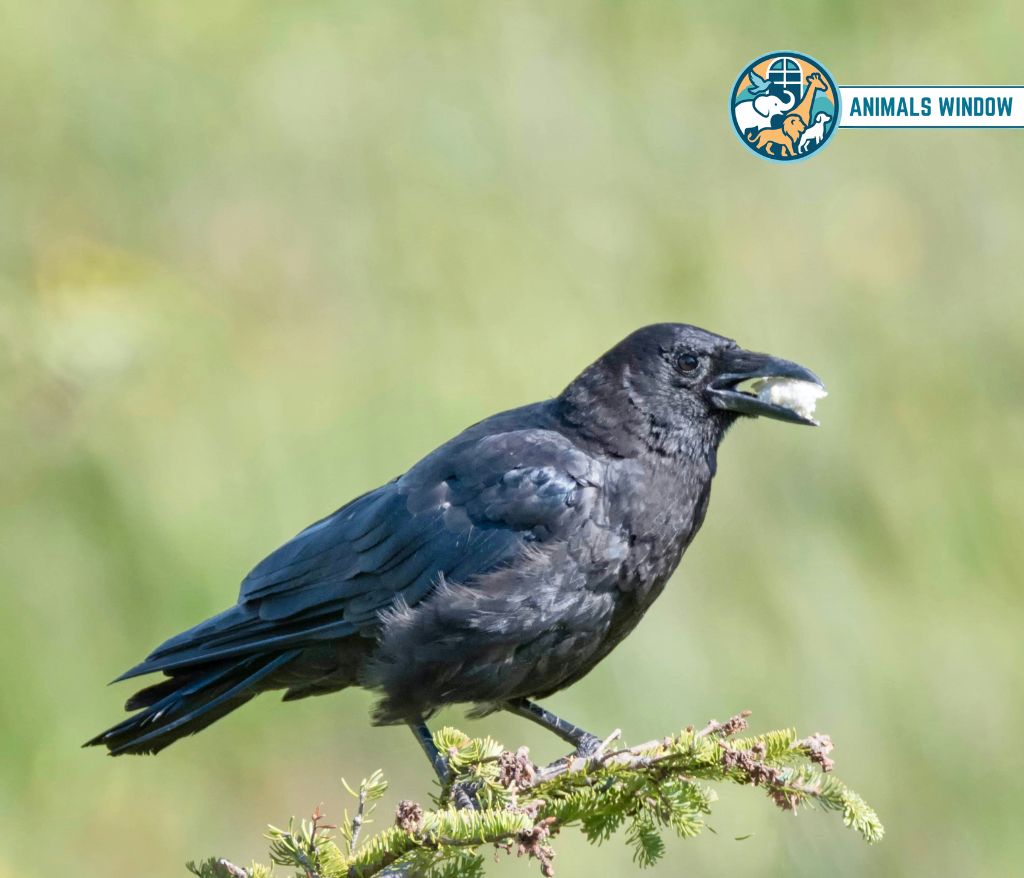
- Scientific Name: Corvus brachyrhynchos
- Size: 40–53 cm body length
- Weight: 316–620 g
- Diet: Insects, grain, berries, eggs, small animals, carrion, human food waste
- Habitat: Open woodlands, farmlands, urban areas across North America
- Lifespan: 7–8 years in the wild
Crows don’t just eat what they need. They cache food in hundreds of separate locations, and they do it strategically. If a crow notices another crow watching it hide food, it’ll come back later — when no one’s watching — and move it. That’s not instinct. That’s calculated deception.
Crows have also been observed waiting for traffic lights to crack open nuts, then retrieving the contents when cars stop. They’ve been documented using tools, dropping shells from heights onto hard surfaces, and even stealing food directly from other birds mid-flight. They’re greedy and genius.
🔥 Comparison Fact: A crow’s brain, relative to its body size, is proportionally similar to a chimpanzee’s — which explains why its food strategies are so sophisticated.
12. Octopus
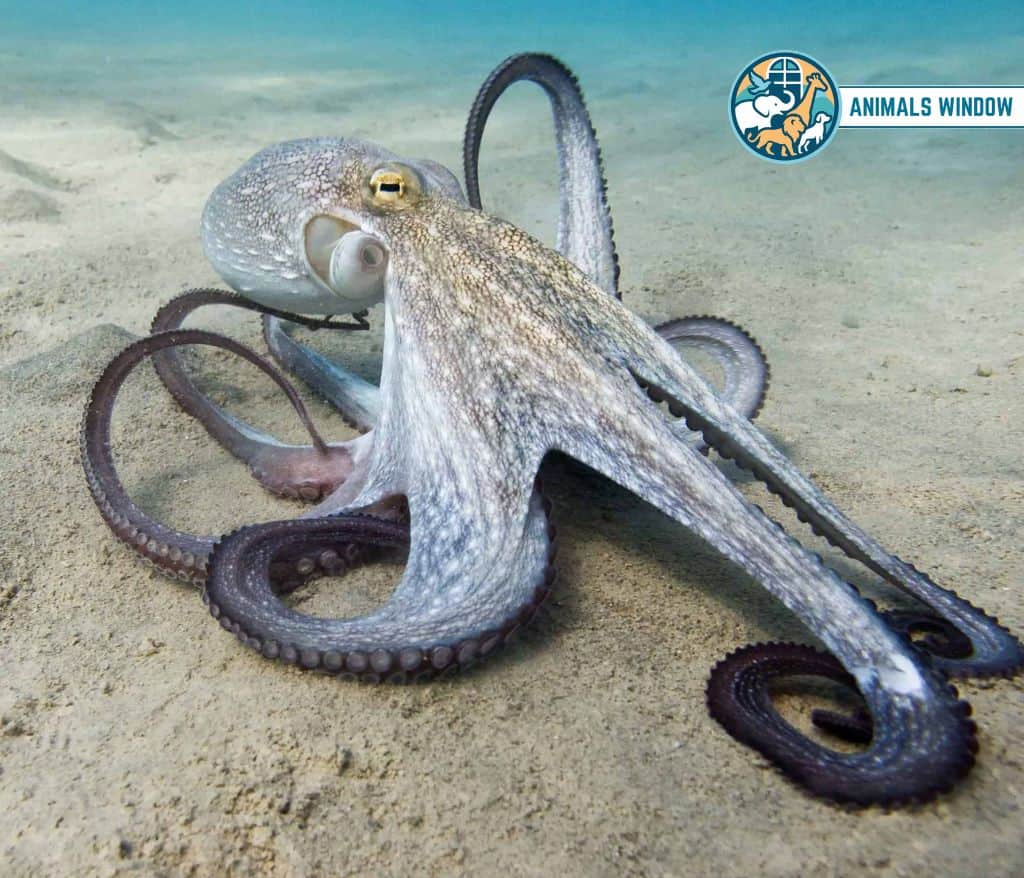
- Scientific Name: Octopus vulgaris
- Size: Mantle 25 cm; arm span up to 1 m
- Weight: 1–3 kg
- Diet: Crabs, lobsters, fish, shrimp, mollusks
- Habitat: Tropical and temperate coastal waters worldwide
- Lifespan: 1–2 years
An octopus hunts even when it’s not hungry. Researchers studying wild octopuses have observed them collecting and storing more prey than they can eat in their dens — essentially building a food pantry. Crab shells, clam shells, and fish bones pile up at the entrance to an octopus den like a tiny, macabre kitchen.
The greed is partly driven by their short lifespan. An octopus lives only 1–2 years. In that time, it grows rapidly, reproduces, and dies. Every meal counts intensely. They’ll eat up to 2–3% of their body weight daily when food is available.
🔥 Comparison Fact: An octopus arm span can reach 1 meter — nearly the width of a standard door — all used to grab and drag in prey.
13. Ant
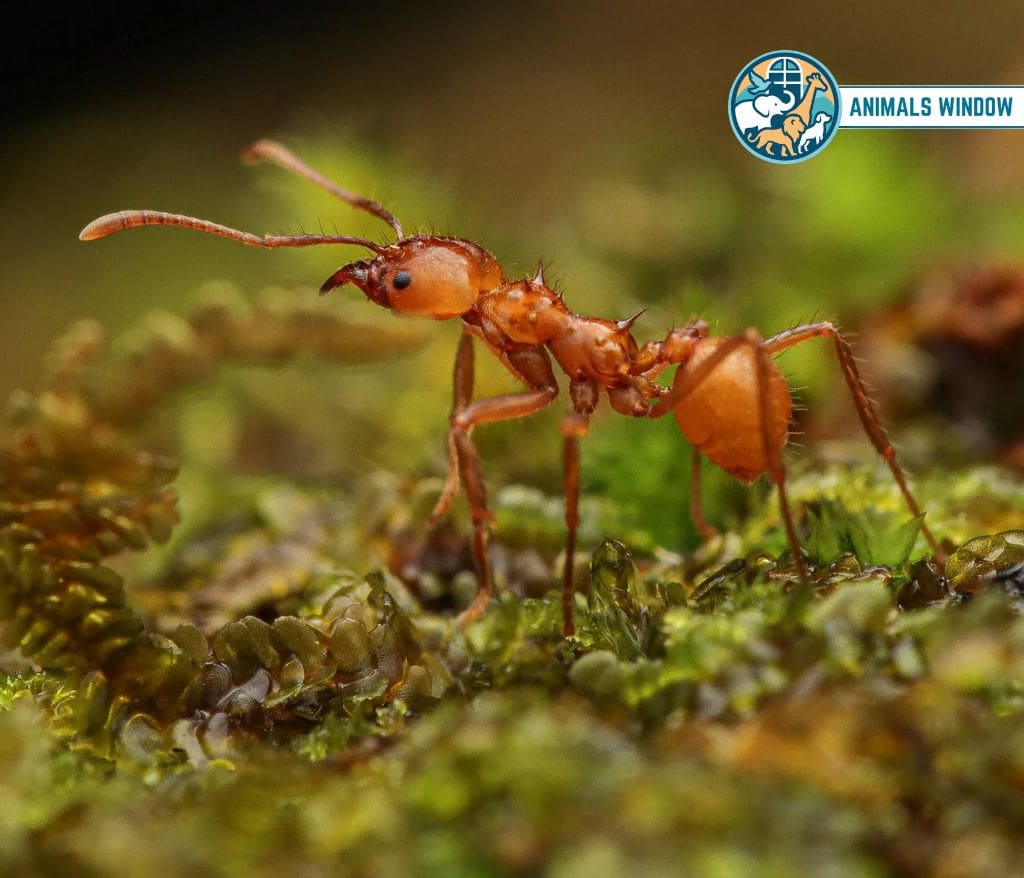
- Scientific Name: Atta cephalotes (Leafcutter Ant)
- Size: 1–15 mm depending on caste
- Weight: Varies by caste; queen up to 0.5 g
- Diet: Fungus cultivated from cut leaves
- Habitat: Tropical forests of Central and South America
- Lifespan: Workers: months; Queen: 10–20 years
A leafcutter ant colony can strip a medium-sized tree completely bare in 24 hours. One colony, containing up to 8 million ants, harvests more organic plant matter than a small herd of cattle consumes in a week. And they don’t even eat the leaves — they use them to grow a specific fungus, which is the actual food.
What makes this greed remarkable is the industrial scale. Worker ants cut pieces, carrier ants transport them, and garden ants process the material underground. The entire colony is a food-harvesting machine operating 24 hours a day with zero breaks.
🔥 Comparison Fact: One leafcutter ant can carry a leaf fragment 50 times its own body weight — equivalent to a human carrying a small car on their back.
14. Hyena
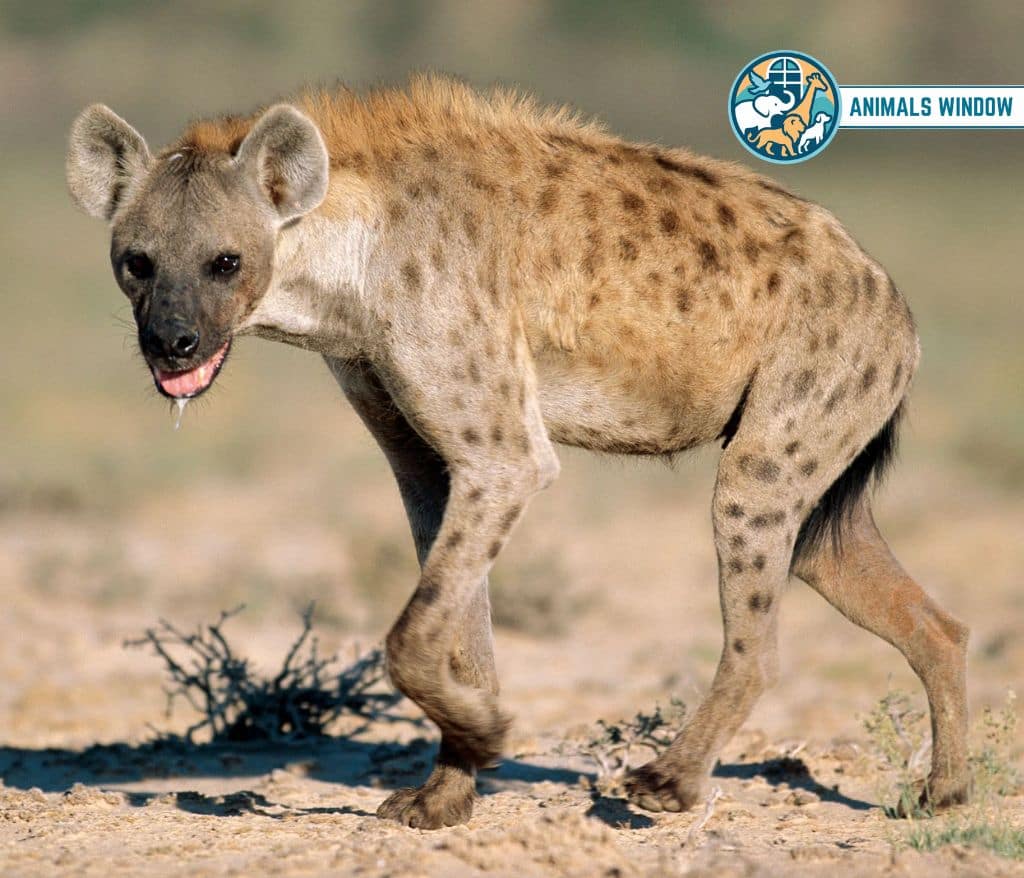
- Scientific Name: Crocuta crocuta
- Size: 95–165 cm body length
- Weight: 40–86 kg
- Diet: Wildebeest, zebra, gazelle, carrion, bones, hooves, skin
- Habitat: Sub-Saharan Africa — savannas, grasslands, woodland edges
- Lifespan: 12–25 years
Spotted hyenas eat everything. Bones, hooves, hide, horn — parts that even lions leave behind. Their jaws generate one of the strongest bite forces of any land carnivore: up to 1,100 psi. That’s strong enough to crush the femur bone of a giraffe.
What makes hyenas genuinely the least wasteful feeders on land is their digestive system. They process bone so completely that their droppings turn white and chalky — because they’re essentially excreting calcium carbite. A hyena clan can consume a 200 kg zebra, bones and all, in under 30 minutes.
🔥 Comparison Fact: A spotted hyena weighs about as much as a large German Shepherd — but its jaw force is 3 times stronger than a German Shepherd’s bite.
15. Piranha
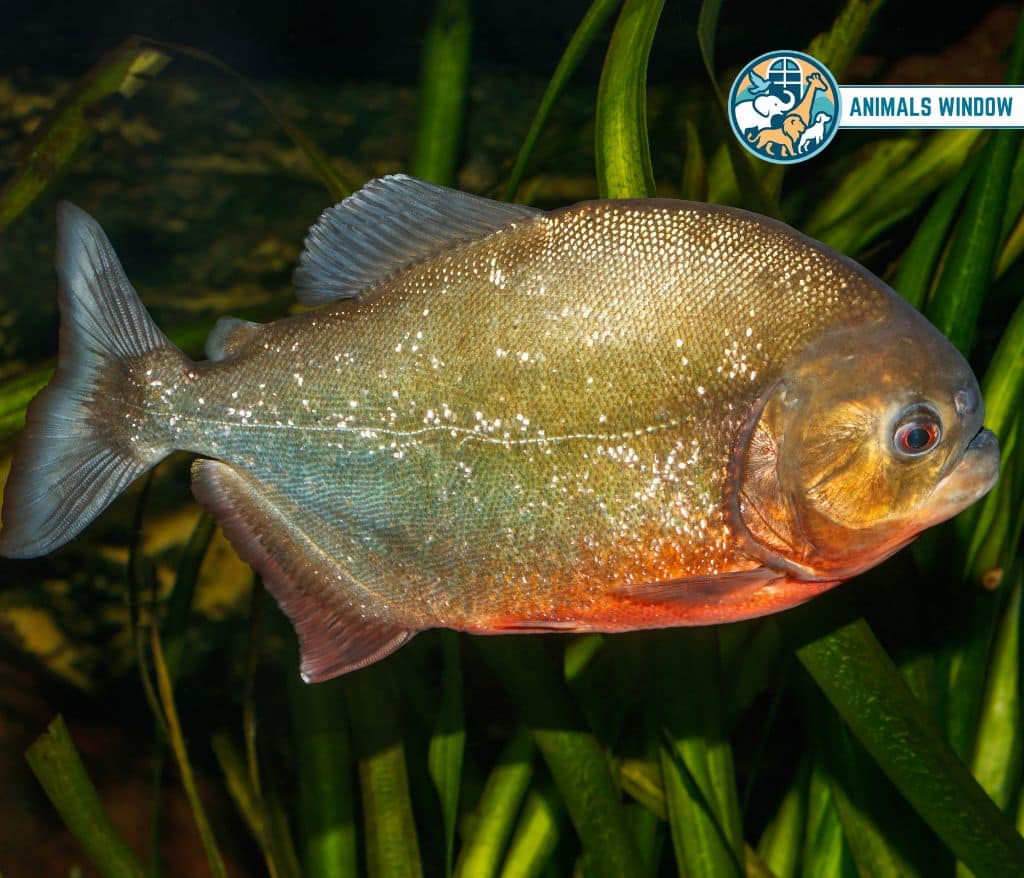
- Scientific Name: Pygocentrus nattereri
- Size: 15–30 cm body length
- Weight: 0.5–3.5 kg
- Diet: Fish, insects, crustaceans, seeds, larger animals when in feeding frenzies
- Habitat: Amazon and Orinoco river basins in South America
- Lifespan: 10–20 years
The piranha’s reputation is mostly exaggerated — but the feeding frenzy part is real. When food is scarce and prey is injured or bleeding, a school of piranhas can coordinate into a whirling, biting mass that consumes flesh at remarkable speed. The frenzy comes from competition within the group, not cooperation.
Each piranha has interlocking triangular teeth that fit together like a zipper. When it bites, it twists and tears a clean plug of flesh. These are not messy bites — they’re precise, efficient extractions. A 200 g piranha removes more meat per bite, proportionally, than a great white shark.
🔥 Comparison Fact: A piranha is roughly the size of a large man’s hand — with teeth sharp enough to slice through a finger bone cleanly.
16. Cockroach
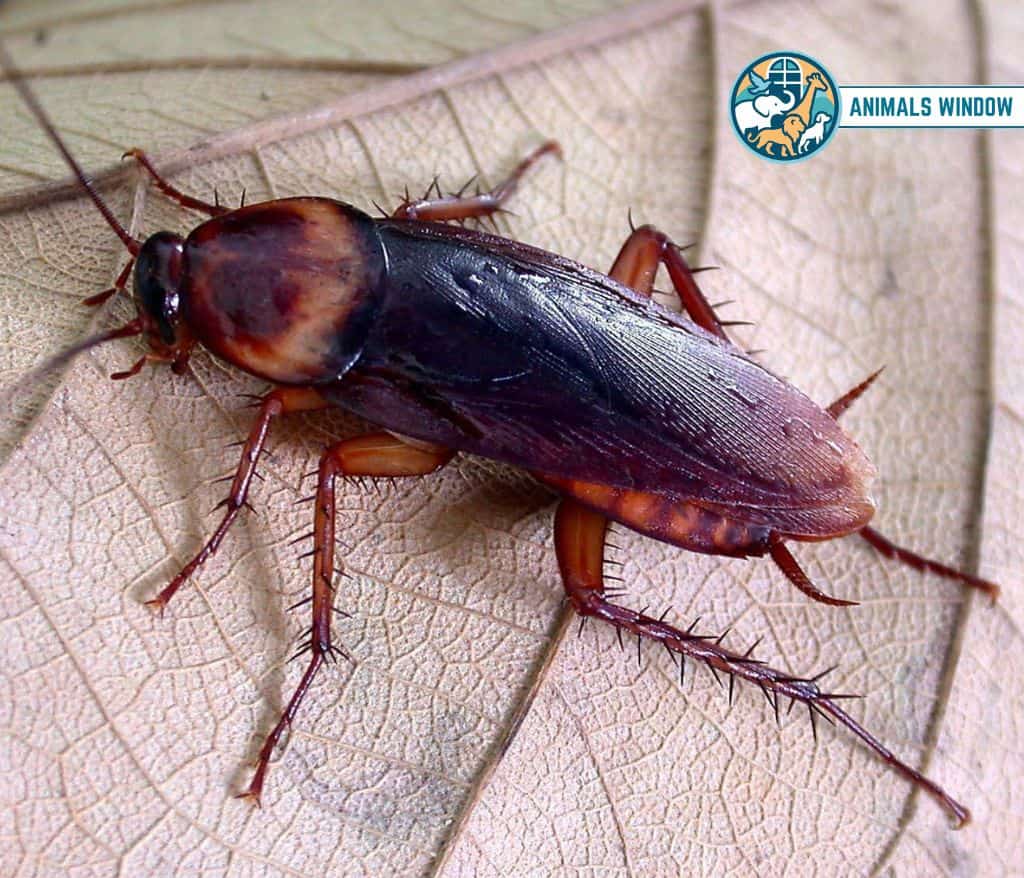
- Scientific Name: Periplaneta americana
- Size: 3–5 cm body length
- Weight: 0.8–1.2 g
- Diet: Food scraps, glue, paper, soap, dead skin cells, feces, leather, cardboard
- Habitat: Every continent except Antarctica; heavily urban and tropical
- Lifespan: Up to 2 years
A cockroach will eat almost anything organic — and several things that aren’t. They’ve been observed consuming book glue, wallpaper paste, dead skin flakes, and even the rubbery insulation on electrical wire. This isn’t desperation. Their digestive system contains enzymes that break down cellulose, lignin, and other materials most animals can’t process.
Cockroaches can survive for a month without food. But when food is present, they eat constantly and leave chemical trails leading others to the source. A single cockroach finding a food source can signal an entire colony within hours.
🔥 Comparison Fact: A cockroach weighs less than a paperclip but can consume residue from surfaces cleaned days earlier — their food sensitivity is that extreme.
17. Burmese Python
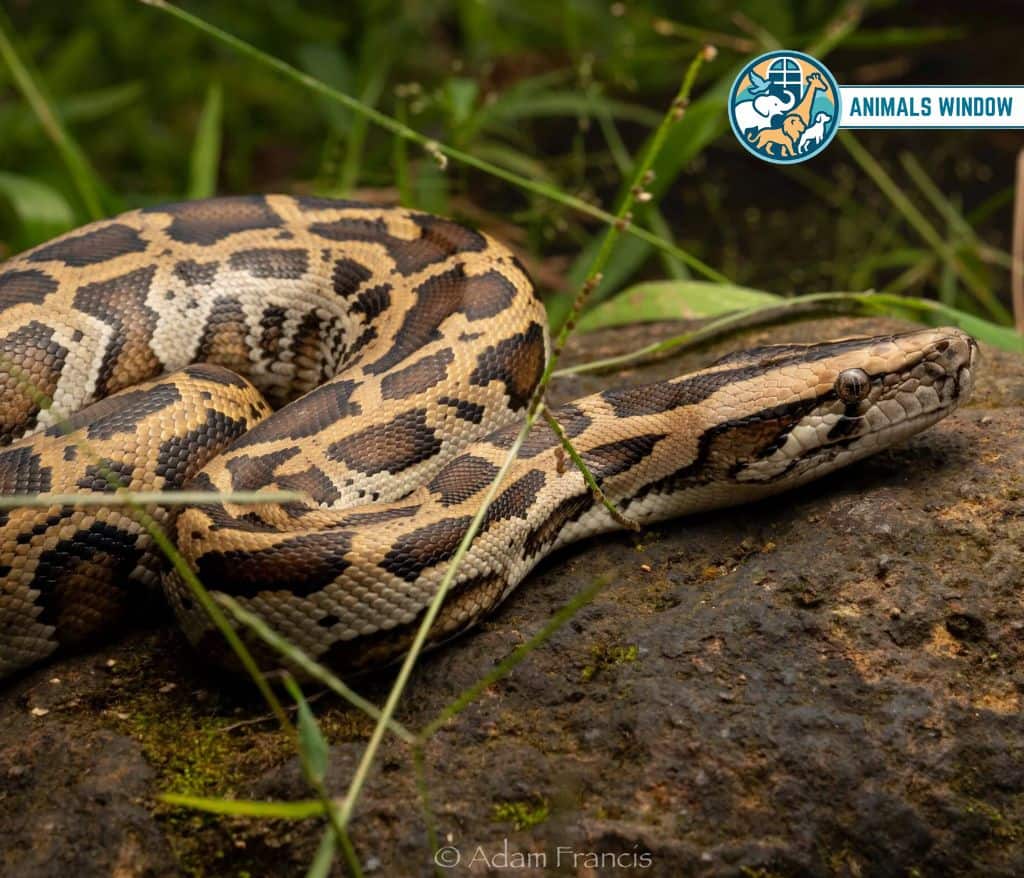
- Scientific Name: Python bivittatus
- Size: 3.7–5.8 m
- Weight: 70–140 kg
- Diet: Birds, mammals up to the size of deer, alligators, and pigs
- Habitat: Southeast Asia; invasive population in Florida Everglades
- Lifespan: 20–25 years
Burmese pythons are sit-and-wait predators — but when a meal presents itself, they go for the absolute maximum. They’ve been found in Florida with white-tailed deer (weighing up to 60 kg) fully inside their bodies. Their jaws don’t unhinge — the lower jaw splits at the front, and four rows of recurved teeth walk prey inward.
After a massive meal, a Burmese python can go 6 months without eating again. But that one meal triggers dramatic changes: their heart grows up to 40% larger to help digest the prey, and their intestine doubles in length. The gluttony is metabolically engineered.
🔥 Comparison Fact: A Burmese python can be longer than a minivan and swallow prey wider than a basketball.
18. Wild Boar
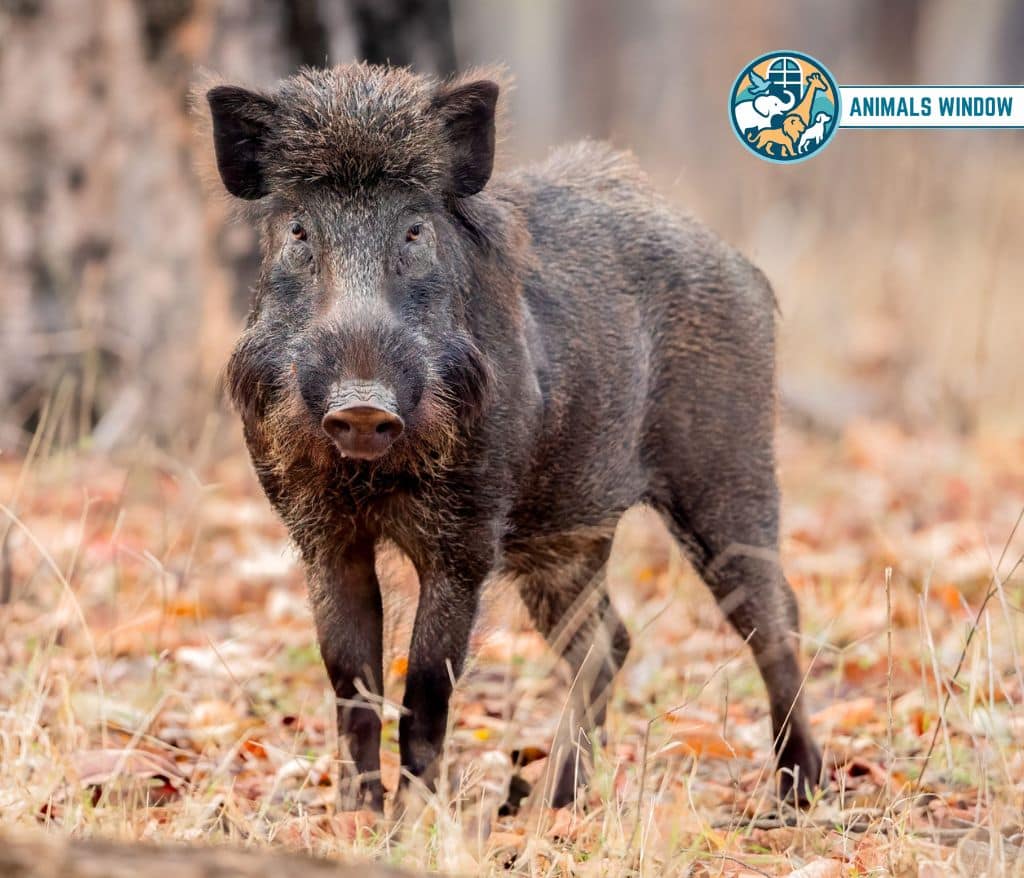
- Scientific Name: Sus scrofa
- Size: 90–200 cm body length
- Weight: 50–300 kg
- Diet: Roots, tubers, fungi, fruit, insects, carrion, crops, small animals
- Habitat: Forests, grasslands, wetlands across Europe, Asia, and introduced regions
- Lifespan: 10–14 years
A sounder of wild boars can destroy an entire corn field in one night. They root with their reinforced snouts, upending soil 25–30 cm deep, eating everything they find — including the roots, insects, worms, and soil fungi underneath. It’s not just eating. It’s excavation.
What’s surprising is their dietary range. Wild boars eat meat without hesitation. They’ll dig up bird nests, eat fawns, consume carrion, and have been documented eating live animals they’ve cornered. Their omnivory is as complete as a bear’s — in a smaller, faster, and more aggressive package.
🔥 Comparison Fact: A large wild boar can weigh as much as a professional sumo wrestler — and can till an acre of soil in a single night with just its snout.
19. Goat
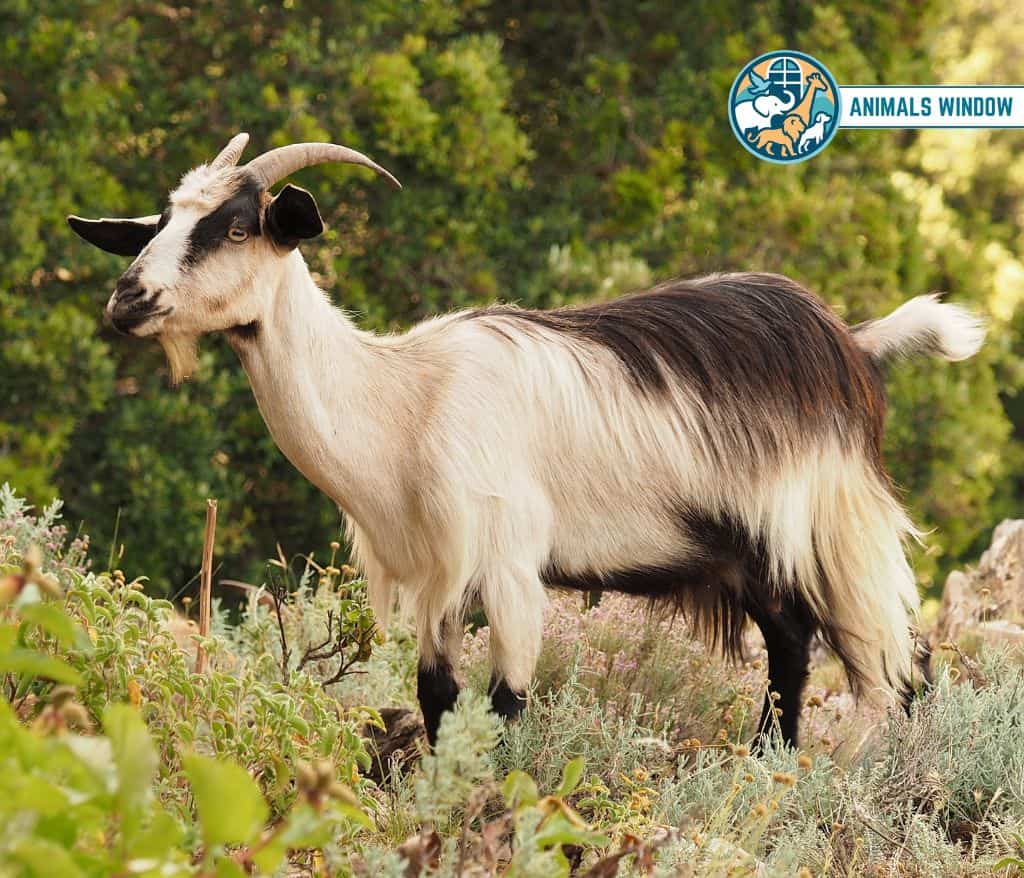
- Scientific Name: Capra hircus
- Size: 60–100 cm at shoulder
- Weight: 20–140 kg
- Diet: Grasses, shrubs, bark, leaves, paper, clothing, plastic bags (attempted)
- Habitat: Domesticated worldwide; wild relatives in mountain regions
- Lifespan: 15–18 years
Goats don’t really eat tin cans — that’s a myth. But they do eat bark off living trees, chew through wooden fences, consume paper, and happily munch on cardboard. Their lips are extremely sensitive and mobile, which makes them exploratory eaters. They don’t eat out of hunger alone. They eat out of curiosity.
In the wild, goats have contributed to large-scale deforestation. On islands without natural predators — like parts of the Galápagos — introduced goats have stripped vegetation to bare soil. Their relentless browsing habits are so destructive that they’ve caused the extinction of multiple plant species.
🔥 Comparison Fact: A goat’s browsing radius per day can cover over 8 km of vegetation — on steep terrain that most other grazers won’t attempt.
20. Fox
- Scientific Name: Vulpes vulpes
- Size: 45–90 cm body length
- Weight: 3–14 kg
- Diet: Rabbits, rodents, birds, eggs, fruit, insects, earthworms, garbage
- Habitat: Forests, grasslands, urban areas across the Northern Hemisphere
- Lifespan: 3–4 years in the wild
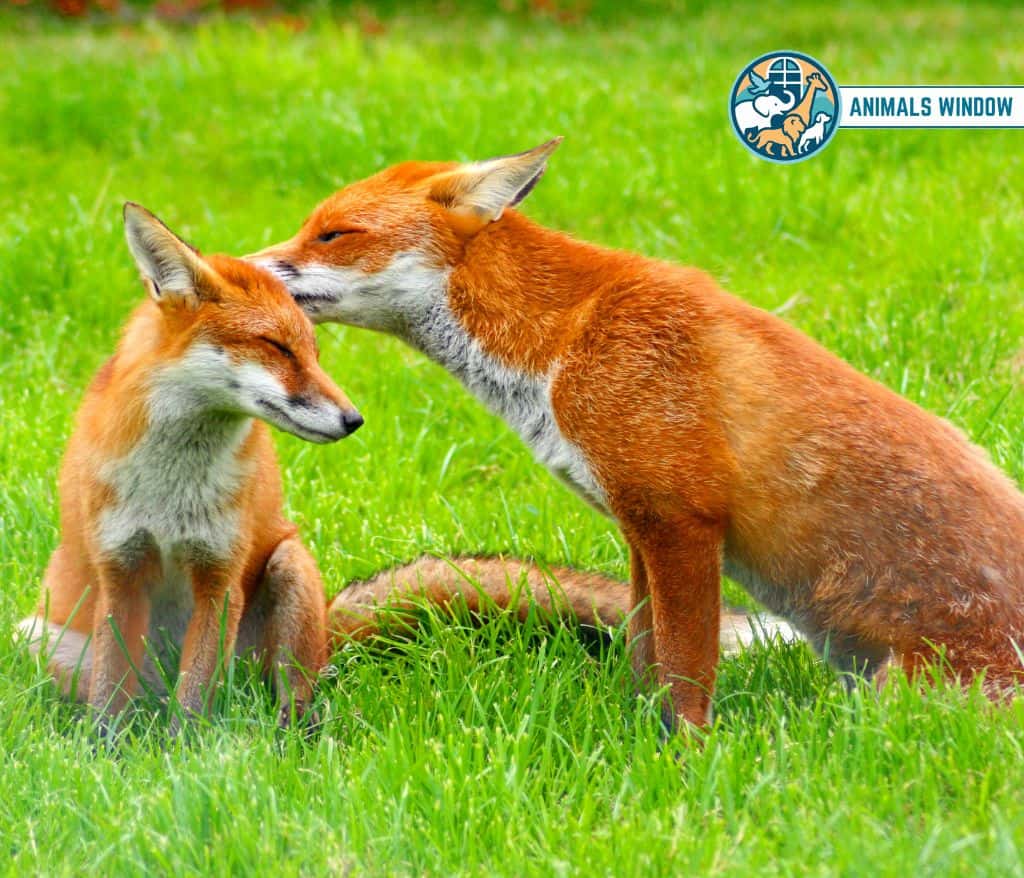
Foxes practice something called “surplus killing” — they kill more prey than they can eat in one session, then bury the rest for later. In chicken coops, a single fox has been documented killing 30–40 birds in one night, eating very few of them. This behavior isn’t malicious. It’s an ancient instinct to store calories when prey is suddenly abundant.
The burial system is sophisticated. Foxes scatter their caches widely so predators can’t find them all. They’ve also been observed watching other foxes bury food and then stealing it — which means fox greed creates a kind of criminal underground.
🔥 Comparison Fact: A fox weighs about as much as a large house cat — but can kill and cache enough chickens in one night to fill a grocery bag.
21. Weasel
- Scientific Name: Mustela nivalis
- Size: 16–22 cm body length
- Weight: 36–250 g
- Diet: Voles, mice, rabbits, birds, eggs
- Habitat: Forests, grasslands, farmlands across Europe, Asia, North America
- Lifespan: 1–3 years in the wild
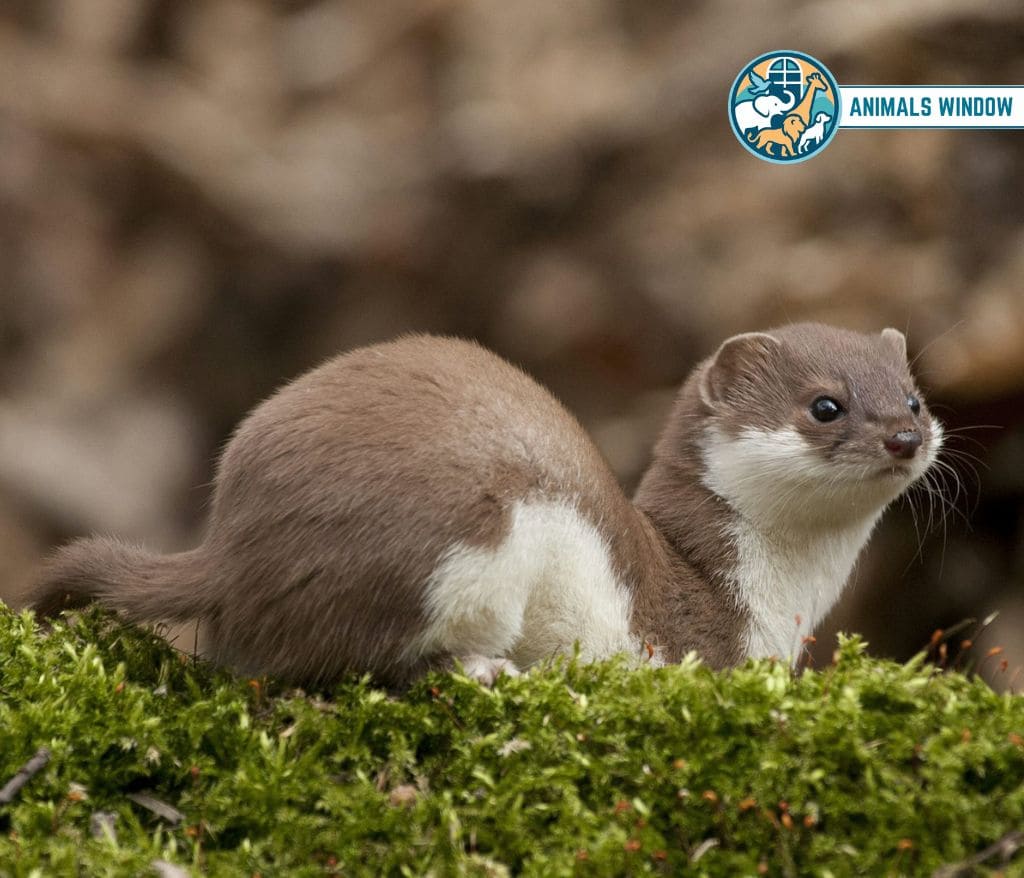
The weasel has one of the highest metabolic rates of any mammal. Its thin body loses heat rapidly, so it must eat constantly — up to 50% of its body weight daily — just to stay warm and alive. That’s an extreme metabolic demand for an animal smaller than most TV remote controls.
And it punches way above its weight. A weasel regularly kills rabbits 5–10 times its own mass. It bites the back of the skull with precision, delivering a fatal bite to the brainstem. One weasel can clear an entire rabbit warren, eating what it can and caching the rest in unused tunnels.
🔥 Comparison Fact: A weasel at 50–100 g weighs less than a deck of playing cards — and can kill a rabbit that outweighs it by 2,000%.
22. Baboon
- Scientific Name: Papio ursinus (Chacma Baboon)
- Size: 50–115 cm body length
- Weight: 15–45 kg
- Diet: Fruits, seeds, insects, roots, lizards, birds, small antelopes, human food
- Habitat: Savannas, woodlands, semi-arid regions across Africa
- Lifespan: 20–30 years
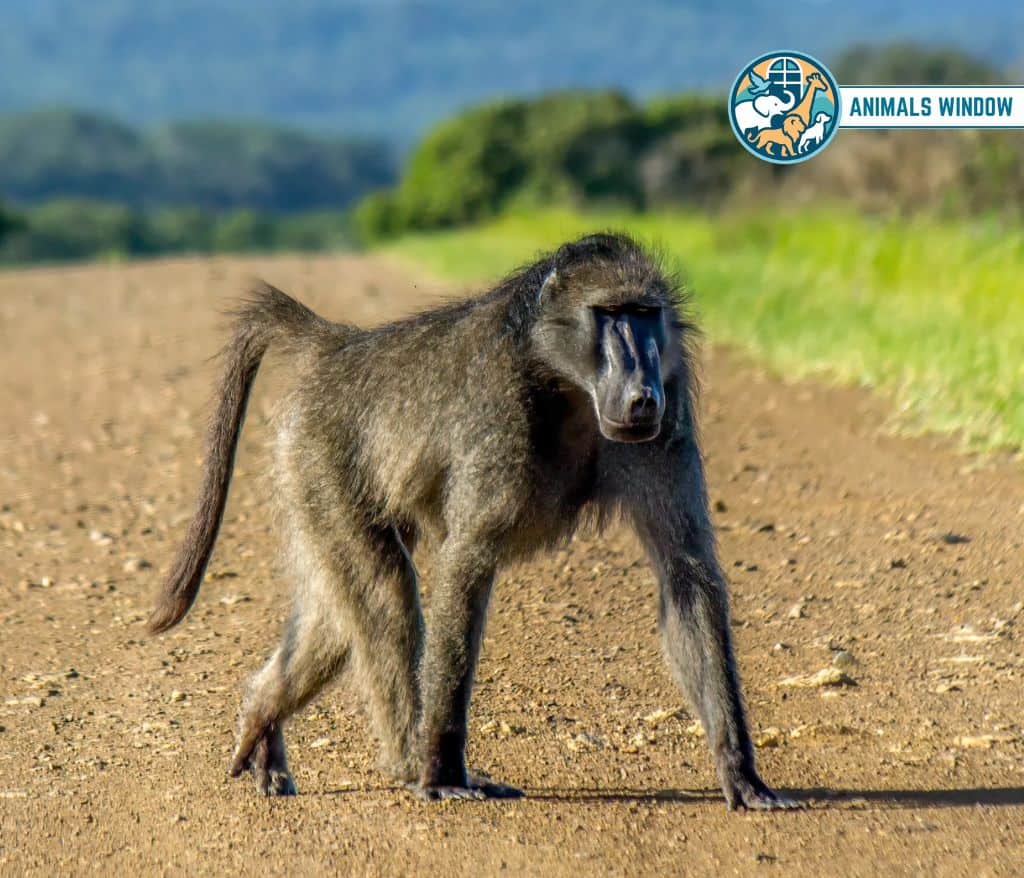
Baboons near human settlements become habitual raiders. They’ve learned to watch for unguarded cars, open windows, and unattended backpacks. A group of baboons can loot a tourist campsite in under 3 minutes, opening zippers, splitting bags, and consuming or scattering everything inside.
The social element makes them more dangerous. Dominant males act as lookouts or intimidators while other baboons steal food. It’s coordinated theft. In Cape Town, South Africa, specific baboon troops became so problematic that rangers had to be employed full-time just to manage them.
🔥 Comparison Fact: A male baboon weighs about the same as a 10-year-old child — but has canine teeth longer than a leopard’s.
23. Pigeon
- Scientific Name: Columba livia
- Size: 29–37 cm body length
- Weight: 265–380 g
- Diet: Seeds, grains, bread scraps, fruit, insects, discarded human food
- Habitat: Cities, farmlands, and coastal cliffs worldwide
- Lifespan: 6 years in the wild; up to 15 in captivity
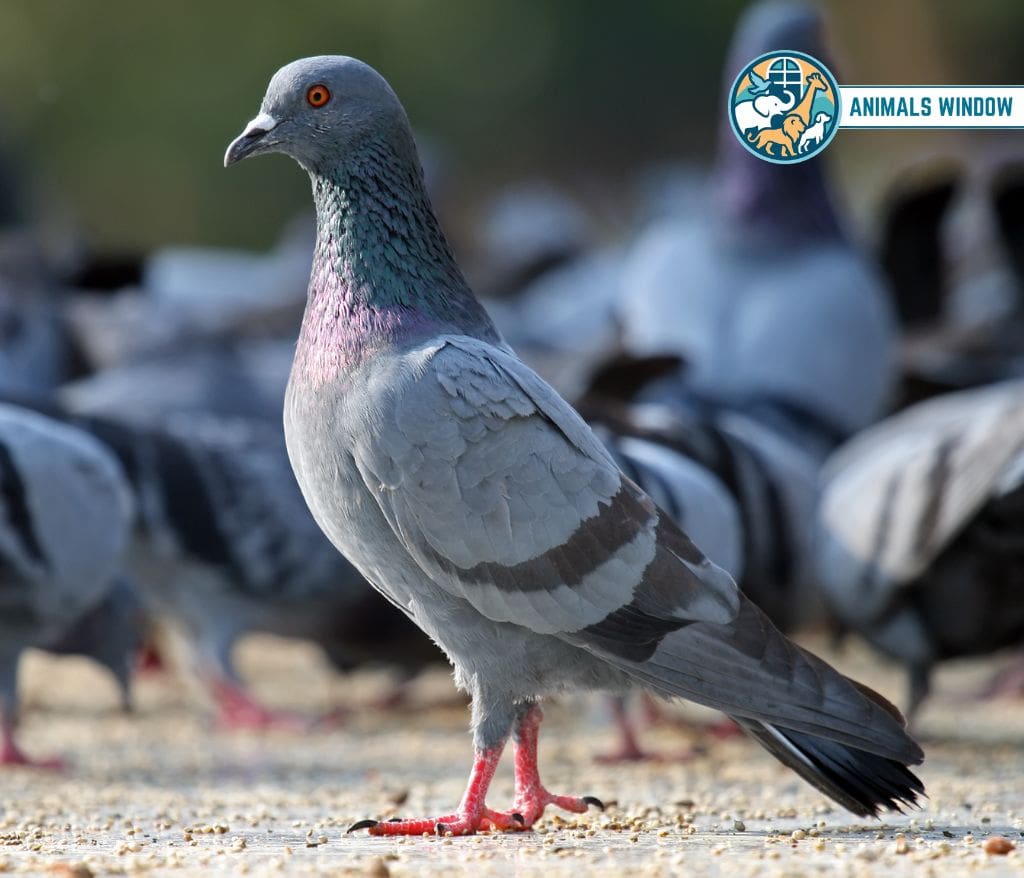
Urban pigeons have essentially abandoned natural feeding rhythms. When food is available — a dropped sandwich, spilled birdseed, a tourist feeding them — they eat continuously until it’s gone. Studies on urban pigeons show that their crops (a food storage organ in the throat) stay constantly full in city environments, something that would never happen in the wild.
The real issue is dependency. City pigeons no longer recognize natural seasonal food limits. They breed year-round because food never runs out, which is why urban pigeon populations explode. Greed, in their case, changed their entire reproductive biology.
🔥 Comparison Fact: A pigeon weighs about as much as a baseball — but in a city with generous tourists, it might eat the equivalent of 3 baseballs’ worth of food in a single day.
24. Seagull

- Scientific Name: Larus argentatus
- Size: 54–65 cm body length
- Weight: 700–1,500 g
- Diet: Fish, invertebrates, garbage, chips, sandwiches, other birds’ eggs and chicks
- Habitat: Coastlines, urban waterfronts, landfills across the Northern Hemisphere
- Lifespan: 10–15 years
Seagulls steal. There’s no softer way to put it. They’ve been documented dive-bombing humans for ice cream, yanking hotdogs from hands, and snatching food directly from mouths. They also practice kleptoparasitism — stealing food from other birds and even from other seagulls — constantly.
Here’s something most people don’t know: seagulls stomp their feet in a rhythmic pattern on wet ground or grass. This mimics the vibration of rain, tricking earthworms into surfacing. So even on land, away from the ocean, seagulls have developed tricks to extract food that doesn’t belong to them.
🔥 Comparison Fact: A herring gull weighs about as much as a large can of soup — but will aggressively pursue food from animals 50 times its size.
25. Chimpanzee
- Scientific Name: Pan troglodytes
- Size: 63–94 cm standing height
- Weight: 32–60 kg
- Diet: Fruit, leaves, insects, eggs, honey, meat (monkeys, bushpigs, colobus monkeys)
- Habitat: Tropical forests and savannas of Central and West Africa
- Lifespan: 40–50 years in the wild
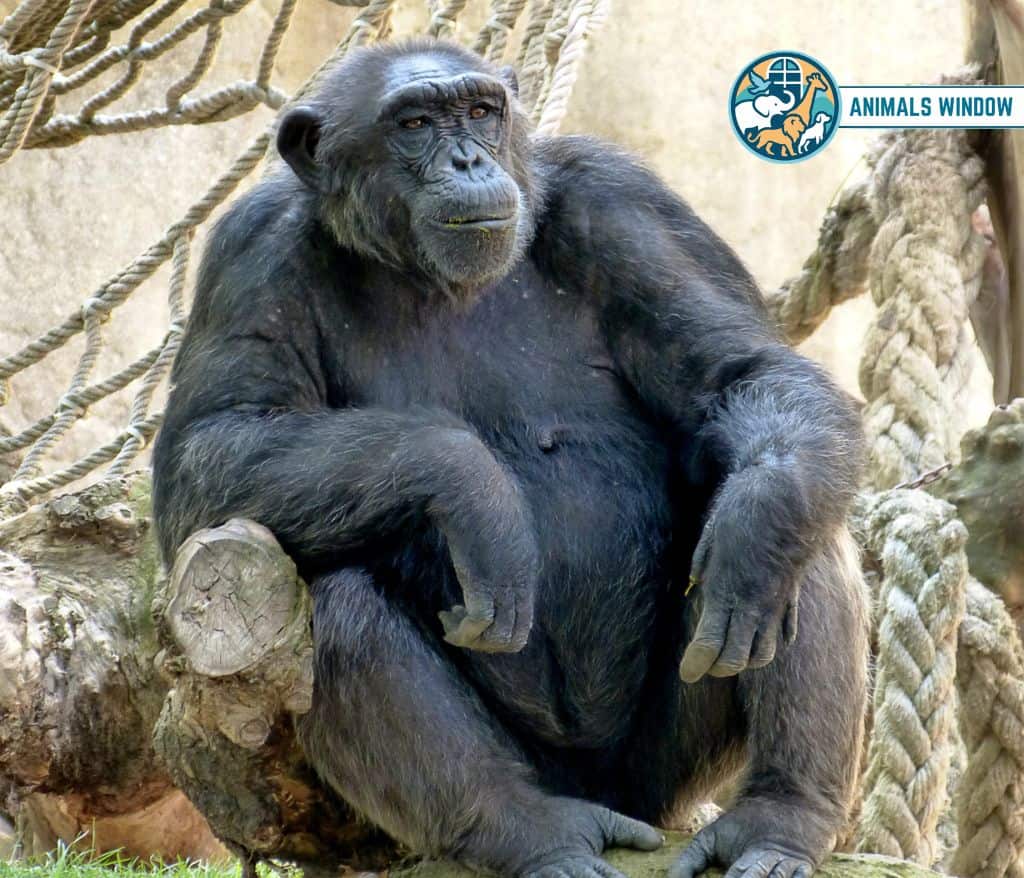
Chimpanzees don’t just eat meat — they organize hunts for it. A chimp hunting party can coordinate to surround and capture a red colobus monkey with tactical precision. But the greedy part comes after. The chimp who made the kill controls who gets meat. Meat becomes currency. Dominant males give pieces to allies and withhold it from rivals. They use food as power.
Chimps also raid beehives for honey with makeshift tools, break into termite mounds, and strip fig trees bare while other animals are still approaching. Their food competition is cognitive, not just physical. They remember who shared with them and who didn’t — and they punish food-stealers in future interactions.
🔥 Comparison Fact: A male chimp weighs about as much as an average adult man — but has 5 times the upper body strength, making its food monopoly nearly impossible to challenge.
FAQ’s About Greedy Animals
Q1: What is the greediest animal in the world?
The wolverine and the honey badger are strong contenders for the greediest, pound-for-pound. But if sheer caloric consumption is the measure, the brown bear eats more than almost any other land animal — up to 20,000 calories per day in peak feeding season.
Q2: Which animal hoards the most food?
Squirrels are the champion hoarders, burying up to 10,000 individual food caches per season. Hamsters come second in terms of how much they store relative to their own body size — sometimes caching over 90 kg of grain in underground burrows.
Q3: Are greedy animals always predators?
No. Pigs, goats, pigeons, and squirrels are not predators, but they are among the most voracious eaters. Greed is about eating more than needed or stealing food — not necessarily hunting.
Q4: What animal never stops eating?
The pig comes closest. Its weak satiety response means it will eat past fullness if given the chance. Weasels also eat near-constantly due to their extreme metabolic rate.
Q5: Do greedy animals help or hurt ecosystems?
Both. Vultures clean up disease-spreading carcasses. Squirrels accidentally plant thousands of trees. But wild boars damage crops, invasive pythons devastate Florida wildlife, and goats have caused island-level deforestation. Greed has real ecological consequences.
Related Animals Guides:
Trait Comparison: Hoarding vs. Surplus Killing
These are two very different expressions of animal greed — and they’re often confused.
Hoarding means storing food for future use. Squirrels, hamsters, crows, and rats do this. The food is meant to be eaten later. It’s calculated, forward-thinking behavior that requires memory and planning. A crow that moves its cache after being watched is hoarding and strategizing simultaneously.
Surplus killing means killing more prey than can be eaten right away. Foxes, weasels, and domestic cats do this most visibly. Unlike hoarding, surplus killing isn’t always about future consumption — it’s often triggered by the presence of easy, abundant prey. The instinct to kill keeps firing even after the hunger signal turns off.
The key difference: hoarders plan. Surplus killers react. Both are driven by the same evolutionary pressure — food insecurity over millions of years — but they show up in completely different behaviors. Some animals, like foxes and crows, actually do both.

I have loved animals since I was a kid. I enjoy reading about how animals live, eat, move, and survive. I started Animals Window to share what I learn in a simple and easy way. I write about animal body parts, size, behavior, diet, habitats, and species. My goal is to make animal facts clear and fun for everyone to understand.