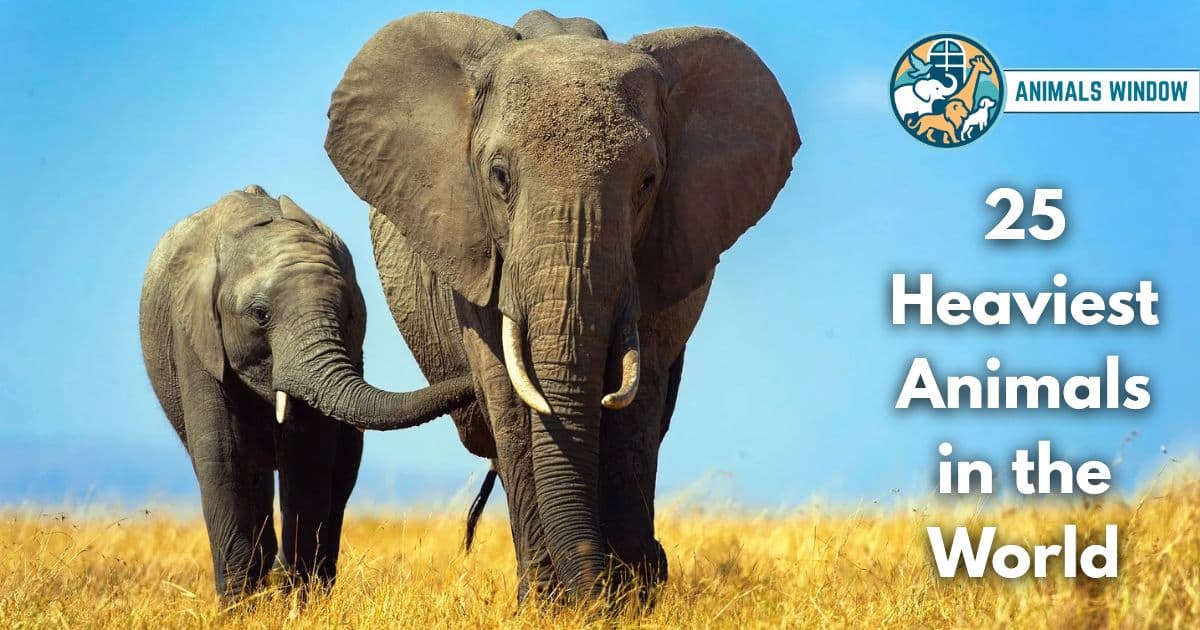
The heaviest animals in the world range from the Blue Whale (up to 190 tonnes) to the Goliath Beetle (just 100 grams). This list covers 25 record-breaking animals across ocean, land, and sky — including the heaviest fish, heaviest bird, heaviest reptile, and heaviest insect alive today.
Table of Contents
Quick Reference Table
| Animal | Scientific Name | Key Trait |
| Blue Whale | Balaenoptera musculus | Heaviest animal ever — up to 190 tonnes |
| North Pacific Right Whale | Eubalaena japonica | Up to 120 tonnes, critically endangered |
| Fin Whale | Balaenoptera physalus | Fastest of the great whales |
| Bowhead Whale | Balaena mysticetus | Thickest blubber on Earth |
| Whale Shark | Rhincodon typus | Heaviest fish — up to 20 tonnes |
| Basking Shark | Cetorhinus maximus | Second heaviest fish, filter feeder |
| Orca | Orcinus orca | Up to 10 tonnes, apex ocean predator |
| African Bush Elephant | Loxodonta africana | Heaviest land animal — up to 12 tonnes |
| Asian Elephant | Elephas maximus | Up to 8 tonnes, highly trainable |
| African Forest Elephant | Loxodonta cyclotis | Up to 6 tonnes, forest ecosystem architect |
| White Rhinoceros | Ceratotherium simum | Up to 4.5 tonnes, near-threatened |
| Hippopotamus | Hippopotamus amphibius | Up to 4.5 tonnes, secretes natural sunscreen |
| Elephant Seal | Mirounga leonina | Up to 4 tonnes, dives 1,500 m deep |
| Gaur | Bos gaurus | Up to 1.5 tonnes — world’s largest wild cattle |
| Giraffe | Giraffa camelopardalis | Up to 1.2 tonnes, tallest living animal |
| American Bison | Bison bison | Up to 1 tonne, recovered from near-extinction |
| Saltwater Crocodile | Crocodylus porosus | Heaviest reptile — up to 1,100 kg |
| Polar Bear | Ursus maritimus | Heaviest land carnivore — up to 900 kg |
| Leatherback Sea Turtle | Dermochelys coriacea | Up to 900 kg, heaviest turtle |
| Green Anaconda | Eunectes murinus | Up to 250 kg, heaviest snake |
| Common Ostrich | Struthio camelus | Up to 150 kg, heaviest bird |
| Komodo Dragon | Varanus komodoensis | Up to 150 kg, venomous lizard |
| Capybara | Hydrochoerus hydrochaeris | Up to 90 kg, heaviest rodent |
| Lion’s Mane Jellyfish | Cyanea capillata | Up to 100 kg, longest tentacles alive |
| Goliath Beetle | Goliathus goliatus | Up to 100g, heaviest insect on Earth |
Why This List Will Surprise You
You already know whales are big. But did you know a single Blue Whale’s tongue weighs as much as an elephant? Or that the “fattest” crocodile alive today can bite with more force than any land animal? And somewhere in the African rainforest, a beetle that weighs less than a granola bar holds the title of heaviest insect on the planet.
This list goes beyond size. Each animal here has a body-weight story — about how it feeds, where it hides, or why being so thick and heavy actually keeps it alive. In the wild, what we might call ‘fat’ is actually a vital energy reserve, and being ‘thick’ is often a superpower for survival. Some of these animals move surprisingly fast for their bulk. Others carry weight in ways that would seem physically impossible. Stick around for the snake that eats a deer whole, or the jellyfish that has no brain but can still paralyze a human.
Can Wild Animals Become Obese?
In the wild, it is very rare for an animal to be “obese” because they burn so many calories searching for food. However, animals like Elephant Seals and Polar Bears are naturally “thick” with blubber to survive the cold. True obesity is usually only seen in captive animals or pets where their diet isn’t managed—showing the big difference between natural “thickness” and unhealthy weight.
More Post: 30 Most Energetic Animals (Ranked by Speed & Stamina With Pictures)
The World’s Heaviest, Thickest, and “Fattest” Animals
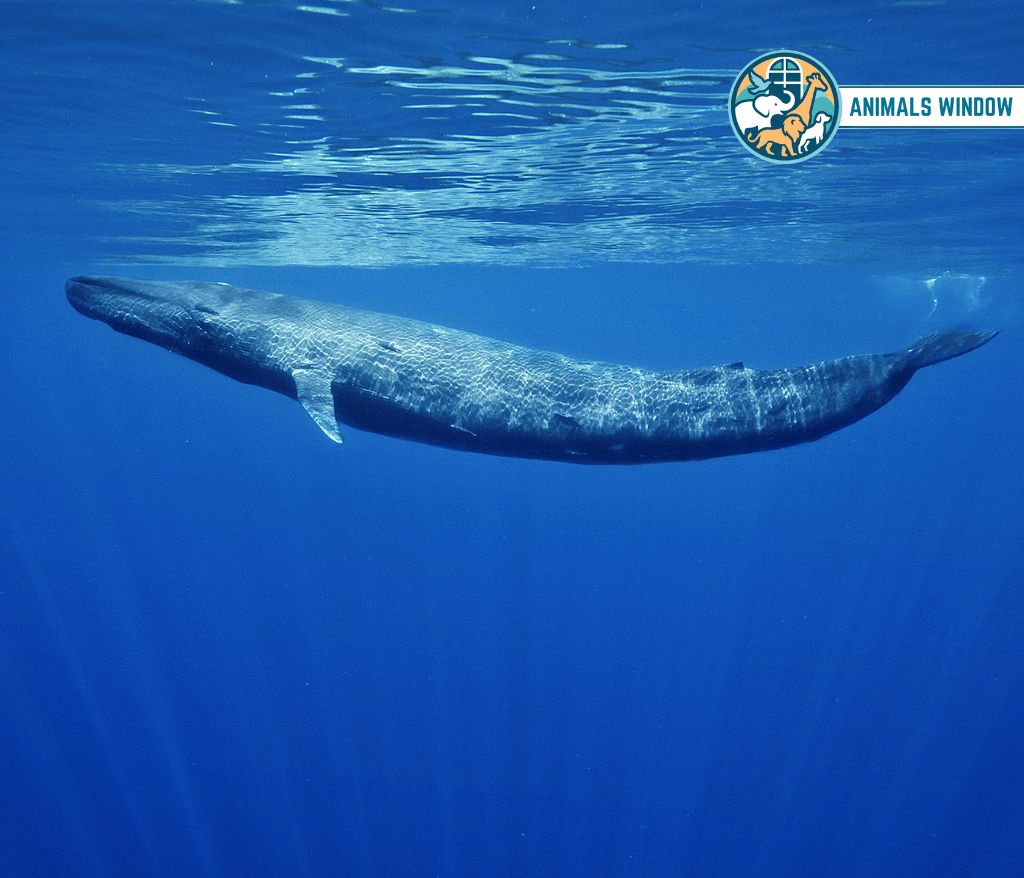
Blue Whale
- Scientific name: Balaenoptera musculus
- Size: Up to 30 meters long
- Weight: Up to 190 tonnes
- Diet: Krill
- Habitat: All major oceans
- Lifespan: 70–90 years
The Blue Whale is the largest and heaviest animal ever known to have lived on Earth — heavier than any dinosaur. It lives in open oceans and travels thousands of miles each year between feeding and breeding grounds. Despite its mass, it feeds on some of the tiniest creatures in the sea.
Here’s what makes it truly jaw-dropping: a Blue Whale can eat up to 40 million krill in a single day. It uses a feeding technique called lunge feeding — it charges into a swarm of krill with its mouth wide open, gulps a massive volume of water, and then pushes the water out through its baleen plates, trapping the krill inside.
🔥 Comparison Fact: A Blue Whale’s heart is roughly the size of a small car and weighs about 180 kg — a person could crawl through its aorta.
North Pacific Right Whale
- Scientific name: Eubalaena japonica
- Size: Up to 18 meters
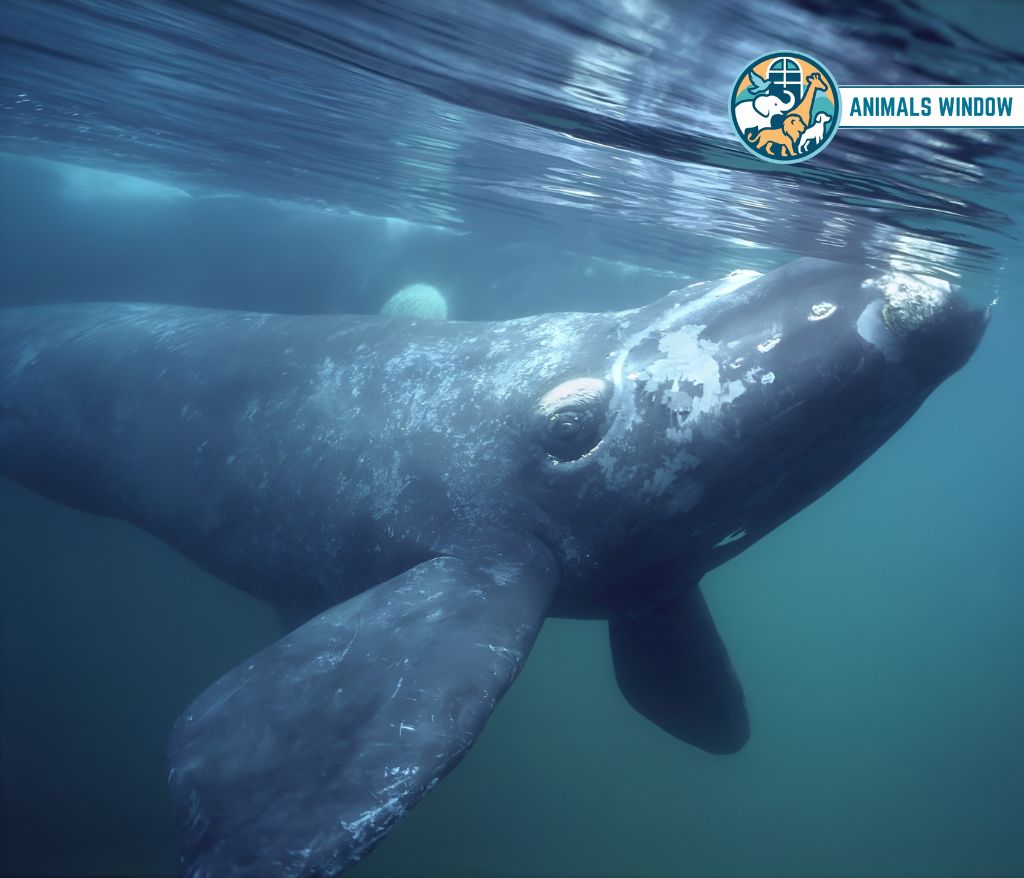
- Weight: Up to 120 tonnes
- Diet: Copepods, krill, pteropods
- Habitat: North Pacific Ocean
- Lifespan: 70+ years
The North Pacific Right Whale is one of the rarest and most endangered large animals on Earth. Fewer than 30 individuals are believed to survive today. It was called a “right whale” by early whalers because it was the “right” one to hunt — it swam slowly, stayed near the coast, and floated after death due to its enormous fat reserves.
What sets this whale apart from other heavyweights is its skull. Up to one-third of its body length is its arched head, which houses the longest baleen plates of any whale — some reaching 4.5 meters. That massive head also makes it one of the thickest-bodied creatures alive.
🔥 Comparison Fact: The North Pacific Right Whale’s head alone can weigh as much as a full-grown African elephant.
Fin Whale
- Scientific name: Balaenoptera physalus
- Size: Up to 27 meters
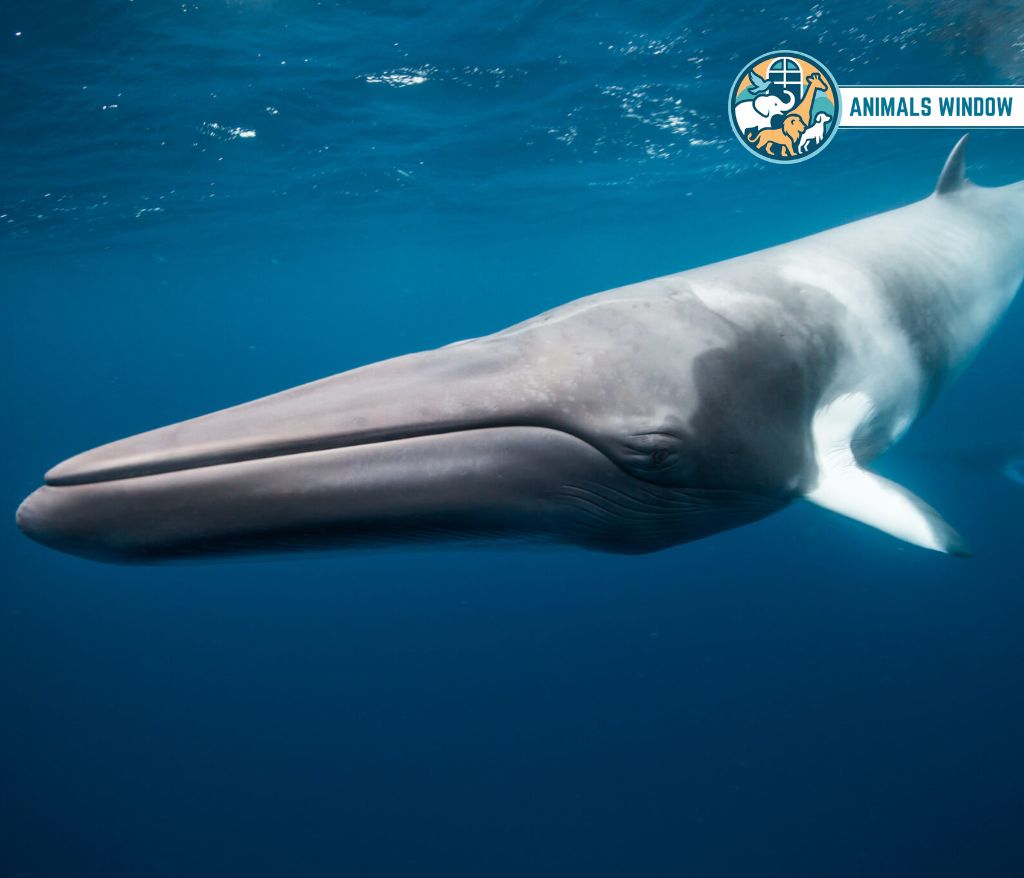
- Weight: Up to 120 tonnes
- Diet: Small schooling fish, squid, krill
- Habitat: All major oceans
- Lifespan: 80–90 years
The Fin Whale is the second-longest animal on Earth. It’s also one of the fastest large whales, capable of reaching 37 km/h in short bursts — earning it the nickname “greyhound of the sea.” That speed is remarkable for an animal that weighs as much as 1,200 adult humans stacked together.
One of its most unusual features is its asymmetrical coloring. The right side of its lower jaw is white, while the left is dark. Scientists believe this plays a role in herding fish — the whale circles schools to the right, using the white flash to disorient and concentrate prey before lunging.
🔥 Comparison Fact: A Fin Whale is roughly as long as two standard school buses parked end to end.
Bowhead Whale
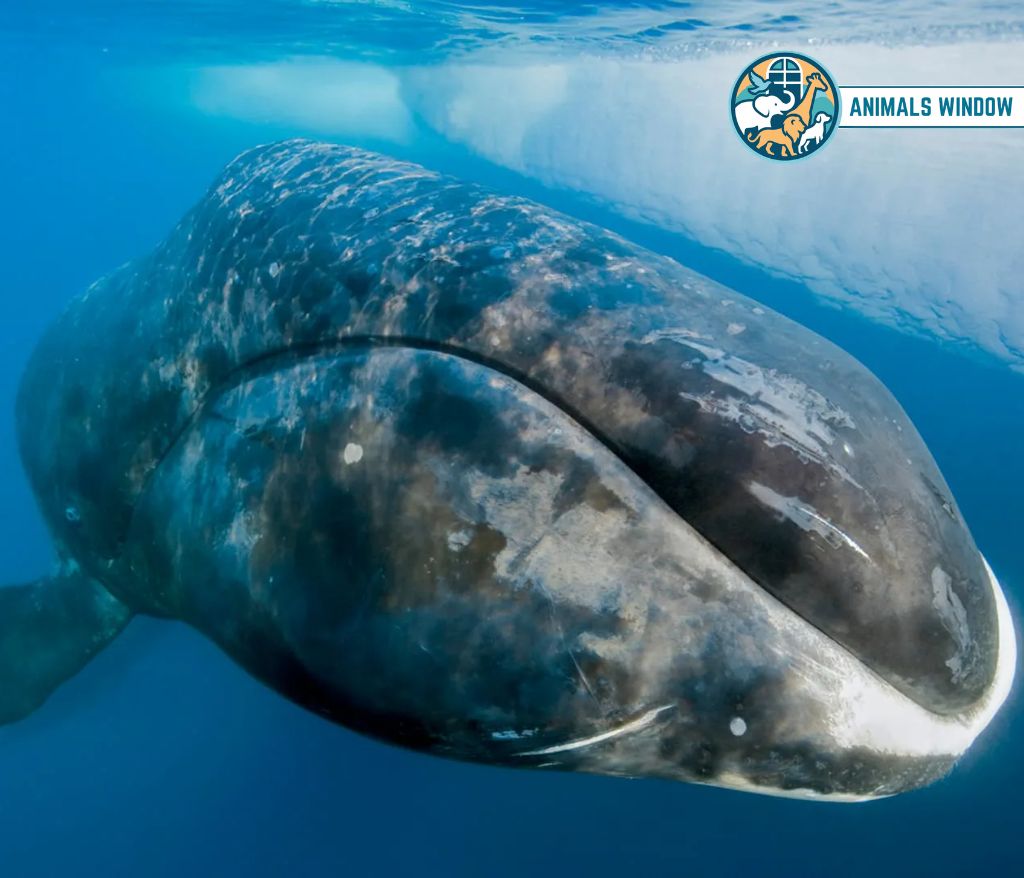
- Scientific name: Balaena mysticetus
- Size: Up to 20 meters
- Weight: Up to 120 tonnes
- Diet: Copepods, amphipods, krill
- Habitat: Arctic and subarctic seas
- Lifespan: Up to 200 years
The Bowhead Whale lives its entire life in or near Arctic sea ice — and it has evolved the thickest blubber of any animal on Earth, measuring up to 50 cm deep. That’s not just fat for warmth; it’s the primary energy reserve that lets this whale survive months without feeding.
But the real headline is lifespan. Bowhead Whales are believed to be the longest-lived mammals on Earth, with some individuals confirmed to be over 200 years old. Researchers have found stone harpoon tips buried in their flesh — weapons that were last used in the 1800s. These animals were alive before the American Civil War.
🔥 Comparison Fact: A Bowhead Whale’s blubber layer is about as thick as four stacked hardcover books.
Whale Shark
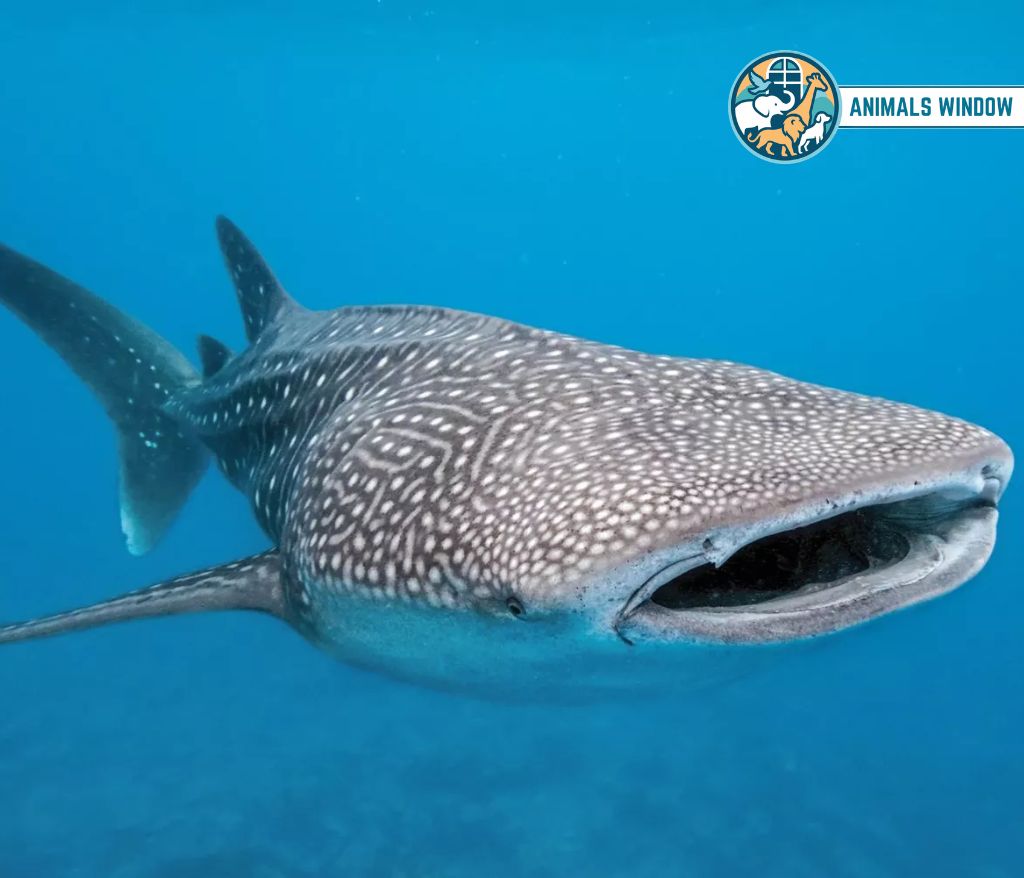
- Scientific name: Rhincodon typus
- Size: Up to 12 meters
- Weight: Up to 20 tonnes
- Diet: Plankton, small fish, fish eggs
- Habitat: Warm tropical and subtropical oceans
- Lifespan: 70–130 years
The Whale Shark holds the record for heaviest fish on Earth. Despite its massive size — bigger than a school bus — it feeds almost entirely on plankton and tiny fish eggs. It swims slowly with its wide mouth open, filtering hundreds of cubic meters of water every hour through its gills.
What most people don’t know is that Whale Sharks have unique spot patterns on their backs — as individual as a human fingerprint. Researchers use underwater photo databases to track individual sharks around the world. One shark photographed in 1994 near St Helena Island was re-identified in 2009 near the Maldives — a 15-year confirmed sighting of the same fish.
🔥 Comparison Fact: A Whale Shark’s mouth can stretch up to 1.5 meters wide — wide enough to swallow a large beach ball whole.
Basking Shark
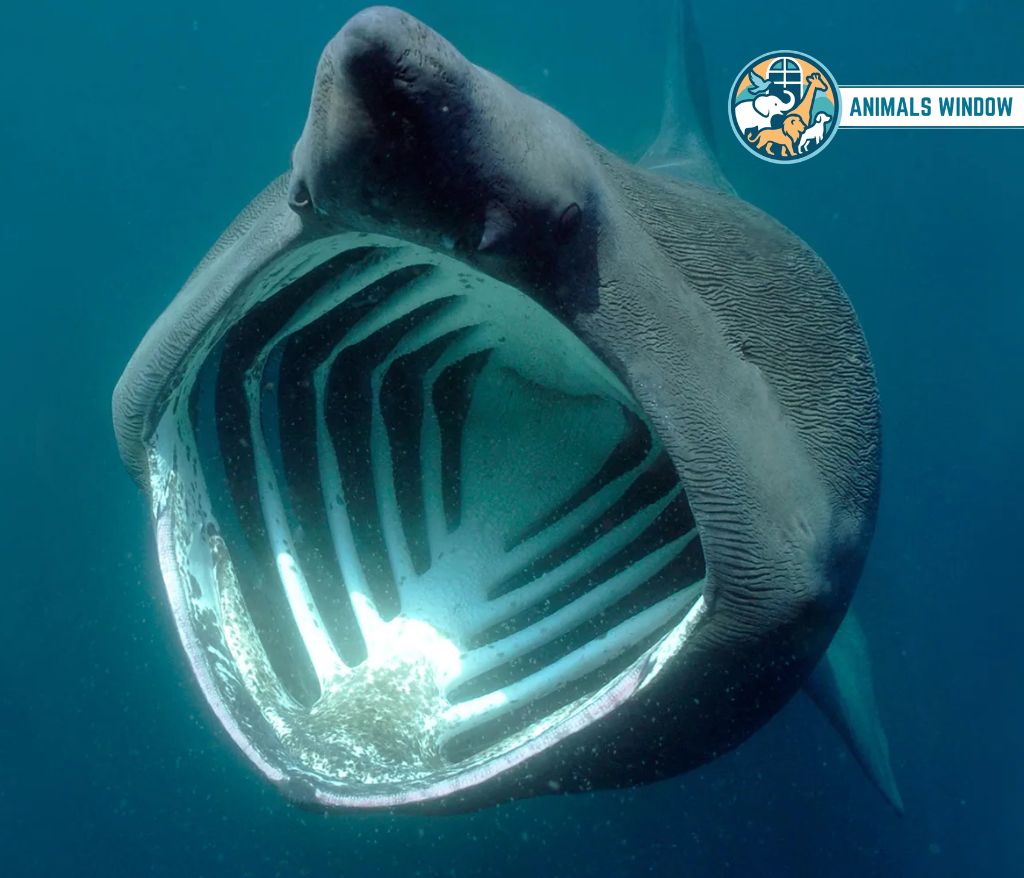
- Scientific name: Cetorhinus maximus
- Size: Up to 10 meters
- Weight: Up to 19 tonnes
- Diet: Zooplankton, small invertebrates
- Habitat: Temperate and boreal coastal waters
- Lifespan: 50+ years
The Basking Shark is the second-largest fish alive. It swims near the ocean surface with its enormous mouth wide open — sometimes up to a meter across — passively filtering more than 2,000 tons of seawater per hour. It has no teeth for biting; its gill rakers do all the work, trapping microscopic prey.
Here’s an angle you won’t read in most lists: in winter, when plankton disappears from shallow waters, Basking Sharks may shed their gill rakers and go dormant at depth. Scientists are still debating exactly what happens. They used to believe the sharks just disappeared to deep water to rest. Newer research suggests they may actively feed near the ocean floor during winter months.
🔥 Comparison Fact: A Basking Shark filters as much water in one hour as an Olympic swimming pool holds.
Orca (Killer Whale)
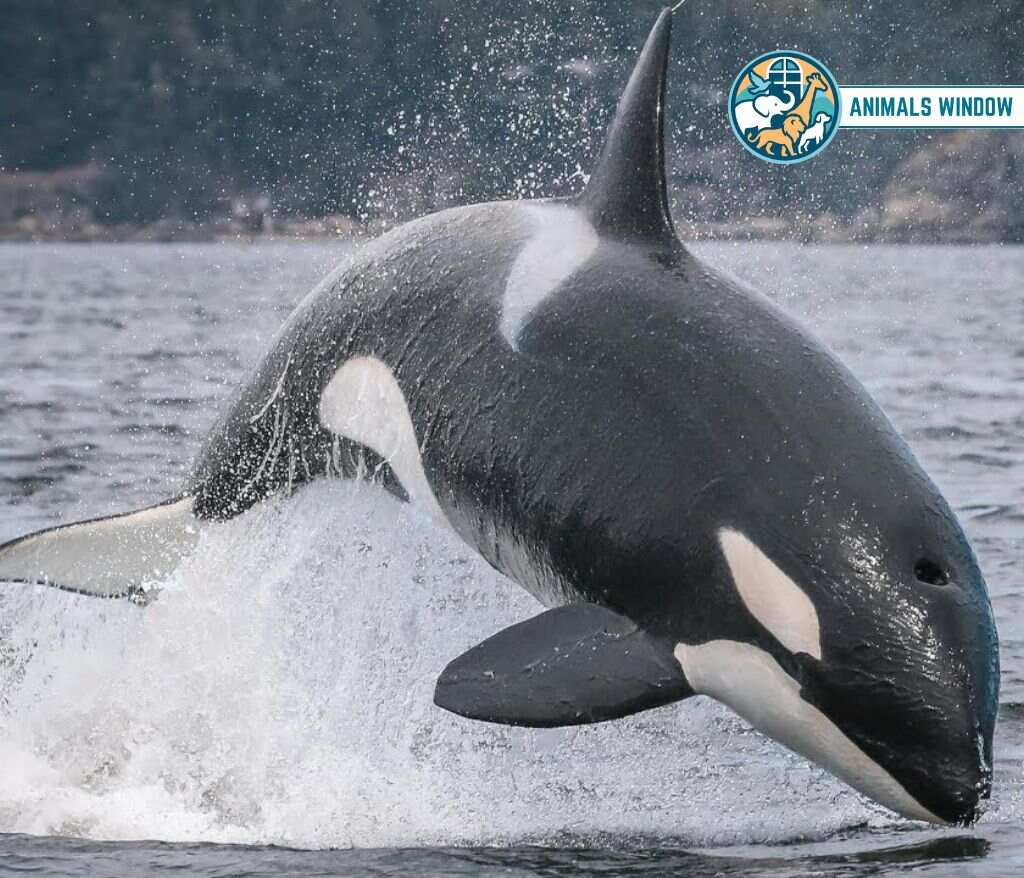
- Scientific name: Orcinus orca
- Size: Up to 9 meters
- Weight: Up to 10 tonnes
- Diet: Fish, seals, sharks, other whales
- Habitat: Every ocean on Earth
- Lifespan: 50–90 years
The Orca is a dolphin — not a whale — and it is the largest dolphin species alive. At up to 10 tonnes, it is also one of the most effective apex predators on the planet. Orca pods have been documented hunting Blue Whales, Great White Sharks, and even the Bowhead Whale listed above.
What’s fascinating is that Orca hunting strategies vary by culture, not just instinct. A pod in Norway uses “carousel feeding” — slapping fish with their tails to stun them. A pod in Argentina intentionally beaches itself to snatch sea lions from shore. These behaviors are taught from mother to calf, generation after generation. No two Orca populations hunt exactly the same way.
🔥 Comparison Fact: A large male Orca weighs about as much as a fully loaded African bush elephant.
African Bush Elephant
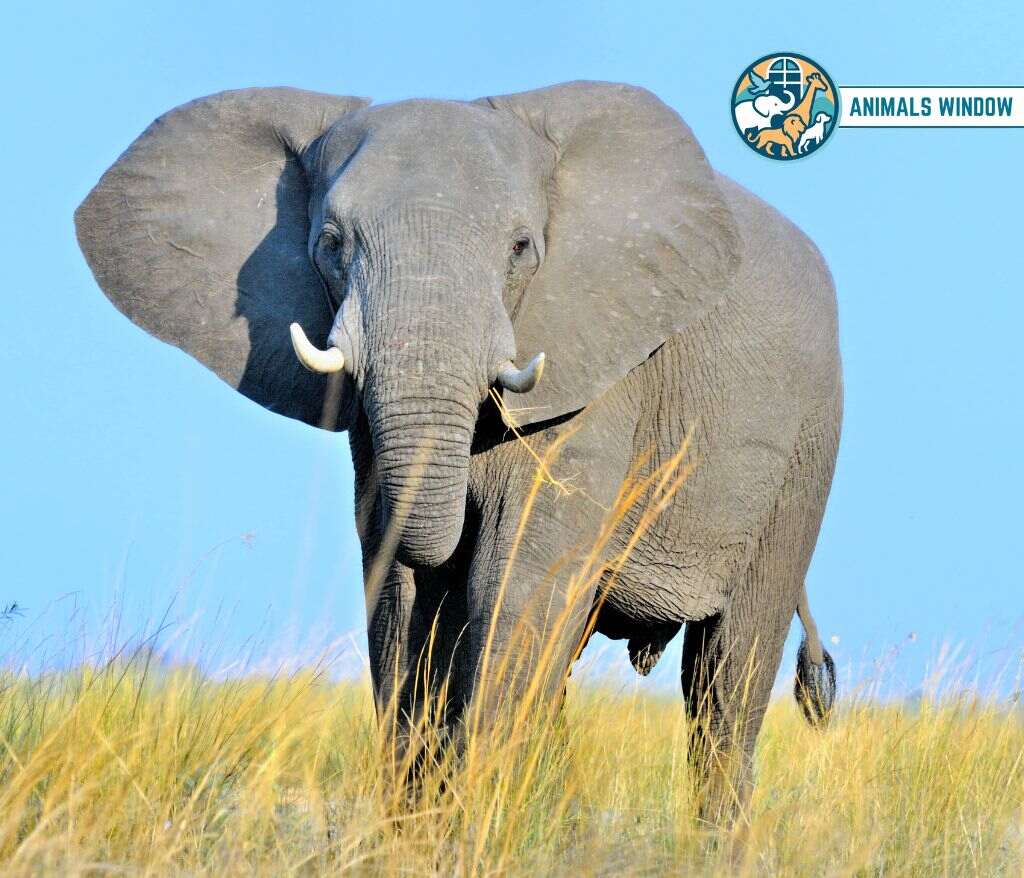
- Scientific name: Loxodonta africana
- Size: Up to 4 meters tall
- Weight: Up to 12 tonnes
- Diet: Grasses, bark, fruit, leaves
- Habitat: Sub-Saharan Africa savannas
- Lifespan: 60–70 years
The African Bush Elephant is the heaviest land animal alive. A large male can weigh more than 12 tonnes — roughly the same as three adult hippos. Its tusks alone can reach 3 meters and weigh up to 90 kg each.
The elephant’s trunk is one of the most complex body parts in the animal kingdom, containing over 40,000 individual muscles. It can uproot a tree or pick up a single coin from a flat surface. Elephants have also been documented using their trunks to stroke the bones of deceased herd members — a behavior linked to mourning, observed consistently in the wild.
🔥 Comparison Fact: An African Bush Elephant’s molar tooth can weigh up to 5 kg — about the weight of a brick.
Asian Elephant
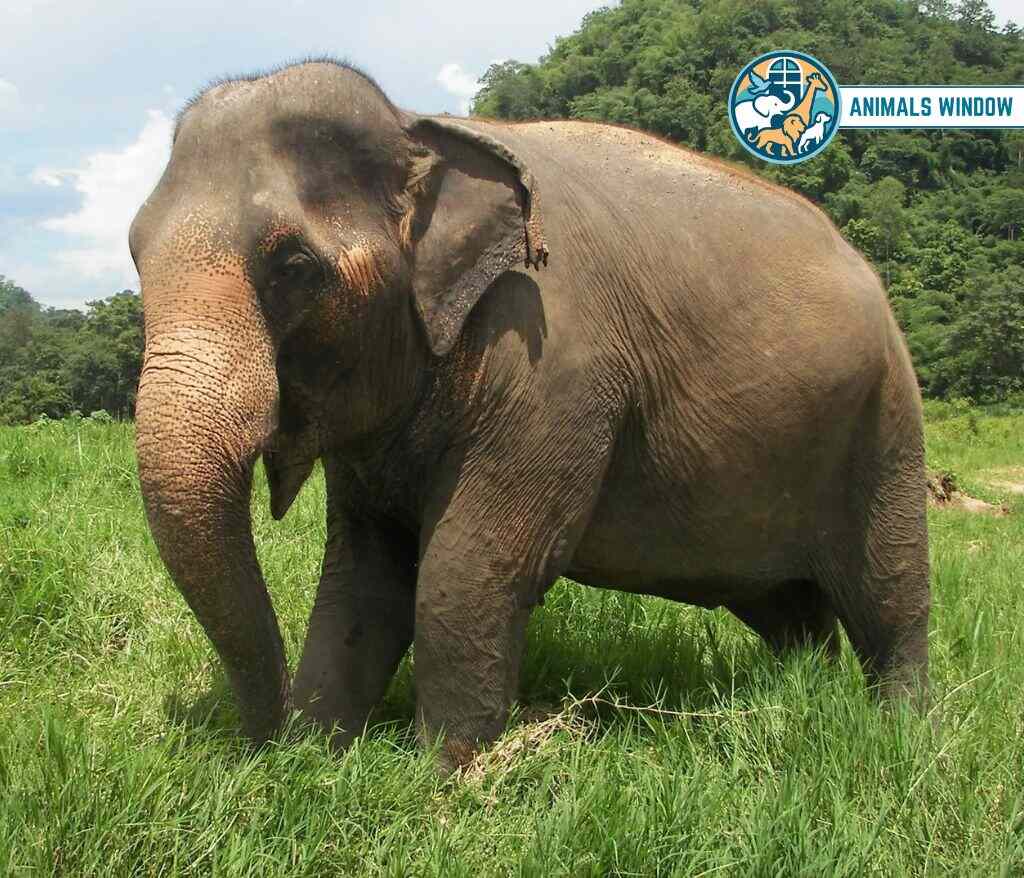
- Scientific name: Elephas maximus
- Size: Up to 3.5 meters tall
- Weight: Up to 8 tonnes
- Diet: Grasses, roots, bark, fruit
- Habitat: South and Southeast Asia forests
- Lifespan: 60 years
The Asian Elephant is smaller than its African cousin but arguably has the stronger connection to human civilization. Across India, Sri Lanka, Thailand, and Indonesia, Asian Elephants have worked alongside people for over 4,000 years.
What’s notable about their cognition is this: Asian Elephants are one of only a handful of animals that can recognize themselves in a mirror — placing them in the same category as great apes and dolphins for self-awareness. They’ve also been observed carrying sticks to swat away flies, and using their feet to feel low-frequency vibrations in the ground — a form of communication that travels through soil over long distances.
🔥 Comparison Fact: An Asian Elephant’s ear is shaped roughly like a map of India — unlike the African elephant’s ear, which resembles the African continent.
More Post: Top 32 Quiet Animals (With Pictures and Unique Facts)
African Forest Elephant
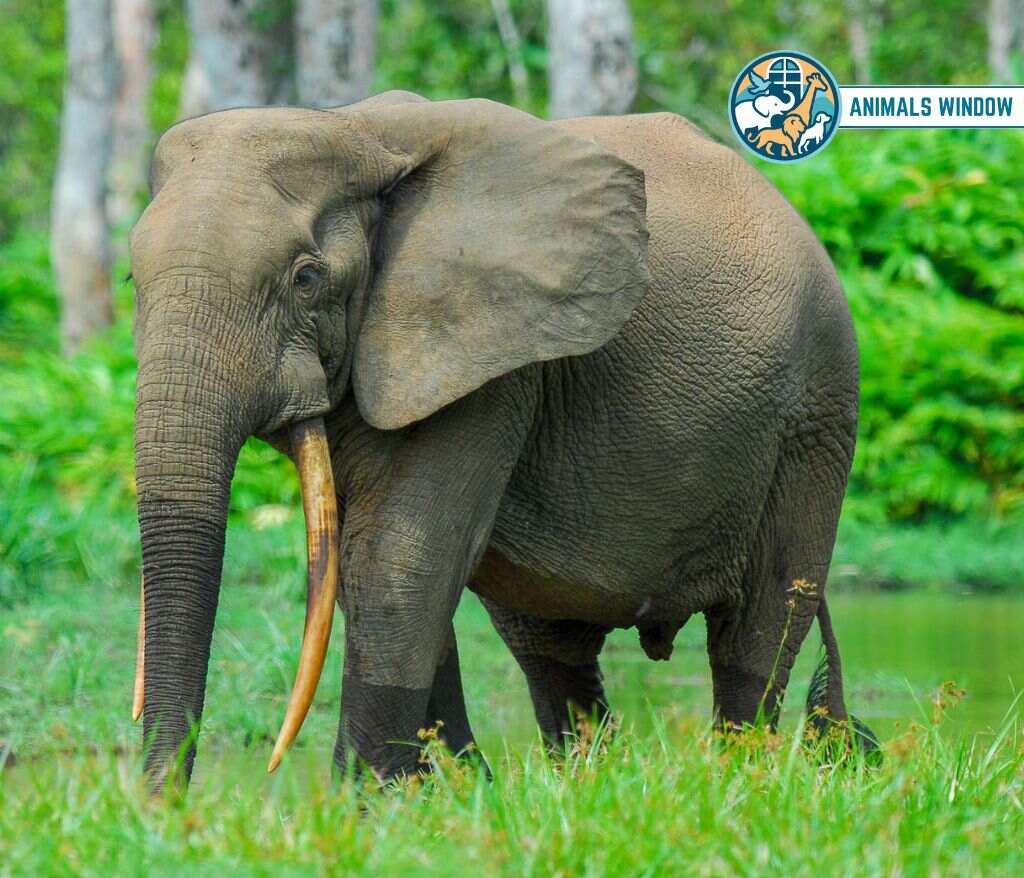
- Scientific name: Loxodonta cyclotis
- Size: Up to 2.5 meters tall
- Weight: Up to 6 tonnes
- Diet: Fruit, seeds, leaves, bark
- Habitat: Central and West African rainforests
- Lifespan: 60–70 years
The African Forest Elephant was only recognized as a separate species from the Bush Elephant in 2001. It’s shorter, has rounder ears, and straighter tusks — better suited to navigating dense forest undergrowth. It lives entirely within some of the most remote rainforests on Earth.
Its role in the ecosystem is extraordinary. Forest Elephants are sometimes called “megagardeners of the forest” because they eat large quantities of fruit and deposit seeds across vast distances. One study estimated that the loss of Forest Elephants could reduce the carbon storage capacity of African rainforests by up to 7% — because the big, heavy-wooded trees they help propagate store the most carbon.
🔥 Comparison Fact: An African Forest Elephant drops enough seeds in a single day to plant a small orchard.
White Rhinoceros
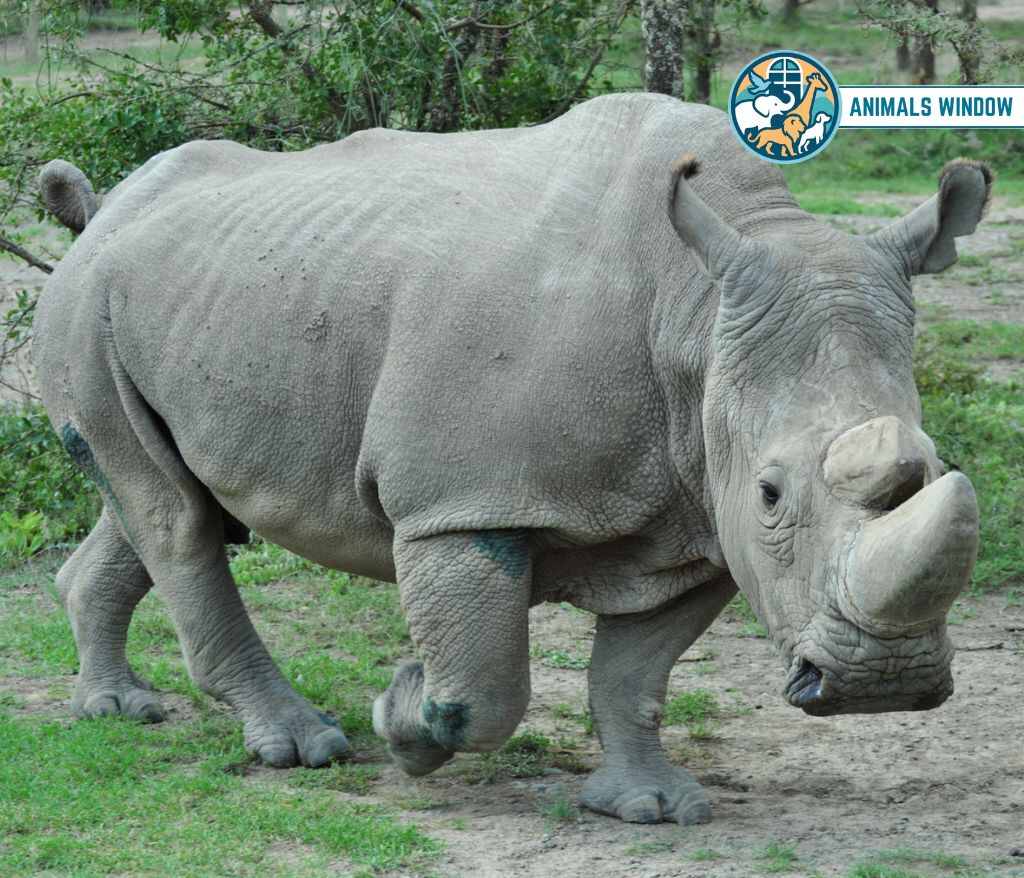
- Scientific name: Ceratotherium simum
- Size: Up to 1.8 meters tall
- Weight: Up to 4.5 tonnes
- Diet: Grasses (strictly grazing)
- Habitat: Southern Africa grasslands
- Lifespan: 40–50 years
The White Rhinoceros is the largest of all five rhino species and the third-heaviest land animal. Despite its name, it isn’t white — the name likely came from a mistranslation of the Afrikaans word “weit,” meaning wide, referring to its broad, flat lips designed for grazing.
The White Rhino’s horn is made entirely of keratin — the same protein as human fingernails. It continues growing throughout the animal’s life and can reach over 1.5 meters in length. What’s less known is that rhinos communicate through dung piles called “middens” — they sniff them to identify individuals, gauge health, and even assess reproductive status. A single midden can contain information from dozens of rhinos.
🔥 Comparison Fact: A White Rhinoceros horn can grow up to 7 cm per year — about as fast as human hair.
Hippopotamus
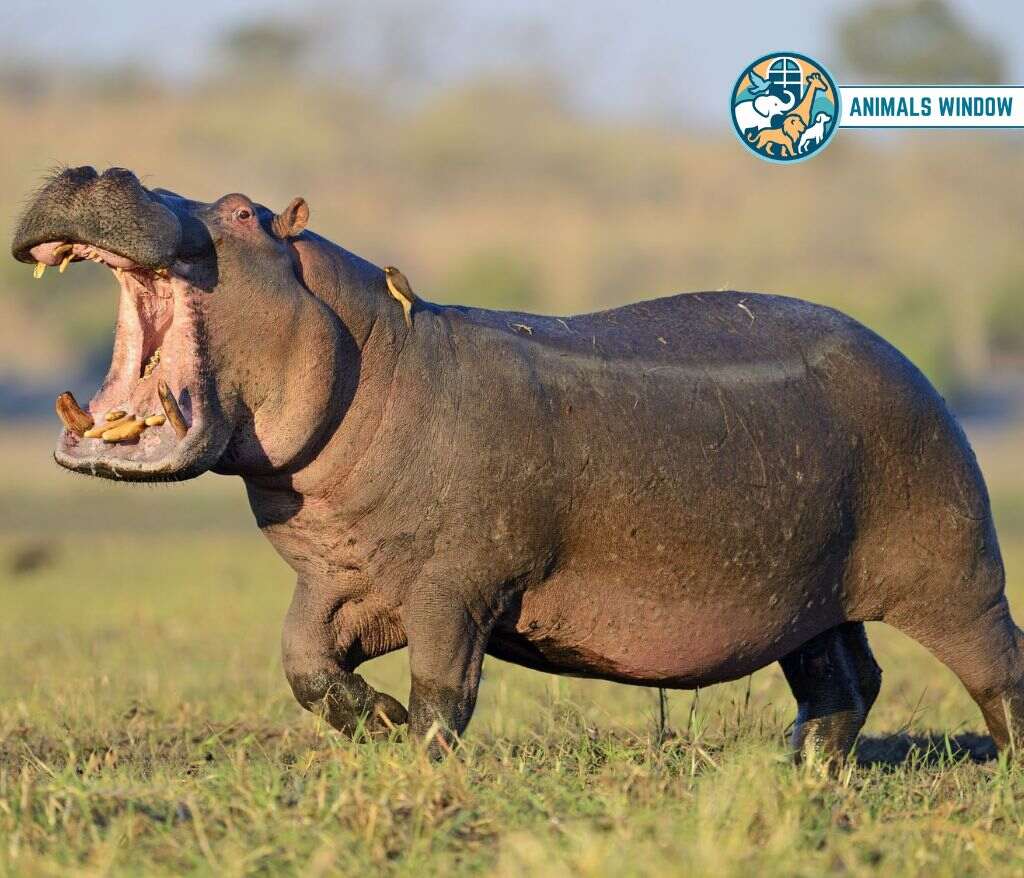
- Scientific name: Hippopotamus amphibius
- Size: Up to 1.5 meters tall
- Weight: Up to 4.5 tonnes
- Diet: Short grasses (grazes at night)
- Habitat: Sub-Saharan Africa rivers and lakes
- Lifespan: 40–50 years
The Hippopotamus is one of the most dangerous animals in Africa, despite spending most of its life in water. It can’t actually swim — it walks along riverbeds and pushes off the bottom to surface for air every 3–5 minutes. Even while sleeping, this reflex happens automatically.
Here’s the really unique part: hippos secrete a thick, oily reddish fluid from their skin that isn’t sweat and isn’t blood — even though it looks like both. Scientists call it “blood sweat.” It works as a natural sunscreen, a moisturizer, and possibly an antibiotic all at once. No other animal produces anything like it.
🔥 Comparison Fact: A hippo’s “blood sweat” acts like SPF 30 sunscreen — without any lab chemistry involved.
Elephant Seal
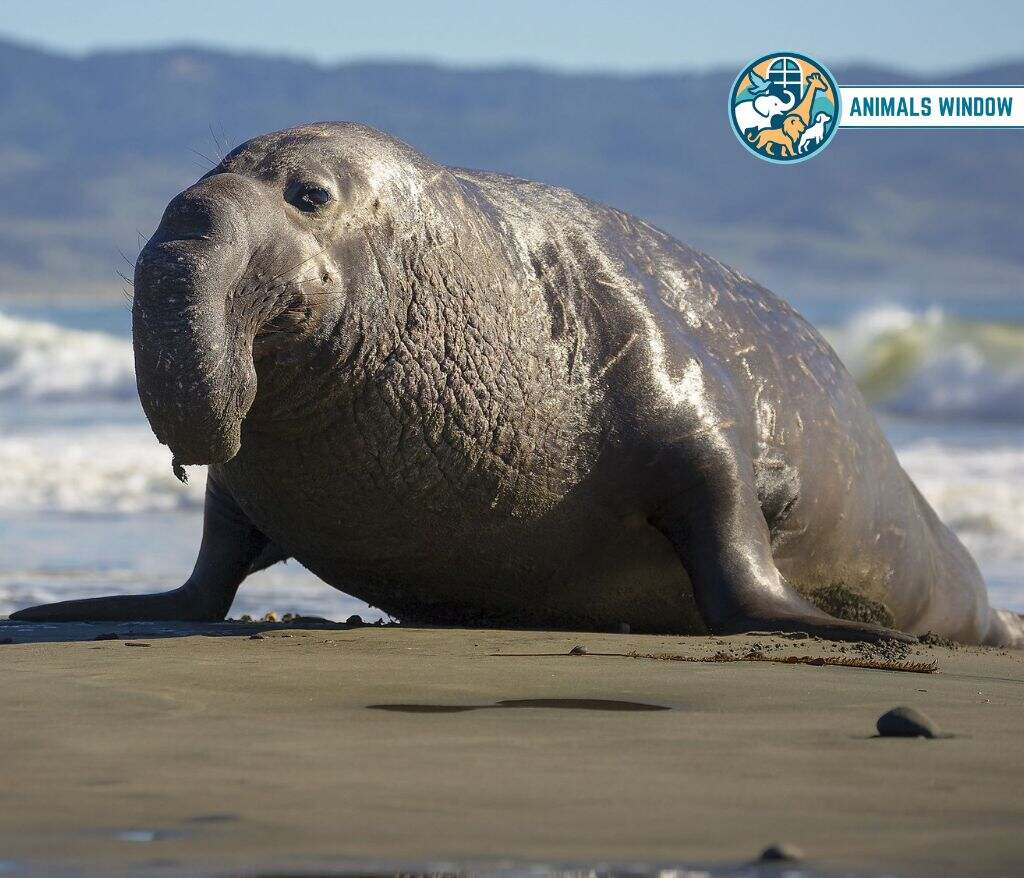
- Scientific name: Mirounga leonina
- Size: Up to 6 meters (males)
- Weight: Up to 4 tonnes
- Diet: Fish, squid, sharks, rays
- Habitat: Sub-Antarctic and Southern Ocean
- Lifespan: 20–22 years
The Elephant Seal is the largest seal species alive and the heaviest non-whale marine mammal. Males can weigh 10 times more than females — one of the most extreme cases of sexual dimorphism among mammals. That large trunk-like nose amplifies their roaring calls during mating season.
What makes this animal genuinely astonishing is its diving ability. Elephant Seals routinely dive to 1,500 meters below the surface — that’s deeper than the deepest submarine most navies operate — and hold their breath for up to two hours. Their blood stores oxygen at a density three times higher than human blood, and their spleens contract during a dive to release an extra surge of oxygen-rich red blood cells.
🔥 Comparison Fact: An Elephant Seal dives as deep as the height of five Eiffel Towers stacked on top of each other.
Gaur (Indian Bison)
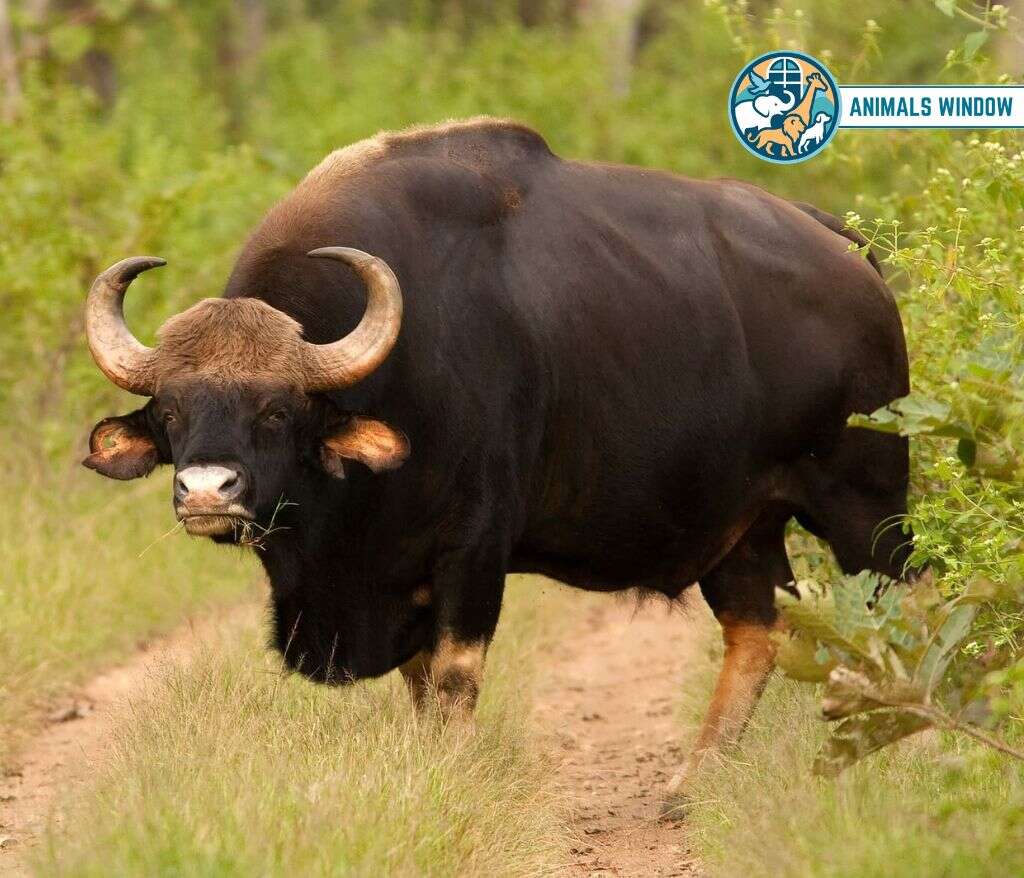
- Scientific name: Bos gaurus
- Size: Up to 2.2 meters tall
- Weight: Up to 1.5 tonnes
- Diet: Grasses, leaves, bark
- Habitat: South and Southeast Asian forests
- Lifespan: 24–30 years
The Gaur is the world’s largest and heaviest wild bovine — bigger than the American Bison, bigger than the African Cape Buffalo. It lives in hilly forests from India to Southeast Asia and is rarely seen due to its preference for dense cover. Despite its bulk, it can clear a 1.8-meter fence in a single jump.
Adult male Gaurs develop a prominent dorsal ridge — a raised hump of muscle and bone across the back — that becomes more pronounced with age. This ridge, combined with the Gaur’s height and muscular neck, makes it visually one of the most imposing animals in Asia. Even tigers, the region’s top predator, typically avoid adult Gaurs unless desperate.
🔥 Comparison Fact: A Gaur stands taller at the shoulder than a typical 6-foot man — and weighs around six times more.
Giraffe
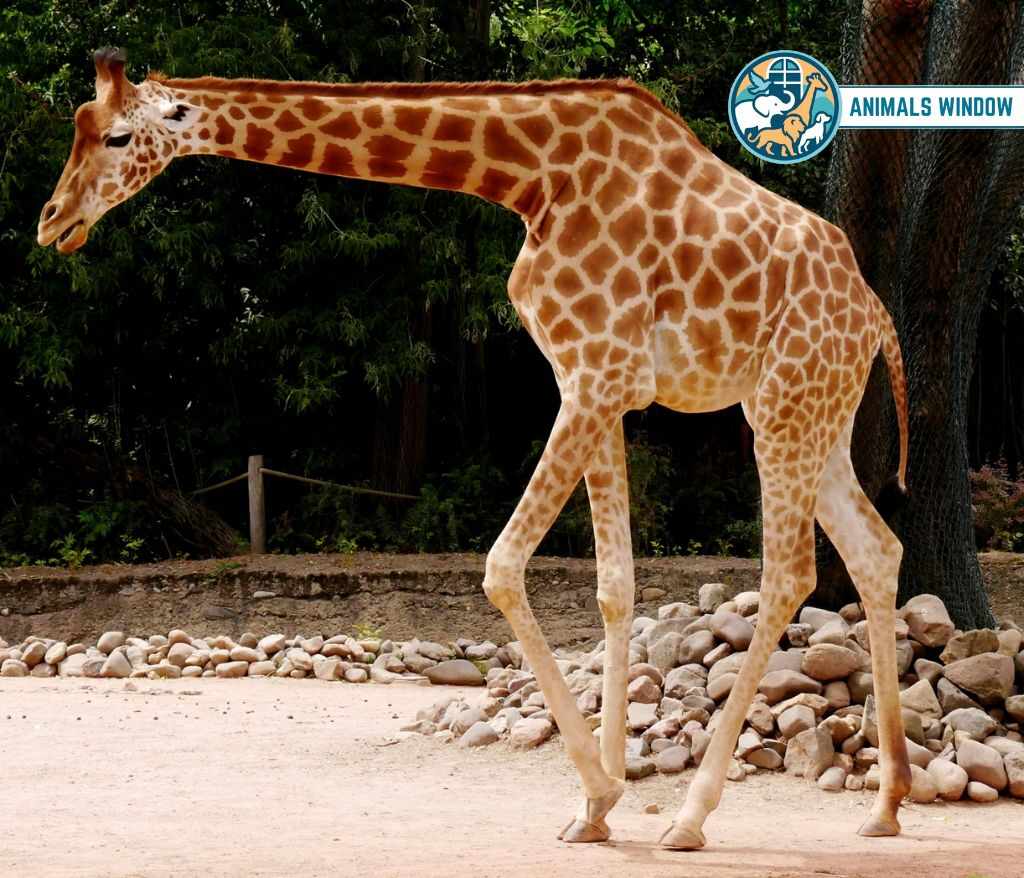
- Scientific name: Giraffa camelopardalis
- Size: Up to 6 meters tall
- Weight: Up to 1.2 tonnes
- Diet: Leaves, seeds, pods (acacia preferred)
- Habitat: African savannas and woodlands
- Lifespan: 25 years
The Giraffe is the tallest living animal on Earth, and its weight is distributed across the longest legs and neck of any land animal. Its heart weighs up to 11 kg — twice the size of most large mammals — and generates twice the blood pressure of a human just to push blood up that 2-meter neck to the brain.
Giraffes sleep less than almost any mammal — averaging just 30 minutes per day in short bursts. They sleep standing up most of the time, lying down only for brief periods because getting back up leaves them vulnerable to predators. A sleeping giraffe lying fully down is a rare sight, even for experienced wildlife researchers.30 Most Energetic Animals (Ranked by Speed & Stamina With Pictures)
🔥 Comparison Fact: A Giraffe’s neck can be 2 meters long — yet it contains the same number of vertebrae (seven) as a human neck.
American Bison
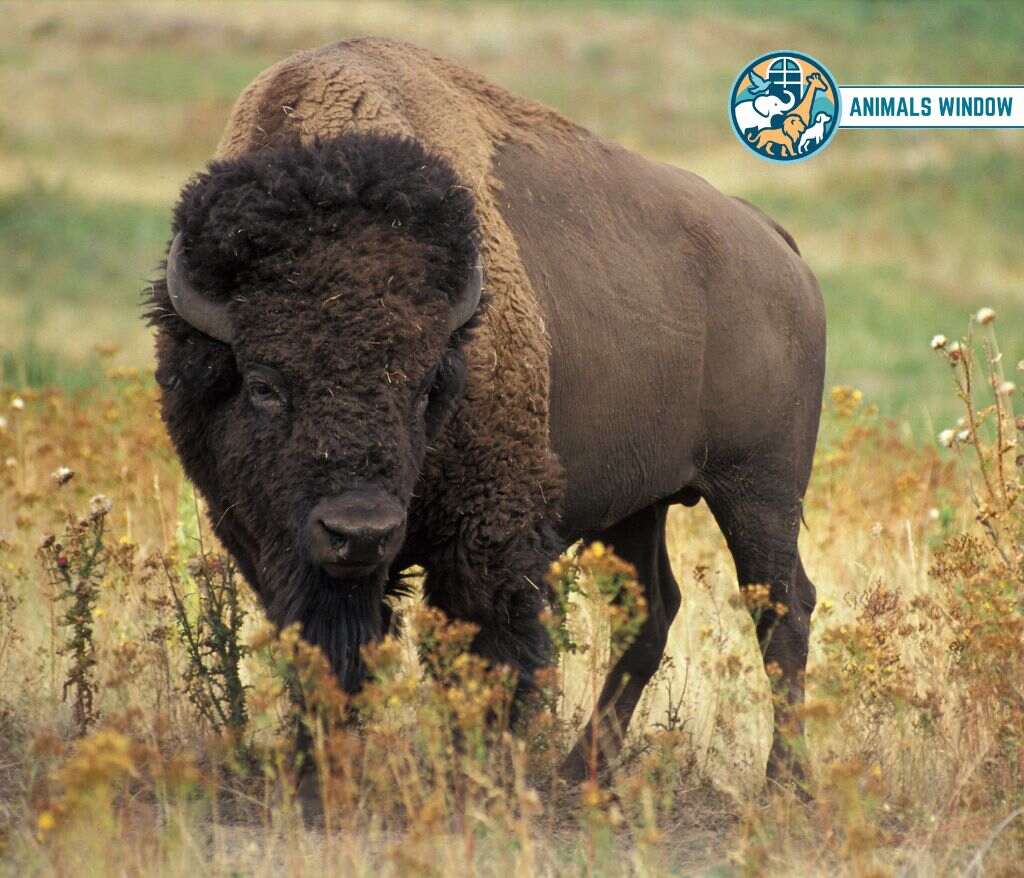
- Scientific name: Bison bison
- Size: Up to 1.8 meters tall
- Weight: Up to 1 tonne
- Diet: Grasses, sedges, low shrubs
- Habitat: North American grasslands and plains
- Lifespan: 20 years
The American Bison is the heaviest land animal in North America. In the 1800s, an estimated 30–60 million bison roamed the continent. By 1889, fewer than 1,000 remained after mass commercial hunting. Today, roughly 500,000 exist — one of conservation’s most studied comeback stories.
Bison are deceptively athletic. Despite weighing up to a tonne, they can sprint at 65 km/h, spin to face a predator almost instantly, and jump vertically from a standstill. Their massive front hump is solid muscle — not fat — used to swing their enormous heads to plow through snow to reach frozen grass in winter.
🔥 Comparison Fact: An American Bison’s skull is thick enough that two males can slam their heads together at speed without concussion damage — they’ve evolved specific bone density for this.
Saltwater Crocodile
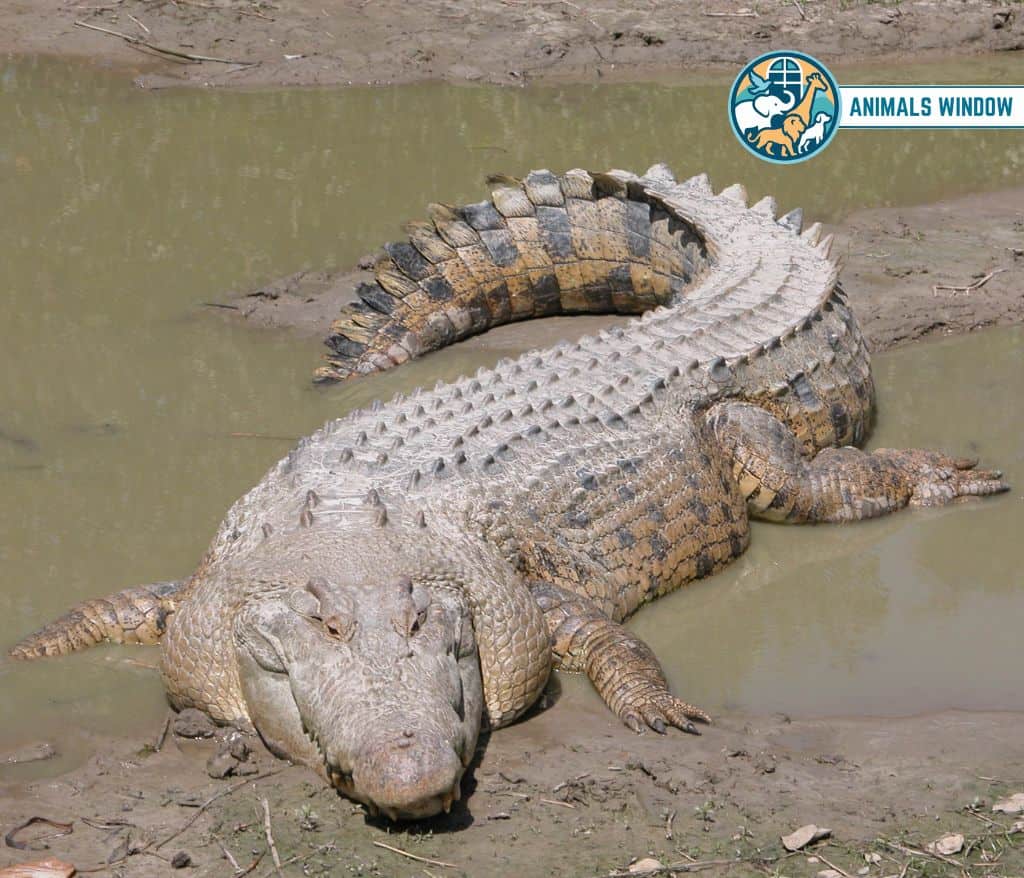
- Scientific name: Crocodylus porosus
- Size: Up to 6 meters
- Weight: Up to 1,100 kg
- Diet: Fish, mammals, birds, sharks, water buffalo
- Habitat: Indo-Pacific coasts, rivers, estuaries
- Lifespan: 70+ years
The Saltwater Crocodile is the heaviest reptile alive and the largest living reptile overall. It holds the record for the strongest bite force of any animal ever measured — over 16,000 Newtons, roughly three times stronger than a large Great White Shark’s bite.
What’s most unsettling is its behavior: Saltwater Crocodiles are active ocean swimmers. Unlike most freshwater crocs, they regularly cross open stretches of sea — up to 900 km have been tracked in GPS studies. They’ve been found on remote Pacific islands with no river systems, meaning they simply swam there. They use ocean currents strategically, resting near the surface and letting the current carry them, burning almost no energy over huge distances.
🔥 Comparison Fact: A Saltwater Crocodile’s bite force is strong enough to crush the engine block of a small car.
Polar Bear
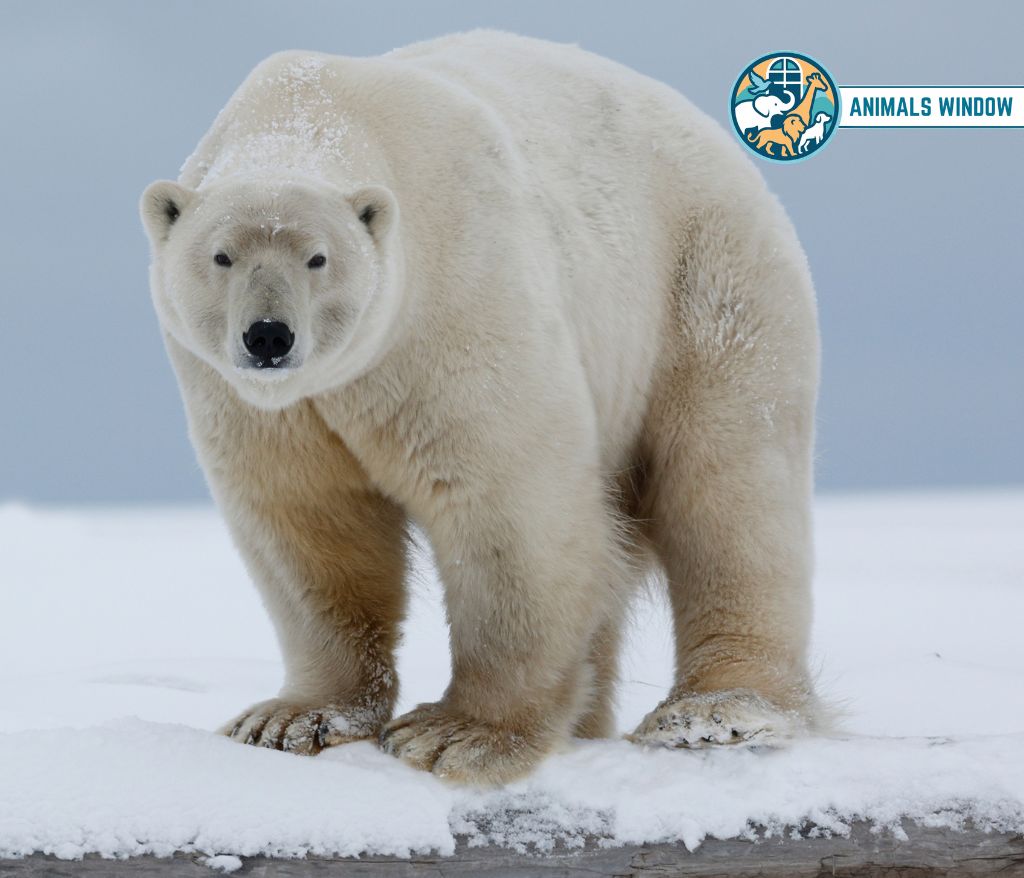
- Scientific name: Ursus maritimus
- Size: Up to 3 meters (standing)
- Weight: Up to 900 kg
- Diet: Ringed seals, bearded seals, fish
- Habitat: Arctic sea ice and coastlines
- Lifespan: 25–30 years
The Polar Bear is the heaviest land carnivore alive. A large male can weigh up to 900 kg — but after spending months hunting on sea ice before their summer fast, they can lose up to 200 kg. They don’t hibernate in the true sense; they enter a state called “walking hibernation” where metabolism slows but they remain mostly mobile.
Polar Bear fur is not actually white — it’s transparent and hollow. Each hair shaft is clear and appears white because it scatters visible light. The skin underneath is jet black to absorb solar radiation. And despite spending months in freezing Arctic water, they stay dry because their fur repels water so effectively that they can shake themselves almost completely dry in seconds.
🔥 Comparison Fact: A Polar Bear’s paw can be 30 cm across — the same diameter as a large pizza.
Leatherback Sea Turtle
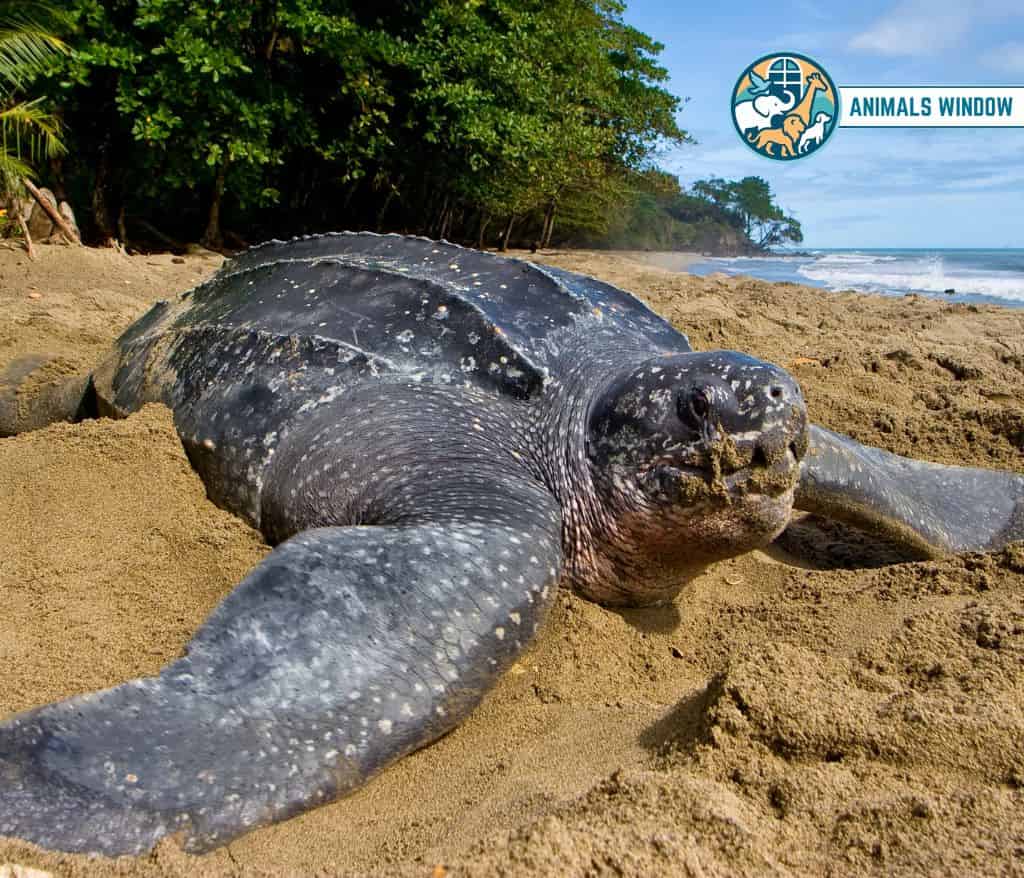
- Scientific name: Dermochelys coriacea
- Size: Up to 2 meters
- Weight: Up to 900 kg
- Diet: Almost exclusively jellyfish
- Habitat: All major oceans, nests on tropical beaches
- Lifespan: 45–50 years
The Leatherback is the largest turtle alive — the only sea turtle without a hard shell. Instead, its back is covered in leathery, rubbery skin over a layer of cartilage and small bone fragments. This makes it more flexible and allows it to dive deeper than any other turtle — past 1,200 meters.
It also has the most demanding migration of any turtle, traveling up to 20,000 km annually between nesting beaches in the tropics and cold-water feeding grounds near the poles. To survive cold water while hunting jellyfish near the Arctic Circle, Leatherbacks have countercurrent heat exchange systems in their flippers — warm blood flowing out warms cold blood coming back in, maintaining core body temperature in water that would kill most reptiles.
🔥 Comparison Fact: A Leatherback Sea Turtle’s migration route is roughly equivalent to traveling halfway around the Earth.
Green Anaconda
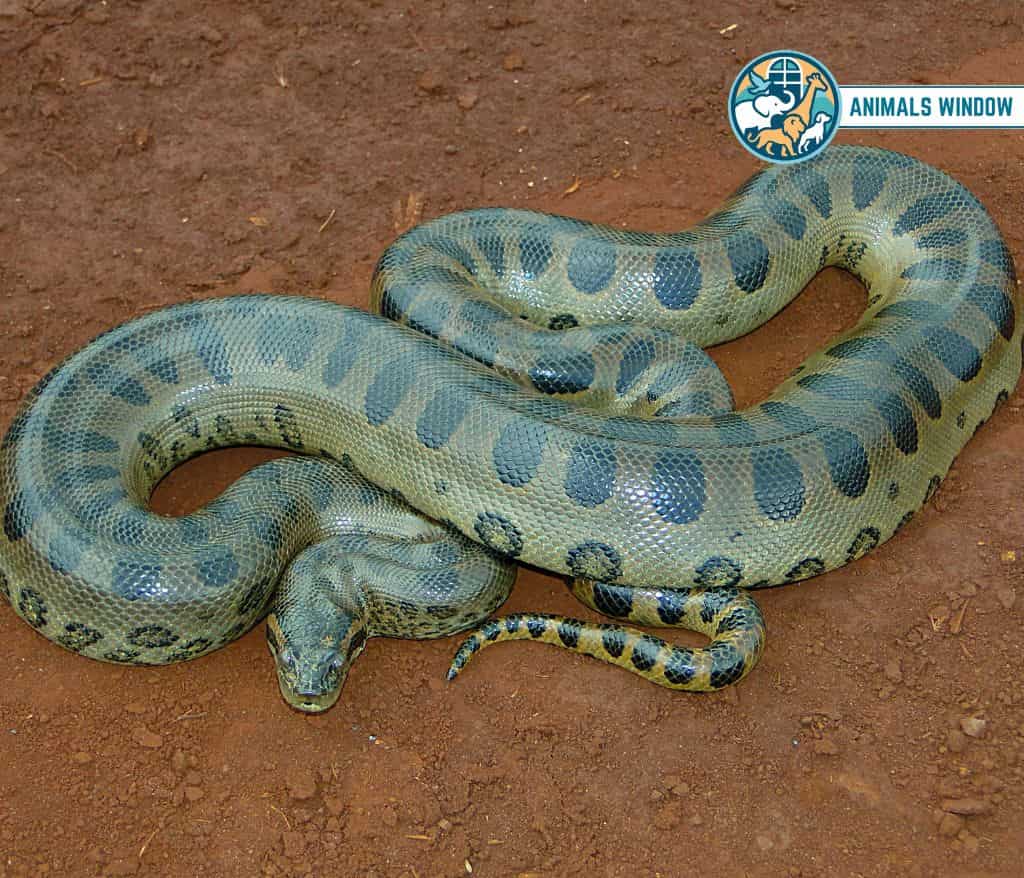
- Scientific name: Eunectes murinus
- Size: Up to 8 meters
- Weight: Up to 250 kg
- Diet: Deer, capybara, caimans, pigs, fish
- Habitat: South American swamps and rivers
- Lifespan: 10 years (wild), 30 (captivity)
The Green Anaconda is the heaviest snake alive — not the longest (that title belongs to the Reticulated Python), but by sheer mass, nothing beats it. A large female — females are significantly bigger than males — can weigh 250 kg and measure 30 cm in diameter. It spends most of its life in shallow water, where its weight is supported.
After eating a large prey animal like a deer, an Anaconda may go months without feeding. During this time, it dramatically slows its metabolism — heart rate, digestion, and energy use all drop to survival-level minimums. Its organs can also shrink and regrow depending on feeding cycles. The liver and gut reduce in size during fasting and regenerate rapidly when a meal is consumed.
🔥 Comparison Fact: A large Green Anaconda’s body is about as wide as a man’s thigh — roughly 30 cm in diameter.
Common Ostrich
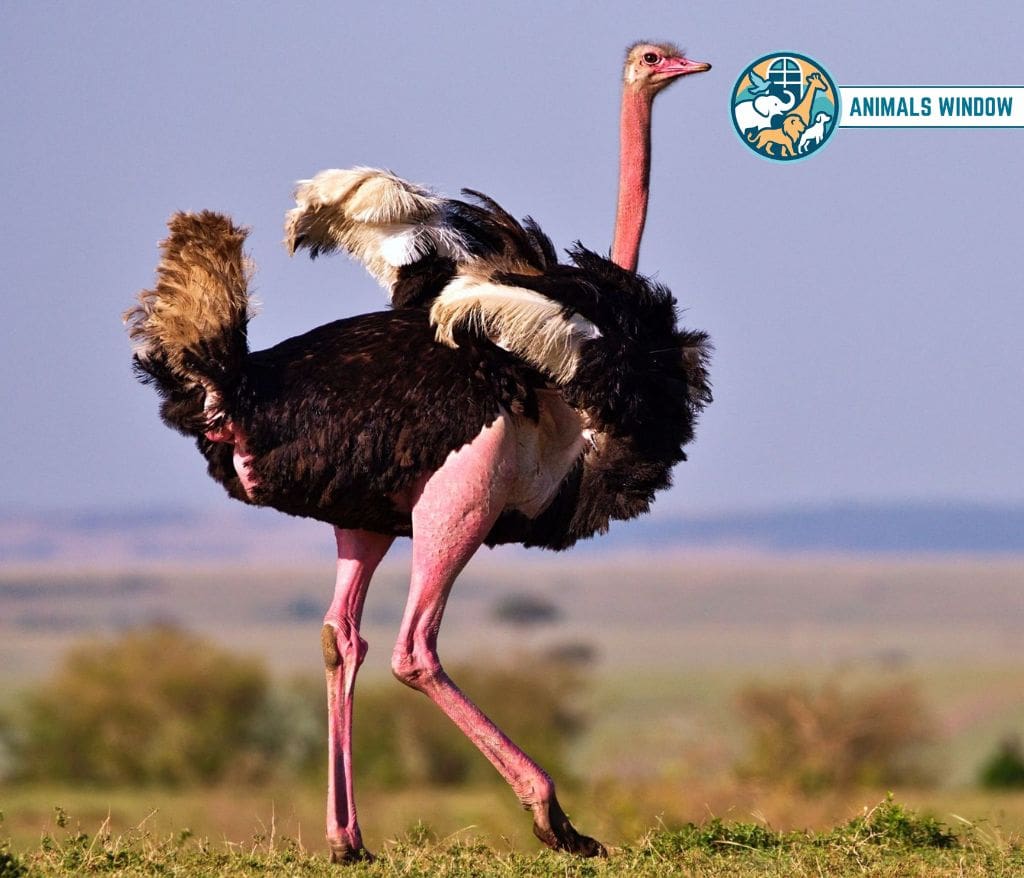
- Scientific name: Struthio camelus
- Size: Up to 2.7 meters tall
- Weight: Up to 150 kg
- Diet: Seeds, plants, insects, lizards
- Habitat: African savannas and deserts
- Lifespan: 40–45 years
The Common Ostrich is the heaviest bird alive — and it can’t fly. But what it lost in flight, it gained in speed. An Ostrich can sustain 50 km/h over long distances and reach 70 km/h in short bursts, making it the fastest running bird on Earth. Its stride can be up to 5 meters long.
Each Ostrich foot has only two toes — fewer than any other bird. The larger inner toe bears most of the weight and ends in a thick, hoof-like nail, giving the Ostrich a kick powerful enough to kill a lion. Female Ostriches from multiple nests lay their eggs in one communal nest, but the dominant female can identify her own eggs by slight markings and positions hers in the center — the safest, warmest spot.
🔥 Comparison Fact: An Ostrich egg weighs about 1.4 kg — the equivalent of about 24 chicken eggs.
Komodo Dragon
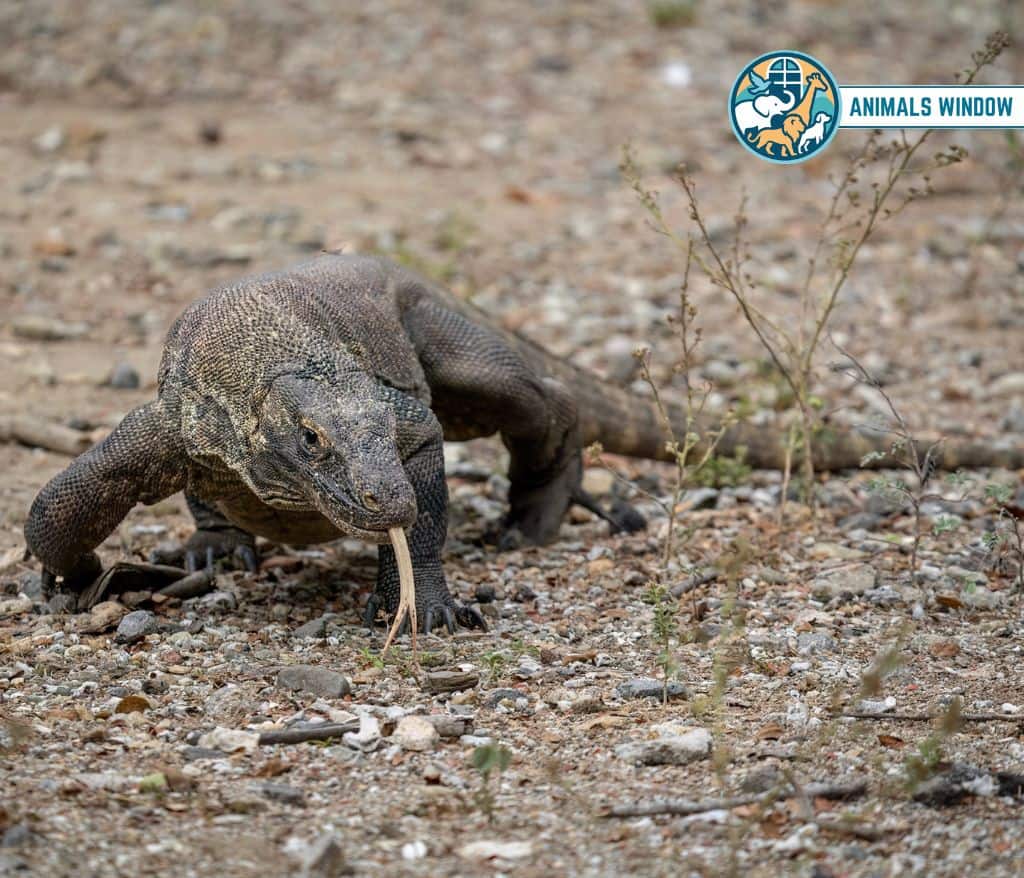
- Scientific name: Varanus komodoensis
- Size: Up to 3 meters
- Weight: Up to 150 kg
- Diet: Deer, pigs, goats, water buffalo, carrion
- Habitat: Indonesian islands (Komodo, Flores, Rinca)
- Lifespan: 30 years
The Komodo Dragon is the largest living lizard. It was only formally discovered by Western science in 1910 — before that, local sailors called the island “the Land of Devils.” It has a serrated jaw, powerful claws, and a long, yellow, forked tongue that it uses to pick up chemical signals in the air — essentially tasting its surroundings up to 10 km away.
For decades, scientists believed Komodo Dragons killed prey through bacteria in their saliva. That theory was overturned — they actually have venom glands that produce a cocktail preventing blood from clotting. A bitten animal that escapes simply weakens over hours as blood pressure drops. The Dragon then follows at a leisurely pace, tracking with its tongue.
🔥 Comparison Fact: A Komodo Dragon can eat up to 80% of its own body weight in a single meal — the equivalent of a 70 kg person eating 56 kg of food in one sitting.
Capybara
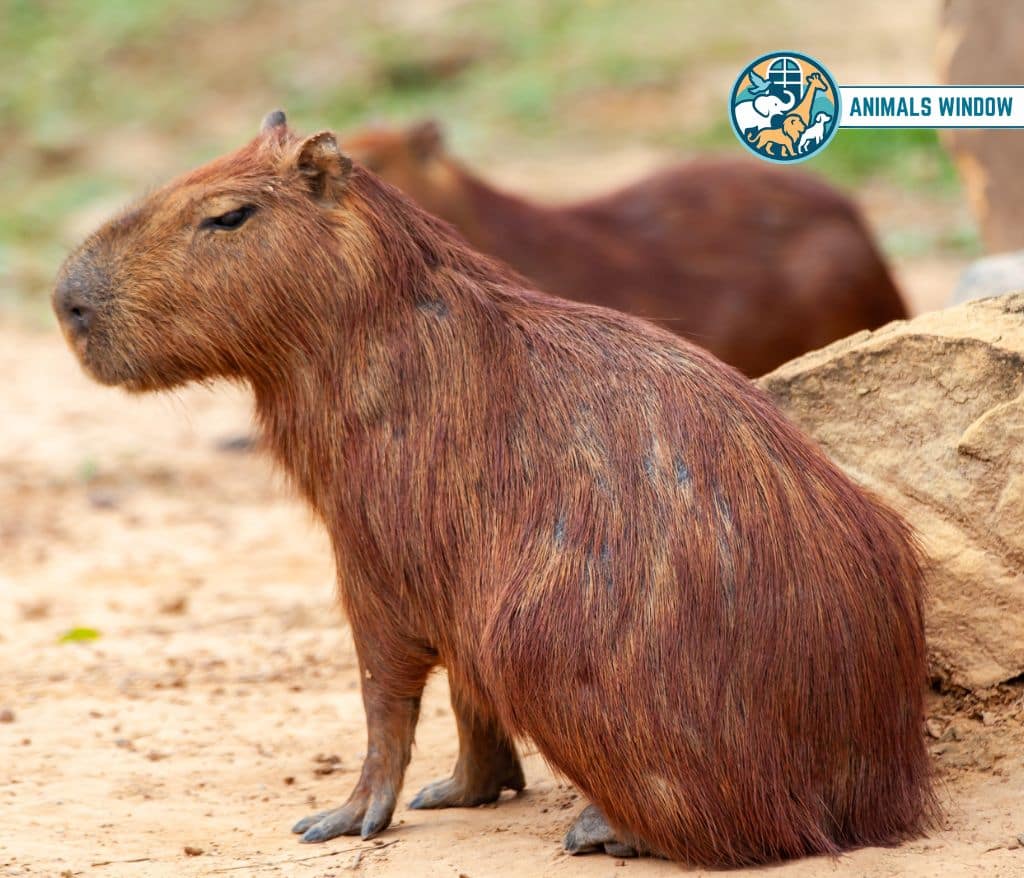
- Scientific name: Hydrochoerus hydrochaeris
- Size: Up to 60 cm tall
- Weight: Up to 90 kg
- Diet: Grasses, aquatic plants, fruit, bark
- Habitat: South American riverbanks, marshes
- Lifespan: 8–10 years (wild)
The Capybara is the world’s heaviest rodent — a scaled-up relative of guinea pigs and chinchillas. At 90 kg, it can weigh as much as a heavyweight boxer. It lives in groups of 10–20 near water and is one of the most socially tolerant animals alive — other species, including birds, monkeys, and turtles, routinely rest on top of Capybaras without aggression.
One of its more unusual behaviors: Capybaras eat their own feces — specifically, they eat a special soft dung produced in the morning that is rich in fermented nutrients from grass. This is called coprophagy, and it’s not random. They do it deliberately, right after waking, before foraging. Without this, they can’t fully digest the tough grasses they rely on.
🔥 Comparison Fact: A Capybara is roughly the size of a Labrador retriever — but weighs about four times more.
Lion’s Mane Jellyfish
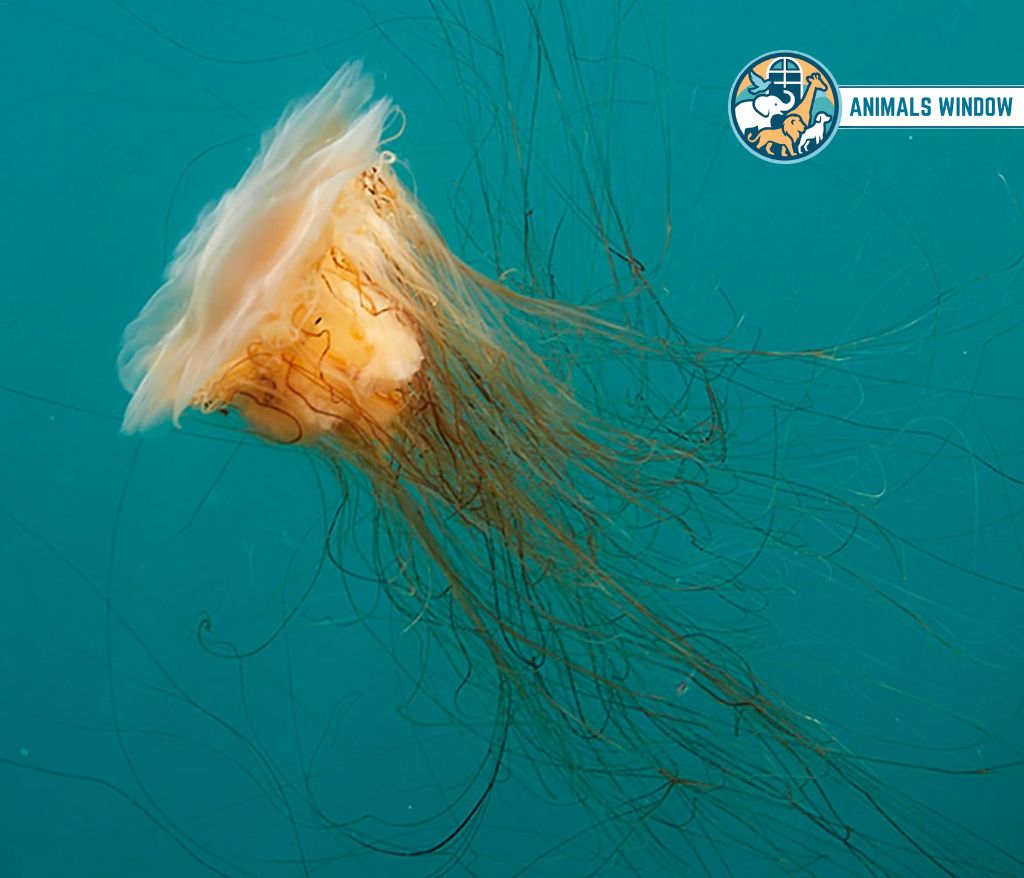
- Scientific name: Cyanea capillata
- Size: Bell up to 2.3 meters across
- Weight: Up to 100 kg
- Diet: Small fish, zooplankton, other jellyfish
- Habitat: Cold Arctic and North Atlantic waters
- Lifespan: About 1 year
The Lion’s Mane Jellyfish is the largest jellyfish species and one of the longest animals alive. Its tentacles can stretch over 36 meters — longer than a Blue Whale. This animal has no brain, no heart, no blood, and no bones. Yet it hunts, feeds, and responds to its environment using only a simple nerve net — a basic web of neurons scattered throughout its body.
What’s remarkable is that this enormous, complex-looking creature completes its entire life cycle in about one year. It uses its tentacles — up to 1,200 in the largest individuals — to paralyze prey on contact with nematocysts (stinging cells). Even a tentacle that’s been detached from the jellyfish for hours can still sting and paralyze.
🔥 Comparison Fact: The Lion’s Mane Jellyfish’s tentacles are six times longer than a Blue Whale — yet the jellyfish itself lives less than one year.
Goliath Beetle
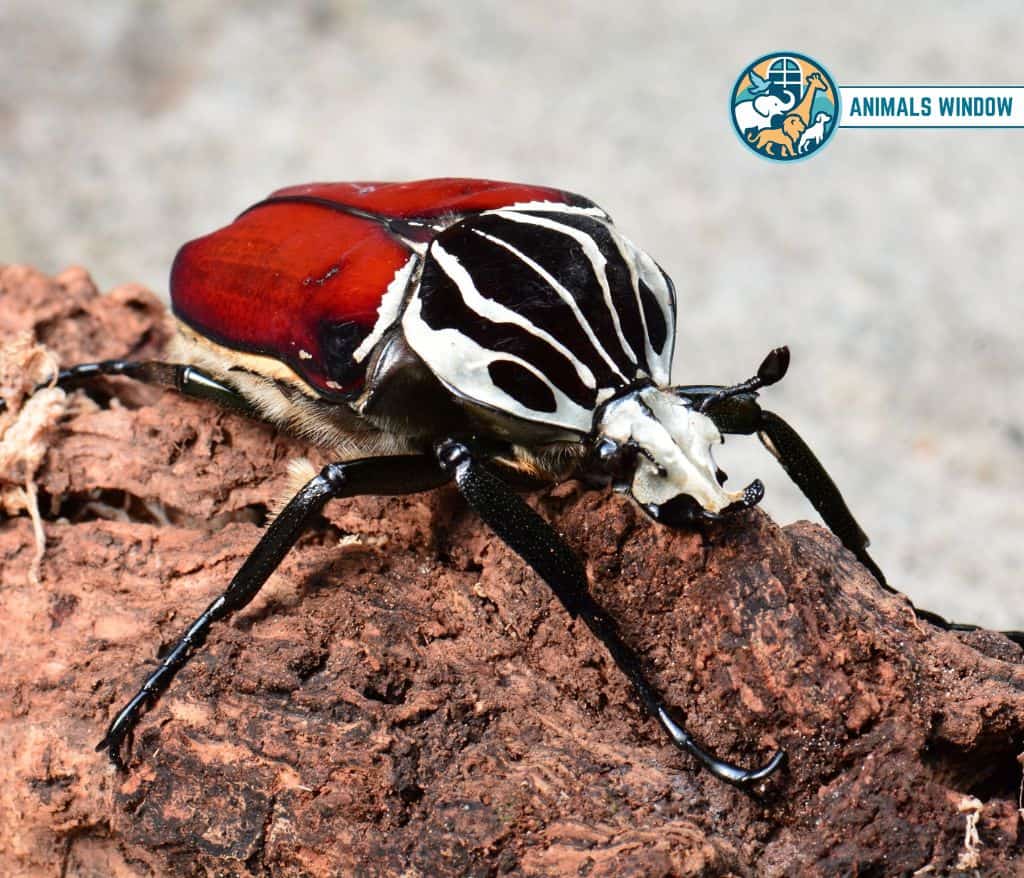
- Scientific name: Goliathus goliatus
- Size: Up to 11 cm long
- Weight: Up to 100 grams (larval stage)
- Diet: Larvae: protein-rich soil; Adults: fruit, tree sap
- Habitat: Tropical African rainforests
- Lifespan: Larvae up to 1 year; Adults: several months
The Goliath Beetle is the heaviest insect on Earth — but only in its larval stage. A fully grown larva can reach 100 grams, roughly the weight of a small apple. Adult beetles weigh less because they stop eating and simply burn stored fat reserves. The transformation from 100-gram grub to flying adult beetle is one of the more extreme weight-loss events in nature.
Adult Goliath Beetles can fly — which is extraordinary for something this size. Scientists once thought their wing-to-body ratio was physically insufficient for flight. High-speed camera studies revealed they use an unusual wing-folding technique at launch, generating extra lift that compensates for their weight. Their wing covers (elytra) open in mid-flight, not before takeoff — unlike most beetles.
🔥 Comparison Fact: A Goliath Beetle larva weighs as much as a small apple — making it heavier than some hummingbirds, bats, and mice.
Trait Comparison: Body Fat vs. Body Muscle in Heavy Animals
People often call large animals “fat” or “thick” — but there’s a real biological difference between animals that are heavy from fat and those heavy from muscle.
Fat-heavy animals like the Bowhead Whale, Elephant Seal, and Hippopotamus carry enormous blubber or fat reserves. This fat serves specific survival purposes — insulation in freezing water, energy storage through fasting seasons, or buoyancy. The Bowhead’s 50 cm blubber layer isn’t obesity; it’s a survival system. The Hippo’s thick layer of subcutaneous fat helps stabilize body temperature in and out of water.
Muscle-heavy animals like the Gaur, American Bison, and Saltwater Crocodile carry their weight in dense, functional muscle. The Bison’s front hump is solid muscle used for snow-plowing in winter. The Crocodile’s jaw muscles alone account for a significant fraction of its head mass — everything is built around that bite.
And some animals — like the Elephant Seal — carry both. Their outer blubber layer insulates them in near-freezing Antarctic water, but beneath it is a densely muscled body capable of diving 1,500 meters and fighting rival males that weigh the same as a small car.
So when something looks “obese,” it usually isn’t. In the animal world, that extra thickness almost always has a job.
Related Animals Guides:
Common Queries About Heaviest, Fat, Thick & Obese Animals in the World
What is the single heaviest animal on Earth right now?
The Blue Whale holds that title at up to 190 tonnes. No living animal — and no dinosaur found in the fossil record — matches its recorded maximum weight.
What is the heaviest land animal alive today?
The African Bush Elephant, at up to 12 tonnes. A large bull elephant can weigh more than three White Rhinoceroses combined.
What is the heaviest animal that can fly?
The Kori Bustard (Ardeotis kori), not on this list, holds that title at up to 20 kg. Among the animals listed here, the Common Ostrich is the heaviest bird — but it cannot fly.
Is the Hippo or Rhino heavier?
They’re very close. Both the White Rhinoceros and Hippopotamus can reach 4.5 tonnes, though maximum recorded weights give a slight edge to large male Hippos in terms of pure bulk.
What is the heaviest insect in the world?
The Goliath Beetle (Goliathus goliatus) in its larval stage reaches up to 100 grams — heavier than the Giant Weta of New Zealand and the Titan Beetle of South America as adults.

I have loved animals since I was a kid. I enjoy reading about how animals live, eat, move, and survive. I started Animals Window to share what I learn in a simple and easy way. I write about animal body parts, size, behavior, diet, habitats, and species. My goal is to make animal facts clear and fun for everyone to understand.