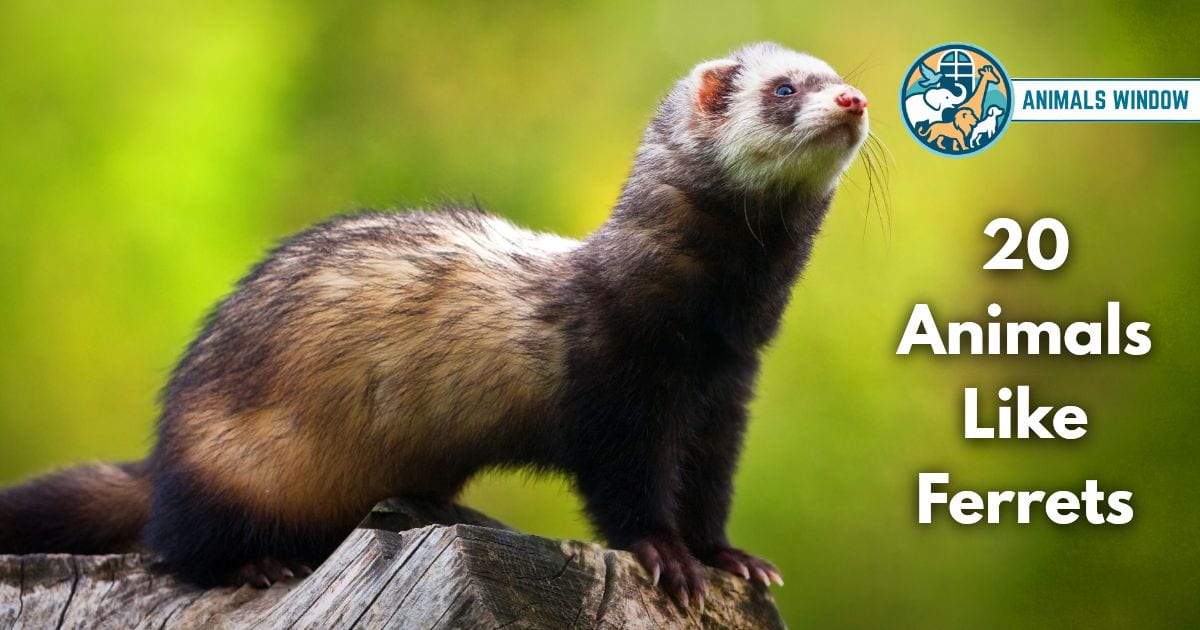
Ferrets belong to the Mustelidae family — a group of long-bodied, short-legged, sharp-toothed hunters. Animals like ferrets share these same features: slim flexible bodies, bold personalities, and strong hunting instincts. Some look almost identical to ferrets. Others are bigger, rarer, or more surprising than you’d expect. All 20 on this list are real ferret relatives or ferret lookalikes worth knowing.
Table of Contents
Quick Table of Animals Like Ferrets
| Animal Name | Scientific Name | Key Trait |
| European Polecat | Mustela putorius | Direct ancestor of the domestic ferret |
| Black-Footed Ferret | Mustela nigripes | Rarest ferret in North America |
| Steppe Polecat | Mustela eversmanii | Built for life in freezing grasslands |
| American Mink | Neovison vison | Semi-aquatic hunter with waterproof fur |
| European Mink | Mustela lutreola | Critically endangered riverbank specialist |
| Stoat (Ermine) | Mustela erminea | Turns pure white in winter |
| Least Weasel | Mustela nivalis | Smallest carnivore on Earth |
| Long-Tailed Weasel | Mustela frenata | Longer tail than any other weasel |
| Pine Marten | Martes martes | Tree climber with cat-like grip |
| Wolverine | Gulo gulo | Pound-for-pound most powerful mustelid |
| Otter | Lutra lutra | Uses rocks as tools to crack shellfish |
| Badger | Meles meles | Digs faster than a man with a shovel |
| Grison | Galictis vittata | South American weasel with a bold face mask |
| Tayra | Eira barbara | Hides unripe fruit and returns days later |
| Marbled Polecat | Vormela peregusna | Striking warning colors like a tiny leopard |
| Patagonian Weasel | Lyncodon patagonicus | One of the least-studied mustelids alive |
| Fossa | Cryptoprocta ferox | Madagascar’s top predator — not a cat |
| Mongoose | Herpestes ichneumon | Immune to cobra venom |
| Skunk | Mephitis mephitis | Sprays with sniper-level accuracy |
| Ringtail | Bassariscus astutus | Rotates its hind feet 180° on steep cliffs |
More Post: 10 Animals That Look Like Beavers (With Pictures & Unique Facts)
Here Top 20 Animals Like Ferrets in the World
1. European Polecat
- Scientific Name: Mustela putorius
- Size: 14–20 inches (body length)
- Weight: 1–3 lbs
- Diet: Rabbits, rodents, frogs, birds
- Habitat: Forests, farmland, riverbanks across Europe
- Lifespan: 4–6 years in the wild
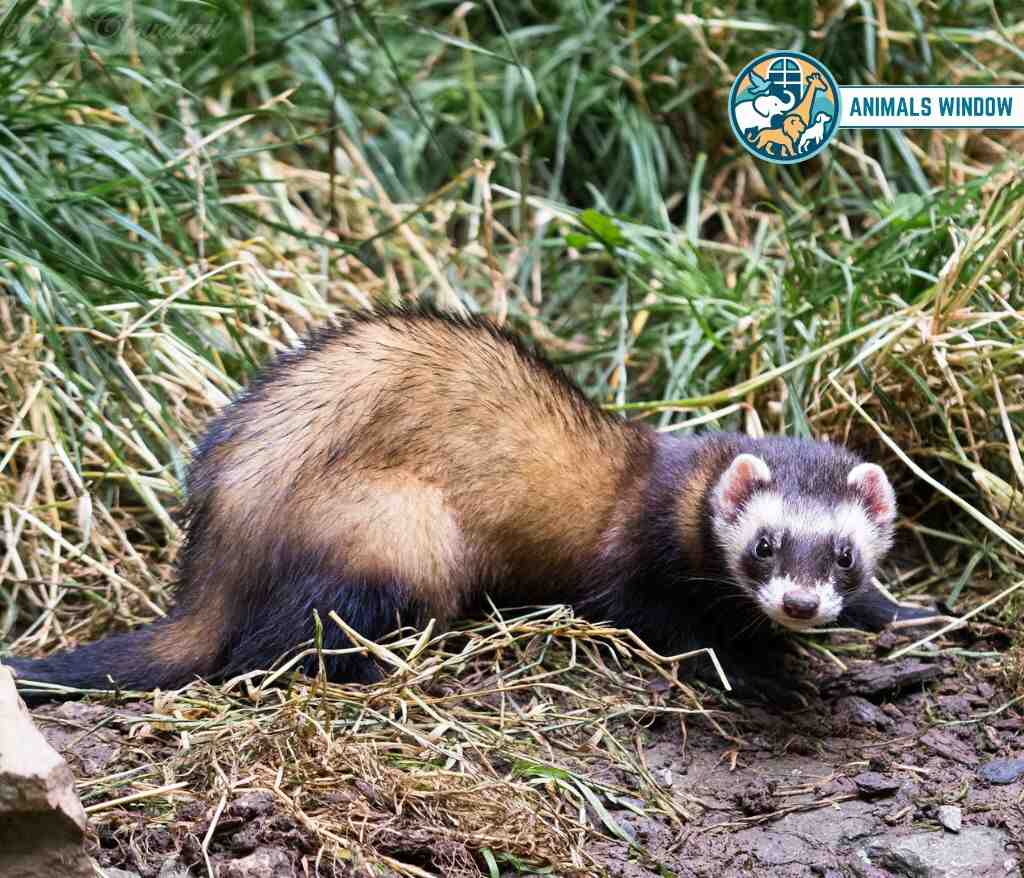
The European Polecat is the direct wild ancestor of the domestic ferret. Every pet ferret alive today traces its roots back to this animal. It looks like a ferret with darker fur — a rich brown-black coat with a pale underbelly and a masked face that makes it look like a tiny bandit.
What most lists skip is this: polecats earned their name from the French word poule meaning chicken, because farmers once blamed them for raiding henhouses nonstop. They didn’t just steal one chicken. They sometimes killed every bird in a coop in a single night — storing the extras underground for later.
🔥 Comparison Fact: A male European Polecat is about the length of a standard ruler plus a few extra inches.
2. Black-Footed Ferret
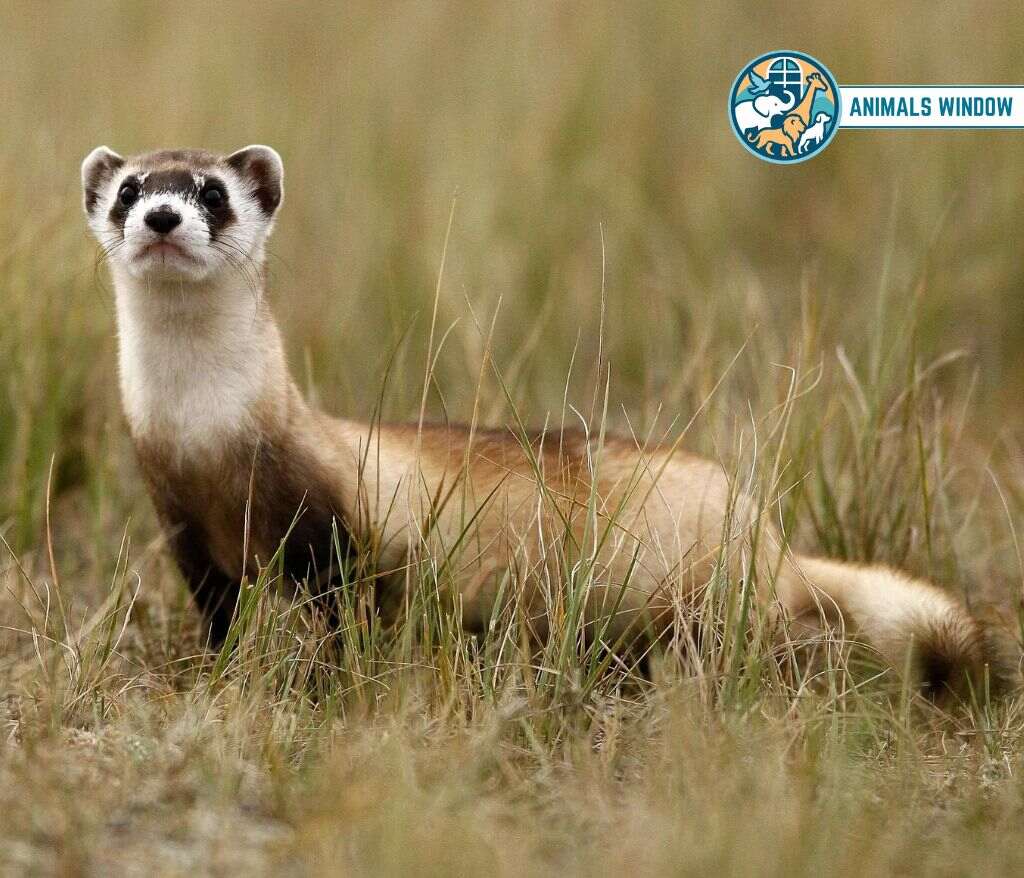
- Scientific Name: Mustela nigripes
- Size: 18–24 inches including tail
- Weight: 1.5–2.5 lbs
- Diet: Almost entirely prairie dogs (90%+ of diet)
- Habitat: Great Plains of North America
- Lifespan: 3–4 years in the wild
The Black-Footed Ferret is America’s rarest mammal. It was actually declared extinct in 1979 — then a small population was found on a Wyoming ranch in 1981, completely by accident when a ranch dog brought one home. Scientists scrambled, caught the survivors, and launched one of the most dramatic breeding programs in wildlife history.
Here’s what makes its survival story even more fragile: it eats prairie dogs almost exclusively. When prairie dog populations collapsed due to disease and habitat loss, the Black-Footed Ferret nearly vanished with them. The two species are so linked that saving the ferret means saving an entire prairie ecosystem.
🔥 Comparison Fact: It weighs roughly the same as a large can of soup — yet it takes down prey three times its own size.
3. Steppe Polecat
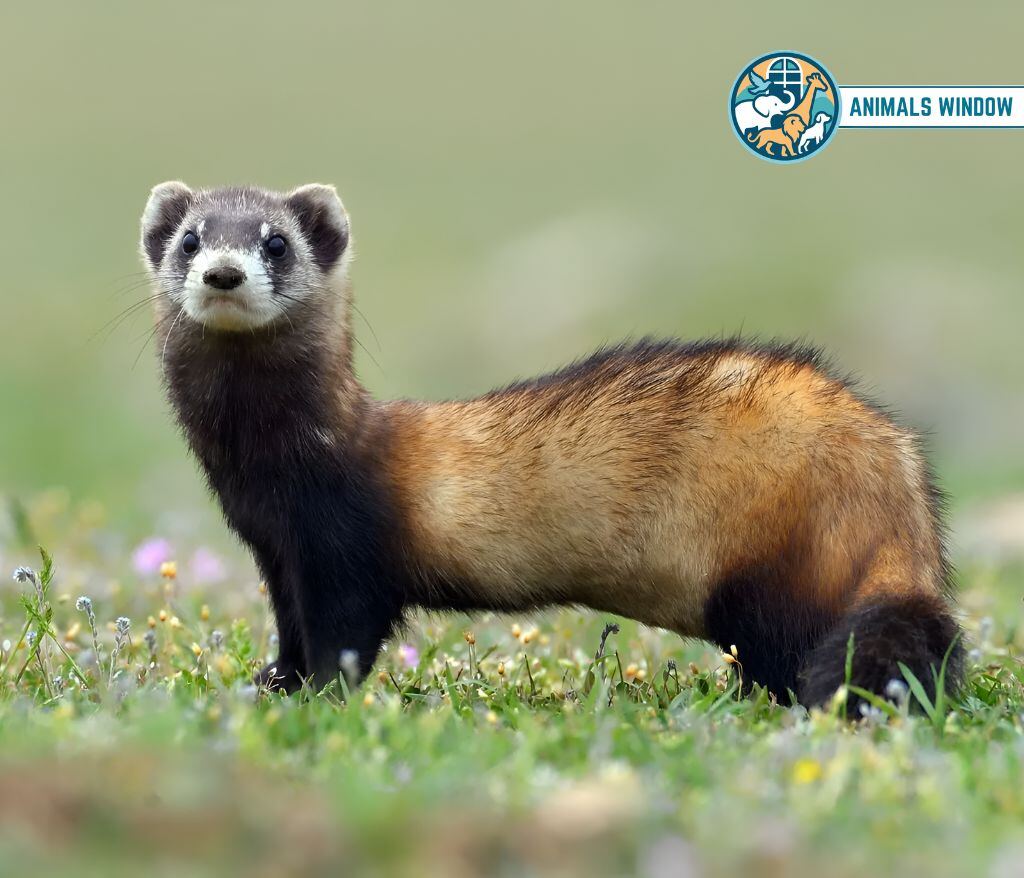
- Scientific Name: Mustela eversmanii
- Size: 15–22 inches
- Weight: 1.3–4.5 lbs
- Diet: Ground squirrels, hamsters, voles
- Habitat: Open steppes from Eastern Europe to China
- Lifespan: 5–6 years
The Steppe Polecat looks like a paler, bulkier version of the European Polecat. It lives in one of the harshest environments on Earth — the Eurasian steppe — where winter temperatures drop below -40°F and food is buried under ice for months.
What this animal does to survive is remarkable. It doesn’t hibernate. Instead, it hunts rodents that are hibernating — digging straight into underground burrows, following the scent trail, and catching prey that’s too sleepy to escape. It’s basically hunting animals that are asleep. That’s not an advantage — that’s a superpower.
🔥 Comparison Fact: A large male Steppe Polecat is about as long as a standard laptop computer.
4. American Mink
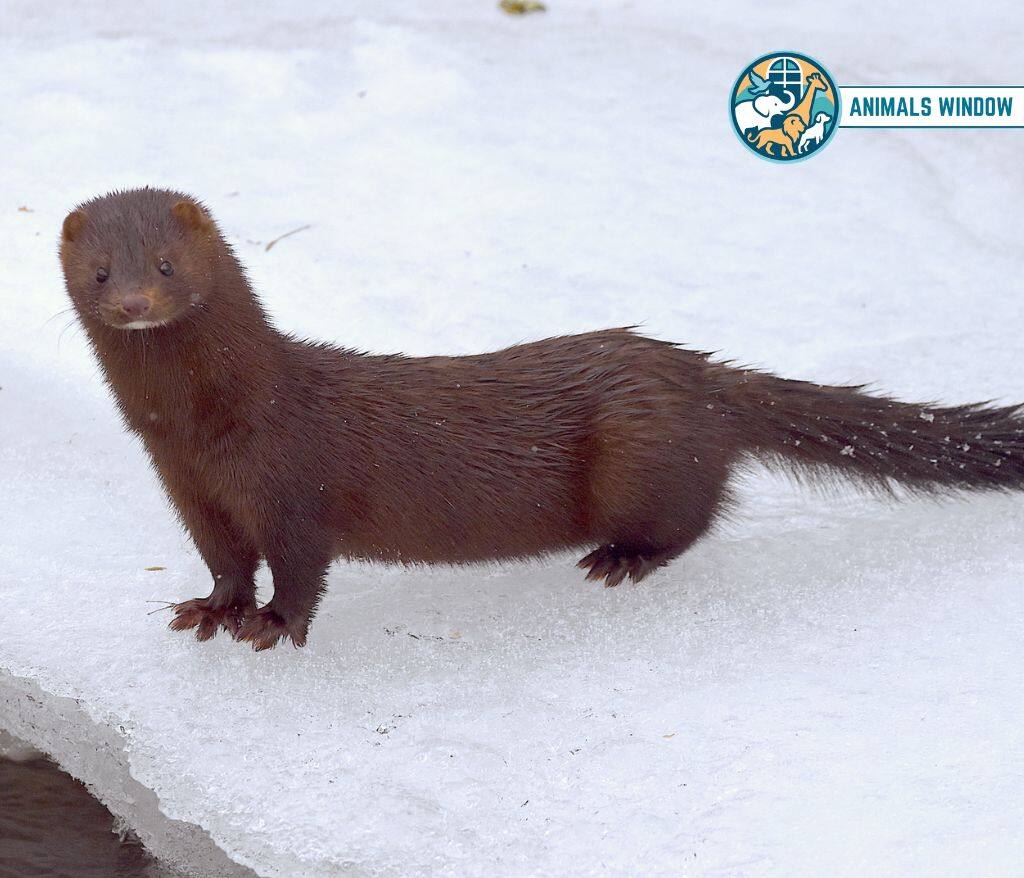
- Scientific Name: Neovison vison
- Size: 12–18 inches (body)
- Weight: 1.5–3.5 lbs
- Diet: Fish, frogs, crayfish, small mammals, birds
- Habitat: Riverbanks and wetlands across North America
- Lifespan: 3–6 years in the wild
The American Mink is one of the most adaptable animals on this list. It hunts equally well on land and in water — diving up to 16 feet deep and swimming at speeds that most fish can’t outrun in short bursts. Its fur traps air bubbles next to the skin, keeping it insulated and dry even in near-freezing streams.
The real problem with this animal? It’s too good at surviving. Introduced to Europe for the fur trade, escaped and released minks have devastated native water vole and seabird populations across the UK and parts of Europe. One species being “good at surviving” became a conservation crisis for dozens of others.
🔥 Comparison Fact: The American Mink’s body is roughly the length of a standard school ruler — but it can take down a rabbit twice its own body weight.
5. European Mink
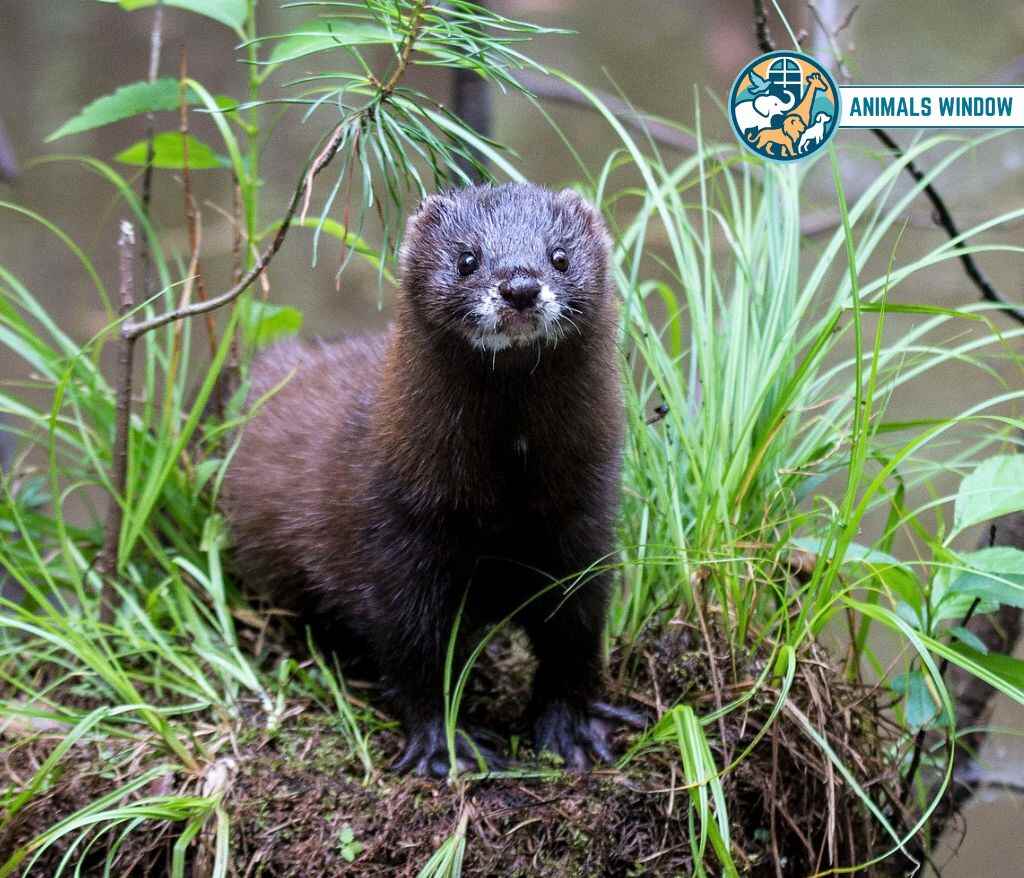
- Scientific Name: Mustela lutreola
- Size: 11–16 inches
- Weight: 1–1.5 lbs
- Diet: Voles, frogs, fish, crayfish
- Habitat: Forest streams and riverbanks across Europe
- Lifespan: Up to 6 years
The European Mink is one of the most endangered mammals in the world. Fewer than 29,000 remain in the wild. It looks almost identical to the American Mink — same slim body, same semi-aquatic lifestyle — but it’s smaller, rarer, and critically threatened.
And here’s the cruel irony: the American Mink, which looks just like it, is one of the main reasons it’s disappearing. American Minks outcompete European Minks for food and territory along the same riverbanks. The two animals are so similar in lifestyle that they literally cannot share the same habitat. One always loses. So far, it’s always been the European Mink.
🔥 Comparison Fact: A European Mink weighs about the same as a large apple — making it one of the lighter hunters on this list.
6. Stoat (Ermine)
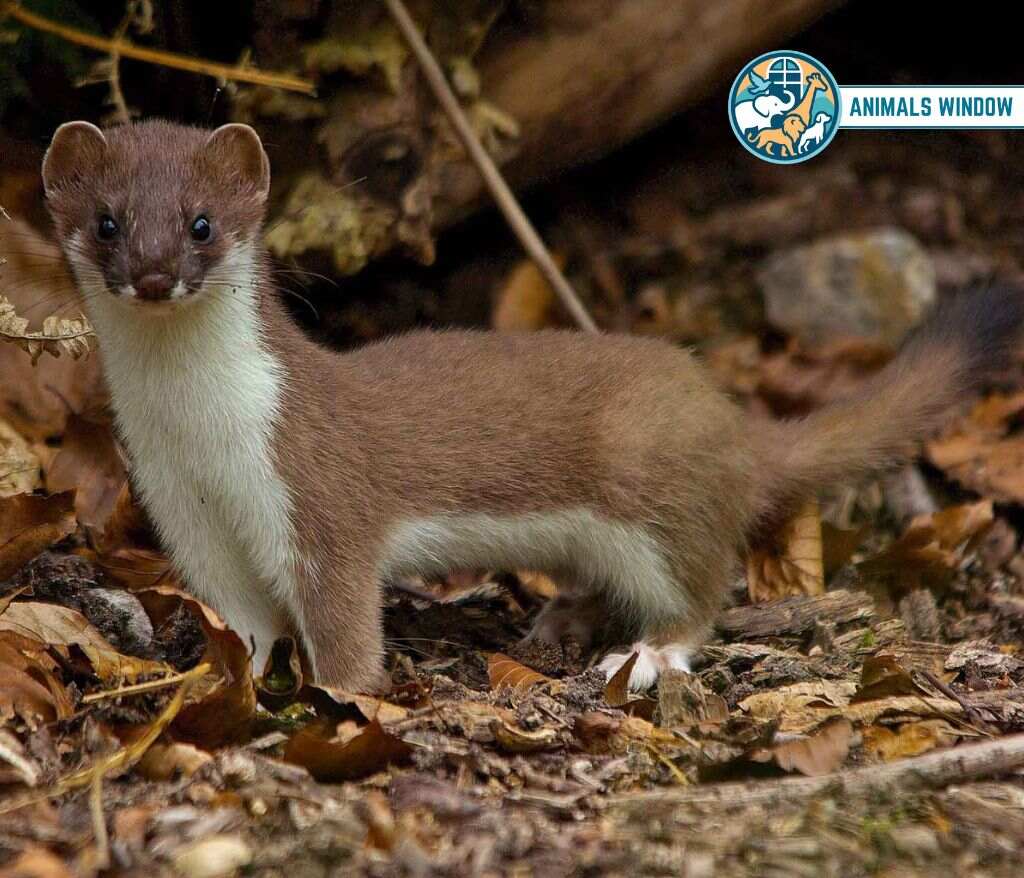
- Scientific Name: Mustela erminea
- Size: 7–12 inches (body)
- Weight: 3–15 oz
- Diet: Rabbits, voles, birds, eggs
- Habitat: Forests, tundra, grasslands across Europe, Asia, and North America
- Lifespan: 4–6 years in the wild
The Stoat is one of the most recognizable animals like ferrets — small, fast, and absolutely fearless. A stoat will chase a rabbit ten times its own size across an open field. And it usually wins. It bites the back of the skull with surgical precision, killing prey almost instantly.
But what most people don’t know is the winter coat. In northern regions, the stoat’s brown fur turns completely white — a transformation called ermine. That white pelt was so prized that only kings and royalty were permitted to wear it in medieval Europe. The little black tip on the tail stays black year-round, no matter what. Scientists still aren’t entirely sure why.
🔥 Comparison Fact: A stoat weighs less than a baseball — but it regularly kills rabbits 5–10 times its own body weight.
7. Least Weasel
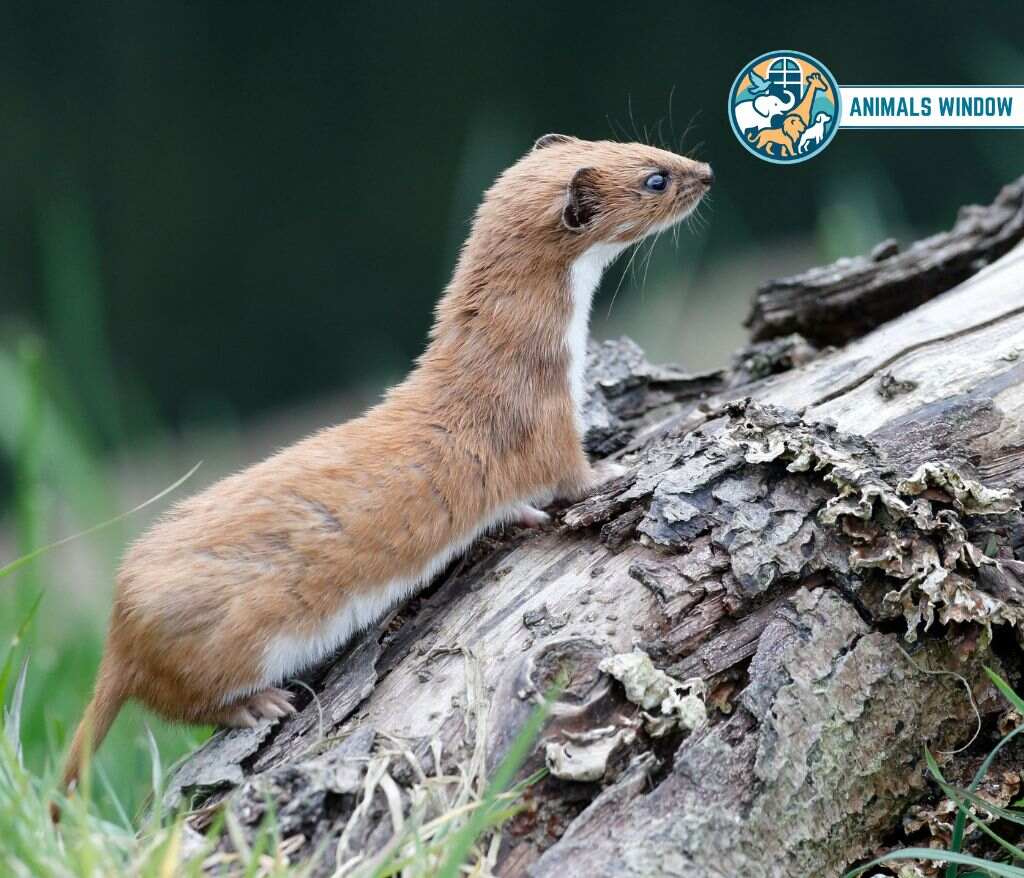
- Scientific Name: Mustela nivalis
- Size: 4–8 inches (body)
- Weight: 1–2.5 oz
- Diet: Mice, voles, small birds
- Habitat: Every continent except Australia and Antarctica
- Lifespan: 1–3 years in the wild
The Least Weasel is the smallest carnivore on the planet. Period. It can fit through a wedding ring. But don’t let that size fool you — this animal kills prey up to 10 times its own weight, running down voles in underground tunnels so narrow that no other predator can follow.
Its metabolism is so intense it must eat 40–60% of its body weight every single day. Missing a meal isn’t just uncomfortable — it can be fatal within hours. To fuel that furnace, a Least Weasel hunts almost nonstop. Sleep, hunt, eat, repeat. That’s the whole schedule.
🔥 Comparison Fact: A Least Weasel weighs about the same as a standard AA battery — making it lighter than your TV remote.
8. Long-Tailed Weasel
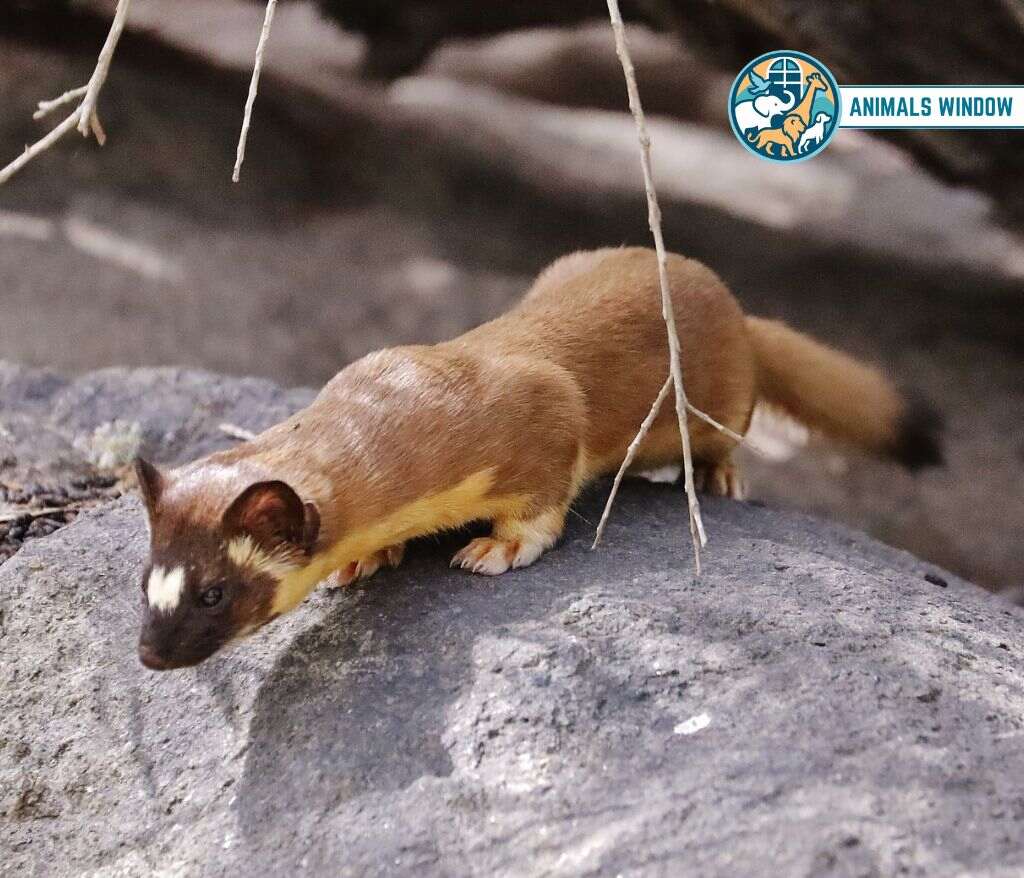
- Scientific Name: Mustela frenata
- Size: 11–16 inches including tail
- Weight: 3–12 oz
- Diet: Mice, voles, squirrels, rabbits
- Habitat: North and Central America, from Canada to Bolivia
- Lifespan: 3–5 years
The Long-Tailed Weasel looks exactly like you’d expect — a weasel with a noticeably long tail that makes up nearly half its total body length. That tail isn’t just for balance. Research suggests the black tip at the end distracts predators like hawks, drawing strikes away from the head and body.
What separates this animal from its relatives is range. It lives from Canadian boreal forests all the way down to the high-altitude grasslands of Bolivia — one of the largest geographic ranges of any weasel species in the Americas. Same body plan, wildly different climates. It adapts by shifting its prey depending on what’s available locally.
🔥 Comparison Fact: Its tail alone is about as long as a standard pen — almost comically long for an animal this small.
9. Pine Marten
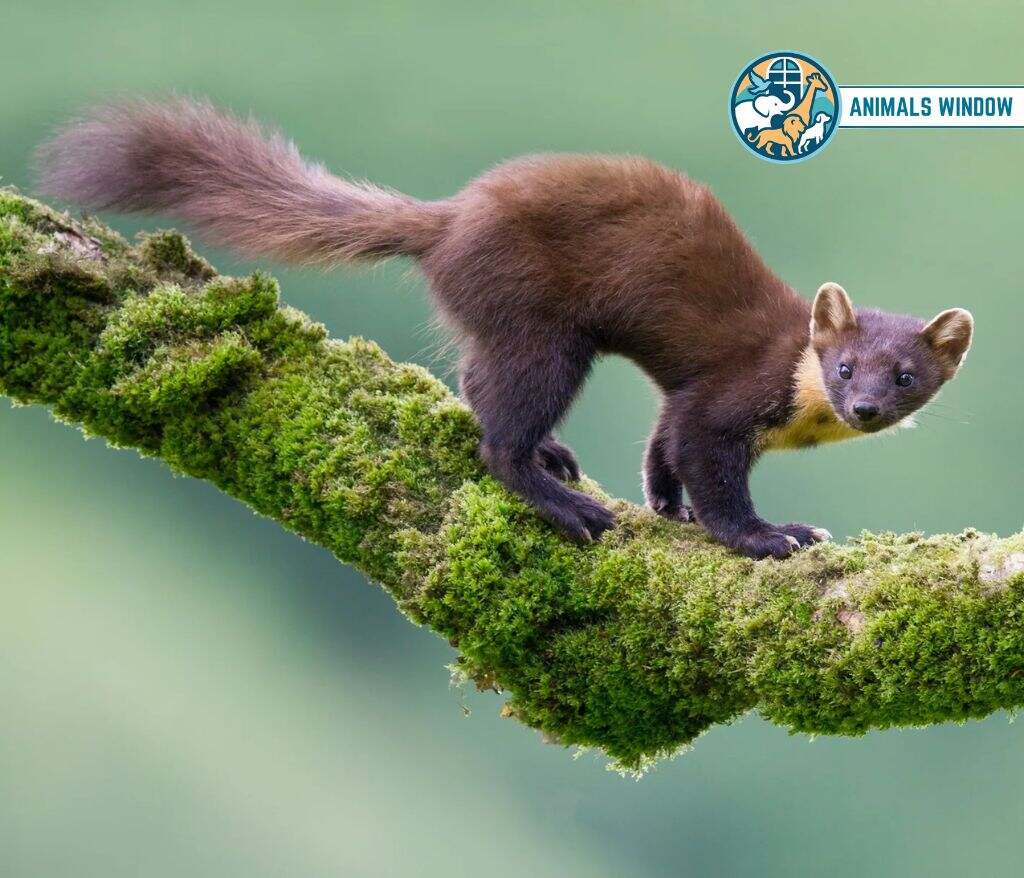
- Scientific Name: Martes martes
- Size: 18–22 inches (body)
- Weight: 2–5 lbs
- Diet: Squirrels, voles, berries, birds, insects
- Habitat: Dense forests across Europe and western Asia
- Lifespan: Up to 11 years in the wild
The Pine Marten is the tree-climbing specialist of the mustelid world. Its ankles rotate almost 180 degrees — the same adaptation found in squirrels — letting it run headfirst down tree trunks without losing grip. It can cross a forest canopy without ever touching the ground.
What makes the Pine Marten ecologically significant is its relationship with grey squirrels in the UK. Where Pine Martens return to forests, grey squirrel populations drop fast. Red squirrels — native to the UK and nearly wiped out by greys — actually recover when Pine Martens are present. The marten eats greys more often because greys spend more time on the ground. It’s an accidental conservation tool.
🔥 Comparison Fact: A Pine Marten’s body is roughly the length of a standard 12-inch ruler plus another half-ruler.
10. Wolverine
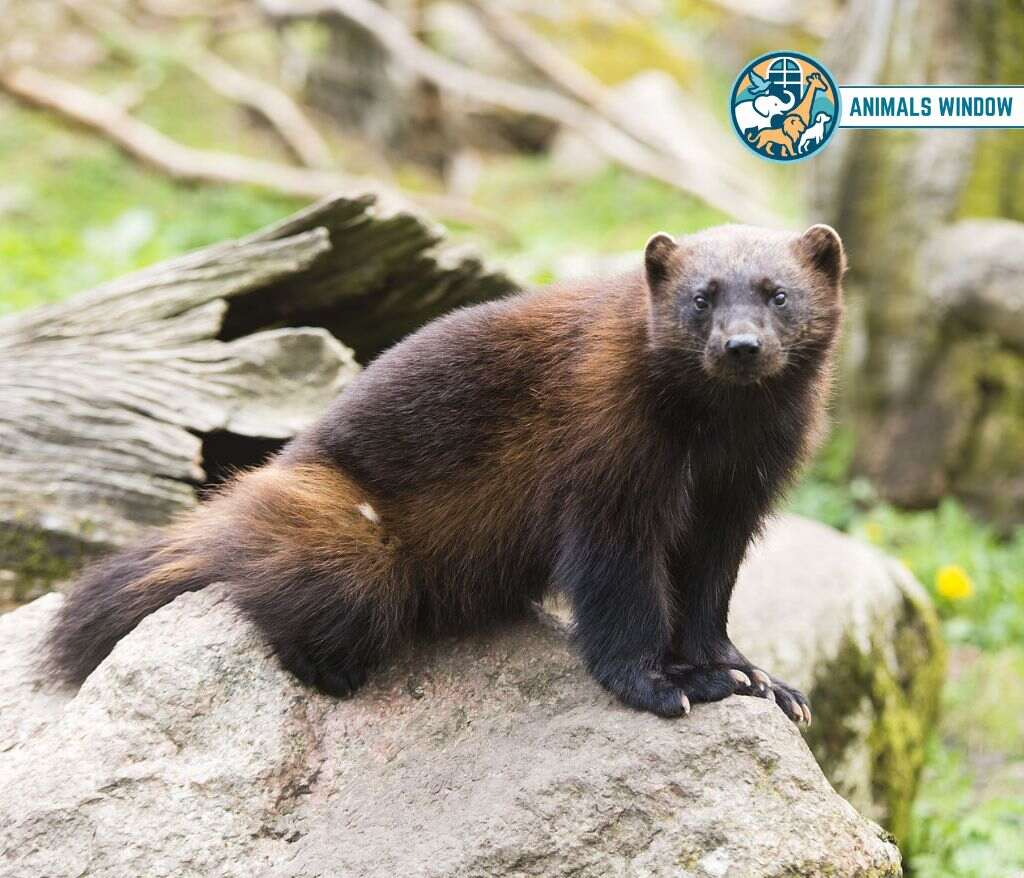
- Scientific Name: Gulo gulo
- Size: 26–42 inches (body)
- Weight: 20–55 lbs
- Diet: Caribou, elk, small mammals, carrion, berries
- Habitat: Arctic tundra and boreal forests of North America, Europe, Asia
- Lifespan: 5–7 years in the wild
The Wolverine is the largest land-dwelling mustelid. It looks like a small bear, but it’s built like a tank — stocky, powerful, and with jaws strong enough to bite through frozen bone. It has been documented stealing kills from wolves, chasing bears off carcasses, and traveling up to 15 miles in a single day across deep snow without rest.
What stands out is the scent gland. Like a skunk, the wolverine has musk glands it uses to mark food caches, warn rivals, and communicate. It marks every carcass it finds and plans to return to — a kind of odor-based bookmark system. Native Alaskan peoples called it “the glutton” because it seemed to eat everything it encountered.
🔥 Comparison Fact: A large male wolverine weighs about the same as a 4-year-old child — but gram for gram, it’s the most powerful biting mustelid alive.
11. Otter
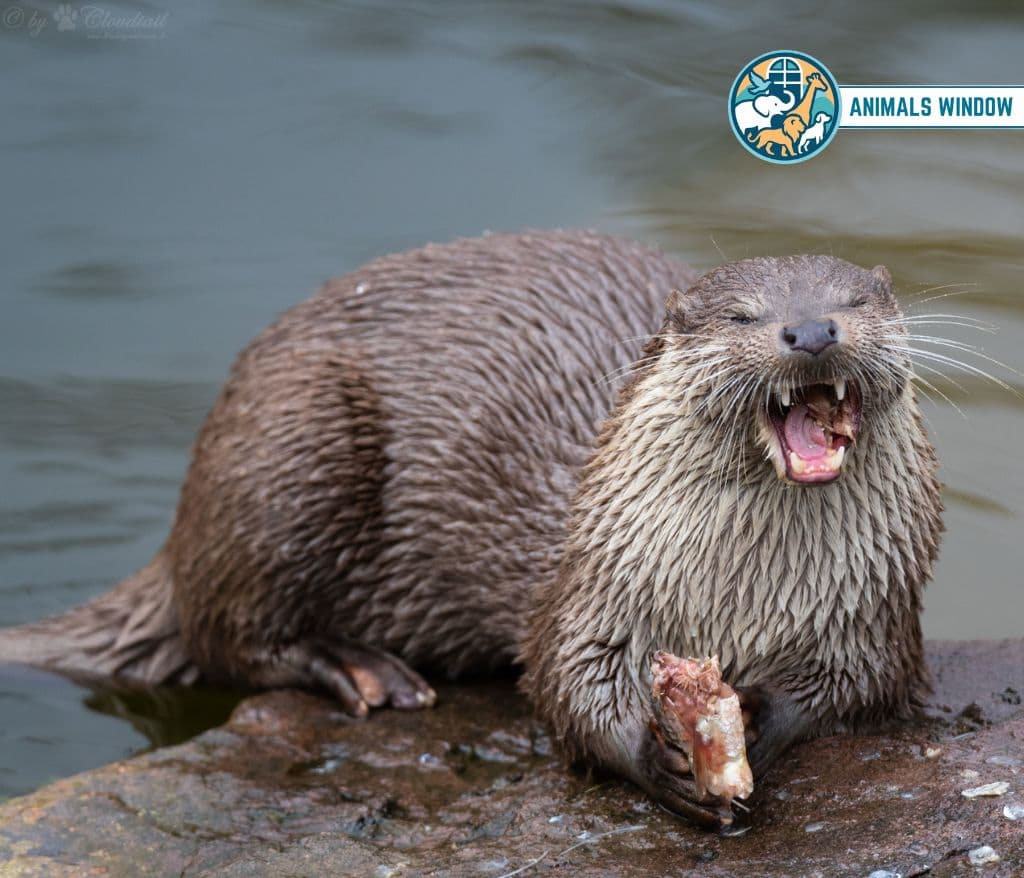
- Scientific Name: Lutra lutra (Eurasian Otter)
- Size: 24–35 inches (body)
- Weight: 13–26 lbs
- Diet: Fish, crayfish, frogs, water birds
- Habitat: Rivers, lakes, and coastal areas across Europe, Asia, and Africa
- Lifespan: Up to 10 years in the wild
Otters are the engineers of this list. They don’t just eat — they use. Sea otters famously use flat rocks balanced on their chests to crack open shellfish while floating on their backs. Eurasian otters have been observed picking specific spots on riverbanks to cache prey, returning to the same cache locations over multiple days.
They’re also one of the few mustelids that play as adults. Otters slide down muddy riverbanks repeatedly for no reason other than it seems fun. Scientists debate whether this is actual play behavior or a form of practice — but watching one do it for 20 minutes straight makes the “practice” theory hard to believe.
🔥 Comparison Fact: A large Eurasian Otter’s body is about as long as a standard guitar — and surprisingly heavy when you pick one up.
12. Badger
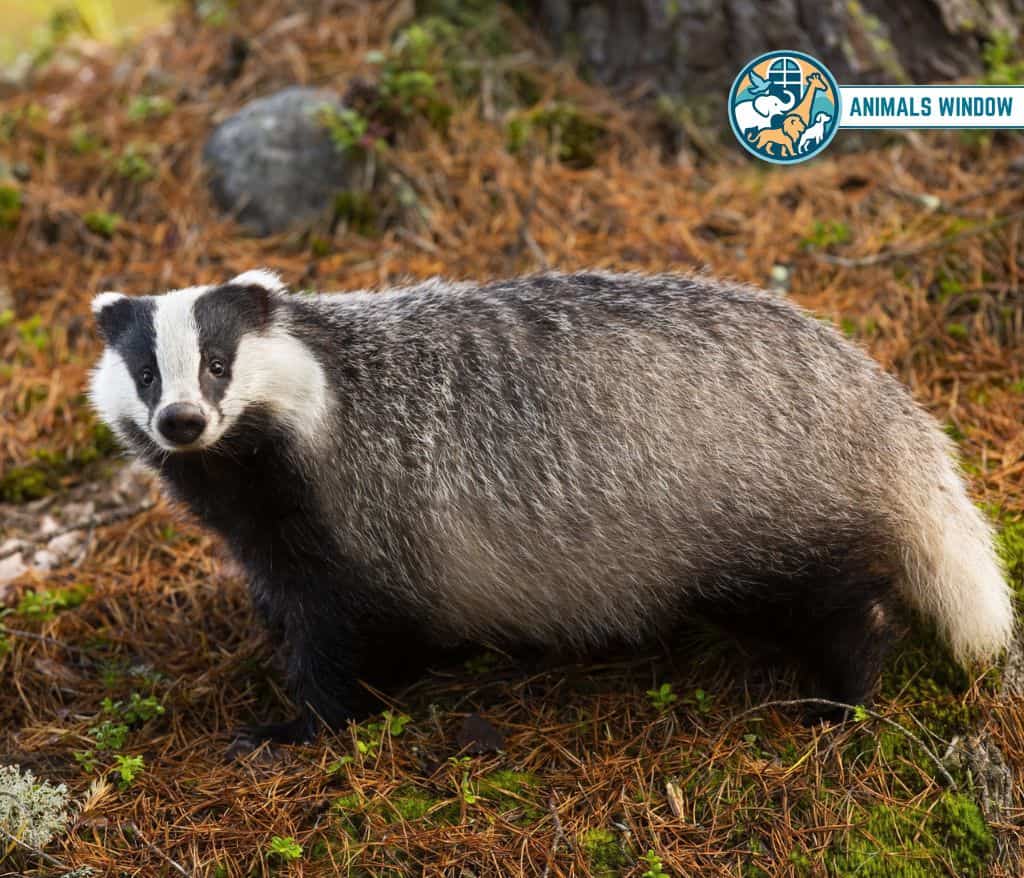
- Scientific Name: Meles meles (European Badger)
- Size: 22–35 inches
- Weight: 15–30 lbs
- Diet: Earthworms, beetles, small mammals, roots, fruits
- Habitat: Woodlands and grasslands across Europe and Asia
- Lifespan: Up to 14 years in the wild
The Badger is the underground construction expert of the mustelid world. A single badger clan can dig a “sett” — an underground tunnel system — with up to 100 meters of passages, multiple chambers, and separate rooms for sleeping and storing bedding. Some setts have been in continuous use for over 100 years.
Badgers also have one of the strangest pregnancies in nature. They mate in late summer but the embryo doesn’t implant until January — a phenomenon called delayed implantation. The timing aligns with the female’s best physical condition, so she only carries the pregnancy through when she’s healthy enough. It’s reproductive scheduling on a biological level.
🔥 Comparison Fact: An adult badger weighs about the same as a medium-sized dog — surprising for an animal most people imagine as small.
13. Grison
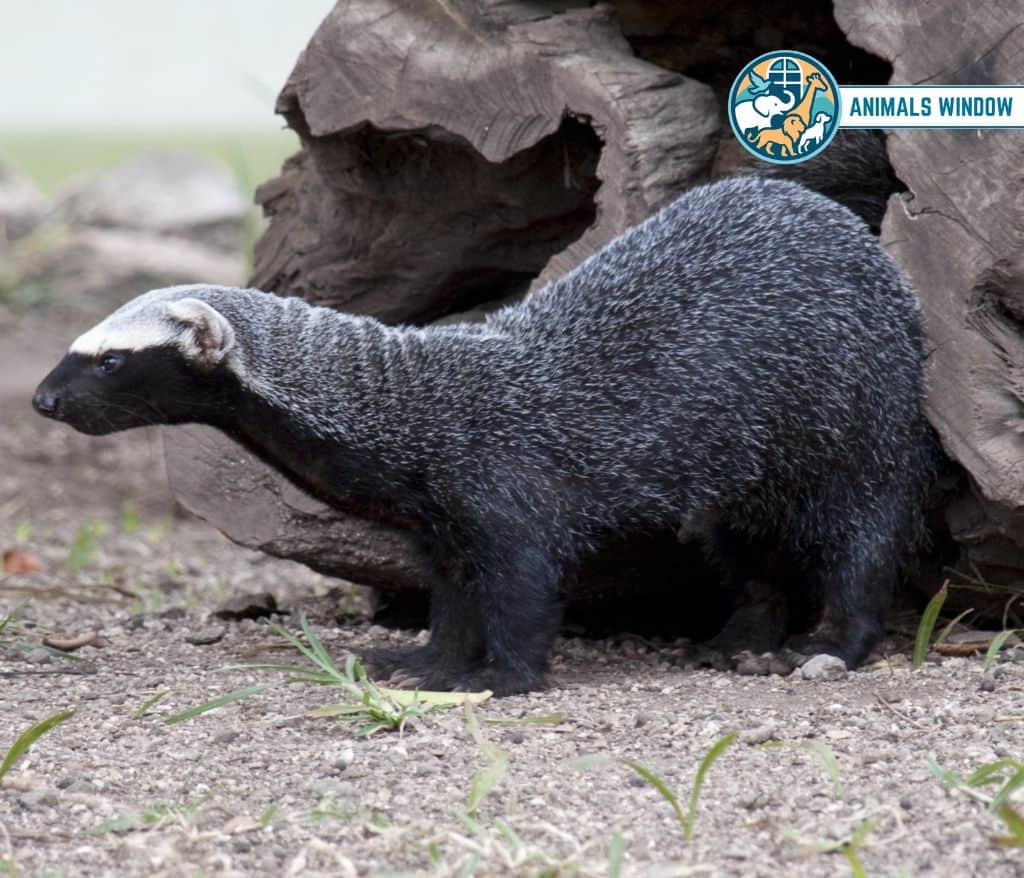
- Scientific Name: Galictis vittata
- Size: 18–22 inches (body)
- Weight: 3–7 lbs
- Diet: Rodents, reptiles, frogs, birds, invertebrates
- Habitat: Forests and grasslands from southern Mexico to Brazil
- Lifespan: Up to 10 years in captivity
The Grison looks like someone crossed a ferret with a badger. It has the long low body of a weasel but a broad flat head and a striking two-toned coat — dark below, pale grey above — with a white stripe running from the forehead to the shoulders like a dividing line.
One thing that makes the Grison unusual is its relationship with humans in parts of South America. Indigenous communities in Peru and Bolivia historically tamed Grisons to hunt chinchillas in rock crevices — the same way some cultures used ferrets to flush out rabbits. It’s an independent domestication story that almost nobody in the English-speaking world knows about.
🔥 Comparison Fact: A Grison’s body is roughly the size of a large house cat — but lower to the ground and built more like a weasel.
14. Tayra
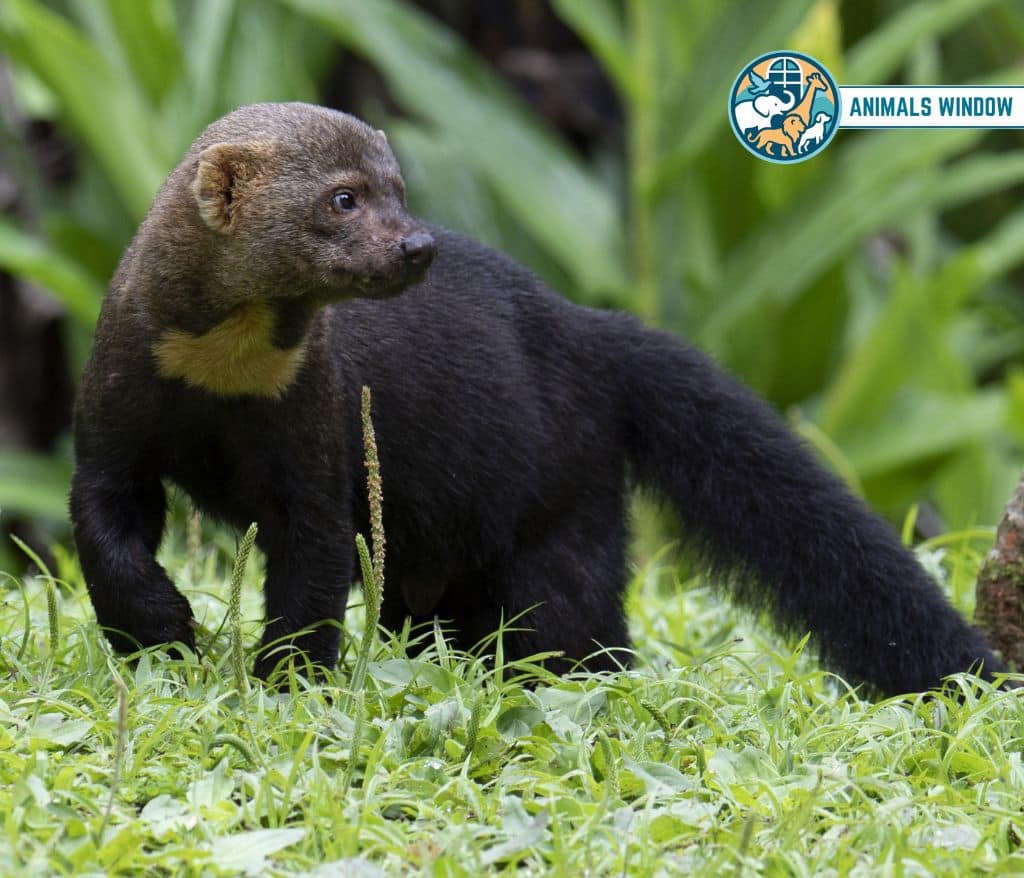
- Scientific Name: Eira barbara
- Size: 22–28 inches (body)
- Weight: 6–15 lbs
- Diet: Fruit, small mammals, birds, honey, eggs
- Habitat: Tropical forests from Mexico to Argentina
- Lifespan: Up to 18 years in captivity
The Tayra is the most surprising animal on this list when it comes to intelligence. In 2006, researchers in Belize observed Tayras collecting unripe plantains and stashing them in specific locations. They didn’t eat them right away. They came back days later — when the fruit had ripened. No other mustelid had ever been documented doing this. Planning for a future food state isn’t something most mammals do.
Tayras also move like nothing else in this family. They run, climb, and swim with equal comfort. In a single day, a Tayra may travel through four different habitat types — river edge, dense forest floor, canopy, and open clearing — adjusting its hunting technique each time.
🔥 Comparison Fact: A large male Tayra is about the same length as a standard skateboard — and almost as fast through dense undergrowth.
15. Marbled Polecat
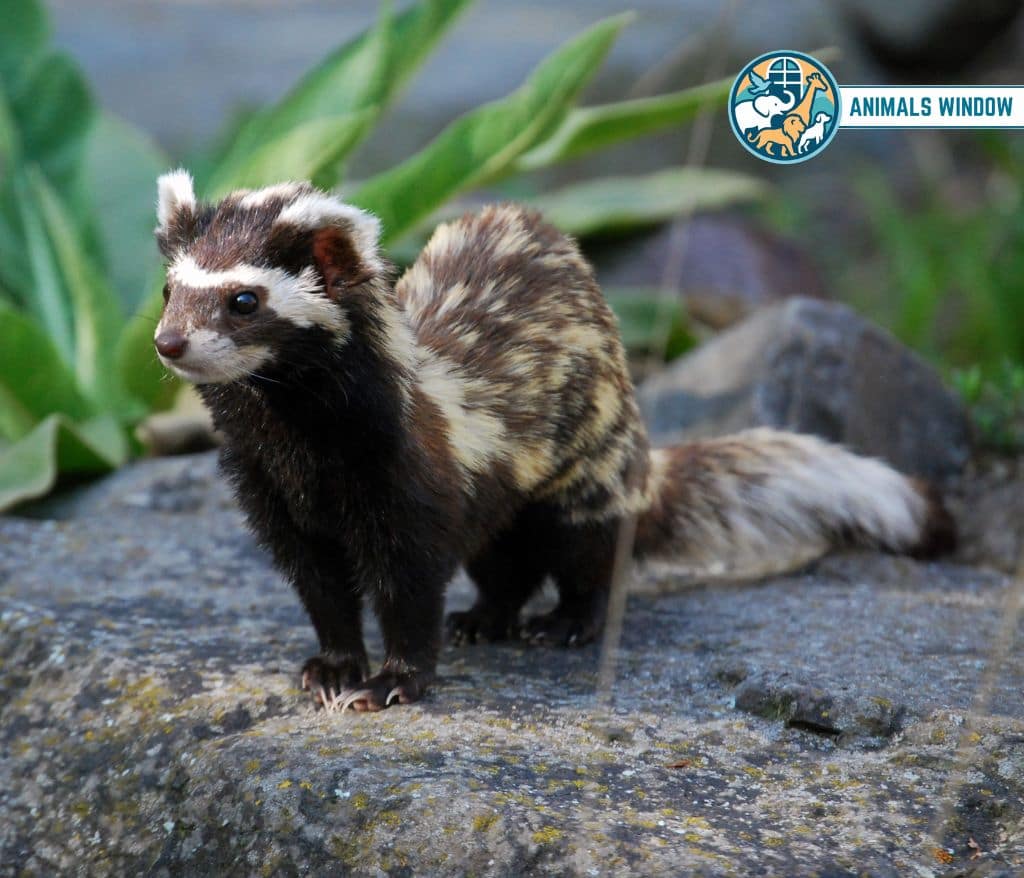
- Scientific Name: Vormela peregusna
- Size: 11–14 inches (body)
- Weight: 6–21 oz
- Diet: Rodents, lizards, small birds
- Habitat: Dry steppes and semi-deserts from southeastern Europe to China
- Lifespan: Up to 9 years in captivity
The Marbled Polecat is the most visually striking animal on this list. Its fur is a wild pattern of yellow, white, brown, and black patches — bold enough to look painted. But this isn’t decoration. It’s a warning. Those colors tell predators: back off, I have musk glands and I will use them.
What most people don’t realize is the threat display it performs before spraying. A Marbled Polecat arches its back, curls its tail over its body, opens its mouth wide, and rocks side to side in a slow, deliberate dance. It’s theatrical enough to freeze most predators — and if the display doesn’t work, the musk certainly does.
🔥 Comparison Fact: Its body is about the length of a standard TV remote control — small enough to look harmless, bold enough to scare off animals ten times its size.
16. Patagonian Weasel
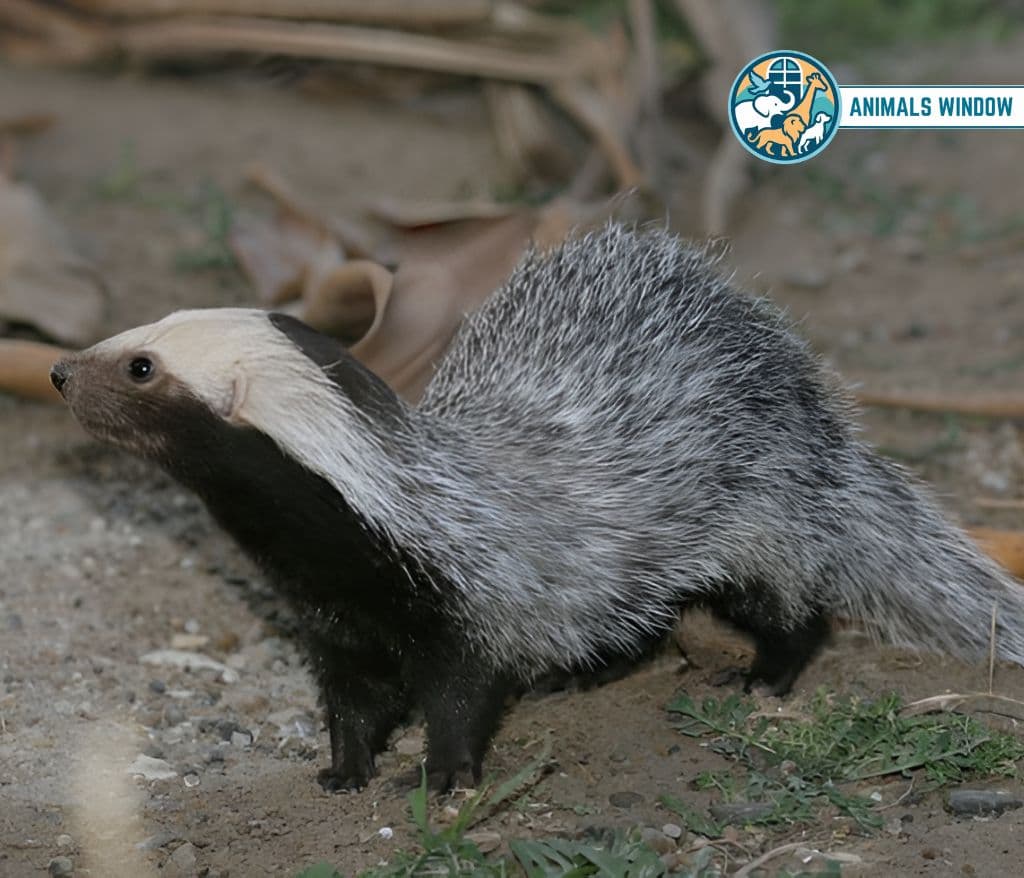
- Scientific Name: Lyncodon patagonicus
- Size: 11–14 inches (including tail)
- Weight: Estimated 7–10 oz
- Diet: Believed to be rodents and small prey
- Habitat: Open grasslands of Argentina and Chile
- Lifespan: Unknown (insufficient data)
The Patagonian Weasel is one of the most mysterious mammals in the world. Scientists have collected fewer than 40 specimens in recorded history. Most of what we “know” about it comes from a handful of sightings, a few museum specimens, and a lot of educated guessing based on related species.
It has a very unusual appearance for a weasel — a rounded, almost flat skull with a short muzzle, giving it a different facial profile from any other mustelid. Some researchers believe this skull shape is adapted for hunting burrowing rodents in the pampas, but without enough live specimens to study, that’s still a theory. The Patagonian Weasel may be quietly doing things that science hasn’t witnessed yet.
🔥 Comparison Fact: Based on the few specimens measured, it’s approximately the length of a large smartphone — making it one of the smaller animals on this list.
17. Fossa
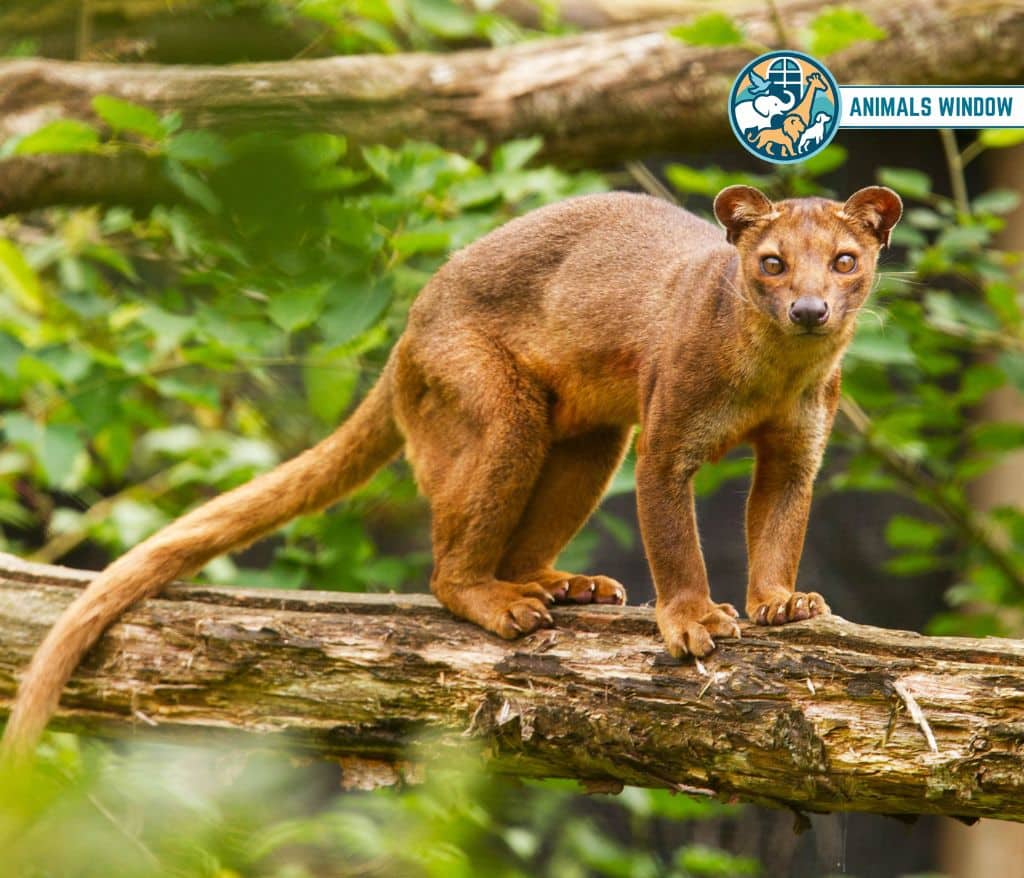
- Scientific Name: Cryptoprocta ferox
- Size: 28–32 inches (body)
- Weight: 12–26 lbs
- Diet: Lemurs, birds, lizards, small mammals
- Habitat: Madagascar’s forests — and nowhere else on Earth
- Lifespan: Up to 20 years in captivity
The Fossa looks like a miniature mountain lion crossed with a mongoose. It’s not a cat, not a ferret, not a mongoose — it belongs to the family Eupleridae, a carnivore group found only in Madagascar. But it shares so many physical traits with the mustelids that it often appears on ferret-lookalike lists, and rightly so.
It’s the top land predator in Madagascar — hunting lemurs through the forest canopy at night with retractable claws (rare for non-cats), semi-retractable ankles (like the Pine Marten), and a tail as long as its body used for balance on branches. Local Malagasy communities have deep folklore traditions around the Fossa, often painting it as a dangerous trickster. In reality, it’s just very, very good at its job.
🔥 Comparison Fact: A Fossa’s body is about the length of a standard acoustic guitar body — sleek, curved, and built for speed.
18. Mongoose
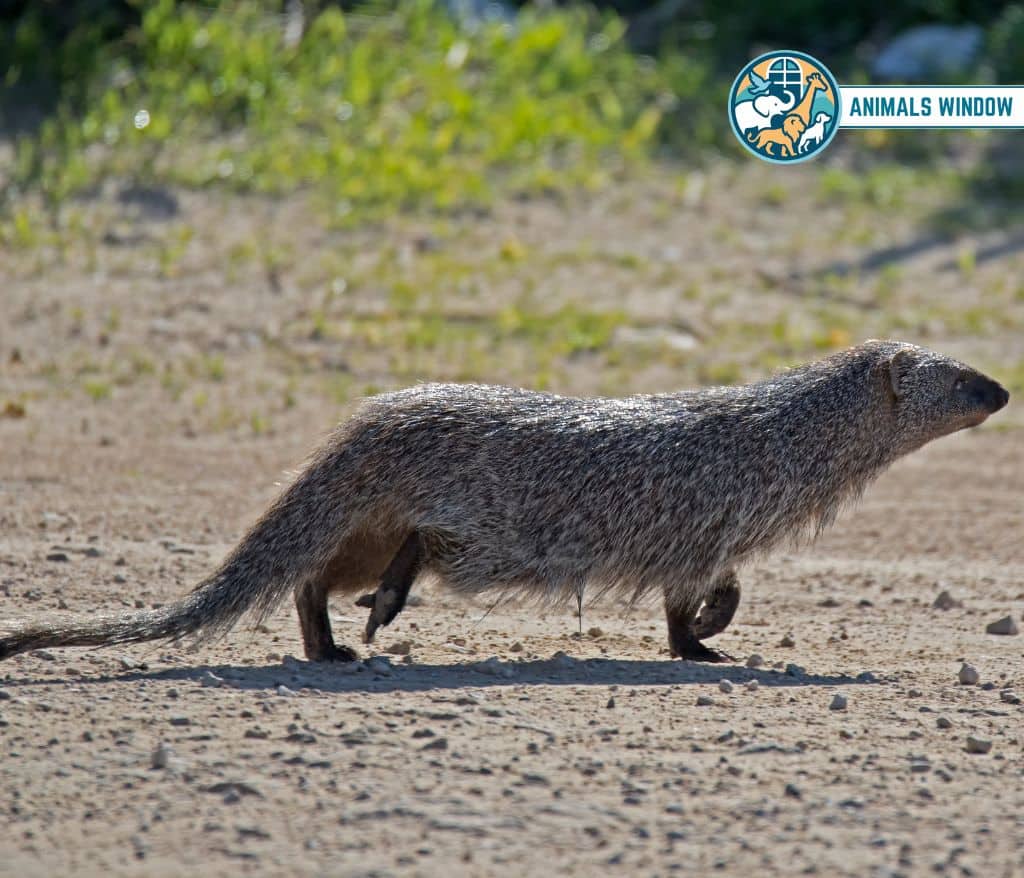
- Scientific Name: Herpestes ichneumon (Egyptian Mongoose)
- Size: 19–24 inches (body)
- Weight: 4–9 lbs
- Diet: Snakes, rodents, birds, eggs, insects, fruit
- Habitat: Africa, southern Europe, South and Southeast Asia
- Lifespan: 6–10 years in the wild
The Mongoose is famous for fighting cobras — and winning. What makes this possible isn’t just speed. It’s genetics. Mongooses carry a mutation in their acetylcholine receptors that makes them partially resistant to the neurotoxic venom in cobra bites. They’re not fully immune — a direct bite to the body can still kill one — but they can take glancing strikes and shake them off while most mammals would be paralyzed.
Their technique in a cobra fight is worth describing. The mongoose feints, dodges, waits for the cobra to overextend a strike, then pins the head and bites through the skull. The whole fight typically takes under 30 seconds. Speed plus resistance equals a snake-hunter that almost nothing else in the animal world can replicate.
🔥 Comparison Fact: At around 4–9 lbs, a mongoose weighs about the same as a large bag of sugar — but it can dodge a cobra strike faster than a human can blink.
19. Skunk
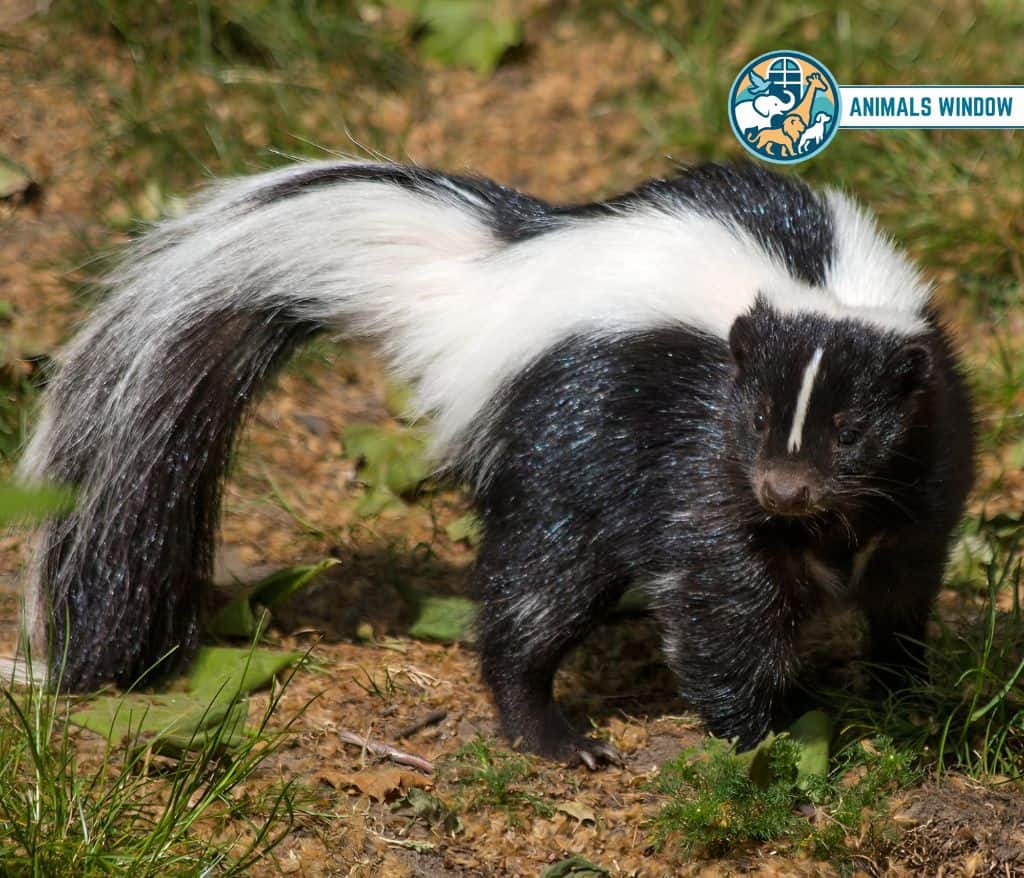
- Scientific Name: Mephitis mephitis (Striped Skunk)
- Size: 20–30 inches including tail
- Weight: 6–14 lbs
- Diet: Insects, rodents, fruit, eggs, garbage
- Habitat: North and Central America — forests, grasslands, suburbs
- Lifespan: 2–4 years in the wild
Everyone knows skunks spray. But the mechanics are actually extraordinary. A skunk can aim its spray with near-sniper accuracy up to 10 feet away. It uses two independent glands that it can fire separately or together, in a fine mist or a concentrated stream, depending on the threat level. It does a warning handstand — balancing on its front feet while facing the threat — before spraying.
What most people miss: a skunk only carries enough musk for 5–8 sprays and takes up to 10 days to fully recharge. So it doesn’t spray carelessly. Before it fires, it goes through a warning escalation — stamping feet, raising tail, doing the handstand — giving the other animal every chance to back off. Most smart animals take that offer.
🔥 Comparison Fact: A striped skunk weighs about the same as a large house cat — and once it sprays you, you’ll remember it longer.
20. Ringtail
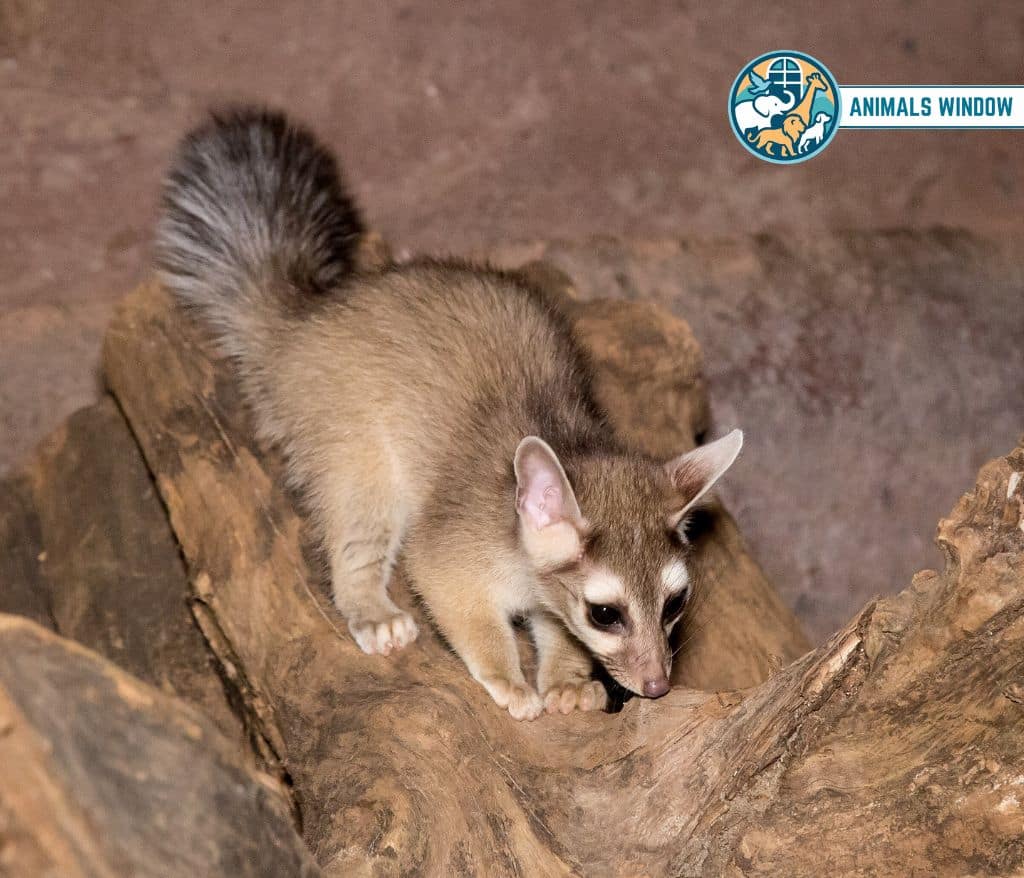
- Scientific Name: Bassariscus astutus
- Size: 12–17 inches (body) plus a tail nearly as long
- Weight: 1.5–2.5 lbs
- Diet: Insects, rodents, birds, fruit, nectar
- Habitat: Rocky deserts and canyons of the American Southwest and Mexico
- Lifespan: Up to 7 years in the wild
The Ringtail looks like a fox-eared ferret with a raccoon’s tail. It’s actually related to raccoons, not mustelids — but it earns its place here because it’s one of the most ferret-like animals in appearance and hunting behavior outside the weasel family. Arizona and California miners in the 1800s kept ringtails in their camps to control mice, calling them “miner’s cats.”
Here’s the physical trick that makes it unique: its hind feet rotate 180 degrees. On a sheer rock face, it can descend headfirst by splaying its feet outward like suction pads, gripping the rock with all four paws simultaneously. No other animal on this list — and few in the world — moves quite like this on vertical surfaces.
🔥 Comparison Fact: Its tail is almost exactly as long as its body — hold both together and you’ve got an animal about the length of a standard ruler end-to-end.
Common Asked Queries About Animals like Ferrets
What is the most ferret-like wild animal?
The European Polecat is the closest wild animal to a ferret — it’s literally the species that domestic ferrets were bred from. They look almost identical, behave the same way, and can even interbreed with domestic ferrets.
What looks like a ferret but is bigger?
The Tayra and the Wolverine are both built like ferrets but much larger. The Tayra is the size of a small dog. The Wolverine looks more like a bear but belongs to the same mustelid family tree.
Are there ferret-like animals in South America?
Yes — the Grison, Tayra, and Patagonian Weasel all live in South America. The Grison was even tamed by indigenous people to help hunt, much like the domestic ferret in Europe.
What is the rarest animal like a ferret?
The Black-Footed Ferret is the rarest, once declared fully extinct before a small wild population was rediscovered in Wyoming in 1981. The Patagonian Weasel is a close second — fewer than 40 specimens have ever been recorded by science.
Can any ferret-like animals be kept as pets?
Domestic ferrets are legal pets in most places. Some people have kept tame Tayras and Ringtails, but most mustelids are wild animals and shouldn’t be domesticated. In many countries, keeping them is illegal.
Related Animals Guides:
Trait Comparison: Mustelids vs. Mustelid Lookalikes
Several animals on this list — the Fossa, Mongoose, and Ringtail — aren’t true mustelids. But they look and act like them. Here’s the simple breakdown:
| Animal | True Mustelid? | Real Family | Shared Traits with Mustelids | Why They Look Similar |
|---|---|---|---|---|
| Ferret | ✅ Yes | Mustelidae | Long body, short legs, musk glands | — It IS a mustelid |
| Polecat | ✅ Yes | Mustelidae | Long spine, solitary hunter, musk glands | — It IS a mustelid |
| Mink | ✅ Yes | Mustelidae | Flexible body, fast, musk glands | — It IS a mustelid |
| Wolverine | ✅ Yes | Mustelidae | Powerful jaw, musk glands, short legs | — It IS a mustelid |
| Otter | ✅ Yes | Mustelidae | Long body, musk glands, solitary | — It IS a mustelid |
| Badger | ✅ Yes | Mustelidae | Low body, musk glands, strong claws | — It IS a mustelid |
| Skunk | ✅ Yes | Mustelidae | Musk glands, short legs, slim build | — It IS a mustelid |
| Mongoose | ❌ No | Herpestidae | Slim body, fast hunter, low to ground | Same hunting role, different continent |
| Fossa | ❌ No | Eupleridae | Flexible spine, semi-retractable claws | Isolated evolution in Madagascar |
| Ringtail | ❌ No | Procyonidae (raccoon family) | Slim body, fast mover, small prey hunter | Same terrain and diet shaped same body |
One-line takeaway: True mustelids share the same family tree. Lookalikes just ended up with the same body because they do the same job — that’s called convergent evolution.

I have loved animals since I was a kid. I enjoy reading about how animals live, eat, move, and survive. I started Animals Window to share what I learn in a simple and easy way. I write about animal body parts, size, behavior, diet, habitats, and species. My goal is to make animal facts clear and fun for everyone to understand.