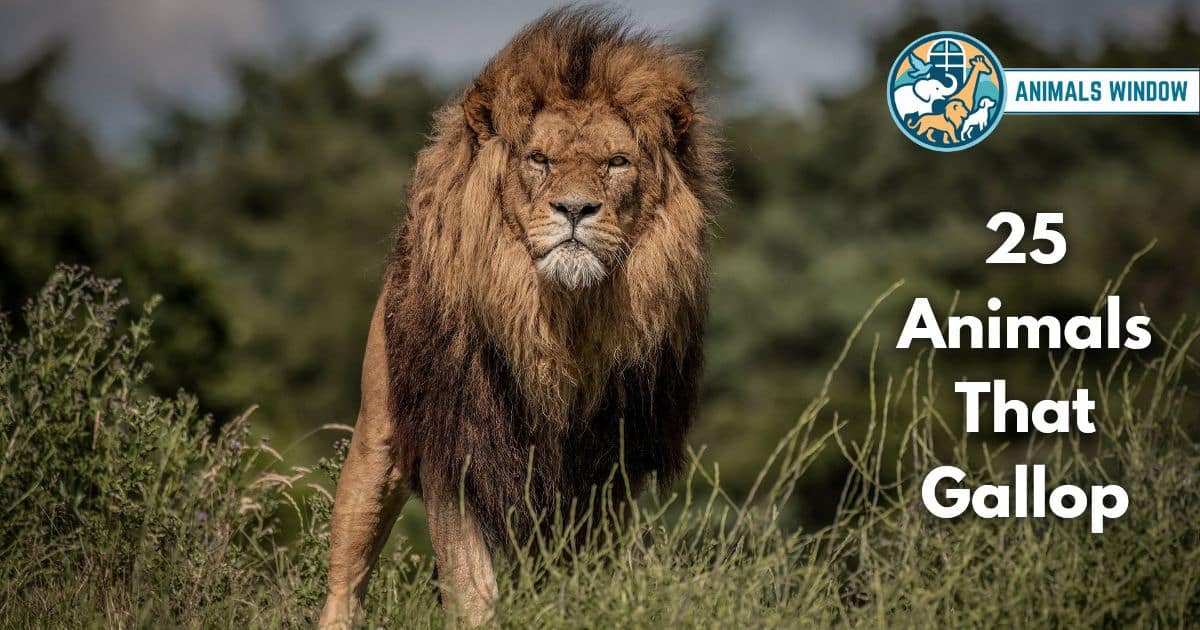
Animals that gallop include horses, cheetahs, zebras, lions, wolves, and even hippos. Galloping is a fast, bounding gait where all four feet leave the ground at once. Over 25 known animal species use some form of gallop, ranging from the cheetah’s record-breaking 70 mph sprint to the Australian freshwater crocodile’s surprising full-body lift off the ground.
Table of Contents
Quick Gallop Animals Table
| Animal Name | Scientific Name | Key Galloping Trait |
| Cheetah | Acinonyx jubatus | Rotary gallop; fastest land animal at 70 mph |
| Pronghorn | Antilocapra americana | Endurance gallop at 50 mph for miles |
| Springbok | Antidorcas marsupialis | Leaps vertically mid-gallop (pronking) |
| Blackbuck Antelope | Antilope cervicapra | Fastest galloper in Asia |
| Greyhound | Canis lupus familiaris | Double-suspension gallop; 45 mph |
| Grizzly Bear | Ursus arctos horribilis | Pigeon-toed gallop at 35 mph |
| Bison | Bison bison | Shoulder-powered thundering gallop |
| Hippopotamus | Hippopotamus amphibius | Gallops on land and along riverbeds |
| Giraffe | Giraffa camelopardalis | Rocking, same-side leg gallop |
| Wildebeest | Connochaetes taurinus | Mass high-speed migration gallop |
| Horse | Equus ferus caballus | Classic four-beat gallop rhythm |
| Zebra | Equus quagga | Zigzag gallop to confuse predators |
| Elk | Cervus canadensis | Powerful gallop through thick forest |
| Camel | Camelus dromedarius | Pacing gait that shifts to a full gallop |
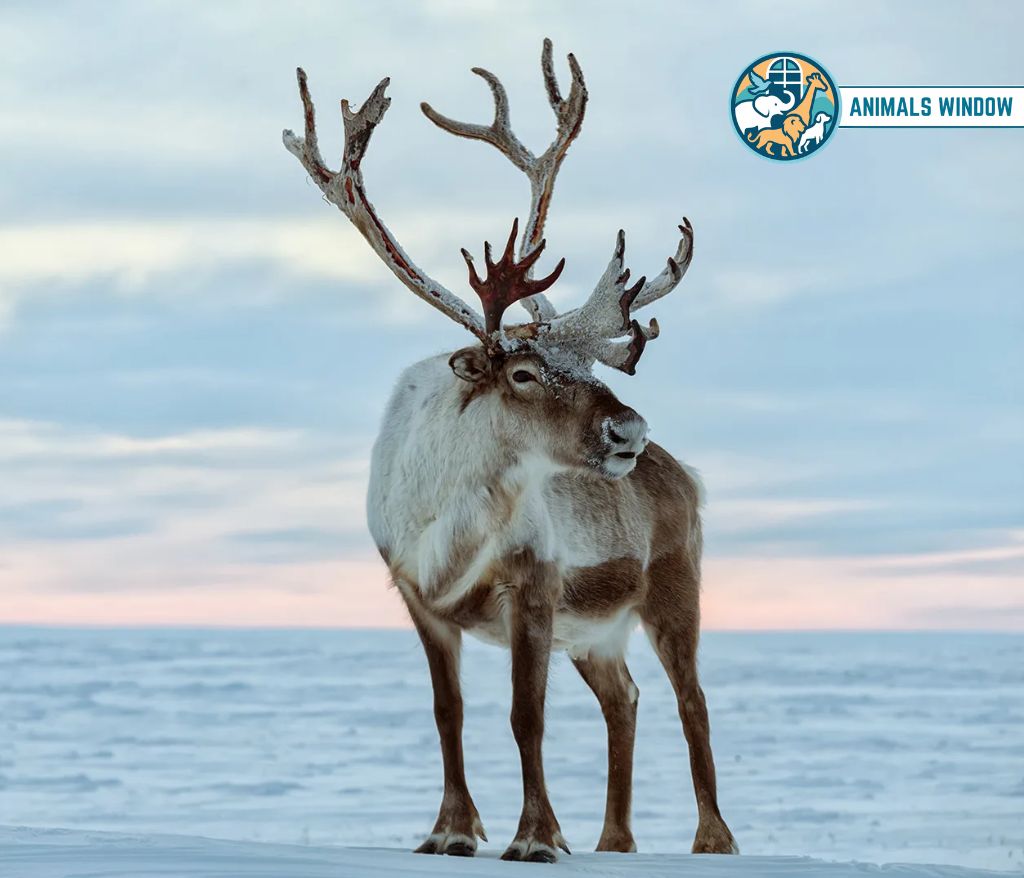
| Reindeer | Rangifer tarandus | Snowshoe hooves aid high-speed gallop |
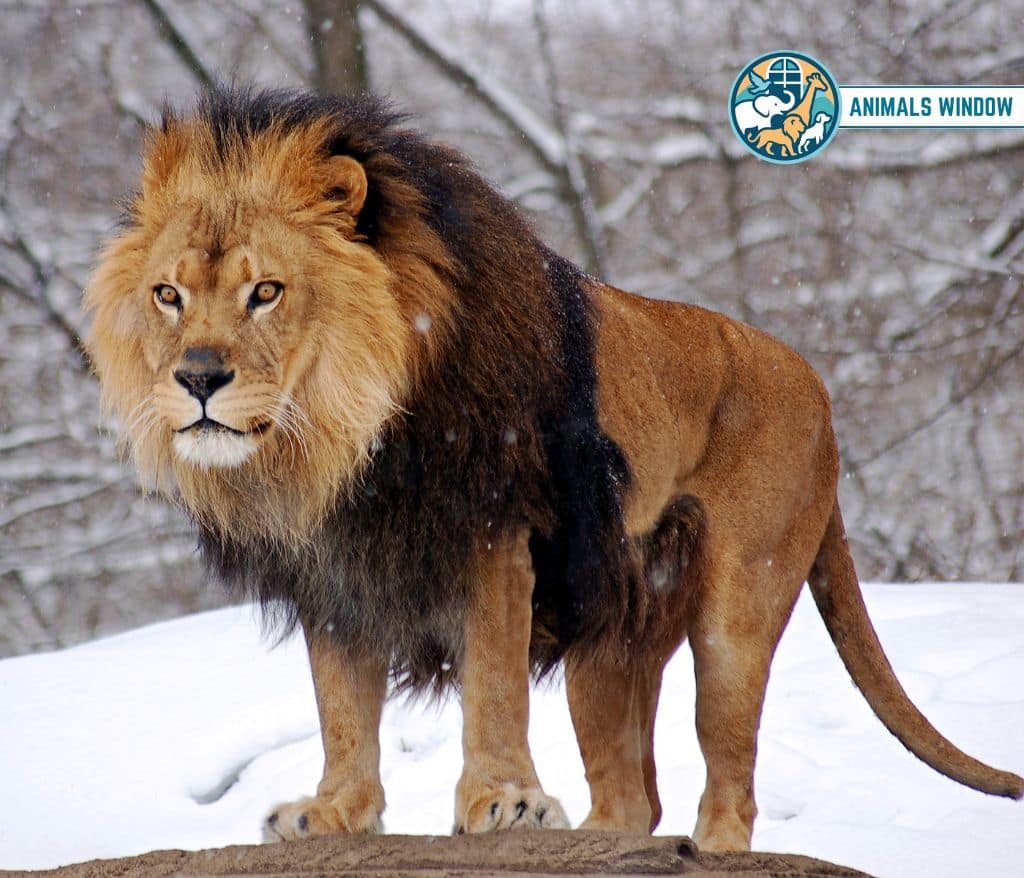
| Lion | Panthera leo | Explosive short-burst ambush gallop |
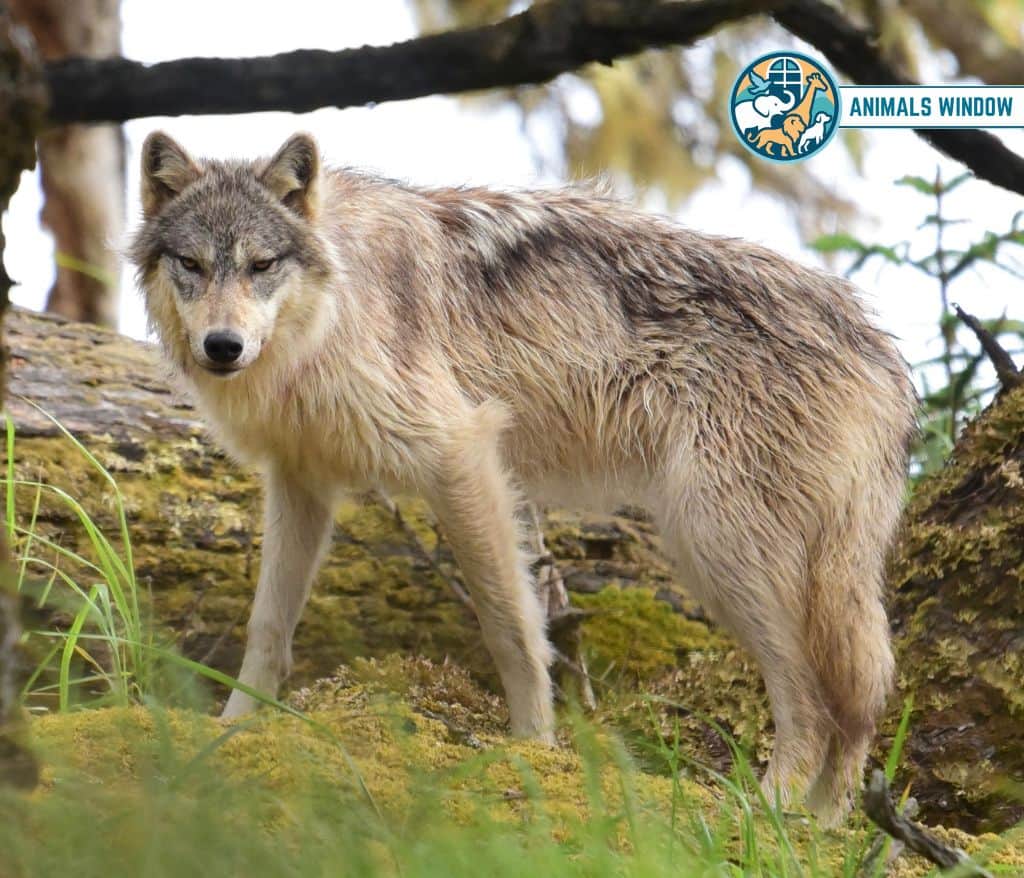
| Grey Wolf | Canis lupus | Long-distance endurance gallop in snow |
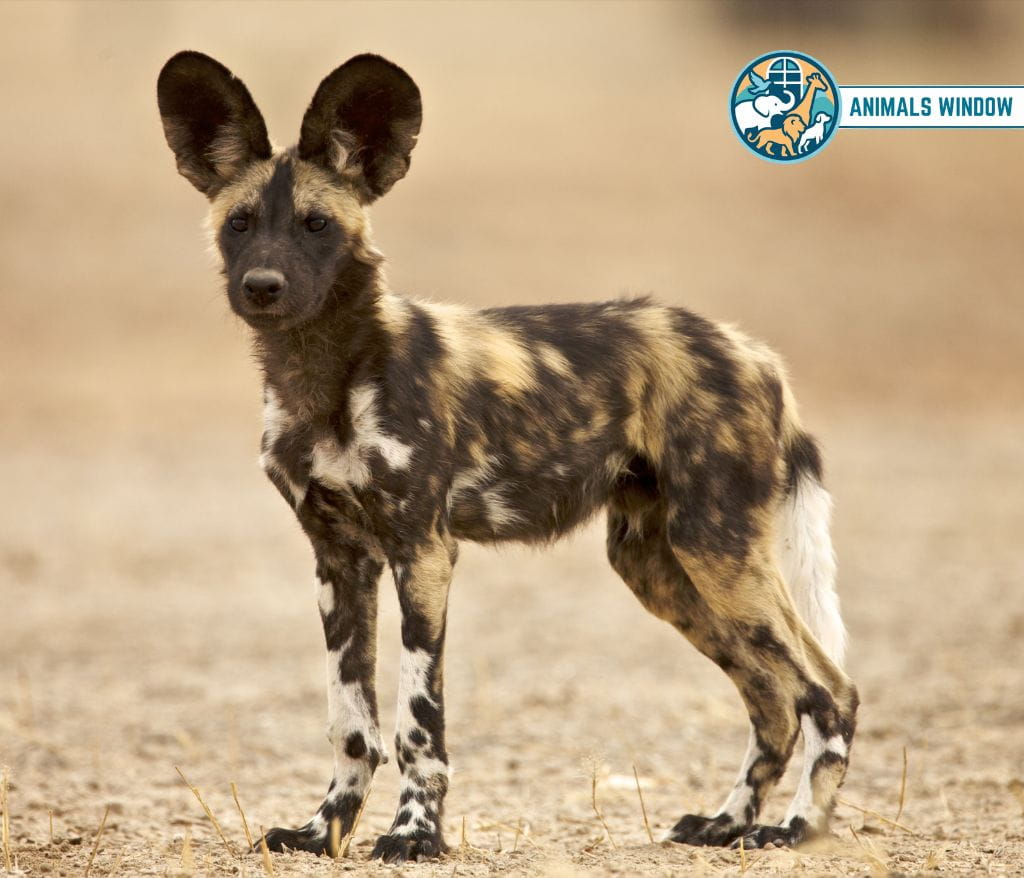
| African Wild Dog | Lycaon pictus | Team-based tireless pursuit gallop |
| Leopard | Panthera pardus | Low-profile, stealthy closing gallop |
| Coyote | Canis latrans | Adaptable 40 mph urban-to-wild gallop |
| Australian Freshwater Crocodile | Crocodylus johnstoni | Only large reptile with a true gallop |
| Warthog | Phacochoerus africanus | Tail-up antenna gallop |
| Jackrabbit | Lepus californicus | Zigzag anti-predator gallop |
| Red Fox | Vulpes vulpes | Light, bouncy gallop through dense brush |
| Impala | Aepyceros melampus | Most “airborne” galloper; leaps 10 feet high |
What You’ll Actually Learn Here
Most people know horses gallop. But did you know a hippo can gallop along the bottom of a river? Or that one reptile — just one — can lift its whole body and break into a true gallop? Or that a small rabbit can outmaneuver a hawk by galloping in sharp zigzags?
This list is not just about speed. It’s about the strange, brilliant ways animals use movement to survive. You’ll find out which animal bounces straight into the air while running, which one runs pigeon-toed at 35 mph, and which uses team coordination to run prey into exhaustion.
Let’s start with the fastest.
Most Incredible Animals That Gallop in the World
1. Cheetah
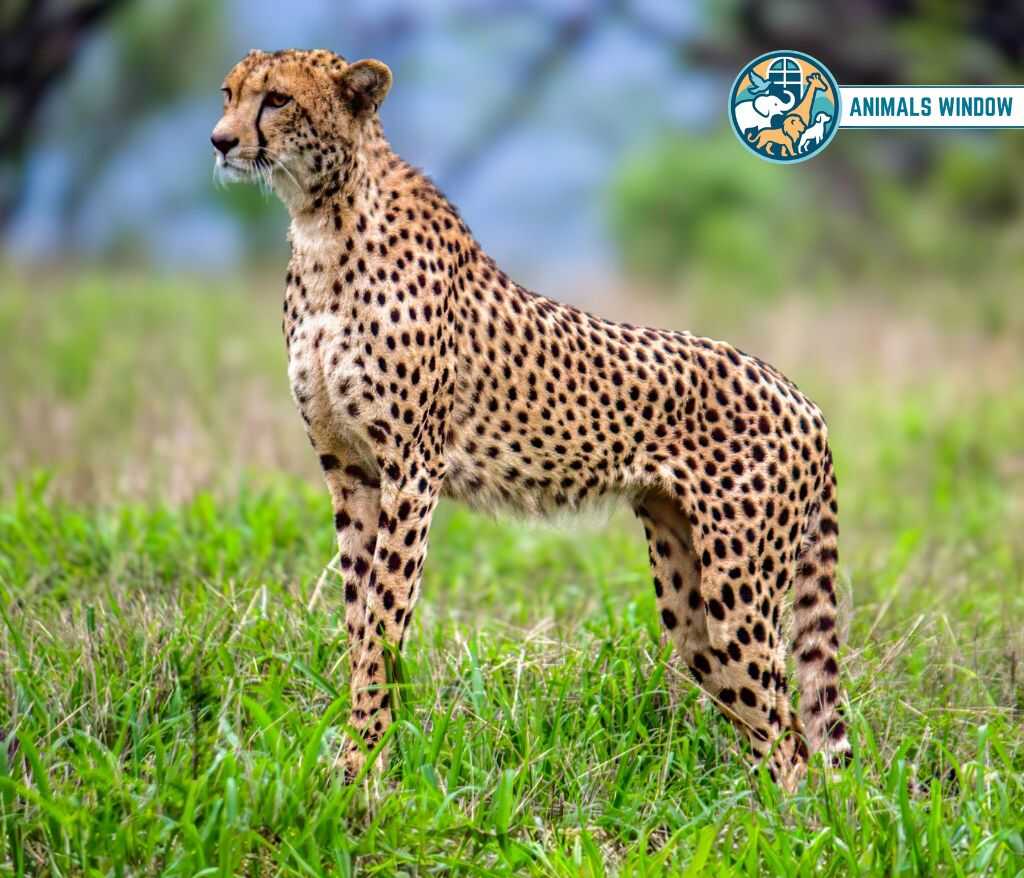
- Scientific Name: Acinonyx jubatus
- Size: 3.5–4.5 ft body length
- Weight: 77–143 lbs
- Diet: Carnivore (gazelles, impalas, hares)
- Habitat: African savanna and open grasslands
- Lifespan: 10–12 years in the wild
The cheetah is the fastest land animal on Earth. It lives across the open savannas of sub-Saharan Africa, and its entire body is built for one thing: speed. Lean frame, deep chest, flexible spine — nothing is wasted.
What makes the cheetah’s gallop special is its “rotary gallop.” Unlike most four-legged animals, the cheetah’s spine bends and snaps like a spring with every stride. At top speed, its feet touch the ground for just 0.11 seconds. Each stride covers 20–25 feet, and the cheetah can go from 0 to 60 mph in about three seconds.
🐆 Comparison Fact: A cheetah’s stride at full sprint is roughly the length of a full-size pickup truck — about 20 feet from one footfall to the next.
More Posts: 30 Most Energetic Animals (Ranked by Speed & Stamina With Pictures)
2. Pronghorn
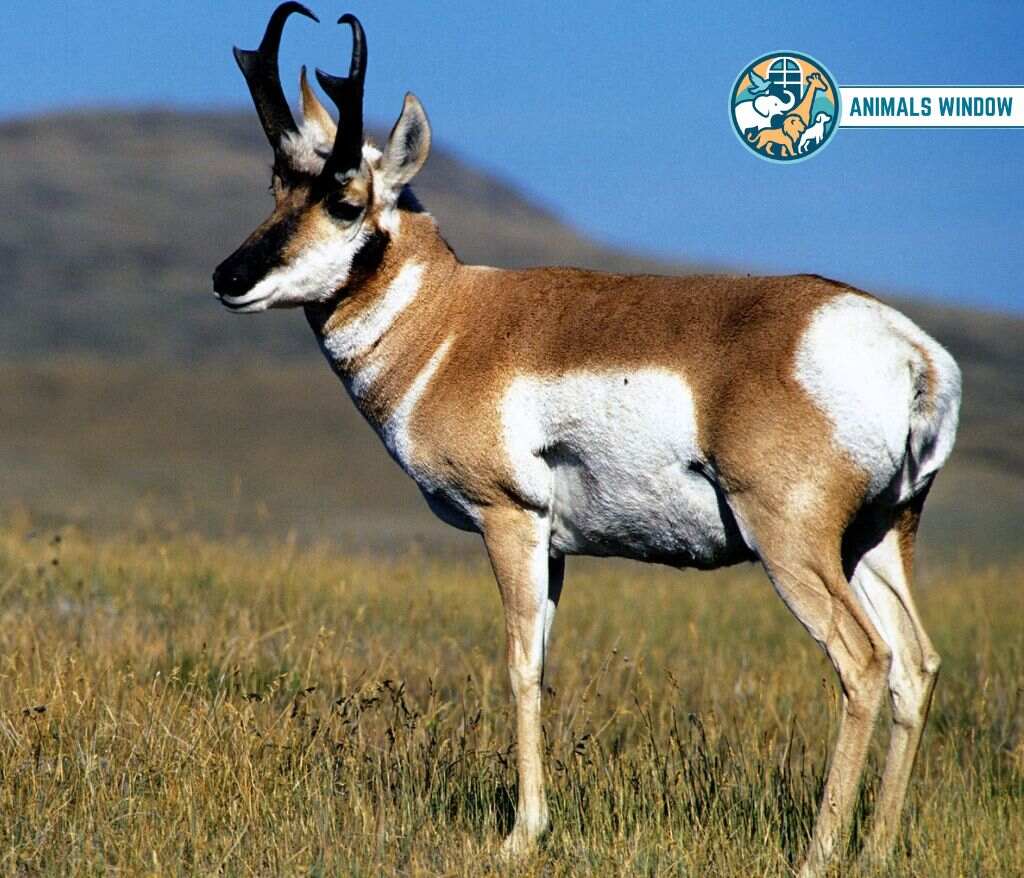
- Scientific Name: Antilocapra americana
- Size: 4–4.9 ft body length
- Weight: 90–150 lbs
- Diet: Herbivore (grasses, shrubs, cacti)
- Habitat: North American prairies and deserts
- Lifespan: 7–10 years
The pronghorn is not the fastest sprinter, but it might be the most impressive runner on this entire list. It lives across the wide-open grasslands of North America, and it evolved to outrun a now-extinct American cheetah. That predator is gone. The pronghorn’s speed is not.
It can hold 50 mph for several miles without stopping. Its windpipe, lungs, and heart are all dramatically oversized for its body, giving it an oxygen delivery system built for distance. While the cheetah tires after 300 meters, the pronghorn just keeps going.
🦌 Comparison Fact: A pronghorn’s trachea is roughly twice the diameter you’d expect for an animal its size — closer to what you’d find in a much larger elk.
3. Springbok
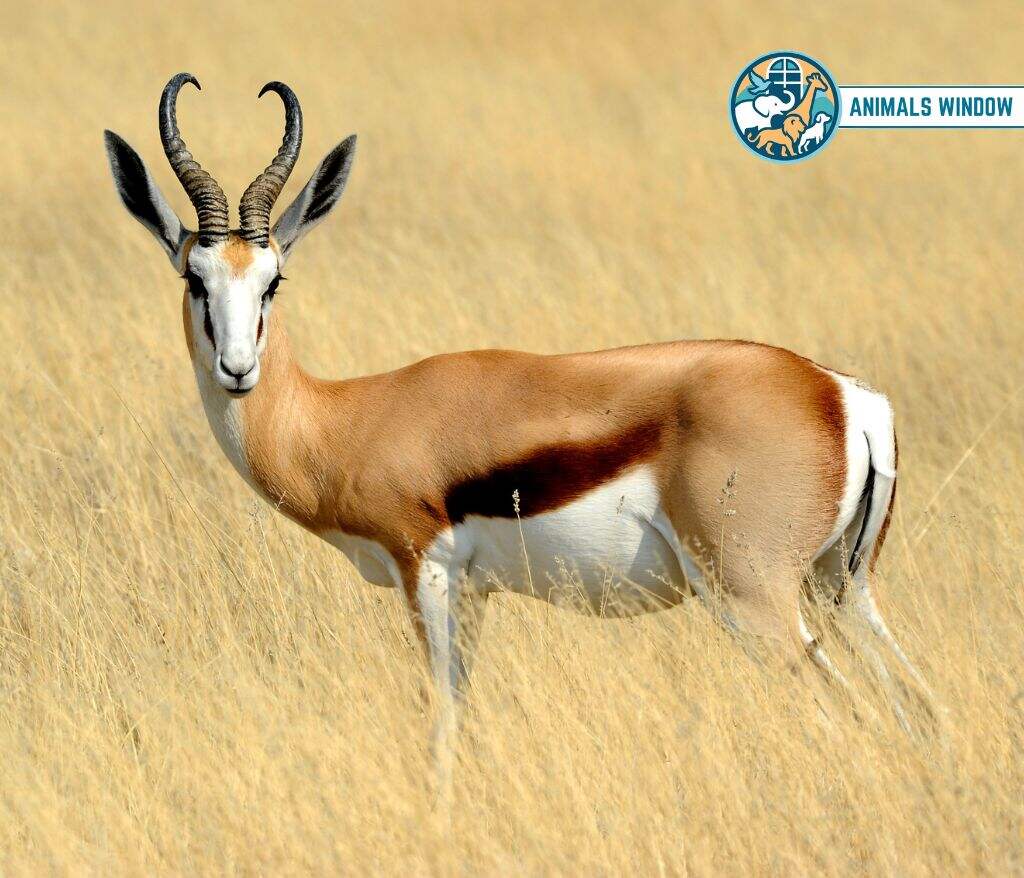
- Scientific Name: Antidorcas marsupialis
- Size: 2.6–3 ft at the shoulder
- Weight: 59–105 lbs
- Diet: Herbivore (grasses, leaves, succulents)
- Habitat: Southern African grasslands and semi-arid regions
- Lifespan: 7–9 years
The springbok is a mid-sized antelope found across Namibia, Botswana, and South Africa. It’s quick and agile, but what makes it truly stand out is something it does in the middle of a full sprint: it jumps straight up.
This behavior is called pronking (also called stotting). The springbok arches its back, drops its head, and leaps up to 6.5 feet into the air, mid-gallop. It does this repeatedly. Scientists believe this signals to predators that the springbok is fit and fast — essentially saying, “I’m not worth chasing.” It’s a moving fitness advertisement.
🦌 Comparison Fact: A pronking springbok rises about as high as a standard doorknob — mid-gallop, without slowing down.
4. Blackbuck Antelope
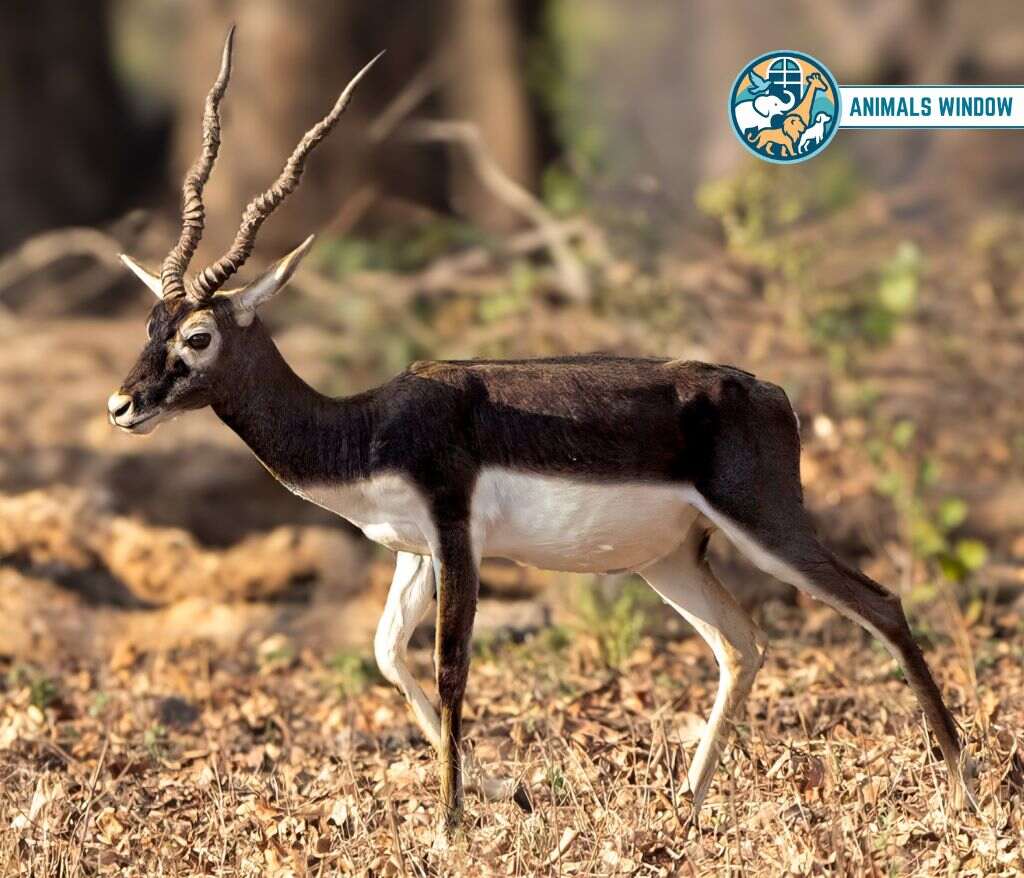
- Scientific Name: Antilope cervicapra
- Size: 2.3–2.6 ft at the shoulder
- Weight: 55–84 lbs
- Diet: Herbivore (grasses, pods, flowers)
- Habitat: Indian subcontinent grasslands
- Lifespan: 10–16 years
The blackbuck is one of the fastest animals in Asia. Found primarily on the plains of India, it can reach speeds of 50–55 mph in a straight sprint. Its long, slender legs are built for both speed and explosive leaping, and it can jump 6 feet high and 20 feet forward in a single bound.
What makes the blackbuck unique among gallopers is its stamina combined with sharp direction changes. Wolves and dogs hunting in packs often fail because the blackbuck doesn’t just run fast — it changes angles at speed with very little slowdown, making it nearly impossible to cut off.
🦌 Comparison Fact: A blackbuck weighs about as much as a medium-sized labrador retriever, but it can outrun a racehorse over short distances.
5. Greyhound
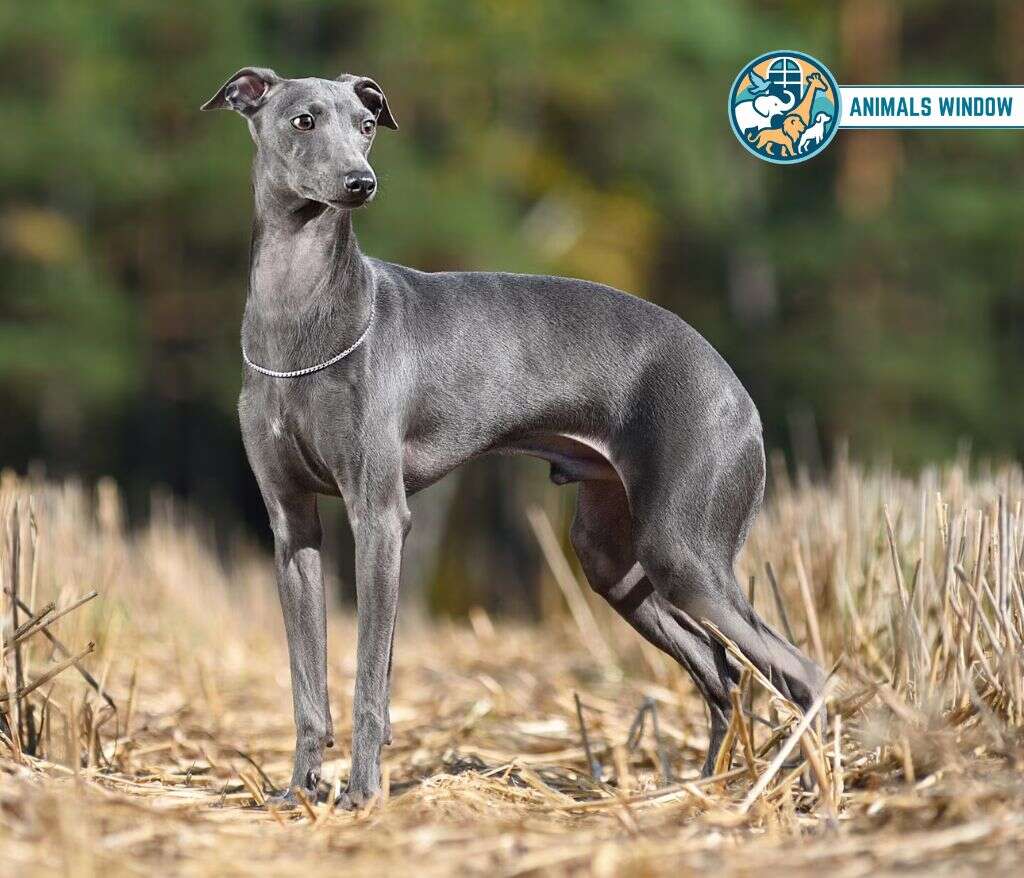
- Scientific Name: Canis lupus familiaris
- Size: 27–30 inches tall at the shoulder
- Weight: 60–88 lbs
- Diet: Carnivore (commercial dog food; ancestrally, small game)
- Habitat: Domestic; bred for open terrain
- Lifespan: 10–14 years
The greyhound is the fastest domestic dog. It uses a “double-suspension gallop,” meaning there are two moments in each stride where all four feet are completely off the ground — once when the body is fully extended and once when it is fully contracted. At top speed, a greyhound spends more time in the air than on the ground.
This gait lets it hit 45 mph from a standing start in just a few strides. The greyhound’s narrow, deep chest houses an unusually large heart. At rest, its heart beats about 40 times per minute. During a race, that jumps to 300.
🐕 Comparison Fact: A racing greyhound’s heart is nearly twice the size, relative to body weight, of a normal dog its size.
6. Grizzly Bear
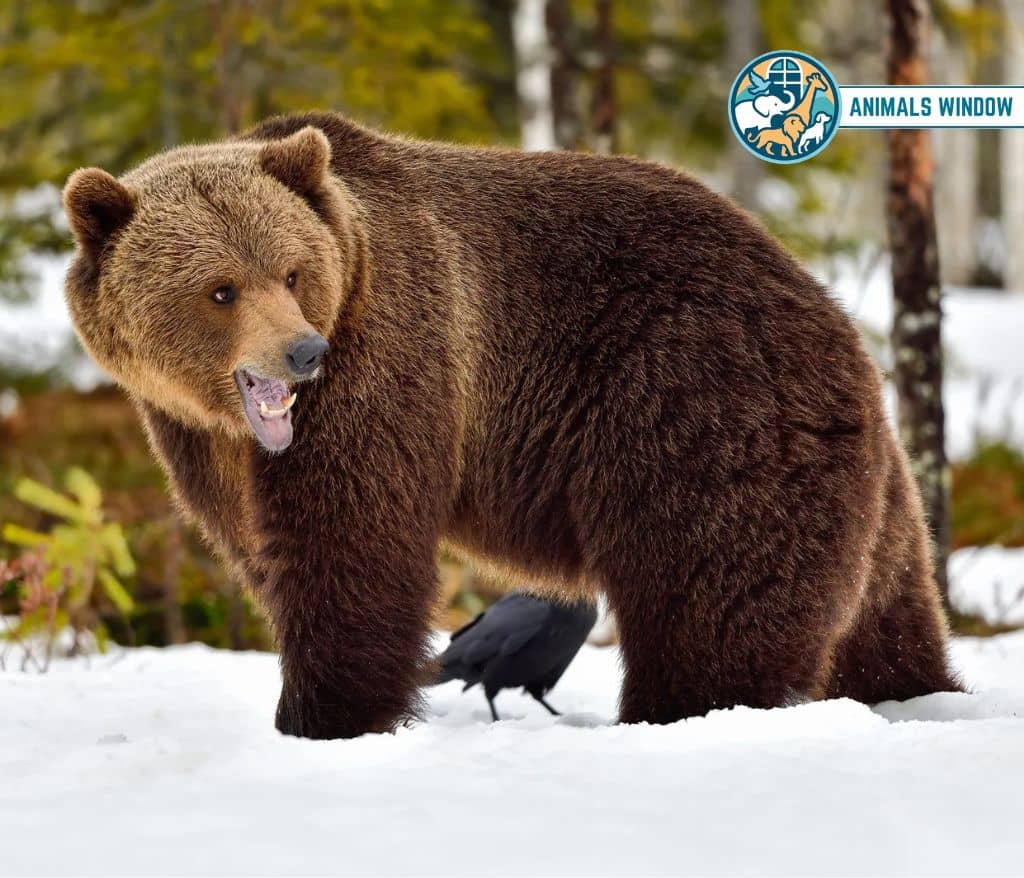
- Scientific Name: Ursus arctos horribilis
- Size: 3.3–4.9 ft at the shoulder
- Weight: 400–790 lbs
- Diet: Omnivore (fish, berries, roots, mammals)
- Habitat: North American forests and mountain regions
- Lifespan: 20–25 years
Most people don’t think of bears as gallopers. But a grizzly bear can hit 35 mph, and it does so with a surprising gait. Because of its broad, heavy frame, the grizzly runs slightly pigeon-toed — its front paws turn inward as it gallops. This actually helps it channel power from its enormous shoulder muscles through its legs more efficiently.
Here’s the alarming part: a grizzly can sustain that speed for over 2 miles. On flat ground, a fit human runs about 12–15 mph. A grizzly galloping at 35 mph covers the length of a football field in about 6 seconds.
🐻 Comparison Fact: At 35 mph, a grizzly bear is moving faster than the top speed of the average recreational bicycle.
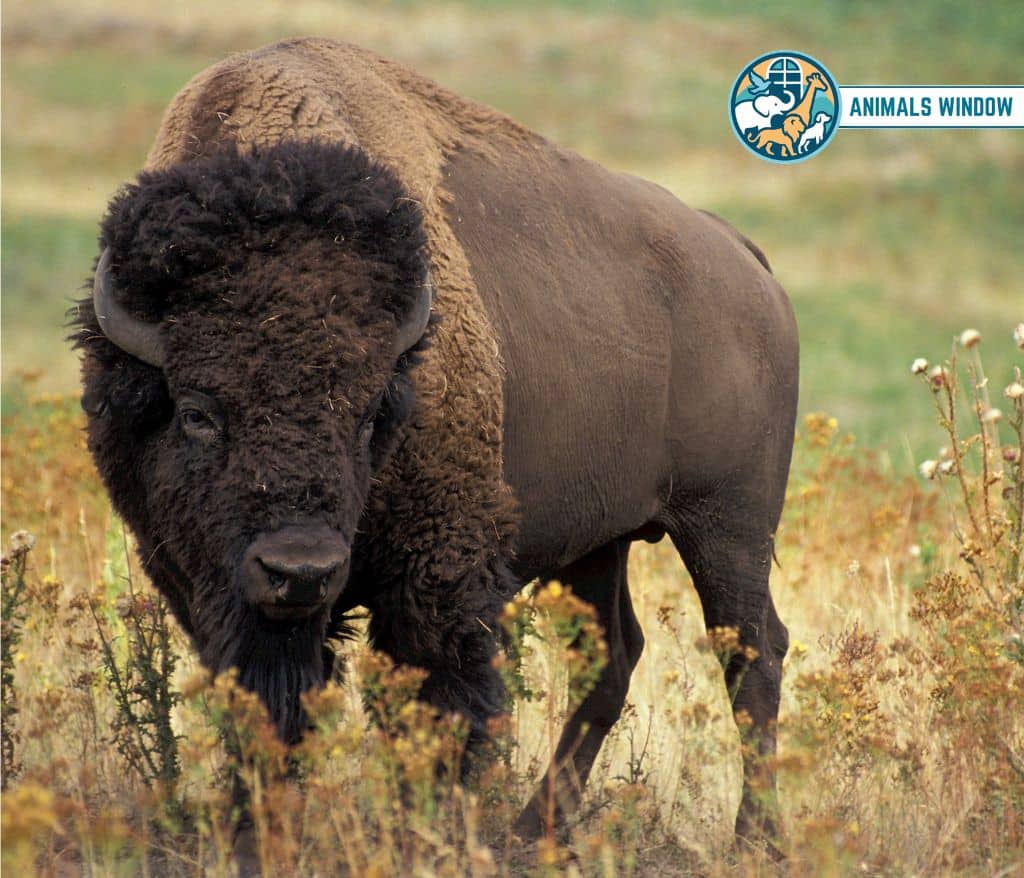
7. Bison
- Scientific Name: Bison bison
- Size: 5–6 ft at the shoulder
- Weight: 700–2,200 lbs
- Diet: Herbivore (grasses, sedges, herbs)
- Habitat: North American grasslands
- Lifespan: 10–20 years
The bison is the heaviest land animal in North America, and it gallops. At first glance, that seems impossible. But bison are built differently from most heavy animals. Their massive shoulder hump is not fat — it’s a collection of thick muscles attached to especially long vertebral spines. These muscles drive the front legs forward with tremendous power.
A full-grown bison can reach 35 mph. When a herd gallops together, the sound and vibration of their hooves is often described as a rolling thunder — felt before it’s heard. The phrase “thundering herd” comes directly from this.
🐂 Comparison Fact: A bison weighs as much as a compact car. Seeing one sprint at 35 mph is not something most people expect.
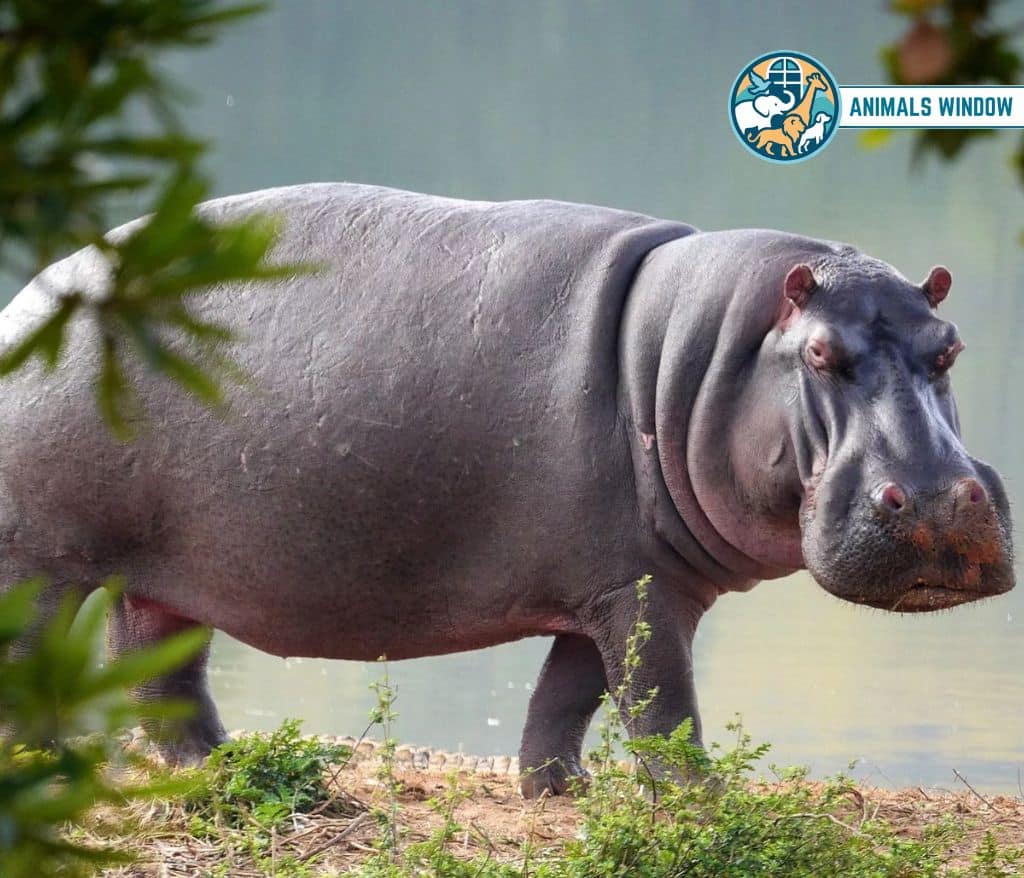
8. Hippopotamus
- Scientific Name: Hippopotamus amphibius
- Size: 4.5–5.5 ft at the shoulder
- Weight: 2,900–4,000 lbs
- Diet: Herbivore (grasses, mostly at night)
- Habitat: Sub-Saharan African rivers and lakes
- Lifespan: 40–50 years
The hippo is one of the most surprising entries on this list. Most people picture it floating in water. But on land, the hippo can gallop at 19–20 mph for short distances. What’s even more strange: underwater, it pushes off the riverbed in a slow, bounding gallop — essentially galloping in slow motion along the bottom.
The hippo’s gallop uses a rise-and-fall pattern where all four feet briefly leave the ground simultaneously. It’s a true gallop by biomechanical definition. Given that an adult hippo weighs over 3,000 lbs, this is one of the most jaw-dropping athletic feats in the animal kingdom.
🦛 Comparison Fact: A hippo outweighs a Nissan Pickup truck and can still outrun most humans in a straight sprint.
More Post: Top 32 Quiet Animals (With Pictures and Unique Facts)
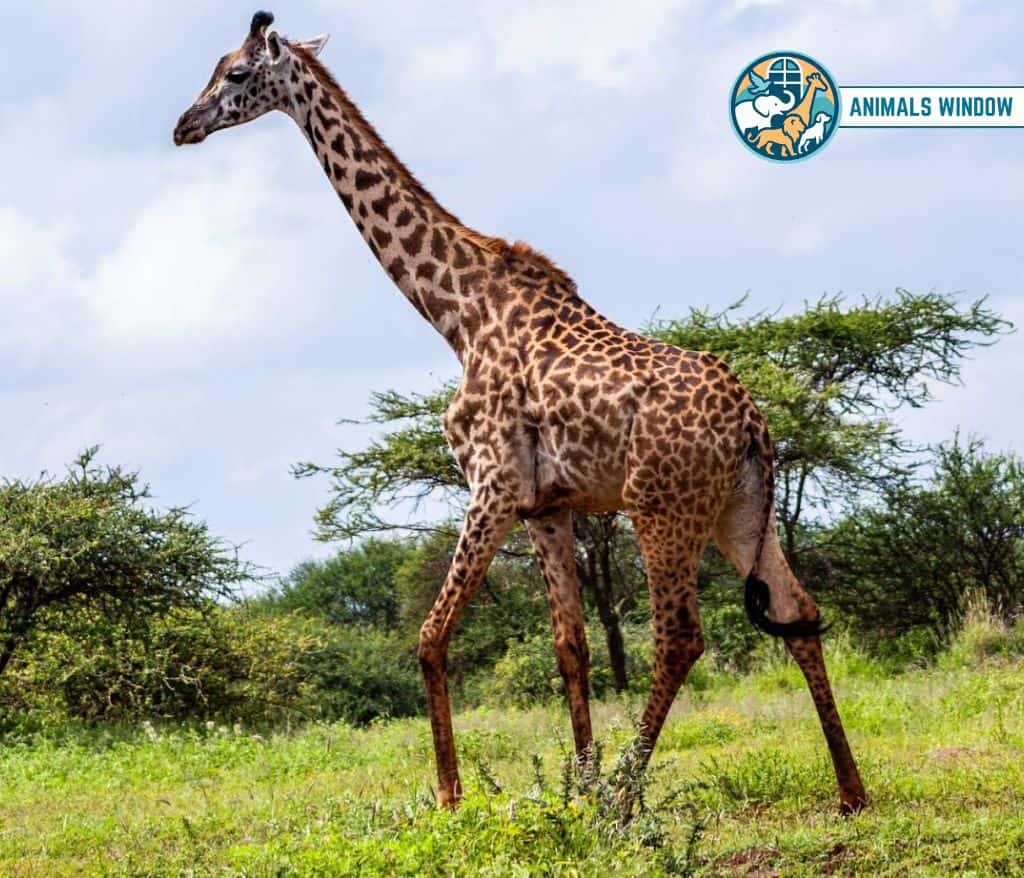
9. Giraffe
- Scientific Name: Giraffa camelopardalis
- Size: 14–19 ft tall
- Weight: 1,750–2,800 lbs
- Diet: Herbivore (leaves, especially acacia)
- Habitat: African savanna and open woodland
- Lifespan: 20–25 years
The giraffe’s gallop is one of the strangest sights in nature. Because of its massive neck and disproportionately long legs, it can’t just run the way other animals do. Instead, it uses a pacing gallop — both legs on the same side swing forward together. The neck swings forward and back like a pendulum to help balance.
Despite looking slow and awkward, a galloping giraffe covers enormous ground. It can reach 35 mph. Each stride is nearly 15 feet long. Lions only attempt to hunt giraffes when the giraffe is drinking — because getting a giraffe to speed is nearly impossible once it starts moving.
🦒 Comparison Fact: A single giraffe stride covers roughly the width of a one-car garage — about 15 feet.
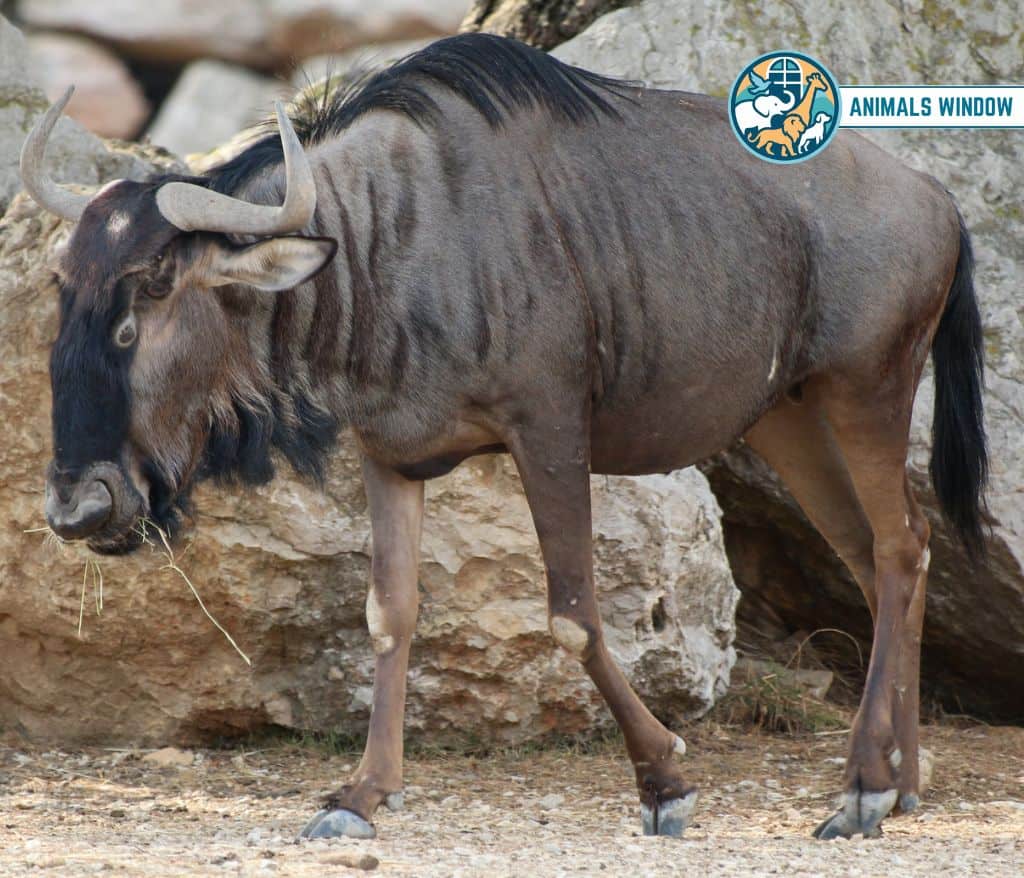
10. Wildebeest
- Scientific Name: Connochaetes taurinus
- Size: 4.5 ft at the shoulder
- Weight: 260–600 lbs
- Diet: Herbivore (grasses)
- Habitat: East African savanna
- Lifespan: 20 years
The wildebeest is famous for the Great Migration — 1.5 million animals moving across the Serengeti and Masai Mara in a giant loop, every year. During parts of this migration, the herd breaks into sustained gallops to cross rivers, escape predators, or simply keep pace with the group.
A wildebeest in full gallop hits about 50 mph, but the real power of their gallop is collective. Running in a group creates a dust cloud that disorients predators. The sheer number of moving bodies makes it nearly impossible for a lion or cheetah to single out one individual.
🐃 Comparison Fact: During the migration, 1.5 million wildebeest moving at once create so much seismic vibration that it can be detected by ground sensors several miles away.
11. Horse
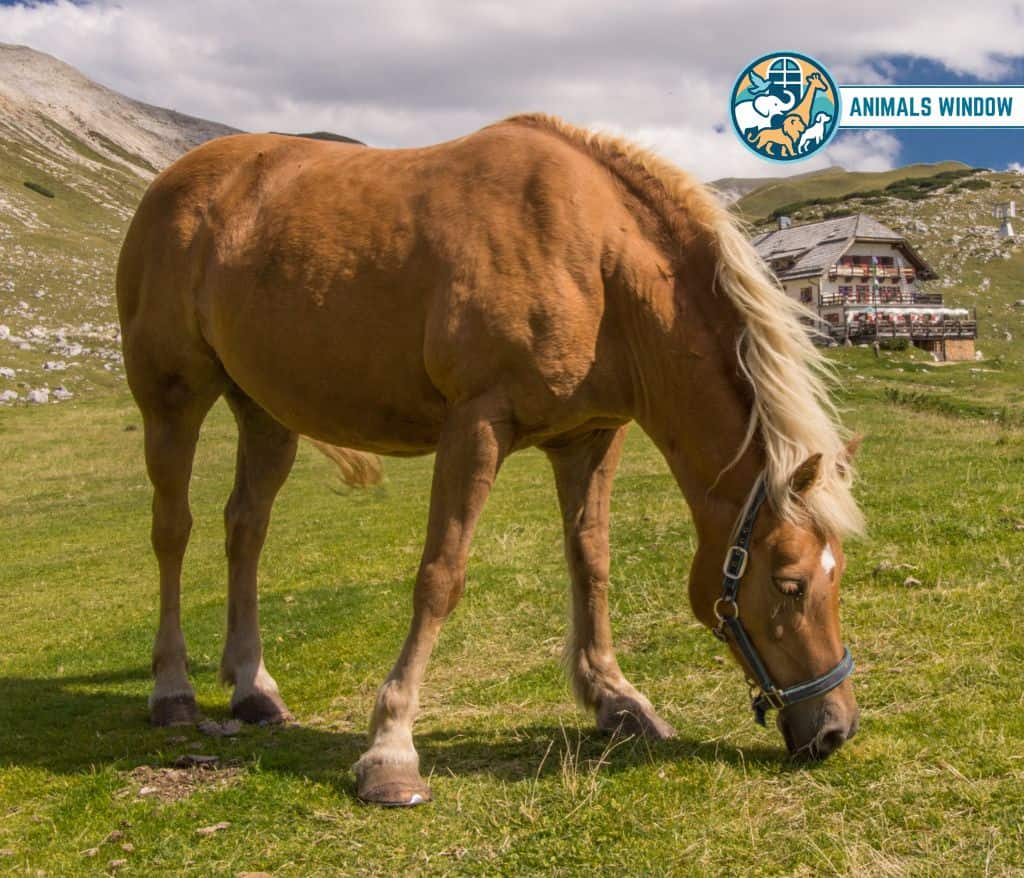
- Scientific Name: Equus ferus caballus
- Size: 4.7–6 ft at the shoulder
- Weight: 900–2,200 lbs
- Diet: Herbivore (grasses, hay, grains)
- Habitat: Domesticated worldwide; wild in grasslands
- Lifespan: 25–30 years
The horse has been the most studied galloper in history. Its gallop is a four-beat asymmetric gait, meaning each foot hits the ground at a slightly different time. The sequence — one hind, other hind, one front, other front — creates a 1-2-3-4 rhythm that is distinct from the trot or canter.
Eadweard Muybridge famously settled an 1872 bet by photographing a horse mid-gallop and proving all four feet do leave the ground at once. Thoroughbred racehorses now hit 44 mph. Arabian horses are bred less for speed and more for endurance, capable of galloping at moderate speed for 100 miles in a single race.
🐎 Comparison Fact: A thoroughbred racehorse’s stride at top speed is about 22–25 feet long — almost the length of a standard school bus.
12. Zebra
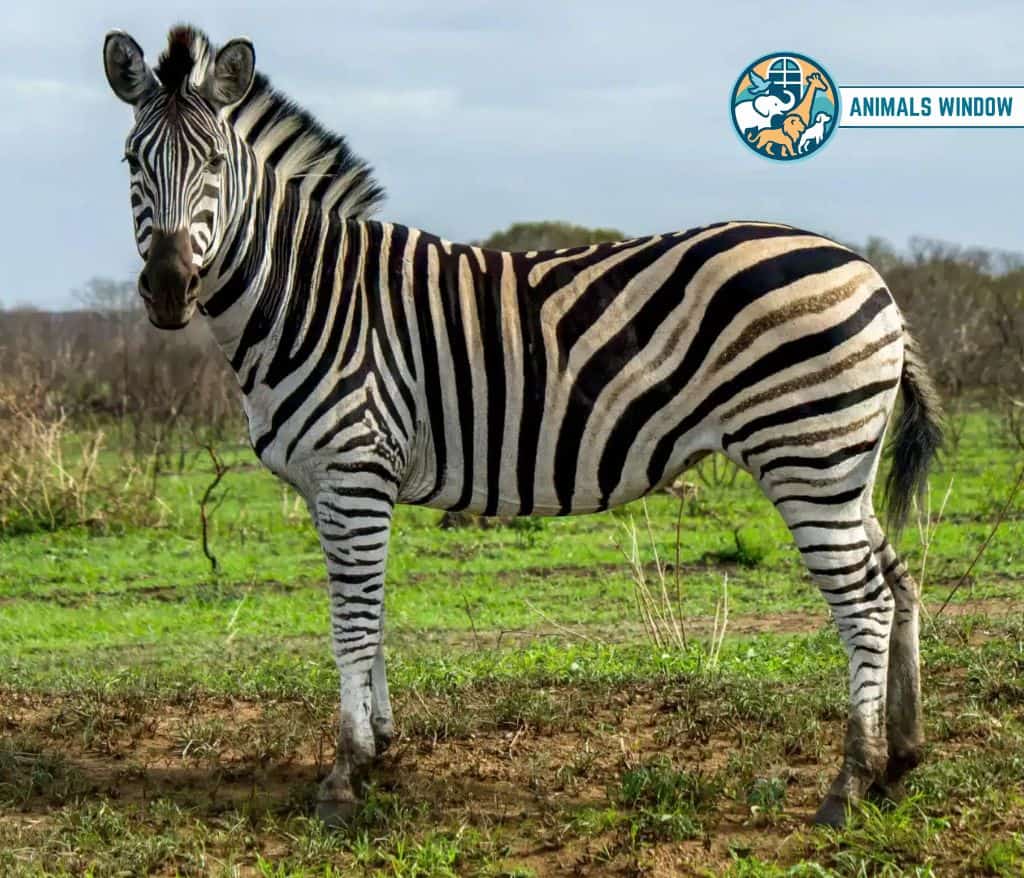
- Scientific Name: Equus quagga
- Size: 4–5 ft at the shoulder
- Weight: 440–990 lbs
- Diet: Herbivore (grasses, leaves, bark)
- Habitat: East and Southern African grasslands
- Lifespan: 20–25 years
Zebras are close relatives of horses and use a similar four-beat gallop. But the reason they gallop is very different. A zebra doesn’t run in a straight line when fleeing predators. It gallops in sharp, unpredictable zigzags — side to side — making it extremely hard for a cheetah or wild dog to lock onto one individual.
But here’s the visual trick: when a herd of zebras is galloping, their stripes visually blur together. Research shows this creates a “motion dazzle” effect — it’s genuinely hard for a predator to pick out a single zebra because the moving stripes make the whole group look like one shifting, pulsing object.
🦓 Comparison Fact: Studies using computer models showed that zebra stripe patterns reduce the ability of predators to track a single animal by roughly 20–30% compared to a plain-colored animal.
13. Elk
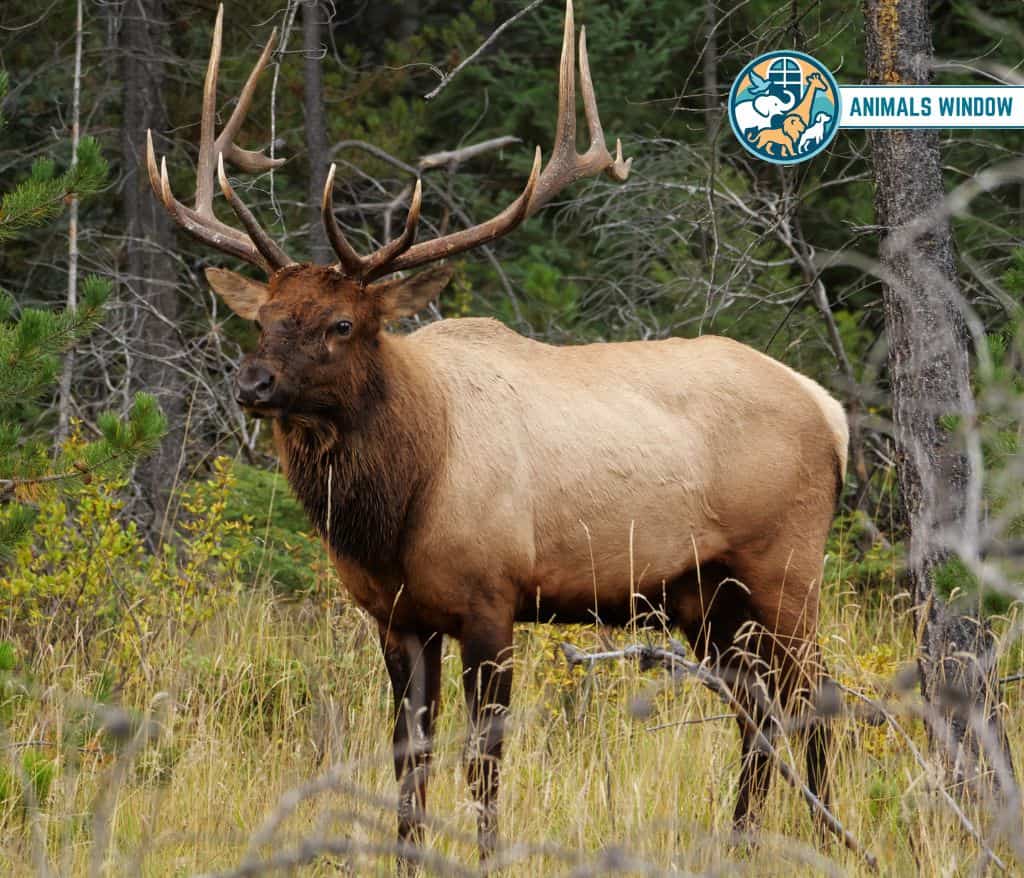
- Scientific Name: Cervus canadensis
- Size: 4.5–5 ft at the shoulder
- Weight: 500–1,000 lbs
- Diet: Herbivore (grasses, sedges, bark)
- Habitat: North American forests and mountain meadows
- Lifespan: 10–13 years
Elk are powerful forest runners. Unlike open-ground animals like the pronghorn or cheetah, elk gallop through thick timber — dodging trees, jumping fallen logs, navigating dense understory brush. Their legs are built for power and impact absorption, not just flat-ground speed.
An elk can hit 45 mph in open terrain. What’s more impressive is its agility at speed in the forest. During the rut, a bull elk carrying up to 40 lbs of antlers will still gallop through tight timber at full pace to chase rivals or respond to a bugle call. The antlers don’t seem to slow it down at all.
🦌 Comparison Fact: A mature bull elk’s antlers can weigh 40 lbs and span 5 feet — roughly the weight of a medium-sized carry-on suitcase balanced on its head while sprinting.
14. Camel
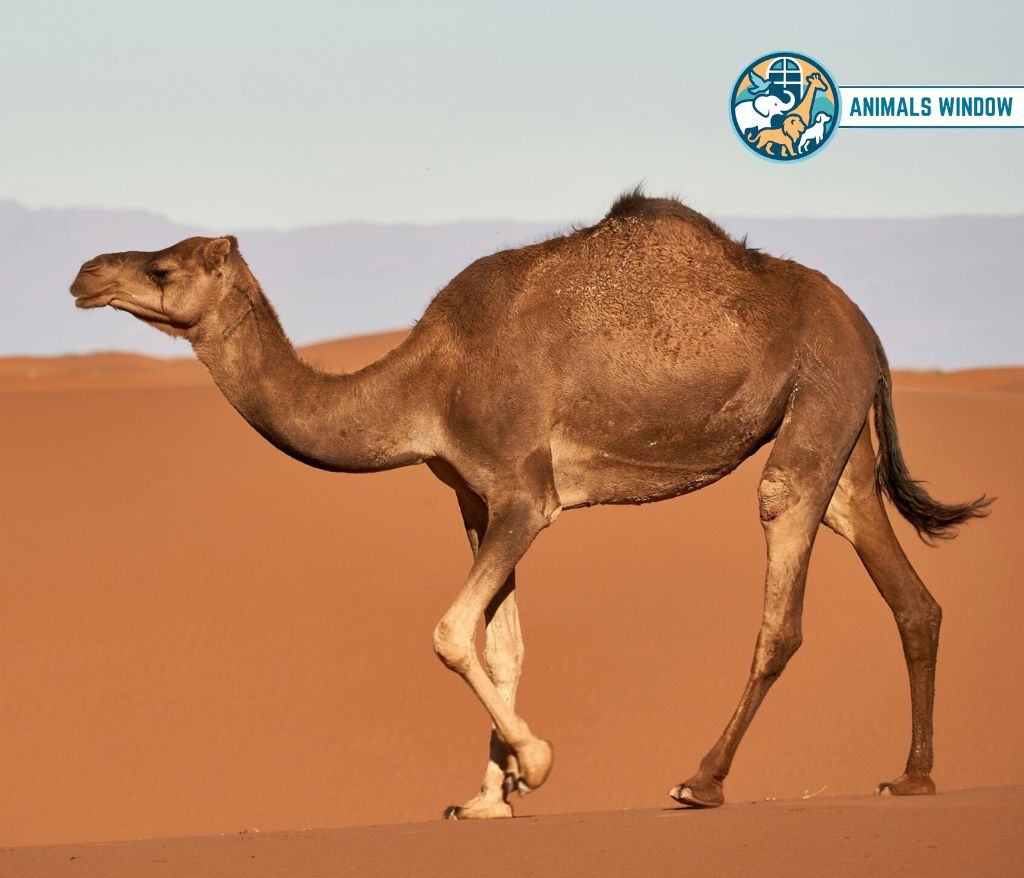
- Scientific Name: Camelus dromedarius
- Size: 5.9–6.6 ft at the shoulder
- Weight: 880–1,320 lbs
- Diet: Herbivore (thorny plants, dry grasses)
- Habitat: Desert regions of Africa and the Middle East
- Lifespan: 40–50 years
The camel’s movement is unusual at slow speeds. It uses a “pace” — meaning both legs on the same side move forward together — which gives it that distinctive rocking side-to-side sway. But when a camel shifts into a full gallop, this gait changes completely, and the legs begin working in a diagonal pattern similar to other large animals.
A racing camel can hit 40 mph and sustain 25 mph for up to an hour. In traditional camel racing, they cover a 4-mile course in about 17–18 minutes. The neck acts as a counterbalance during the gallop, swinging forward to help shift weight off the hind legs as they drive.
🐪 Comparison Fact: A racing camel covers the same 4-mile distance as a professional horse race in roughly the same time as a solid amateur distance runner — except at 25 mph.
15. Reindeer (Caribou)
- Scientific Name: Rangifer tarandus
- Size: 4–5 ft at the shoulder
- Weight: 240–700 lbs
- Diet: Herbivore (lichen, mosses, grasses)
- Habitat: Arctic tundra, boreal forest
- Lifespan: 15–20 years
Reindeer (called caribou in North America) are built for movement across snow and ice. Their hooves are wide, concave, and fringed with stiff hairs — essentially built-in snowshoes that distribute weight over soft snow. These same hooves dig into icy terrain for traction during a gallop.
At full speed, a reindeer hits about 50 mph. What’s remarkable is that reindeer make a loud clicking sound as they walk or run. This comes from a tendon in their foot snapping over a bone — the sound helps herd members find each other in blizzard conditions when visibility drops to zero.
🦌 Comparison Fact: A reindeer’s hoof click can be heard from 300 feet away in calm conditions — even when it’s moving silently through deep snow.
16. Lion
- Scientific Name: Panthera leo
- Size: 4–6 ft body length
- Weight: 264–550 lbs
- Diet: Carnivore (wildebeest, zebra, buffalo)
- Habitat: African savanna, grasslands, open woodland
- Lifespan: 12–16 years in the wild
Lions are not distance runners. They are ambush specialists. A lion uses a gallop only during the final explosive burst of a hunt — the last 100 to 200 meters before a kill. They creep close first, using cover, then launch into a short, high-acceleration sprint.
A lion can hit 50 mph in that burst. But it can only sustain it for about 300 meters before overheating. Because of this, lions typically hunt in groups — one lioness flushes the prey, others are already positioned ahead to cut it off. The gallop is a finishing move, not an opening one.
🦁 Comparison Fact: A lion’s burst acceleration from standstill to 50 mph takes under 4 seconds — faster than most sports cars.
17. Grey Wolf
- Scientific Name: Canis lupus
- Size: 3–5 ft body length
- Weight: 55–130 lbs
- Diet: Carnivore (deer, elk, moose, small mammals)
- Habitat: Northern forests, tundra, mountains
- Lifespan: 6–8 years in the wild
The grey wolf is the opposite of the lion. It doesn’t ambush. It tracks. A pack of wolves will gallop in shifts at 25–35 mph through deep snow for hours, wearing down prey over many miles. The wolves take turns leading, each one drafting slightly behind the one ahead to conserve energy — similar to cyclists drafting in a race.
The grey wolf’s paws are large and slightly webbed, which spreads their weight across soft snow. Their legs are long relative to body weight. Over long distances through winter terrain, no land predator can match a wolf pack’s combined endurance.
🐺 Comparison Fact: A wolf pack pursuing elk has been documented covering 30+ miles in a single hunt, maintaining gallop speeds between 25 and 35 mph for extended stretches.
18. African Wild Dog
- Scientific Name: Lycaon pictus
- Size: 2.5–3 ft at the shoulder
- Weight: 44–70 lbs
- Diet: Carnivore (impalas, wildebeest calves, warthogs)
- Habitat: African savanna and open woodland
- Lifespan: 10–12 years
The African wild dog has one of the highest hunting success rates of any predator on Earth — around 70–80%. A lion manages about 25–30%. The reason is teamwork and tireless galloping. A pack will pursue prey at 35–40 mph, constantly communicating and rotating leaders. They don’t stop.
Their gallop is not the fastest. What’s deadly is that it doesn’t quit. Wild dogs have been recorded chasing prey for 2–3 miles at a constant pace. Most prey animals can sprint faster but can’t hold that speed — and eventually, the wild dogs are still running while the prey slows.
🐶 Comparison Fact: In an African wild dog hunt, the prey runs out of energy an average of 2 miles from where the chase began — and the dogs are still accelerating.
19. Leopard
- Scientific Name: Panthera pardus
- Size: 3.5–5 ft body length
- Weight: 66–176 lbs
- Diet: Carnivore (deer, monkeys, rodents, birds)
- Habitat: Sub-Saharan Africa, South Asia, Southeast Asia
- Lifespan: 12–17 years in the wild
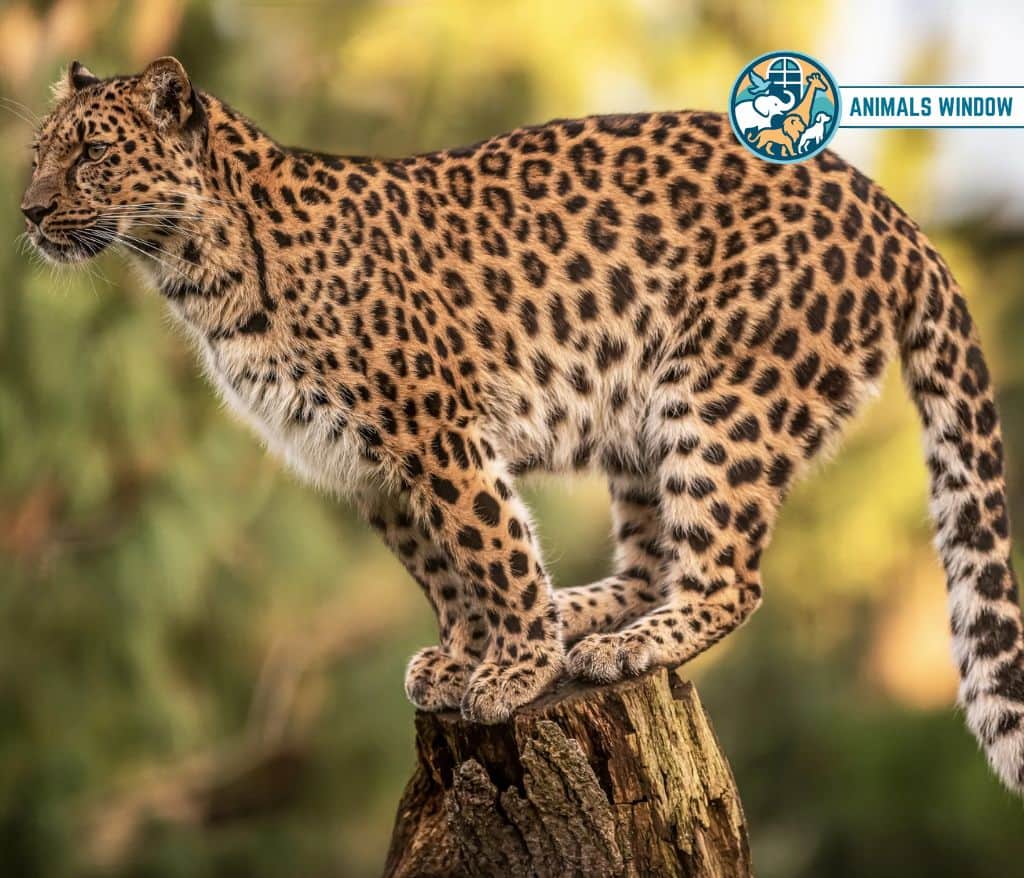
The leopard’s gallop is built around stealth, not straight-line speed. It can reach 36–37 mph, but its real skill is staying low and quiet during the gallop approach. A leopard flattens its profile, keeping its belly close to the ground, and closes the distance with its prey before the prey even knows it’s being hunted.
After a kill, the leopard carries the carcass up a tree to protect it from lions and hyenas. A leopard has been documented carrying prey twice its own body weight 15 feet up a vertical tree. The same muscles powering the gallop are used for this feat.
🐆 Comparison Fact: A leopard can carry prey heavier than itself up a vertical tree — a strength-to-weight ratio that outperforms most construction cranes, pound for pound.
20. Coyote
- Scientific Name: Canis latrans
- Size: 2.5–3.5 ft body length
- Weight: 20–50 lbs
- Diet: Omnivore (rabbits, rodents, fruit, insects, carrion)
- Habitat: Across North America, from deserts to suburbs
- Lifespan: 6–8 years in the wild
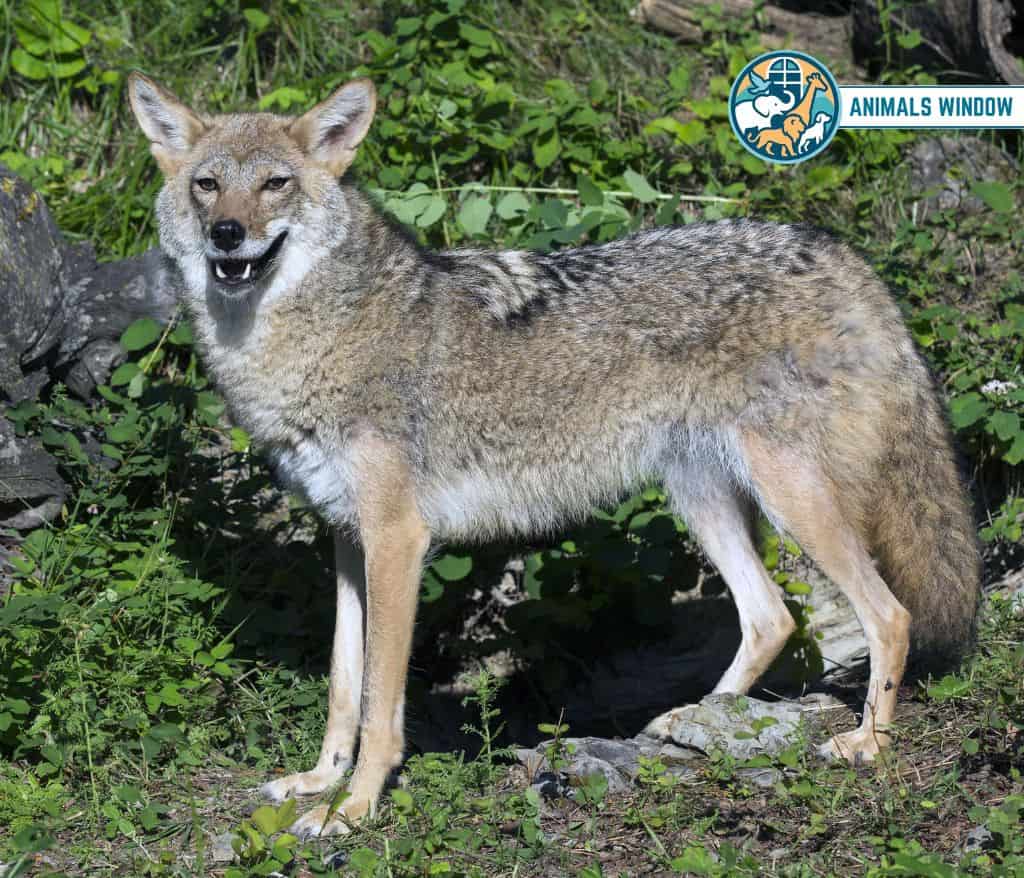
The coyote is perhaps the most adaptable galloper on this list. It lives everywhere — deep wilderness, farmland, and city suburbs. Its gallop hits 40 mph, and it adjusts technique depending on terrain. In open areas, it runs with a long, efficient stride. In dense brush, it uses shorter, tighter strides with more direction changes.
Coyotes have been studied running alongside highways and using overpasses to cross roads at night. Their gallop in urban areas is often described by wildlife cameras as remarkably quiet — almost silent footfalls on pavement.
🐺 Comparison Fact: A coyote at 40 mph is faster than every dog breed except the greyhound and some sighthound breeds — despite weighing roughly the same as a cocker spaniel.
21. Australian Freshwater Crocodile
- Scientific Name: Crocodylus johnstoni
- Size: 6–10 ft body length
- Weight: 130–200 lbs
- Diet: Carnivore (fish, birds, small mammals, insects)
- Habitat: Freshwater rivers and lakes of northern Australia
- Lifespan: 50–70 years
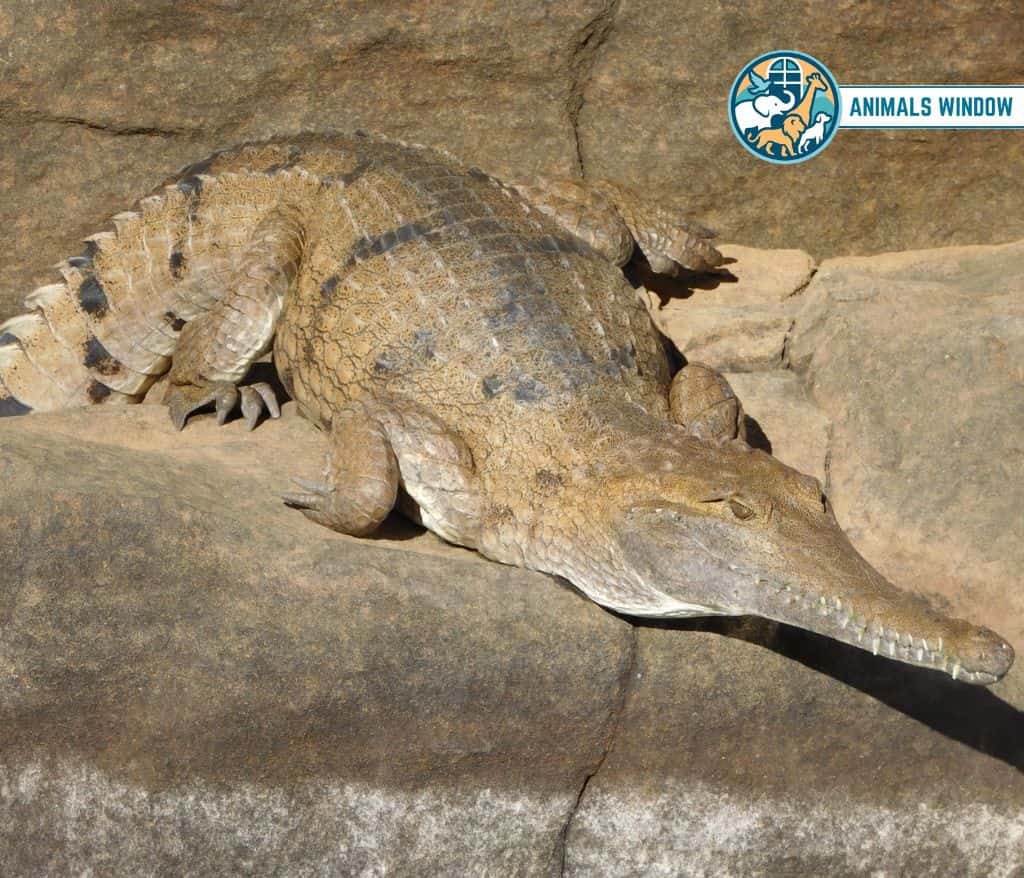
This is the most surprising entry on the entire list. Most reptiles belly-crawl or do a low, wide-legged scramble. The Australian freshwater crocodile does something different: it lifts its entire body clear off the ground and gallops with a proper up-and-down bounding motion, all four legs working in diagonal pairs.
This “high walk gallop” looks bizarre on video. The crocodile bounces forward like a giant scaly dog. It can sustain this for short bursts of up to 11 mph on dry land. No other large reptile does this. Saltwater crocodiles don’t gallop; they belly-slide. The freshwater crocodile’s smaller body size and lighter skeleton make the full gallop physically possible.
🐊 Comparison Fact: At 11 mph, an Australian freshwater crocodile galloping toward you would close the length of a swimming pool in about 4 seconds.
22. Warthog
- Scientific Name: Phacochoerus africanus
- Size: 2–2.8 ft at the shoulder
- Weight: 110–330 lbs
- Diet: Omnivore (grasses, roots, berries, insects)
- Habitat: African savanna and grasslands
- Lifespan: 7–11 years in the wild
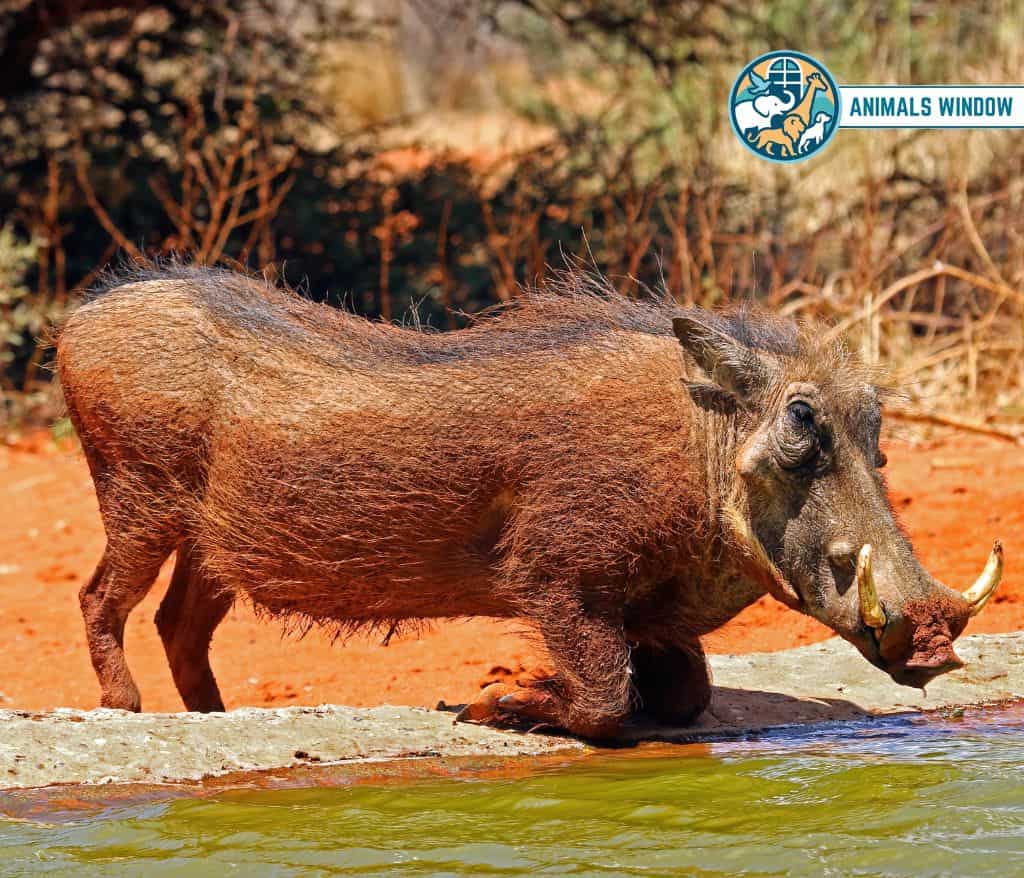
The warthog’s gallop has a signature that makes it immediately recognizable across the savanna: its tail. The moment a warthog breaks into a gallop, its tail shoots straight up like a radio antenna, the tuft of hair at the end waving like a little flag. This is thought to help young warthogs follow their mother through tall grass.
A warthog can hit 30 mph and is surprisingly agile for its stocky build. When running toward a burrow, it doesn’t slow down and enter head-first. It reverses course at the last second, diving in backward so it faces outward — tusks pointing at whatever is chasing it.
🐗 Comparison Fact: A warthog reversing into a burrow at speed completes the maneuver in under 2 seconds, ending with its tusks facing the entrance like a living plug.
23. Jackrabbit
- Scientific Name: Lepus californicus
- Size: 18–25 inches body length
- Weight: 3–7 lbs
- Diet: Herbivore (grasses, shrubs, cacti)
- Habitat: Western North American deserts and grasslands
- Lifespan: 1–5 years in the wild
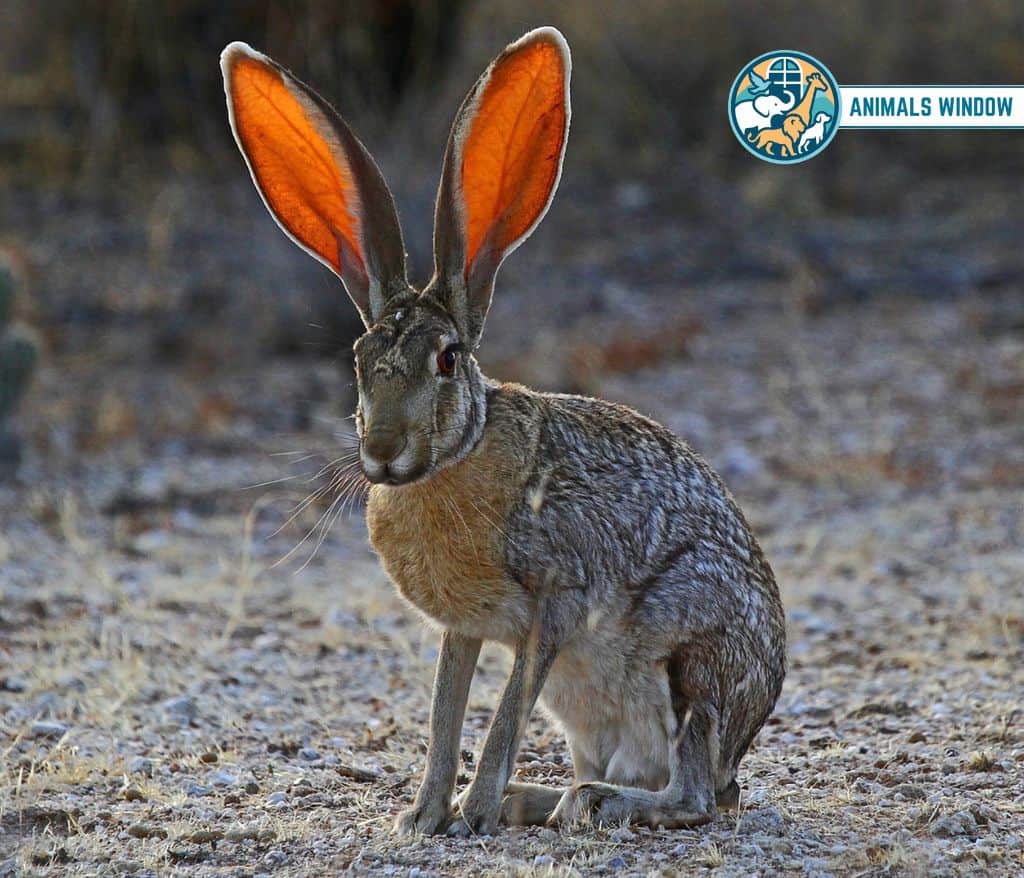
The jackrabbit’s gallop is not about top speed — it’s about direction. When chased by a hawk, coyote, or fox, a jackrabbit doesn’t run straight. It fires off in fast zigzags, cutting left and right with each leap. This is called a “zigzag gallop,” and it works by exploiting the turning radius of the predator.
A coyote running at 40 mph can’t turn as quickly as a jackrabbit. So the jackrabbit doesn’t need to be faster — it needs to change direction before the coyote can commit to a turn. At top speed, a jackrabbit hits about 35–40 mph, and the zigzag pattern makes that speed nearly impossible to counter.
🐇 Comparison Fact: A jackrabbit’s body weighs roughly the same as a standard bag of sugar — 4–5 lbs. Its escape strategy is smarter than its size.
24. Red Fox
- Scientific Name: Vulpes vulpes
- Size: 18–35 inches body length
- Weight: 10–16 lbs
- Diet: Omnivore (rabbits, berries, insects, birds, carrion)
- Habitat: Forests, farmland, suburbs, arctic tundra
- Lifespan: 2–5 years in the wild
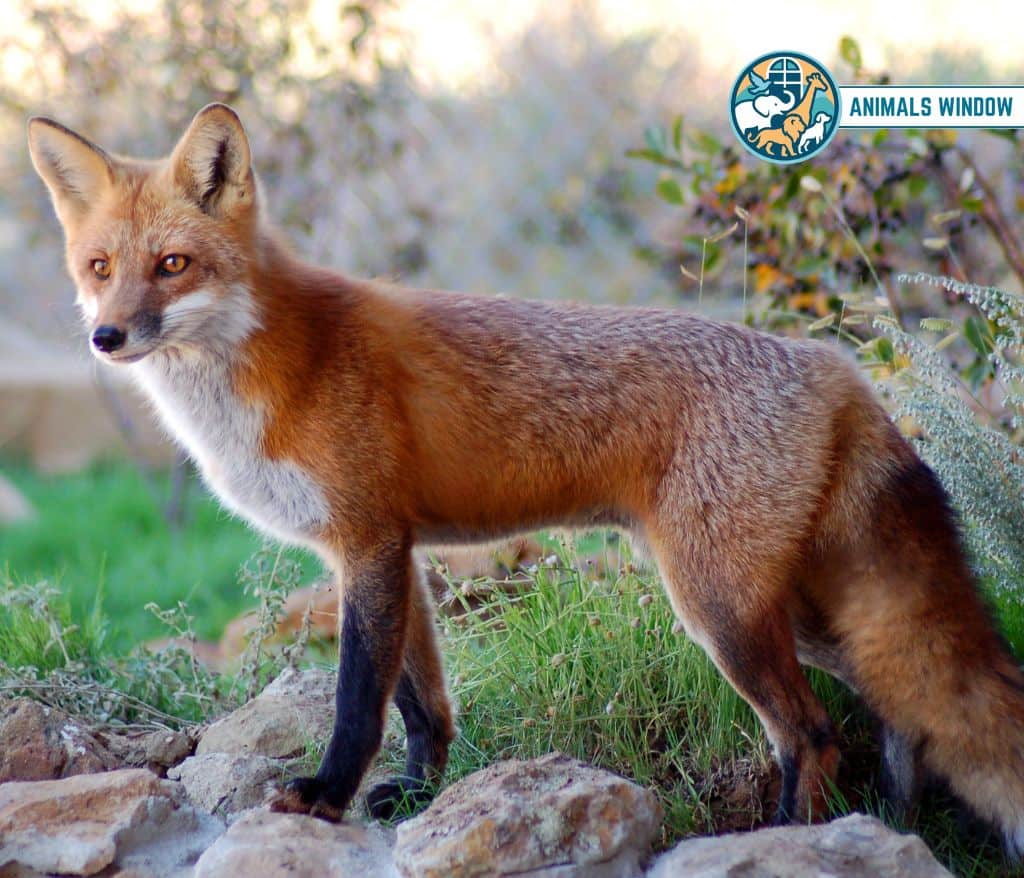
The red fox uses a distinctly light, bouncy gallop. Its legs have excellent spring in the joints, allowing it to bound through deep grass, hop over logs, and weave through tight spaces without losing much speed. This bouncing style is particularly effective in thick cover where a straight, flat gallop would catch on vegetation.
Red foxes also use a specific hunting gallop called a “stiff-legged pounce leap.” They listen for mice under snow, locate them precisely by sound, then gallop a few steps and launch into a high vertical arc, punching through snow or grass headfirst to pin the prey. The gallop and the pounce are one connected movement.
🦊 Comparison Fact: A red fox listening for prey under snow can hear a mouse moving 3 inches below the surface from 100 feet away — and converts that into a gallop-to-pounce in under a second.
25. Impala
- Scientific Name: Aepyceros melampus
- Size: 2.6–3 ft at the shoulder
- Weight: 88–165 lbs
- Diet: Herbivore (grasses, leaves, shrubs)
- Habitat: East and Southern African savanna
- Lifespan: 12–15 years
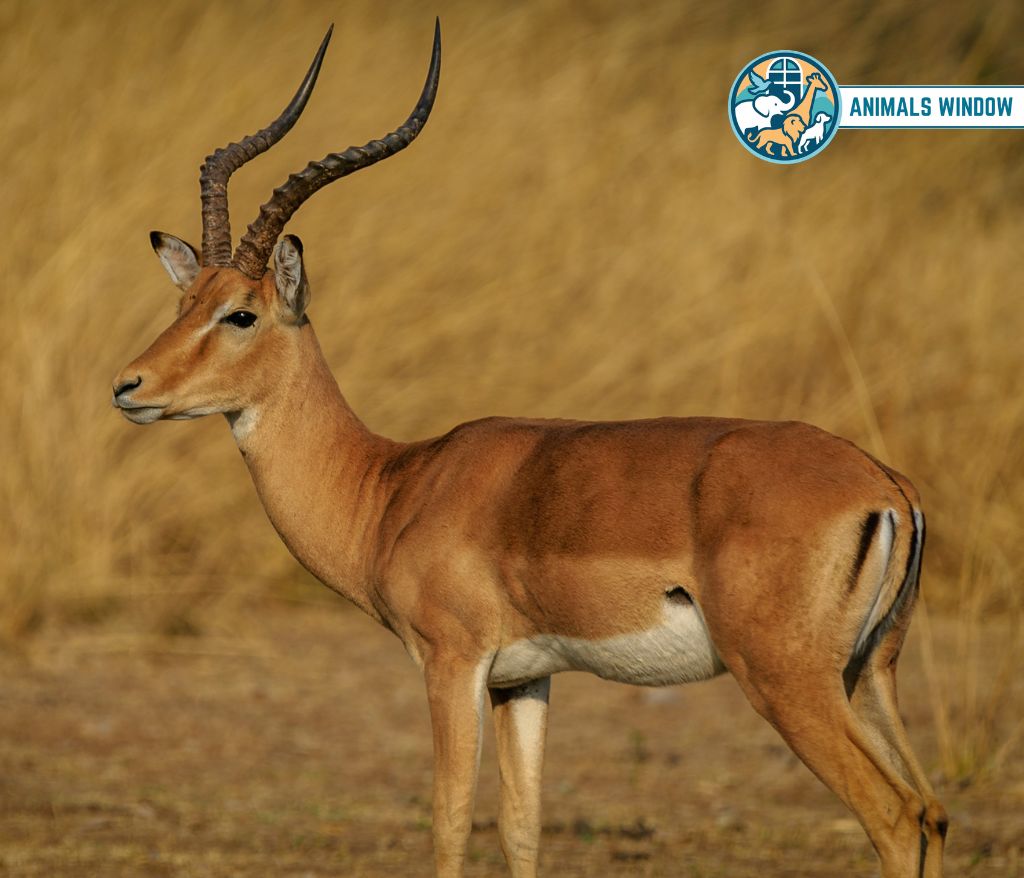
The impala earns the title of most airborne galloper. When fleeing a predator, an impala doesn’t just run fast — it launches into leaps that clear 10 feet in height and 33 feet in length. These aren’t occasional jumps. An impala will leap continuously, one after another, while galloping at 37 mph.
What’s brilliant about this is the unpredictability it creates. A cheetah chasing an impala must track a target that is constantly in the air at different heights and angles. Each leap is slightly different from the last. The impala doesn’t always know where it will land — and neither does the predator, which makes pursuit genuinely difficult.
🦌 Comparison Fact: A single impala leap of 33 feet is longer than a full-size school bus. And it clears 10 feet in height — about the same as a standard basketball hoop.
Common Queries Related to Gallop Animals
What does it mean when an animal gallops?
Galloping is a four-legged bounding gait where all four feet leave the ground at least once during each full stride. It’s the fastest natural gait in four-legged mammals. Different animals use slightly different gallop patterns — rotary, transverse, or bounding — but all involve a full airborne phase.
What is the fastest galloping animal in the world?
The cheetah is the fastest galloping animal, reaching up to 70 mph in short bursts. The pronghorn is the fastest endurance galloper, able to sustain 50 mph for several miles.
Can reptiles really gallop?
One can. The Australian freshwater crocodile is the only large reptile with a documented true gallop. It lifts its full body off the ground and bounds forward on all four legs, reaching about 11 mph on land.
Why do some animals gallop in zigzags?
Zigzag galloping is an anti-predator strategy used by animals like jackrabbits and zebras. It exploits the turning limitations of faster predators. A coyote running 40 mph can’t turn as sharply as a jackrabbit, so the zigzag pattern is more effective than raw speed.
Do all fast animals gallop?
Not exactly. Some fast animals use different gaits. Ostriches run using a two-legged stride, not a gallop. Kangaroos bound on two legs. The gallop is specific to four-legged animals, and not all of them use it — hippos and giraffes were long thought too large or odd-shaped to gallop, but both do.
Related Animals Guides:
- Top 30 Skinny Animals in the World (With Pictures & Unique Facts)
- 10 Animals That Look Like Beavers (With Pictures & Unique Facts)
- 16 Small Monkey Breeds (With Pictures & Unique Facts)
Trait Comparison: Sprint Speed vs. Endurance Gallop
These two traits sound similar but they are completely different survival tools.
Sprint speed is about explosive power over a short distance — usually under 500 meters. Animals like the cheetah, lion, and leopard rely on this. They have large fast-twitch muscle fibers that generate enormous force quickly, but they generate heat fast and can’t cool down fast enough to keep going. A cheetah that sprints must rest for 20–30 minutes afterward or risk overheating.
Endurance gallop is about sustained movement over long distances. Animals like the pronghorn, grey wolf, and African wild dog have dense slow-twitch muscle fibers, large lungs, and efficient cooling systems. The pronghorn’s oversized windpipe and heart let it hold 50 mph for miles. The wolf’s paw structure spreads weight across snow so the effort per stride stays low over many miles.
The key difference is this: sprint-speed gallopers are built for one explosive moment. Endurance gallopers are built for a long game. Both strategies work — but they work against different kinds of threats. A cheetah needs surprise. A wolf pack needs patience. Neither approach is better. They just solve different problems.

I have loved animals since I was a kid. I enjoy reading about how animals live, eat, move, and survive. I started Animals Window to share what I learn in a simple and easy way. I write about animal body parts, size, behavior, diet, habitats, and species. My goal is to make animal facts clear and fun for everyone to understand.