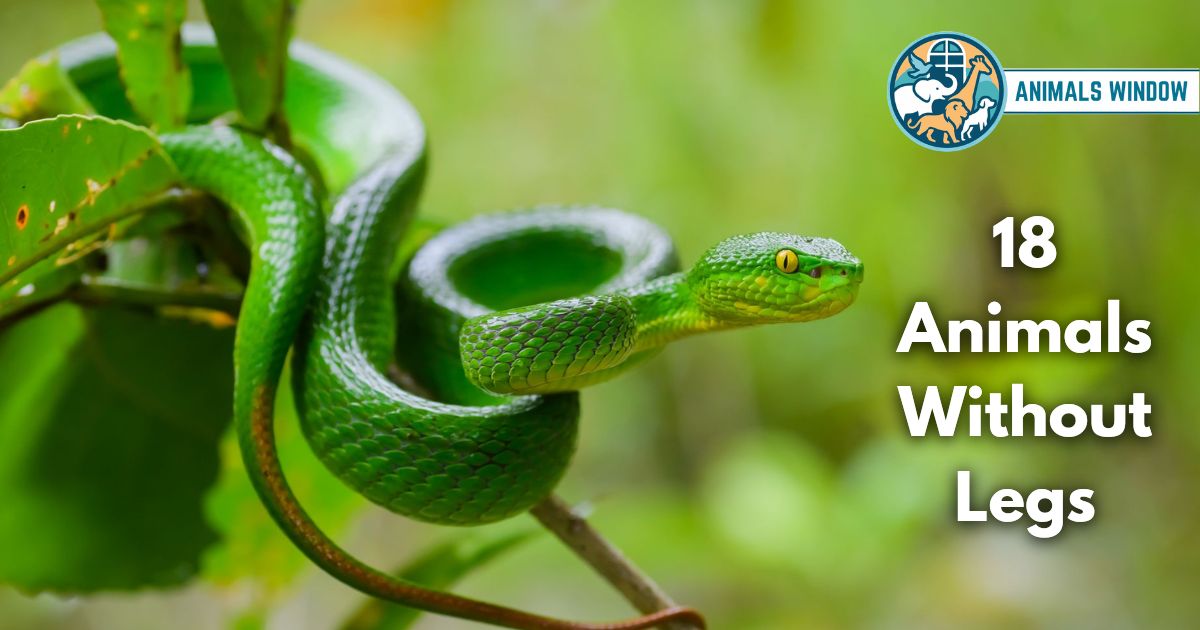
Animals without legs are creatures that move, hunt, and survive without any limbs at all. There are over 3,000 known species in this group, including snakes, eels, worms, and legless lizards. They live in oceans, soil, forests, and even underground caves. Many evolved to lose their legs over millions of years because a limbless body helps them burrow, swim, or squeeze through tight spaces.
Table of Contents
Quick Table of That Animals Without Legs
| Animal Name | Scientific Name | Key Trait |
| Snake | Serpentes | Moves via rib-driven locomotion |
| Earthworm | Lumbricus terrestris | Aerates soil by eating through it |
| Snail | Gastropoda | Glides on a single muscular foot |
| Caecilian | Gymnophiona | Blind, burrowing amphibian |
| Eel | Anguilliformes | Migrates thousands of miles to breed |
| Bichir | Polypteridae | Breathes air using a primitive lung |
| Sea Pig | Scotoplanes globosa | Walks the deep ocean floor on tube feet |
| Legless Skink | Acontias percivali | Lizard that lost legs through evolution |
| Slow Worm | Anguis fragilis | A lizard, not a worm, that blinks |
| Glass Lizard | Ophisaurus ventralis | Tail breaks off as a defense |
| Flowerpot Snake | Indotyphlops braminus | Smallest snake on Earth, all female |
| Hagfish | Myxini | Can tie itself in a knot |
| Ribbon Worm | Nemertea | Extends a proboscis 3x its body length |
| Velvet Worm | Onychophora | Shoots sticky slime to trap prey |
| Bobbit Worm | Eunice aphroditois | Ambushes fish from beneath the sand |
| Sea Angel | Clione limacina | Transparent swimmer with wing-like fins |
| Elephant | (no legless species—see note) | — |
| Manatee | Trichechus manatus | Flippers evolved from front legs |
| Penny Fish | Dermatogenys pusilla | Feeds at the water surface |
| Leech | Hirudinea | Uses two suckers to loop and crawl |
MORE POST: 25 Animals That Gallop (With Pictures and Unique Facts)
Wait — Before You Scroll
Most people think legless means helpless. That idea falls apart fast when you learn what these animals can actually do. One of them can stretch its body to three times its own length like a rubber band. Another shoots a web of slime at enemies from special nozzles on its head. And one tiny snake — barely the size of a spaghetti noodle — reproduces without ever needing a mate.
These animals are not simplifications of life. They are some of the most specialized, evolved, and frankly strange creatures on the planet. This article explores 18 rare animals without legs in detail — discover them below.
1. Snake
- Scientific Name: Serpentes
- Size: 10 cm – 7 m depending on species
- Weight: A few grams to 100+ kg (reticulated python)
- Diet: Carnivore — insects, rodents, birds, deer
- Habitat: Every continent except Antarctica
- Lifespan: 10–30 years in the wild
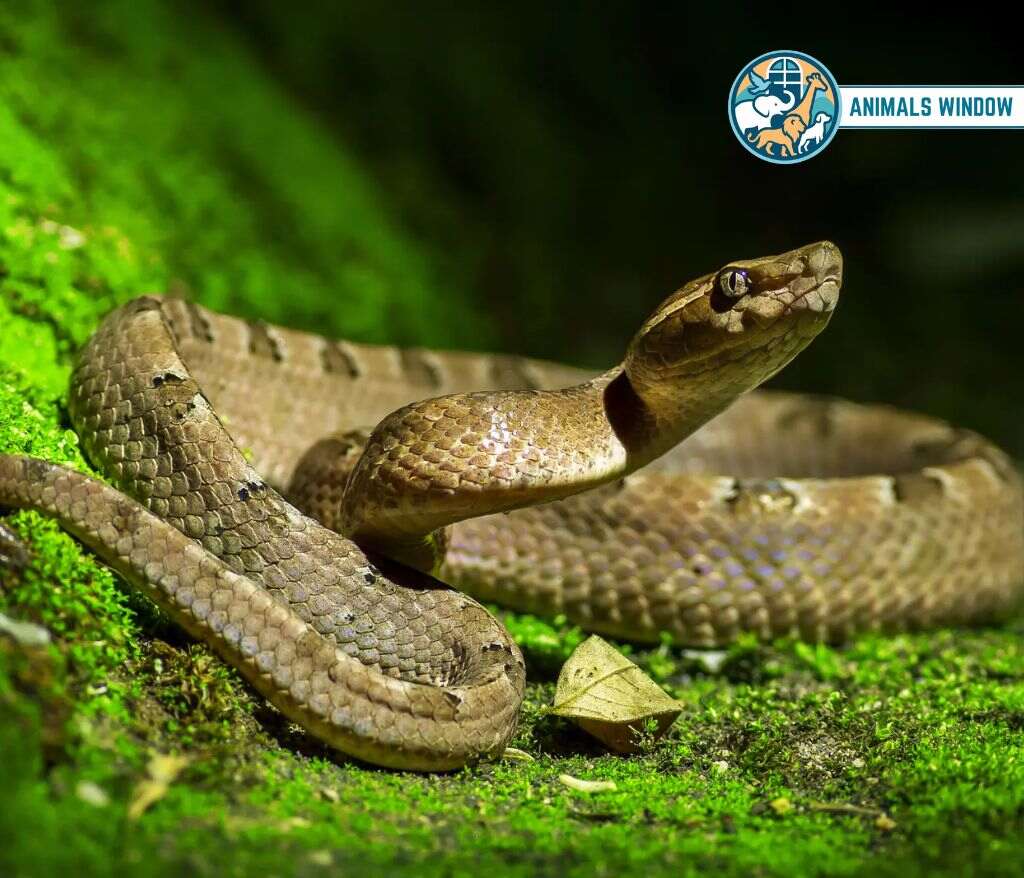
Snakes are the most recognizable legless animals on the planet. Around 3,700 species exist, living in deserts, rain forests, oceans, and grasslands. Their defining trait is a skull made of loosely connected bones, which lets them swallow prey far larger than their own head.
What makes snakes special is how they move without any limbs at all. They use their ribs — all 200 to 400 of them — like legs, pushing against surfaces in coordinated waves. On a slippery glass surface with nothing to push against, a snake genuinely struggles to move forward.
🔥 Comparison Fact: A full-grown reticulated python can reach 7 meters — about as long as two mid-size SUVs parked bumper to bumper.
2. Earthworm
- Scientific Name: Lumbricus terrestris
- Size: 10–30 cm
- Weight: 0.5–1.5 grams
- Diet: Decomposing organic matter, bacteria, fungi
- Habitat: Moist soil worldwide
- Lifespan: 4–8 years
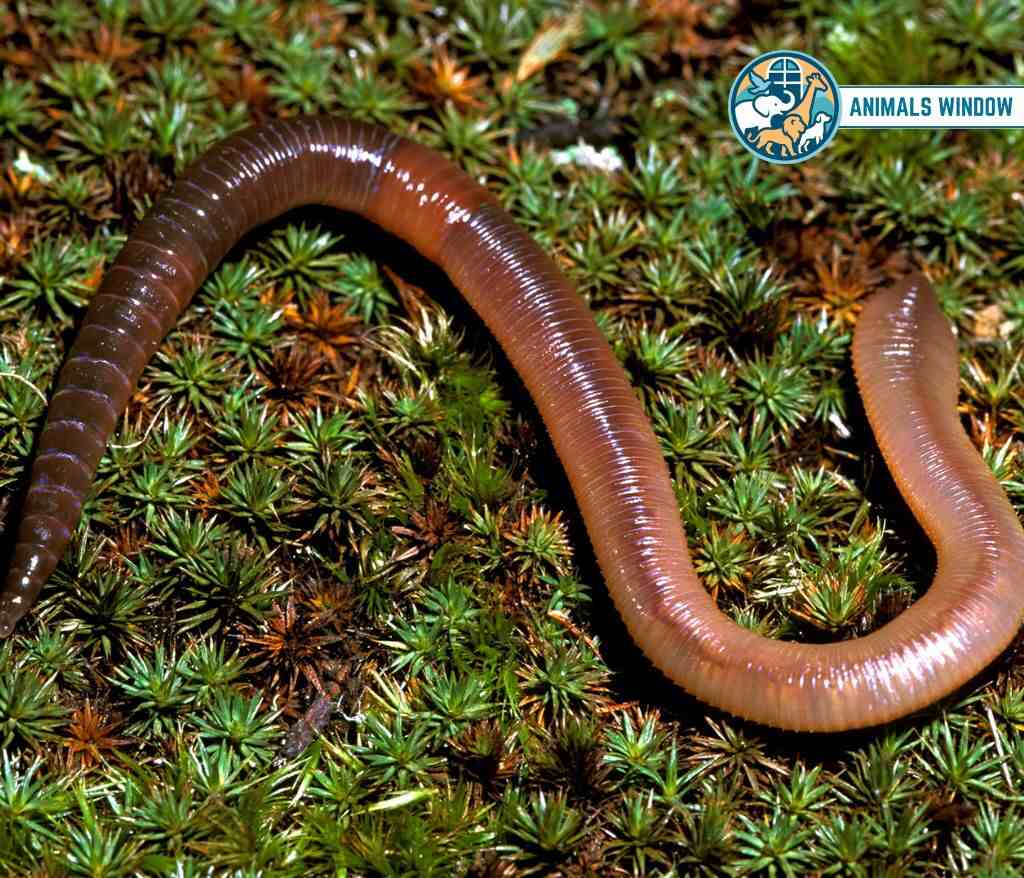
Earthworms live underground and almost nobody thinks about them. But they are doing one of the most important jobs in nature — eating dead plant material and turning it into rich soil. A single acre of healthy soil can hold over a million earthworms working at all times.
Here’s the survival trick that most people miss: earthworms breathe entirely through their skin. There are no lungs, no gills — just a thin, moist outer layer that absorbs oxygen directly from the air in the soil. If they dry out, they suffocate within hours.
🔥 Comparison Fact: An earthworm typically weighs less than a paper clip but processes its own body weight in soil every single day.
3. Snail
- Scientific Name: Gastropoda
- Size: 2 mm – 45 cm (giant African land snail)
- Weight: Up to 900 grams for the largest species
- Diet: Leaves, bark, fungi, algae
- Habitat: Gardens, forests, ocean floors, freshwater
- Lifespan: 5–25 years
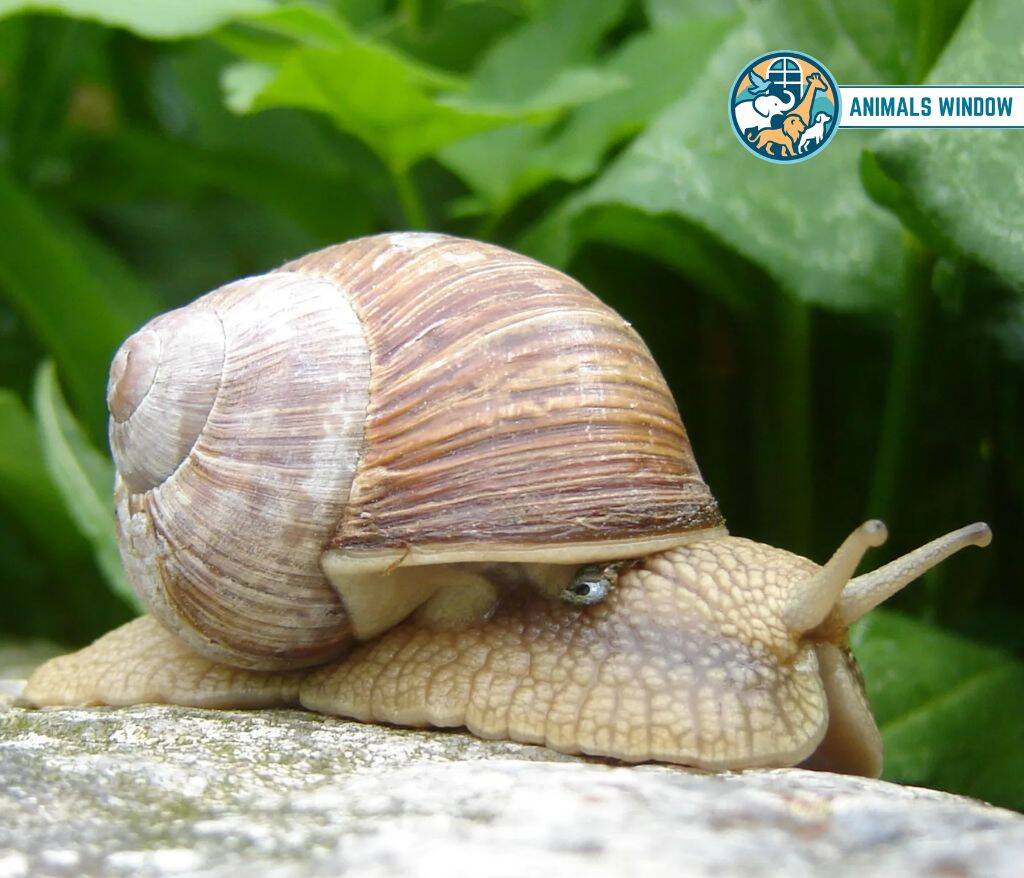
Snails don’t crawl — they glide. Beneath their shell sits a single large muscle called a foot, which contracts in smooth rippling waves to push the animal forward. They also produce mucus underneath to reduce friction, which is why they can slide effortlessly over a razor blade without cutting themselves.
What most people don’t know is that snail mucus is being studied seriously by biomedical researchers. It contains proteins that could help seal wounds. The slime that makes snails seem slimy might one day be used in surgical glue.
🔥 Comparison Fact: The giant African land snail reaches 45 cm stretched out — longer than a standard school ruler.
4. Caecilian
- Scientific Name: Gymnophiona
- Size: 10 cm – 1.5 m
- Weight: Varies; largest up to 1 kg
- Diet: Earthworms, termites, small lizards
- Habitat: Tropical soil and freshwater streams in Africa, Asia, South America
- Lifespan: Estimated 10–15 years
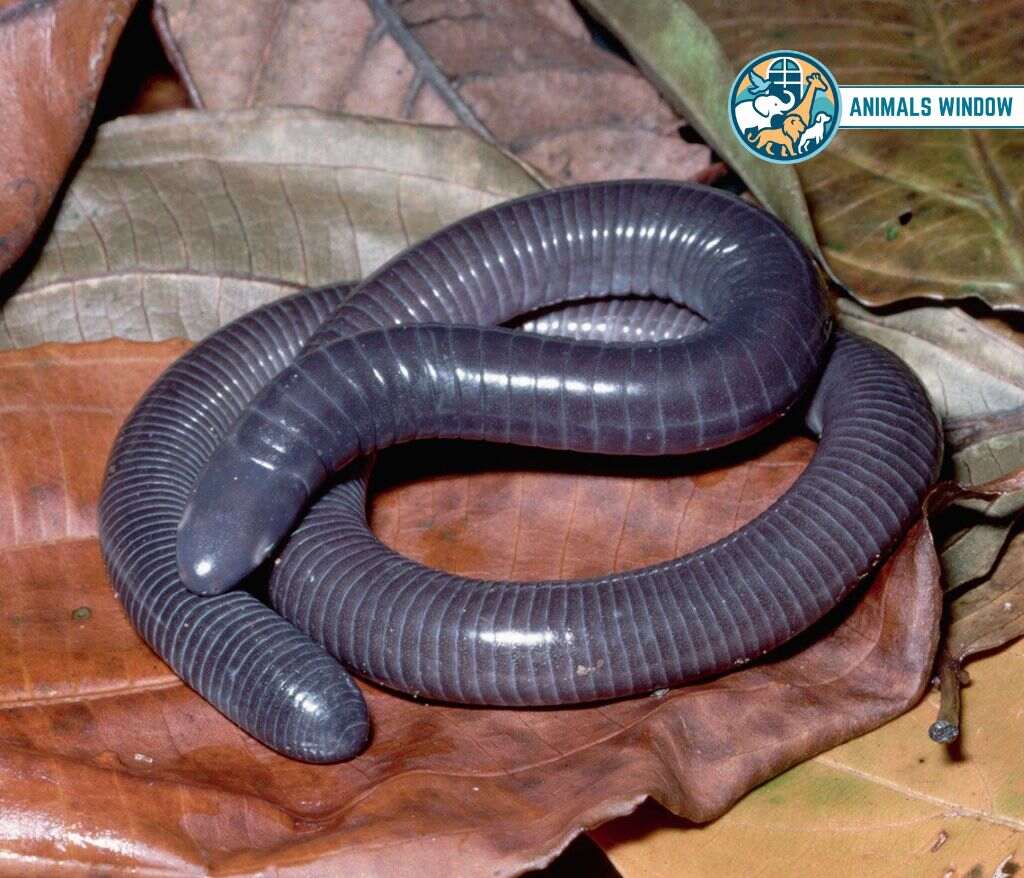
Caecilians are amphibians — the same family as frogs and salamanders — but they look nothing like either. They are worm-shaped, almost entirely blind, and spend most of their lives buried underground. Most people have never seen one, and many scientists still consider them poorly understood.
Here’s what sets them apart from every other legless animal: some caecilian mothers let their young scrape and eat their own skin for food. The babies have specialized teeth for peeling the outer layer off their mother’s body. The mother grows it back every few days. It is one of the most unusual feeding behaviors in the entire animal kingdom.
🔥 Comparison Fact: The largest caecilian, Caecilia thompsoni, reaches 1.5 m — about as long as a standard dining table.
5. Eel
- Scientific Name: Anguilliformes
- Size: 10 cm – 4 m
- Weight: Up to 65 kg (electric eel is a related but distinct group)
- Diet: Fish, crustaceans, insects, frogs
- Habitat: Rivers, oceans, estuaries worldwide
- Lifespan: 15–85 years
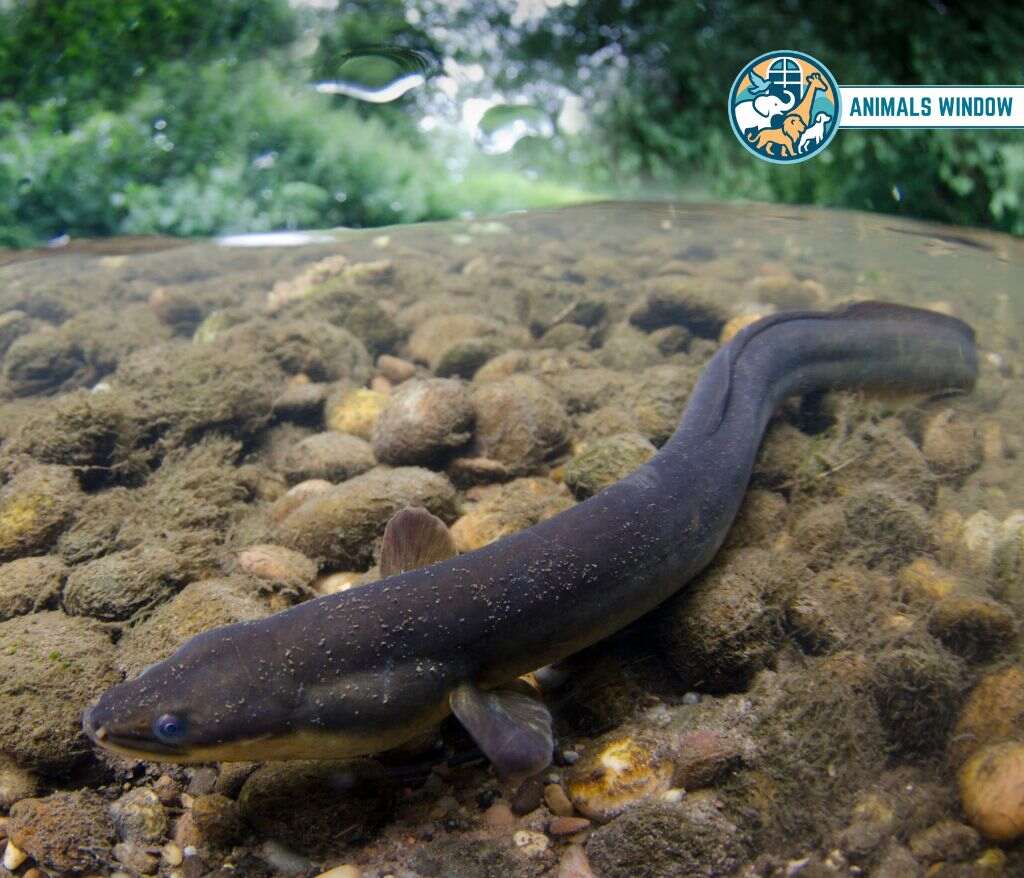
Eels look like snakes but are actually fish. They have gills, fins, and a lateral line system that detects water vibrations. What makes the European eel (Anguilla anguilla) remarkable is its migration: it is born in the Sargasso Sea near Bermuda, drifts thousands of kilometers to European rivers as a larva, lives there for up to 20 years, then swims all the way back to the Sargasso to breed once — and then dies.
Nobody has ever directly observed European eels breeding in the wild. The full details of their reproductive life remain one of the great unsolved mysteries of zoology.
🔥 Comparison Fact: The European eel’s migration route covers over 6,000 km — roughly the distance from London to New York.
6. Bichir
- Scientific Name: Polypteridae
- Size: 30–90 cm
- Weight: 250–900 grams
- Diet: Fish, frogs, insects, worms
- Habitat: Shallow, murky rivers and lakes in Africa
- Lifespan: Up to 20 years
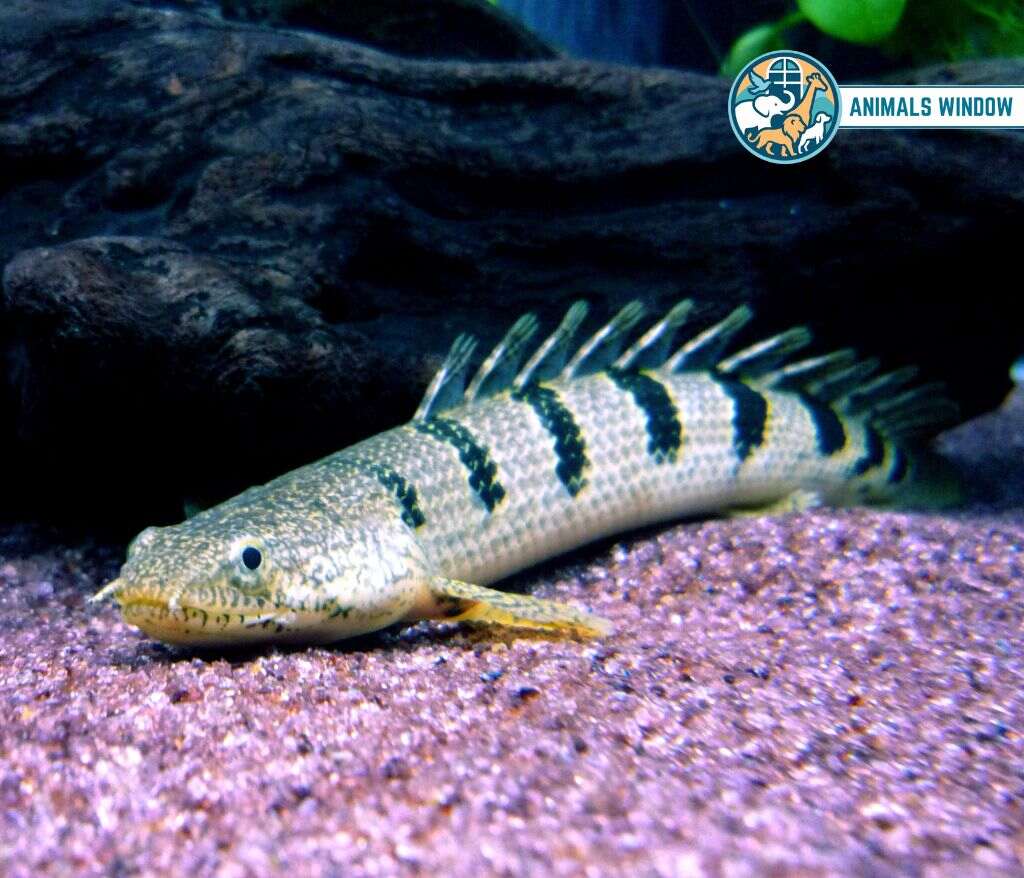
Bichirs look prehistoric because they are. This fish family has barely changed in 400 million years. They have an elongated, armored body with a row of small fins running down the back that look like little fins standing in a line. But the most striking thing about bichirs is their primitive lung — they can breathe air directly from the surface and actually need to do so if the water they live in gets low on oxygen.
In lab studies, when bichirs were raised on land, they started using their pectoral fins more efficiently and even changed the angle of their fins when moving. Scientists use this as a model for understanding how ancient fish may have first started moving onto land hundreds of millions of years ago.
🔥 Comparison Fact: A bichir’s individual fin spines look like small steak knives lined up along the spine — each one separate, sharp, and independently moveable.
7. Sea Pig
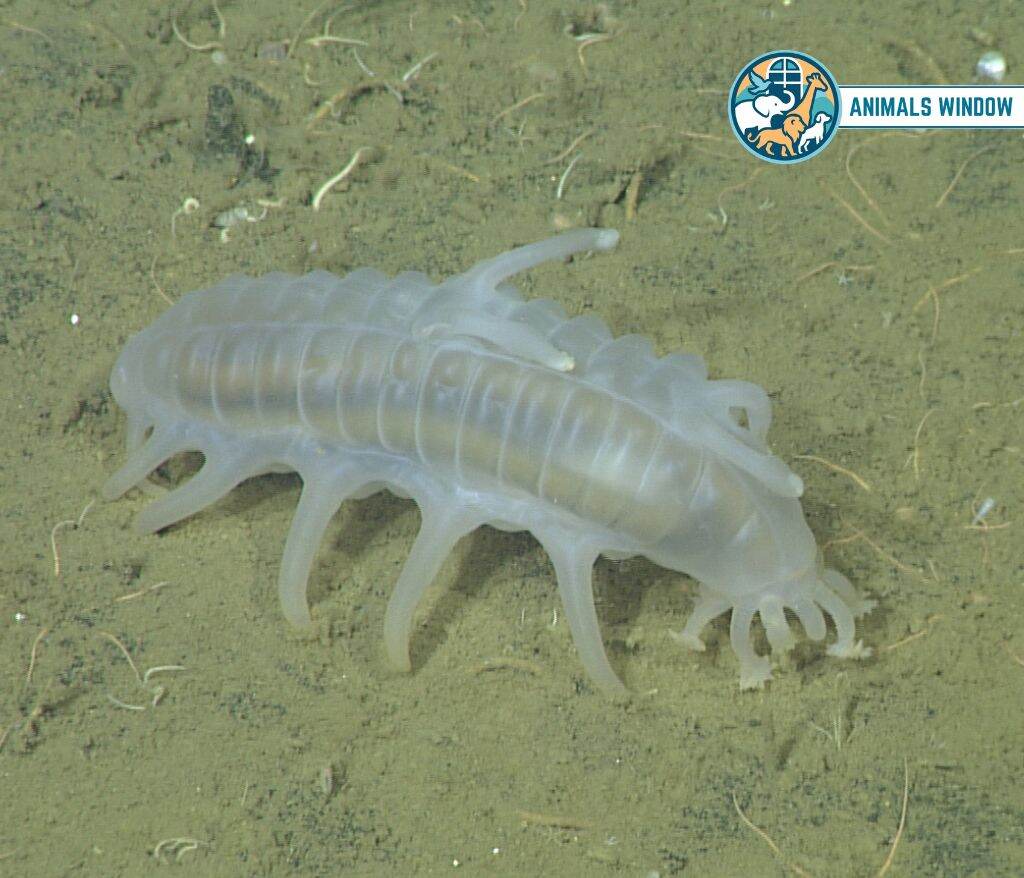
- Scientific Name: Scotoplanes globosa
- Size: 10–15 cm
- Weight: Around 100–300 grams
- Diet: Organic matter in deep-sea mud
- Habitat: Deep ocean floors, 1,000–5,000 meters
- Lifespan: Unknown
Sea pigs are real animals, not something from a science fiction film. They are a type of sea cucumber, pink and translucent, and they walk along the bottom of the ocean using rows of water-filled tube feet. They live at depths where no sunlight reaches and feed by pushing their mouth into the mud to extract dead organic material.
What’s unusual about them is how they cluster. Sea pigs tend to be found in groups of hundreds or even thousands, all facing the same direction — usually into the current. Researchers believe they orient toward the scent of sinking food before it even touches the ocean floor.
🔥 Comparison Fact: Sea pigs live at depths that would crush a submarine — some populations are found at 5,000 meters, which is deeper than most military subs can operate.
8. Legless Skink
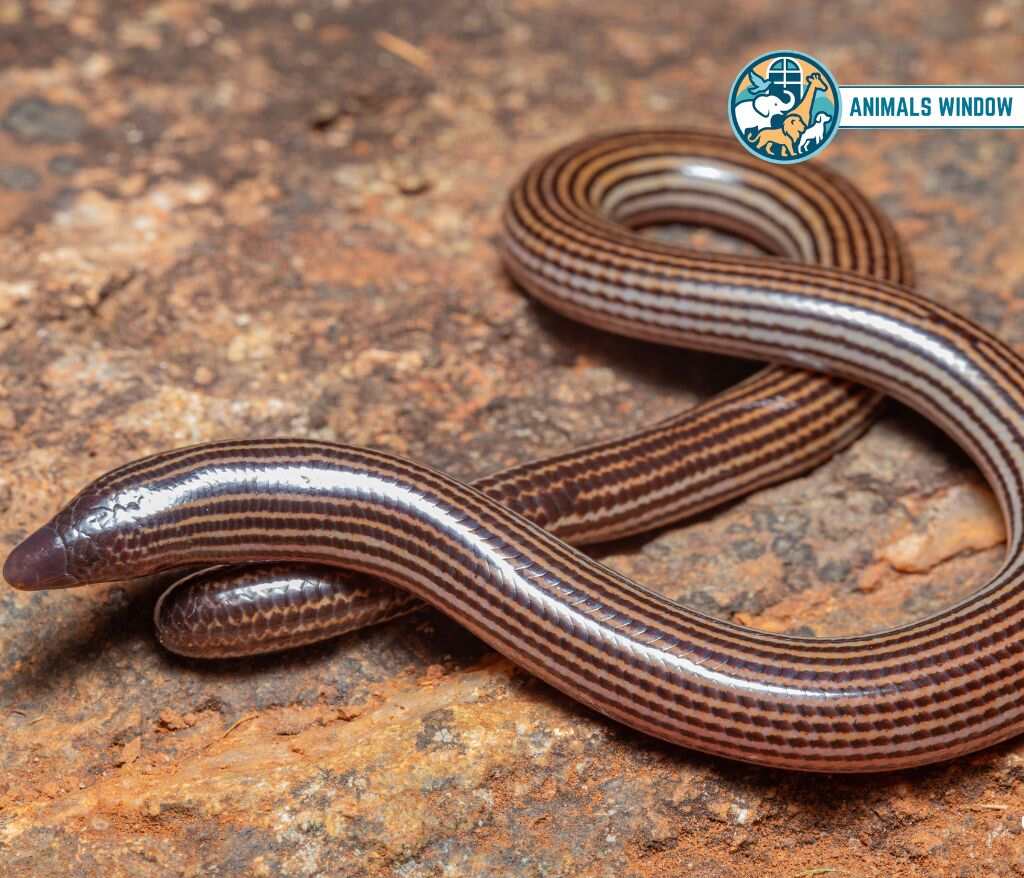
- Scientific Name: Acontias percivali
- Size: 15–35 cm
- Weight: 30–100 grams
- Diet: Insects, small invertebrates
- Habitat: Sandy soil and grasslands in sub-Saharan Africa
- Lifespan: Around 10 years
Legless skinks are lizards that have, over millions of years, completely lost their legs. If you look closely at the body of some species, you can still see tiny nubs — vestigial remnants where legs used to be. They move by pushing through loose soil in an S-wave motion, like a snake, and they’re extremely fast burrowers.
Unlike snakes, legless skinks still have moveable eyelids and external ear openings — which is one of the ways scientists tell them apart. A snake’s eyes are covered by a fixed transparent scale. A legless skink blinks.
🔥 Comparison Fact: A legless skink at 35 cm is about the length of a standard school ruler, but can disappear into loose sand in under two seconds.
9. Slow Worm
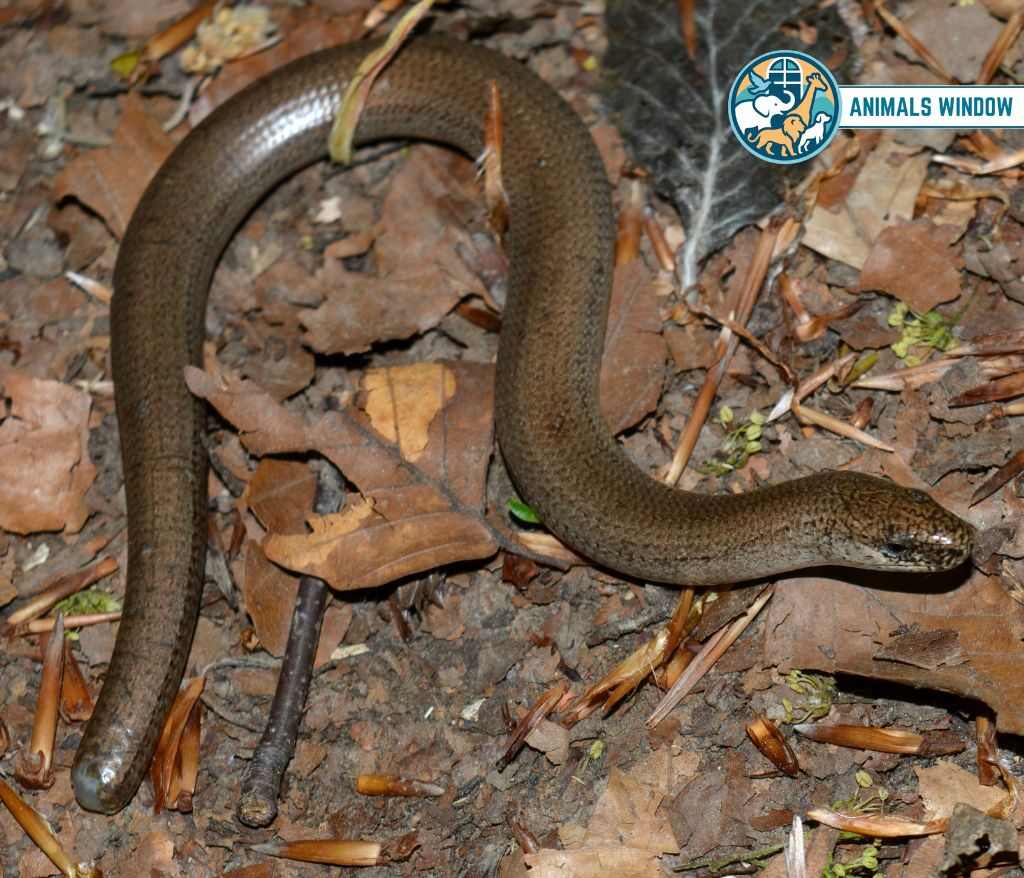
- Scientific Name: Anguis fragilis
- Size: 40–50 cm
- Weight: 50–100 grams
- Diet: Slugs, small worms, soft insects
- Habitat: Gardens, meadows, woodland edges in Europe and Asia
- Lifespan: Up to 54 years in captivity — one of the longest-lived lizards known
Despite the name, slow worms are neither slow nor worms. They are legless lizards, and they hold one of the most surprising records in the reptile world: the oldest confirmed slow worm in captivity lived 54 years. For a small lizard, that is extraordinary — most similar-sized reptiles live less than 10 years.
Slow worms are also one of the most slug-dedicated hunters in the garden ecosystem. A single slow worm can eat hundreds of slugs per year, making them valuable to farmers and gardeners who never use pesticides.
🔥 Comparison Fact: A slow worm weighs roughly the same as a small chocolate bar — but outlives most pet dogs by decades.
10. Glass Lizard
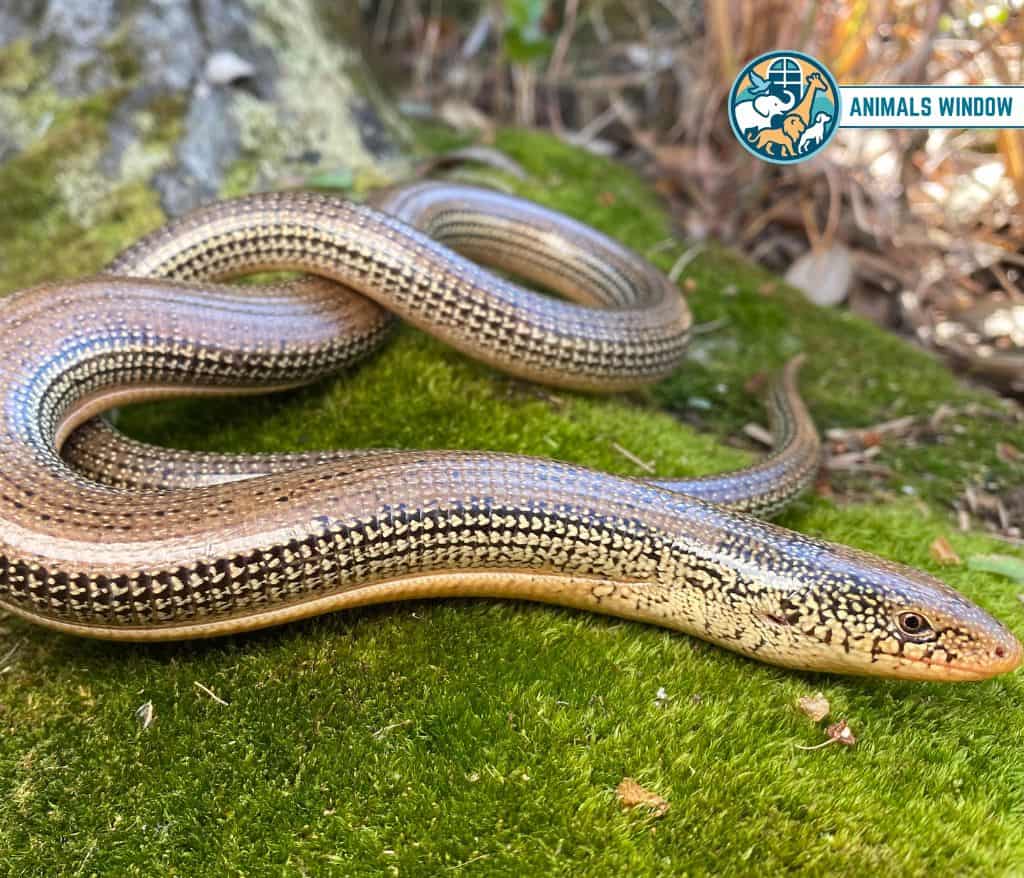
- Scientific Name: Ophisaurus ventralis
- Size: 60–120 cm
- Weight: 200–450 grams
- Diet: Insects, small rodents, eggs, other lizards
- Habitat: Grasslands and open woodlands in the southeastern United States
- Lifespan: 10–30 years
Glass lizards get their name from what happens when you startle them: their tail shatters. Not literally — it detaches into several pieces, each piece wriggling on the ground to distract the predator while the lizard escapes. The tail makes up about two-thirds of the total body length, so the animal left behind looks remarkably short afterward.
Unlike snakes, glass lizards have inflexible jaws and cannot unhinge to swallow large prey. They also have visible ear holes and eyelids. The tail eventually regrows, but it comes back as cartilage instead of bone — and it can never detach again.
🔥 Comparison Fact: A glass lizard’s tail can be 75 cm long — that’s about the width of a standard kitchen countertop.
11. Flowerpot Snake
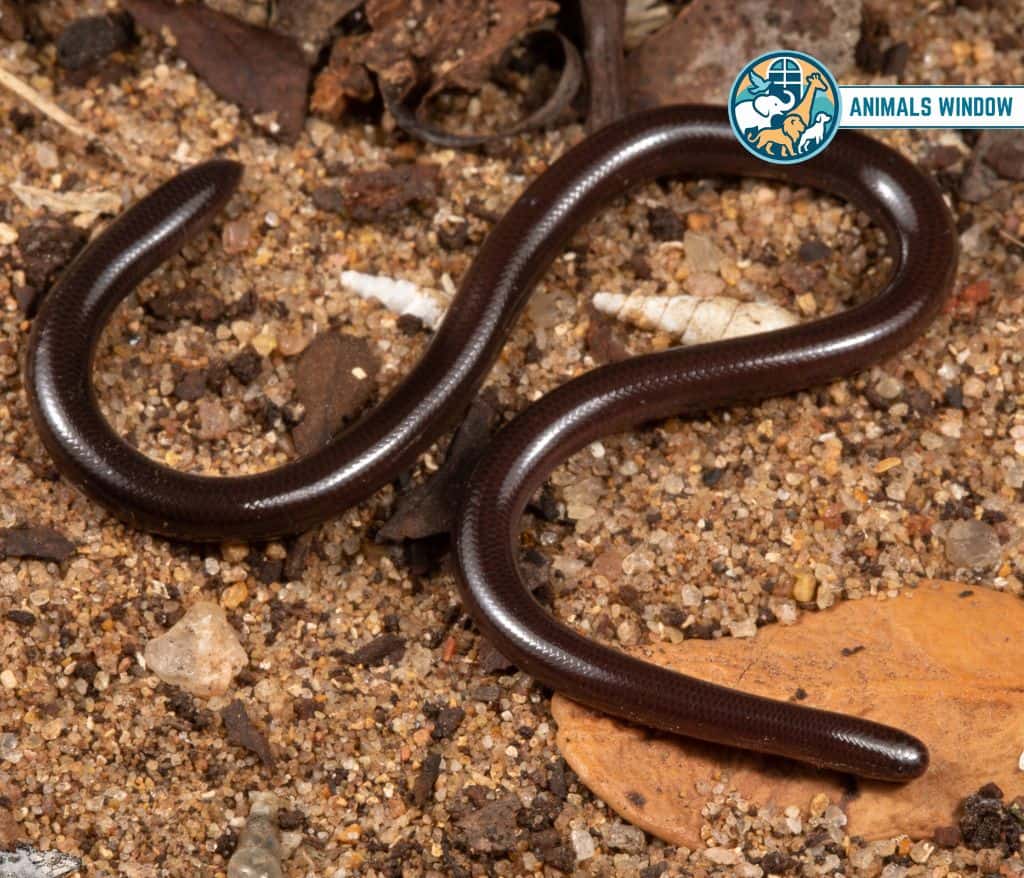
- Scientific Name: Indotyphlops braminus
- Size: 6.5–17 cm
- Weight: Less than 1 gram
- Diet: Ant and termite eggs, larvae
- Habitat: Tropical soil; spread worldwide through plant trade
- Lifespan: Around 3–5 years
The flowerpot snake is the world’s smallest snake, and it has an unusual claim to fame: every single individual is female. There are no males in this species. They reproduce through parthenogenesis — they produce fertile eggs without being fertilized. This means one flowerpot snake alone can start an entirely new population.
They are also accidental world travelers. Their eggs survive in potting soil, which is how they got their name and how they have spread to greenhouses and gardens across six continents. You may have one in your garden right now without knowing it.
🔥 Comparison Fact: A fully grown flowerpot snake at 17 cm is about the length of a ballpoint pen.
12. Hagfish
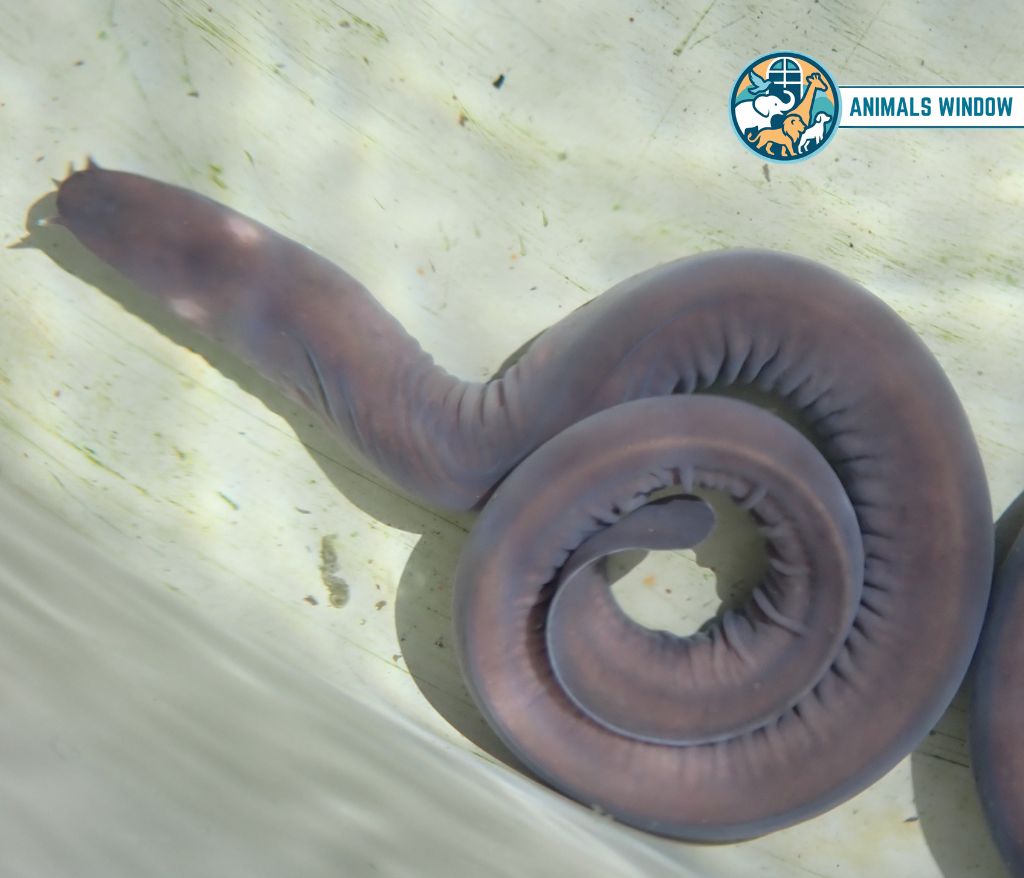
- Scientific Name: Myxini
- Size: 40–100 cm
- Weight: 200–600 grams
- Diet: Dead and dying fish, invertebrates
- Habitat: Cold ocean floors, 20–1,200 meters
- Lifespan: 40+ years
Hagfish are among the most ancient vertebrates alive today — their basic body plan has existed for around 300 million years. They have no true jaw, no paired fins, no scales, and no stomach. They absorb nutrients directly through their skin, alongside a more standard gut.
But the defense mechanism is what makes them legendary. When threatened, hagfish release protein threads from pores along their sides. These threads expand on contact with water into a dense, sticky slime that can clog a shark’s gills in seconds. One hagfish can produce enough slime to fill a bucket in minutes. To escape the slime themselves, they tie their own body into a knot and pull themselves through it to clean off.
🔥 Comparison Fact: A hagfish can produce enough slime from one threat response to fill a standard 1-liter water bottle — in under one second.
13. Ribbon Worm
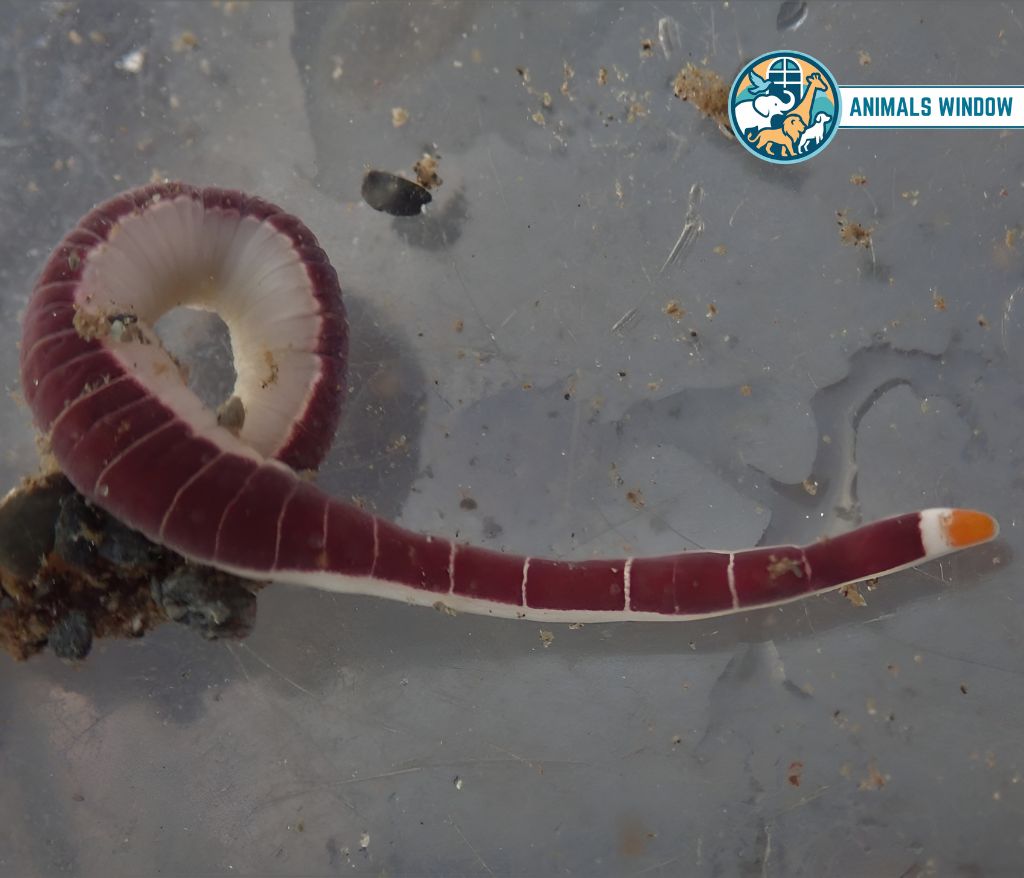
- Scientific Name: Nemertea
- Size: 5 cm – 60 m (longest animal ever recorded)
- Weight: Varies enormously
- Diet: Small invertebrates, worms
- Habitat: Marine sediments, some freshwater and terrestrial species
- Lifespan: Unknown for most species
Ribbon worms are flat, slender, and move so smoothly they look like living ribbons. But what makes them genuinely remarkable is the proboscis — a long, sticky tube they shoot out from a cavity near the mouth to grab prey. In some species, this tube extends to three times the animal’s own body length, then retracts in under a second.
The longest animal ever measured was a ribbon worm — a specimen of Lineus longissimus found in Scotland that measured 55 meters when fully stretched. That beats the blue whale by over 20 meters.
🔥 Comparison Fact: The record-holding ribbon worm at 55 meters is longer than an Olympic swimming pool lane.
14. Velvet Worm
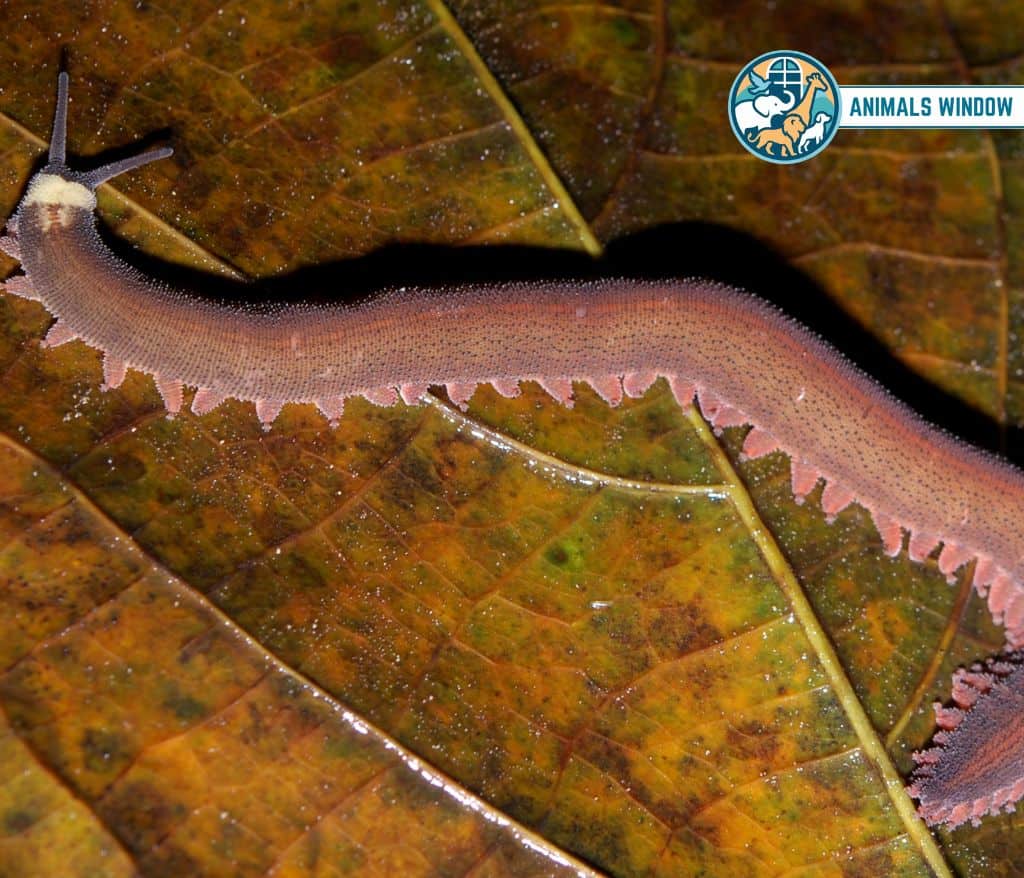
- Scientific Name: Onychophora
- Size: 1.5–20 cm
- Weight: 1–15 grams
- Diet: Insects, woodlice, small worms
- Habitat: Tropical forests, under logs and leaf litter
- Lifespan: 5–6 years
Velvet worms are soft-bodied, look vaguely like caterpillars, and carry a hunting weapon unlike any other animal on Earth. Along their head, they have two nozzles called slime papillae. When they detect prey — even something faster and larger than themselves — they aim these nozzles and shoot two streams of sticky protein slime that harden instantly on contact, trapping the prey in a web it cannot escape from.
The slime is elastic and incredibly tough. Scientists are studying it as a model for biodegradable adhesives. What evolved as a hunting trap might one day end up in medical or construction materials.
🔥 Comparison Fact: A velvet worm fires its slime streams at speeds up to 5 meters per second — that’s faster than most people can react.
15. Bobbit Worm
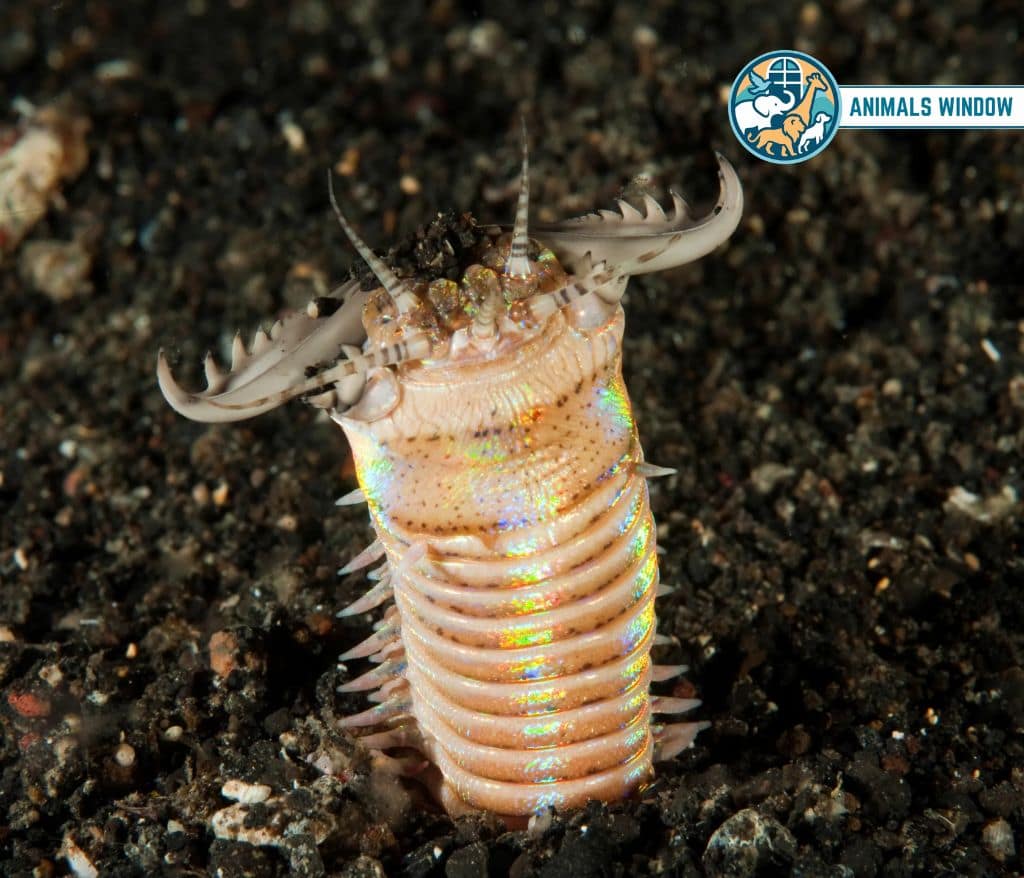
- Scientific Name: Eunice aphroditois
- Size: Usually 1–3 m; some reach 3+ m
- Weight: Up to several kilograms for large specimens
- Diet: Fish, starfish, coral, and nearly anything that passes overhead
- Habitat: Tropical ocean floors, buried in sand and rubble
- Lifespan: Unknown; potentially very long-lived
The bobbit worm is an ambush predator that buries its entire body under the sand, leaving only its five sensory antennae exposed at the surface. When a fish swims close enough, it strikes at speeds fast enough to slice prey in half. Some specimens have been reported dragging small fish entirely underground before the fish had time to react.
For years, aquarium managers were puzzled when fish kept disappearing from reef tanks overnight with no explanation. In several cases, when the tanks were disassembled, a massive bobbit worm was found hidden under the rock work — in one case measuring nearly 1.2 meters.
🔥 Comparison Fact: A 3-meter bobbit worm is about the same length as a standard front door, but nearly impossible to spot lying buried in sand.
16. Sea Angel
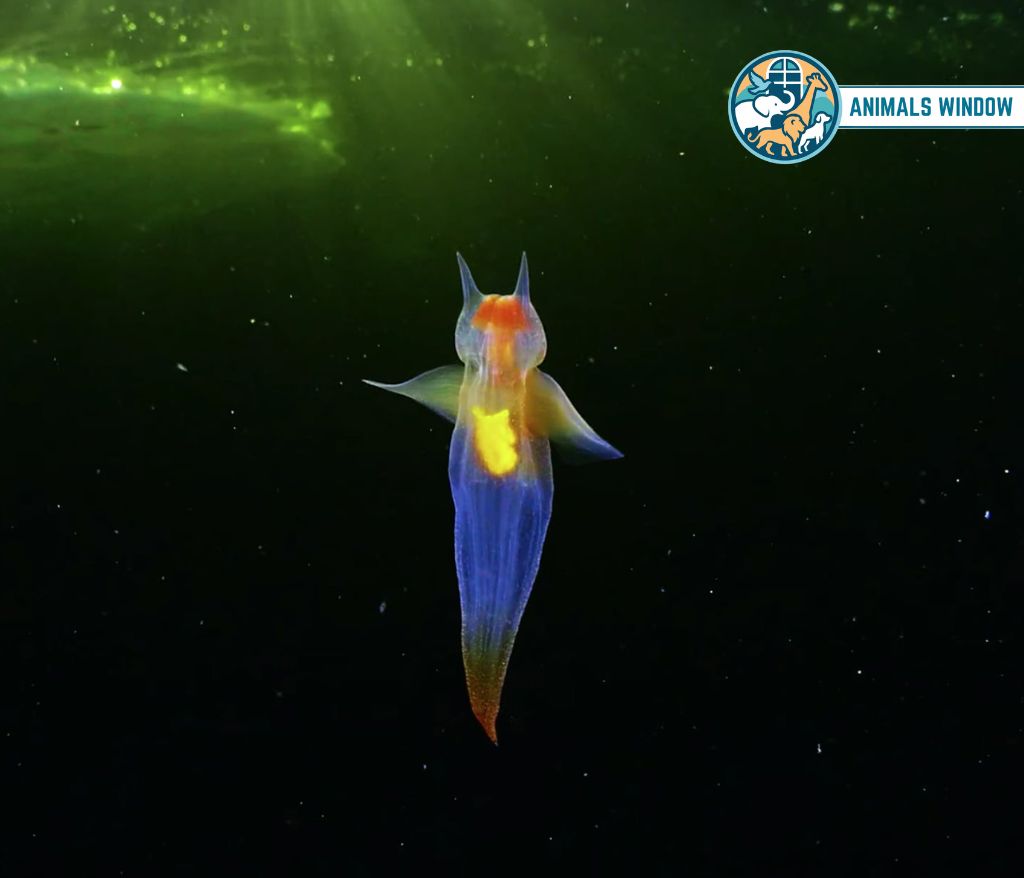
- Scientific Name: Clione limacina
- Size: 1–8 cm
- Weight: Less than 1 gram
- Diet: Almost exclusively sea butterflies (Limacina)
- Habitat: Arctic and Antarctic open ocean
- Lifespan: 2–3 years
Sea angels look like glass sculptures drifting through polar seas. They are transparent, swim with two wing-like fins, and have no shell. Watching one is genuinely one of the stranger visual experiences in marine biology — the internal organs are visible through the body wall.
Sea angels are hyper-specialized hunters. Their entire diet consists almost entirely of one specific prey: sea butterflies. When they catch one, they extend a set of tentacled arms from inside their own head — structures called buccal cones — that hook and hold the prey. Outside of feeding, these arms are completely retracted and invisible.
🔥 Comparison Fact: A sea angel at 8 cm is smaller than a USB thumb drive, yet it is a top predator in its entire ecosystem.
17. Manatee
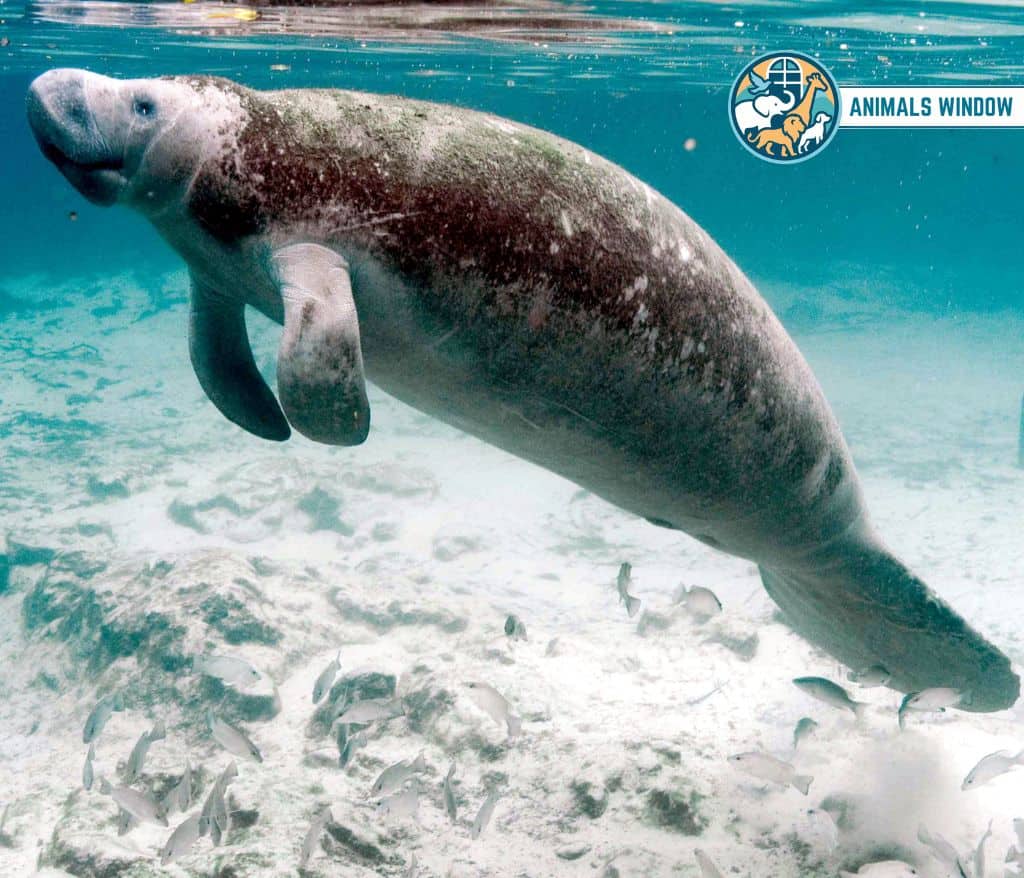
- Scientific Name: Trichechus manatus
- Size: 2.8–4.5 m
- Weight: 400–600 kg
- Diet: Seagrass, aquatic plants, algae
- Habitat: Shallow coastal waters, rivers, and estuaries in the Americas and Africa
- Lifespan: 40–60 years
Manatees are large, slow-moving marine mammals that are technically not legless — they have two front flippers and a flat paddle tail. But their body plan belongs here because their hind limbs have completely disappeared over evolution, and what remains as a pelvic bone is internal and vestigial. There are no external rear limbs whatsoever.
Manatees eat constantly — up to 10% of their body weight per day — because aquatic plants are low in calories. They spend roughly 6–8 hours a day grazing, moving through shallow water in slow, unhurried sweeps. Despite their bulk, they can hold their breath for up to 20 minutes.
🔥 Comparison Fact: A manatee at 600 kg weighs about as much as a grand piano — but floats almost perfectly, barely moving water as it glides.
18. Leech
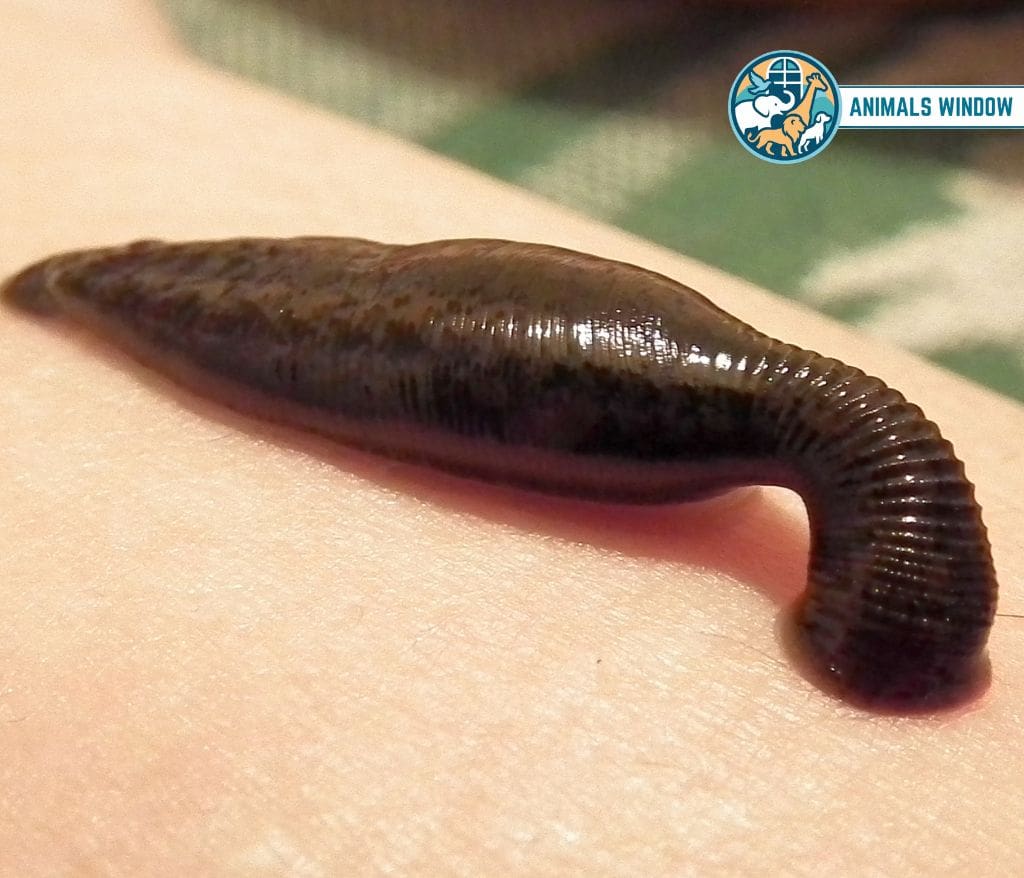
- Scientific Name: Hirudinea
- Size: 2 cm – 45 cm
- Weight: 2–100 grams
- Diet: Blood (some species), earthworms, insect larvae, fish
- Habitat: Freshwater, marine, and moist terrestrial environments
- Lifespan: 2–10 years
Leeches move in a way that is easy to watch and hard to forget: they anchor with a rear sucker, stretch forward, grip with a front sucker, release the back, and loop forward. Each move is precise and muscular. For an animal with no legs, skeleton, or rigid structure, they are surprisingly fast across wet surfaces.
Only a small percentage of leech species actually feed on blood. Many are predators that swallow earthworms or insect larvae whole. Blood-feeding leeches inject an anticoagulant called hirudin when they bite — that is what keeps the wound bleeding long after the leech detaches. Medical-grade leeches are still used in microsurgery today to prevent blood from pooling in reattached tissue.
🔥 Comparison Fact: A large Amazonian giant leech (Haementeria ghilianii) at 45 cm stretches as long as a standard school ruler and a half.
Common FAQ’s About Animals With No Legs
Q: What is the most common type of legless animal?
Worms — including earthworms, ribbon worms, and bristle worms — make up the largest group of legless animals by sheer number of species. Snakes are the most widely recognized, but worms far outnumber them in diversity.
Q: Are legless lizards real?
Yes. Slow worms, glass lizards, and legless skinks are all genuine lizards that evolved to lose their legs over millions of years. They still have eyelids and ear holes, unlike snakes.
Q: Can legless animals climb?
Many can. Snakes climb trees regularly. Some species of legless lizards can navigate vertical surfaces. The key is finding friction points along the body, not having limbs.
Q: Do any legless animals have vestigial legs?
Yes. Boa constrictors and pythons have tiny claw-like remnants called pelvic spurs — leftover traces of hind legs from their legged ancestors. Legless skinks also have visible nubs in some species.
Q: Which legless animal is most dangerous to humans?
Several venomous snakes carry that distinction — the saw-scaled viper (Echis carinatus) is responsible for more snakebite fatalities worldwide than any other species, according to medical records from tropical regions.
Related Animals Guides:
- 25 Heaviest Animals in the World (With Pictures and Unique Facts)
- 16 Small Monkey Breeds (With Pictures & Unique Facts)
- Top 20 Animals Without Tails (With Pictures and Unique Facts)
Trait Comparison: Limblessness vs. Leg Reduction
These are not the same thing, and the difference matters.
Limblessness is complete — no external trace of limbs remains. Snakes, eels, caecilians, and most worms fall here. The limbs are gone entirely, or exist only as microscopic internal remnants. Movement happens through the body itself: muscular waves, cilia, suckers, or rib-driven locomotion.
Leg reduction is partial. Manatees have front flippers but no rear limbs. Legless skinks may have visible nubs. Pythons have pelvic spurs. These animals are mid-way through an evolutionary process that, given enough time and selection pressure, would produce fully limbless descendants.
The interesting part is that limb loss keeps happening, independently, across completely unrelated animal groups. Snakes and caecilians are not related. Legless skinks and eels share no common legless ancestor. Evolution has arrived at the same solution — lose the limbs, streamline the body — dozens of separate times, because in certain environments, it works better than anything else.

I have loved animals since I was a kid. I enjoy reading about how animals live, eat, move, and survive. I started Animals Window to share what I learn in a simple and easy way. I write about animal body parts, size, behavior, diet, habitats, and species. My goal is to make animal facts clear and fun for everyone to understand.