Squirrels, raccoons, rats, mice, bats, opossums, pigeons, snakes, wasps, and several bird and insect species all live in attics. They enter through gaps in soffits, broken vents, roof edges, and utility line entry points — most are active at night. Early identification by sound and entry point prevents structural damage, fire risk, and disease exposure.
Table of Contents
Quick List of Animals That Live in Attics
- Gray Squirrel
- Red Squirrel
- Flying Squirrel
- Raccoon
- Roof Rat
- House Mouse
- Opossum
- Big Brown Bat
- Stray Cat
- Pigeon
- Barn Swallow
- European Starling
- House Sparrow
- House Finch
- Black Snake
- Garter Snake
- Wasp
- Cluster Fly
- House Spider
- American Cockroach
- Silverfish
- Ladybug
- Bobcat
1. Gray Squirrel
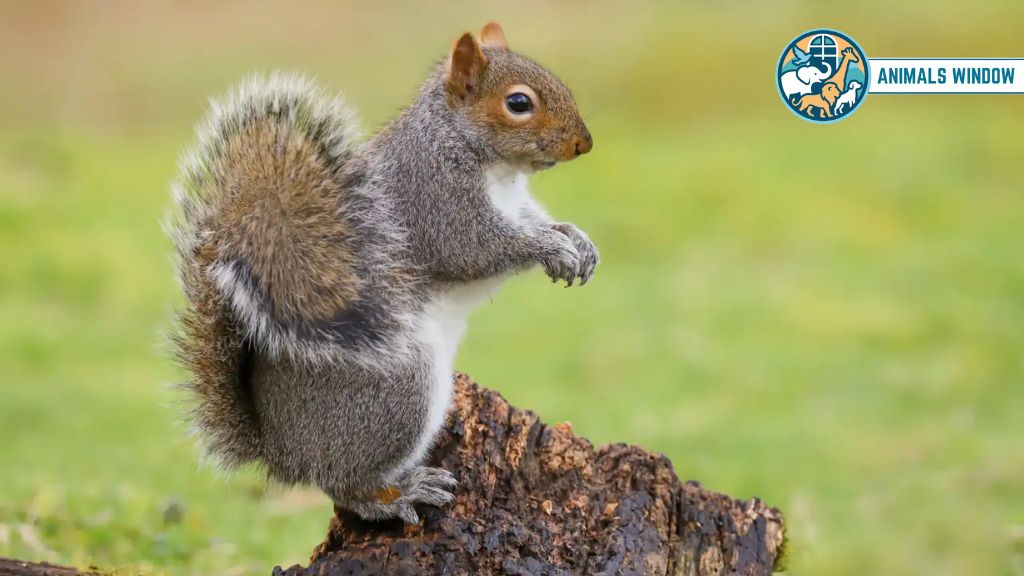
- Scientific Name: Sciurus carolinensis
- Size: 17–20 inches (including tail)
- Weight: 14–21 oz (about the weight of a can of soup)
- Diet: Nuts, seeds, fungi, bird eggs
- Habitat: Deciduous forests, suburban neighborhoods
- Lifespan: 6–12 years in the wild
Gray squirrels are the single most reported attic intruder across North America. They enter through gaps near rooflines and soffits — any opening roughly the size of a golf ball qualifies.
The real damage isn’t the nesting. It’s the teeth. A squirrel’s incisors grow continuously, so it chews to file them down. Electrical wiring is a preferred target because the rubber coating offers the right resistance. Fire investigators have traced attic fires directly to squirrel-gnawed cables — not a rare event.
Gray squirrels are also one of the few attic animals active during daylight hours. If you hear rolling, rapid scurrying between roughly 6–9 AM or 4–6 PM, a gray squirrel is the likely source.
🔥 Size Check: Body alone (no tail) is about the length of a TV remote.
2. Red Squirrel
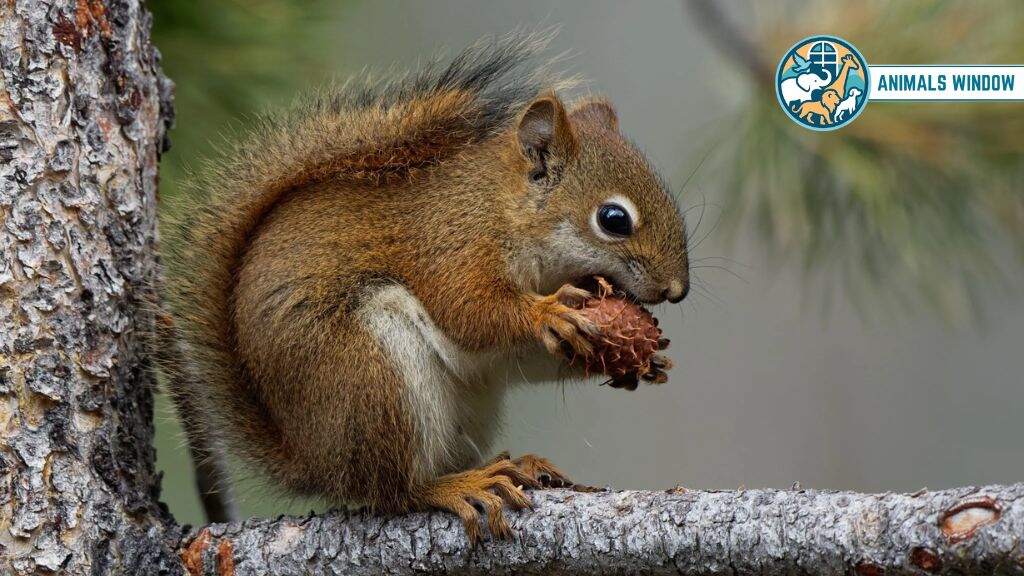
- Scientific Name: Tamiasciurus hudsonicus
- Size: 11–14 inches (28–36 cm) total length
- Weight: 5–8 oz (142–227 g), about the weight of a lemon
- Diet: Pine cones, seeds, mushrooms, bird eggs
- Habitat: Conifer forests and northern woodlands
- Lifespan: 5–8 years
Red squirrels cause a specific type of attic damage that gray squirrels don’t: food hoarding. They build a midden — a personal food cache — inside insulation. One wildlife inspector in Vermont documented a midden the size of a laundry basket packed under attic floorboards, with the surrounding insulation completely compressed and thermally useless.
They’re also aggressively territorial. A single red squirrel will fight off gray squirrels three times its size. So if you have both species near your roof, the red squirrel usually wins the attic.
🔥 Size Check: About the length of a ballpoint pen — small, but loudly territorial.
3. Flying Squirrel
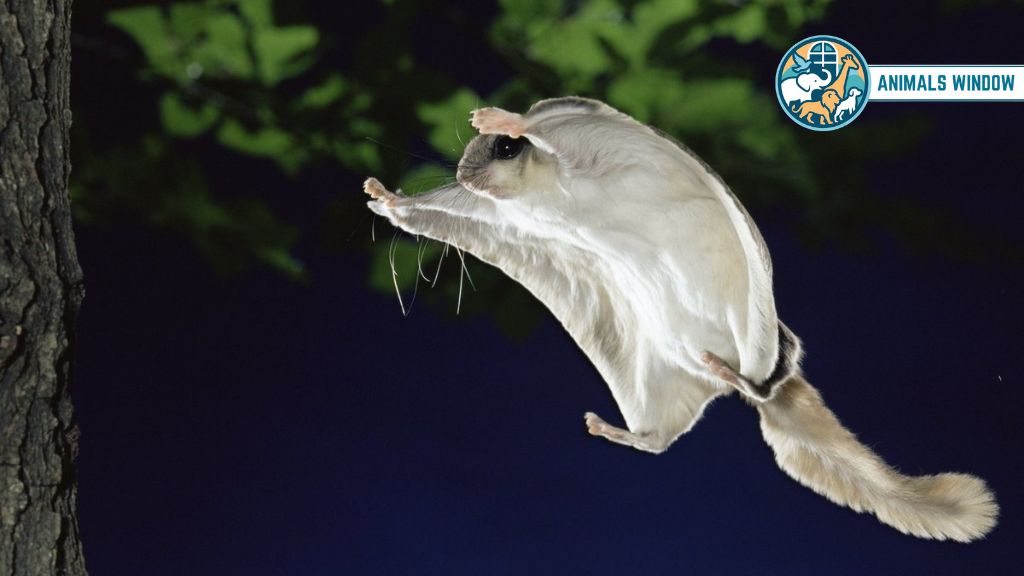
- Scientific Name: Glaucomys volans
- Size: 8–10 inches total
- Weight: 1.5–2.5 oz (lighter than an AA battery)
- Diet: Nuts, seeds, insects, bird eggs, fungi
- Habitat: Eastern hardwood forests and suburban treetops
- Lifespan: 3–5 years in the wild
Flying squirrels don’t fly — they glide using a skin membrane (patagium) stretched between wrist and ankle. The reason they’re hard to detect: they’re completely silent in transit. No scratching on roof shingles, no thudding on the ridge. They land softly and slip through gaps near dormers or soffits after dark.
They’re colony animals. A single entry hole can let in 20 individuals before you notice the first one. Most homeowners discover them only when droppings accumulate in insulation or when an infrared scan reveals body heat clusters along the roofline.
🔥 Size Check: Body is roughly the size of a large egg.
4. Raccoon
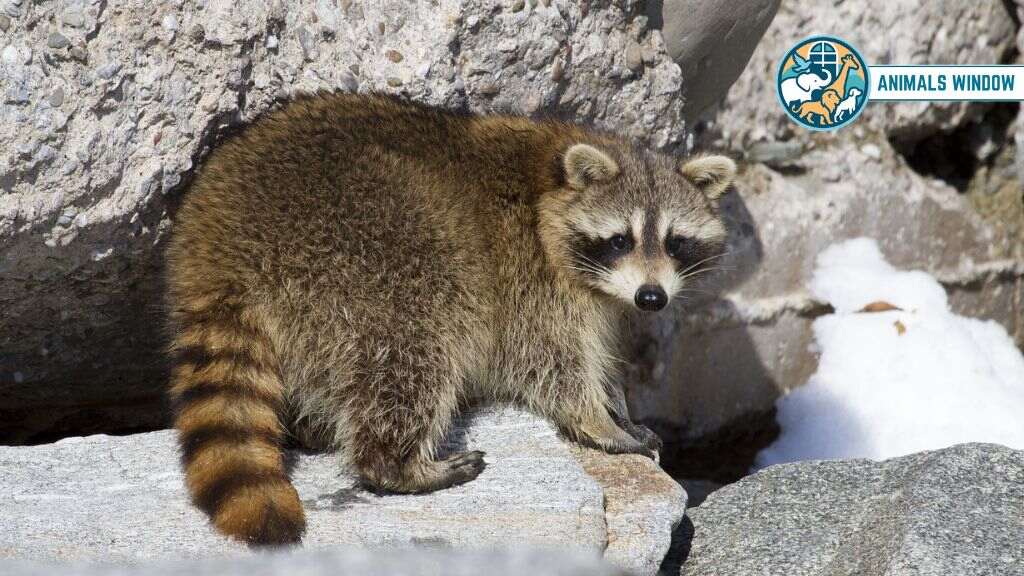
- Scientific Name: Procyon lotor
- Size: 24–38 inches
- Weight: 8–20 lbs
- Diet: Fruit, insects, small animals, garbage, pet food
- Habitat: Forests, wetlands, urban areas
- Lifespan: 2–3 years in the wild
Raccoons are the only animal on this list that physically demolishes its entry point. They don’t squeeze through existing gaps — they make new ones. Soffit panels, roof shingles, and vent covers get torn back with their front paws, which contain the same density of touch receptors as human hands.
A female raccoon in your attic is a more serious problem than a male. She’s almost certainly pregnant or nursing, which means she’ll defend the space aggressively. Her droppings can carry Baylisascaris roundworm — a parasite dangerous to humans that survives in dried fecal matter for years.
🔥 Size Check: Full-grown raccoon weighs about as much as a large watermelon.
5. Roof Rat
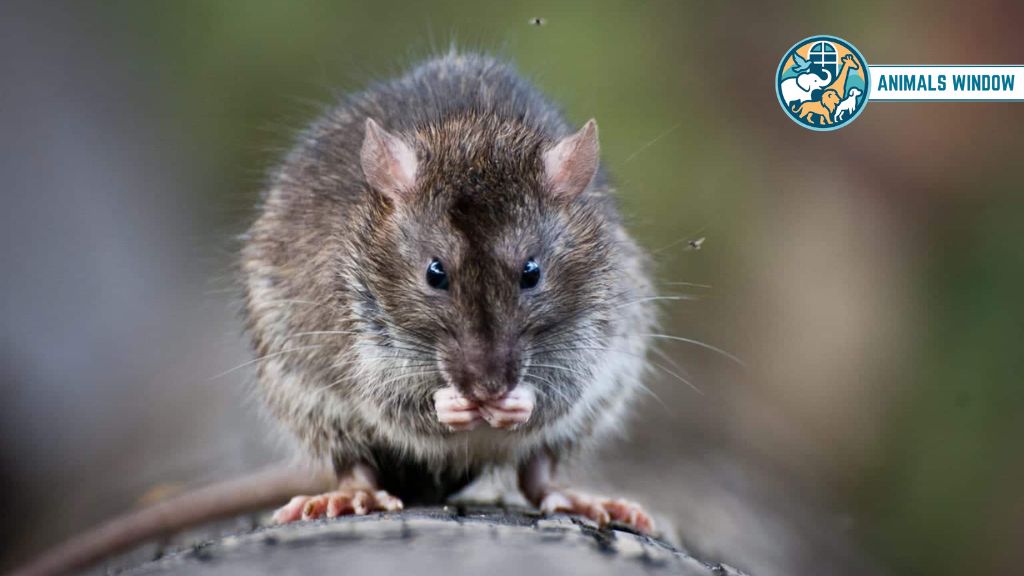
- Scientific Name: Rattus rattus
- Size: 13–18 inches (including tail)
- Weight: 5–9 oz (about the weight of a baseball)
- Diet: Fruits, seeds, grains, insects, and bird eggs
- Habitat: Coastal regions, southern United States, and tropical areas
- Lifespan: About 1 year in the wild
Most rats live low — basements, sewers, ground level. Roof rats are the exception. They specifically prefer elevation: attic beams, ceiling voids, the upper sections of wall cavities. They can scale a vertical brick wall, cross telephone wires, and jump four feet straight up from a flat surface.
The population math is alarming. One female produces up to five litters annually, with six to eight pups each. A single roof rat in January can become a colony of 40 by the following December without any intervention.
🔥 Size Check: Nose to tail, a roof rat is as long as a standard 12-inch ruler.
6. House Mouse
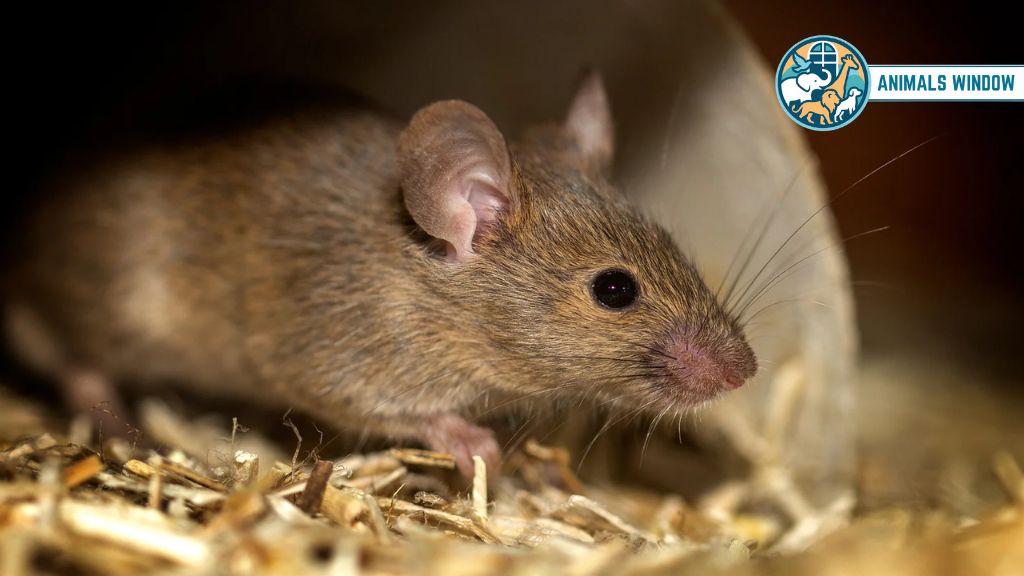
- Scientific Name: Mus musculus
- Size: 5–8 inches total
- Weight: 0.5–1 oz (about the weight of four pennies)
- Diet: Grains, seeds, insects, and starchy foods
- Habitat: Worldwide, commonly in human structures
- Lifespan: 1–2 years
The house mouse can compress its skull enough to pass through a 6mm opening — roughly the diameter of a dime. That makes any gap around pipes, cables, or loose corner trim a functional door.
The behavior most pest guides skip: mice don’t explore randomly. They leave urine trails along wall edges as navigation markers. Other mice chemically detect these trails and follow them. Infrared thermal imaging used by pest control companies reveals these routes as what inspectors call “mouse highways” — defined paths running along baseboards and attic joists that entire colonies follow.
🔥 Size Check: Nose to tail, about the length of a standard USB drive.
7. Opossum
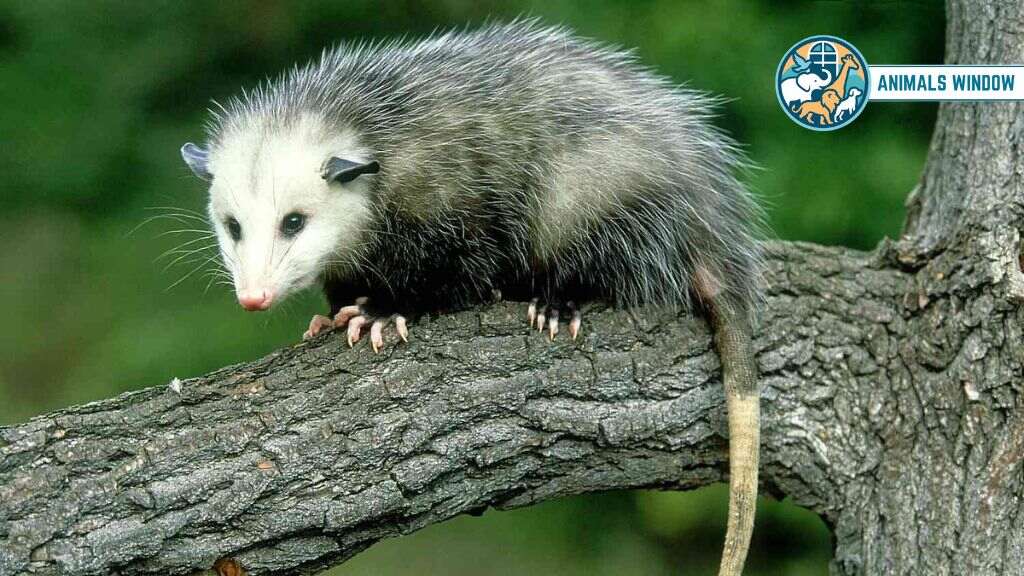
- Scientific Name: Didelphis virginiana
- Size: 24–40 inches (including tail)
- Weight: 4–14 lbs
- Diet: Insects, fruit, carrion, snails, and small rodents
- Habitat: Forests, suburbs, and areas with food and cover
- Lifespan: 1–2 years (very short for their size)
North America’s only marsupial. A female using your attic as a birthing den may arrive with up to 13 joeys already attached to her. “Playing dead” — the opossum’s famous defense — is not a conscious choice. It’s an involuntary coma-like state triggered by extreme fear.
The rarely mentioned fact: opossums are nearly immune to rabies. Their core body temperature runs too low for the virus to survive. For a homeowner, that means an opossum in the attic carries lower infectious disease risk than almost any other mammal on this list.
🔥 Size Check: Body length and weight are close to an average house cat.
8. Big Brown Bat
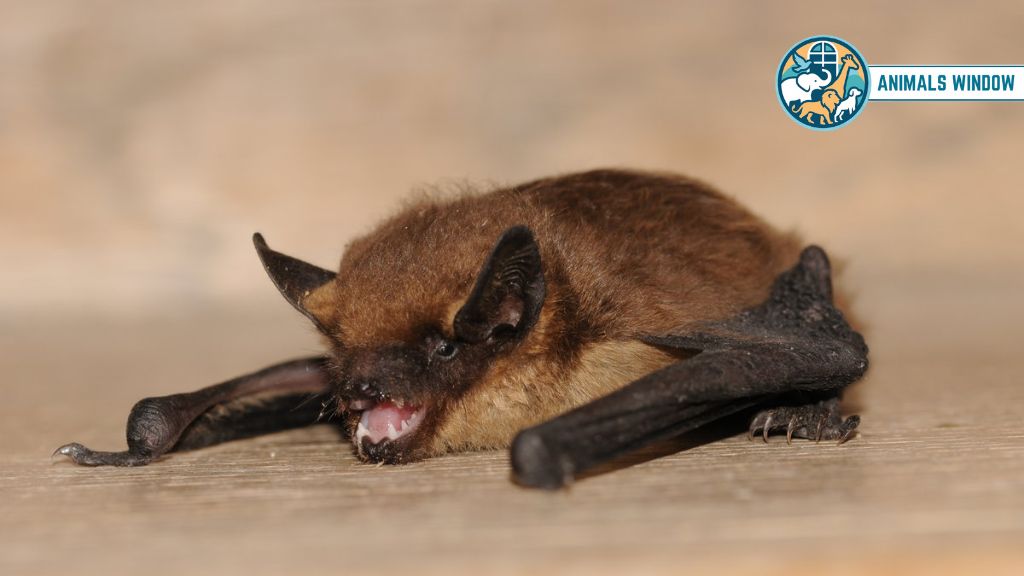
- Scientific Name: Eptesicus fuscus
- Size: 4–5 inch body, 13-inch wingspan
- Weight: 0.5–1.2 oz (about as heavy as a slice of bread)
- Diet: Beetles, moths, and flying insects
- Habitat: Forests, farmland, and urban buildings
- Lifespan: 6–19 years
Bats enter through gaps as narrow as 3/8 of an inch — two pencils side by side. Their echolocation is precise enough to detect a wire 0.3mm thick in mid-flight. A colony builds up slowly and silently, so most homeowners discover them through guano accumulation rather than sound.
Guano is the real hazard. It supports the growth of Histoplasma capsulatum, a fungus that releases airborne spores when disturbed. Inhaling those spores causes histoplasmosis — a serious lung infection. Attic bat guano must be removed with respiratory protection and cannot simply be vacuumed up.
🔥 Size Check: Body is about the size of a human thumb.
9. Stray Cat
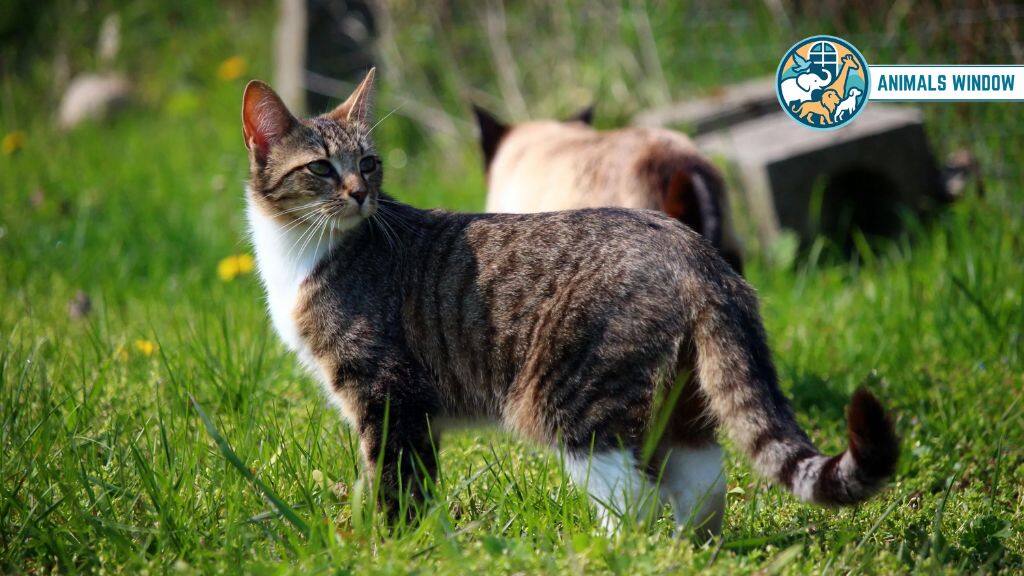
- Scientific Name: Felis catus
- Size: ~18 inches body length
- Weight: 7–10 lbs
- Diet: Small rodents, birds, insects
- Habitat: Urban and suburban environments
- Lifespan: 2–5 years (feral)
Stray cats seek attics as birthing dens. A pregnant female settles behind insulation and delivers four to six kittens. The structural issue isn’t the cats — it’s what their urine does over time.
Cat urine breaks down into ammonia compounds that penetrate drywall and seep into living spaces below. The chemical signature in the dried urine also acts as a location marker for other strays. Wildlife researchers have documented single attic spaces that cycled through multiple stray cat colonies over several years — each one drawn in partly by the previous occupant’s scent.
🔥 Size Check: A stray cat’s skull can just barely fit through any gap that accepts a tennis ball.
10. Pigeon

- Scientific Name: Columba livia
- Size: 12–14 inches
- Weight: 8–13 oz (about the weight of a tall can of beer)
- Diet: Seeds, grains, bread, garbage
- Habitat: Urban rooftops, bridges, attic soffits
- Lifespan: 3–5 years in urban environments
Pigeons are site-loyal. Once a roost is established, they return to the exact same location daily. Their droppings are highly acidic — capable of corroding zinc sheet metal, degrading concrete, and blocking drainage gutters. One pigeon produces roughly 25 lbs of droppings per year. A flock of 20 leaves behind 500 lbs annually.
They carry over 60 transmissible diseases, including histoplasmosis, cryptococcosis, and psittacosis. The dried droppings are the primary transmission route — not direct contact.
🔥 Size Check: About the length of a school ruler from beak to tail.
11. Barn Swallow
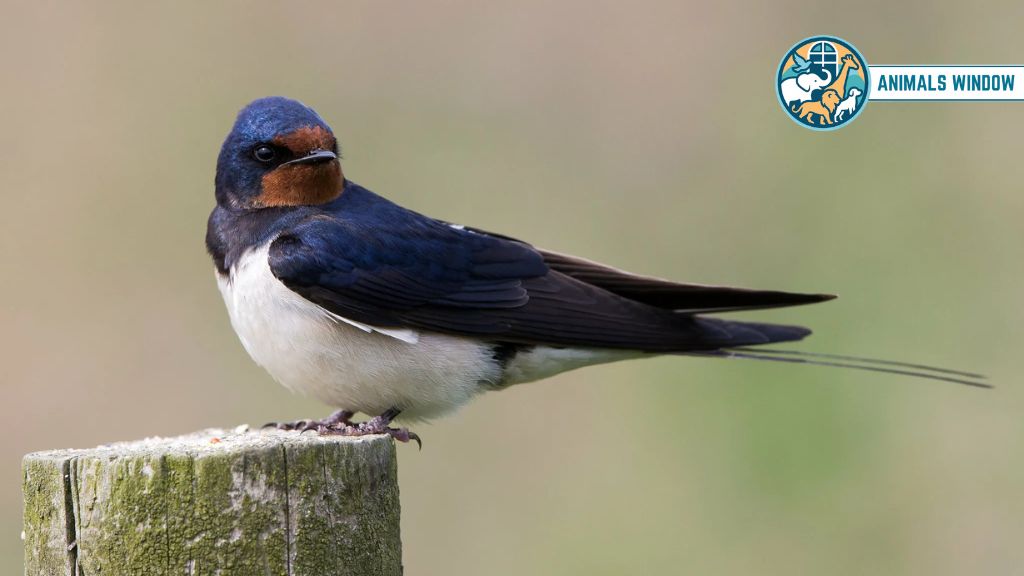
- Scientific Name: Hirundo rustica
- Size: 5.9–7.5 inches
- Weight: 0.56–0.78 oz (lighter than five pennies)
- Diet: Flying insects exclusively
- Habitat: Open fields, farms, under eaves and rafters
- Lifespan: Up to 11 years
Barn swallows nest at the edges of attic access — under eaves, on exposed rafters near open vents. Their nests are structurally impressive: a single mud nest contains over 1,000 individual mud pellets bonded with saliva, shaped and dried over several days.
Federal law makes removal complicated. In the U.S., the Migratory Bird Treaty Act protects active barn swallow nests. Removing a nest containing eggs or chicks requires a federal permit. Exclusion has to happen before nesting season starts or after fledglings have left — otherwise a homeowner faces legal risk, not just a pest problem.
🔥 Size Check: Weighs less than a single AAA battery.
12. European Starling
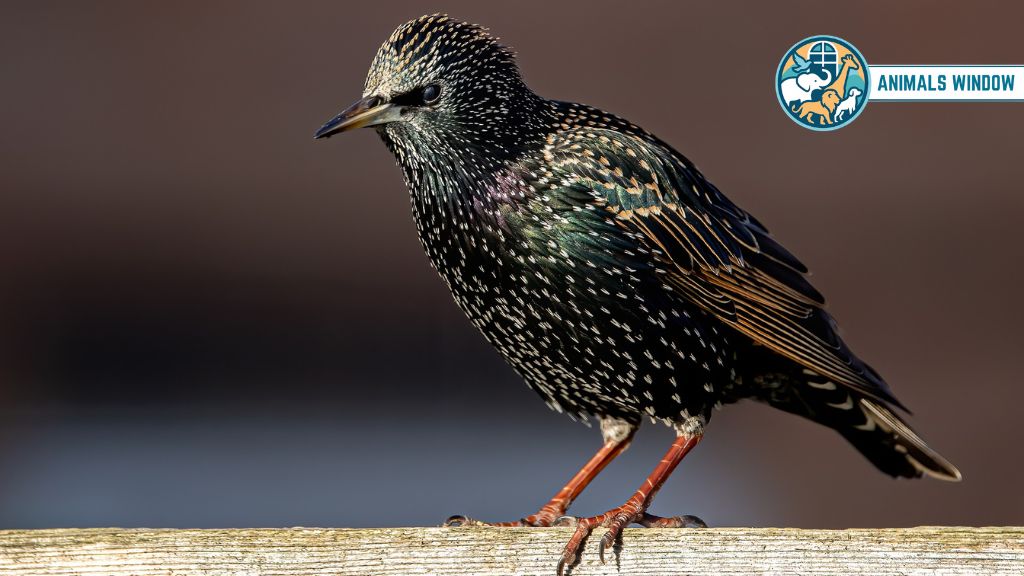
- Scientific Name: Sturnus vulgaris
- Size: 8.5 inches
- Weight: 2.4–3.4 oz (about the weight of a golf ball)
- Diet: Insects, fruit, grains, garbage
- Habitat: Urban areas, farms, open woodlands
- Lifespan: 2–3 years in the wild
Every starling in North America descends from 60 birds released in Central Park in 1890. There are now over 200 million. In your attic or near your vents, a starling sounds like multiple different birds — it can mimic 20+ species accurately, plus car alarms and cell phone rings. That mimicry makes acoustic identification unreliable.
Their competition behavior is also worth noting: starlings actively evict native birds — woodpeckers, bluebirds, purple martins — from natural cavities. An attic vent becomes contested territory fast once a pair establishes a nest.
🔥 Size Check: About the length of a TV remote, but less than half its weight.
13. House Sparrow

- Scientific Name: Passer domesticus
- Size: 5.9–6.7 inches
- Weight: 0.85–1.1 oz
- Diet: Seeds, grains, insects, bread scraps
- Habitat: Urban areas, suburbs, farms
- Lifespan: 3 years (average)
House sparrows build dense nests packed with grass, feathers, paper, and lint — and they prefer attic exhaust vents and dryer ports. A dryer vent blocked by a sparrow nest becomes a fire hazard. The National Fire Protection Association links blocked dryer vents to thousands of residential fires annually, and pest inspectors consistently identify sparrow nests as a primary cause.
Unlike many birds that nest once per season, house sparrows can produce three to five clutches per year in the same location.
🔥 Size Check: Weighs about as much as five U.S. quarters stacked together.
14. House Finch
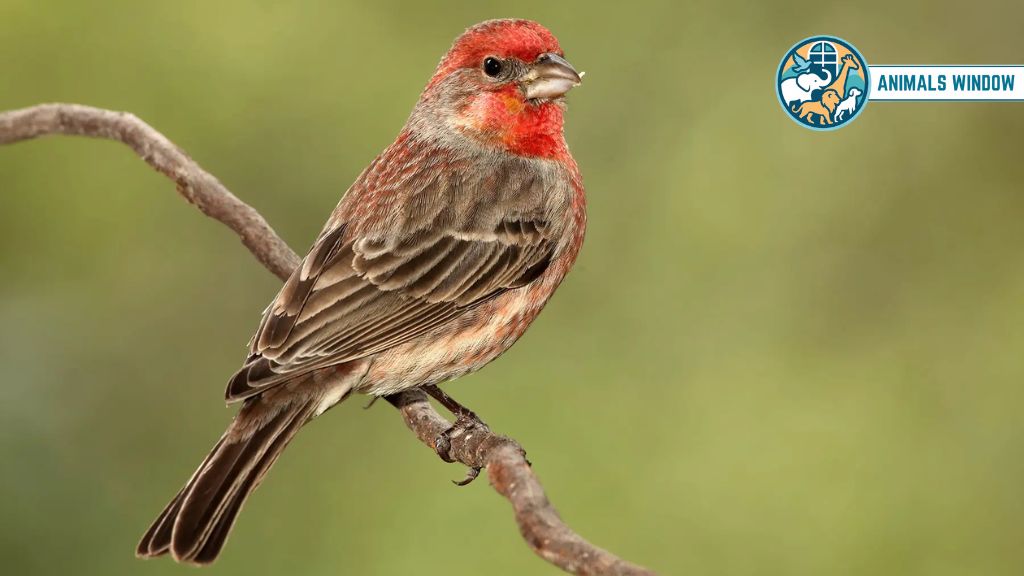
- Scientific Name: Haemorhous mexicanus
- Size: 5–6 inches
- Weight: 0.6–0.9 oz
- Diet: Seeds, berries, buds
- Habitat: Urban areas, backyards, building eaves
- Lifespan: 3–5 years
House finches return to the same nesting site year after year. If a pair nests in your eave once, they’ll be back next spring — often before you’ve had a chance to seal the entry. The female builds the nest alone; the male sings. Research shows female finches select mates based on song complexity, choosing males with the most varied vocal patterns.
The attic issue with finches is indirect: their nests attract feather mites and nest parasites that migrate inward. When nestlings die in the nest, the decomposition draws blowflies, creating a secondary infestation below the nest site.
🔥 Size Check: Length is close to a standard highlighter pen.
15. Black Snake (Eastern Rat Snake)
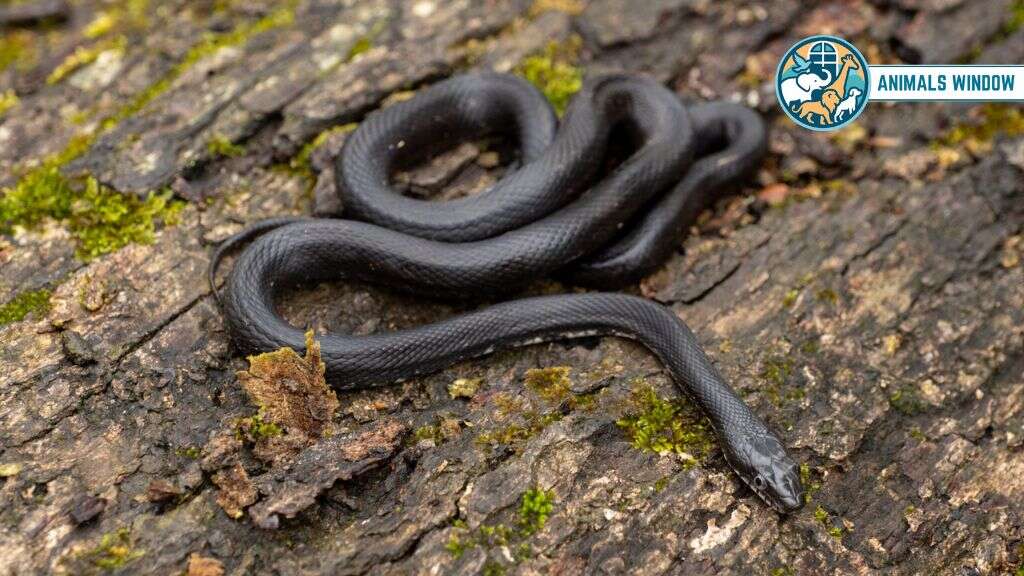
- Scientific Name: Pantherophis obsoletus
- Size: 4–6 feet long
- Weight: 1–4 lbs
- Diet: Rodents, birds, eggs, frogs
- Habitat: Forests, farms, suburban areas
- Lifespan: 10–15 years in the wild
A black snake in the attic is almost always a sign of rodents. They don’t enter attics randomly — they follow prey. Eastern rat snakes climb vertical brick walls by pressing belly scales against surface irregularities and moving in a caterpillar-like wave. Finding one means the rodent population is large enough to attract a predator.
The practical reality: one rat snake consumes 50–60 rodents per year. Some pest control operators privately acknowledge that a rat snake in residence is doing active rodent management. The snake is a symptom and a solution at the same time.
🔥 Size Check: At 6 feet, it matches the height of a standard interior door.
16. Garter Snake
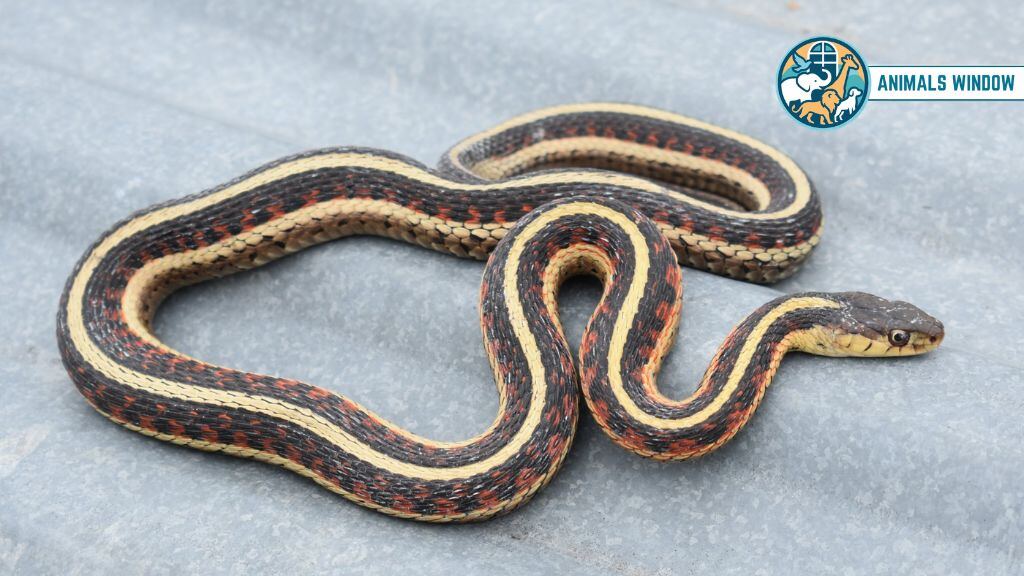
- Scientific Name: Thamnophis sirtalis
- Size: 18–54 inches
- Weight: 2.8–5.3 oz
- Diet: Worms, frogs, small rodents, insects
- Habitat: Forests, fields, wetland edges, suburban yards
- Lifespan: 2–10 years
Garter snakes enter attics accidentally — following insects or small prey through foundation cracks and moving upward through wall voids. They’re harmless but have a specific defense: when threatened, they release a foul musk from glands at the base of the tail.
The behavior most guides miss: in cold climates, garter snakes share hibernation dens (called hibernacula) with dozens or hundreds of others. If a garter snake finds warmth in your attic wall cavity in fall, it may chemically signal others to the same location. What starts as one snake in October can become a cluster by November.
🔥 Size Check: Average length matches a baseball bat.
17. Wasp (Southern Yellowjacket)
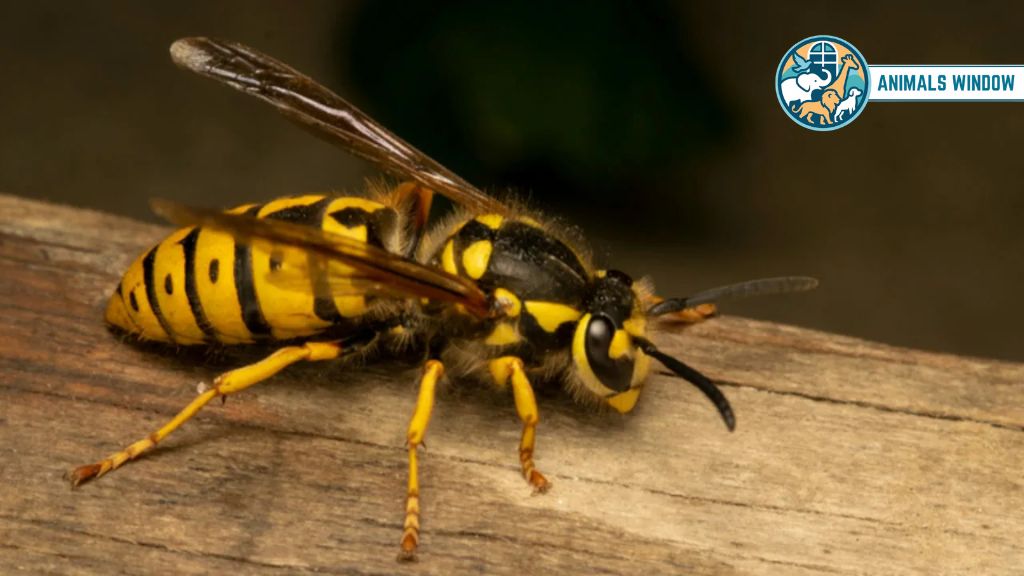
- Scientific Name: Vespula squamosa
- Size: 0.5–0.75 inch
- Weight: Negligible — about the weight of 3 sesame seeds
- Diet: Insects, fruit, human food scraps
- Habitat: Underground, wall voids, attic spaces
- Lifespan: Workers live 12–22 days; queens live up to 1 year
A single queen starts a wasp nest in spring with a structure the size of a golf ball. By late August, that same nest can contain 5,000 workers and reach basketball size. The nest is built from chewed wood fiber mixed with saliva — the papery material you see on exposed rafters.
One overlooked fact: wasp nests are single-season structures. The queen and workers all die in winter. The nest is abandoned. But if the old nest is left in place, a new queen may select that same spot the following spring and build directly over the previous structure. Some attics contain layered nests representing 10 or more consecutive seasons.
🔥 Size Check: A full-season nest can grow to the size of a basketball or larger.
18. Cluster Fly

- Scientific Name: Pollenia rudis
- Size: 0.35–0.4 inch
- Weight: About the weight of 2 sesame seeds
- Diet: Earthworm tissue (larvae stage); adults eat little
- Habitat: Agricultural fields, rural and suburban attics
- Lifespan: Several weeks as adults
Cluster flies gather in attics by the hundreds or thousands in fall to overwinter — not to breed, not to eat your home, just to survive the cold. They’re earthworm parasites as larvae but completely harmless to humans as adults. No biting, no disease transmission, no structural damage.
The identification clue most people miss: when disturbed, cluster flies release a faint sweet odor — often described as buckwheat honey. That scent attracts more cluster flies. It’s also the reason the same attic gets reinfested year after year even after full removal — the chemical marker persists.
🔥 Size Check: Barely longer than a pencil-top eraser.
19. House Spider
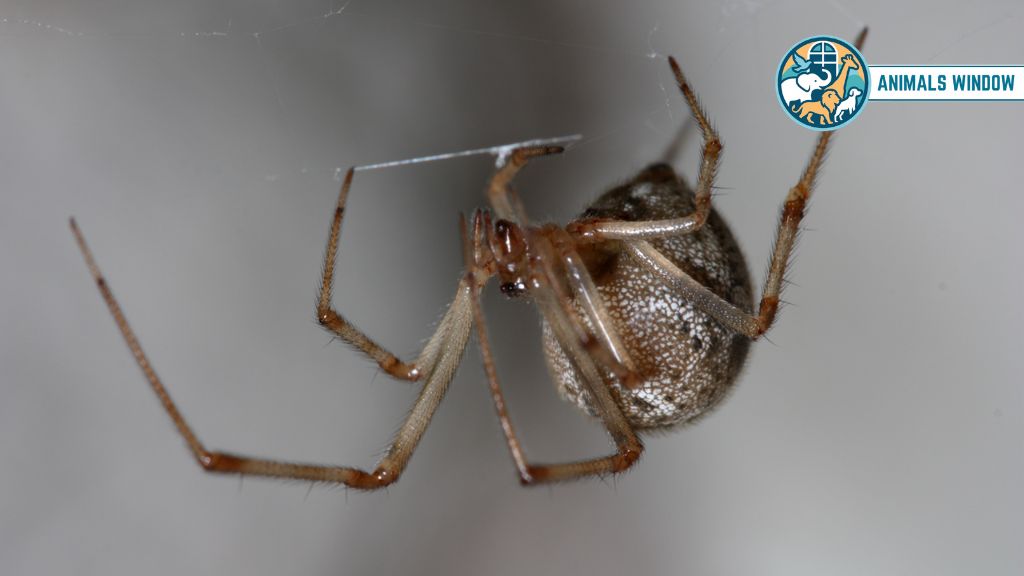
- Scientific Name: Parasteatoda tepidariorum
- Size: 0.08–0.24 inch body length
- Weight: Almost unmeasurable — lighter than a single strand of hair
- Diet: Insects, other spiders
- Habitat: Indoors worldwide — corners, voids, attics
- Lifespan: 1–2 years (females live longer)
House spiders aren’t seasonal visitors — they live permanently in attic spaces, breeding and dying there. Their webs are not the organized orb patterns most people picture. They’re three-dimensional tangles designed to catch walking insects rather than flying ones. That structural difference is what distinguishes a cobweb from an orb web.
The hunting method is unusual: the spider doesn’t monitor the web directly. It holds a single signal thread attached to one leg. Struggling prey generates specific vibrations that travel up that thread. The spider can distinguish between the vibration pattern of a live insect, falling debris, and wind — without moving from its resting spot.
🔥 Size Check: Body is roughly the size of a watermelon seed.
20. American Cockroach

- Scientific Name: Periplaneta americana
- Size: 1.5–2 inches
- Weight: 0.1 oz (about the weight of a paper clip)
- Diet: Almost anything organic (food scraps, paper, glue, hair)
- Habitat: Warm, dark, moist spaces worldwide
- Lifespan: Up to 2 years
American cockroaches — the largest common species in the U.S. — can fly. Most homeowners don’t know that. They use wings in warm weather and are capable of short directed flights, not just gliding. Their reflexes respond to air current changes in 0.054 seconds, which is why they vanish the moment a light turns on.
The survival biology is extreme: they can survive 45 minutes without oxygen by slowing metabolism, and a cockroach with its head removed survives up to a week because it breathes through body-wall spiracles rather than its mouth.
🔥 Size Check: Body length matches the width of a U.S. quarter — about 1.5 inches.
Read More Post: Top 32 Quiet Animals (With Pictures and Unique Facts)
How to Identify Your Attic Guest (Sound, Time & Entry Points)
The Rabbit Myth: Rabbits are ground-level burrowers. They have no anatomical ability to climb rooflines, scale walls, or access elevated attic spaces. If someone suspects a rabbit in their attic, the actual animal is almost always a rat, squirrel, or opossum. Rabbits simply don’t belong in this matrix.
| Animal | Peak Activity Time | What It Sounds Like | Likely Entry Point | Risk Level |
| Gray Squirrel | Dawn & dusk | Fast scurrying, rolling sounds (acorns) | Soffits, roof edges, gable vents | Medium |
| Red Squirrel | Daytime | Rapid chattering, scratching | Roof corners, gnawed wood gaps | Medium |
| Flying Squirrel | After midnight | Soft padding, gliding thuds | Small gaps near dormers | Medium |
| Raccoon | Night (2–4 AM) | Heavy thumping, vocal chirping | Torn soffits, ripped vent covers | High |
| Roof Rat | Night | Fast scratching along beams | Utility lines, roof edges | High |
| House Mouse | Night | Soft scratching, gnawing sounds | Pipe gaps, corner trim holes | Medium |
| Opossum | Night | Slow, heavy shuffling | Large broken vents, soffits | Medium |
| Bat | Dusk & dawn | High-pitched squeaking, fluttering | Gaps ≥ 3/8 inch near ridge vents | High |
| Stray Cat | Variable | Hissing, mewing, heavy footfalls | Large vent gaps, broken screens | Medium |
| Pigeon | Daytime | Cooing, flapping on rafters | Open gable vents, broken fascia | Medium |
| Barn Swallow | Dawn–dusk | Rapid chirping, mud-building scraping | Open eave gaps, rafter ends | Low |
| European Starling | Daytime | Loud mimicry, chattering | Vent openings, eave gaps | Low |
| House Sparrow | Daytime | Repetitive chirping | Dryer vents, bathroom exhaust ports | Medium |
| House Finch | Daytime | Musical warbling | Eave gaps, open vents | Low |
| Black Snake | Night/dawn | Slow, dry sliding sound | Gaps from rodent activity | Low (beneficial) |
| Garter Snake | Variable | Near-silent, faint rustling | Foundation cracks, wall gaps | Low |
| Wasp | Daytime | Buzzing, papery scratching | Roof overhangs, gable openings | High |
| Cluster Fly | Warm winter days | Lazy buzzing near windows | Window frames, wall cracks | Low |
| House Spider | Permanent | Silent (webs appear near vents) | Any gap over 1mm | Low |
| American Cockroach | Night | Faint crackling, skittering | Plumbing gaps, foundation vents | High |
FAQ’s About Animals in Attics
What is the most common animal in attics?
Gray squirrels and roof rats. Squirrels dominate in northern states; roof rats are more common in warm southern regions.
What animal is scratching in my attic at night?
Most likely rats, mice, or flying squirrels. Raccoons thump heavily. Bats flutter near dawn and dusk. Fast, light scratching almost always means rodents.
Can animals in the attic get into the house?
Yes. Rats and mice travel through wall voids straight into living spaces. Bats slip through gaps around light fixtures. Raccoons can push through drywall.
How much does animal removal from an attic cost?
Single animal removal runs $150–$600. Full exclusion with sealing and colony removal costs $1,000–$5,000 depending on species and damage.
How do I scare animals out of my attic?
Use strobe lights, one-way exclusion doors, or ammonia-soaked rags near entry points. None of these work long-term without sealing every entry point permanently.
Read More Animals Guides:

I have loved animals since I was a kid. I enjoy reading about how animals live, eat, move, and survive. I started Animals Window to share what I learn in a simple and easy way. I write about animal body parts, size, behavior, diet, habitats, and species. My goal is to make animal facts clear and fun for everyone to understand.