The weakest animals in the world include creatures with no muscles, no bones, or bodies so fragile they can be crushed by a fingertip. From the blobfish with its gelatinous body to the butterfly with wings that shatter in the rain, these animals survive through camouflage, toxins, or simply living where predators can’t reach them. They’re weak in physical strength — but surprisingly good at staying alive.
Table of Contents
Quick Table of Weakest Animals at a Glance
| Animal | Scientific Name | Key Trait |
| Blobfish | Psychrolutes marcidus | No muscles, gelatinous body |
| Jellyfish | Medusozoa (class) | 95% water, no brain, no bones |
| Sloth | Bradypus variegatus | Extremely low muscle mass |
| Earthworm | Lumbricus terrestris | No limbs, no skeleton |
| Snail | Helix aspersa | Soft body, brittle shell |
| Starfish | Asterias rubens | Soft, slow, easily torn |
| Tree Frog | Hyla cinerea | Fragile bones, weak bite |
| Mouse | Mus musculus | Tiny bones, many predators |
| Butterfly | Danaus plexippus | Wings destroyed by light pressure |
| Goldfish | Carassius auratus | Helpless outside water |
| Sea Sponge | Porifera (phylum) | No nerves, no movement |
| Tardigrade | Ramazzottius varieornatus | Microscopic, soft-bodied |
| Hamster | Mesocricetus auratus | Fractured by short falls |
| Chameleon | Chamaeleo chamaeleon | Slow, zero biting power |
| Pangolin | Manis javanica | Rolls into a ball, easily carried |
1. Blobfish
- Scientific name: Psychrolutes marcidus
- Size: 30 cm (about 12 inches)
- Weight: Around 9 kg (20 lbs)
- Diet: Small crustaceans, sea urchins
- Habitat: Deep ocean, 600–1,200 meters below the surface
- Lifespan: Unknown (estimated 100+ years)
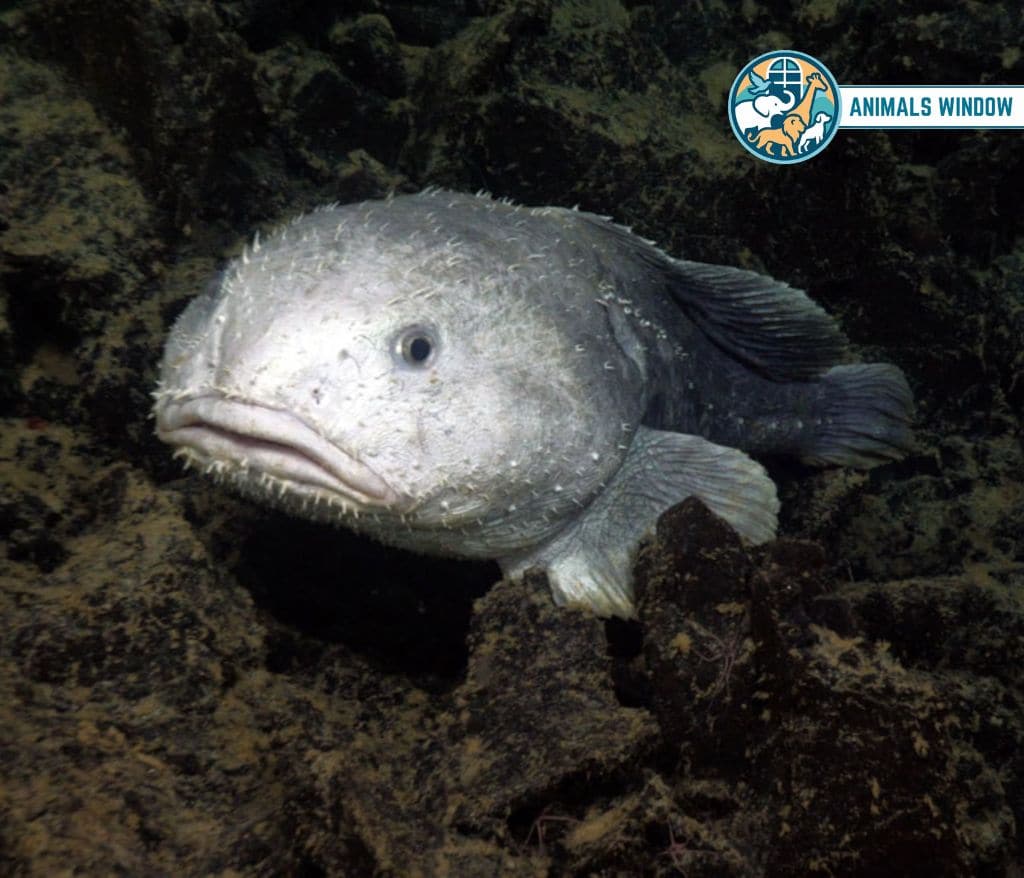
The blobfish looks like a sad, melting face — and that’s exactly what happens when it leaves the deep ocean. Down at those depths, the water pressure is 120 times stronger than at the surface. The blobfish has no real muscles and no swim bladder. Its body is just slightly less dense than water, which lets it float without burning any energy.
What makes it unusual isn’t just the look. The blobfish is one of the few animals that is shaped by pressure. At the surface, without the weight of the ocean compressing its tissues, the body expands into that iconic droopy face. In its natural habitat, it actually looks like a normal, roundish fish. The “ugly” version is what we made it look like by pulling it out of its world.
Comparison Fact: About the length of a standard ruler — but feels more like a wet stress ball than a fish.
2. Jellyfish
- Scientific name: Medusozoa (class)
- Size: 2 cm to 2 meters across
- Weight: Up to 200 kg (giant species)
- Diet: Plankton, small fish, shrimp
- Habitat: All oceans, from surface to deep water
- Lifespan: Most species live a few months; one is biologically “immortal”
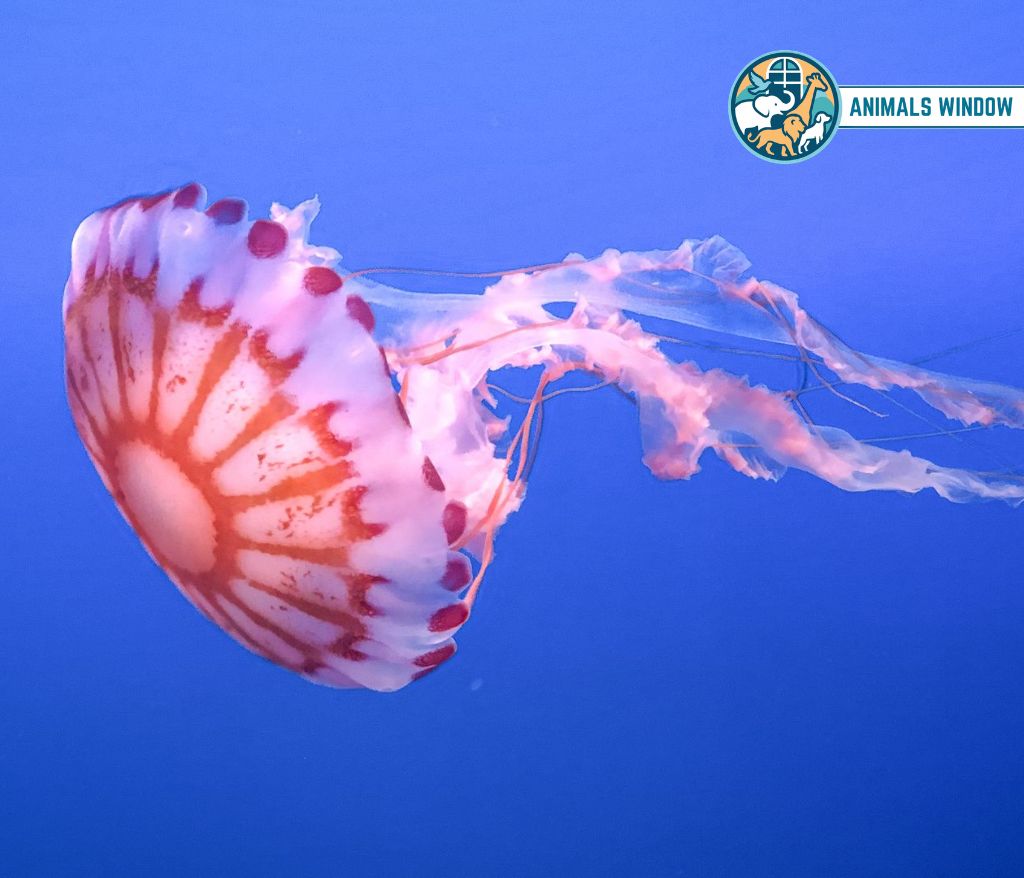
A jellyfish has no brain, no heart, no bones, and no lungs. Its body is 95% water. It cannot swim against a current — it can only pulse its bell to steer slightly. If the ocean decides to take it somewhere, it goes.
But here’s the surprising part: the jellyfish has been on Earth for over 500 million years. It predates dinosaurs by a huge margin. Its sting isn’t strength — it’s just chemistry. Tiny coiled harpoons called nematocysts fire automatically on contact. The animal has no idea it’s stinging anything.
Comparison Fact: A moon jellyfish is roughly the size of a dinner plate — but it weighs almost nothing in your hands.
3. Sloth
- Scientific name: Bradypus variegatus (three-toed sloth)
- Size: 45–75 cm
- Weight: 3.5–4.5 kg (about the weight of a house cat)
- Diet: Leaves, buds, small twigs
- Habitat: Tropical rainforests of Central and South America
- Lifespan: 20–30 years in the wild
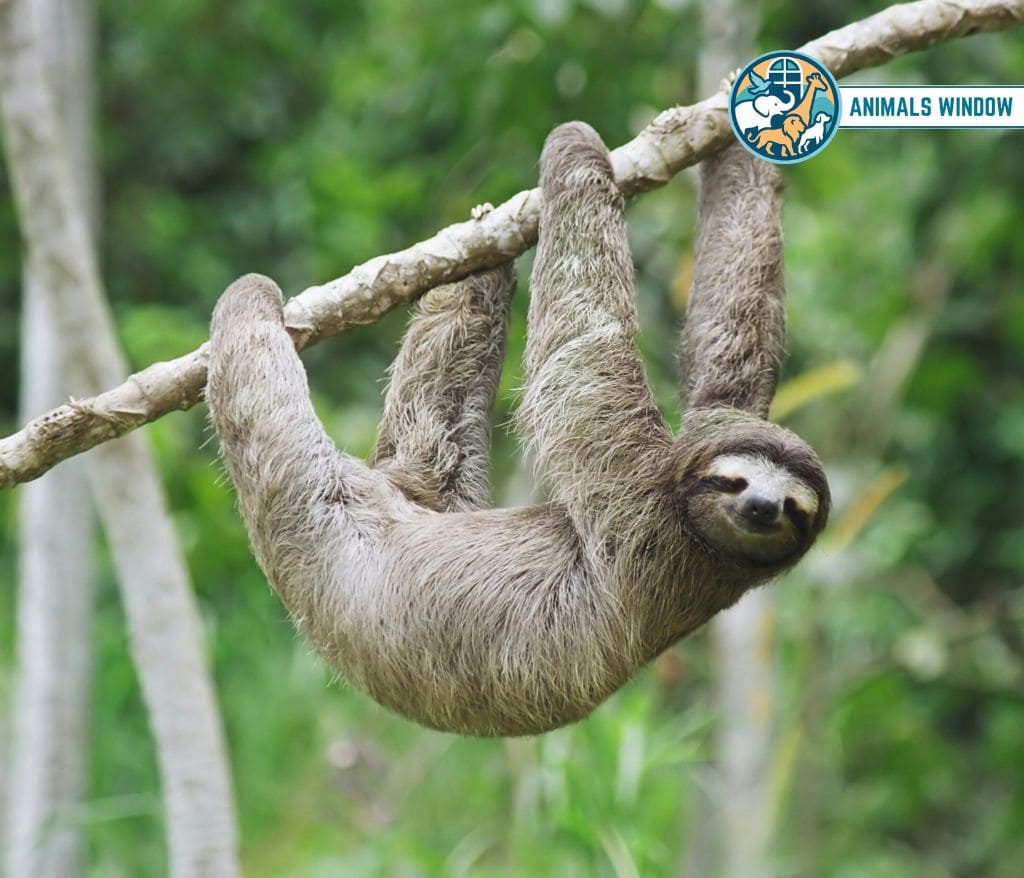
Sloths have 25% less muscle mass than other mammals of the same size. On the ground, they crawl at about 0.15 mph. A person walking casually moves 200 times faster. But that weakness is actually the whole strategy.
Their slow metabolism means they barely digest food. A single leaf can take up to a month to break down. So they eat almost nothing, move almost never, and their low energy use means they don’t need much food to survive. Green algae grows on their fur, giving them natural camouflage in the tree canopy. Predators literally look right through them.
Comparison Fact: About the size of a medium dog, but weighs less than a full bag of sugar.
4. Earthworm
- Scientific name: Lumbricus terrestris
- Size: 10–30 cm
- Weight: 0.5–7 grams
- Diet: Decaying leaves, organic matter in soil
- Habitat: Soil in temperate climates worldwide
- Lifespan: 4–8 years in good conditions
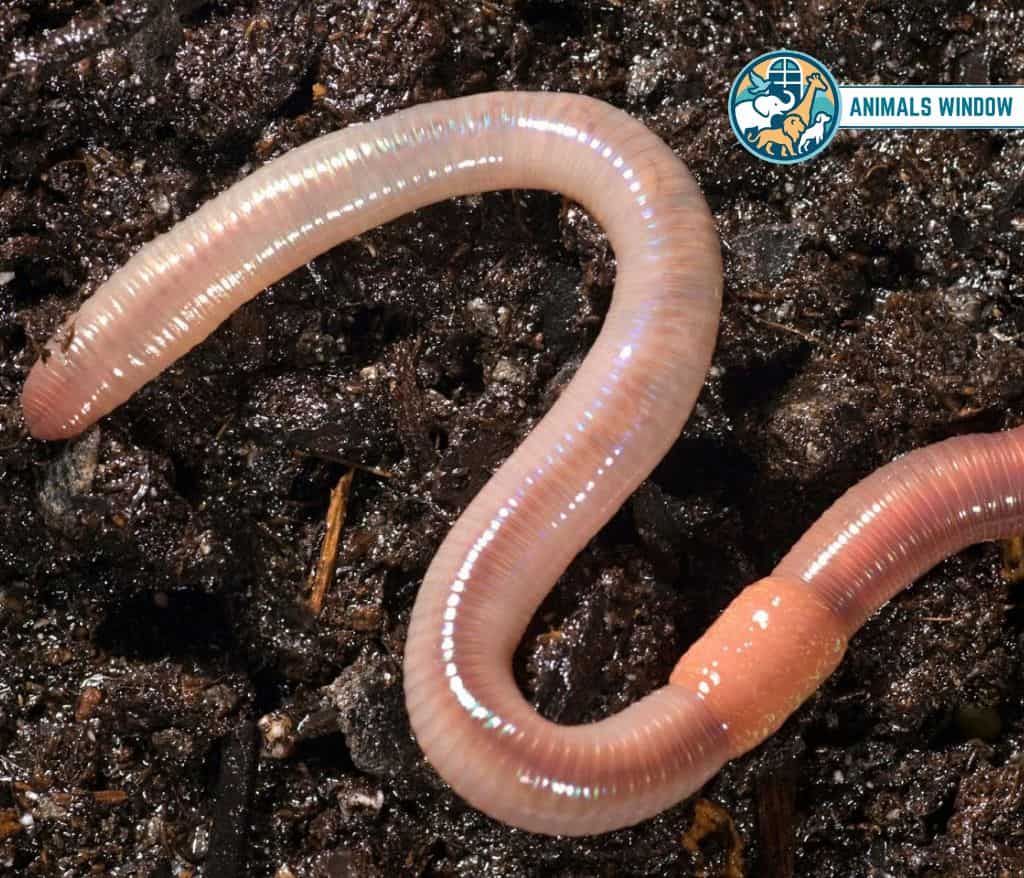
The earthworm has no skeleton, no limbs, and no hard outer shell. It moves by squeezing and stretching segments of its body — almost like pushing toothpaste through a tube. The entire body is held together by fluid pressure inside. Squeeze it too hard and it bursts.
What stands out is what the earthworm does for soil. A single acre of land can contain over a million earthworms. They eat dead plant matter and push it through their bodies, and what comes out the other side is rich, nutrient-packed castings that plants love. Charles Darwin spent 40 years studying them and called earthworms some of the most important animals on Earth.
Comparison Fact: A large earthworm is about the length of a pencil — but softer than a gummy worm.
5. Snail
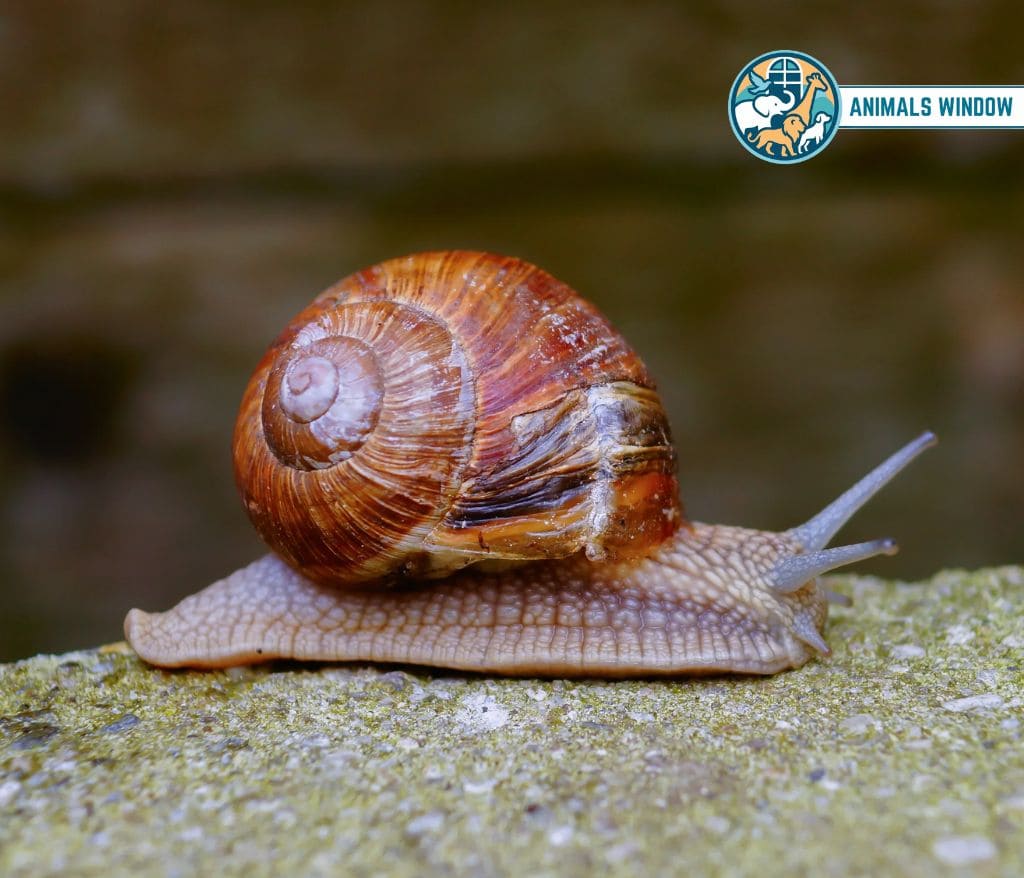
- Scientific name: Helix aspersa
- Size: 3–5 cm shell diameter
- Weight: 7–15 grams
- Diet: Leaves, fruit, algae, fungus
- Habitat: Gardens, forests, and wetlands across Europe and North America
- Lifespan: 2–5 years in the wild
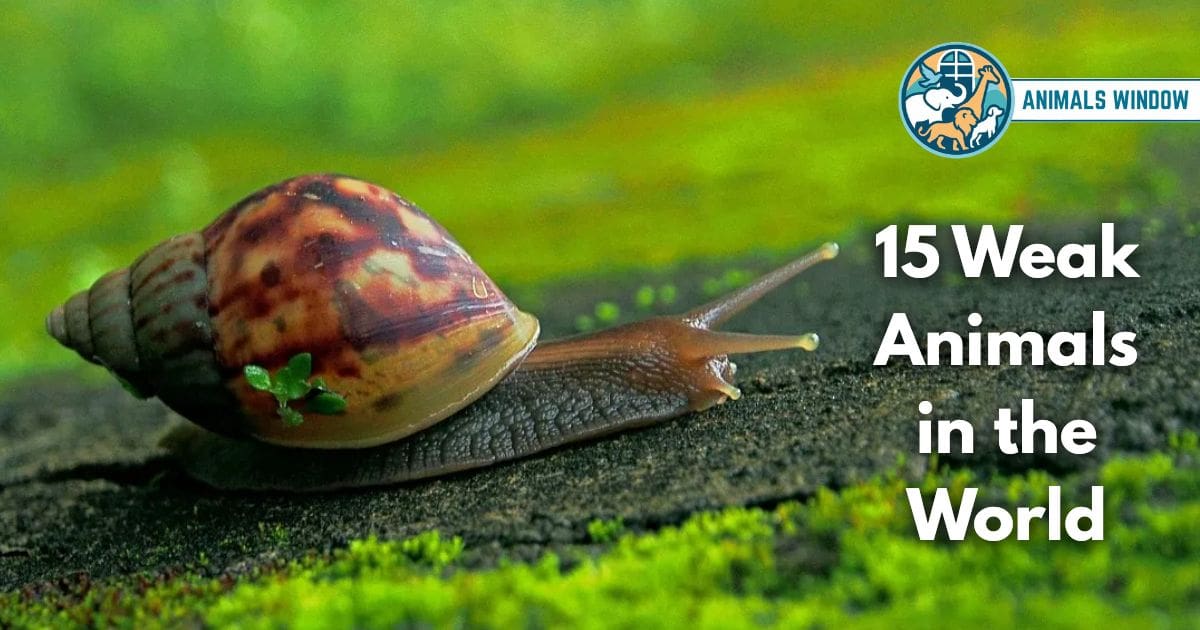
The snail’s body is pure soft tissue — no bones, no claws, no teeth that do any real damage. Its shell is made of calcium carbonate, which is fairly brittle. Step on it lightly and it shatters. The animal inside has no way to survive without that shell.
But here’s what few people know: snails navigate using magnetic fields. Research has found that garden snails can sense Earth’s geomagnetic field and use it to orient themselves. A creature moving at 0.03 mph turns out to have a built-in compass. They also sleep for up to three years during drought — sealing their shell with a film of dried mucus and simply waiting out the problem.
Comparison Fact: Shell is roughly the size of a large marble — with the same fragility.
6. Starfish (Sea Star)
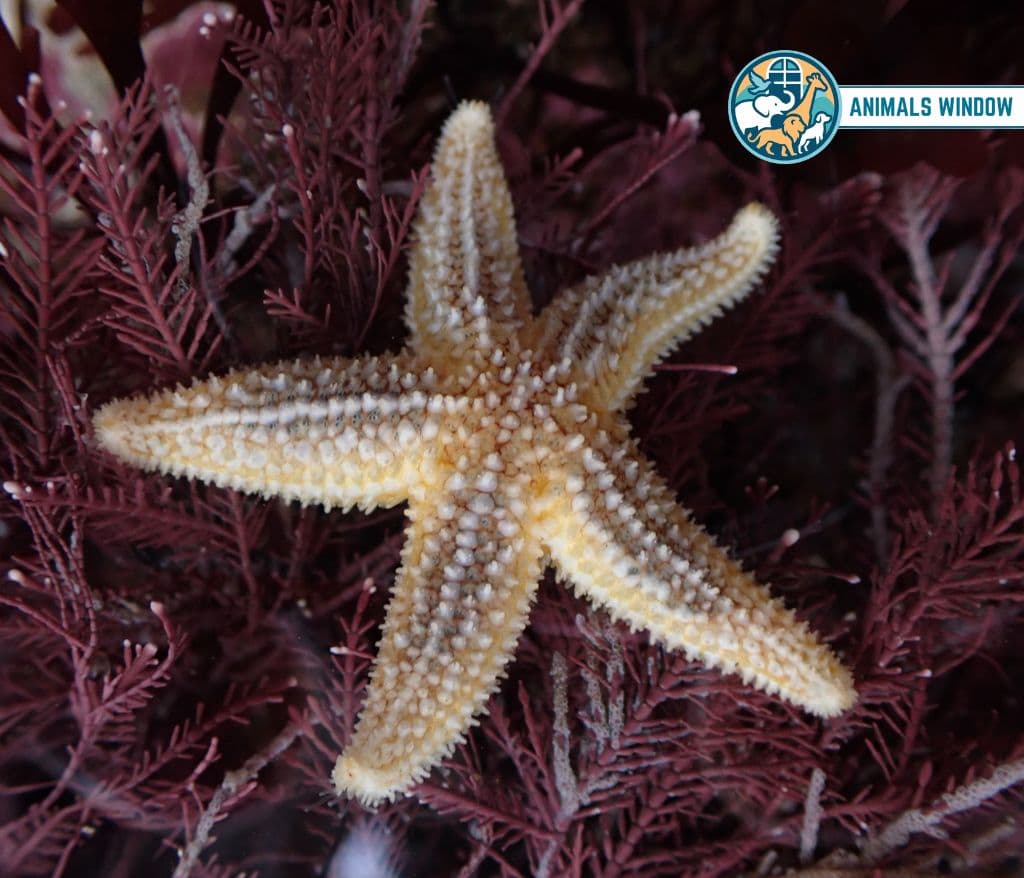
- Scientific name: Asterias rubens
- Size: 12–30 cm arm-to-arm
- Weight: 30–100 grams
- Diet: Mussels, oysters, clams, small fish
- Habitat: Shallow coastal waters of the Atlantic and Pacific
- Lifespan: 10–35 years
A starfish has no brain, no blood, and no real ability to escape quickly. It moves on hundreds of tiny suction-cup feet at about 1 meter per minute. Seabirds, fish, and otters can pick them apart without a fight. If a predator grabs an arm, the arm just… breaks off.
And that’s actually a plan. The arm grows back. The detached arm can even grow an entirely new body, given enough time and nutrients. This process is called autonomy-driven regeneration, and the starfish doesn’t just tolerate it — it uses it. Some species can regrow a complete body from just one arm and a small piece of the central disc.
Comparison Fact: About the width of a large dinner plate, but feels like firm jelly in your hand.
7. Tree Frog
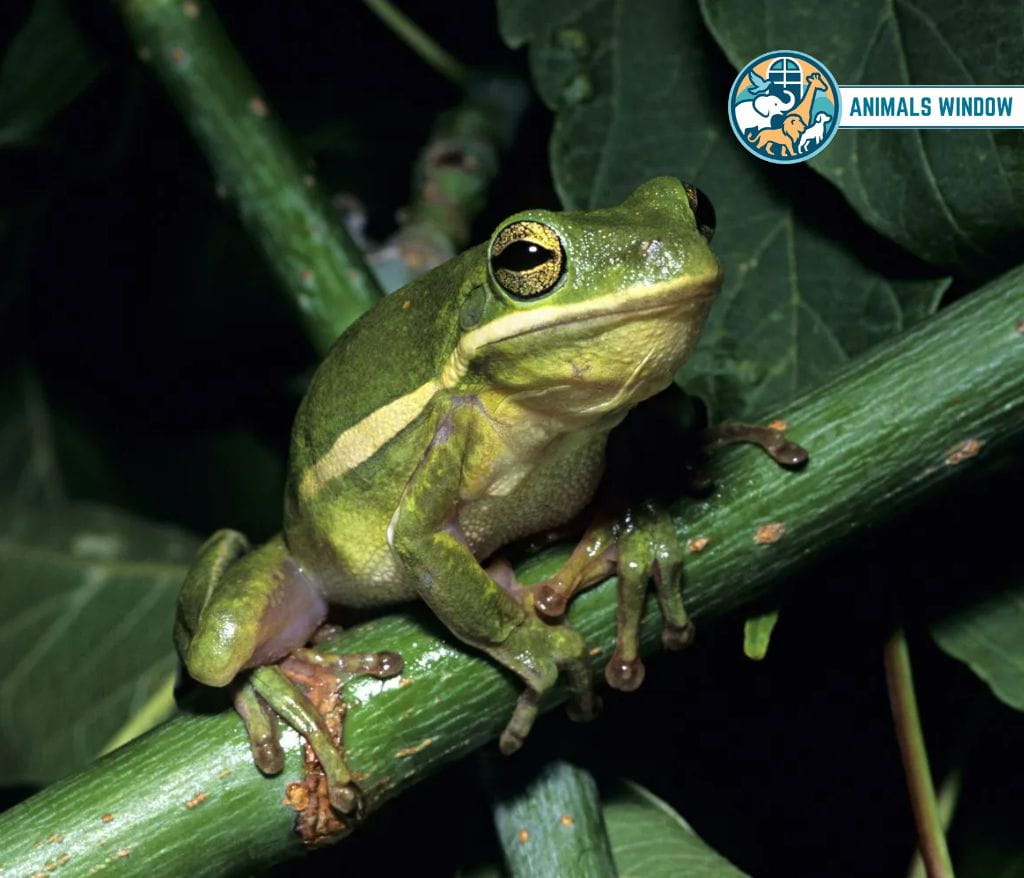
- Scientific name: Hyla cinerea (green tree frog)
- Size: 3–6 cm
- Weight: 2–6 grams
- Diet: Insects, small spiders
- Habitat: Wetlands, ponds, and forests in the southeastern United States
- Lifespan: 2–7 years in the wild
Tree frogs are some of the most fragile vertebrates alive. Their bones are thin as toothpicks. Their skin is so permeable that chemicals from your hands — sunscreen, lotion, even soap residue — absorb right into their bloodstream and can kill them. Picking one up carelessly can be lethal for the frog, not you.
What makes tree frogs remarkable is their feet. Each toe ends in a tiny disc covered in mucus and interlocking hexagonal cells. This structure creates a capillary adhesion effect, letting them walk upside down on glass. Scientists have actually studied tree frog toe pads to design better surgical adhesives and climbing robots.
Comparison Fact: Weighs about the same as five paperclips — and has bones thinner than a wooden matchstick.
8. Mouse
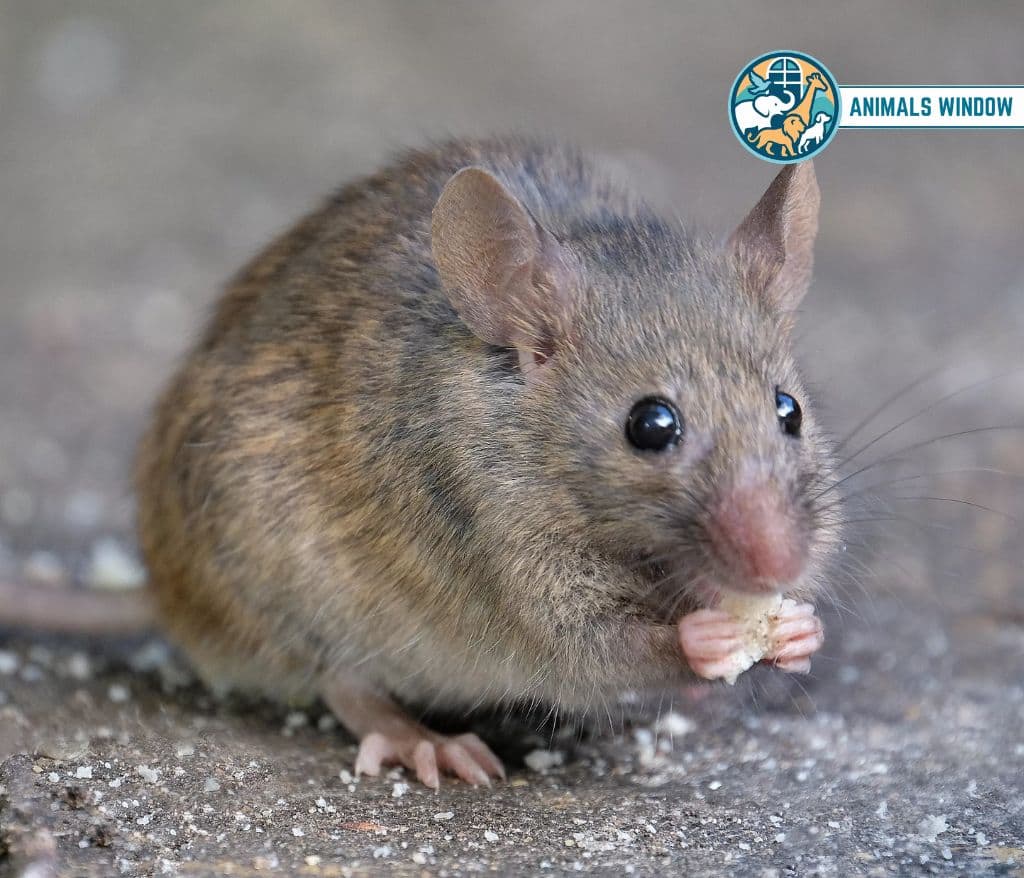
- Scientific name: Mus musculus
- Size: 7–10 cm body length
- Weight: 12–30 grams
- Diet: Seeds, grains, fruits, insects
- Habitat: Every continent except Antarctica; fields, forests, and homes
- Lifespan: 1–3 years in the wild
A mouse’s skeleton weighs less than a grape. Its bones snap easily, and it has no armor, no venom, and no meaningful claw or bite defense. The list of animals that eat mice includes over 100 species — hawks, owls, snakes, foxes, cats, weasels, and even large spiders.
So why are there billions of them? Because the mouse is the most reproductively efficient small mammal on the planet. A female can become pregnant at 6 weeks old and can have up to 14 litters of 6–8 pups per year. A single pair, left unchecked, could produce over 800 descendants in a year. The strategy isn’t strength. It’s sheer numbers.
Comparison Fact: Body length of an adult mouse is about the same as a standard AA battery.
9. Butterfly
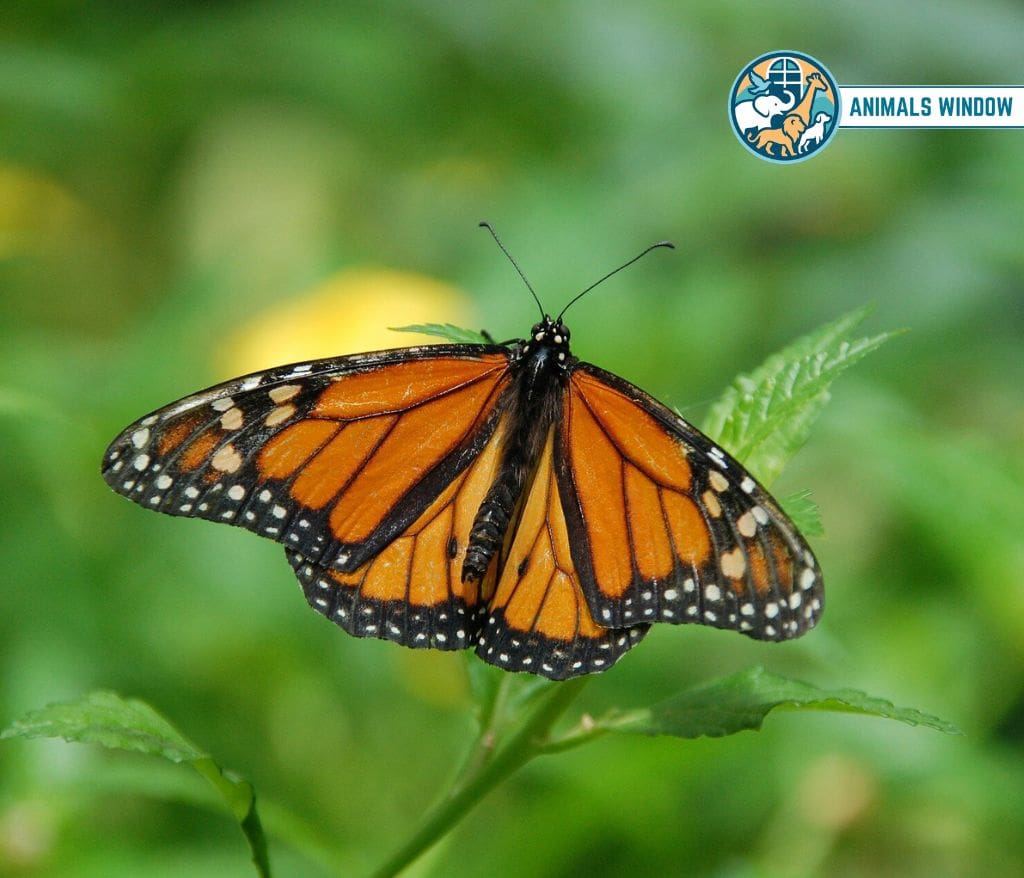
- Scientific name: Danaus plexippus (monarch butterfly)
- Size: 10 cm wingspan
- Weight: 0.27 grams
- Diet: Nectar from flowers (adult); milkweed leaves (caterpillar)
- Habitat: North America, migrating up to 4,800 km seasonally
- Lifespan: 2–6 weeks (most species); up to 9 months (monarch, migratory generation)
A butterfly wing is a paper-thin membrane stretched over microscopic hollow tubes. A single drop of water hitting it at the wrong angle can crack the wing permanently. Heavy rain is often lethal. There’s no muscle memory, no healing of torn wings, and no growing them back.
But the wing’s scale structure does something extraordinary. Those tiny overlapping scales — each just 200 micrometers wide — aren’t just for color. They control heat. Monarchs position their wings toward the sun at precise angles to regulate body temperature during their 4,800 km migration. Scientists have used the same scale geometry to design more efficient solar panels.
Comparison Fact: A monarch butterfly weighs about the same as two paper clips — and its wings are thinner than a human hair.
10. Goldfish
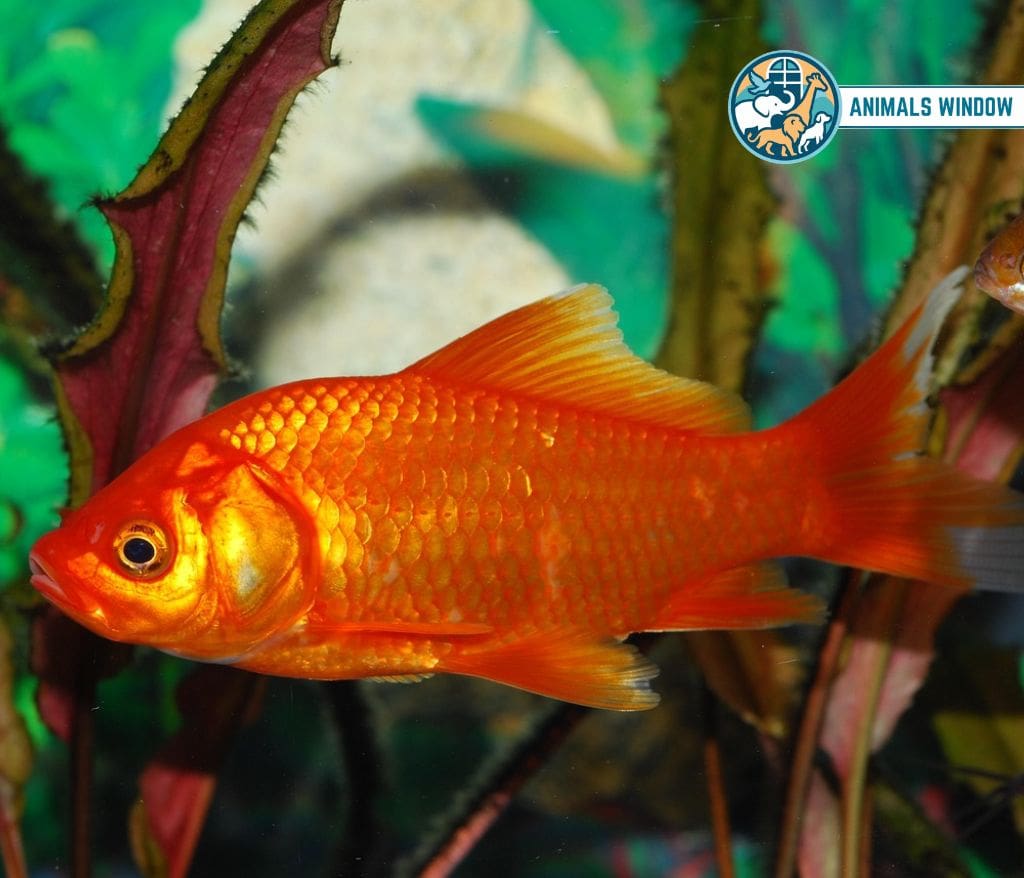
- Scientific name: Carassius auratus
- Size: 20–40 cm (in the wild)
- Weight: 100–300 grams
- Diet: Algae, small insects, zooplankton, plant matter
- Habitat: Slow-moving freshwater rivers and ponds in East Asia; widely domesticated
- Lifespan: 10–15 years; up to 25 in ideal conditions
Outside of water, a goldfish begins to suffocate almost immediately. It has no limbs, no way to retain moisture, and gills that collapse without water flowing through them. In a bowl or pond, it is completely at the mercy of its environment.
What stands out is goldfish spatial memory. A popular myth says they have a 3-second memory, but that’s entirely false. Studies have trained goldfish to complete tasks requiring them to remember patterns after several months. They can navigate mazes, recognize their owners, and time feeding routines to specific hours of the day. One of the so-called weakest land animals turns out to have a surprisingly sharp mind — as long as it stays in the water.
Comparison Fact: A wild goldfish grows to about the length of a TV remote — much larger than the fish kept in bowls.
11. Sea Sponge
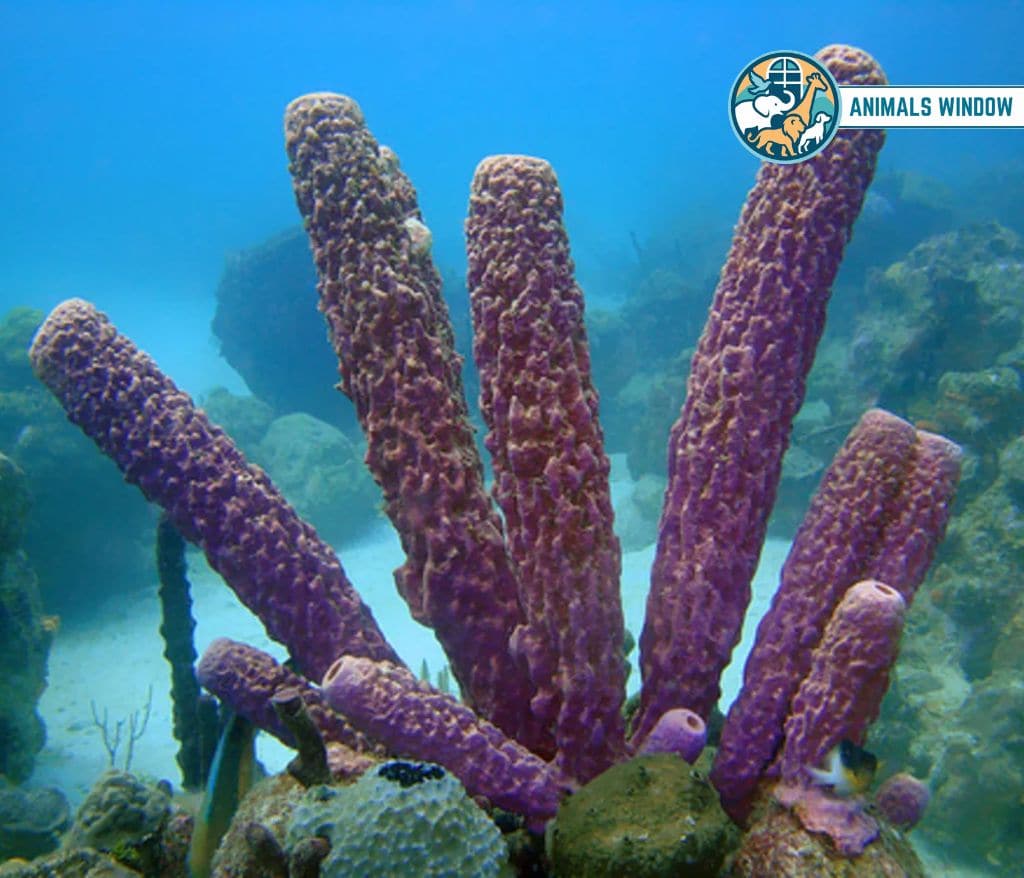
- Scientific name: Porifera (phylum)
- Size: 1 cm to over 2 meters
- Weight: Varies widely
- Diet: Bacteria and organic particles filtered from water
- Habitat: Ocean floors worldwide, from shallow reefs to deep sea
- Lifespan: Some species estimated to live over 2,000 years
The sea sponge has no muscles, no nerves, no brain, and no organs of any kind. It cannot move. It cannot react to touch. It just sits there and filters water through its pores, extracting microscopic food particles. It is the animal kingdom’s most passive feeding machine.
And yet it filters with extraordinary efficiency. A sponge the size of a basketball can filter over 20,000 liters of water per day. They remove bacteria, viruses, and organic matter so effectively that pharmaceutical researchers are studying their filtering tissues to develop new water purification technology. Some sea sponges also produce chemical compounds that are now being tested as cancer treatments. The most defenseless animal in the ocean might end up saving human lives.
Comparison Fact: A medium sea sponge sits about the size of a coffee mug — but can filter a backyard swimming pool’s worth of water in 24 hours.
12. Tardigrade (Water Bear)
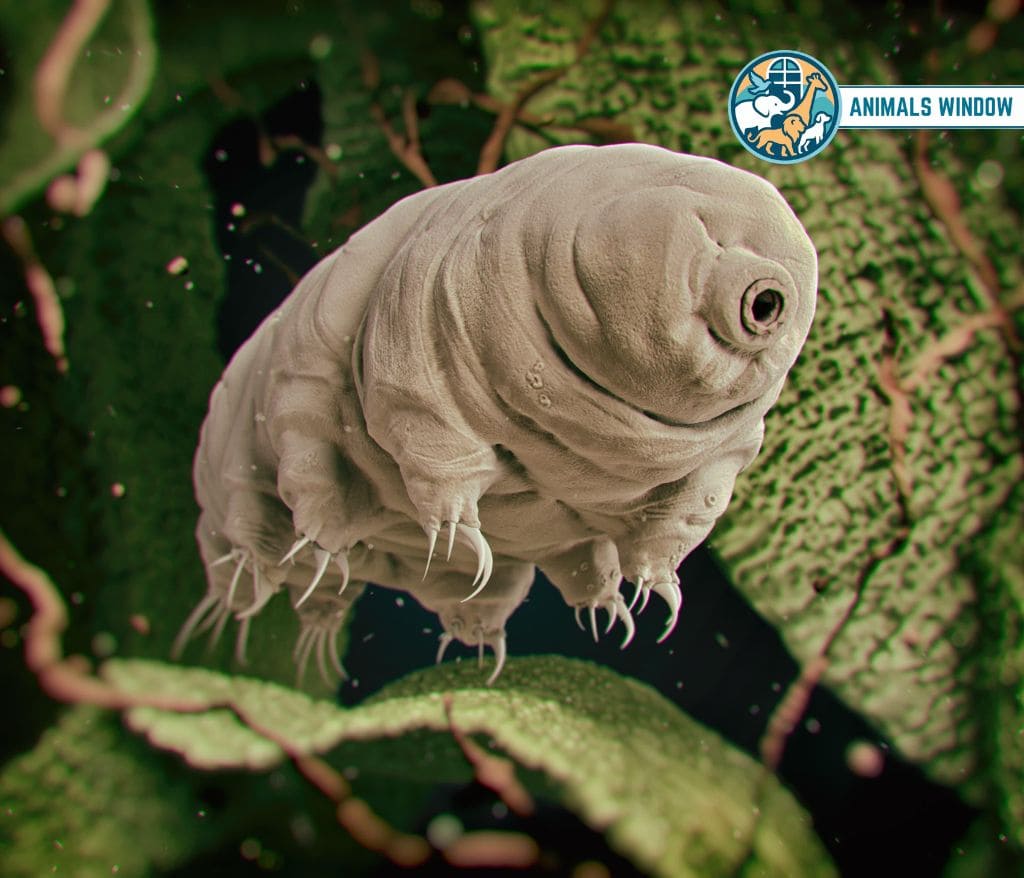
- Scientific name: Ramazzottius varieornatus
- Size: 0.1–1.5 mm
- Weight: Too small to measure conventionally
- Diet: Algae, plant cells, bacteria, occasionally small invertebrates
- Habitat: Every habitat on Earth — mosses, soil, ocean sediment, even Antarctica
- Lifespan: Up to 10 years in dormant state
The tardigrade is physically tiny and soft — barely visible to the naked eye and easily squished under a fingernail. In a direct physical encounter with almost any other animal, it would lose instantly. It has no claws, no venom, no armor worth mentioning in combat.
But put it in the vacuum of outer space, expose it to radiation that would kill a human in minutes, freeze it to near absolute zero, or boil it — and it survives. By entering a state called cryptobiosis, it pulls in its legs, shrinks into a tiny barrel shape called a “tun,” and shuts down all metabolism to 0.01% of normal. It has survived all five of Earth’s mass extinction events this way. So while it belongs firmly on the weakest animals list in any physical contest, it might outlive everything else on this page.
Comparison Fact: A tardigrade is roughly the size of a grain of sand — but can survive conditions that destroy spacecraft instruments.
13. Hamster
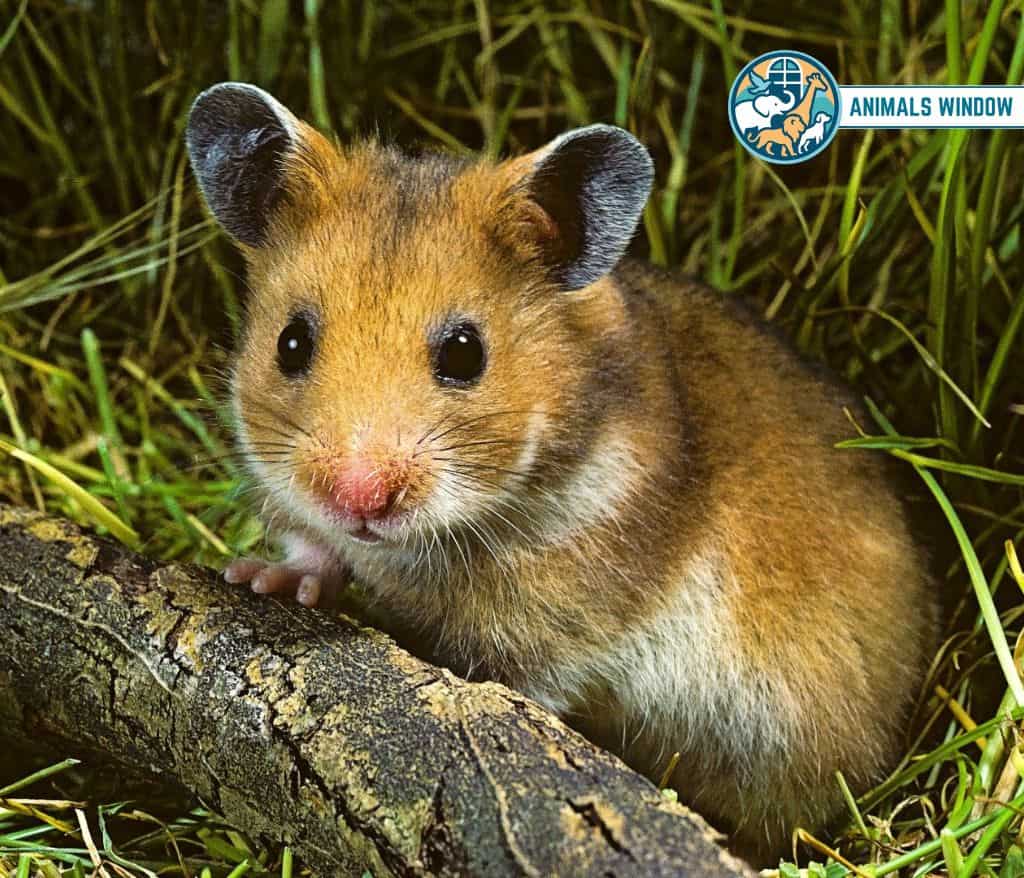
- Scientific name: Mesocricetus auratus (Syrian hamster)
- Size: 13–18 cm
- Weight: 85–150 grams
- Diet: Seeds, grains, fruits, vegetables, occasional insects
- Habitat: Dry grasslands and deserts of Syria and Turkey
- Lifespan: 2–3 years
A hamster’s bones are extraordinarily brittle relative to its body size. A fall from just 30 cm — about the height of a kitchen countertop — can fracture a hamster’s spine or legs. Vets who treat hamsters work under magnifying glasses because the bones are that small and fragile. They also have no meaningful claws or teeth for defense against predators in the wild.
But in the wild, Syrian hamsters are surprisingly skilled tunnelers. A single hamster digs burrow systems up to 90 cm deep with separate chambers for sleeping, storing food, and eliminating waste. They pack their cheek pouches — which can stretch to three times the size of their head — and carry seeds over 8 km in a single night, stockpiling food for winter. Fragile above ground. Completely at home below it.
Comparison Fact: About the size of a standard TV remote — but weighs less than a deck of playing cards.
14. Chameleon
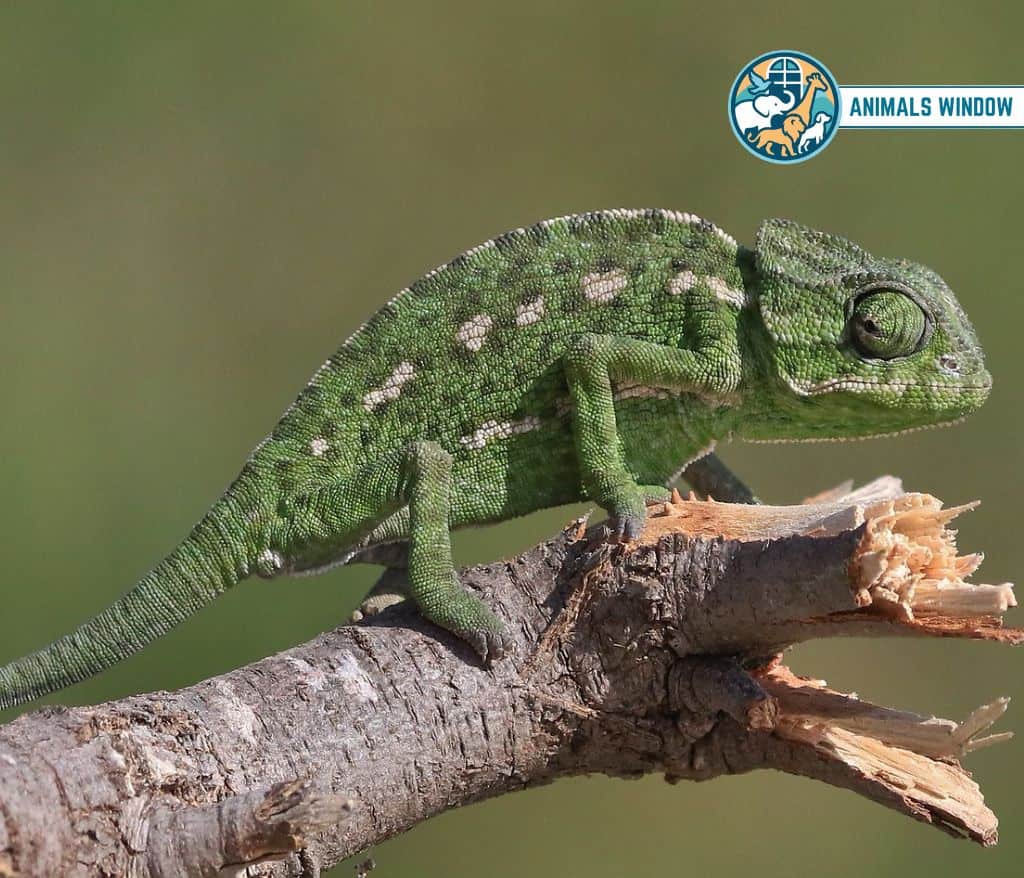
- Scientific name: Chamaeleo chamaeleon (Mediterranean chameleon)
- Size: 28–38 cm
- Weight: 35–60 grams
- Diet: Insects, small birds, plant matter
- Habitat: Forests and scrublands of Africa, Madagascar, and southern Europe
- Lifespan: 5–10 years
A chameleon’s bite force is almost zero compared to similarly-sized reptiles. Its jaws are built for catching insects with a tongue — not for fighting. It walks so slowly it looks like it’s perpetually tiptoeing. If a predator gets past the camouflage, the chameleon has almost no backup plan.
Its color change, though, is one of the most misunderstood traits in nature. Chameleons don’t change color to match their surroundings. They change color to communicate. Mood, temperature, social status, and mating signals are all transmitted through rapid shifts in skin pigment. The color change is controlled by nanocrystals in a layer of specialized cells just under the skin. By adjusting the spacing between those crystals, the chameleon shifts the wavelength of reflected light — essentially tuning its own skin like a display screen.
Comparison Fact: A Mediterranean chameleon is roughly the length of a ballpoint pen — and bites with about the same force as a human toddler pinching you.
15. Pangolin
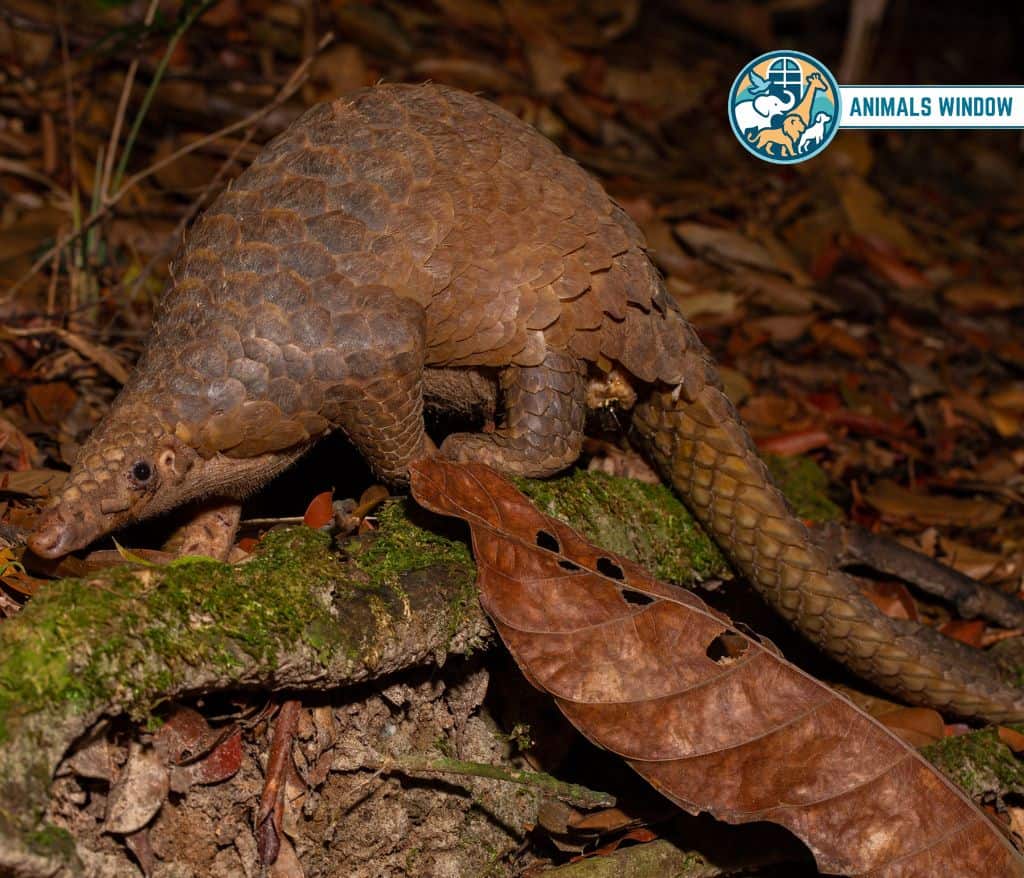
- Scientific name: Manis javanica (Sunda pangolin)
- Size: 40–65 cm body length
- Weight: 1.8–10 kg
- Diet: Ants and termites exclusively
- Habitat: Forests and grasslands of Southeast Asia and sub-Saharan Africa
- Lifespan: Up to 20 years
The pangolin looks armored — and those overlapping keratin scales do protect it from lion bites and leopard claws. But the pangolin’s one defense is to curl into a tight ball and wait. It has no other move. A human can simply pick it up and carry it away, which is exactly what poachers do. It is the most trafficked mammal on Earth because of how easy it is to capture.
What makes pangolins remarkable is their tongue. It is longer than the pangolin’s entire body — up to 70 cm — and attached not in the mouth, but deep in the chest, near the sternum. The tongue moves faster than the eye can track, shooting into termite tunnels up to 150 times per minute. A single pangolin can eat 70 million insects per year, which makes each one the equivalent of a natural pest control service for an entire forest patch.
Comparison Fact: A pangolin rolled up is about the size and weight of a soccer ball — and nearly as round.
FAQ’s About Weakest Animals in the World
What is the weakest animal in the world?
The blobfish. It has no muscles, no skeleton, and can’t survive outside deep ocean pressure. Jellyfish come close — 95% water, no brain, zero ability to swim against a current.
What is the weakest land animal?
The sloth. It has 25% less muscle than other mammals its size and moves at 0.15 mph on the ground. The hamster is also extremely fragile — its bones snap from falls shorter than a shoebox height.
What is the weakest animal in the jungle?
The tree frog. Its bones are thinner than a matchstick, its skin absorbs toxins on contact, and it has no real bite or claw defense. It survives only because predators struggle to spot it.
Are weak animals endangered?
Many are. The pangolin is the most trafficked mammal on Earth because its only defense makes it easy to pick up and carry away. Butterflies and sea sponges are also under serious threat from habitat loss and climate change.
Can weak animals still be dangerous?
Yes. Jellyfish sting thousands of people every year. Sea sponges carry chemicals toxic enough to kill cells. And tardigrades carry DNA repair tools so powerful that scientists are studying them to protect astronauts from deep-space radiation.
Trait Comparison: Physical Weakness vs. Survival Strength
| Animal | Physical Weakness | Survival Strength | Survival Rating |
| Blobfish | No muscles, no bones | Low energy needs, deep ocean isolation | Moderate |
| Jellyfish | 95% water, no brain | Chemical sting, 500M years of evolution | High |
| Sloth | 25% less muscle mass | Algae camouflage, ultra-low metabolism | High |
| Earthworm | No limbs, crushable | Critical soil role, rapid reproduction | Very High |
| Snail | Brittle shell | Magnetic navigation, 3-year hibernation | Moderate |
| Starfish | Slow, soft body | Full body regeneration from one arm | High |
| Tree Frog | Fragile bones, permeable skin | Adhesive toe pads, cryptic coloring | Moderate |
| Mouse | Tiny, easily killed | 800 descendants per year from one pair | Very High |
| Butterfly | Wing destroyed by single raindrop | Solar wing geometry, long migrations | Moderate |
| Goldfish | Helpless out of water | Sharp spatial memory, long lifespan | Moderate |
| Sea Sponge | Zero mobility, no nerves | Filters 20,000 liters/day, toxic chemicals | High |
| Tardigrade | Microscopic, physically soft | Survives space, radiation, and boiling | Extreme |
| Hamster | Bones break from 30 cm falls | 90 cm burrow systems, multi-chamber dens | Moderate |
| Chameleon | Near-zero bite force, very slow | Crystal-based color communication | Moderate |
| Pangolin | Rolls into a ball, easily carried | 70M insects eaten per year, chest-anchored tongue | Low (due to poaching) |
The weakest animals in the world have no muscles, no bones, or no defenses worth mentioning in a fight. But almost every single one on this list has survived for millions of years — not because of strength, but because of one surprisingly effective trick that nothing else does quite the same way. That, in the end, is its own kind of power.
More Related Animals Guides:

I have loved animals since I was a kid. I enjoy reading about how animals live, eat, move, and survive. I started Animals Window to share what I learn in a simple and easy way. I write about animal body parts, size, behavior, diet, habitats, and species. My goal is to make animal facts clear and fun for everyone to understand.