Big noses do more than just smell. They cool blood, detect electric signals, warm freezing air, and even act as snorkels. Below are 14 animals — from monkeys to sharks — whose oversized noses or nose-like body parts solve a real survival problem. Each one uses its nose differently, and a few will genuinely surprise you.
Table of Contents
Quick List of Animals With Big Noses
- Proboscis Monkey
- Saiga Antelope
- Star-Nosed Mole
- Snub-Nosed Monkey
- Elephant
- Tapir
- Aardvark
- Giant Anteater
- Elephant Shrew
- Long-Nosed Bandicoot
- Elephant Seal
- Sawfish
- Hammerhead Shark
- Elephantnose Fish
Different Types of Animal Noses (The Weird & Unusual)
Proboscis Monkey
- Scientific name: Nasalis larvatus
- Size: Up to 30 inches (body length)
- Weight: 30–50 lbs
- Diet: Leaves, seeds, unripe fruit
- Habitat: Borneo’s mangrove and swamp forests
- Lifespan: 13–23 years
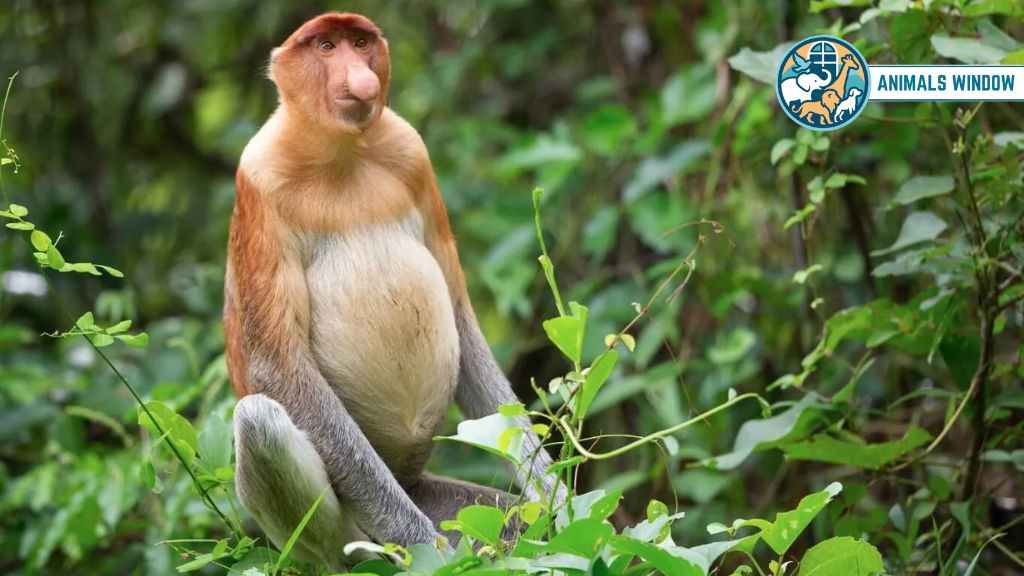
This monkey lives only on the island of Borneo, mostly near rivers and mangroves. Males carry the feature that gives this species its name: a long, drooping nose that can hang past the chin.
What stands out is how that nose actually works. It acts like a built-in megaphone, making a male’s calls louder and deeper so it echoes across the trees. Females tend to prefer males with bigger noses, so the trait keeps getting passed down. A fully grown male’s nose can be roughly the length of a banana, and it keeps growing as he ages.
Saiga Antelope
- Scientific Name: Saiga tatarica
- Size: 24–32 inches (61–81 cm) tall at the shoulder
- Weight: 65–95 lbs (29–43 kg)
- Diet: Grasses, herbs, and shrubs
- Habitat: Central Asian steppes
- Lifespan: 6–10 years
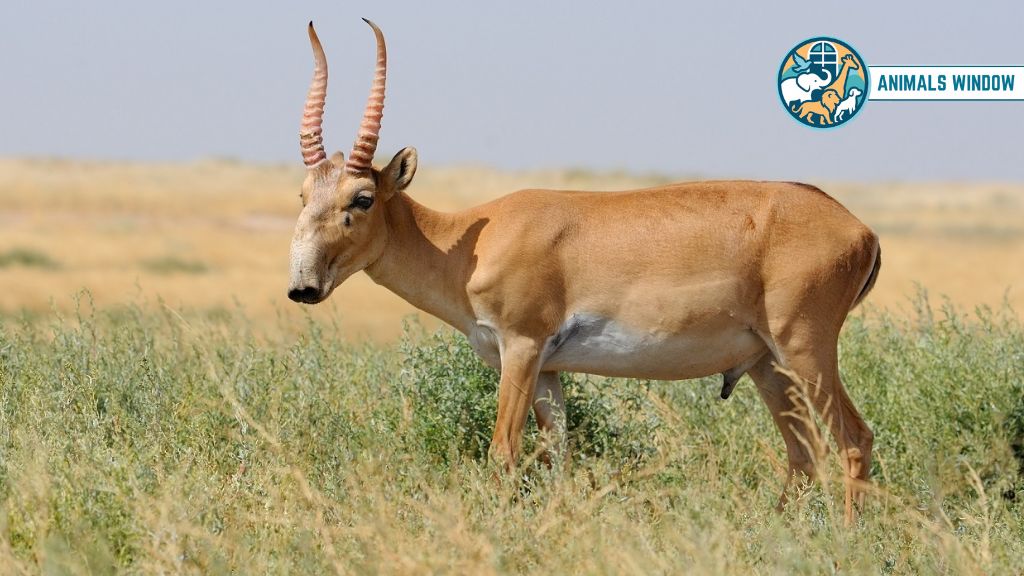
The saiga roams the cold, open grasslands of Kazakhstan and nearby regions. Its strange, bulbous snout looks almost cartoonish, drooping down over its mouth. But that shape isn’t random. Inside is a chamber lined with mucous membranes that warm freezing air before it reaches the lungs, and filter out dust kicked up by migrating herds.
Picture a built-in radiator, sized about as big as a fist, doing climate control before every breath. Saiga herds can move 75 miles in a single day, and that nose helps the animal handle both icy winters and dusty summers along the way.
Star-Nosed Mole
- Scientific name: Condylura cristata
- Size: 6–8 inches
- Weight: 1–3 ounces
- Diet: Worms, insects, and small aquatic creatures
- Habitat: Wetlands of eastern North America
- Lifespan: 3–4 years
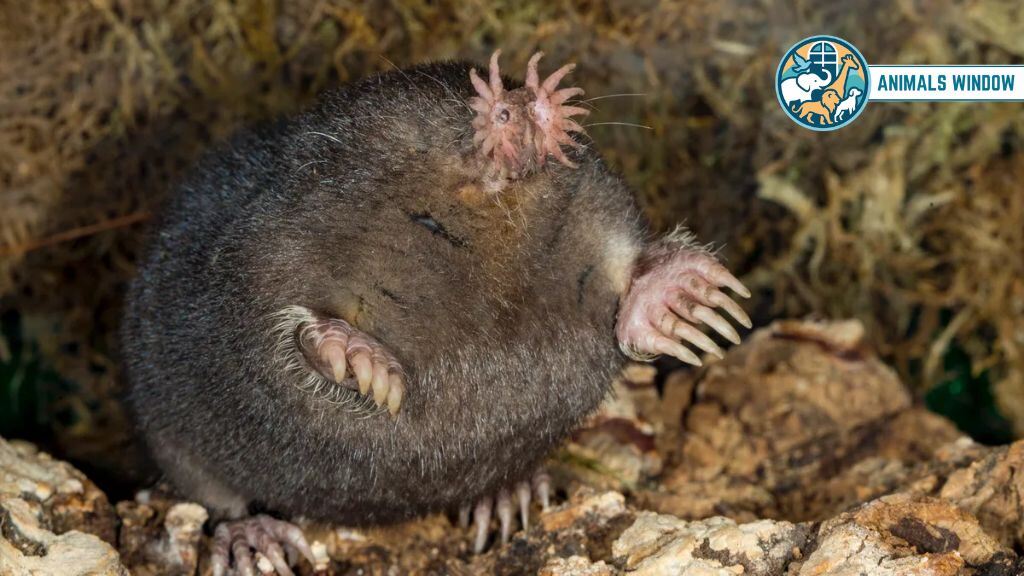
This mole spends nearly its whole life underground or in wet, marshy soil, where eyesight is basically useless. So it evolved something else: 22 pink, finger-like tentacles ringing its nose. These tentacles aren’t for smelling. They’re touch sensors, packed with over 100,000 nerve fibers, more than a human hand.
The mole uses them to identify and eat prey in under a quarter of a second, making it possibly the fastest forager among mammals. Each tentacle is about the size of a grain of rice, but together they work faster than most animals can blink.
Snub-Nosed Monkey

- Scientific name: Rhinopithecus
- Size: 20–30 inches (body length)
- Weight: 15–35 lbs
- Diet: Lichen, leaves, fruit, bark
- Habitat: High-altitude forests in China and Vietnam
- Lifespan: Up to 20 years
Snub-nosed monkeys live in cold mountain forests, sometimes above 13,000 feet, which is higher than almost any other primate. Their nose is small, flat, and turned upward, almost pushed back into the face.
Here’s the surprising part: that upturned shape means their nostrils face the sky. So when it rains, water runs straight in. The monkeys end up sneezing nonstop and have to sit hunched over with their heads tucked between their knees just to keep breathing comfortably until the rain stops. It’s a strange trade-off, since the same flat nose may help reduce frostbite risk in freezing temperatures.
Animals with Long Snouts & Trunks
Elephant
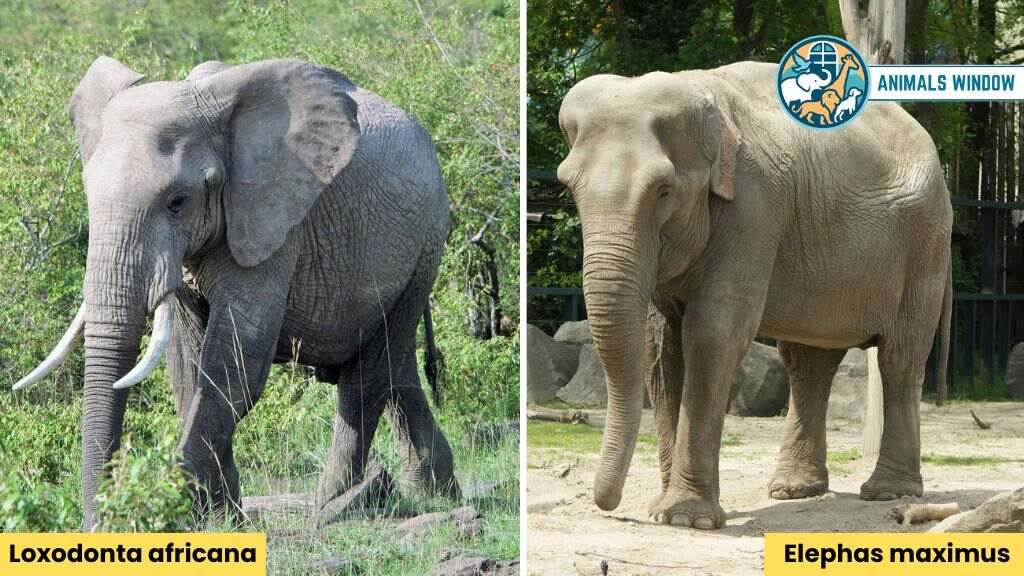
- Scientific Name: Loxodonta africana (African elephant) / Elephas maximus (Asian elephant)
- Size: Up to 13 ft (4 m) tall (African males)
- Weight: Up to 14,000 lbs (6,350 kg)
- Diet: Grasses, bark, fruit, roots
- Habitat: African savannas; Asian forests and grasslands
- Lifespan: 60–70 years
Everyone knows the elephant has a trunk. What’s less known is just how complex it is. The trunk is a fusion of the upper lip and nose, with no bones inside at all.
What makes it remarkable is the muscle count: over 40,000 individual muscles, compared to roughly 600 in the entire human body. That lets an elephant lift a log weighing 600 lbs, then turn around and pluck a single blade of grass without crushing it. The trunk also holds up to 2.5 gallons of water, which the elephant sprays into its mouth or over its back to cool down.
Tapir
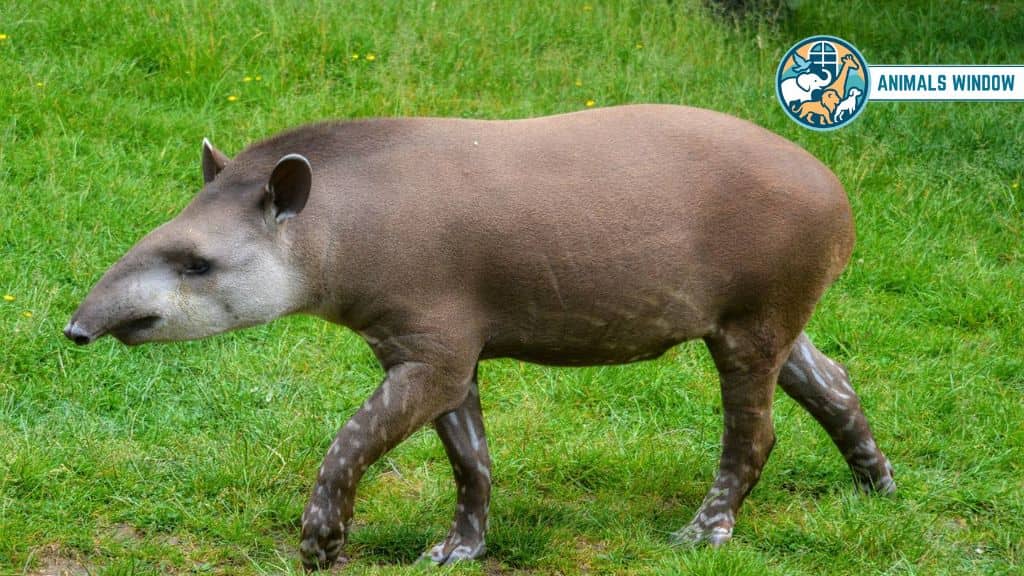
- Scientific name: Tapirus terrestris
- Size: 6–8 feet long
- Weight: 500–800 lbs
- Diet: Leaves, fruit, and aquatic plants
- Habitat: Rainforests of South America and Southeast Asia
- Lifespan: 25–30 years
Tapirs look like a mashup of a pig and a small elephant, with a short, flexible snout hanging over their mouth. They spend a lot of time near rivers and swamps, often submerging completely. That snout works like a built-in snorkel.
A tapir can dunk its whole body underwater to hide from jaguars while still breathing through the tip poking above the surface. It’s also surprisingly dexterous, able to grab leaves and strip them off branches the way a hand would pick fruit. The snout itself is roughly the length of a TV remote.
Aardvark
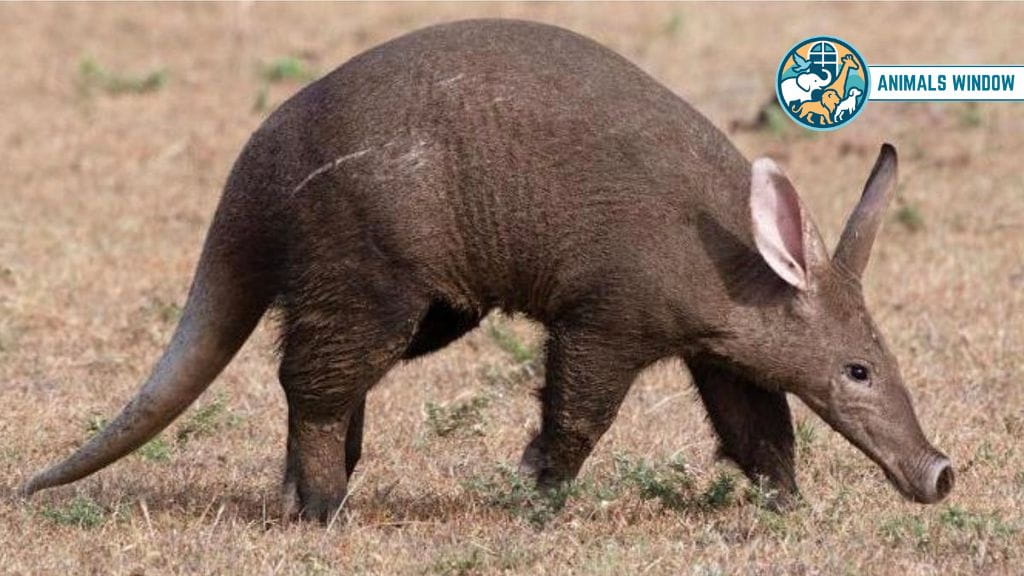
- Scientific Name: Orycteropus afer
- Size: 3.5–4.5 ft (1.1–1.4 m) long
- Weight: 88–180 lbs (40–82 kg)
- Diet: Ants and termites
- Habitat: Sub-Saharan African grasslands
- Lifespan: 18–23 years
The aardvark digs through termite mounds almost every night of its life, which creates an obvious problem: dirt and angry insects everywhere. So its snout evolved a built-in defense. It can seal its nostrils completely shut while digging, blocking out dust and bites.
Inside, dense hairs filter out any particles that slip past. And the snout houses an extremely strong sense of smell, strong enough to detect a termite nest several feet underground before the aardvark ever starts digging. An aardvark can eat around 50,000 insects in a single night using that nose to guide every move.
Giant Anteater
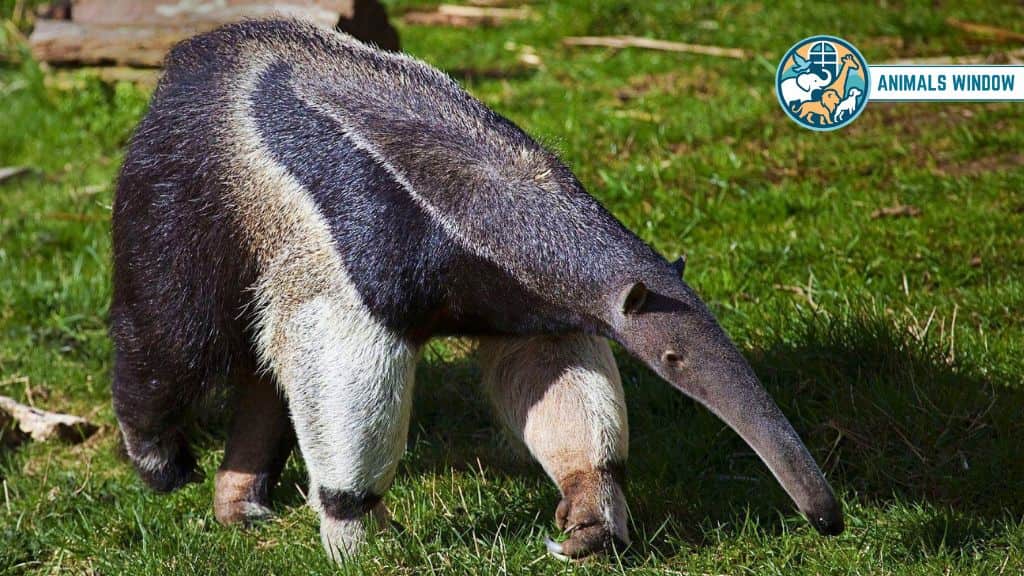
- Scientific name: Myrmecophaga tridactyla
- Size: Up to 7 feet (2.1 m) long, including the tail
- Weight: 60–140 lbs (27–64 kg)
- Diet: Ants and termites
- Habitat: Grasslands and forests of Central and South America
- Lifespan: 14–16 years
The giant anteater’s snout looks dramatic, stretching nearly a third of its body length. This snout is completely rigid, and the jaw bones are fused shut. That means the anteater physically cannot chew.
The long tube exists purely to funnel in its 2-foot-long, sticky tongue, which flicks in and out up to 150 times a minute to lap up insects. Since the snout takes the place of a mouth that opens, the animal swallows its meals whole, ants and all. Its snout alone is about the length of a baseball bat.
Elephant Shrew
- Scientific Name: Macroscelidea
- Size: 4–12 inches (10–30 cm)
- Weight: 1–19 ounces (28–540 g)
- Diet: Insects, spiders, and small invertebrates
- Habitat: African scrublands and forests
- Lifespan: 2–4 years
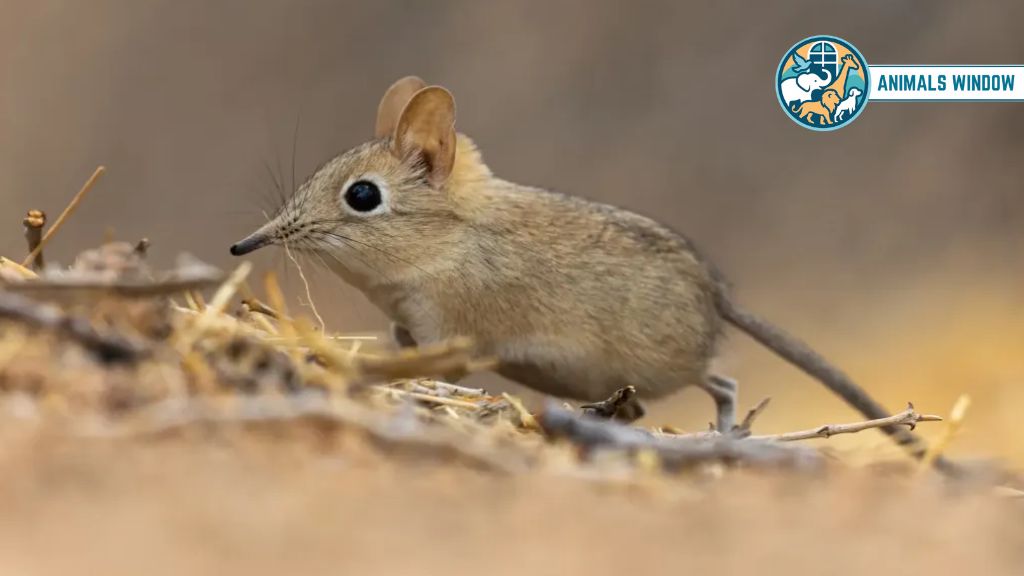
Despite the name, this animal isn’t related to elephants or true shrews. It gets its name purely from its long, bendable snout, which twitches constantly while it searches the ground for bugs.
What makes the elephant shrew stand out isn’t its nose so much as what’s attached to it: incredibly fast legs. Some species can sprint nearly 18 mph, rivaling a running human, while using that flexible snout to sniff out insects hidden in leaf litter along the way. Its whole body is about the size of a small banana, yet it can outrun most predators its size.
Long-Nosed Bandicoot

- Scientific Name: Perameles nasuta
- Size: 12–20 inches (30–50 cm)
- Weight: 1–2 lbs (0.45–0.9 kg)
- Diet: Insects, worms, fungi, roots
- Habitat: Eastern Australian forests and grasslands
- Lifespan: 2–3 years
This small marsupial digs cone-shaped holes across lawns and forest floors across eastern Australia, using its narrow, pointed snout as both shovel and sensor.
What you’ll notice is the shape of the holes it leaves behind: neat, conical pits, almost like something punched the ground with a tube. That’s because its snout is built to push straight down and twist, rather than scrape sideways like a typical digging animal. The bandicoot relies on smell more than sight, since its eyesight is fairly weak, and it can locate a worm several inches underground without ever seeing it.
Sea Animals with Big Noses (Marine Species)
Elephant Seal
- Scientific name: Mirounga
- Size: Up to 16 feet (males)
- Weight: Up to 8,800 lbs
- Diet: Fish, squid
- Habitat: Coastal waters and beaches of the Pacific and Southern Ocean
- Lifespan: 9–22 years
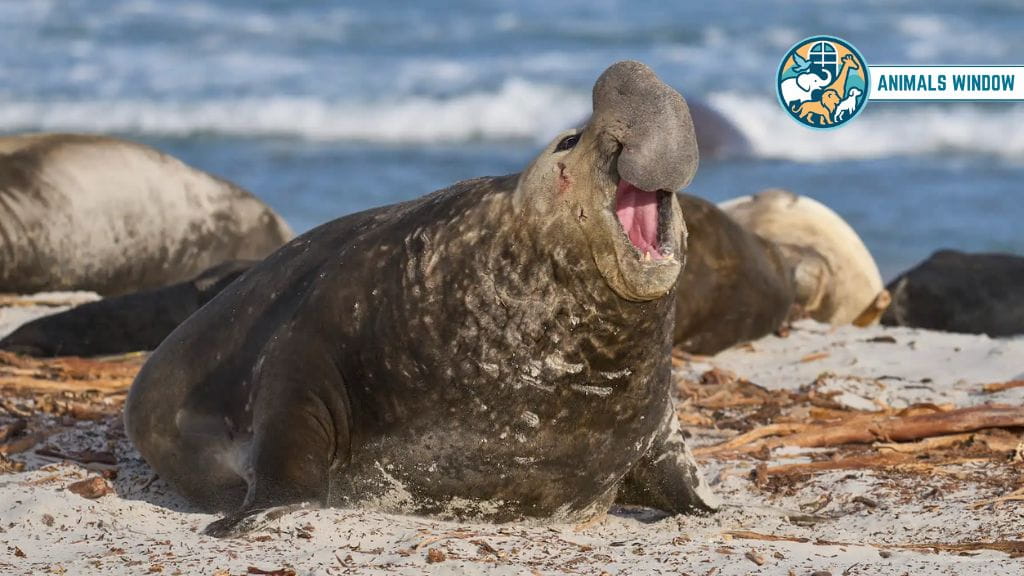
Male elephant seals carry a large, inflatable snout that droops over the mouth, growing more pronounced as they age. Females don’t have this feature at all. Another thing you’ll notice is what the nose actually does during breeding season: it inflates like a balloon and acts as an echo chamber, turning the seal’s roar into a deep, booming sound that can carry across an entire beach.
That roar helps establish dominance without males having to fight every single rival. A bull elephant seal can hold its breath and dive over 5,000 feet deep while hunting, far past where most marine mammals go.
Sawfish
- Scientific name: Pristidae
- Size: Up to 18 feet (including rostrum)
- Weight: Up to 700 lbs
- Diet: Fish, crustaceans
- Habitat: Shallow tropical and subtropical coastal waters
- Lifespan: 25–30 years
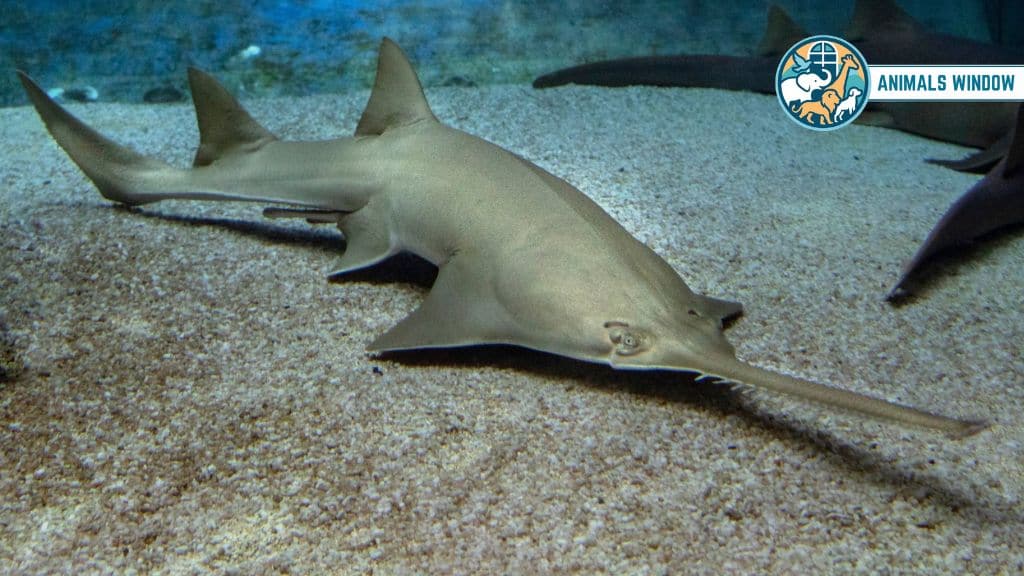
The sawfish’s long, blade-like snout is the most misunderstood “nose” on this entire list. It isn’t a nose at all. It’s a rostrum, a flattened extension of cartilage from the skull, lined with thousands of tiny pores called electroreceptors.
Those pores detect the faint electrical signals given off by the muscle movements of nearby prey, even buried under sand. So the sawfish can locate a hidden fish without seeing or smelling it at all, then use the same rostrum like a sword, slashing sideways to stun its meal. The rostrum alone can stretch nearly as long as a kayak paddle.
Hammerhead Shark
- Scientific name: Sphyrnidae
- Size: Up to 20 feet (great hammerhead)
- Weight: Up to 1,000 lbs
- Diet: Fish, rays, squid
- Habitat: Warm coastal and offshore waters worldwide
- Lifespan: 20–30 years
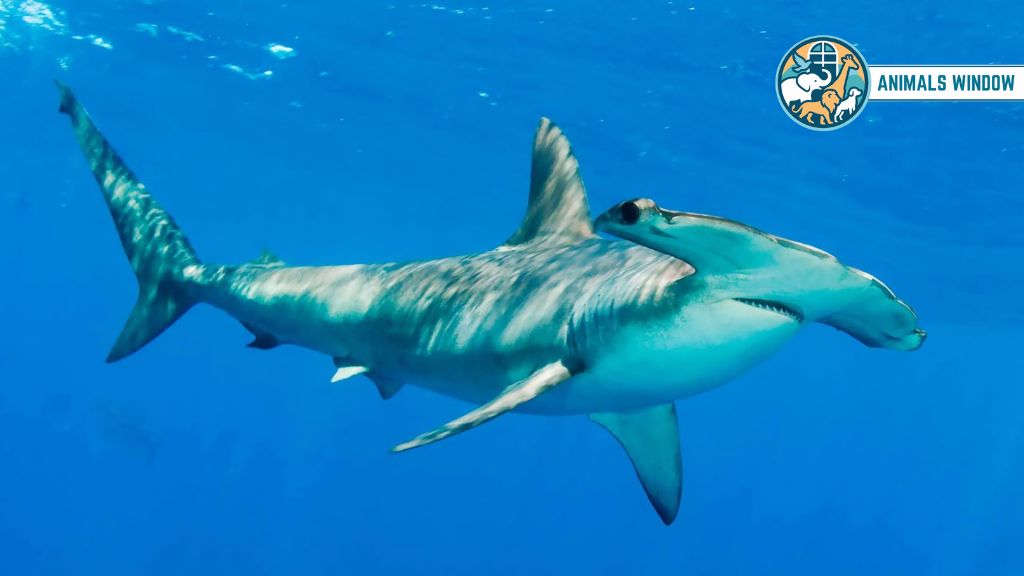
The hammerhead’s wide, flattened head, called a cephalofoil, spreads its nostrils far apart on either side. That distance is the entire point. By spacing its nostrils out, the shark gets something close to stereo smell, the same way two ears let you tell which direction a sound is coming from.
So a hammerhead can pinpoint the exact direction of a blood trail in open water, not just that a scent exists somewhere nearby. That wide head, sometimes stretching wider than a bicycle handlebar, also gives the shark sharper turning and better vision, since its eyes sit on the outer edges.
Elephantnose Fish
- Scientific name: Gnathonemus petersii
- Size: 9–14 inches
- Weight: Around 1 lb
- Diet: Insect larvae, worms, and small invertebrates
- Habitat: Murky rivers of West and Central Africa
- Lifespan: 6–10 years
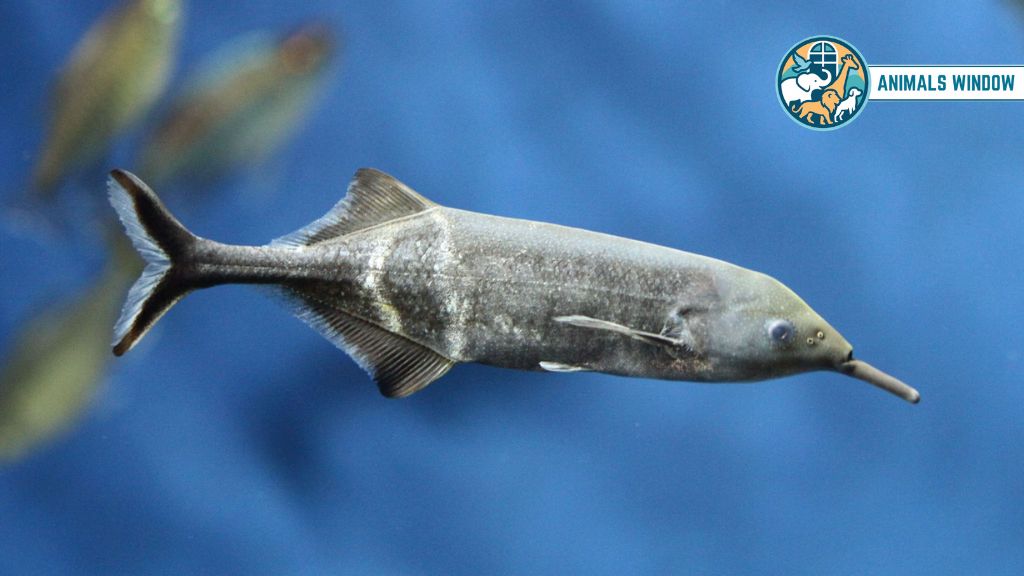
This fish gets its name from a long, trunk-like growth dangling near its mouth, and most articles online describe it as a nose or an extended lip. That’s incorrect.
Here’s the correction worth knowing: it’s actually an extension of the fish’s chin, called a Schnauzenorgan, and it has nothing to do with smell. It’s packed with electrical receptors that let the fish “see” by detecting weak electric fields it generates itself, which is essential since it lives in muddy, low-visibility rivers where eyesight is nearly useless. The organ is roughly the size of a finger, yet it lets this fish navigate and hunt entirely in the dark.
FAQs About Animals With Big Noses
What animal has the biggest nose relative to its body?
The star-nosed mole’s tentacled nose covers a huge portion of its tiny face, while the proboscis monkey has the largest nose relative to body size among primates.
Why do elephants have trunks instead of regular noses?
A trunk lets elephants breathe, smell, drink, grab food, and communicate all with one organ, since their neck is too short to reach the ground otherwise.
Do all big-nosed animals use their nose for smelling?
No. The sawfish’s rostrum detects electricity, not scent, and the elephantnose fish’s “nose” is actually a chin organ used for electric sensing.
Is the saiga antelope endangered?
Yes, the saiga is classified as critically endangered, largely due to poaching and disease outbreaks affecting wild populations.
Why does the snub-nosed monkey sneeze in the rain?
Its nostrils face upward instead of downward, so rainwater drips straight in, triggering repeated sneezing until the rain passes.
Discover More Animals Guides:

I have loved animals since I was a kid. I enjoy reading about how animals live, eat, move, and survive. I started Animals Window to share what I learn in a simple and easy way. I write about animal body parts, size, behavior, diet, habitats, and species. My goal is to make animal facts clear and fun for everyone to understand.