Squirrels are prey for a wide range of predators including birds of prey, wild mammals, snakes, and even some fish. Hawks, eagles, owls, foxes, coyotes, bobcats, and rattlesnakes all hunt squirrels regularly. These animals eat squirrels during the day and at night, in forests, backyards, and near water. Squirrels are prey, not predators.
Table of Contents
Quick List of Animals That Eat Squirrels
- Hawk
- Eagle
- Great Horned Owl
- Barred Owl
- Falcon
- Northern Goshawk
- Gray Fox
- Coyote
- Gray Wolf
- Bobcat
- Mountain Lion
- Raccoon
- Weasel
- Fisher
- Pine Marten
- Mink
- Domestic Cat
- Domestic Dog
- Rattlesnake
- Alligator
- Largemouth Bass
1. Hawk
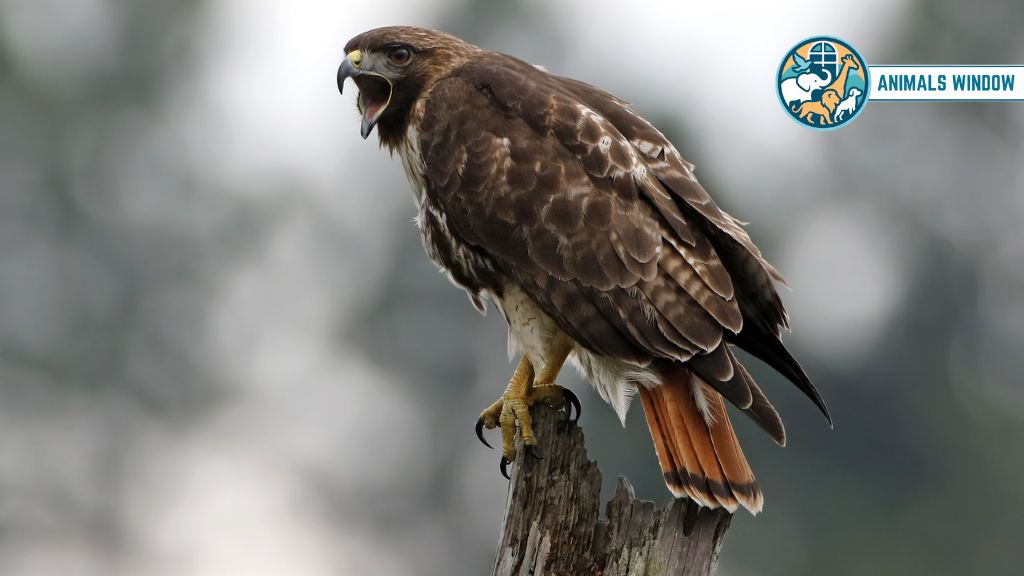
- Scientific name: Buteo jamaicensis (Red-tailed Hawk, most common species)
- Size: 18–26 inches long
- Weight: 1.5–3.5 lbs
- Diet: Small mammals, squirrels, rabbits, mice
- Habitat: Open fields, forest edges, suburbs
- Lifespan: 10–15 years in the wild
The red-tailed hawk is one of the most successful daytime squirrel hunters in North America. It circles high above open ground, watching for movement below. The moment a squirrel steps into a clearing, the hawk drops at speeds up to 120 mph.
A hawk can spot a squirrel from over a mile away. Their vision is roughly eight times sharper than a human’s. And unlike most raptors that go for head-on strikes, red-tailed hawks often pin squirrels to the ground with their talons, using body weight to hold them in place.
🔥 Comparison Fact: A red-tailed hawk’s wingspan can stretch as wide as a bicycle is long — about 56 inches.
2. Eagle
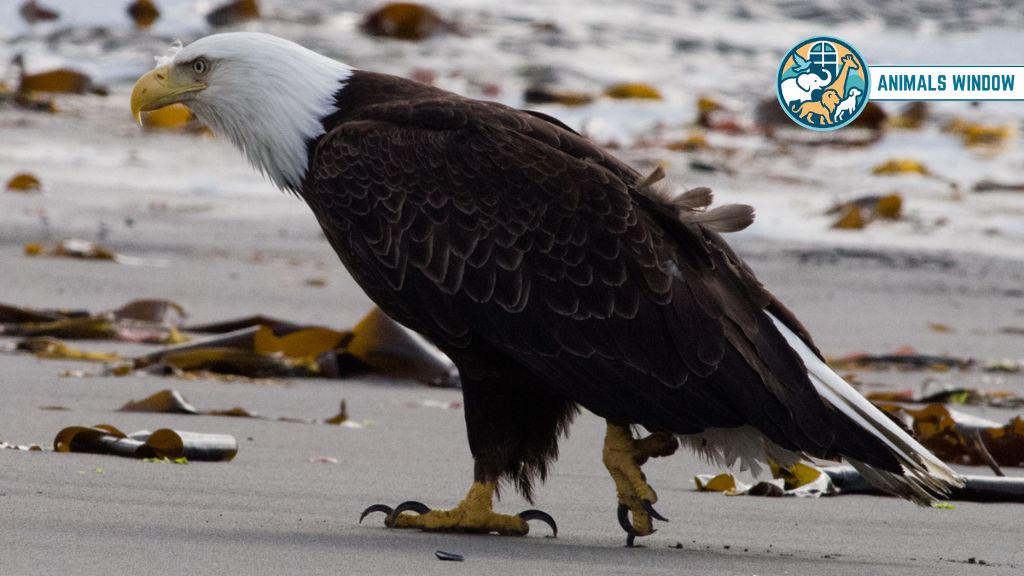
- Scientific name: Haliaeetus leucocephalus (Bald Eagle)
- Size: 28–40 inches long
- Weight: 6.5–14 lbs
- Diet: Fish, small mammals including squirrels, waterfowl
- Habitat: Near rivers, lakes, forests, coastlines
- Lifespan: 20–30 years in the wild
Bald eagles don’t hunt squirrels as their first choice — fish and ducks come first. But when prey is scarce, they absolutely go after squirrels, especially ground squirrels near open meadows or water edges.
Here’s the surprising part: eagles don’t always kill what they catch. They sometimes steal prey from other predators. A hawk catches a squirrel, and an eagle swoops in to rob it. This behavior is called kleptoparasitism, and even Benjamin Franklin criticized bald eagles for it when lobbying against them as the national symbol.
🔥 Comparison Fact: A bald eagle’s talon grip strength is about ten times stronger than an average human handshake.
3. Great Horned Owl

- Scientific name: Bubo virginianus
- Size: 18–25 inches long
- Weight: 2.7–5.5 lbs
- Diet: Squirrels, rabbits, skunks, mice, birds
- Habitat: Dense forests, suburban areas, deserts, open fields
- Lifespan: 13–15 years in the wild
The great horned owl is the top nighttime squirrel predator in North America. It hunts in complete darkness using asymmetrical ears that detect sound at slightly different times — which lets it pinpoint a squirrel’s exact location without seeing it.
Its feathers have comb-like edges that break up airflow, eliminating almost all sound during flight. A squirrel sleeping in a tree hollow never hears it coming. This is one of the main animals that eat squirrels at night, and it does so without a single rustle.
🔥 Comparison Fact: The great horned owl’s eyes are so large relative to its skull that it cannot move them in their sockets — it has to rotate its entire head up to 270 degrees.
4. Barred Owl
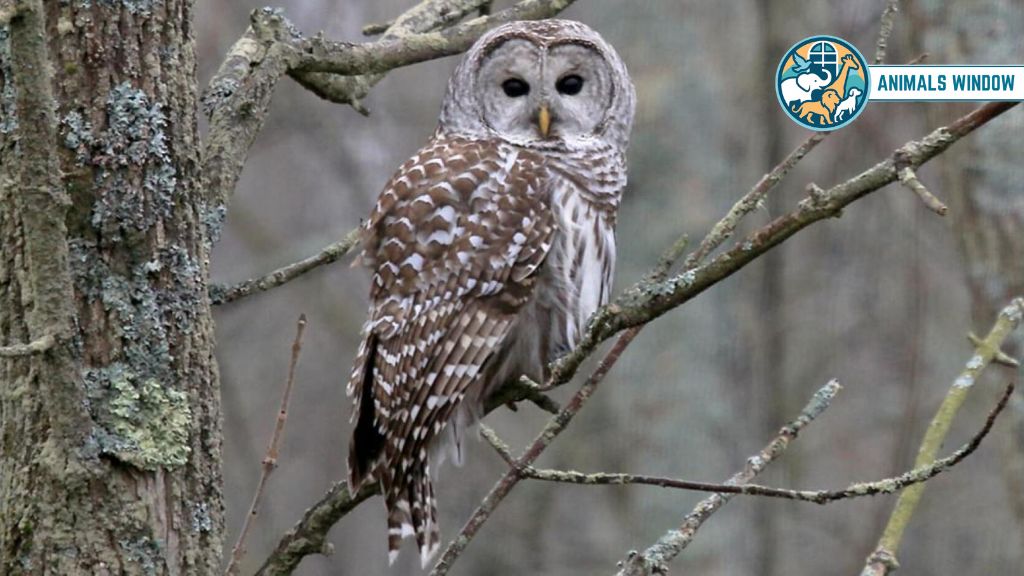
- Scientific name: Strix varia
- Size: 16–25 inches long
- Weight: 1.1–2.3 lbs
- Diet: Squirrels, frogs, mice, birds, crayfish
- Habitat: Mature forests, swamps, mixed woodlands
- Lifespan: 10–23 years in the wild
The barred owl is a forest specialist. It doesn’t need open ground like a hawk. It hunts between tree trunks, swooping through tight spaces to catch squirrels that think the canopy is safe.
It eats squirrels, yes — but it’s also one of the few owls known to wade into shallow water and catch crayfish with its feet. This behavioral flexibility makes it a highly successful forest squirrel predator that adapts to whatever prey is available.
🔥 Comparison Fact: A barred owl weighs about the same as a large can of soup — yet it can carry prey heavier than itself.
5. Falcon
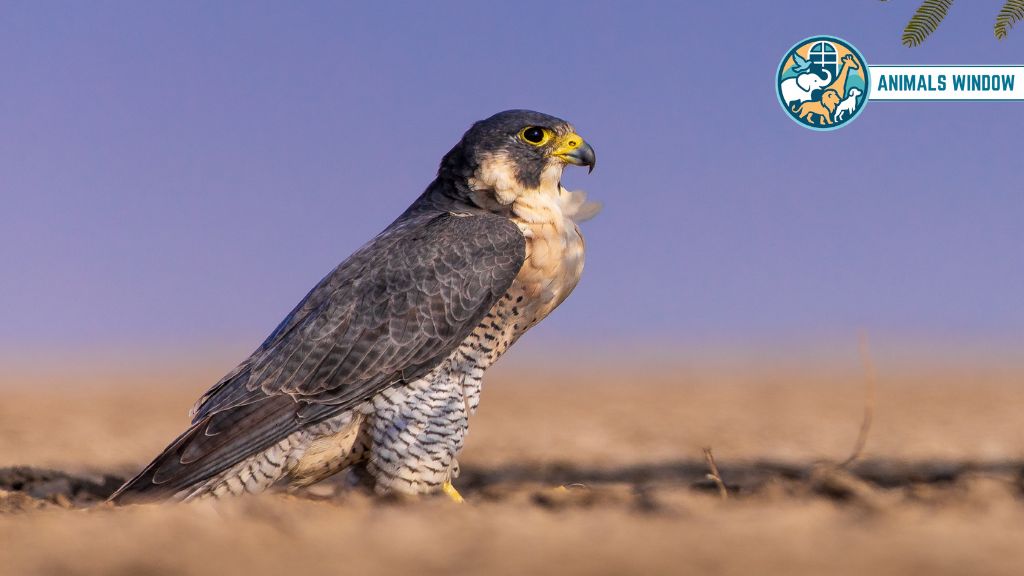
- Scientific name: Falco peregrinus (Peregrine Falcon)
- Size: 14–19 inches long
- Weight: 0.83–3.3 lbs
- Diet: Birds, squirrels, bats, insects
- Habitat: Cliffs, urban skyscrapers, open countryside
- Lifespan: 15–17 years in the wild
The peregrine falcon is the fastest animal on Earth, hitting over 240 mph in a hunting stoop (dive). But when it comes to squirrels, it’s not the speed that’s impressive — it’s the precision. Falcons strike prey mid-air with a clenched fist, delivering a knockout blow before landing to feed.
Tree squirrels that leap between branches are vulnerable to falcon attacks from above. The falcon calculates the squirrel’s arc and meets it at the landing point. It’s not chasing — it’s predicting.
🔥 Comparison Fact: A peregrine falcon’s dive speed is roughly twice as fast as a Formula 1 race car at full throttle.
6. Northern Goshawk
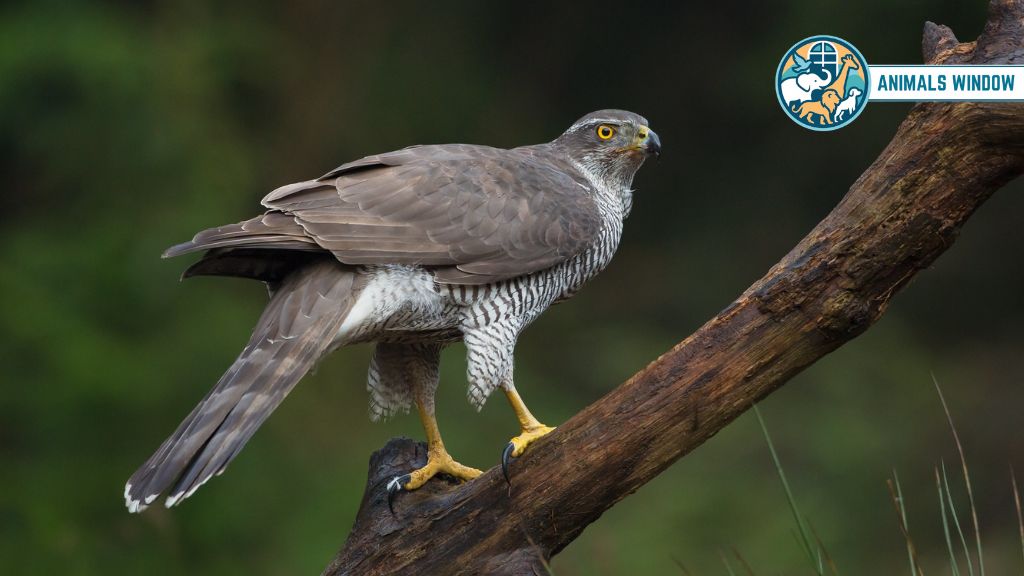
- Scientific name: Accipiter gentilis
- Size: 20–26 inches long
- Weight: 1.4–3 lbs
- Diet: Squirrels, rabbits, birds, hares
- Habitat: Dense boreal and temperate forests
- Lifespan: 11–15 years in the wild
Of all the birds that eat squirrels, the northern goshawk may be the most relentless. It doesn’t hunt from above — it chases prey through the forest at high speed, weaving between trees with its short, rounded wings.
Squirrels are one of its most important prey items. A goshawk will pursue a squirrel from branch to branch, matching every turn until the squirrel makes a mistake. Studies have shown that goshawk populations in some forests directly track squirrel population cycles — when squirrels crash, so do goshawk breeding numbers.
🔥 Comparison Fact: The goshawk’s body is roughly the size of a large crow, but it carries the aggression of a bird three times its size — it’s known to attack humans who approach its nest.
7. Gray Fox
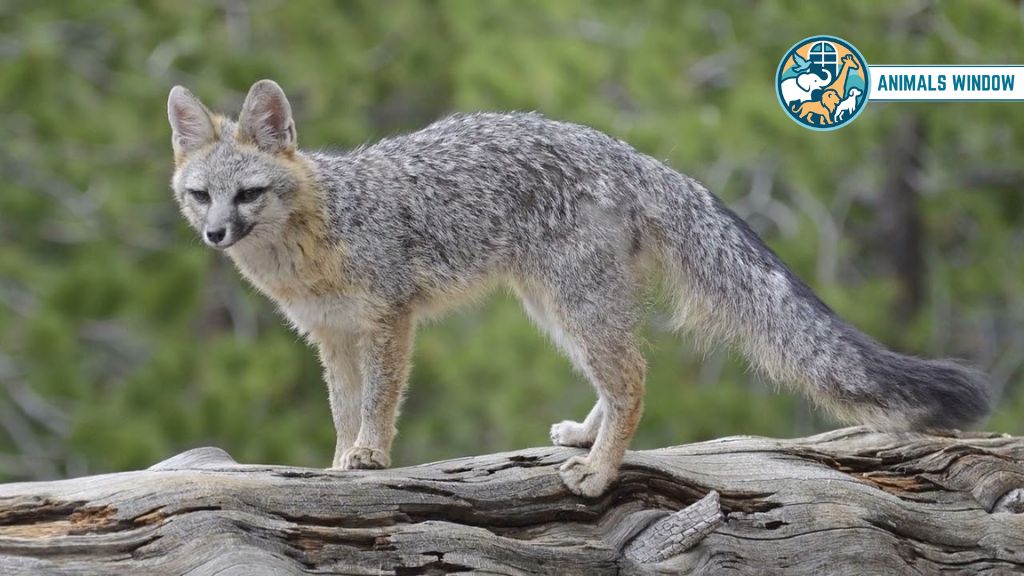
- Scientific name: Urocyon cinereoargenteus
- Size: 21–29 inches long
- Weight: 7–13 lbs
- Diet: Squirrels, rabbits, birds, fruits, insects
- Habitat: Deciduous forests, brushy areas, suburban edges
- Lifespan: 6–10 years in the wild
The gray fox is the only member of the dog family in North America that can climb trees. And it uses that skill specifically to chase squirrels. It grips bark with semi-retractable claws and hauls itself up to catch prey that other foxes simply can’t reach.
Most fox species wait at the base of a tree hoping a squirrel comes down. The gray fox goes up after it. This makes it one of the more unique mammals that hunt squirrels in woodland environments.
🔥 Comparison Fact: A gray fox is roughly the size of a domestic cat — yet it can climb to the same heights as many squirrel nests.
8. Coyote

- Scientific name: Canis latrans
- Size: 32–37 inches long
- Weight: 20–50 lbs
- Diet: Rabbits, squirrels, deer fawns, fruits, carrion
- Habitat: Forests, deserts, grasslands, suburban parks
- Lifespan: 10–14 years in the wild
Coyotes are opportunistic hunters that eat squirrels regularly, especially ground squirrels in open areas. They use a mouse-pounce technique — ears forward, body arched — then drop front paws onto a squirrel before it can react.
What makes coyotes stand out in this list is their adaptability. They hunt squirrels in deserts, forests, and suburban backyards. A coyote in a city park is just as effective a squirrel hunter as one in a wild canyon. Their hunting strategy shifts with the terrain, which makes them one of the most widespread squirrel predators across North America.
🔥 Comparison Fact: A coyote can run at 43 mph — fast enough to outpace a galloping horse over short distances.
9. Gray Wolf
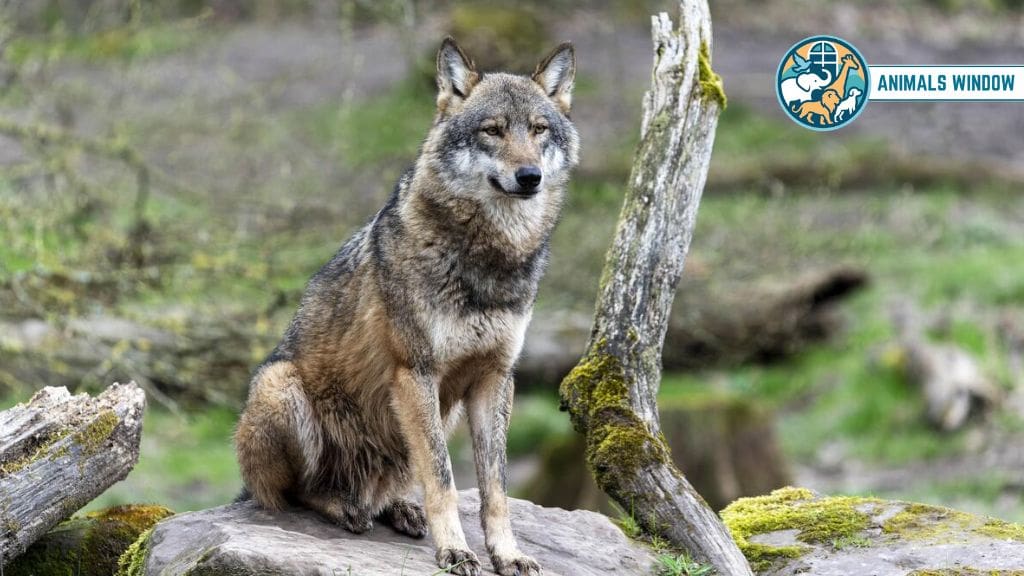
- Scientific name: Canis lupus
- Size: 4–6 feet long
- Weight: 60–145 lbs
- Diet: Deer, elk, bison, small mammals including squirrels
- Habitat: Forests, tundra, mountains, grasslands
- Lifespan: 6–13 years in the wild
Gray wolves are famous for taking down large prey, but they eat squirrels too — especially when hunting alone or when large prey is scarce. A lone gray wolf will absolutely snatch a ground squirrel if one runs across its path.
What’s interesting here is the contrast. A wolf can take down a 700-pound elk. But it won’t pass up a 1-pound squirrel. This tells you how flexible wolf diets really are, particularly in early spring when deer are scarce and ground squirrels emerge from hibernation first.
🔥 Comparison Fact: A gray wolf’s jaws can produce over 1,500 pounds of pressure per square inch — about twice the bite force of a large domestic dog.
10. Bobcat
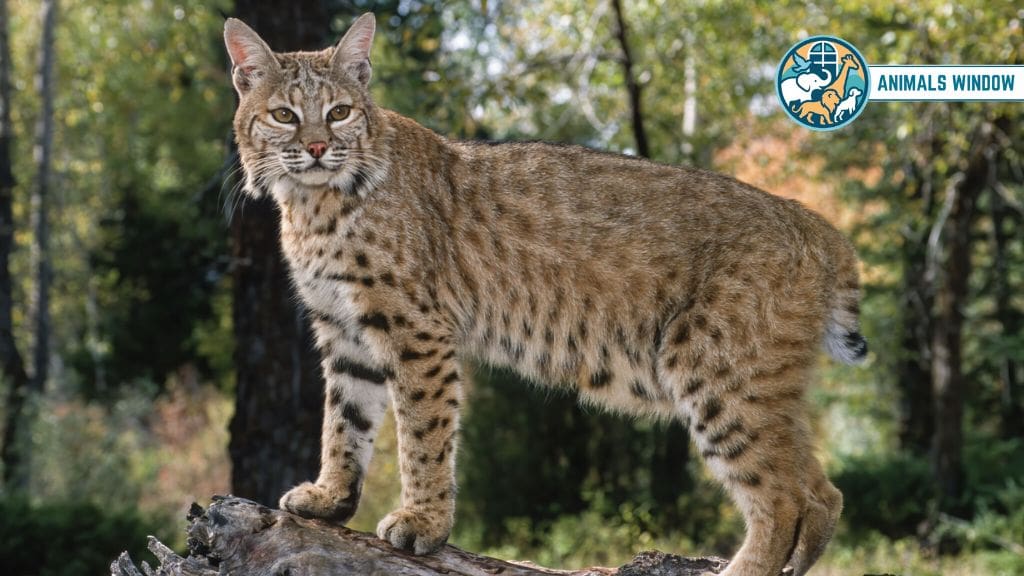
- Scientific name: Lynx rufus
- Size: 28–47 inches long
- Weight: 11–30 lbs
- Diet: Rabbits, squirrels, deer, birds, mice
- Habitat: Forests, swamps, deserts, suburban fringes
- Lifespan: 10–12 years in the wild
The bobcat is a patient, stalk-and-pounce predator that uses dense brush to get within striking distance of squirrels before they notice anything is wrong. It can freeze mid-step for several minutes while waiting for the right moment.
Bobcats are one of the animals responsible for a behavioral quirk you might have noticed — squirrels sometimes go perfectly still for long periods. That’s a survival response to ground-level predators like bobcats, which rely on movement to trigger their attack. No movement, no strike.
🔥 Comparison Fact: A bobcat can leap 10 feet horizontally in a single bound — about the length of a full-sized sedan.
11. Mountain Lion
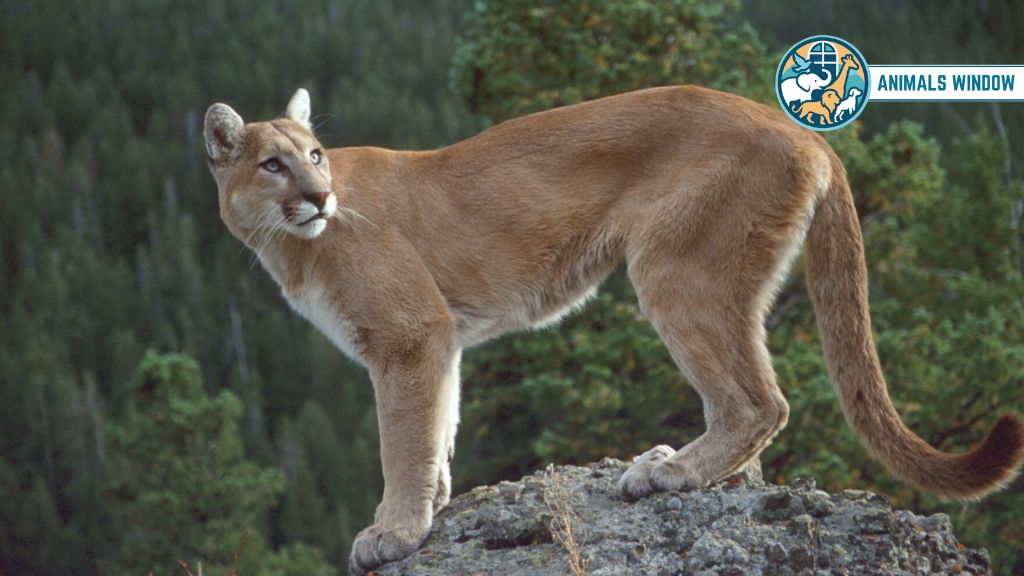
- Scientific name: Puma concolor
- Size: 5–8 feet long (including tail)
- Weight: 64–220 lbs
- Diet: Deer, elk, squirrels, raccoons, small mammals
- Habitat: Mountains, forests, deserts, grasslands
- Lifespan: 8–13 years in the wild
Mountain lions — also called cougars or pumas — primarily hunt deer. But smaller prey fills the gaps. Ground squirrels and tree squirrels both appear in mountain lion scat studies, particularly in areas where deer populations are lower.
Mountain lions hunt using ambush. They crouch behind rocks or logs and wait. For squirrels, this means catching them on the ground between foraging trips. A mountain lion won’t chase a squirrel into a tree — but it doesn’t need to. It waits.
🔥 Comparison Fact: A mountain lion can jump 18 feet straight up from a standing position — about the height of a two-story building.
12. Raccoon
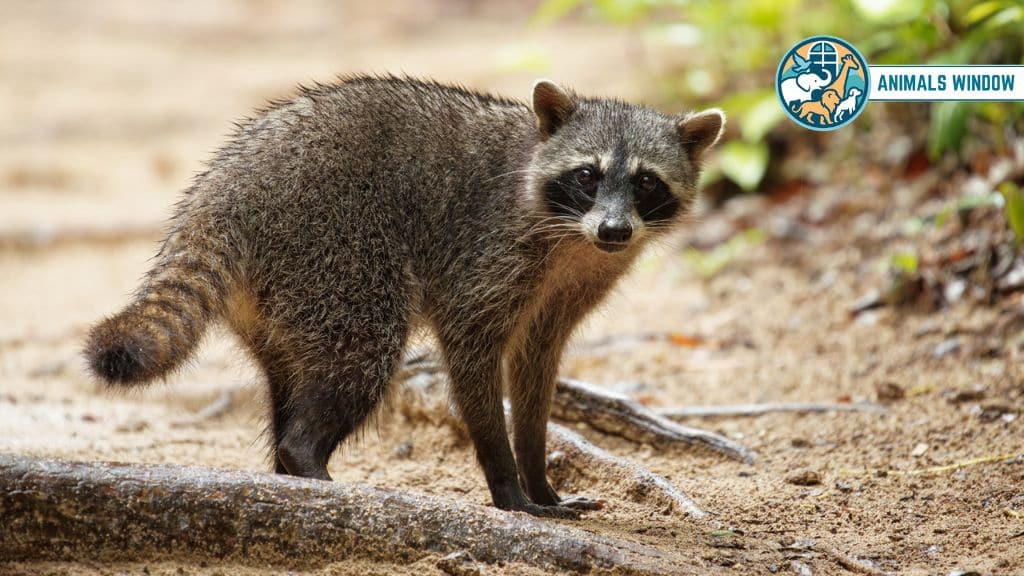
- Scientific name: Procyon lotor
- Size: 16–28 inches long
- Weight: 8–20 lbs
- Diet: Squirrels, frogs, eggs, fruits, garbage, crayfish
- Habitat: Forests, wetlands, urban areas, suburbs
- Lifespan: 2–3 years in the wild (up to 20 in captivity)
Raccoons are one of the less obvious squirrel predators, but they absolutely eat them — especially baby squirrels and squirrel eggs in nests. They’re excellent climbers and have highly sensitive front paws that can locate and extract squirrel pups from tree hollows.
The raccoon’s real hunting weapon is its hands. Those nimble fingers can open latches, unscrew lids, and reach into tight spaces. A squirrel nest inside a tree cavity is no challenge at all. This is why mother squirrels are aggressively territorial around raccoons during nesting season.
🔥 Comparison Fact: A raccoon’s front paws have roughly four times more sensory nerve endings than human fingertips.
13. Weasel
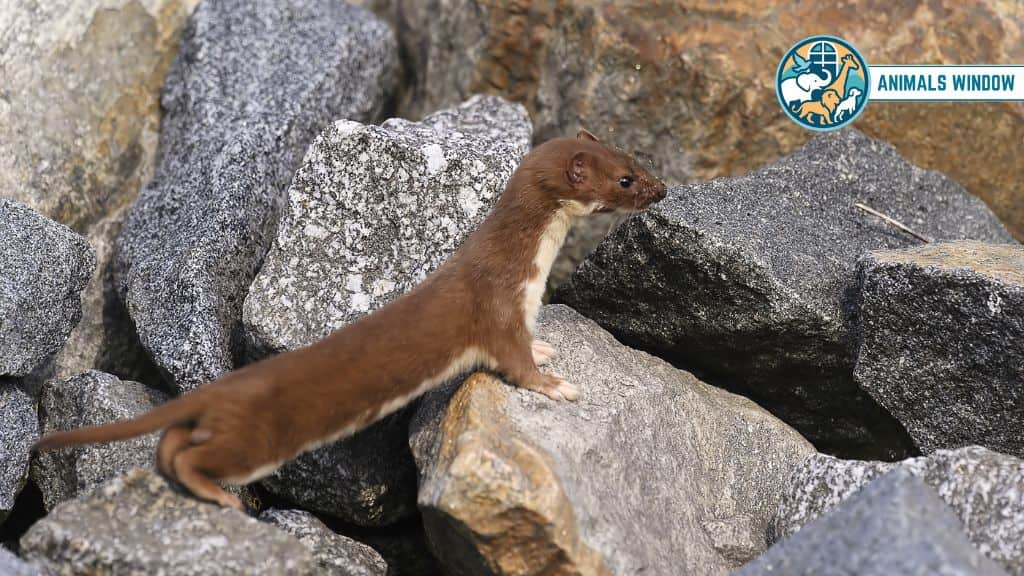
- Scientific name: Mustela nivalis (Least Weasel)
- Size: 6–8 inches long
- Weight: 1.2–9 oz
- Diet: Mice, squirrels, voles, rabbits, birds
- Habitat: Meadows, forests, farmlands, tundra
- Lifespan: 1–3 years in the wild
The weasel might look too small to hunt a squirrel, but it’s one of the most fearless predators relative to its body size. It can pursue squirrels directly into underground burrows and tight tree cavities — places no fox or hawk can reach.
Weasels kill with a single bite to the base of the skull. They’re fast, flexible, and relentless. And because they have a metabolic rate that forces them to eat up to 40% of their body weight daily, they have to hunt constantly. A weasel has no option to skip a meal.
🔥 Comparison Fact: A weasel’s body is about the length and width of a standard ink pen — yet it regularly takes down prey three to four times its own size.
14. Fisher
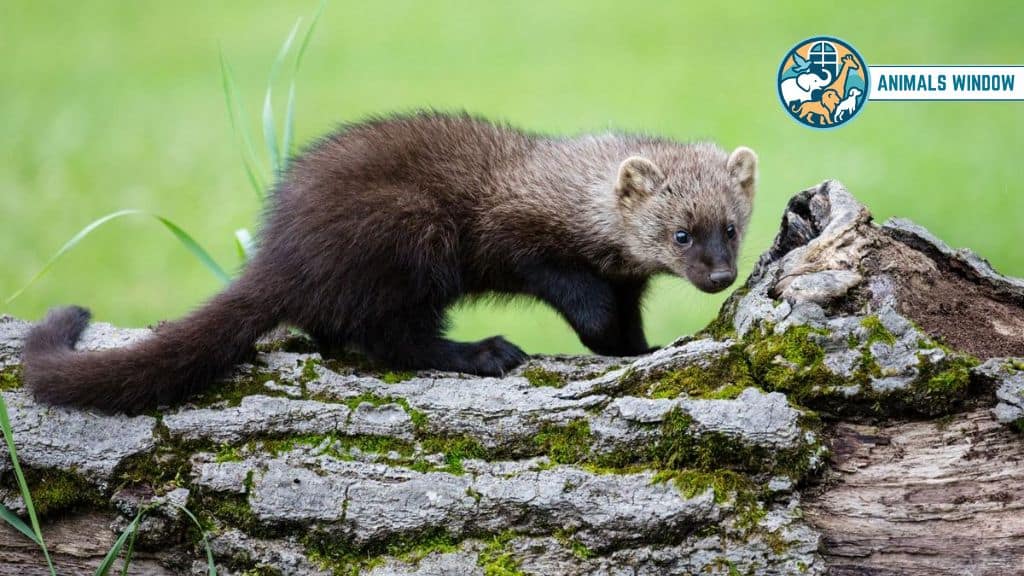
- Scientific name: Pekania pennanti
- Size: 20–40 inches long
- Weight: 4.5–12 lbs
- Diet: Squirrels, porcupines, hares, birds, berries
- Habitat: Dense boreal and mixed forests
- Lifespan: 7–10 years in the wild
The fisher is a predator most people have never heard of, but squirrels know it well. It’s one of the few mammals that can hunt squirrels in the trees with near-equal agility. A fisher chases a squirrel from branch to branch the way a cat chases a toy — but with much more deadly intent.
Fishers are also one of the only predators that hunt porcupines successfully, by flipping them to expose the unquilled face. Their fearlessness translates to squirrel hunts too. They don’t hesitate and they don’t stop chasing once they’ve committed.
🔥 Comparison Fact: A fisher’s body is about as long as a standard school ruler — but it can sprint through tree canopies at surprising speed, making it one of the top arboreal squirrel hunters.
15. Pine Marten
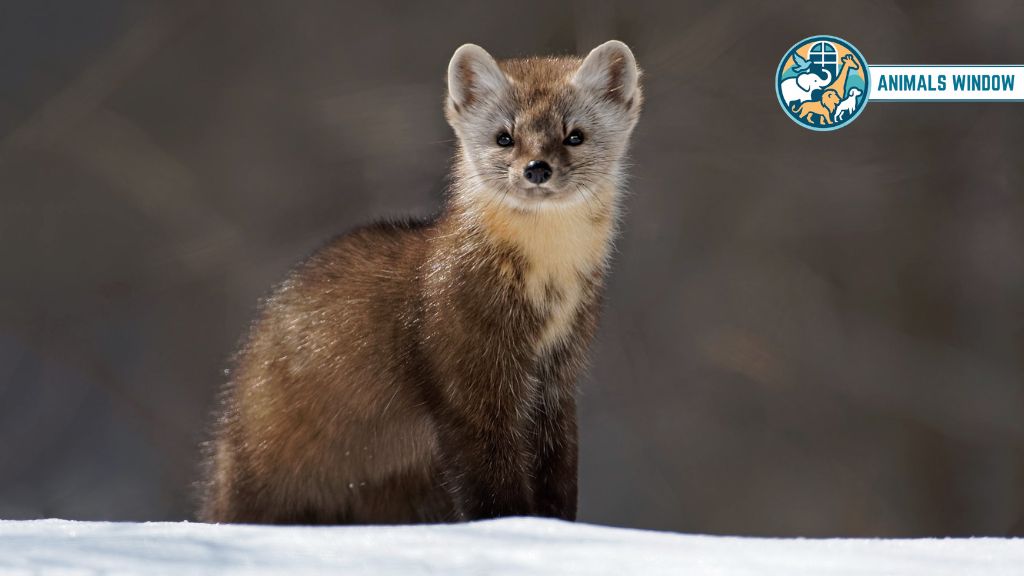
- Scientific name: Martes americana (American Marten)
- Size: 14–17 inches long
- Weight: 0.5–2.8 lbs
- Diet: Squirrels, red-backed voles, berries, insects, birds
- Habitat: Old-growth conifer and mixed forests
- Lifespan: 5–15 years in the wild
The pine marten lives almost entirely in old-growth forest canopy — which is exactly where red squirrels spend most of their time. These two animals exist in near-constant conflict. Where pine marten populations are high, squirrel populations tend to be noticeably lower.
What’s distinctive about the pine marten’s hunting method is its endurance. It doesn’t rely on ambush. It just keeps chasing until the squirrel makes an error — a misjudged leap, a dead branch, a moment of hesitation. That patience is its biggest weapon.
🔥 Comparison Fact: A pine marten weighs about as much as a can of soda — yet it covers up to 15 miles per night while hunting.
16. Mink
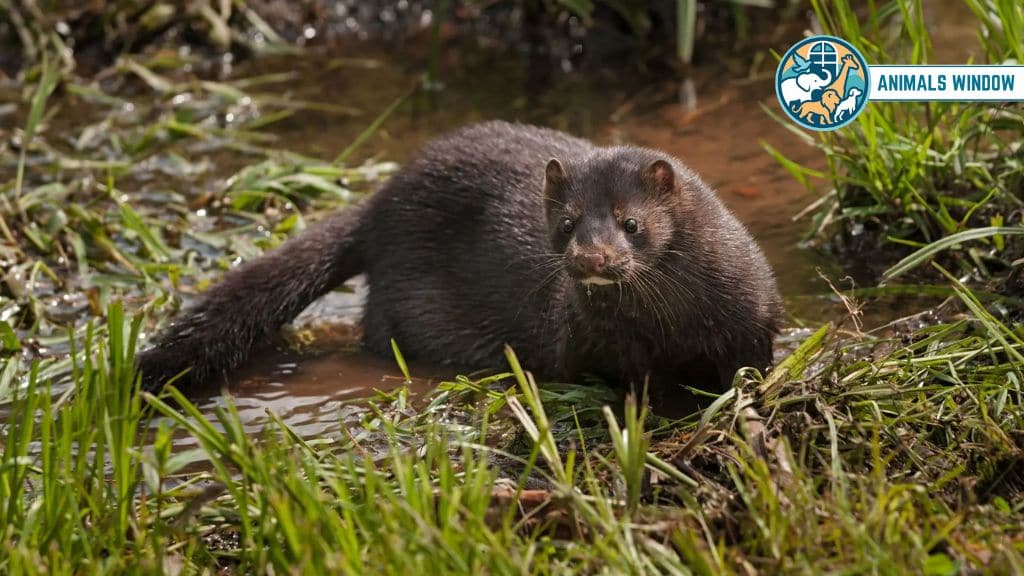
- Scientific name: Neovison vison
- Size: 12–18 inches long
- Weight: 1.5–3.5 lbs
- Diet: Fish, muskrats, squirrels, rabbits, frogs, birds
- Habitat: Riverbanks, lakeshores, wetland forests
- Lifespan: 3–6 years in the wild
Minks are semi-aquatic hunters typically associated with fish and waterfowl. But near riparian forests, they absolutely hunt squirrels that forage close to the water’s edge — and they’re fast enough on land to catch them.
Mink are built for versatility. They can dive, sprint, and climb. A squirrel that tries to escape by jumping into the water has made the wrong choice — mink swim faster than squirrels. This makes the mink a rare predator that can cut off every possible escape route.
🔥 Comparison Fact: A mink is about the length of a standard dinner fork — and can swim at over 3 mph, faster than most adult humans swim comfortably.
17. Domestic Cat

- Scientific name: Felis catus
- Size: 9–10 inches tall
- Weight: 8–10 lbs (average)
- Diet: Commercial pet food + wild birds, squirrels, mice
- Habitat: Homes, suburban yards, farms, feral colonies
- Lifespan: 12–18 years
This one surprises people. Domestic cats — especially outdoor and feral cats — are among the most significant squirrel predators in suburban environments. Studies estimate that free-roaming cats in the US kill between 1.3 and 4 billion birds and small mammals annually, and squirrels are very much on that list.
A cat’s hunting technique relies on stillness. It waits near a feeder or wood pile for 20–30 minutes without moving. Squirrels habituate to the cat’s presence — and that’s the moment the cat strikes. It’s cold, calculated, and surprisingly effective.
🔥 Comparison Fact: A domestic cat can rotate its ears 180 degrees independently and detect sounds up to 64,000 Hz — nearly triple the upper range of human hearing.
18. Domestic Dog
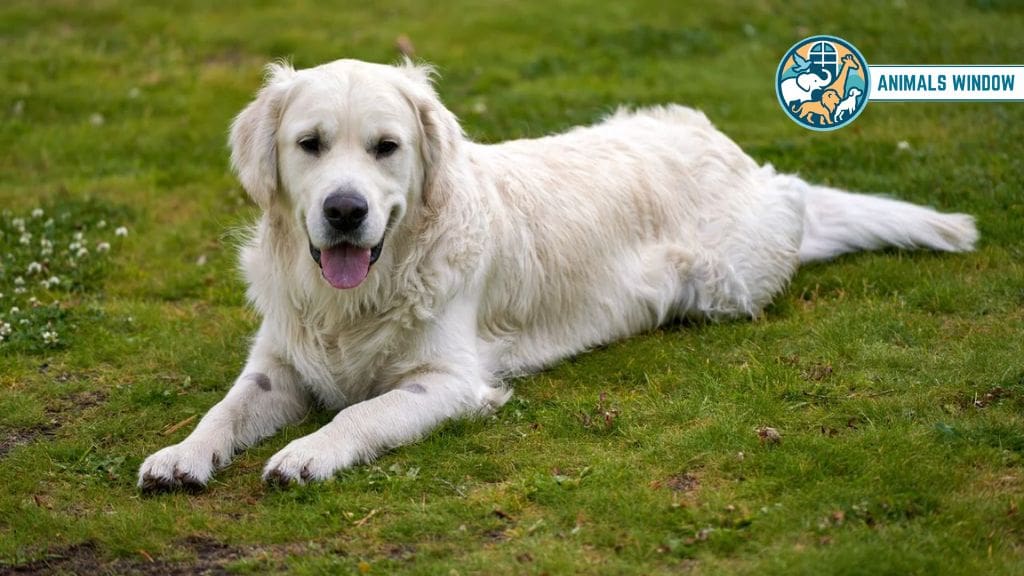
- Scientific name: Canis lupus familiaris
- Size: Varies widely by breed
- Weight: Varies
- Diet: Commercial pet food; some hunt instinctively
- Habitat: Human homes, farms, rural areas
- Lifespan: 10–15 years
Most domestic dogs won’t successfully catch a healthy adult squirrel — squirrels are simply too quick. But dogs with strong prey drives (terriers, hounds, some herding breeds) do catch squirrels, especially young ones, injured ones, or those cornered against a fence.
More importantly, dogs are disturbance predators. They chase squirrels into roads, into the path of hawks, or exhaust them to the point where a second predator can finish the hunt. Dogs unintentionally do the dirty work for other animals.
🔥 Comparison Fact: A squirrel can change direction in under 0.02 seconds — which is why even the fastest dog breeds rarely catch a healthy adult squirrel in open space.
19. Rattlesnake
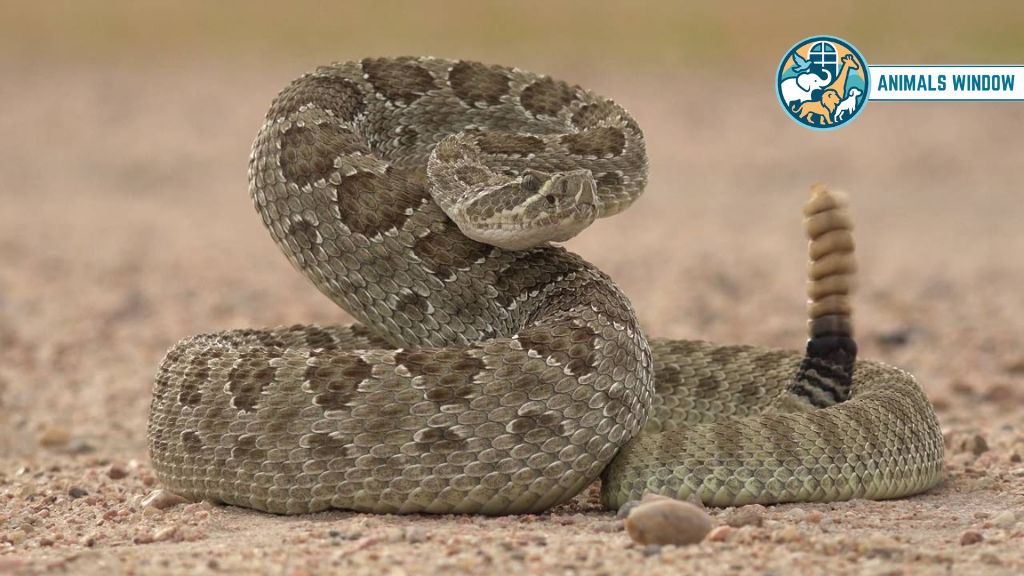
- Scientific name: Crotalus spp.
- Size: 3–8 feet long (varies by species)
- Weight: 2–10 lbs
- Diet: Mice, squirrels, rabbits, lizards, birds
- Habitat: Deserts, grasslands, forests, rocky areas
- Lifespan: 10–25 years in the wild
The rattlesnake doesn’t chase squirrels. It doesn’t need to. It locates a squirrel burrow, slips inside, and eats the pups before the mother returns. For adult squirrels, the rattlesnake uses ambush — sitting coiled near a trail and striking with a venom-loaded bite that stops prey within minutes.
Here’s the wild twist: California ground squirrels have evolved partial immunity to rattlesnake venom. And adult females actively mob rattlesnakes to distract and drive them away from their nests. The squirrel isn’t just prey — it fights back.
🔥 Comparison Fact: A rattlesnake can strike at one-third of its body length in under 700 milliseconds — faster than a human eye can blink.
20. Alligator
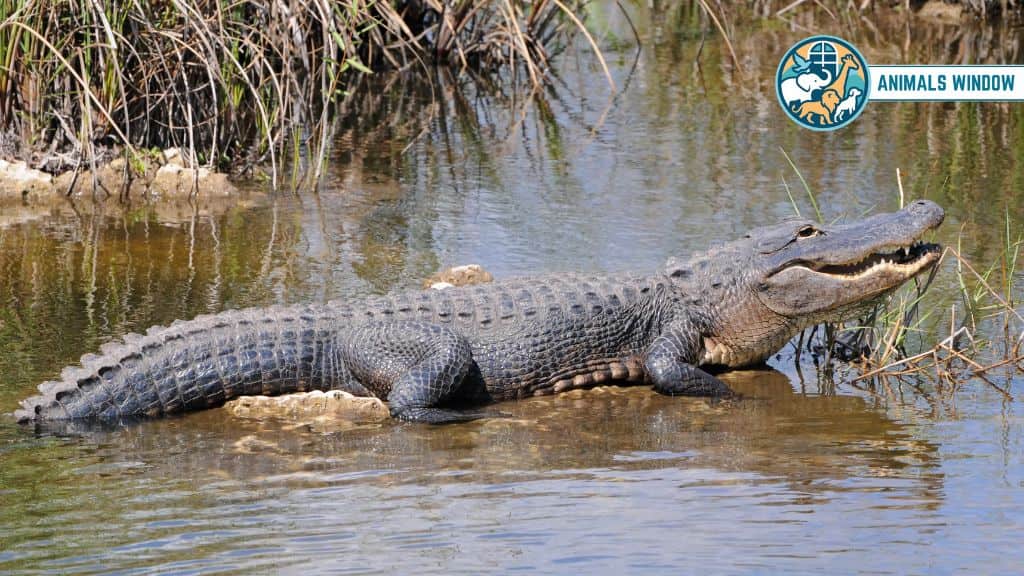
- Scientific name: Alligator mississippiensis
- Size: 8–15 feet long
- Weight: 200–1,000 lbs
- Diet: Fish, turtles, birds, deer, squirrels, mammals
- Habitat: Freshwater swamps, marshes, rivers, lakes
- Lifespan: 35–50 years in the wild
An alligator eating a squirrel sounds unusual. But in the southeastern United States, gray squirrels frequently forage near swamp edges and water banks — and alligators wait at the waterline with perfect patience.
The alligator doesn’t hunt squirrels actively. It simply lies still, invisible at the water’s surface, and waits for any mammal to come close enough to drink or swim across. A squirrel crossing a narrow waterway is an easy target. The strike is explosive and takes less than a second.
🔥 Comparison Fact: An alligator’s jaw snaps shut with 2,000 pounds of force per square inch — one of the strongest bite forces of any living animal — yet the muscles that open the jaw are so weak that a rubber band can hold them shut.
21. Largemouth Bass

- Scientific name: Micropterus salmoides
- Size: 12–24 inches long
- Weight: 2–20 lbs
- Diet: Fish, crayfish, frogs, insects, small mammals
- Habitat: Lakes, rivers, ponds, reservoirs, slow-moving streams
- Lifespan: 10–16 years
The largemouth bass is the most surprising entry on this list. It’s a fish — and yes, it eats squirrels. When a squirrel falls into a lake or swims across a river, a bass detects the surface vibration through its lateral line system (a row of pressure-sensitive cells along its body) and strikes from below.
Bass are ambush predators that feed on anything that fits in their mouth near the surface. Squirrels are absolutely within that size range. Anglers in the American South have actually used squirrel-shaped surface lures to catch largemouth bass because the fish recognize squirrels as food.
🔥 Comparison Fact: A largemouth bass can open its mouth so wide relative to its head size that it creates a suction force pulling prey directly in — it doesn’t bite so much as vacuum.
FAQs About What Animals Eat Squirrels
What animals eat squirrels in the forest?
Hawks, great horned owls, barred owls, northern goshawks, bobcats, gray foxes, fishers, pine martens, and weasels are the primary forest predators of squirrels.
What animals eat squirrels at night?
Great horned owls and barred owls are the main nocturnal hunters. Raccoons, minks, and weasels also hunt squirrels after dark.
What eats squirrels during the day?
Hawks, eagles, falcons, goshawks, coyotes, bobcats, and domestic cats are active daytime squirrel predators.
What eats squirrels and leaves the tail?
Hawks and owls often leave the tail. They consume the body and organs but discard the fluffy tail, which has little nutritional value.
Are squirrels predators or prey?
Squirrels are prey animals. They don’t hunt other vertebrates. They do eat insects occasionally, but they are firmly on the prey side of the food web.
What country eats squirrels?
Squirrel meat is eaten in the United States (particularly in the rural South and Midwest), the United Kingdom, and parts of Eastern Europe. It was a common food source in early American history.
What birds eat squirrels?
Red-tailed hawks, bald eagles, peregrine falcons, great horned owls, barred owls, and northern goshawks are the most common birds that eat squirrels.
Related More Animals Guides:

I have loved animals since I was a kid. I enjoy reading about how animals live, eat, move, and survive. I started Animals Window to share what I learn in a simple and easy way. I write about animal body parts, size, behavior, diet, habitats, and species. My goal is to make animal facts clear and fun for everyone to understand.