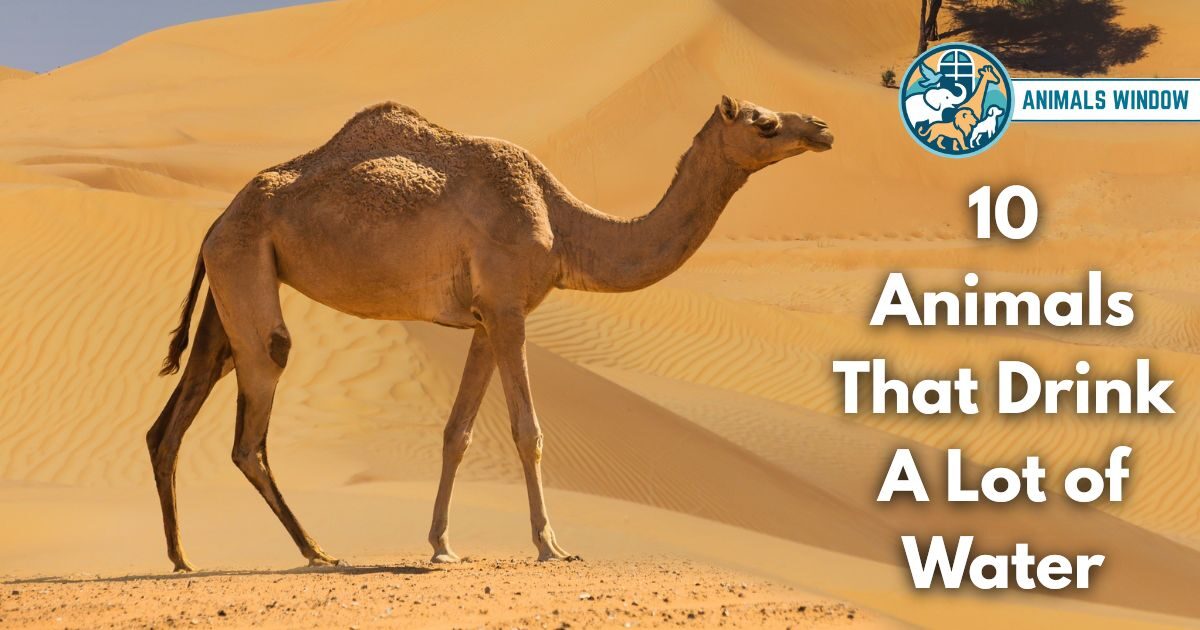
Several large mammals rank among the animals that drink a lot of water daily to survive. Elephants lead with up to 50 gallons per day. Horses, cows, buffaloes, and giraffes also consume massive amounts. Even camels — despite their desert reputation — can drink 30 gallons in one sitting. Body size, climate, and diet all determine how much water an animal needs each day.
Table of Contents
Quick Table of Animal That Drinks the Most Water
| Animal Name | Scientific Name | Key Trait |
| Elephant | Loxodonta africana | Up to 50 gallons/day |
| Water Buffalo | Bubalus bubalis | Needs daily water immersion |
| African Buffalo | Syncerus caffer | Drinks twice daily at fixed times |
| Horse | Equus ferus caballus | Up to 12 gallons/day while working |
| Cow | Bos taurus | Intake rises sharply during lactation |
| Camel | Camelus dromedarius | 30 gallons in under 15 minutes |
| Giraffe | Giraffa camelopardalis | Drinks rarely but in large volumes |
| Pig | Sus scrofa domesticus | Uses water to regulate body heat |
| Sheep | Ovis aries | Water need doubles in summer heat |
| Goat | Capra aegagrus hircus | Drinks little but extracts moisture efficiently |
You probably expect elephants and horses here. But a camel can drain a bathtub-sized volume of water in the time it takes to eat lunch. A giraffe has to perform an awkward front-leg split just to reach a waterhole — which is exactly why it tries to avoid drinking too often.
And pigs don’t sweat. At all. Water becomes their only real cooling system, and without enough of it, they overheat within hours.
This article breaks down 10 animals that drink a lot of water, what drives each animal’s thirst and how their bodies actually use water — including some biology that rarely makes it into standard list articles.
1. Elephant

- Scientific name: Loxodonta africana
- Size: Up to 13 feet tall at the shoulder
- Weight: 9,000–13,000 lbs
- Diet: Grasses, bark, fruit
- Habitat: African savannas, forests, and bushland
- Lifespan: 60–70 years
The African elephant is the largest land animal on Earth, roaming sub-Saharan Africa in herds led by the oldest female. An adult drinks up to 50 gallons of water daily. Its trunk holds about 2 gallons per load, working like a built-in hose to spray water into its mouth, onto its back, and into mud pits for cooling.
But drinking is only part of the story. In dry seasons, elephants use their tusks and feet to excavate dry riverbeds until underground water seeps up. Other animals — zebras, antelope, smaller mammals — then drink from those same holes. Elephants essentially function as water engineers for their entire ecosystem.
🔥 Comparison Fact: 50 gallons fills a standard bathtub to the brim — and an elephant empties that amount every single day.
2. Water Buffalo
- Scientific name: Bubalus bubalis
- Size: Up to 5 feet tall at shoulder
- Weight: 1,500–2,600 lbs
- Diet: Grasses, aquatic plants
- Habitat: Wetlands, rivers, and tropical grasslands across South and Southeast Asia
- Lifespan: 25–30 years
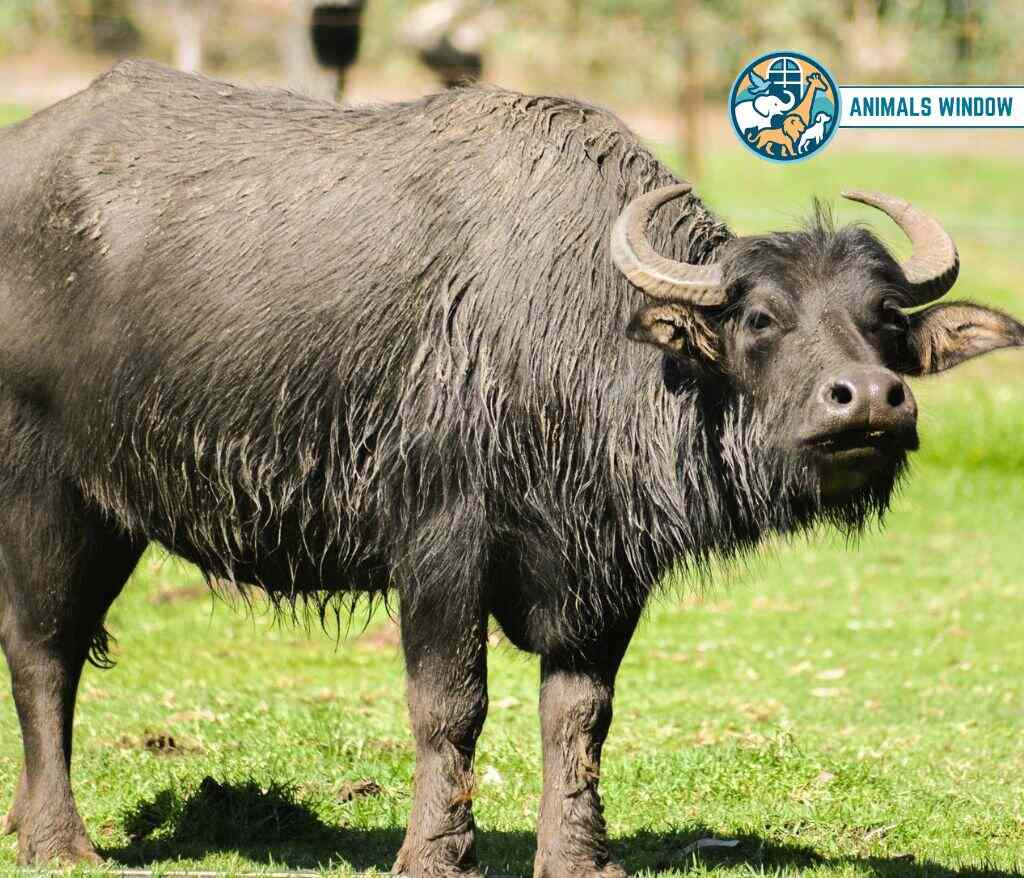
The water buffalo lives along riverbanks, marshes, and flooded fields, spending a large part of each day either drinking or wading. It drinks 20–30 gallons daily and can’t regulate body temperature the way most large mammals do — its hide has fewer sweat glands, so it depends on water immersion and mud wallowing to stay cool and shed insects.
If it goes without standing water or mud access, its core temperature rises to dangerous levels fast. Farmers across Asia use this animal specifically for plowing flooded rice paddies — terrain that would exhaust or injure most other livestock.
🔥 Comparison Fact: A full-grown water buffalo weighs roughly the same as a mid-size SUV.
3. African Buffalo

- Scientific name: Syncerus caffer
- Size: Up to 5.6 feet tall at shoulder
- Weight: 700–2,000 lbs
- Diet: Grasses, leaves
- Habitat: Savannas, forests, and floodplains of sub-Saharan Africa
- Lifespan: 20–25 years
The African buffalo travels in herds numbering in the thousands and runs its water schedule like clockwork — twice a day, at dawn and dusk, returning to the same sources repeatedly. This isn’t habit for comfort. Its digestive system ferments large volumes of dry grass, generating internal heat that demands constant cooling through water intake.
Buffaloes drink 10–20 gallons per day and travel up to 15 miles during dry seasons to reach reliable water. At crowded waterholes, they queue and wait — observed in studies to hold position for 45 minutes to an hour before getting access.
🔥 Comparison Fact: An African buffalo’s horn spread can exceed 40 inches tip to tip — wider than a standard interior doorway.
4. Horse
- Scientific name: Equus ferus caballus
- Size: 4.7–6 feet tall at shoulder
- Weight: 900–2,200 lbs
- Diet: Herbivore (Hay, grass, grains)
- Habitat: Grasslands and farms worldwide
- Lifespan: 25–30 years
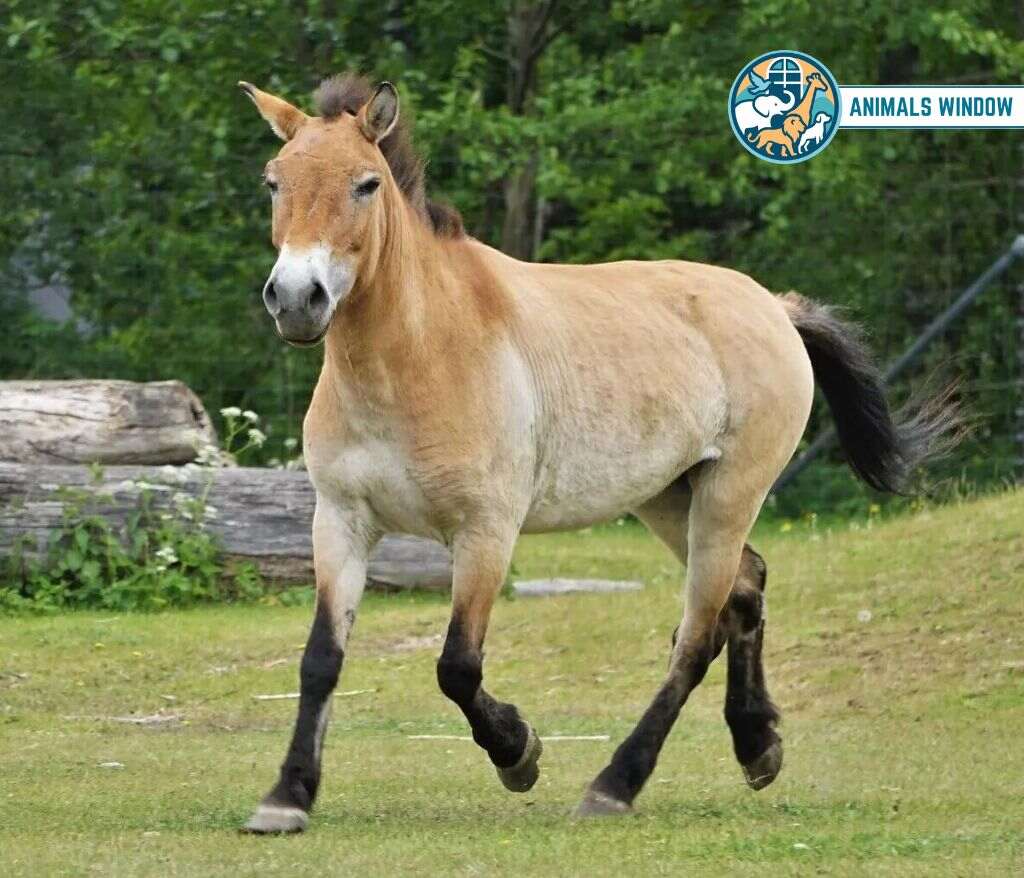
A resting horse needs 5–7 gallons of water per day. A horse doing hard physical work in summer heat needs up to 12 gallons or more. That gap exists because horses lose water at a striking rate through sweat — and their sweat is unlike most mammals’.
Horse sweat contains a protein called latherin, which breaks surface tension and pushes moisture through their dense coat. You’ve likely seen that white foam along a horse’s neck after a hard run — that’s latherin at work. Without regular water breaks, a working horse dehydrates faster than most farm animals its size. In long-distance endurance races like the Tevis Cup, riders stop for water every few miles to prevent dangerous fluid loss.
🔥 Comparison Fact: A horse’s stomach is roughly the size of a rugby ball — which is why it needs frequent small meals and drinks rather than large infrequent ones.
5. Cow
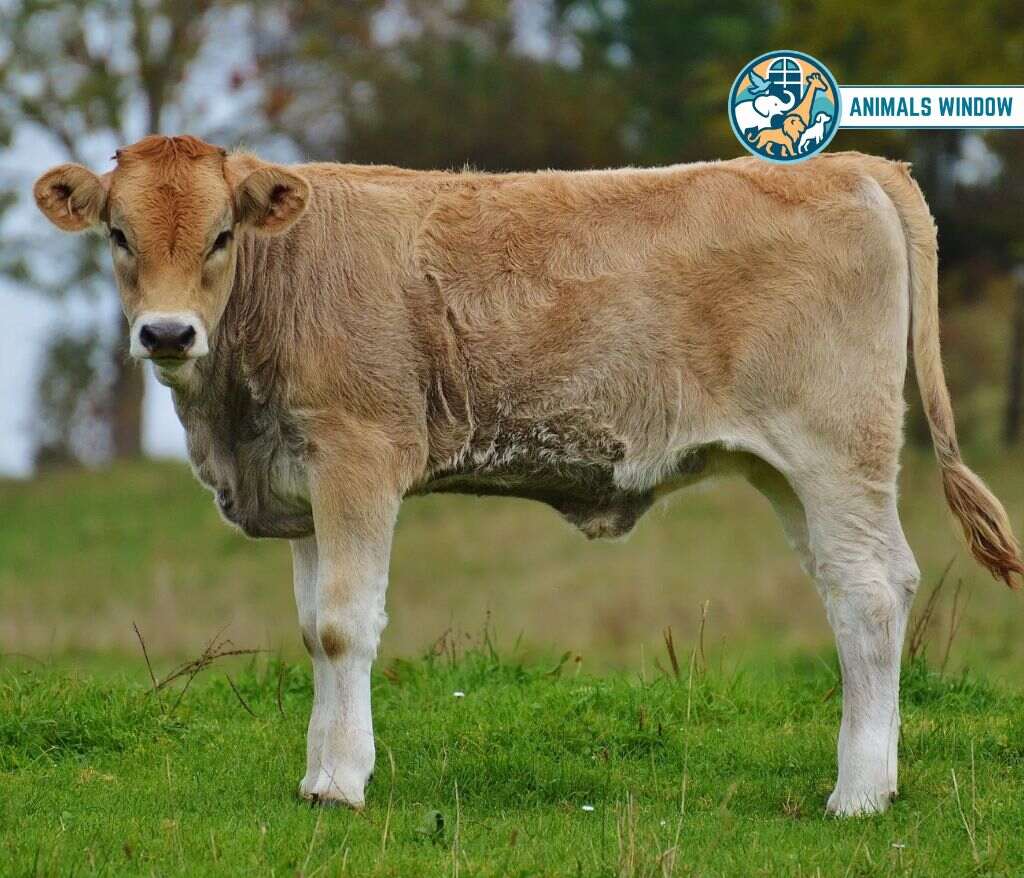
- Scientific name: Bos taurus
- Size: 4.5–5 feet tall at shoulder
- Weight: 1,000–1,800 lbs
- Diet: Grass, hay, silage
- Habitat: Farms and grasslands worldwide
- Lifespan: 18–22 years
A standard dairy cow drinks 30–50 gallons of water daily. That number climbs during peak lactation because producing 1 gallon of milk requires roughly 4 gallons of water to process. A high-output dairy cow at full production sits at the upper end of that range consistently.
Cows also concentrate their drinking into short windows. Research shows they consume most of their daily water within a couple of hours after milking, when thirst signals peak. On days above 90°F, intake rises by nearly 30% compared to cool weather — and milk output drops measurably within hours if water access is restricted, even briefly.
🔥 Comparison Fact: The daily water intake of a dairy cow equals filling a standard 50-gallon aquarium from empty — every 24 hours.
6. Camel
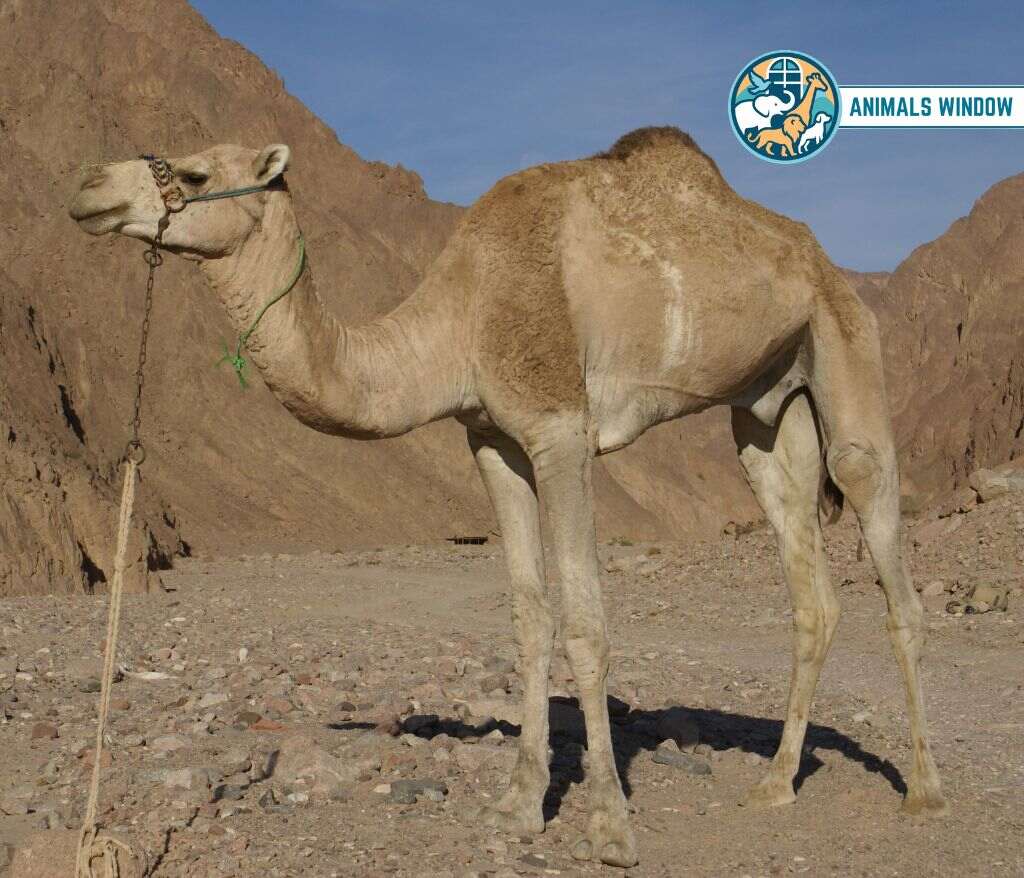
- Scientific name: Camelus dromedarius
- Size: 5.9–6.6 feet tall at shoulder
- Weight: 880–1,300 lbs
- Diet: Thorny plants, dry grasses
- Habitat: Deserts and arid regions of North Africa and the Middle East
- Lifespan: 40–50 years
Camel humps store fat, not water. That fat breaks down into energy during long desert crossings. But when a camel finally reaches water, it drinks 30 gallons in under 15 minutes — a rate that would kill most other mammals through water intoxication.
The camel survives this because its red blood cells are oval-shaped rather than round. Oval cells expand dramatically without rupturing, safely absorbing that sudden flood of liquid. Beyond drinking speed, camels tolerate losing up to 25% of their body weight in water before reaching a dangerous threshold. A human dies after losing just 12%. That gap — 25% vs. 12% — is the real reason camels outlast every other large animal in desert conditions.
🔥 Comparison Fact: 30 gallons in 15 minutes equals roughly 480 standard water bottles consumed faster than most people finish a meal.
7. Giraffe
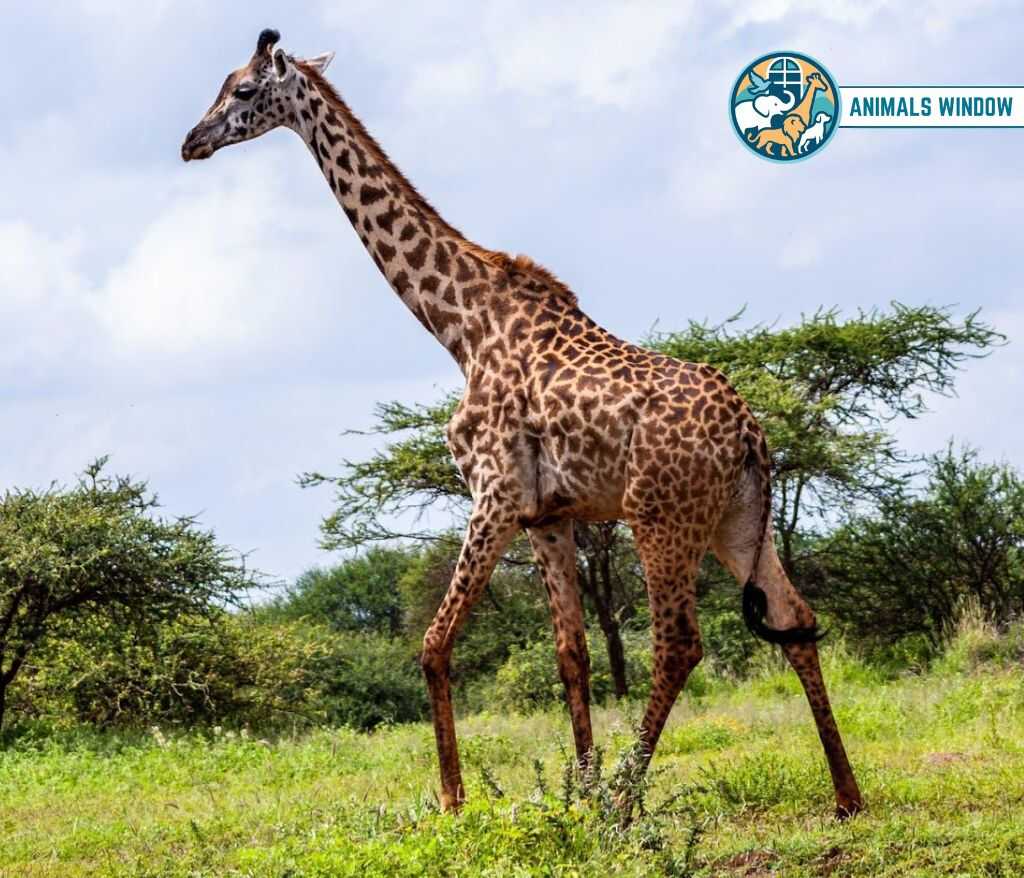
- Scientific name: Giraffa camelopardalis
- Size: Up to 19 feet tall
- Weight: 1,700–2,800 lbs
- Diet: Leaves, mostly acacia
- Habitat: African savannas and open woodlands
- Lifespan: 20–25 years
To drink from ground level, a giraffe must splay its front legs into a wide split stance — leaving it physically unable to run for the entire duration. Predators know this. It’s one of the most dangerous positions a giraffe enters in its life, which is why it visits waterholes as infrequently as possible, extracting most of its water from moisture-rich acacia leaves.
When it does drink, it takes in up to 10 gallons in one session. The physical challenge doesn’t end there — its 25-lb heart (roughly the size of a basketball) pumps blood nearly 8 feet upward to reach the brain. When the head drops to waterhole level, the cardiovascular system manages a rapid pressure shift to prevent blackout. That shift occasionally fails, and a giraffe can lose consciousness briefly at the water’s edge.
🔥 Comparison Fact: A giraffe’s neck alone measures about 6 feet — the height of an average adult human, sitting entirely above the shoulders.
8. Pig

- Scientific name: Sus scrofa domesticus
- Size: 2–4 feet tall at shoulder
- Weight: 110–700 lbs
- Diet: Grains, vegetables, organic scraps
- Habitat: Farms worldwide; wild pigs in forests and grasslands
- Lifespan: 6–10 years domestic; up to 20 years wild
Pigs have no functional sweat glands. Every other mammal on this list sweats to some degree — pigs cannot. Water and mud are their only mechanisms for thermoregulation, which makes their water dependency qualitatively different from any other animal here.
A standard pig drinks 3–5 gallons per day. A nursing sow producing milk for a litter can need up to 8 gallons — managing both milk production and body cooling simultaneously.
When water runs out in summer heat, pigs develop heat stress within a few hours, faster than cattle or horses of comparable size. They’ll also splash water deliberately onto the ground and lie in the wet area when mud isn’t available — a learned behavioral workaround.
🔥 Comparison Fact: A pig’s cerebral cortex structure closely mirrors a human brain’s — one reason pigs are the primary animal model in neurological and cardiovascular research.
9. Sheep
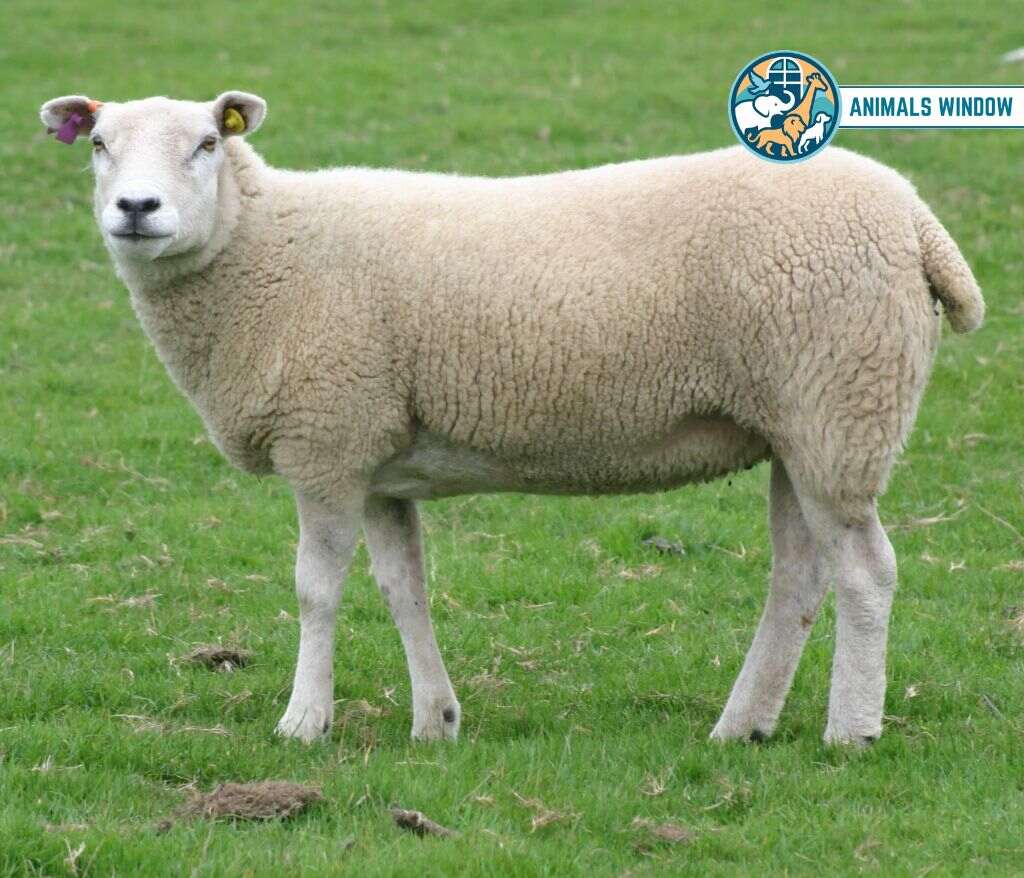
- Scientific name: Ovis aries
- Size: 2–3 feet tall at shoulder
- Weight: 100–300 lbs
- Diet: Grasses, clover, herbs
- Habitat: Grasslands and farms worldwide
- Lifespan: 10–12 years
A sheep grazing fresh green pasture in cool weather can survive on as little as 0.5 gallons per day — pulling moisture directly from the grass. Push the temperature above 85°F or move a ewe into late pregnancy, and that figure rises to 2–4 gallons daily.
Sheep have among the most concentrated urine of any common farm animal, meaning their kidneys extract and recycle water more efficiently than cattle or horses per metabolic cycle. But that efficiency has a limit — and it depends entirely on water quality.
Sheep consistently refuse stagnant, algae-heavy, or metal-tasting water even when thirsty, accelerating dehydration by their own avoidance behavior. Clean water access matters more for sheep than for animals twice their size.
🔥 Comparison Fact: Sheep wool can hold up to 30% of the animal’s body weight in moisture — useful insulation, but a dangerous heat trap if they go unshorn in summer.
10. Goat
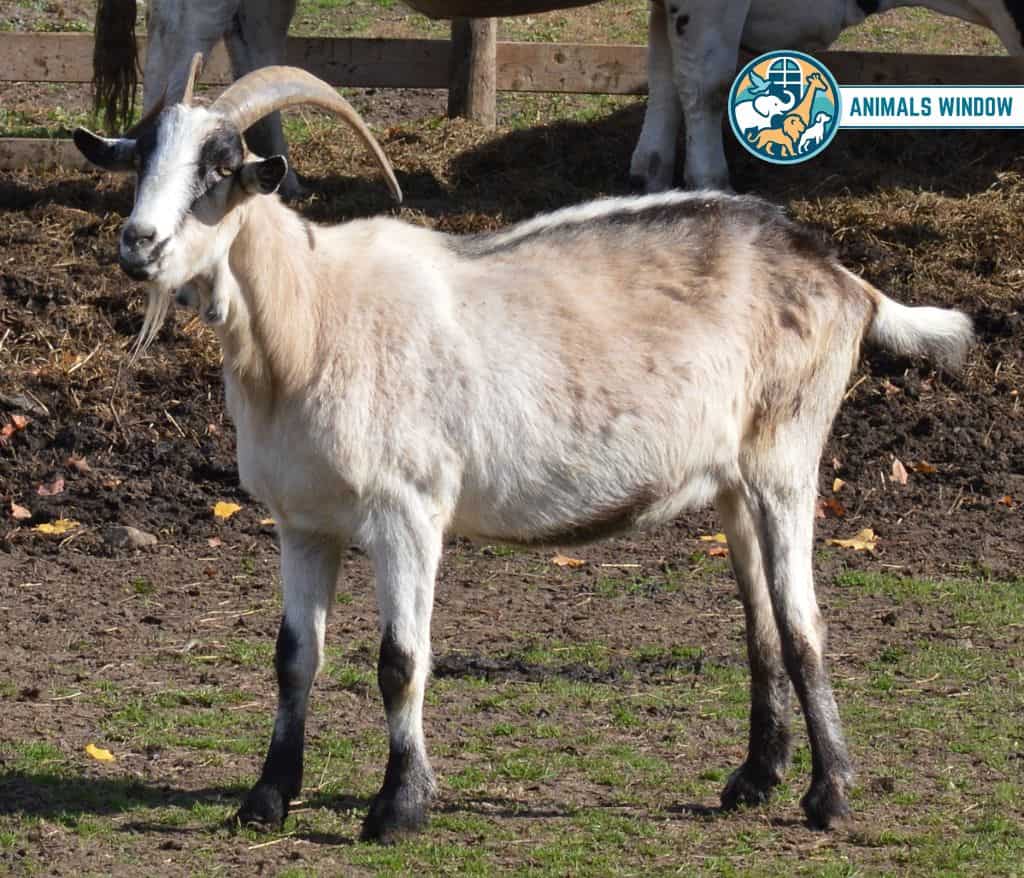
- Scientific name: Capra aegagrus hircus
- Size: 1.5–2.5 feet tall at shoulder
- Weight: 44–300 lbs
- Diet: Leaves, shrubs, bark, dry herbs
- Habitat: Mountains, farms, and dry scrublands worldwide
- Lifespan: 15–18 years
A standard goat drinks 0.5–3 gallons per day — the lowest baseline on this list. But a lactating dairy goat at peak production needs 3–4 gallons daily, which relative to its body size rivals a dairy cow’s water-to-output ratio.
Goats browse on thorny shrubs, dry bark, and desert herbs that most animals ignore entirely. Their digestive tract squeezes moisture from plant material at every stage, making them the most water-efficient large herbivore in this group. But farmers learn quickly that goats reject water that smells of chlorine, metal, or algae — often refusing to drink at all even when visibly dehydrated. That pickiness means water quality management is more critical for goats than their modest intake numbers suggest.
🔥 Comparison Fact: A pygmy goat — one of the smallest domestic breeds — weighs 55–75 lbs, roughly the same as a medium Labrador Retriever.
FAQ’s About Animals That Drink a Lot of Water
What animal drinks the most water in the world?
The African elephant, at up to 50 gallons per day. Among marine animals, large whales get most of their water from prey rather than drinking directly.
Do camels store water in their humps?
No. The humps store fat for energy. Camels survive dry periods through extreme water conservation and can rapidly drink 30 gallons when water is available.
Do fish drink water?
Saltwater fish drink constantly to replace water lost through their gills due to osmosis. Freshwater fish absorb water passively through their skin and drink very little.
Do whales drink seawater?
Whales extract water from the fish and krill they eat, whose body fluids are far less salty than ocean water. Their kidneys handle salt filtration without direct seawater consumption.
Which animal drinks the least water?
The kangaroo rat survives its entire life without drinking any water, getting all moisture from metabolizing dry seeds. No other mammal matches that level of water independence.
Trait Comparison: Drinking Volume vs. Water Efficiency
| Animal | Daily Volume | Efficiency Level | Heat Management | Storage Ability |
| Elephant | ~50 gallons | Moderate | Bathing, ear flapping | None |
| Camel | 30 gal burst / 0 for days | Extremely high | Tolerates high body temp | Oval blood cells |
| Water Buffalo | 20–30 gallons | Low | Mud wallowing | None |
| Horse | 5–12 gallons | Moderate | Latherin-based sweating | None |
| Cow | 30–50 gallons | Moderate | Shade-seeking, high intake | None |
| Giraffe | ~10 gallons (infrequent) | High | Leaf moisture extraction | None |
| Pig | 3–8 gallons | Low | Water/mud rolling | None |
| African Buffalo | 10–20 gallons | Moderate | Scheduled timed drinking | None |
| Sheep | 0.5–4 gallons | High | Efficient kidney filtration | None |
| Goat | 0.5–3 gallons | Very high | Dry browse moisture extraction | None |
Volume and efficiency run in opposite directions across this list. Animals that drink the most — elephants, cows, water buffalo — have no biological mechanism to store or conserve water. Animals at the low end — goats, camels, sheep — compensate through anatomy, kidney function, or cellular adaptation that stretches every drop further than their larger counterparts can manage.
Related Animals Guides:

I have loved animals since I was a kid. I enjoy reading about how animals live, eat, move, and survive. I started Animals Window to share what I learn in a simple and easy way. I write about animal body parts, size, behavior, diet, habitats, and species. My goal is to make animal facts clear and fun for everyone to understand.