Animals that live in burrows are species that dig or use underground tunnels for shelter, nesting, and survival. They are commonly called fossorial animals. These include mammals, birds, reptiles, amphibians, and invertebrates. From blind, soil-pushing moles to colony-building termites, burrowing animals span nearly every major animal group on Earth.
Table of Contents
Quick List of Burrowing Animals
- Mole
- Naked Mole-Rat
- Pocket Gopher
- European Rabbit
- Prairie Dog
- Meerkat
- Badger
- Aardvark
- Atlantic Puffin
- Burrowing Owl
- Desert Tortoise
- Caecilian
- Fiddler Crab
- Trapdoor Spider
- Termite
Underground Animals Are Stranger Than You Think
Here’s something most people don’t know: some animals spend their entire lives without ever seeing sunlight. One species on this list has no functional eyes at all — and it still navigates tunnels with stunning precision. Another builds a trapdoor out of silk and dirt so perfectly hinged it can fool even experienced biologists.
This article covers 15 animals that live in burrows — from true underground specialists to surprising burrowers you’d never expect. You’ll discover which small animal burrow can stretch longer than a football field, which bird digs its nest into a cliff face, and which invertebrate builds structures taller than a human — all starting from underground.
These aren’t just fun facts. Understanding burrowing animals helps explain how ecosystems stay healthy, how soil gets aerated, and why entire grasslands depend on what happens below the surface.
🐾 Mammals That Live Underground & Dig Burrows
1. Mole
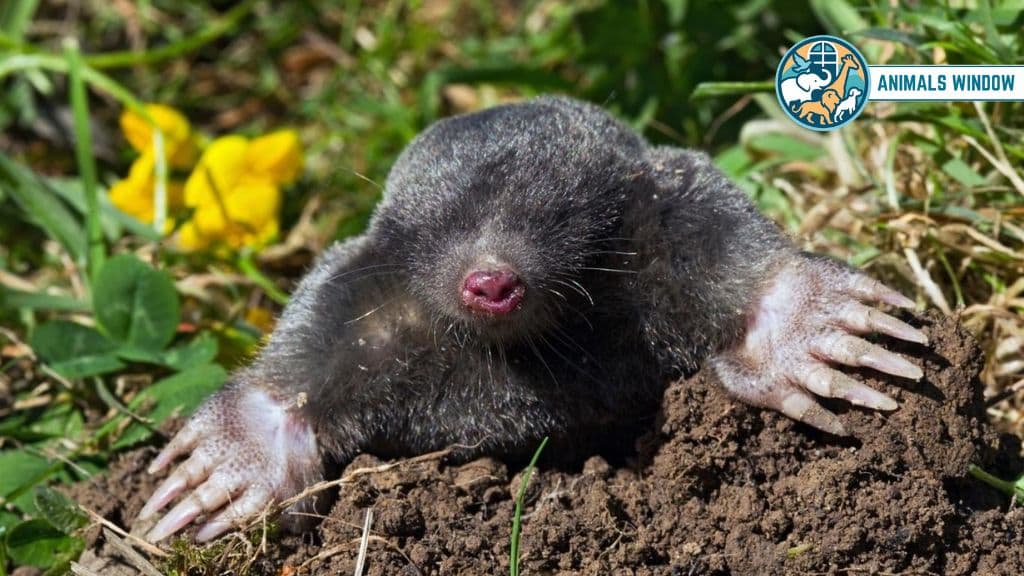
- Scientific name: Talpa europaea
- Size: 11–16 cm (4–6 in)
- Weight: 72–128 g
- Diet: Earthworms, insect larvae, slugs
- Habitat: Meadows, woodlands, gardens across Europe and Asia
- Lifespan: 3–5 years
The mole is one of the most recognized underground animals on the planet. But most people only ever see the molehills it leaves behind — never the animal itself. That’s because the mole rarely surfaces. It spends almost its entire life inside self-excavated tunnels, hunting, sleeping, and breeding underground.
What makes the mole extraordinary is its hyperspectral soil sensing. It uses a star-shaped nose organ — the Eimer’s organ — packed with over 5,000 sensory receptors. This lets it detect tiny vibrations from worms moving through soil, without seeing, smelling, or hearing them. It essentially “listens” through its face.
🔥 Comparison Fact: A mole weighs about as much as a small chocolate bar — yet it can dig up to 20 meters of new tunnel in a single day.
2. Naked Mole-Rat
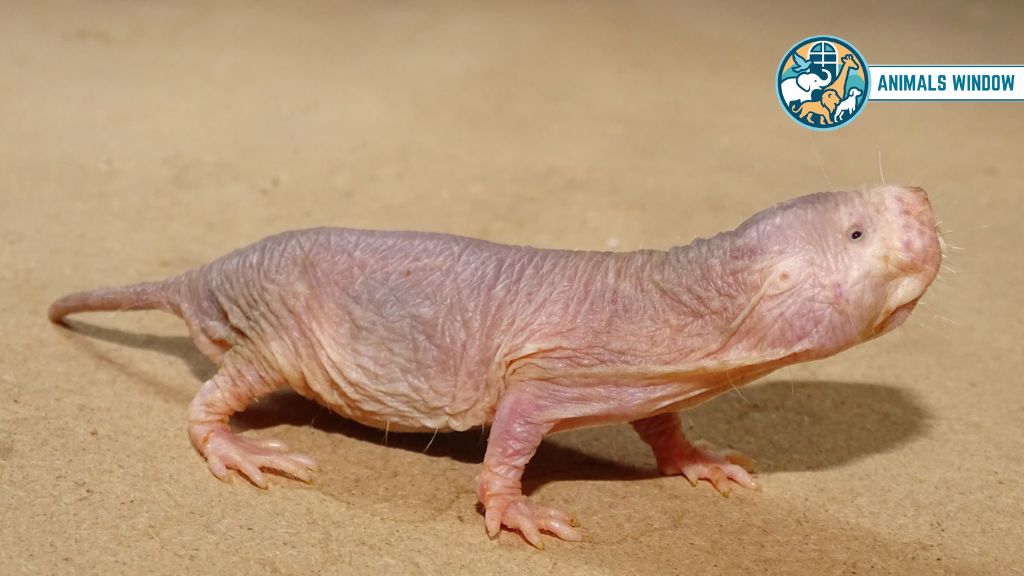
- Scientific name: Heterocephalus glaber
- Size: 8–10 cm (3–4 in)
- Weight: 30–80 g
- Diet: Tubers, roots, bulbs
- Habitat: Dry grasslands and savannas of East Africa
- Lifespan: Up to 30+ years
The naked mole-rat looks strange. No fur, wrinkled pink skin, and enormous buckteeth protruding from its mouth. But this bizarre appearance is built for one purpose: living underground. Its teeth can move independently — like chopsticks — to shovel loose soil without swallowing it.
Here’s the part that actually shocks biologists: the naked mole-rat is biologically resistant to cancer. It produces a sugar molecule called hyaluronan that triggers cell death before tumors can form. No other mammal does this. On top of that, it can survive up to 18 minutes without oxygen — using a fructose-based metabolism instead of glucose when air runs out in sealed tunnels.
🔥 Comparison Fact: At around 8 cm long, it’s about the size of a AA battery — yet it outlives most large dogs by two decades.
3. Pocket Gopher
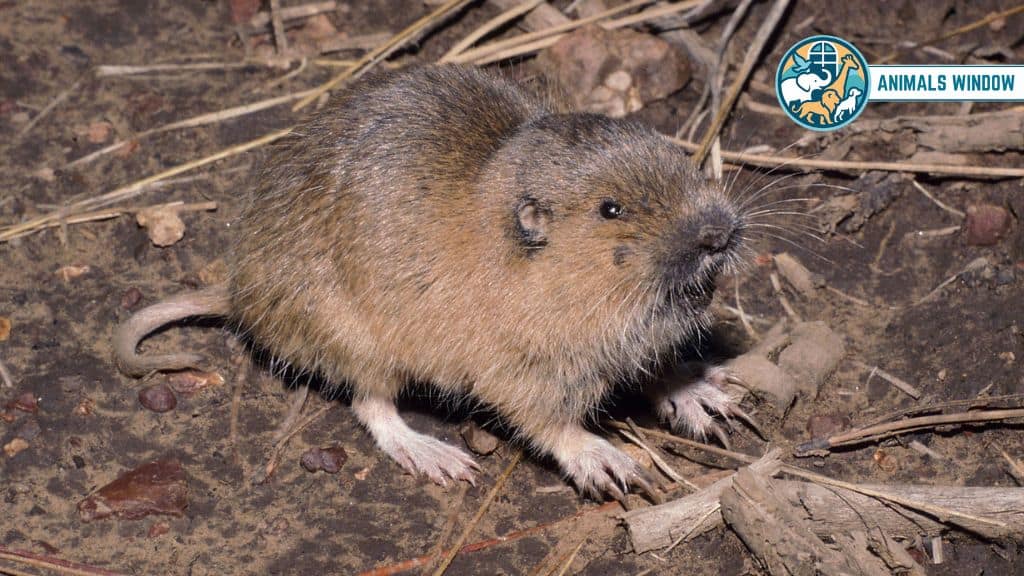
- Scientific name: Geomys bursarius
- Size: 14–25 cm (5.5–10 in)
- Weight: 150–900 g
- Diet: Roots, tubers, grasses — collected in cheek pouches
- Habitat: North and Central America; prairies, meadows, mountain meadows
- Lifespan: 1–3 years
The pocket gopher is a small animal that burrows almost exclusively underground. It has external, fur-lined cheek pouches — essentially built-in grocery bags — that it stuffs full of roots and tubers before heading back to its pantry chamber. These pouches can turn completely inside-out for cleaning.
What’s rarely mentioned: pocket gophers are aggressive tunnel architects. A single animal maintains a personal tunnel system that can span up to 200 meters. It doesn’t share.
Each gopher seals its tunnels from the inside after use, making it one of the few true solitary underground mammals. In agricultural areas, a single gopher can pull an entire plant underground from its roots in seconds.
🔥 Comparison Fact: Its tunnel network can span over two football fields in length — built and maintained by one animal the size of a large potato.
4. European Rabbit

- Scientific name: Oryctolagus cuniculus
- Size: 34–50 cm (13–20 in)
- Weight: 1.5–2.5 kg
- Diet: Grasses, herbs, bark, roots
- Habitat: Western Europe, introduced worldwide; open fields, woodland edges
- Lifespan: 1–2 years (wild); up to 9 years (captive)
Most people think of rabbits as above-ground grazers. But the European rabbit is a serious excavator. It digs and lives inside warrens — complex underground tunnel systems shared by multiple rabbits across several generations. A mature warren can contain dozens of interconnected tunnels, sleeping chambers, and separate nesting rooms lined with fur and grass.
The rabbit’s real underground trick is strategic escape architecture. Warrens typically have multiple hidden exit holes scattered around the perimeter, some disguised under shrubs or grass clumps. When a predator enters one tunnel, rabbits scatter through six different exits simultaneously. This isn’t accidental — the layout is deliberately non-linear to slow pursuit.
🔥 Comparison Fact: A well-established warren can extend 3 meters underground — roughly as deep as a one-story building is tall — with chambers wide enough for a human arm to reach into.
5. Prairie Dog
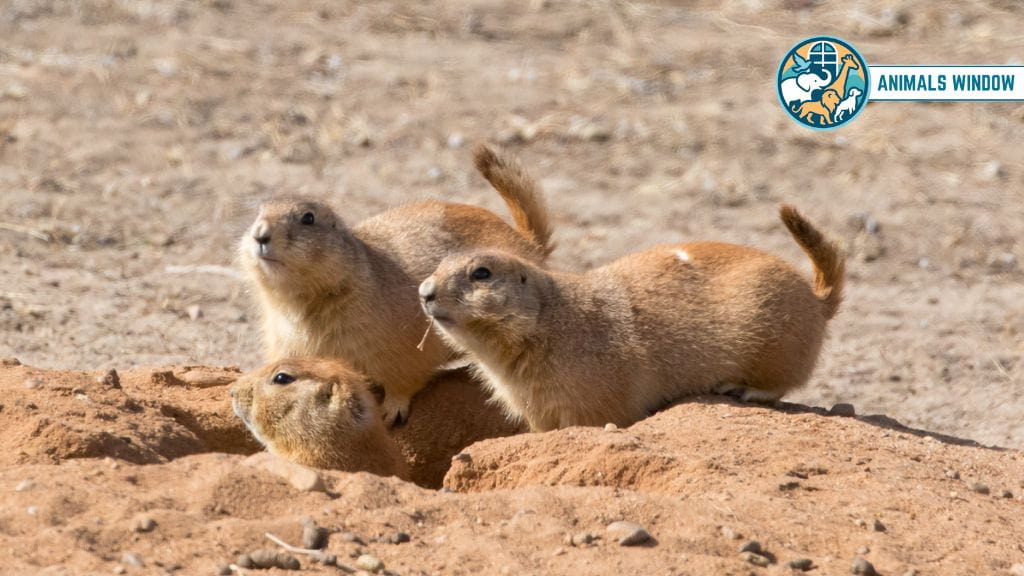
- Scientific name: Cynomys ludovicianus
- Size: 28–35 cm (11–14 in)
- Weight: 0.5–1.5 kg
- Diet: Grasses, roots, seeds, insects
- Habitat: Great Plains of North America
- Lifespan: 3–5 years (wild)
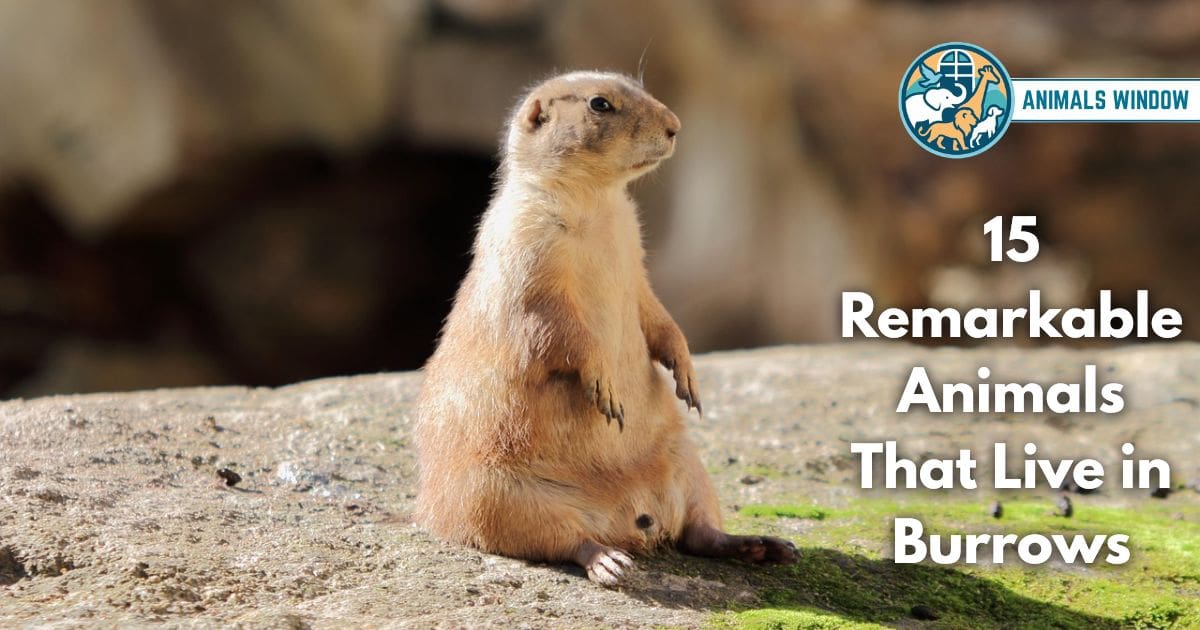
Prairie dogs are colonial tunnel builders with something no other burrowing animal has been confirmed to possess: a language. Researchers found that their alarm calls encode specific details — the size, color, and speed of an approaching predator — in distinct combinations of sound. They don’t just yell “danger.” They describe it.
Their underground towns — called coteries — are divided into family units with distinct territorial boundaries. Each family digs its own section of the shared network, with nursery chambers, sleeping quarters, and turnaround rooms where two animals can pass each other going opposite directions. Their burrow openings are deliberately mounded to funnel airflow underground, acting as a passive ventilation system.
🔥 Comparison Fact: Historic prairie dog towns once covered areas the size of Texas — with an estimated 400 million animals. Today, populations have collapsed by over 95%.
6. Meerkat
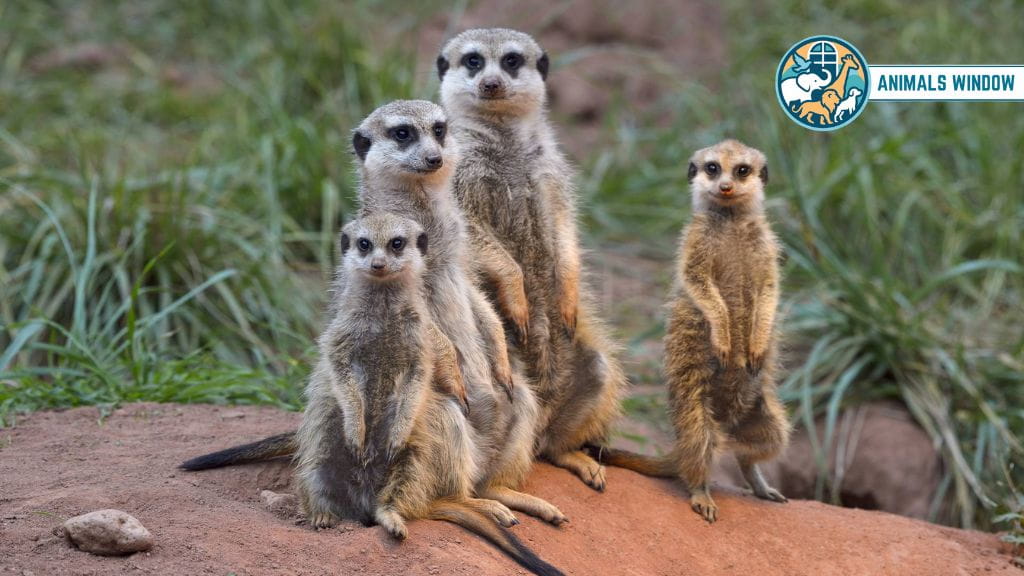
- Scientific name: Suricata suricatta
- Size: 25–35 cm (10–14 in) body
- Weight: 620–960 g
- Diet: Insects, scorpions, lizards, small snakes, plant material
- Habitat: Kalahari Desert, Namib Desert, South Africa
- Lifespan: 12–14 years (wild)
Meerkats live in underground burrows they dig themselves — but their digging strategy is cooperative and rotational. Groups of 20–30 individuals share a network of tunnels with multiple sleeping chambers and emergency exits.
What’s striking is they rotate “guard duty” above ground in shifts while others sleep below, giving every animal equal underground rest time.
The angle nobody covers: meerkats are immune to certain venoms. They regularly eat scorpions, including highly venomous species that would hospitalize a small child.
Their resistance comes from a mutation in sodium channel receptors — the same target the venom attacks. Juveniles are taught by adults how to handle scorpions safely before their immunity fully develops.
🔥 Comparison Fact: A meerkat weighs roughly as much as a can of soup — yet can take down and eat a scorpion capable of killing a small dog.
7. Badger
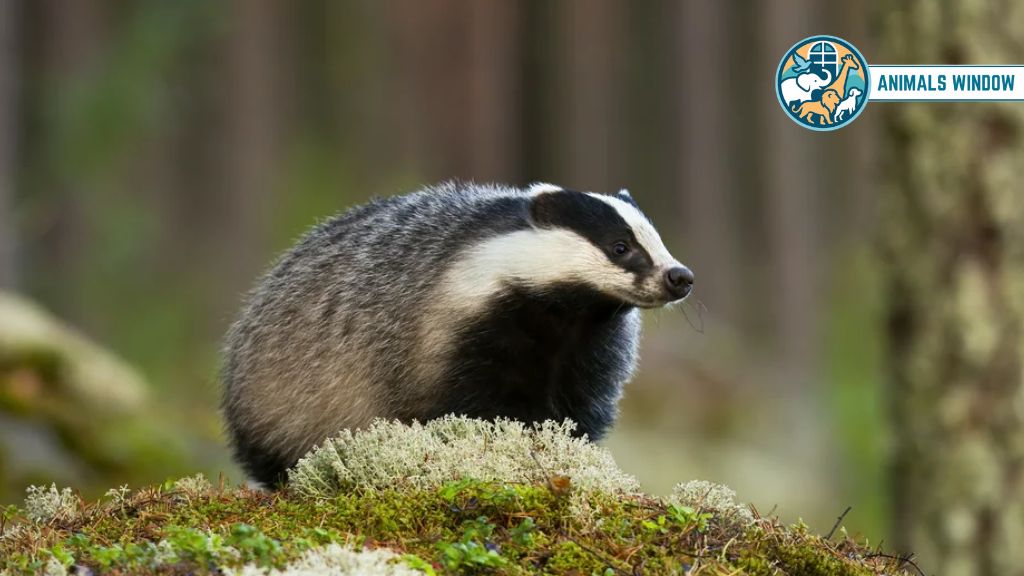
- Scientific name: Meles meles
- Size: 56–90 cm (22–35 in)
- Weight: 7–17 kg
- Diet: Earthworms, insects, small mammals, fruit, roots
- Habitat: Woodlands and farmlands across Europe and Asia
- Lifespan: 6–8 years (wild); up to 19 years (captive)
The badger is one of the most powerful large burrowing animals in the world. It digs with front claws that can reach 3 cm in length — strong enough to break through compacted clay and root systems that would stop most other diggers. Its den, called a sett, can be passed down through generations of badger families for over a century.
What makes the badger’s underground life remarkable is its behavioral thermoregulation. Badgers don’t truly hibernate, but in cold months they enter a torpor-like sleep in their setts for weeks at a time.
During this period, body temperature and heart rate drop significantly. Unlike bears, they can wake instantly if the sett is disturbed — and a cornered badger is considered one of the most dangerous animals in the British Isles relative to its size.
🔥 Comparison Fact: A badger sett can contain over 100 meters of tunnels and multiple sleeping chambers — roughly the distance of an Olympic swimming pool end-to-end, all dug by one family group.
8. Aardvark
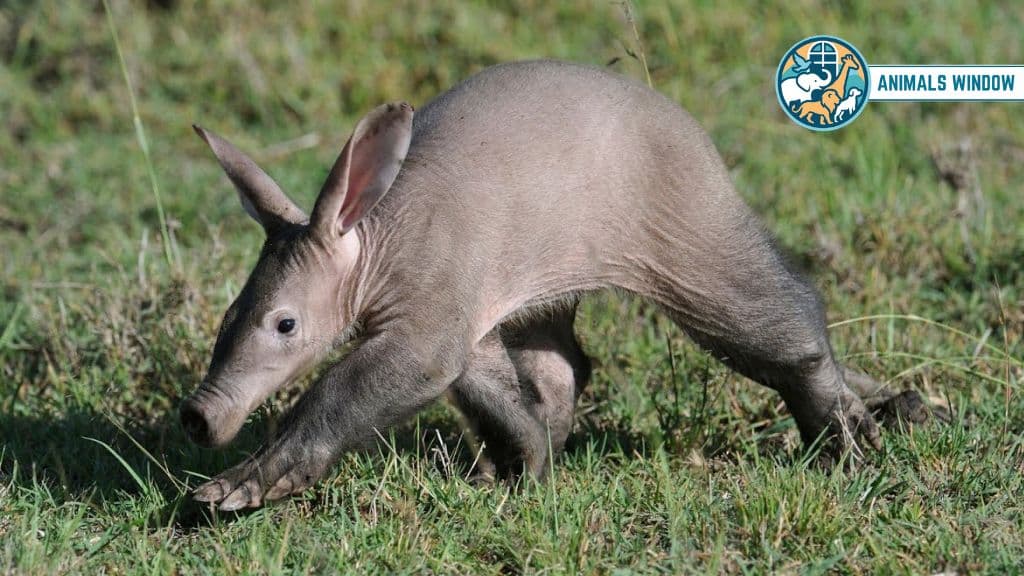
- Scientific name: Orycteropus afer
- Size: 100–130 cm (39–51 in) body length
- Weight: 40–65 kg
- Diet: Ants and termites exclusively
- Habitat: Sub-Saharan Africa; savannas, woodlands, bushland
- Lifespan: Up to 18 years (wild)
The aardvark is built like a digging machine. Its pig-like snout, donkey ears, and kangaroo tail make it look like several animals merged together. But every feature serves one purpose: efficient underground hunting. It uses its blunt claws to break open concrete-hard termite mounds, then uses a 30 cm sticky tongue to collect thousands of insects per night.
Here’s what stands out: the aardvark is arguably the most important burrow-creator on the African savanna. It digs new burrows almost nightly and rarely reuses them. Abandoned aardvark burrows become homes for warthogs, porcupines, mongoose, wild dogs, and over a dozen bird species. Remove the aardvark, and dozens of other species lose their shelter — instantly.
🔥 Comparison Fact: An aardvark weighs about as much as a large golden retriever, yet can dig a body-sized escape tunnel in under two minutes when threatened.
🐦 Birds That Nest Underground
9. Atlantic Puffin
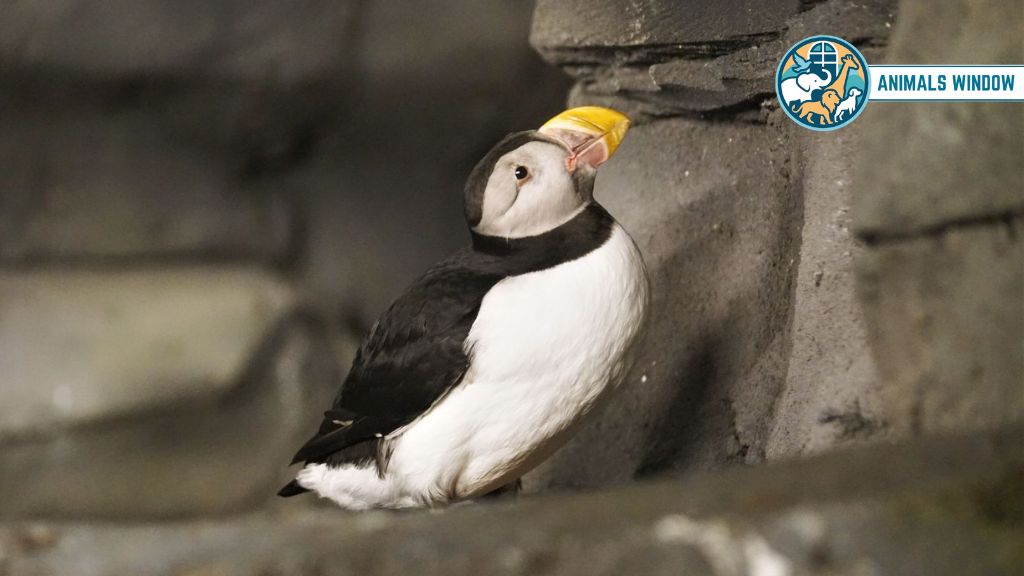
- Scientific name: Fratercula arctica
- Size: 28–30 cm (11–12 in)
- Weight: 310–600 g
- Diet: Small fish, especially sand eels
- Habitat: North Atlantic coasts; burrows in clifftop grasslands
- Lifespan: 20–25 years
Most people picture the Atlantic puffin standing on a rocky ledge. But this bird digs its nest into the soil at the top of coastal cliffs. Using both its beak and feet, it excavates a burrow up to 90 cm deep, ending in a grass-lined nesting chamber. It returns to the exact same burrow — often with the same mate — year after year for decades.
The puffin’s underwater flying is what makes it one of the most unusual birds alive. It uses the same wing motion both in the air and underwater, essentially “flying” after fish at depths of up to 60 meters. This is extremely rare among birds. Its wings are a compromise — short enough to stroke through water efficiently, which makes aerial flight look almost comically effortful in comparison.
🔥 Comparison Fact: A puffin can carry up to 62 small fish in its beak at one time — a load heavier than its own head — to bring back to its underground burrow nest.
10. Burrowing Owl
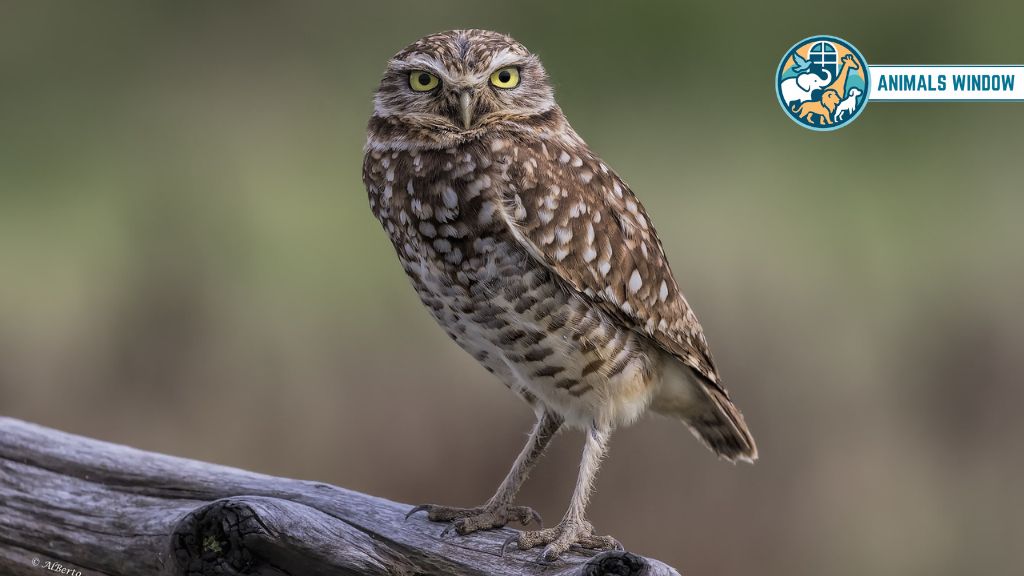
- Scientific name: Athene cunicularia
- Size: 19–28 cm (7.5–11 in)
- Weight: 140–240 g
- Diet: Insects, small mammals, lizards, small birds
- Habitat: Open grasslands and deserts, North and South America
- Lifespan: 6–9 years (wild)
The burrowing owl is the only owl in the world that regularly nests underground. Unlike most owls, it’s active during the day and stands guard at its burrow entrance on the ground rather than perching in trees. It often takes over abandoned prairie dog or ground squirrel burrows rather than digging its own.
Here’s the behavioral twist: burrowing owls line their burrow entrances with mammal dung — and this is deliberate. The dung attracts dung beetles, which become an easy food source right at the front door.
Studies have confirmed owls that use this strategy catch significantly more food than those that don’t. It’s one of the clearest examples of tool-adjacent food strategy in a wild bird.
🔥 Comparison Fact: The burrowing owl stands only about as tall as a standard coffee mug — yet actively competes with coyotes and rattlesnakes for burrow space.
🦎 Reptiles, Amphibians, and Aquatic Burrowers
11. Desert Tortoise

- Scientific name: Gopherus agassizii
- Size: 25–36 cm (10–14 in) shell length
- Weight: 4–7 kg
- Diet: Grasses, wildflowers, cacti, leaves
- Habitat: Mojave and Sonoran Deserts, southwestern USA
- Lifespan: 50–80 years
The desert tortoise survives one of the most extreme environments on Earth — and it does it almost entirely underground. It spends up to 95% of its life in burrows it digs with its flat, shovel-like front feet. In summer, underground temperatures stay cool enough to prevent lethal overheating. In winter, it enters a state of dormancy called brumation, slowing its heartbeat to just a few beats per minute.
The survival detail most guides miss: the desert tortoise stores water in its bladder — up to 40% of its body weight. During drought, it reabsorbs this stored water slowly. If threatened and forced to urinate from stress, it can lose a critical water reserve that might have lasted months. This is why wildlife experts warn never to pick one up in the wild.
🔥 Comparison Fact: A desert tortoise bladder can hold enough water to fill a medium-sized water bottle — its entire survival reserve for dry months underground.
12. Caecilian
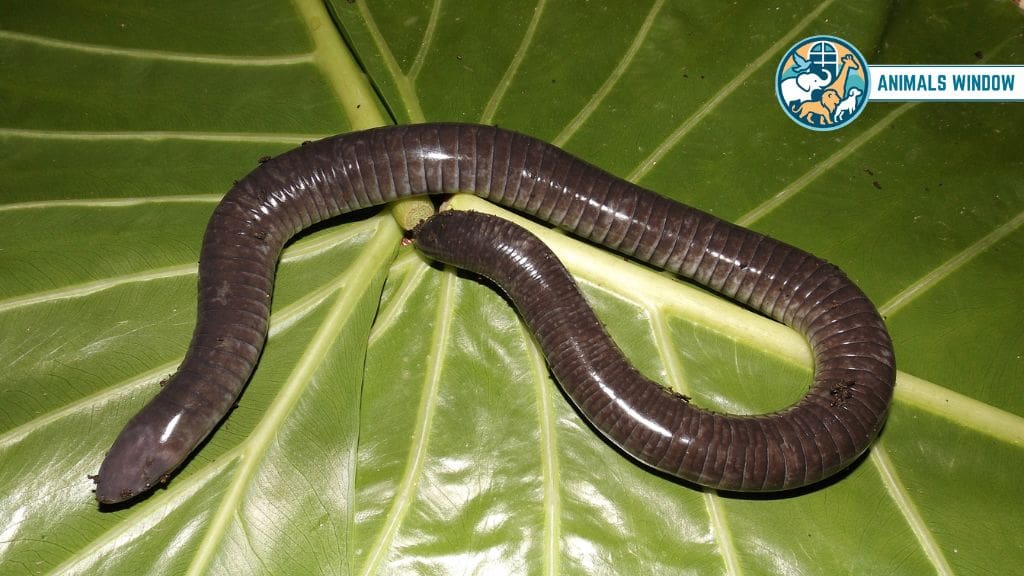
- Scientific name: Order Gymnophiona (~220 species)
- Size: 10 cm–1.5 m depending on species
- Weight: Variable; ranges from a few grams to ~1 kg
- Diet: Earthworms, termites, beetle larvae
- Habitat: Tropical soils in South America, Africa, South Asia
- Lifespan: Estimated 5–13 years
Most people have never heard of a caecilian. That’s because it spends its life completely underground in tropical soil, rarely surfacing. It looks like a large earthworm or a snake — but it’s actually an amphibian. It has no functional legs (they were lost over millions of years of evolution) and moves through soil using powerful body contractions.
What makes caecilians genuinely strange: some species practice dermatophagy — the young eat their mother’s skin. The mother grows a thick, nutrient-rich skin layer specifically for this purpose. The offspring use specialized teeth to peel and consume it while she remains alive. It’s one of the most unusual parenting strategies in the vertebrate world, and it happens entirely in the dark, underground.
🔥 Comparison Fact: The largest caecilian species (Caecilia thompsoni) can reach 1.5 meters — longer than most adult humans are tall — and still lives entirely hidden in tropical soil.
13. Fiddler Crab
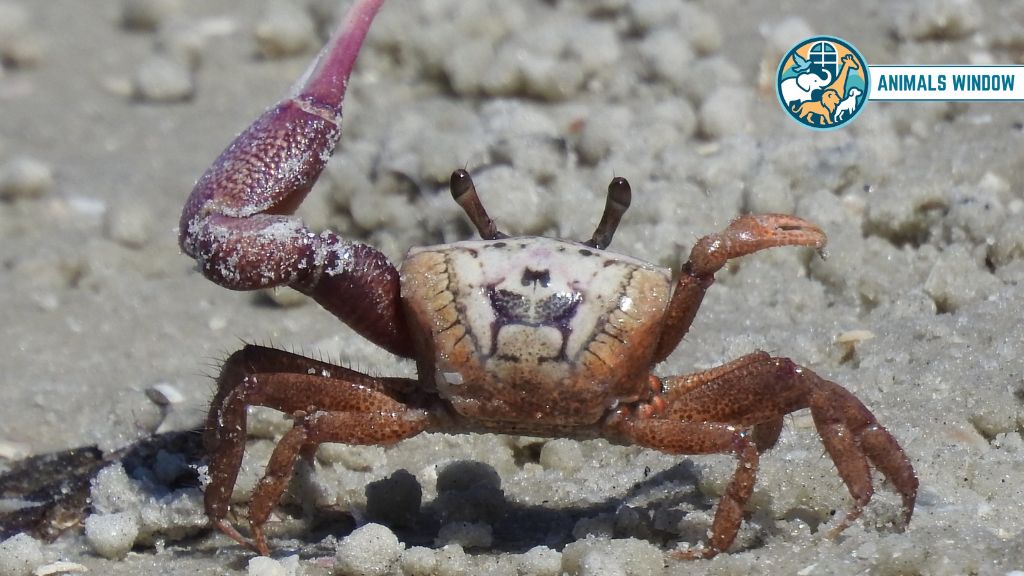
- Scientific name: Uca spp. (multiple species)
- Size: 2.5–5 cm (1–2 in) body width
- Weight: A few grams
- Diet: Algae, bacteria, decomposing organic material in mud
- Habitat: Intertidal mudflats, mangroves, salt marshes worldwide
- Lifespan: 1.5–2 years
The fiddler crab is a burrowing animal most people overlook entirely when thinking about underground species. But it’s a precision excavator. At low tide, it digs narrow burrows 30 cm deep into intertidal mudflats, retreating underground as the tide rises. It plugs the entrance with a mud ball, trapping an air pocket inside — creating a personal air chamber in the ground.
The angle nobody writes about: fiddler crabs are critical aeration engineers for coastal ecosystems. Their constant digging introduces oxygen into otherwise anaerobic (oxygen-free) mud.
This prevents toxic sulfide buildup and makes the sediment habitable for bacteria, plant roots, and other invertebrates. Remove fiddler crabs from a salt marsh, and the entire sediment chemistry shifts toward toxicity within months.
🔥 Comparison Fact: The male fiddler crab’s oversized claw — used for display and combat — can be half the crab’s total body weight, like carrying one arm the size of your entire torso.
🕷️ Subterranean Invertebrates & Micro-Architects
14. Trapdoor Spider
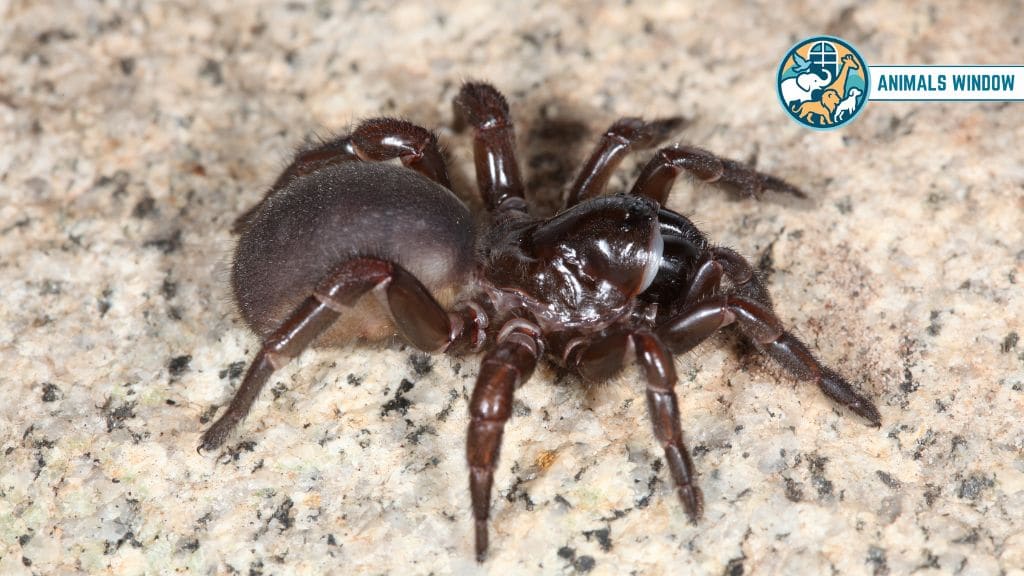
- Scientific name: Family Ctenizidae and related families
- Size: 1.5–3 cm body length
- Weight: 5–10 g
- Diet: Insects, small frogs, lizards, other invertebrates
- Habitat: Warm, dry soils across Australia, Africa, USA, Japan
- Lifespan: Females: 5–20+ years; Males: 5–7 years
The trapdoor spider builds one of the most sophisticated structures in the animal kingdom — and it starts underground. It digs a vertical burrow, then constructs a hinged door at the entrance using silk threads, soil, and plant material. The door fits so precisely that it’s nearly impossible to detect from above. The spider holds it shut from below using leg hooks.
Its ambush strategy is what makes it a true micro-architect. It lays trip-wires of silk radiating from the door. The moment an insect touches one, the spider explodes through the trapdoor, grabs the prey, and pulls it underground — in under 0.03 seconds.
This is faster than most cameras can capture at standard frame rates. Females spend their entire lives in that same burrow, sometimes for 20 years.
🔥 Comparison Fact: The trapdoor spider’s burrow entrance — including its perfectly fitted door — is roughly the diameter of a soda bottle cap, hiding a spider capable of living longer than most pet cats.
15. Termite
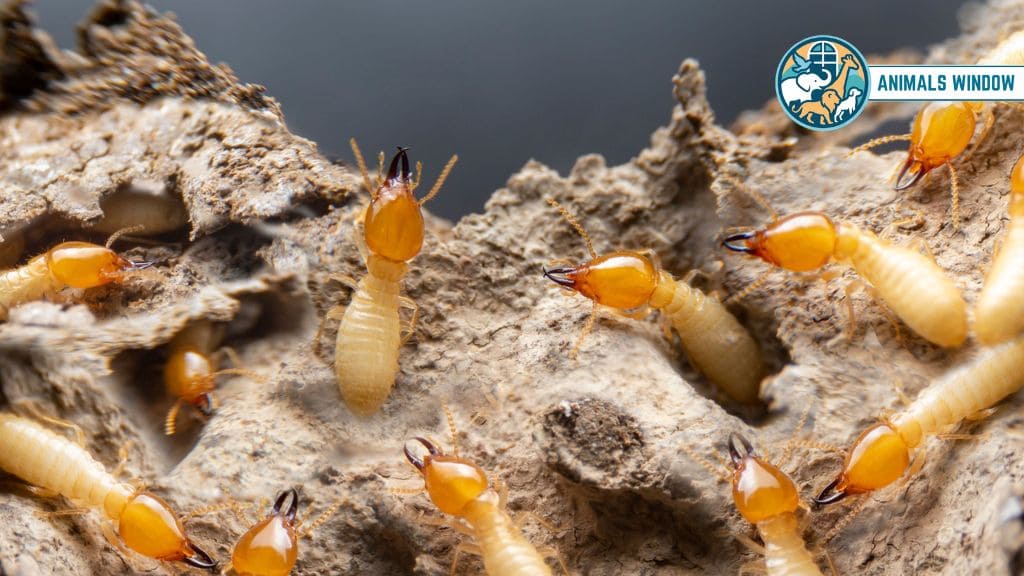
- Scientific name: Order Blattodea, infraorder Isoptera (~3,000 species)
- Size: Workers: 4–15 mm; Queen: up to 10 cm
- Weight: Individual workers: fraction of a gram; colonies: collective biomass in kilograms
- Diet: Wood cellulose, dead plant material, fungi (farmed underground)
- Habitat: Tropical and subtropical regions worldwide; underground chambers in soil
- Lifespan: Workers: 1–2 years; Queen: up to 50 years
The termite is the ultimate underground builder. Though its mounds rise above the surface, the real structure is what lies below. Some African termite colonies extend 30 meters underground — deeper than a 9-story building is tall. Inside, worker termites maintain temperature-controlled chambers, ventilation shafts, fungal gardens, and sealed food storage rooms.
The fact that rarely gets attention: termite queens are the longest-lived insects on Earth. A single queen can lay up to 30,000 eggs per day and live for 50 years without ever leaving her underground royal chamber. And the colony doesn’t just survive when she dies — some species have discovered she releases chemical signals that suppress reproduction in all other females. The moment she stops, replacements emerge within hours.
🔥 Comparison Fact: A mature termite mound’s underground network can displace over a ton of soil — moved grain by grain by insects each weighing less than a paperclip.
FAQs Animals That Burrows in the World
What are animals that live in burrows called?
They are called fossorial animals. This term refers to any animal adapted for digging and living underground. Full-time burrowers are called “true fossorial,” while part-time burrowers are “semi-fossorial.”
What small animals burrow in the ground?
Common small burrowing animals include moles, pocket gophers, naked mole-rats, prairie dogs, and trapdoor spiders. Most of these weigh under 500 grams but can build tunnel systems stretching dozens of meters.
What large animals dig burrows?
Badgers, aardvarks, and wombats (not on this list) are among the largest primary excavators. Aardvarks dig burrows wide and deep enough to shelter animals as large as warthogs after they’re abandoned.
Why do animals live in burrows?
Burrows provide protection from predators, extreme temperatures, and weather. Underground environments stay significantly cooler in summer and warmer in winter than the surface — making them ideal for survival in deserts, grasslands, and cold climates.
Which animals live in holes in the ground but are not mammals?
Several non-mammals burrow underground. The burrowing owl (bird), Atlantic puffin (bird), desert tortoise (reptile), caecilian (amphibian), fiddler crab (crustacean), trapdoor spider (arachnid), and termites (insects) all qualify.
Do burrowing animals hibernate underground?
Some do. Desert tortoises brumate, badgers enter torpor-like sleep, and ground squirrels hibernate in underground chambers. Others like naked mole-rats and termites remain fully active year-round in their burrows.
Are burrowing animals important for ecosystems?
Yes — significantly. Burrowing animals aerate soil, redistribute nutrients, create shelter for other species, and regulate moisture levels underground. Prairie dogs, aardvarks, and fiddler crabs each support dozens of other species through the burrows they create or abandon.
Related More Animals Guides:

I have loved animals since I was a kid. I enjoy reading about how animals live, eat, move, and survive. I started Animals Window to share what I learn in a simple and easy way. I write about animal body parts, size, behavior, diet, habitats, and species. My goal is to make animal facts clear and fun for everyone to understand.