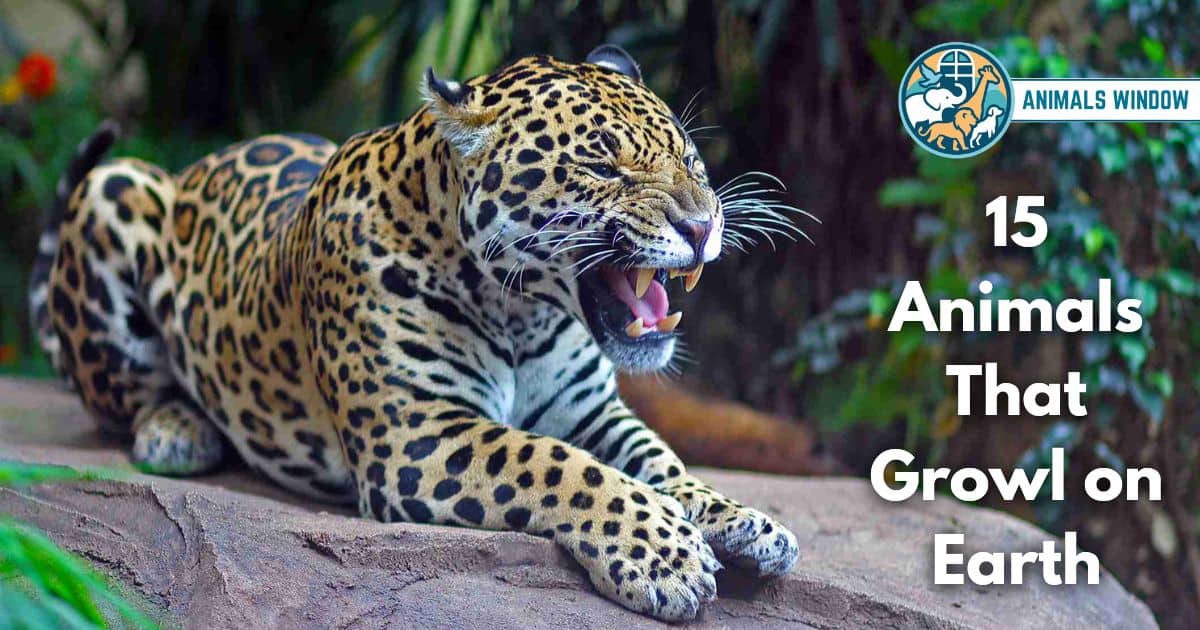
Growling is a low, rumbling sound made from deep in the throat. It is used by animals to warn, threaten, or show dominance. Lions, tigers, bears, wolves, dogs, hyenas, leopards, jaguars, cougars, crocodiles, alligators, gorillas, cats, wolverines, and raccoons all growl. Each species growls differently — in pitch, purpose, and power.
Table of Contents
Quick Table of Animals That Growl
| Animal Name | Scientific Name | Key Trait |
| Lion | Panthera leo | Roar-growl heard 5 miles away |
| Tiger | Panthera tigris | Growls to claim solo territory |
| Bear | Ursus arctos | Growls during food competition |
| Wolf | Canis lupus | Uses growl as a rank signal |
| Domestic Dog | Canis lupus familiaris | Growl is a communication tool |
| Hyena | Crocuta crocuta | Growls and giggles as a social code |
| Leopard | Panthera pardus | Sawing growl used at night |
| Jaguar | Panthera onca | Deepest growl of all spotted cats |
| Cougar | Puma concolor | Growls but cannot roar |
| Crocodile | Crocodylus niloticus | Low growl vibrates water surface |
| Alligator | Alligator mississippiensis | Infrasonic growl felt, not heard |
| Gorilla | Gorilla gorilla | Growl paired with chest beat |
| Domestic Cat | Felis catus | Growl warns before a strike |
| Wolverine | Gulo gulo | Loudest growl per body size |
| Raccoon | Procyon lotor | Growls when cornered or handled |
These Animals Don’t Just Growl — They Mean It
You’ve probably heard a dog growl before and backed off. Smart move. But did you know a wolverine — an animal the size of a small dog — can growl loudly enough to scare a grizzly bear off its meal? Or that an alligator’s growl is so low that humans can’t even hear it clearly — they just feel it as a vibration in the chest?
Growling is not just about being angry. It is a language. Some animals use it to rank each other in a pack. Some use it to protect food. Some even use it while mating. And a few use it in ways that will genuinely surprise you.
This article breaks down 15 growling animals — what makes each one unique, how powerful their growl really is, and a few facts about each that most wildlife sites never mention. Stick around for the crocodile and wolverine entries especially. Those two will change how you think about animal sounds.
1. Lion
- Scientific Name: Panthera leo
- Size: 4.5 to 6.5 feet long (body)
- Weight: 265 to 420 lbs
- Diet: Carnivore — zebra, wildebeest, buffalo
- Habitat: African savanna, grasslands
- Lifespan: 10–14 years in the wild
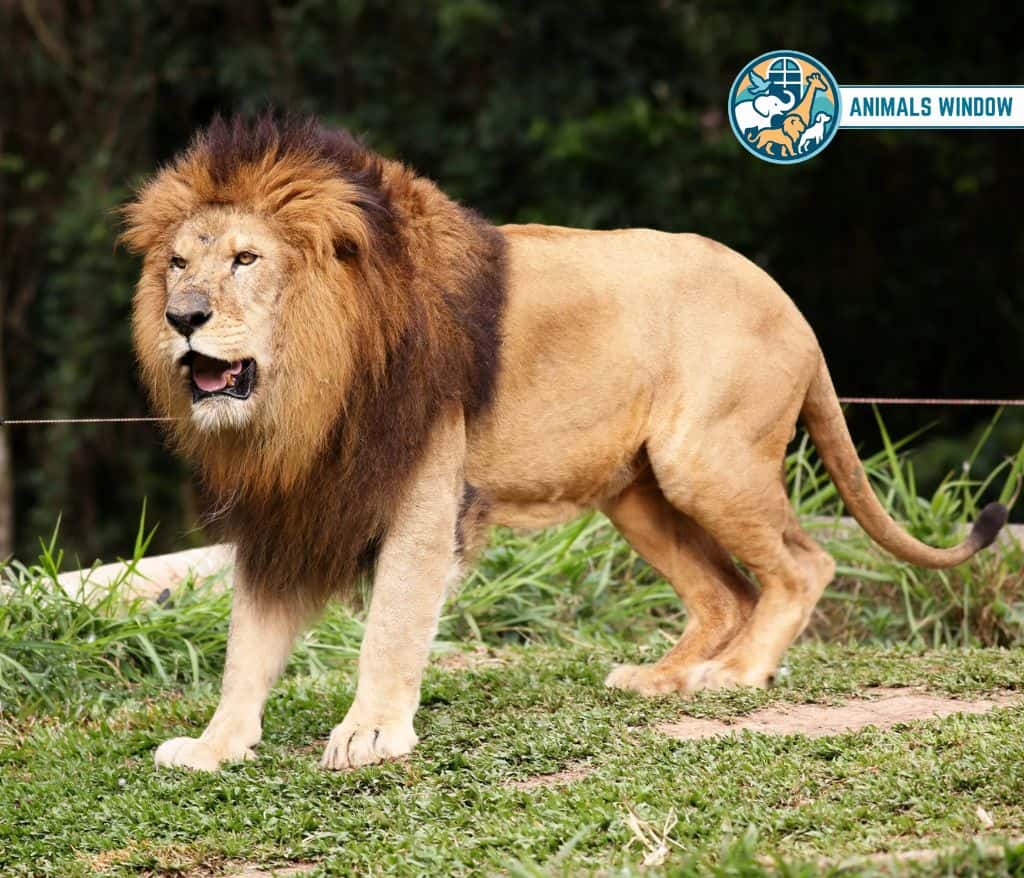
The lion is the most famous growling animal on Earth. It lives in sub-Saharan Africa in groups called prides. Its most recognizable trait is the combination of a deep growl that builds into a full roar — a sound so powerful it can be heard from 5 miles away on a still night.
But here’s what most people don’t know. Lions actually growl more than they roar. The roar gets the attention, but the growl does the real work. When two male lions face off over territory or a kill, they growl low and steady at each other — sometimes for several minutes — before either one backs down or attacks. It’s a dominance test done entirely through sound and posture.
🔥 Comparison Fact: A male lion’s head is about the size of a basketball. That massive skull creates the resonance chamber that gives the growl its bone-deep rumble.
2. Tiger
- Scientific Name: Panthera tigris
- Size: 5 to 10.5 feet long
- Weight: 220 to 660 lbs
- Diet: Carnivore — deer, wild boar, gaur
- Habitat: Forests of Asia, Siberian taiga to tropical jungle
- Lifespan: 10–15 years in the wild
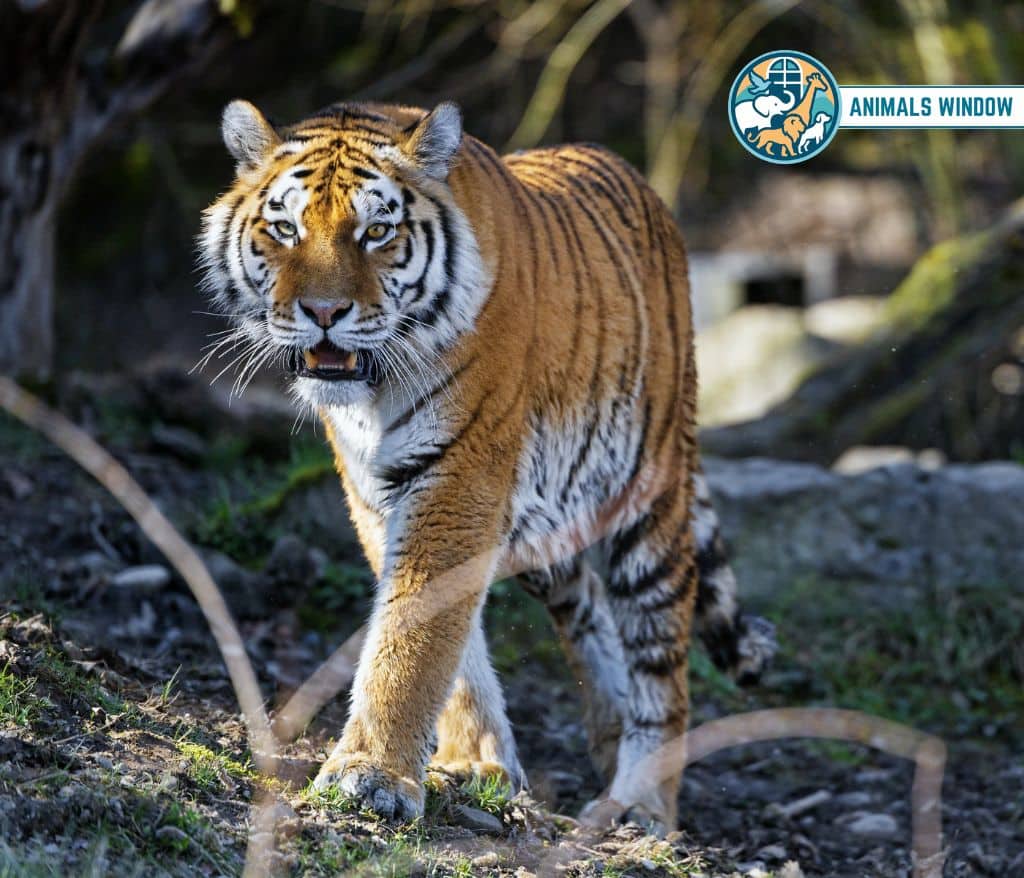
The tiger is the largest wild cat on Earth and the only big cat that lives entirely alone. Unlike lions, tigers do not have a pride to back them up. So their growl carries a different message — this is my land, stay out.
Tigers use a specific type of growl called a “prusten” (also called a chuff) as a friendly sound. But when they are threatened or defending a kill, they drop into a low, guttural growl that sounds like rolling thunder at close range. What stands out is how tigers use growls to space themselves across territories that can cover 40 square miles. They growl, scratch trees, and spray scent — all working together as a do-not-enter sign.
🔥 Comparison Fact: A tiger’s canine teeth are about 3 inches long — roughly the length of a car key. When it growls and shows those teeth, the message is not subtle.
3. Bear
- Scientific Name: Ursus arctos (Brown/Grizzly Bear)
- Size: 5 to 8 feet long
- Weight: 290 to 790 lbs
- Diet: Omnivore — fish, berries, roots, mammals
- Habitat: North America, Europe, Russia — forests and mountains
- Lifespan: 20–25 years in the wild
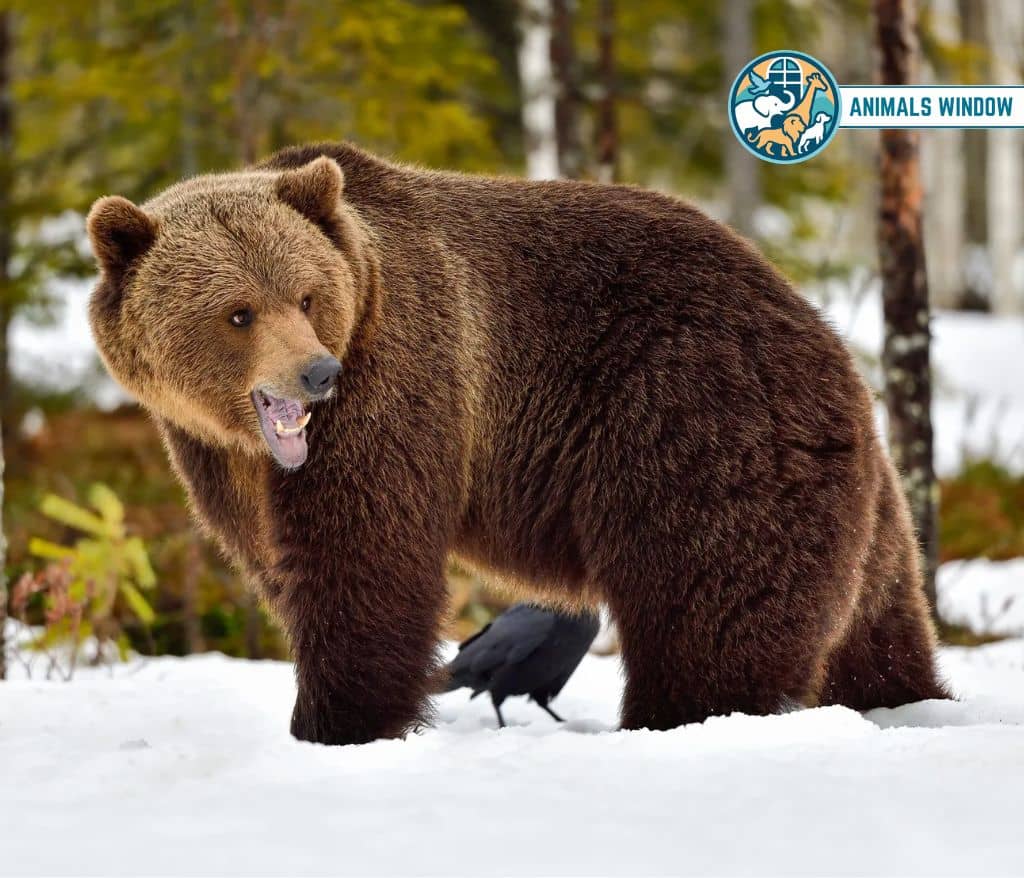
The grizzly bear is one of the largest land predators in North America. It spends most of its time eating — it needs up to 20,000 calories a day before winter hibernation. And that food obsession is exactly where its growl shows up most.
Bears growl the loudest when another bear — or a person — gets too close to their food or cubs. The growl starts as a low moan and rises into a sharp, open-mouth roar-growl. Bears also do something called “jaw popping” alongside their growl, snapping their teeth together rapidly as an extra warning. If a bear is growling and popping its jaw at you, that is not a bluff — it wants you gone.
🔥 Comparison Fact: A grizzly bear’s paw is about 12 inches wide — bigger than a standard sheet of paper. One swipe with that paw, backed by a growling charge, can flip a 700-pound bison.
4. Wolf
- Scientific Name: Canis lupus
- Size: 4 to 5.2 feet long
- Weight: 50 to 110 lbs
- Diet: Carnivore — elk, moose, deer, rabbits
- Habitat: Forests, tundra, grasslands across North America, Europe, Asia
- Lifespan: 6–8 years in the wild
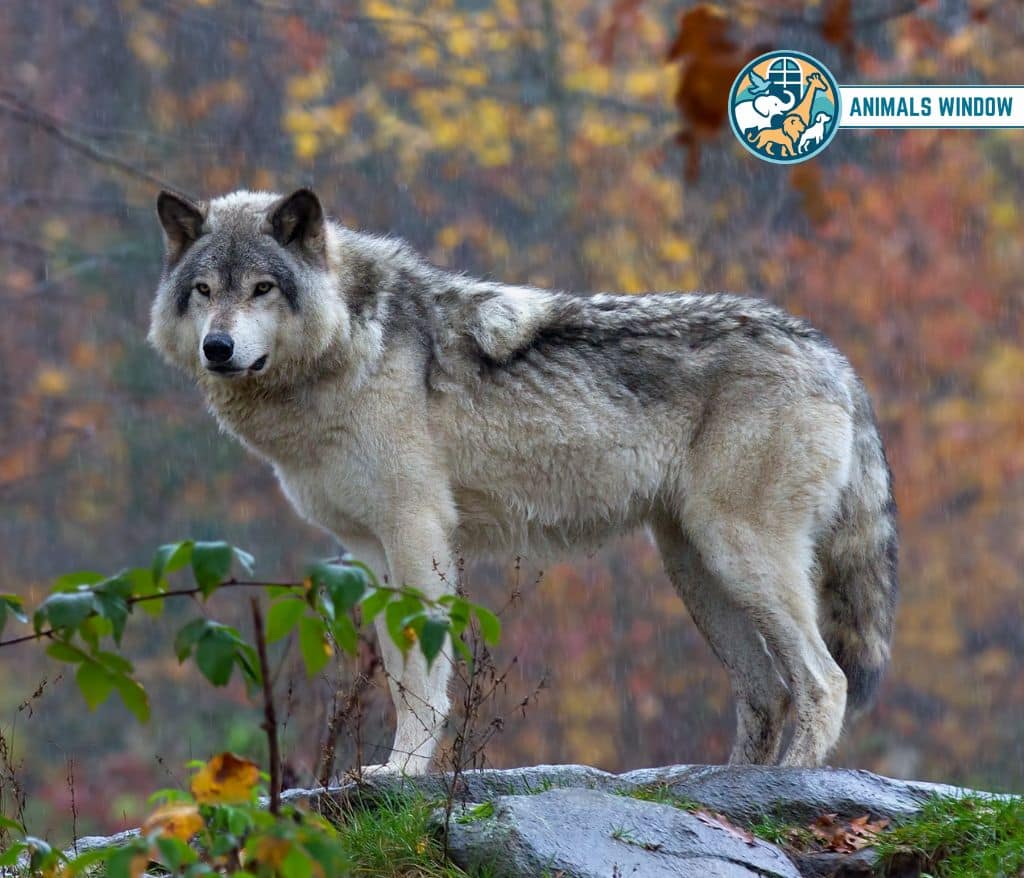
Wolves are known for howling, but growling is just as important in their world. A wolf pack has a strict rank system — alpha, beta, omega — and growling is how those ranks get enforced every single day. A lower-ranked wolf that gets too close to the alpha’s food will hear a very specific warning growl. It knows exactly what that means.
What’s fascinating is that wolves can tell rank, mood, and even body size from a growl alone. Research has shown wolves change the structure of their growl depending on whether they are guarding food or guarding territory.
Food guarding growls are shorter and higher-pitched. Territory growls are longer and deeper. They are basically speaking two different dialects of the same language.
🔥 Comparison Fact: A wolf’s jaw can exert around 400 pounds of pressure per square inch — about twice the bite force of a German Shepherd. The growl before the bite is often the last warning given.
5. Domestic Dog
- Scientific Name: Canis lupus familiaris
- Size: Varies widely (3 inches to 3 feet tall)
- Weight: 3 to 200+ lbs
- Diet: Omnivore — commercial food, meat, vegetables
- Habitat: Human homes worldwide
- Lifespan: 10–15 years
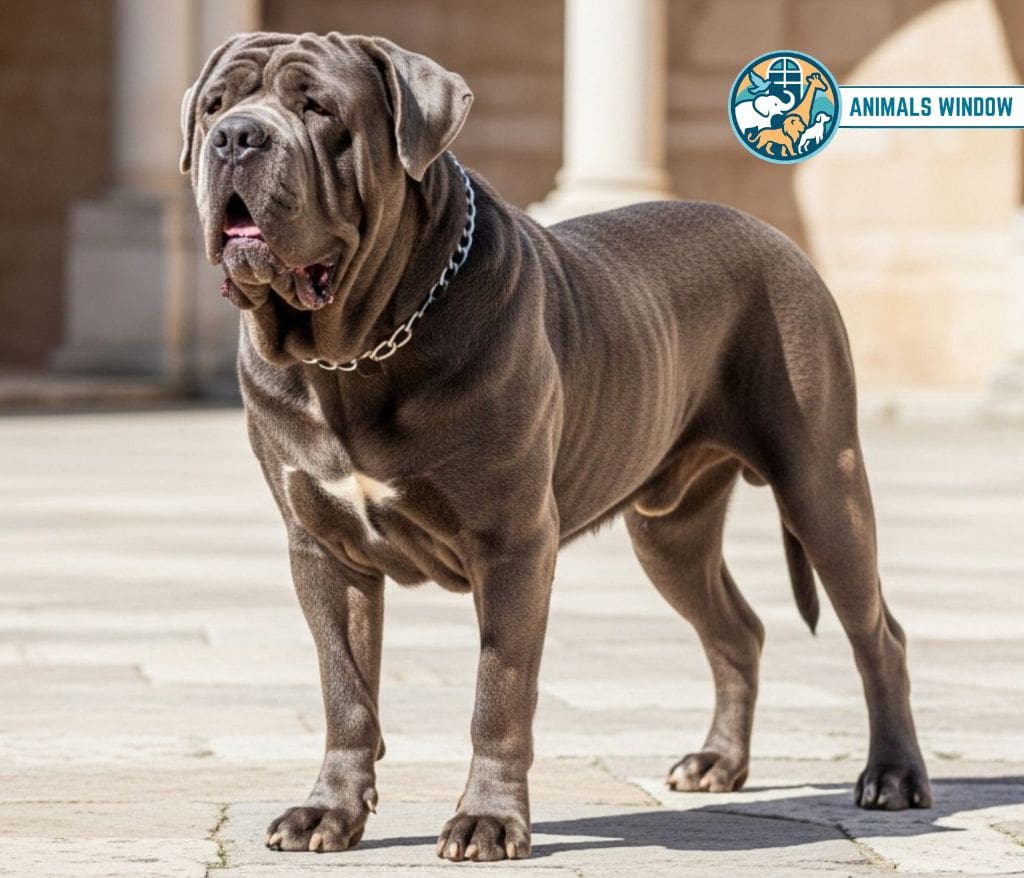
Dogs are the most familiar growling animals in daily life. And most people misread what it means. A growl is not always aggression — it is communication. Dogs growl when they play, when they are scared, when they are protecting something, and yes, when they are actually angry. The pitch, duration, and body language around the growl are what tell you which one it is.
Play growls tend to be higher-pitched and mixed with wagging. Warning growls are low, steady, and flat — with a stiff body and hard eye contact. Here’s the surprising part: dogs that are punished for growling learn to stop growling before they bite. The growl is actually a safety signal. Remove it, and you remove the warning.
🔥 Comparison Fact: The loudest dog breeds can growl and bark at around 100 decibels — about the same noise level as a running chainsaw at close range.
6. Hyena
- Scientific Name: Crocuta crocuta (Spotted Hyena)
- Size: 3.7 to 5.9 feet long
- Weight: 88 to 190 lbs
- Diet: Carnivore/Scavenger — wildebeest, zebra, carrion
- Habitat: Sub-Saharan Africa — savannas and woodland edges
- Lifespan: 12–25 years in the wild
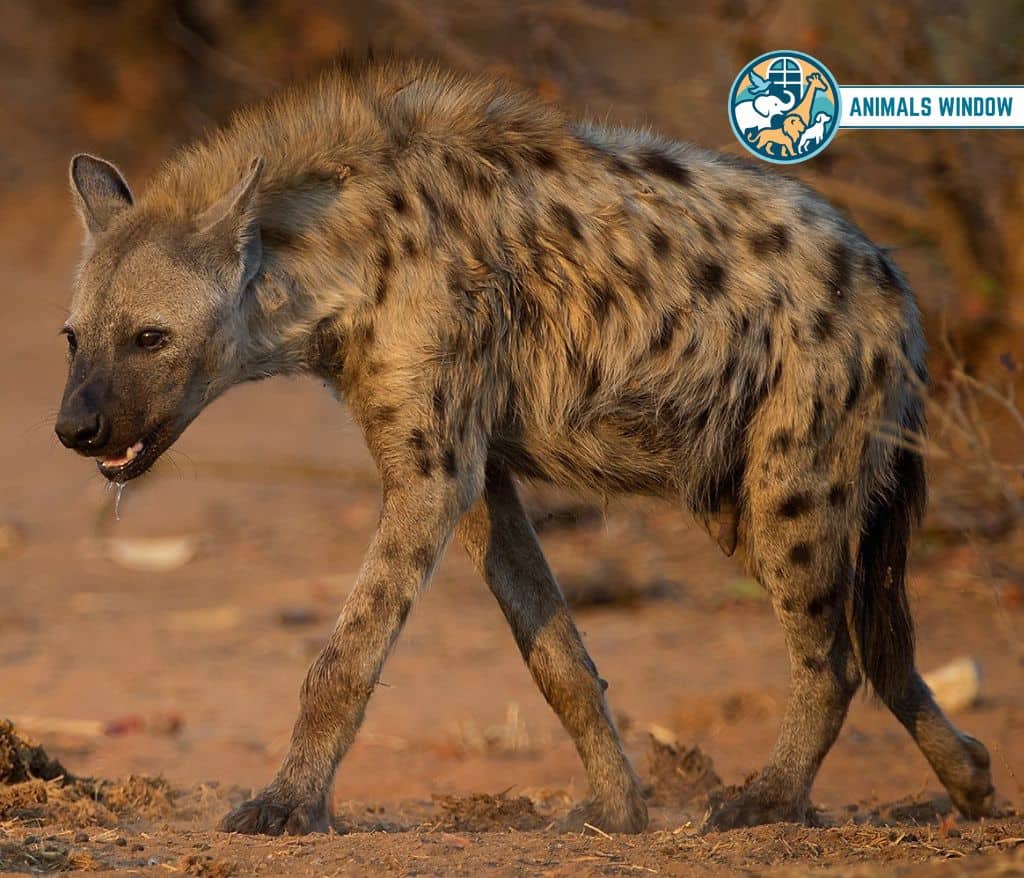
The spotted hyena has one of the most complex vocal systems of any land mammal. It whoops, cackles, groans, whines — and growls. The growl in hyenas is used specifically during feeding disputes. When a clan of hyenas converges on a kill, the chaos of sound includes fast, staccato growls that signal rank and urgency at the same time.
What makes hyenas genuinely unusual is that their society is female-dominated. The largest females outrank all males. And female hyenas growl at a lower pitch than males — which is the opposite of what you’d expect. Their growl is a rank badge worn in their voice. A new hyena in the group learns the social order partly by listening to who growls at whom and who backs down.
🔥 Comparison Fact: A hyena’s bite force is around 1,100 psi — strong enough to crush the femur bone of a giraffe. That sound you hear before the crunch? A low, ratcheting growl.
7. Leopard
- Scientific Name: Panthera pardus
- Size: 3.5 to 6.2 feet long
- Weight: 66 to 200 lbs
- Diet: Carnivore — antelope, monkeys, hares, birds
- Habitat: Africa and South Asia — forests, mountains, grasslands
- Lifespan: 12–17 years in the wild
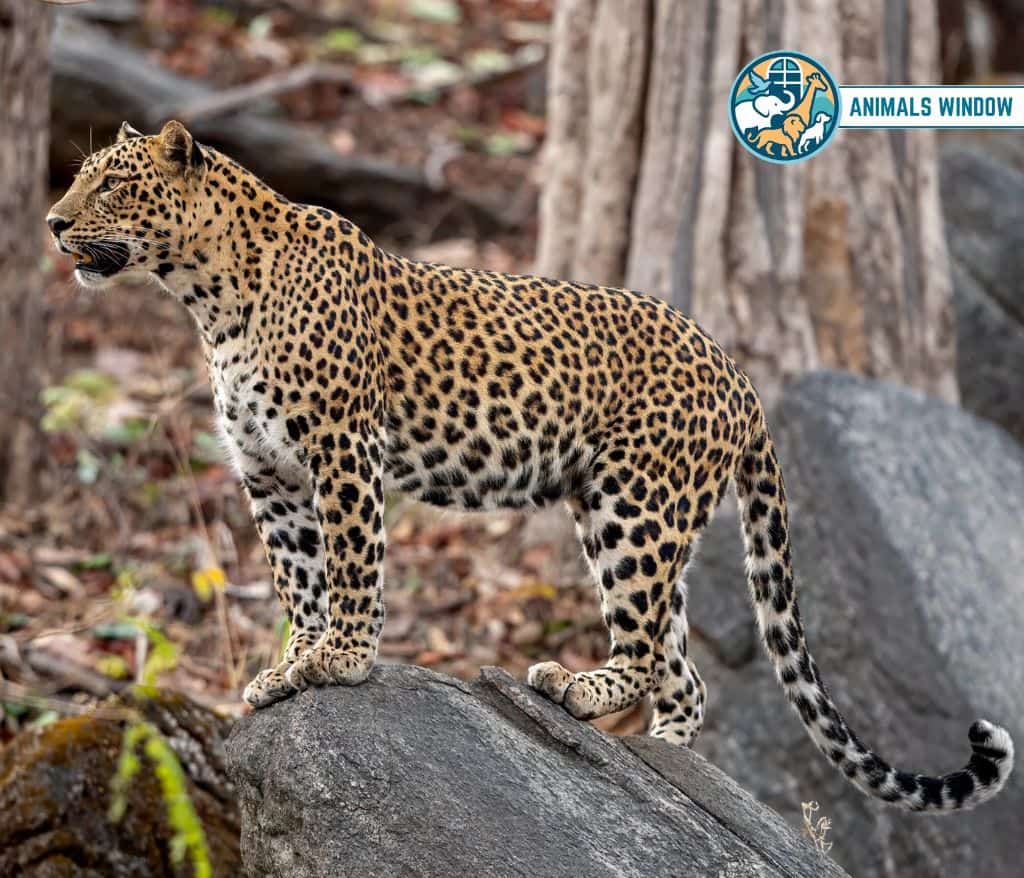
The leopard is the most adaptable of the big cats. It lives in rainforests, deserts, mountains, and even city edges in parts of India. It hunts alone at night and drags its prey — sometimes heavier than itself — up into tree branches to eat undisturbed. And it does most of this silently.
But the leopard has a trademark growl called a sawing sound — a harsh, raspy call that sounds like wood being cut with a handsaw. It is used mostly at night and carries surprisingly far through dense forest. Other leopards, and prey animals, recognize it immediately.
Baboons will alarm-call and flee the moment they hear it. What stands out is how the sawing growl works as a moving territorial marker — the leopard calls while it walks its circuit, essentially drawing its boundary in sound.
🔥 Comparison Fact: A leopard can carry prey weighing up to 130 lbs up a vertical tree trunk — that’s roughly the weight of an average adult woman. It does this while remaining nearly silent, except for a low growl if disturbed.
8. Jaguar
- Scientific Name: Panthera onca
- Size: 4 to 6 feet long
- Weight: 126 to 211 lbs
- Diet: Carnivore — capybara, deer, caimans, turtles
- Habitat: Central and South America — Amazon rainforest, wetlands
- Lifespan: 12–15 years in the wild
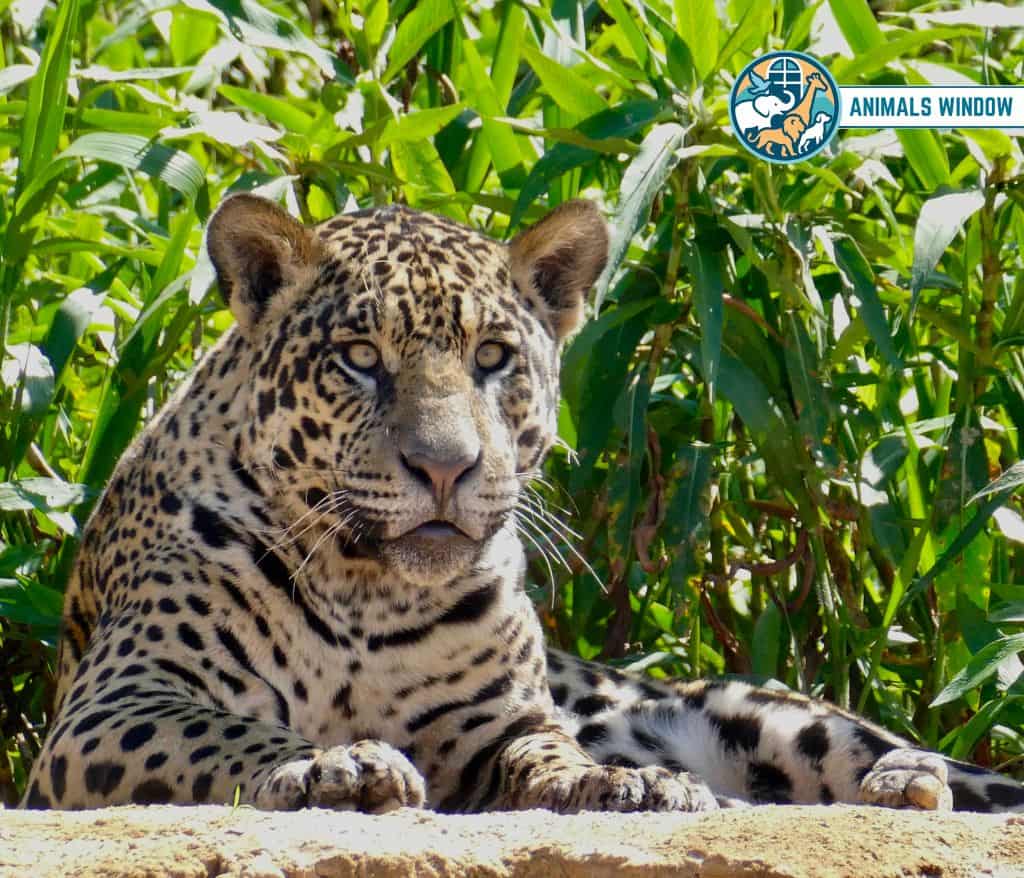
The jaguar is the largest cat in the Americas and the third largest in the world. It is built like a tank — short, stocky, and extremely powerful. And its growl matches that build. Among all the spotted cats, the jaguar produces the deepest, most resonant growl. It sounds almost like a series of deep coughs rolled into a rumbling wave.
Jaguars are unique because they don’t avoid water — they love it. They swim, hunt fish and caimans in rivers, and have been seen playing in water. Their growl near water actually sounds different due to how wetland environments carry sound. Locals in the Amazon call the jaguar’s nighttime growl “the cough of the forest.” And hearing it in the dark, surrounded by jungle, is reportedly one of the most unsettling experiences in nature.
🔥 Comparison Fact: A jaguar’s bite force is 1,500 psi — the strongest of any big cat relative to its size. It bites through turtle shells and crocodilian skulls. That growl before the strike is very much a final warning.
9. Cougar
- Scientific Name: Puma concolor
- Size: 5 to 8 feet (including tail)
- Weight: 64 to 220 lbs
- Diet: Carnivore — deer, elk, small mammals
- Habitat: North and South America — mountains, forests, deserts
- Lifespan: 8–13 years in the wild
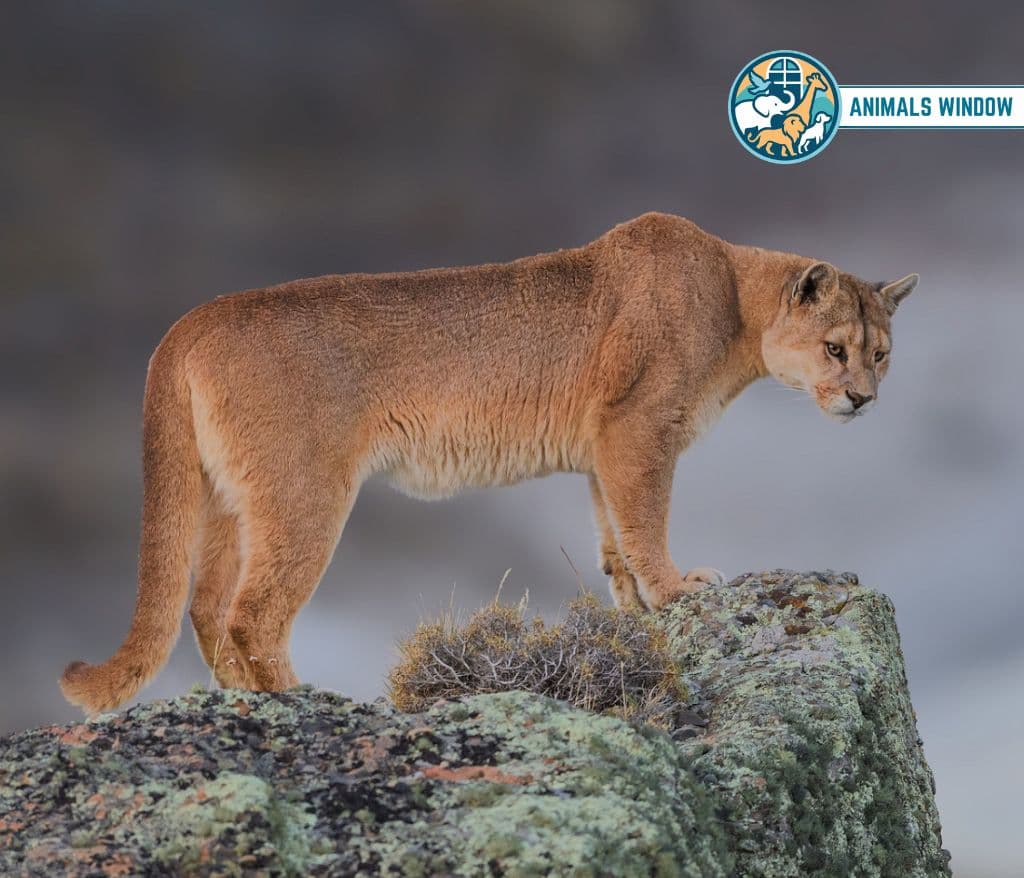
The cougar goes by many names — mountain lion, puma, panther — and has the widest natural range of any wild land mammal in the Western Hemisphere. But here’s one thing that surprises most people: the cougar cannot roar. Despite being large and powerful, it lacks the specialized voice box that allows lions and tigers to roar. So it growls, hisses, chirps, and screams instead.
The cougar’s growl is lower and rougher than a domestic cat but shares the same defensive structure — it means back off, now. What’s worth knowing is that cougars produce a sound called a “scream” during mating season that is often mistaken for a human in distress. So the growl is their everyday warning, while the scream is their mating announcement — two entirely different sounds from an animal many people assume is silent.
🔥 Comparison Fact: Cougars can leap 18 feet straight up into a tree from a standing position. Pair that with a growling warning and you start to understand why mule deer have developed such sharp hearing.
10. Crocodile
- Scientific Name: Crocodylus niloticus (Nile Crocodile)
- Size: 11 to 16 feet long
- Weight: 500 to 1,650 lbs
- Diet: Carnivore — fish, wildebeest, zebra, buffalo
- Habitat: Rivers and lakes across Africa and Southeast Asia
- Lifespan: 45–100 years
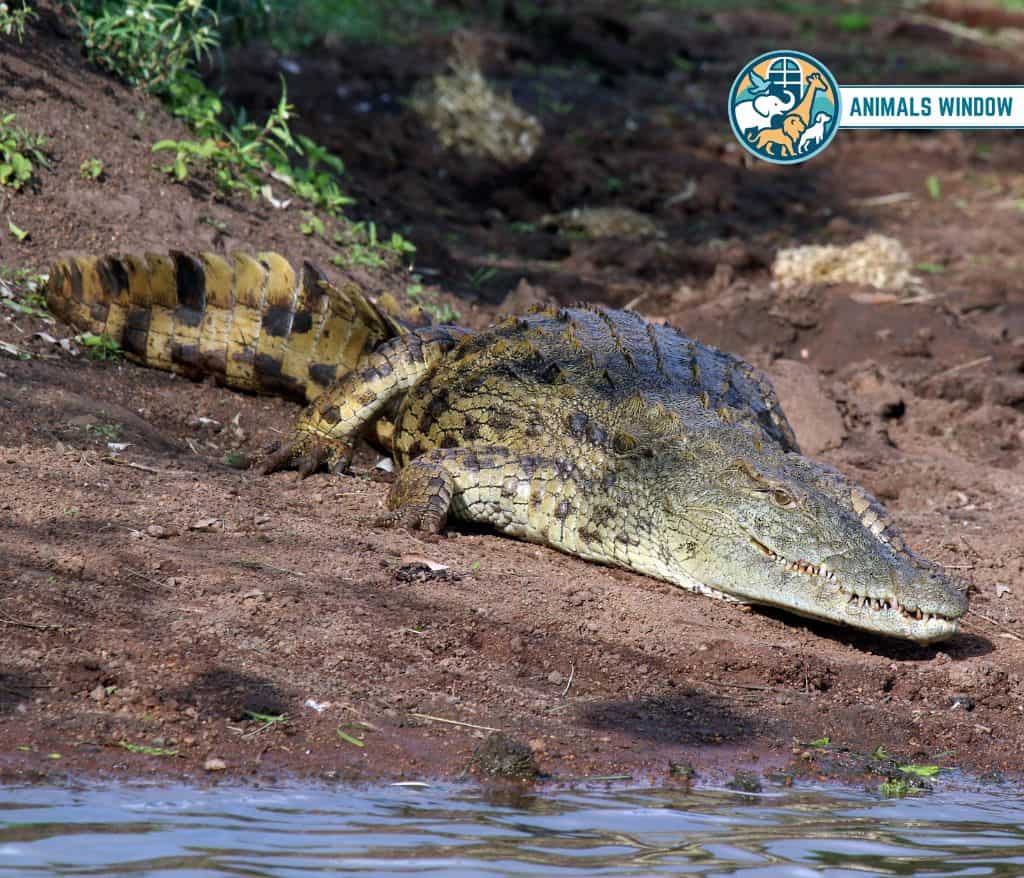
Crocodiles are ancient. Their basic body plan has barely changed in 200 million years. They are ambush hunters — they float like a log, then explode in speed. And they growl. But not in the way mammals do.
A crocodile’s growl is a deep, resonant rumble produced by pushing air through the throat. What makes it remarkable is what it does to the water around the crocodile. The low-frequency vibration causes the water surface directly above the animal to literally dance — tiny droplets pop upward like rain falling backward. This is called the “water dance” effect and it happens when large crocs vocalize during mating season.
The growl is not just a sound. It is a physical force moving through water. Smaller crocs feel the vibration and move away. Potential mates move closer.
🔥 Comparison Fact: The Nile crocodile’s bite force is approximately 3,700 psi — the highest of any animal on Earth. But its growl is what you hear first. Usually from somewhere very close.
11. Alligator
- Scientific Name: Alligator mississippiensis (American Alligator)
- Size: 10 to 14 feet long
- Weight: 400 to 800 lbs
- Diet: Carnivore — fish, turtles, birds, deer
- Habitat: Freshwater swamps, rivers, lakes of southeastern USA
- Lifespan: 35–50 years in the wild
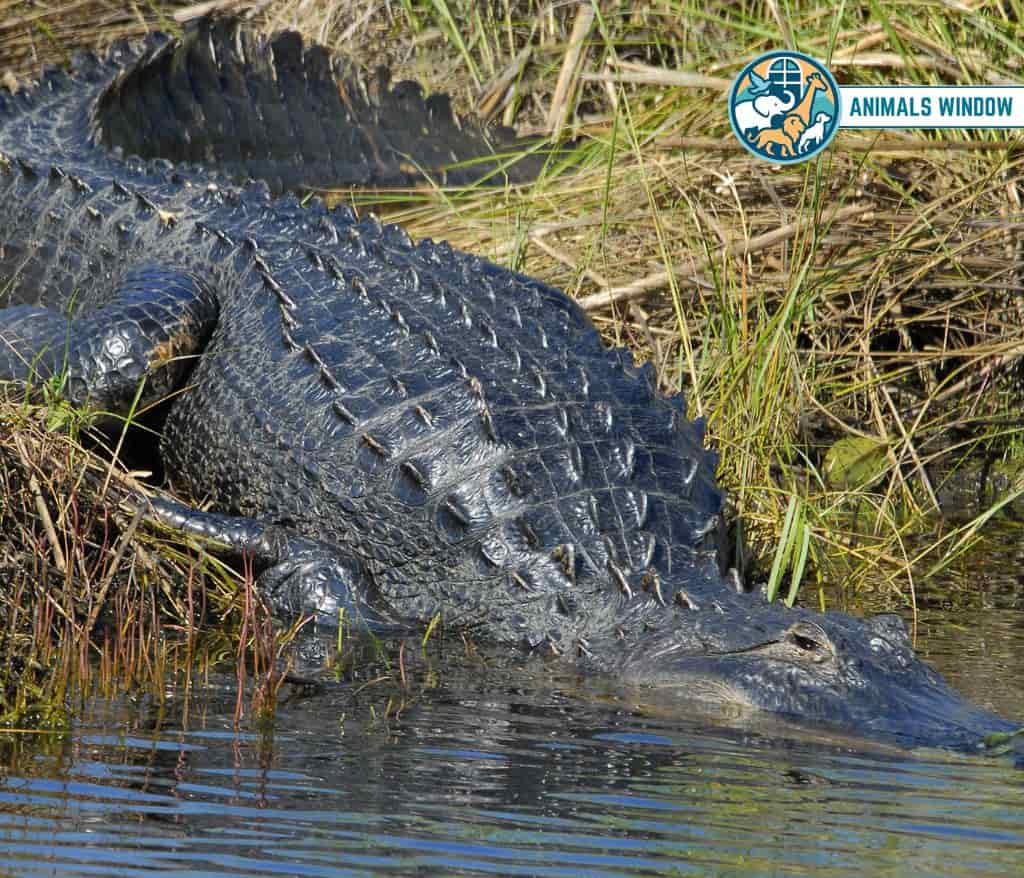
The American alligator is one of the few animals where the growl operates entirely below the range of clear human hearing. Their bellowing and growling during mating season produces infrasound — vibrations so low that humans feel them as a pressure in the chest rather than hearing them as a clear sound. The water around a bellowing alligator vibrates so intensely it appears to boil. This is called the “alligator water dance,” and it is one of the most visually striking behaviors in the reptile world.
Male alligators use this infrasonic growl-bellow to announce themselves during spring mating. Females can sense these vibrations through their body before they ever see the male. So the alligator is essentially growling in a frequency that bypasses your ears and hits your body directly. That changes how you think about a “sound.”
🔥 Comparison Fact: An alligator’s skull is about 18 inches long on a large adult — roughly the length of a standard 18-inch ruler. That entire structure acts as a resonance chamber for its infrasonic growl.
12. Gorilla
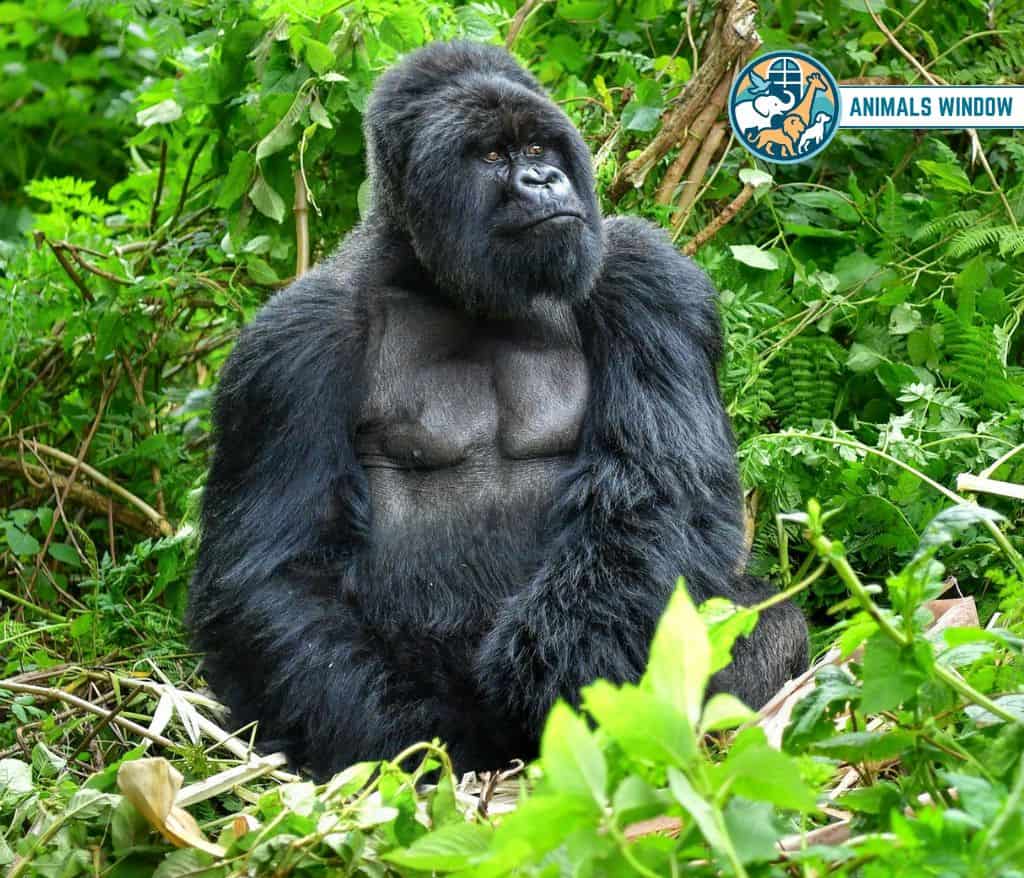
- Scientific Name: Gorilla gorilla (Western Gorilla)
- Size: 4 to 6 feet tall (standing)
- Weight: 220 to 440 lbs
- Diet: Herbivore — fruit, leaves, stems, shoots
- Habitat: Central Africa — tropical rainforests
- Lifespan: 35–40 years in the wild
Gorillas are the largest living primates. They are also overwhelmingly peaceful — a fact that gets buried under their fearsome appearance. A silverback gorilla will spend most of his day eating, napping, and watching over his family group. But when threatened, he transforms rapidly. The growl is part of that transformation.
A gorilla’s threat display is a full-body production: it starts with hooting, moves into a growl that deepens into a roar, followed by standing upright and beating the chest with cupped hands (not fists — cupped hands make a louder pop). The growl specifically carries during the chest-beating phase and communicates size and aggression to rivals.
What’s fascinating is that researchers have found the tempo of the chest beats correlates with the gorilla’s body size — bigger gorillas beat slower and deeper, and their growl matches that low frequency.
🔥 Comparison Fact: A silverback gorilla’s arm span can reach 8.5 feet — wider than a standard king-sized bed is long. His growl, rising from a chest that wide, can be heard a mile away in dense forest.
13. Domestic Cat
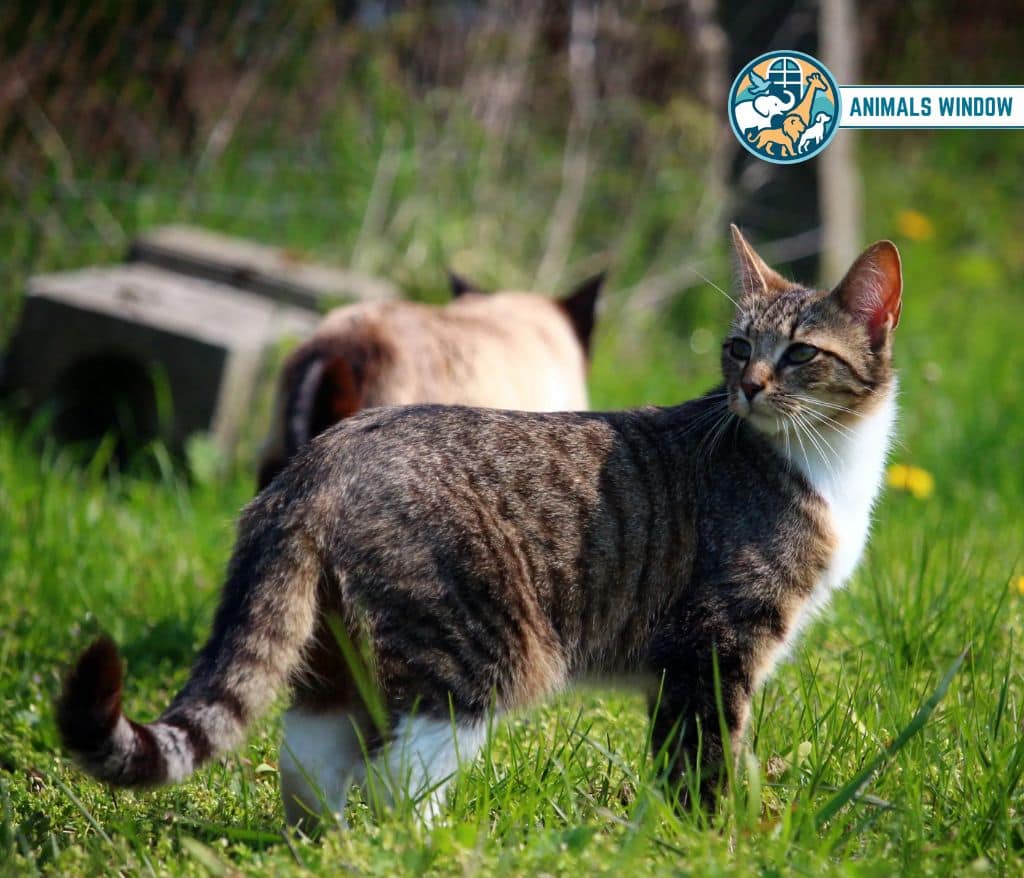
- Scientific Name: Felis catus
- Size: 9 to 10 inches tall at shoulder
- Weight: 5 to 20 lbs
- Diet: Carnivore — meat-based commercial food, small prey
- Habitat: Human homes, farms, feral colonies worldwide
- Lifespan: 12–18 years
Domestic cats are small, but their growl is not something most animals ignore. It is sharp, compressed, and used with surgical precision — only when the cat has decided that a hiss was not enough and actual contact is about to happen.
Here’s what makes a cat’s growl different from almost every other animal on this list: cats rarely growl during attack. They growl before it, as a final signal. A cat that is growling at you with a low, continuous tone, tail lashing slowly, and pupils dilated is not bluffing. And unlike dogs, cats do not escalate with more growling when they are ready to strike — they go quiet. The growl stops and the claws come out. So silence after a growl is actually the most dangerous moment.
🔥 Comparison Fact: A domestic cat’s growl lasts longer relative to its body size than a lion’s. A 10-pound cat can sustain a growl for 3–5 seconds with full tension — about the same duration as a 400-pound lion.
14. Wolverine
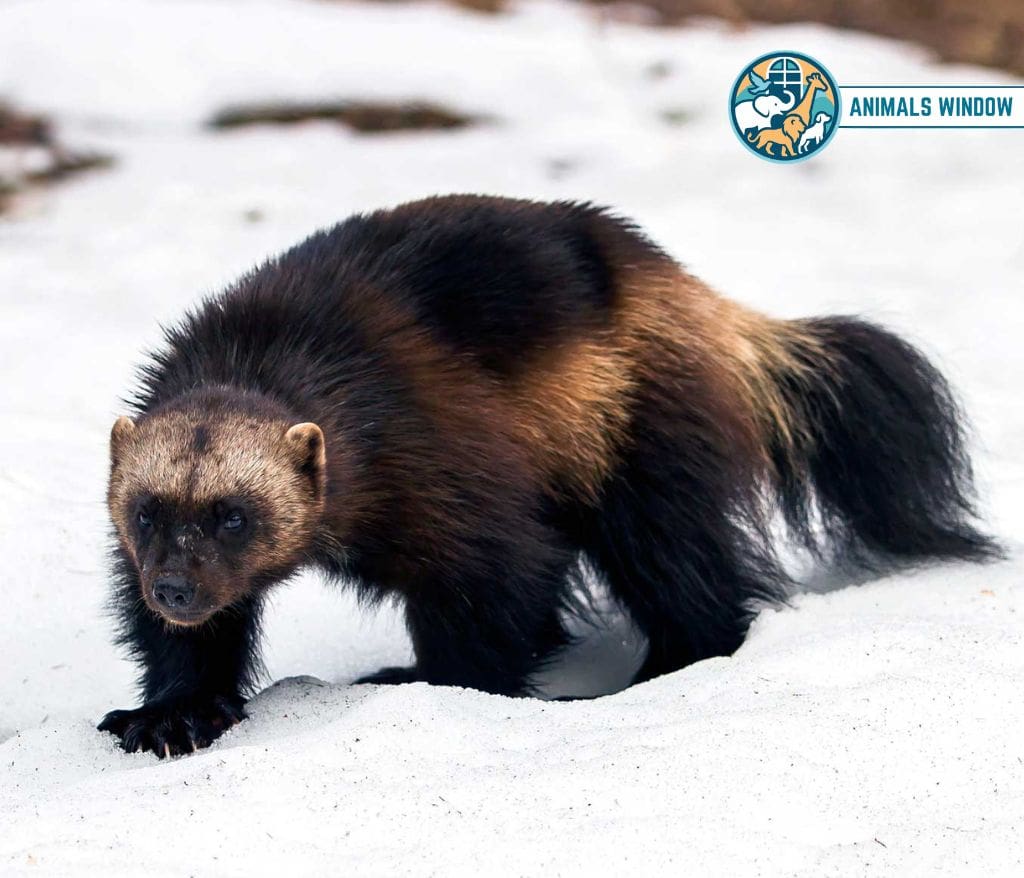
- Scientific Name: Gulo gulo
- Size: 26 to 34 inches long
- Weight: 20 to 55 lbs
- Diet: Carnivore/Scavenger — carrion, rodents, elk, caribou
- Habitat: Boreal forests and Arctic tundra — Canada, Russia, Scandinavia
- Lifespan: 5–13 years in the wild
The wolverine is the largest land member of the weasel family and, pound for pound, one of the most aggressive animals alive. It has been documented driving grizzly bears and mountain lions away from carcasses through sheer aggression — and a growl that is startlingly loud for an animal its size.
The wolverine’s scientific name, Gulo gulo, literally means “glutton” — because of how relentlessly it eats. But what earns it a place on this list is the intensity of its growl. It is a harsh, grating, almost mechanical sound that starts from deep in the chest and seems too large to come from a 35-pound animal.
Wolverines growl almost constantly during feeding and confrontation, and they have been observed growling at wolves, bears, and even lynxes until those animals give up and walk away. Size means very little to a wolverine.
🔥 Comparison Fact: A wolverine weighs about as much as a medium-sized car tire (around 35 lbs), but its growl has driven off animals 10 to 20 times its size. That ratio of sound-to-size is unmatched by any animal on this list.
15. Raccoon
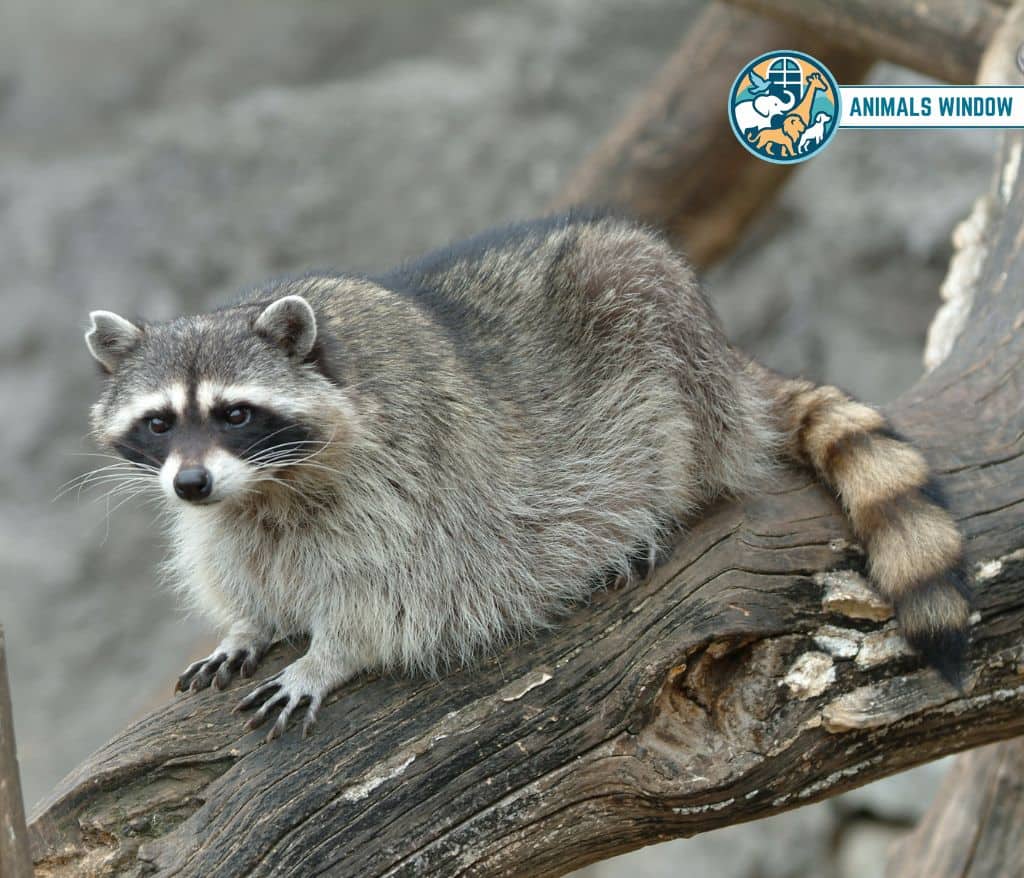
- Scientific Name: Procyon lotor
- Size: 16 to 28 inches long
- Weight: 8 to 20 lbs
- Diet: Omnivore — fruit, insects, fish, trash, small animals
- Habitat: North America — forests, wetlands, suburban areas
- Lifespan: 2–3 years in the wild, up to 20 in captivity
Raccoons look cute. They are not. When cornered, handled, or competing for food, raccoons produce a surprisingly aggressive growl — low, rough, and accompanied by raised fur, bared teeth, and a hissing sound that starts just before the growl drops in.
What most people don’t realize is that raccoons are highly vocal animals in general. They produce over 200 distinct sounds, including chittering, purring, whimpering, screaming, and growling. The growl specifically appears when the raccoon feels trapped with no escape route.
Urban raccoons that live near people have been found to growl more frequently than rural raccoons — likely because they encounter humans, dogs, and small spaces more often. They have adapted their growl as a first-response defense tool in a world full of new threats.
🔥 Comparison Fact: A raccoon’s hands are so dexterous they can unlock simple latches and open jars. When one is growling at you with its hand-like paws raised, it is both threatening you and, technically, capable of opening your door.
Common FAQ’s About Animals That Growl
Q1: Which animal growls the loudest?
The lion produces the loudest and most powerful growl that transitions into a roar, audible up to 5 miles away. But in terms of growl intensity relative to body size, the wolverine wins — it can drive off animals 10–20 times its weight with its growl alone.
Q2: Why do animals growl when angry?
Growling is a warning signal. Most animals growl to avoid a fight, not to start one. It communicates: “I am aware of you, I feel threatened, and I am ready to act.” It gives the other animal a chance to back off before physical contact happens.
Q3: What animal growls at night?
Leopards growl at night using their distinctive sawing call while patrolling territory. Cougars also growl and scream at night during mating season. Raccoons growl at night during food competition near human neighborhoods.
Q4: Do reptiles like crocodiles really growl?
Yes. Crocodiles and alligators both produce deep, resonant growl-like vocalizations. Alligators produce infrasound — vibrations so low they are felt in the body before they are clearly heard. Both use these sounds during mating and territorial communication.
Q5: Is a dog growl always a sign of aggression?
No. Dogs growl during play, when they are nervous, and when they are guarding something important to them. The body language around the growl — tail position, eye contact, muscle tension — tells you which kind it is. Punishing a dog for growling can actually make it more dangerous by removing its warning signal.
Related Animals Guides:
Trait Comparison: Growl vs Roar vs Hiss
These three sounds are often confused or grouped together. They are actually very different in structure, purpose, and the animals that use them.
| Feature | Growl | Roar | Hiss |
| Frequency | Low, sustained | Very low, explosive burst | High, sharp |
| Duration | Several seconds | 1–3 seconds typically | Short to medium |
| Purpose | Warning, rank signal | Territory broadcast | Immediate threat |
| Who uses it | Most mammals, some reptiles | Only big cats with special larynx | Cats, snakes, some birds |
| Mouth position | Partially closed or slightly open | Wide open | Wide open, lips pulled back |
| Distance reached | Moderate (hundreds of meters) | Very far (up to 5 miles) | Short range |
| Heard by rivals as | “Stay back” | “I am here, this is my land” | “Don’t come any closer” |
| Can same animal do both? | Yes (lions, tigers growl AND roar) | Only roaring-capable cats | Yes, most cats hiss and growl |
The key difference: a roar broadcasts, a growl warns, and a hiss reacts. An animal that goes from growl to hiss is escalating rapidly. An animal that goes from growl to silence is about to strike.

I have loved animals since I was a kid. I enjoy reading about how animals live, eat, move, and survive. I started Animals Window to share what I learn in a simple and easy way. I write about animal body parts, size, behavior, diet, habitats, and species. My goal is to make animal facts clear and fun for everyone to understand.