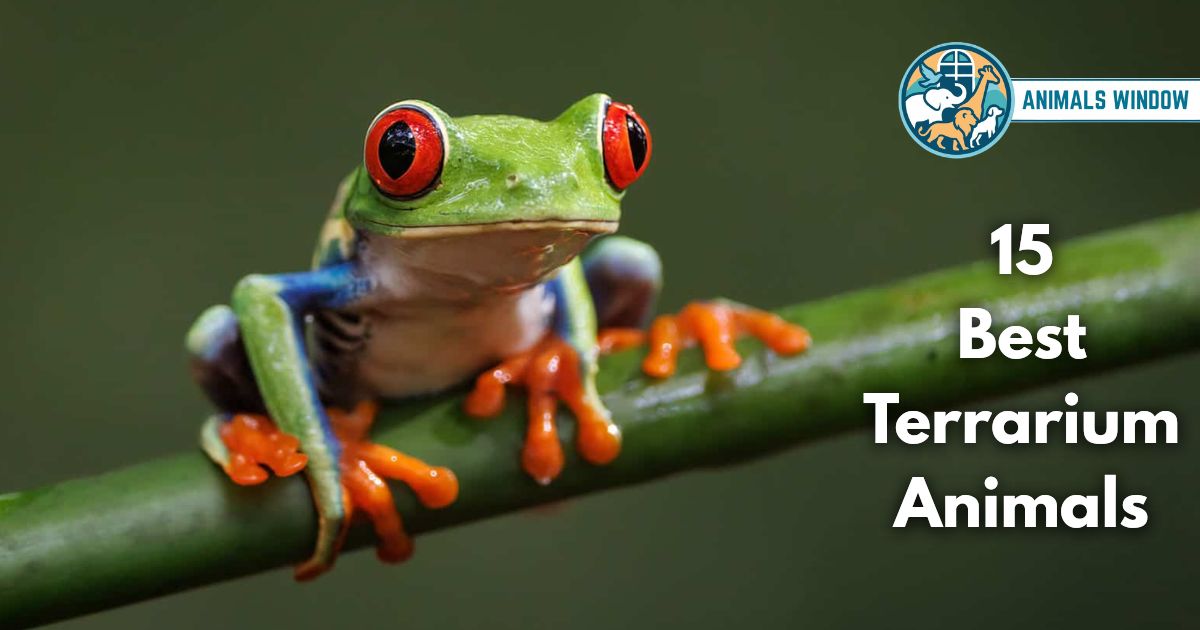
Looking for the best terrarium animals to keep? Here are 15 fascinating terrarium pets — from beginner-friendly leopard geckos to exotic emperor scorpions — each with care tips, real-world size comparisons, and surprising facts. Whether you want a small terrarium pet or a bold centerpiece, this list covers every type of terrarium setup.
Table of Contents
Quick Table of Terrarium Animals
| Animal Name | Scientific Name | Key Trait |
| Crested Gecko | Rhacodactylus ciliatus | Climbs glass, no sticky pads needed |
| Poison Dart Frog | Dendrobates tinctorius | Bright colors = toxic warning |
| Leopard Gecko | Eublepharis macularius | Stores fat in its tail |
| Praying Mantis | Mantis religiosa | Can rotate head 180° |
| Red-Eyed Tree Frog | Agalychnis callidryas | Flash coloration to startle predators |
| Tarantula (Chilean Rose) | Grammostola rosea | Can live 20+ years |
| Isopods | Armadillidium vulgare | Recycle waste in bioactive tanks |
| Pacman Frog | Ceratophrys ornata | Mouth nearly as wide as its body |
| Mourning Gecko | Lepidodactylus lugubris | All-female species, reproduces asexually |
| Giant African Millipede | Archispirostreptus gigas | Up to 400 legs |
| Emperor Scorpion | Pandinus imperator | Glows teal under UV light |
| Hognose Snake | Heterodon nasicus | Plays dead when threatened |
| Anole | Anolis carolinensis | Dewlap flashes for communication |
| Stick Insect | Carausius morosus | Near-perfect camouflage as a twig |
| Box Turtle | Terrapene carolina | Shell hinges shut completely |
Why These Terrarium Pets Actually Stand Out
Most “terrarium animal” lists give you the same boring facts. But did you know there’s a frog species that’s entirely female — no males needed? Or that one of these animals will literally play dead, tongue hanging out, to fool a threat? And the millipede on this list doesn’t just look cool — it does something to soil that almost no other terrarium animal can match.
This list goes deeper. You’ll find the real behavior, the actual sizes compared to everyday objects, and the honest truth about care difficulty. These are some of the best terrarium pets for beginners and experienced keepers alike.
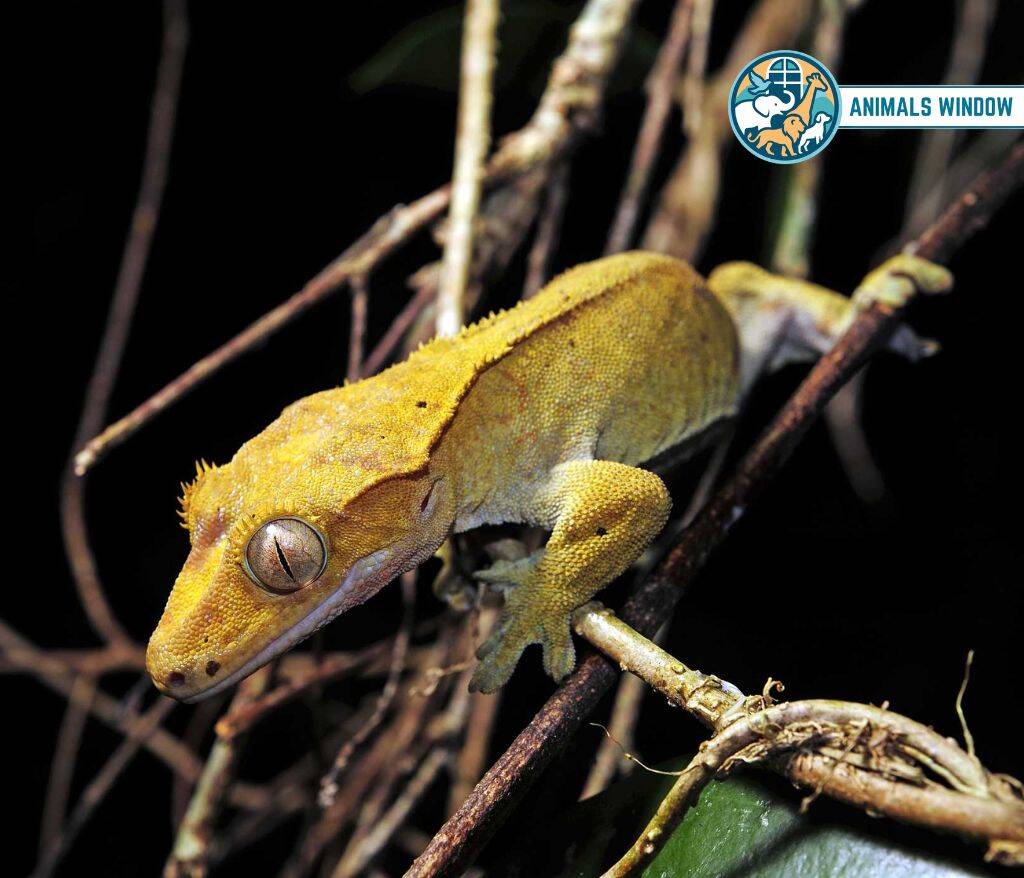
1. Crested Gecko
- Scientific Name: Rhacodactylus ciliatus
- Size: 7–9 inches (snout to tail tip)
- Weight: 35–55 grams
- Diet: Fruit, insects, commercial crested gecko diet
- Habitat: Tropical rainforest canopy (New Caledonia)
- Lifespan: 15–20 years in captivity
The crested gecko was actually thought to be extinct until rediscovered in 1994. That makes it one of the most surprising terrarium animals in modern herpetoculture. It lives in the treetops of New Caledonia, where it rarely needs to come down to the ground.
What’s truly remarkable is how it climbs. The tiny hairs on its toe pads create a van der Waals force — the same electrostatic attraction that makes tape stick. No moisture, no suction. Pure molecular grip. This means it can walk across glass without slipping, which is both mesmerizing and slightly unsettling to watch.
🔥 Comparison Fact: A fully grown crested gecko is about the length of a standard pen — and weighs less than two AA batteries.
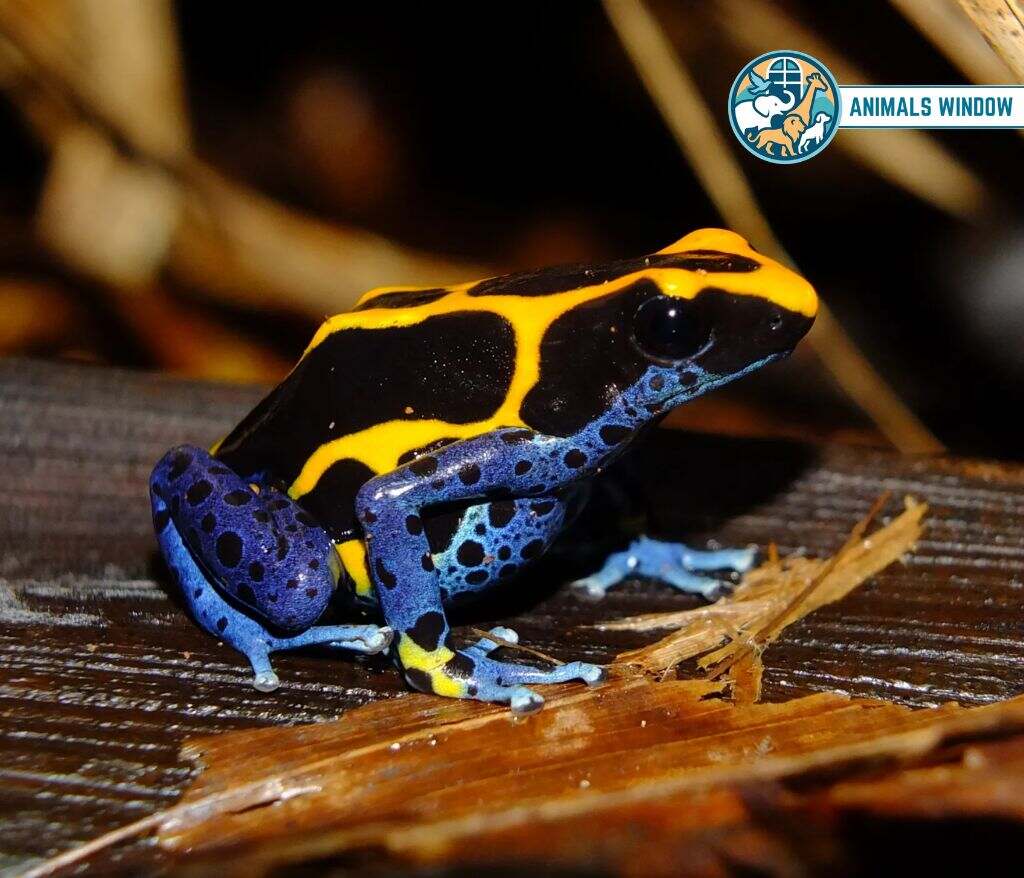
2. Poison Dart Frog
- Scientific Name: Dendrobates tinctorius
- Size: 1–2 inches
- Weight: 3–8 grams
- Diet: Fruit flies, springtails, small insects
- Habitat: Tropical rainforest floors of Central and South America
- Lifespan: 10–15 years in captivity
The poison dart frog is one of the most visually striking small terrarium animals you can own. Its electric blue, red, or yellow skin isn’t just decoration — it’s a direct warning to predators. Scientists call this aposematism: bright color as a threat signal.
Here’s the surprising part: captive-bred dart frogs are not actually toxic. Their wild cousins eat specific ants and mites that carry alkaloid chemicals, which the frog then stores in its skin. Remove those food sources, and the toxicity disappears. Your pet dart frog is essentially a harmless, glowing jewel.
🔥 Comparison Fact: A poison dart frog is roughly the size of a large grape — yet a wild one carries enough toxin to affect a human heart.
3. Leopard Gecko
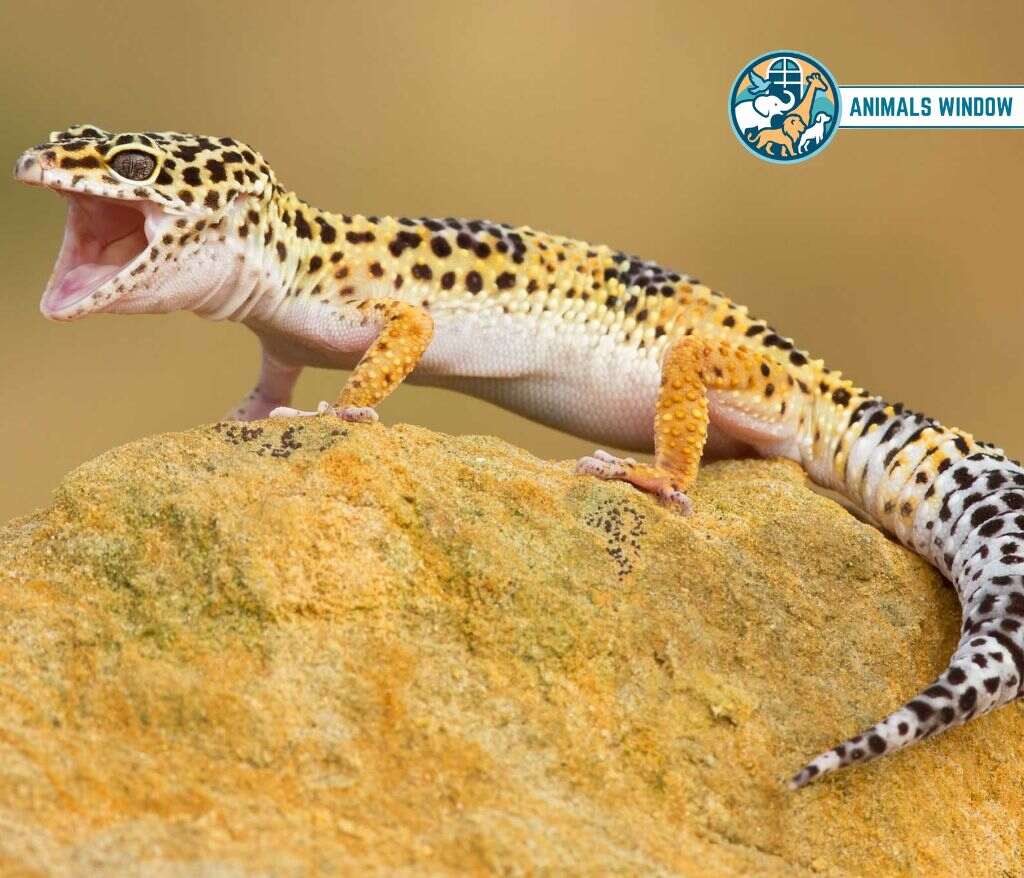
- Scientific Name: Eublepharis macularius
- Size: 7–11 inches
- Weight: 45–100 grams
- Diet: Crickets, mealworms, dubia roaches
- Habitat: Rocky, arid grasslands of Pakistan and Afghanistan
- Lifespan: 15–20 years (some reach 27)
The leopard gecko is probably the most recommended beginner terrarium pet on the planet — and for good reason. It doesn’t need UV lighting, tolerates handling well, and has a calm personality compared to most reptiles. It’s a dry terrarium animal, making it perfect for anyone who doesn’t want a humid rainforest setup.
What sets it apart from all other geckos is its tail. The tail stores fat reserves, acting like a survival backpack. When food is scarce, the body draws energy from those fat deposits. You can actually monitor a leopard gecko’s health just by looking at its tail — a thin, flat tail means something is wrong. And yes, like most lizards, it can drop its tail when grabbed by a predator. It grows back, but never quite the same shape.
🔥 Comparison Fact: A healthy adult leopard gecko weighs about as much as a standard chicken egg.
4. Praying Mantis
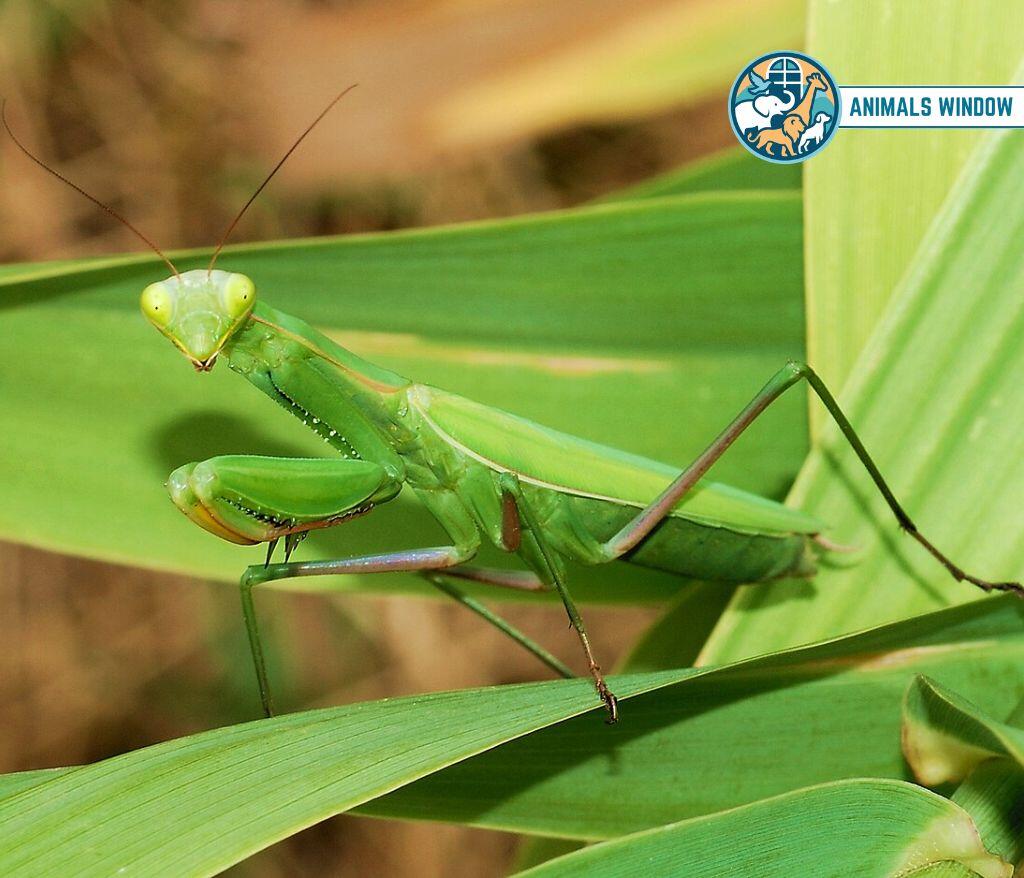
- Scientific Name: Mantis religiosa
- Size: 2–5 inches depending on species
- Weight: 1–3 grams
- Diet: Crickets, moths, small insects (live prey only)
- Habitat: Meadows, shrubs, tropical forests worldwide
- Lifespan: 6–18 months (they have short lives)
The praying mantis is one of the most exotic terrarium pets you can keep in a small setup. It doesn’t need much space — a 5-gallon terrarium works well for most species. What it needs is height, because mantises hang upside down when molting.
Here’s what stands out: no other insect on Earth can rotate its head 180 degrees to look directly behind itself. That gives it a nearly complete field of vision. Its strike is also faster than most insects can react — the foreleg snaps out in 30–50 milliseconds, making it nearly impossible for prey to escape once the mantis locks on. For an animal the size of your finger, that level of precision is genuinely remarkable.
🔥 Comparison Fact: A full-grown praying mantis is about the size of a tube of ChapStick — but its strike speed rivals a professional boxer’s jab.
5. Red-Eyed Tree Frog
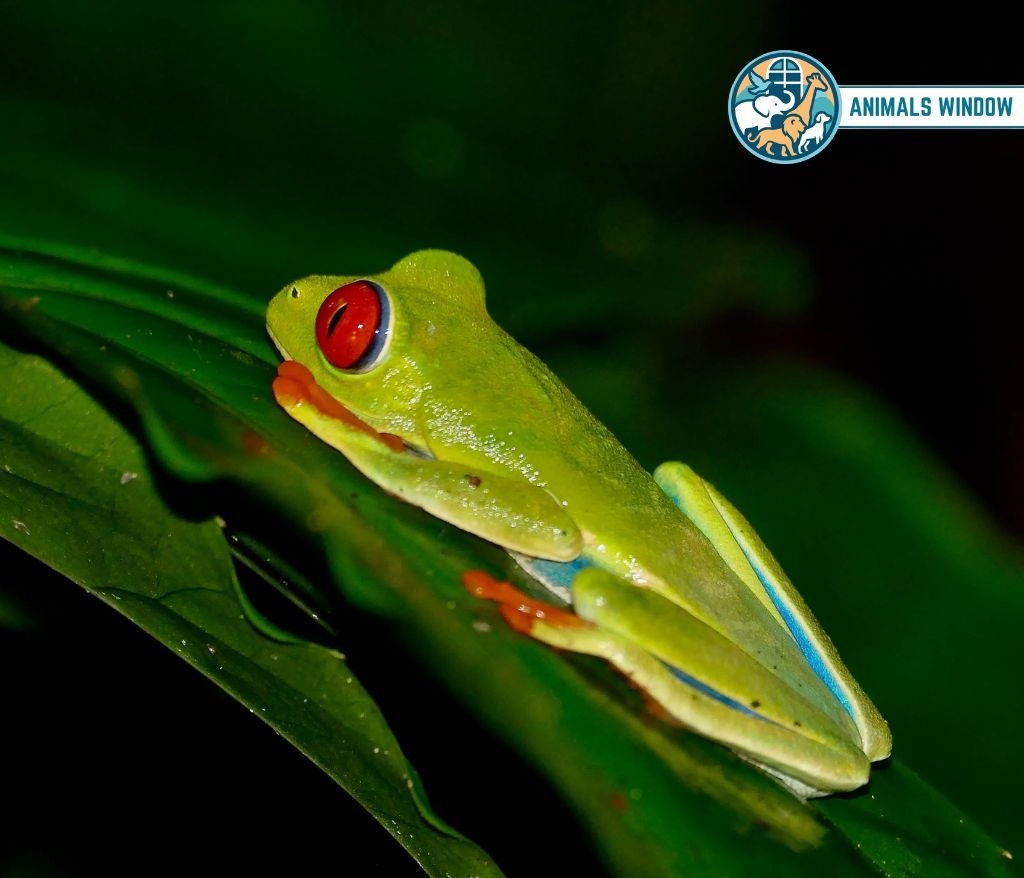
- Scientific Name: Agalychnis callidryas
- Size: 1.5–3 inches
- Weight: 6–15 grams
- Diet: Crickets, moths, small flying insects
- Habitat: Tropical rainforests of Central America
- Lifespan: 5–10 years in captivity
The red-eyed tree frog is the face of rainforest terrarium animals — almost every poster you’ve seen of a tropical terrarium has one of these staring back at you. But those famous red eyes aren’t just for looks. They serve a specific defensive purpose.
When a predator disturbs the frog at night, it opens those eyes suddenly. The flash of vivid red startles the predator for just a fraction of a second — called a startle display. That tiny hesitation is all the frog needs to leap to safety. Its orange-and-blue side stripes appear the same way, popping out when it moves. The frog isn’t poisonous at all. Its entire survival strategy is based on confusion and surprise.
🔥 Comparison Fact: A red-eyed tree frog weighs about as much as three or four paper clips — yet its sticky toe pads can support its full body weight on a vertical glass surface.
6. Tarantula (Chilean Rose / Mexican Redknee)
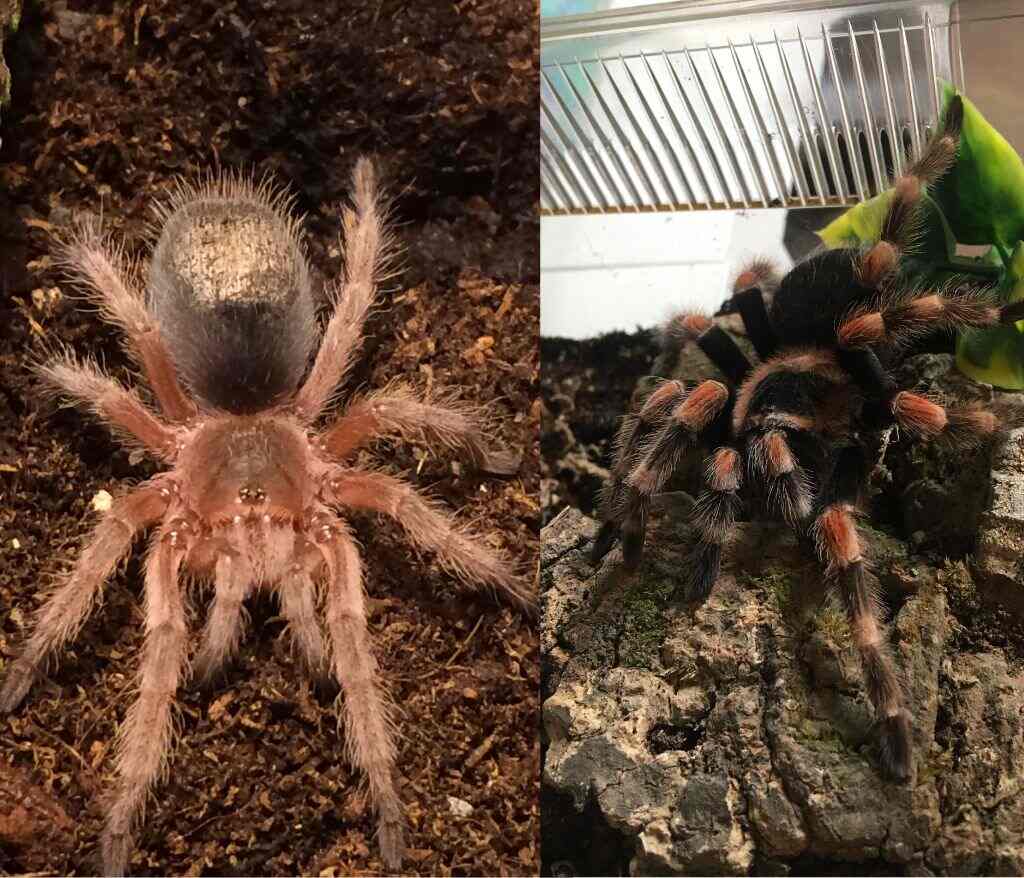
- Scientific Name: Grammostola rosea (Chilean Rose) / Brachypelma hamorii (Mexican Redknee)
- Size: 4.5–5.5 inches leg span
- Weight: 10–30 grams
- Diet: Crickets, mealworms, the occasional small mouse (adults)
- Habitat: Desert scrubland of Chile and Argentina / Mexican coastal scrub
- Lifespan: Females up to 20–30 years; males only 5–7 years
Tarantulas are among the most misunderstood exotic terrarium pets. Most people picture something aggressive and deadly, but the Chilean Rose is genuinely one of the calmest spiders in the hobby. It can go months without eating and barely moves on most days — which might sound boring, but it makes it ideal for a beginner.
The lifespan gap between sexes is staggering. A female Chilean Rose can outlive a family dog — twice over. Males die shortly after reaching maturity, often within months of their last molt. The female, on the other hand, molts every year or two throughout her life, essentially regenerating lost limbs in the process. It can regrow a missing leg. Not many animals can say that.
🔥 Comparison Fact: A tarantula’s leg span is roughly the size of an adult’s palm — and it weighs less than a handful of paperclips.
7. Isopods
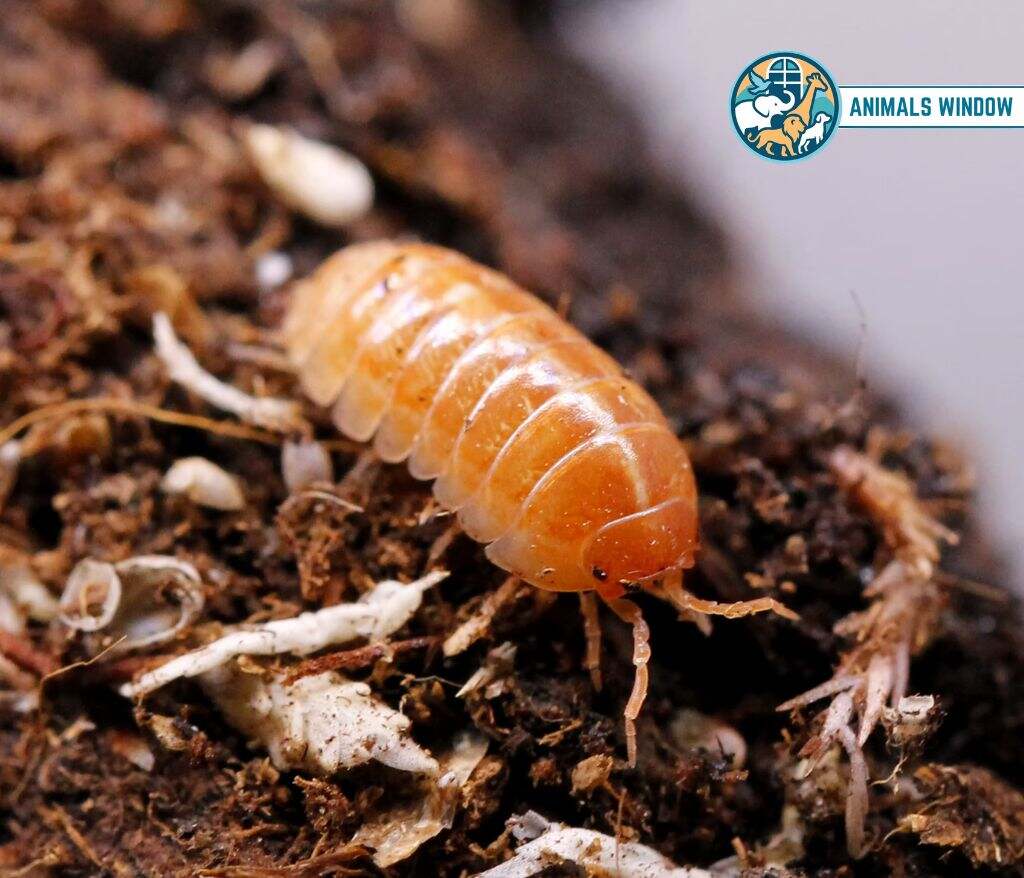
- Scientific Name: Armadillidium vulgare (Pill Bug) and related species
- Size: 5–20 mm depending on species
- Weight: Under 1 gram
- Diet: Decaying wood, leaf litter, fungi, feces, dead plants
- Habitat: Damp soil, leaf litter, forest floors across Europe and North America
- Lifespan: 2–4 years
Isopods aren’t just terrarium pets — they’re living infrastructure. In a bioactive terrarium setup, they form part of what keepers call the “cleanup crew.” They eat waste, break down dead plant matter, and recycle nutrients back into the soil. The terrarium ecosystem actually becomes more stable with them inside.
What most people miss: isopods are crustaceans, not insects. They’re more closely related to crabs than to beetles. They breathe through modified gills hidden under their body — which is why they need some humidity to survive. Certain species like Cubaris have become sought-after collector’s items with rare color morphs selling for surprisingly high prices. They’re tiny, but the terrarium hobby has turned them into a small subculture of their own.
🔥 Comparison Fact: A single isopod is about the size of a watermelon seed — but a colony of 50 can process a week’s worth of frog waste in a few days.
8. Pacman Frog
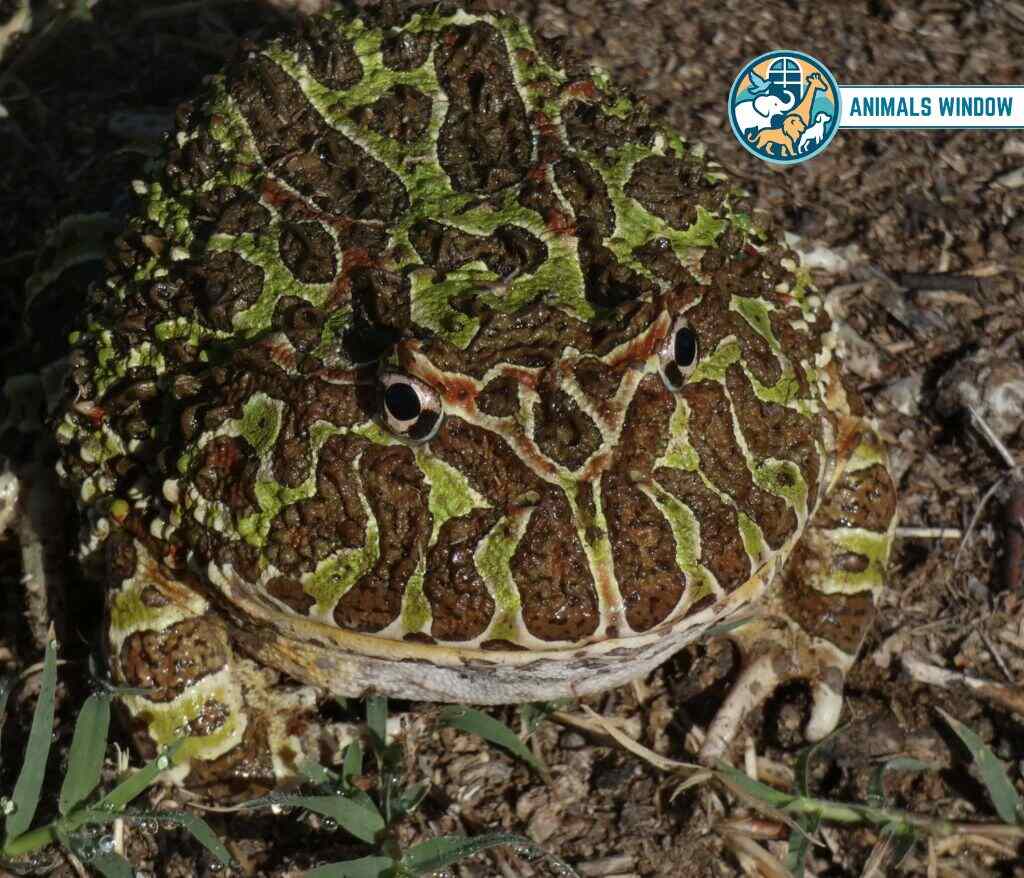
- Scientific Name: Ceratophrys ornata
- Size: 4–6 inches (females larger)
- Weight: Up to 480 grams
- Diet: Crickets, mice, other frogs, earthworms
- Habitat: Grasslands and rainforest edges of Argentina, Uruguay, Brazil
- Lifespan: 7–15 years
The Pacman frog looks exactly like its namesake: a round body, enormous mouth, and a perpetual grumpy expression. Its mouth width nearly matches its body width, which is almost physically impossible to believe until you see it. It ambushes prey by sitting motionless in soil, with only its head visible, then strikes with enough force to swallow creatures almost its own size.
Unlike most frogs that flee when threatened, the Pacman frog bites back. Hard. It has small teeth — called odontoid projections — and a grip so strong it sometimes won’t let go. It has attempted to eat things it physically cannot swallow, then sat there trying to fit a too-large cricket in its mouth for several minutes. Personality-wise, it is a frog with genuine stubbornness.
🔥 Comparison Fact: A large female Pacman frog weighs about as much as a can of soup — and its mouth is wide enough to swallow a golf ball.
9. Mourning Gecko
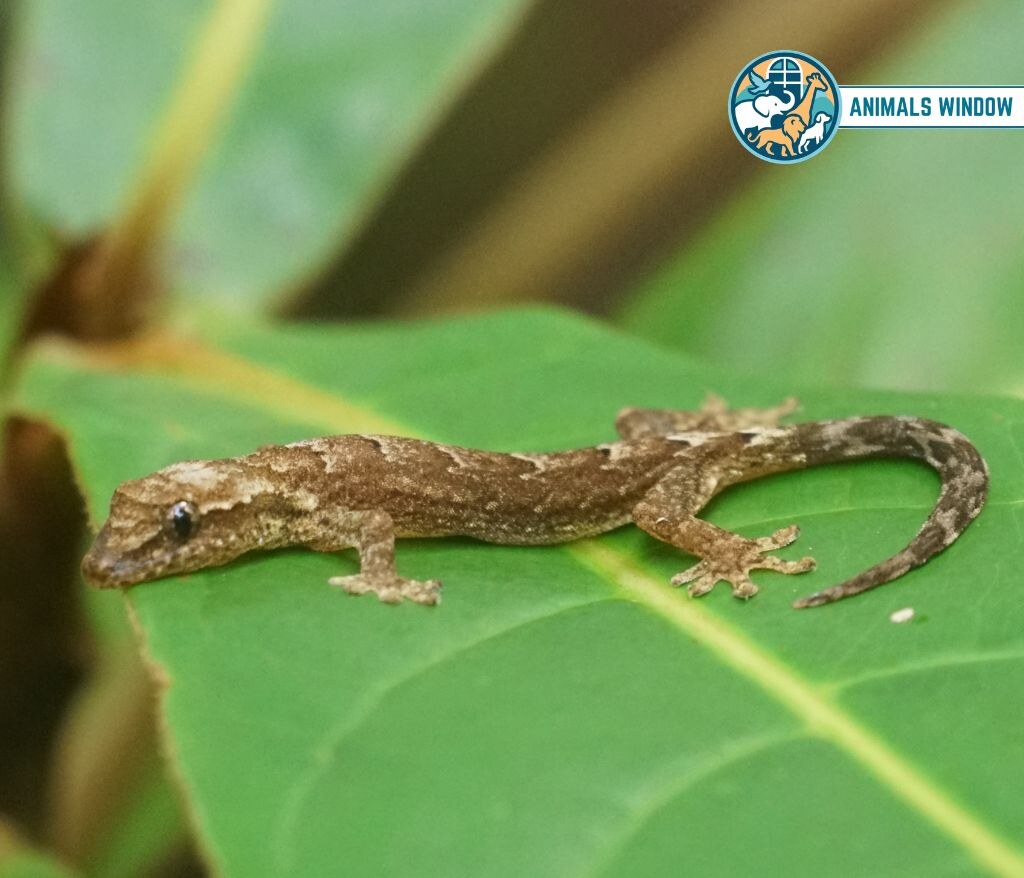
- Scientific Name: Lepidodactylus lugubris
- Size: 3–4 inches
- Weight: 2–5 grams
- Diet: Fruit-based crested gecko diet, small fruit flies
- Habitat: Tropical Pacific islands, coastal vegetation
- Lifespan: 5–10 years
The mourning gecko is one of the strangest small terrarium pets you’ll ever read about. It’s an all-female species. No males exist. The females reproduce through parthenogenesis — they produce fertile eggs without mating. Each hatchling is essentially a genetic clone of its mother.
This single biological quirk has helped them spread across tropical Pacific islands with almost no barriers. Drop a single gravid female in a new environment, and she can start a colony alone. They’re also tiny enough to live comfortably in a nano terrarium — a 5-gallon setup works fine. Their soft clicking vocalizations are something keepers often don’t expect. These small geckos are surprisingly vocal, especially at night.
🔥 Comparison Fact: A mourning gecko is about the length of your thumb — and can reproduce without ever meeting another animal.
10. Giant African Millipede
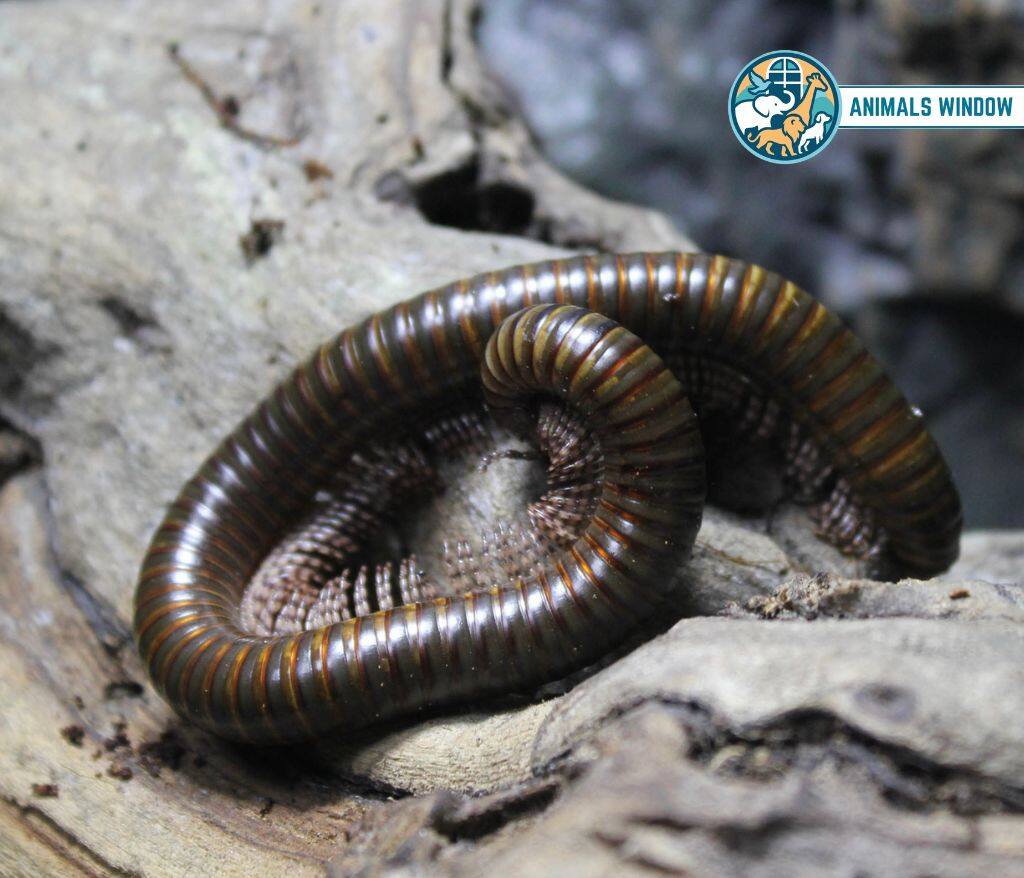
- Scientific Name: Archispirostreptus gigas
- Size: Up to 15 inches (38 cm)
- Weight: Up to 30–35 grams
- Diet: Decaying leaves, soft fruits, rotting wood, calcium-rich foods
- Habitat: Tropical and subtropical African forests
- Lifespan: 5–7 years in captivity
The Giant African Millipede is one of the largest millipede species on Earth, and it’s one of the most calming large terrarium animals you can handle. It moves slowly, doesn’t bite, and goes about its business with complete indifference to the world. What it does do quietly is transform dead matter into rich soil — something ecologists call bioturbation.
Despite the name, no millipede has 1,000 legs. This species typically has between 300 and 400. Each body segment has two pairs of legs, and you can watch all of them moving in a coordinated ripple wave when it walks. When threatened, it coils into a tight spiral and secretes a mild chemical irritant from its pores — not dangerous to humans, but enough to deter most predators.
🔥 Comparison Fact: A fully grown Giant African Millipede is about as long as a standard ruler — and almost as wide as a garden hose.
11. Emperor Scorpion
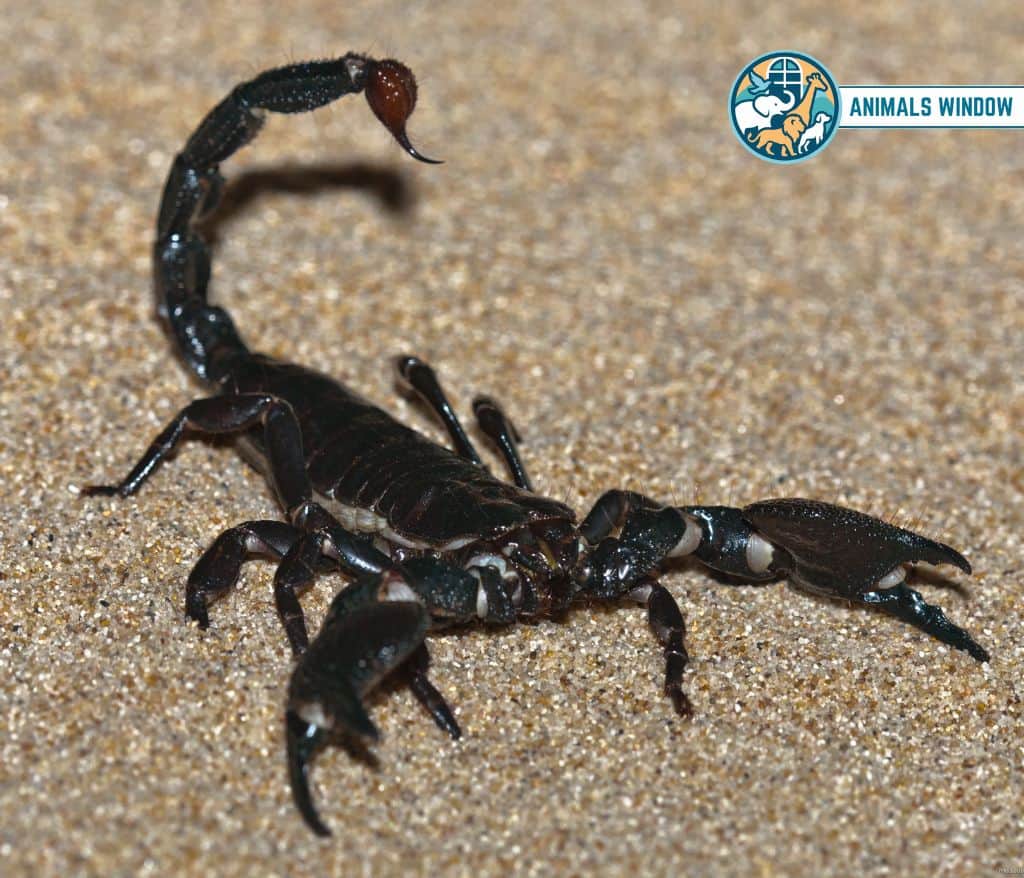
- Scientific Name: Pandinus imperator
- Size: 6–8 inches
- Weight: 25–35 grams
- Diet: Crickets, mealworms, cockroaches, the occasional small mouse
- Habitat: Tropical rainforest floors of West Africa
- Lifespan: 6–8 years in captivity
The emperor scorpion is the go-to choice for anyone wanting an intimidating-looking terrarium pet that is actually quite docile. Its sting is mild — comparable to a bee sting — because it relies on its massive claws to catch prey rather than its venom. The venom is mostly a last resort.
But the most unexpectedly cool thing about this animal? Under a UV blacklight, it glows teal-green. This fluorescence comes from a compound called beta-carboline in the hyaline layer of its exoskeleton. Scientists still debate exactly why scorpions glow — some theories suggest it helps them detect moonlight, others suggest it may serve as a form of communication. You don’t need a reason to enjoy it, though. Just shine a blacklight in the enclosure at night.
🔥 Comparison Fact: An emperor scorpion is about the size of a man’s hand — and its pincer force can crack the shell of a beetle with ease.
12. Hognose Snake
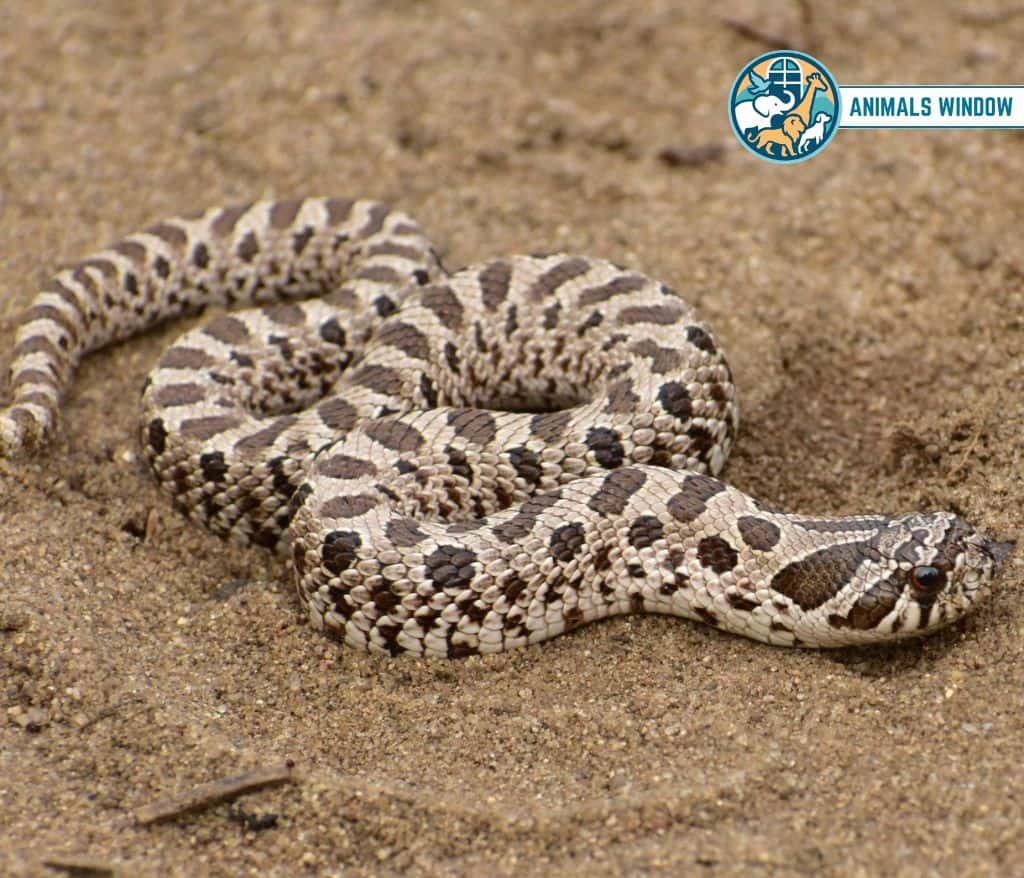
- Scientific Name: Heterodon nasicus
- Size: 18–36 inches
- Weight: 100–300 grams
- Diet: Toads, frogs, salamanders, small rodents
- Habitat: Dry grasslands and sandy areas of North America
- Lifespan: 9–19 years in captivity
The hognose snake is the drama queen of terrarium animals. When threatened, it performs one of the most theatrical displays in the entire animal kingdom. It flattens its head and neck to look like a cobra. It hisses loudly. It strikes repeatedly — usually with its mouth closed. And if none of that works, it rolls onto its back, writhes violently, and then goes completely limp with its tongue hanging out, mimicking a dead snake.
The fake death routine is called thanatosis, and the hognose commits to it fully. Flip it right-side up and it’ll roll back over again — it apparently believes dead snakes should be belly-up. The upturned pig-like snout it’s named for is actually functional: it uses it like a shovel to dig up buried toads, which are its preferred prey in the wild.
🔥 Comparison Fact: A hognose snake is roughly the length of a standard baseball bat — with a personality bigger than most animals three times its size.
13. Anole
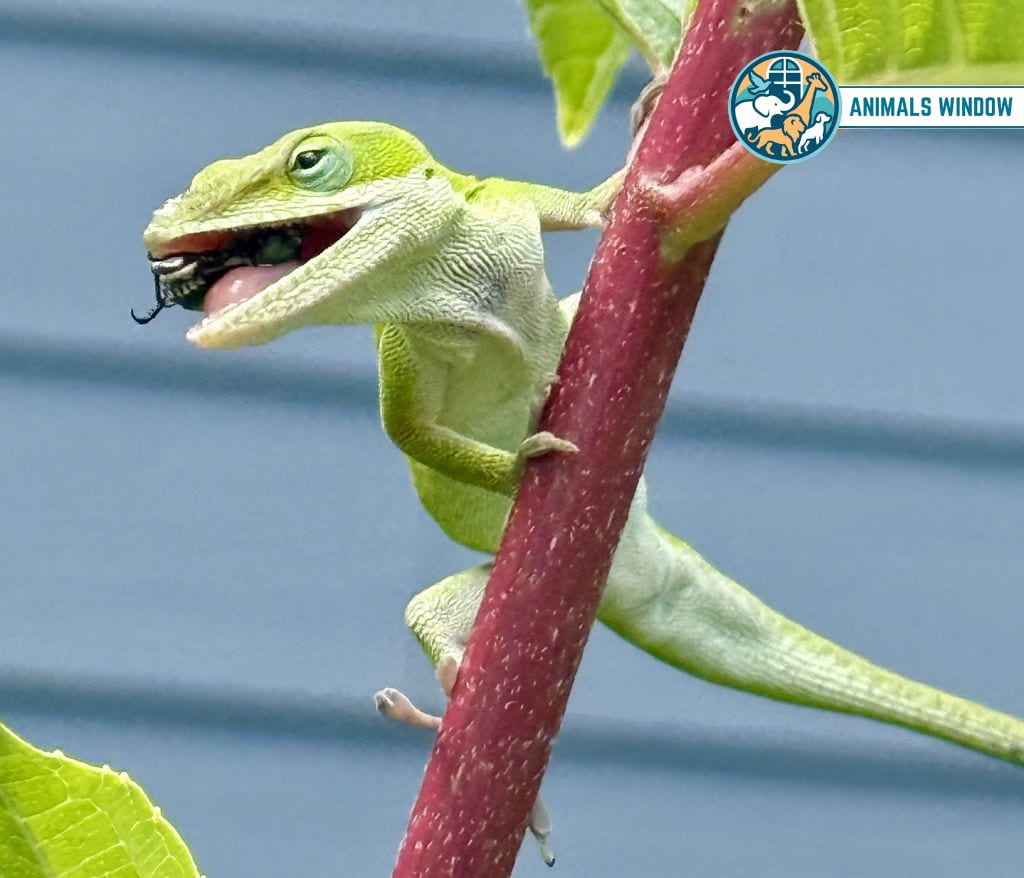
- Scientific Name: Anolis carolinensis
- Size: 5–8 inches (including tail)
- Weight: 3–7 grams
- Diet: Small insects — crickets, fruit flies, small moths
- Habitat: Forests and shrubs of the southeastern United States
- Lifespan: 3–7 years in captivity
The green anole is one of the most active small terrarium pets you can own. It’s constantly moving, scanning its territory, and doing push-ups. That push-up motion is a territorial display — males do it to signal dominance or warn rivals to back off.
But the most fascinating structure on this animal is the dewlap — the bright pink or red flap of skin under its throat. The male extends it rapidly, like a fan snapping open, as a signal to females and competitors. Each dewlap pattern is species-specific, and scientists have discovered that anoles can even adjust the speed and rhythm of the display to send different messages.
It’s essentially a visual language. The green anole can also shift between green and brown, not to match backgrounds like a chameleon, but in response to temperature and stress.
🔥 Comparison Fact: An anole weighs about as much as a single AAA battery — yet its dewlap can be seen from over 30 feet away in clear daylight.
14. Stick Insect (Walking Stick)
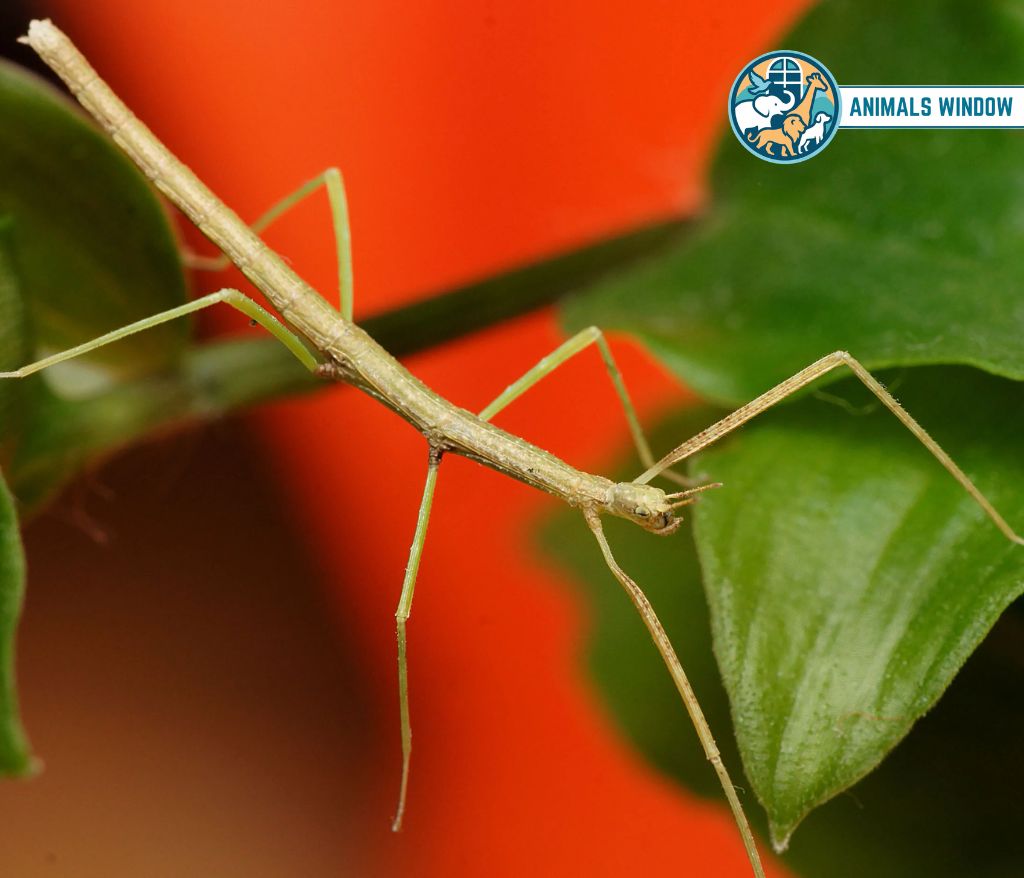
- Scientific Name: Carausius morosus
- Size: 3–4 inches (Indian stick insect); some species reach 12+ inches
- Weight: 0.5–2 grams
- Diet: Privet, bramble, oak, ivy leaves
- Habitat: Forests and vegetation of South and Southeast Asia
- Lifespan: 12–18 months
The stick insect is the master of one specific survival skill — and it does that one thing better than almost any other creature on Earth. Its entire body shape, color, texture, and even its resting posture mimic a twig or dried stem with extraordinary accuracy. Some species even have imperfections built into their bodies: small notches, uneven coloring, or vein-like markings that look like damage on a real stick.
But here’s something most people don’t know: stick insects can also reproduce without males. Like the mourning gecko, they use parthenogenesis in the absence of mates. Their eggs are also remarkable — they look almost identical to plant seeds, with a fatty capsule called a capitulum that attracts ants. The ants carry the eggs underground, which both protects them and helps the species spread.
🔥 Comparison Fact: The Indian stick insect is roughly the length of a standard pen — yet it disappears completely when placed among a handful of small twigs.
15. Box Turtle
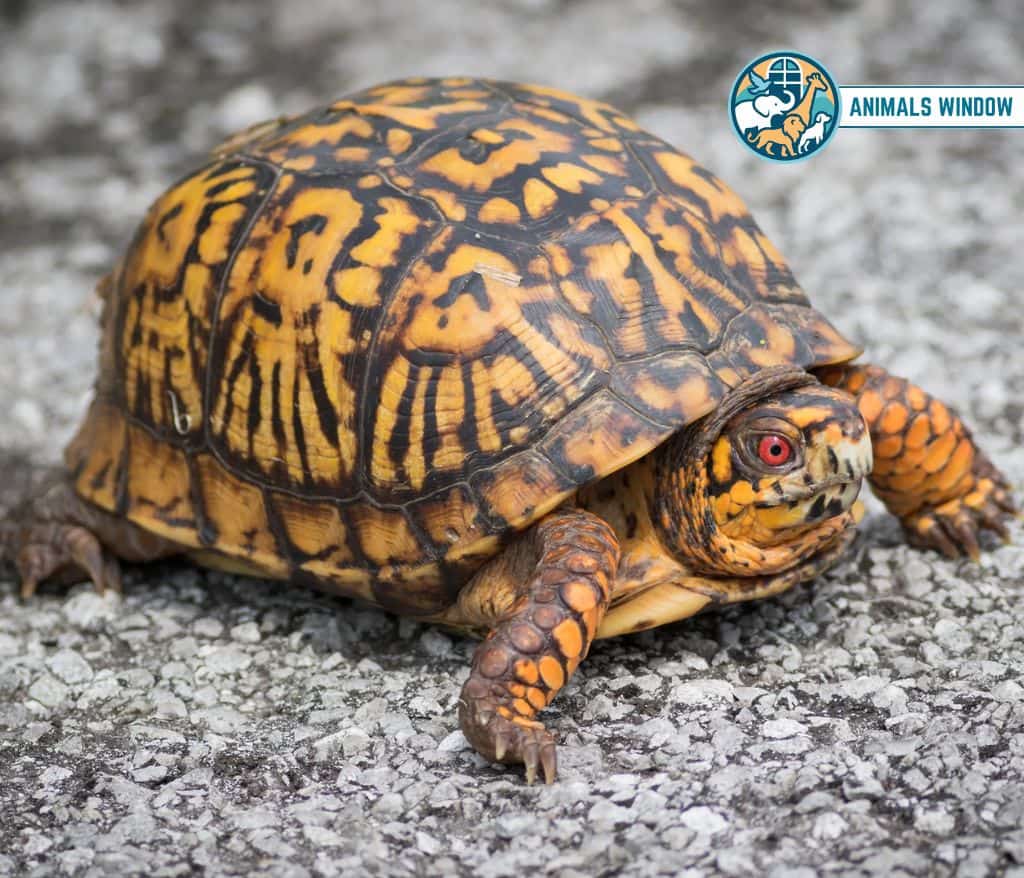
- Scientific Name: Terrapene carolina
- Size: 4.5–7 inches
- Weight: 450–600 grams
- Diet: Earthworms, berries, mushrooms, insects, leafy greens
- Habitat: Woodlands and grasslands of eastern North America
- Lifespan: 40–100+ years in captivity
The box turtle isn’t just a long-lived terrarium animal — it’s one of the longest-lived vertebrates you can legally keep as a pet. Individual wild box turtles have been documented at over 100 years old. They’re also one of the few large terrarium animals that are fully terrestrial — they don’t need a water tank, just a deep substrate to burrow in and some moisture to soak in occasionally.
What makes the box turtle anatomically unique is its hinged lower shell — the plastron. Unlike other turtles, the box turtle can pull its head and legs inside and then close the shell almost completely shut with two hinged lobes. It’s a living vault. Predators that catch one often give up entirely, unable to get past the sealed shell. The turtle can stay sealed inside for hours if needed.
🔥 Comparison Fact: A box turtle’s shell is about the size and shape of a halved grapefruit — and it can remain completely sealed inside it for several hours without any harm.
Common FAQ’s About Terrarium Animals
What are the best terrarium animals for beginners?
Leopard geckos, crested geckos, and mourning geckos are the top three choices. They’re hardy, manageable in size, and don’t need specialized lighting. Isopods are also great starter additions for any bioactive terrarium setup.
What small terrarium pets are easiest to care for?
Praying mantises and stick insects are among the easiest. They need minimal space, eat common feeder insects or plants, and don’t require complex temperature or humidity gradients. A 5-gallon terrarium handles both species well.
Can you keep multiple terrarium animals together?
Some can be mixed carefully — like mourning geckos with dart frogs in a bioactive setup, or isopods with nearly any species as cleanup crew. But most terrarium animals do better alone. Housing predatory species like pacman frogs or tarantulas with others is a serious mistake.
What is a bioactive terrarium?
A bioactive terrarium uses live plants, real soil substrate, and cleanup organisms like isopods and springtails to create a self-sustaining mini ecosystem. Waste gets broken down naturally. They require less spot-cleaning and often look far more impressive than bare-floor setups.
Are any of these terrarium animals dangerous to humans?
The emperor scorpion has a mild sting. Wild poison dart frogs are toxic, but captive-bred ones are completely safe. The hognose snake is rear-fanged and essentially harmless to humans. Tarantulas can deliver a mild bite if provoked but are generally very docile. None of these animals on this list pose a serious risk when handled respectfully.
Related Animals Guides:
- Top 32 Quiet Animals (With Pictures and Unique Facts)
- Top 20 Animals Without Tails (With Pictures and Unique Facts)
- Top 30 Skinny Animals in the World (With Pictures & Unique Facts)
- 25 Heaviest Animals in the World (With Pictures and Unique Facts)
Trait Comparison Table: Active vs. Sedentary Terrarium Animals
One of the biggest decisions in picking a terrarium pet is whether you want something that moves or something that sits still and looks interesting. Here’s how these 15 animals break down:
| Animal | Activity Level | Best Terrarium Type | Handling Ease |
| Crested Gecko | High (night) | Vertical / tropical | Easy |
| Poison Dart Frog | Moderate | Rainforest bioactive | Avoid handling |
| Leopard Gecko | Moderate (night) | Dry / desert | Very easy |
| Praying Mantis | Moderate | Tall mesh enclosure | Intermediate |
| Red-Eyed Tree Frog | High (night) | Vertical / humid | Avoid handling |
| Tarantula | Very low | Dry or moist, ground | Intermediate |
| Isopods | Constant | Any bioactive | Easy |
| Pacman Frog | Very low | Humid, semi-buried | Intermediate (bites!) |
| Mourning Gecko | High (night) | Nano / bioactive | Easy |
| Giant African Millipede | Low | Humid, deep substrate | Very easy |
| Emperor Scorpion | Low–moderate | Humid tropical | Intermediate |
| Hognose Snake | Moderate | Dry, burrowing | Very easy |
| Anole | Very high (day) | Tall tropical | Difficult (fast) |
| Stick Insect | Low | Tall mesh enclosure | Easy |
| Box Turtle | Moderate (day) | Large terrestrial | Easy |

I have loved animals since I was a kid. I enjoy reading about how animals live, eat, move, and survive. I started Animals Window to share what I learn in a simple and easy way. I write about animal body parts, size, behavior, diet, habitats, and species. My goal is to make animal facts clear and fun for everyone to understand.