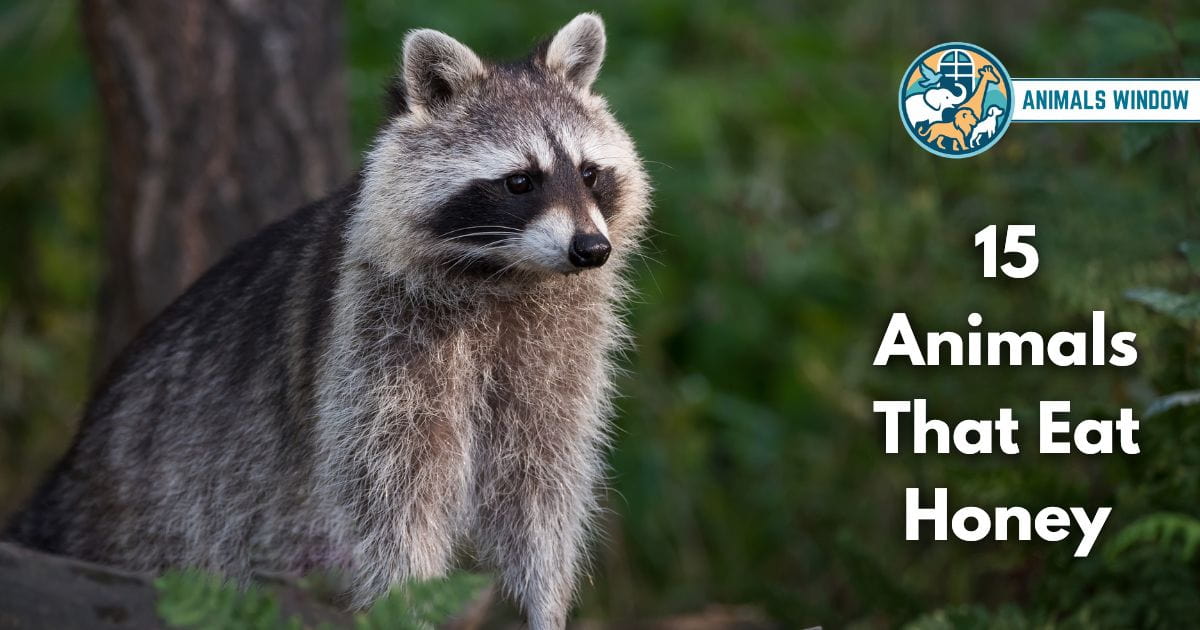
Many animals eat honey, not just bears. Honey is a rich source of sugar and energy, which makes it highly attractive to wildlife across every continent. The most well-known honey-eating animals include the honey badger, grizzly bear, sloth bear, raccoon, kinkajou, and several birds and insects. Some eat the honey itself, while others target the beeswax, larvae, or the entire hive.
Table of Contents
Quick Table of Honey Eating Animals
| Animal Name | Scientific Name | Key Trait |
| Honey Badger | Mellivora capensis | Follows honeyguide birds to hives |
| Honey Bee | Apis mellifera | Produces and stores honey itself |
| Sloth Bear | Melursus ursinus | Uses lips as a vacuum to suck honey |
| Grizzly Bear | Ursus arctos horribilis | Tears apart logs to reach hives |
| Honeyguide Bird | Indicator indicator | Guides humans to beehives |
| Small Hive Beetle | Aethina tumida | Destroys hives from the inside |
| Raccoon | Procyon lotor | Uses hands to pull honeycomb apart |
| Skunk | Mephitis mephitis | Stomps on hives to lure bees out |
| Kinkajou | Potos flavus | Uses a long tongue to extract honey |
| Asian Giant Hornet | Vespa mandarinia | Decapitates bees to raid hives |
| Tūī | Prosthemadera novaeseelandiae | Drinks nectar, sometimes eats honey |
| Opossum | Didelphis virginiana | Opportunistically raids small hives |
| Coatimundi | Nasua nasua | Uses sharp claws and snout to dig hives |
| Woodpecker | Melanerpes formicivorus | Pecks into tree hives to access comb |
| Yellow Jacket Wasp | Vespula squamosa | Steals honey from weakened colonies |
In this article, you’ll meet 15 animals that eat honey — from insects that destroy entire colonies to mammals with specialized anatomy built for hive raiding. A few of these animals have behaviors that researchers still don’t fully understand. And at least one of them doesn’t even feel bee stings the way you’d expect.
1. Honey Badger
- Scientific name: Mellivora capensis
- Size: 55–77 cm long
- Weight: 6–14 kg
- Diet: Omnivore — honey, larvae, snakes, insects, small mammals
- Habitat: Africa, Southwest Asia, Indian subcontinent
- Lifespan: Up to 24 years in captivity
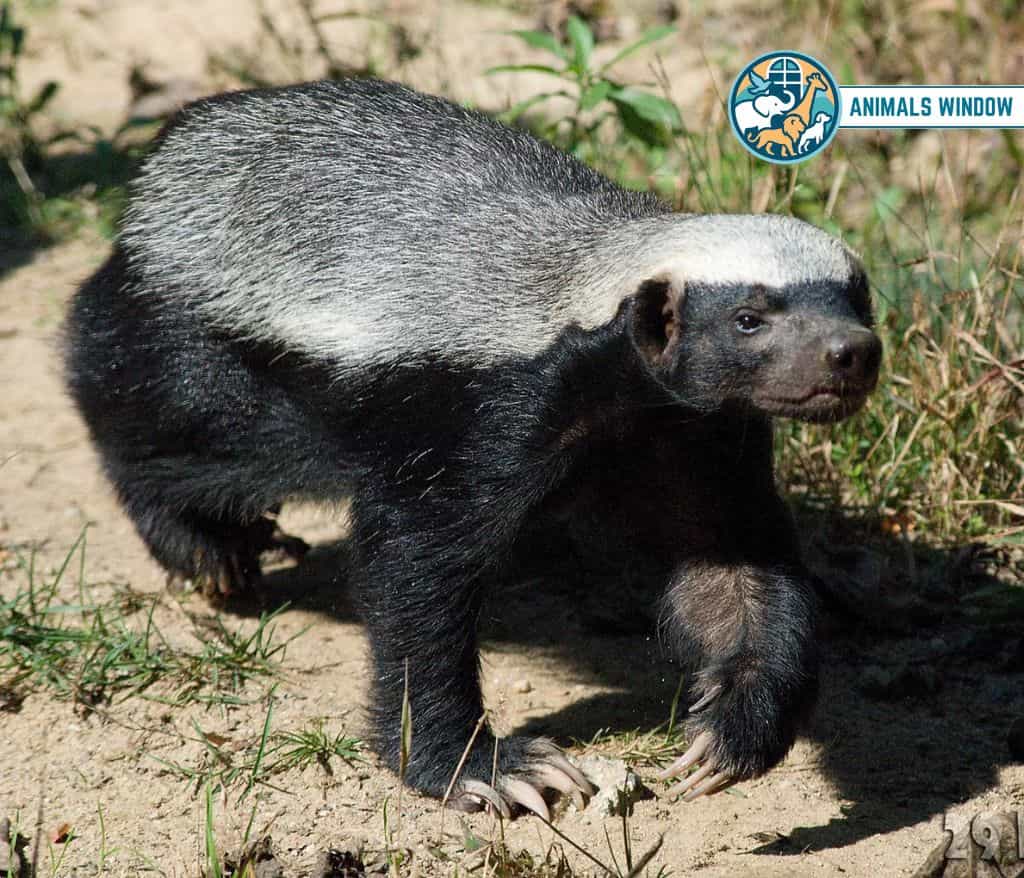
The honey badger looks like a small, stocky skunk with an attitude problem. It lives across Africa and parts of Asia, and it’s been called one of the most fearless animals on Earth by the Guinness World Records. That reputation exists for a reason.
What makes the honey badger special isn’t just its love of honey — it’s the skin armor that lets it get away with stealing it. Its skin is so thick and loose that bee stings rarely penetrate deep enough to cause serious pain. The badger can also shake off snake bites and even survive brief venom exposure that would kill most animals. This means it can attack a beehive head-on with very little consequence.
🔥 Comparison Fact: A honey badger’s skin is roughly as tough as a car tire sidewall — thick, rubbery, and almost impossible to puncture with a standard needle.
2. Honey Bee
- Scientific name: Apis mellifera
- Size: 15 mm long
- Weight: About 0.1 grams per bee
- Diet: Nectar, pollen, honey (their own stored food)
- Habitat: Every continent except Antarctica
- Lifespan: Workers live 6 weeks; queens up to 5 years
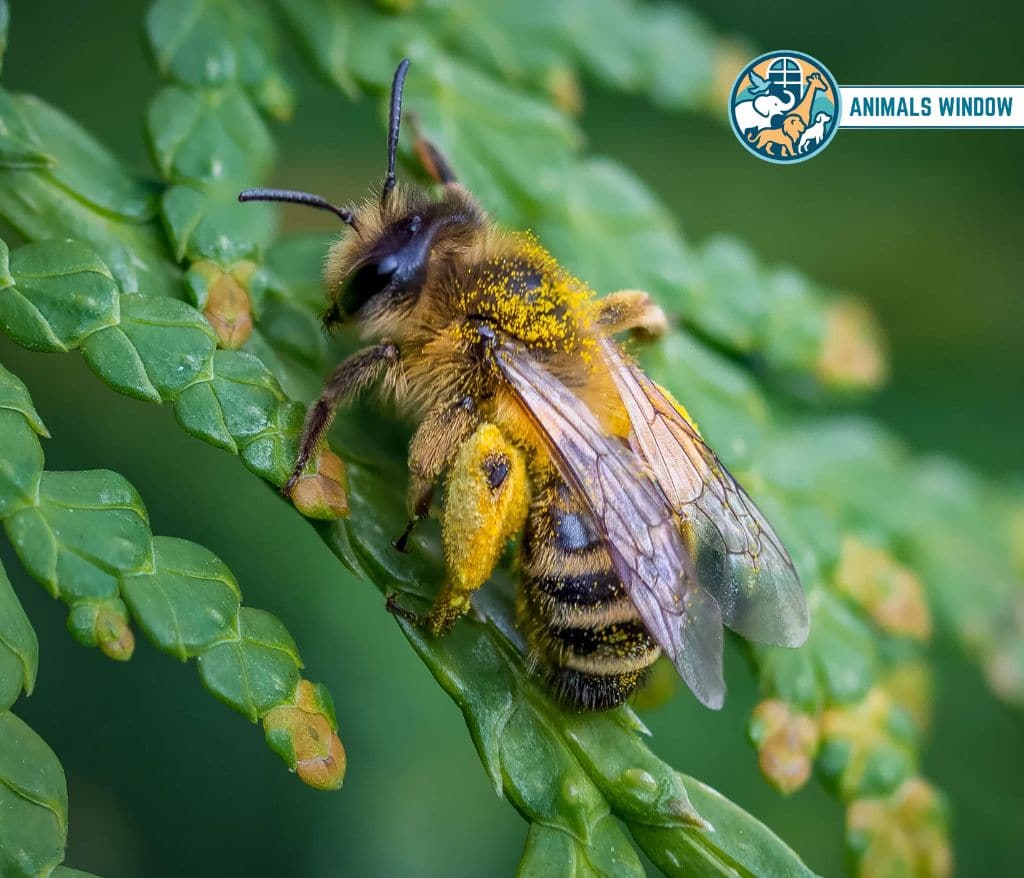
Yes, honey bees eat honey too. They don’t just make it and leave it sitting there. Honey is the colony’s primary winter food source. Worker bees consume it to fuel the constant wing-fanning that keeps the hive at 35°C even in freezing temperatures.
Here’s the surprising part: a single bee produces only about 1/12th of a teaspoon of honey in its entire lifetime. A full jar of honey represents the collective work of roughly 12,000 flower visits by multiple bees. The colony stores enough to last through cold months when flowers aren’t blooming, and they regulate their intake with remarkable precision.
🔥 Comparison Fact: The honey from one bee’s lifetime would barely fill the tip of a ballpoint pen.
3. Sloth Bear
- Scientific name: Melursus ursinus
- Size: 1.4–1.9 m long
- Weight: 55–145 kg
- Diet: Insects, fruits, honey, termites
- Habitat: Indian subcontinent — forests and grasslands
- Lifespan: Up to 40 years in captivity
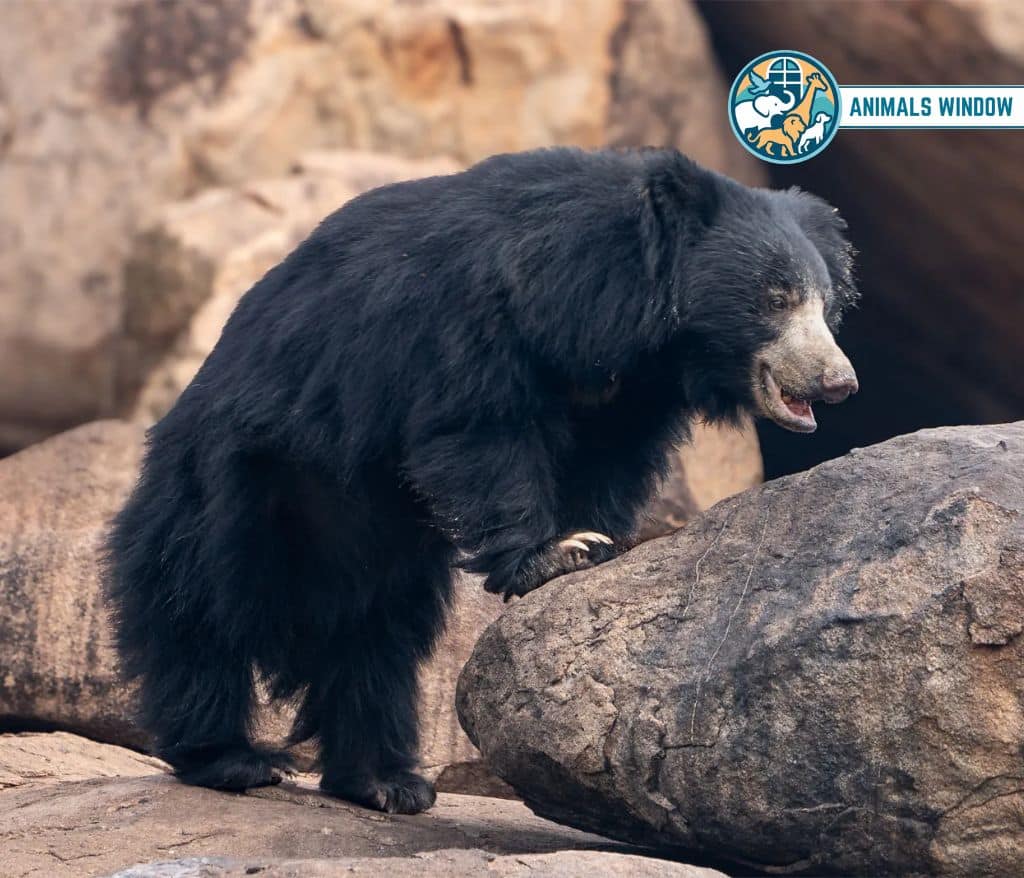
The sloth bear is built differently from other bears, and its mouth is the strangest part. It’s missing its two upper front teeth entirely, which creates a gap. That gap, combined with long, flexible lips and a hollow palate, turns the bear’s face into a living vacuum cleaner.
When a sloth bear finds a beehive, it blows dust away first, then seals its lips against the comb and sucks with enough force to be heard from 180 meters away. This suction technique lets it remove honey, larvae, and honeycombs without using its paws much at all. No other bear has this anatomy. It’s exclusive to this species.
🔥 Comparison Fact: A sloth bear weighs about as much as a large motorcycle — but moves silently through dense forest.
4. Grizzly Bear
- Scientific name: Ursus arctos horribilis
- Size: 1.8–2.4 m long
- Weight: 130–360 kg
- Diet: Omnivore — fish, berries, roots, insects, honey
- Habitat: North America — forests, mountains, meadows
- Lifespan: 20–25 years in the wild
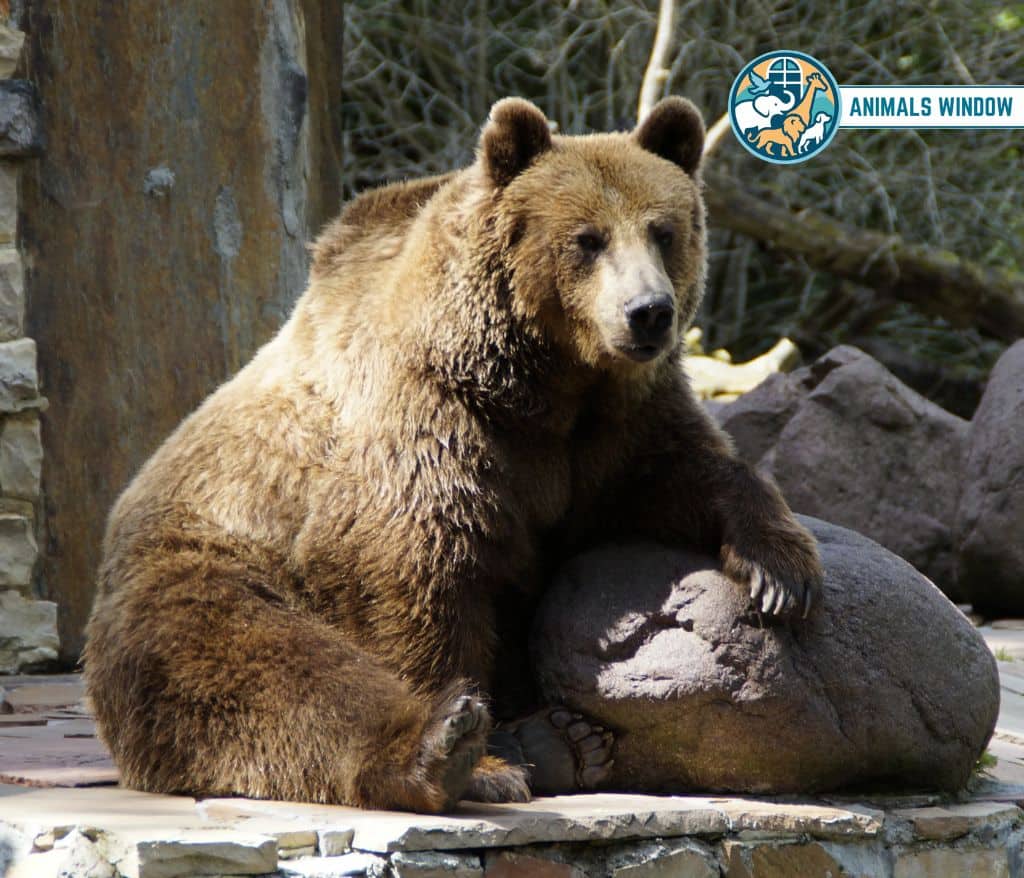
Grizzly bears eat honey seasonally, especially in late summer when they’re building up fat reserves before hibernation. During this period — called hyperphagia — a grizzly can consume up to 20,000 calories per day. Honey plays a surprisingly small role in that total, but they’ll rip apart rotting logs and dig into the ground to reach wild bee colonies whenever they find one.
Unlike the sloth bear’s surgical approach, the grizzly is all brute force. It uses its massive curved claws, which can be up to 10 cm long, to tear through wood, soil, and honeycombs. The stings don’t deter it much — thick fur and fat provide insulation from most stings.
🔥 Comparison Fact: A grizzly bear’s claws are roughly the length of a human finger — but far thicker and curved like a garden trowel.
5. Honeyguide Bird
- Scientific name: Indicator indicator
- Size: 20 cm long
- Weight: 50 grams
- Diet: Beeswax, bee larvae, insects
- Habitat: Sub-Saharan Africa
- Lifespan: Up to 12 years
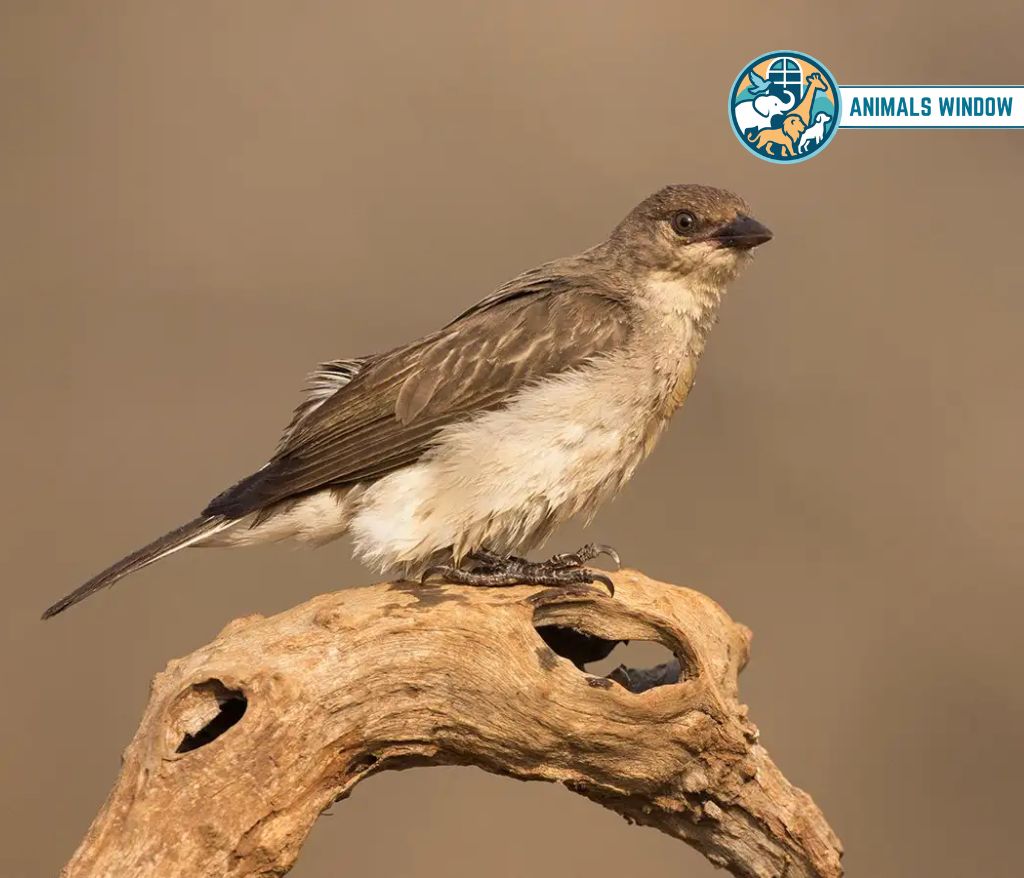
The greater honeyguide is one of the most remarkable examples of inter-species cooperation in nature. This small bird has a problem: it loves beeswax and larvae, but it can’t break open beehives on its own. So it recruits someone else to do it.
The bird actively seeks out honey badgers — and in some parts of Africa, human honey hunters — and leads them to wild beehives using a specific chattering call and a distinctive undulating flight path. Once the larger animal breaks the hive open and takes the honey, the honeyguide flies in and eats the leftover wax and larvae. Research published in Science confirms this is genuine two-way communication, not coincidence. The Yao people of Mozambique even have a traditional call to signal the bird back.
🔥 Comparison Fact: This bird weighs about the same as a standard AA battery — yet it can guide humans across kilometers of African bush.
6. Small Hive Beetle
- Scientific name: Aethina tumida
- Size: 5–7 mm long
- Weight: Less than 1 gram
- Diet: Honey, pollen, bee brood, beeswax
- Habitat: Originally sub-Saharan Africa, now global
- Lifespan: Several weeks to months
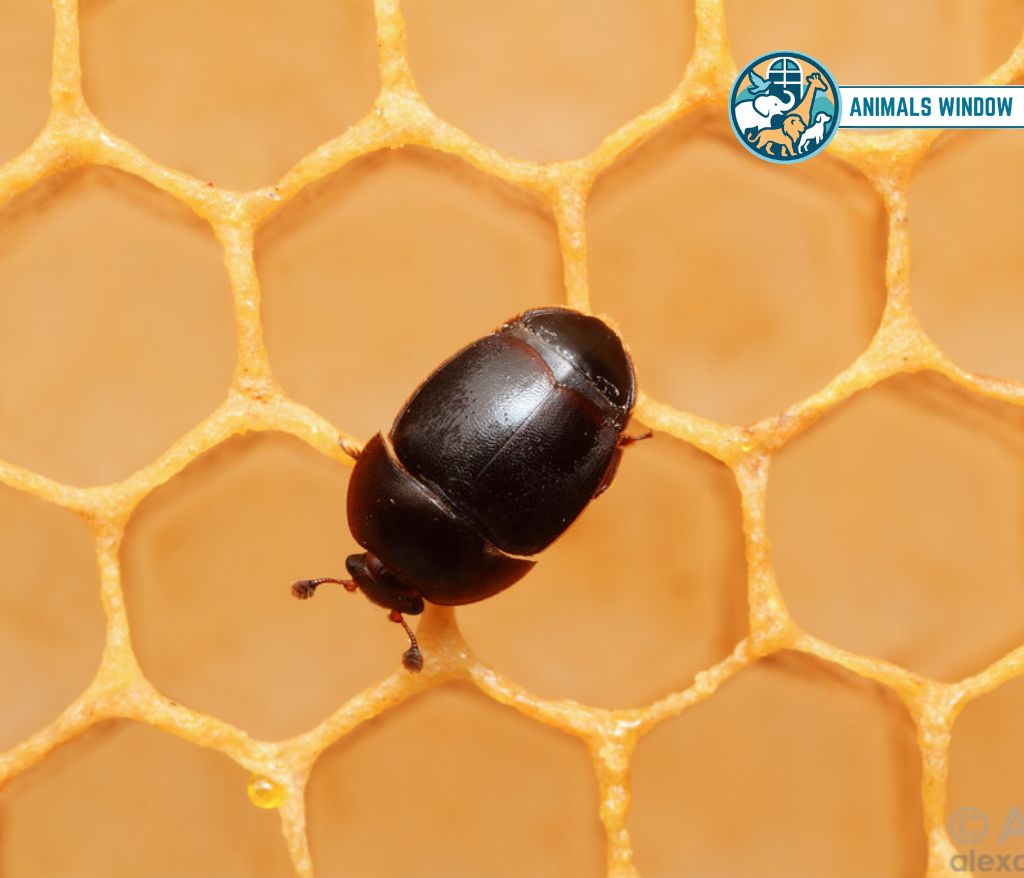
The small hive beetle might be the most destructive animal on this list, relative to its size. It doesn’t raid hives from the outside — it infiltrates and destroys from within. A female beetle lays eggs inside the hive, and the larvae tunnel through the comb eating everything: honey, pollen, and even developing bee larvae. As they feed, they excrete waste that ferments the honey, making the whole hive uninhabitable.
Bees do try to fight back. African honeybees are much better at containing beetle infestations than European honeybees, because they evolved alongside this pest. European colonies often collapse entirely when beetle populations get out of control.
🔥 Comparison Fact: At 5–7 mm, the small hive beetle is smaller than a watermelon seed — but can wipe out an entire colony of 50,000 bees.
7. Raccoon
- Scientific name: Procyon lotor
- Size: 40–70 cm body length
- Weight: 3.5–9 kg
- Diet: Omnivore — fruits, insects, small animals, honey, garbage
- Habitat: North and Central America, parts of Europe
- Lifespan: 2–5 years in the wild
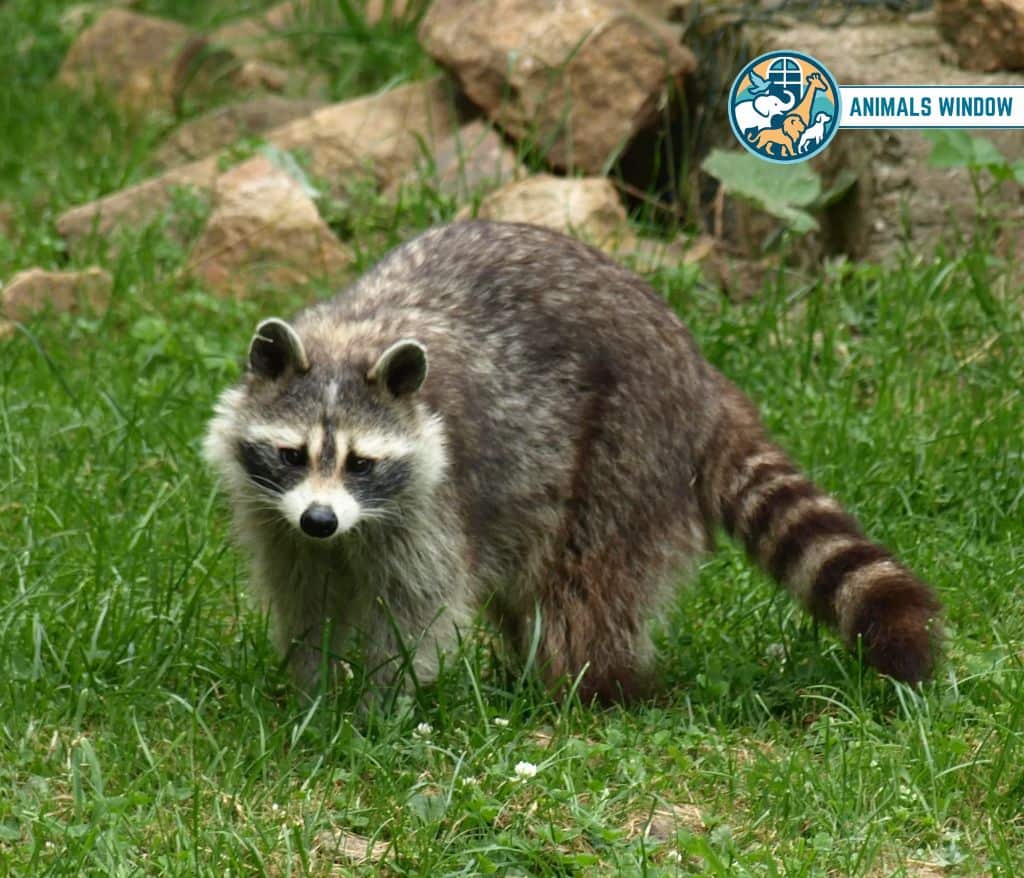
Raccoons don’t specifically seek out beehives the way some animals do, but when they stumble upon one, they absolutely go for it. What sets the raccoon apart from most honey-eating animals is its front paws. Raccoon paws have highly sensitive nerve endings, almost like a second set of eyes. They use them to feel through honeycombs in the dark, extracting comb sections with surprising dexterity.
Beekeepers in North America regularly report raccoons flipping over hive boxes at night. The raccoon doesn’t seem to be bothered much by bee stings on its paws — the thick skin and fur on its hands gives it decent protection.
🔥 Comparison Fact: A raccoon weighs roughly the same as a large house cat — but has hand dexterity that rivals a toddler’s.
8. Skunk
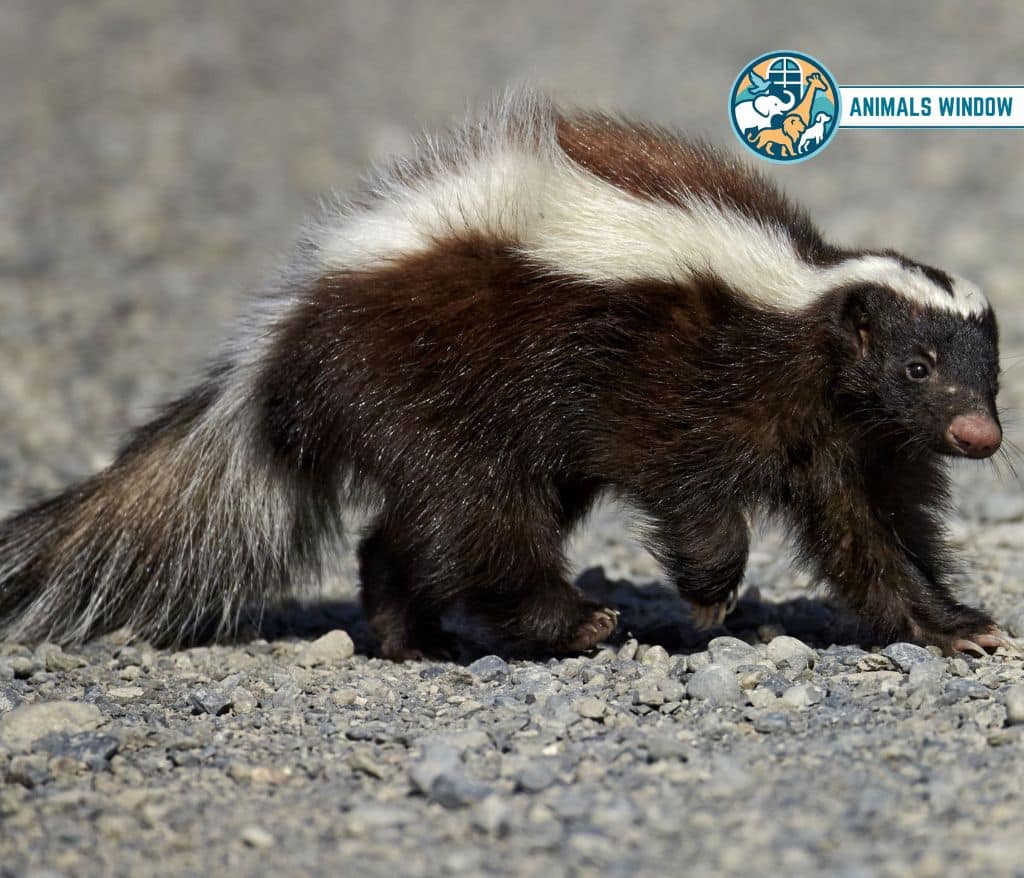
- Scientific name: Mephitis mephitis
- Size: 52–77 cm including tail
- Weight: 1.8–4.5 kg
- Diet: Insects, grubs, small animals, honey, berries
- Habitat: North and Central America
- Lifespan: Up to 7 years in captivity
Skunks have an unusual strategy for getting bees out of a hive. Instead of tearing the hive apart, a skunk will scratch and stomp on the front of the hive at night, irritating the guard bees into flying out. Then it eats them one by one as they emerge. This is called predatory behavior on the hive, not just honey theft — but after the guards are reduced, the skunk can access the honey and larvae more easily.
The skunk’s thick, coarse fur protects it from most stings, especially on the underside where it often lies while feeding. Beekeepers have confirmed skunk activity by finding scratched-up landing boards on hive boxes in the morning.
🔥 Comparison Fact: A striped skunk weighs about as much as a large bag of potatoes — and can completely disrupt a managed beehive in a single night.
9. Kinkajou
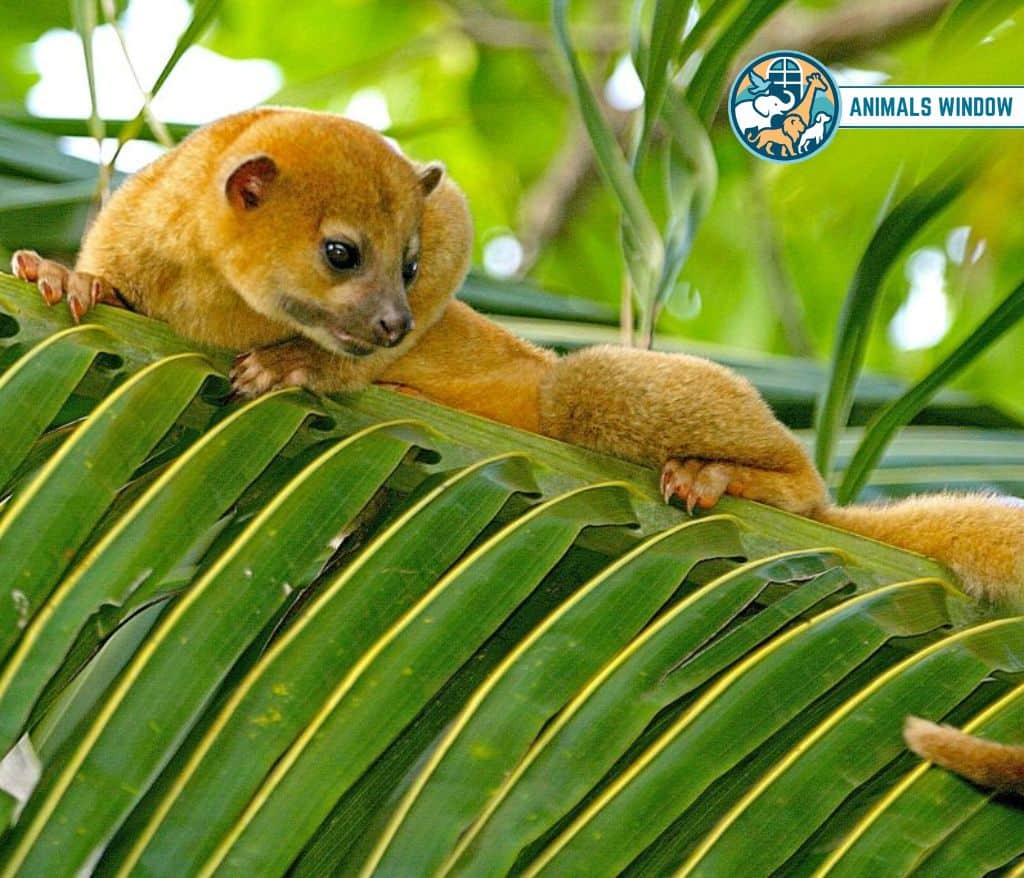
- Scientific name: Potos flavus
- Size: 40–60 cm body length
- Weight: 1.4–4.6 kg
- Diet: Fruit, nectar, honey, small insects
- Habitat: Central and South American rainforests
- Lifespan: Up to 23 years in captivity
The kinkajou is a nocturnal rainforest mammal related to raccoons, though it looks more like a mix between a monkey and a ferret. What makes it particularly effective at reaching honey is its tongue — up to 13 cm long — which it uses to extract nectar from flowers and honey from small bee nests. It doesn’t need to destroy the whole hive to feed.
Kinkajous often target smaller, stingless bee species native to South America, which store honey in waxy pots inside tree cavities. The kinkajou’s slender snout and long tongue let it reach into these cavities without destroying the nest entirely, making it one of the more surgical honey feeders on this list.
🔥 Comparison Fact: A kinkajou’s tongue, stretched out, is roughly the length of a standard ballpoint pen — and almost as thin.
10. Asian Giant Hornet
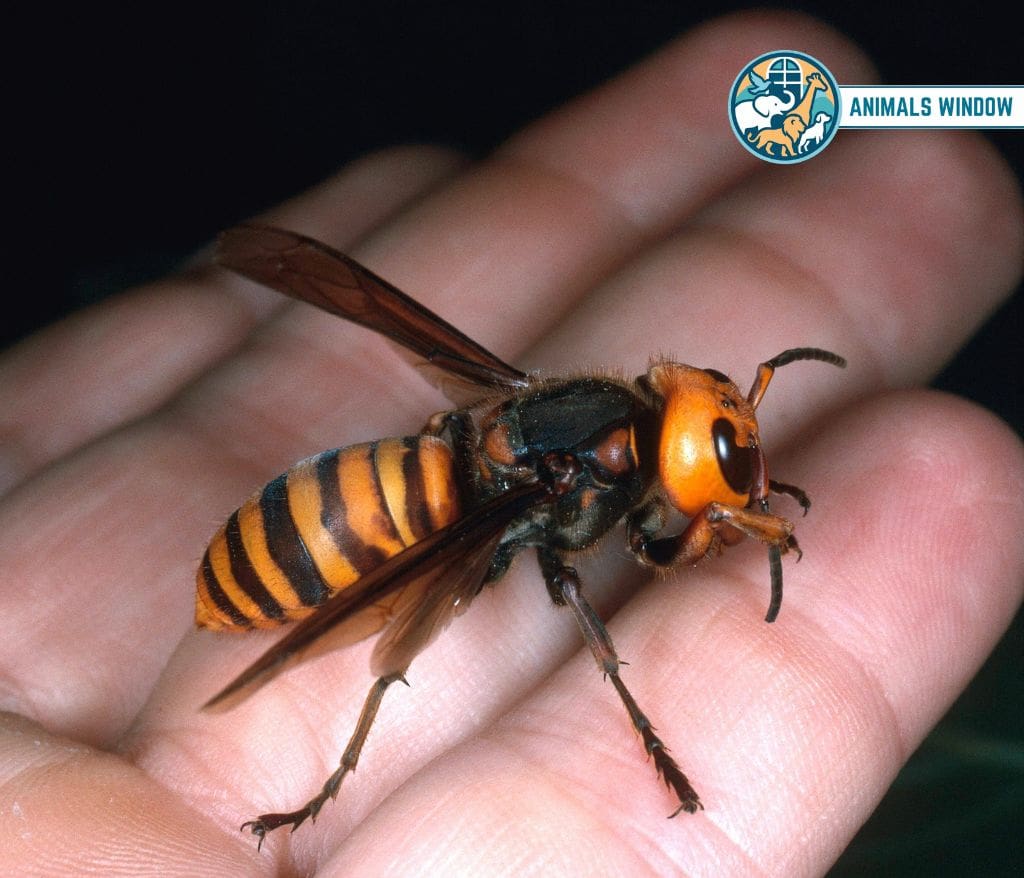
- Scientific name: Vespa mandarinia
- Size: 4–5 cm long
- Weight: About 0.2 grams
- Diet: Insects, bee brood, honey
- Habitat: East and Southeast Asia, parts of Russia
- Lifespan: Workers live a few weeks; queens up to a year
The Asian giant hornet is the largest hornet species in the world. And its method of raiding a beehive is nothing short of brutal. A small scouting party of hornets marks the hive with a chemical signal, then returns with a group of 20–30 workers. Together they can decapitate an entire colony of 30,000 honeybees in about 90 minutes — not to eat the bees, but to access the brood and honey inside.
Japanese honeybees have evolved a defense: they form a ball around invading hornets and vibrate their flight muscles to generate heat up to 47°C — just above the hornet’s heat tolerance limit. European honeybees, which haven’t evolved alongside this predator, have no such defense.
🔥 Comparison Fact: The Asian giant hornet is roughly the length of your thumb — but moves at 40 km/h and carries a stinger over 6 mm long.
11. Tūī
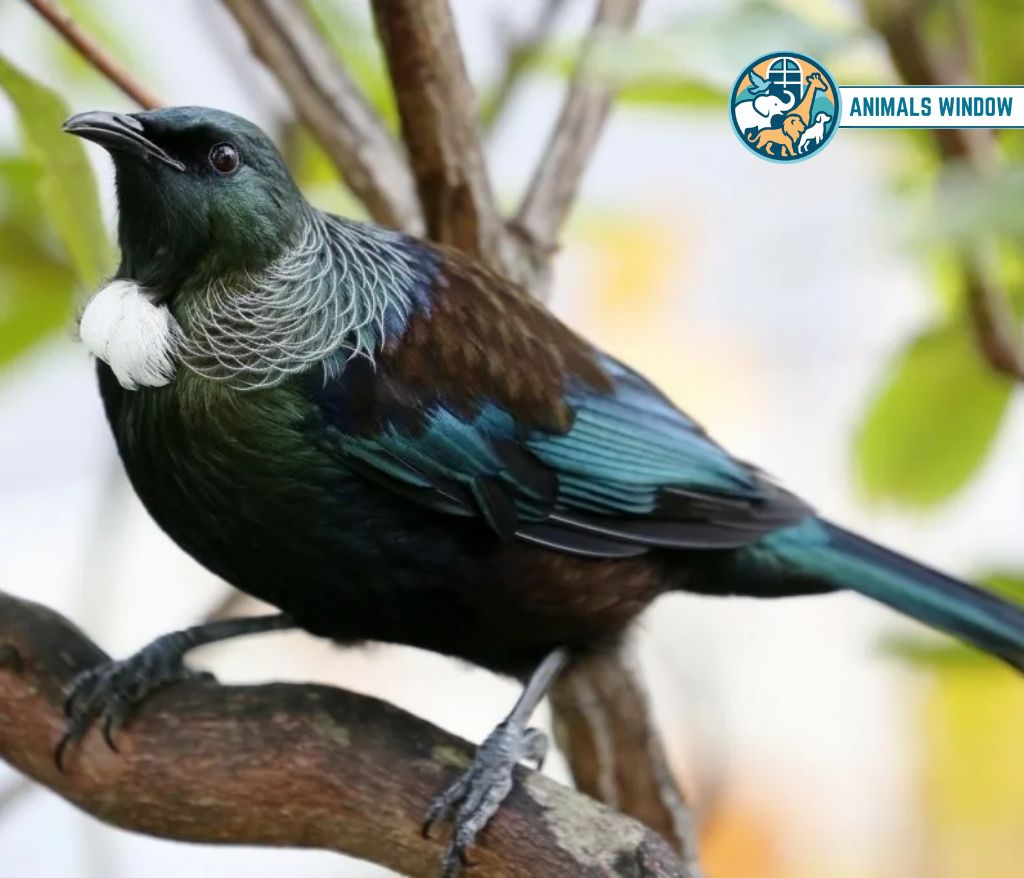
- Scientific name: Prosthemadera novaeseelandiae
- Size: 27–32 cm long
- Weight: 65–120 grams
- Diet: Nectar, fruit, insects, occasionally honey
- Habitat: New Zealand forests and gardens
- Lifespan: Up to 12 years
The tūī is a native New Zealand bird with a curved beak shaped perfectly for reaching into deep flowers. It’s primarily a nectar feeder, and its relationship with honey is indirect — it’s drawn to beehives occasionally when nectar sources are scarce, and it’s known to probe for honey from hive entrances in some observed cases.
What makes the tūī stand out in this list is its role as a pollinator. Its nectar-drinking habit — which provides some of the same nutrients as honey — makes it one of New Zealand’s most important pollinating species. It has two voice boxes, which allows it to produce two distinct sounds simultaneously, giving it one of the most complex bird songs in the world.
🔥 Comparison Fact: A tūī weighs about the same as a large orange — and can mimic human speech well enough to fool people nearby.
12. Opossum
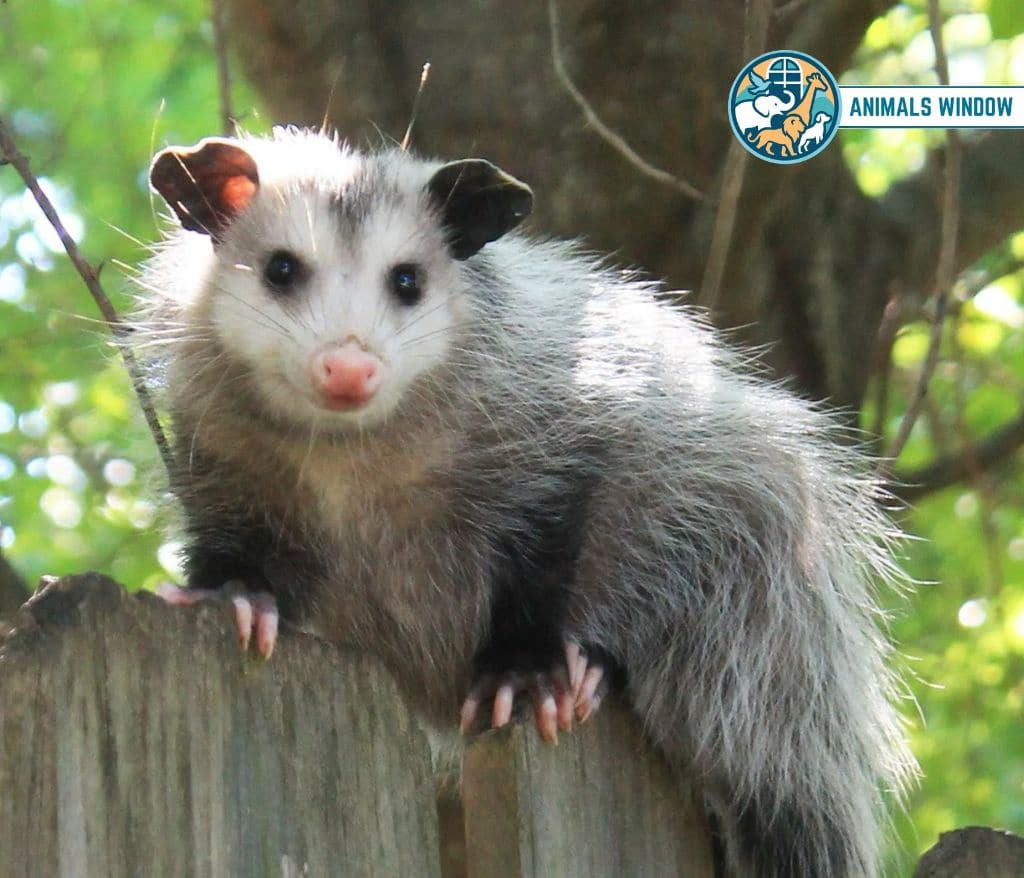
- Scientific name: Didelphis virginiana
- Size: 38–50 cm body length
- Weight: 1.8–6 kg
- Diet: Omnivore — insects, fruit, carrion, honey, small vertebrates
- Habitat: North and Central America
- Lifespan: 2–4 years in the wild
The Virginia opossum is the only marsupial native to North America. It doesn’t go out of its way to find beehives, but it’s an opportunistic feeder that will raid accessible ones — particularly small or weak colonies — when the chance arises. Its rough, coarse fur gives it some protection from bee stings, and its 50-tooth bite (the most teeth of any North American land mammal) makes short work of honeycomb.
What genuinely sets opossums apart from other animals is their immunity to many snake venoms — a trait that scientists have studied as a potential base for anti-venom treatments. That same resilience carries over to bee stings: opossums seem to handle them with minimal reaction.
🔥 Comparison Fact: An adult opossum weighs about the same as a small house cat — but its brain is comparatively tiny, roughly the size of a lime.
13. Coatimundi (Coati)
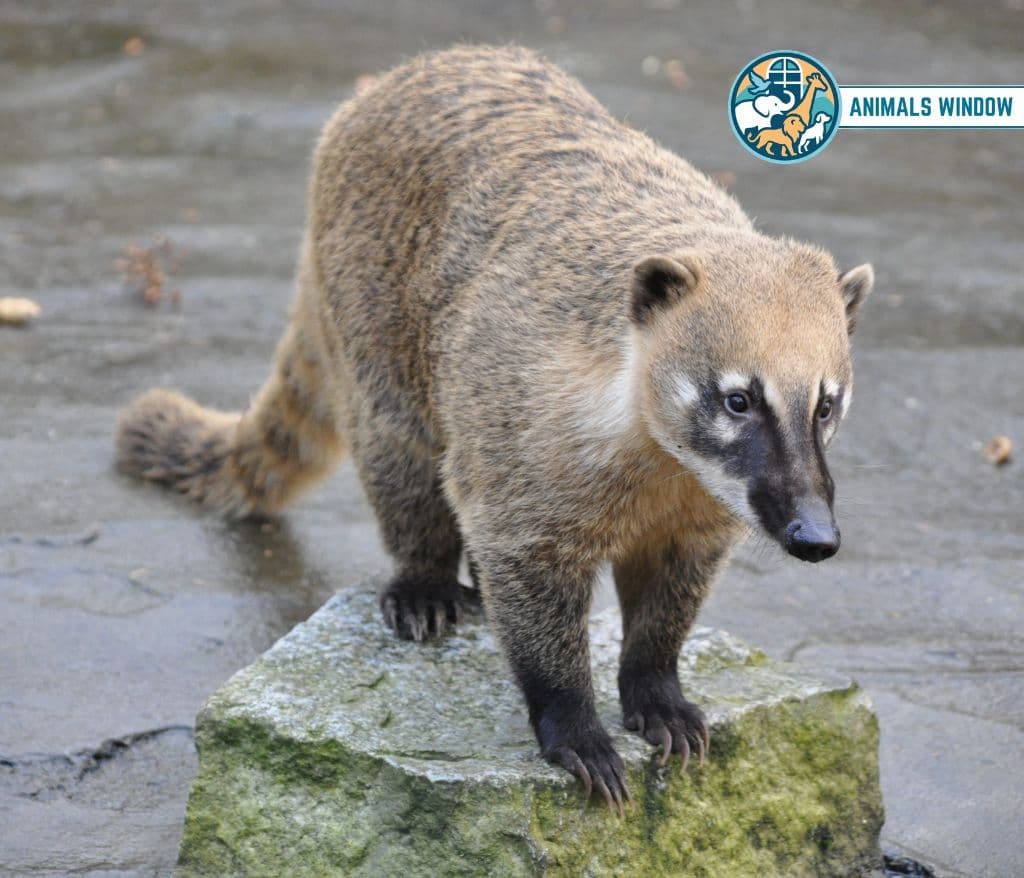
- Scientific name: Nasua nasua
- Size: 41–67 cm body length
- Weight: 3–8 kg
- Diet: Fruits, insects, small vertebrates, honey, eggs
- Habitat: South and Central America, southern North America
- Lifespan: Up to 14 years in captivity
The coatimundi looks like a raccoon with a longer snout and a ringed tail it holds straight up while walking. It uses that long, flexible snout to probe into bark, soil, and crevices for food — including underground bee nests. Its sharp, sturdy claws let it dig quickly, and it will excavate a small ground nest in minutes.
Coatis are one of the few animals on this list that regularly forage in groups — females and young coatis travel in bands of up to 30 individuals. When they encounter a hive, multiple animals can raid it simultaneously, overwhelming the colony’s defense quickly. Males tend to forage alone.
🔥 Comparison Fact: A coatimundi’s snout is nearly twice the length of a raccoon’s — and flexible enough to rotate 60 degrees in any direction.
14. Woodpecker
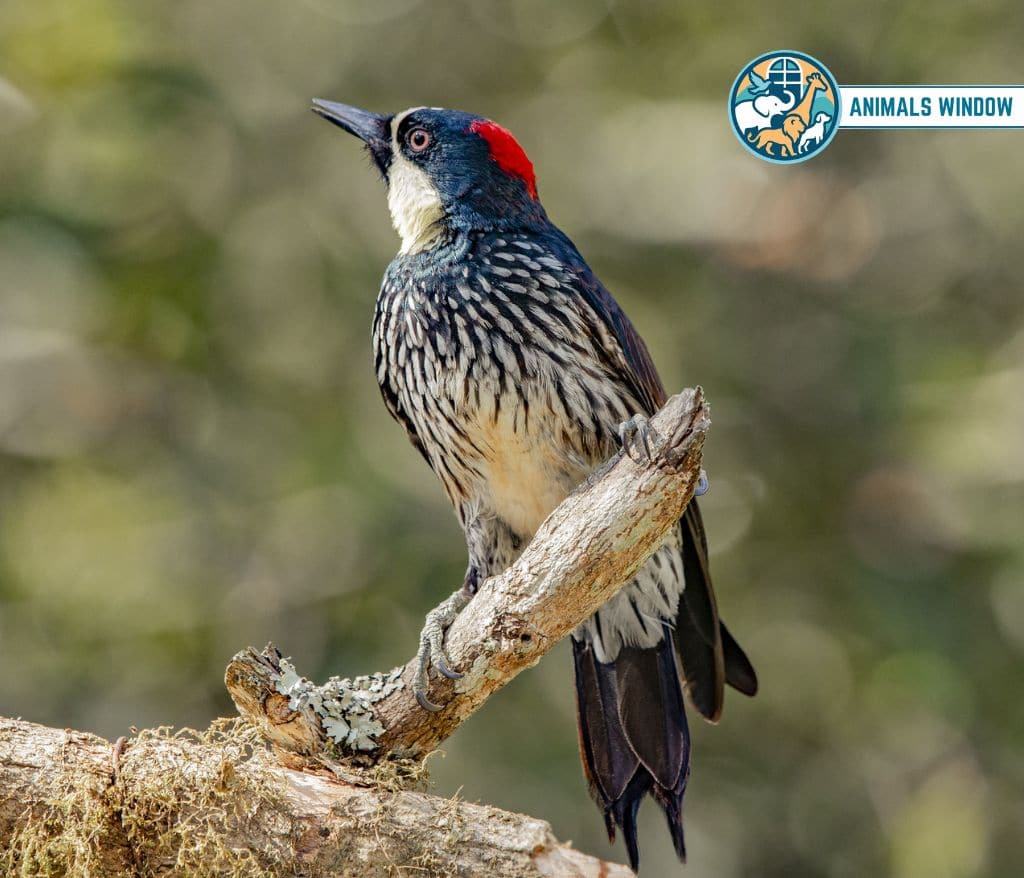
- Scientific name: Melanerpes formicivorus (Acorn Woodpecker)
- Size: 19–23 cm long
- Weight: 65–90 grams
- Diet: Insects, acorns, sap, bee larvae, honey
- Habitat: Western North America and Central America
- Lifespan: Up to 15 years in the wild
Woodpeckers don’t typically target honey directly, but species like the acorn woodpecker will peck into tree cavities that house wild bee colonies to access the comb, larvae, and honey inside. Their bills are chisel-hard and surrounded by a thick skull with spongy bone that absorbs the impact of 20 pecks per second.
The acorn woodpecker specifically creates elaborate “granary trees” where it stores thousands of acorns — but it’s equally skilled at exploiting other food stores, including bee nests. Its tongue wraps around its skull inside its head, which acts as a shock absorber. That’s not a metaphor — the tongue literally encircles the brain.
🔥 Comparison Fact: A woodpecker’s skull absorbs impacts equivalent to hitting your head against a wall at 25 km/h — thousands of times a day, without injury.
15. Yellow Jacket Wasp
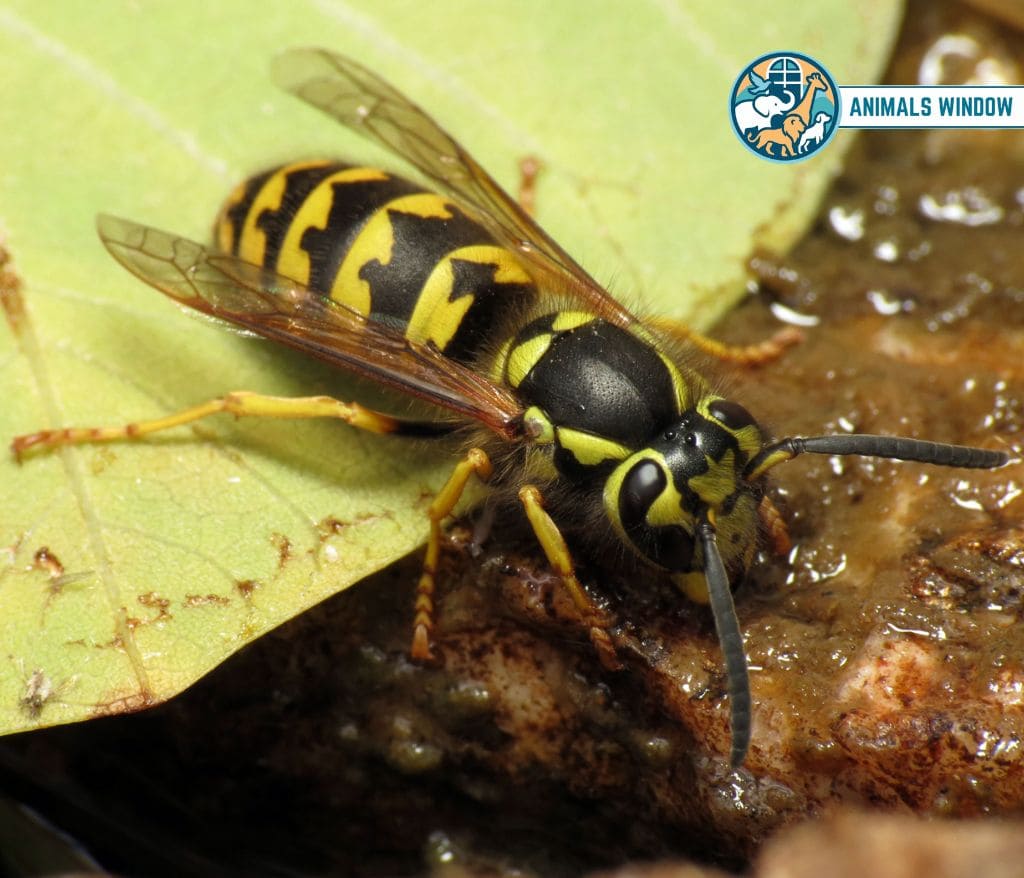
- Scientific name: Vespula squamosa
- Size: 10–16 mm long
- Weight: About 0.1 grams
- Diet: Insects, nectar, honey, sugary substances, meat
- Habitat: Eastern North America, parts of the Caribbean
- Lifespan: Workers live a few weeks; queens overwinter
The yellow jacket doesn’t make honey the way bees do, but it actively steals it from honeybee colonies. These wasps are persistent robbers — they probe hive entrances repeatedly, looking for weak or unguarded spots. Once they find an opening, they will recruit others and begin stealing honey stores directly from the comb, sometimes triggering a full collapse of the bee colony.
Yellow jackets are also scavengers at picnics and garbage cans, which is why they’re commonly mistaken for bees. Unlike bees, yellow jackets can sting multiple times without dying. And unlike hornets, they’re highly aggressive when disturbed around food sources. Their honey theft is really just an extension of their general strategy: take food wherever it’s easiest to find.
🔥 Comparison Fact: A yellow jacket wasp is about the length of a standard staple — yet its venom is potent enough to trigger anaphylactic shock in sensitive humans.
FAQ’s About Honey Eating Animals
Which animal eats the most honey in the wild?
Grizzly bears and sloth bears consume the largest quantities of honey in a single sitting, especially during pre-hibernation feeding seasons. A bear can eat an entire wild hive’s honey stores in one visit.
Do all bears eat honey?
Most bear species will eat honey if they find it, but not all actively seek it. Polar bears, for example, rarely encounter bee colonies. Sloth bears and sun bears are the most specialized honey hunters.
What insect eats honey besides bees?
Yellow jacket wasps, Asian giant hornets, and small hive beetles all eat honey. Wasps steal it, hornets raid hives for brood and honey, and beetles destroy colonies from the inside.
Is honey dangerous for any animals?
Honey is safe for most mammals and birds. But raw honey can contain Clostridium botulinum spores, which is why it’s unsafe for human infants under 12 months. Adult animals with mature digestive systems handle it fine.
Why do animals risk bee stings to eat honey?
Honey is extremely calorie-dense — about 304 calories per 100 grams. For animals that need thousands of calories daily to survive, the reward far outweighs the pain of a few stings, especially for animals with natural skin or fur protection.
Trait Comparison: Honey Stealers vs Honey Destroyers
Some animals take honey without significantly damaging the colony. Others wipe it out entirely. Here’s how they differ:
| Trait | Honey Stealers | Honey Destroyers |
| Examples | Kinkajou, raccoon, tūī, opossum | Small hive beetle, Asian giant hornet, yellow jacket wasp |
| Attack method | Probe, extract, and leave | Infiltrate, breed, overwhelm, or raid in force |
| Colony survival | Colony often survives | Colony frequently dies or collapses |
| Frequency | Occasional visits | Persistent or irreversible damage |
| Bee response | Guard bees can deter them | Guards are killed, overwhelmed, or outpaced |
| Ecological role | Minor disruption | Major population threat to bee colonies |
| Body size | Varies — mostly medium-sized mammals or birds | Varies — from 5 mm beetles to 5 cm hornets |
| Approach timing | Often nocturnal | Day or night depending on species |
The distinction matters for beekeepers. Deterring a raccoon with a hive stand is simple. Stopping a small hive beetle infestation or an Asian giant hornet scout is a completely different challenge — one that requires early detection and sometimes chemical intervention.
Related More Animsals Guides:

I have loved animals since I was a kid. I enjoy reading about how animals live, eat, move, and survive. I started Animals Window to share what I learn in a simple and easy way. I write about animal body parts, size, behavior, diet, habitats, and species. My goal is to make animal facts clear and fun for everyone to understand.