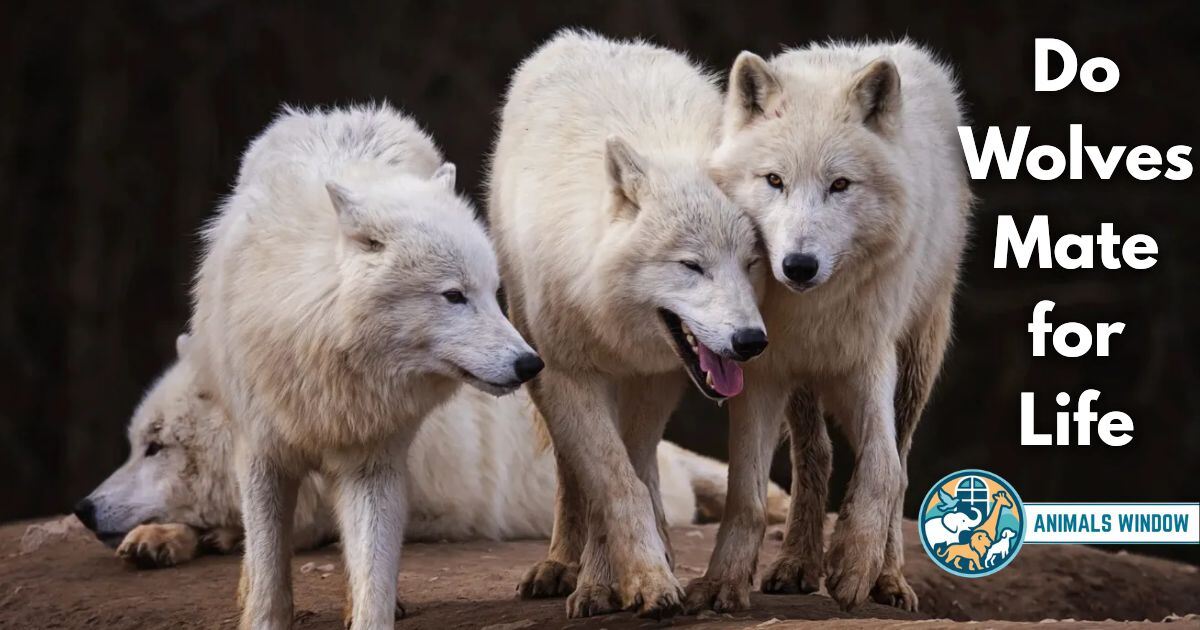
Wolves form strong, lasting bonds with a single partner — but “forever” is rarely the right word in the wild. Most wolf pairs stay together for years, raise pups side by side, and defend territory as a team. What science actually shows is both simpler and more interesting than the romantic version people often believe.
Table of Contents
The Honest Answer: Socially Monogamous, Not Permanently Bonded
Scientists classify wolves as socially monogamous. One male and one female pair up, share a territory, and raise offspring together. This is genuinely unusual — monogamy exists in only 3–9% of mammal species, compared to roughly 90% of bird species, yet it appears across all canids.
Social monogamy, though, is not the same as a lifelong unbreakable bond. On average, wolf pairs stay together for about 2.2 years — though one documented wolf couple in Idaho remained together for at least nine years, which researchers described as basically an eternity for a species considered ancient at 13.
Wolves are loyal partners. But they are not sworn to each other beyond death.
What a Wolf Pack Actually Is
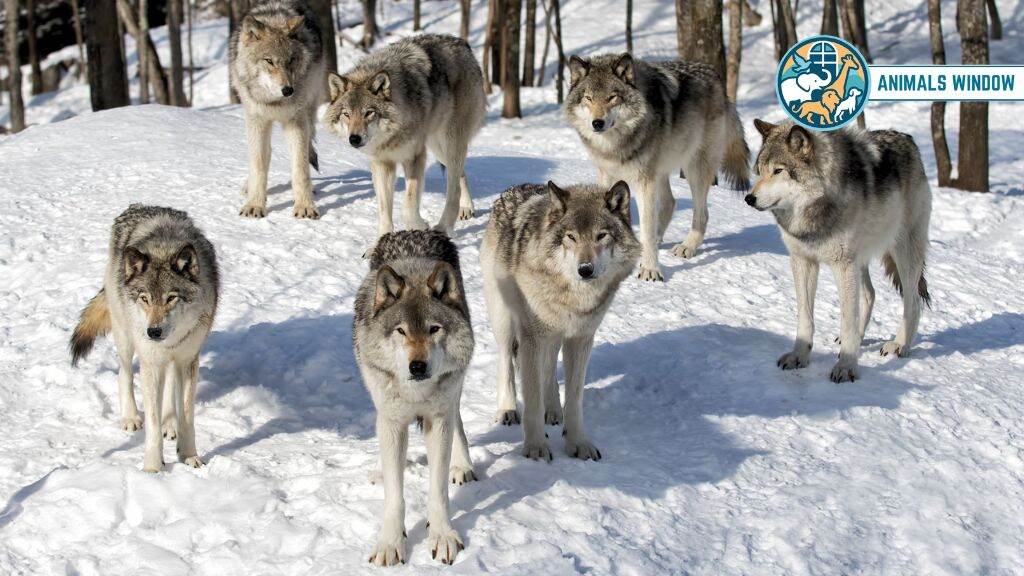
Most people imagine a wolf pack as a rigid dominance hierarchy. Field research tells a different story.
Gray wolves are cooperatively breeding social carnivores whose packs typically consist of a breeding pair and their subordinate offspring. The younger wolves in the group are not followers of a dominant stranger — they are the breeding pair’s own adult children, still traveling with their parents.
The terms “alpha male” and “alpha female” have fallen out of favor among researchers precisely because they imply a power struggle that does not reflect how most packs function. Leadership comes from experience and family bonds, not conquest.
The social hierarchy plays a significant role in reproduction — the dominant pair is usually the only one that breeds. Subordinate wolves, often the breeding pair’s grown pups, suppress their own reproductive behavior while remaining in the group. Most eventually leave to find an unrelated partner and start their own pack.
Wolf Breeding Season: Timing and Courtship
When Wolves Breed
Wolf breeding is compressed into January through April, with February and March being peak months for North American populations. Timing shifts by latitude — higher latitudes breed later, waiting for conditions that support pup survival. Females enter estrus only once annually, a window lasting just 5 to 7 days. Gestation runs 60 to 63 days. (Source- N.I.M.R.O.D.S)
Pups born in spring arrive when prey is more available and severe weather has eased — giving young wolves the best possible start. That narrow estrus window is why stable, tested pair bonds matter so much. Wolves cannot afford to spend that week negotiating a new relationship.
Courtship Comes First
Wolf courtship is not a brief event before mating. Bonding behaviors begin roughly two months before estrus, including close sleeping, following, nuzzling, parallel-walking, wrestling, sniffing, and increased scent marking. (Source- International Environment Library Consortium)
Physical interactions like nuzzling, licking, and playful chasing help wolves assess each other’s physical condition and readiness for breeding. An established pair skips that evaluation entirely — they already know each other. This is a measurable advantage when the breeding window is only days wide.
The Science of Wolf Pair Bond Duration
A study tracking 153 wolf pairs in the Scandinavian population over 14 winters found that both external factors — primarily human-caused mortality — and internal factors such as inbreeding between partners significantly affected how long pairs stayed together. (Source- nih)
The male’s age mattered more than the female’s in predicting pair bond duration, likely because males tend to have lower survival rates in the population. Most pair bonds end because one wolf — usually the male — dies. Not because the pair chose to separate.
Research by David Ausband at the University of Idaho found that longer-lasting pair bonds produced better reproductive outcomes. Pairs that stayed together raised more pups that survived to independence. Wolf monogamy is not sentiment. It is a survival strategy built through familiarity, coordination, and accumulated trust. (Source- Spokesman-Review)
What Happens When a Wolf Loses Its Mate?
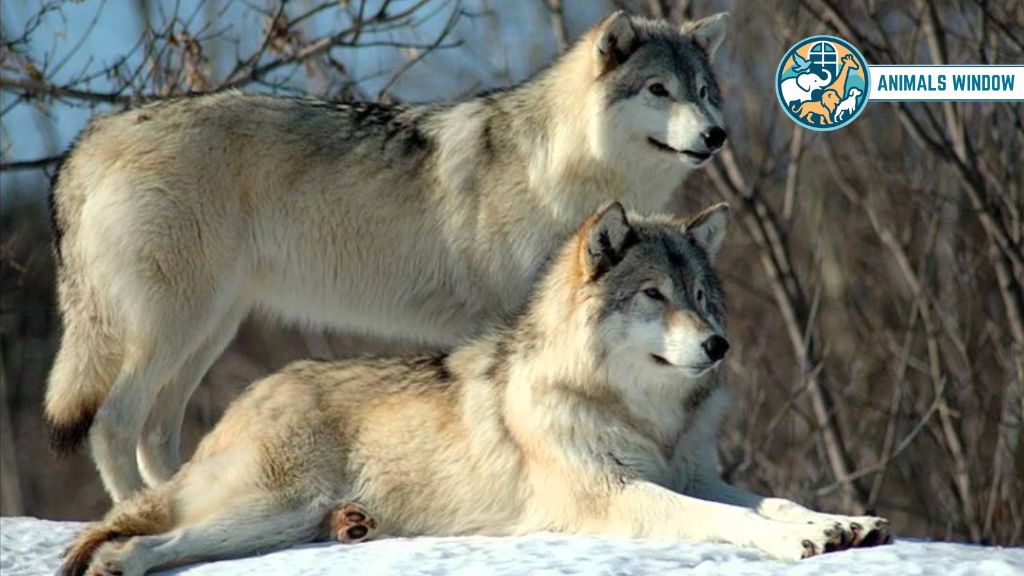
A surviving wolf does not stay alone indefinitely. When a mate dies, wolves tend to move on and search for a new partner relatively quickly. Older wolves or those no longer capable of reproducing may not seek another mate — the primary purpose of the bond is breeding, and that shapes how urgently a wolf pursues a replacement.
Yellowstone records document this directly. Wolf 035M left his original pack after his mate died, later formed a new pair bond, and produced six pups. Separate Yellowstone data showed that in 77% of cases where a pack dissolved, the dissolution was preceded by the death of a breeder. (Source- Tumblr)
That second figure is significant. Losing one partner does not just affect the two wolves involved — it often unravels the entire pack. The pair bond is the load-bearing structure of wolf social life.
Can Wolves “Divorce”?
Rarely, but yes. Separations between healthy wolves do occur, though they are statistically uncommon. They tend to follow repeated breeding failure or the arrival of a more genetically compatible mate in the territory.
Yellowstone fieldwork also documented a striking case of active mate replacement. Three males from an outside pack entered established pack territory and were accepted as new breeding partners by the resident females within days. The females appeared to prefer the new males because they were genetically unrelated — wolves actively avoid breeding with close relatives.
This reveals something rarely acknowledged: female wolves make deliberate, active mate choices. Genetic diversity, not loyalty alone, can drive those decisions.
How Wolf Parents Raise Pups Together
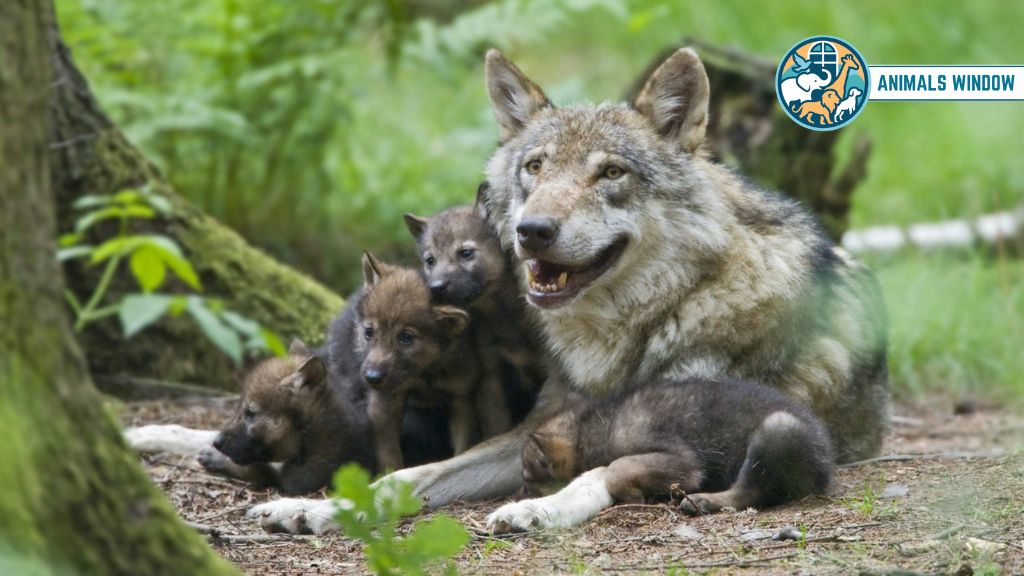
Pups are born in April or May and spend their first eight weeks in a den before being moved to rendezvous sites. Throughout pup-rearing season, both breeding wolves and subordinate pack members provision pups and guard them at homesites. Breeding individuals contribute more than subordinates.
Breeding wolves showed shorter prey handling times and returned to homesites more quickly after kills — suggesting the pair actively prioritizes feeding pups. When prey became scarce, however, adult wolves met their own energy needs first.
The father does not disappear after mating. He hunts, returns food to the den, guards the territory, and participates in teaching pups. Subordinate pack members — the pair’s older offspring — also bring food to the mother and pups and help protect them once pups are old enough. The whole family raises each litter.
Why Wolves Bond When Most Mammals Don’t
The strong link between monogamy and paternal care in canids, particularly wolves, contributed to an early scientific view that joint parental care drives the evolution of monogamy in mammals.
Wolf pups are born blind and helpless, requiring intense care for months. One parent cannot hunt and guard the den at the same time. Two committed parents — plus a cooperative extended family — dramatically improve the odds that pups survive to adulthood. Wolves bond because pup survival requires it.
Domestic dogs lost this trait through thousands of years of human management. Once humans provided food, shelter, and protection, dogs had no biological need for pair-bonded parenting. Their mating behavior shifted toward opportunistic reproduction as a result.
| Feature | Wild Wolves | Domestic Dogs |
| Mating system | Socially monogamous | Polygamous / opportunistic |
| Male parental care | Active and essential | Minimal to none |
| Breeding frequency | Once per year | Up to twice per year |
| Pair bond duration | Months to years | Typically none |
| Pack structure | Family-based | Human-dependent |
Wild Wolves vs. Captive Wolves
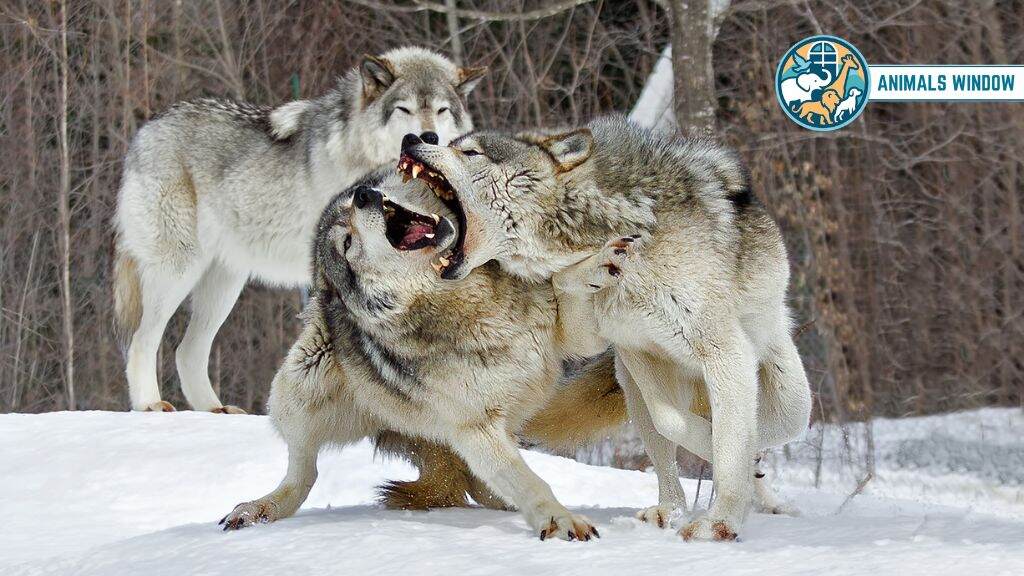
Captive wolves housed with unrelated individuals sometimes show more competition and aggression around mating than wild packs do. Natural packs form around a breeding pair and their offspring — that family structure creates built-in social stability that artificially assembled groups lack.
Much of the “alpha dominance” mythology in popular culture came from early captive-setting observations. Those studies described behavior shaped by confinement and unfamiliar groupmates, not natural wolf society. Wild wolf leadership looks more like a parent managing a family than a general commanding troops.
Common Myths, Corrected
Myth: Wolves always mate for life, no exceptions.
Most wolf pairs stay together as long as both survive and breed successfully. If one partner dies or the pair fails to reproduce repeatedly, the bond ends.
Myth: A wolf whose mate dies will never bond again.
Field research contradicts this directly. Surviving wolves — especially younger ones — actively seek new partners. Pack survival often depends on it.
Myth: The alpha male controls mating through aggression.
In natural wild packs, the breeding male is almost always the father of the group’s younger wolves. The position comes from family structure, not combat.
Myth: Female wolves have no say in mate selection.
Female wolves incur greater reproductive costs than males and appear to select mates carefully, with genetic compatibility playing a documented role in their choices.
Which Other Mammals Mate for Life?
Wolves sit in rare company. Other notable examples include beavers, prairie voles, gibbons, coyotes, and Ethiopian wolves — one of the rarest canids on earth.
Worth noting: genetic monogamy, meaning complete sexual exclusivity, is actually rare even among pair-bonded species. Both males and females in many socially monogamous animals employ flexible mating strategies within and across breeding periods. “Mating for life” in biology usually means raising young together — not never mating with anyone else.
Common FAQ’s About Wolves Mate For Life
How do wolves find a mate in the first place?
Young wolves leave their birth pack between ages one and three and disperse — sometimes hundreds of miles — until they find an unrelated wolf to pair with. The two then establish a new territory together and form a new pack.
How many wolves in a pack actually breed?
Usually just two — the dominant male and female. Other pack members are suppressed from breeding and either wait or leave to find their own mate elsewhere.
Does a longer pair bond really help pup survival?
Yes. Research confirms that pairs who stayed together longer raised more pups that survived. Familiarity between mates improves hunting coordination, pup feeding, and territory defense.
Are wolves monogamous the same way birds are?
Not quite. Most birds show genetic monogamy — full sexual exclusivity. Wolves are socially monogamous — they share a territory and raise young together — but complete genetic exclusivity is not guaranteed.
How do wolves communicate with their mate specifically?
Through body posture, scent marking, direct eye contact, nuzzling, and resting together. These signals between bonded pairs are distinct from how wolves interact with the rest of the pack.
Do captive wolves behave differently from wild wolves when it comes to mating?
Yes. Captive groups are often assembled from unrelated individuals, which creates more competition and instability. Wild packs are family units, which makes their social and mating behavior fundamentally different.
The Takeaway
Do wolves mate for life? Most of the time, yes — but not unconditionally. Wolf pair bonds are real, stable, and biologically purposeful. Established pairs raise more pups, defend territory more effectively, and coordinate more successfully than pairs that change partners frequently. The bond lasts because it works.
But when a mate dies, a surviving wolf moves on. When a pair fails to reproduce, separation can follow. And female wolves make active, strategic choices about who they pair with. Wolf loyalty is genuine — it is simply grounded in survival rather than sentiment, which makes it no less real and arguably more impressive.
Read More Animals Guides:

I have loved animals since I was a kid. I enjoy reading about how animals live, eat, move, and survive. I started Animals Window to share what I learn in a simple and easy way. I write about animal body parts, size, behavior, diet, habitats, and species. My goal is to make animal facts clear and fun for everyone to understand.