The strongest and toughest animals on Earth dominate through raw muscle power, pound-for-pound force, biological resilience, climate endurance, and combat armor. From the African Bush Elephant lifting loads heavier than a pickup truck to the microscopic Tardigrade surviving the vacuum of space, these animals redefine what strength means in the natural world.
Table of Contents
Quick List of World’s Strongest and Toughest Animals
- African Bush Elephant
- Gorilla
- Grizzly Bear
- Horned Dung Beetle
- Leafcutter Ant
- Leopard
- Tardigrade (Water Bear)
- Honey Badger
- Weta
- Bactrian Camel
- Emperor Penguin
- Mountain Goat
- Saltwater Crocodile
- Cape Buffalo
- Hippopotamus
Why the Strongest Animals Are Nothing Like You’d Expect
A beetle the size of your thumbnail pulls a load 1,141 times its own body weight. That’s like a person dragging six double-decker buses down the street. At the same time, a creature smaller than a grain of sand floats in outer space — completely alive.
Strength isn’t always about massive muscles or sharp teeth. Sometimes it’s skin so thick that a lion’s claws don’t scratch it. Sometimes it’s a body that freezes solid, thaws out, and keeps walking.
In this list, you’ll meet animals with bite forces that crush bone like a cracker, a penguin that fasts for four months in Antarctic blizzards, and a goat that navigates vertical rock faces using hooves engineered better than any climbing boot. Each animal gets one unique angle — the single trait that makes it genuinely unbeatable in its own category.
Absolute Land & Structural Strength Animals
1. African Bush Elephant

- Scientific Name: Loxodonta africana
- Size: Up to 13 feet tall at the shoulder
- Weight: 10,000–14,000 lbs (4,500–6,350 kg)
- Diet: Herbivore — grasses, bark, fruit, roots
- Habitat: Savannahs, forests, and wetlands of sub-Saharan Africa
- Lifespan: 60–70 years in the wild
The African Bush Elephant is the strongest land animal by absolute lifting capacity. A single elephant can carry up to 19,000 pounds using its trunk — a structure containing over 40,000 individual muscle units, more than the entire human body holds in total.
What most lists don’t mention: that same trunk that uproots a full-grown tree can pick up a single grape without breaking it. This combination of brute force and fine motor control is found nowhere else in the animal kingdom at this scale.
Elephants have also been observed selecting and using specific sticks to scratch unreachable body spots — tool use backed by the strongest limb on land.
🔥 Comparison Fact: An elephant’s trunk holds up to 2.5 gallons of water at once — roughly the weight of a full office water cooler jug, lifted with one boneless limb.
2. Gorilla
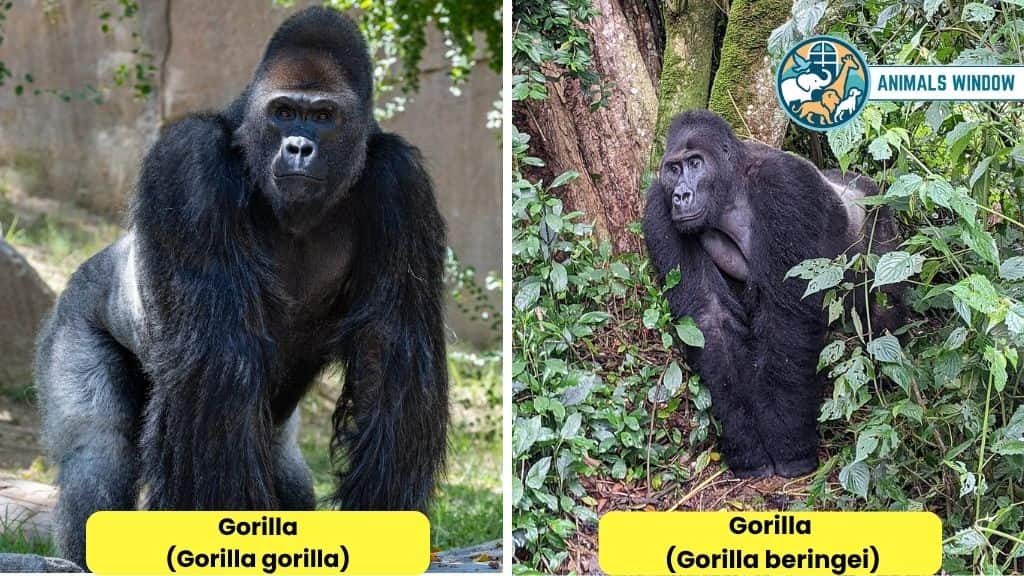
- Scientific Name: Gorilla gorilla / Gorilla beringei
- Size: 4.5–5.9 feet tall (standing)
- Weight: 300–440 lbs (136–200 kg)
- Diet: Herbivore — leaves, stems, fruit, bark
- Habitat: Tropical and subtropical forests of Central Africa
- Lifespan: 35–40 years in the wild
The Gorilla is the strongest primate on Earth, with upper-body strength estimated at roughly 10 times that of an adult male human. A silverback can lift or throw objects up to 1,800 lbs — without effort that would even raise its heart rate.
The structural reason: gorillas have exceptionally dense forearm tendons that function like biological ratchet straps, locking force into position without sustained muscle activation. This is why a gorilla’s grip is nearly unmatchable among primates. And yet, silverbacks almost never fight. Chest-beating serves as a display that almost always ends conflict before it starts — because the opponent already knows it will lose.
🔥 Comparison Fact: A gorilla’s arm span reaches 8.5 feet — wider than a full-size sedan is long.
3. Grizzly Bear
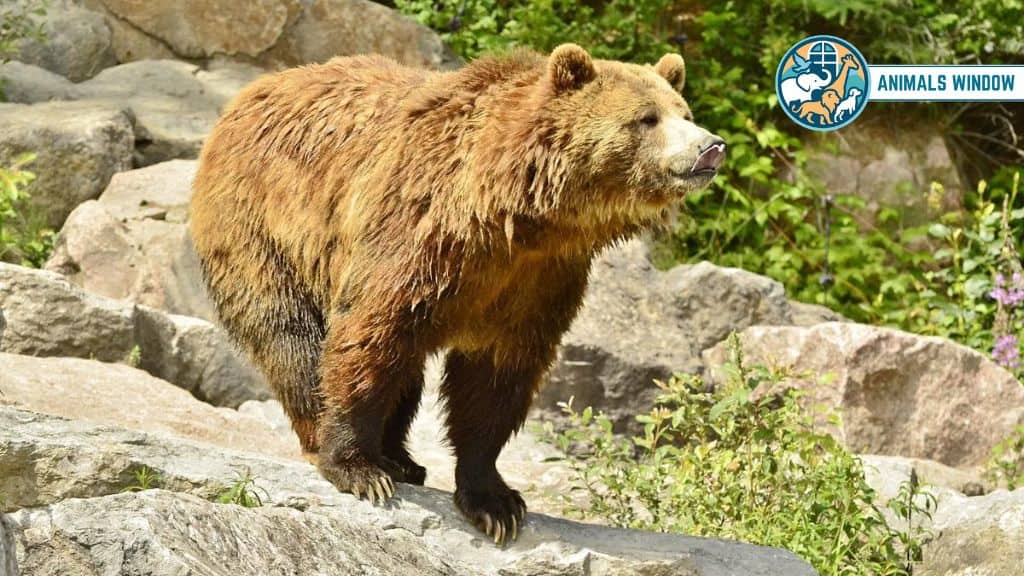
- Scientific Name: Ursus arctos horribilis
- Size: 5–8 feet long; up to 3.5 feet at the shoulder
- Weight: 400–790 lbs (180–360 kg)
- Diet: Omnivore — fish, berries, roots, deer, elk
- Habitat: Mountain forests and tundra of North America
- Lifespan: 20–25 years in the wild
A single paw swipe from a Grizzly Bear delivers over 2,500 lbs of impact pressure — enough to snap a moose’s neck or collapse an elk’s spine in one strike. Their 4-inch claws are built less like weapons and more like heavy excavation tools, designed for digging, not slashing.
What separates grizzlies from other powerful animals is skeletal density. Their skull carries a pronounced sagittal crest — a raised bone ridge — that anchors jaw muscles large enough to generate around 1,200 PSI of bite force.
During fall hyperphagia, grizzlies consume up to 20,000 calories per day, gaining roughly 3 lbs of fat daily to fuel months of winter dormancy. That metabolic capacity alone is a form of biological power most animals can’t replicate.
🔥 Comparison Fact: A grizzly’s bite force of ~1,200 PSI is enough to crush a bowling ball — more than six times a human’s maximum bite.
Relative Pound-for-Pound Strength Animals
4. Horned Dung Beetle
- Scientific Name: Onthophagus taurus
- Size: 0.3–0.6 inches (8–15 mm)
- Weight: Less than 0.1 oz (around 2 grams)
- Diet: Animal dung
- Habitat: Grasslands and farmlands across Europe, North Africa, and North America
- Lifespan: 3–5 years
The Horned Dung Beetle holds the official world record for relative strength — pulling 1,141 times its own body weight in a controlled scientific study. No other animal has matched this figure. For scale, that’s equivalent to a 180-lb person pulling over 90 tons.
This extreme strength evolved through competition, not predation. Males fight inside narrow underground tunnels for mating access. The beetle that generates the most lateral pushing force in a confined space wins.
Over thousands of generations, this single evolutionary pressure produced legs that function like hydraulic pistons — short, wide, and mechanically optimized for maximum force output in tight spaces.
🔥 Comparison Fact: This beetle is roughly the size of a large blueberry, yet outpulls every animal on this list by relative body strength.
5. Leafcutter Ant

- Scientific Name: Atta cephalotes
- Size: 0.04–0.7 inches (worker to soldier)
- Weight: 1–3 milligrams (workers)
- Diet: Fungus cultivated from cut leaf material
- Habitat: Tropical and subtropical forests of Central and South America
- Lifespan: Workers: weeks to months; Queen: up to 20 years
Leafcutter ants carry leaf fragments up to 50 times their own body weight across rough terrain and up vertical surfaces without slowing. But here’s the part that changes the whole picture: they don’t eat the leaves. They’re farming.
Cut leaves go into underground chambers where ants chew them into a paste and cultivate a specific fungus — the only food source the colony actually eats. This makes the leafcutter ant one of the few non-human animals to practice agriculture. Their mandibles operate on a bio-mechanical lever system that engineers have studied directly for micro-robotic jaw design. The cutting force per unit of muscle tissue exceeds what most insects can generate.
🔥 Comparison Fact: A leafcutter ant carrying its load is the equivalent of a person hauling a grand piano up three flights of stairs — without stopping.
6. Leopard
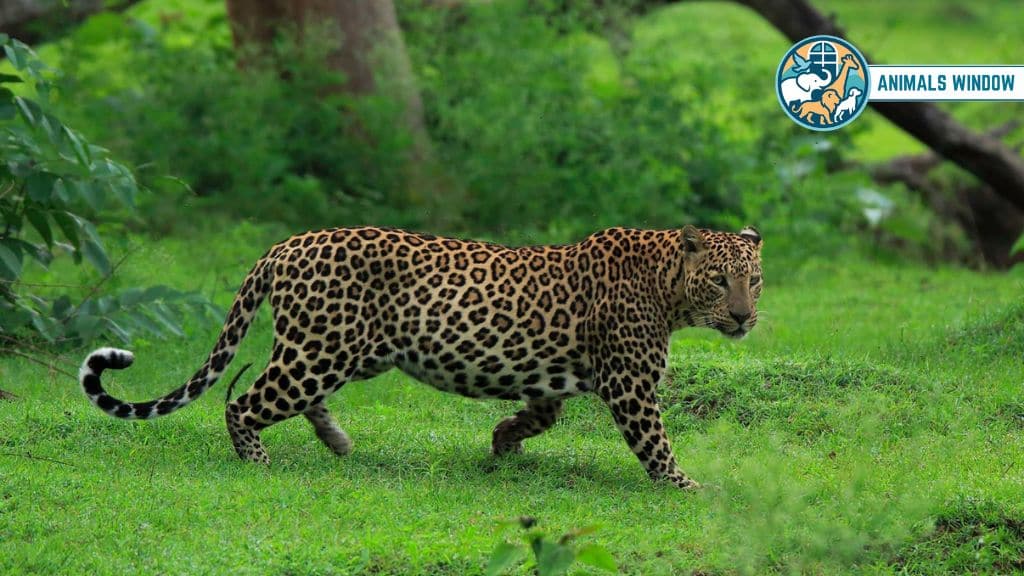
- Scientific Name: Panthera pardus
- Size: 3.7–6.2 feet long (body); tail adds another 2–3.5 feet
- Weight: 66–176 lbs (30–80 kg)
- Diet: Carnivore — antelope, deer, warthogs, baboons, smaller mammals
- Habitat: Sub-Saharan Africa, parts of Asia
- Lifespan: 12–15 years in the wild
The Leopard is the pound-for-pound strongest big cat, capable of hoisting prey up to three times its own body weight vertically into a tree — using only its neck and shoulder muscles. No assistance. Straight up a vertical trunk.
This comes from an unusually high ratio of fast-twitch muscle fibers packed into a compact frame. Leopards have more of these power fibers per kilogram than lions or tigers. Tree-hoisting isn’t showing off — it’s survival.
Lions and hyenas regularly steal kills from cheetahs and wild dogs on the ground. A leopard in a tree is the only big cat whose meal is safe. It can reach a branch 15 feet off the ground in under three seconds while carrying a full-grown impala.
🔥 Comparison Fact: A leopard hoisting prey is equivalent to a 150-lb person climbing a rope ladder while gripping a refrigerator in their teeth.
Extreme Biological & Environmental Resilience Animals
7. Tardigrade (Water Bear)
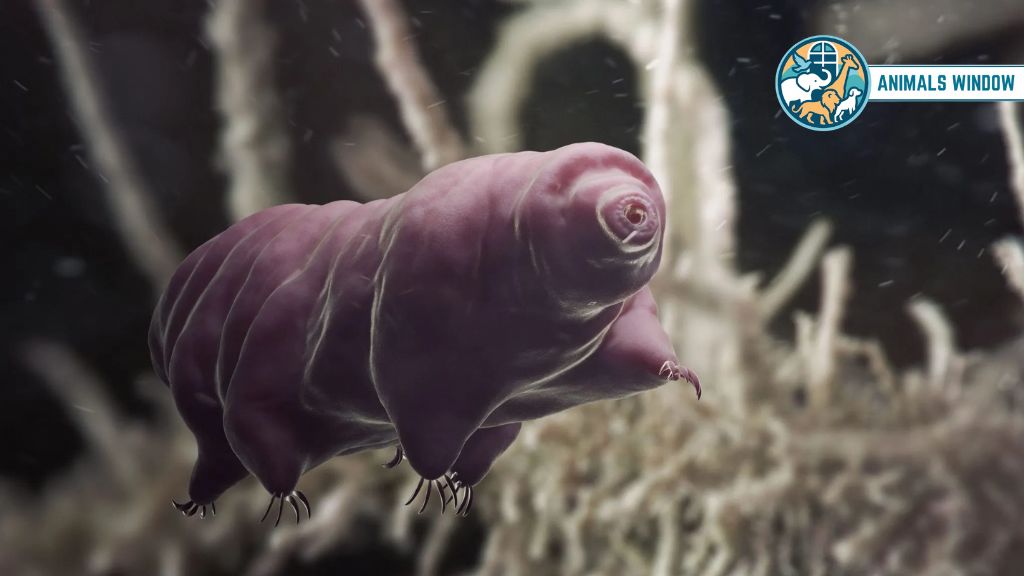
- Scientific Name: Ramazzottius varieornatus (among many species)
- Size: 0.1–1.5 mm
- Weight: Microscopic — roughly 1–10 micrograms
- Diet: Algae, bacteria, plant cells, and other microscopic organisms
- Habitat: Every continent — mosses, leaf litter, ocean floors, freshwater, and outer space
- Lifespan: Up to 30 years (including dormancy periods)
The Tardigrade isn’t strong by force. It’s the most biologically indestructible organism ever confirmed. It survives temperatures from −459°F (near absolute zero) to 300°F.
It withstands pressure six times deeper than the ocean’s deepest trench. It absorbs radiation doses thousands of times the human lethal threshold. It was recovered alive after direct exposure to open outer space.
The mechanism is cryptobiosis — the tardigrade expels nearly all body moisture, retracts its limbs, and collapses into a dormant barrel shape called a “tun.” Metabolism drops to 0.01% of normal.
Simultaneously, it produces Dsup proteins — molecules that physically wrap around its DNA strands to block radiation-induced strand breaks. No other multicellular animal produces this protein class. Scientists are actively studying Dsup for applications in cancer radiation therapy and DNA preservation.
🔥 Comparison Fact: A tardigrade in cryptobiosis is smaller than the period at the end of this sentence — yet it has survived conditions that would end most life on Earth.
8. Honey Badger

- Scientific Name: Mellivora capensis
- Size: 22–30 inches long
- Weight: 13–30 lbs (6–14 kg)
- Diet: Omnivore — honey, bee larvae, snakes, scorpions, roots, fruit
- Habitat: Africa, the Middle East, and the Indian subcontinent
- Lifespan: Up to 24 years in captivity; 7–8 years in the wild
The Honey Badger’s skin is 6mm thick and structurally loose — loose enough that when a lion grabs it by the back, the honey badger physically rotates inside its own skin to bite the attacker’s face. Porcupine quills don’t penetrate deeply enough to disable it. Bee stings register as minor irritants. Documented field observations record honey badgers bitten by black mambas, losing consciousness briefly, then reviving and continuing to consume the snake.
What rarely gets discussed: honey badger front claws are proportionally longer than a grizzly bear’s relative to body size. They’re used to rip open underground bee colonies, tear through termite mounds, and pry apart tortoise shells. In captivity, honey badgers have manipulated latched gates and tool handles to escape enclosures — combining physical toughness with problem-solving that keeps handlers consistently surprised.
🔥 Comparison Fact: A honey badger weighs about as much as a large house cat, but its hide is thick enough to resist a machete strike without deep penetration.
9. Weta
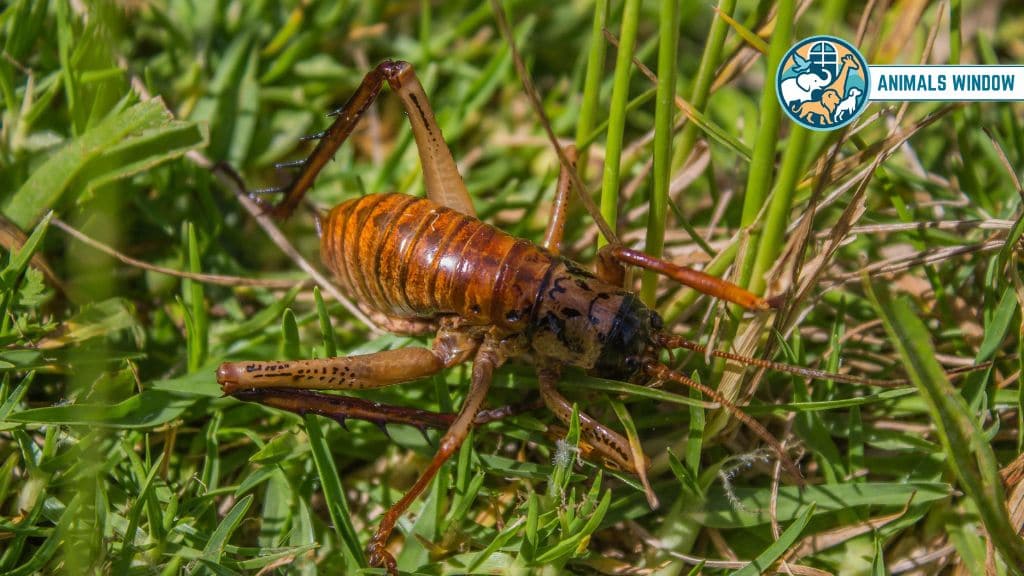
- Scientific Name: Deinacrida heteracantha (Giant Weta)
- Size: Up to 4 inches (body length)
- Weight: Up to 2.5 oz (71 grams) — the heaviest insect on Earth
- Diet: Herbivore — leaves, flowers, fruit, lichens
- Habitat: Native forests of New Zealand, particularly Little Barrier Island
- Lifespan: Up to 2 years
The Giant Weta is the heaviest insect on Earth — heavier than many small birds. But its place among the most resilient creatures on the planet comes from one ability almost no other animal shares: it survives complete internal freezing.
On cold alpine nights in New Zealand, a weta’s body temperature drops below 32°F. Ice crystals form inside its cells. Come morning, it thaws and resumes normal activity. This works because weta blood contains cryoprotectant proteins — biological antifreeze compounds that prevent ice from rupturing cell membranes during the freezing process.
Scientists have been extracting and studying these proteins for direct application in human organ preservation and surgical cryoprotection — fields where maintaining cell integrity during freezing is an unsolved medical challenge.
🔥 Comparison Fact: The Giant Weta weighs roughly as much as three AA batteries stacked together — making it heavier than some hummingbirds.
Extreme Climate & Harsh Habitat Endurance Animals
10. Bactrian Camel
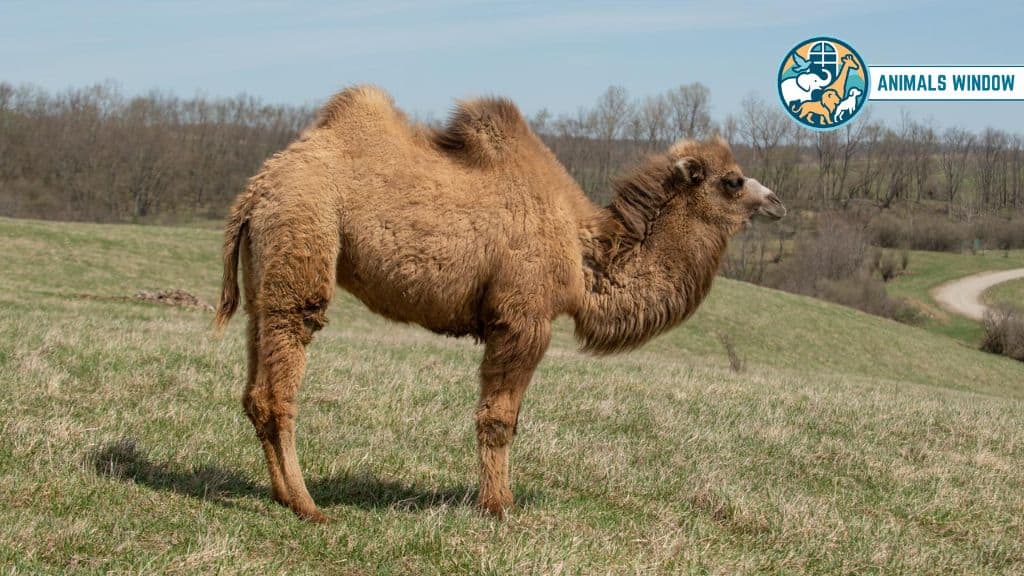
- Scientific Name: Camelus bactrianus
- Size: 7–11.5 feet long; up to 7.5 feet at the hump
- Weight: 660–2,200 lbs (300–1,000 kg)
- Diet: Herbivore — thorny plants, dry grasses, saltbush, and even snow for hydration
- Habitat: Central Asian steppes and the Gobi Desert
- Lifespan: 40–50 years
The Bactrian Camel survives conditions that would kill most animals in 72 hours. It goes up to two weeks without water in extreme heat, then rehydrates by drinking 30 gallons in 13 minutes. Its core body temperature fluctuates by up to 14°F across a single day — a controlled thermal buffering system that reduces sweat output dramatically compared to other large mammals.
The humps store fat, not water — up to 80 lbs per hump — metabolized for energy when food disappears. As fat depletes, the humps visibly lean and soften. In Gobi winters, temperatures hit −40°F, and the camel grows a dense double coat shed entirely each spring.
Its nostrils seal shut during sandstorms. Its split upper lip lets it strip and eat thorned desert plants that would shred any standard mammal’s mouth lining.
🔥 Comparison Fact: A Bactrian camel rehydrating after drought drinks the equivalent of four full bathtubs of water in a single session.
11. Emperor Penguin
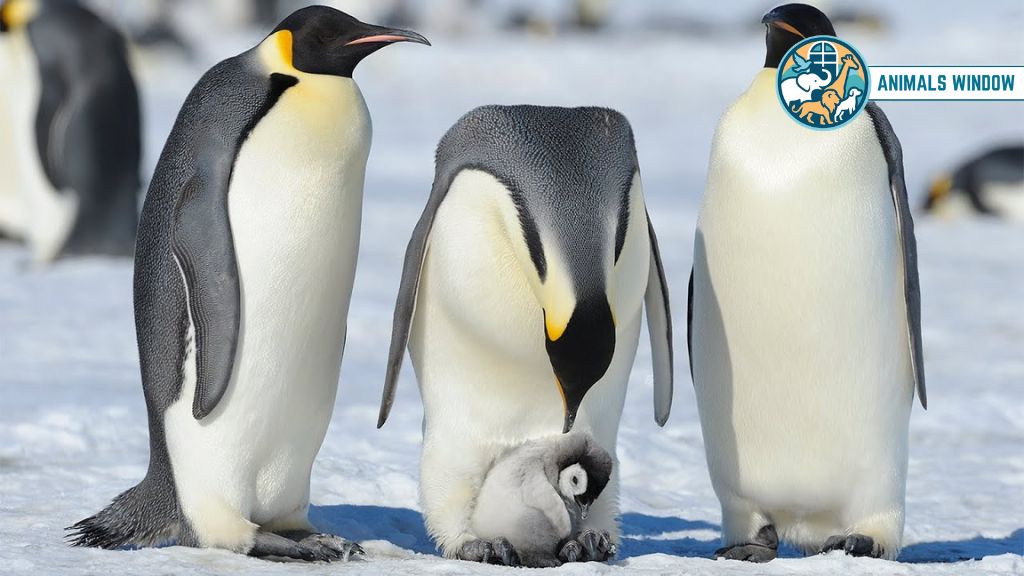
- Scientific Name: Aptenodytes forsteri
- Size: 3.7–4.3 feet tall
- Weight: 49–99 lbs (22–45 kg)
- Diet: Carnivore — fish, squid, krill
- Habitat: Antarctic ice and surrounding oceans
- Lifespan: 15–20 years in the wild
The Emperor Penguin is the only bird on Earth that breeds during Antarctic winter — not despite it, but in the middle of it. Temperatures reach −76°F with wind gusts exceeding 124 mph. Instead of fleeing these conditions, Emperor Penguins march 50–75 miles inland directly into the storm to breed.
Male Emperor Penguins then fast for up to 115 days, incubating a single egg balanced on their feet under a warm brood pouch — losing nearly half their body weight without eating once.
They survive through group huddling: formations of up to 5,000 birds where the huddle core reaches 98.6°F — human body temperature — while the outside air is lethally cold. Birds cycle continuously from the freezing outer edge toward the warm center, making the huddle a self-regulating biological heat engine.
🔥 Comparison Fact: A male Emperor Penguin’s 115-day fast is equivalent to a 200-lb person surviving zero food for nearly four months while standing in a sustained blizzard.
12. Mountain Goat

- Scientific Name: Oreamnos americanus
- Size: 3.5–5 feet long; up to 3.5 feet at the shoulder
- Weight: 125–310 lbs (57–140 kg)
- Diet: Herbivore — grasses, mosses, ferns, lichens, twigs
- Habitat: Rocky Mountain ranges and sub-alpine zones of North America
- Lifespan: 12–15 years in the wild
Mountain Goats climb near-vertical cliff faces above 13,000 feet elevation — terrain that requires professional human climbers to use ropes, anchors, and specialized gear.
Their hooves are split into two independently moving toes, with a hard outer keratin shell for gripping rock edges and a soft inner pad that creates friction on smooth surfaces — the same dual-material principle used in modern technical climbing shoe design.
Their shoulder joints carry extra cartilage and an unusually wide rotational range, allowing balance on ledges as narrow as 2 inches wide. At high altitude where oxygen is thin, their cardiovascular systems compensate through proportionally larger hearts and lungs than similarly sized lowland animals — maintaining explosive muscular output where most animals would slow to a walk.
🔥 Comparison Fact: A Mountain Goat can leap 12 feet horizontally between cliff ledges — roughly the width of a one-car garage — at altitudes above 13,000 feet.
Combat Durability, Armor & Mechanical Force Animals
13. Saltwater Crocodile
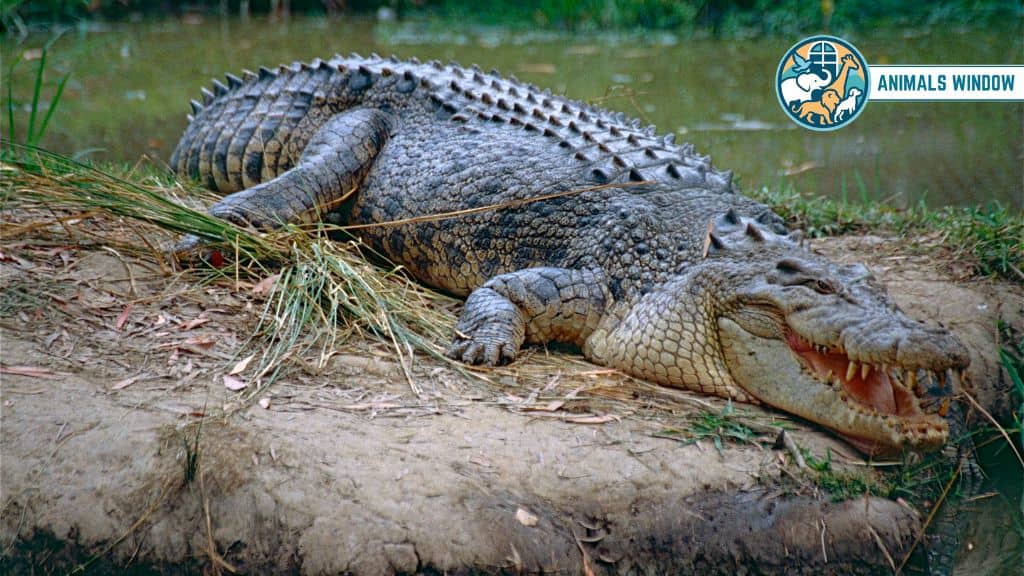
- Scientific Name: Crocodylus porosus
- Size: 14–23 feet long
- Weight: 400–2,200 lbs (180–1,000 kg)
- Diet: Carnivore — fish, water buffalo, sharks, deer, and almost anything it can ambush
- Habitat: Brackish and freshwater regions of Southeast Asia, Northern Australia, and Pacific islands
- Lifespan: 70+ years
The Saltwater Crocodile has the highest measured bite force of any living animal — 3,700 PSI in controlled testing. A human bites at 150–200 PSI. A hyena, famous for crushing bone, reaches ~1,100 PSI. The saltwater croc more than triples that figure and can bite through bone, turtle shell, and steel cable.
Here’s the mechanical paradox: those same jaw-closing muscles are among the strongest biological structures ever measured, yet the jaw-opening muscles are so weak that a thick rubber band holds the mouth shut. All force goes in one direction — down.
The hunting technique called the death roll works not through pulling power but rotational torque, designed to twist prey at joint seams rather than tear through muscle — a more energy-efficient dismemberment strategy that conserves the crocodile’s metabolic reserves.
🔥 Comparison Fact: A saltwater croc’s bite force is 25 times stronger than a German Shepherd’s — an animal already classified as having a powerful bite.
14. Cape Buffalo

- Scientific Name: Syncerus caffer
- Size: 5.5–11 feet long; up to 5.6 feet at the shoulder
- Weight: 660–1,900 lbs (300–860 kg)
- Diet: Herbivore — grasses, sedges, herbs
- Habitat: Sub-Saharan African savannahs, forests, and floodplains
- Lifespan: 18–22 years in the wild
African hunters call the Cape Buffalo “The Black Death.” Not because it’s the largest or the fastest — but because it does something almost no prey animal does: it hunts back.
When lions take a calf, the herd frequently turns, reorganizes, and charges the pride — pursuing them for miles, returning to kill sites to gore lions long after the initial attack.
The structural key is the horn boss — a solid bone plate connecting both horns across the forehead, measuring over 4 inches thick in adult males. Field reports from wildlife veterinarians have documented this plate stopping low-caliber rifle rounds without penetrating the skull.
The bone doesn’t just protect — it’s used as a battering ram during charges, where a buffalo running at 35 mph delivers impact force that can flip a full-size vehicle.
🔥 Comparison Fact: The horn boss across a Cape Buffalo’s forehead is roughly the thickness of four stacked hardcover books — a solid slab of bone designed to absorb and deliver impact.
15. Hippopotamus
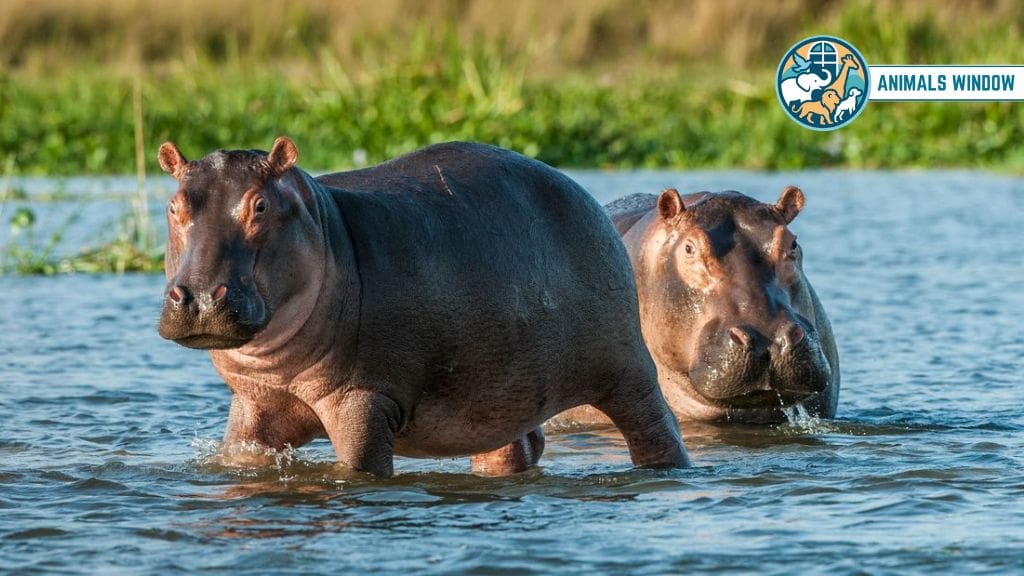
- Scientific Name: Hippopotamus amphibius
- Size: 10.8–16.5 feet long
- Weight: 3,000–9,920 lbs (1,360–4,500 kg)
- Diet: Herbivore — short grasses, mainly grazed at night
- Habitat: Sub-Saharan rivers, lakes, and mangrove swamps
- Lifespan: 40–50 years in the wild
The Hippo is a pure grazer that carries combat-grade armor. Its skin reaches 2 inches thick across most of the body. It also secretes a reddish fluid called “blood sweat” — actually a mixture of hipposudoric acid and norhipposudoric acid — that functions simultaneously as sunscreen, antimicrobial coating, and wound sealer. No pharmaceutical product currently replicates all three functions in a single compound.
Its jaw opens to nearly 180 degrees and closes with approximately 1,800 PSI of torque force, backed by canine teeth up to 20 inches long. Male hippos fight with these jaws regularly enough that their neck skin evolves progressively thicker in the spots rivals bite most — a direct adaptive armor response to repeated injury patterns. This localized skin thickening is one of the most specific structural adaptations recorded in any large mammal combatant.
🔥 Comparison Fact: A hippo’s canine tooth — up to 20 inches long — is the length of a standard school ruler, driven by jaw torque that exceeds most industrial hydraulic clamps.
FAQs About Strongest and Toughest Animals on Earth
What is the strongest animal in the world?
By absolute lifting capacity, the African Bush Elephant — carrying up to 19,000 lbs with its trunk alone.
What is the strongest animal in the world in a fight?
The Saltwater Crocodile, with the highest recorded bite force of any living animal at 3,700 PSI, combined with ambush speed and the dismembering death roll.
What is the toughest animal in the world?
The Tardigrade. It survives outer space, near-absolute-zero temperatures, and radiation doses thousands of times the human lethal level.
What is the strongest animal on land?
African Bush Elephant for absolute force. Horned Dung Beetle for pound-for-pound strength at 1,141 times its own body weight.
What is the toughest animal on land?
The Honey Badger — venom-resistant, with loose thick skin, outsized claws, and documented survival against black mamba bites.
What is the strongest animal in the jungle?
The Gorilla for raw primate strength. The Leopard for strength relative to body size, hoisting prey three times its weight into trees.
Are small animals stronger than humans pound-for-pound?
Yes — significantly. The Leafcutter Ant carries 50 times its body weight. The Horned Dung Beetle pulls 1,141 times its mass. A chimpanzee produces roughly 1.5 times the force of a same-sized human.
Strength in the animal kingdom isn’t a single measurement. It’s a spectrum — muscle mass, bite mechanics, biological armor, climate endurance, and cellular resilience. The animals above don’t share a single trait. Each one solved a different survival problem better than anything else alive.
Related More Animals Guides:

I have loved animals since I was a kid. I enjoy reading about how animals live, eat, move, and survive. I started Animals Window to share what I learn in a simple and easy way. I write about animal body parts, size, behavior, diet, habitats, and species. My goal is to make animal facts clear and fun for everyone to understand.