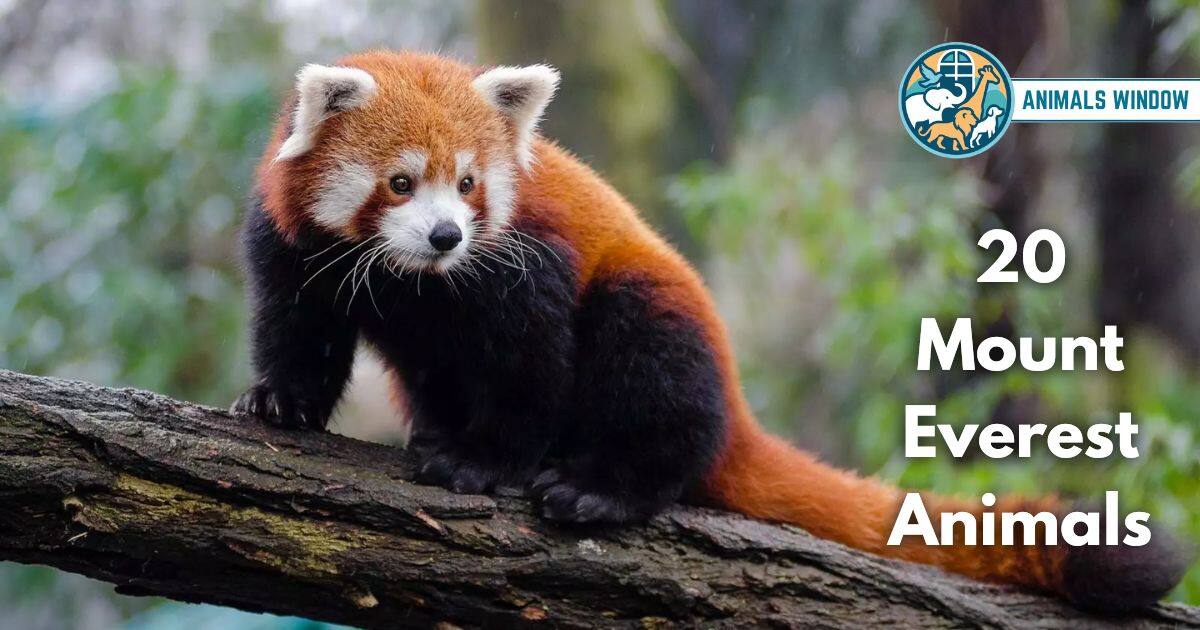
Mount Everest and the surrounding Himalayan region are home to over 20 wild animal species, ranging from tiny spiders found above 6,700 meters to massive snow leopards prowling the rocky slopes. These animals have adapted to extreme cold, low oxygen, and rugged terrain. Some live near the summit. Others roam the forests far below. All of them are extraordinary survivors.
Table of Contents
Quick Table of Animals on Mount Everest
| Animal Name | Scientific Name | Key Trait |
| Himalayan Jumping Spider | Euophrys omnisuperstes | Highest-living land animal on Earth |
| Pallas’s Cat | Otocolobus manul | Confirmed at 5,100m+ via eDNA in 2023 |
| Bar-Headed Goose | Anser indicus | Flies over Everest at 8,800m+ |
| Yellow-Billed Chough | Pyrrhocorax graculus | Spotted at 8,200m on Everest expeditions |
| Snow Leopard | Panthera uncia | Can kill prey 3x its own body weight |
| Wild Yak | Bos mutus | Survives at 6,100m elevation |
| Domesticated Yak | Bos grunniens | Powers Sherpa mountain life for centuries |
| Himalayan Wolf | Canis lupus chanco | Hunts at 4,000m–5,500m elevation |
| Blue Sheep (Bharal) | Pseudois nayaur | Neither sheep nor goat — a unique lineage |
| Himalayan Pika | Ochotona himalayana | Does not hibernate; stores food in haypiles |
| Himalayan Marmot | Marmota himalayana | Hibernates up to 8 months per year |
| Himalayan Tahr | Hemitragus jemlahicus | Hooves grip rock like rubber suction cups |
| Himalayan Musk Deer | Moschus leucogaster | Produces musk worth more than gold by weight |
| Red Panda | Ailurus fulgens | Has a false thumb for gripping bamboo |
| Himalayan Black Bear | Ursus thibetanus laniger | Can smell food from 20 miles away |
| Himalayan Goral | Naemorhedus goral | Uses cliff ledges as natural escape routes |
| Mountain Weasel | Mustela altaica | Hunts prey larger than its own head |
| Yellow-Throated Marten | Martes flavigula | Only marten that hunts in coordinated pairs |
| Himalayan Monal | Lophophorus impejanus | Reflects 9 distinct metallic colors in sunlight |
| Blood Pheasant | Ithaginis cruentus | Red coloring comes from diet, not genetics |
1. Himalayan Jumping Spider
- Scientific name: Euophrys omnisuperstes
- Size: 5–6 mm
- Weight: Less than 1 gram
- Diet: Springtails, small insects carried up by wind
- Habitat: Rocky surfaces above 5,000m, up to 6,700m
- Lifespan: 1–3 years
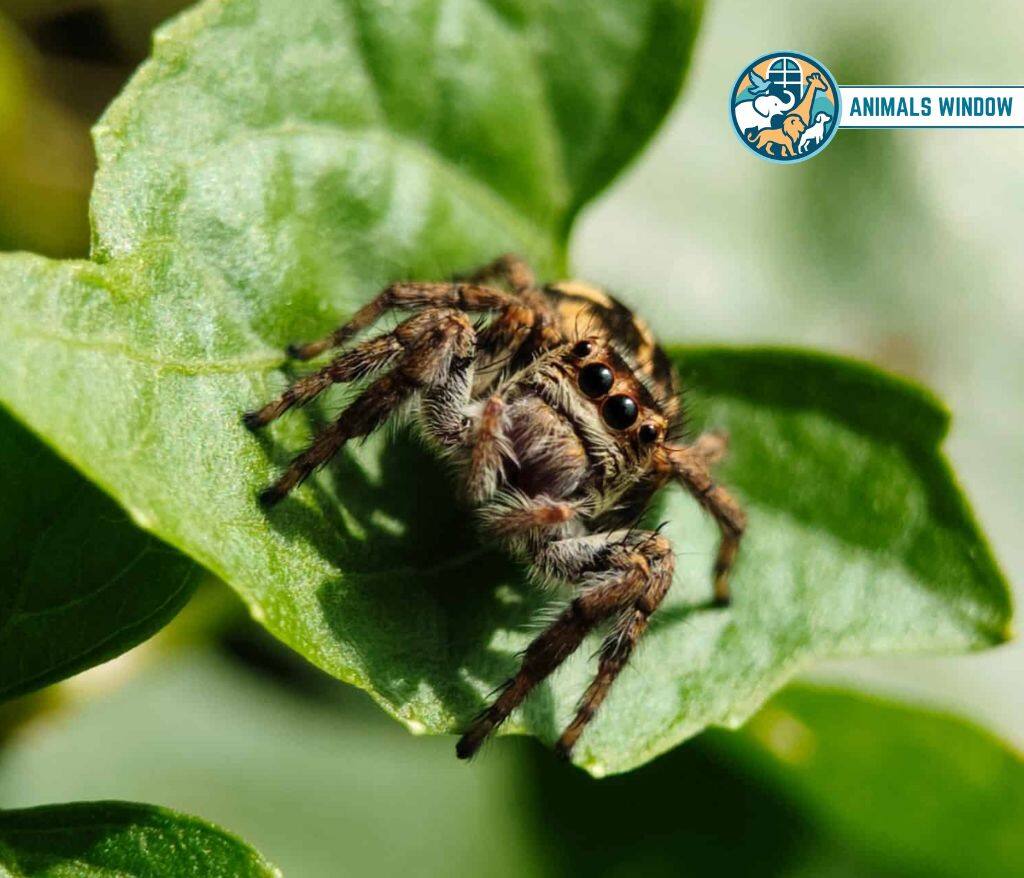
This tiny spider holds a record no large predator ever will. It is the highest-living permanent land animal ever recorded on Earth, found on the rocks of Everest above 6,700 meters. That’s higher than most humans ever climb without oxygen gear.
What makes it remarkable isn’t just altitude. This spider actively hunts. It doesn’t spin a web and wait. It uses sharp eyesight and explosive jumps to catch springtails — microscopic bugs blown up the mountain by wind. There’s no reliable food web at that height. Just frozen rocks, wind, and whatever the mountain throws up. And this spider figured out how to eat it.
🔥 Comparison Fact: The Himalayan Jumping Spider is roughly the size of a watermelon seed — and yet it lives higher than any other land animal on the planet.
2. Pallas’s Cat
- Scientific name: Otocolobus manul
- Size: 46–65 cm body length
- Weight: 2.5–4.5 kg
- Diet: Pikas, rodents, small birds
- Habitat: Rocky alpine steppe, 3,000–5,100m+
- Lifespan: 11–12 years in wild
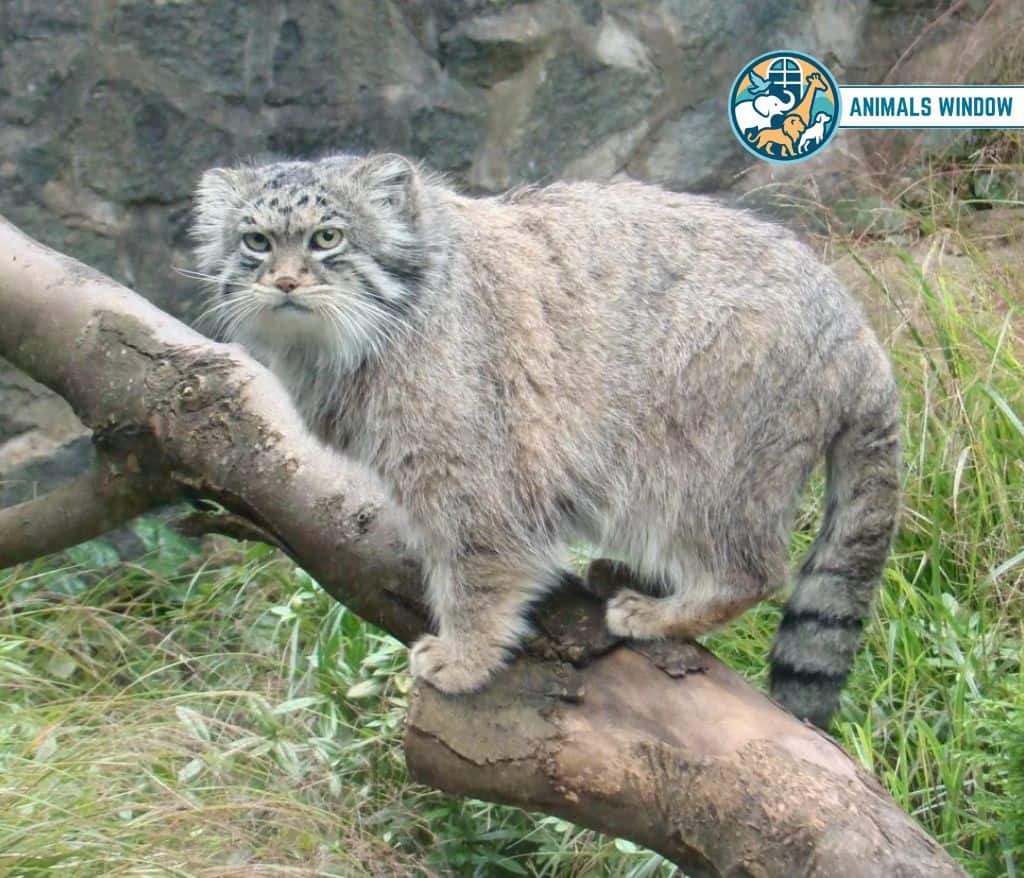
For years, wildlife guides barely mentioned this cat in Everest content. Outdated articles either placed it only in Central Asia or left it out entirely. But in 2023, a National Geographic-supported eDNA study confirmed Pallas’s Cat presence at elevations above 5,100 meters in the Everest region — the highest confirmed record for this species anywhere on Earth.
What stands out is how this cat survives winter at altitude. Its fur is the densest of any wild cat — the individual hairs are nearly twice as long on the belly as on the back. This isn’t just insulation. The flat-bellied posture lets it lie flush against frozen ground without losing heat. It doesn’t run from threats. It freezes, flattens, and disappears into the rock.
🔥 Comparison Fact: A Pallas’s Cat weighs about as much as a large bag of sugar — but survives cold that would kill most domestic cats within hours.
3. Bar-Headed Goose
- Scientific name: Anser indicus
- Size: 71–76 cm
- Weight: 1.87–3.2 kg
- Diet: Grasses, grains, aquatic plants
- Habitat: High-altitude lakes and wetlands; migrates over the Himalaya
- Lifespan: 20–25 years
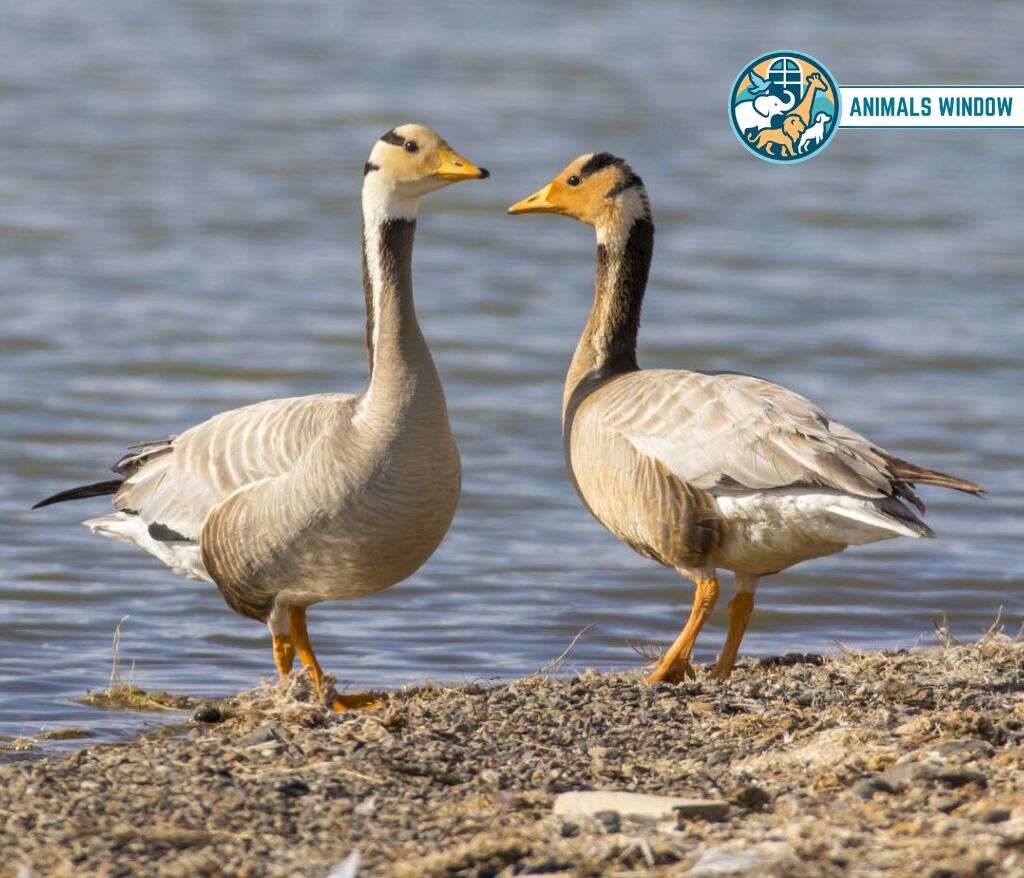
This bird does something physiologically wild. It migrates over the Himalayan range — including directly over Everest — at altitudes where commercial aircraft sometimes fly. Recorded flight heights exceed 8,800 meters. That’s in air so thin that most animals would lose consciousness in minutes.
The secret is in its blood. Bar-Headed Geese have a mutated hemoglobin protein that binds oxygen far more efficiently at low partial pressures. But here’s what most articles miss — they don’t just power through the thin air. They time their crossing to align with favorable winds and actually descend into valleys to recover, then climb again. It’s less like a straight flight and more like a strategic mountaineering route, but done on wings.
🔥 Comparison Fact: This goose crosses the same elevation as the cruising altitude of a small regional aircraft — while flapping its wings.
4. Yellow-Billed Chough
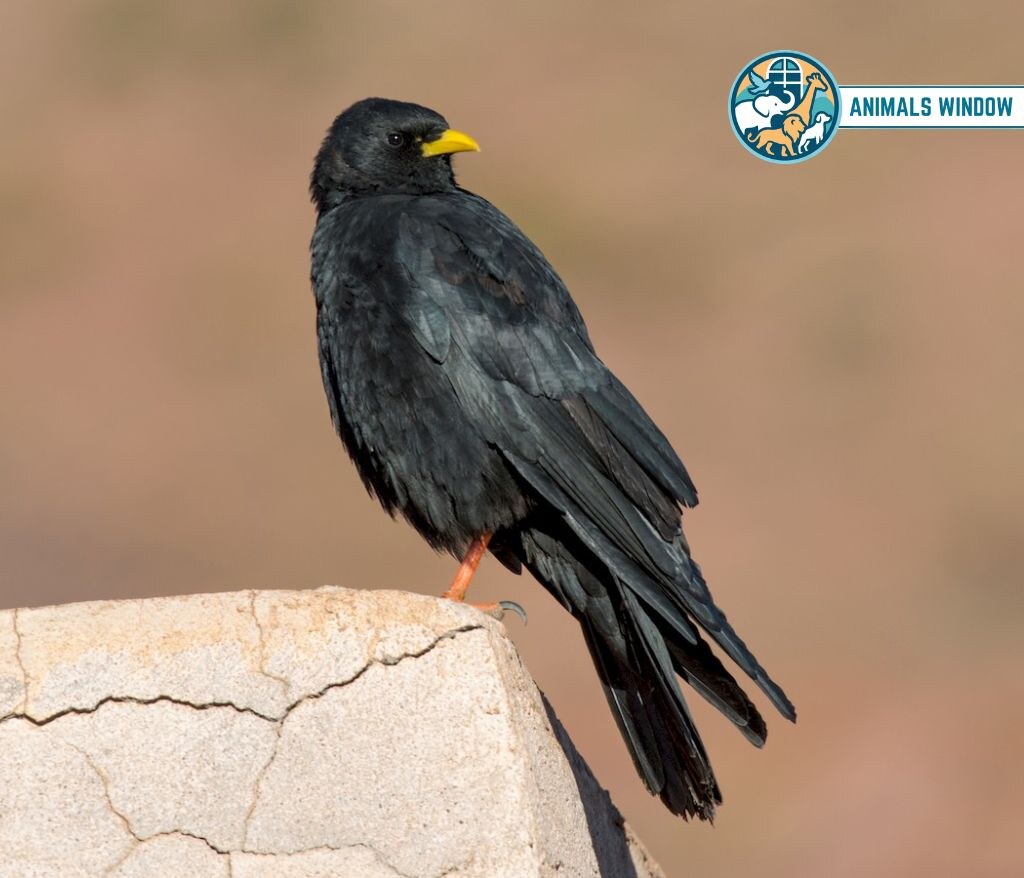
- Scientific name: Pyrrhocorax graculus
- Size: 36–39 cm
- Weight: 191–244 g
- Diet: Insects, berries, human food scraps at base camps
- Habitat: Alpine cliffs and slopes, 1,260–8,200m
- Lifespan: Up to 20 years
The Yellow-Billed Chough is possibly the boldest bird on Everest. Mountaineers at high camps have reported these birds appearing at 8,200 meters — scavenging food scraps from expedition tents. That’s not migration. That’s a bird choosing to hang around near the death zone for a granola bar.
These birds are acrobatic fliers. They ride thermal updrafts along cliff faces at speeds that make them look like they’re playing rather than traveling. And in a way, they might be. Choughs show play-like behavior — dropping objects and catching them mid-air. No survival benefit. Just what appears to be enjoyment.
🔥 Comparison Fact: A Yellow-Billed Chough weighs less than a can of soda, yet it survives at altitudes that require oxygen tanks for humans.
5. Snow Leopard
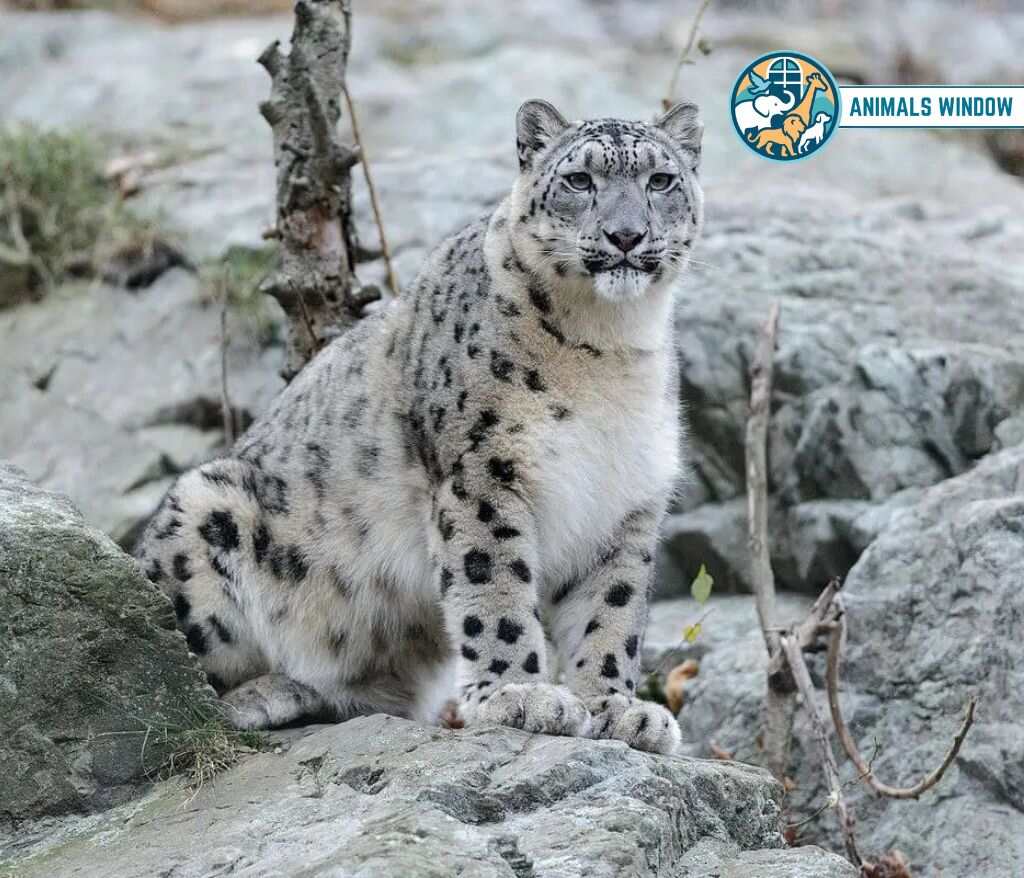
- Scientific name: Panthera uncia
- Size: 75–150 cm body length
- Weight: 22–55 kg
- Diet: Blue sheep, Himalayan tahr, marmots, smaller mammals
- Habitat: Alpine and subalpine zones, 3,000–5,500m
- Lifespan: 10–12 years in the wild
The snow leopard is the apex predator of the Everest region. It doesn’t roar. Instead, it makes a rasping sound called a “chuff” — a non-threatening exhalation used for communication. For a predator this powerful, that’s an unexpected choice of voice.
What defines this animal is its tail. At 80–105 cm, it’s almost as long as the body itself. This isn’t decorative. On steep rocky terrain, the tail acts as a dynamic counterbalance during high-speed chases. The snow leopard also uses it as a face wrap while sleeping, protecting its nose and mouth from freezing air. It’s one anatomy feature doing three jobs at once: balance, warmth, and camouflage while resting.
🔥 Comparison Fact: A snow leopard’s tail alone is roughly the length of a standard guitar — and it functions like a built-in scarf and steering rudder combined.
6. Wild Yak
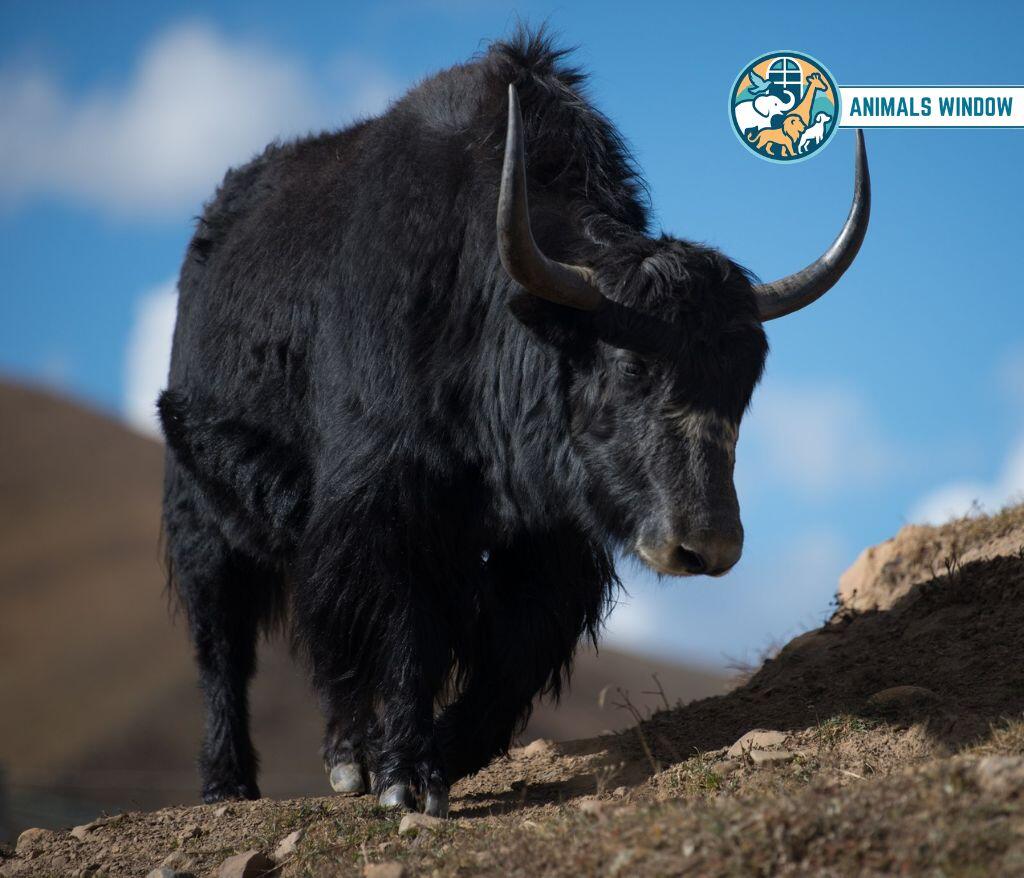
- Scientific name: Bos mutus
- Size: 1.6–2.2 m at shoulder
- Weight: 300–1,000 kg
- Diet: Grasses, sedges, lichens, mosses
- Habitat: High-altitude steppe and plateaus, up to 6,100m
- Lifespan: 20–25 years
Wild yaks are among the largest animals in the entire Himalayan ecosystem. A full-grown bull can weigh close to a ton. And yet it survives at elevations that would cause altitude sickness in most large mammals.
The key is in its lungs and blood. Wild yaks have 3 times the lung capacity of domestic cattle of similar size. Their blood carries a unique hemoglobin variant that absorbs oxygen at high altitude with unusual efficiency. But here’s something most wildlife content skips over — wild yaks don’t pant to cool down. Their thick coat traps heat so efficiently that they rely on behavioral cooling, seeking shade, wind exposure, and occasionally rolling in snow when overheated.
🔥 Comparison Fact: A wild yak bull can weigh as much as a small car — and still move comfortably through knee-deep snow at over 5,000 meters.
7. Domesticated Yak
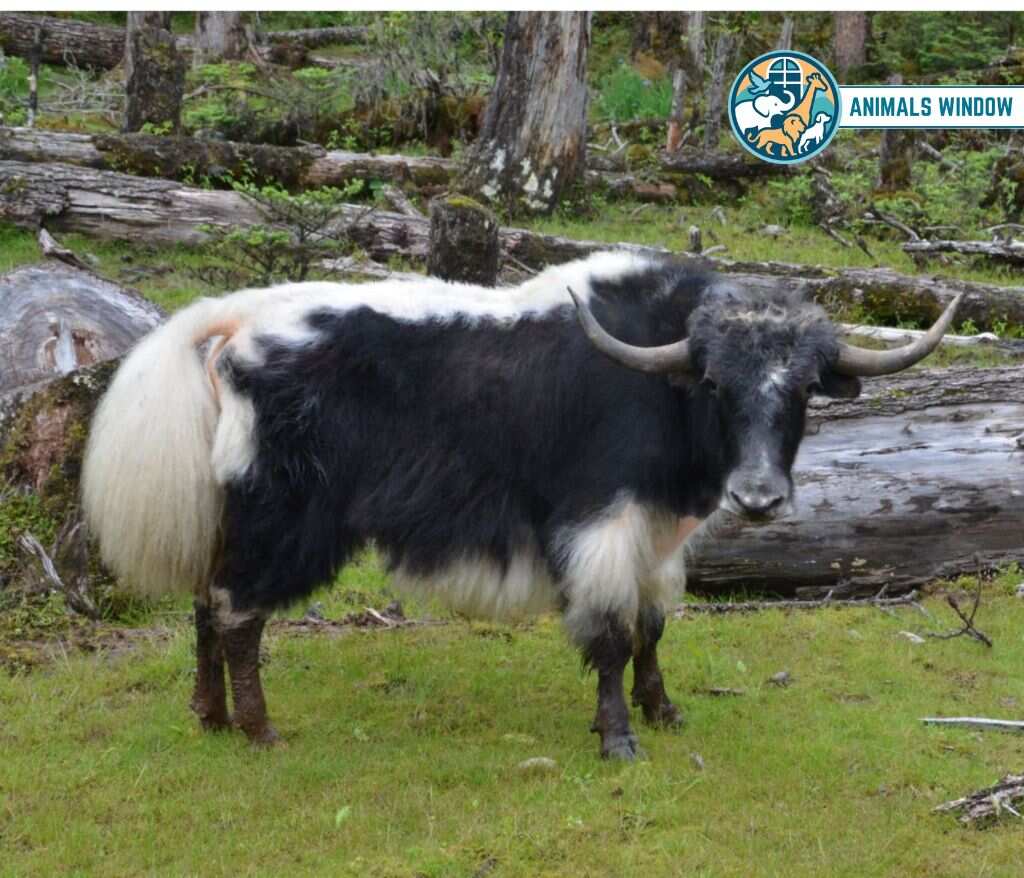
- Scientific name: Bos grunniens
- Size: 1.1–1.4 m at shoulder
- Weight: 150–350 kg
- Diet: Grasses, hay, grain supplements
- Habitat: High-altitude farms and villages, 2,500–5,000m
- Lifespan: 20–25 years
The domesticated yak is smaller than its wild counterpart, but its cultural footprint in the Everest region is enormous. Sherpa communities have depended on yaks for over 3,000 years — for transport, milk, wool, leather, and fuel from dried dung. Every Everest expedition that uses pack animals relies on these yaks.
What sets them apart from other working animals is their silence in crisis. When mountain weather turns violent, domesticated yaks crouch, lower their heads, and press together as a group. They don’t panic and scatter like horses or mules often do. This calm, collective response to storms makes them genuinely invaluable above the tree line, where sudden blizzards have no warning.
🔥 Comparison Fact: A domesticated yak carries loads up to 150 kg up Everest trails — roughly the weight of two adult men — without complaint or supplemental oxygen.
8. Himalayan Wolf
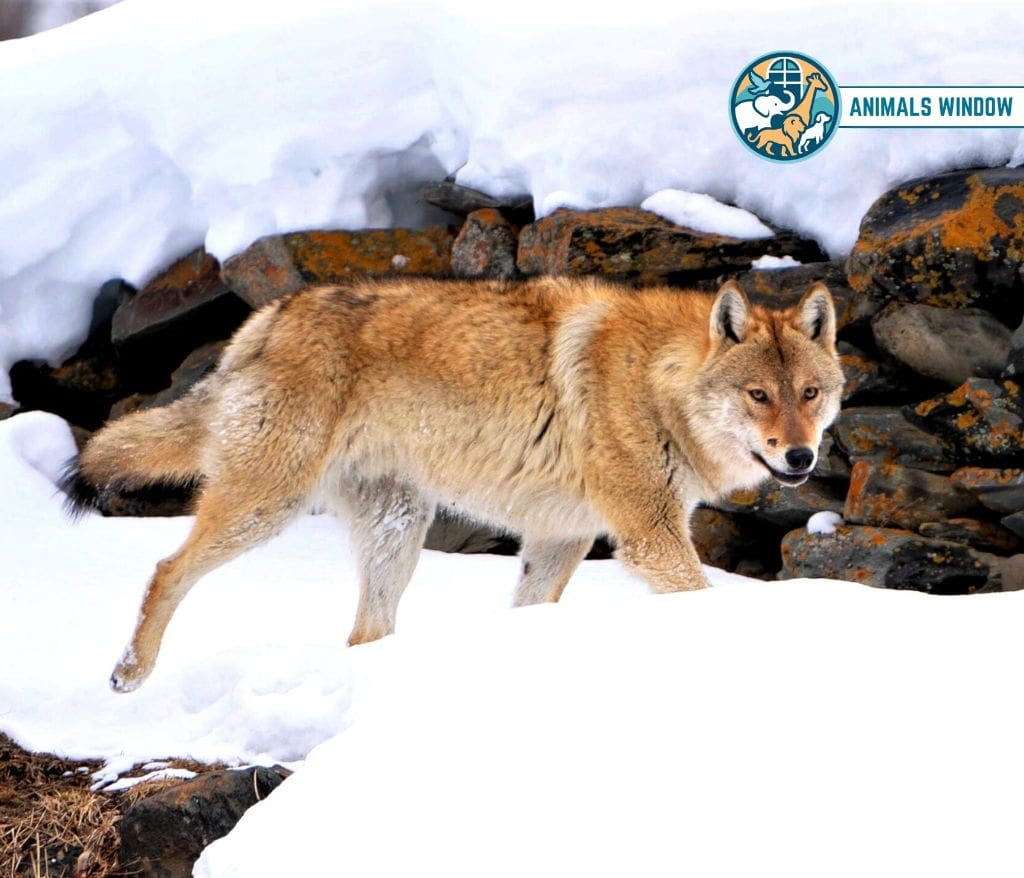
- Scientific name: Canis lupus chanco
- Size: 100–160 cm body length
- Weight: 25–45 kg
- Diet: Blue sheep, livestock, Himalayan tahr, pikas
- Habitat: Alpine meadows and high steppe, 4,000–5,500m
- Lifespan: 6–8 years in the wild
The Himalayan Wolf is not just a gray wolf at high altitude. Genetic studies confirm it as a distinct lineage — one of the oldest wolf populations on Earth, diverging from other wolves possibly 800,000 years ago. This isn’t just a classification detail. It means this animal evolved its hunting strategies, body structure, and social behavior in isolation on the Tibetan Plateau.
Unlike many wolf packs that coordinate noisy, chase-heavy hunts, Himalayan wolves often hunt alone or in pairs on steep terrain. They use the landscape itself — cliffs, ridges, narrow gullies — to corner blue sheep rather than outrunning them. It’s ambush geometry, not speed. A mountain wolf uses the mountain.
🔥 Comparison Fact: A Himalayan Wolf weighs about the same as a large German Shepherd — but regularly hunts on slopes too steep for most dogs to even stand on.
9. Blue Sheep (Bharal)
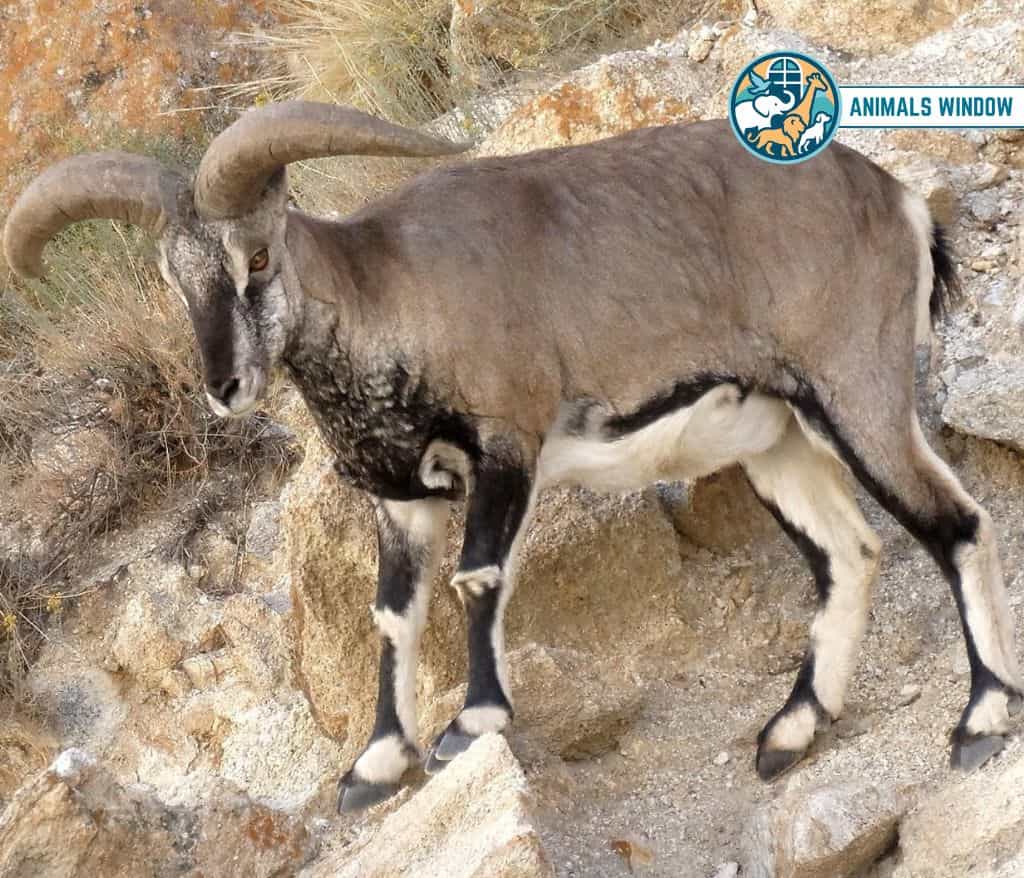
- Scientific name: Pseudois nayaur
- Size: 115–165 cm body length
- Weight: 35–75 kg
- Diet: Grasses, herbs, shrubs
- Habitat: Open alpine slopes and cliffs, 3,500–5,500m
- Lifespan: 12–15 years
The name is misleading on two levels. Bharal aren’t really blue — their coat has a grayish-blue tint that blends into the slate rock of high Himalayan slopes. And they aren’t really sheep. Genetic analysis places them in a position between true sheep and true goats, a separate lineage that doesn’t fit neatly into either category.
Their real skill is vertical escape. When a snow leopard charges, bharal don’t run horizontally — they run straight up. Onto cliff faces, along ledges barely wide enough for their hooves, using rock walls the way others use open ground. The snow leopard can follow, but the bharal’s lighter body and evolved hoof grip give it a genuine edge on extreme angles.
🔥 Comparison Fact: A blue sheep weighs about as much as a large golden retriever but can sprint vertically up a near-90-degree cliff face to escape predators.
10. Himalayan Pika
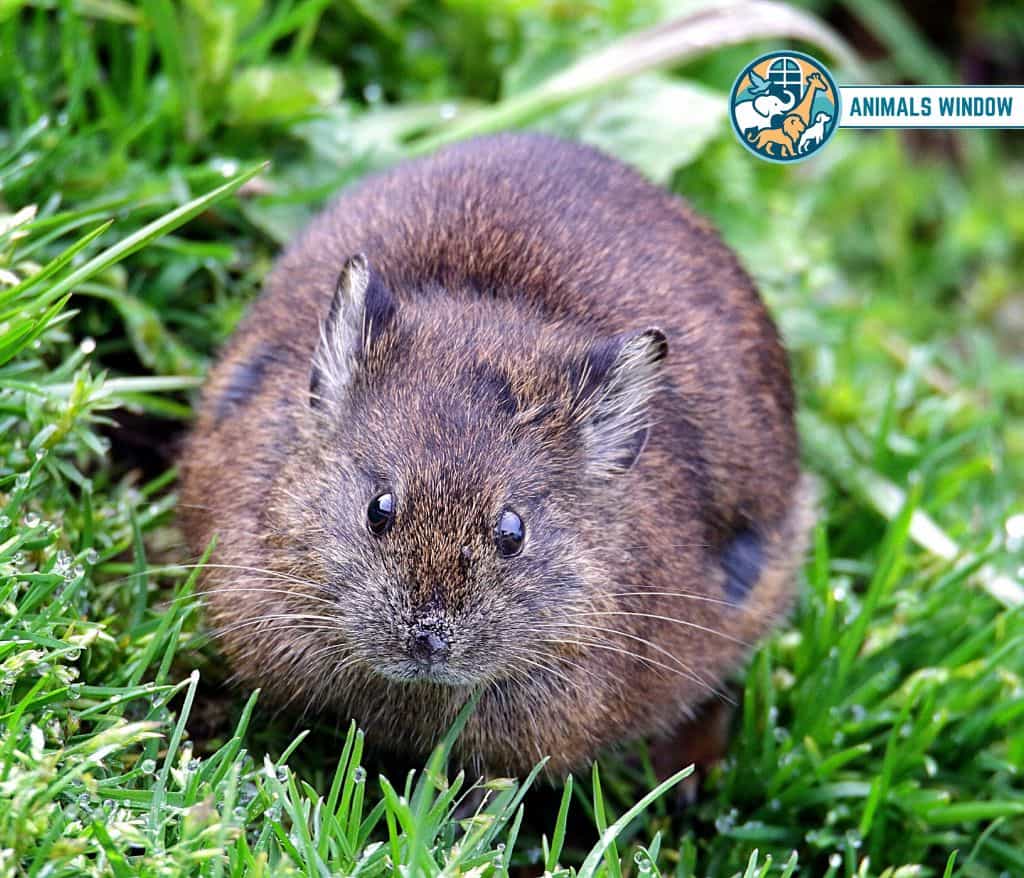
- Scientific name: Ochotona himalayana
- Size: 14–25 cm
- Weight: 75–290 g
- Diet: Grasses, sedges, wildflowers, herbs
- Habitat: Rocky alpine zones, 3,500–5,500m
- Lifespan: 3–6 years
The Himalayan Pika looks like a tiny earless rabbit. But the more surprising thing is what it does every autumn. It doesn’t hibernate. While marmots sleep through 8 months of winter underground, pikas stay active year-round above the snow line. They survive by spending all summer cutting, drying, and storing grass into haypiles — little food caches tucked under rocks.
These haypiles can contain over 20 different plant species. And the pika doesn’t just collect randomly. It selects plants with higher toxin levels that act as natural preservatives, preventing the stored food from rotting under the snow. That’s a small mammal doing something that looks a lot like intentional food preservation chemistry.
🔥 Comparison Fact: A Himalayan Pika weighs less than a deck of playing cards — but builds a winter food store larger than its own body volume every single year.
11. Himalayan Marmot
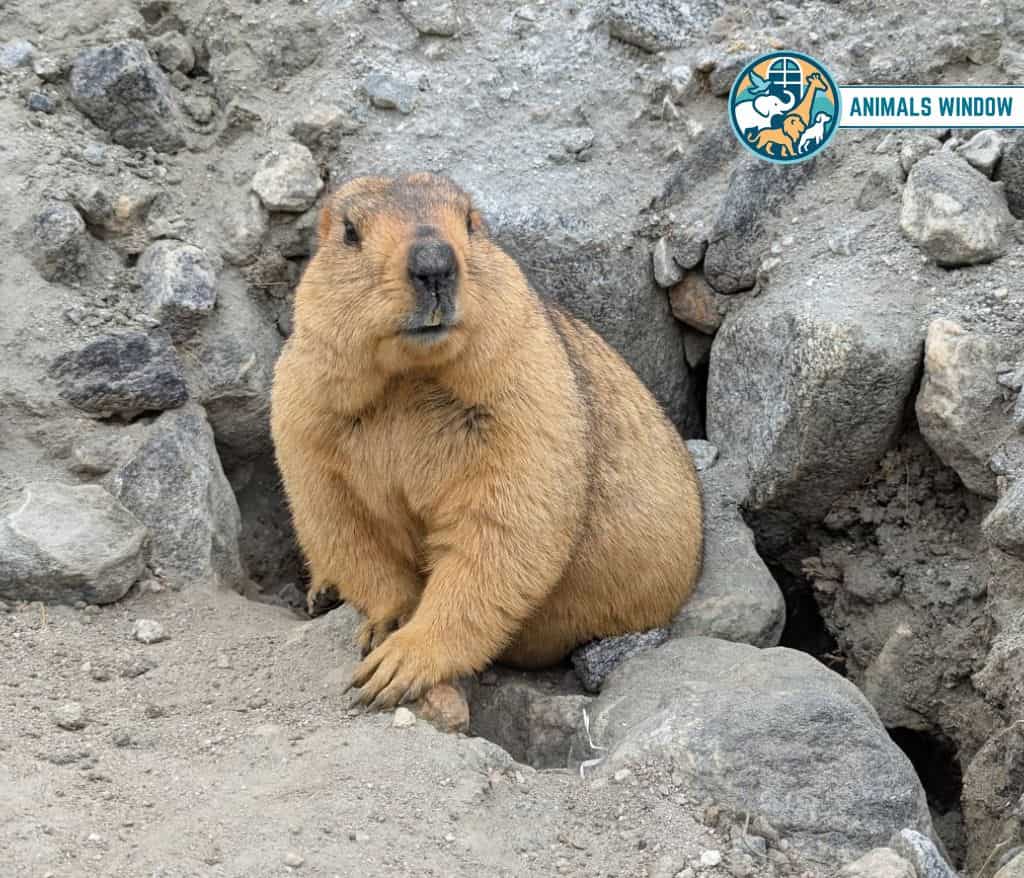
- Scientific name: Marmota himalayana
- Size: 45–67 cm
- Weight: 4–8 kg
- Diet: Grasses, roots, bulbs, insects
- Habitat: Alpine meadows and burrow systems, 3,000–5,500m
- Lifespan: 10–15 years
The Himalayan Marmot is the largest ground squirrel in the Himalayan zone. It lives in complex burrow networks dug into alpine meadows — some tunnel systems extend several meters underground and have been in use by the same family group for decades.
What makes marmots ecologically critical is less obvious. When they dig, they churn up soil. This aeration loosens compacted alpine soil, which helps plant roots grow deeper and water to penetrate more evenly. Remove the marmots, and the meadow slowly hardens. Snow leopards and wolves know this too — marmots are seasonal prey, but marmot meadows are also where bharal graze, creating hunting zones that depend on the marmot’s very existence.
🔥 Comparison Fact: A Himalayan Marmot can sleep for up to 8 months without eating — surviving on body fat built up in a single summer of intensive grazing.
12. Himalayan Tahr
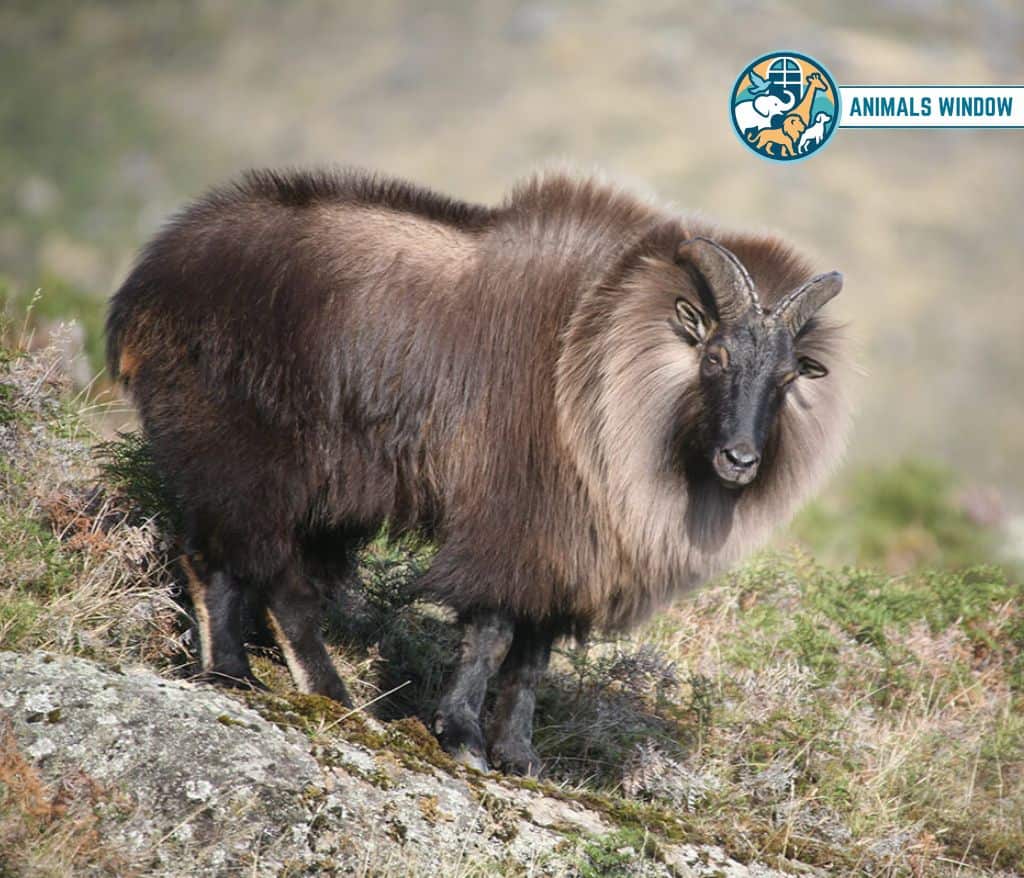
- Scientific name: Hemitragus jemlahicus
- Size: 90–140 cm body length
- Weight: 36–90 kg (males much heavier)
- Diet: Grasses, shrubs, leaves, mosses
- Habitat: Steep forested and alpine slopes, 2,500–5,000m
- Lifespan: 14–15 years in the wild
The Himalayan Tahr is a stocky, shaggy wild ungulate with legs built for impossible terrain. Its hooves have hard outer edges for gripping rock and soft inner pads that work like grip tape on smooth surfaces. When a tahr steps on wet slate, it doesn’t slip. Other animals do.
Males grow a thick mane of reddish hair around the neck and shoulders — called a ruff — that makes them look significantly larger during breeding season. This isn’t decoration. The ruff absorbs blows during head-to-head combat between males, functioning like built-in padding for fights that can last hours on cliff edges.
🔥 Comparison Fact: A male Himalayan Tahr weighs up to 90 kg — about the same as a large adult man — but can balance and fight on a rock ledge the width of a hardcover book.
13. Himalayan Musk Deer
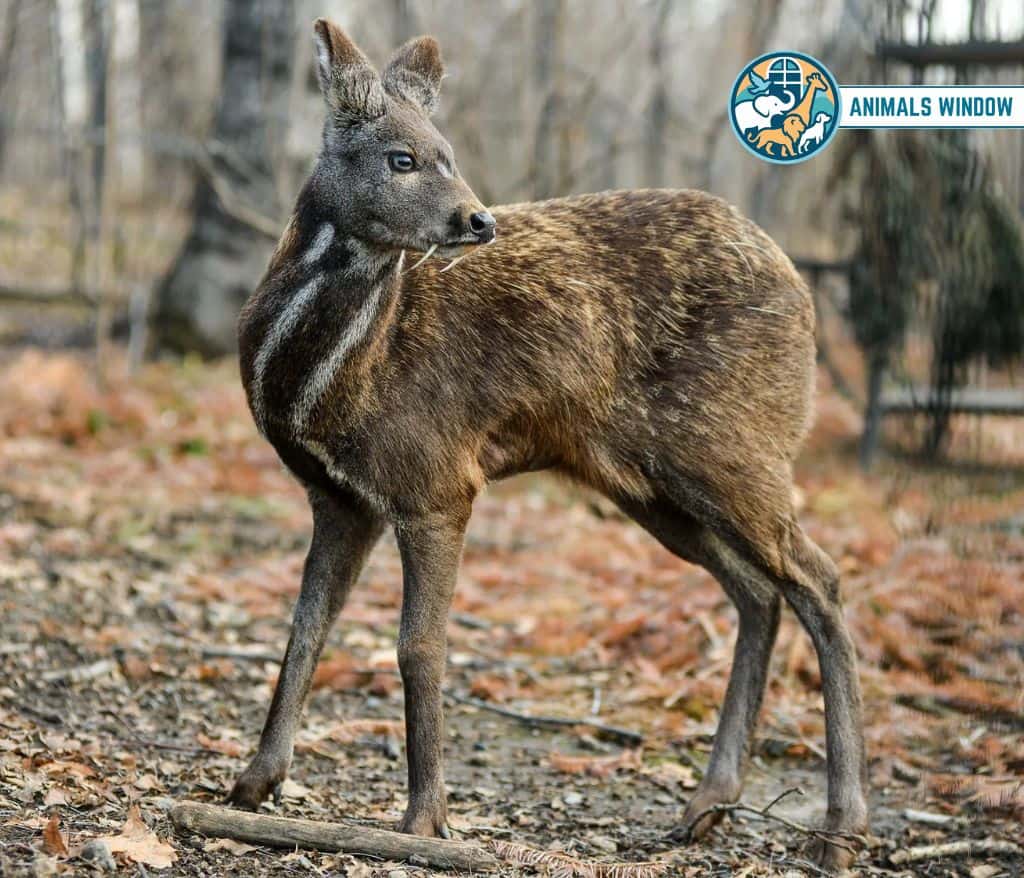
- Scientific name: Moschus leucogaster
- Size: 86–100 cm body length
- Weight: 11–18 kg
- Diet: Lichens, grasses, leaves, moss, flowers
- Habitat: Dense forest and scrub, 2,600–4,300m
- Lifespan: 10–14 years
The Himalayan Musk Deer doesn’t have antlers. Instead, males grow two downward-curving canine teeth — almost like small fangs — used during fights with rivals. It looks more like a tiny fanged deer than anything in a typical wildlife photo.
But the musk gland is the real story. Located between the navel and genitals, this gland produces a waxy secretion used in scent marking. By weight, raw musk is worth more than gold on the black market — which is why this deer is one of the most heavily poached animals in the Himalayan region. A single pod holds about 25–30 grams. The demand for it in traditional medicine and perfume manufacturing has pushed the species to “vulnerable” status despite strong legal protections.
🔥 Comparison Fact: The musk deer weighs about as much as a car tire — yet carries a gland whose secretion is currently valued at over $45,000 per kilogram on illegal markets.
14. Red Panda
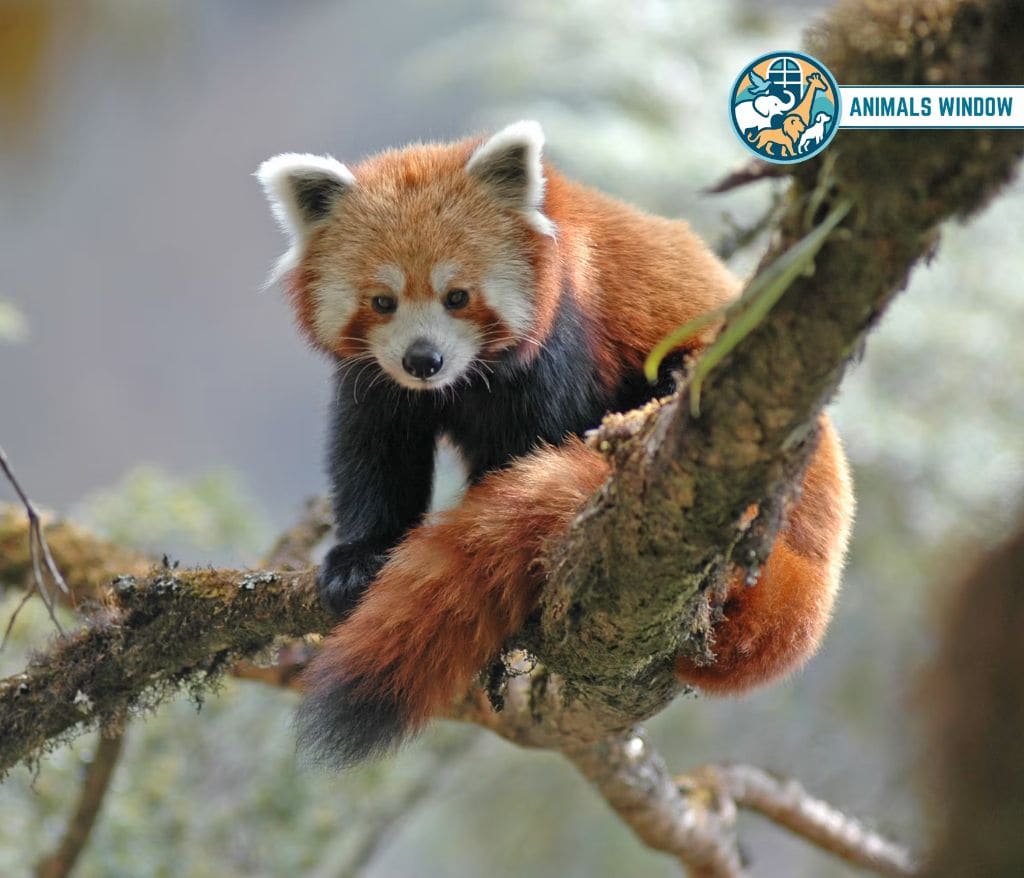
- Scientific name: Ailurus fulgens
- Size: 50–64 cm body length
- Weight: 3–6 kg
- Diet: Bamboo (90% of diet), berries, birds’ eggs, insects
- Habitat: Temperate forests with bamboo, 2,200–4,800m
- Lifespan: 8–10 years in the wild
The Red Panda is not closely related to the giant panda. It sits in its own family — Ailuridae — with no other living relatives. What they share with the giant panda is entirely convergent evolution: both animals independently evolved a false thumb to handle bamboo, despite being completely unrelated.
Red pandas are largely nocturnal and spectacularly energy-efficient. Since bamboo is low in calories, they spend most of the day in a semi-dormant state — slow heartbeat, reduced movement, conserving everything. When it gets cold enough, they enter a torpor-like state that isn’t quite full hibernation. They wake up, eat, and go back to near-sleep. It’s an unusual biological compromise between staying awake and shutting down entirely.
🔥 Comparison Fact: A red panda weighs about as much as a large house cat but needs to eat up to 4 kg of bamboo shoots per day just to get enough calories to survive.
15. Himalayan Black Bear
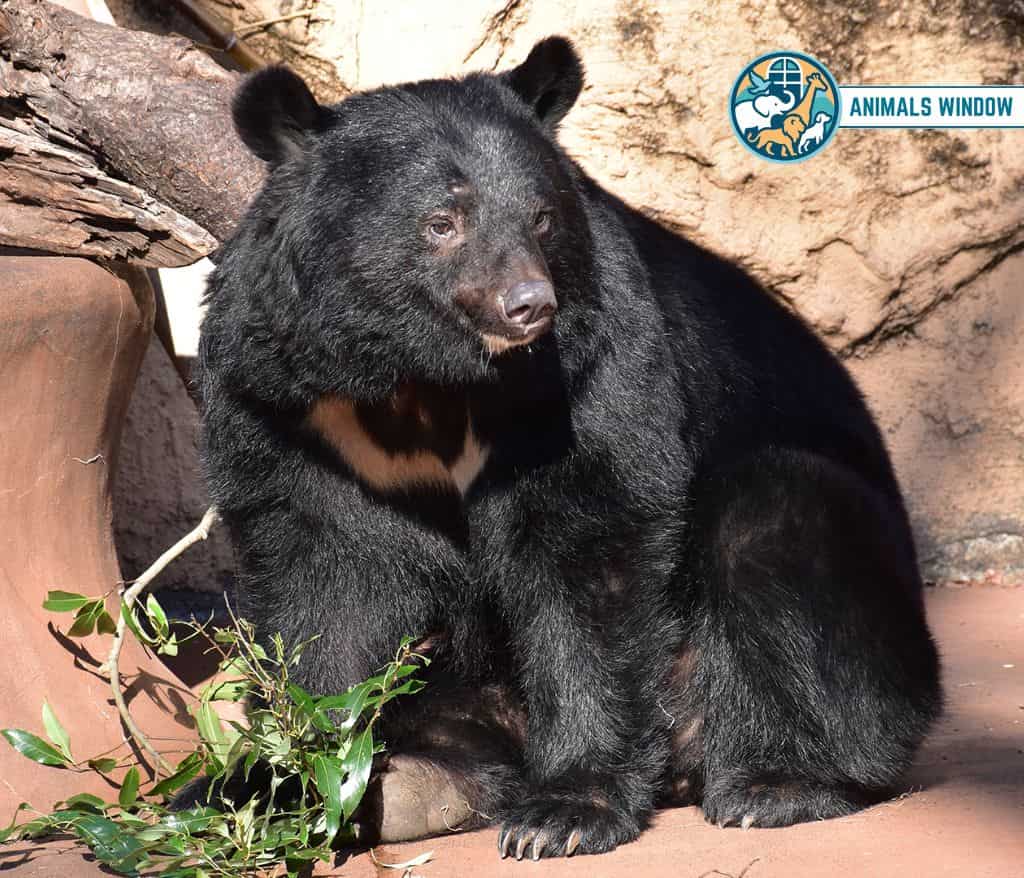
- Scientific name: Ursus thibetanus laniger
- Size: 120–170 cm body length
- Weight: 50–200 kg
- Diet: Berries, roots, insects, small mammals, carrion, crops
- Habitat: Forests and alpine scrub, 1,500–3,700m
- Lifespan: 25–30 years
The Himalayan Black Bear has a distinctive white or cream V-shaped chest patch — called a “moon mark” — that researchers believe may function as a visual signal during confrontations, making the bear look larger when rearing up. This is the same species involved in most bear-human conflicts in Himalayan villages.
Its digestive system is unusually flexible. In summer, it eats almost entirely plant material. In autumn, it switches to hypercarnivory — seeking out meat aggressively to build fat reserves before winter. And here’s the part most content skips: this bear doesn’t always hibernate fully. At lower elevations in the Everest region, it may remain active through mild winters, which puts it in direct contact with villages year-round rather than just seasonally.
🔥 Comparison Fact: A large male Himalayan Black Bear can weigh 200 kg — about the same as a grand piano — and still climb a tree faster than a human can run.
16. Himalayan Goral
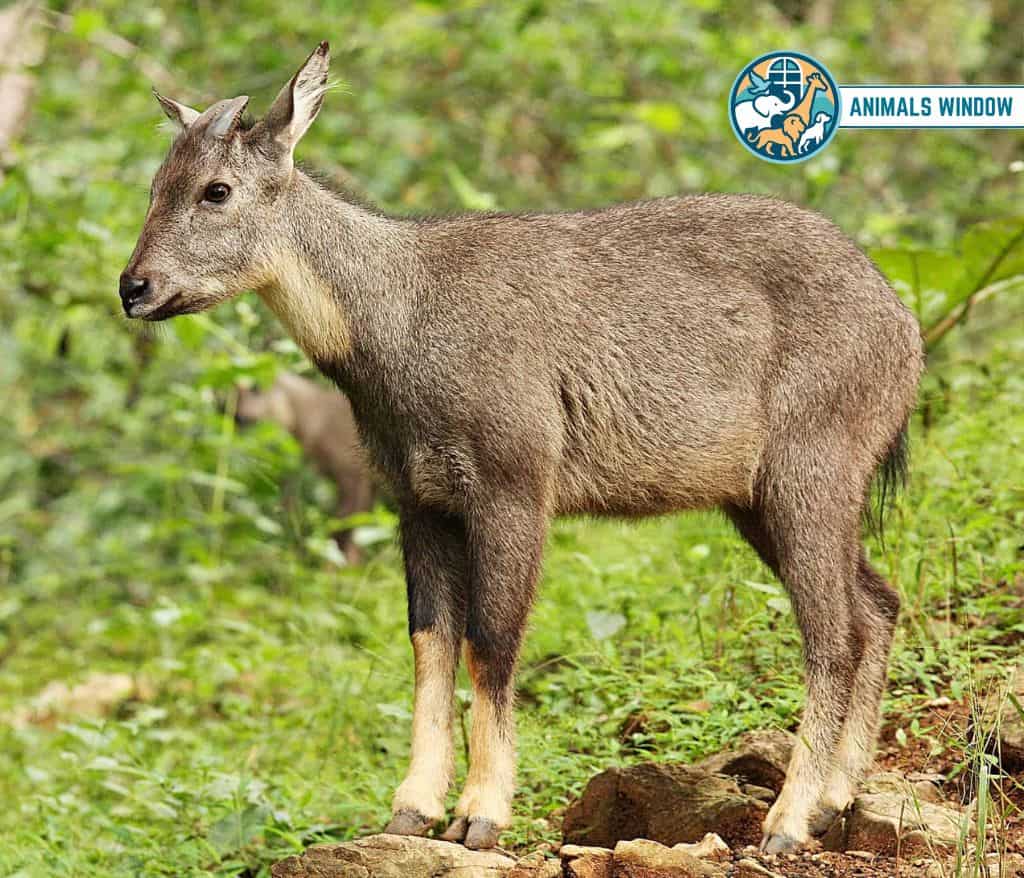
- Scientific name: Naemorhedus goral
- Size: 82–130 cm body length
- Weight: 22–35 kg
- Diet: Grasses, leaves, shrubs, lichen
- Habitat: Steep rocky cliffs and forested slopes, 1,000–4,000m
- Lifespan: 14–15 years
The Himalayan Goral looks like a small goat — and most articles treat it like one. But it’s more accurately a cliff specialist. It lives on near-vertical rock faces in a way that makes the goral seem permanently unaware that gravity exists.
What’s unusual is its anti-predator strategy. When threatened, a goral doesn’t flee across open ground. It runs toward the cliff. Not up — laterally, along the cliff face, cutting angles that a snow leopard or wolf simply cannot match at speed. The goral essentially uses vertical terrain the way a jet uses airspace. And because it weighs only 22–35 kg, it can take shortcuts along ledges that no large predator can follow.
🔥 Comparison Fact: A Himalayan Goral weighs about the same as a large bag of dog food — and uses that light frame to navigate cliff routes no human climber would attempt without gear.
17. Mountain Weasel
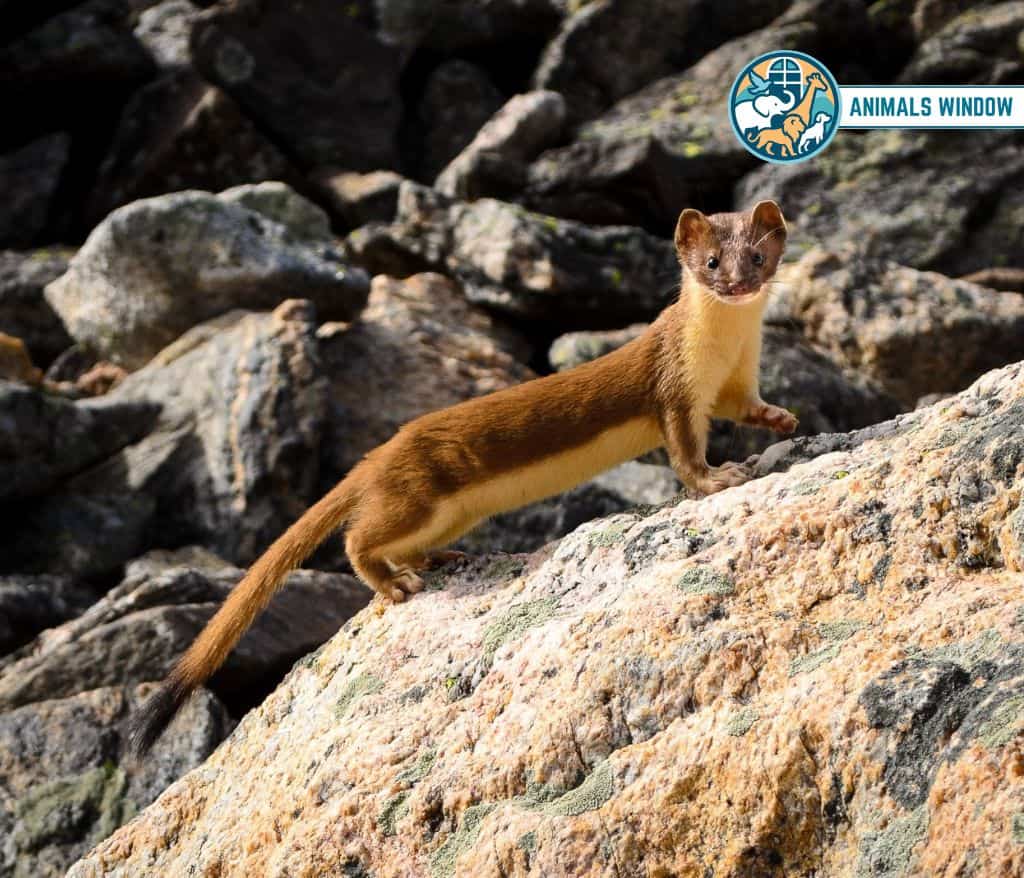
- Scientific name: Mustela altaica
- Size: 22–29 cm body length
- Weight: 100–250 g
- Diet: Pikas, voles, small birds, insects, fish
- Habitat: Rocky alpine terrain, 1,800–5,000m
- Lifespan: 3–5 years
The Mountain Weasel is one of the most underrated predators in the Everest zone. It’s tiny. But its long, flexible body lets it pursue pikas directly into their burrow systems — something no larger predator can do. It follows prey underground, around corners, into the dark.
Its metabolism is the real problem and the real tool. A mountain weasel burns energy so fast it must eat close to 40% of its own body weight per day. That forces it to hunt constantly, even in deep winter. It doesn’t slow down. It doesn’t hibernate. It just keeps hunting, regardless of temperature or snow depth, because stopping would be fatal.
🔥 Comparison Fact: A mountain weasel weighs about as much as a large chicken egg — but hunts pikas that outweigh it, by chasing them into burrows they can’t escape from.
18. Yellow-Throated Marten
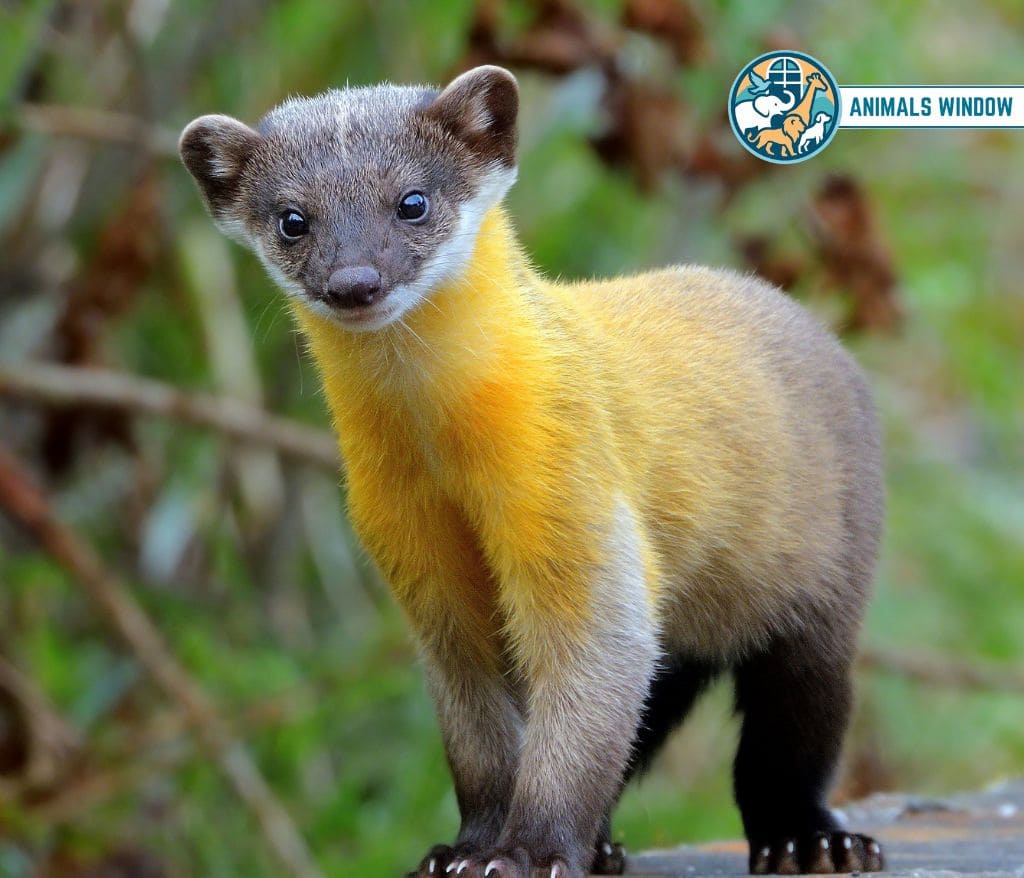
- Scientific name: Martes flavigula
- Size: 45–72 cm body length
- Weight: 1.5–5.7 kg
- Diet: Fruit, small mammals, birds, deer fawns, honey, eggs
- Habitat: Dense forests and forest edges, 1,000–4,000m
- Lifespan: 10–15 years
The Yellow-Throated Marten is the only marten species documented hunting cooperatively in coordinated pairs. Two individuals will pursue a musk deer fawn or small deer together — one flanking, one driving — taking down prey several times their own size.
And it eats almost everything. Fruit, frogs, bees and their honey, bird eggs, lizards, deer fawns, and carrion. This dietary flexibility is rare in a single species. Most predators specialize. This one does the opposite. Its bright yellow-orange throat patch is visible even in forest shadow — some researchers believe it may function as a coordination signal between hunting partners, though this is still being studied.
🔥 Comparison Fact: A Yellow-Throated Marten weighs about the same as a large bottle of water — but has been documented cooperatively chasing prey as large as a young barking deer.
19. Himalayan Monal (Danphe)
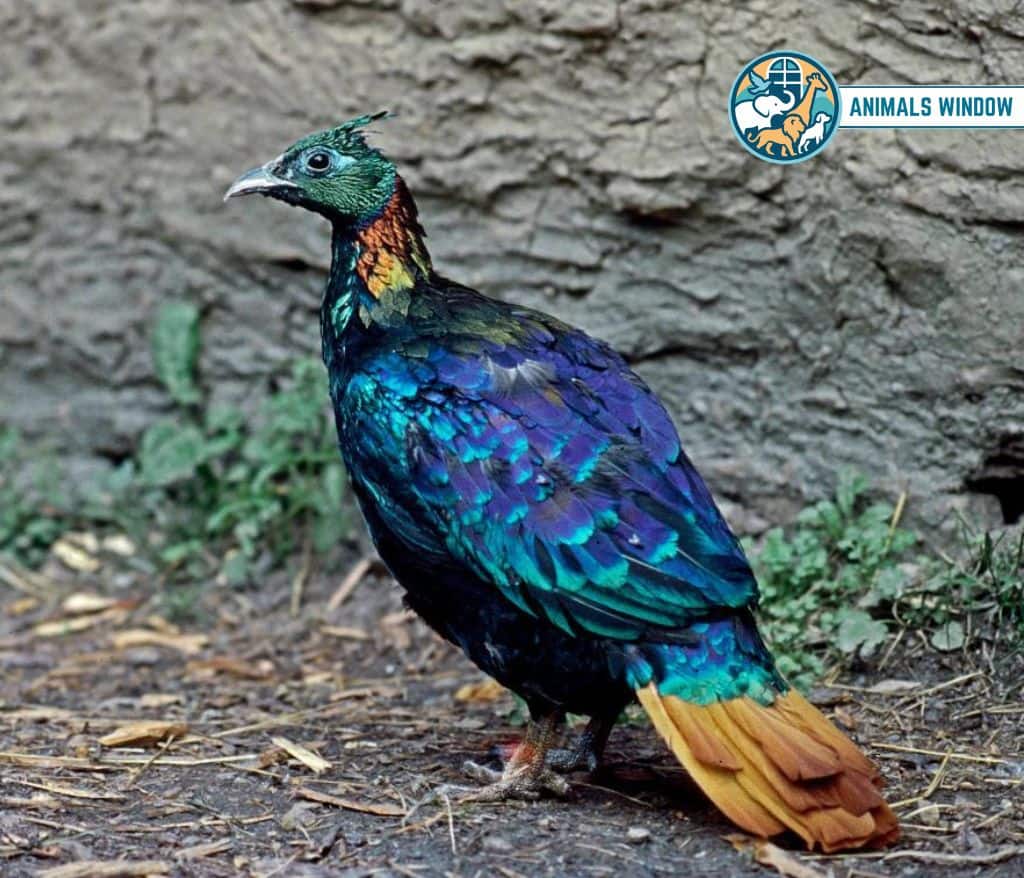
- Scientific name: Lophophorus impejanus
- Size: 58–72 cm
- Weight: 1.8–2.38 kg
- Diet: Tubers, bulbs, insects, seeds, berries
- Habitat: Alpine meadows and forests, 2,400–4,500m
- Lifespan: 15–20 years
The Himalayan Monal — known locally as Danphe — is Nepal’s national bird. The male’s plumage is one of the most complex in any bird species, reflecting up to 9 distinct metallic colors simultaneously depending on the light angle. Photographs rarely capture it accurately. You have to see it in sunlight to understand what it actually looks like.
But the real skill is underground. The Monal uses its strong, curved beak to dig into frozen alpine soil — finding tubers and bulbs that no other ground bird in the region can access. It essentially excavates food during winter months when snow covers the surface, using bill-strikes like a small pickaxe. This digging ability gives it a food source entirely to itself.
🔥 Comparison Fact: A Himalayan Monal weighs about the same as a large avocado — yet digs through frozen ground with its beak to find buried food that most other birds can’t reach.
20. Blood Pheasant
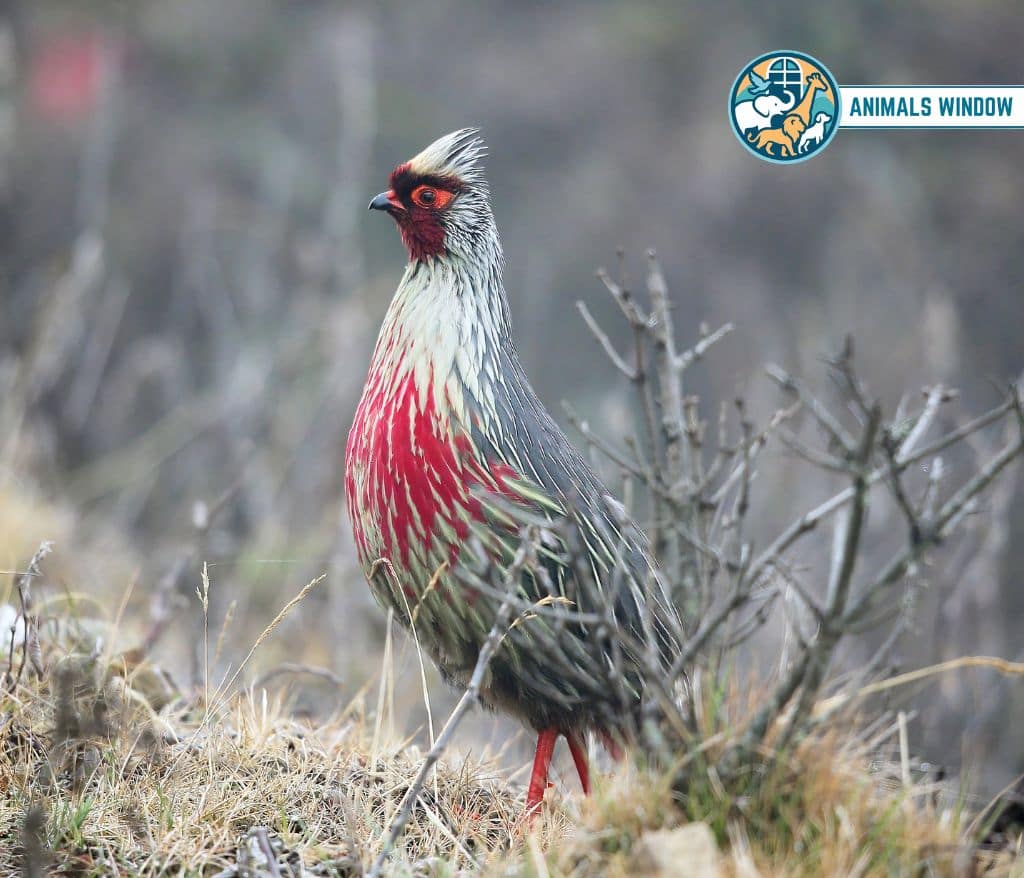
- Scientific name: Ithaginis cruentus
- Size: 38–48 cm
- Weight: 400–680 g
- Diet: Mosses, ferns, seeds, berries, insects
- Habitat: Coniferous and rhododendron forests, 3,000–5,000m
- Lifespan: 5–7 years in the wild
The Blood Pheasant gets its dramatic name from the male’s red-streaked face, breast, and tail feathers. Here’s what most articles miss entirely: that red color isn’t genetic. It comes directly from carotenoid pigments in the bird’s diet — specifically the red berries and certain mosses it eats at high altitude. If the diet changes, the coloration fades. The bird is, in a literal sense, what it eats.
Males have small leg spurs used in territorial fights, but the more unusual behavior is how they respond to predators. Rather than flushing into the air, Blood Pheasants often freeze and flatten, relying on camouflage against leaf litter and snow patches. In mixed forest and snow environments, a motionless Blood Pheasant becomes almost completely invisible — a strategy that works far better at altitude than the more common flush-and-fly escape response.
🔥 Comparison Fact: A Blood Pheasant weighs about as much as two medium apples — and its entire red coloration depends on what specific plants it ate that season, not on its DNA.
FAQ’s About Mount Everest Animals
What is the highest-living animal on Mount Everest?
The Himalayan Jumping Spider (Euophrys omnisuperstes) holds this record, found alive at up to 6,700 meters — higher than any other permanent land animal on Earth.
Are there dangerous animals on Mount Everest?
Yes. Snow leopards, Himalayan Black Bears, and Himalayan Wolves are the most dangerous wild animals in the Everest region. Bear encounters near lower-altitude villages are the most common source of human-wildlife conflict.
How many animals live on Mount Everest?
The Everest region (including surrounding Himalayan zones) supports over 20 mammal species and dozens of bird species. The actual summit area above 7,000m supports only the jumping spider and occasionally high-flying birds.
Do any animals live permanently at Everest Base Camp?
Not permanently. Yellow-Billed Choughs visit Base Camp opportunistically for food scraps. Snow leopards and wolves may pass through the area, but no animal maintains a permanent territory exactly at Base Camp elevation.
Why can Bar-Headed Geese fly over Mount Everest?
They have a specialized hemoglobin mutation that allows their blood to absorb oxygen far more efficiently in low-pressure, thin air. They also use wind patterns strategically, descending into valleys to recover oxygen before climbing again.
Debunked: Common Myths About Mount Everest Wildlife
| Myths | The Real Scientific Fact | Why Competitors Get It Wrong |
| Pallas’s Cat doesn’t live near Everest | A 2023 National Geographic eDNA study confirmed Pallas’s Cat at 5,100m+ in the Everest region — the highest record for this species globally | Most wildlife content is 5–10 years old and predates the eDNA confirmation |
| Animals live permanently at the 8,849m summit | No animal lives at the summit. Bar-Headed Geese fly over it during migration. Even the jumping spider tops out near 6,700m | The word “Everest” gets applied loosely to the entire Himalayan zone, blurring elevation accuracy |
| Red Pandas and Gorals are found near Everest Base Camp | Both species are forest animals that can’t survive above the tree line (~4,000m). Base Camp sits at 5,364m — well above their range | Writers conflate “Himalayan animal” with “Everest animal” without checking actual elevation ranges |
| Snow leopards hunt only in packs | Snow leopards are strictly solitary hunters. Two together means a mother with cubs — not a hunting pair | Big cat pack-hunting narratives from African species get incorrectly applied to Himalayan predators |
| The Himalayan Wolf is just a subspecies of gray wolf | Genetic studies show the Himalayan Wolf is an ancient lineage that may have diverged from other wolves up to 800,000 years ago — making it one of the oldest wolf populations alive | Most content relies on outdated taxonomic classifications that predate modern genomic analysis |
More Related Animals Guides:

I have loved animals since I was a kid. I enjoy reading about how animals live, eat, move, and survive. I started Animals Window to share what I learn in a simple and easy way. I write about animal body parts, size, behavior, diet, habitats, and species. My goal is to make animal facts clear and fun for everyone to understand.