A moth can detect a hunting bat from 100 feet away, before any human would notice a thing. The Greater Wax Moth holds the record for sharpest hearing in the animal kingdom, beating every mammal alive. Bats and dolphins lead among mammals through echolocation. Elephants rule low-frequency sound, picking up rumbles from miles off through their feet. Fifteen animals, fifteen completely different hearing tools — that’s the real story here.
Table of Contents
Quick List of Animals With Best Hearing
- Greater Wax Moth
- Bat
- Dolphin
- Great Grey Owl
- Barn Owl
- Elephant
- Baleen Whale
- Pigeon
- Catfish
- Cat
- Dog
- Wolf
- Horse
- Rabbit
- Rat
The Ultrasonic Echolocation Masters
Greater Wax Moth

- Scientific Name: Galleria mellonella
- Size: About 1.5 cm long
- Weight: Under 0.5 g
- Diet: Beeswax, pollen
- Habitat: Beehives across Europe, Asia, and the Americas
- Lifespan: 3–5 weeks (adult)
This moth lives inside beehives, feeding on wax most insects avoid. Its tympanal organ, a small eardrum on the thorax, picks up sound up to 300 kHz — far past anything a bat can produce.
That sensitivity isn’t accidental. Bats hunt moths with ultrasonic clicks, so over millions of years wax moths evolved ears tuned to those exact frequencies, giving them a warning before a bat closes in. The moth is about the size of a thumbnail. Its hearing range still beats a bat, a dolphin, and a human combined.
Bat
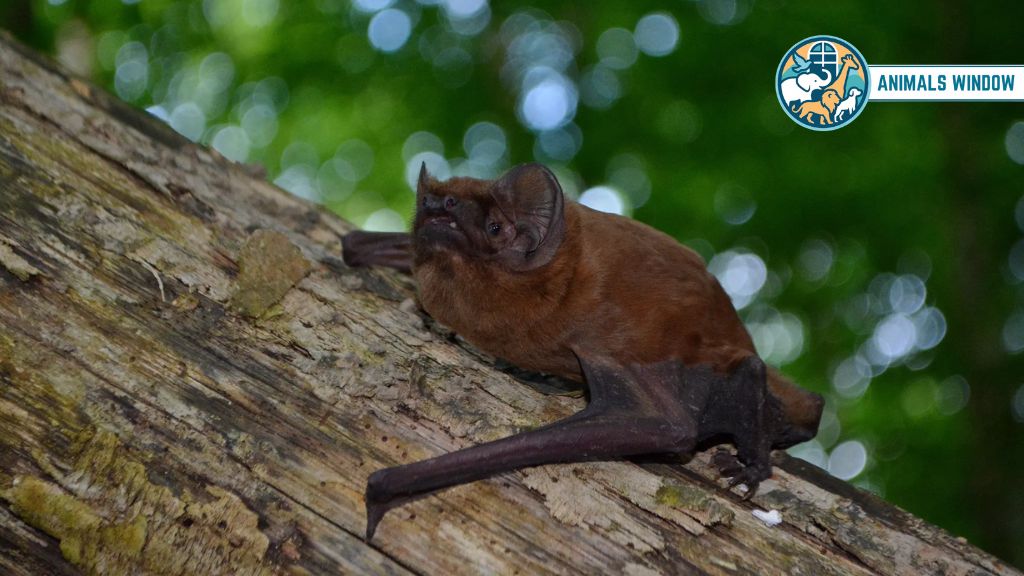
- Scientific name: Chiroptera
- Size: 15 cm to over 1.5 m wingspan
- Weight: 2 g to 1+ kg
- Diet: Insects, fruit, nectar, blood
- Habitat: Caves, trees, buildings worldwide (except Antarctica)
- Lifespan: 10–30 years
Bats hunt at night using sound instead of sight, sending out clicks and reading the echo to build a real-time map of their surroundings.
The pitch isn’t fixed, though. As a bat closes in on prey, it speeds up its call rate dramatically — over 200 clicks per second right before contact. A typical bat is roughly banana-sized, yet it can track an insect smaller than a grain of rice in total darkness.
Dolphin

- Scientific Name: Delphinidae
- Size: 2–4 m
- Weight: 150–650 kg
- Diet: Fish, squid, crustaceans
- Habitat: Oceans worldwide; some freshwater rivers
- Lifespan: 40–60 years
Dolphins live in social pods and depend on sound more than sight underwater, where visibility is often poor. The melon, a fatty organ in the forehead, focuses outgoing sound waves like a lens.
Receiving sound works differently than people assume. Incoming vibrations don’t really enter through the small ear holes — they travel through the lower jawbone, packed with fat that conducts sound to the inner ear. A dolphin is roughly car-length and can detect a coin-sized fish from over 100 meters away using this jaw-conduction route.
The Acoustic Radar Faces
Great Grey Owl

- Scientific Name: Strix nebulosa
- Size: Up to 84 cm (33 in) tall
- Weight: 0.7–1.7 kg (1.5–3.7 lb)
- Diet: Voles, small rodents
- Habitat: Northern forests of Canada, Alaska, and Eurasia
- Lifespan: ~10 years in the wild
One of the tallest owls alive, though most of that height is feathers. It hunts rodents buried under snow, locating them entirely by ear.
The face isn’t decoration — it’s a satellite dish, funneling sound toward the ear openings. Those openings sit at different heights on the skull, so sound from below reaches one ear a fraction of a second before the other. That timing gap lets the owl pinpoint a vole under a foot of snow and dive straight to it, never seeing the target first.
Barn Owl

- Scientific Name: Tyto alba
- Size: 33–39 cm (13–15 in) tall
- Weight: 224–710 g (7.9–25 oz)
- Diet: Mice, voles, shrews
- Habitat: Farmland, grasslands, barns, and open countryside worldwide
- Lifespan: ~4 years in the wild
Smaller than the great grey owl, but it uses the same asymmetrical-ear trick with sharper precision. Researchers rank its sound-location ability among the most accurate of any tested animal.
A barn owl can locate prey in pitch darkness within 1–2 degrees of accuracy, tighter than most lab instruments built for the same job. Its heart-shaped face is roughly dinner-plate sized, and that shape alone does the work of bending sound into its mismatched ears.
The Infrasound Specialists
Elephant

- Scientific Name: Loxodonta africana
- Size: Up to 4 m (13 ft) at the shoulder
- Weight: 2,700–6,000 kg (5,950–13,230 lb)
- Diet: Grasses, bark, fruit, roots
- Habitat: African savannas and forests
- Lifespan: 60–70 years
Elephants communicate across miles using infrasound, rumbles too low for human ears to register, traveling through both air and ground.
The ears aren’t doing this alone. Elephant feet pick up ground vibrations and carry the signal up through bone to the inner ear. An elephant weighs about as much as a city bus, and this ground-and-air combination lets it detect a distant herd or storm from over 6 miles off.
Baleen Whale

- Scientific Name: Mysticeti
- Size: 12–30 m (39–98 ft)
- Weight: Up to 180,000 kg (198 tons)
- Diet: Krill, small fish, plankton
- Habitat: All major oceans
- Lifespan: 70–90 years
Baleen whales specialize in infrasound rather than the ultrasound their toothed cousins use. Calls can travel hundreds of miles through deep ocean channels that carry sound with little loss.
The mechanism is the key difference from toothed whales: instead of jaw-fat conduction for high frequencies, baleen whales rely on skull-bone conduction for sounds below 20 Hz. A blue whale’s call is louder than a jet engine, and the animal itself stretches roughly the length of three school buses.
Pigeon
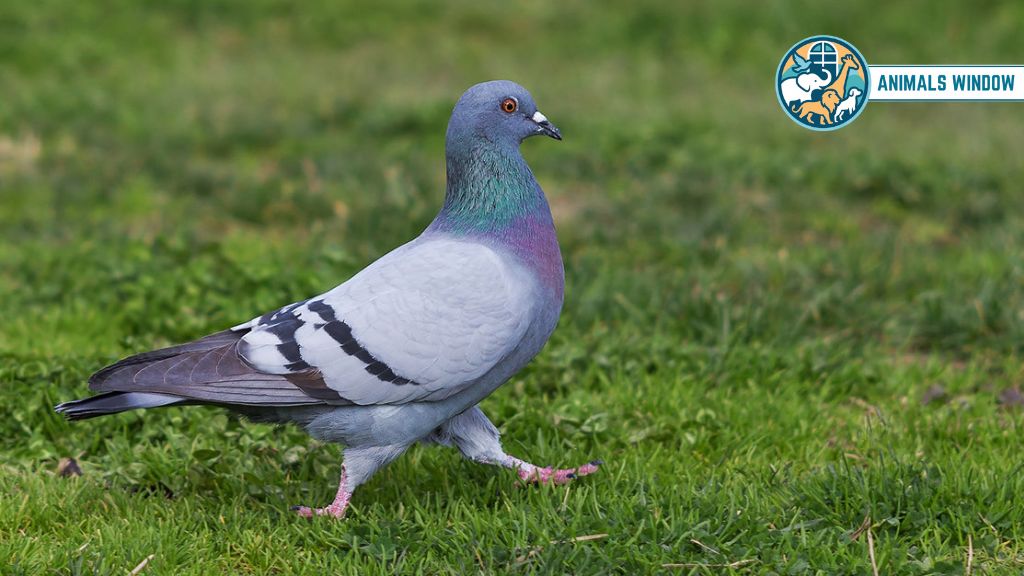
- Scientific name: Columba livia
- Size: 29–37 cm
- Weight: 250–350 g
- Diet: Seeds, grains, scraps
- Habitat: Cities and cliffs worldwide
- Lifespan: 3–5 years (urban), up to 15 years in captivity
Pigeons detect infrasound down to 0.5 Hz, lower than nearly any other bird studied. Scientists believe this helps them sense distant storms and pressure changes across mountain ranges.
This may explain their famous homing ability. Researchers suspect pigeons read infrasound signatures generated by ocean waves and wind striking terrain, effectively building a sound map of the landscape. A pigeon weighs about as much as a smartphone, yet it can register an incoming storm system days before it arrives.
The Sound Amplification Hardware
Catfish

- Scientific name: Siluriformes
- Size: 5 cm to 2.7+ m
- Weight: Up to 150 kg (varies by species)
- Diet: Insects, fish, plant matter, detritus
- Habitat: Freshwater rivers and lakes worldwide
- Lifespan: 8–20 years
Catfish run one of the strangest hearing systems in nature: the Weberian apparatus, a small chain of bones linking the swim bladder directly to the inner ear.
The swim bladder acts like a drum, catching vibrations from the water. The Weberian bones carry that movement straight to the inner ear, amplifying sounds that would otherwise go unnoticed. A catfish the size of a loaf of bread can use this system to detect a predator’s movement several meters away in murky water.
The Pivot-Ear Land Specialists
Cat

- Scientific Name: Felis catus
- Size: 23–25 cm (shoulder height)
- Weight: 3.6–4.5 kg
- Diet: Meat (mainly small prey)
- Habitat: Domesticated worldwide
- Lifespan: 13–17 years
Cats hear an unusually wide range, especially in the high frequencies rodents produce — a direct legacy of their hunting history.
The precision comes from the ears themselves. About 32 muscles control each one, letting a cat rotate them independently up to 180 degrees. One ear can track a sound to the left while the other swivels right, giving near-instant triangulation. A cat’s ear is roughly coin-sized but outperforms most security cameras for directional accuracy.
Dog

- Scientific Name: Canis familiaris
- Size: Varies by breed
- Weight: 1–90 kg
- Diet: Omnivorous (mostly meat)
- Habitat: Domesticated worldwide
- Lifespan: 10–13 years
Dogs hear frequencies far above human range, which is why dog whistles work at all. Ear shape changes the range — upright-eared breeds generally pick up more than floppy-eared ones.
About 18 muscles per ear let a dog swivel and tilt toward a sound source faster than a person turning their whole head. A medium dog’s ear is roughly credit-card sized folded in half, but it can detect a sound from four times farther away than a human ear can.
Wolf

- Scientific name: Canis lupus
- Size: 0.6–0.9 m (shoulder height)
- Weight: 23–80 kg
- Diet: Deer, elk, moose, and smaller mammals
- Habitat: Forests, tundra, and grasslands across the Northern Hemisphere
- Lifespan: 6–8 years (wild)
Wolves lean on hearing as much as smell when tracking prey through dense forest, where sightlines are short. A pack often coordinates a hunt using both howls and the ability to pinpoint distant rustling.
The difference from domestic dogs is range. Wild wolves can detect movement from roughly 6 miles away in open terrain, compared to about 1 mile for most dogs. A wolf’s ear is close to playing-card sized and stays upright and adjusting even while the animal sleeps.
Horse

- Scientific Name: Equus ferus caballus
- Size: 1.4–1.8 m at the shoulder
- Weight: 380–1,000 kg
- Diet: Grasses, hay, grain
- Habitat: Domesticated environments and wild grasslands worldwide
- Lifespan: 25–30 years
Large, funnel-shaped ears evolved for an animal that spent its history as prey on open plains, catching sound from nearly any direction.
Horse ears double as a mood signal. Each one rotates up to 180 degrees, and handlers often read ear position to judge alertness before any other body language shows it. A horse’s ear is roughly hand-length, scanning the horizon almost constantly.
Rabbit

- Scientific Name: Oryctolagus cuniculus
- Size: 8–10 cm ears; body up to 50 cm
- Weight: 1.2–2.7 kg
- Diet: Grasses, clover, vegetables
- Habitat: Grasslands and burrows worldwide
- Lifespan: 8–12 years
Rabbits are prey animals down to the anatomy. Long, upright ears constantly rotate, built to catch a predator before it closes the distance.
The ears pull double duty. They rotate independently across a 270-degree range, nearly a full circle, while thin skin and dense blood vessels let heat escape through them in hot weather. A rabbit’s ear is about the length of a TV remote, working as both a microphone and a radiator at once.
Rat

- Scientific name: Rattus norvegicus
- Size: 20–25 cm (excluding tail)
- Weight: 200–500 g
- Diet: Omnivorous
- Habitat: Urban and rural environments worldwide
- Lifespan: 2–3 years
Rats hear up to 90 kHz, well past human range. The ability ties directly into rat communication, since most of their calls happen in ultrasound, undetectable to predators or people.
Young rats produce ultrasonic distress calls when separated from their mother. Adults use similar high-pitched chirps during play, something researchers describe as close to laughter. A rat is about smartphone-sized, but its hearing reaches frequencies more than four times higher than a human ear can register.
Quick Complete Table of All Animals with Good Hearing
| Animal | Scientific Name | Hearing Range (Hz/kHz) | Primary Acoustic Mechanism |
| Greater Wax Moth | Galleria mellonella | Up to 300 kHz | Tympanal organ |
| Bat | Chiroptera | 1 kHz – 200 kHz | Echolocation |
| Dolphin | Delphinidae | 75 Hz – 150 kHz | Jaw-fat sound conduction |
| Elephant | Loxodonta africana | 1 Hz – 20 kHz | Seismic vibration via feet |
| Great Grey Owl | Strix nebulosa | 50 Hz – 12 kHz | Asymmetrical facial disc |
| Barn Owl | Tyto alba | 1 kHz – 12 kHz | Asymmetrical facial disc |
| Cat | Felis catus | 48 Hz – 85 kHz | 32 independent ear muscles |
| Dog | Canis familiaris | 67 Hz – 45 kHz | 18 independent ear muscles |
| Pigeon | Columba livia | 0.5 Hz – 10 kHz | Infrasound detection |
| Horse | Equus ferus caballus | 55 Hz – 33.5 kHz | Funnel-shaped rotating pinna |
| Rat | Rattus norvegicus | 200 Hz – 90 kHz | Ultrasonic vocal range |
| Toothed Whale | Odontoceti | 150 Hz – 160 kHz | Jawbone fat conduction |
| Baleen Whale | Mysticeti | 10 Hz – 30 kHz | Skull-bone infrasound conduction |
| Wolf | Canis lupus | 65 Hz – 42 kHz | Long-range pinna rotation |
| Rabbit | Oryctolagus cuniculus | 96 Hz – 49 kHz | Dual-purpose pinnae (hearing + cooling) |
| Catfish | Siluriformes | 50 Hz – 4 kHz (amplified) | Weberian apparatus |
FAQs About Which Animals Have the Best Hearing
What animal has the best hearing overall?
The Greater Wax Moth, detecting sound up to 300 kHz — wider than any other tested animal.
What land animal has the best hearing?
Among land mammals, dogs and cats hear the widest frequency range. Elephants detect sound across the longest distance using infrasound and ground vibration.
What mammal has the best hearing?
Bats and dolphins, through echolocation, which builds a detailed sound map in total darkness.
Why do owls hear better than other birds?
A facial disc funnels sound into asymmetrical ear openings, letting owls locate prey in 3D space even with zero light.
Can humans ever hear like these animals?
No. Human hearing tops out around 20 kHz, well below bats, dolphins, rats, or the wax moth. Humans also lack specialized organs like the Weberian apparatus or jaw-fat sound conduction.
Read More Animals Guides:

I have loved animals since I was a kid. I enjoy reading about how animals live, eat, move, and survive. I started Animals Window to share what I learn in a simple and easy way. I write about animal body parts, size, behavior, diet, habitats, and species. My goal is to make animal facts clear and fun for everyone to understand.